Many people habitually cross their legs as soon as they sit down at a desk or on a couch. This common posture feels completely natural and comfortable to most individuals throughout their busy daily routines. Medical professionals and posture experts have identified numerous physical drawbacks associated with maintaining this specific seated position over extended periods.
Increased Blood Pressure
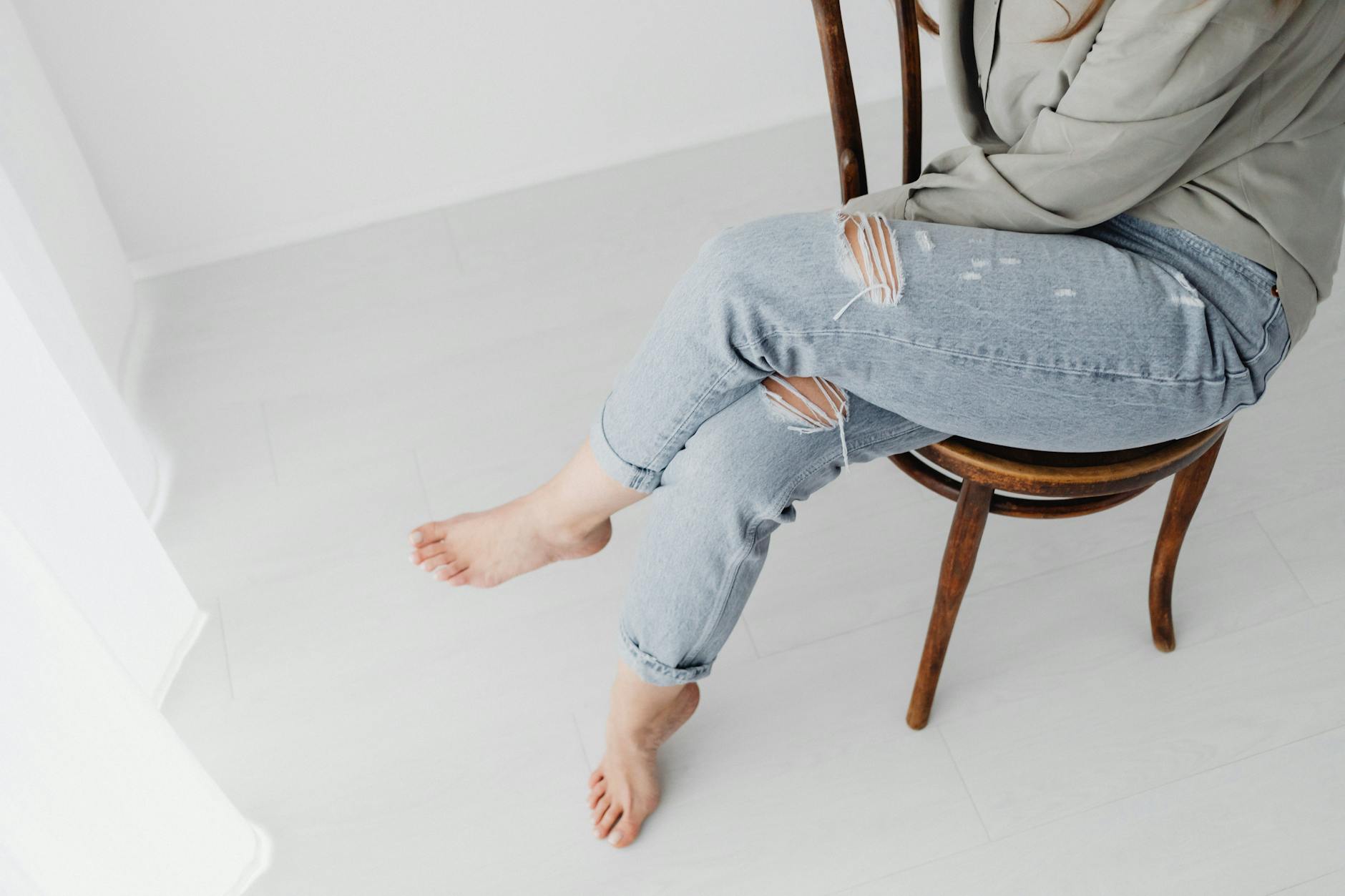
Crossing your legs at the knee causes a temporary but measurable spike in your overall blood pressure. The restricted blood flow forces your heart to pump harder to circulate blood throughout your extremities. This cardiovascular strain goes unnoticed during casual sitting but creates unnecessary stress on your circulatory system. Uncrossing your legs allows your blood vessels to return to their normal diameter and function.
Varicose Vein Development
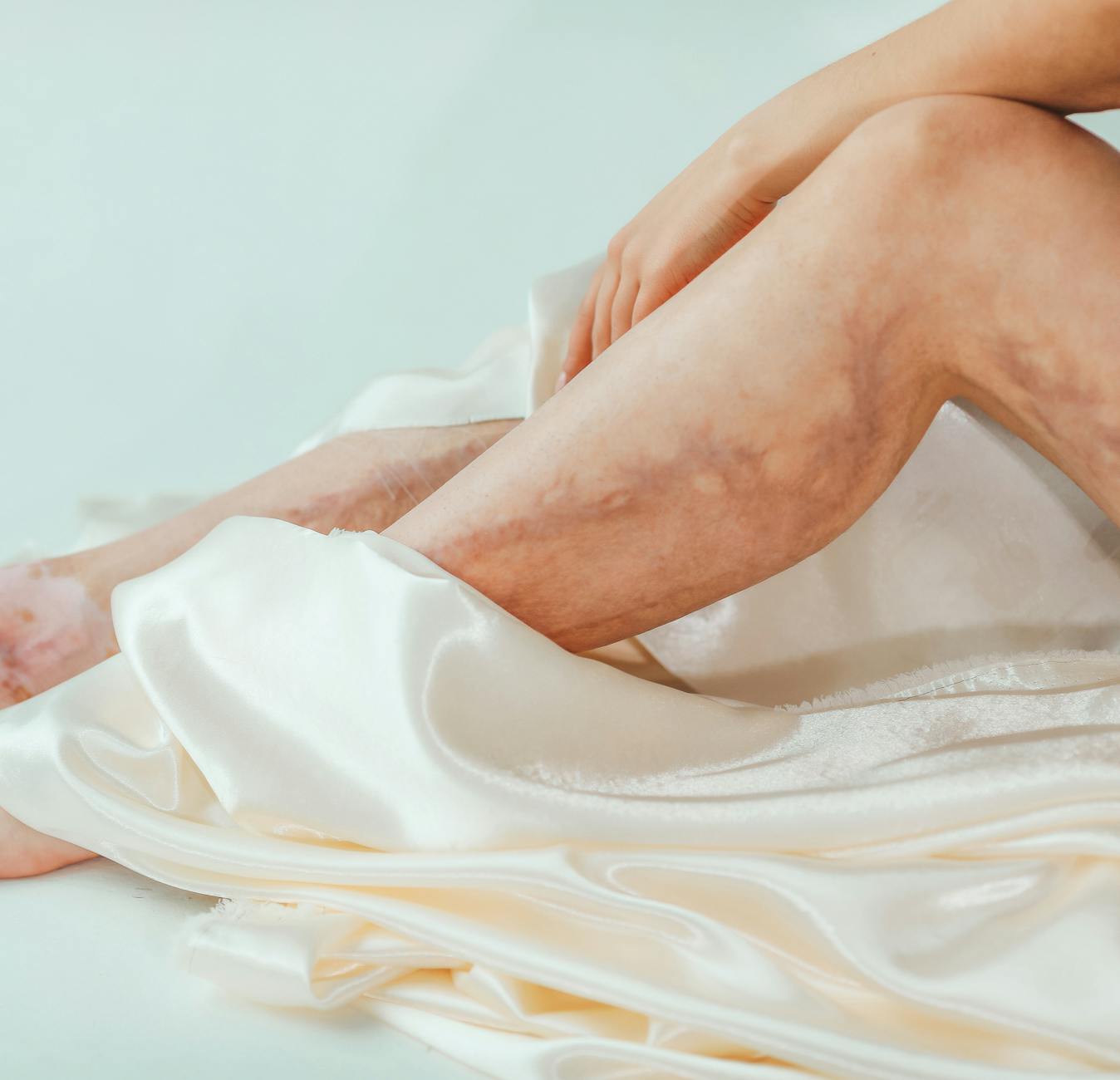
Habitually resting one leg over the other places immense pressure on the delicate veins located behind the knee. This sustained compression damages the tiny valves responsible for keeping your blood flowing strictly toward the heart. Blood then begins to pool in the lower extremities and causes the veins to bulge and become highly visible under the skin. Medical professionals frequently observe a strong correlation between frequent leg crossing and the eventual appearance of prominent spider veins. Keeping your feet flat on the floor effectively eliminates this unnecessary structural damage to your lower leg anatomy.
Pelvic Imbalance
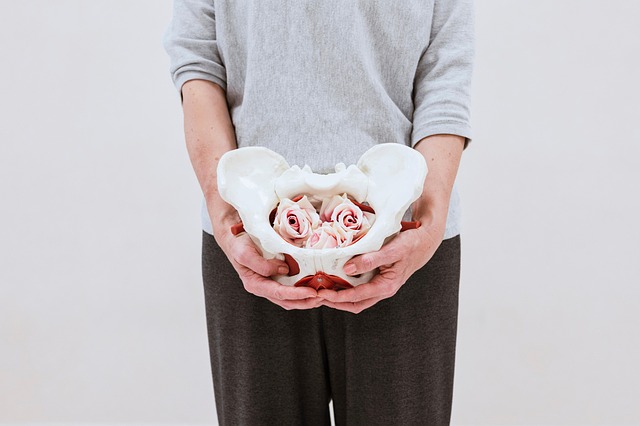
The simple act of shifting one knee over another immediately alters the natural alignment of your entire pelvic region. One side of your pelvis elevates significantly while the opposite side drops to accommodate the twisted posture. This uneven foundation creates a cascading effect of misalignment that travels straight up through your entire spinal column. The supporting muscles surrounding your hips must then contract asymmetrically to prevent your torso from falling over. Over time this repeated uneven muscle activation leads to chronic stiffness and a noticeably restricted range of motion.
Lower Back Pain
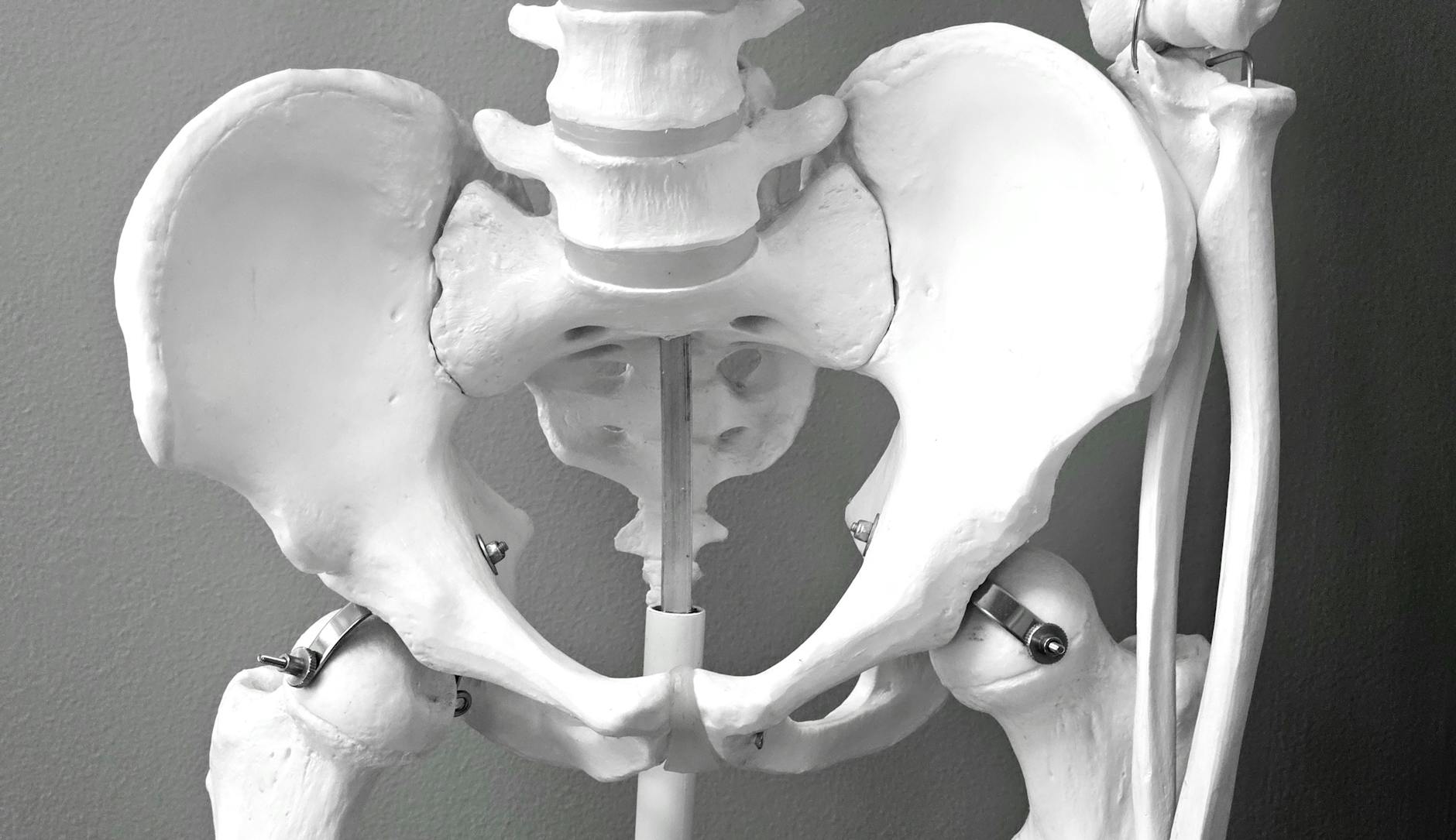
A misaligned pelvis instantly forces the delicate vertebrae of your lower back into an unnatural twisted position. The lumbar spine thrives on symmetry and struggles to maintain its supportive curvature when subjected to a diagonal slant. Surrounding ligaments become stretched on one side and dangerously compressed on the opposite side of your spinal column. This mechanical stress inevitably triggers deep muscular aches and sharp nerve pain after sitting for extended periods.
Peroneal Nerve Compression
The peroneal nerve travels along the outer edge of your knee and remains highly vulnerable to external pressure. Resting the heavy weight of your upper thigh directly over this nerve pathway creates immediate and intense compression. This trapped nerve quickly produces the familiar tingling sensation often described as your foot falling completely asleep. Repeated daily compression of this specific nerve bundle eventually causes long term numbness and a disturbing loss of motor function. Uncrossing your legs immediately relieves this localized pressure and restores healthy nerve conductivity to your lower leg.
Poor Posture Habituation
Crossing your legs naturally encourages your upper body to slouch forward and drop your shoulders toward your chest. Your core muscles completely disengage when you rely on the structural lock of your crossed legs for torso stability. This relaxed abdominal state forces your skeletal system to absorb the entire weight of your upper body. Your neck then juts forward to compensate for the rounded upper back and creates massive tension headaches.
Joint Inflammation
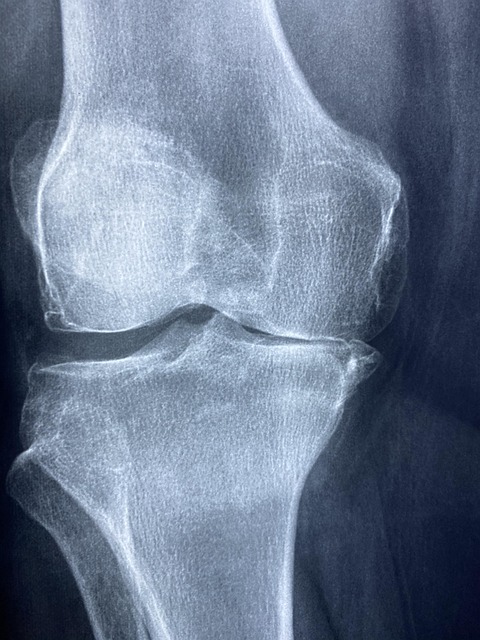
The knee joint relies on a very specific structural alignment to distribute physical weight evenly across its internal cartilage. Twisting the knee to lock an ankle over a thigh severely stretches the stabilizing collateral ligaments on the sides of the joint. This lateral torsion pinches the meniscus and prevents essential synovial fluid from properly lubricating the entire knee capsule. Persistent joint friction triggers an inflammatory response that manifests as swelling and aching pain deep within the knee.
Digestive Discomfort

A slouched posture combined with a twisted pelvis severely compresses your entire abdominal cavity and all enclosed organs. This internal squishing effect actively restricts the natural muscular contractions necessary for moving food through your digestive tract. The stomach lacks the necessary physical space to expand properly after consuming a regular meal or large beverage. Gastric acid often pushes upward into the esophagus and causes severe heartburn solely due to this intense mechanical pressure. Sitting with both feet planted firmly opens up the abdominal space and encourages healthy organ function.
Reduced Lung Capacity

The rounded shoulders that accompany crossed legs directly impede the upward and outward expansion of your ribcage. Your diaphragm cannot descend fully into the compressed abdominal space to draw a deep and restorative breath. This structural restriction forces you to take shallow breaths using only the uppermost portion of your lungs. Shallow breathing severely limits oxygen intake and quickly leads to feelings of mid afternoon fatigue and mental fog.
Hamstring Shortening
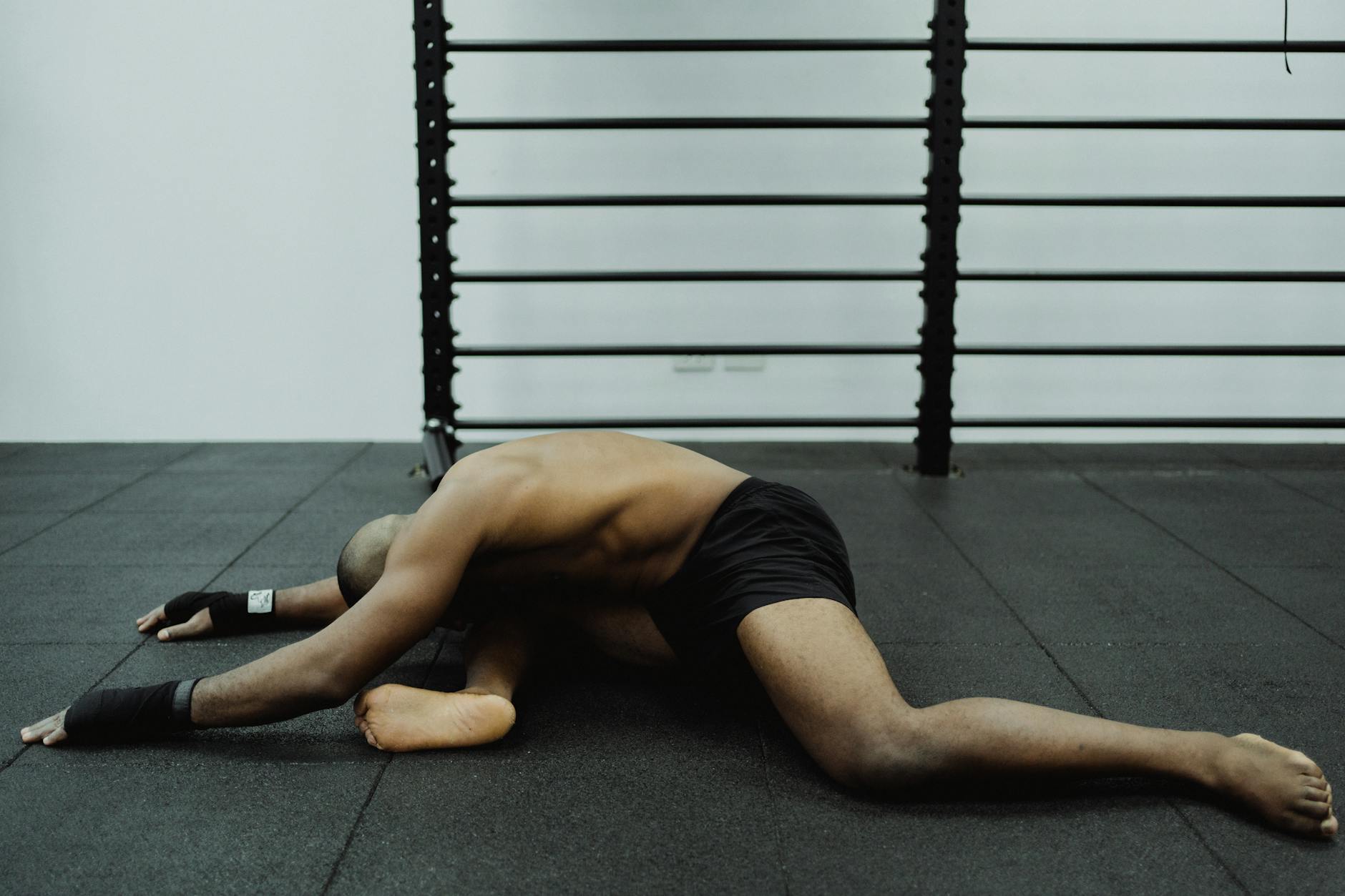
Keeping one leg tightly folded over the other holds the hamstring muscles in a constantly contracted and shortened state. These powerful muscles adapt very quickly to this resting length and lose their natural elasticity over time. Tight hamstrings physically pull downward on your sitting bones and make it incredibly difficult to stand up perfectly straight. Every subsequent attempt to stretch or bend over becomes painful due to this acquired muscular restriction. Sitting symmetrically with knees bent at a proper right angle preserves the functional flexibility of your upper legs.
Please tell us about your own experiences with posture habits and share your thoughts in the comments.