Introverts often find creative ways to limit social time, not out of rudeness but because interactions simply drain their energy. They recharge best in solitude, focusing on personal interests or quiet relaxation instead of small talk at gatherings or events. Extreme introverts take this further, going to great lengths to protect their alone time and viewing it as essential rather than optional. This rarer type stands out even among regular introverts for their dedicated efforts to minimize contact.
One clear sign involves intense preparation before job interviews. Extreme introverts dive deep into researching company employees on platforms like LinkedIn and Facebook. They learn about interviewers’ interests to craft tailored responses and demonstrate thoroughness. Studies from Johns Hopkins University suggest that introverts who anticipate judgment can perform just as well as extroverts in social settings when prepared. This strategy turns potential anxiety into a strength.
Many prefer lingering in the car over stepping inside a restaurant or store. They endure long drive-thru lines to skip face-to-face exchanges with staff. Brain research indicates introverts process stimuli via extended neural paths tied to memory and planning. A short counter interaction demands surprising mental effort, making waiting outside a smarter energy choice.
Casual chit-chat ranks high on their avoidance list. Awkward silences feel preferable to repeated weather discussions or forced friendliness. Surveys reveal that about 74 percent of introverts dislike small talk, far more than the 23 percent of extroverts who feel the same. Psychologist Laurie Helgoe notes that superficial exchanges block the deeper connections introverts crave.
Spending a full month indoors sounds like paradise to them. They rarely experience restlessness from limited outings and emerge refreshed from extended solitude. Thoughtful introverts value reflection and focus so much that isolation renews them emotionally. Home becomes their ideal retreat rather than confinement.
They struggle to recall their last party attendance. Social events like birthdays offer little enjoyment compared to quieter pursuits. Cornell University neuroscientists found extroverts’ dopamine systems react strongly to social rewards and status cues. Introverts possess dopamine too, but it activates differently, leaving celebrations less appealing.
Privacy extends to keeping secrets even from close friends or family. Extreme introverts often confide in no one, not even journals. Psychologist Michael Slepian’s research with over 50,000 participants shows introverts excel at guarding confidential matters. They guard others’ privacy with equal care due to heightened sensitivity.
Conversations see them staying mostly silent despite having plenty of thoughts. They express ideas better in writing after careful reflection. Dr. Marti Olsen Laney’s work on introvert neuroscience highlights how writing pathways feel more natural. Thoughts emerge clearer and more complete on paper than under verbal pressure.
Online messages stay short and responses sporadic. Friends might think they’ve vanished after unanswered chats, but they simply need space. Personality studies indicate extroverts share more freely digitally while introverts conserve energy across platforms. Silence signals recharging, not disinterest.
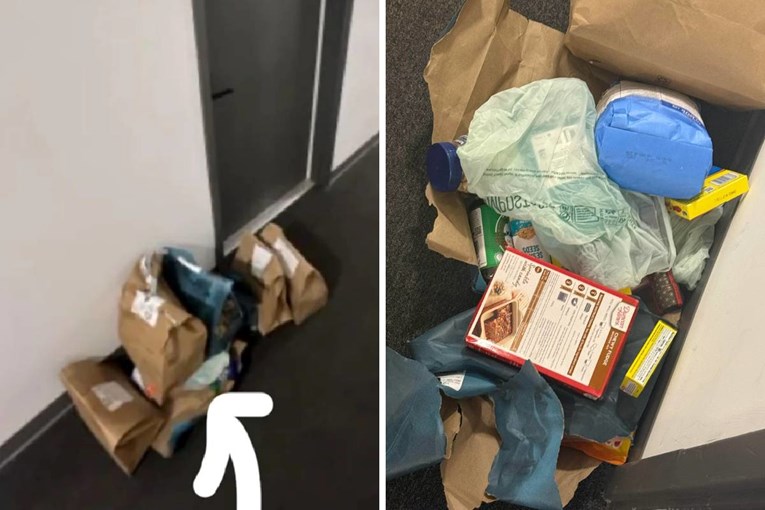
Groceries arrive via delivery apps whenever possible. A 2024 study found 83 percent of introverts favor digital options for routine tasks. They seek any method avoiding in-person contact. If technology eliminates face-to-face steps, they adopt it eagerly.
Shopping trips feel overwhelming due to crowds. They survive weeks without entering stores because the stimulation proves exhausting. Introverts experience elevated physiological arousal in busy environments. Their nervous system stays alert from the moment automatic doors open.
True entertainment means hours of quiet sitting at home. Outings pale next to solitary calm. Extroverts chase dopamine from external sources while introverts thrive on acetylcholine for inner peace. Activities like reading or daydreaming bring genuine satisfaction.
They depart events without elaborate excuses when energy runs low. Less extreme types invent reasons, but these individuals leave directly and appropriately. Freedom to exit on their terms feels sacred. Nothing restores them faster than stepping away.
Phone calls top their list of dreaded interactions. They urge others to text or email instead. Calls go unanswered, landing in voicemail routinely. This habit stems from a deep need for low-stimulation recovery. Extreme introverts simply require substantial solitude to function at their best.
What habits make you think someone is an extreme introvert—share your thoughts in the comments.