Most hotel guests slip between the sheets without a second thought, trusting that the bed has been freshly prepared and sanitized for their stay. Behind the scenes, however, housekeeping staff operate under time pressure and institutional habits that rarely make it into the brochure. What follows is an eye-opening look at what hotel maids know about those blankets that guests almost never find out.
Duvet Washing
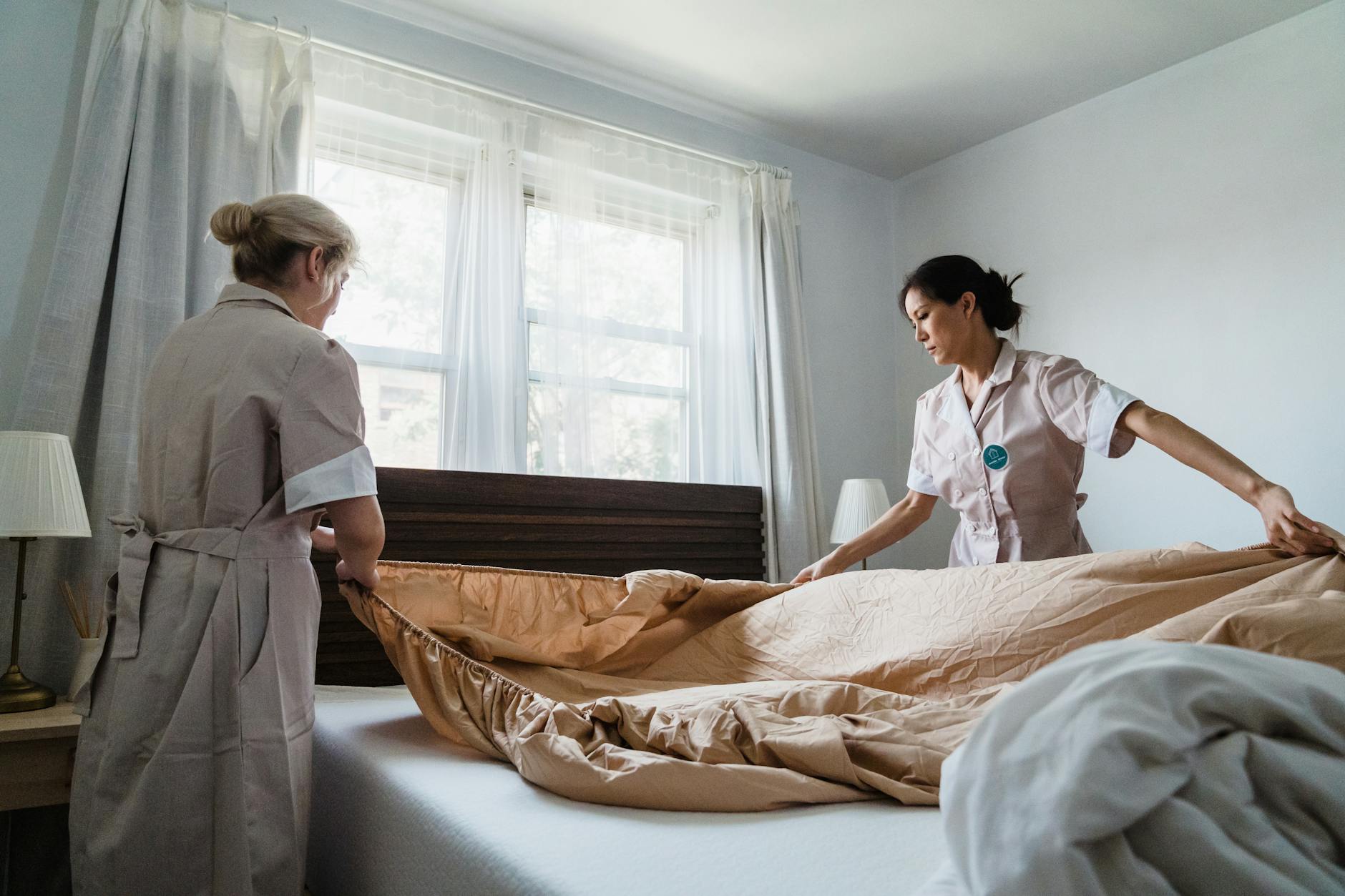
The decorative duvet or comforter draped across most hotel beds is laundered far less frequently than guests assume. Industry insiders have consistently revealed that these bulky top layers are often cycled through dozens of guests before being sent to the laundry. Hotels prioritize the white sheets beneath because those are the visible indicators of cleanliness during inspections. The comforter itself may look pristine while harboring accumulated skin cells, sweat, and body oils from previous occupants. Requesting a freshly laundered duvet at check-in is always a reasonable ask that staff can sometimes accommodate.
Blanket Rotation
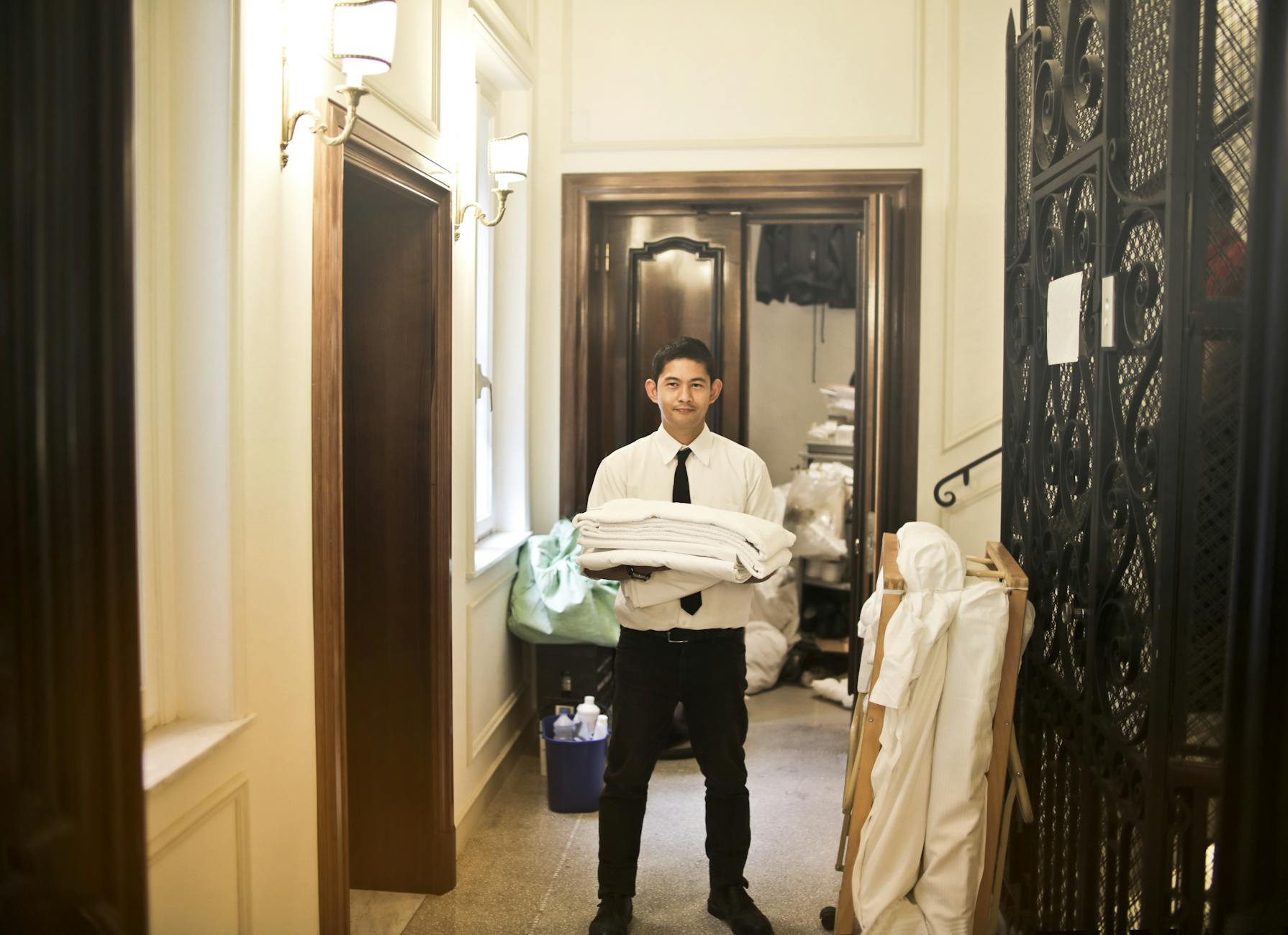
Many hotels operate on a rotation system where blankets are shared across multiple rooms rather than assigned to a single bed. When a guest checks out, the blanket may be refolded and transferred to another room if it shows no visible staining. Housekeeping teams under strict time quotas often rely on visual assessment rather than automatic laundering between every stay. This practice is especially common in budget and mid-range properties where laundry capacity is limited. The blanket on your bed may have warmed a dozen different travelers in the same week.
Fitted Sheet Trick

A widespread shortcut among overworked housekeeping staff involves using the top sheet as a visual barrier rather than a hygiene solution. When time is short, some staff have admitted to simply refolding the blanket and placing it back on the bed with a freshly ironed sheet layered on top. This creates the appearance of a made bed without the blanket ever having been removed or replaced. The tightly tucked presentation that signals cleanliness to guests can in fact conceal an unwashed layer underneath. High thread count presentation is not a guarantee of sanitization.
Laundry Temperature
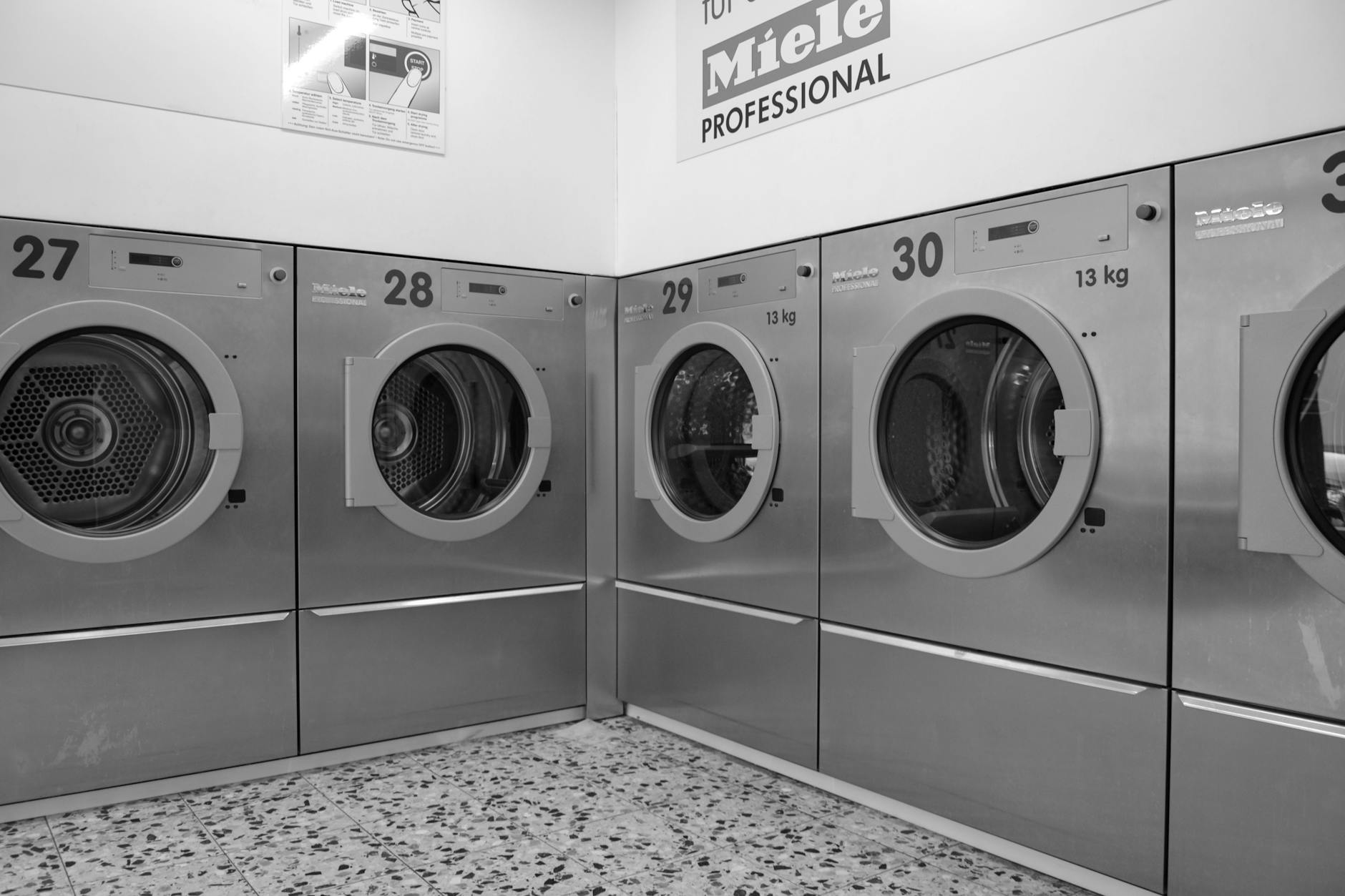
Even when hotel blankets do make it to the laundry, the washing temperature used may not be sufficient to kill common bacteria and dust mites. Industrial laundering facilities serve many clients and often use standardized cycles that prioritize fabric preservation over deep sanitation. Blankets made from delicate materials are frequently washed at lower temperatures to prevent shrinkage or damage. Research in hospitality hygiene has noted that temperatures below 60 degrees Celsius fail to eliminate a significant portion of microbial load. Guests with allergies or sensitive immune systems are particularly affected by this gap in sanitation standards.
Inspection Oversight
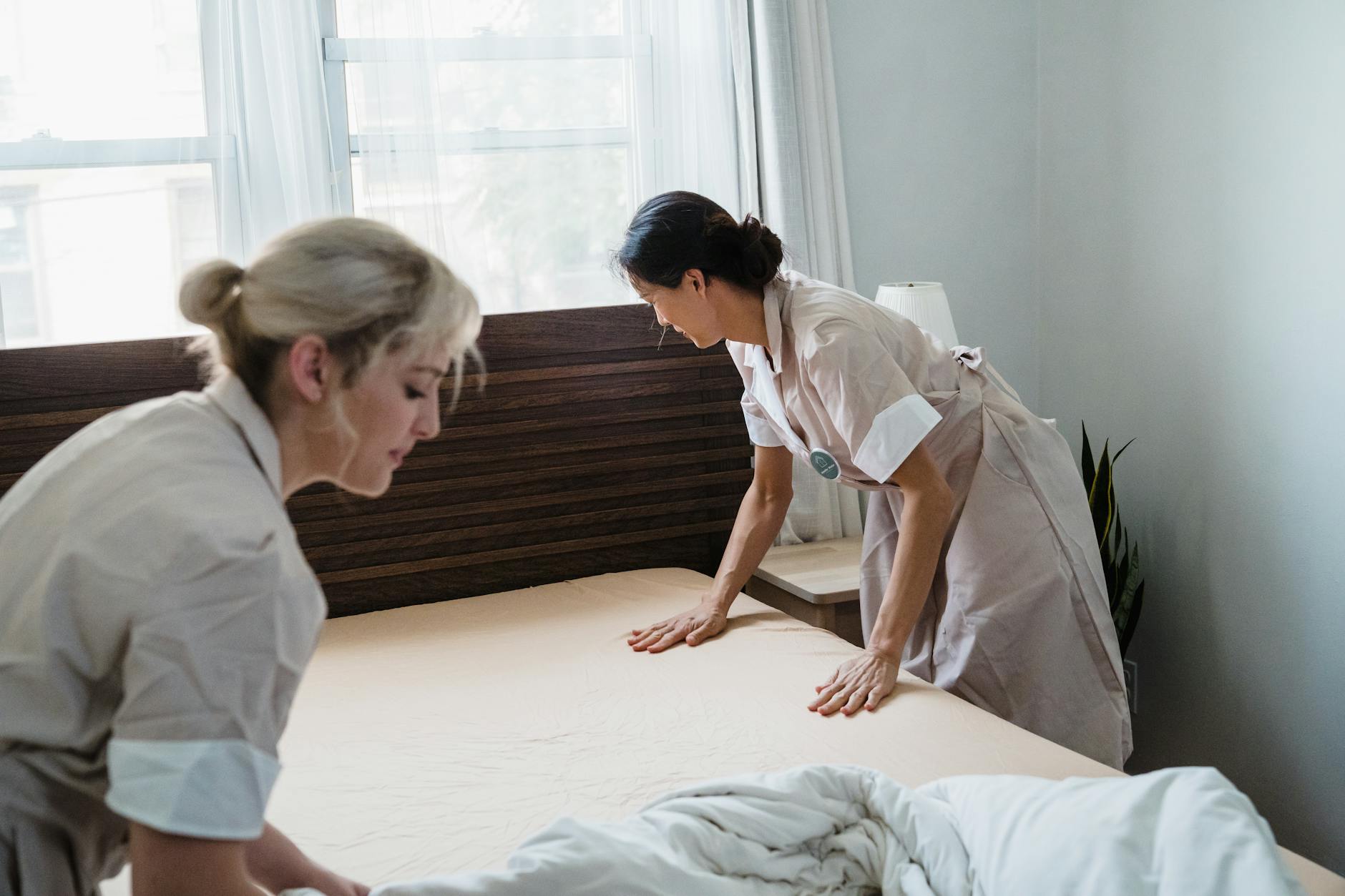
Hotel quality inspections typically focus on visual cleanliness rather than microbiological testing of bedding. Inspectors check for wrinkles, stains, and presentation rather than conducting any form of laboratory analysis. This means that a blanket can pass a routine inspection while still carrying allergens, bacteria, or residual contaminants invisible to the naked eye. Housekeeping supervisors are trained to prioritize what guests can see the moment they open the door. The inspection system is not designed to catch what lies beneath a pristine surface presentation.
Stain Removal
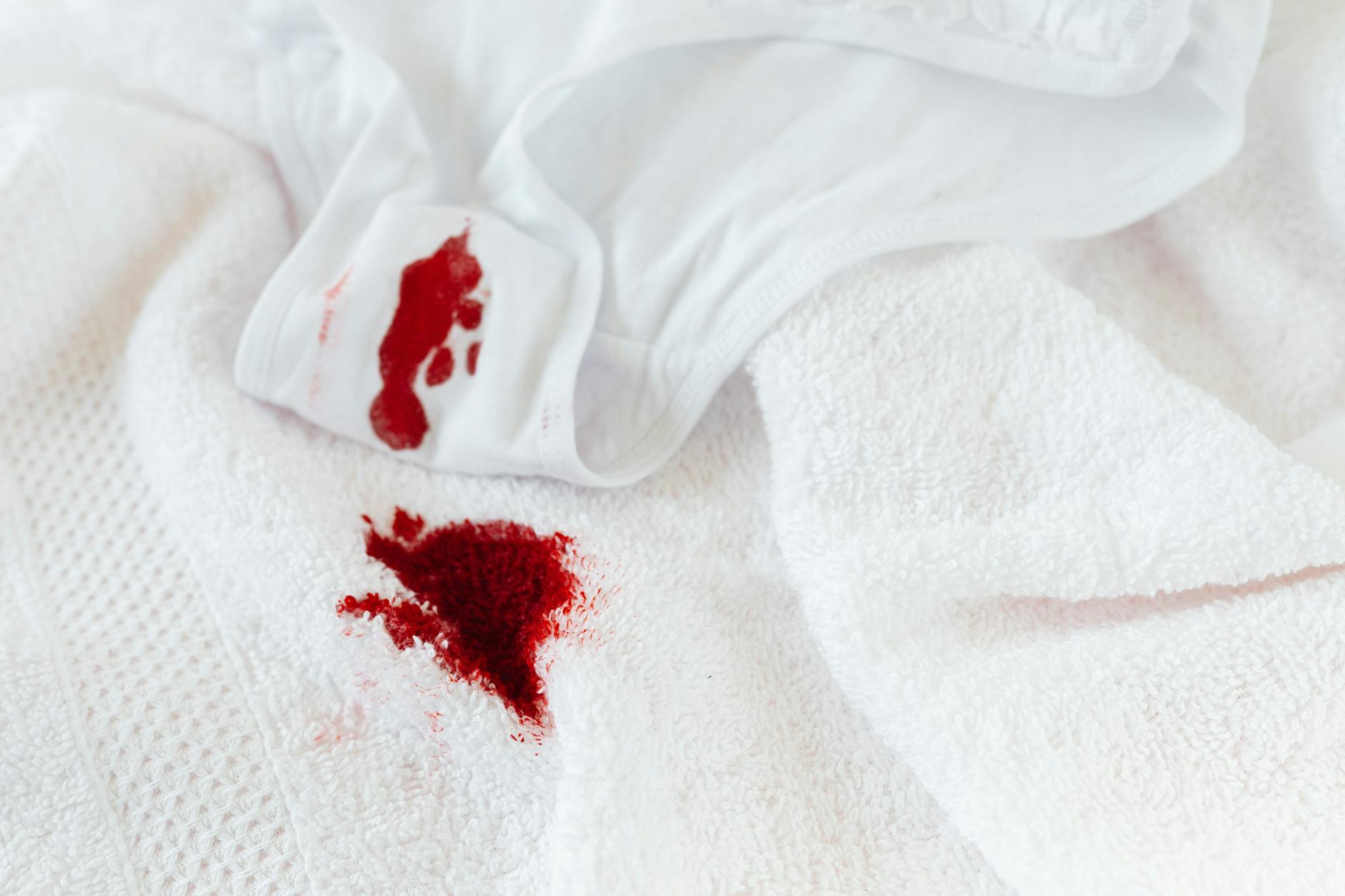
When a blanket arrives in the laundry with a visible stain, it is not automatically discarded or sent for specialist treatment. Staff are often trained to treat the specific spot and return the blanket to rotation as quickly as possible. Partial stain removal can leave behind residual compounds from both the original stain and the cleaning agents used to treat it. Hotels track linen replacement costs carefully, and blankets are kept in circulation far longer than most guests would find acceptable if they knew. What appears as a faint shadow on the fabric may be the remnant of a previous guest’s illness or accident.
Allergen Buildup

Blankets that are infrequently washed become reservoirs for common allergens including dust mites, pet dander carried in on luggage, and mold spores. Dust mites thrive in warm, fabric-rich environments and reproduce rapidly in bedding that retains human body heat night after night. Studies in environmental health have found that hotel bedding can carry allergen levels comparable to those found in residential homes with no regular washing routines. Guests who suffer from asthma or eczema may notice flare-ups during hotel stays that they incorrectly attribute to air conditioning or travel stress. The blanket is frequently the overlooked culprit in these situations.
Folded Decorative Throws

The decorative throw or accent blanket folded neatly at the foot of the bed is among the least-washed items in any hotel room. It exists primarily for aesthetic staging and is rarely included in the standard linen change cycle. Because guests seldom unfold these throws and housekeeping staff frequently leave them in place between stays, they can go weeks or months without laundering. Hospitality industry workers have noted that these pieces are treated more like furniture accessories than like bedding that requires regular sanitation. Removing it from the bed entirely is a precaution many frequent travelers quietly practice.
Guest Behavior Residue

What previous guests do in hotel beds directly affects the condition of the blanket that awaits the next occupant. Eating in bed, sleeping with pets smuggled into pet-free rooms, and using blankets during illness are all behaviors housekeeping discovers regularly. When a blanket is visually inspected and shows no obvious soiling, it is often returned to the bed without additional laundering. The biological residue left behind by varied guest behavior accumulates in the fibers of blankets over time in ways that surface inspection cannot detect. Routine laundering schedules are simply not frequent enough to address the diversity of what these blankets absorb.
Shortage Pressure
Many hotels operate with a chronic shortage of spare linen, particularly during peak occupancy periods and tourist seasons. When the laundry backlog is high and rooms must be turned over quickly, blankets that might ordinarily be washed are pressed back into service out of operational necessity. Housekeeping managers have acknowledged that linen shortages are one of the primary reasons sanitation standards slip during busy periods. Staff are placed in an impossible position between cleanliness standards and checkout deadlines. The result is that the blanket a guest encounters during a popular holiday weekend may be among the least-clean of the year.
Pillow Protector Gaps
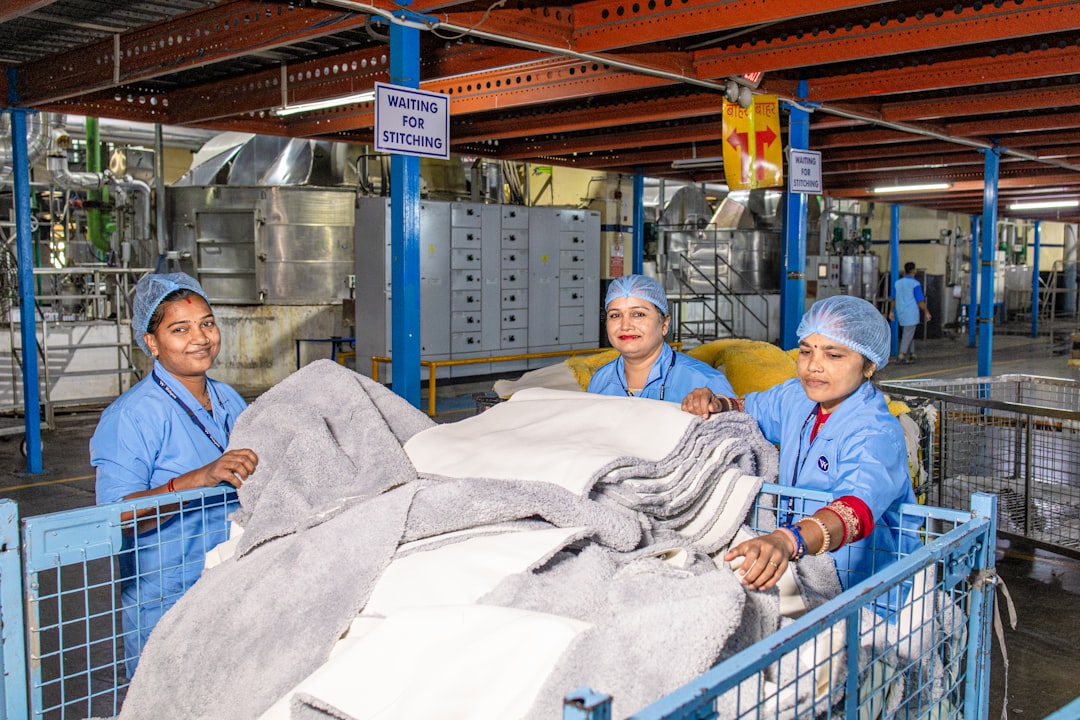
While most hotels use pillow protectors beneath pillowcases, no equivalent barrier is standard practice for blankets. A fitted sheet is the only layer between a guest and a blanket that may not have been washed in weeks. Unlike pillows, which have at least some institutional recognition as hygiene risks, blankets occupy a regulatory grey area in most hotel housekeeping protocols. Industry guidelines vary widely by country and hotel classification, leaving significant discretion to individual properties. The absence of a standardized blanket hygiene protocol means that guest exposure varies enormously from one property to the next.
Color Choice Strategy

Hotels deliberately choose blankets and duvets in off-white, cream, or patterned designs because these shades are more forgiving of the minor soiling and discoloration that accumulates between washes. Pure white shows stains immediately, which triggers replacement or laundering cycles that cost the property time and money. Darker or patterned blankets can conceal a significant amount of wear and contamination while still appearing presentable at a glance. This color strategy is not accidental but rather a calculated aspect of linen procurement in cost-conscious hospitality management. Guests who notice this pattern across multiple properties are picking up on a deliberate operational choice.
Third-Party Laundry
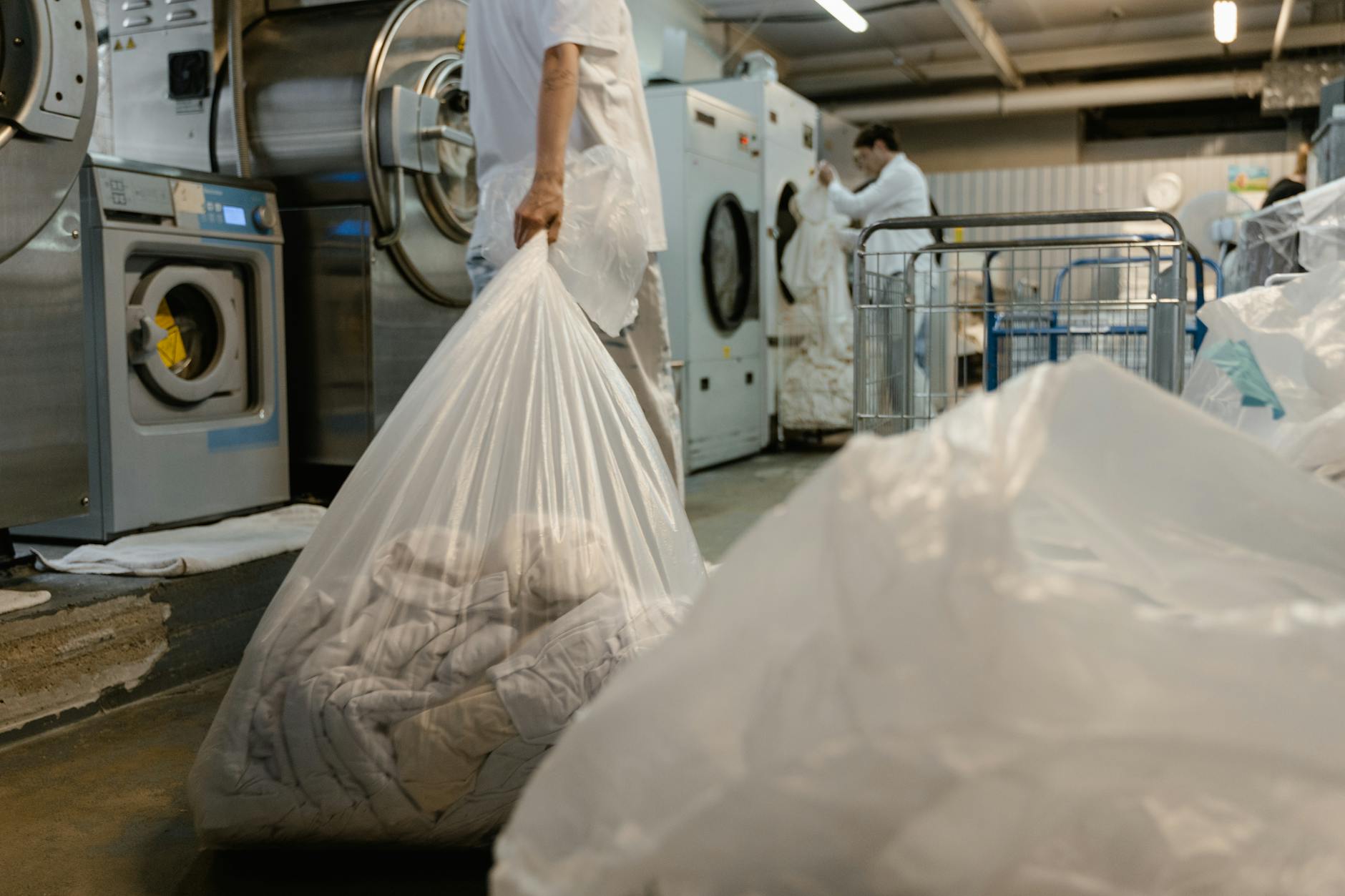
A significant proportion of hotel linen is not washed on-site but sent to third-party commercial laundries that service dozens of businesses simultaneously. The conditions, temperatures, and detergents used at these facilities are outside the direct control of the hotel itself. Quality inconsistencies at the laundry level can result in blankets being returned that smell fresh but have not been sanitized to the standard a guest would expect. Contract laundries are subject to their own operational pressures and may prioritize throughput over thoroughness during peak periods. The blanket on your bed may have passed through a facility that handles restaurant linens, medical uniforms, and spa towels all in the same wash cycle.
Maid Shortage Impact
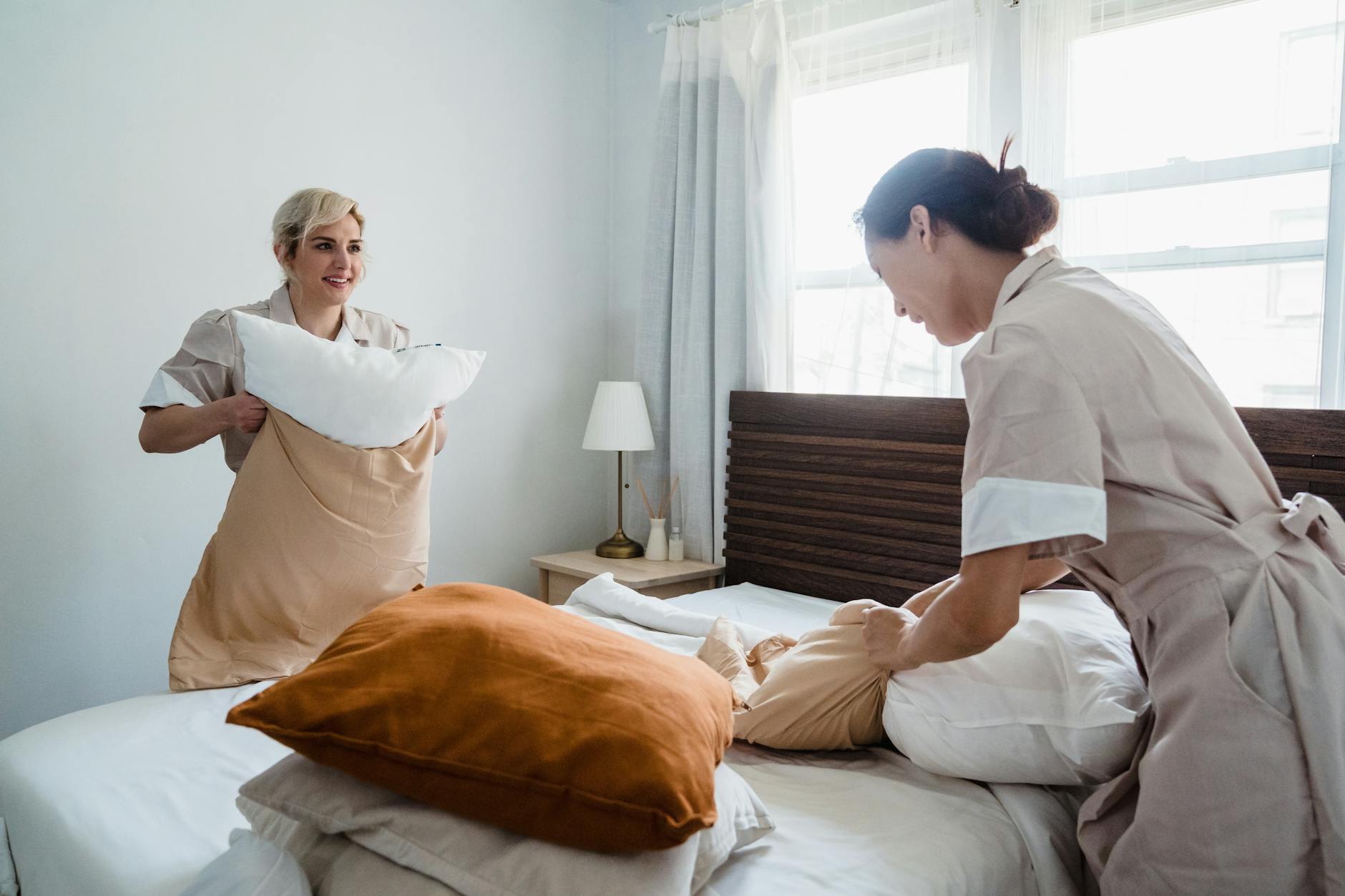
The global hospitality industry has faced persistent staffing shortages that have placed extraordinary pressure on the housekeeping teams that remain. Fewer staff assigned to the same number of rooms means less time per room and more decisions made in the interest of speed over sanitation. Experienced housekeepers who might once have flagged a questionable blanket for laundering are replaced by undertrained temporary workers operating under time pressure. Industry reporting has documented that linen hygiene is consistently one of the first standards to suffer when staffing levels drop below optimal. Guests benefit from understanding that the cleanliness of their bedding is directly connected to the working conditions of the people preparing their room.
Chemical Residue
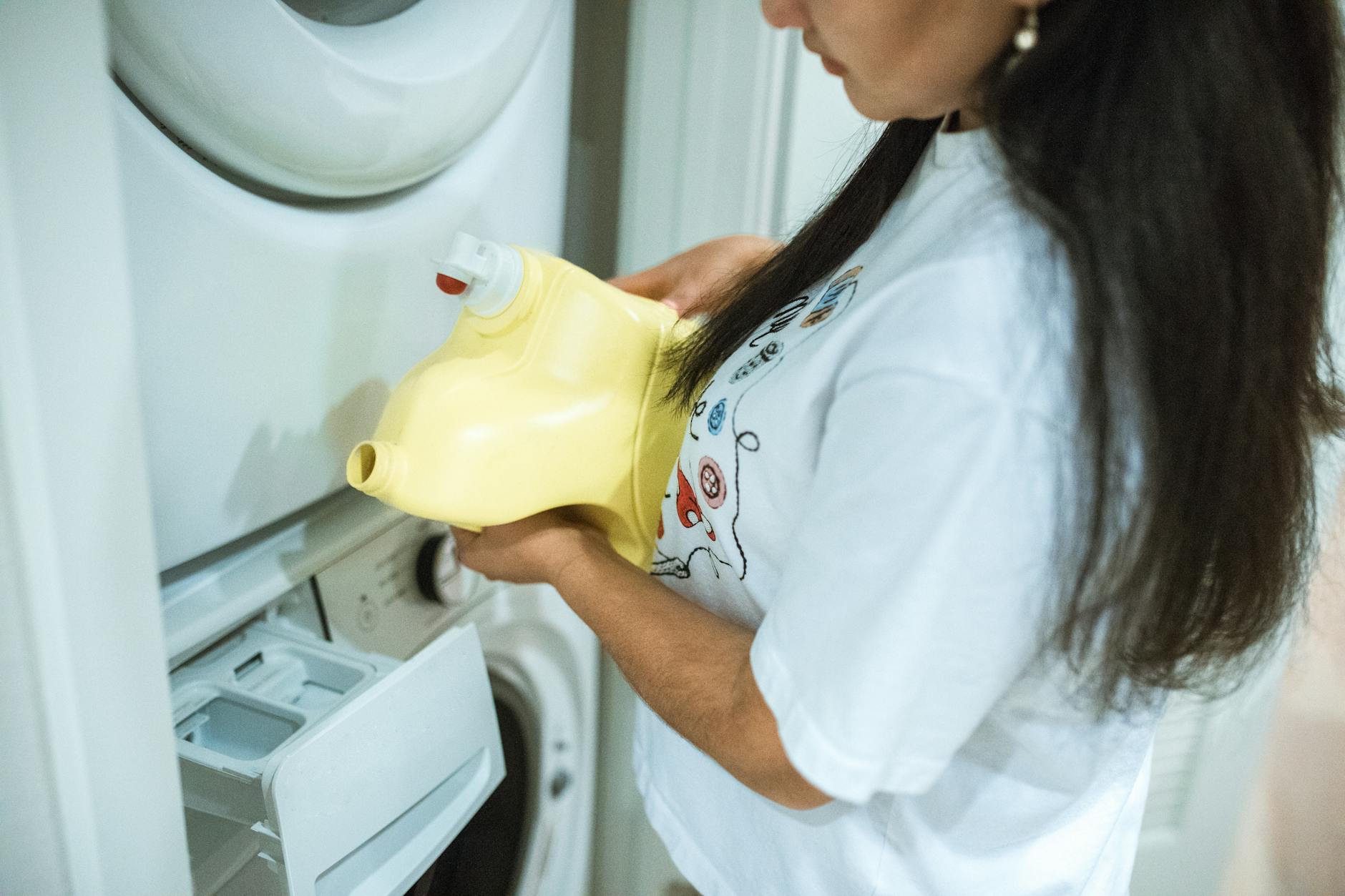
Commercial laundry detergents and fabric softeners used in bulk hotel laundering often leave behind chemical residue that is not fully rinsed from heavy blanket fabric. These residues can cause skin irritation, contact dermatitis, and respiratory sensitivity in guests who have reactions to synthetic fragrance compounds. The heavy scent that many guests associate with clean hotel bedding is frequently the smell of these residual chemicals rather than biological cleanliness. Blankets washed infrequently but treated with fabric refresher sprays between guests may smell laundered without having been washed at all. The olfactory impression of cleanliness is one of the most misleading signals in the hotel room environment.
If this changes how you think about hotel bedding, share your thoughts and travel hygiene tips in the comments.