Proper facial cleansing forms the foundation of every effective skincare routine but many people unknowingly make mistakes that damage their complexion. These common errors can lead to dryness, irritation, or persistent breakouts despite your best efforts to maintain hygiene. Identifying these habits is the first step toward adjusting your daily regimen for a healthier and more radiant glow. The following signs indicate that your washing technique requires immediate modification to protect your skin barrier.
Using Extreme Water Temperatures

Hot water might feel relaxing but it strips the skin of essential natural oils and leads to significant dryness. Cold water often fails to dissolve dirt and oil effectively which leaves residue behind on the pore surface. Lukewarm water serves as the ideal medium to cleanse without causing shock or irritation to the protective barrier. Washing with water that is too hot can also dilate blood vessels and cause lasting redness for sensitive types.
Cleansing Too Frequently

Washing your face more than twice a day can disrupt the acid mantle and leave skin vulnerable to bacteria. This excessive habit signals the glands to produce even more oil to compensate for the sudden dryness. Most skin types only require a gentle morning rinse and a thorough evening cleanse to stay balanced. Stick to a consistent schedule to maintain hydration and prevent unnecessary irritation or flaking.
Ignoring Your Skin Type

Using a cleanser formulated for oily skin when you are dry causes tightness and uncomfortable peeling. Creamy formulas work best for dry complexions while foaming gels generally suit oily or acne-prone faces better. Selecting the wrong product creates an immediate imbalance that no amount of moisturizer can fully correct. Review the ingredients list to ensure your chosen cleanser aligns with your specific biological needs.
Skipping Hand Washing

Touching your face with unwashed hands transfers bacteria and dirt directly onto your skin before cleansing begins. This counterproductive habit introduces new pathogens rather than removing existing impurities from the day. Bacteria found on door handles or phones can easily cause infections if they are not washed away first. You must scrub your hands with soap for twenty seconds before touching your facial skin.
Rubbing With A Towel

Aggressively drying your face with a towel causes micro-tears and accelerates the aging process through unnecessary friction. The delicate skin on the face requires a gentle patting motion to absorb excess water without pulling. Vigorous rubbing can also inflame active breakouts and spread bacteria to surrounding pores. Treat your skin with the same delicacy you would use for a fragile fabric.
Reusing Dirty Washcloths

Damp washcloths are a breeding ground for mold and bacteria when left in the bathroom environment. Reusing a cloth introduces yesterday’s dirt and microbes back into your freshly cleaned pores. You should use a fresh cloth every single time you wash your face to ensure true cleanliness. Consider switching to your hands or a silicone tool if daily laundry is not feasible.
Relying Solely On Wipes
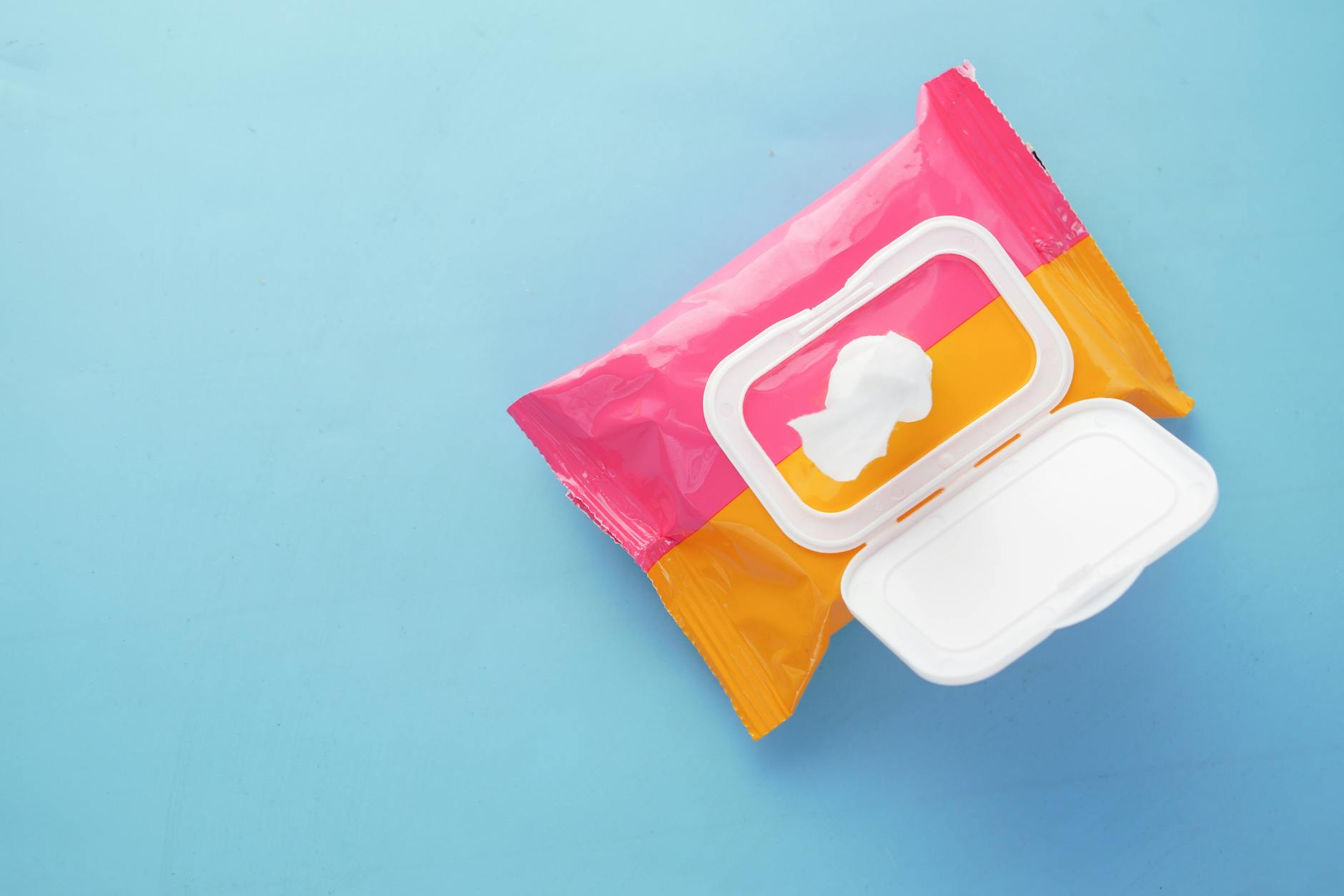
Makeup wipes mostly smear dirt and cosmetics around the face rather than lifting them off completely. They often contain harsh preservatives and fragrances that remain on the skin and cause irritation. Relying on them as a primary cleansing method leaves a film of grime that clogs pores overnight. Wipes should only be used as a preliminary step or for occasional emergencies.
Over-Exfoliating The Skin

Scrubbing your face daily with grainy exfoliants destroys the protective barrier and leaves skin raw. Physical scrubs can cause inflammation and actually increase oil production as a defense mechanism. Chemical exfoliants are generally gentler but still should be used only a few times a week. Limiting exfoliation allows the skin cells to regenerate naturally without constant abrasion.
Rinsing Insufficiently

Leaving cleanser residue on the skin leads to clogged pores and attracts dirt throughout the day. The accumulation of dried soap can cause significant irritation and interfere with the absorption of other products. You must splash water on your face until every trace of the product feels completely gone. particular attention should be paid to the hairline and jawline where suds often accumulate.
Forgetting The Neck

The skin on the neck and décolletage is just as delicate as the face and requires the same attention. Neglecting to wash this area allows sweat and pollutants to build up and cause premature aging lines. You should extend your cleansing motion down to the chest to ensure uniform hygiene and care. Treating the face and neck as a single unit prevents distinct differences in skin texture.
Waiting To Moisturize
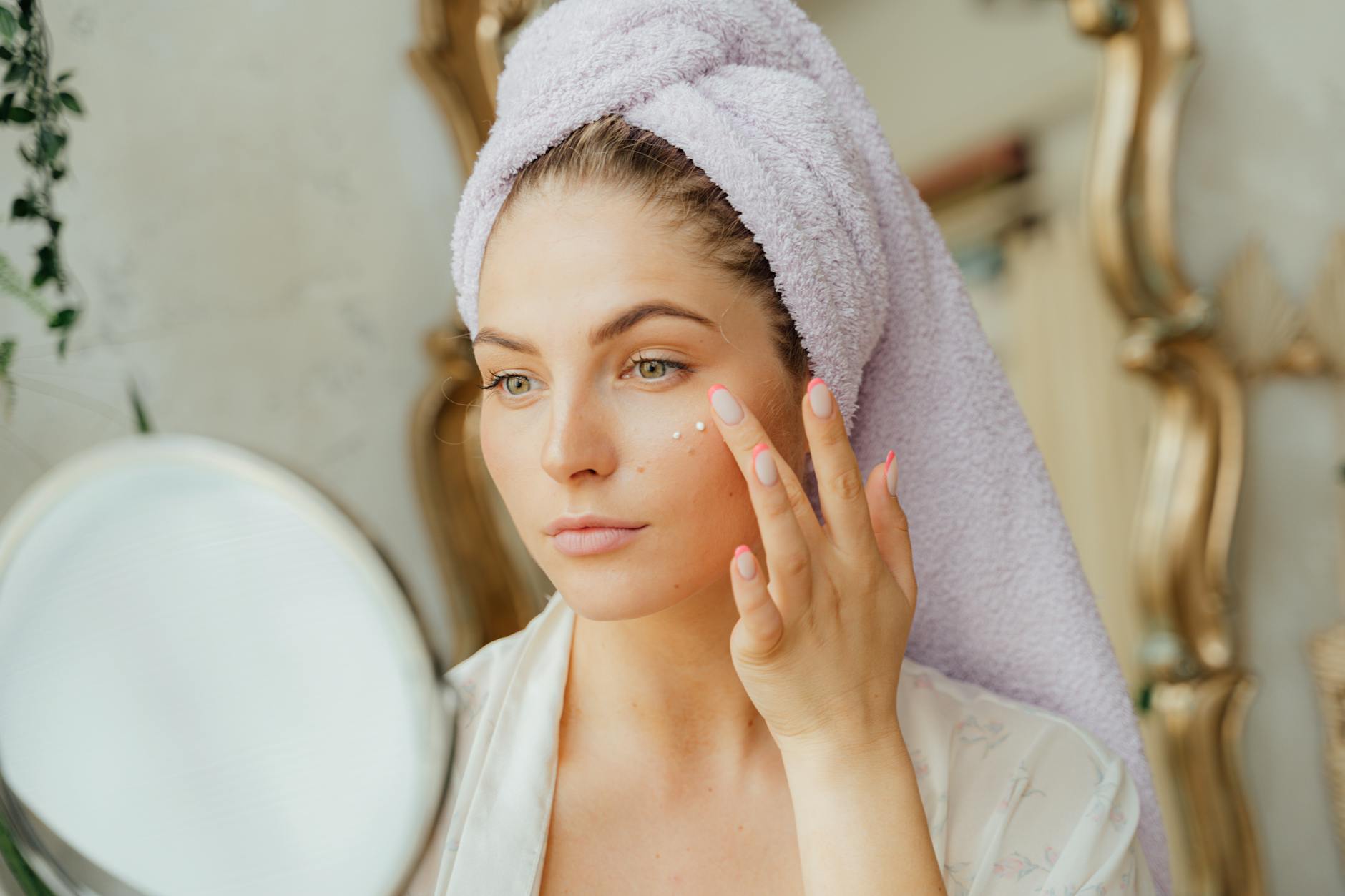
Applying moisturizer to completely dry skin significantly reduces its ability to lock in hydration. Skincare products absorb much better when the face is still slightly damp from washing. Waiting too long allows water to evaporate from the surface and leaves the skin feeling tight. You should apply your serums and creams within one minute of toweling off.
Skipping Double Cleansing

One pass of cleanser is often insufficient to remove sunscreen and long-wear makeup completely. The double cleansing method involves using an oil-based balm first to break down products and then a water-based wash to clean the skin. Skipping this first step leaves behind invisible layers of debris that contribute to congestion. This technique is especially critical for those who wear heavy cosmetics or waterproof SPF.
Scrubbing Too Hard

Using excessive pressure while washing does not result in cleaner skin but rather causes trauma. The fingers should glide over the surface in circular motions without dragging the tissue down. Heavy-handed scrubbing breaks capillaries and leads to permanent redness or sensitivity. A gentle touch is far more effective at dislodging dirt without damaging the structure.
Using Harsh Body Soap
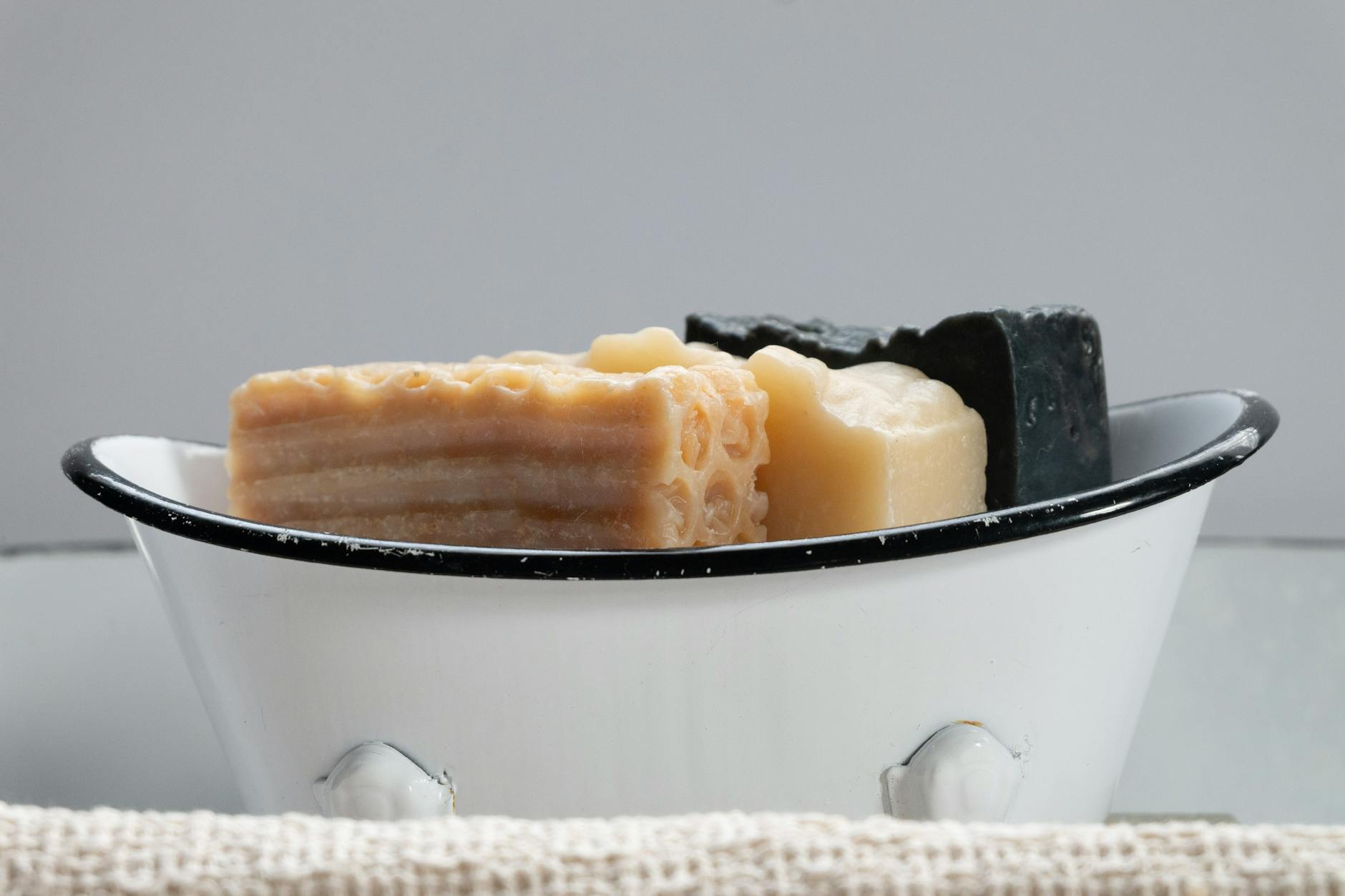
Bar soaps designed for the body have a high pH level that is far too alkaline for facial skin. These products strip away the acid mantle and leave the face vulnerable to bacterial growth and infection. The result is often a squeaky clean feeling that actually indicates dangerous dehydration. Always choose a cleanser that is pH-balanced specifically for the delicate facial area.
Drying With A Used Hand Towel

Hand towels hanging by the sink harbor different bacteria than bath towels due to frequent use by multiple people. Wiping your clean face with a communal towel undoes the work of cleansing instantly. Designate a specific towel for your face that no one else uses for their hands. This simple switch prevents cross-contamination and keeps your complexion clear.
Tell us which of these skincare habits you plan to change in the comments.