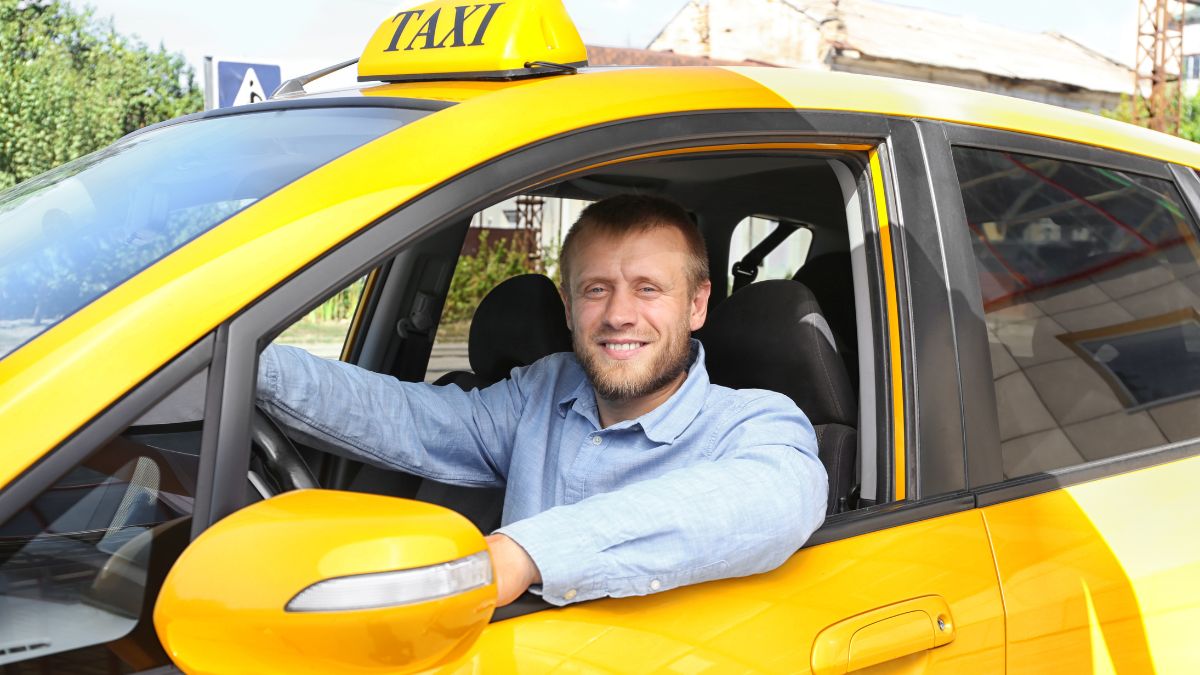
Travelers often rely on cabs to navigate unfamiliar cities safely. A seemingly friendly driver might sometimes employ subtle tactics to inflate the final fare. Recognizing these deceptive practices early can save passengers from unexpected financial losses. Understanding common tricks empowers tourists to protect their travel budgets effectively.
Taximeter
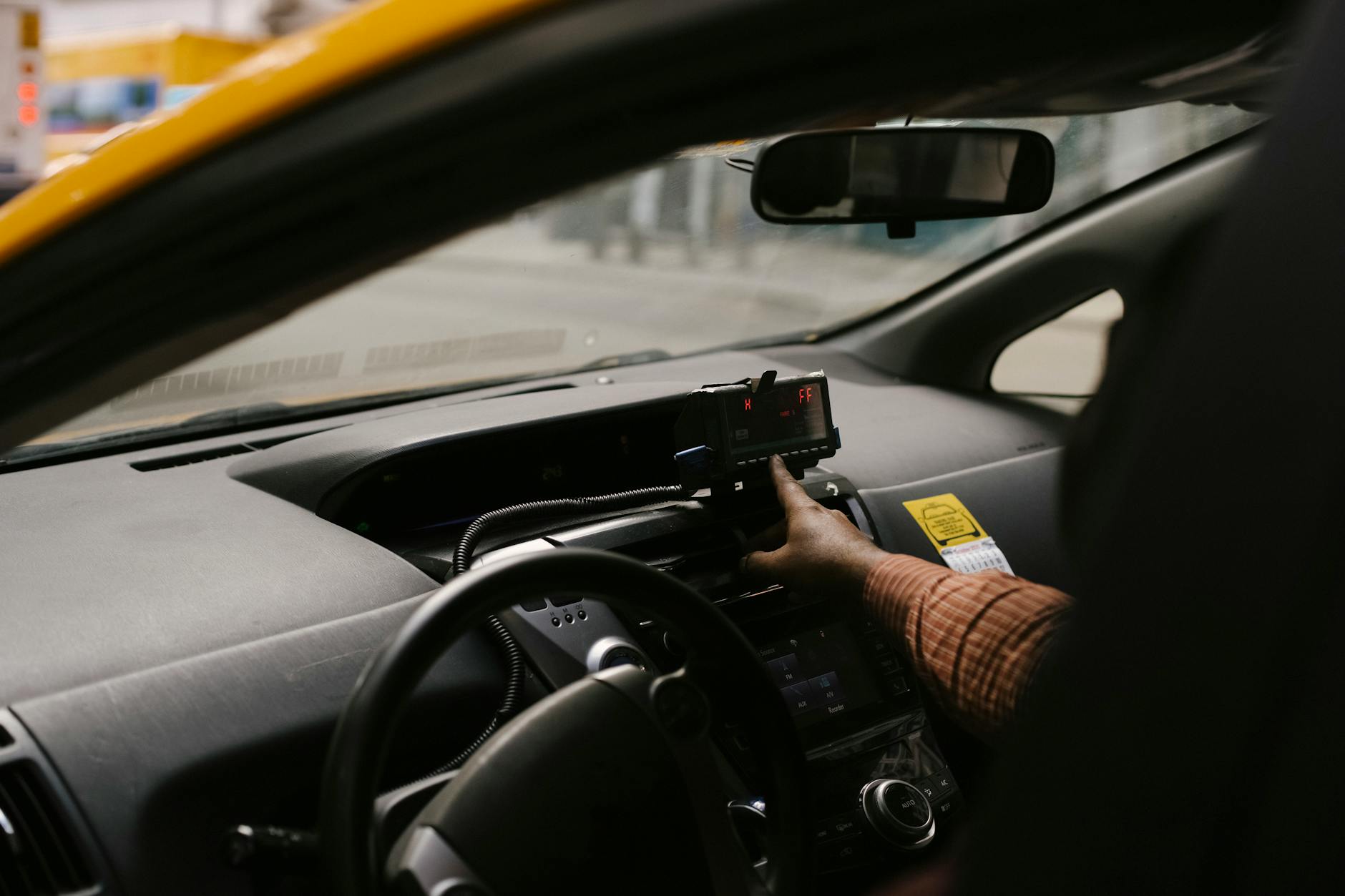
Many dishonest operators immediately cover this device with a cloth or claim it recently stopped working. Operating without an active device allows the driver to demand an arbitrary amount at the end of the journey. Legitimate vehicles must always have functioning equipment clearly visible to the passenger throughout the entire ride. Passengers should politely refuse the service if the driver insists on traveling without tracking the distance electronically.
Smartphone

A classic deception involves pretending the digital maps lost the signal or inputting an incorrect address deliberately. This strategy creates an excuse to wander through the city and increase the total mileage. Tourists can prevent this by loading the route on their personal device before entering the vehicle. Comparing the suggested directions with the actual turns keeps the driver accountable during the trip.
Credit Card
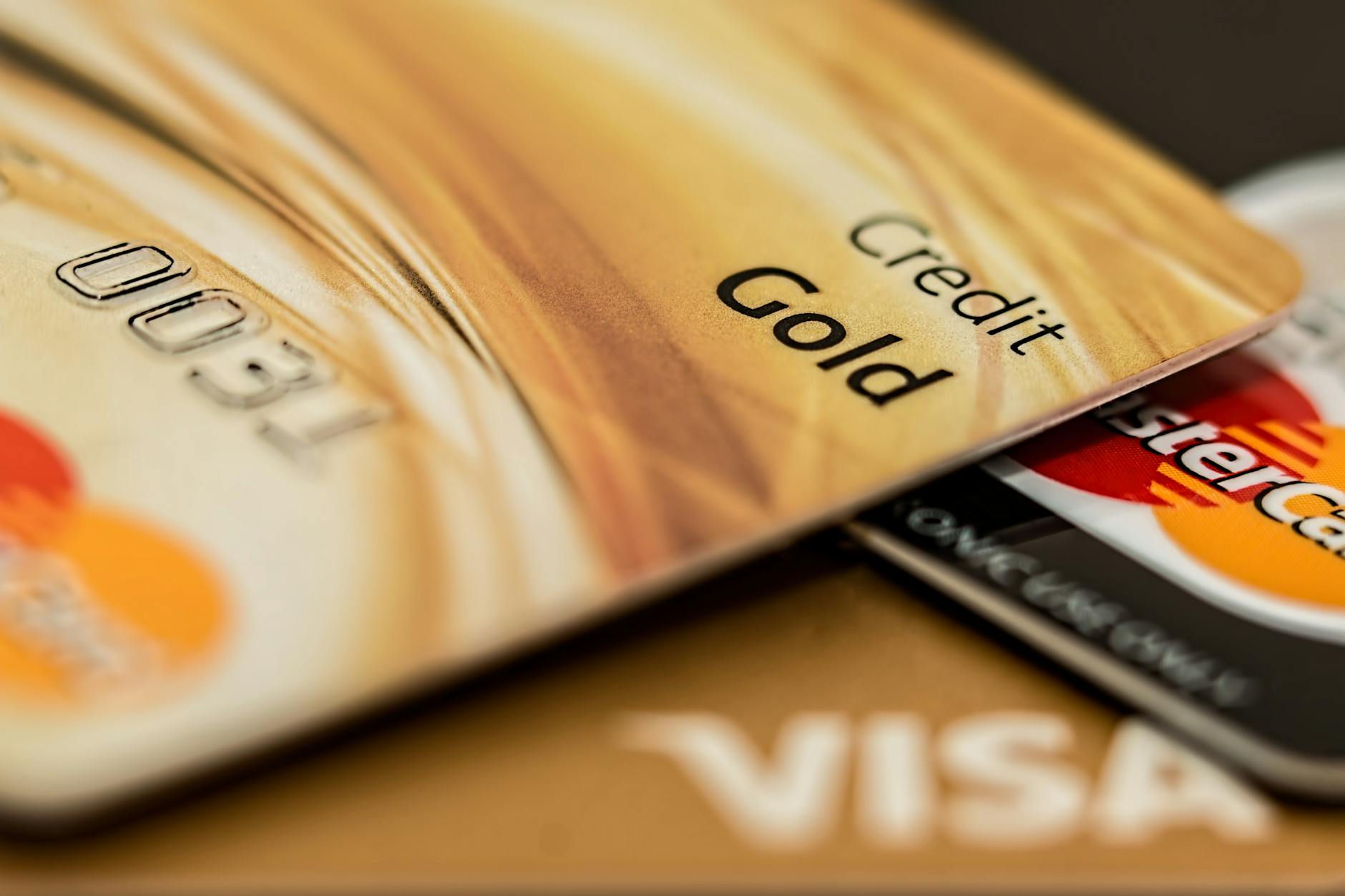
The driver might state that the electronic payment terminal broke down right when it is time to pay. Forcing a cash transaction prevents an official paper trail and makes it easier to pocket extra money. Cabs in major tourist destinations are usually required by law to accept electronic payments. Confirming the preferred payment method before closing the door eliminates this stressful situation completely.
Trunk
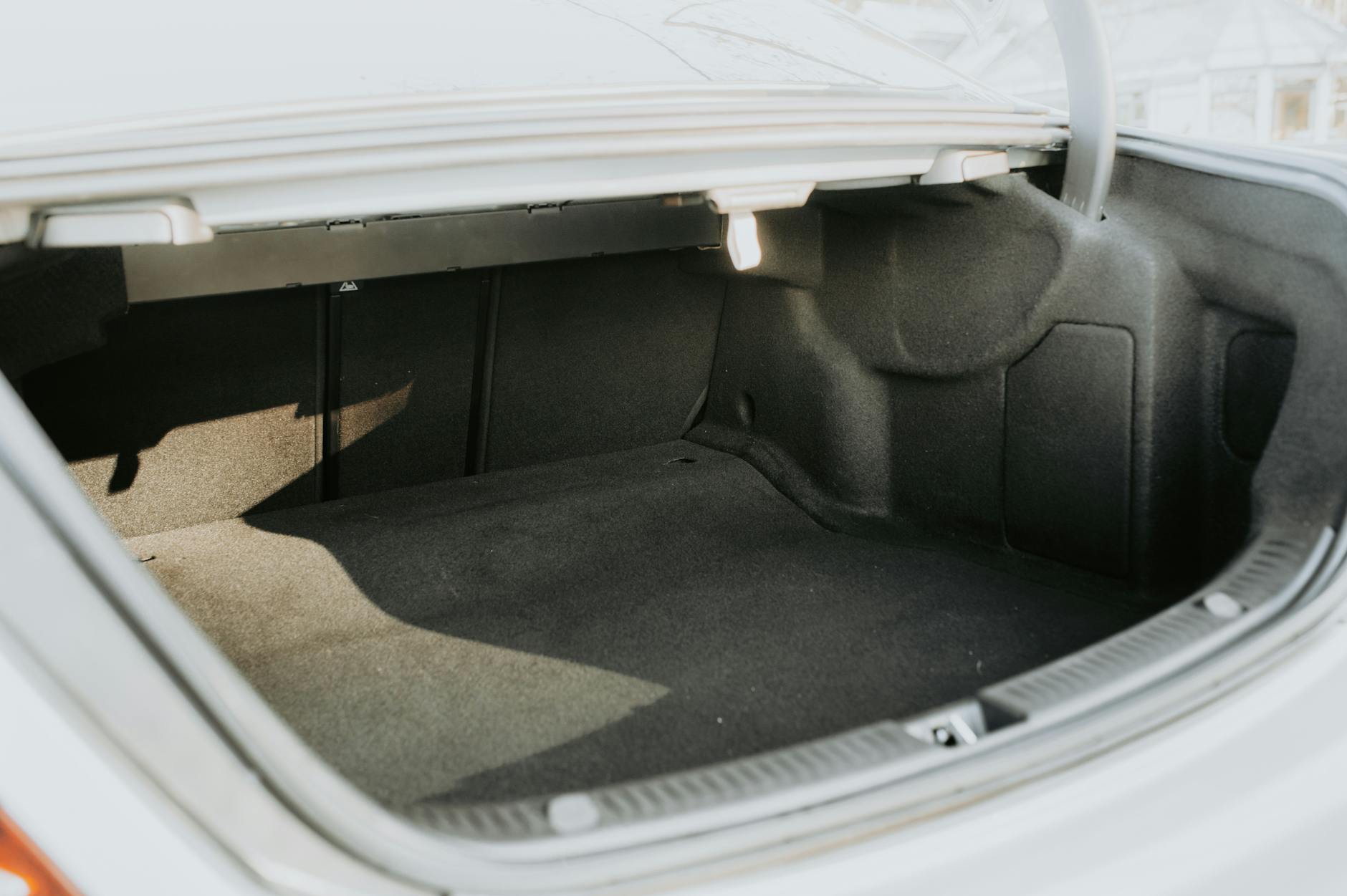
Some operators purposefully delay opening the back of the car until they receive an additional tip. Keeping personal belongings inaccessible gives the driver significant leverage over a rushed or anxious traveler. The best practice involves holding onto smaller bags in the passenger seat whenever possible. A traveler should always stand right next to the vehicle while the driver retrieves heavy suitcases.
Banknotes

A skilled scammer will quickly drop a large bill out of sight and hold up a smaller one instead. They then angrily demand more money while claiming the passenger made a careless mistake. Handing over cash slowly and stating the denomination aloud prevents this visual manipulation entirely. Maintaining clear eye contact during the transaction ensures both parties acknowledge the exact amount exchanged.
Highway

Taking a major road that loops around the city instead of a direct path drastically increases the final cost. Unscrupulous drivers assume visitors have no spatial awareness of the local geography. They often claim the direct streets are heavily congested to justify the massive detour. Keeping an eye on live traffic updates helps travelers spot unnecessary detours instantly.
Tollbooth
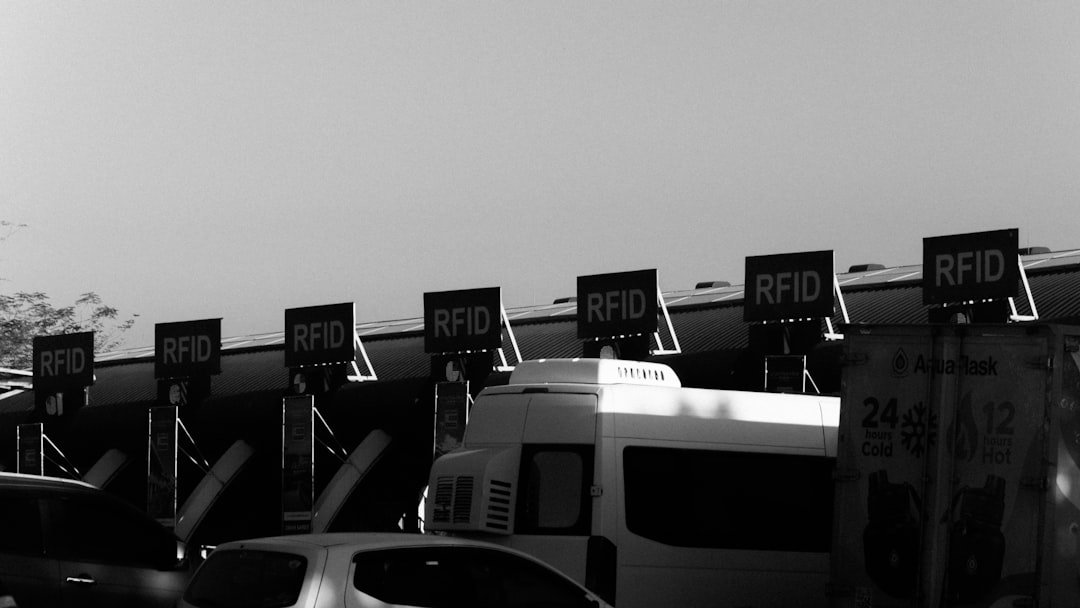
Drivers sometimes demand cash upfront to pay for upcoming road access fees. They might ask for double the actual amount or pocket the money if they have an electronic pass. Passengers should look for official signage displaying the exact cost as the vehicle approaches the gate. Paying exact change directly to the attendant removes the middleman from the equation entirely.
Fare
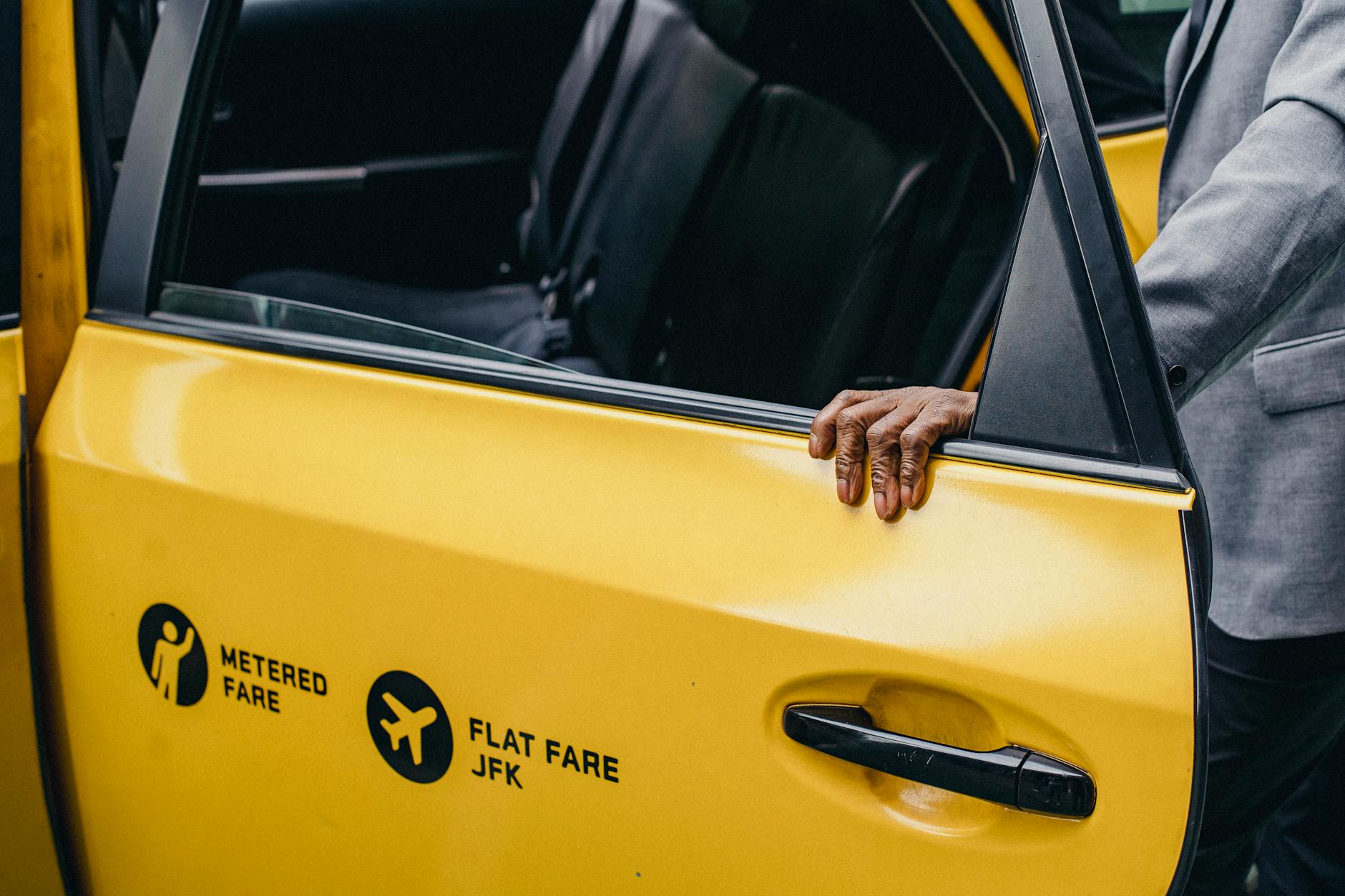
An unsolicited offer for a fixed price usually indicates the actual metered cost would be much lower. Scammers prey on the uncertainty of tourists by presenting a fixed rate as a generous discount. The proposed amount is carefully calculated to guarantee maximum profit for a short distance. Refusing fixed prices and insisting on standard rates protects travelers from severe overcharging.
Hotel

A driver might insist a chosen accommodation recently closed down or changed ownership. They will quickly suggest a better alternative where they secretly receive a hefty commission for bringing new guests. This elaborate lie aims to divert travelers into overpriced rooms far from their original destination. Calling the reception desk directly immediately verifies the status of a reservation.
Restaurant

Unprompted recommendations for a specific eatery usually benefit the driver rather than the hungry passenger. These establishments partner with local transportation services to lure unsuspecting tourists into paying inflated prices. The food quality often falls below average because the business relies entirely on forced foot traffic. Politely declining the suggestion and sticking to original dining plans ensures a much better culinary experience.
Door Locks
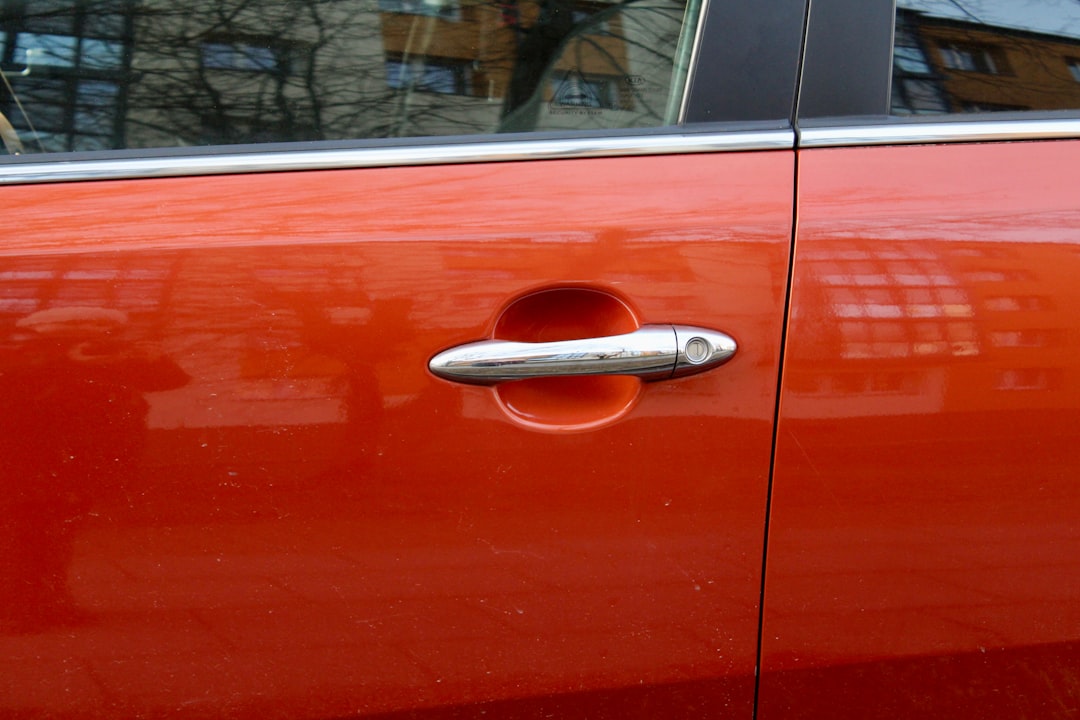
A deeply unsettling tactic involves keeping the passenger doors secured until an unreasonable sum is paid. The sudden feeling of being trapped forces many people to hand over their wallets out of pure panic. Most modern vehicles feature manual override buttons near the handles that passengers can operate independently. Calmly unlocking the door and threatening to call local authorities usually resolves the standoff quickly.
Airport

Fake surcharges mysteriously appear when picking up or dropping off passengers at aviation hubs. While legitimate fees exist in some cities the fabricated amounts often double the standard transportation cost. The operator might point to a laminated paper with unofficial prices to validate the absurd demand. Checking official transportation websites beforehand reveals exactly what extra fees apply to the journey.
Receipt
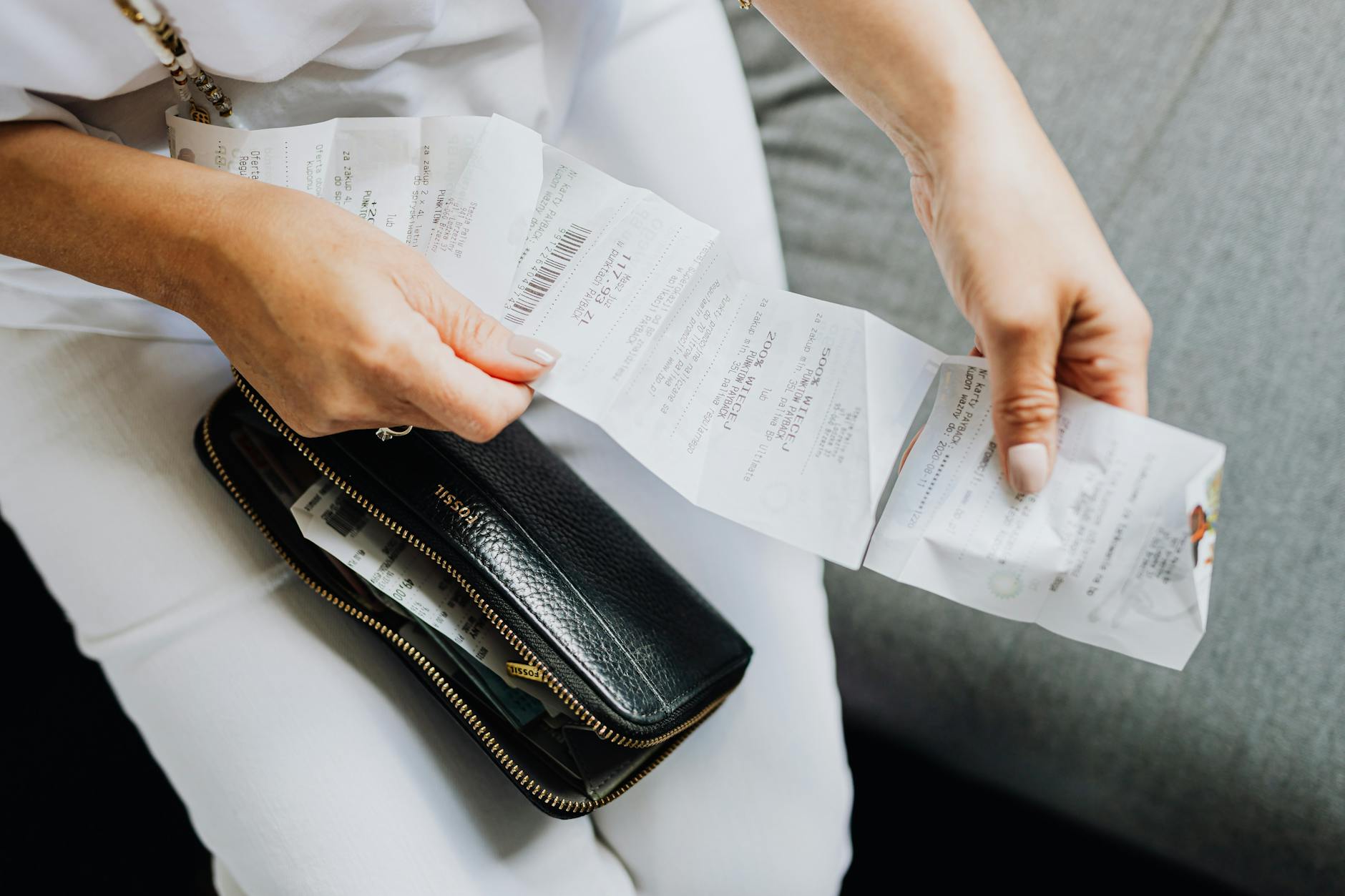
Providing a blank slip of paper prevents tourists from disputing a fraudulent charge later. Official documentation must include the vehicle number and a detailed breakdown of the total cost. Without these crucial details a passenger cannot report the incident to the central dispatch office. Demanding a fully printed record ensures the transaction remains transparent and traceable.
Tariff
A tiny digit on the meter indicates whether the day or night pricing rate is currently active. Dishonest operators will select the night or weekend setting during regular afternoon hours to accelerate the charges. The numbers roll over much faster and generate an artificially high total without changing the driving distance. Familiarizing oneself with the local rate indicators allows passengers to spot this quiet manipulation immediately.
Traffic

Driving at an agonizingly slow pace when the streets are entirely empty milks the meter for extra minutes. The operator might tap the brakes repeatedly or stop entirely at green lights. This subtle stalling technique takes advantage of time based charging structures in major metropolitan areas. Firmly asking the driver to maintain the legal speed limit often stops this frustrating behavior.
License

Missing identification cards on the dashboard should serve as an immediate red flag for any traveler. Legitimate professionals proudly display their registered credentials and a clear photograph for security purposes. An anonymous driver operates completely outside the law and has zero accountability for overcharging or dangerous behavior. Exiting the vehicle before the journey begins is the safest response to missing documentation.
Intersection

Dropping a traveler at a cross street with a similar name confuses the passenger while shortening the trip. The driver quickly speeds away before the tourist realizes they are completely lost in a different neighborhood. This tactic allows the operator to collect the fare and immediately pick up another client nearby. Verifying the exact building number and street corners before exiting prevents this disorienting scam.
Please share your personal experiences with challenging transportation situations in the comments.