
Many professionals underestimate how closely employers and HR departments monitor social media activity, even on personal accounts. What feels like a harmless post on a Sunday afternoon can trigger a formal review by Monday morning. The line between private expression and professional consequence has never been thinner, and most people cross it without realizing it. Understanding which seemingly innocent behaviors carry real employment risk is essential for anyone who wants to protect their career in the digital age.
Sick Day Photos

Posting a sunny beach selfie or a restaurant check-in on the same day you called in sick is one of the fastest ways to invite disciplinary action. Employers and colleagues frequently monitor social media, and the timestamp on a post can contradict an absence request almost instantly. Many companies have social media policies that explicitly address this kind of inconsistency. HR departments treat it as a conduct issue rather than a coincidence. Even a friend’s tag in a photo can expose the situation without any intentional disclosure on your part.
Salary Talk

Sharing your exact pay, a raise amount, or details about a compensation package may feel like transparency among peers, but it frequently creates friction within organizations. Many employees are unaware that certain protections around wage discussion exist, though the manner and context of sharing can still create professional consequences. If the post singles out a perceived unfairness or names colleagues indirectly, the risk escalates considerably. Managers often view this kind of disclosure as a breach of internal trust rather than a legal exercise of rights. The resulting tension can affect performance reviews and future opportunities well before any formal action takes place.
Workplace Rants

Venting frustration about a difficult meeting, a demanding client, or an unreasonable deadline feels cathartic in the moment but reads very differently to an employer scanning your profile. Even when no names are mentioned, the context is often identifiable to anyone familiar with the organization. A pattern of negative posts about work creates a record that suggests poor attitude or lack of professionalism. Many terminations citing social media conduct reference posts that the employee considered too vague to cause harm. The assumption that followers outside work will never share the content is almost always incorrect.
Company Logos
Using a company logo as part of a personal post background, event photo, or profile aesthetic without authorization can raise immediate intellectual property concerns. Organizations are protective of how their branding appears in public-facing spaces, including the personal accounts of employees. If the post implies endorsement of a product, event, or opinion the company has not approved, legal and PR teams may become involved. Even a casual gym photo taken in branded company merchandise can attract the wrong kind of attention in certain industries. The safest approach is to treat all brand assets as belonging to the business at all times.
Meeting Details

Sharing that your company is in a major meeting, announcing an upcoming product launch, or describing the mood in the boardroom before any official communication is released can constitute a serious breach of confidentiality. Stock-sensitive information is governed by strict disclosure rules, and even an offhand comment can raise red flags with compliance departments. Investors, competitors, and journalists actively monitor the social feeds of company employees during sensitive periods. An employee may believe they are simply expressing excitement about their work, while the legal team is already drafting a disciplinary notice. The damage to professional reputation in these cases tends to outlast the employment itself.
Competitor Praise

Publicly complimenting a direct competitor’s product, strategy, or leadership while employed by a rival company signals a loyalty conflict that few employers are willing to overlook. Even a casual “their new feature is really impressive” can be screenshotted and circulated internally. In industries where client relationships and trade knowledge are closely guarded, this kind of post can be treated as a conduct issue. Some employment contracts include clauses that extend to public statements about competitors. The post may feel like professional admiration, but it reads as misalignment to anyone responsible for brand and market positioning.
Interview Hints
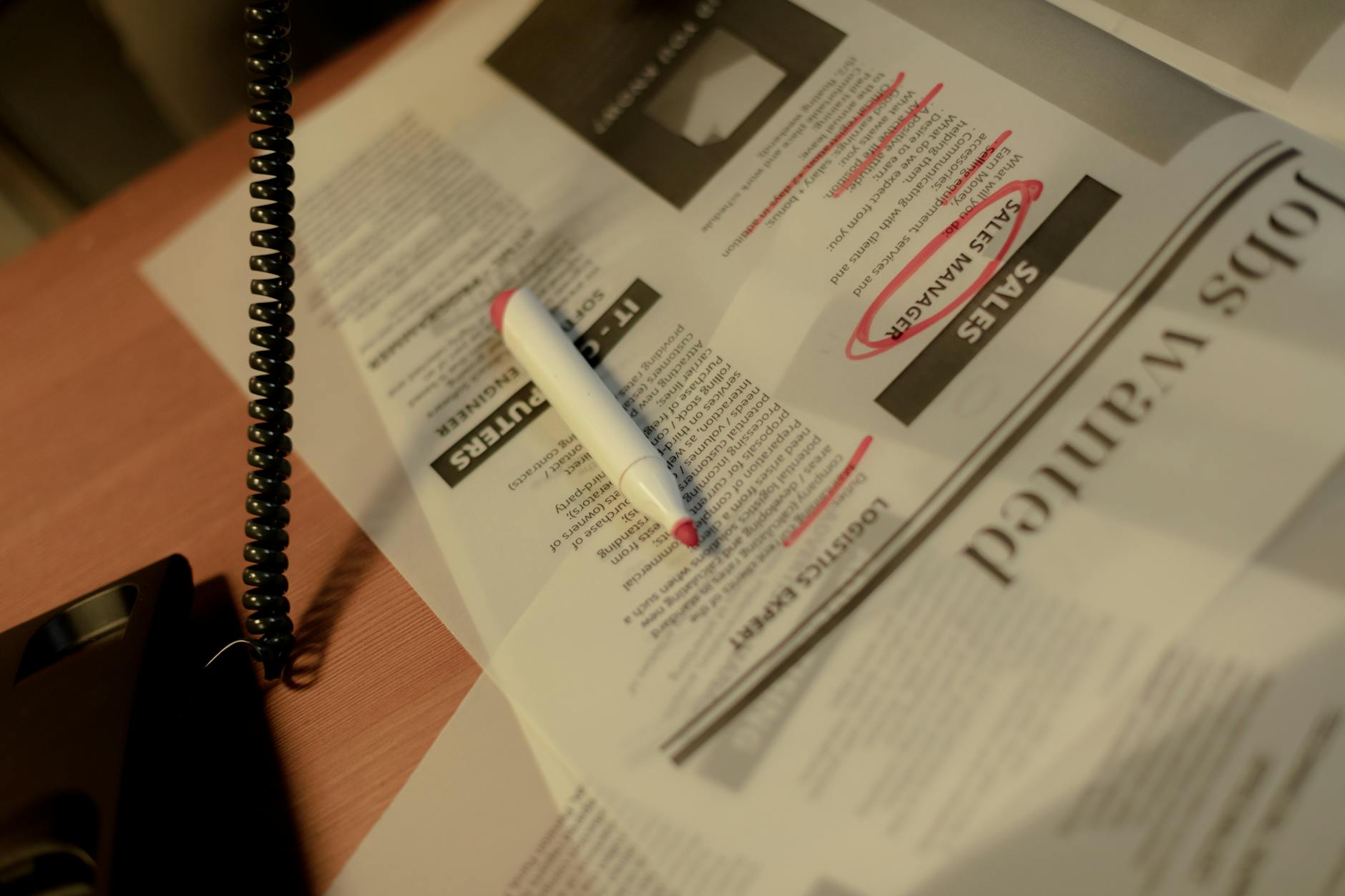
Dropping hints about job searching, posting motivational content specifically about career transitions, or publicly following a wave of competitor companies on professional platforms can signal to a current employer that departure is imminent. While looking for a new role is entirely legal, broadcasting it creates an awkward dynamic that sometimes accelerates the very outcome the employee was trying to manage quietly. Managers who see these signals may begin limiting access to sensitive information or exclude the employee from future planning. Some organizations act preemptively to protect operational continuity. The digital trail of a job search is far more visible than most candidates assume.
Client Names
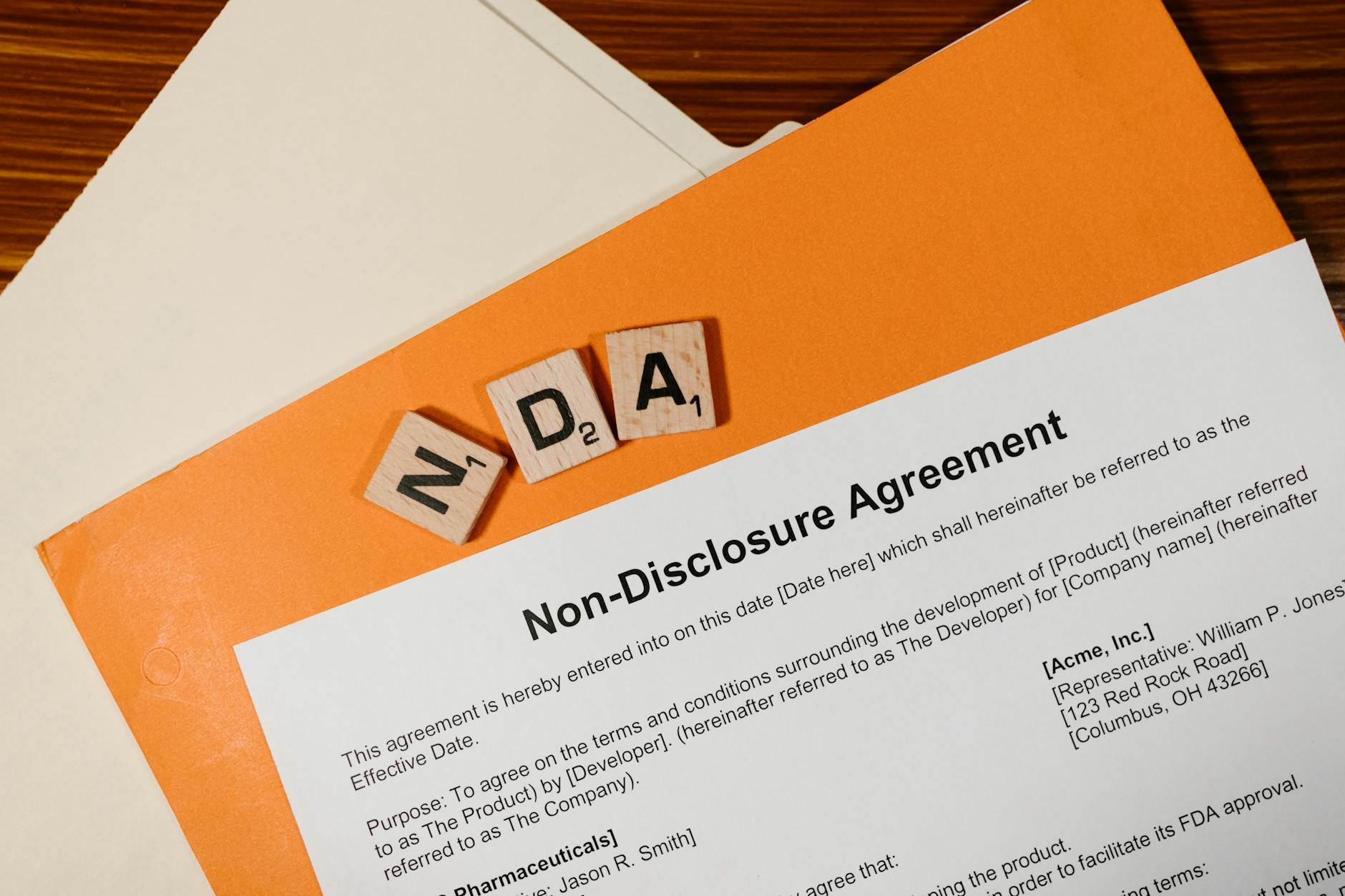
Referencing a client by name, industry, or project detail in a personal post without written authorization is a frequent trigger for immediate termination in professional services environments. Confidentiality agreements typically extend to any public statement that could identify a business relationship. Even a celebratory post about winning a new account can breach terms if the client has not approved the disclosure. In legal, financial, and healthcare sectors, the consequences can extend beyond employment to regulatory action. The impulse to share good news is understandable, but the professional cost often far exceeds the engagement the post receives.
After-Hours Drinking

Photos from a night out are generally considered personal, but when they involve colleagues, clients, or recognizable company settings, they take on a different dimension. Industries with strict codes of conduct and client-facing professionals are particularly sensitive to how employees represent themselves outside of office hours. A photo that appears to show excessive intoxication alongside a business acquaintance can create liability concerns for employers. Some sectors including finance, law, and healthcare hold employees to behavioral standards that extend to personal social activity. The context of who is in the image often matters more than the content of the post itself.
Political Opinions
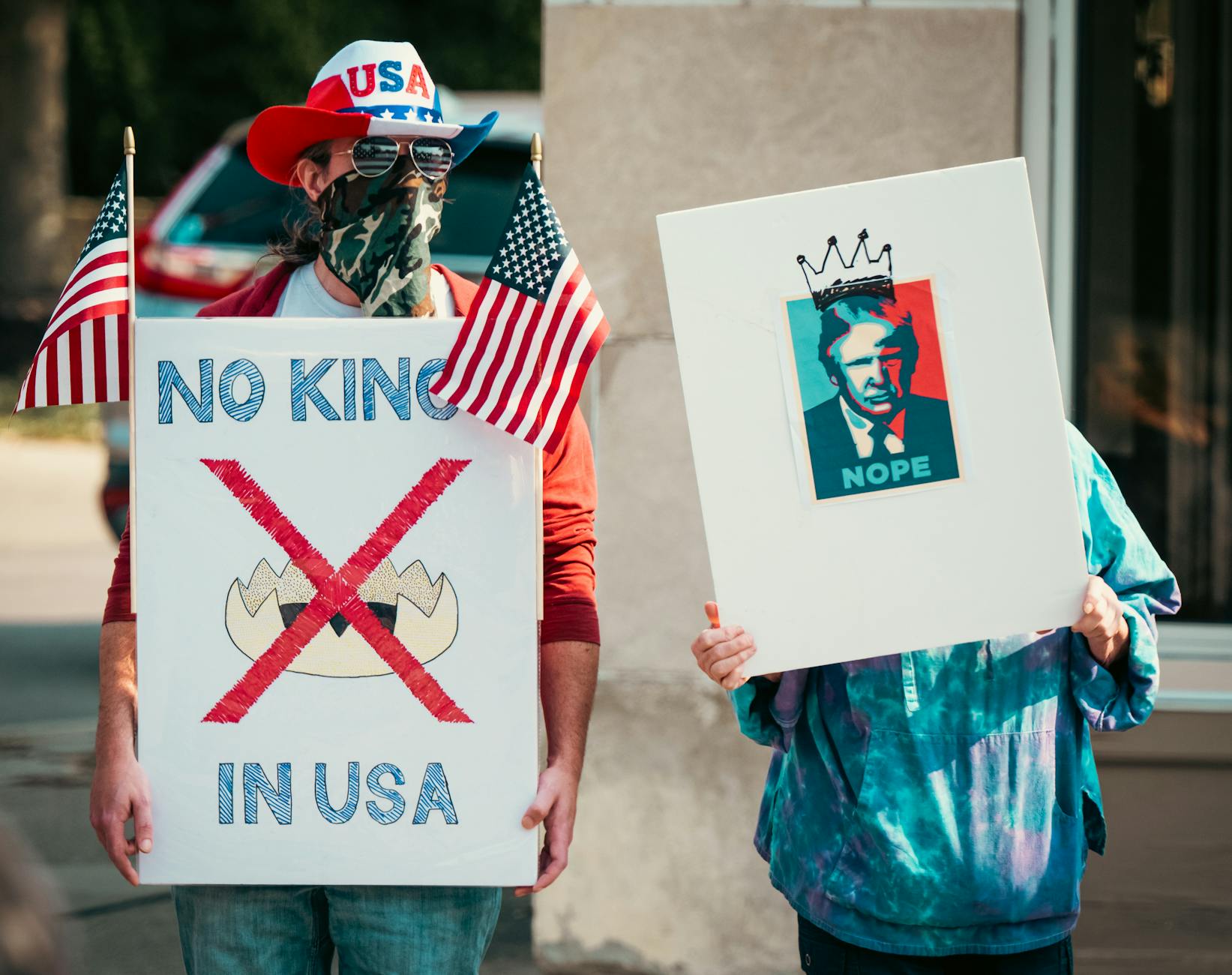
Expressing strong political views may feel like a basic right of expression, and in many jurisdictions it is legally protected. However, employment relationships in the private sector often allow significant latitude to act on perceived cultural misalignment. In customer-facing roles, a controversial political post can trigger client complaints that HR is then obligated to address. Some companies maintain explicit neutrality policies that employees are expected to uphold in all public communications. The professional fallout rarely arrives as a formal sanction and more often takes the form of quietly shifted responsibilities or stalled advancement.
Religious Commentary

Sharing strong views on religious practice, doctrine, or community in a public forum can create discomfort in diverse workplace environments. When commentary edges toward criticism of another faith group, the potential for a formal complaint increases significantly. Employers in multicultural organizations are particularly attentive to anything that could affect team cohesion or create a hostile atmosphere. An employee may frame their views as personal faith expression, but the public nature of a social media post gives it a broadcast quality that internal conversations do not carry. HR departments often treat these situations under the same framework used for other protected characteristic concerns.
Confidential Processes

Describing an internal workflow, software system, proprietary method, or operational detail in a post intended to showcase professional expertise can inadvertently expose trade secrets. Many professionals share this kind of content in good faith as a form of thought leadership or personal branding. The problem arises when the information is specific enough to be useful to a competitor or identifiable as proprietary to the organization. Nondisclosure agreements routinely cover processes and methodologies, not just explicit product data. The intent behind the post rarely provides protection once a compliance or legal review has begun.
Mocking Customers

A post that jokes about a frustrating customer interaction, even without identifying details, creates significant reputational risk for both the employee and the organization. Screenshots of this kind of content spread quickly in consumer communities and can result in a public relations response that forces the employer’s hand. Customers who recognize their own situation from the description have filed formal complaints that led directly to termination. Many hospitality, retail, and service companies treat customer mockery as a fireable offense under their conduct policies. The humor that lands with a personal audience rarely translates well once the post exits that context.
Recruitment Criticism

Posting negative commentary about a hiring process, an interviewer, or a candidate experience at your current company creates an immediate and traceable record. Employer review platforms are watched closely by talent acquisition teams, and similar sentiments expressed on personal social channels carry equal weight. If the post goes into detail about internal procedures or names individuals involved in hiring, the legal exposure grows. Organizations invest considerable resources in their employer brand, and employees who publicly undermine it are treated as active liabilities. Even a frustrated comment made immediately after a poor internal interview experience can resurface during a review process months later.
Unreported Conflicts

Publicly announcing a side business, freelance client, or secondary income stream can constitute a failure to disclose a conflict of interest, particularly in industries with strict ethics requirements. Many employment contracts include clauses requiring employees to report outside work that could compete with or compromise their primary employer. A social media post promoting a personal brand or service makes the secondary activity impossible to deny. Financial services, government, and healthcare sectors are especially rigorous in how they treat undisclosed conflicts. The employer’s concern is not always competition but the question of divided loyalty and time.
Disaster Reactions

Posting commentary about a company crisis, product recall, data breach, or public controversy before official communications have been released places the employee directly in the path of legal and communications scrutiny. Organizations coordinate their crisis messaging carefully, and an employee post that contradicts or preempts official statements creates immediate confusion. Even a sympathetic post that defends the company’s actions can complicate the legal strategy being managed by counsel. Some employment agreements include explicit provisions requiring employees to direct all media and public inquiries through official channels. A well-intentioned post during a crisis is rarely treated as such by the legal team reviewing it.
Layoff Reactions

Posting emotional reactions to a round of layoffs while still employed can signal to leadership that an employee is disengaged, disloyal, or likely to become a disruptive influence during a sensitive period. Even expressing solidarity with colleagues who were let go can attract scrutiny if the tone implies criticism of the decision. Organizations managing workforce reductions are acutely aware of morale and information leakage during these periods. A post that goes into any operational detail about the cuts can trigger confidentiality concerns separate from the emotional content. Employees who post impulsively during company restructuring are frequently included in subsequent rounds.
Gym Workouts

Posting detailed workout content, athletic achievements, or frequent midday fitness activity can raise questions about how time is being managed, particularly for remote or hybrid employees. In roles where output and availability during core hours are monitored, a pattern of midday gym posts creates an implied timeline that managers notice. Workers’ compensation cases have been complicated by social media posts showing physical activity inconsistent with reported injuries. Some insurance-related employment situations carry explicit behavioral monitoring as part of an agreement. The post itself is rarely the issue; the pattern it creates over weeks of activity is what draws attention from employers and insurers alike.
Have you ever deleted a post after realizing it could affect your job? Share your experience in the comments.