Most cats have a reputation for despising every drop of water that comes their way, but a surprising number of breeds are genuinely drawn to it. From splashing in shallow bowls to joining their owners in the shower, these water-loving cats defy the stereotype in the most charming ways. Their affinity for water is often rooted in genetics, regional origins, or the types of terrain their ancestors once navigated. Whether you are considering a new furry companion or simply curious about feline quirks, these breeds will completely change the way you think about cats and water.
Turkish Van
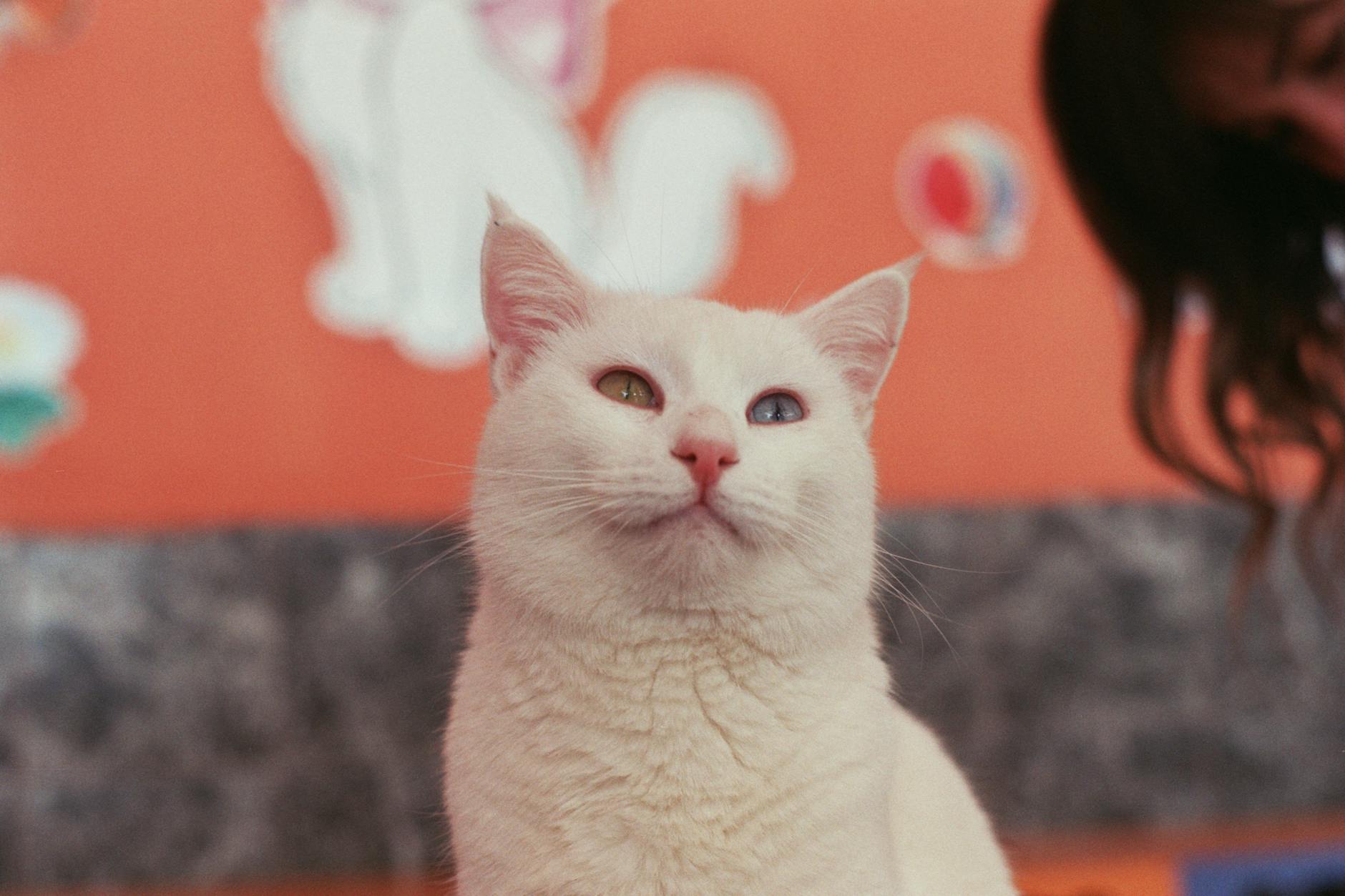
The Turkish Van is often called the swimming cat thanks to its centuries-old history near the shores of Lake Van in Turkey. Its unique water-resistant single-layer coat dries quickly and does not weigh the cat down during aquatic adventures. These cats have been observed voluntarily wading into bodies of water and are known to seek out any available puddle or stream. Their muscular build and powerful hindquarters make them surprisingly agile swimmers. The Turkish Van is widely considered one of the most water-enthusiastic breeds in the entire feline world.
Maine Coon
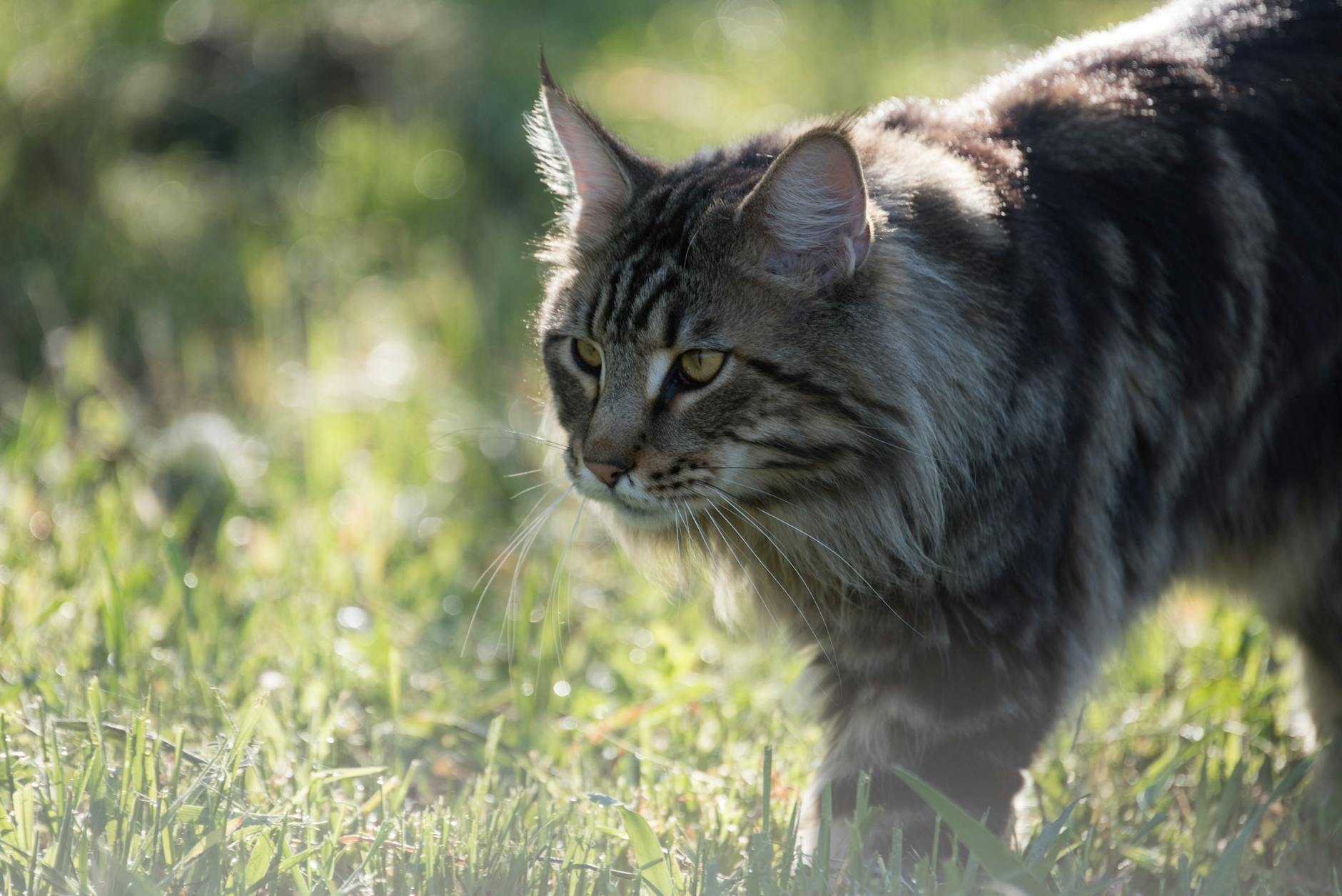
The Maine Coon developed its love of water partly as a survival adaptation to the harsh, wet environment of the northeastern United States. Its thick, shaggy coat has a slightly water-resistant quality that helps the cat stay comfortable in damp conditions. Maine Coons are frequently spotted playing with their water dishes, dipping their paws in, and even attempting to join their owners during bath time. They tend to be fascinated by running faucets and will often wait by the sink to investigate the flow of water. This playful relationship with water is just one of the many endearing qualities that have made the Maine Coon one of the most popular breeds in America.
Turkish Angora
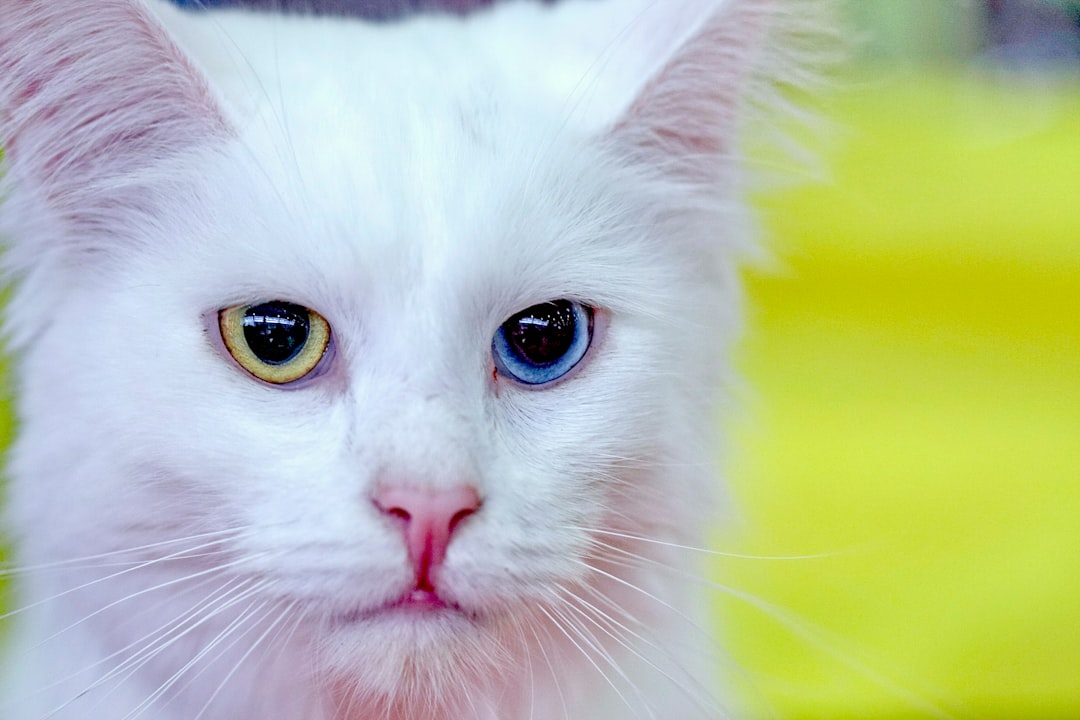
The Turkish Angora shares its homeland with the Turkish Van and carries a similarly bold relationship with water. These elegant, silky-coated cats are known for their curious and adventurous personalities, often investigating water sources throughout the home. Many Turkish Angora owners report finding their cats perched on the edge of the bathtub or attempting to paddle in any accessible water. Their long, fine coats dry more quickly than expected, and they rarely seem bothered by getting wet. The breed’s athleticism and fearless temperament make water play a natural extension of its daily entertainment.
Norwegian Forest Cat
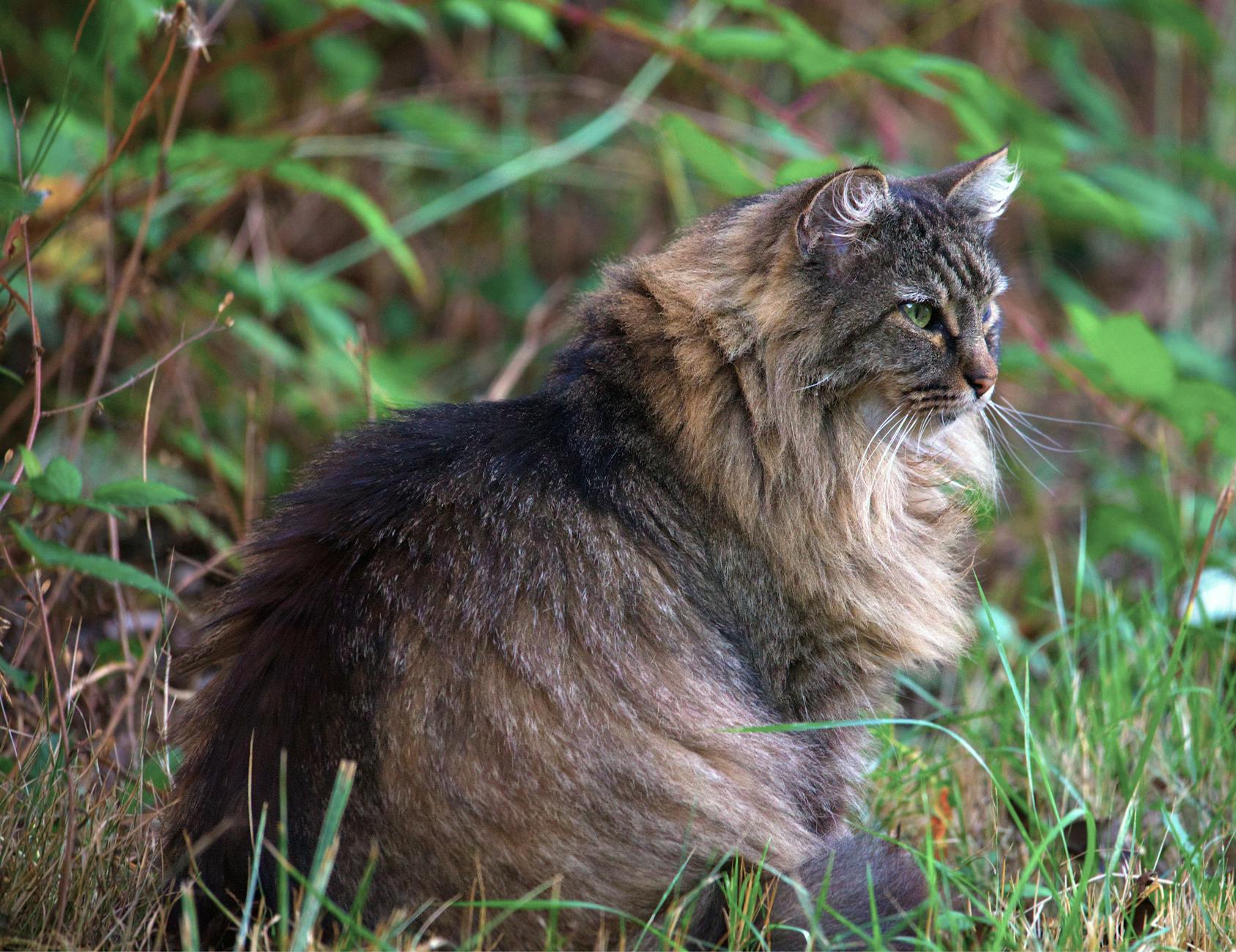
The Norwegian Forest Cat evolved over centuries in the cold, wet climate of Scandinavia, developing a thick double coat designed to repel rain and snow. This dense, water-resistant fur gave the breed a practical advantage and may explain its relatively comfortable attitude toward moisture. Norwegian Forest Cats are natural hunters that historically caught fish along riverbanks and coastal areas, reinforcing their ease around water. Many owners describe watching their cats fish toys or treats out of shallow water without any hesitation. Their calm confidence and rugged heritage make water an entirely unremarkable element of their everyday world.
Bengal
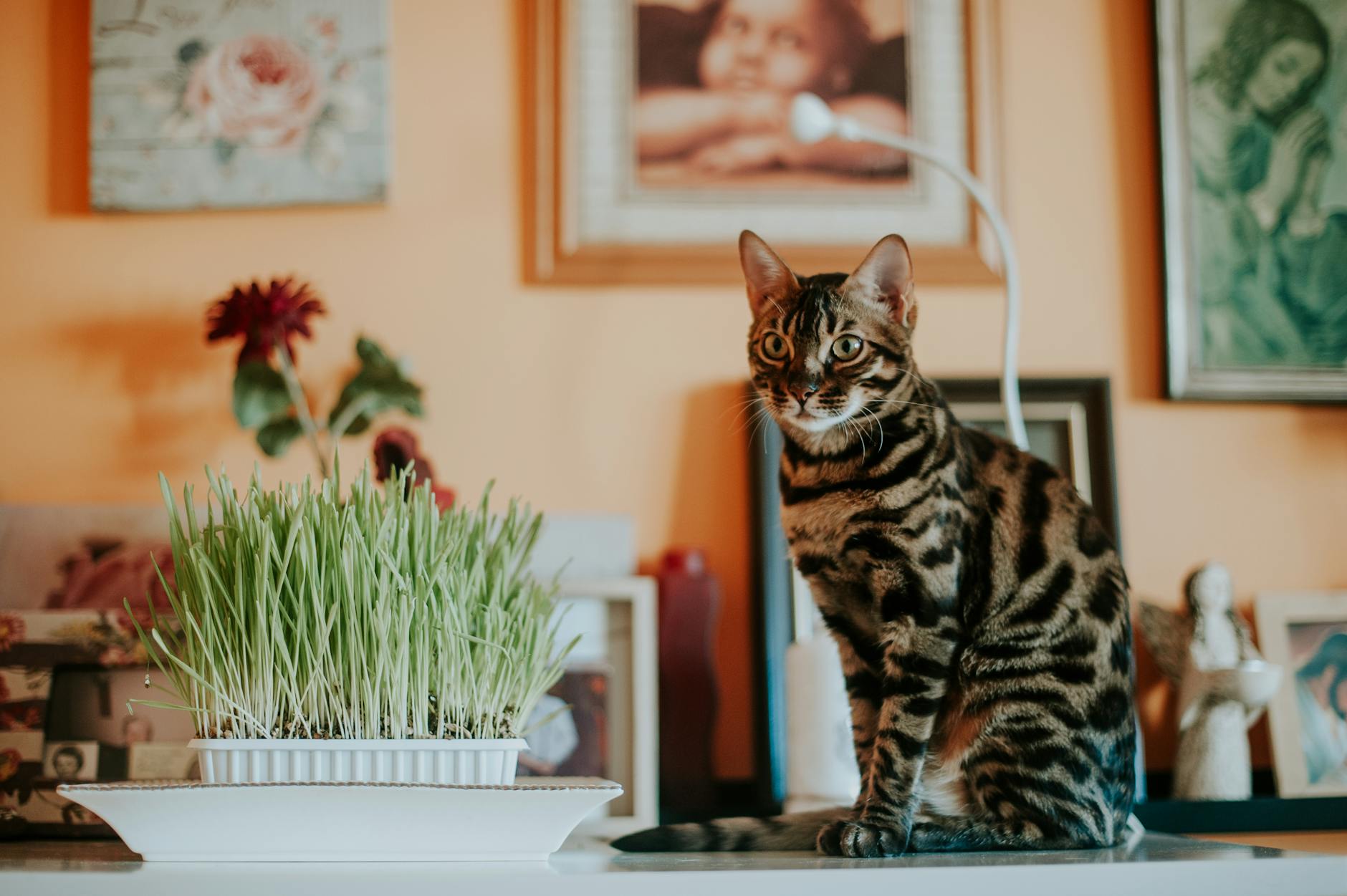
The Bengal cat traces its lineage to the Asian leopard cat, a wild feline species known to swim and hunt in and around water. This exotic heritage translates into a domestic cat with a genuinely adventurous and physical approach to its environment. Bengals are notorious for turning water dishes into splash zones and frequently attempt to follow their owners into the shower. Their sleek, short coat dries rapidly, which means a little water rarely causes them any prolonged discomfort. High energy and intense curiosity drive the Bengal to interact with water in ways that most domestic breeds simply never would.
Savannah
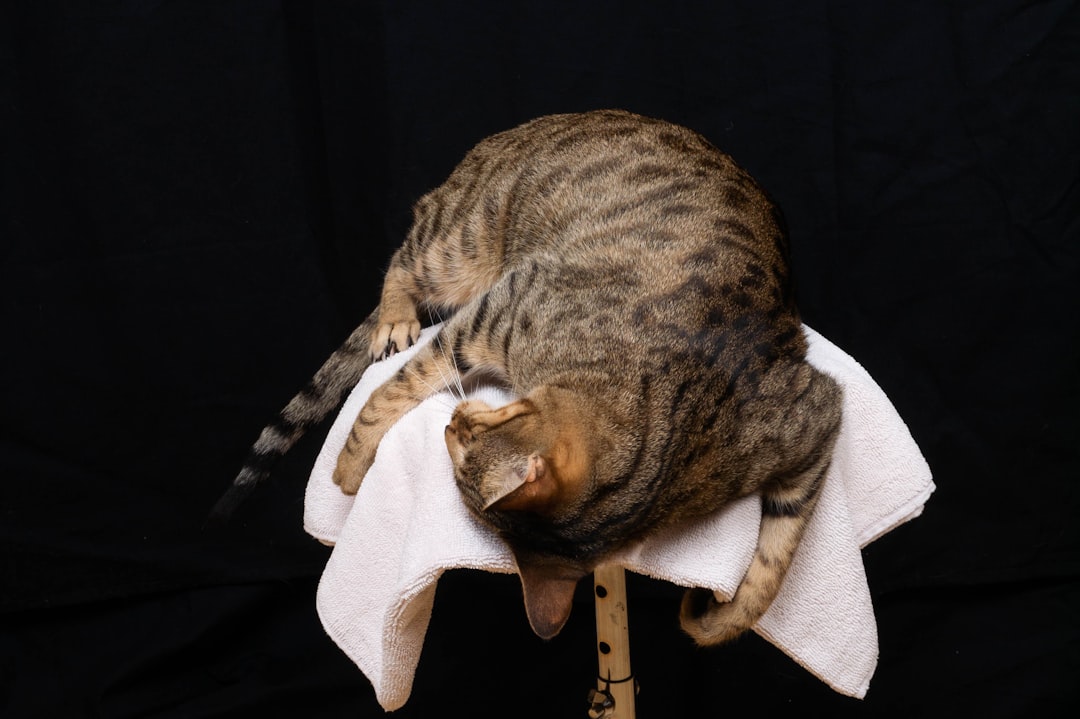
The Savannah cat is a hybrid breed developed from the serval, a long-legged African wild cat that is known to wade through shallow water while hunting. This wild ancestry has passed down a notable comfort with and interest in water to the domestic Savannah. These cats are often described as dog-like in their behaviors, and their enthusiasm for water fits neatly into that active, fearless personality profile. Savannah cats have been known to jump into pools and bathtubs, seemingly unbothered by the sensation of being wet. Their long legs and athletic frames make them surprisingly capable in the water for a domestic feline.
Siberian
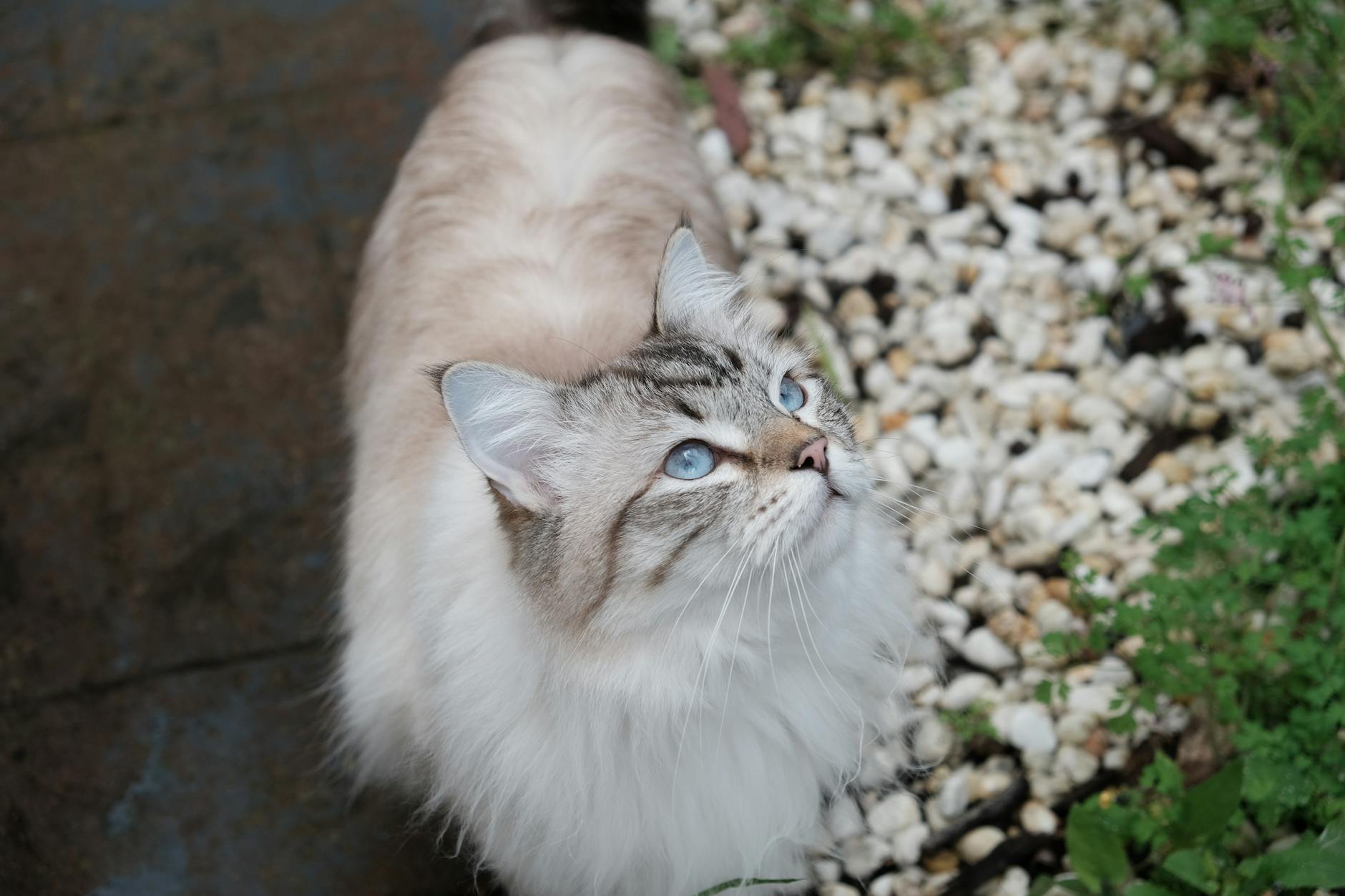
The Siberian cat hails from the dense forests of Russia, where cold rivers and heavy snowfall were simply part of everyday life for centuries. Its extraordinarily thick triple-layer coat acts as natural insulation and water resistance, allowing the cat to stay warm and relatively dry in wet conditions. Siberians tend to display a calm curiosity about water, often pawing at dripping faucets or sitting contentedly near full bathtubs. Their composed, confident temperament means they rarely panic around water the way more skittish breeds might. Many Siberian owners have found their cats wading in shallow containers or investigating rain puddles with calm, focused interest.
American Bobtail
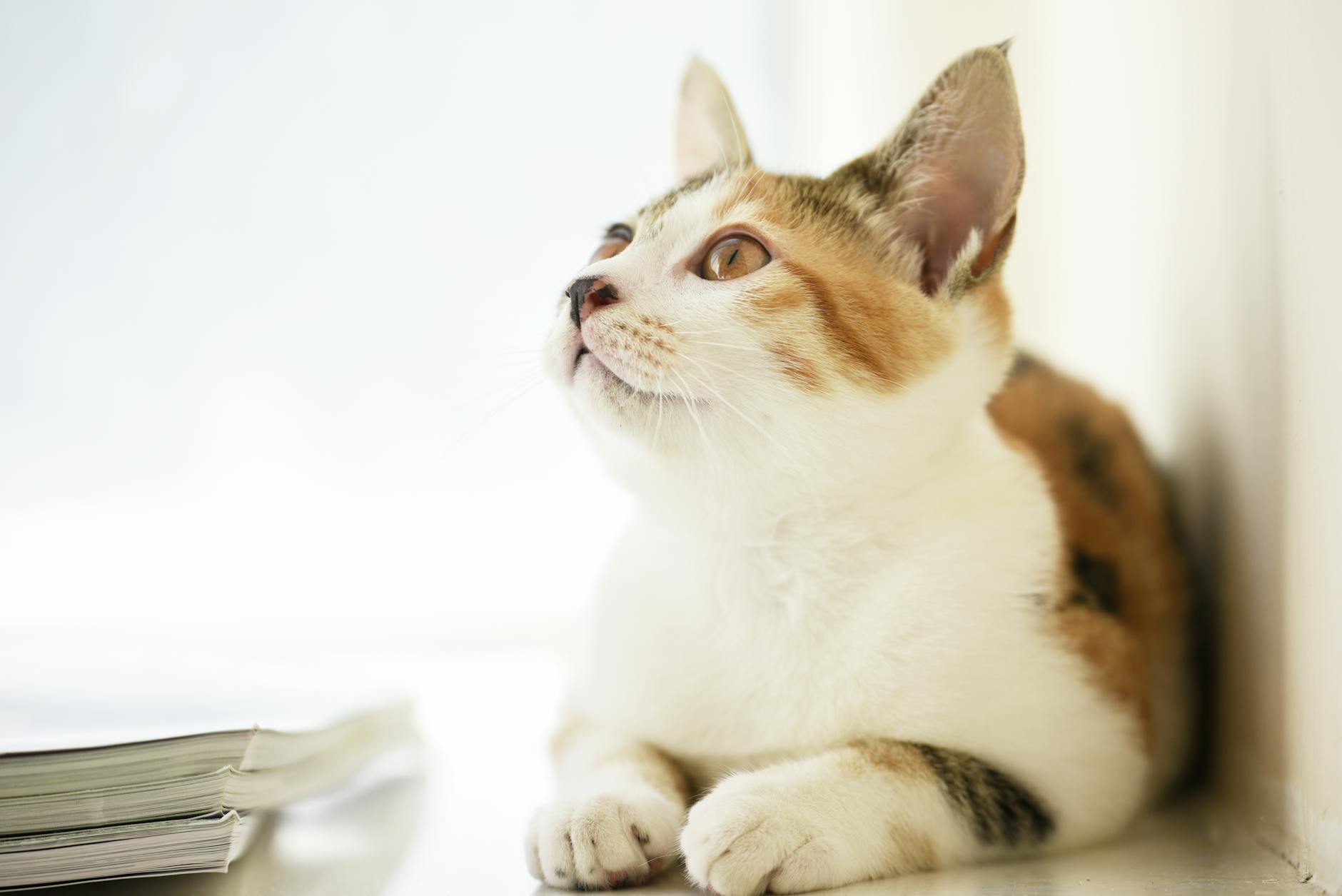
The American Bobtail is a hardy, adaptable breed known for its unusually easygoing attitude toward new experiences, including water. These cats have been observed pawing at water sources, playing with dripping faucets, and tolerating baths far better than most domestic breeds. Their dense, shaggy coat gives them some natural protection against moisture and contributes to their comfortable relationship with wet environments. American Bobtails are highly intelligent and often seek out interactive stimulation, making a running faucet or filled sink an irresistible attraction. Their bold and curious nature means water is often perceived as a playground rather than a threat.
Manx
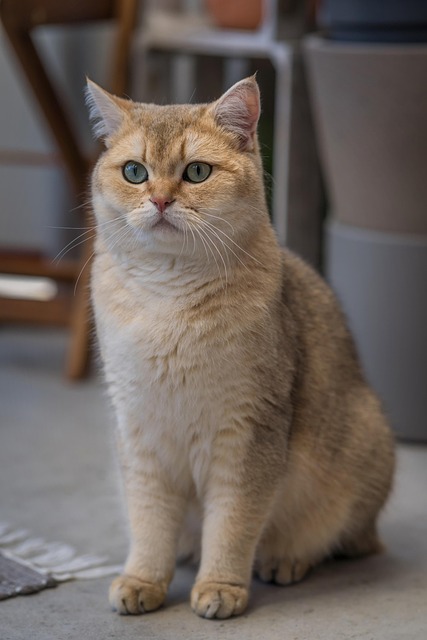
The Manx cat originated on the Isle of Man, a small island surrounded by the sea, and many historians believe its coastal origins contributed to a more relaxed relationship with water. These solid, rounded cats are known for their playful and interactive personalities, frequently batting at water in bowls and splashing during bath time. Manx cats tend to be highly social and adventurous, willing to try new experiences that other cats would shy away from. Their dense double coat offers a degree of natural moisture resistance, making getting wet a less dramatic event. The island origins of this breed give it a practical familiarity with damp and coastal environments that has persisted across generations.
Japanese Bobtail

The Japanese Bobtail has a long and celebrated history in Japan, where it was traditionally kept near rice paddies, rivers, and fishing ports. Proximity to water over many generations may have contributed to the breed’s relatively relaxed attitude toward splashing and moisture. These playful and highly social cats are known for dipping their paws into water dishes and investigating any puddle or dripping faucet they encounter. The Japanese Bobtail is an intelligent and interactive breed that views almost everything in its environment as an opportunity for exploration and play. Its historical association with waterside living makes its affinity for water one of the most historically grounded on this list.
Scottish Fold
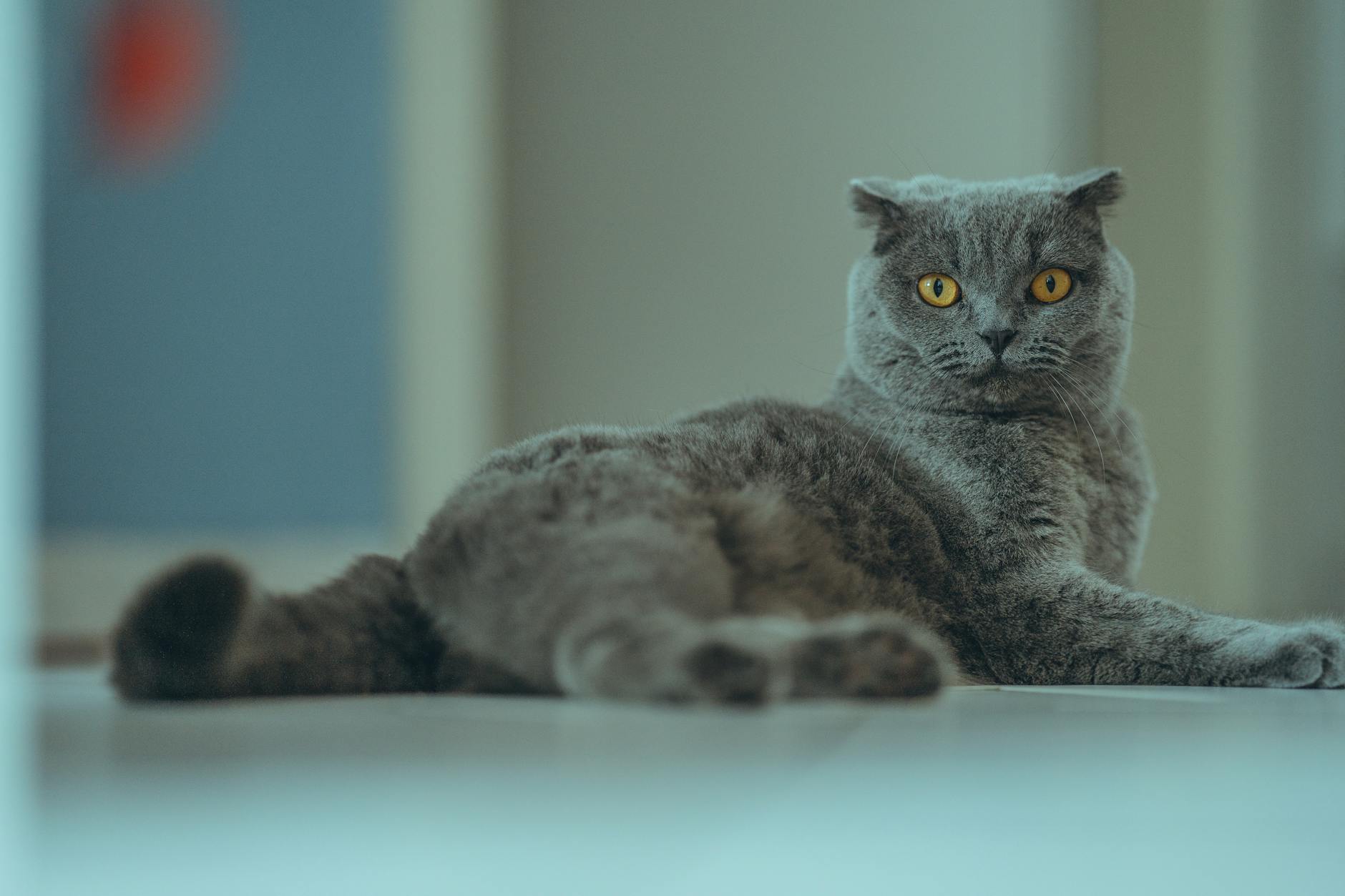
The Scottish Fold is not typically the first breed that comes to mind when thinking about water-loving cats, but many individuals within the breed display a quiet curiosity about it. These cats are known for their calm, observant temperament, often sitting and watching water with focused attention before gently testing it with a paw. Scottish Folds frequently play with dripping faucets and show a particular interest in the sound and movement of running water. Their laid-back nature means they rarely panic when they accidentally get splashed, and some owners report that their folds enjoy sitting in shallow, lukewarm water. This gentle water curiosity is a subtle but consistent trait across many members of the breed.
Ragdoll
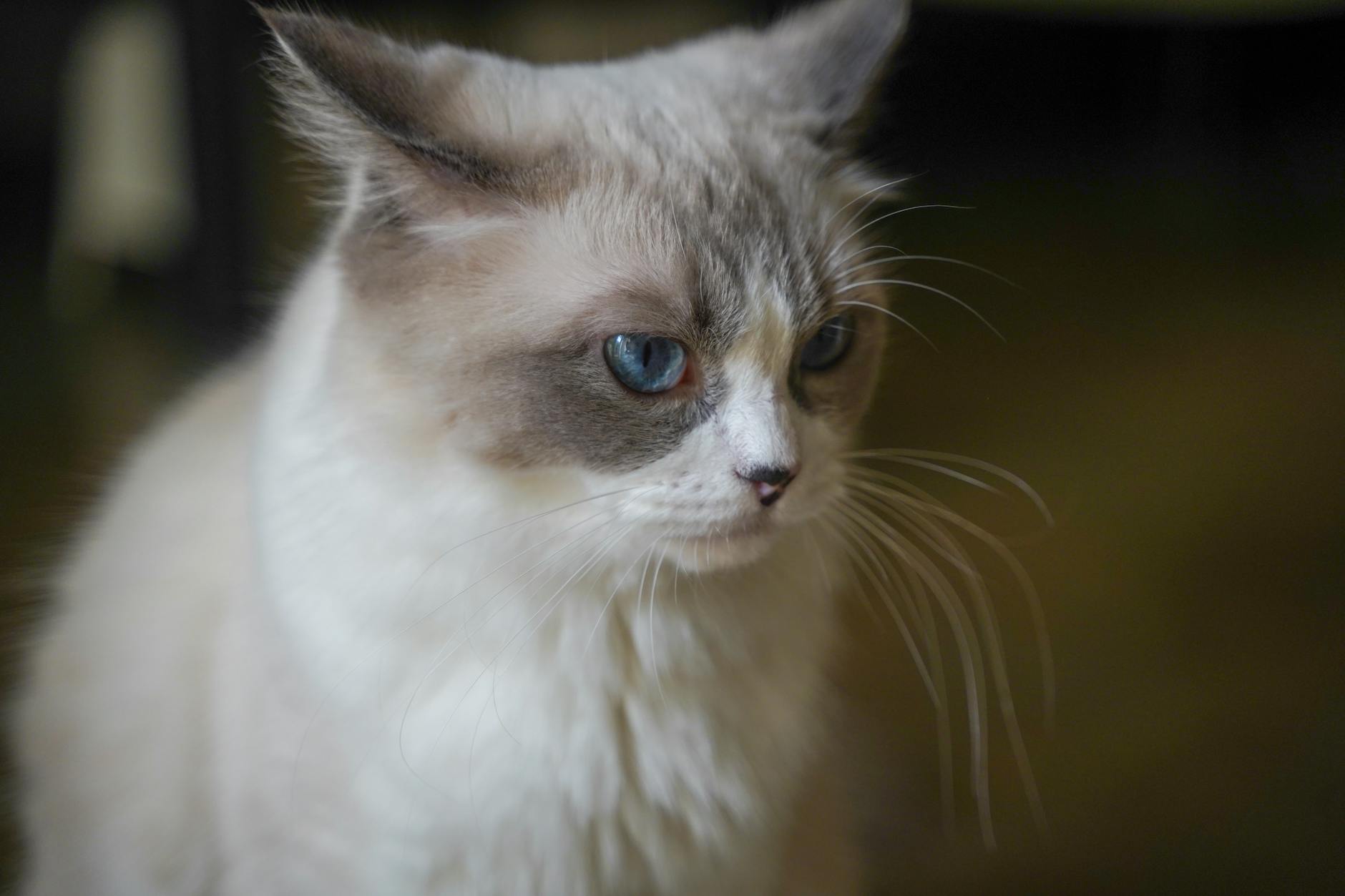
The Ragdoll is a large, gentle breed known for its exceptionally docile and trusting temperament, which extends to an unusual willingness to be bathed. While Ragdolls are not typically active water-seekers, their calm and compliant nature means they accept water with far less resistance than most cats. Many Ragdoll owners report that their cats will sit calmly during a full bath or even follow them into the shower out of simple companionship. Their semi-long coat does hold water, but their easygoing attitude means the experience rarely becomes stressful. This breed’s gentle acceptance of water makes it one of the most bathable and least water-averse cats available.
Abyssinian
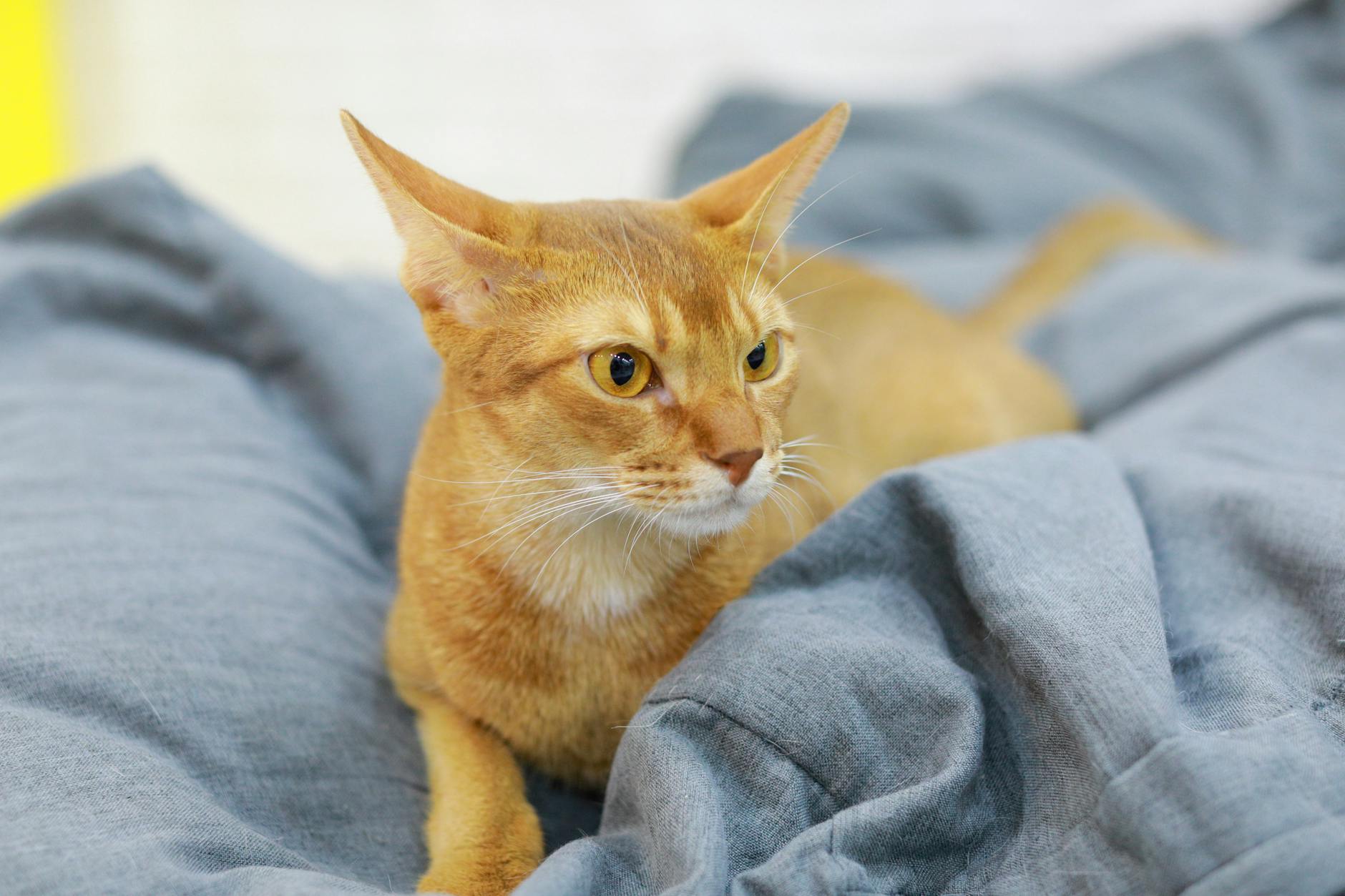
The Abyssinian is one of the most energetic and curious cat breeds in the world, and that insatiable curiosity naturally extends to water. These slender, athletic cats are drawn to faucets, filled glasses, and any source of moving or dripping water they can find. Abyssinians are known to dip their paws into water dishes before drinking, seeming to prefer interacting with their water rather than simply consuming it. Their short, ticked coat dries rapidly, so the physical inconvenience of getting wet is minimal and short-lived. The Abyssinian’s relentless drive to investigate everything in its environment makes water one of many endlessly fascinating features of everyday life.
Burmese
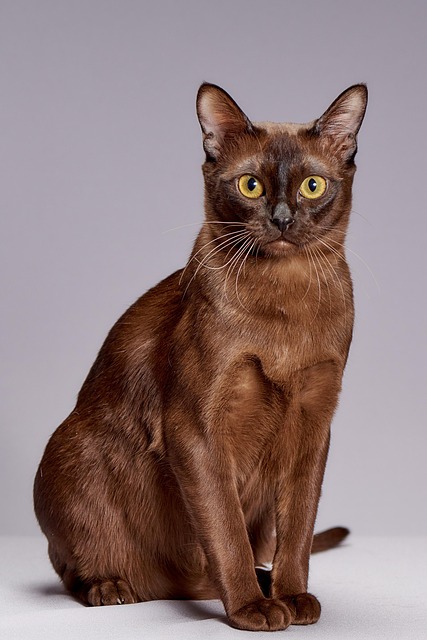
The Burmese cat is a warm, sociable breed with a playful streak that makes it far more water-tolerant than its silky appearance might suggest. These affectionate cats tend to shadow their owners throughout the home, and that devotion often leads them directly into the bathroom during shower and bath routines. Burmese cats have been observed pawing at running water and playing with drips from faucets with genuine enthusiasm. Their short, satin-like coat dries quickly, and their confident personalities mean a little moisture rarely causes alarm. Many Burmese owners describe finding their cats sitting in empty sinks or bathtubs, waiting for the water to be turned on.
Selkirk Rex
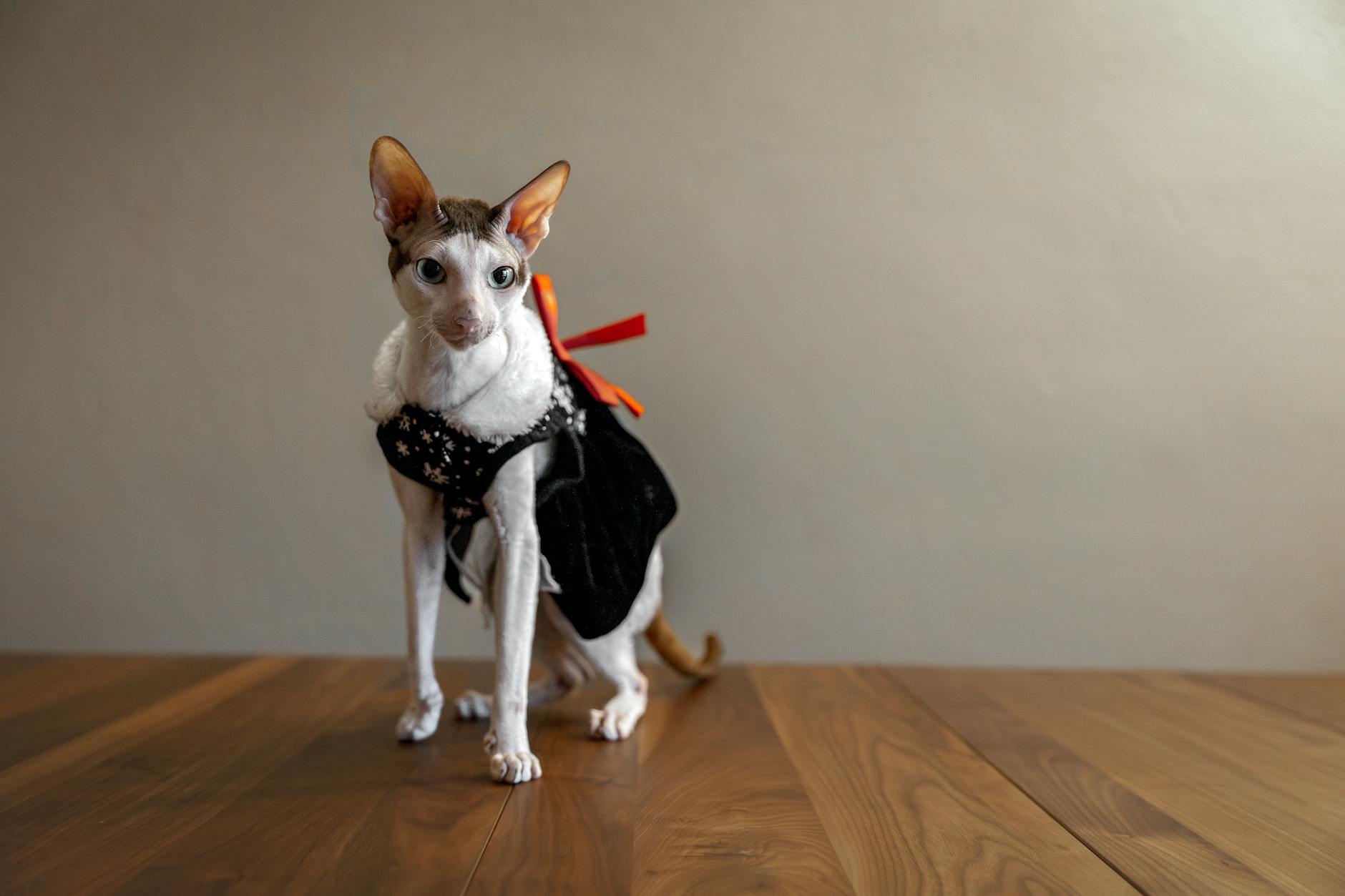
The Selkirk Rex is a curly-coated breed with a robust, easygoing personality that often includes a relaxed attitude toward water. These cats are known for their patient and tolerant temperament, making bath time a far more manageable experience than with many other breeds. Selkirk Rex cats often show curiosity around sinks and bathtubs, investigating the space and occasionally pawing at standing water left inside. Their thick, curly coat holds moisture longer than straight-coated breeds, yet they rarely seem distressed by this sensation. Their affable and unbothered nature makes them one of the more adaptable and water-accepting members of the rex cat family.
Chartreux
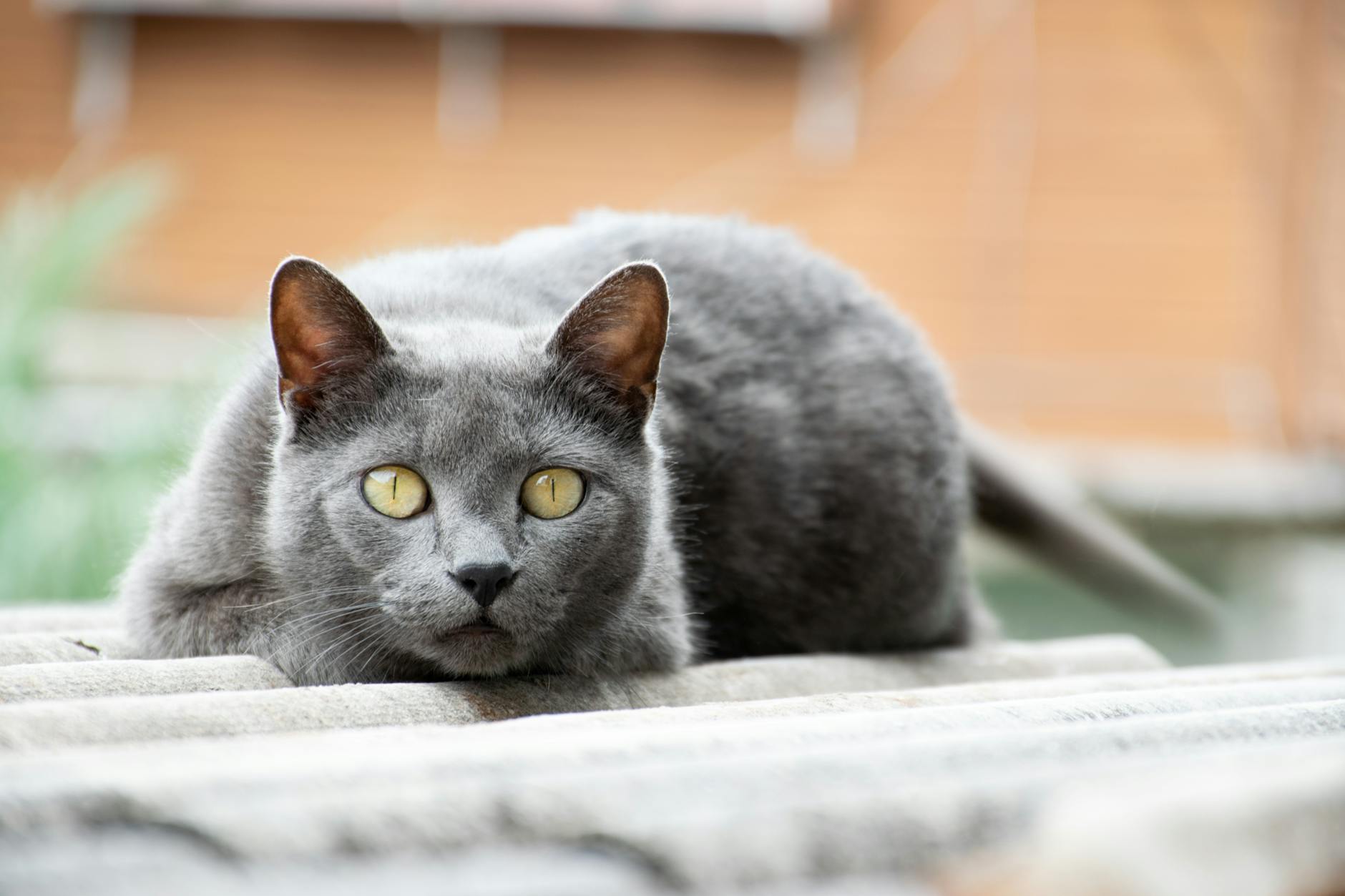
The Chartreux is a sturdy French breed with a water-resistant double coat that was historically practical for life in wet monastery environments where the breed was developed. These quiet, observant cats tend to watch water sources with great interest before deciding to interact, often gently dipping a paw in to test the temperature and movement. Chartreux cats are known for their intelligence and problem-solving instincts, and moving water presents a particularly stimulating puzzle for their active minds. Their woolly undercoat provides a natural buffer against moisture, making unexpected splashes a minor inconvenience rather than a crisis. This combination of a hardy coat and a calm, thoughtful temperament places the Chartreux firmly in the water-tolerant category.
Ocicat
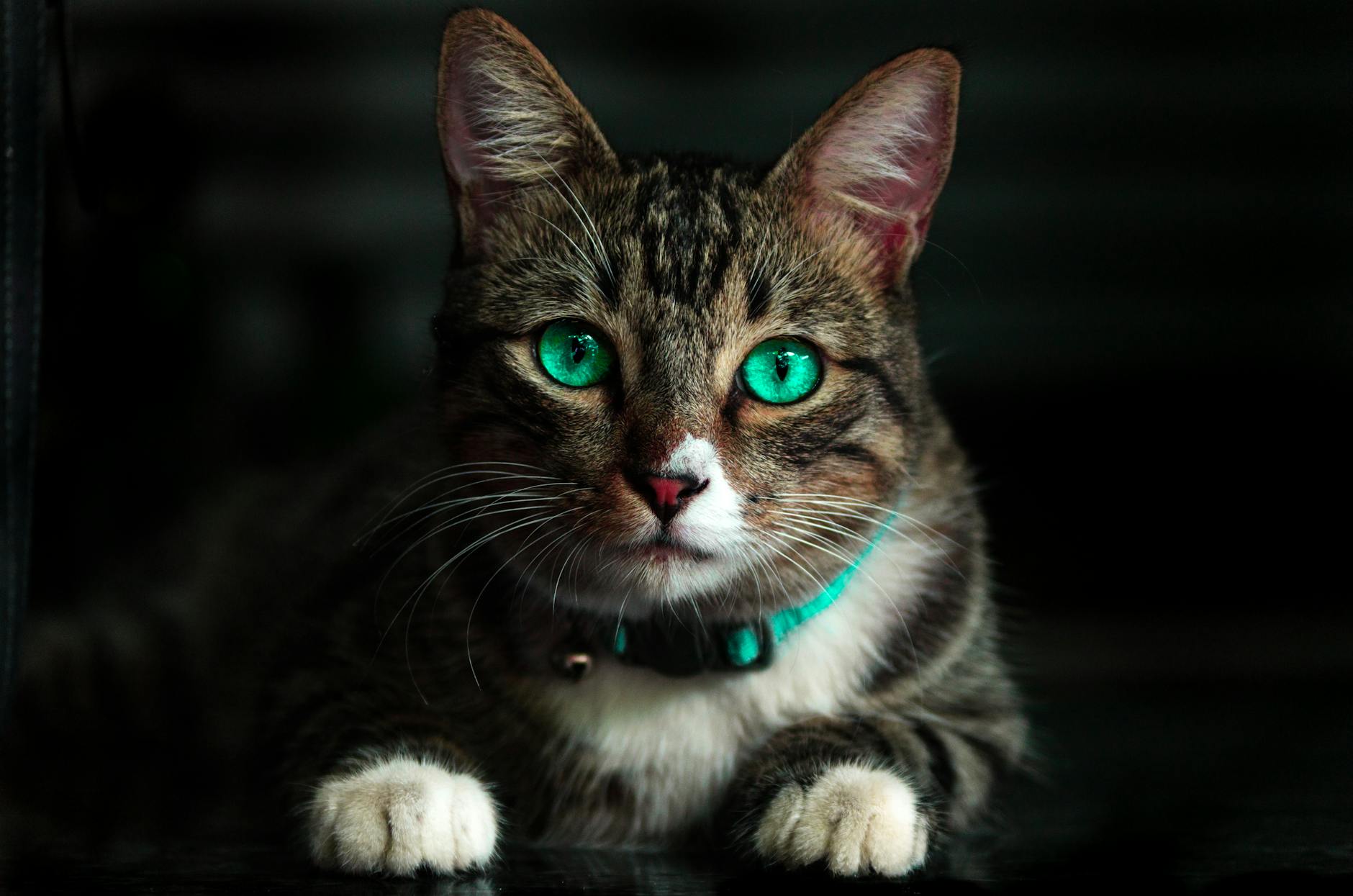
The Ocicat is a fully domestic breed with the striking spotted appearance of a wild cat and an adventurous temperament to match. These athletic cats are highly interactive and seek out stimulation throughout their environment, including the movement and sound of water. Many Ocicat owners describe watching their cats play enthusiastically with dripping faucets or splash in shallow water left in the sink or tub. Their short, low-maintenance coat dries very quickly, meaning the physical aftermath of water play is minimal. The Ocicat’s wild aesthetic is matched by a bold and spirited personality that makes water one more exciting frontier to explore.
Van Kedisi
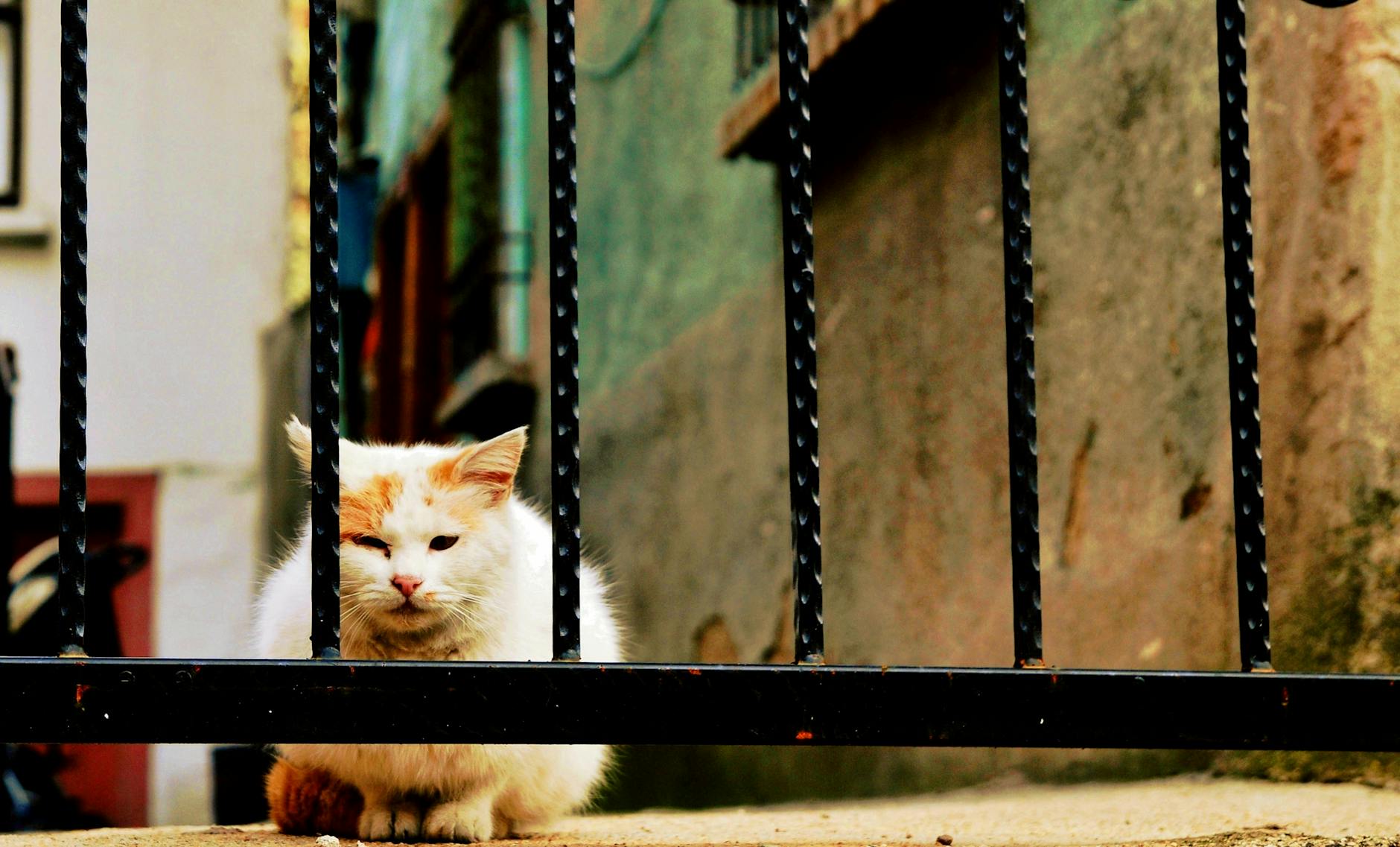
The Van Kedisi is the original Turkish breed closely related to the Turkish Van, and it shares that breed’s legendary reputation for swimming and water play. Originating in the Lake Van region of eastern Turkey, these cats developed in an environment where access to water was constant and unavoidable. Van Kedisi cats are known to swim voluntarily and can cover surprisingly long distances in calm water. Their semi-long, cashmere-like coat is naturally resistant to water and dries more efficiently than most long-haired breeds. The Van Kedisi is considered one of the purest and most ancient water-loving cat breeds, with a deeply rooted aquatic instinct that breeders have worked to preserve.
Chausie
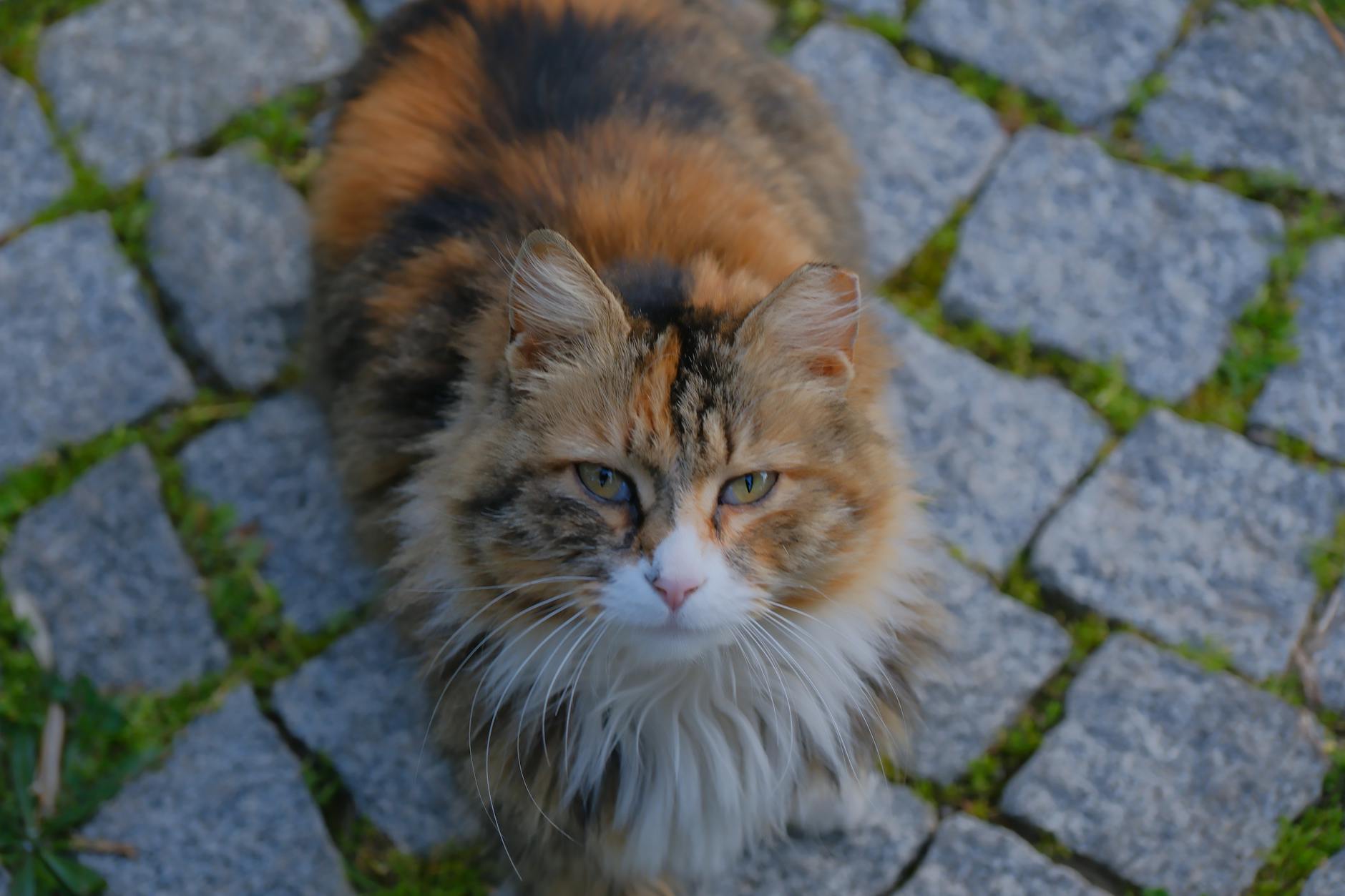
The Chausie is a hybrid breed descended from the jungle cat, a wild species found throughout South and Southeast Asia that is known to swim readily and hunt near rivers and marshes. This wild heritage gives the Chausie an athleticism and boldness that makes it strikingly unlike most domestic cats in how it approaches its environment. Chausies are often described as highly active, dog-like cats that enjoy physical challenges and interactive play, and water fits naturally into that adventurous lifestyle. Their short, dense coat dries quickly, and their wild instincts mean they are rarely startled or deterred by the sensation of getting wet. The Chausie’s hunting ancestry makes a comfort with water less of a quirk and more of a deeply embedded natural trait.
Egyptian Mau
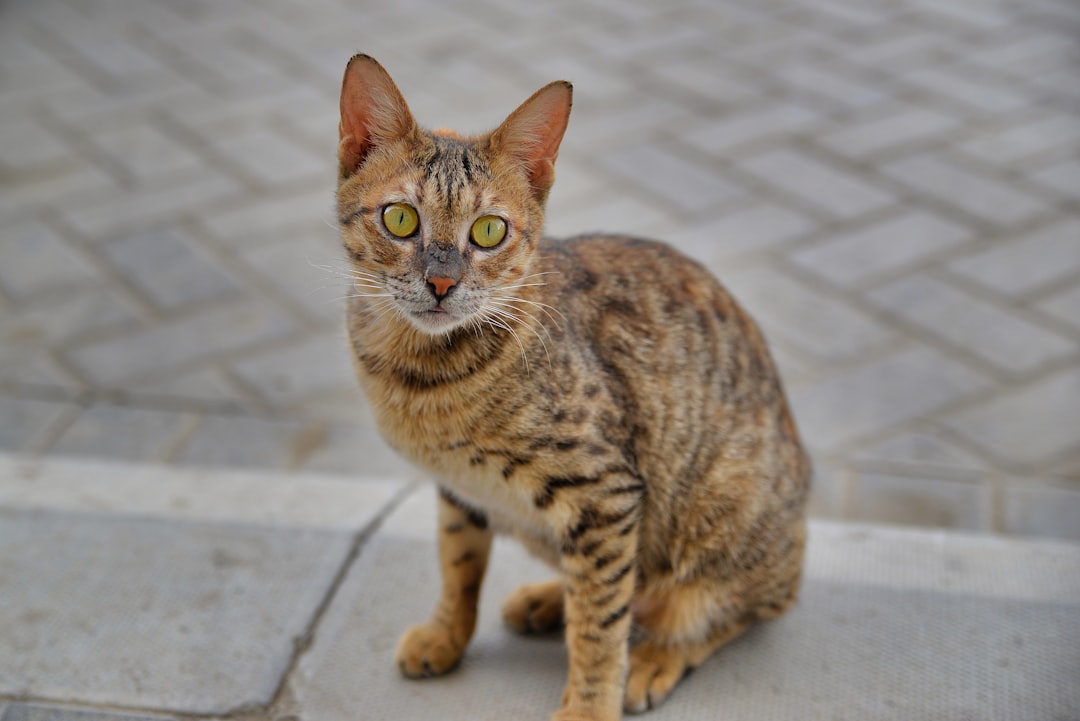
The Egyptian Mau is one of the oldest naturally spotted domestic cat breeds, with origins tracing back to ancient Egypt and a connection to the fertile banks of the Nile River. These swift, elegant cats are highly athletic and possess an intense prey drive that historically drew their ancestors toward water-dwelling creatures and riverbank environments. Egyptian Maus are known for their love of playing with water, frequently dipping paws into dishes and batting at drips with sharp, focused attention. Their short, dense coat is easy to dry, and their confident temperament means unexpected splashes rarely provoke distress. The Mau’s ancient lineage and river-adjacent heritage give its water affinity a rich historical context that stretches back thousands of years.
If you share your home with a water-loving cat or have a breed that surprised you with its aquatic enthusiasm, share your experience in the comments.