Traveling the world opens up extraordinary experiences, but it also comes with hidden social landmines that even the most seasoned globetrotter can accidentally step on. What passes as a friendly or neutral gesture at home can carry deeply offensive, vulgar, or even threatening meanings in other cultures. Understanding the cultural weight behind common hand movements is an essential part of respectful and safe international travel. From a simple thumbs-up to crossing your fingers, the gestures most people use without a second thought can cause genuine offense, embarrassment, or even legal trouble in certain countries. Here is what every traveler needs to know before they raise a hand abroad.
Thumbs Up

The thumbs-up is widely recognized as a sign of approval in North America and much of Western Europe, but its meaning shifts dramatically in parts of the Middle East, West Africa, and South America. In countries such as Iran, Iraq, and Afghanistan, this gesture carries a deeply vulgar connotation roughly equivalent to an obscene insult. Travelers who flash a thumbs-up to signal agreement or gratitude in these regions may find themselves on the receiving end of genuine hostility. The misunderstanding can escalate quickly in conservative communities where such signals are taken seriously. A simple nod of the head is a far safer alternative in these parts of the world.
OK Sign
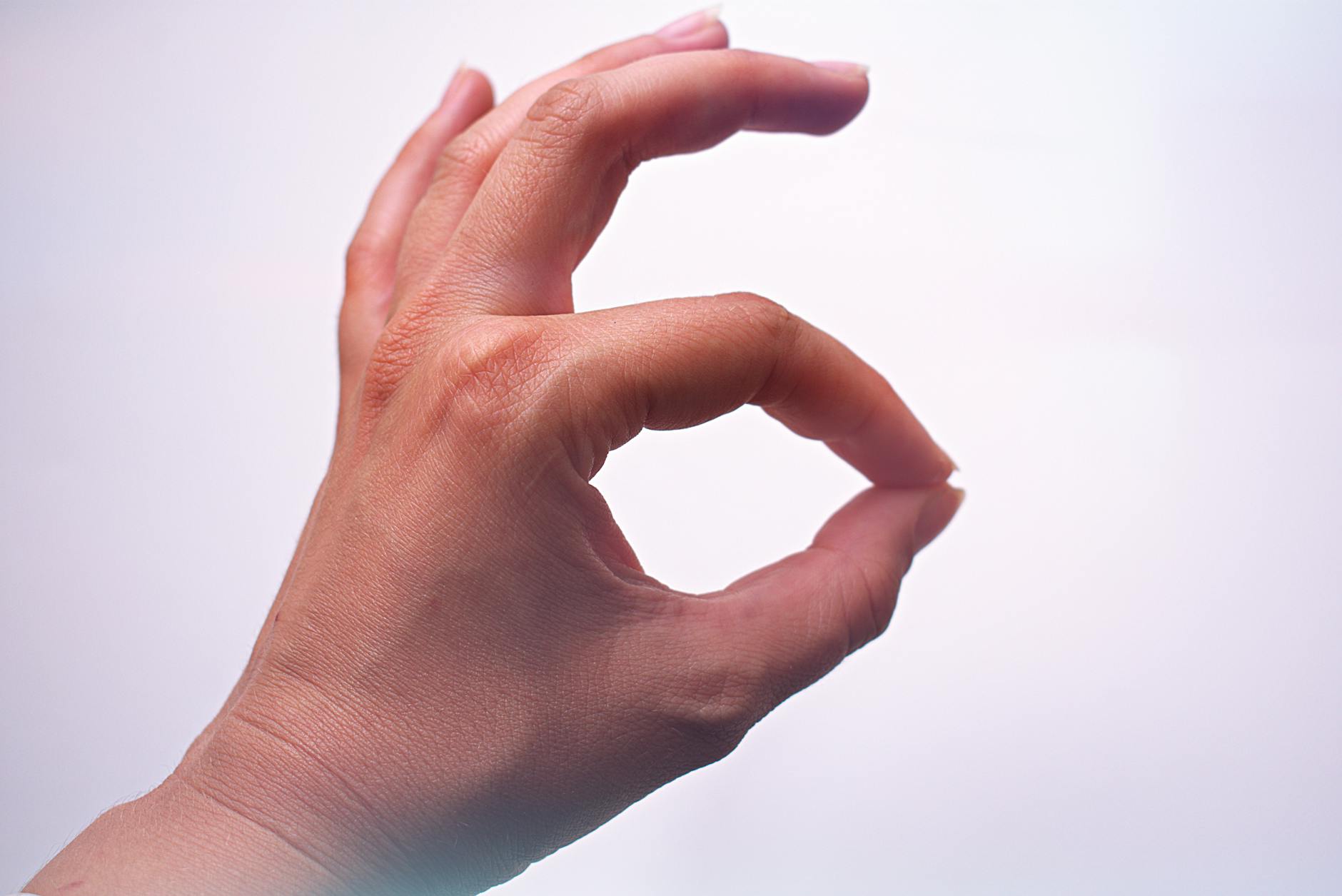
Forming a circle with the thumb and index finger is understood as a positive affirmation in the United States and many English-speaking countries. In Brazil, Turkey, and parts of southern Europe, however, this hand shape carries a vulgar and highly offensive meaning. In Germany and several other European nations, it has historically been used to call someone a fool or suggest they are worthless. The gesture gained additional controversy in recent years due to its adoption by certain extremist groups, making it even more fraught in public settings. Travelers are advised to use verbal confirmation instead to avoid unintended offense.
Peace Sign

Flashing a V-shape with the index and middle fingers facing outward is a universal symbol of peace or victory in most of the world. When the same hand is turned so the back of the hand faces outward, however, it becomes a serious insult in the United Kingdom, Ireland, Australia, and New Zealand. The reversed version carries a meaning roughly equivalent to a raised middle finger in American culture. The distinction between the two positions is subtle enough that many travelers make the mistake without realizing it. Paying close attention to hand orientation before flashing this common gesture can save considerable embarrassment.
Beckoning Finger

Curling a single index finger toward oneself to beckon another person is a routine gesture in North America and parts of Europe. In the Philippines, this motion is considered deeply rude and is used specifically to summon dogs rather than people. In Japan and several other Asian countries, beckoning someone with one finger is seen as disrespectful and overly aggressive. In some parts of Southeast Asia, the gesture is also associated with death and carries a dark cultural connotation. Waving the entire hand palm-down is a far more polite and universally accepted way to invite someone to approach.
Crossed Fingers

Crossing the index and middle fingers is a well-known gesture of good luck or hope in much of the Western world. In Vietnam, however, the same gesture is considered vulgar and offensive, as it is seen as a reference to female genitalia. Travelers visiting Southeast Asia who casually cross their fingers in public or in photographs may inadvertently cause offense without any awareness of having done so. The gesture is common enough in everyday Western behavior that many people make it on reflex in conversations or while wishing someone well. Being mindful of this subtle hand position can go a long way in maintaining respectful interactions.
Fig Sign
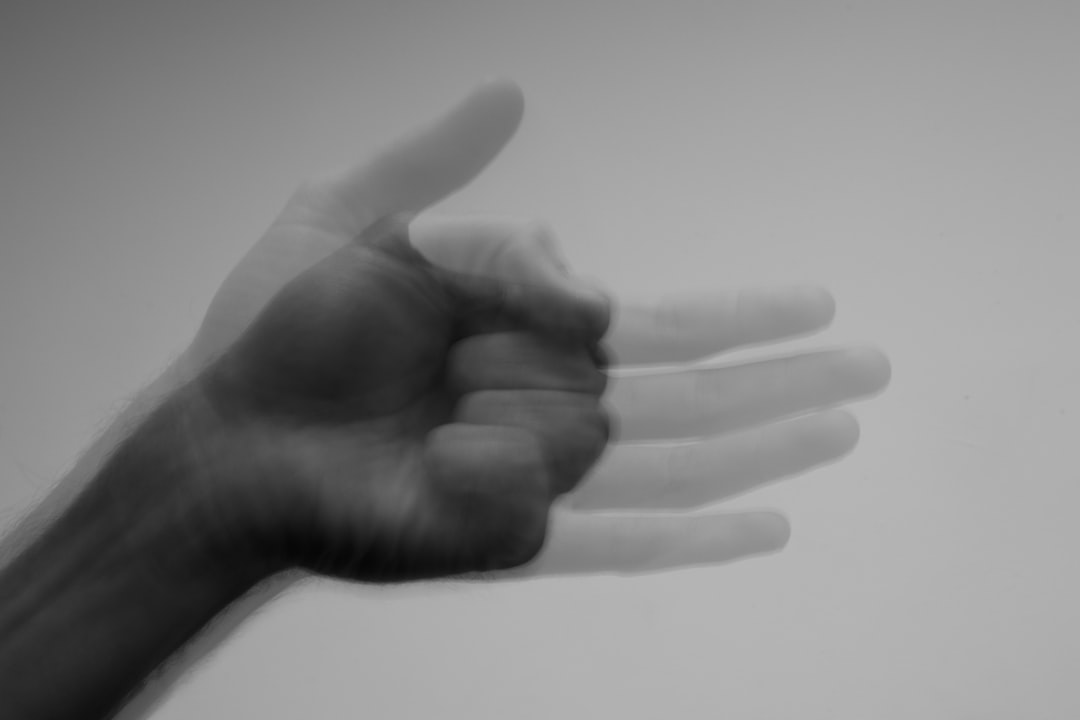
The fig sign is made by tucking the thumb between the index and middle fingers to form a closed fist. In Turkey, Russia, Indonesia, and several other countries, this gesture is a crude and highly offensive insult directed at another person. In Brazil, paradoxically, the same gesture is considered a good luck charm and is commonly worn as jewelry or given as a gift. The contrast in meaning between cultures is so extreme that the same hand position can be either a blessing or a serious provocation depending on where it is used. Travelers moving between these regions should be especially cautious about unconsciously slipping into this shape while talking with their hands.
Pointing
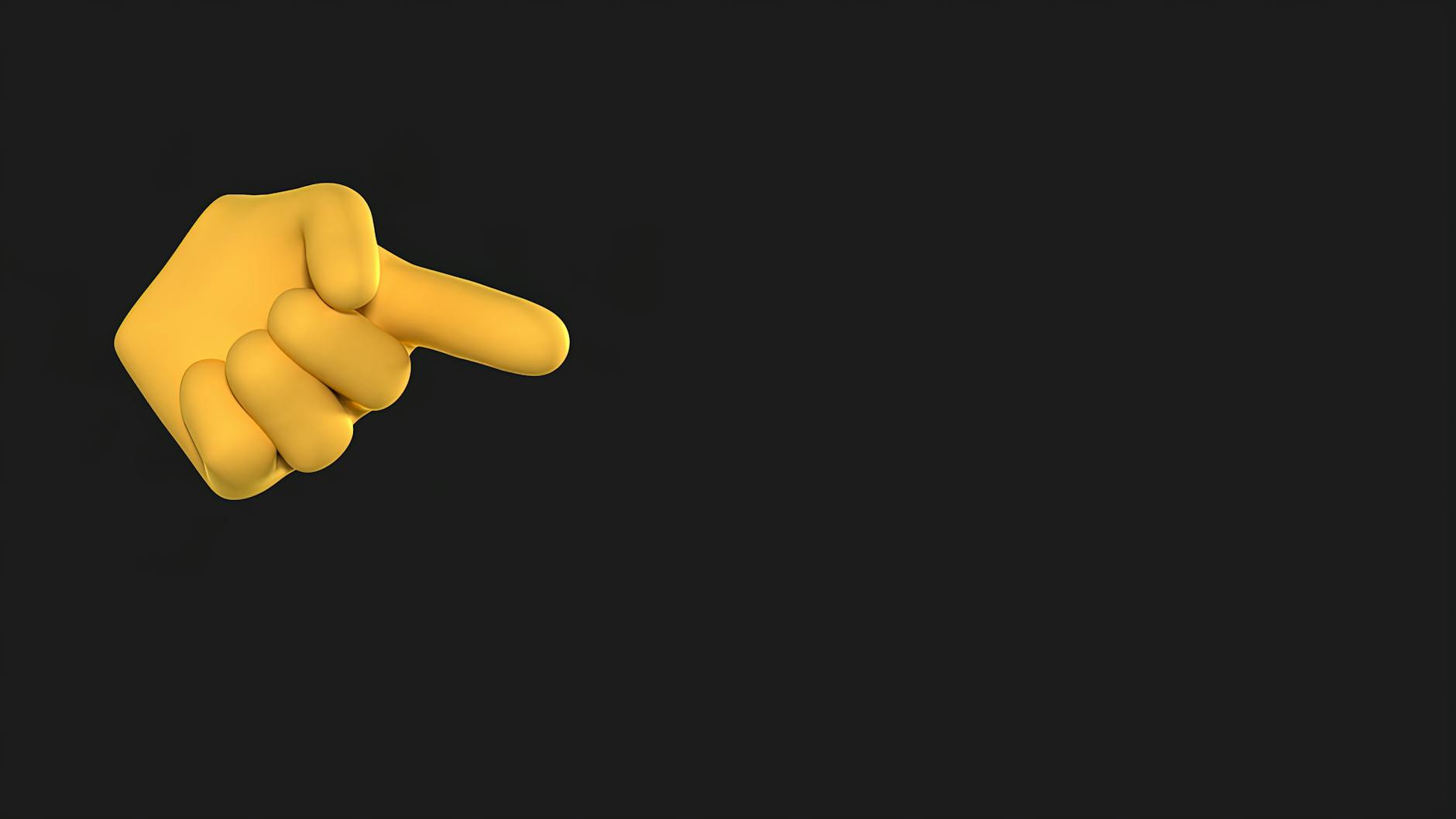
Pointing directly at a person or object with the index finger is considered a natural and neutral way to indicate direction or draw attention in many Western cultures. In Japan, China, Indonesia, and much of Latin America, however, pointing at people is seen as impolite, aggressive, or even threatening. In some parts of Africa and the Middle East, pointing at another person is considered disrespectful and ill-mannered. Many cultures in these regions prefer to gesture toward something with an open hand or a subtle nod of the head. Adopting an open-palm gesture as an alternative to pointing is one of the simplest etiquette adjustments a traveler can make.
Waving

A simple wave of the hand in greeting is one of the most universally understood gestures, but even this seemingly harmless movement carries regional nuances. In Greece, holding up an open palm facing outward toward someone is called the moutza and is considered a serious and offensive insult. The gesture closely resembles a friendly wave, making it particularly easy for unsuspecting tourists to commit accidentally. The moutza historically meant a command to rub filth into someone’s face and retains strong negative connotations to this day. Travelers in Greece should keep their palms angled inward or simply nod when greeting or waving goodbye.
Thumbs Down

The thumbs-down gesture is broadly understood as a sign of disapproval or failure in Western popular culture. In some parts of the Middle East and West Africa, the gesture goes beyond mere disapproval and carries deeply offensive or even threatening undertones. The meaning of the gesture has also evolved unevenly across cultures due to the influence of Western media, creating confusion about its intended weight. In professional or formal settings abroad, expressing disagreement through facial expressions or measured words is always a more culturally neutral choice. Relying on explicit hand signals to communicate judgment or dissatisfaction can easily be misread in an unfamiliar cultural context.
Horns Sign
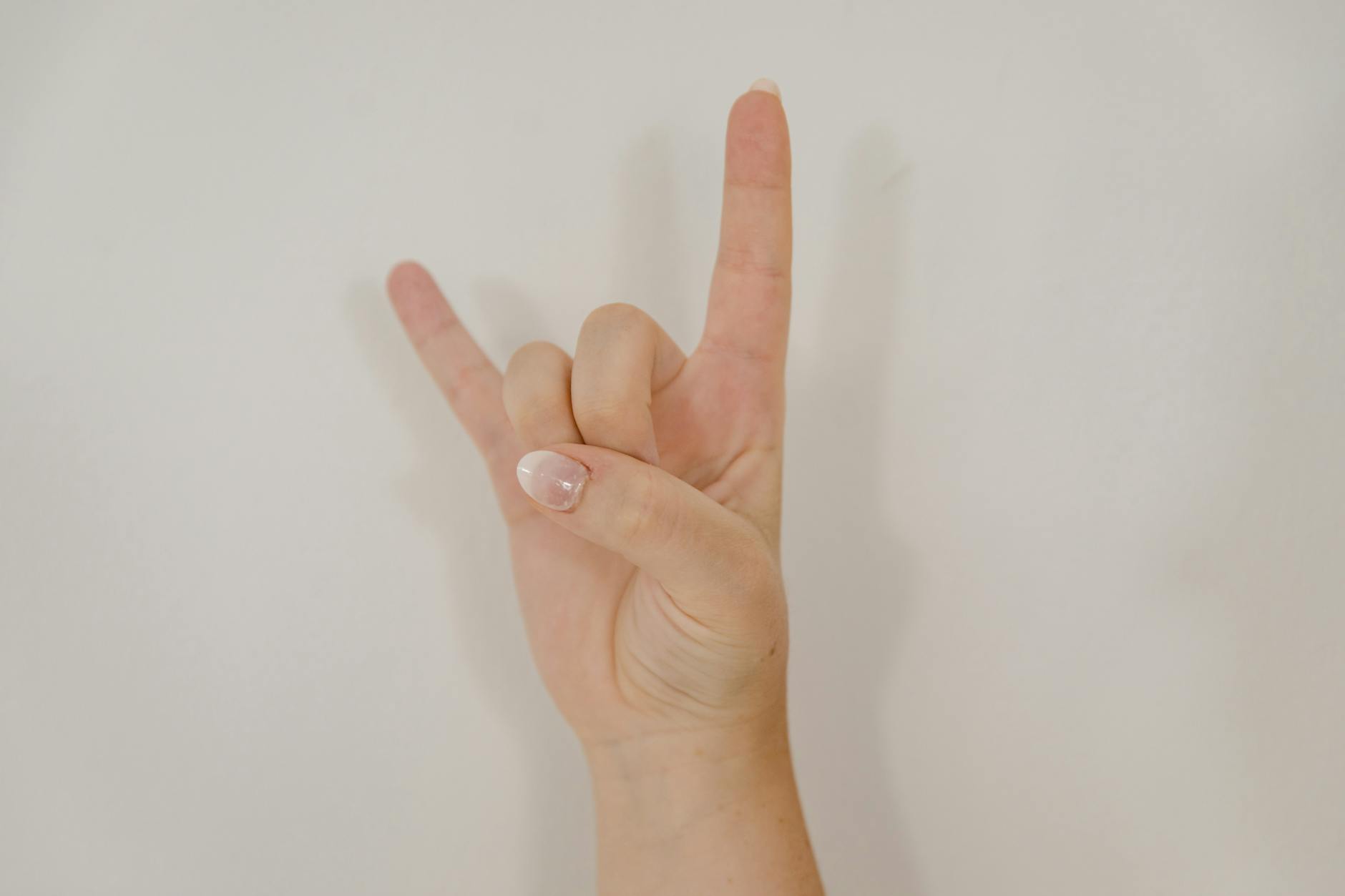
Extending the index and pinky fingers while holding down the middle and ring fingers with the thumb creates the sign commonly associated with rock music and casual enthusiasm in North America. In Italy, Spain, Portugal, Greece, Brazil, and several other countries, this same gesture traditionally means that a man’s wife or partner has been unfaithful to him. Directing the hand toward someone while making this sign is considered a profound insult in these cultures and can provoke strong emotional reactions. The gesture is so charged in southern European contexts that it has historically been used to publicly shame individuals. Travelers attending concerts or sporting events abroad should be aware that their casual enthusiasm may be interpreted very differently by those around them.
Left Hand

Using the left hand to pass objects, eat, greet others, or gesture is considered highly offensive in many parts of India, the Middle East, and sub-Saharan Africa. In these cultures, the left hand is traditionally associated with personal hygiene and is therefore regarded as unclean in social interactions. Offering money, food, or a handshake with the left hand can cause genuine offense even when no disrespect is intended. This cultural norm is deeply embedded in religious and social customs that have persisted for centuries. Left-handed travelers should make a conscious effort to use their right hand for all exchanges and greetings when visiting these regions.
Chin Flick

The chin flick involves brushing the back of the fingers or fingernails upward and outward from beneath the chin. In France, Belgium, northern Italy, and Tunisia, this gesture signals dismissal or indifference and is roughly equivalent to saying something is of no concern or relevance. In southern Italy, however, the same movement carries a more aggressively offensive meaning and can be interpreted as a vulgar rejection or insult. The subtlety of the gesture makes it easy to perform unconsciously while thinking or speaking, without realizing its impact on those nearby. Keeping the hands relaxed and still during conversation is a reliable way to avoid inadvertent offense in these regions.
Eyelid Pull

The eyelid pull involves using one finger to pull down the skin just beneath one eye. In France and Spain, this gesture is a sign of disbelief or skepticism toward what another person is saying, roughly translating to the phrase “I’m watching you” or “I don’t believe you.” In other parts of Europe and Latin America, the meaning shifts further toward mockery or sarcasm directed at the person being addressed. The gesture is casual enough that travelers who pick it up from films or local interaction may reproduce it without fully understanding its dismissive weight. Using words to express doubt or skepticism is a much cleaner and more respectful approach across cultural boundaries.
Hand Purse
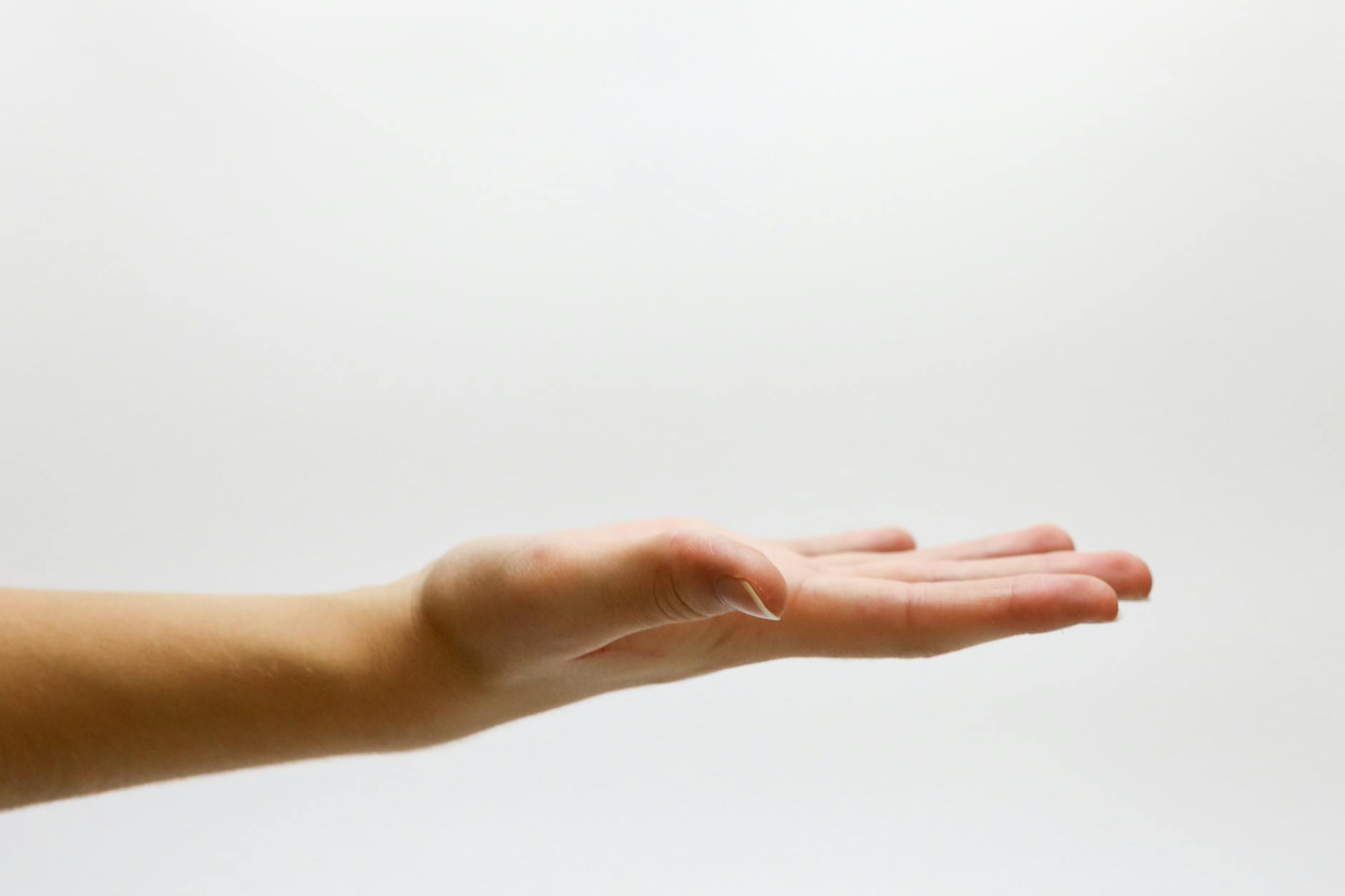
The hand purse is formed by bringing all five fingertips together so they point upward and touch at the tips, creating a shape reminiscent of a budding flower. In Italy, this gesture is used expressively during conversation to ask what someone means or to signal exasperation, and it is so culturally embedded that it has become something of an international shorthand for Italian communication. In Greece and Turkey, however, the same gesture can carry a more negative or mocking connotation depending on context and delivery. Travelers who pick up the gesture from Italian friends or media and use it casually in other countries may find it lands differently than expected. Being aware of the audience and regional context before adopting locally observed gestures is always a wise approach.
Slap on Back

Giving someone a hearty slap or pat on the back is a common expression of congratulations, camaraderie, or affection in many Western cultures. In parts of East Asia, including China and Japan, physical contact of this kind between people who are not close friends or family is considered invasive and disrespectful. In some Middle Eastern cultures, touching another person’s body uninvited is seen as a violation of personal boundaries and can cause significant discomfort. The difference in attitudes toward physical contact is one of the most culturally significant gaps between Western and Eastern social norms. Erring on the side of minimal physical contact in unfamiliar cultural settings is always the safer and more respectful choice.
Crossed Arms
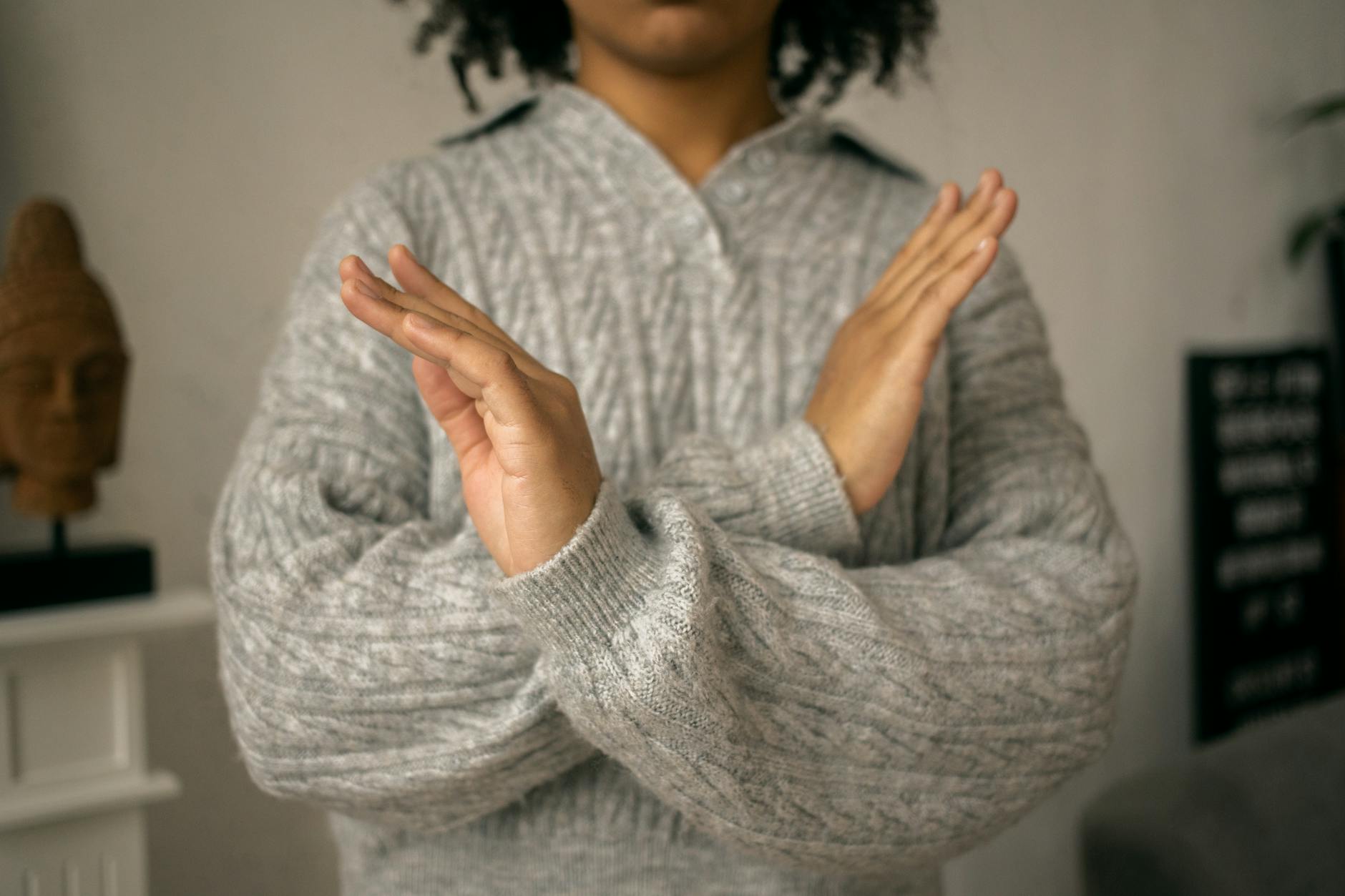
Crossing the arms over the chest is a common resting posture for many people in Western countries and is often no more than a comfortable way to hold the body. In Finland and several other northern European countries, crossed arms during a conversation can be read as a signal of arrogance, closed-mindedness, or hostility toward the person speaking. In certain business settings across Asia, crossed arms during a presentation or negotiation may be interpreted as a sign of deep disapproval or disengagement. The gesture is particularly problematic in formal or professional contexts where body language carries heightened social meaning. Keeping arms relaxed and open at the sides or folded loosely in the lap communicates far greater receptivity across most cultures.
Sole of Foot

Crossing the legs in a way that exposes the sole of the foot toward another person is a reflexive and comfortable seated position for many people raised in Western cultures. In Thailand, Saudi Arabia, Egypt, and much of the Islamic world, however, exposing the sole of the foot toward another person is considered deeply disrespectful, as the foot is regarded as the lowest and most impure part of the body. Directing the sole of the foot toward a religious image, an elder, or a host in their home can cause serious offense and damage an otherwise positive relationship. During formal visits, religious sites, or business meetings in these regions, keeping both feet flat on the floor is strongly advised. This seemingly minor adjustment to seated posture can make an outsized difference in how a traveler is perceived.
Hand on Heart

Placing a hand over the heart is a gesture of sincere gratitude, greeting, or respect in many cultures and is generally well received in the Middle East, South Asia, and parts of Latin America. In Japan, however, unsolicited touching of the chest during interaction can seem overly dramatic or performative, as Japanese social norms favor restraint in physical expression. In some formal contexts in East Asia, exaggerated physical gestures of any kind can come across as emotionally excessive or even insincere. The meaning of the gesture also shifts depending on whether it is paired with a bow, a nod, or a verbal acknowledgment. Understanding when physical sincerity is welcome versus when quiet composure is preferred is one of the more nuanced lessons of cross-cultural etiquette.
Money Gesture

Rubbing the thumb briskly against the tips of the fingers is universally understood in many countries as a reference to money or payment. In Japan, the same gesture carries a different and more specific meaning, often used to refer to tips or bribery rather than straightforward payment. In some formal business settings across East Asia and the Middle East, making an explicit money gesture during negotiations or conversation is considered tactless and overly transactional. The gesture can also come across as accusatory or crass when directed at someone in a professional context. Using clear verbal language to discuss financial matters is far more appropriate across the wide range of business and social cultures a traveler may encounter.
Nodding

Nodding the head up and down is the near-universal signal for agreement or affirmation in most of the Western world and has become one of the most commonly exported communication habits globally. In Bulgaria and parts of Greece and Turkey, however, the meaning of the nod is reversed, with an upward tilt or a side-to-side movement used to signal agreement and a downward nod sometimes indicating refusal. The reversal is disorienting enough to cause genuine miscommunication in everyday transactions and social conversations. Travelers who rely on nodding as a quick and effortless way to confirm understanding may find themselves agreeing to things they did not intend to accept. Taking a moment to verbally confirm what has been agreed upon removes the ambiguity that body language alone cannot always resolve.
What hand gestures have caught you off guard while traveling? Share your experiences in the comments.