Every workplace has its own dress code, but certain fashion choices send the wrong message no matter the industry or setting. From overly casual staples to bold statements that distract from your skills, these trends can quietly undermine how colleagues, clients, and managers perceive you. Understanding which styles to avoid can make a meaningful difference in how seriously you are taken at work.
Graphic Tees
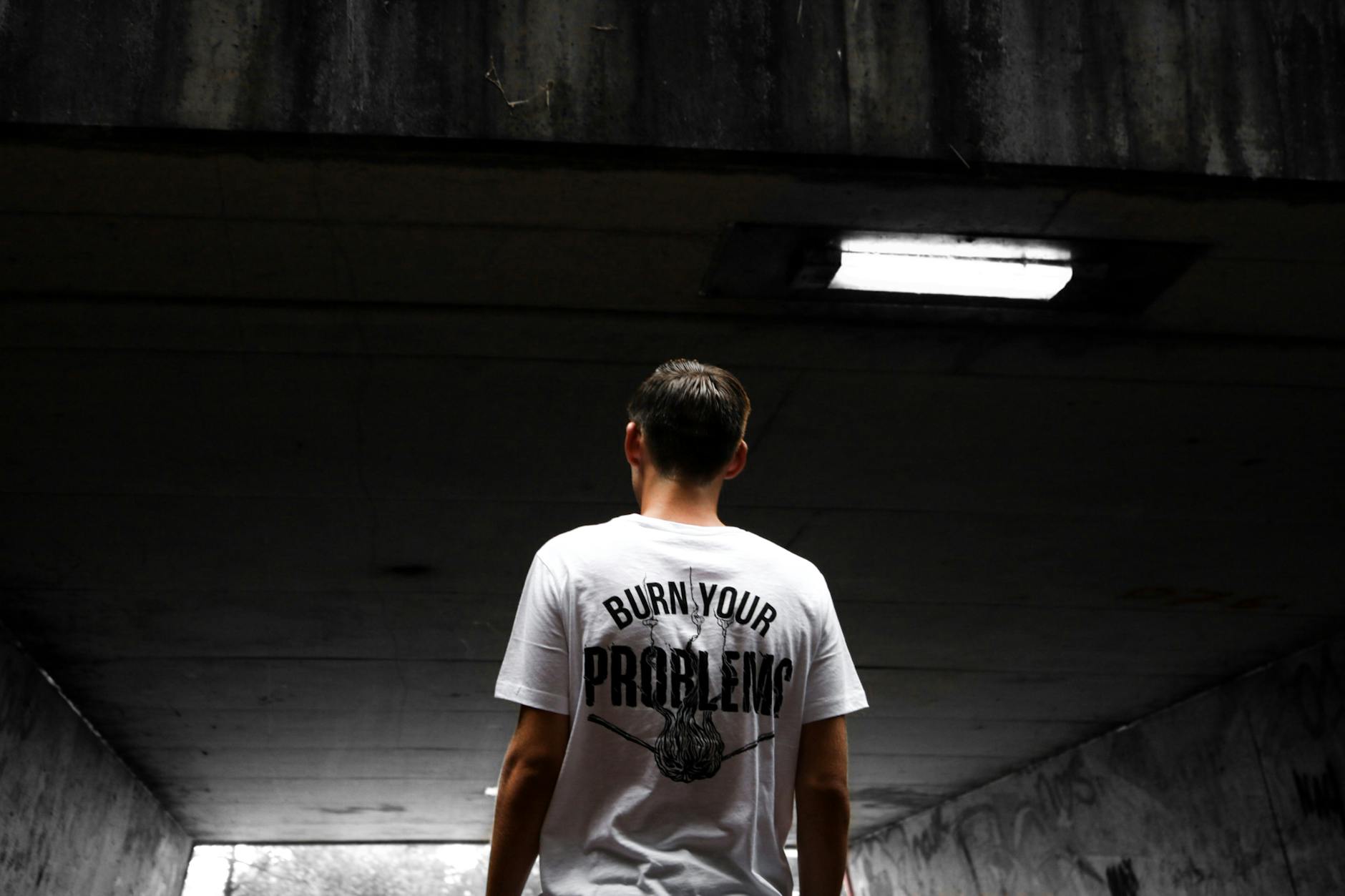
Printed t-shirts featuring slogans, band names, or pop culture references are a staple of casual dressing but rarely translate well to professional settings. Even in creative workplaces, bold graphics can pull attention away from what you are saying and create an impression of informality. The imagery on a graphic tee can also be misread or come across as inappropriate depending on the audience. Keeping your tops solid or subtly patterned communicates a level of intentionality that graphic prints simply do not.
Flip Flops
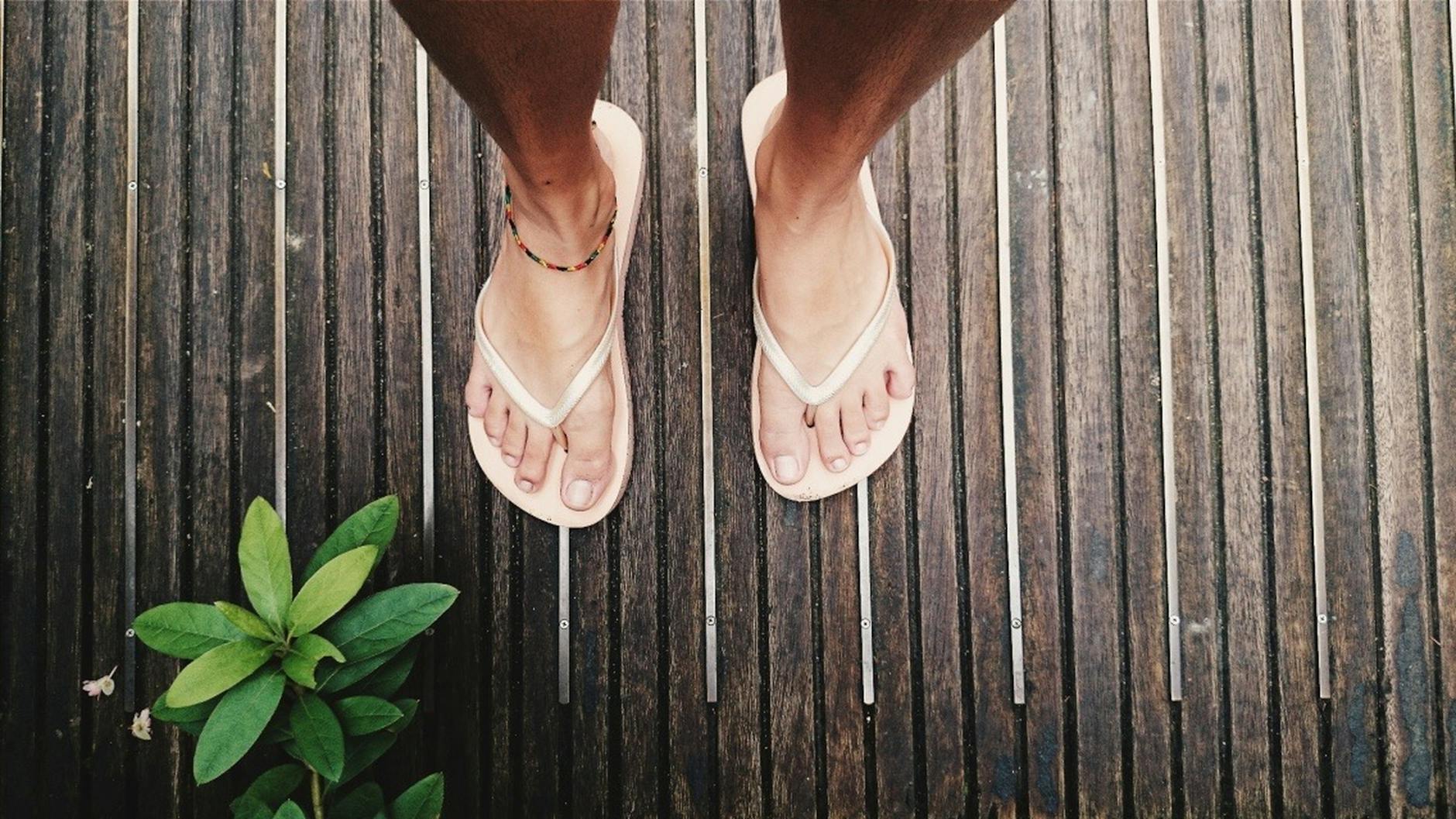
Few footwear choices signal disengagement from professional norms quite like flip flops in an office or client-facing environment. The sound they make while walking can be distracting to coworkers, and they are widely associated with beach or leisure settings rather than focused work. Even in warmer climates or casual Fridays, there are far more polished alternatives that still keep feet comfortable. Sandals with structure and a closed toe offer a much more put-together impression.
Leggings
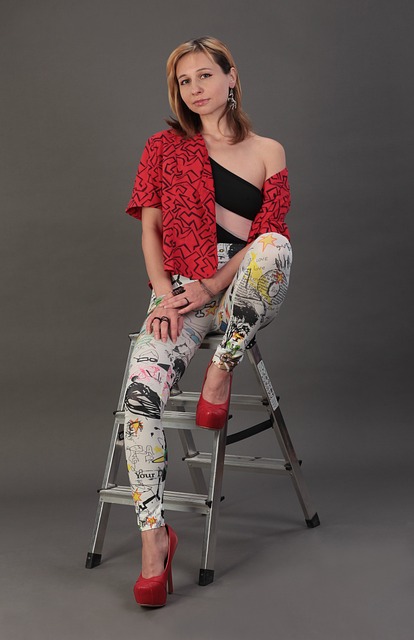
Leggings have become a beloved wardrobe staple outside of work, but wearing them in place of trousers or tailored pants can read as underdressed in most professional environments. The fabric and silhouette are primarily designed for movement and comfort rather than to project authority or polish. Even high-waisted or thick-fabric versions rarely achieve the structured look that professional settings call for. Opting for ponte trousers or tailored straight-leg pants gives a similarly comfortable fit with a much more office-appropriate finish.
Ripped Jeans

Distressed denim may be a dominant trend in streetwear and weekend fashion, but tears and fraying in fabric carry an inherent casualness that clashes with professional expectations. Even when paired with a blazer or polished shoes, the damage to the garment itself is hard to overlook. Many clients and senior colleagues associate ripped clothing with a lack of care or attention to presentation. Saving distressed denim for after-hours ensures you maintain the right image during working hours.
Mini Skirts
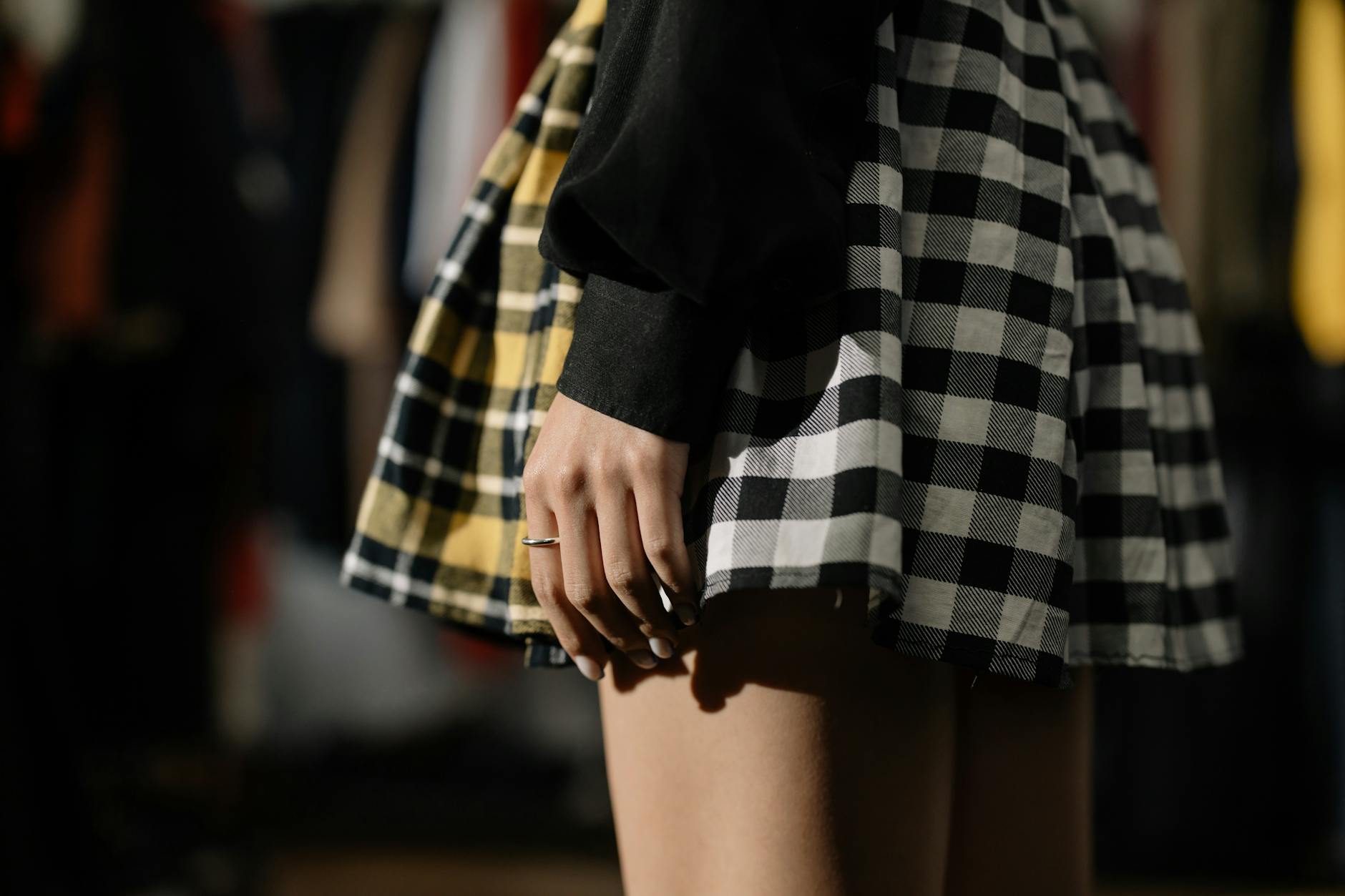
Very short hemlines can create discomfort in work environments where movement, meetings, and long hours seated are all part of the day. A hemline that falls well above the knee tends to draw attention in ways that can feel at odds with a professional setting. This is not about personal expression but about how extremely short skirts can distract from the professional interaction at hand. Knee-length or midi hemlines offer far more versatility and project a more composed image.
Crop Tops
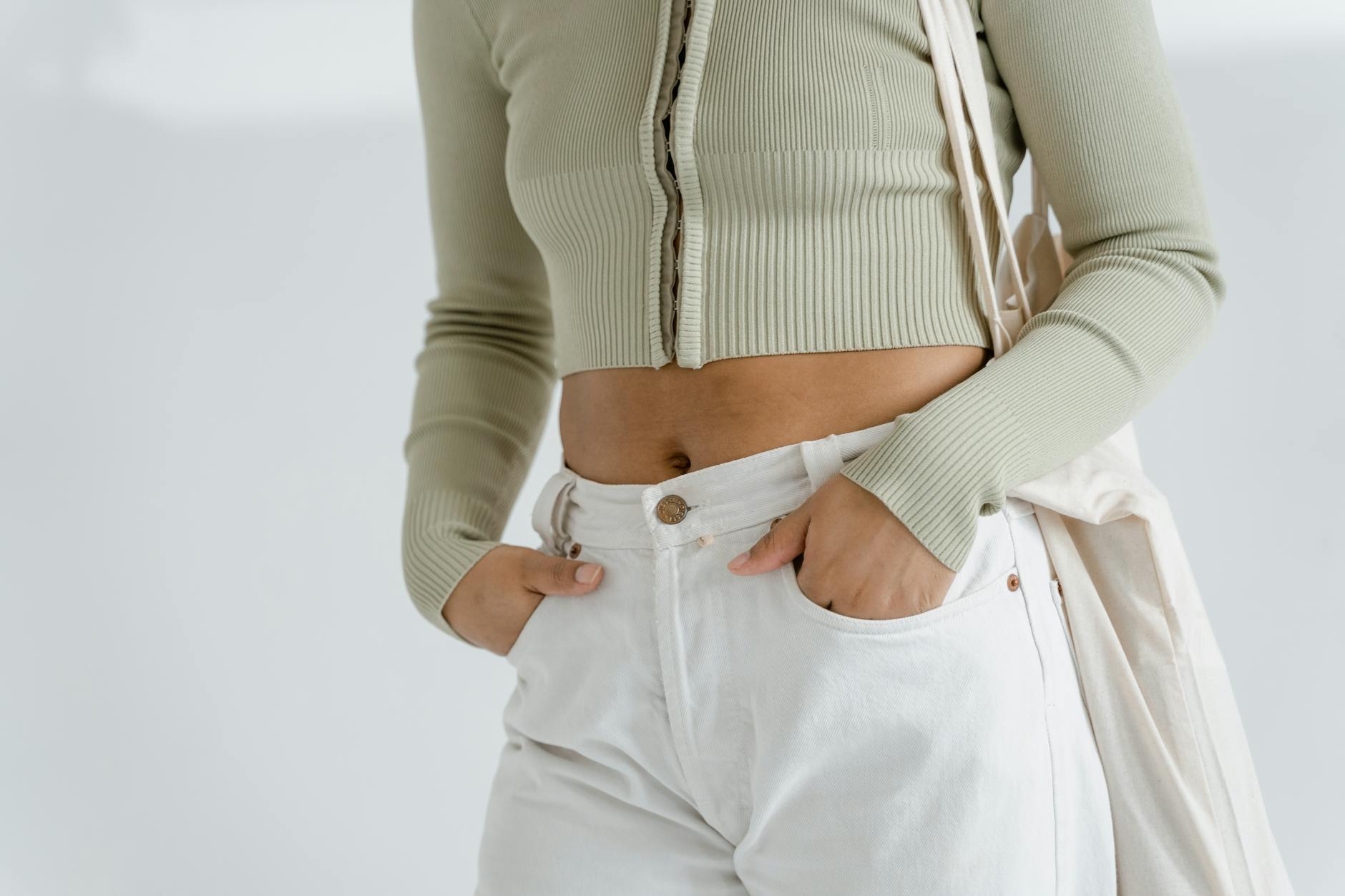
Cropped tops that expose the midriff are firmly rooted in casual and going-out fashion, making them one of the more obvious choices to leave out of a work wardrobe. Even a slight exposure of skin around the midsection can feel out of place in meetings, presentations, or client interactions. Tucking a longer blouse or fitted top into high-waisted trousers can give a similar silhouette without crossing into unprofessional territory. The goal is to look put-together from every angle and in every seated or standing position.
Hoodies
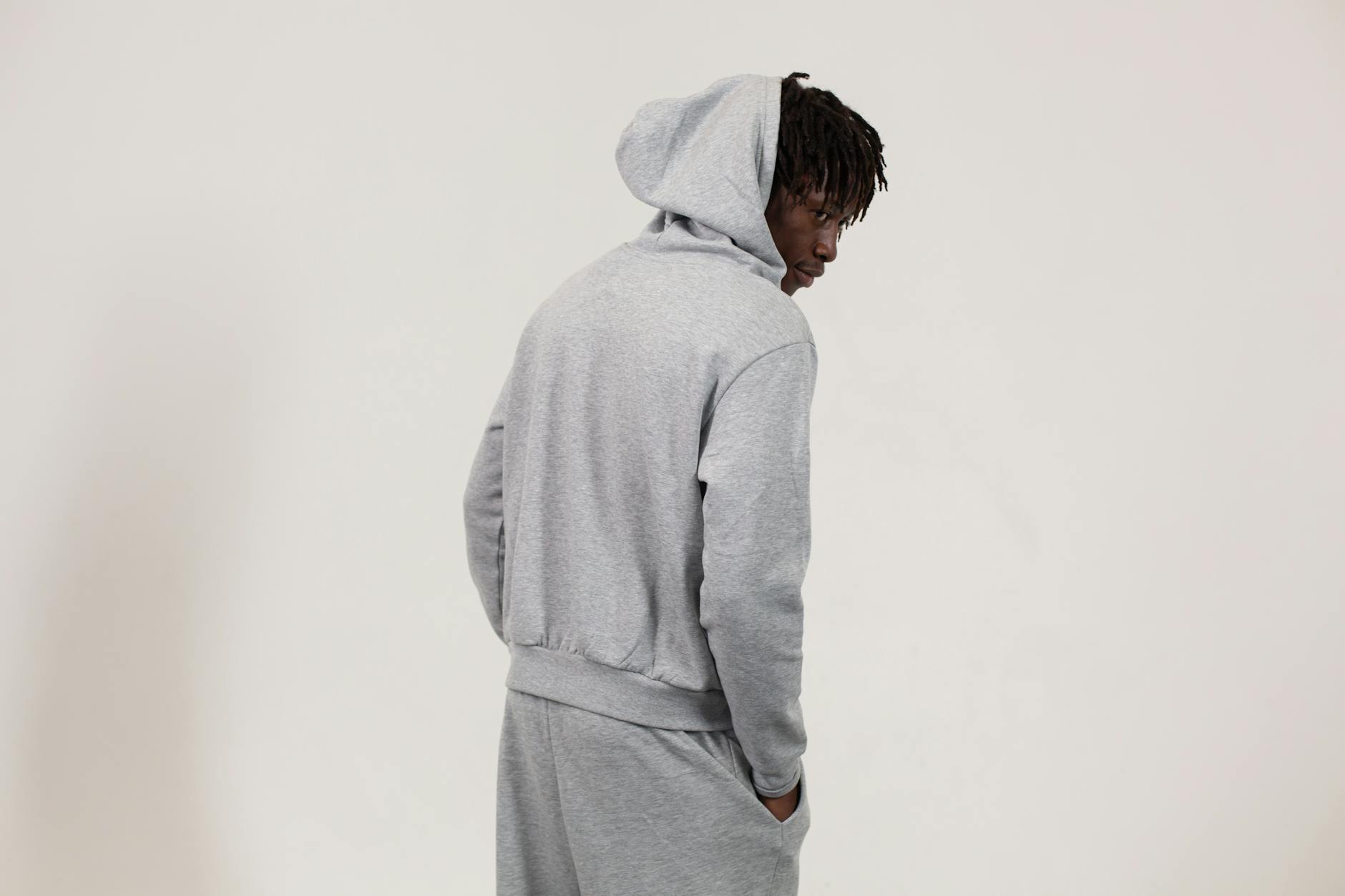
Hooded sweatshirts have seen a significant rise in mainstream fashion, but they remain closely tied to athletic and leisure contexts in most professional minds. Wearing a hoodie to work can suggest a resistance to dressing with intention, particularly in client-facing or leadership roles. Even premium or designer versions rarely escape the casual connotations of the silhouette. A structured knit or a smart crewneck sweater achieves the same comfort level while projecting more professionalism.
Athleisure
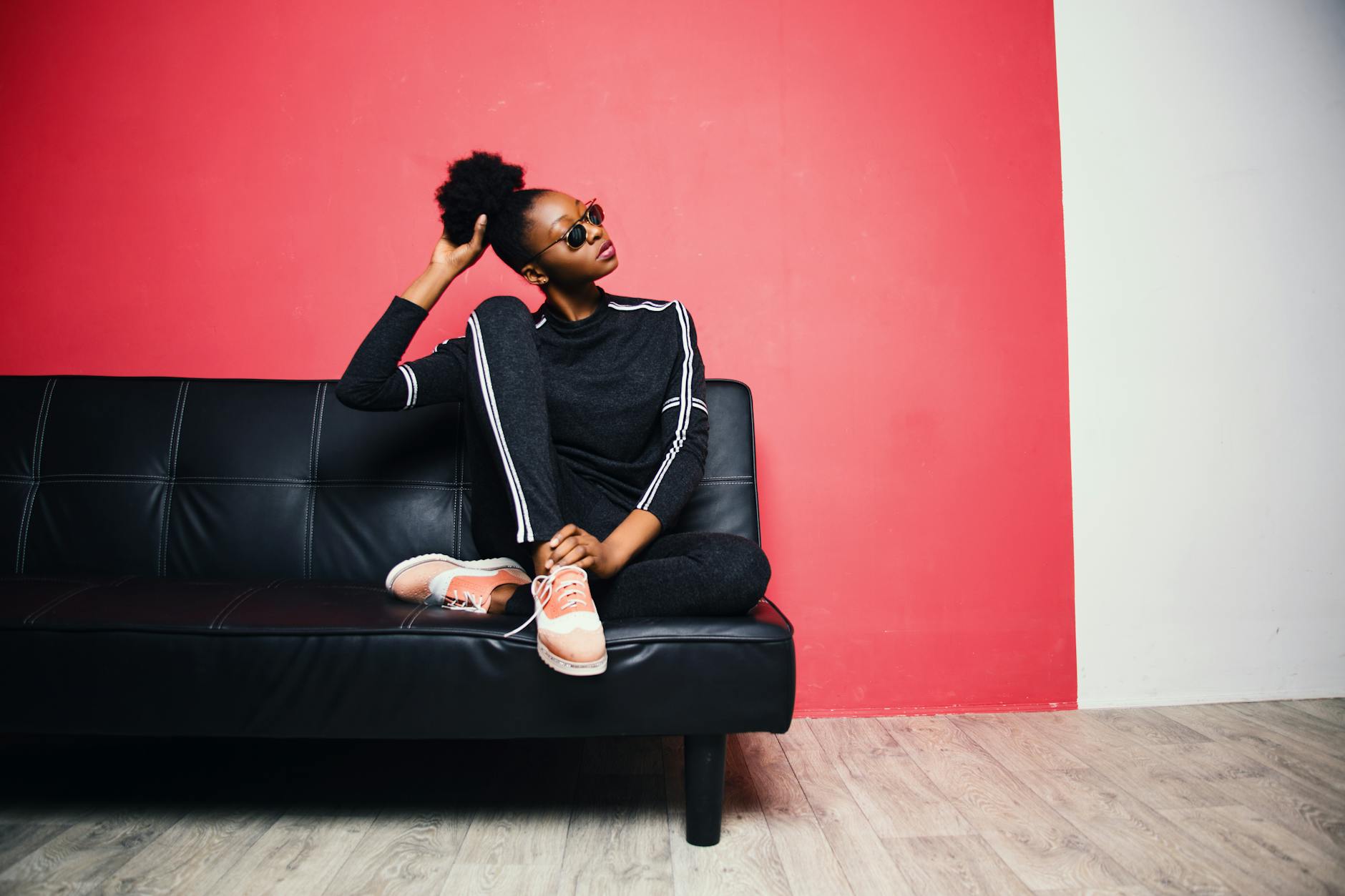
The blending of athletic and casual wear has been one of the biggest fashion movements of recent years, but wearing full athleisure sets in professional environments sends a clear signal of disengagement from workplace norms. Matching jogger and zip-up sets, regardless of brand or price point, read as clothing meant for the gym or a rest day at home. Even in tech or creative industries with relaxed dress codes, there is a difference between smart casual and gym-ready. Choosing elevated basics such as tailored chinos or a structured shirt maintains comfort without sacrificing credibility.
Sheer Tops

Highly transparent tops that visibly expose undergarments in full are a trend better suited to evening events than professional environments. The look can shift focus away from your competence and toward your outfit in ways that undermine the impression you are working to create. There are subtler ways to incorporate sheer fabric into a work outfit, such as pairing a lightly sheer blouse with a camisole underneath for a layered effect. The key is ensuring that the overall look remains intentional and polished rather than revealing.
Heavy Logomania
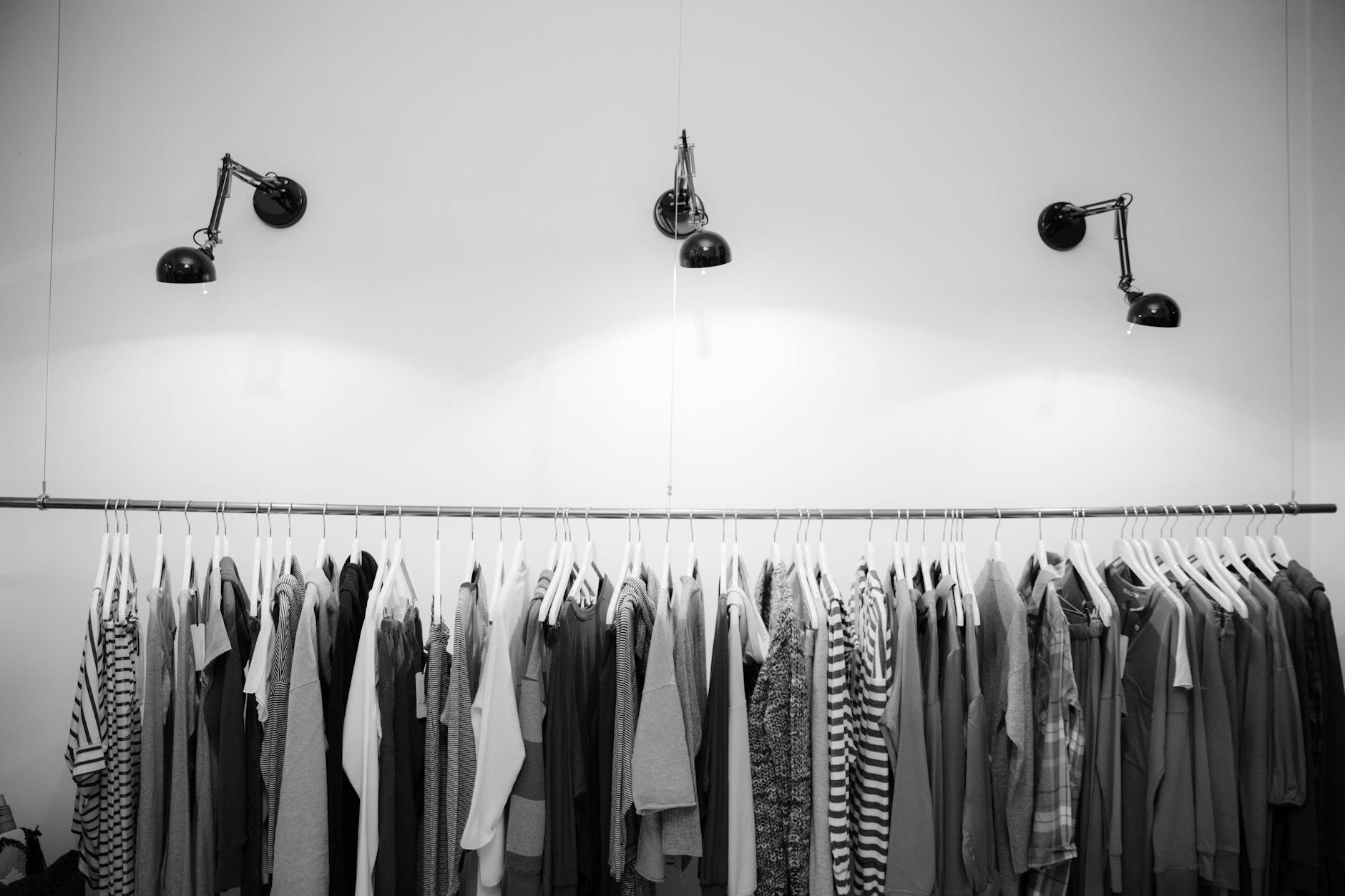
Wearing multiple items covered in oversized or loud brand logos at once can come across as status-seeking in ways that feel out of place in team-oriented or client-facing environments. While a single branded piece can work as an accent, head-to-toe logomania tends to pull focus toward wealth signaling rather than professional substance. It can also read as trying too hard in settings where understated dressing typically carries more authority. Keeping branding subtle or minimal allows your work and ideas to take center stage.
Overly Distressed Clothing
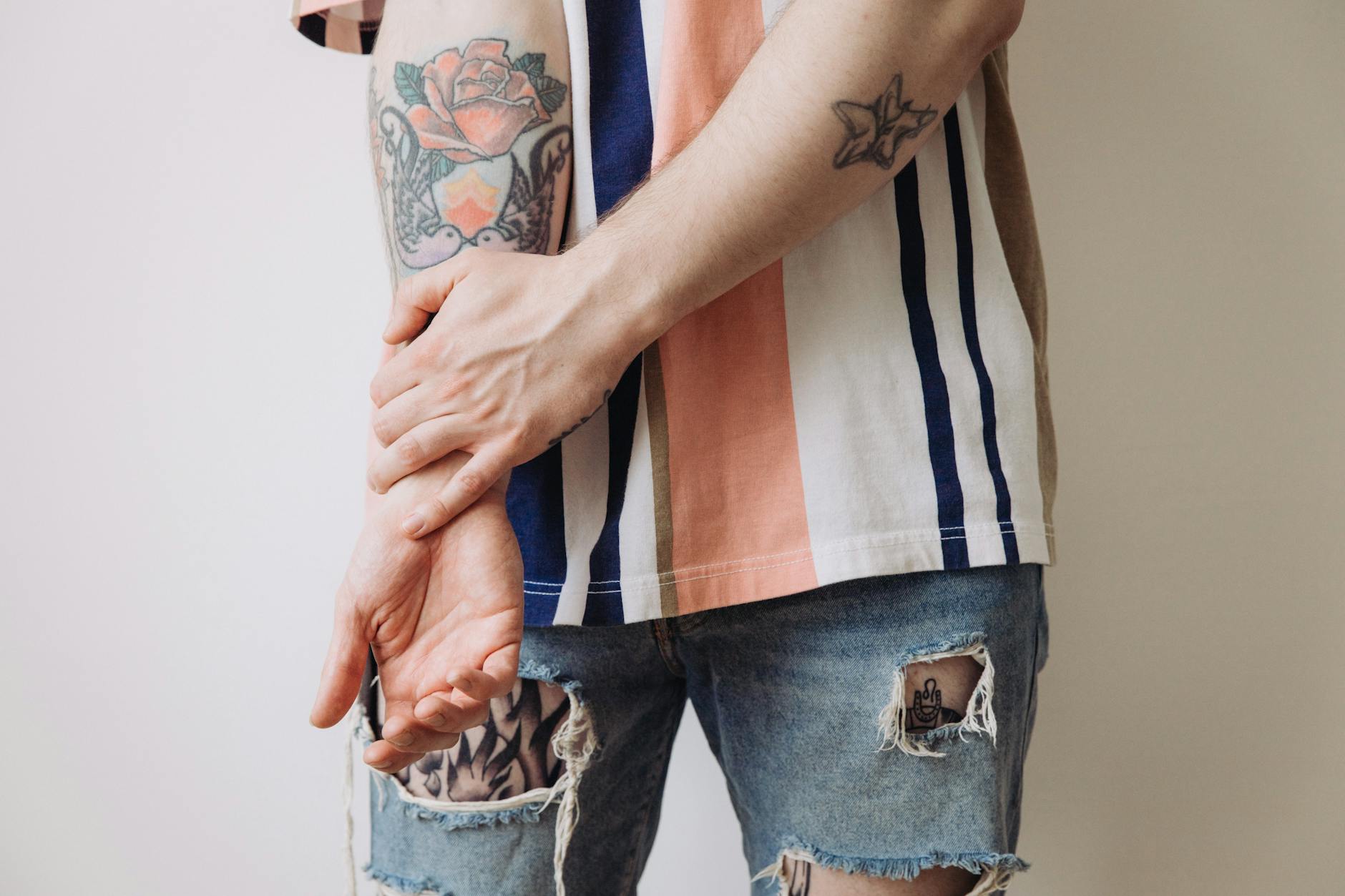
Beyond denim, distressing has spread to jackets, shirts, and even footwear as a deliberate design aesthetic. In professional settings, intentional damage to clothing creates an impression of carelessness regardless of how expensive or deliberately styled the pieces are. The worn-out visual language of distressed fashion does not translate into environments where attention to detail is valued. Clean and well-maintained garments always communicate a higher level of professional investment.
Party Dresses

Cocktail and party-style dresses with heavy embellishments, plunging necklines, or bodycon silhouettes belong at evening events rather than in the office or a client meeting. Even when the occasion is a workplace celebration or holiday party, dressing as though the event is a nightclub can undermine your professional standing. The way you dress at work-adjacent events is still part of how colleagues and managers form impressions of your judgment. Choosing something elegant but appropriately covered demonstrates that you can read a room effectively.
Visible Undergarments
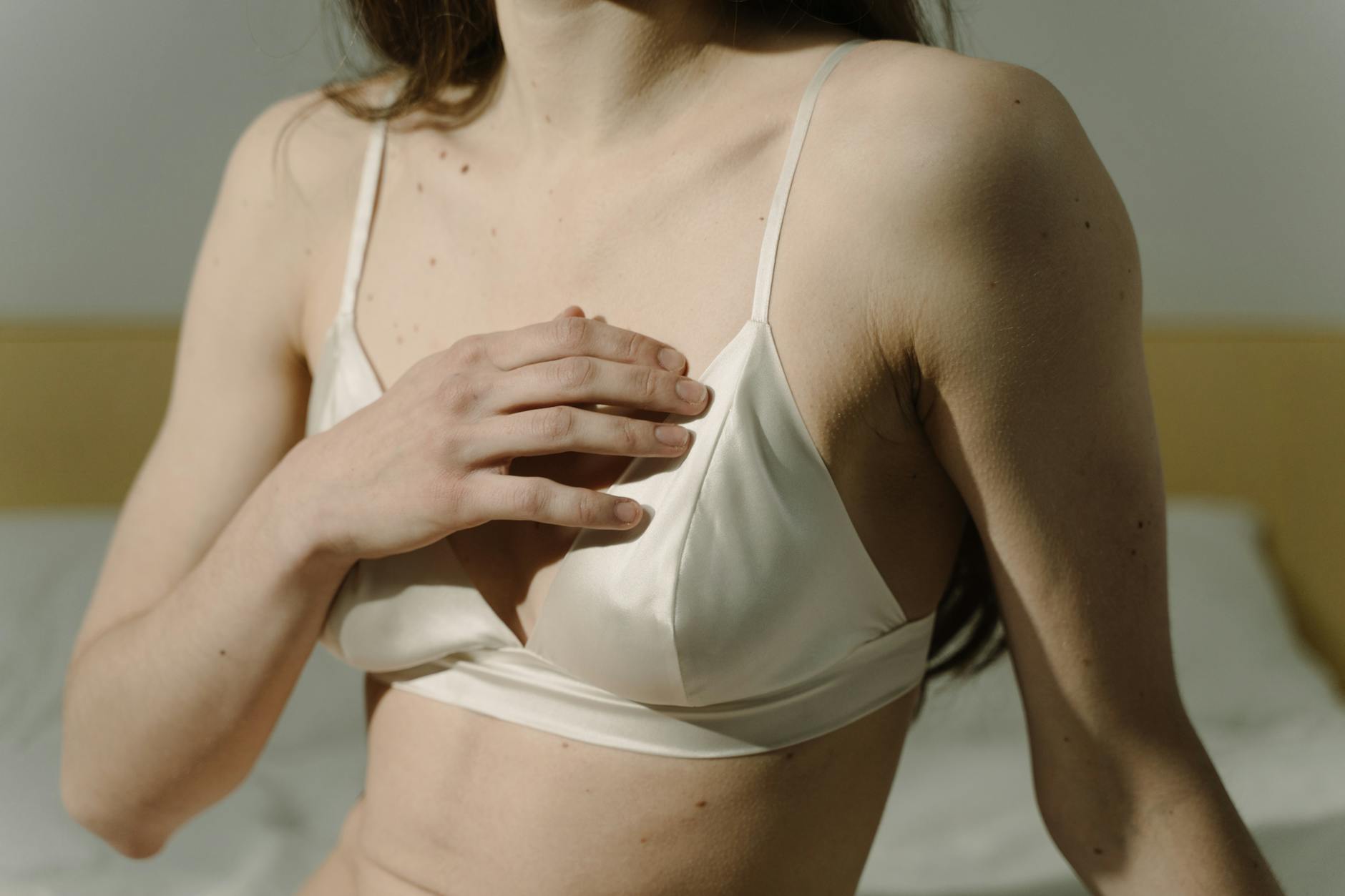
Whether it is a bra strap deliberately on display, underwear visible above a waistband, or a slip peeking out below a hemline, visible undergarments are widely regarded as an oversight rather than a stylistic choice in professional settings. The impression created is one of a lack of attention to presentation, even if the rest of the outfit is carefully put together. Most professional dress codes expect that foundation garments remain out of sight. Taking a moment to check your outfit from multiple angles before leaving the house can prevent this easily avoidable misstep.
Overly Casual Shorts

Shorts that fall well above the knee or are made from athletic or denim fabric are rarely appropriate in most professional environments, regardless of temperature. Their association with holidays, school, and casual leisure makes them a difficult piece to translate into a credible work look. In warmer climates or industries with relaxed dress codes, tailored Bermuda-length shorts in structured fabric can occasionally work, but they remain an exception rather than a rule. Lightweight tailored trousers are almost always the safer and more versatile choice.
Costume Jewelry Overload
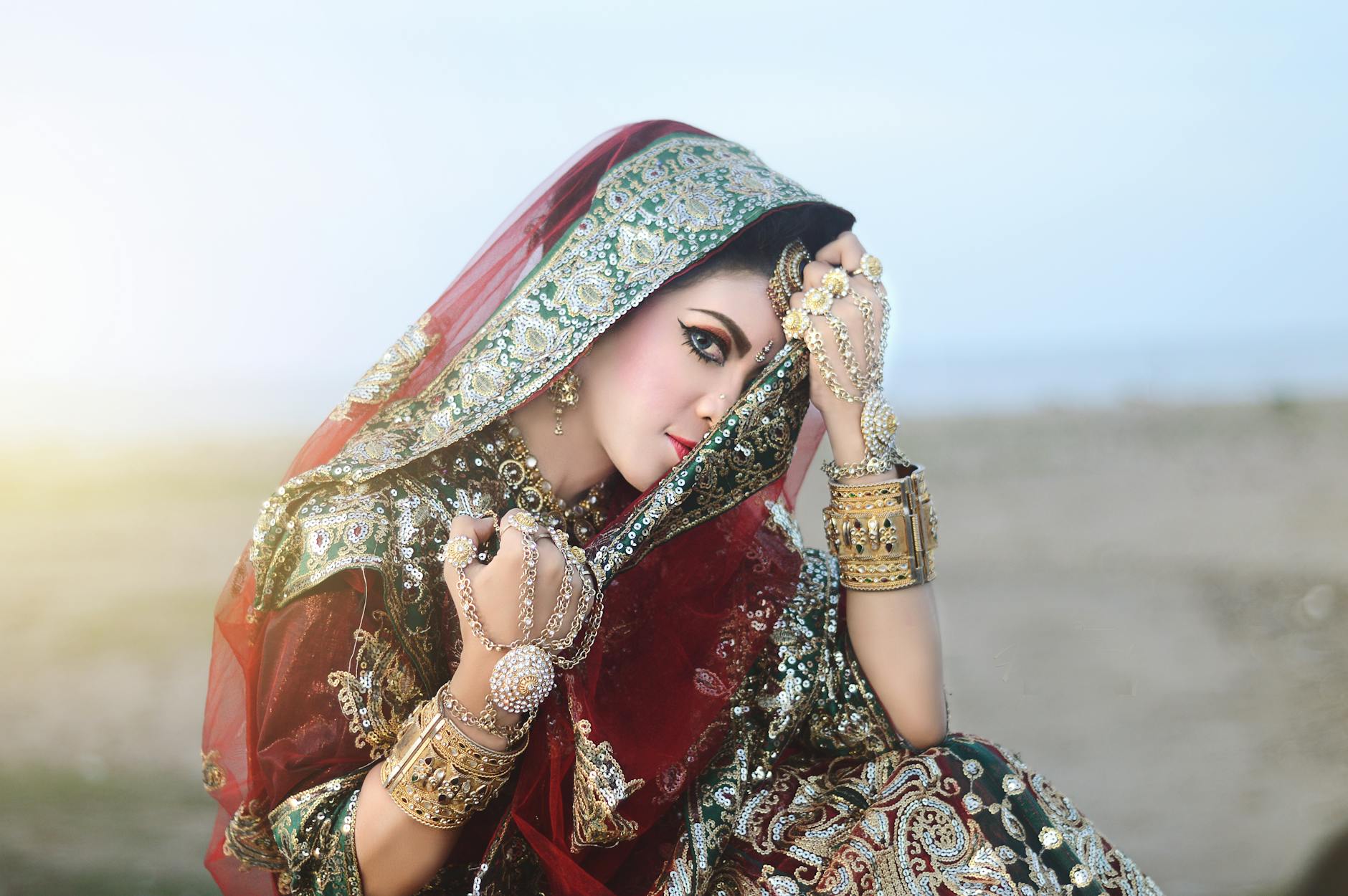
Wearing excessive amounts of novelty or very bold costume jewelry at once can overwhelm an outfit and make it difficult for the other person to focus on the conversation at hand. Jewelry that makes noise, lights up, or features very large whimsical shapes is more at home in a casual social setting than in a professional one. Accessories are an opportunity to add polish and personality, but restraint is what separates a considered look from a distracting one. Choosing one or two well-made statement pieces keeps the look intentional and refined.
Wrinkled Clothing
Heavily creased or visibly wrinkled garments send an immediate message of disorganization, regardless of how stylish the individual pieces might be. Wrinkles suggest that an item was not properly stored, laundered, or cared for before being worn, which creates a negative first impression before a single word is spoken. In competitive or formal professional environments, the condition of your clothing matters as much as its style. Taking a few minutes to steam or iron clothing before wearing it is one of the simplest ways to elevate your professional appearance.
Platform Sneakers
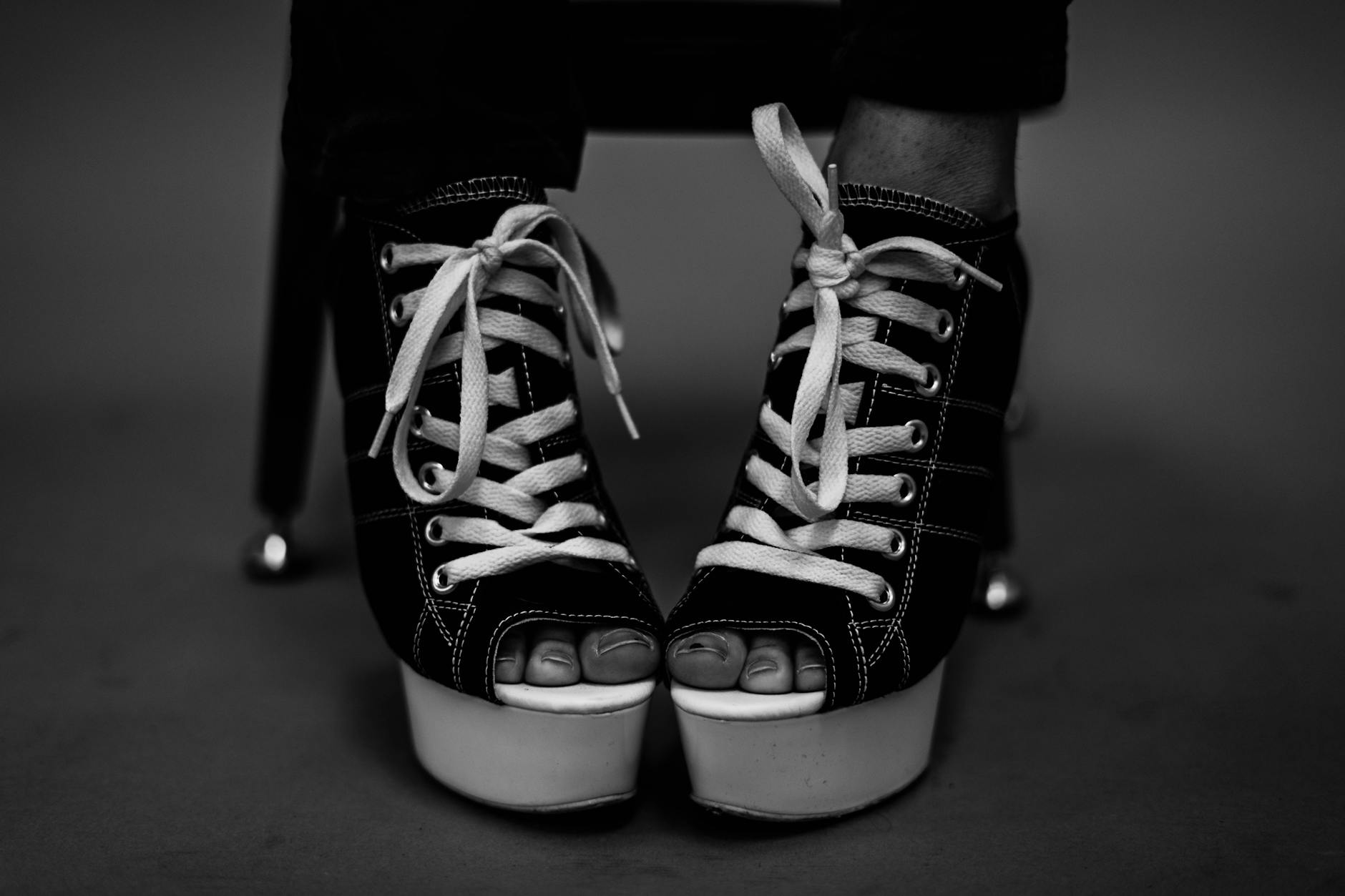
Chunky elevated sneakers have been a major footwear trend, but their strong connection to streetwear and youth fashion makes them a misfit in most professional dress contexts. Even premium versions in neutral colors tend to look out of place alongside tailored trousers or professional dresses. The overall silhouette of a platform sneaker tips an outfit firmly toward casual in a way that other sneaker styles do not. Leather loafers, block-heeled boots, or clean flat shoes offer a much more balanced and professional result.
Micro Bags
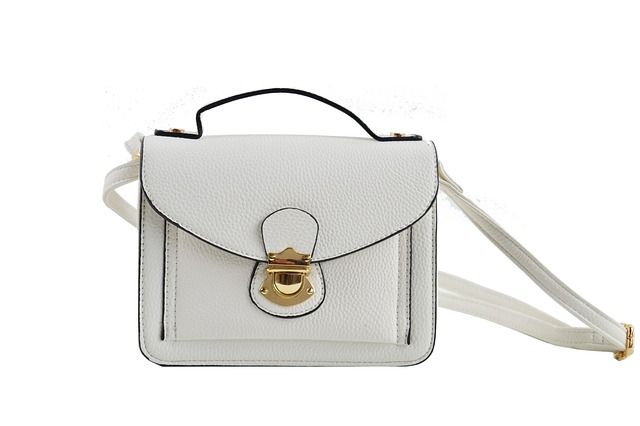
Tiny handbags that cannot hold more than a phone and a card have been a playful fashion statement on runways and in street style, but they can project a sense of impracticality in professional settings. Arriving to a meeting unable to carry your essentials suggests a prioritization of trend over function that can leave a subtle but real impression on colleagues and clients. Professional bags benefit from being structured, spacious enough for daily essentials, and crafted in materials that age well. A polished tote or structured briefcase-style bag signals preparedness and reliability.
Heavy Daytime Glitter
Glitter-heavy clothing or accessories worn during standard working hours carry strong associations with nightlife, festive events, and performances rather than professional output. Even in creative industries where self-expression is celebrated, heavy sparkle can feel like a mismatch with the focused atmosphere of a working environment. A touch of metallic in an accessory or a subtle sheen in a fabric is very different from head-to-toe glitter, which tends to overwhelm the professional message you are trying to send. Saving sparkle for after-work occasions keeps your daytime wardrobe sharp and appropriate.
Novelty Socks
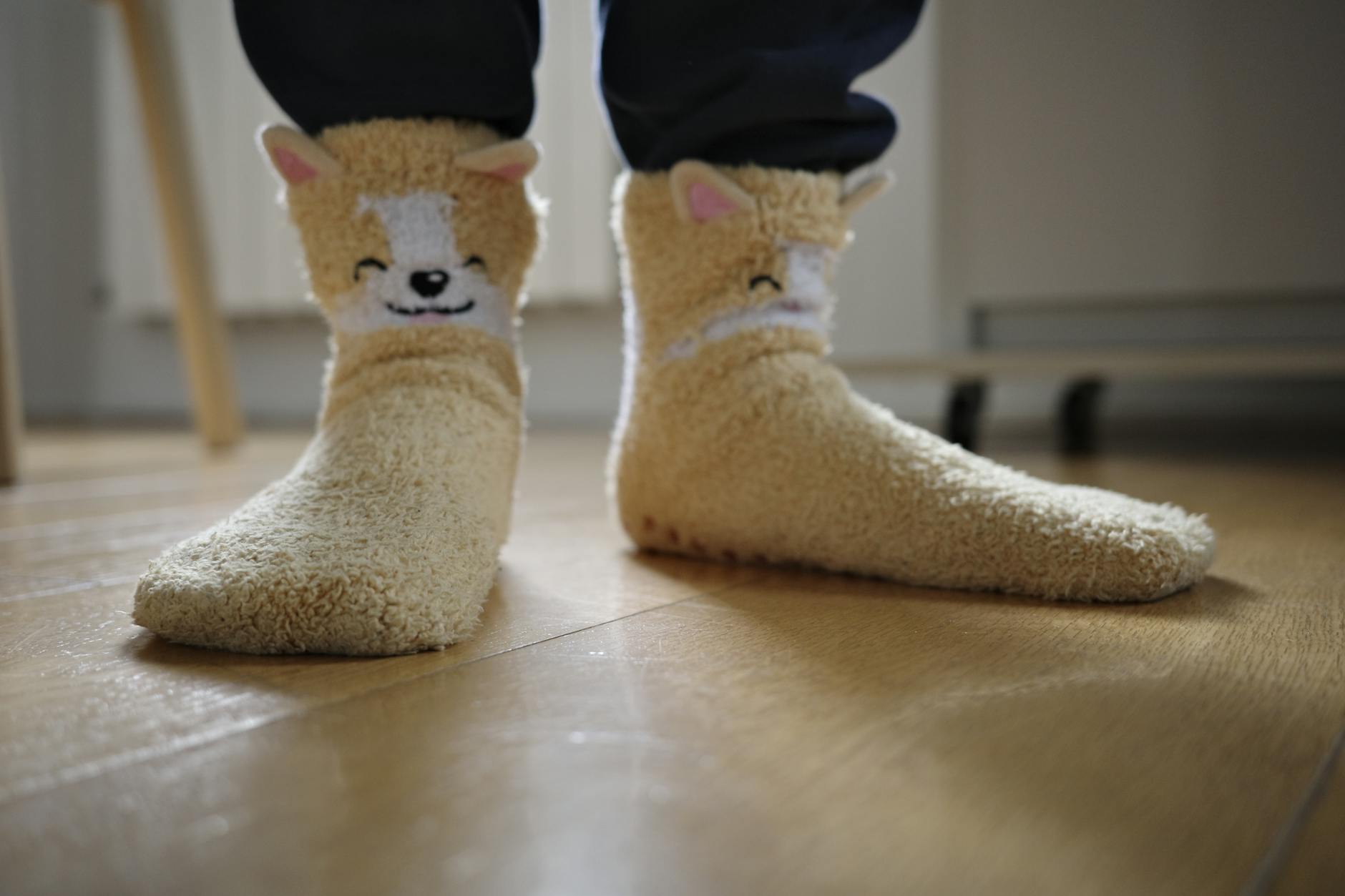
Brightly colored or cartoon-printed novelty socks might seem like a harmless way to inject personality into a professional outfit, but they frequently draw the wrong kind of attention. When socks are visible during meetings, presentations, or client interactions, they can make it harder for others to take the overall look seriously. Professional hosiery in neutral tones or subtle textures keeps the focus on the entire outfit rather than a single distracting detail. Small choices like sock selection contribute more to the overall impression than most people realize.
What fashion choices have you noticed affecting professional credibility the most? Share your experiences and thoughts in the comments.