Food safety regulations differ wildly across the globe and result in drastic discrepancies between American and European grocery store shelves. The European Union operates on a precautionary principle that removes potentially harmful additives until they are proven safe while the United States often allows ingredients until they are definitively proven dangerous. This fundamental regulatory divergence means many standard American pantry staples contain chemical additives that are strictly illegal across the Atlantic. Shoppers in the US consume these preservatives and dyes daily without realizing that health agencies elsewhere consider them unfit for human consumption.
Chlorine-Washed Chicken
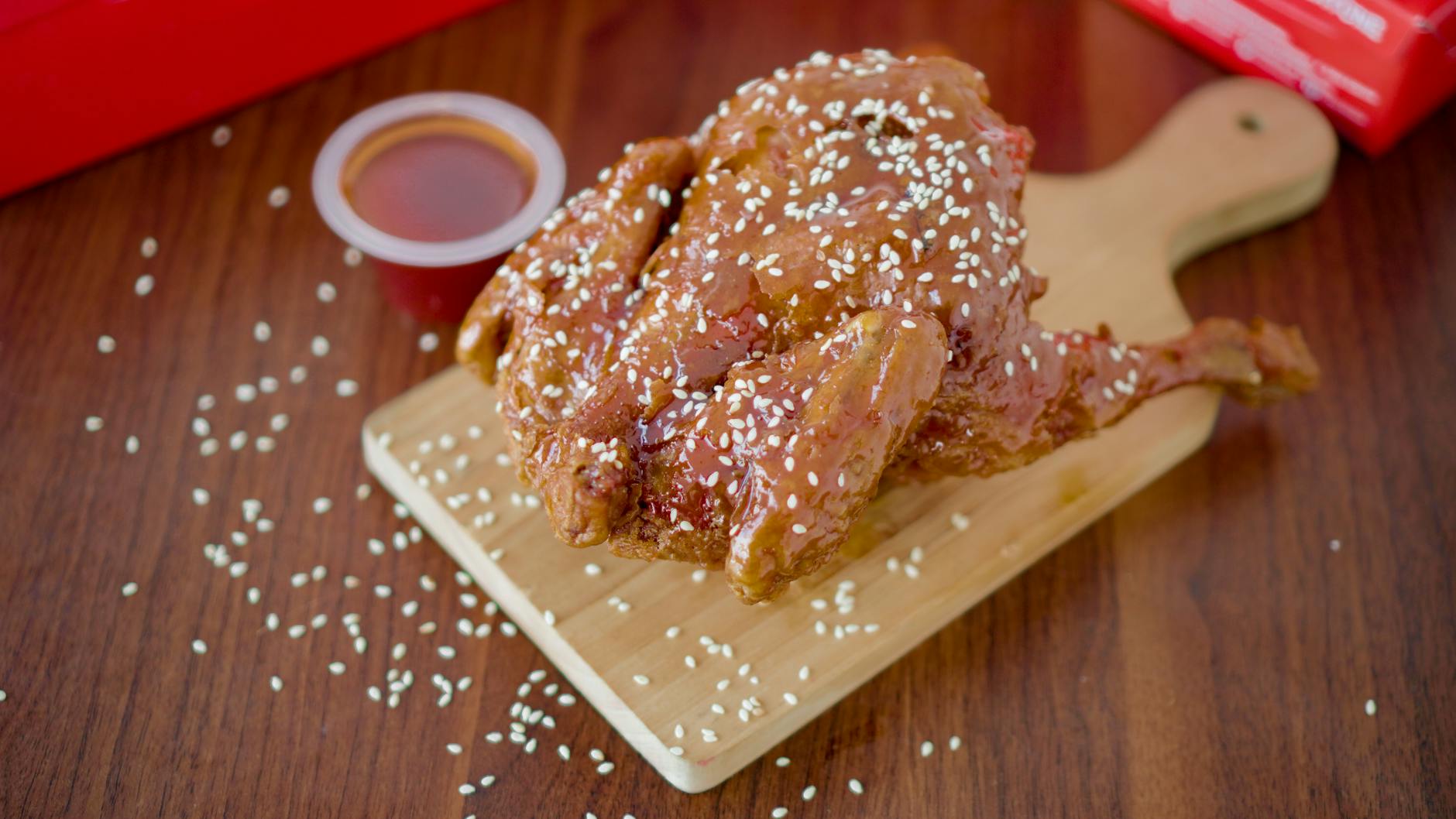
American poultry producers commonly rinse chicken carcasses in strong chlorine dioxide baths to eliminate bacteria and pathogens. This chemical treatment is strictly prohibited in the European Union because officials believe it encourages poor hygiene standards during the farming process itself. European regulations require producers to maintain cleaner environments throughout the bird’s life rather than relying on a chemical wash at the end. Domestic consumers in the US eat this chlorinated meat regularly while it remains blocked from entering European markets.
Ractopamine Pork
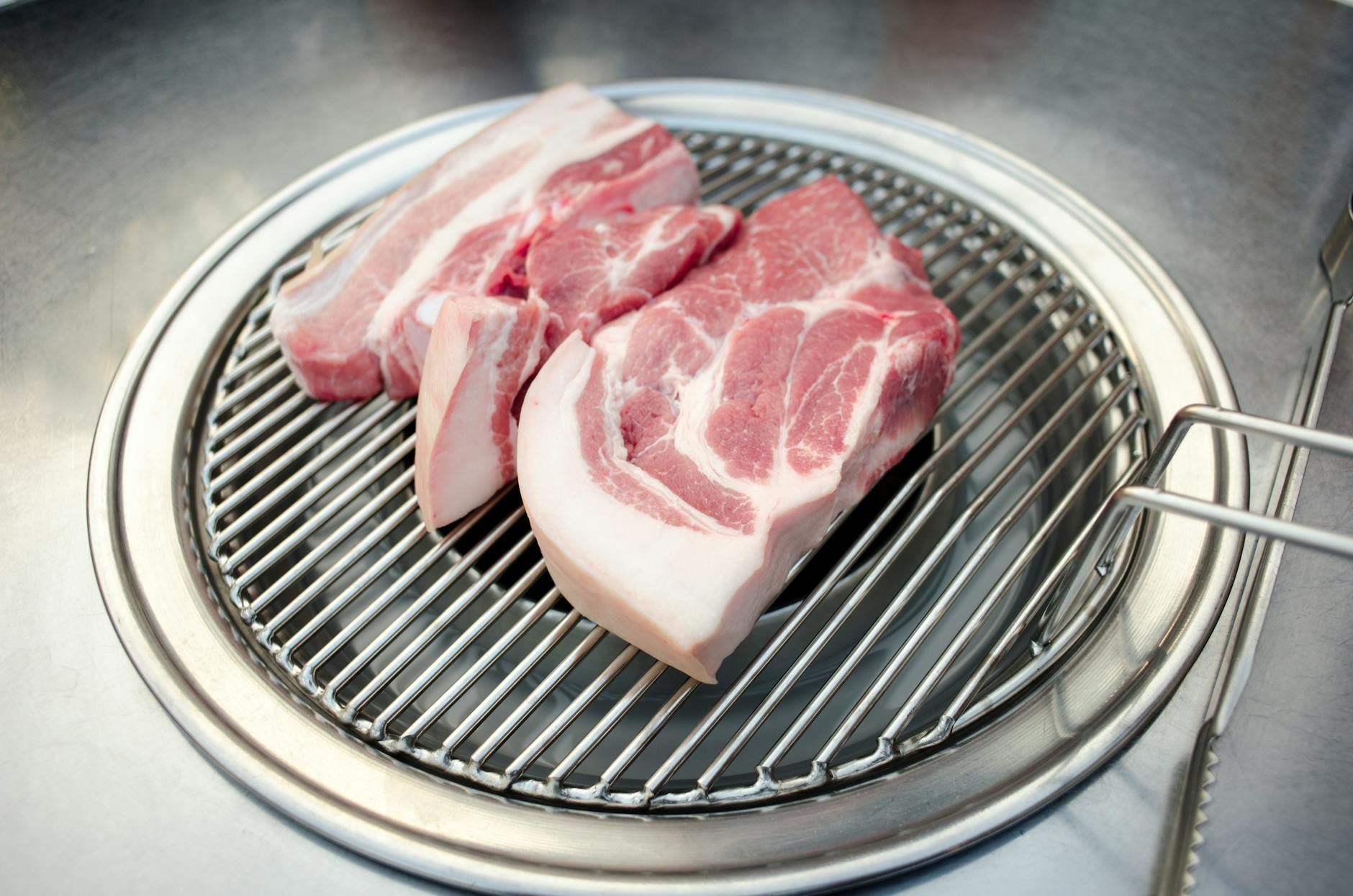
Ractopamine is a controversial drug added to pig feed in the United States to promote leanness and accelerate muscle growth before slaughter. The European Union and over 150 other nations ban this substance completely due to concerns about cardiovascular risks in humans and severe stress in the animals. American meat exports frequently face trade barriers because US producers refuse to stop using this growth-promoting agent. Pigs raised with this drug often suffer from hyperactivity and difficulty walking before they are processed for human consumption.
rBST Dairy Milk
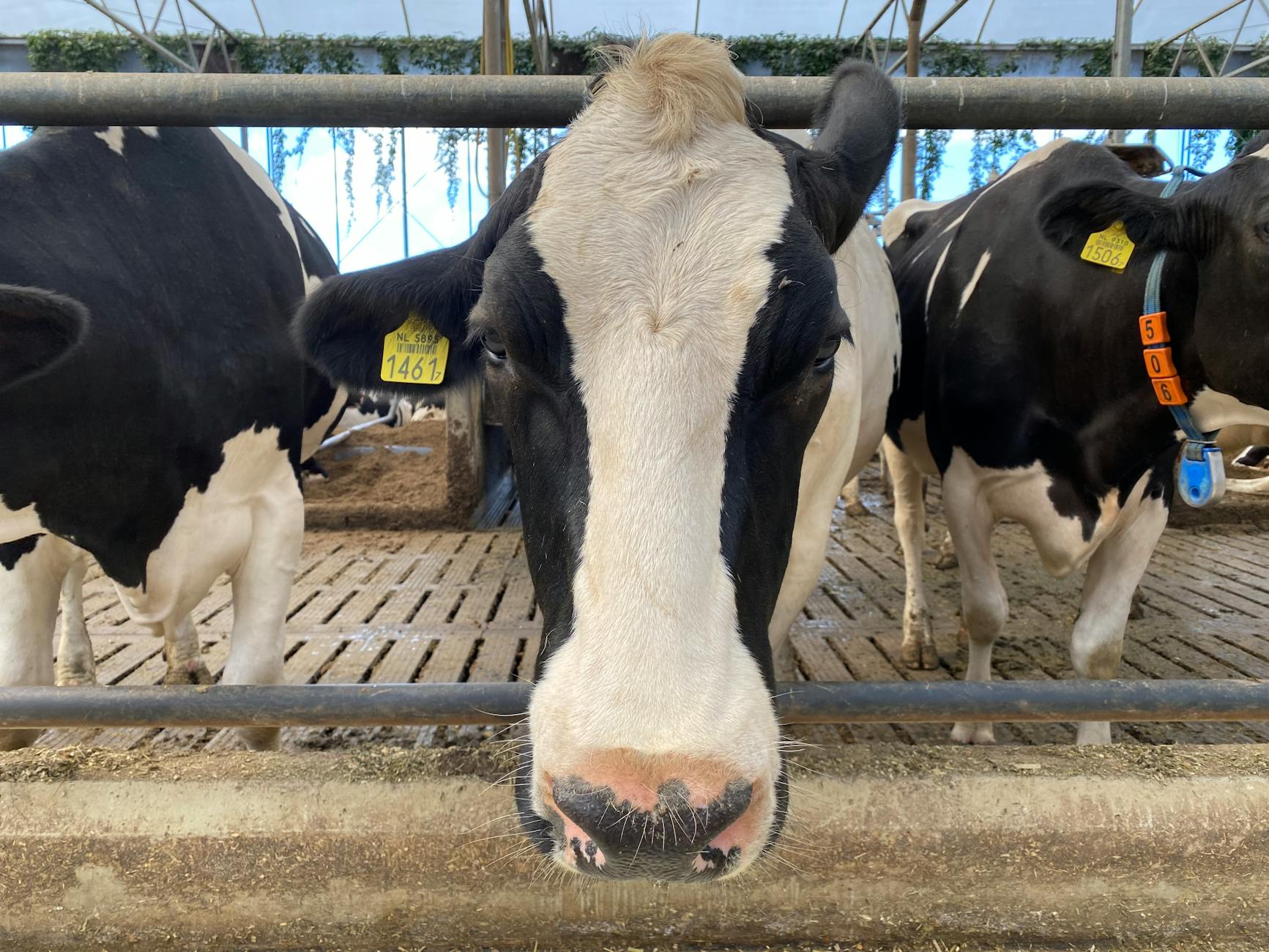
Dairy cows in the United States are frequently injected with recombinant bovine somatotropin or rBST to artificially increase milk production. This synthetic hormone is illegal in the European Union because it increases the risk of painful udder infections and lameness in cattle. Health concerns also exist regarding elevated levels of another hormone called IGF-1 in the milk which some studies link to various cancers. American milk brands are allowed to use this production booster without mandatory labeling requirements.
Potassium Bromate Bread

Commercial bakeries across the United States use potassium bromate to strengthen dough and ensure a high rise in bagel and bread products. This oxidizing additive has been classified as a possible human carcinogen and causes tumors in laboratory animals. European regulators banned this ingredient decades ago and force bakers to rely on longer fermentation times or safer alternatives to achieve similar results. American consumers continue to ingest this compound in sandwich buns and pizza crusts because the FDA has not prohibited its use.
Azodicarbonamide Buns
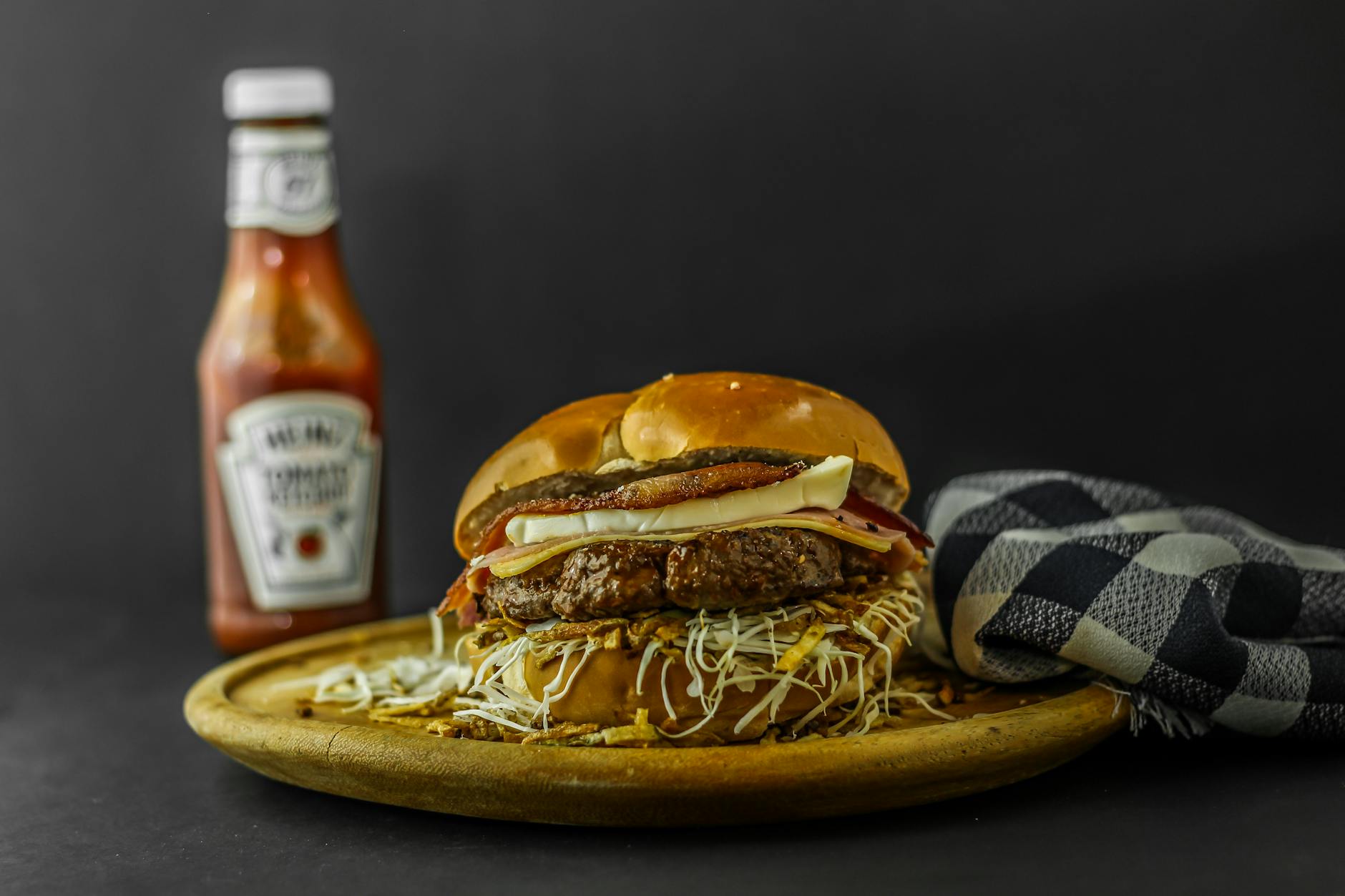
This chemical agent serves as both a flour bleaching agent and a dough conditioner in many American fast food buns and bread products. The European Union banned azodicarbonamide from food use because it can break down into semicarbazide which is a carcinogen that damages DNA. It is also used industrially in the production of foamed plastics like yoga mats and shoe soles. While American chains have slowly begun removing it due to public pressure it remains fully legal and present in many grocery store baked goods.
Titanium Dioxide Whitener
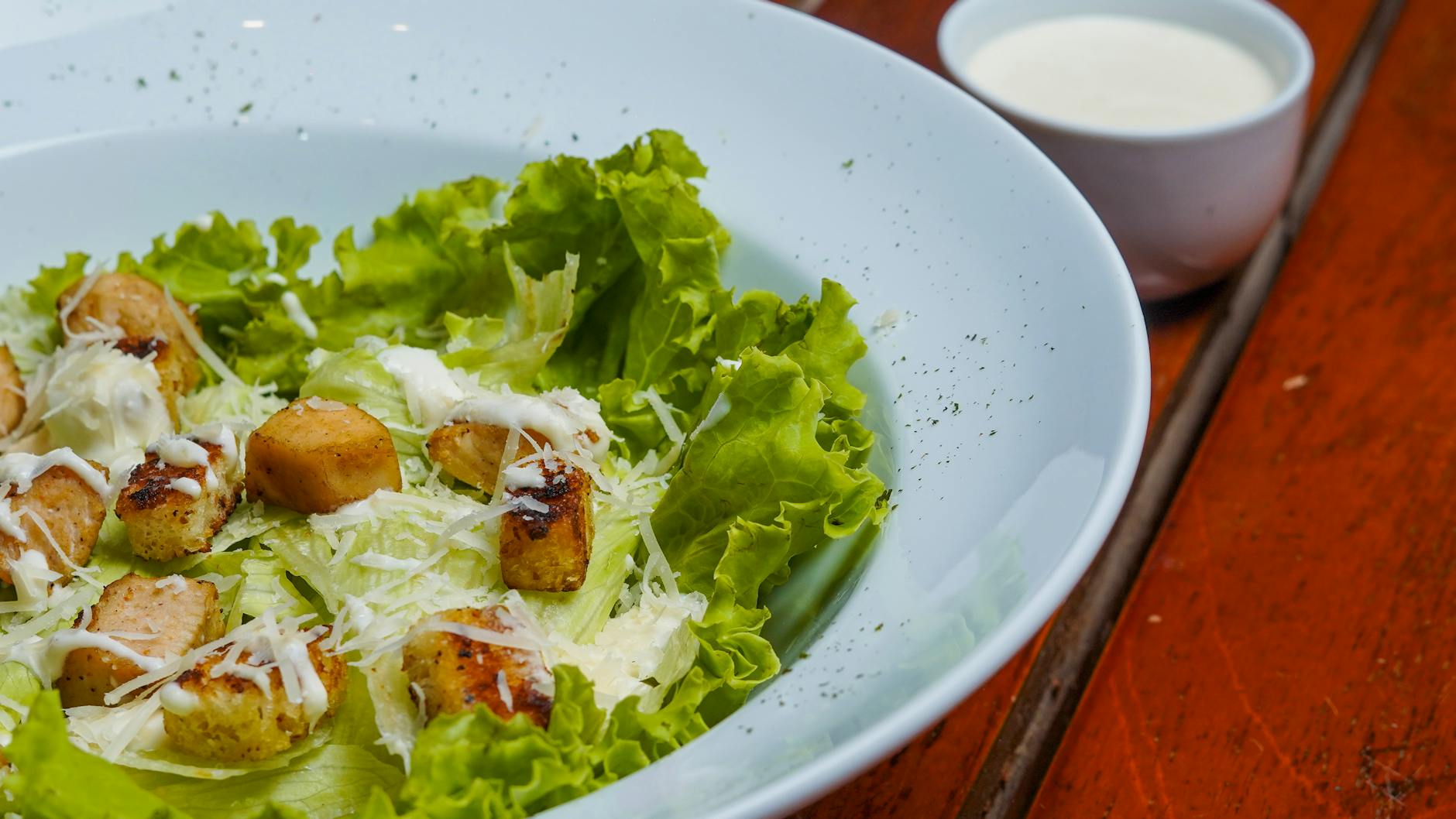
Titanium dioxide is a whitening agent used to make candies and salad dressings appear brighter and more opaque. The European Commission banned this additive as a food ingredient in 2022 after safety agencies could not rule out genotoxicity or damage to genetic material. American manufacturers still use it widely in coffee creamers and cake frostings to enhance visual appeal. US regulators maintain that the ingredient is safe for consumption despite the recent aggressive moves by European officials to remove it from the food supply.
Olestra Chips
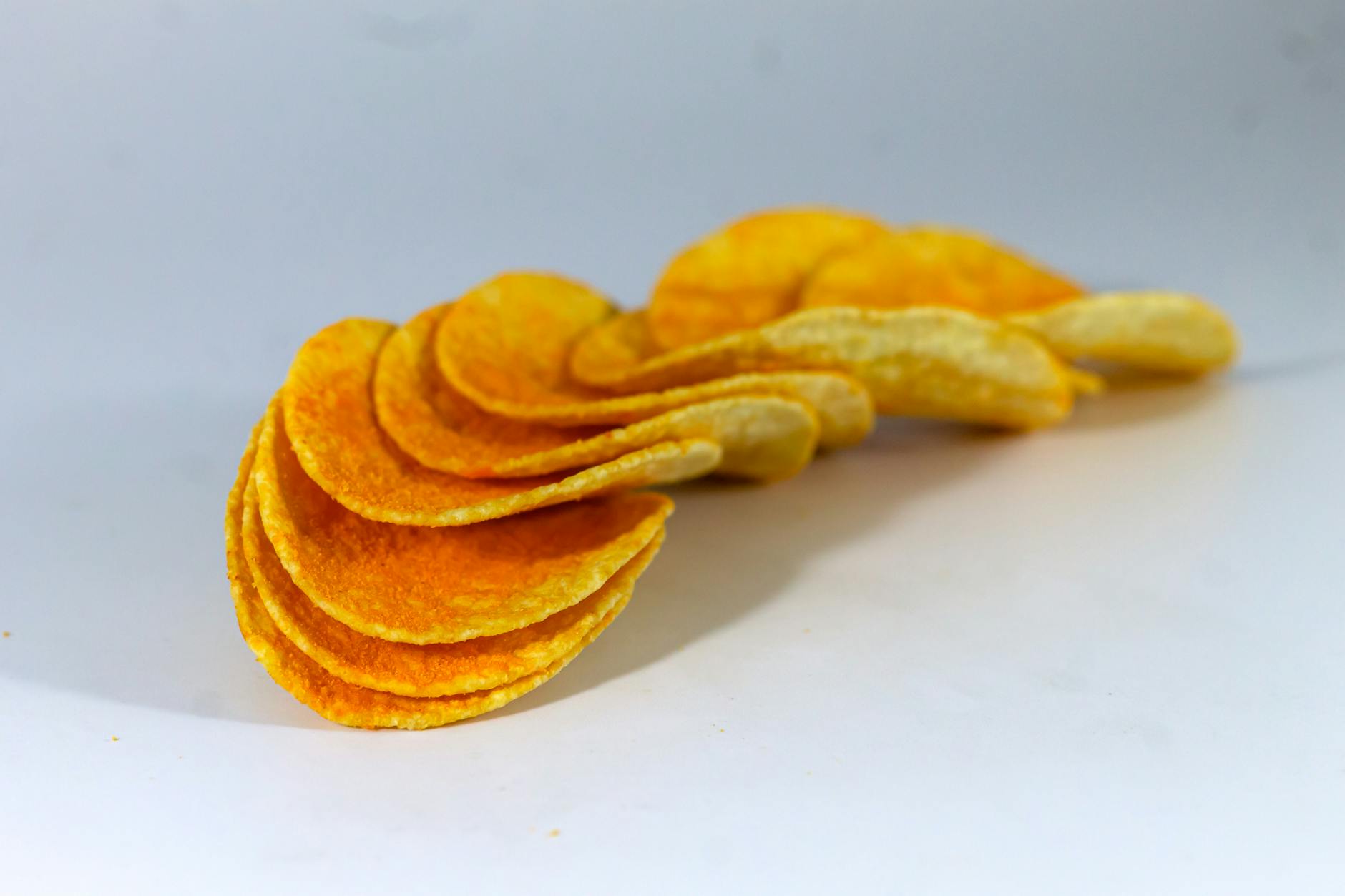
Food scientists developed Olestra as a calorie-free fat substitute to create light version of popular potato chips and savory snacks. The additive passes through the body unabsorbed and can cause severe digestive distress and abdominal cramping in consumers. It also inhibits the body from absorbing essential fat-soluble vitamins and nutrients from other foods eaten at the same time. While it remains legal in the US with specific labeling requirements it is completely banned in Canada and the European Union.
Propylparaben Pastries

Propylparaben is a synthetic preservative used to prevent mold growth in tortillas and muffins and dyed cakes. The European Union removed this compound from the list of permitted food additives in 2006 due to research suggesting it disrupts the endocrine system and impacts fertility. American food companies continue to use it to extend the shelf life of packaged baked goods. Critics argue that safer natural preservatives exist and should be used to replace this potential hormone disruptor.
Diphenylamine Apples
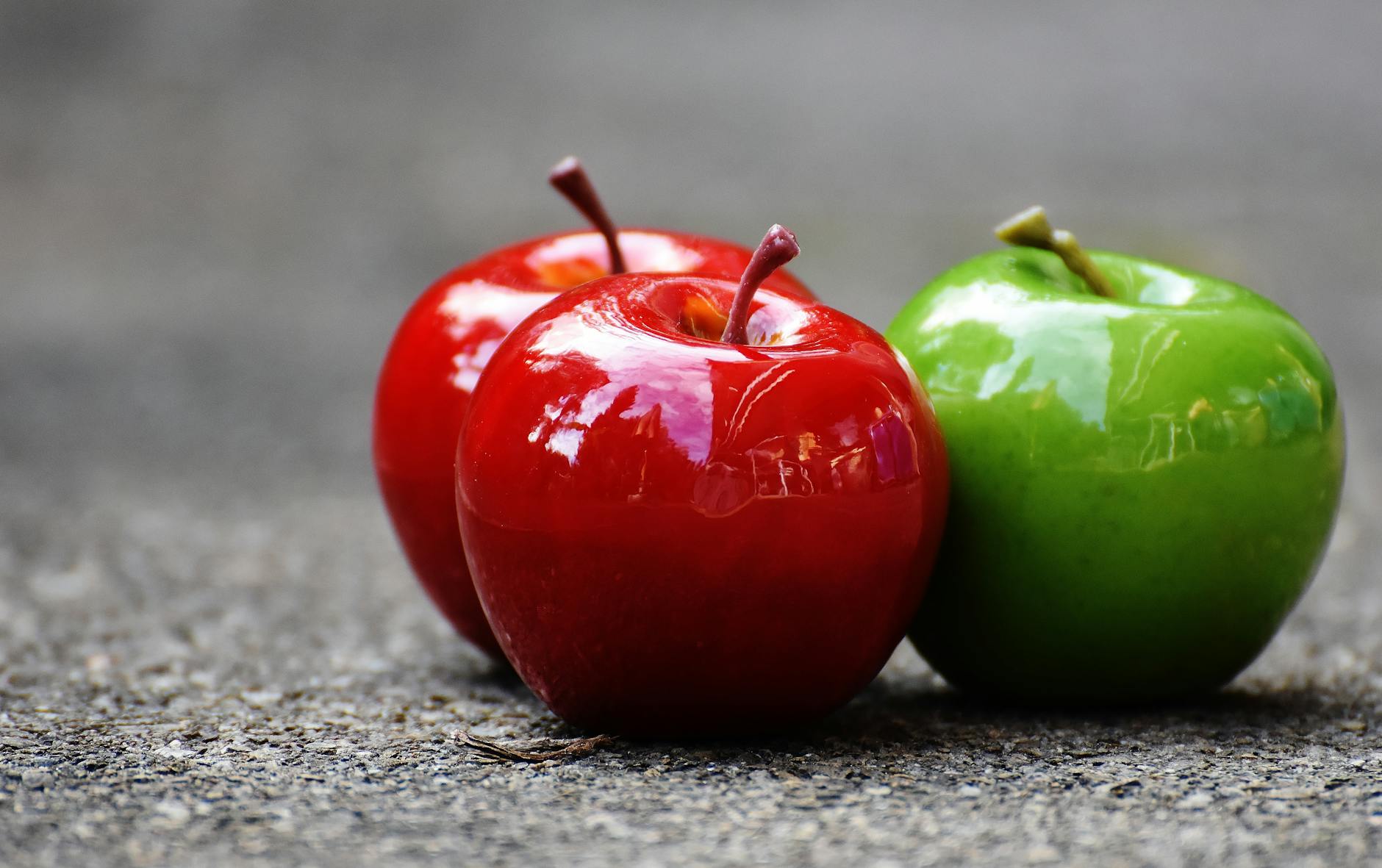
American apple growers often spray their fruit with diphenylamine after harvest to prevent the skin from developing brown spots during cold storage. The European Union banned the importation of apples treated with this chemical after producers failed to prove that the residue was safe for consumers. This creates a situation where American apples sold domestically contain chemical levels that would be illegal to sell in European supermarkets. The chemical is strictly used for cosmetic preservation and offers no nutritional benefit to the shopper.
Atrazine Corn
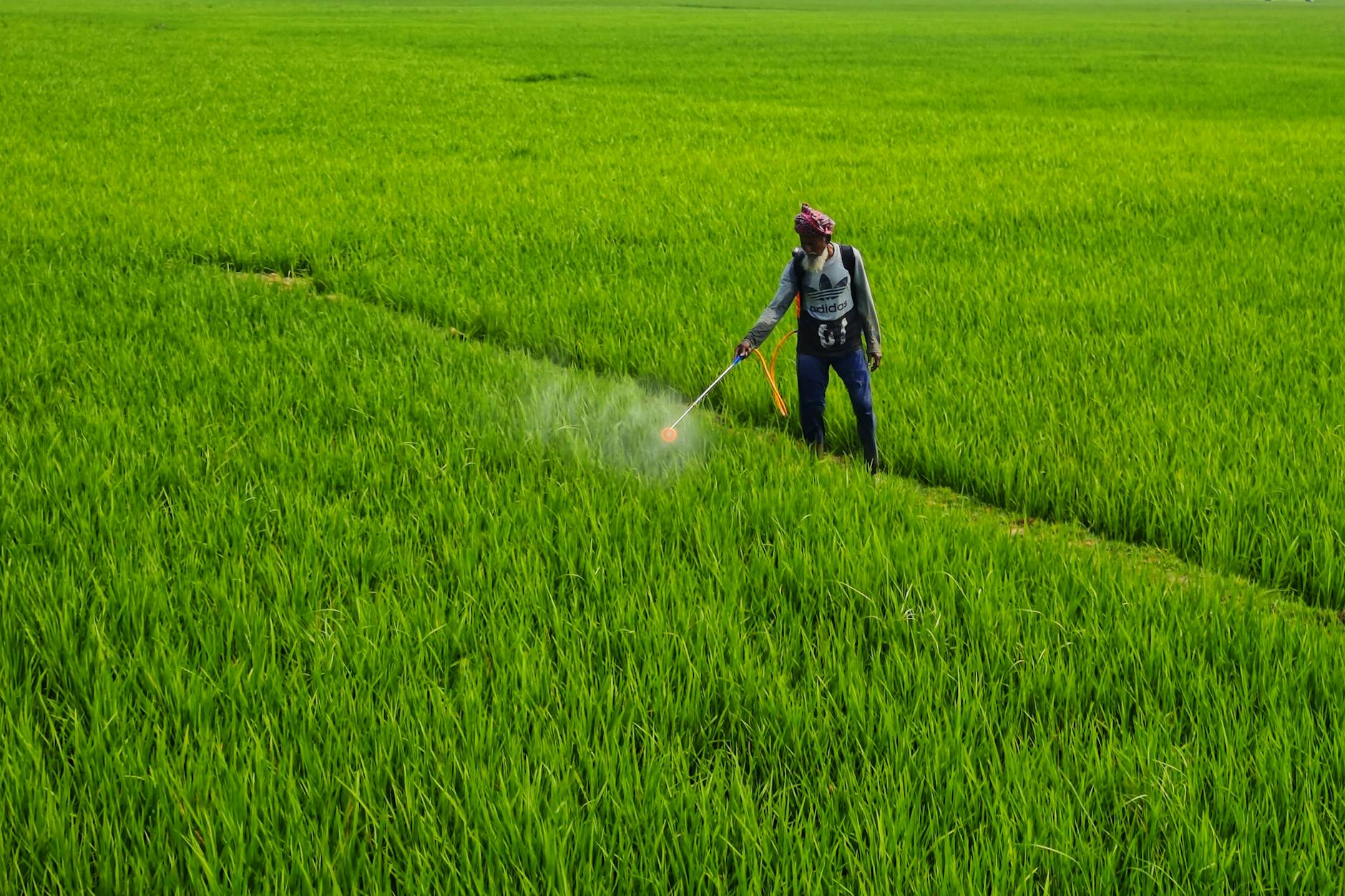
Atrazine is one of the most widely used herbicides in American agriculture and is applied heavily to corn and sorghum crops. The European Union banned the chemical entirely because it persistently contaminates groundwater and poses risks to wildlife and human reproductive systems. Runoff from American farms carries this weedkiller into drinking water supplies across the Midwest. US regulators restrict its use in certain areas but continue to allow it on the majority of corn crops that end up in processed foods.
Bleached Flour
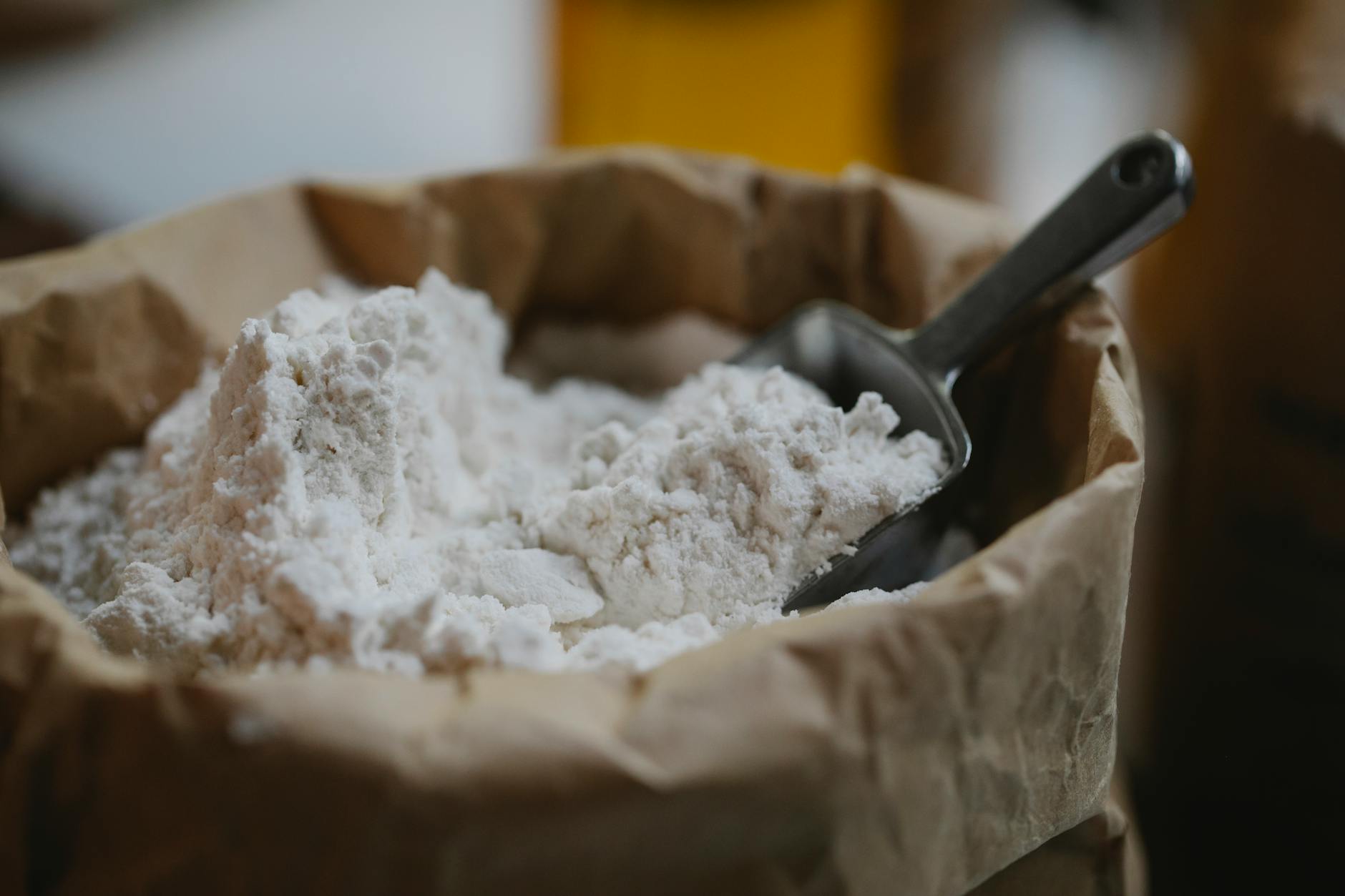
American flour producers use benzoyl peroxide and chlorine gas to instantly whiten flour and improve its baking properties. These chemical bleaching agents are prohibited in the European Union where flour must be aged naturally to achieve a similar texture. The chemical process can create harmful byproducts like alloxan which has been linked to diabetes in animal studies. European bakers rely on unbleached flour that retains more of the natural wheat character and avoids these chemical residues.
Green 3 Processed Vegetables
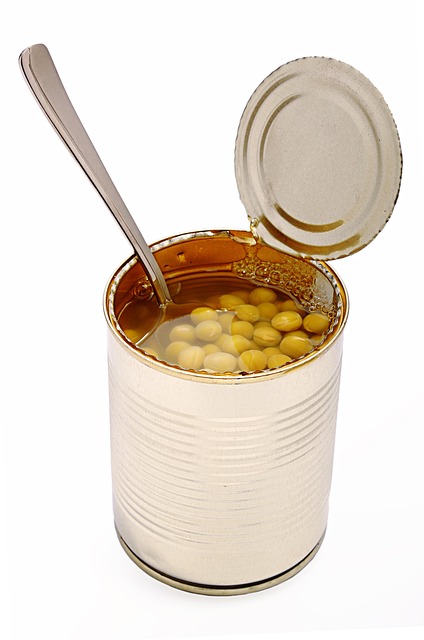
Fast Green FCF or Green 3 is a synthetic dye used to impart a vibrant color to canned peas and processed vegetables and jellies. The European Union prohibits this specific artificial coloring because of links to bladder tumors in animal testing. American manufacturers use it to ensure that preserved vegetables maintain an appealing bright green hue rather than their natural duller color. It is one of several dyes that remain controversial yet fully approved for use in the American food supply.
Hormone-Treated Beef
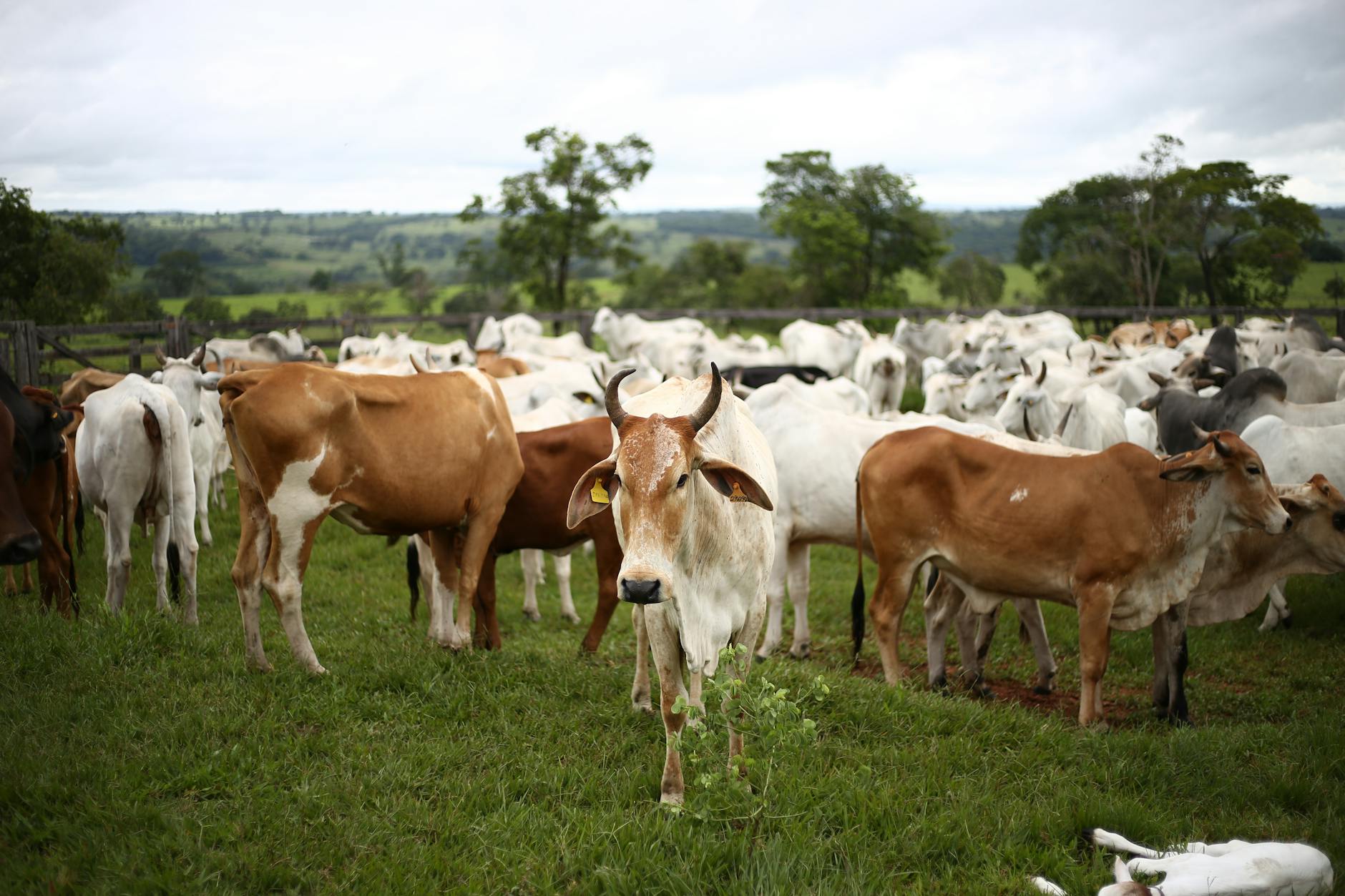
American cattle ranchers legally implant synthetic hormones like zeranol and trenbolone into beef cattle to maximize weight gain. The European Union has maintained a strict ban on all growth-promoting hormones in beef production since the late 1980s. This disagreement has fueled a decades-long trade dispute because Europe refuses to import standard American beef products. Domestic consumers in the US eat hormone-treated steaks and burgers as the standard option unless they specifically seek out organic or hormone-free labels.
Red 40 Candies
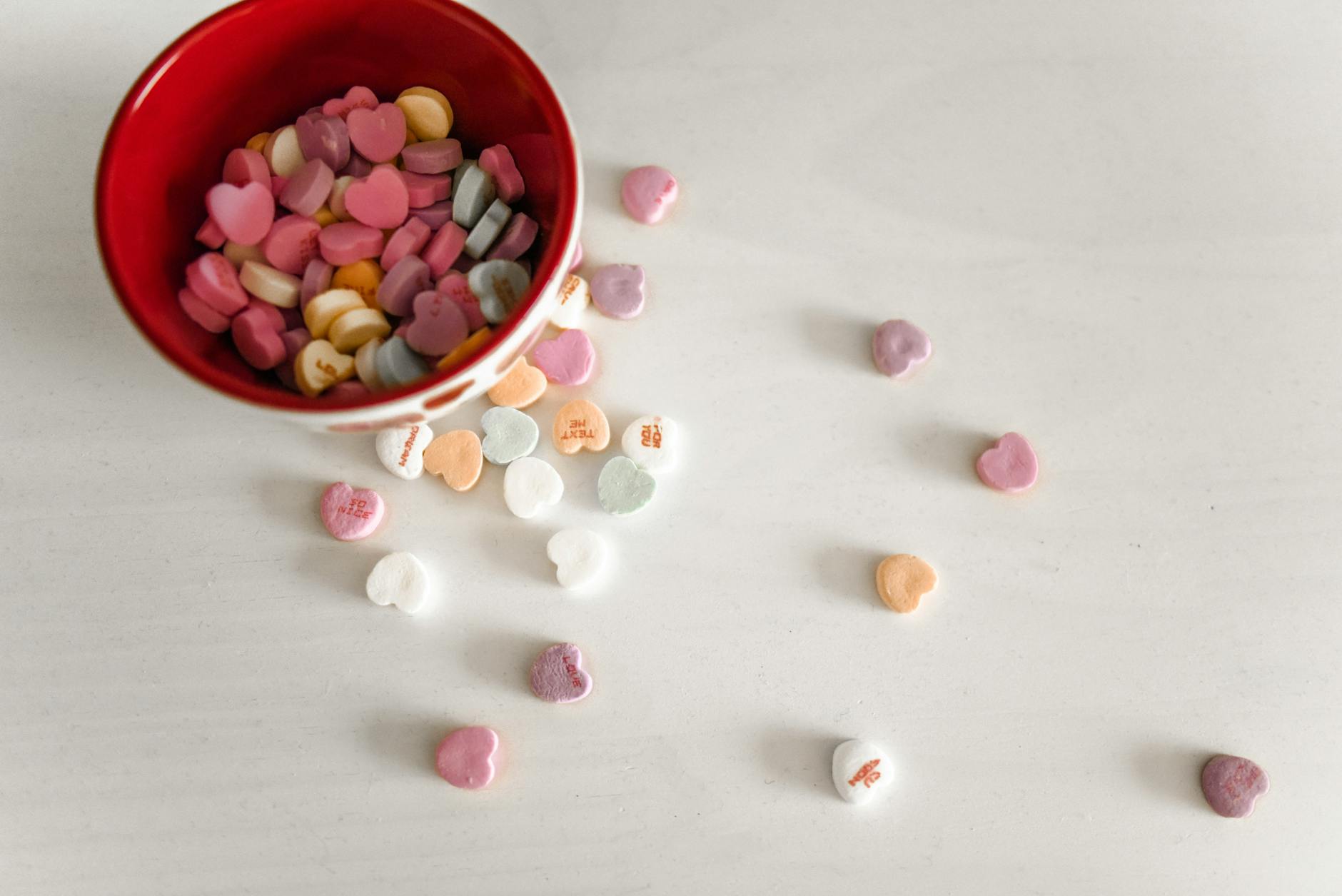
Red 40 is the most common artificial food dye in the United States and gives a bright red color to sports drinks and cherries and candies. The European Union requires a warning label on any food containing this dye that states it may have an adverse effect on activity and attention in children. Many companies reformulate their products for the European market to use natural coloring like beetroot juice while keeping Red 40 in the American version. This allows US manufacturers to maintain bright neon colors without the warning text required overseas.
Yellow 5 Snacks
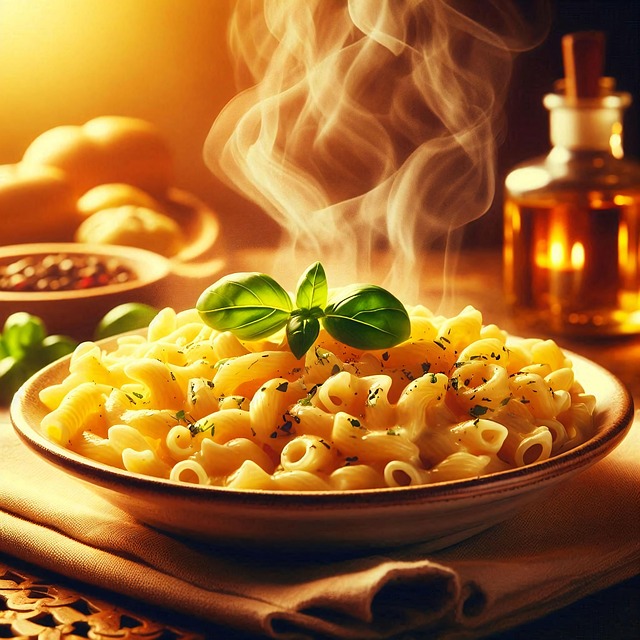
Tartrazine or Yellow 5 provides the signature yellow color for many American macaroni and cheese products and corn chips. European regulators require the same hyperactivity warning label for this dye as they do for Red 40. This regulatory pressure has effectively removed the dye from many European food products as brands prefer to avoid the warning label entirely. American shoppers continue to purchase these bright yellow foods without any indication that the ingredients might influence behavioral health.
Yellow 6 Drinks
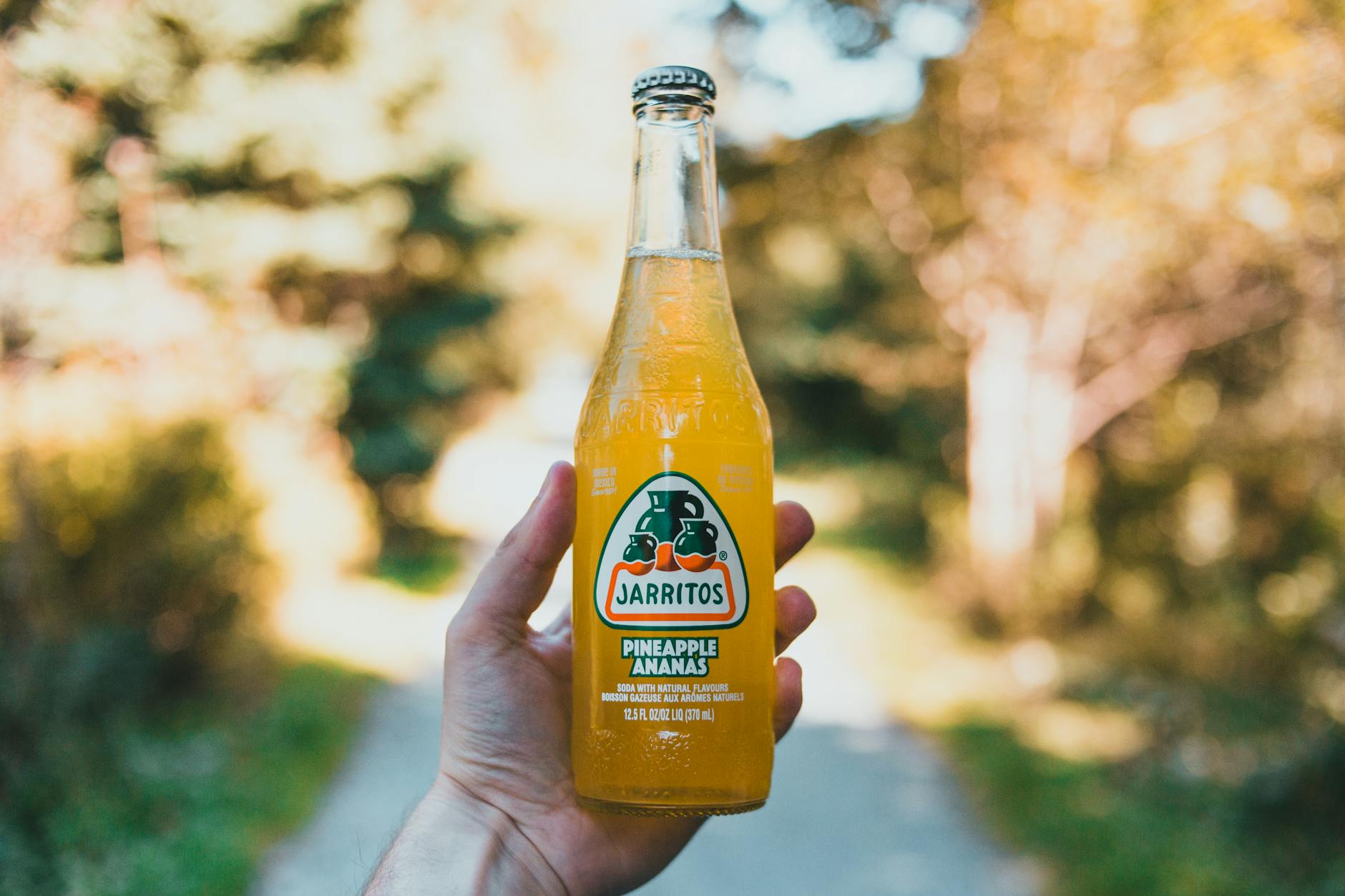
Sunset Yellow or Yellow 6 is extensively used in American orange sodas and gelatin desserts and cheesy snacks. Animal studies have connected this synthetic dye to adrenal tumors and hypersensitivity reactions. The European requirement for warning labels has driven manufacturers to use natural alternatives like paprika extract or annatto in their overseas products. US consumers rarely see these natural versions and continue to consume the synthetic dye in their everyday beverages.
GMO Salmon
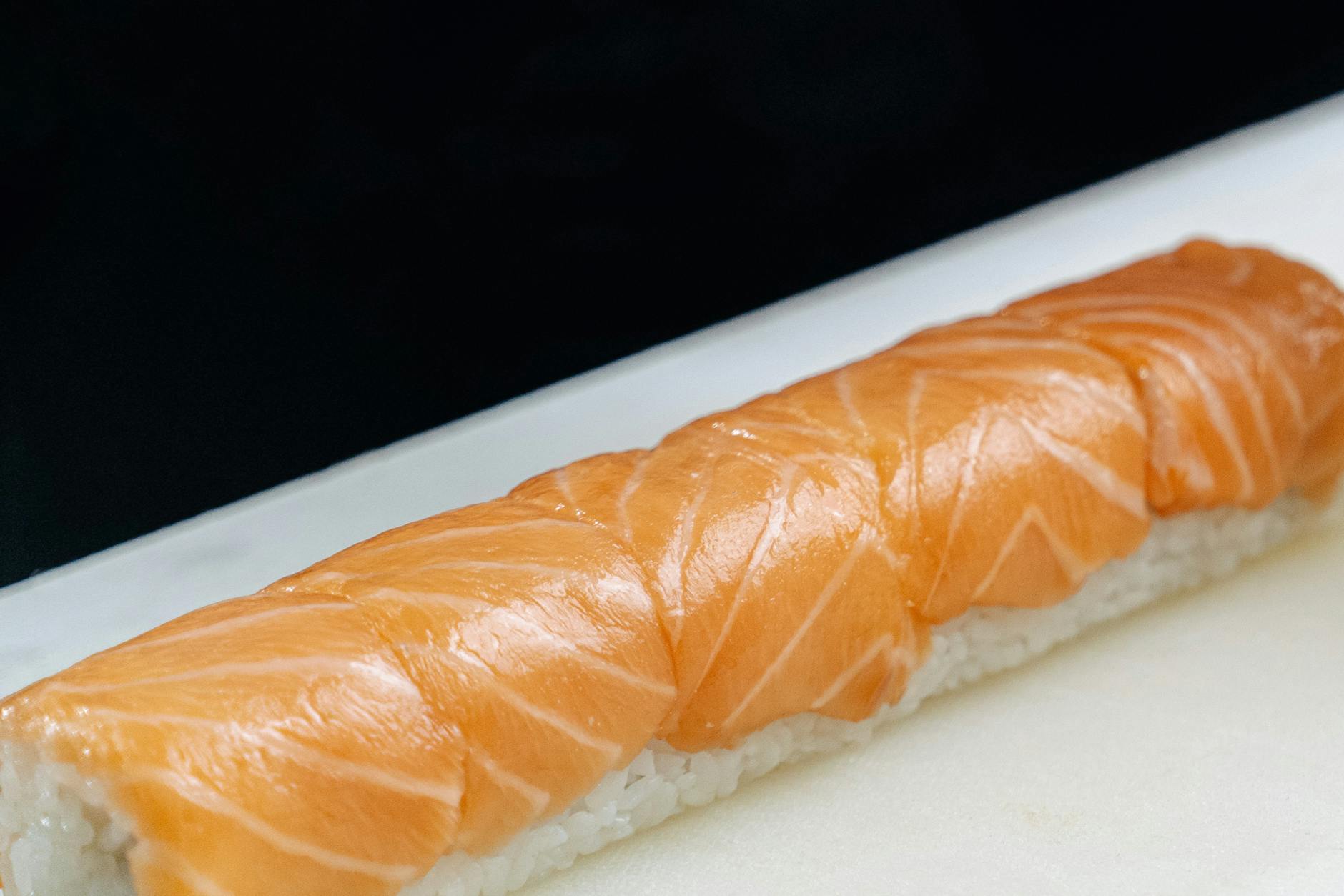
The FDA approved the sale of AquAdvantage salmon which is genetically engineered to grow faster than wild salmon. This marked the first genetically modified animal approved for human consumption in the United States. The European Union has not approved this transgenic fish for sale and maintains a generally hostile regulatory stance toward genetically modified animals. American consumers may purchase this fish without realizing its engineered origins because labeling laws have only recently begun to change.
Ammonium Hydroxide Meat Filler
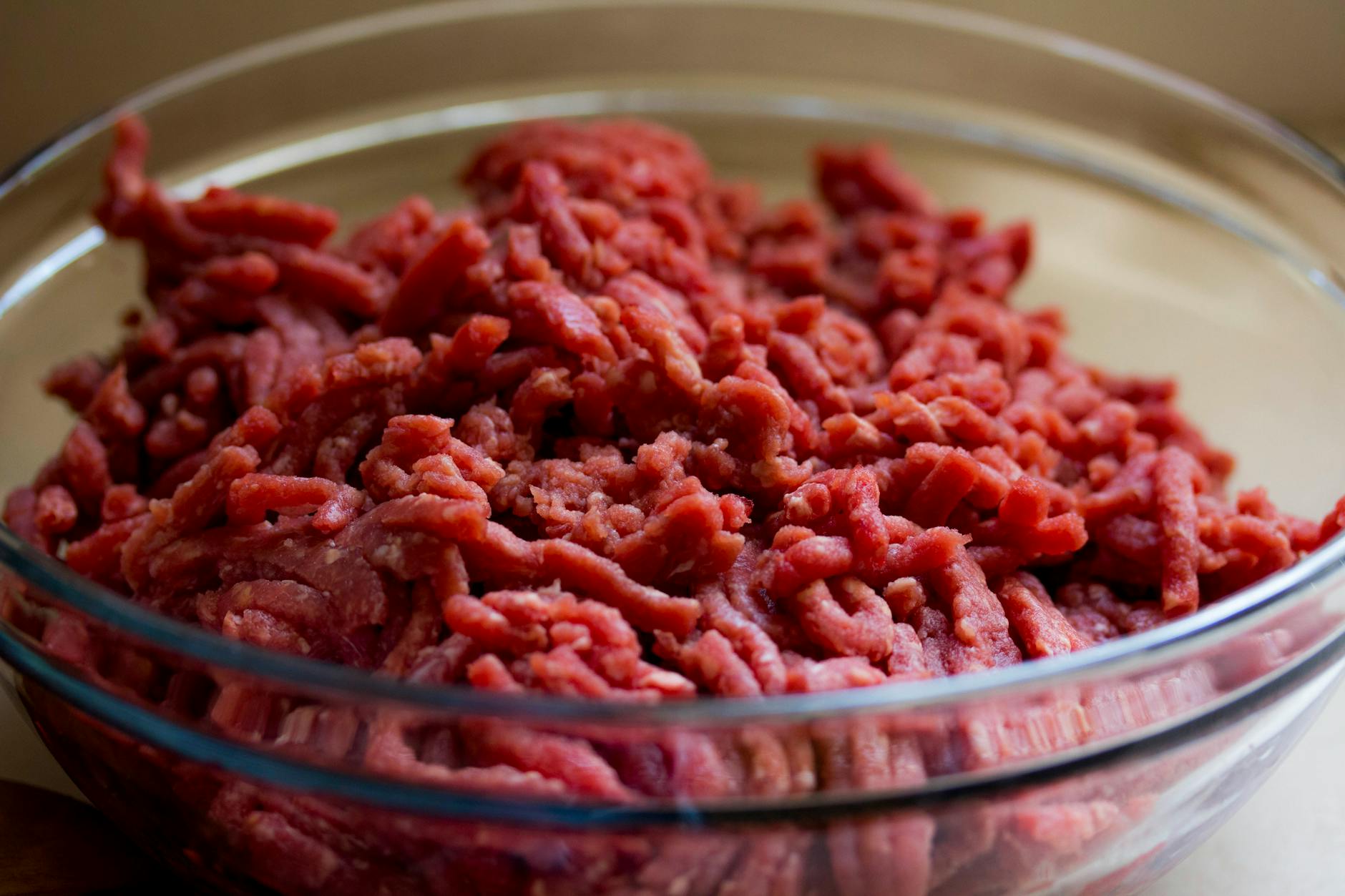
Beef trimmings in the United States are often treated with puffs of ammonium hydroxide gas to kill bacteria and create a product known as lean finely textured beef. This filler is mixed into ground beef to reduce costs and is popularly referred to as pink slime by its critics. The European Union prohibits the use of ammonia gas for decontamination and bans the sale of meat treated in this manner. American grocery stores sell ground beef containing this processed filler to millions of families.
Carrageenan Infant Formula
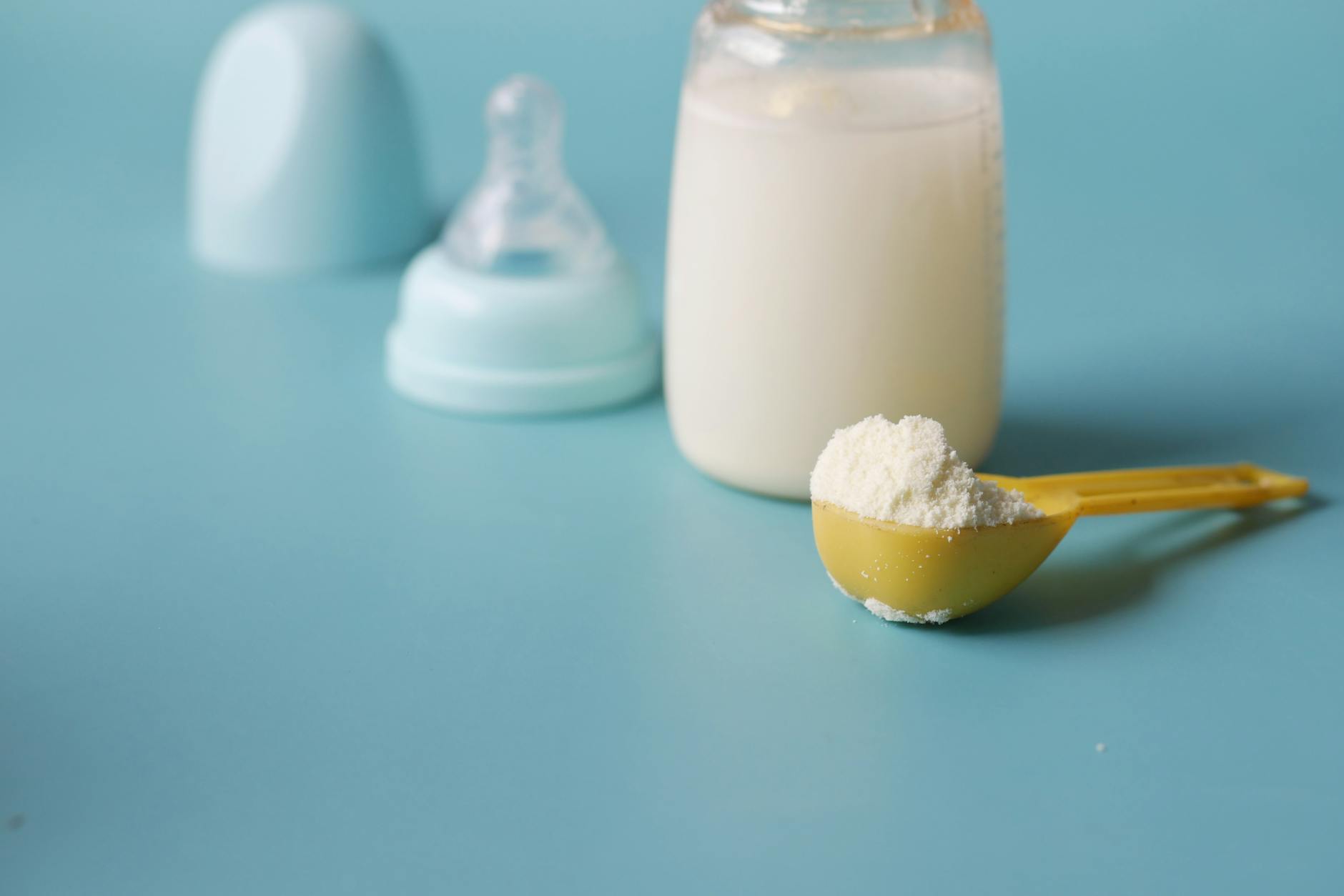
Carrageenan is a seaweed-derived thickener used to stabilize liquid infant formula and prevent ingredients from separating. The European Union prohibits the use of this additive in infant formula due to concerns that it can cause intestinal inflammation in developing digestive systems. American regulations permit its use in both organic and conventional baby formulas despite the availability of other stabilizers. Parents in the US often must carefully read labels to avoid this ingredient that is banned for babies in Europe.
Chlorpyrifos Fruits
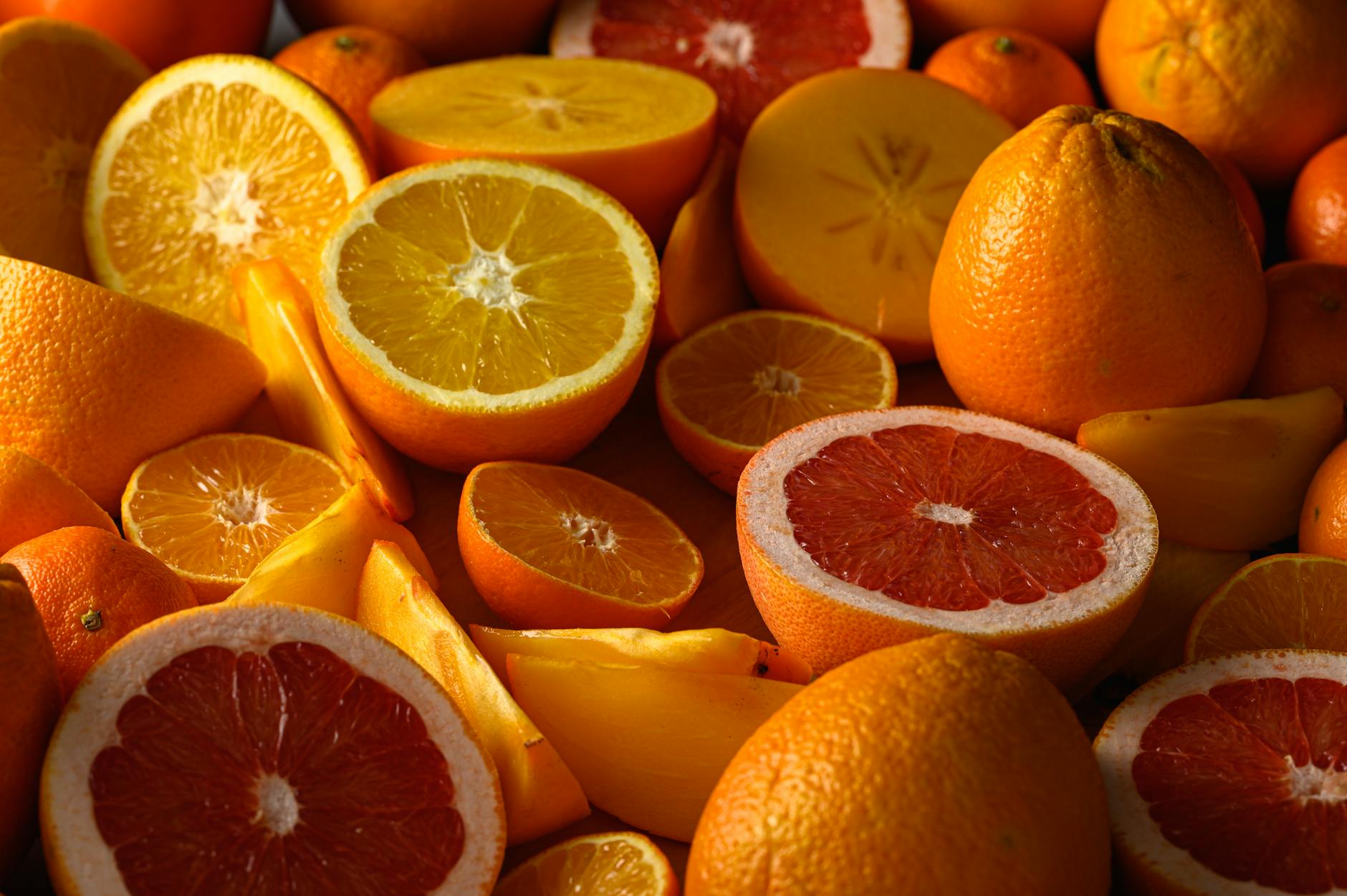
Chlorpyrifos is a potent pesticide used on citrus fruits and almonds and apples to control insect pests. The European Union banned this chemical completely after finding that no level of exposure was safe for human health. The United States Environmental Protection Agency briefly banned it before legal challenges reinstated its use for domestic agriculture. Research links prenatal exposure to this pesticide with developmental delays and reduced IQ in children.
We would love to hear which of these banned items surprised you the most so please share your thoughts in the comments.