Bringing greenery into a home does not require floor-to-ceiling windows or abundant sunshine. Many resilient species have evolved to flourish under forest canopies and actually prefer indirect or dim lighting conditions. These botanical companions offer air-purifying benefits and aesthetic warmth to even the darkest corners of an apartment. Selecting the right variety ensures vibrant foliage and steady growth without the need for supplemental grow lights.
Snake Plant
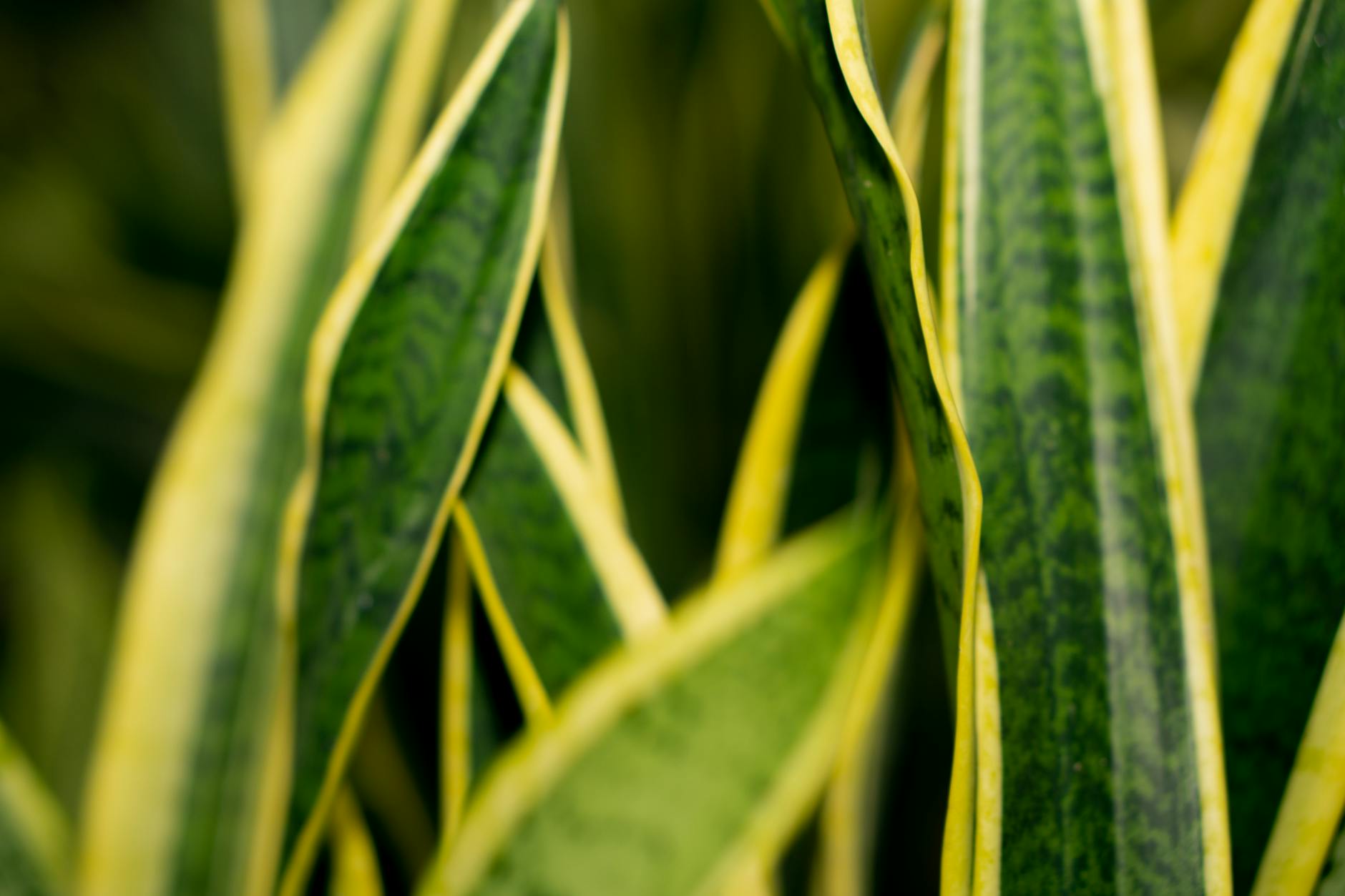
Sansevieria trifasciata is renowned for its ability to thrive in the darkest corners of a home. It features tall and stiff leaves that store water and require very infrequent watering to stay healthy. This architectural plant acts as an excellent air purifier by filtering out common household toxins like formaldehyde. Its hardy nature makes it nearly indestructible and perfect for forgetful owners or windowless offices.
ZZ Plant
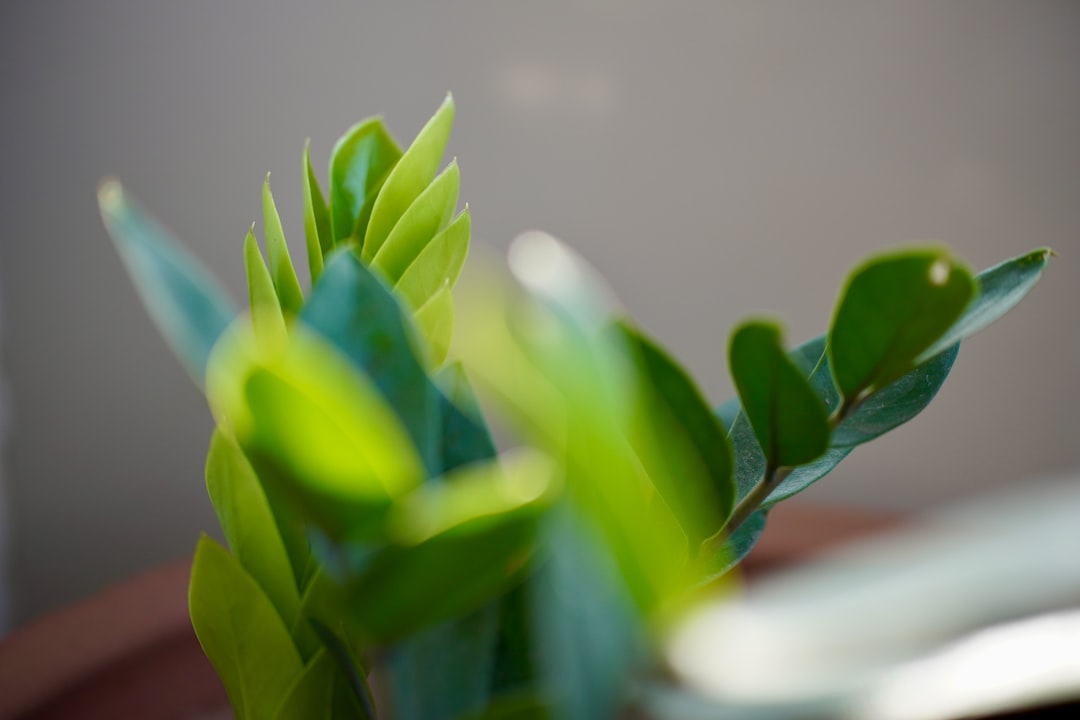
The Zamioculcas zamiifolia is a slow-growing aroid that tolerates low light better than almost any other houseplant. Its waxy and oval leaves reflect light to brighten up dim rooms while retaining moisture efficiently. This plant grows from rhizomes similar to potatoes which store water and allow it to survive periods of drought. It requires very little attention and remains lush green even when placed far from a natural light source.
Pothos
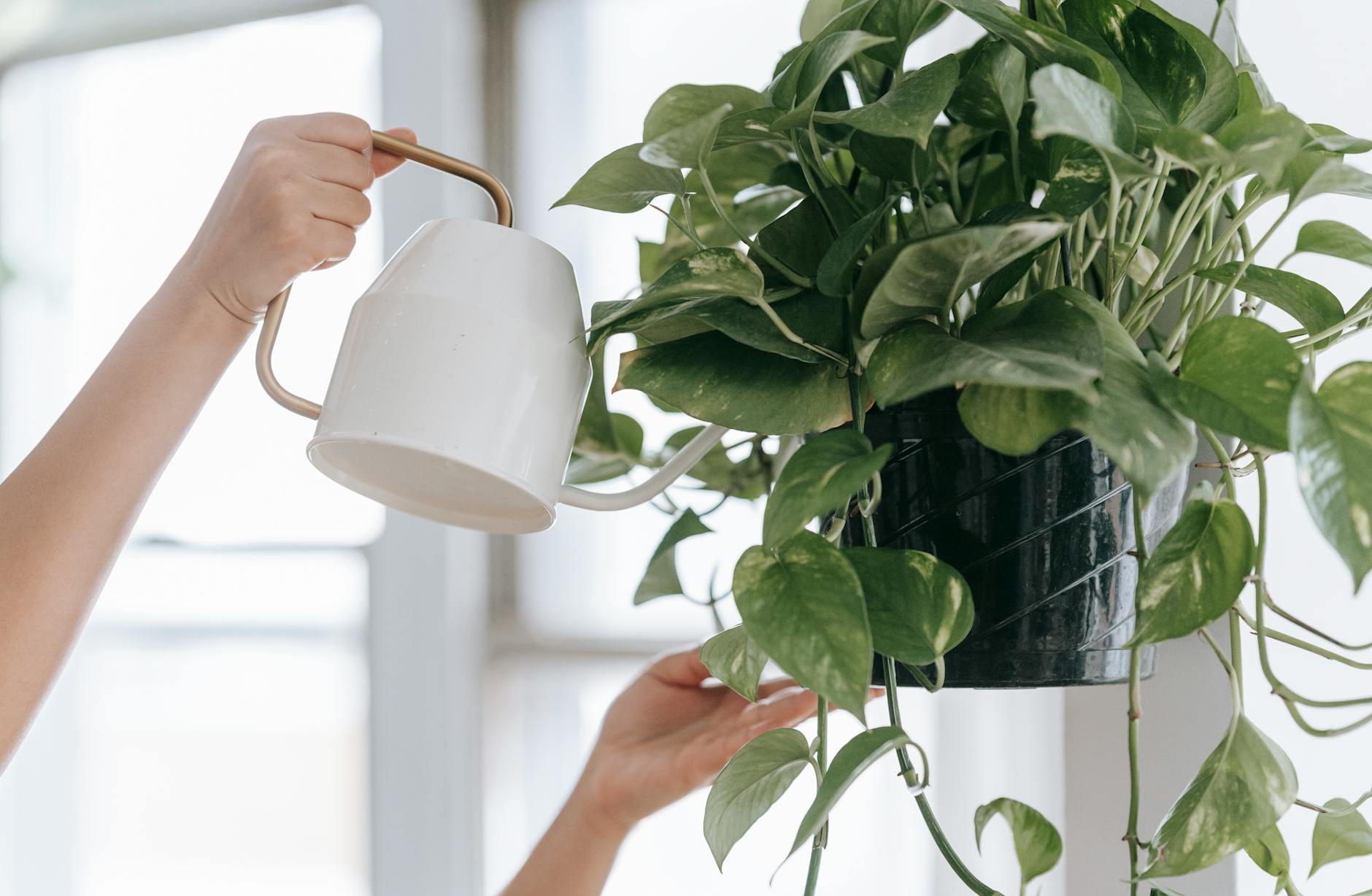
Epipremnum aureum is a trailing vine that is famous for its durability and rapid growth in less than ideal conditions. Its heart-shaped leaves can be solid green or variegated with white and yellow patterns depending on the variety. This plant looks stunning when draped from a high shelf or allowed to climb a moss pole in a shady corner. It communicates its thirst clearly by drooping slightly when it needs water and perks up immediately after a drink.
Cast Iron Plant
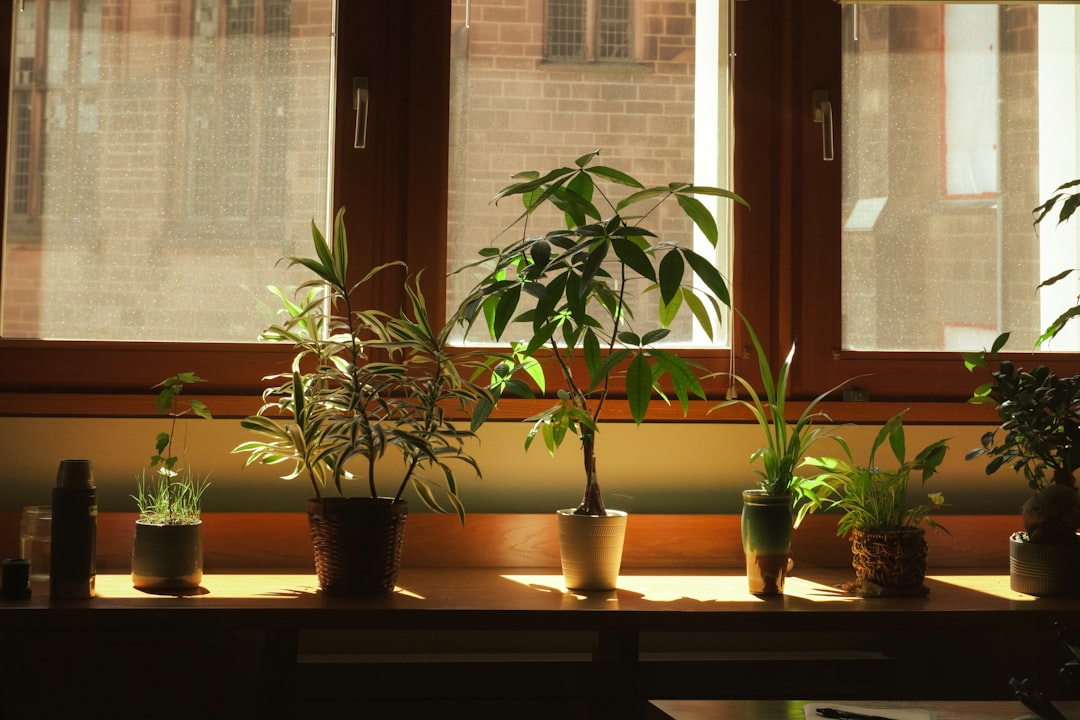
Aspidistra elatior earned its common name due to its reputation for being nearly impossible to kill. This species features dark green and leathery foliage that grows in an upright clump directly from the soil. It handles temperature fluctuations and dust and deep shade with remarkable resilience. Owners often choose this plant for hallways or corners where other sensitive tropicals would struggle to survive.
Heartleaf Philodendron
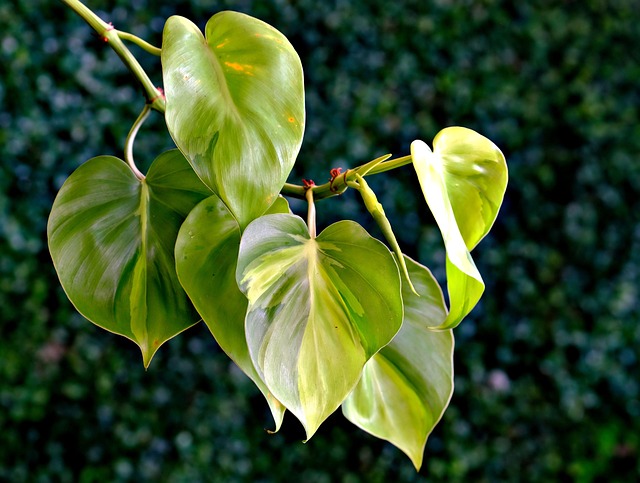
This classic vining plant produces dark green and heart-shaped leaves that look beautiful cascading from a hanging basket. It adapts quickly to lower light environments although its growth rate may slow down slightly compared to brighter spots. The plant is incredibly easy to propagate in water and makes a great gift for novice gardeners. Regular pruning encourages bushier growth and prevents the vines from becoming too leggy in dim areas.
Peace Lily
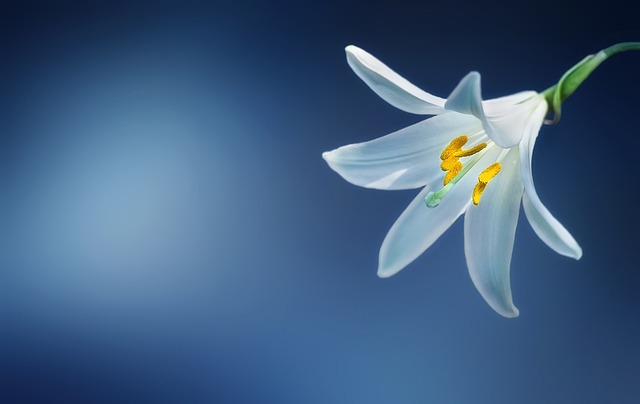
Spathiphyllum is a popular choice for low-light spaces because it is one of the few plants that will bloom without direct sun. Its glossy green leaves arch gracefully to create a lush and full appearance in any room. The plant signals when it is thirsty by drooping dramatically but recovers quickly once watered. It prefers consistent moisture and high humidity which makes it an excellent candidate for bathroom decor.
Chinese Evergreen
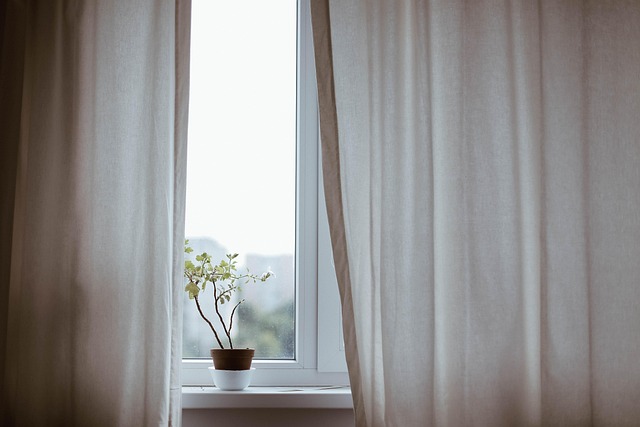
Aglaonema comes in many varieties that showcase spectacular patterns of silver and pink or red on their leaves. The darker green varieties generally tolerate low light better than the highly variegated types. This plant grows slowly and maintains a compact shape that works well on desks or tabletops. It is sensitive to cold drafts but otherwise demands very little maintenance to keep its foliage looking vibrant.
Spider Plant
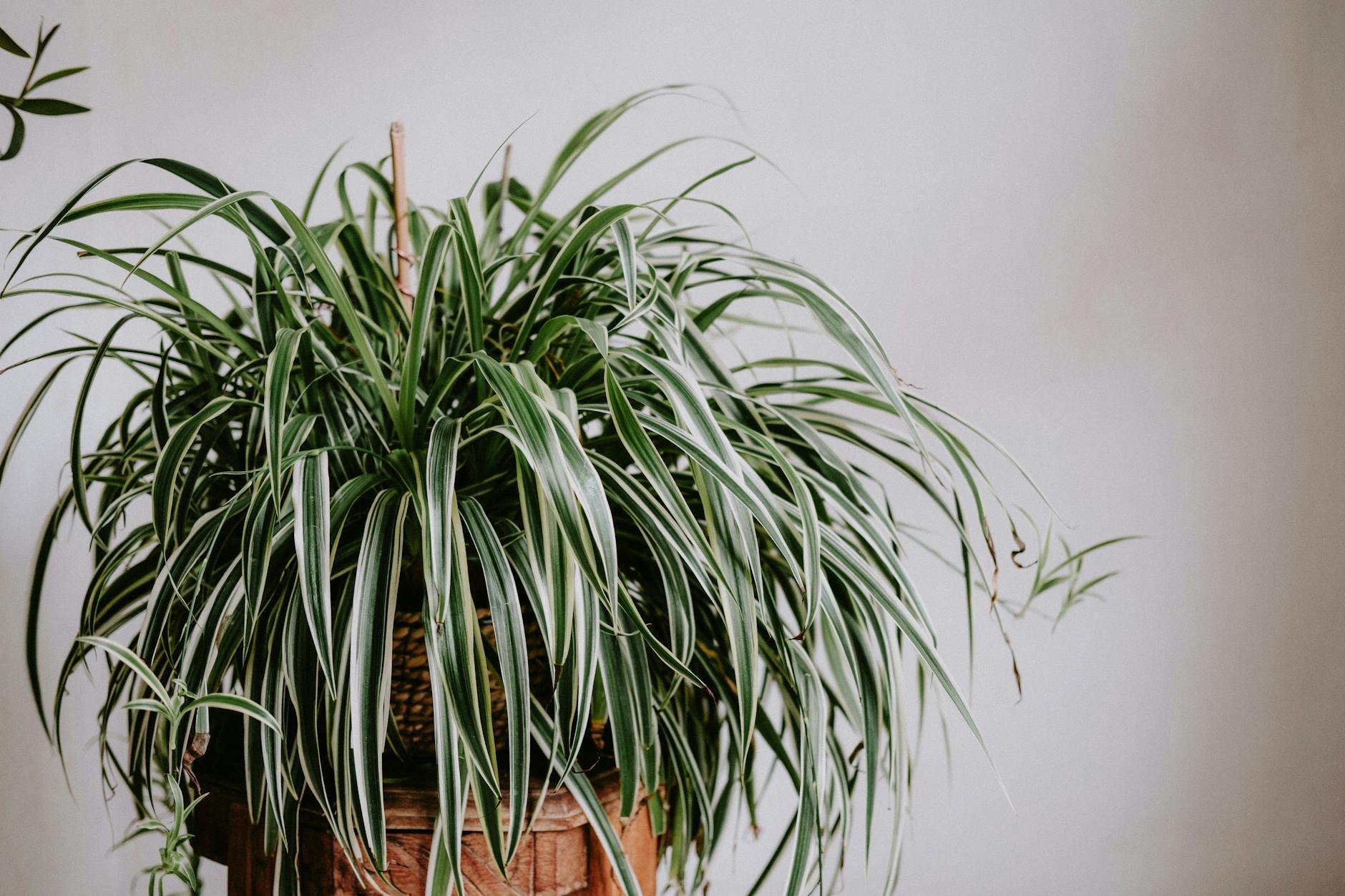
Chlorophytum comosum produces arching leaves that are often striped with white or cream down the center. This adaptable plant produces small plantlets or babies on long stems that can be easily rooted to create new plants. It tolerates a wide range of lighting conditions including the darker corners of a living room. Consistent watering helps prevent the tips of the leaves from turning brown in dry indoor environments.
Dracaena
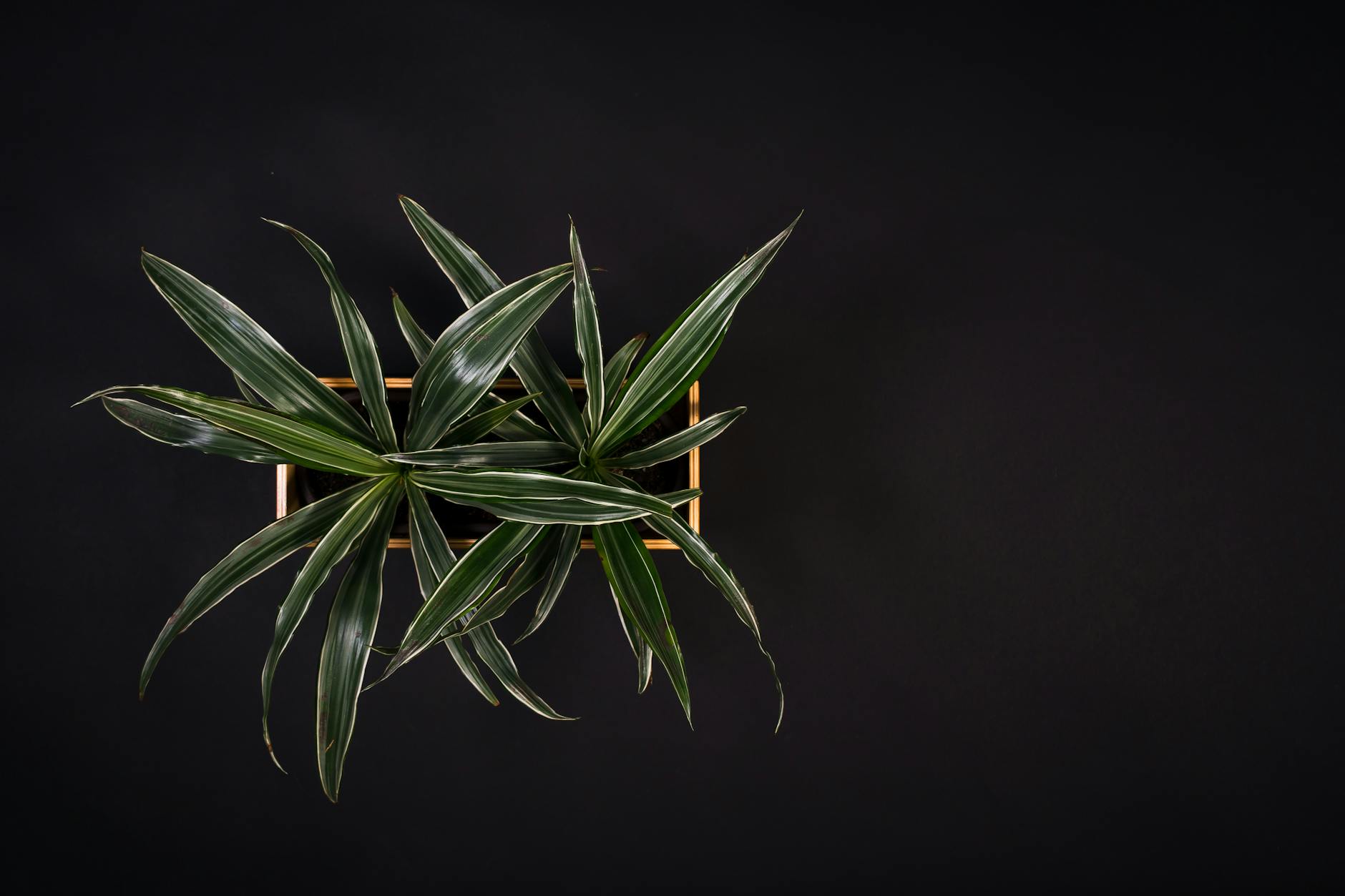
Many varieties of Dracaena feature cane-like stems topped with rosettes of long and strappy leaves. They add vertical interest to a room without taking up a large amount of floor space. These plants are sensitive to fluoride in tap water so using distilled or rainwater prevents leaf spotting. They can survive in low light but will grow much slower than they would in brighter indirect light.
English Ivy
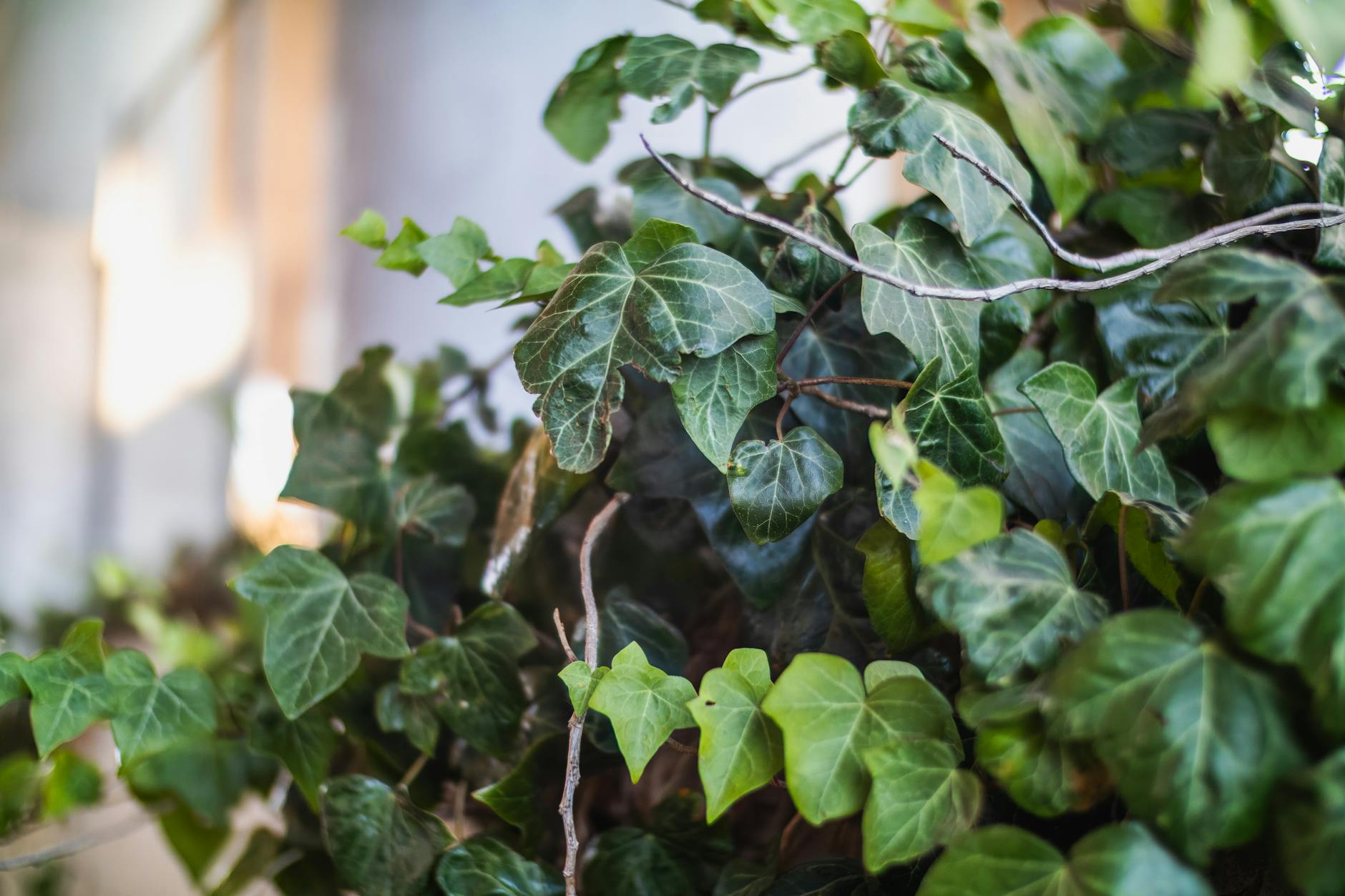
Hedera helix is a woody vine that can be trained to climb structures or trail elegantly from a pot. It prefers cooler temperatures and moderate light but adapts well to lower light situations indoors. The foliage comes in various shapes and variegations that add texture to indoor arrangements. Keeping the soil consistently moist and misting the leaves helps prevent spider mites which favor dry conditions.
Maidenhair Fern
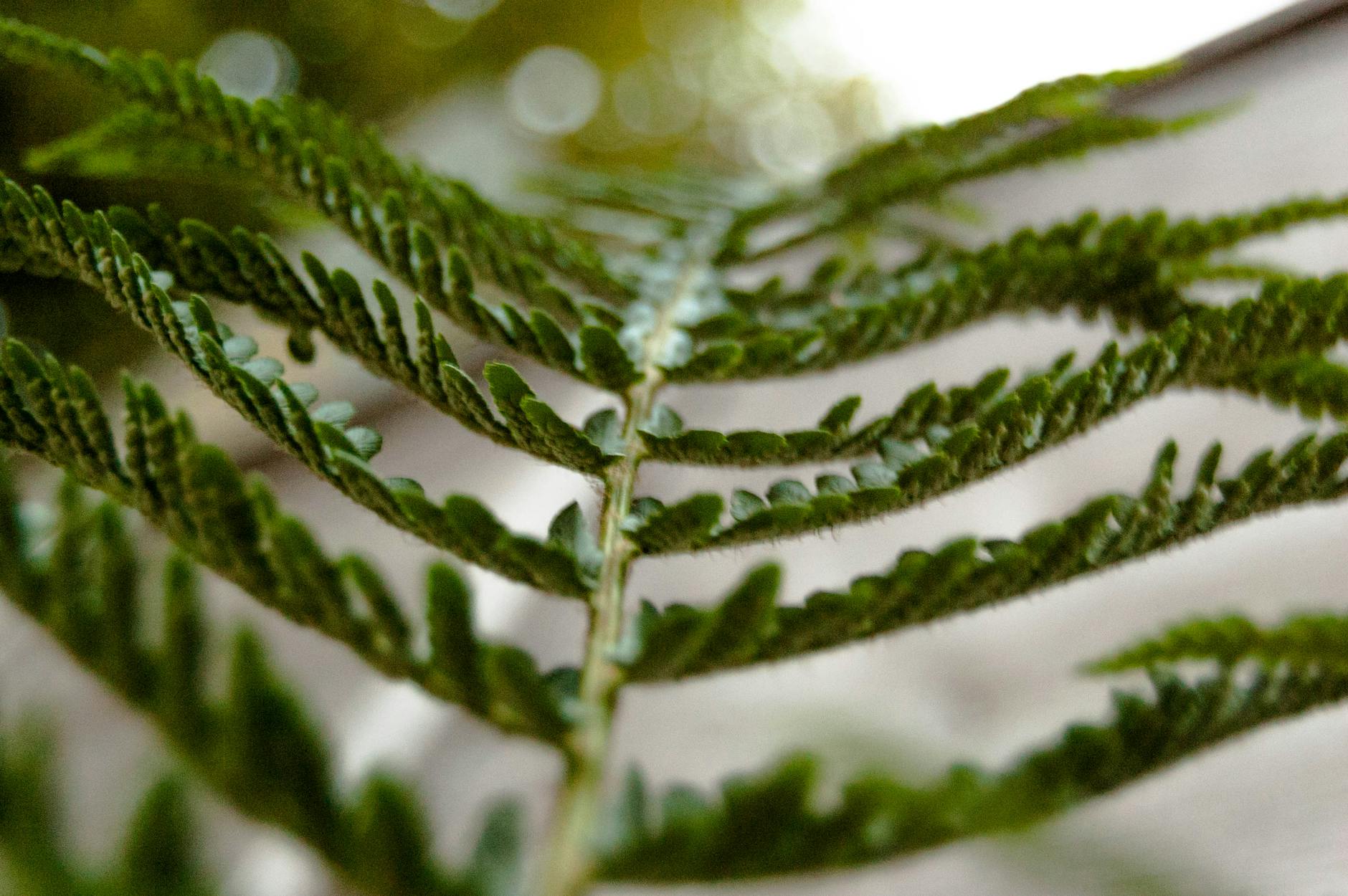
Adiantum raddianum features delicate and lacy fronds held on thin black stems that tremble with the slightest air movement. This fern requires high humidity and consistent moisture to prevent its fragile leaves from crisping. It thrives in the filtered light of a bathroom or a terrarium environment where moisture levels are stable. While it is more demanding than other low-light plants the visual payoff is well worth the extra effort.
Lucky Bamboo
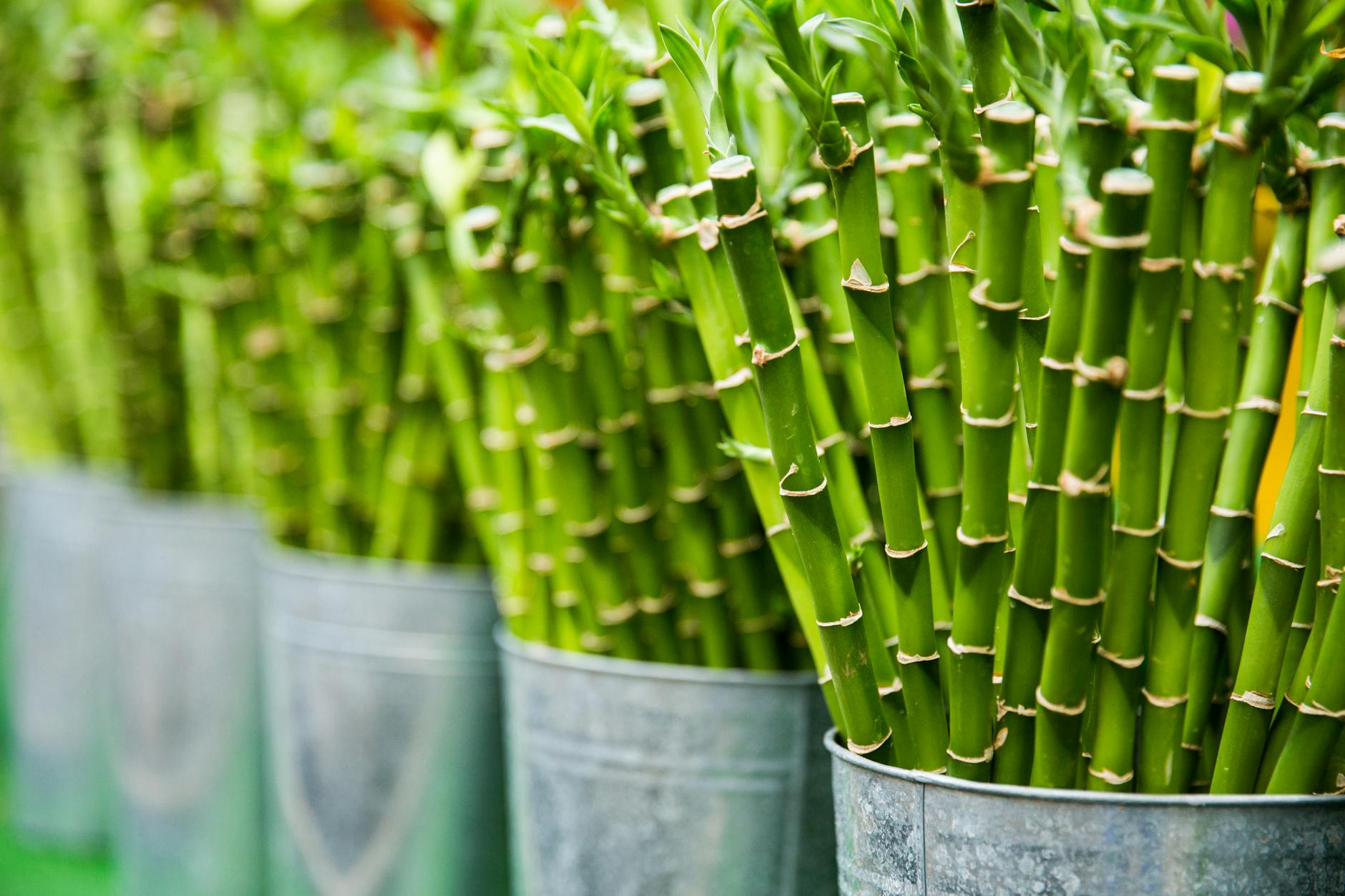
Dracaena sanderiana is often sold growing in water and trained into intricate shapes or braided stalks. It is an extremely hardy plant that can survive in very low light and requires only occasional water changes. This plant is a symbol of good fortune in Feng Shui and makes a sculptural addition to an office desk. It should be kept away from drafts and direct sun which can scorch the tender green leaves.
Prayer Plant
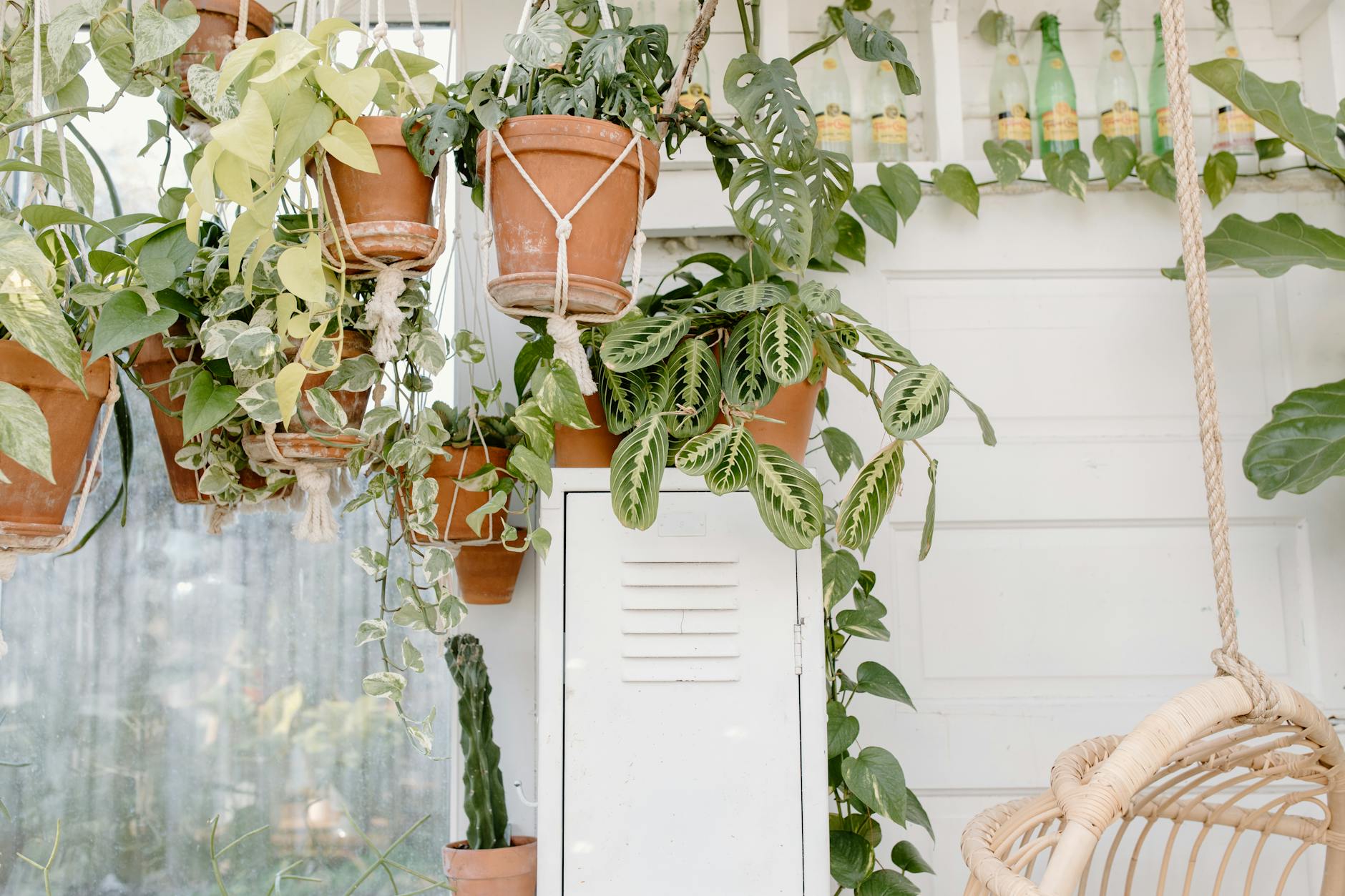
Maranta leuconeura is famous for its habit of folding its leaves up at night like hands in prayer. The foliage features striking patterns of red veins or dark green splotches that look like artwork. It prefers high humidity and consistent moisture but should not be left sitting in soggy soil. This plant adds dynamic movement to a room as its appearance changes throughout the day.
Monstera Deliciosa
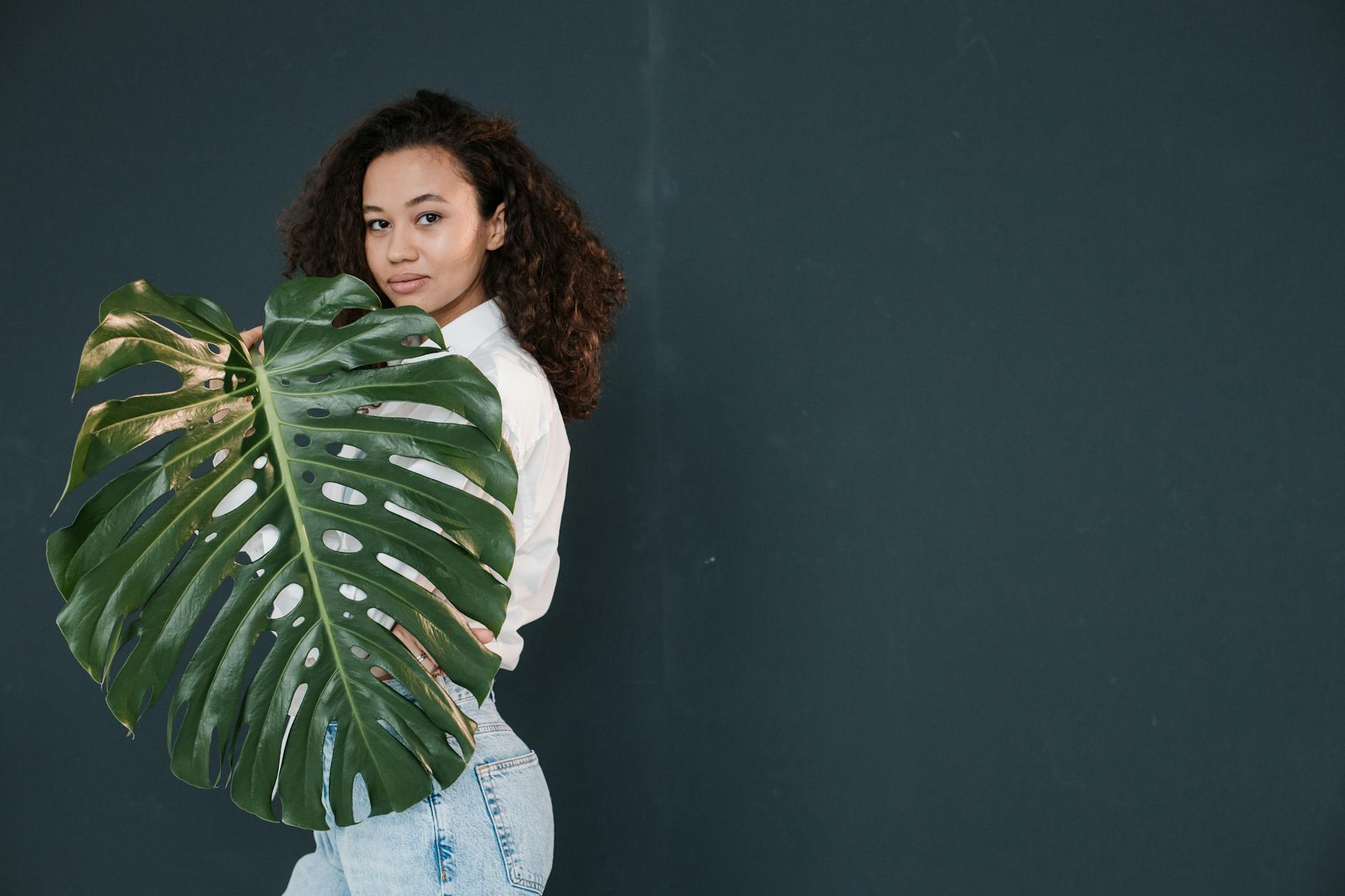
The Swiss Cheese Plant is known for its large and fenestrated leaves that bring a tropical jungle vibe to any interior. While it grows faster in bright light it can tolerate lower light conditions surprisingly well. Young plants may not develop splits in their leaves until they receive more light or mature further. It prefers to dry out slightly between waterings to prevent root rot in dimmer settings.
Parlor Palm
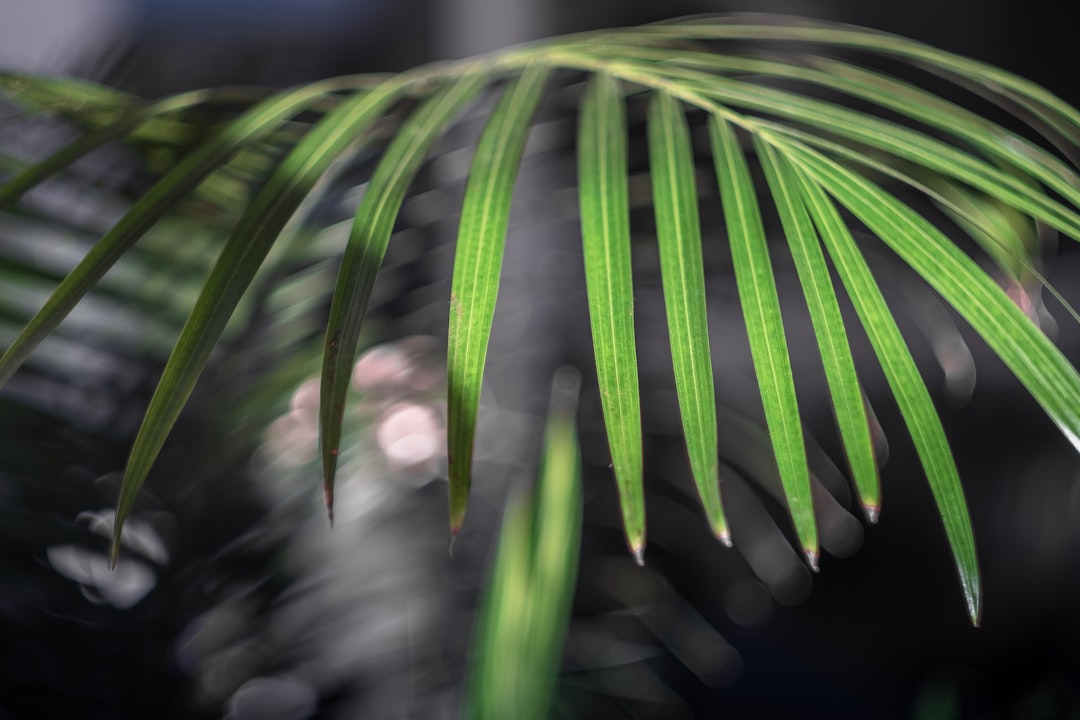
Chamaedorea elegans has been a favorite indoor plant since the Victorian era due to its elegance and shade tolerance. It features feathery fronds that grow in dense clumps and can reach several feet in height. This slow-growing palm adapts well to typical indoor humidity levels and temperature ranges. It is an excellent non-toxic option for households with curious pets who might nibble on greenery.
Dumb Cane
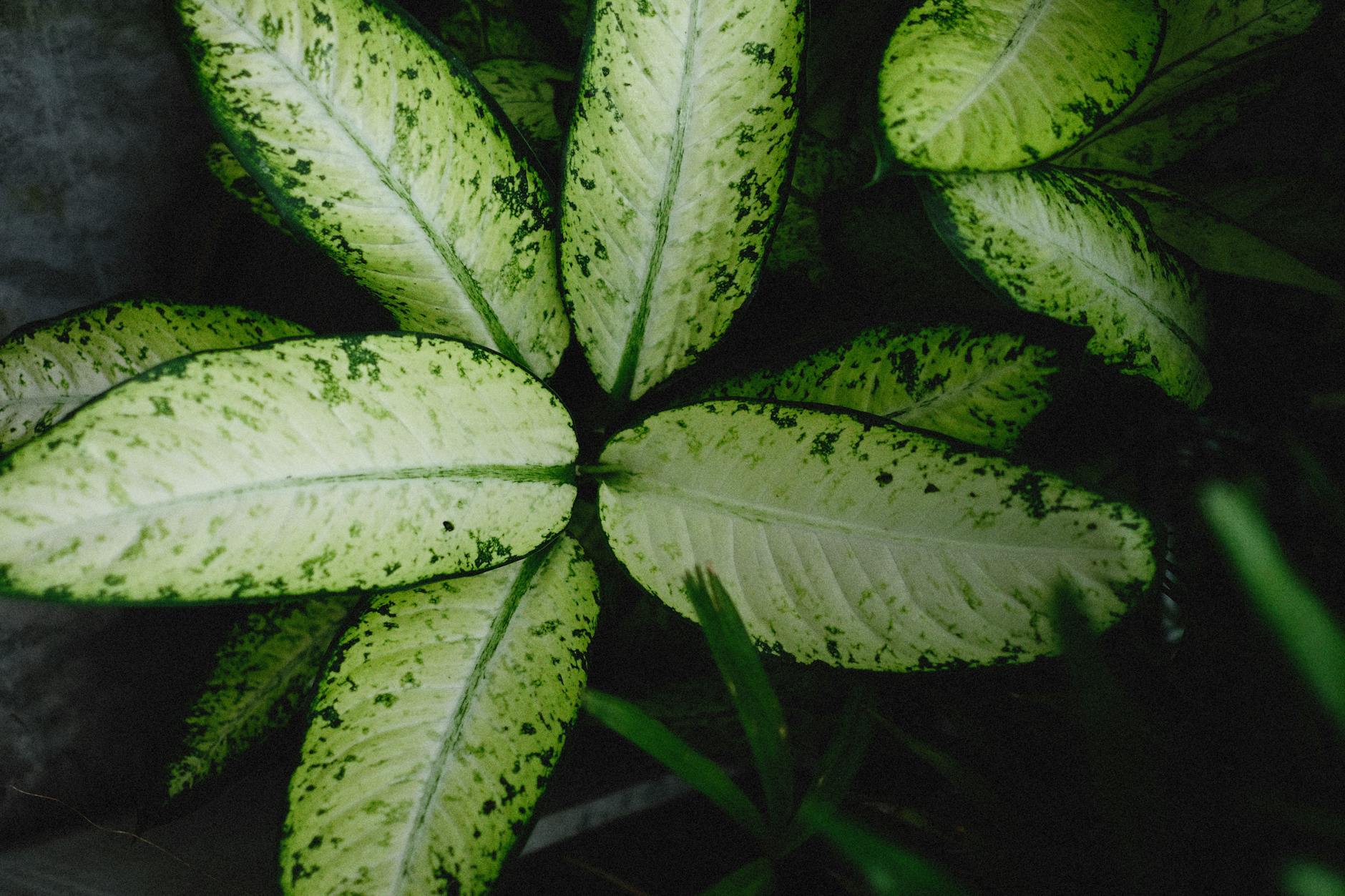
Dieffenbachia features large and broad leaves speckled with cream or yellow patterns that brighten up shady spots. It grows upright on a thick cane and can become quite large over time with proper care. The sap is toxic if ingested so it is best kept out of reach of children and animals. Regular rotation ensures even growth as the plant will naturally lean toward the nearest light source.
Arrowhead Plant
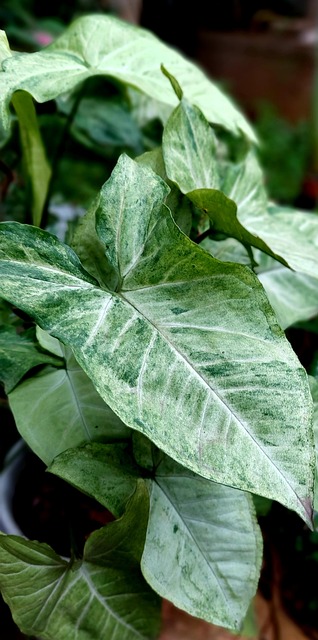
Syngonium podophyllum starts as a bushy clump and eventually develops trailing vines as it matures. The arrow-shaped leaves come in shades of green and pink or bronze that change shape as the plant ages. It is a versatile species that can be kept compact with pruning or allowed to climb a support. Low light helps maintain the deep green colors while brighter light enhances the pink and white variegations.
Bromeliads
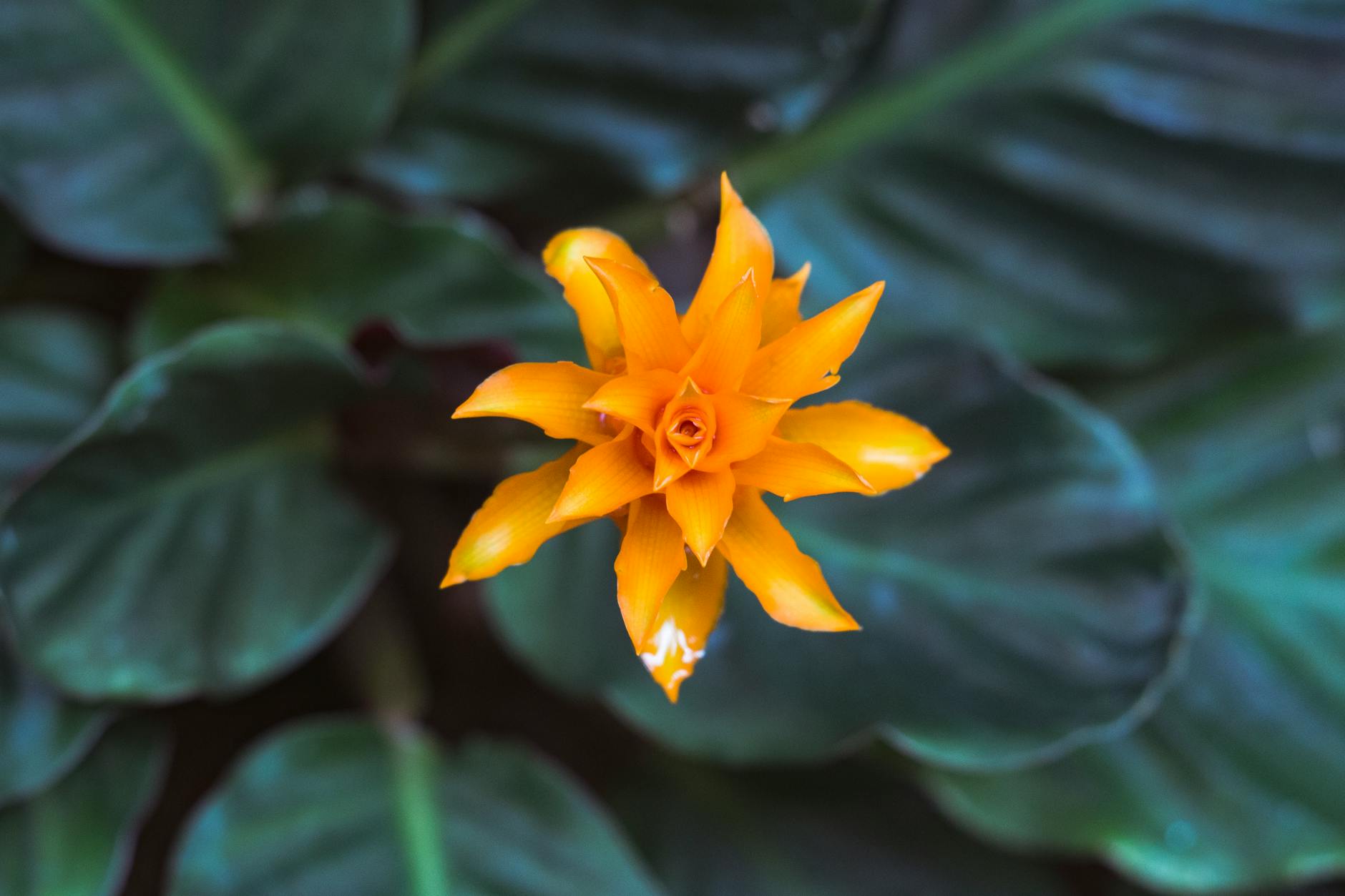
Many bromeliads are epiphytes that naturally grow on trees in the rainforest under dense canopy cover. They have a unique central cup that should be kept filled with water to hydrate the plant. The colorful bracts last for several months and add a tropical pop of color to low-light interiors. After the flower fades the mother plant produces offsets or pups that can be separated and repotted.
Peperomia
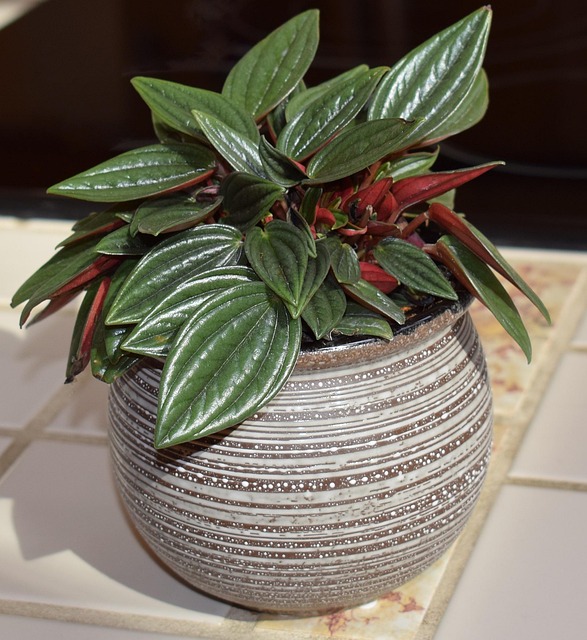
There are over a thousand species of Peperomia with foliage ranging from smooth and waxy to crinkled and textured. Most varieties stay small and compact which makes them perfect for shelves and small tables. They store water in their thick leaves and stems so they can tolerate drying out between waterings. These pet-friendly plants thrive in medium to low light and are sensitive to overwatering.
Staghorn Fern
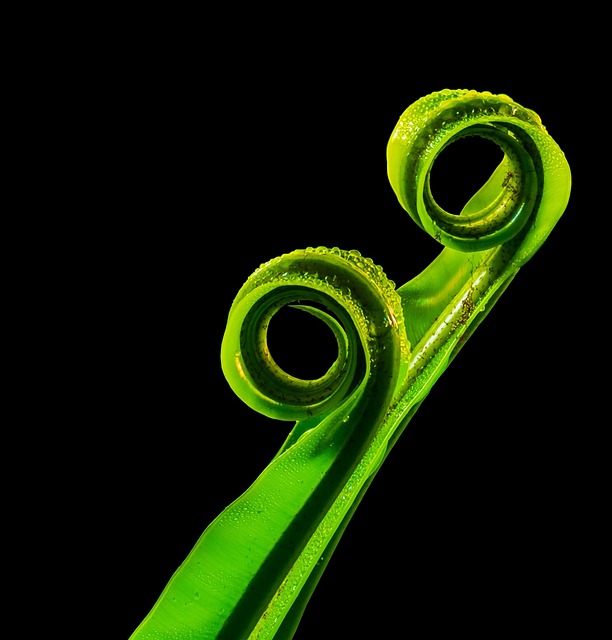
Platycerium bifurcatum is an epiphytic fern that is often mounted on wooden boards to mimic how it grows on trees. It has two types of fronds including sterile shield fronds at the base and fertile antler-like fronds. This plant requires bright to moderate indirect light but can survive in lower light if humidity is high. Watering involves soaking the entire root ball or mounting board in water for several minutes.
We would love to hear which of these shade-tolerant varieties you plan to add to your collection so please share your thoughts in the comments.