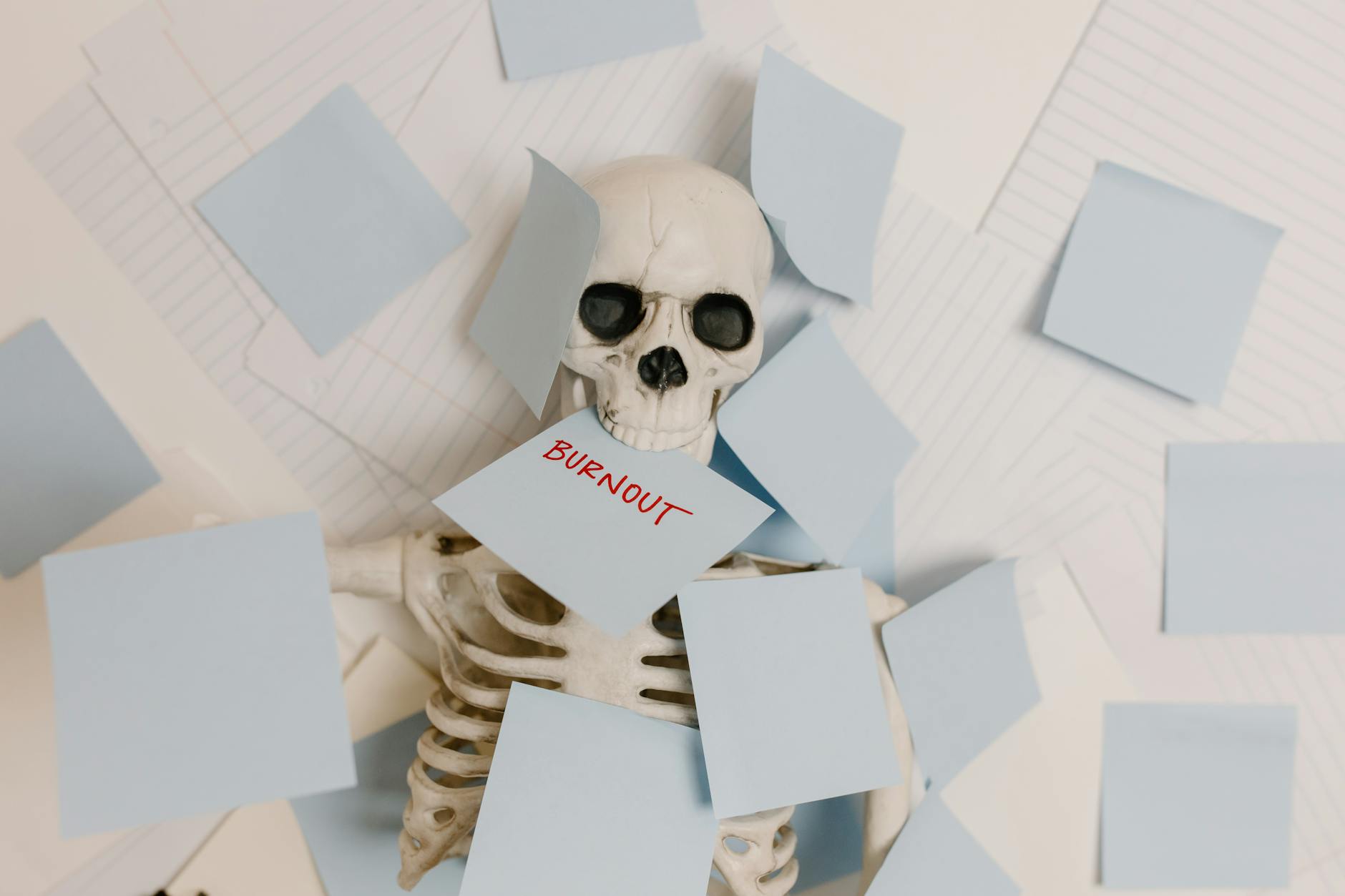
Burnout has become one of the most talked-about workplace challenges of the modern era, quietly affecting millions of professionals across every industry. It rarely arrives all at once but instead creeps in through small, easy-to-dismiss changes in how you think, feel, and function each day. Recognizing the warning signs early can make the difference between course-correcting in time and hitting a wall that takes months to recover from. These twenty signs are worth taking seriously if they feel uncomfortably familiar.
You Dread Monday Before the Weekend Ends

Sunday evenings begin to feel heavy with a sense of impending overwhelm rather than relaxed anticipation. The thought of returning to work creates a low-grade anxiety that colors the entire end of your week. This emotional pattern tends to deepen the longer burnout goes unaddressed. What was once a minor case of the Sunday blues becomes a consistent and intrusive dread.
Your Motivation Has Quietly Disappeared
Tasks that once felt meaningful or energizing now feel like a chore you can barely bring yourself to start. You find yourself staring at your to-do list without any sense of drive or purpose. Even projects you previously enjoyed no longer spark any enthusiasm or creative investment. This loss of intrinsic motivation is one of the most telling signs that your reserves are running dangerously low.
You Feel Exhausted No Matter How Much You Sleep

No amount of rest seems to touch the deep fatigue that has settled into your body and mind. You wake up already tired and drag that heaviness through every hour of the day. This kind of exhaustion is not physical in the traditional sense but rather an emotional and cognitive depletion. Sleep stops being restorative because the underlying stress is never truly switched off.
Concentration Has Become Increasingly Difficult

Sitting down to focus on a single task feels almost impossible, even when the work is straightforward. Your attention drifts constantly and you find yourself rereading the same paragraph or email multiple times. Simple decisions that once took seconds now feel like mentally taxing exercises. Cognitive fog is a well-documented symptom of burnout and tends to worsen as the condition deepens.
You Have Become Increasingly Cynical About Your Job

You notice a growing sense of detachment from the work, the company, and the people around you. Conversations about company goals or team achievements feel hollow and even irritating. This shift toward cynicism is a psychological defense mechanism that kicks in when emotional resources are depleted. It often catches people off guard because it can feel like a change in personality rather than a symptom of stress.
Small Inconveniences Trigger Disproportionate Frustration

A slow computer, a rescheduled meeting, or a minor miscommunication sends your frustration spiking far beyond what the situation warrants. Your emotional regulation becomes strained as your internal buffer for handling daily friction wears thin. Colleagues or family members may notice that you seem shorter-tempered than usual. This heightened irritability is a signal that your nervous system is already operating under significant strain.
You Have Stopped Taking Breaks During the Day

Skipping lunch, working through coffee breaks, and sitting at your desk for hours without moving has become the norm. You tell yourself you are being productive, but the reality is that you no longer feel permission to rest. Ironically, the absence of breaks accelerates cognitive decline and emotional exhaustion rather than increasing output. This pattern often stems from a feeling that stopping even briefly will make the workload feel impossible to return to.
Your Physical Health Has Started to Suffer

Headaches, muscle tension, stomach issues, and a suppressed immune system begin appearing with increasing regularity. The body keeps a detailed record of chronic stress and eventually starts demanding attention through physical symptoms. You may notice you are getting sick more frequently or that existing health issues are flaring up. Burnout is not just a mental experience and its physical toll is well documented in occupational health research.
You Have Withdrawn from Colleagues and Friends
Social interactions at work start to feel draining rather than energizing and you begin to avoid them where possible. You eat lunch alone, decline group conversations, and keep responses brief in meetings. Outside of work, you cancel plans more often and find yourself preferring isolation over connection. This withdrawal is a natural but counterproductive response to emotional depletion and tends to deepen feelings of loneliness over time.
Your Sense of Achievement Has Faded

Completing a project or hitting a target used to feel satisfying but now it barely registers emotionally. You finish tasks and move immediately to the next without any sense of accomplishment or pride. This emotional blunting around success is a hallmark sign of burnout and is often confused with ingratitude or apathy. In reality, it reflects a system that has been so overextended that the reward circuitry has gone quiet.
You Are Working Longer Hours but Getting Less Done

Your working day stretches longer and longer, yet your actual output continues to shrink. Tasks that once took an hour now consume an entire afternoon due to fragmented focus and decision fatigue. You compensate for the reduced productivity by adding more hours, which deepens the exhaustion cycle. This diminishing return on effort is a clear indicator that you have moved beyond sustainable working capacity.
You Have Lost Interest in Professional Development

Webinars, training opportunities, and career conversations that once excited you now feel irrelevant or exhausting to consider. You have stopped thinking about where your career is heading because the present moment feels too overwhelming to look beyond. Ambition and curiosity, which once drove your professional engagement, have been replaced with a desire to simply get through the week. This narrowing of perspective is a common psychological response to prolonged occupational stress.
You Bring Work Stress Home Every Evening

The boundary between your professional and personal life has effectively dissolved. You find yourself replaying work conversations during dinner or lying awake thinking about unresolved tasks. Your relationships at home begin to feel the pressure as your emotional availability diminishes. When work stress becomes a constant companion in your personal life, recovery time disappears almost entirely.
You Feel Undervalued and Overlooked

A persistent sense that your efforts are not seen, rewarded, or appreciated has taken root. You work hard but feel invisible within your team or organization. This perception of being unrecognized is both a contributor to burnout and a symptom of it, creating a feedback loop that is difficult to break. Over time, this emotional experience erodes self-worth and professional confidence in significant ways.
Making Even Simple Decisions Feels Overwhelming

Choosing between two options, responding to a straightforward email, or planning the order of your tasks feels mentally exhausting. Decision fatigue sets in early in the day and by afternoon even minor choices feel like a burden. This mental depletion is tied directly to the cognitive overload that characterizes advanced burnout. The brain, like any system under chronic stress, begins to conserve its remaining energy by resisting demands wherever it can.
You Have Become Prone to Mistakes
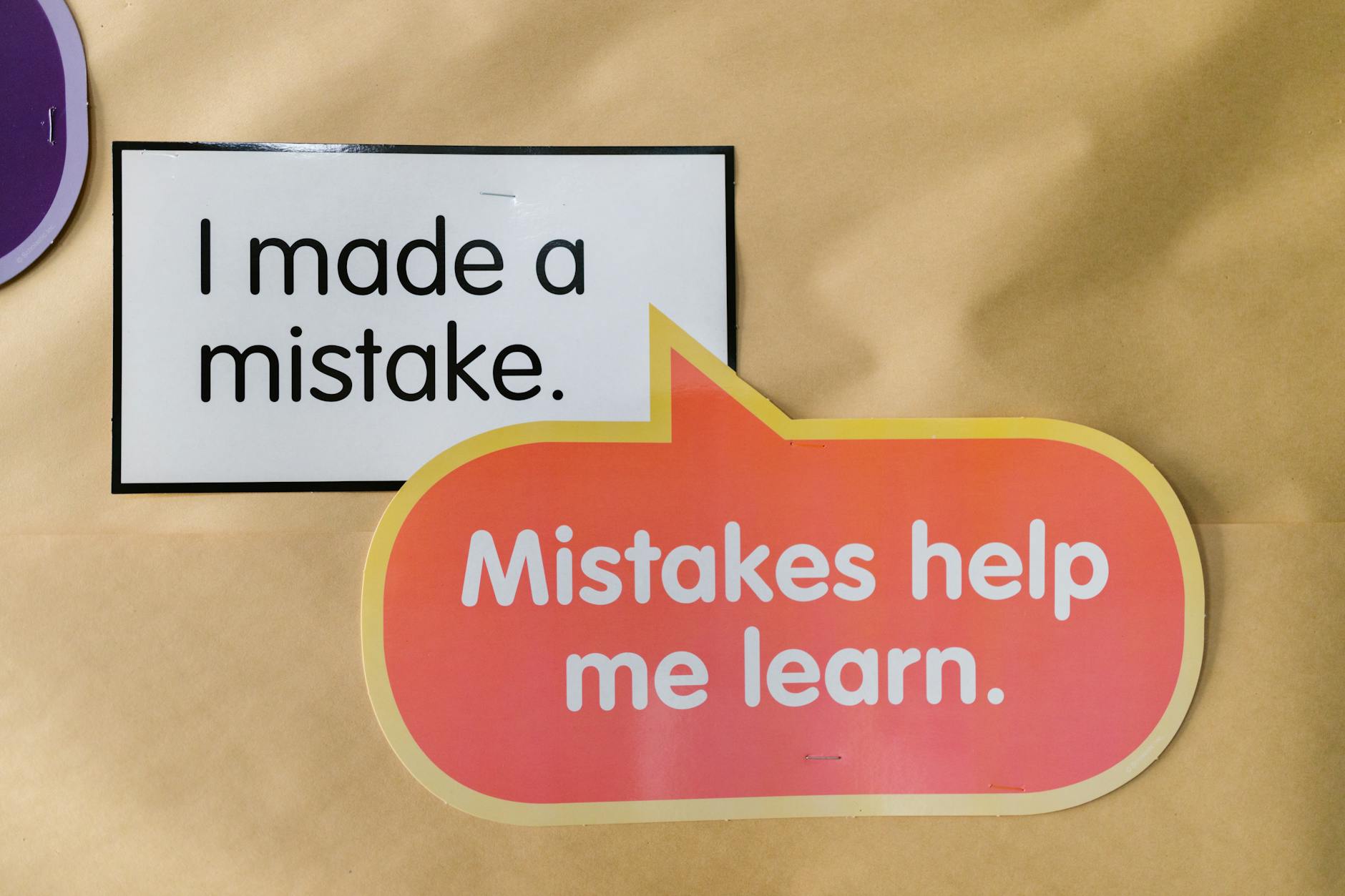
Errors in your work are appearing more frequently despite the fact that you care just as much about quality as ever. Missed details, forgotten tasks, and simple oversights are creeping into your daily output. This is not a reflection of competence but a direct result of the cognitive impairment that accompanies burnout. The gap between effort and result can itself become a significant source of additional stress and self-criticism.
Your Sleep Patterns Have Become Disrupted

You struggle to fall asleep because your mind refuses to stop processing work-related thoughts. Alternatively, you fall asleep immediately but wake in the early hours with a rush of anxiety about the coming day. The quality of your sleep degrades steadily, which in turn deepens the exhaustion during waking hours. Disrupted sleep and burnout reinforce each other in a cycle that becomes progressively harder to interrupt without intentional intervention.
You Have Stopped Finding Humor or Lightness in the Day
Moments of laughter, levity, and casual conversation that once punctuated your workday have all but disappeared. Everything feels serious, heavy, and relentless, leaving little room for the natural lightness that sustains morale. A reduced capacity for humor and playfulness is a surprisingly reliable indicator of emotional depletion. When a person can no longer access lightness in situations that would normally produce it, the inner reserves are running critically low.
You Feel a Persistent Sense of Failure

Despite working constantly, you carry a nagging conviction that you are falling short in every area of your professional life. No amount of completed work relieves the underlying sense that you are somehow not doing enough or not doing it well enough. This distorted self-assessment is a cognitive symptom of burnout rather than an accurate reflection of your performance. It tends to be one of the most emotionally damaging aspects of the condition and benefits greatly from professional support.
You Have Started Questioning Whether Any of It Is Worth It

Deeper existential questions about your career path, your purpose at work, and whether the sacrifices are justified begin surfacing regularly. You find yourself wondering how much longer you can sustain this pace and whether the rewards genuinely match the cost. This questioning is not weakness but rather a signal from a deeper part of your psychology that something fundamental needs to change. Burnout at its most advanced stage challenges not just your current job but your entire relationship with work and ambition.
If any of these signs feel familiar, share your experience and what has helped you cope in the comments.