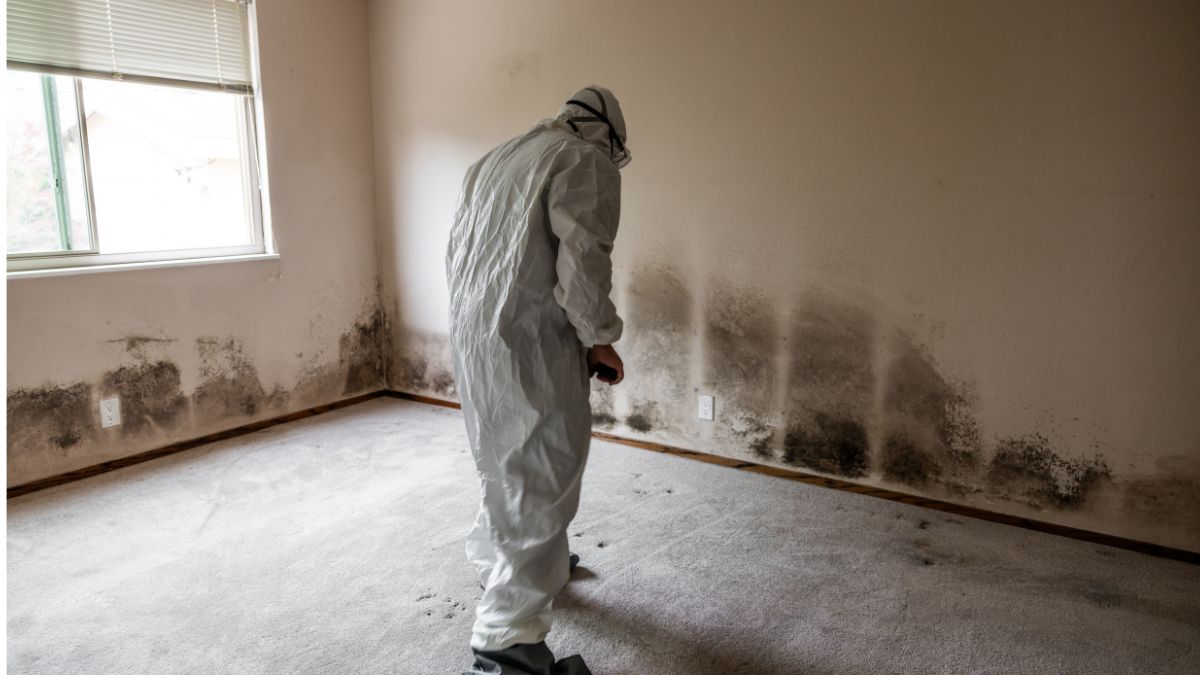
Mold is one of the most insidious household threats because it often grows completely out of sight, behind walls, under floors, and above ceiling tiles where no one thinks to look. By the time visible signs appear, the problem may already be widespread and costly to address. Knowing what to watch for can help homeowners catch a hidden mold issue before it spirals into a serious health or structural concern.
A Persistent Musty Smell
A damp, earthy odor that lingers in a room even after cleaning is one of the most reliable early indicators of hidden mold growth. This smell is caused by microbial volatile organic compounds released as mold colonies digest organic materials. The scent is often strongest near walls, floors, or vents where moisture tends to accumulate. Many homeowners mistake it for general staleness, which delays investigation and allows the problem to worsen.
Unexplained Allergy Symptoms

When household members suddenly experience sneezing, itchy eyes, or a runny nose without a clear seasonal trigger, mold spores may be the culprit. These microscopic particles travel through the air and provoke immune responses in sensitive individuals. Symptoms that consistently worsen indoors and improve when away from the home are particularly telling. Respiratory irritation that appears to have no other explanation warrants a thorough check of humid or enclosed areas throughout the house.
Worsening Asthma

For individuals who already have asthma, a noticeable increase in the frequency or severity of attacks at home can signal airborne mold exposure. Mold spores are a well-documented asthma trigger that inflames airways and makes breathing significantly more difficult. If symptoms ease when spending extended time away from the house, indoor air quality is likely compromised. A professional air quality test can help confirm whether mold spores are circulating through the ventilation system.
Visible Water Stains
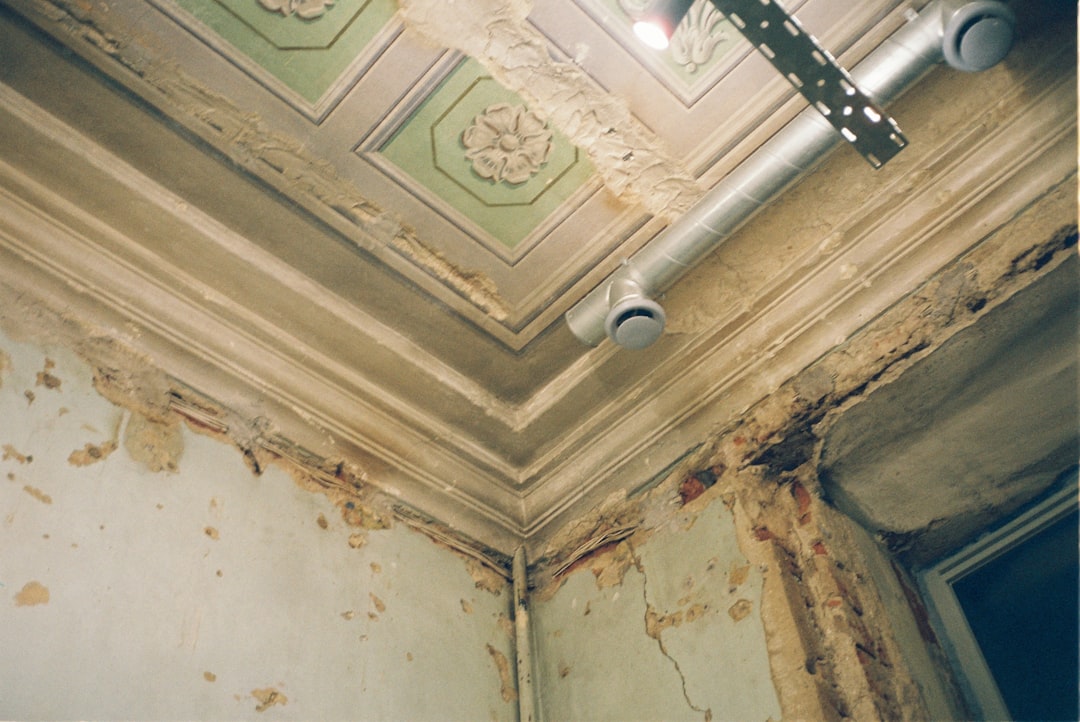
Brown or yellowish stains on ceilings, walls, or floors indicate past or ongoing moisture intrusion that creates ideal conditions for mold growth. Even stains that appear dry on the surface often conceal ongoing dampness beneath or behind the affected material. These marks frequently appear near windows, around pipes, or along exterior walls where condensation and leaks are most common. Treating the stain without addressing the underlying moisture source leaves the home vulnerable to continued mold development.
Bubbling or Peeling Paint
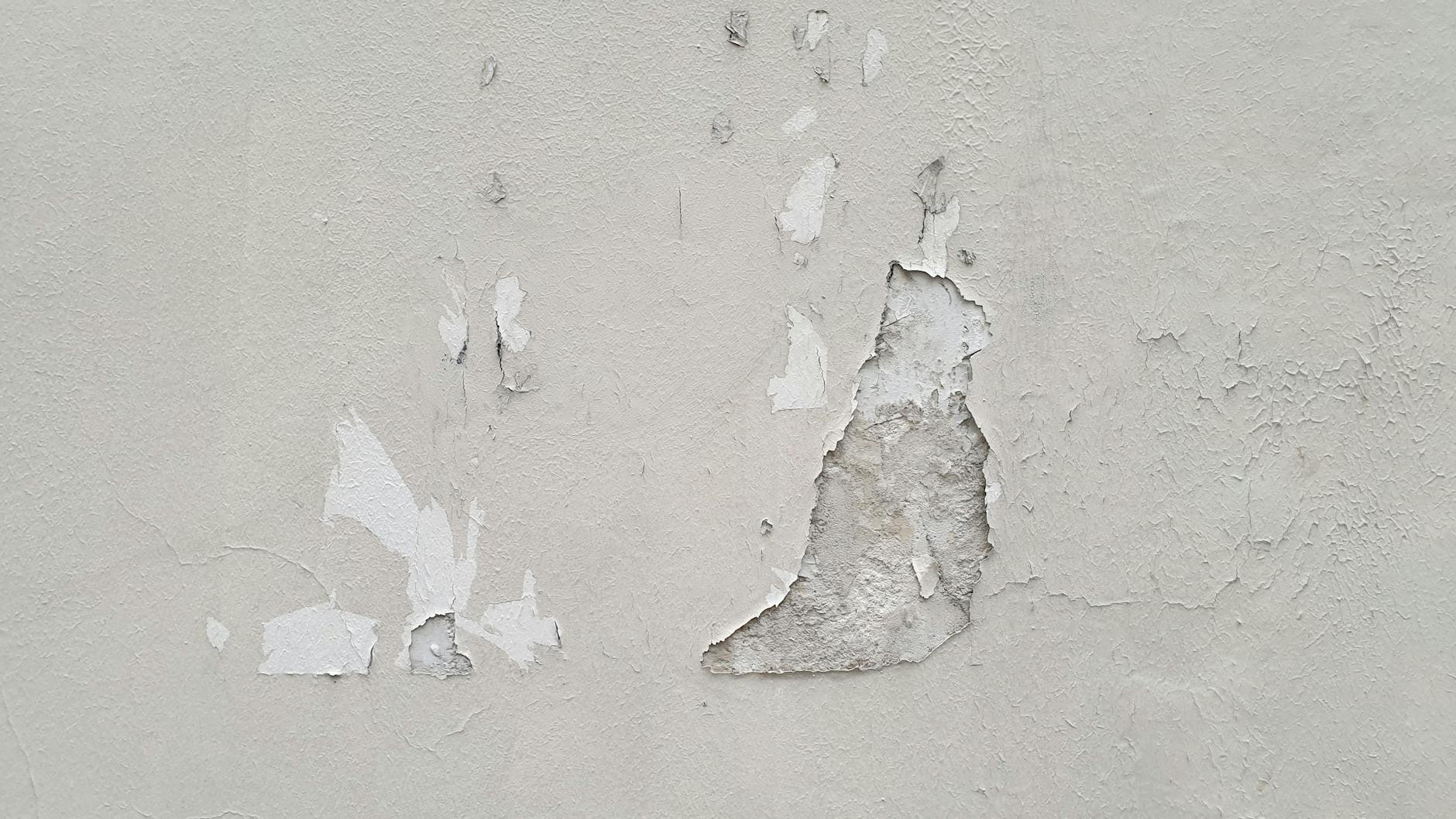
Paint that bubbles, blisters, or peels away from a wall is often reacting to trapped moisture behind the surface, which mold thrives on. This is especially common in bathrooms and kitchens where steam and humidity are regular occurrences. The paint damage itself is a secondary symptom, with the real issue being the wet substrate that mold spores are colonizing. Repainting over the affected area without treating the moisture will result in the same damage recurring in a short period.
Warping or Buckling Floors

Hardwood, laminate, or engineered flooring that begins to warp, cup, or buckle underfoot is absorbing excess moisture, often from a source that is not immediately visible. This moisture creates the humid microenvironment that mold requires to establish and spread beneath the floor surface. Soft or spongy spots when walking across a floor can indicate that the subfloor material has already been compromised. Acting quickly when these changes appear can prevent the need for a complete floor replacement.
Discoloration on Walls or Ceilings
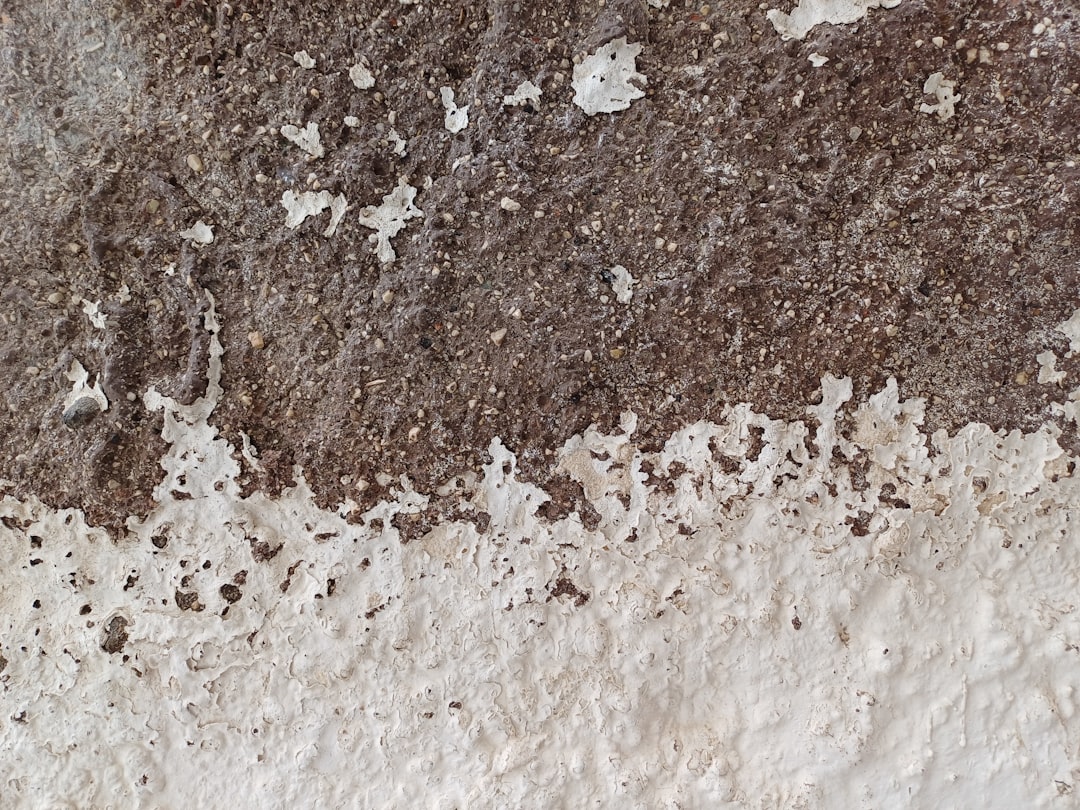
Unusual patches of green, black, gray, or white discoloration on interior surfaces should never be dismissed as ordinary dirt or aging. These color changes are frequently early-stage mold colonies that are just beginning to emerge through a porous surface. Spots that return after being wiped away are a strong indicator that growth is occurring from within the wall material itself. Discoloration that spreads over time or appears in multiple locations throughout a room requires immediate professional assessment.
Grout Turning Dark

Bathroom grout that has turned consistently dark, particularly between tiles in the shower or around the tub, is a common sign of embedded mold growth. Unlike ordinary soap scum, mold-stained grout does not respond to standard cleaning products and tends to return quickly after scrubbing. The porous nature of grout allows mold to penetrate deeply, making surface cleaning largely ineffective as a long-term solution. Recurring dark grout in well-ventilated bathrooms that are cleaned regularly suggests a moisture problem that goes beyond normal steam exposure.
A Sudden Increase in Humidity

Indoor humidity levels that consistently exceed sixty percent create an environment where mold can develop on virtually any organic surface. Homeowners may notice that windows fog over easily, surfaces feel damp to the touch, or the air feels heavy and difficult to breathe. These conditions often arise from a malfunctioning HVAC system, a leaking pipe inside a wall, or inadequate ventilation in key areas of the home. Monitoring indoor humidity with an inexpensive hygrometer can help identify problem zones before mold takes hold.
Rust on Metal Fixtures

Rust forming on metal pipes, brackets, screws, or fixtures inside the home indicates prolonged exposure to elevated moisture levels in that area. While rust itself is not mold, the same conditions that accelerate corrosion also provide the humidity that mold colonies need to thrive. Finding rust in unexpected interior locations such as behind appliances, under sinks, or inside cabinets is a meaningful signal worth investigating further. The presence of both rust and a musty odor in the same area makes hidden mold highly probable.
HVAC Issues and Dusty Vents
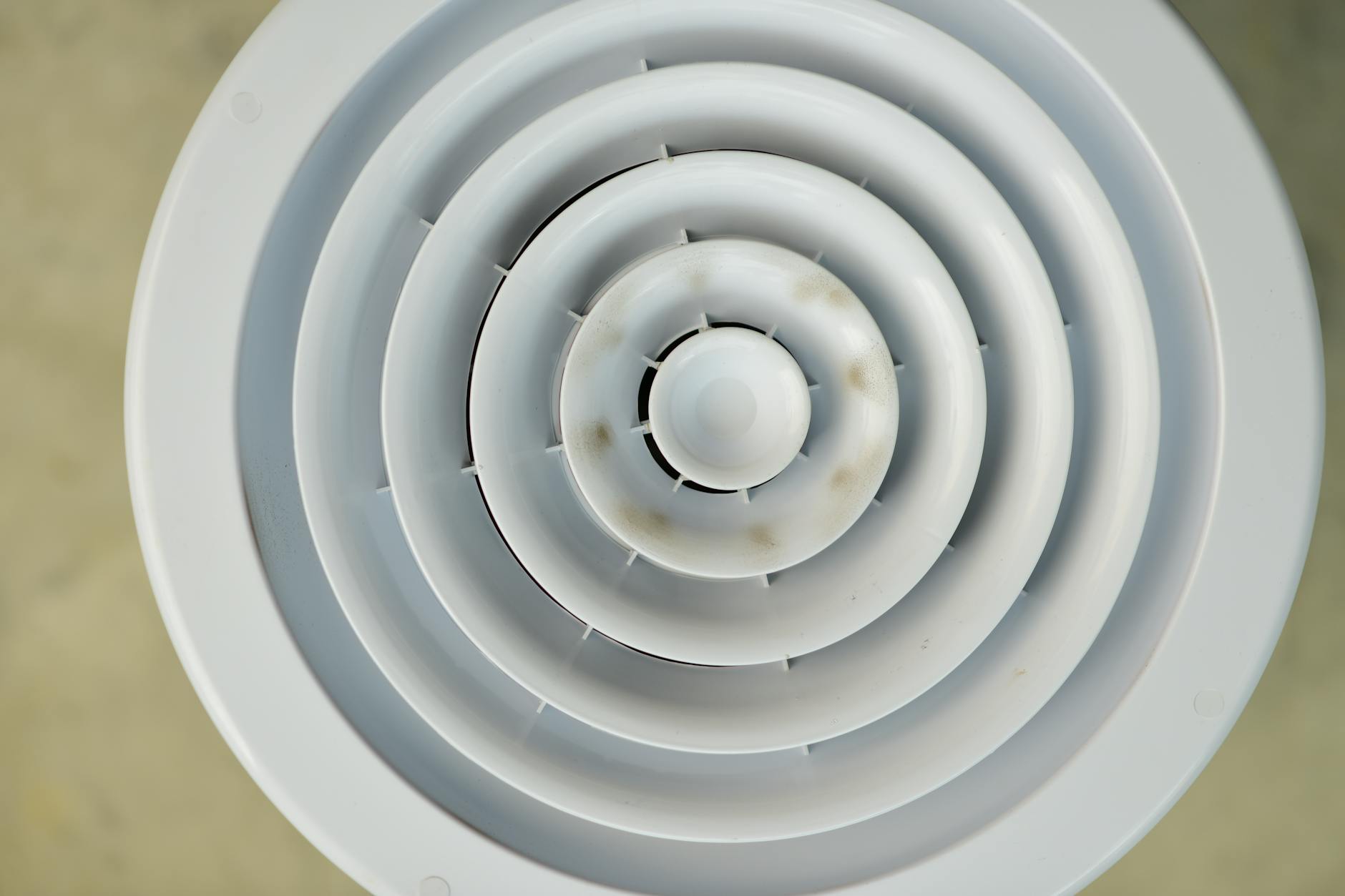
Mold that develops inside ductwork or on HVAC components can distribute spores throughout an entire home every time the system runs. Vents with visible dark residue around their edges or an increase in dust around air registers are common warning signs. Occupants may notice that allergy or respiratory symptoms worsen immediately after the heating or cooling system activates. Having ductwork professionally inspected and cleaned every few years is a proactive step that significantly reduces the risk of mold spreading through the ventilation system.
Condensation on Windows
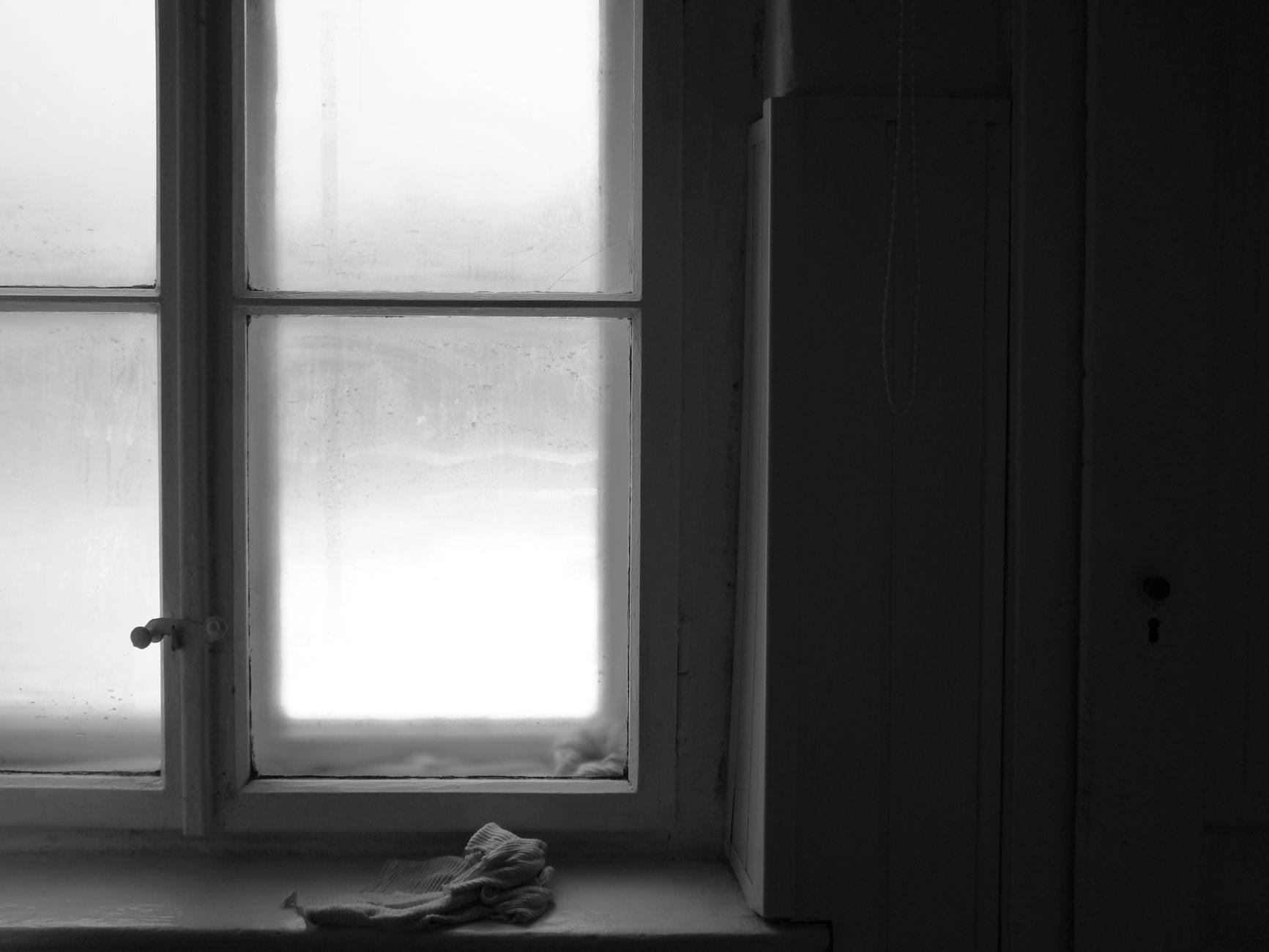
Excessive condensation forming on the interior surface of windows indicates that indoor humidity is significantly higher than it should be. While some condensation on cold mornings is normal, persistent fogging or water droplets pooling on window sills point to a more serious moisture imbalance. These wet surfaces themselves can become a starting point for mold growth, particularly along wooden window frames and sills. Addressing the humidity source and improving ventilation in affected rooms is essential to preventing further spread.
Soft Spots in Drywall
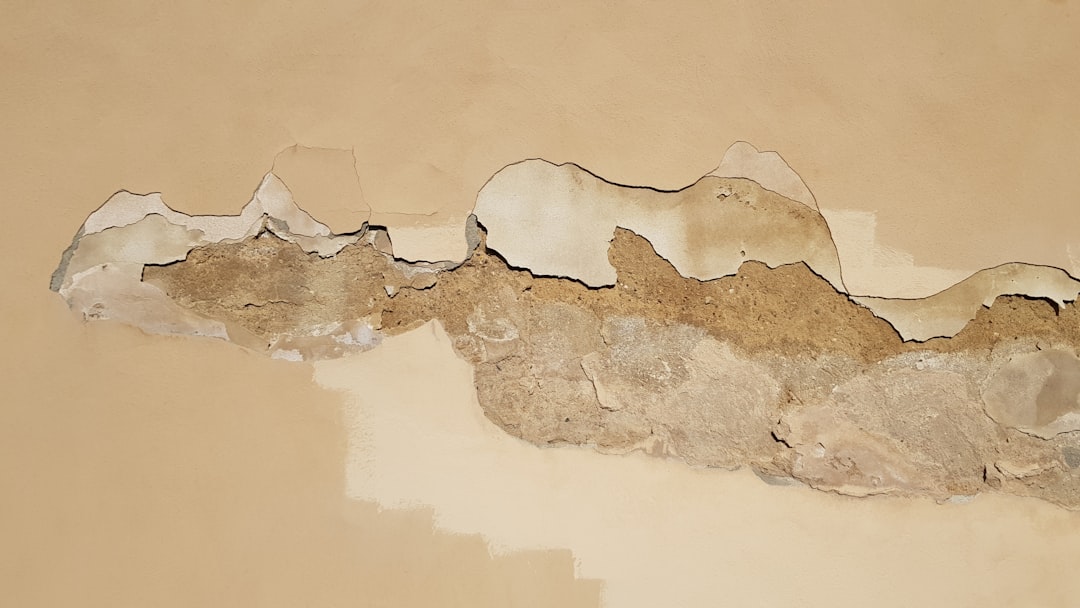
Drywall that feels soft, spongy, or gives slightly when pressed has absorbed enough moisture to begin breaking down, creating ideal conditions for mold colonization behind the surface. This deterioration is often the result of a slow leak inside the wall that has gone undetected for an extended period. Even small soft spots should be taken seriously because mold can establish extensive colonies within wall cavities before any surface signs appear. A professional inspection using moisture meters can determine the full extent of the damage without requiring immediate demolition.
Unexplained Fatigue

Chronic fatigue that has no clear medical explanation and that improves when spending time outside or away from home can be connected to indoor mold exposure. Certain mold species produce mycotoxins that affect the nervous system and disrupt normal sleep patterns and energy regulation. This symptom is often dismissed or attributed to stress, which delays the identification of mold as a potential cause. When persistent tiredness is accompanied by other signs such as headaches or respiratory issues at home, an indoor air quality evaluation is strongly advised.
Recurring Headaches at Home

Frequent headaches that occur predominantly while inside the home and ease after time outdoors may indicate exposure to mold toxins or elevated concentrations of spores in the indoor air. The central nervous system can react to mycotoxins with neurological symptoms that closely resemble tension headaches or migraines. Occupants who report headaches most intensely in specific rooms where moisture problems exist are providing important location data for identifying the source. Keeping a symptom diary with notes on time and location can help build a clearer picture for both physicians and remediation professionals.
Efflorescence on Basement Walls
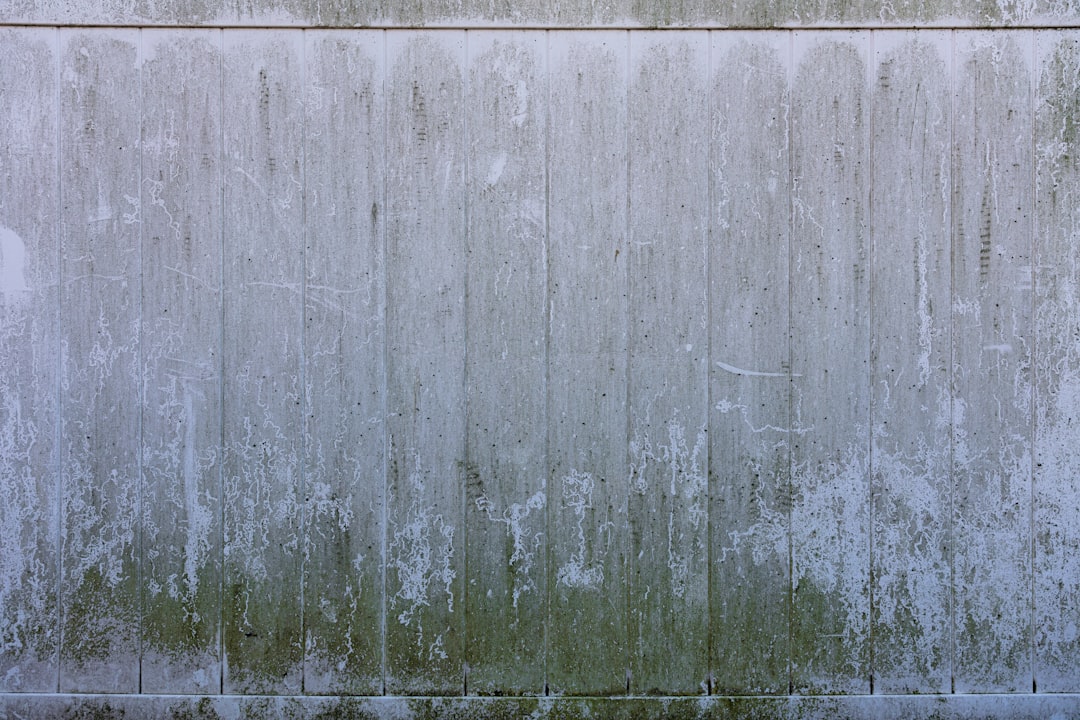
White or grayish crystalline deposits on basement or crawl space walls, known as efflorescence, form when water moves through concrete or masonry and deposits minerals on the surface. This phenomenon confirms that water is actively migrating through the foundation walls, which dramatically increases the likelihood of mold growth in those spaces. Efflorescence alone is not mold but serves as an important marker of the persistent moisture that mold requires. Basements showing these deposits should be inspected carefully for organic material such as wood framing, insulation, or stored items that may already be harboring mold colonies.
A Recent Flood or Water Damage
Any home that has experienced flooding, a burst pipe, or a significant leak within the past one to two years is at elevated risk for hidden mold, even if the visible damage appeared to be resolved. Mold can begin developing within twenty-four to forty-eight hours of a moisture event if materials are not thoroughly dried. Many homeowners receive assurances that surfaces appear dry, without realizing that moisture has penetrated into wall cavities, insulation, or subfloor layers. A professional moisture assessment after any significant water event is a worthwhile investment in long-term home health.
Dark Spots Under Carpeting

Lifting the corner of a carpet or rug in a humid area and finding dark discoloration on the underside of the carpet or on the padding beneath it is a direct sign of mold development. Carpeted areas in basements, near exterior doors, or adjacent to bathrooms are particularly susceptible because moisture can seep in without being noticed. The soft, porous nature of carpet fibers and padding provides an excellent food source and anchor for mold colonies. Once mold has taken hold in carpet materials, removal and replacement are generally more effective than attempting in-place remediation.
Peeling Wallpaper
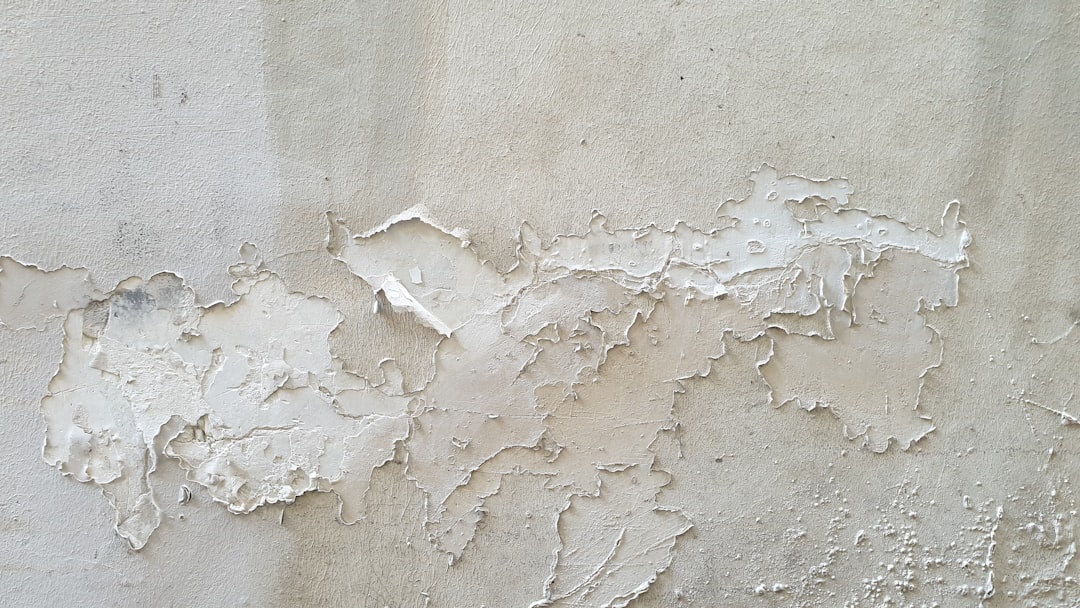
Wallpaper that is separating from the wall, especially in sections that were previously well-adhered, is often reacting to moisture that has built up behind it. The adhesive breaks down in the presence of prolonged humidity, and the wall substrate underneath may already be hosting mold growth. This is particularly common on exterior-facing walls in older homes where insulation and vapor barriers may be insufficient. Peeling that occurs in patterns following the path of pipes or near windows and doors is especially suggestive of a hidden moisture and mold issue.
Increased Insect Activity

Certain insects, including booklice, mold mites, and some species of cockroach, are attracted to the same damp, decaying conditions in which mold flourishes. A noticeable uptick in these insects inside the home, particularly in areas like basements, under sinks, or inside wall cavities, can serve as a biological indicator of elevated moisture and potential mold presence. These pests feed on organic matter that is softened and broken down by moisture and fungal activity. Treating the insect problem without addressing the underlying mold and humidity conditions will result in a persistent recurrence of both issues.
If you have spotted any of these warning signs in your own home, share your experience and any remediation tips you have found helpful in the comments.