
Social media has become so deeply woven into daily life that its effects on the brain often go completely unnoticed. Beneath the surface of every scroll, like, and notification lies a cascade of neurological changes that researchers are only beginning to fully understand. The human brain is remarkably adaptable, and that adaptability makes it especially vulnerable to the invisible pressures of digital platforms. These twenty subtle shifts reveal just how profoundly connected life is reshaping the mind from the inside out.
Dopamine Loops

Every time a notification appears on screen, the brain releases a small hit of dopamine, the chemical associated with pleasure and reward. Over time, the brain begins to anticipate these bursts and starts craving them even before the phone is picked up. This creates a feedback loop that closely mirrors the mechanics of other reward-driven behaviors. The cycle reinforces itself with each new post, comment, or like received throughout the day. Eventually the brain recalibrates its baseline expectations for stimulation, making ordinary moments feel dull by comparison.
Attention Span

Platforms are engineered to deliver content in rapid, bite-sized formats that require very little sustained focus. The brain gradually adapts to this pace, making it increasingly difficult to concentrate on tasks that demand extended mental effort. Reading long articles, sitting through meetings, or following a complex argument becomes cognitively taxing in ways it previously was not. Neuroscientists describe this as a narrowing of the attentional window, a process that happens gradually and without conscious awareness. The shift is subtle enough that most people attribute their restlessness to personality rather than platform design.
Comparison Reflex

The human brain is naturally wired to evaluate social standing through comparison with others, a trait rooted in evolutionary survival. Social media supercharges this tendency by providing a constant stream of curated highlight reels from hundreds of people simultaneously. The brain processes these images and updates as social data, even when the rational mind knows they are filtered and selective. Repeated exposure trains the brain to measure personal worth against an unrealistic standard on an almost continuous basis. This automatic comparison reflex activates even when users are passively scrolling without any intention to evaluate themselves.
Memory Encoding

When an experience is immediately photographed and shared online, the brain shifts its processing from emotional absorption to performance and presentation. Research suggests that the act of capturing a moment for an audience changes how that moment is stored in long-term memory. The brain encodes the social response to the post rather than the sensory and emotional richness of the original experience. Over time this can create a library of memories that feel strangely hollow or difficult to recall in vivid detail. The habit of living for the feed quietly restructures what the brain chooses to retain.
Sleep Architecture

The blue light emitted by screens suppresses melatonin production, delaying the onset of sleep and disrupting circadian rhythms. Beyond the physical effects, the emotional stimulation of social media keeps the brain in a state of alertness that is difficult to wind down from. Exposure to provocative content, social conflict, or anxiety-inducing news just before bed activates stress responses that persist into the sleep cycle. Over weeks and months this pattern alters the architecture of sleep, reducing the proportion of restorative deep sleep stages. The cumulative effect on cognitive function, mood regulation, and memory consolidation is significant and measurable.
Empathy Pathways
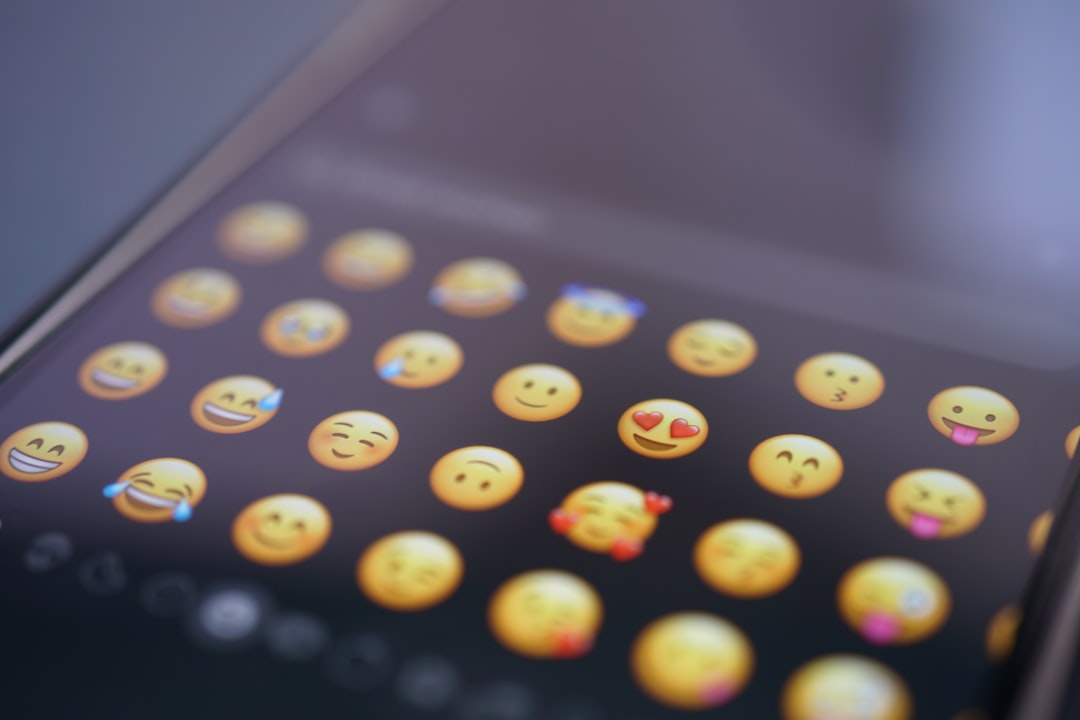
Online communication strips away the nonverbal cues that the brain relies on to fully process another person’s emotional state. Facial expressions, tone of voice, and body language all contribute to the neural activity associated with empathetic response. When interaction is reduced to text and emoji, the brain receives only a fraction of the social information it evolved to process. Over time, heavy reliance on digital communication may weaken the neural circuits associated with reading and responding to emotional nuance in person. Social researchers have noted measurable differences in empathetic processing between high and low social media users.
Validation Seeking

The brain quickly learns that certain types of content generate more social approval than others, and it begins to optimize behavior accordingly. This process is not always conscious but operates through the same reinforcement learning systems involved in habit formation. Users start to shape their self-expression around what is likely to receive positive feedback rather than what is authentic. The neural reward associated with receiving likes gradually becomes linked to a sense of identity and self-worth. Over time the brain begins to outsource its evaluation of personal value to the metrics on the screen.
Fear of Missing Out

Social media creates a persistent ambient awareness of events, gatherings, and experiences happening outside one’s immediate life. The brain interprets this constant exposure to others’ activities through the lens of social exclusion, triggering mild but chronic stress responses. This phenomenon activates the same neural regions involved in physical pain, reflecting how deeply the brain registers social disconnection. The result is a low-grade state of anxiety that many people carry throughout the day without identifying its source. The brain becomes hypervigilant to signals of exclusion in a way that has no clear evolutionary precedent.
Decision Fatigue
The sheer volume of content encountered during a single scrolling session forces the brain to make thousands of micro-decisions in a very short period. Each choice to pause, engage, skip, or react draws on the same cognitive resources used for meaningful decision-making in other areas of life. By the end of a long session, the brain’s capacity for deliberate and thoughtful judgment is measurably diminished. This depletion extends into other parts of the day, making it harder to make considered choices about food, work, and relationships. The mental cost of constant low-stakes decisions quietly drains the reservoir of executive function.
Emotional Reactivity

Algorithms are designed to prioritize content that generates strong emotional responses because engagement metrics reward intensity over nuance. The brain is repeatedly exposed to outrage-inducing, shocking, or emotionally provocative material as a direct result of this design logic. Over time the emotional regulation circuits of the brain adapt to expect a higher level of stimulation to register a reaction. Ordinary events begin to feel flat or insignificant by comparison to the emotional peaks experienced online. This recalibration can spill into real-world relationships, making patience and measured response more difficult to maintain.
Identity Formation

For younger users in particular, social media presents a constantly shifting mirror in which identity is constructed through external feedback rather than internal development. The brain draws on social input to build a sense of self, and when that input is algorithmically curated it shapes identity in ways that are neither random nor neutral. Repeated exposure to narrow representations of success, beauty, or belonging influences the brain’s templates for what is normal and desirable. Adolescent neural development is especially sensitive to these social signals during critical windows of self-concept formation. Adults are not immune, as identity continues to be shaped by social feedback throughout the lifespan.
Novelty Bias
The human brain has a built-in preference for new information, an evolutionary trait that once helped with survival and learning. Social media exploits this bias with extraordinary efficiency by delivering an endless stream of novel content tailored to individual interests. The brain’s novelty-seeking circuits are activated far more frequently than they were in any previous environment in human history. This constant novelty exposure gradually raises the threshold needed to trigger genuine curiosity or surprise. Everyday life, which offers novelty at a much slower pace, begins to feel comparatively monotonous as a result.
Multitasking Illusion

Social media habits train the brain to switch rapidly between tasks rather than engaging in deep single-focus work. The brain does not actually multitask but toggles between streams of information at increasing speed, which feels productive but is cognitively costly. This pattern reinforces neural pathways associated with task-switching while gradually weakening those associated with sustained concentration. Research consistently shows that frequent media multitaskers perform worse on measures of attention, memory, and cognitive control. The irony is that the sensation of being highly engaged masks the actual decline in processing quality.
Parasocial Bonding

The brain does not automatically distinguish between real relationships and the sense of connection created by following someone online. Regular exposure to a creator’s voice, face, and personal stories activates the same social bonding circuits involved in genuine friendship. This creates what psychologists call parasocial relationships, one-sided bonds that feel emotionally meaningful but carry no reciprocity. The brain allocates emotional and cognitive resources to these relationships in ways that can crowd out investment in real-world connection. Over time the ratio of parasocial to genuine social bonds can shift in ways the individual rarely notices.
Cognitive Offloading

When information is instantly searchable, the brain deprioritizes the effort required to retain it in long-term memory. This phenomenon, sometimes called the Google effect, has been observed across multiple studies of digital memory behavior. The brain learns to remember where to find information rather than what the information actually is. While this frees up cognitive bandwidth in some respects, it also weakens the neural exercise associated with deep encoding and active recall. The muscles of memory are subtly weakened through consistent disuse, much like a physical muscle that is never challenged.
Reward Timing
The brain’s reward system evolved in an environment where gratification was often delayed and required effort to achieve. Social media collapses this timeline by delivering instant feedback for every piece of content shared or every message sent. Repeated exposure to instant reward restructures expectations across many domains of life, making the brain less tolerant of delayed gratification. Tasks that require extended effort before producing results become psychologically harder to sustain. The shift happens gradually and is rarely recognized as a neurological change rather than a personal character trait.
Body Image Perception

Visual platforms flood the brain with images of bodies that have been filtered, edited, and carefully staged to appear effortlessly ideal. The brain processes these images through perceptual systems that were designed for a world where visual information was far more diverse and unmediated. Repeated exposure recalibrates the brain’s sense of what a normal body looks like, raising the baseline for what feels acceptable or attractive. This recalibration operates below conscious awareness and affects self-perception even in people who intellectually understand that the images are artificial. The neurological impact on body satisfaction has been documented across a wide range of age groups and demographics.
Risk Perception

Algorithms that prioritize outrage and fear-based content systematically distort the brain’s assessment of how dangerous the world actually is. The brain uses the availability of vivid mental images to estimate the likelihood of various threats, a heuristic that works reasonably well in ordinary life. When that mental landscape is populated with a disproportionate volume of alarming content, risk perception skews dramatically toward the catastrophic. This can produce chronic low-level anxiety and a worldview that feels more threatening than objective evidence would support. The distortion is invisible precisely because it feels like accurate perception rather than manufactured alarm.
Social Reciprocity
Online platforms have created new and unfamiliar norms around social obligation, response time, and relational currency. The brain, which evolved to manage a relatively small and stable social network, is now navigating hundreds of superficial connections with unclear expectations. This creates a persistent background load of social accounting that the brain must process alongside everything else. The effort of managing digital social obligations gradually taxes the neural systems responsible for empathy, patience, and genuine connection. Real-world relationships can suffer when the brain’s social energy is spread too thin across too many digital interactions.
Present Moment Awareness

The habit of documenting, sharing, and consuming life online pulls the brain’s attention toward a perpetual state of narration rather than presence. Neural resources that would otherwise be devoted to sensory experience and emotional absorption are redirected toward audience awareness and self-presentation. Over time the brain becomes less practiced at anchoring itself in the immediate physical environment and more attuned to the virtual social context. Moments of genuine stillness, which are essential for emotional processing and creative thought, become increasingly difficult to access. The mind develops a restless orientation toward what might be happening online even when the phone is not in hand.
Have you noticed any of these changes in your own thinking or behavior? Share your experiences in the comments.