Dental professionals spend years studying the ways everyday habits quietly damage the teeth and gums of their patients. Many of the most harmful behaviors are so routine that most people never think twice about them. The following habits are among the most commonly flagged by dentists across general and cosmetic practice. Understanding what to avoid is one of the most effective steps toward preserving a healthy, lasting smile.
Ice Chewing
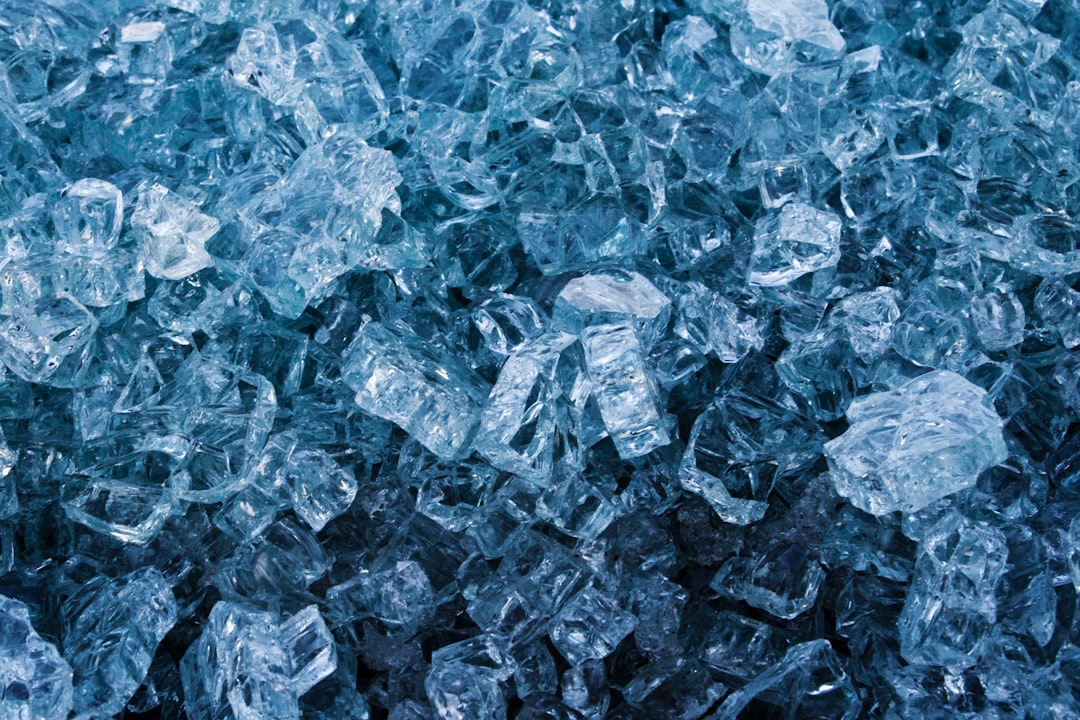
Chewing on ice cubes is one of the most frequently cited habits that dental professionals urge patients to abandon. The hard, brittle structure of ice places enormous pressure on tooth enamel and can cause microscopic fractures over time. These fractures may eventually lead to cracked or chipped teeth that require costly restorative work. Ice chewing also aggravates existing dental work such as fillings and crowns. The habit often develops as a response to thirst or boredom, making it easy to overlook until visible damage occurs.
Teeth Grinding
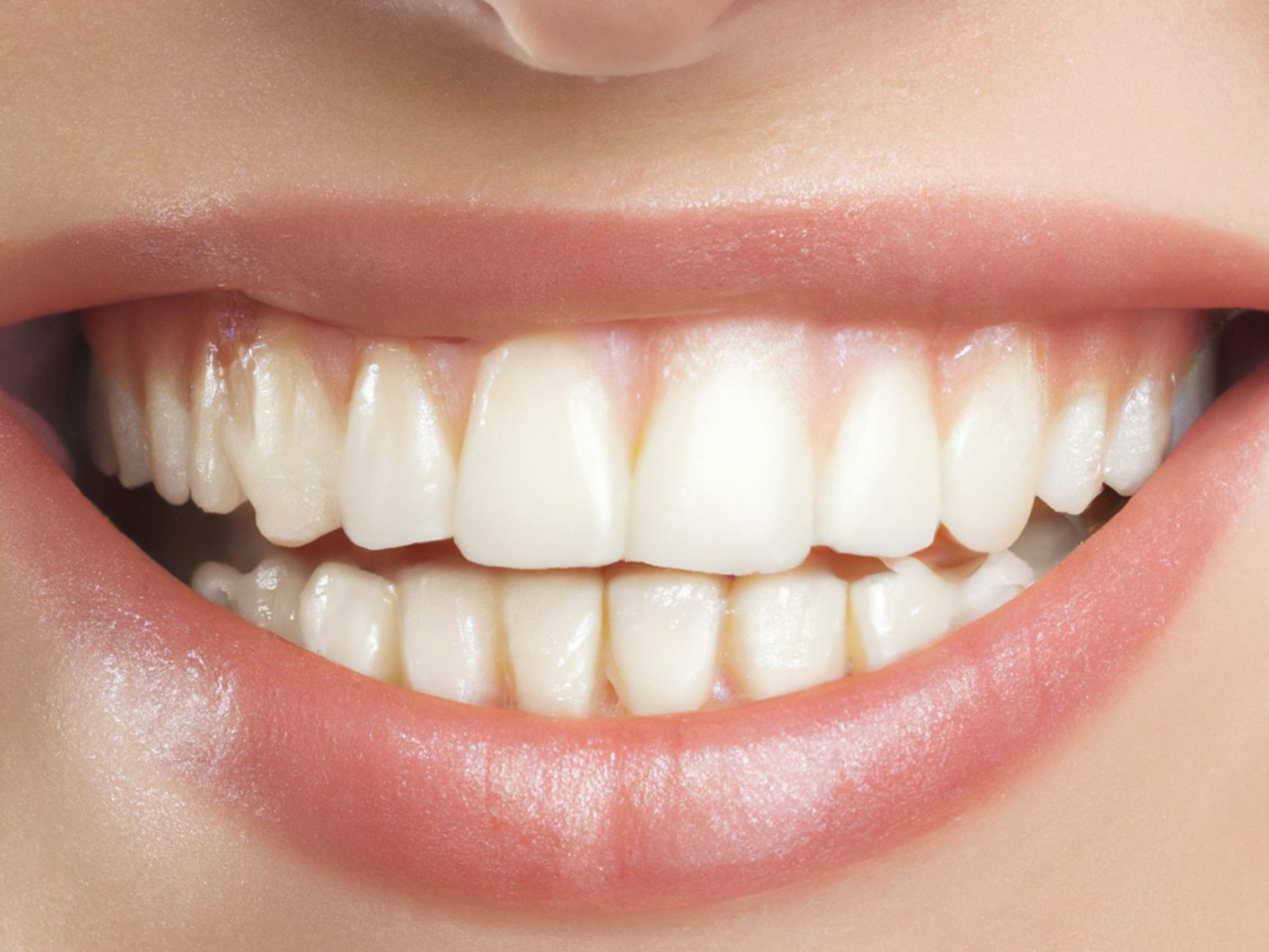
Bruxism, the habitual grinding or clenching of teeth, affects a significant portion of the adult population and often occurs during sleep. The repeated pressure wears down enamel, flattens the biting surfaces, and can cause significant jaw pain over time. Many people are unaware they grind their teeth until a dental professional identifies the telltale signs during a routine examination. Left unaddressed, bruxism can lead to tooth sensitivity, fractures, and temporomandibular joint disorder. Wearing a custom night guard is one of the most effective protective measures available.
Nail Biting
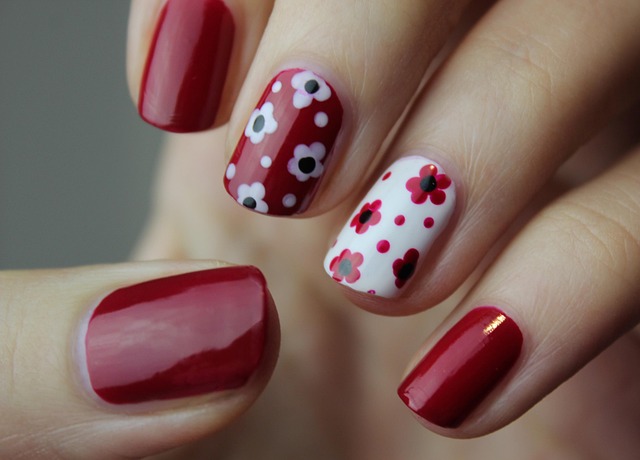
Biting the nails places repeated stress on the front teeth and can gradually shift their alignment over months and years. The habit also introduces bacteria from underneath the nails directly into the mouth, increasing the risk of infection. Nail biting can chip the edges of incisors and cause uneven wear that affects the overall bite pattern. Dentists frequently observe the effects of this habit in younger patients but it persists well into adulthood for many individuals. Stress management and bitter-tasting topical deterrents are commonly recommended approaches.
Soda Drinking
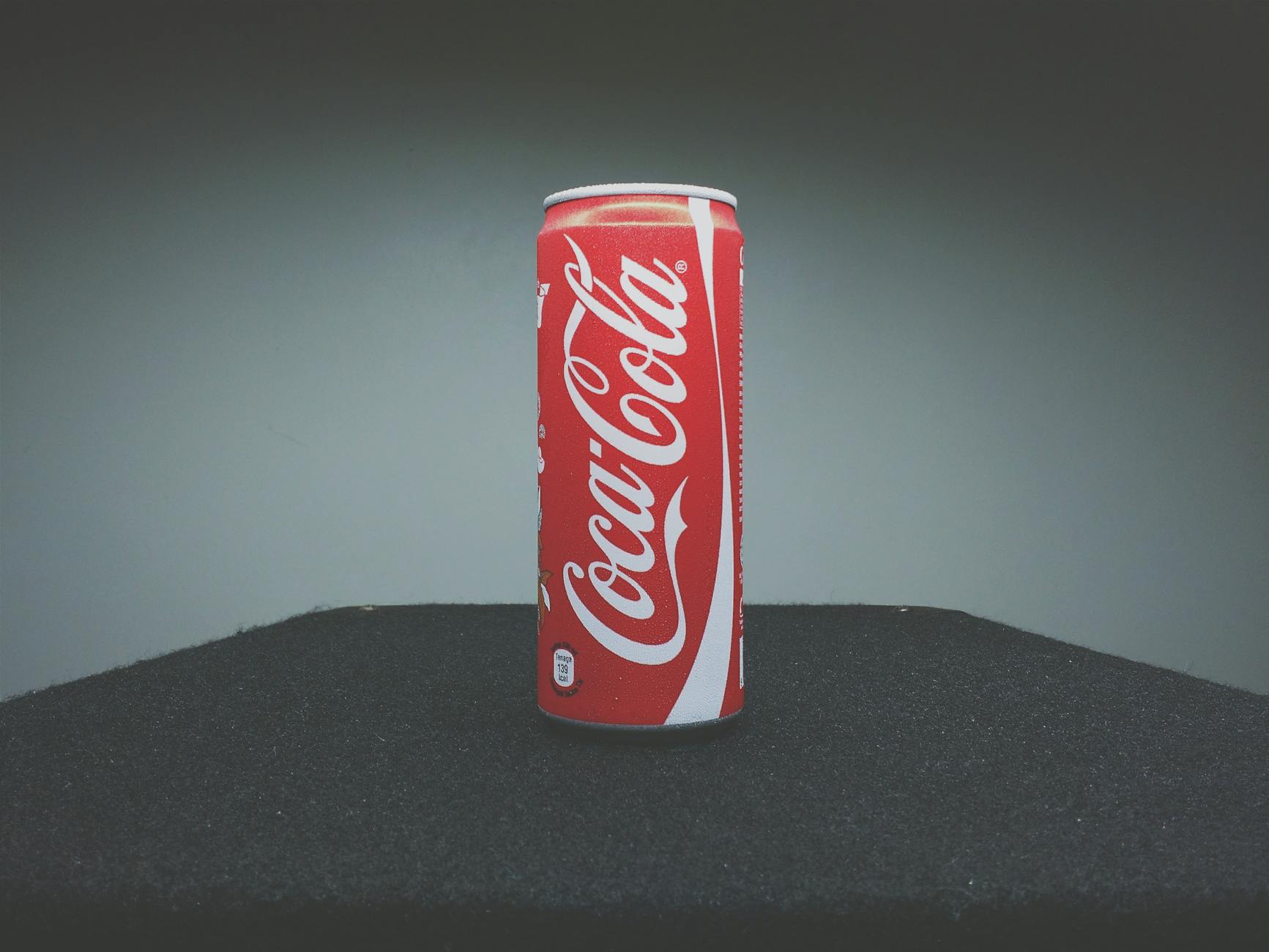
Regular consumption of carbonated soft drinks exposes tooth enamel to a combination of sugar and acid that is highly erosive. Even diet sodas, which contain no sugar, carry acidic compounds that weaken the outer layer of teeth over time. Enamel erosion is irreversible, meaning the damage accumulates with each exposure and cannot be naturally repaired. Sipping soda throughout the day prolongs acid contact with tooth surfaces far more than drinking it in one sitting. Using a straw and rinsing with water afterward can reduce but not eliminate the risk.
Aggressive Brushing
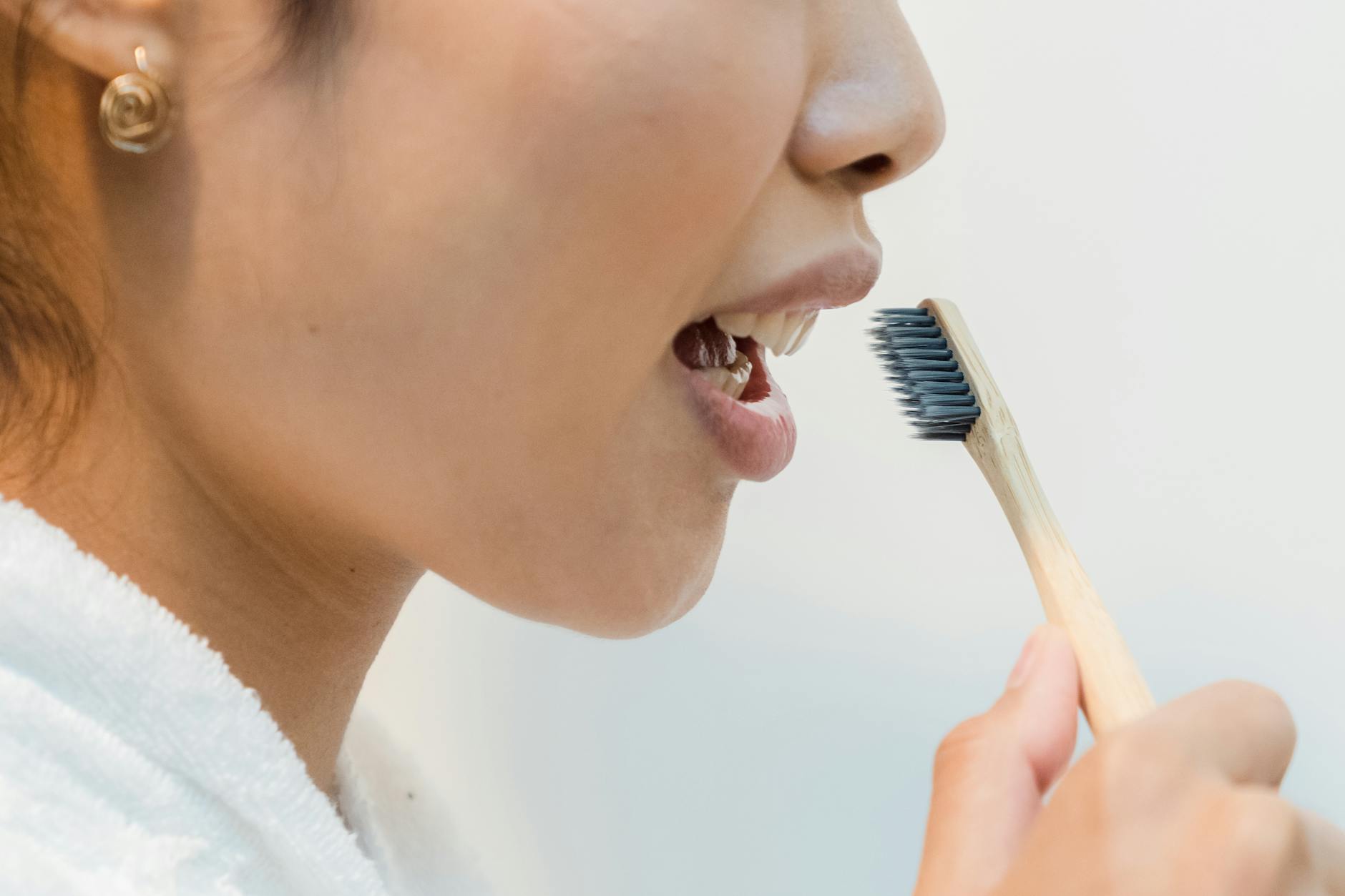
Brushing the teeth with excessive force is a counterproductive habit that does more harm than good to both enamel and gum tissue. Many people assume that harder brushing leads to a cleaner result, but the abrasive action wears away protective enamel and causes gum recession. Receding gums expose the more sensitive root surfaces of teeth, increasing the likelihood of pain and decay in those areas. Dental professionals consistently recommend soft-bristled toothbrushes and gentle circular or back-and-forth motions. Replacing a toothbrush every three months also contributes to more effective and less damaging oral hygiene.
Sports Drink Consumption

Sports and energy drinks have become a staple for athletes and active individuals, but their high acid content makes them particularly damaging to tooth enamel. Many popular varieties contain citric acid as a preservative or flavoring agent, which softens enamel upon repeated contact. The sugar content in non-diet versions further accelerates the risk of cavity formation along vulnerable areas of the teeth. Dentists note that the damage caused by sports drinks is often more severe than that from carbonated soft drinks due to prolonged sipping habits during exercise. Water remains the recommended hydration choice for protecting dental health during physical activity.
Tongue Piercings
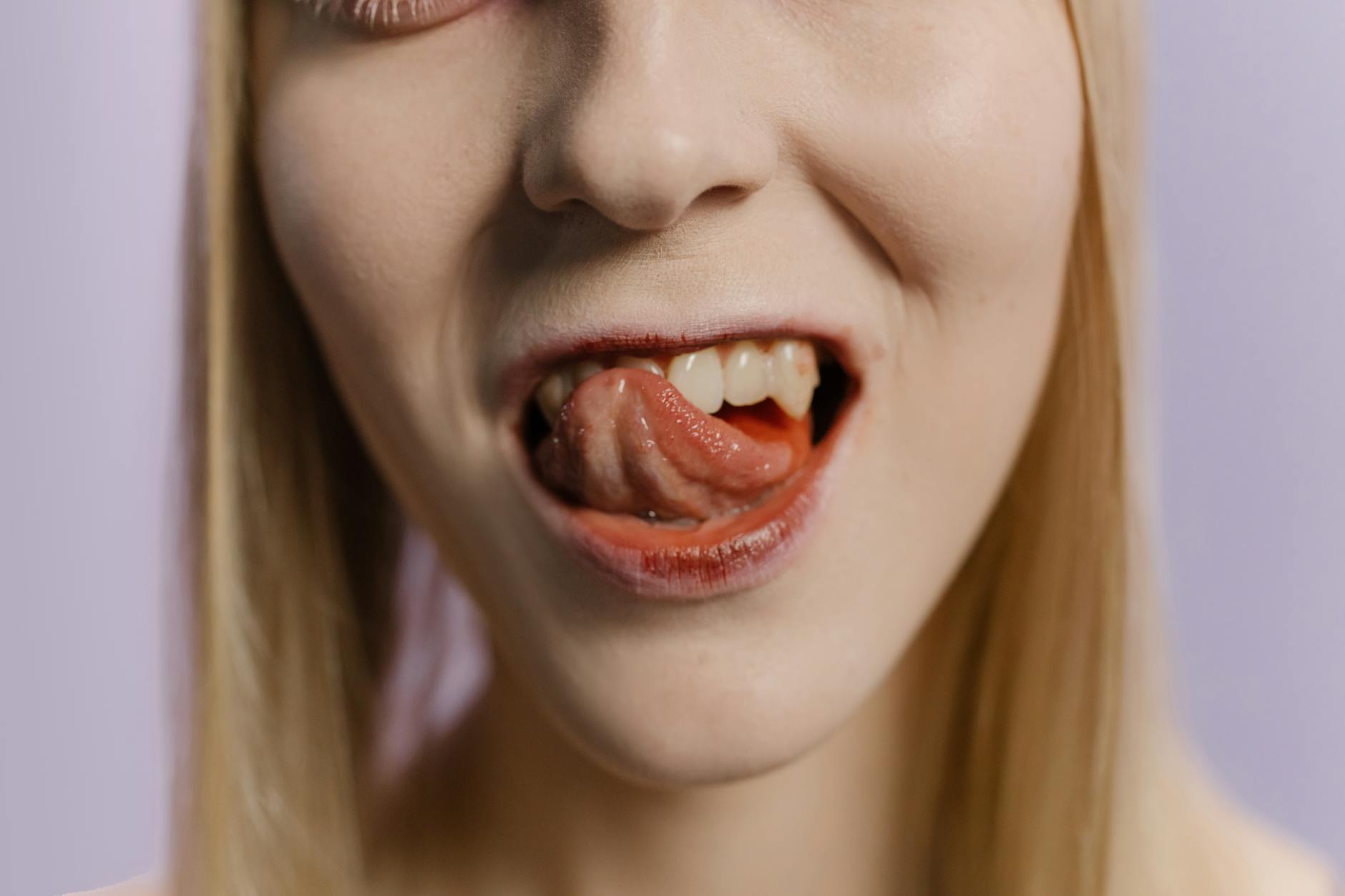
Oral piercings, particularly those placed through the tongue or lip, pose a number of well-documented risks to dental health. The metal jewelry frequently makes contact with tooth surfaces, chipping enamel and causing fractures that may not be immediately visible. Gum recession near the piercing site is another common consequence, as the jewelry repeatedly irritates soft tissue. The oral cavity is a high-traffic environment for bacteria, and piercings create an entry point that can become a focus of infection. Dental professionals universally advise caution before proceeding with oral piercing procedures.
Using Teeth as Tools
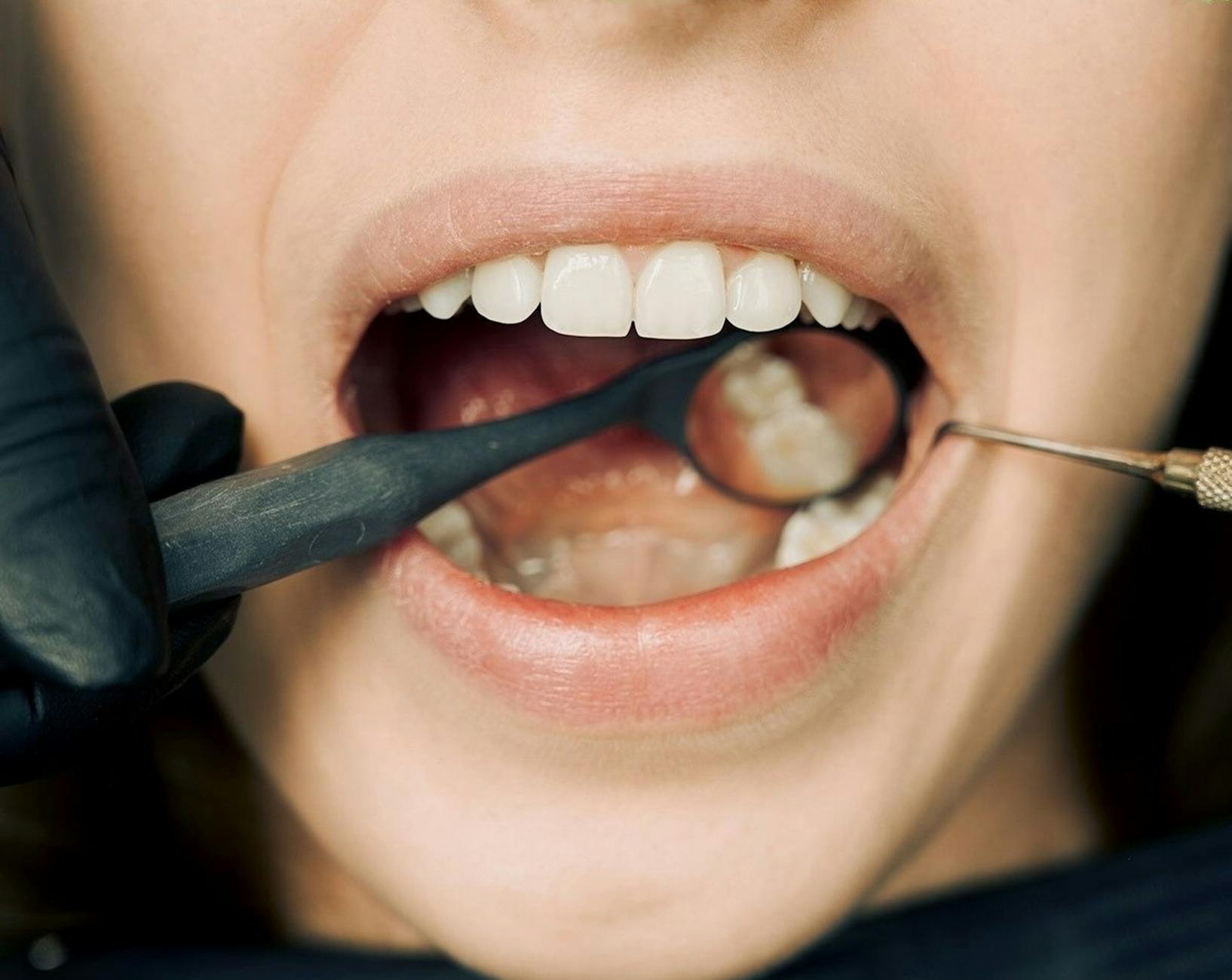
Opening packaging, tearing tags off clothing, and holding objects between the teeth are habits that subject them to forces they were never designed to withstand. The pressure involved in using teeth as tools can crack enamel, dislodge existing dental work, and in severe cases cause tooth fractures that require emergency treatment. Many dental injuries seen in practice are the direct result of attempting to open bottles or rip open bags with the teeth. Even seemingly minor tasks like holding a pen between the teeth can contribute to alignment issues over time. Keeping scissors or a bottle opener nearby is a simple precaution that can prevent significant dental damage.
Skipping Flossing
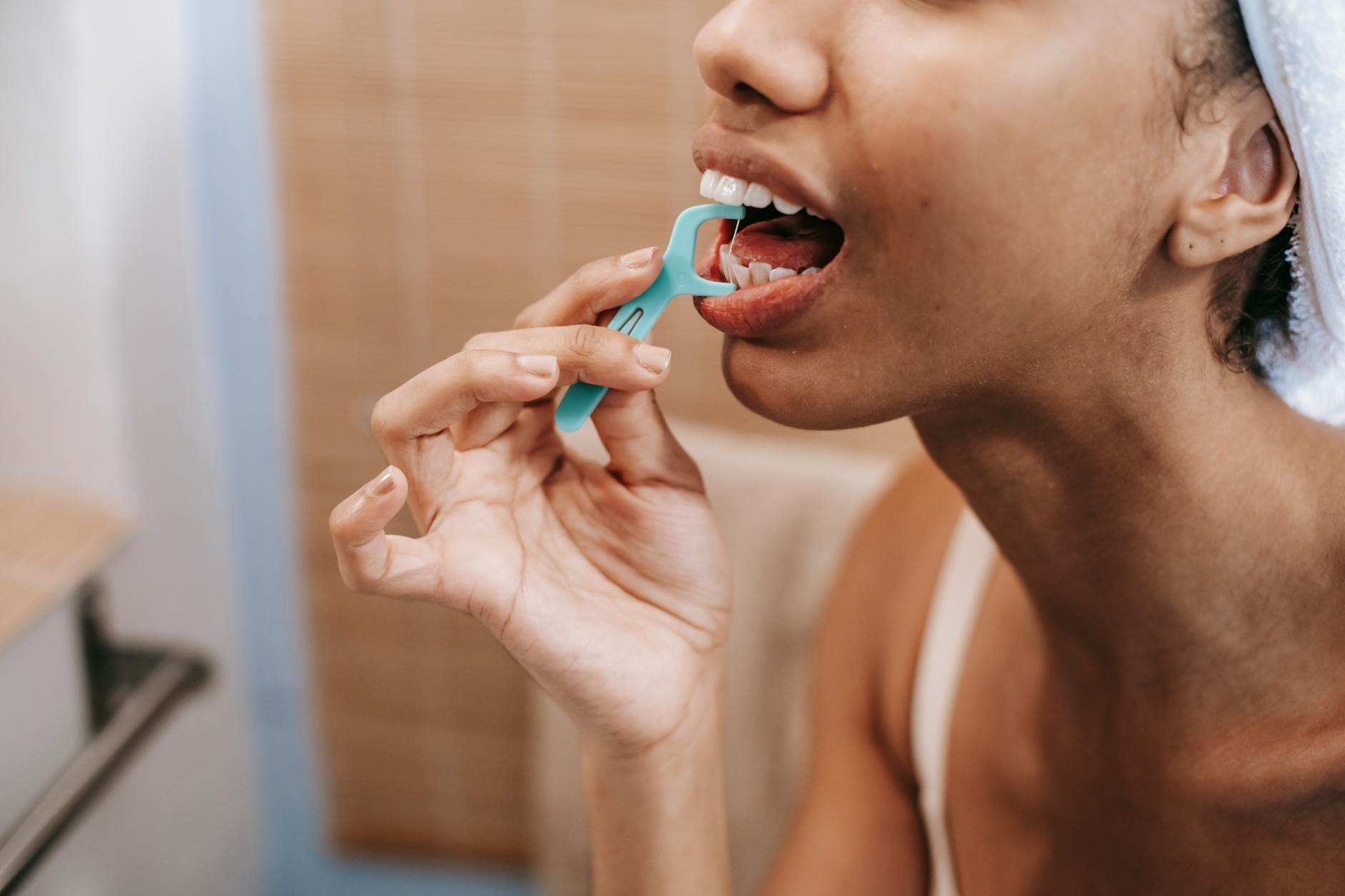
Flossing remains one of the most widely neglected components of an effective oral hygiene routine despite consistent recommendations from dental professionals. The spaces between teeth are inaccessible to a toothbrush and serve as collection points for plaque and food debris that lead to decay and gum disease. Skipping this step allows bacteria to accumulate undisturbed in the interproximal areas for extended periods. Gingivitis, the earliest stage of gum disease, is frequently traced to insufficient interdental cleaning habits. Flossing once daily, ideally before bedtime, provides a level of protection that brushing alone cannot replicate.
Citrus Overexposure

Frequent consumption of citrus fruits and juices introduces high concentrations of citric acid to the mouth, which erodes enamel with repeated exposure. Sucking directly on lemon or lime wedges is a particularly damaging practice that dentists frequently caution against. The acid temporarily softens enamel, making it more vulnerable to abrasion in the immediate aftermath of consumption. Waiting at least thirty minutes before brushing after eating citrus allows the enamel time to reharden before it is subjected to further mechanical stress. Rinsing with water after citrus consumption is a simple habit that helps neutralize residual acid.
Thumb Sucking

Thumb sucking is a natural reflex in infants and toddlers, but the habit becomes a dental concern when it persists past the age at which permanent teeth begin to emerge. Prolonged pressure from the thumb against the palate and front teeth can alter the shape of the dental arch and affect how the upper and lower teeth meet. The resulting malocclusion may require orthodontic intervention to correct once the permanent dentition is fully established. Pediatric dentists typically begin monitoring the habit around age four to assess whether intervention strategies are needed. Positive reinforcement and behavioral tools are generally preferred over physical deterrents for addressing the issue in children.
Whitening Overuse
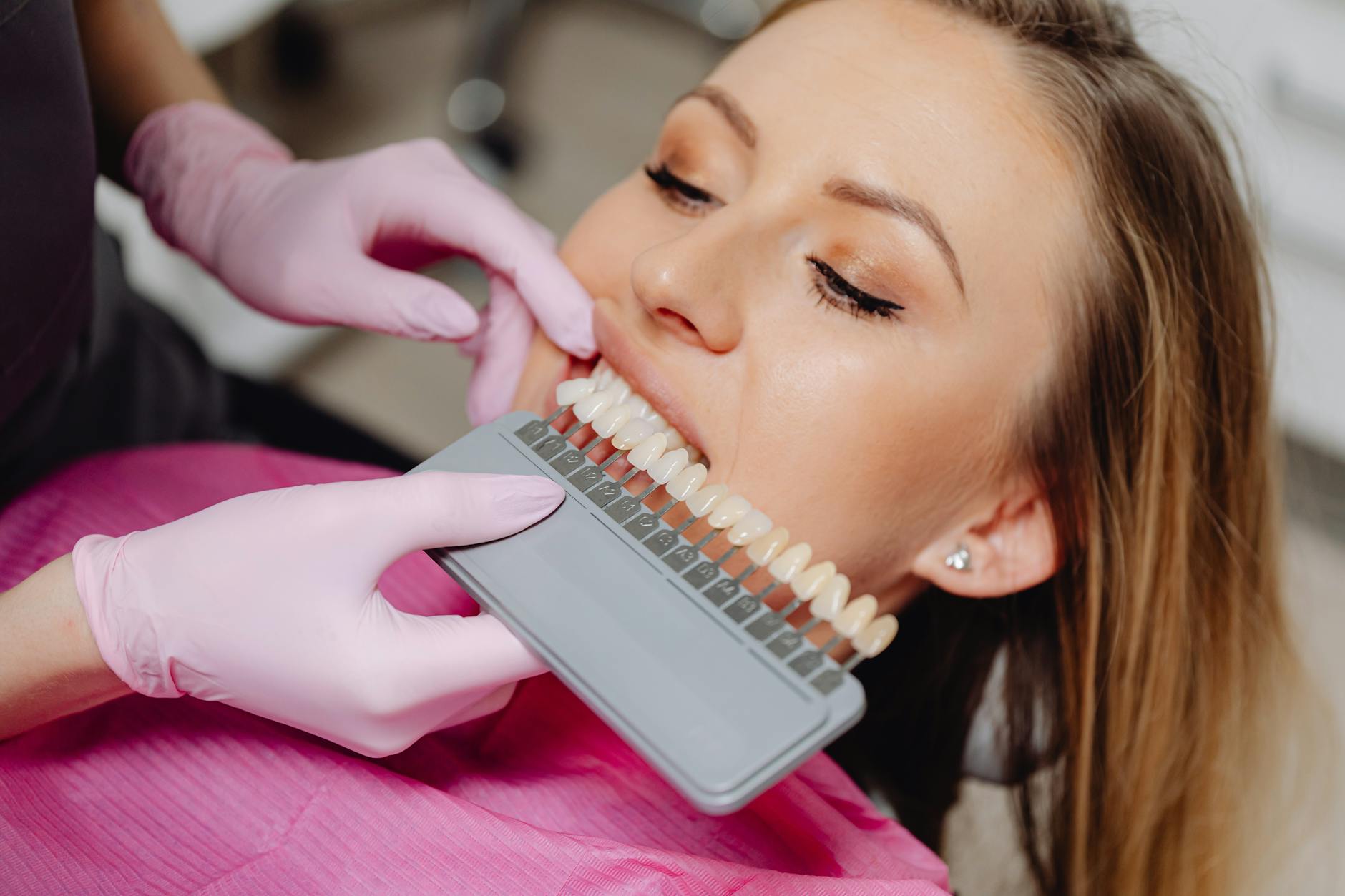
Over-the-counter tooth whitening products are widely available and generally safe when used as directed, but excessive application is a growing concern for dental professionals. Overusing whitening strips or trays can lead to significant enamel thinning and heightened sensitivity that persists long after the treatment is discontinued. Some patients apply whitening products far more frequently than recommended in pursuit of faster or more dramatic results. The bleaching agents in these products penetrate enamel and can irritate the pulp inside the tooth when used without proper guidance. Consulting a dental professional before starting any whitening regimen helps ensure the approach is both safe and appropriate for the individual.
Coffee Sipping

Sipping coffee slowly over an extended period throughout the morning is a common ritual that prolongs acid and tannin exposure on tooth surfaces. Coffee is both acidic and highly pigmented, contributing to enamel erosion and intrinsic staining with regular consumption. The habit of nursing a cup for an hour or more gives the beverage sustained contact with teeth rather than allowing saliva to neutralize it between sips. Drinking coffee in a shorter window and rinsing with water afterward significantly reduces the cumulative effect on enamel. Dentists also note that adding milk to coffee can partially buffer its acidity, offering a minor protective benefit.
Skipping Dental Visits
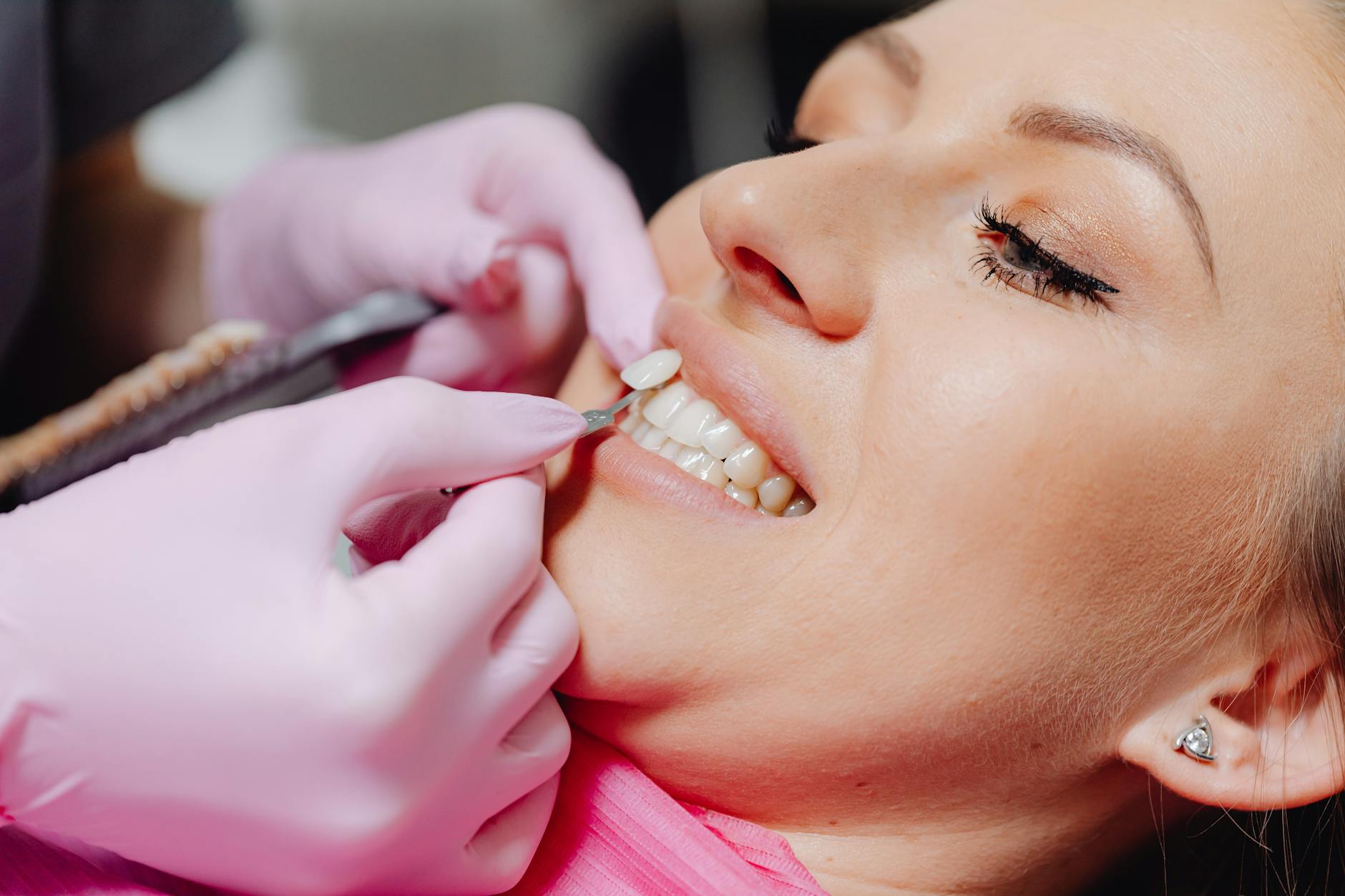
Avoiding routine dental checkups is one of the most impactful ways individuals inadvertently allow small problems to develop into serious conditions. Professional cleanings remove calculus buildup that cannot be addressed through home care alone, reducing the risk of gum disease and cavities. Dental examinations also provide an opportunity for early detection of oral cancer, enamel erosion, and other conditions that present few noticeable symptoms in their early stages. Many patients delay visits due to cost or anxiety, but the expense of treating advanced dental disease typically far exceeds that of preventive care. Most dental professionals recommend attending a checkup and cleaning at least twice per year.
Mouth Breathing
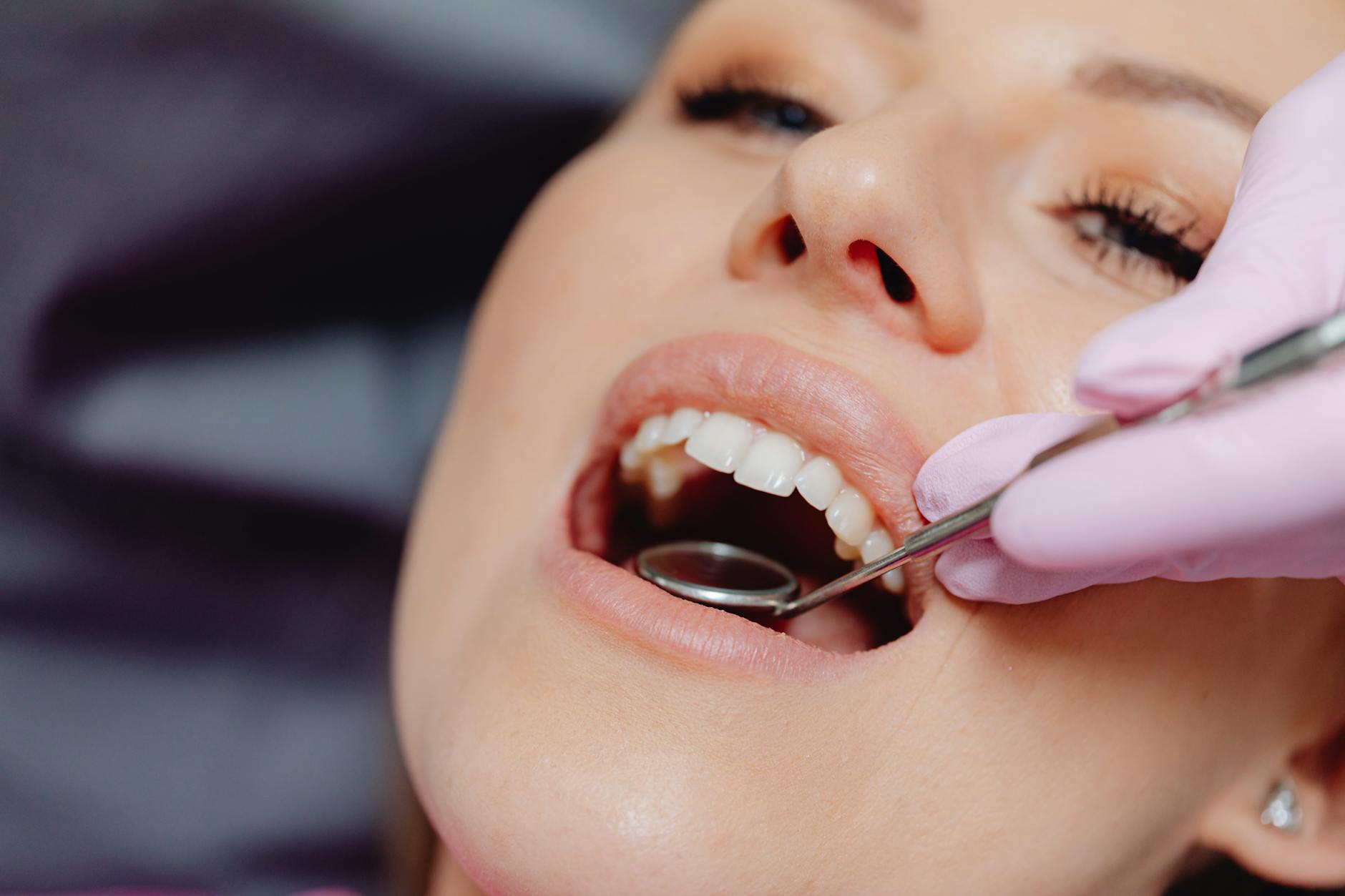
Habitual mouth breathing reduces the protective benefits of saliva by allowing the oral environment to dry out during sleep or periods of nasal obstruction. Saliva plays a critical role in neutralizing acids, washing away food particles, and preventing the overgrowth of harmful bacteria. A chronically dry mouth creates conditions favorable to plaque accumulation, cavities, and gum inflammation. Mouth breathing during sleep is often associated with sleep-disordered breathing conditions that merit evaluation by a medical professional. Addressing the underlying nasal obstruction through appropriate medical or ENT care is generally the most effective long-term solution.
Charcoal Toothpaste
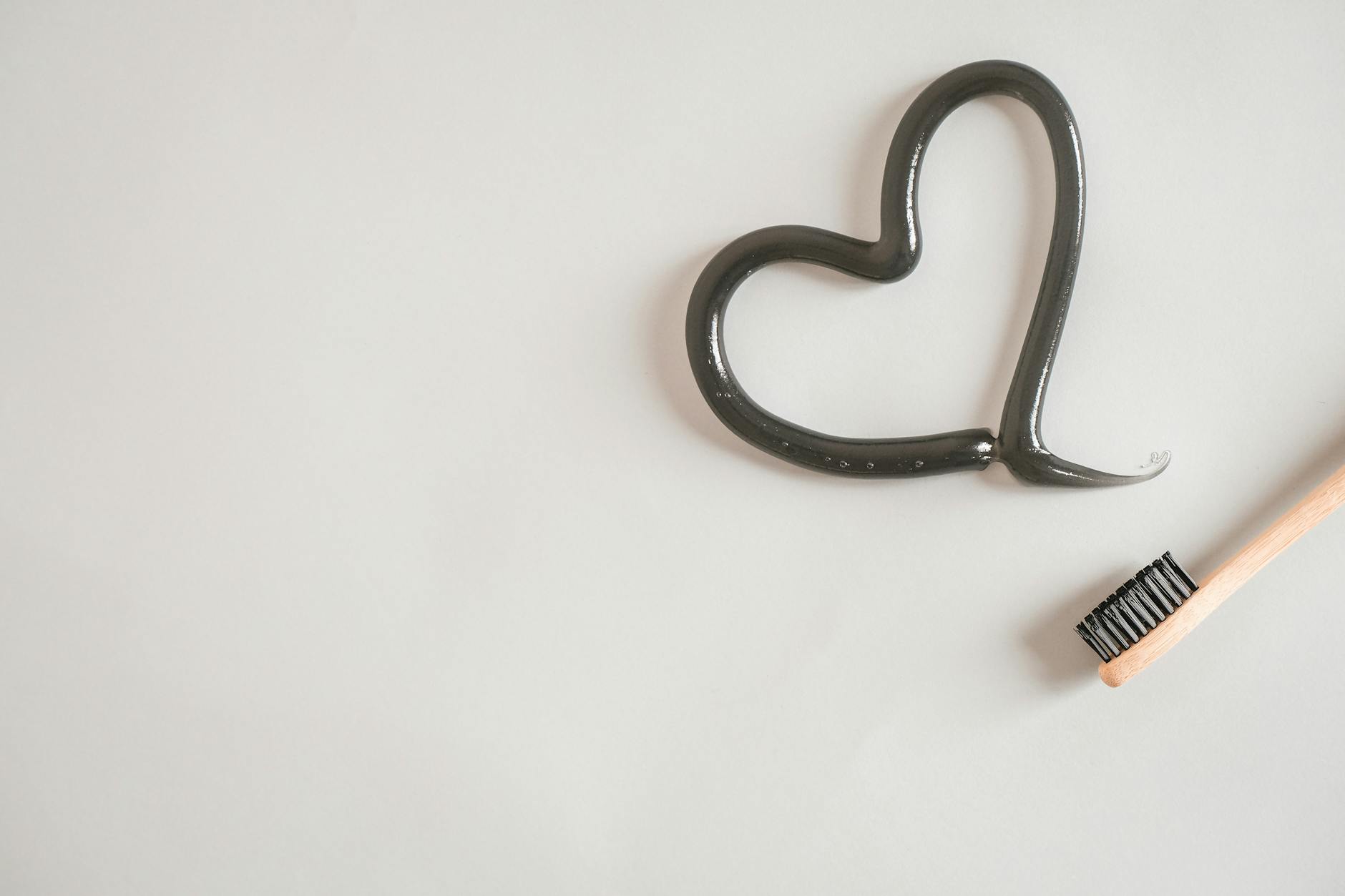
Activated charcoal dental products have gained popularity as a natural whitening alternative, but the dental community expresses consistent concern about their safety profile. Charcoal particles are highly abrasive and have been shown to remove enamel alongside surface stains when used regularly. Unlike fluoride toothpaste, charcoal formulations typically lack the protective mineral compounds needed to strengthen and remineralize tooth surfaces. The long-term consequence of repeated charcoal use is a thinner enamel layer that paradoxically makes teeth appear more yellow as the underlying dentin becomes more visible. Major dental associations have not endorsed charcoal toothpaste as a safe or effective oral hygiene product.
Dry Socket Neglect
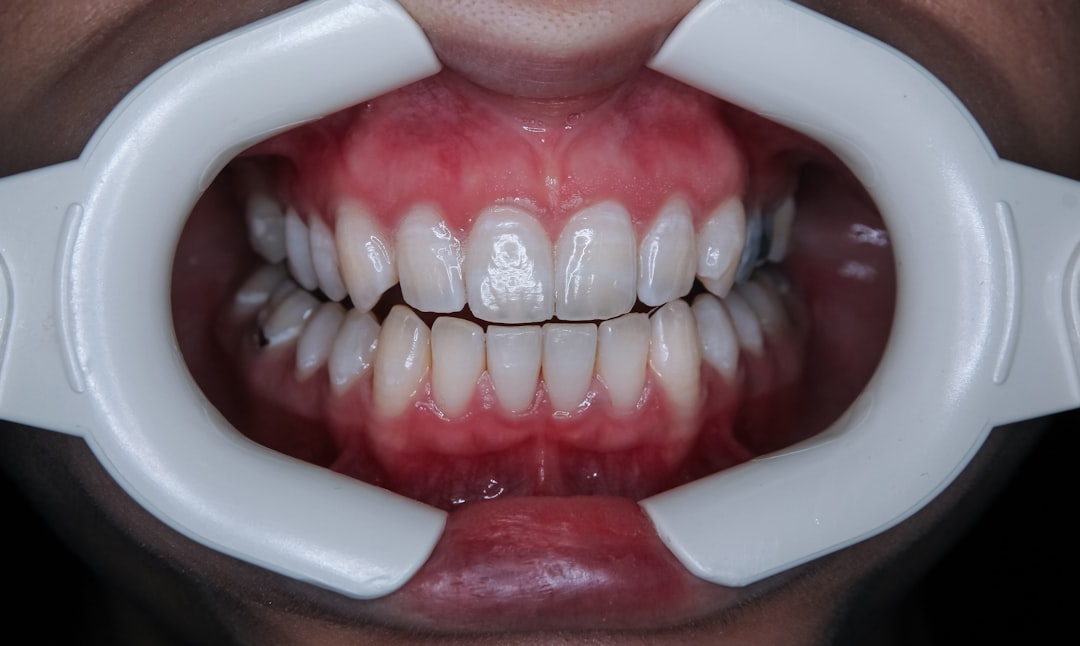
Following a tooth extraction, a blood clot forms in the socket to protect the underlying bone and nerve tissue during the healing process. Dislodging this clot through actions such as using a straw, smoking, or vigorous rinsing results in a painful condition known as dry socket. Dental professionals consistently advise patients on post-extraction care, but these instructions are frequently ignored or forgotten in the days following the procedure. Dry socket extends the recovery period significantly and typically requires a return visit to the dental office for treatment. Adhering carefully to post-operative instructions is one of the most straightforward ways to avoid this complication.
Sugary Snacking

Frequent snacking on sugary foods throughout the day provides a continuous fuel source for cavity-causing bacteria in the mouth. Each exposure to sugar triggers an acid-producing response from oral bacteria that lasts for approximately twenty minutes, meaning constant snacking creates an almost uninterrupted acidic environment. The frequency of sugar exposure matters more to dental health than the total amount consumed in a single sitting. Dentists advise consolidating sweet foods into mealtimes rather than spreading them across the day to allow saliva time to restore the mouth’s natural pH. Choosing water over juice or flavored beverages between meals also substantially reduces the bacterial activity responsible for decay.
Skipping Night Brushing
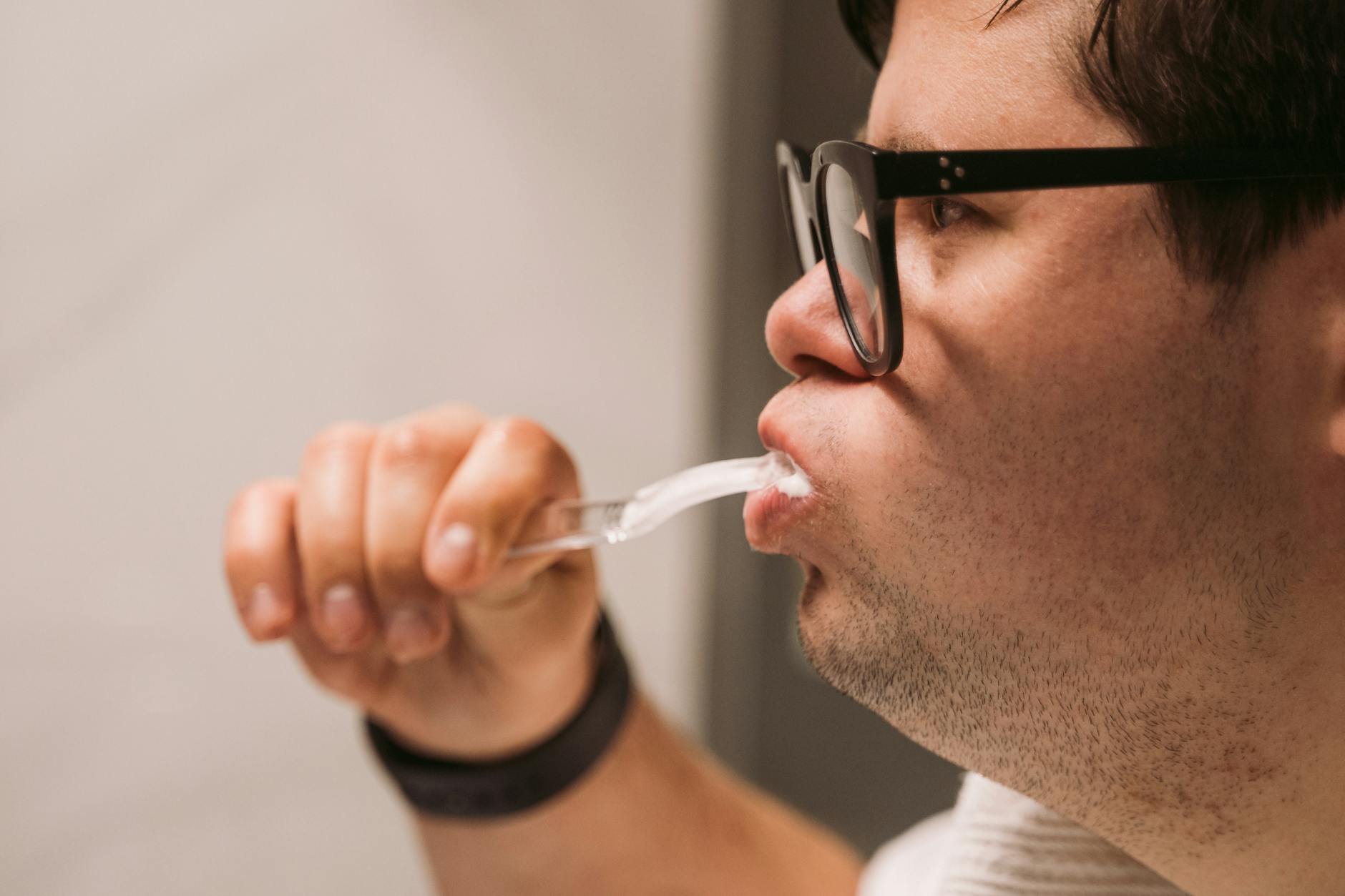
Brushing before bed is considered the single most important oral hygiene habit by dental professionals, yet it is among the most frequently skipped. Throughout the day, plaque accumulates on tooth surfaces and along the gumline, and nighttime provides the longest uninterrupted window for bacteria to cause damage. Saliva flow decreases significantly during sleep, reducing the mouth’s natural defense mechanisms against acid and bacterial activity. Failing to remove the day’s plaque buildup before sleeping allows it to mature and harden into tartar, which can only be removed through professional cleaning. Establishing a consistent bedtime routine that includes brushing is one of the highest-impact habits for long-term dental health.
Alcohol Mouthwash Overuse
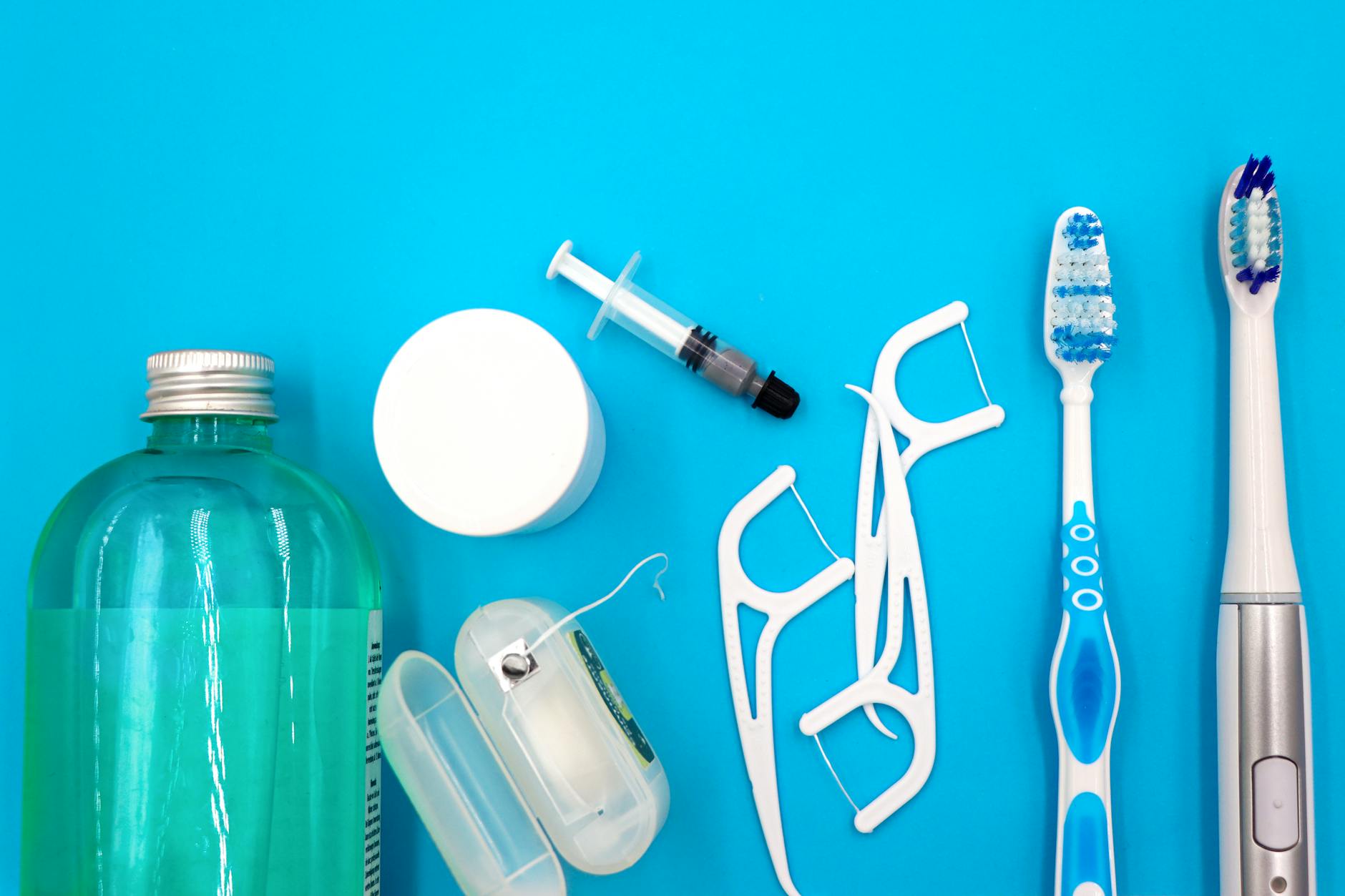
Antiseptic mouthwashes that contain high concentrations of alcohol provide a short-term antimicrobial benefit but cause significant dryness when used too frequently. A dry oral environment reduces saliva production, which is one of the mouth’s primary natural defenses against bacterial overgrowth and acid damage. Some studies have raised questions about the long-term safety of chronic high-alcohol mouthwash use, prompting many dental professionals to recommend alcohol-free alternatives. The burning sensation associated with alcohol-based rinses can also irritate sensitive gum tissue and mucous membranes with repeated exposure. Using an alcohol-free fluoride mouthwash as a supplement to brushing and flossing offers protective benefits without the drying side effects.
Share your own dental habits or questions with fellow readers in the comments.