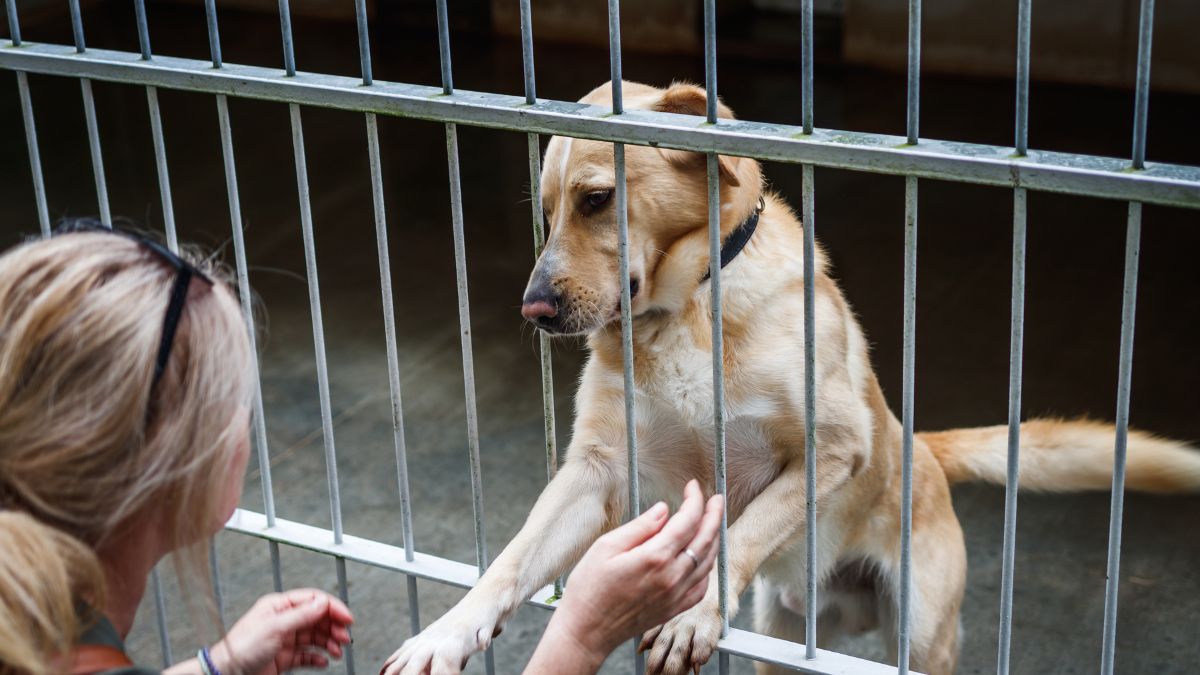
Welcoming a rescue animal into your home is one of the most meaningful decisions a person can make, but it comes with its own unique set of challenges and rewards. Unlike pets raised from birth in a single home, rescue animals often carry histories that shape their behavior in ways that require patience, understanding, and preparation. Knowing what to expect before you sign the adoption papers can make the transition smoother for both you and your new companion. These twenty essential insights will help you walk into the experience with confidence and set your rescue pet up for a lifetime of happiness.
The Adjustment Period

Most rescue pets need time to decompress after arriving in a new home, and this process can take anywhere from a few days to several months. During this window the animal may appear withdrawn, overly cautious, or even unresponsive to affection. Behaviorists commonly refer to this as the three-three-three rule, meaning three days to decompress, three weeks to learn routines, and three months to feel at home. Rushing this process can cause setbacks, so allowing the pet to set the pace is essential. Quiet consistency during the early weeks builds the foundation of lasting trust.
Behavioral History

Rescue organizations often have limited information about an animal’s past, which means some behavioral traits may come as a surprise once the pet settles in. A dog that seemed calm at the shelter may show anxiety, reactivity, or resource guarding once in a home environment. Cats may hide for extended periods or show signs of stress through changes in eating or grooming habits. Requesting any available behavioral notes from the rescue staff before adoption helps set realistic expectations. Understanding that unknown history is part of the rescue experience allows adopters to respond with patience rather than frustration.
Veterinary Costs
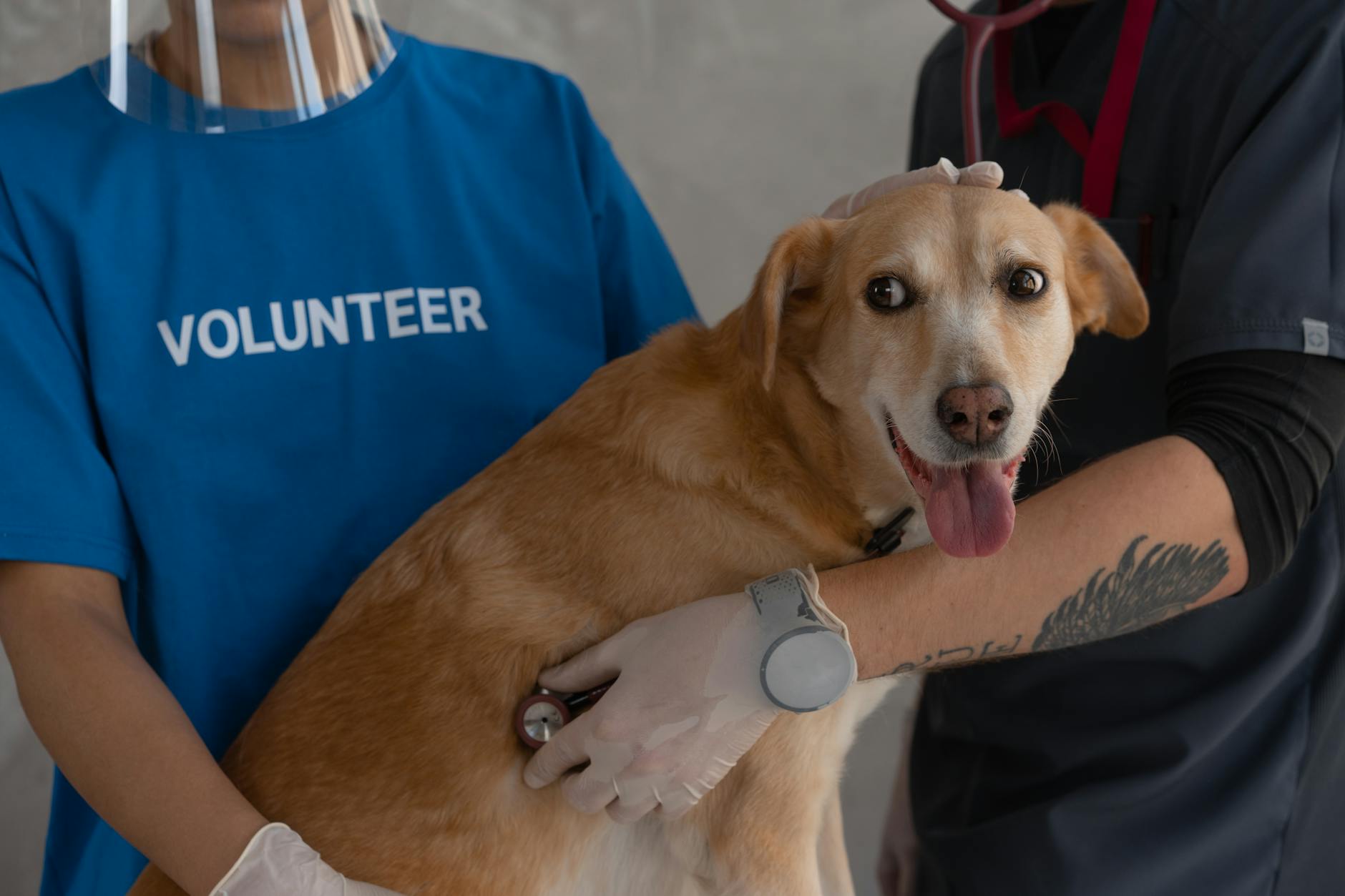
One of the most important practical considerations before adopting a rescue pet is understanding the financial commitment involved in ongoing veterinary care. Many rescue animals arrive with pre-existing conditions, dental issues, or nutritional deficiencies that require early medical attention. Establishing a relationship with a trusted veterinarian within the first week of adoption is strongly recommended by animal welfare professionals. Routine checkups, vaccinations, parasite prevention, and spay or neuter procedures all contribute to a meaningful annual cost. Setting aside a dedicated pet emergency fund from the outset can prevent financial stress down the line.
Separation Anxiety

Rescue pets, particularly dogs, are statistically more prone to separation anxiety than animals raised in stable single-family homes from puppyhood. This condition manifests as destructive behavior, excessive vocalization, or house-training regression when the animal is left alone. The cause is often rooted in previous experiences of abandonment or repeated rehoming. Gradual desensitization training, where the pet learns that short absences always lead to a return, is one of the most effective approaches. Working with a certified animal behaviorist can significantly accelerate progress in moderate to severe cases.
Rescue Organizations

Not all rescue organizations operate under the same standards, and choosing a reputable one is a critical first step in the adoption process. Legitimate rescues conduct thorough health screenings, provide transparent behavioral assessments, and follow proper vaccination and microchipping protocols. Red flags include pressure to adopt quickly, refusal to allow pre-adoption visits, or a lack of medical documentation. Visiting the facility in person allows prospective adopters to observe how animals are housed and how staff interact with them. A trustworthy rescue will ask as many questions of the adopter as the adopter asks of them.
Home Preparation

Preparing your living space before a rescue pet arrives reduces stress for both the animal and the household during the critical first days. Dogs benefit from a designated quiet zone with familiar-smelling bedding where they can retreat when overwhelmed. Cats need vertical space, hiding spots, and a clearly established litter area away from feeding stations. Removing hazardous household items such as certain plants, loose cables, and unsecured cleaning products is a non-negotiable safety step. A thoughtfully arranged environment communicates safety and structure to an animal still learning to trust.
Existing Pets

Introducing a rescue animal to pets already living in the home requires a carefully managed process that should never be rushed or left unsupervised. Dogs should be introduced on neutral ground such as a park or quiet street before entering the shared living space. Cats typically require a phased introduction across several days using scent swapping before any face-to-face contact occurs. Feeding the animals on opposite sides of a closed door is a widely recommended technique for building positive associations. Patience during the integration process significantly reduces the likelihood of lasting territorial conflict.
Children at Home

Rescue pets with unknown histories may have had limited or negative experiences with children, which can affect their comfort level and behavior. Teaching children how to approach and interact respectfully with a new animal is just as important as training the pet itself. Supervised interactions during the first weeks are essential regardless of how gentle or well-behaved the animal appears. Many behaviorists recommend allowing the rescue pet to initiate contact rather than having children approach first. Building a calm and predictable environment helps the animal form positive associations with younger household members over time.
Training Basics
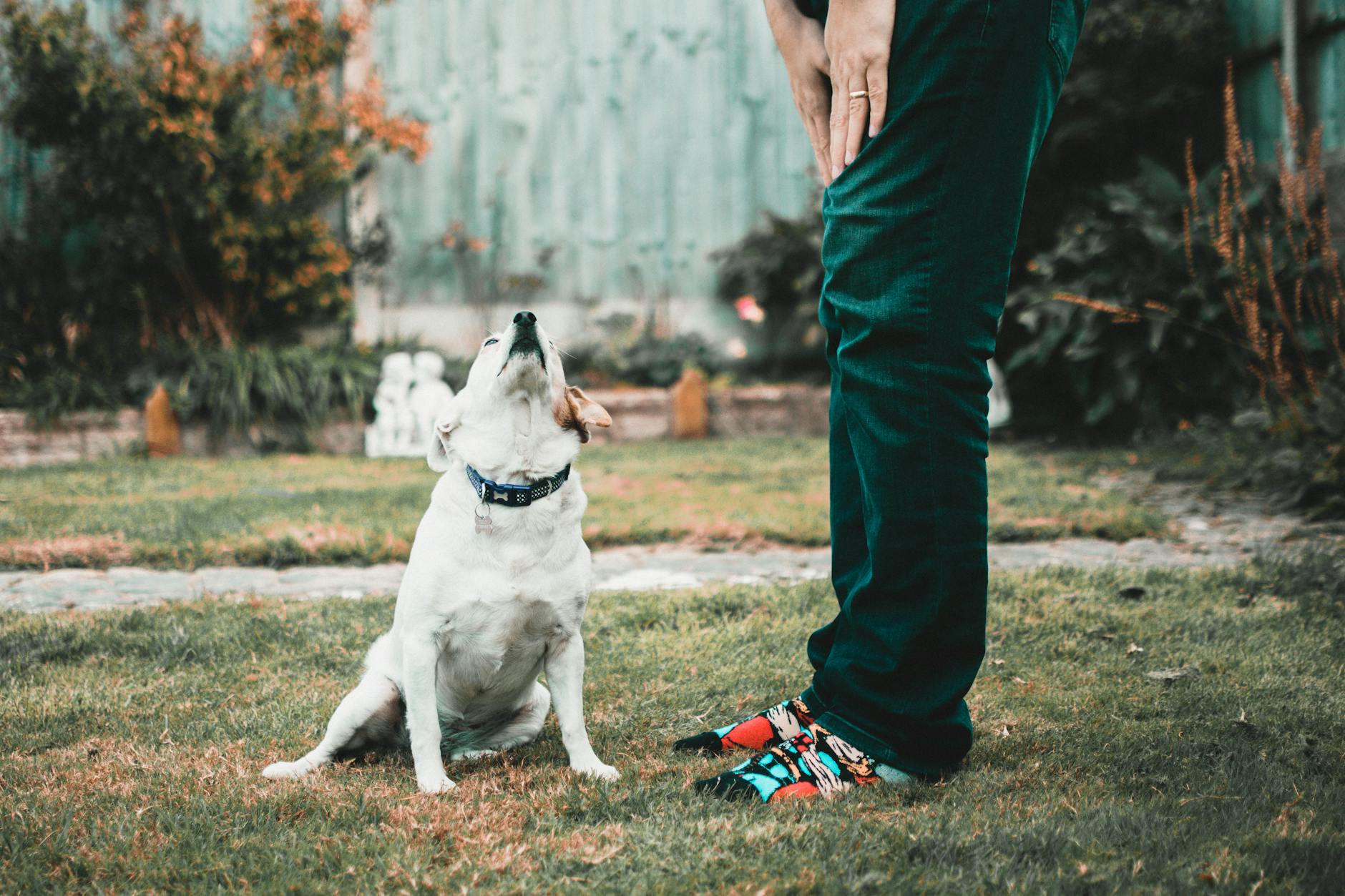
Many rescue pets arrive with gaps in basic training, and some may have learned behaviors that need to be gently redirected. Positive reinforcement techniques using treats, praise, and consistent cues are the most effective and humane approach for teaching or relearning commands. Short training sessions of five to ten minutes repeated several times a day tend to yield better results than longer infrequent ones. Even older animals are highly capable of learning new behaviors, which makes the common assumption that you cannot teach an old dog new tricks largely unfounded. Starting with simple commands builds the pet’s confidence and strengthens the bond between animal and adopter.
Microchipping

Ensuring that a rescue pet is microchipped and that the chip is registered to the new owner is one of the most important administrative steps following adoption. Many rescue animals arrive already chipped, but the registration details are often still linked to the shelter or a previous owner. Updating this information with the adopter’s current contact details significantly increases the likelihood of a reunion if the pet goes missing. Microchipping is a quick and largely painless procedure that can be completed during the first veterinary visit if not already done. Pairing the chip with a well-fitted collar and visible ID tag provides a reliable dual layer of identification.
Diet Transitions

Abruptly changing a rescue pet’s diet after adoption can cause digestive upset that adds unnecessary stress to an already challenging adjustment period. Asking the shelter or foster carer what food the animal has been eating and continuing with that diet initially is widely advised by veterinary nutritionists. If a dietary change is needed for health or preference reasons, the transition should be made gradually over seven to ten days by mixing increasing proportions of the new food. Rescue animals that have experienced food insecurity may exhibit food guarding or overeating behaviors that require careful management. Establishing a consistent feeding schedule helps the animal feel secure and promotes healthy digestion.
Mental Stimulation

Rescue pets often have high levels of pent-up energy or anxiety that can be significantly reduced through adequate mental stimulation. Puzzle feeders, scent games, and interactive toys engage a pet’s natural problem-solving instincts and provide a constructive outlet for excess energy. For dogs, sniff walks where the animal is allowed to explore at its own pace offer far more mental enrichment than a brisk structured walk. Cats benefit from rotating toy selections, window perches, and opportunities to engage in hunting-style play. A mentally stimulated animal is generally calmer, easier to train, and less likely to engage in destructive behavior.
Exercise Needs

Understanding the specific exercise requirements of your rescue pet before bringing them home allows you to assess honestly whether your lifestyle is a compatible match. High-energy breeds or mixed-breed dogs with working backgrounds typically require at least ninety minutes of vigorous daily exercise to remain balanced and content. Senior animals or those recovering from injury may need shorter, gentler outings tailored to their physical condition. Insufficient exercise is one of the most commonly cited contributors to behavioral problems in rescue dogs. Meeting these needs consistently from the start establishes a rhythm the animal can rely on.
Foster Programs

Many animal rescues offer foster-to-adopt programs that allow prospective owners to experience life with a specific animal before committing to permanent adoption. This arrangement is particularly valuable when there are questions about how a rescue pet will integrate with children, other animals, or a specific living environment. Fostering provides the rescue animal with a vital opportunity to demonstrate its true personality outside of a shelter setting. It also gives adopters a clearer picture of the pet’s health needs, daily habits, and behavioral tendencies under real-world conditions. Rescue organizations often report higher long-term adoption success rates for placements that begin with a foster arrangement.
Common Fears

Many rescue animals arrive with established fear responses tied to specific triggers such as loud noises, certain types of people, or particular objects. These fears are typically the result of past negative experiences rather than a reflection of the animal’s core temperament. Forcing an animal to confront its fears directly can intensify the anxiety response and damage developing trust. A technique known as counter-conditioning gradually replaces a fearful reaction with a positive one by pairing the trigger with something the animal enjoys, such as a high-value treat. Recognizing and working around established fears with care and consistency yields far better outcomes than avoidance or forced exposure.
Adoption Fees

Adoption fees charged by rescue organizations typically cover a significant portion of the costs incurred during the animal’s care, including veterinary treatment, vaccinations, microchipping, and housing. Fees vary widely depending on the organization, the animal’s age, and the level of care provided, and they generally represent a fraction of what it would cost to source the same services independently. Some rescues offer reduced fees for senior animals, bonded pairs, or pets that have been in care for extended periods. Understanding what is included in the adoption fee allows prospective owners to accurately calculate the true cost of bringing a new pet home. Viewing the fee as an investment in the animal’s health rather than a commercial transaction reflects the reality of responsible rescue operations.
Bonded Pairs

Some rescue animals are listed as bonded pairs, meaning they have formed a deep attachment to another animal during their time in care and experience significant distress when separated. Adopting a bonded pair requires additional space, financial resources, and a willingness to manage two animals through the adjustment process simultaneously. The benefit of this arrangement is that the animals provide each other with a source of familiar comfort during the transition, which often accelerates settling. Organizations that list bonded pairs do so because their behavioral assessments indicate the animals’ wellbeing is genuinely interdependent. Prospective adopters who can accommodate two animals are strongly encouraged to consider bonded pairs, as they are among the most difficult placements for shelters to find.
Patience

Perhaps no quality is more essential to successful rescue adoption than an unwavering commitment to patience throughout every stage of the process. Rescue animals may take weeks or months to show their full personality, and early behaviors are not always an accurate reflection of the animal’s long-term character. Progress is rarely linear, and setbacks such as a regression in house training or a sudden increase in anxiety are a normal part of the journey. Adopters who approach challenges with calm consistency rather than frustration report significantly more positive outcomes across a range of behavioral issues. Trusting the process and celebrating small milestones reinforces the bond that ultimately transforms a rescue animal into a cherished companion.
Long-Term Commitment
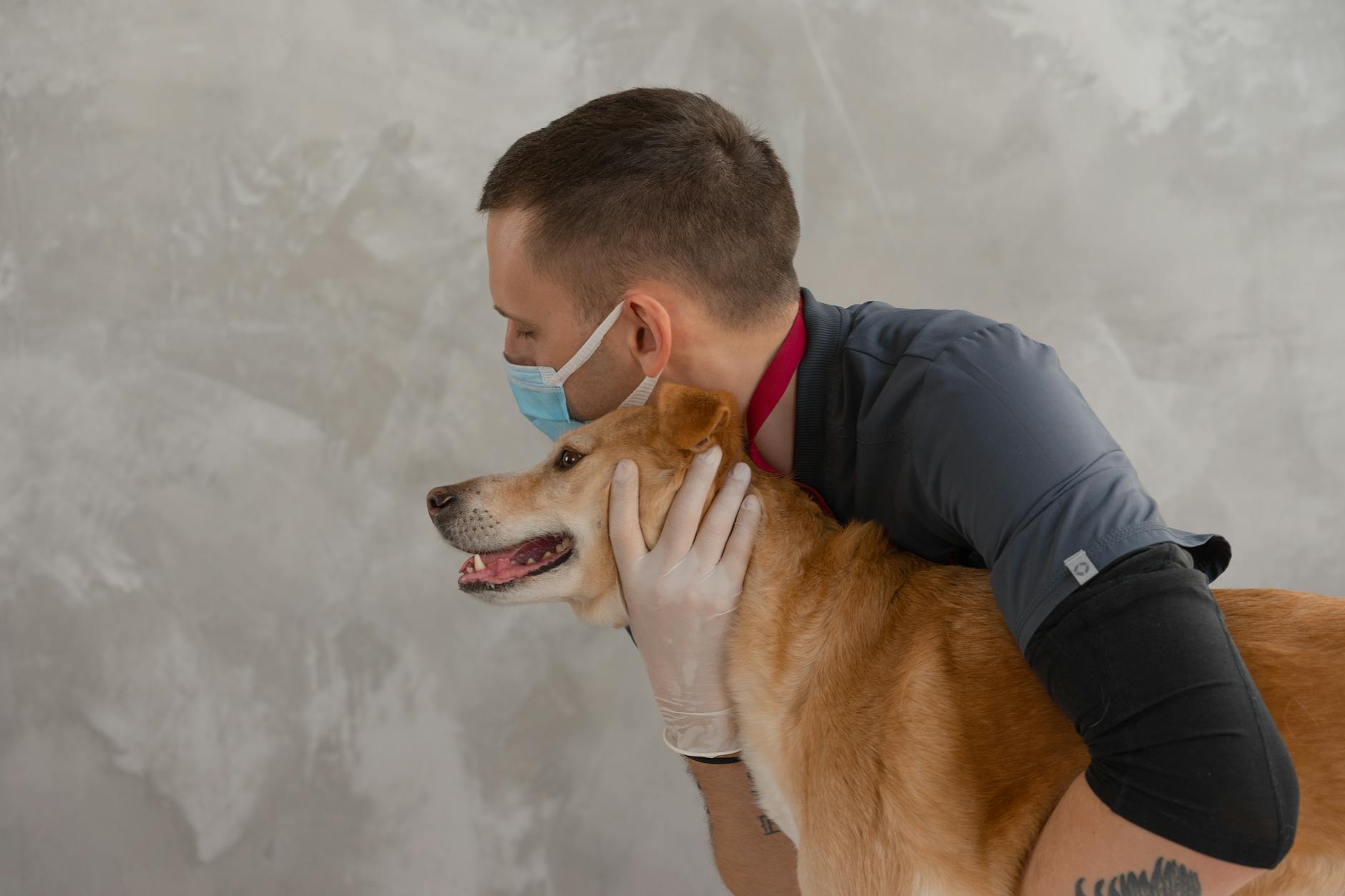
Adopting a rescue pet is a decision that carries a responsibility spanning the full lifespan of the animal, which can range from ten to twenty years depending on the species and breed. Life circumstances change, but rehoming an animal that has already experienced loss and instability carries real and lasting psychological costs for the pet. Building a robust support network of trusted pet sitters, veterinarians, and fellow animal owners helps ensure that care remains consistent even during challenging personal periods. Rescue organizations often remain a resource for adopters long after the placement has been finalized, offering behavioral guidance and community support. Committing fully from the outset is the single most important factor in determining whether the adoption becomes a genuinely transformative experience for both animal and owner.
Second Chances

Every rescue animal represents a story of resilience, and the opportunity to be part of that story is one of the most profound gifts adoption can offer. Animals that have experienced neglect, abandonment, or trauma are often capable of extraordinary levels of trust and affection once they feel truly safe. Research consistently shows that rescue pet owners report high levels of emotional satisfaction and a deep sense of purpose connected to the adoption experience. The bond that forms between a rescue animal and a patient, committed adopter is frequently described by behaviorists as among the strongest observed in companion animal relationships. Choosing to adopt rather than shop is a decision that changes two lives simultaneously.
Have you adopted a rescue pet or are you considering it? Share your experiences and questions in the comments.