Economy class has a reputation for cramped seats and endless discomfort, but seasoned travelers know that a few smart strategies can transform even the most basic cabin into a surprisingly pleasant experience. The difference between arriving exhausted and stepping off the plane feeling refreshed often comes down to preparation, the right gear, and knowing exactly how to work the system in your favor. These twenty travel hacks have been tested across long-haul routes and budget carriers alike, turning ordinary economy tickets into something that feels far more luxurious than the price suggests.
Book the Right Seat Early
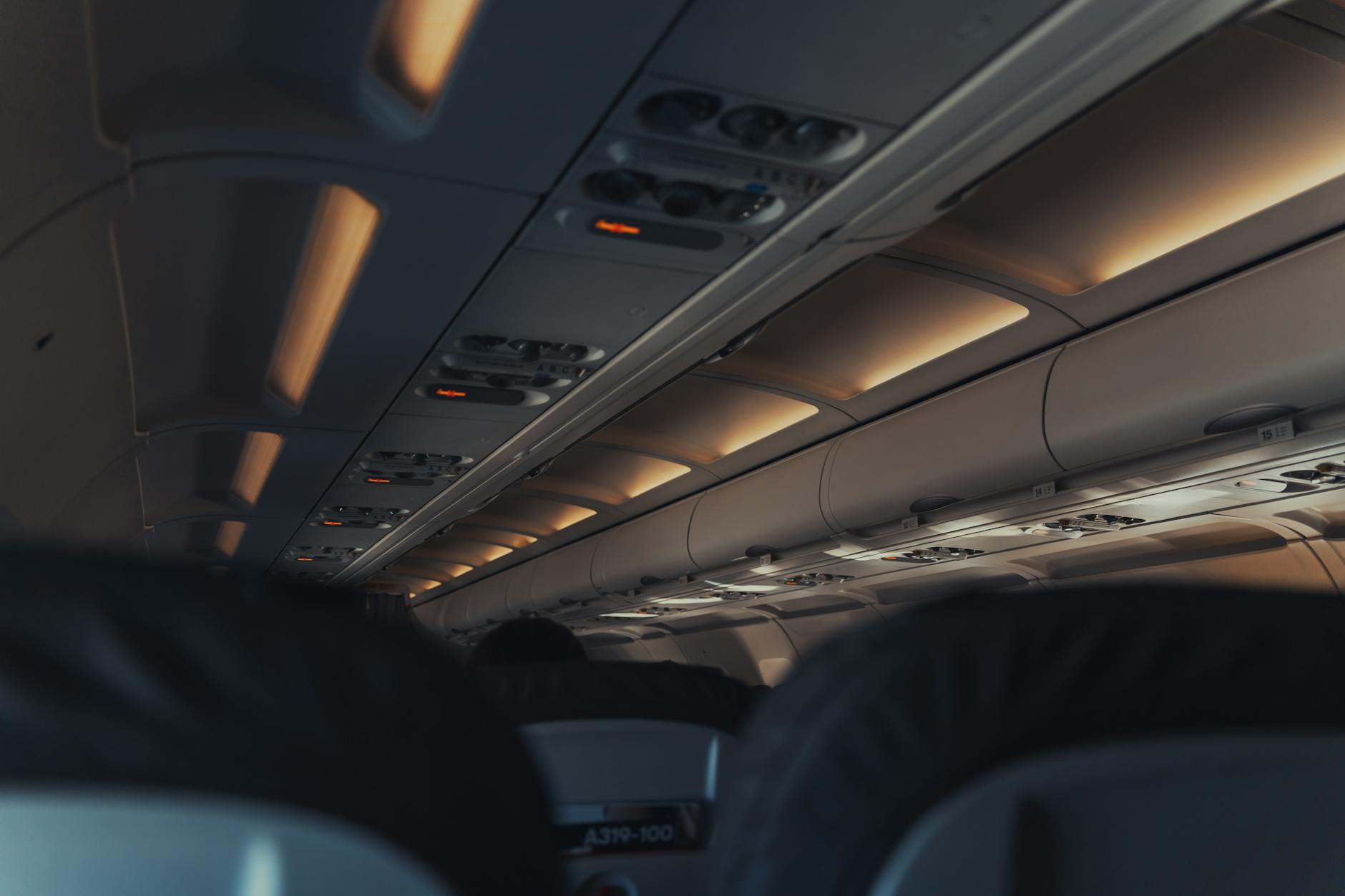
Seat selection can make or break a long flight before it even begins. Exit rows and bulkhead seats offer significantly more legroom than standard economy configurations. Window seats give you control over the shade and something to lean against during sleep. Using a seat map tool before check-in helps identify which positions to avoid and which ones offer hidden advantages.
Wear Compression Socks

Compression socks are one of the most underrated pieces of travel gear available to economy passengers. They improve circulation during long periods of sitting and significantly reduce the risk of swelling in the feet and ankles. Many frequent flyers report feeling far less fatigued upon arrival when wearing them throughout the flight. They are lightweight, easy to pack, and widely available at pharmacies and travel accessory stores.
Pack a Quality Neck Pillow

Not all neck pillows are created equal, and investing in a memory foam or inflatable option pays dividends on any flight over four hours. The standard U-shaped pillow is often worn backward for better chin and jaw support, a trick used by frequent long-haul travelers. A good neck pillow prevents the uncomfortable head-drop that interrupts sleep and leaves muscles stiff. Compact versions compress down to almost nothing in a carry-on bag.
Bring Noise-Canceling Headphones
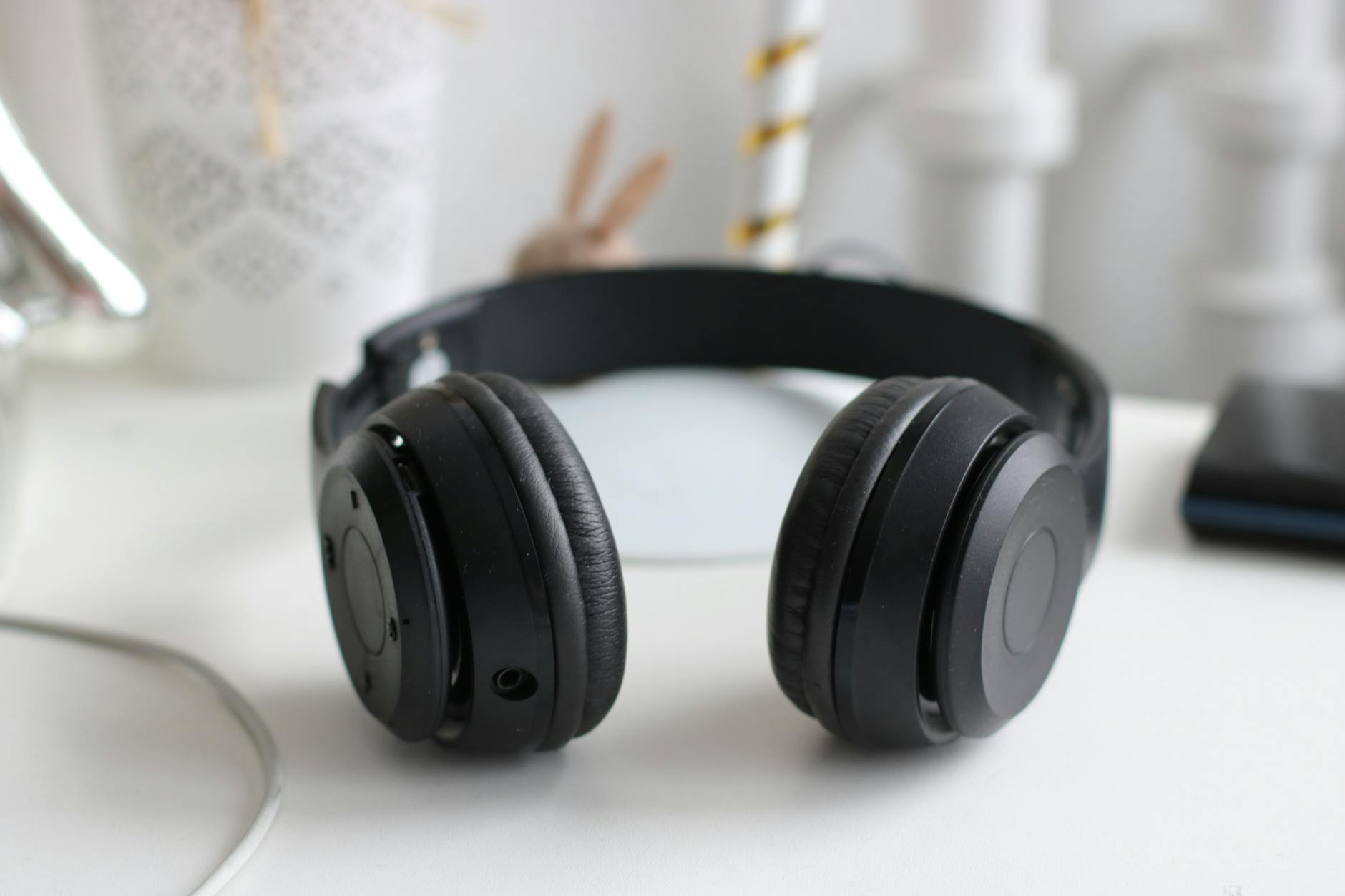
Noise-canceling headphones are arguably the single greatest upgrade an economy traveler can make to their in-flight experience. They block out engine hum, crying children, and ambient cabin noise that would otherwise make rest nearly impossible. Many mid-range options now deliver performance that rivals premium models at a fraction of the cost. Pairing them with a downloaded playlist or white noise app creates a personal cocoon of calm at 35,000 feet.
Download Entertainment Before Boarding
Relying on in-flight entertainment systems is a gamble that experienced travelers have long since stopped taking. Downloading movies, podcasts, audiobooks, and TV series directly to a device before departure guarantees hours of uninterrupted content regardless of what the airline offers. Streaming services allow offline downloads with a standard subscription, making this one of the easiest hacks to execute. A fully loaded tablet or laptop can carry enough content to cover even the longest transoceanic routes.
Stay Hydrated Aggressively
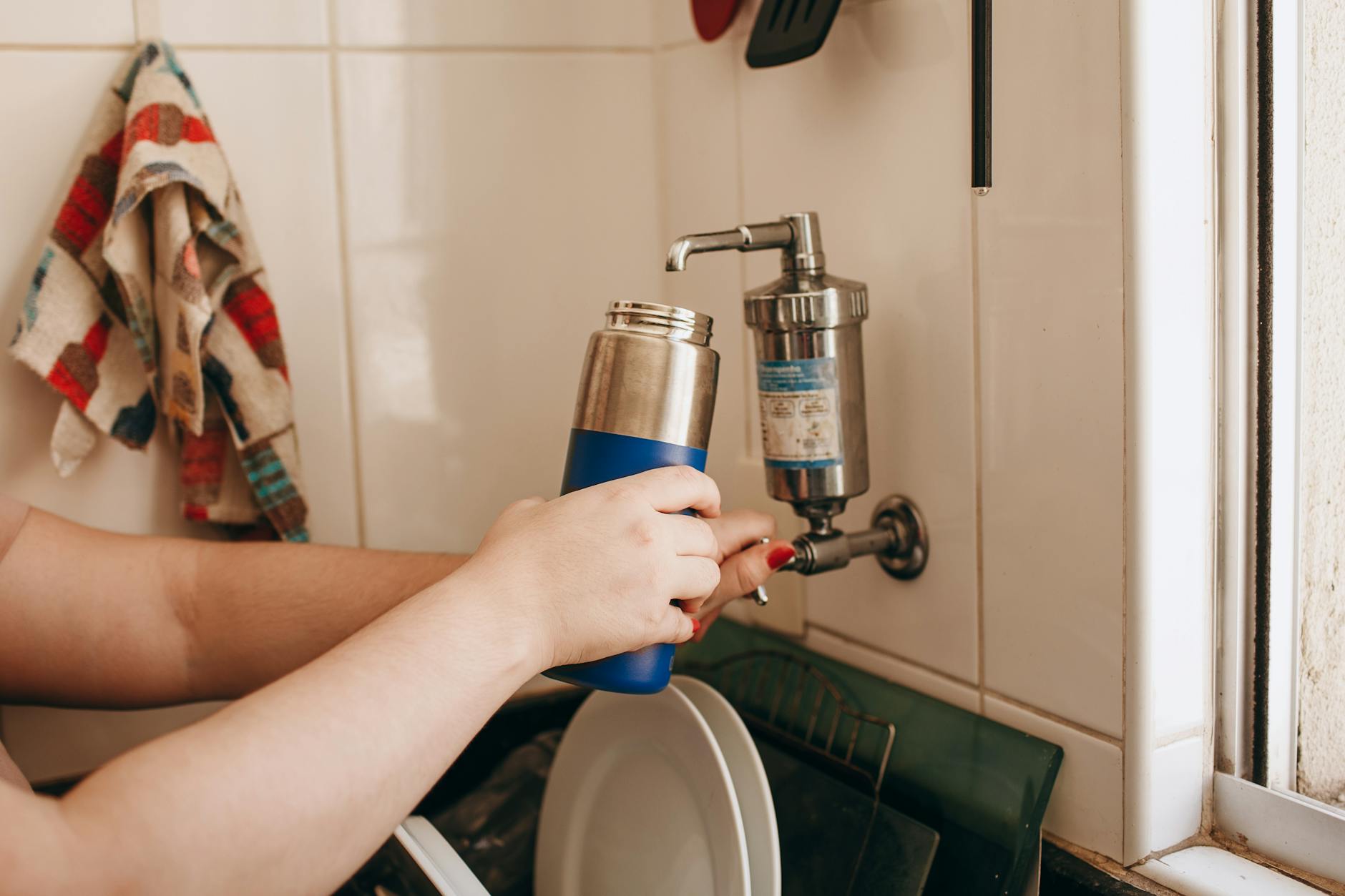
Cabin air is notoriously dry, with humidity levels far lower than most indoor environments on the ground. Drinking water consistently throughout the flight prevents the headaches, dry skin, and fatigue that many passengers mistakenly attribute to the flight itself. Bringing an empty refillable bottle through security and filling it at the gate means staying hydrated without depending on infrequent beverage service. Avoiding alcohol and excess caffeine during the flight makes a noticeable difference in how passengers feel upon landing.
Use a Luggage Scale at Home
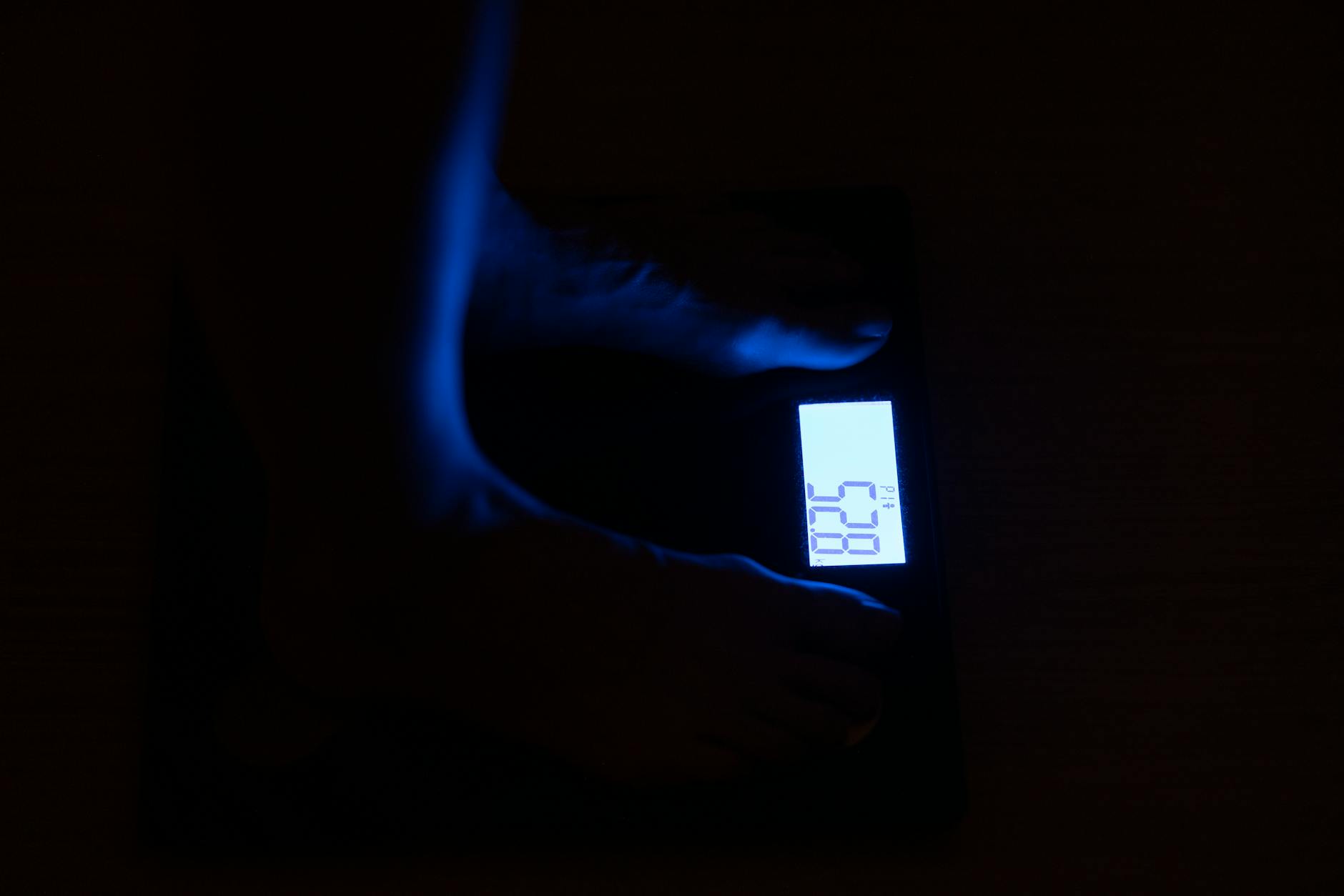
Arriving at the check-in counter with an overweight bag creates stress and unexpected fees that derail the calm start every trip deserves. A small digital luggage scale costs very little and removes all uncertainty before leaving home. Weighing bags after packing allows for adjustments that keep everything within airline limits. This simple habit is standard practice among frequent travelers who move through airports without friction.
Master the Art of Strategic Packing
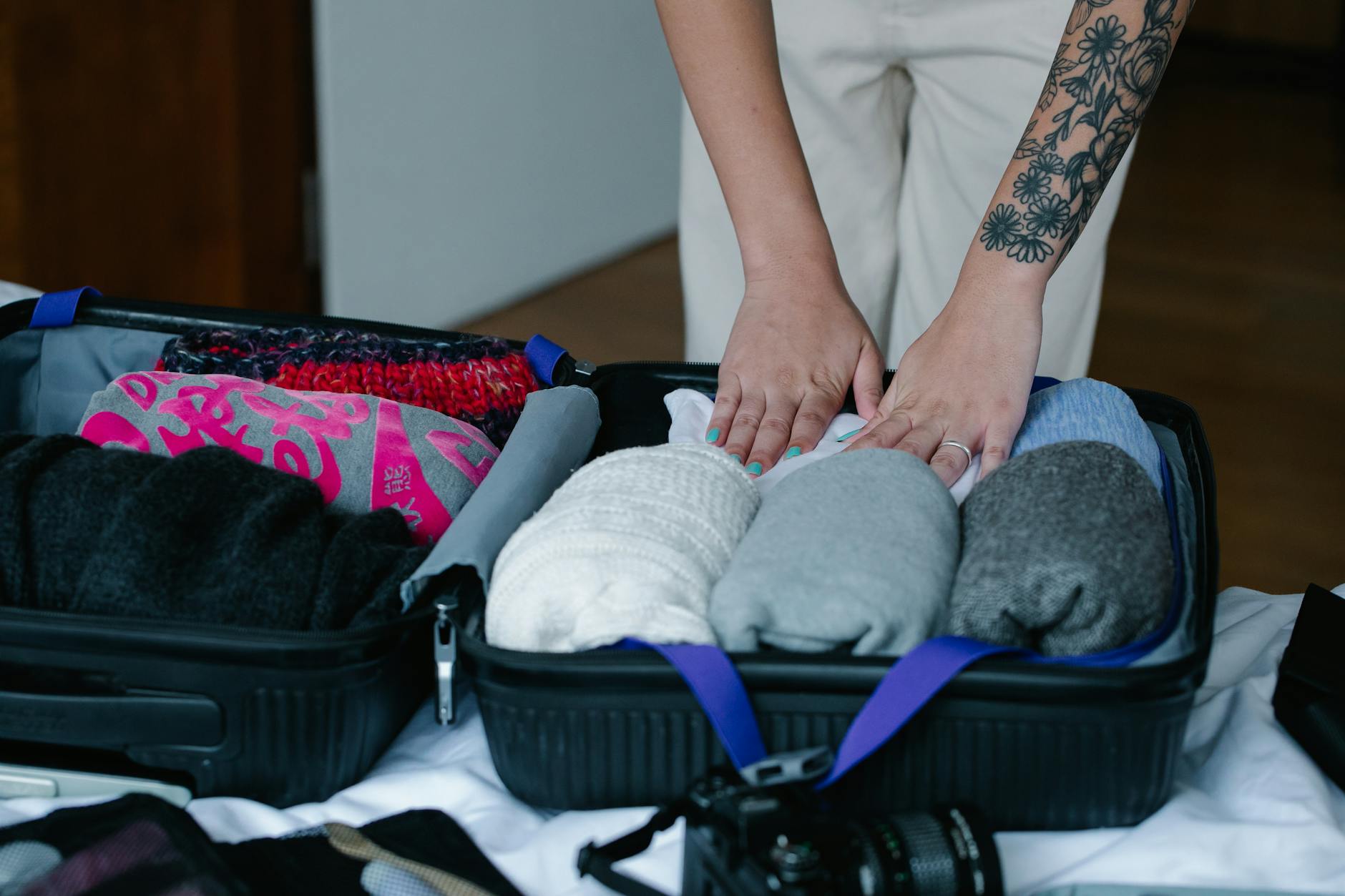
Rolling clothes instead of folding them reduces wrinkles and creates significantly more usable space inside a carry-on. Packing cubes organize clothing by category and compress soft items to a fraction of their original volume. Placing heavier items near the wheels of a hard-shell suitcase keeps the bag balanced and easier to maneuver. Frequent travelers build a master packing list that eliminates the last-minute scramble and ensures nothing essential is ever forgotten.
Request a Special Meal
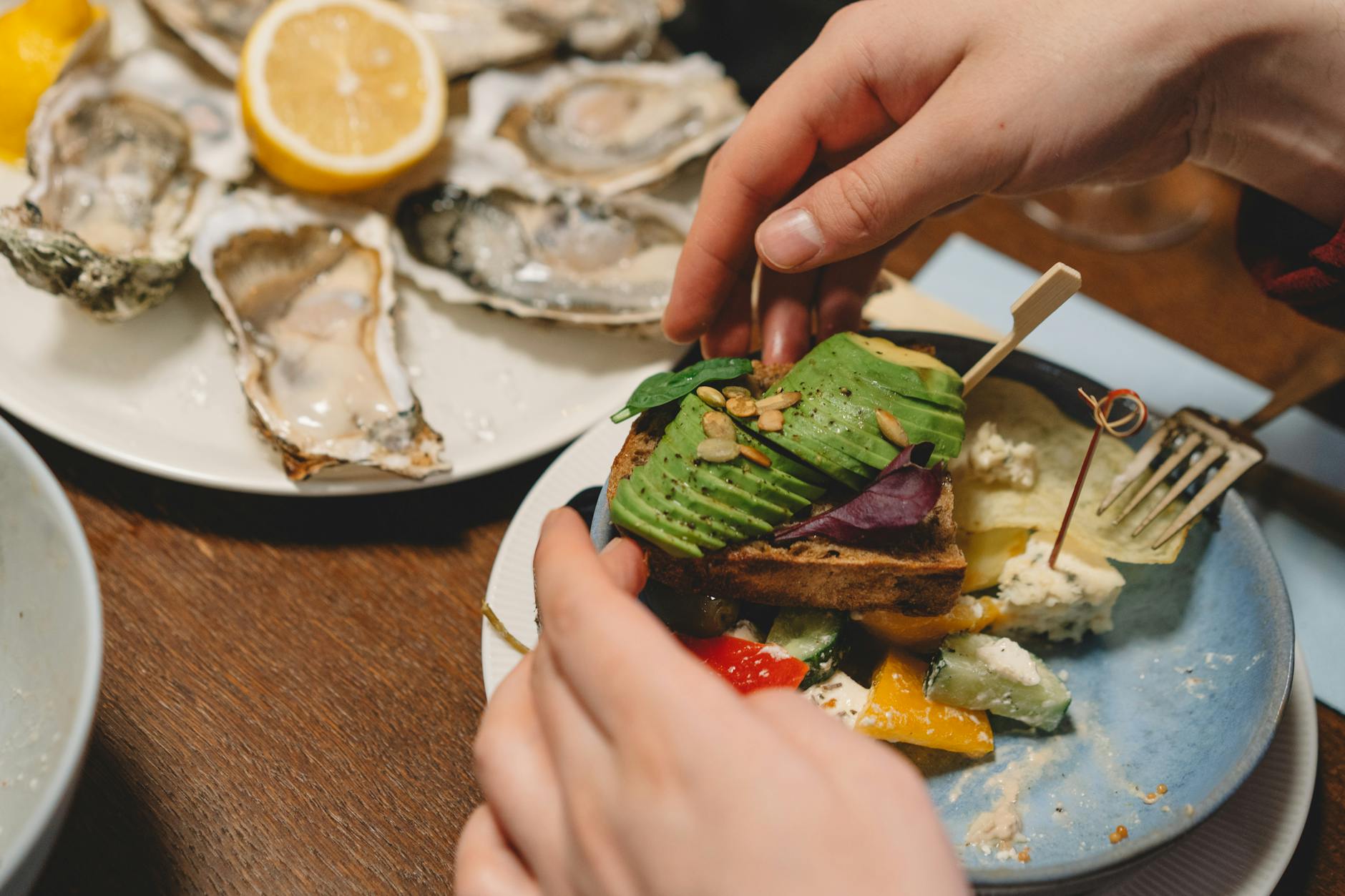
Airlines offer a range of special meal options that passengers can request at no additional cost when booking or shortly after. These meals are typically prepared in smaller batches, which often means fresher ingredients and better quality than the standard economy option. Diabetic, low-sodium, Asian vegetarian, and fruit platter meals are among the most commonly requested and frequently praised by those in the know. Special meals are also served earlier than standard cabin service, meaning passengers eat first and settle in for sleep sooner.
Arrive at the Gate Early
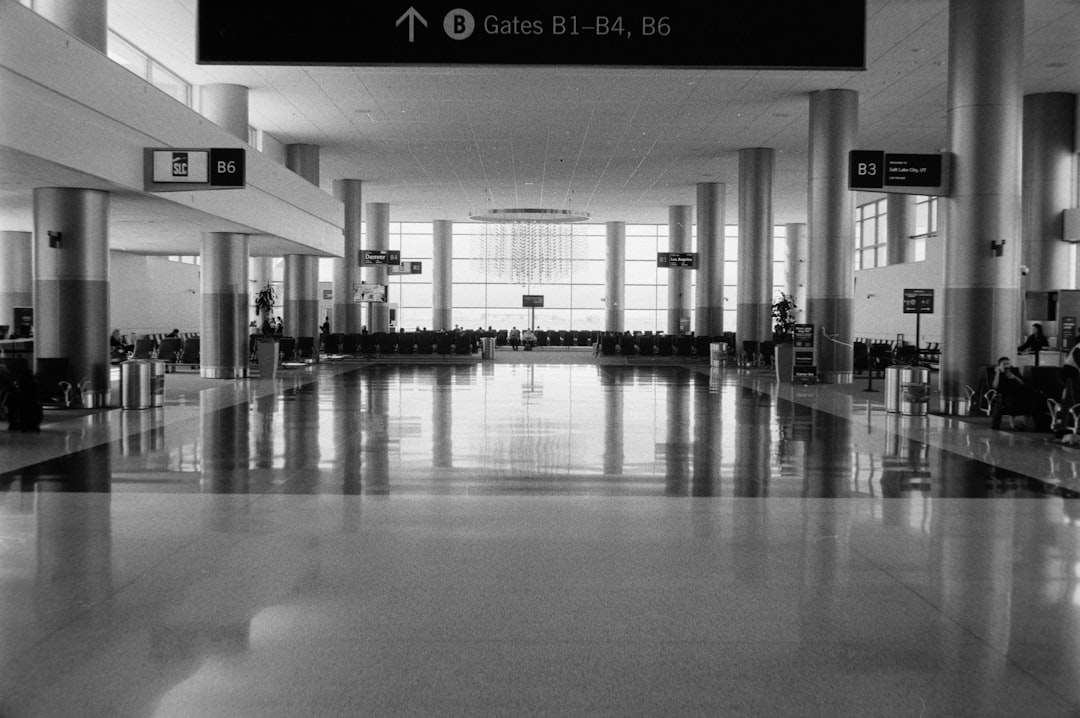
Arriving at the departure gate well before boarding begins opens up several advantages that latecomers never access. Gate agents often need to check in passengers who have not yet arrived and occasionally offer complimentary upgrades to those who are already present and waiting. Overhead bin space fills from front to back, so early boarders get prime placement for their carry-on bags. Early arrival also allows time to ask agents about empty row availability or seat reassignment at no charge.
Dress in Layers

Aircraft cabin temperatures fluctuate dramatically throughout a flight, and passengers who dress in layers can adapt without relying on thin airline blankets. A lightweight merino wool base layer regulates body temperature naturally and resists odors across long journeys. A zip-up hoodie or packable down jacket serves as both a warm layer and a makeshift pillow when not being worn. Breathable fabrics in neutral colors also transition seamlessly from plane to destination without requiring a wardrobe change.
Use a VPN and Book Smart
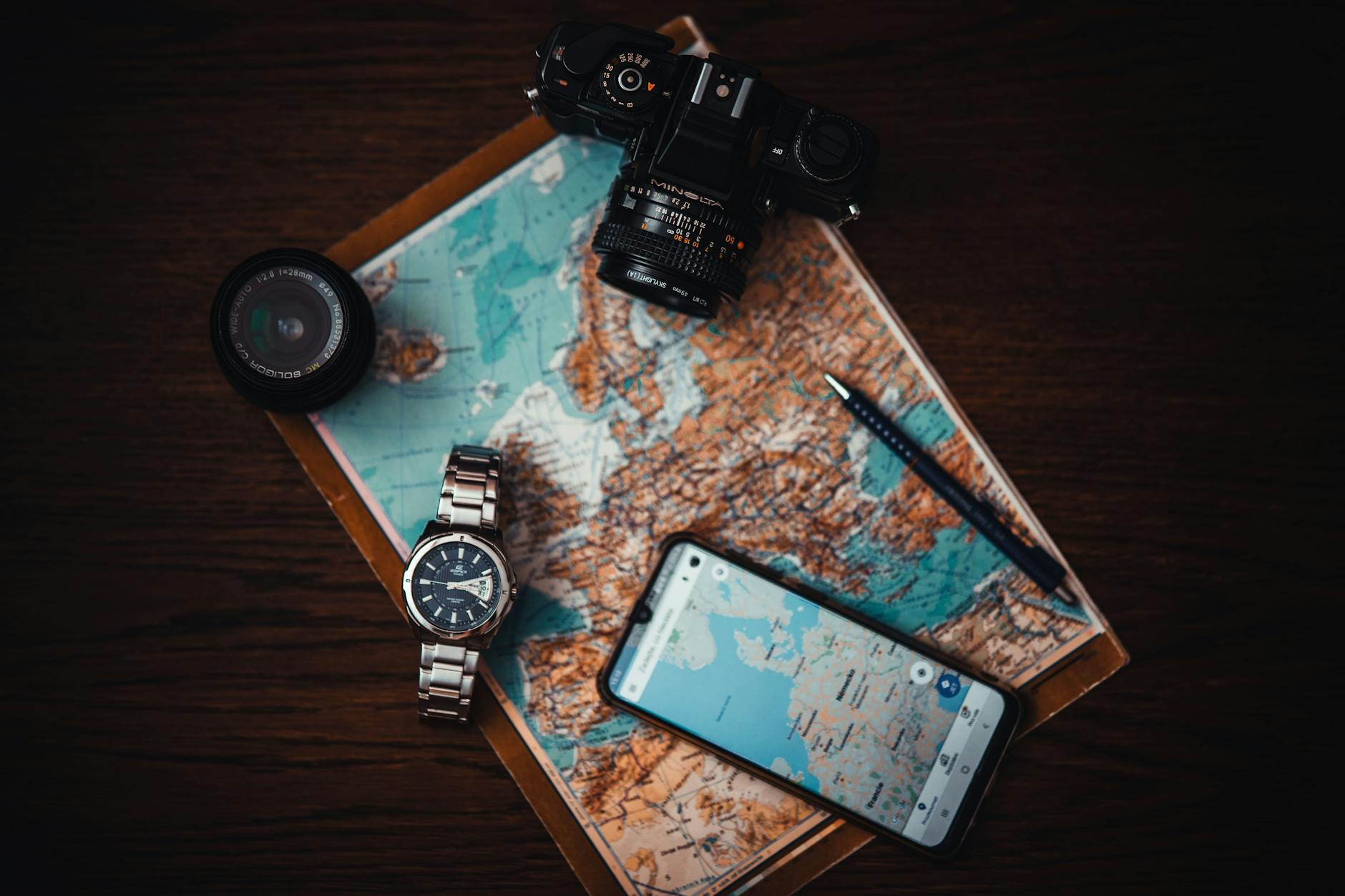
Flight prices shift constantly based on browsing history, location, and timing, and using a VPN to search from different virtual locations sometimes reveals lower fares for identical routes. Booking on Tuesdays or Wednesdays has historically produced cheaper results across many airlines. Setting fare alerts through dedicated apps means never missing a price drop on a desired route. Flexible date searches that display an entire month of fares at once make it easy to identify the cheapest travel windows.
Bring Your Own Snacks
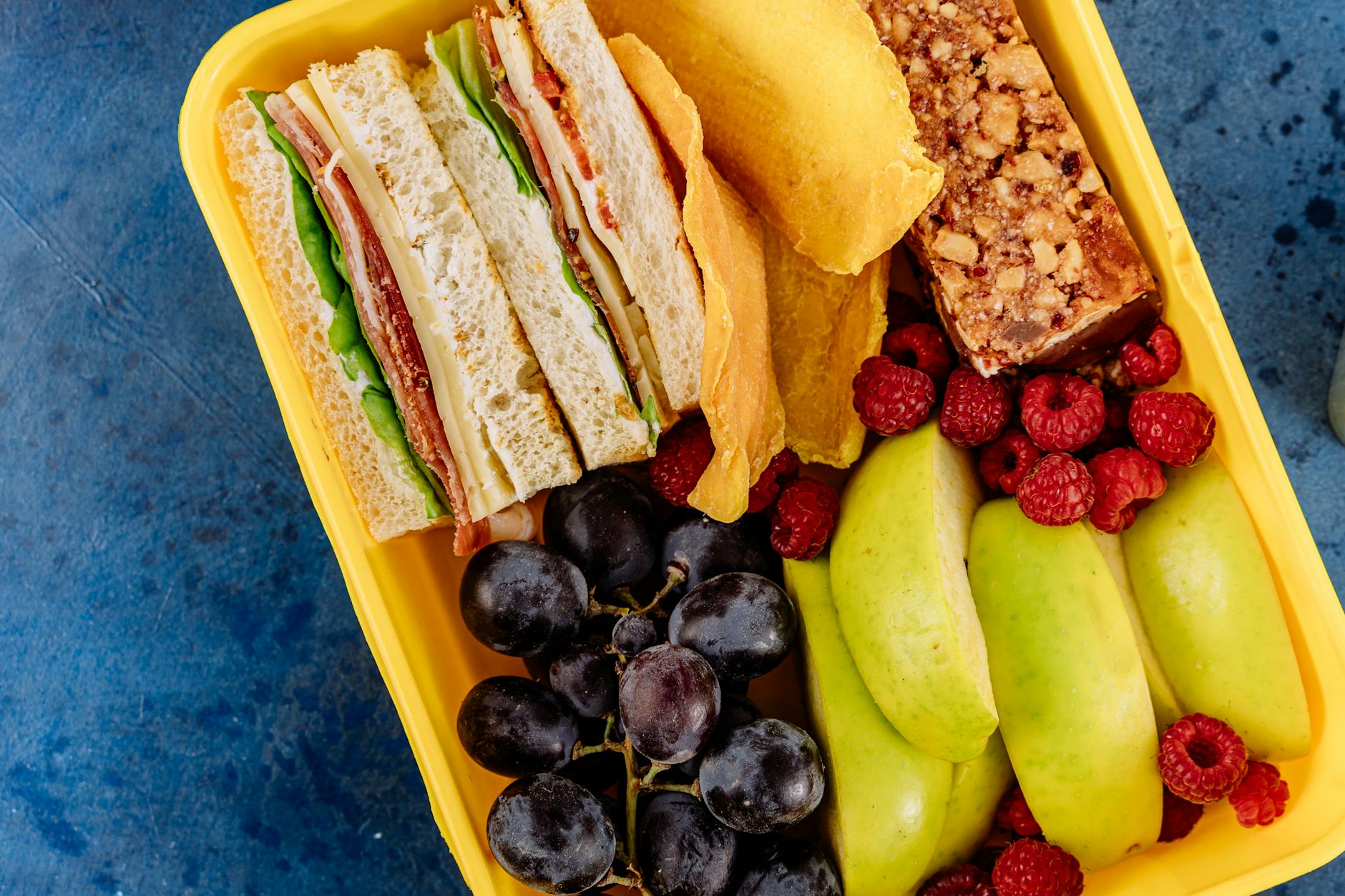
Airline snacks rarely satisfy, and the options available for purchase on budget carriers are often expensive and nutritionally poor. Packing a small selection of high-protein snacks like nuts, jerky, or protein bars keeps energy levels stable throughout the flight. Homemade sandwiches and wraps are permitted through security in most countries and offer a far more satisfying meal than anything on the in-flight menu. Avoiding heavy, greasy foods before and during the flight also reduces the bloating and discomfort that long flights can amplify.
Use the Lavatory Strategically
Timing restroom visits to avoid peak congestion periods makes cabin life noticeably more comfortable on a long flight. The busiest times are immediately after meal service when the entire cabin tends to stand at once. Heading to the lavatory during the meal service itself or shortly before it begins means shorter waits and a less chaotic cabin experience. Standing and stretching during these short walks also helps circulation and reduces the stiffness that accumulates during extended sitting.
Invest in a Good Eye Mask

Light is one of the primary enemies of quality sleep on a plane, and a well-fitting eye mask blocks out overhead lights, window glare, and cabin illumination that airlines rarely dim sufficiently. Contoured eye masks that do not press directly against the eyelids are widely regarded as the most comfortable option for extended wear. Silk masks feel gentler against the skin during long rest periods and pack flat in even the smallest personal item bag. Pairing an eye mask with earplugs or noise-canceling headphones creates close to a full sensory blackout environment.
Learn the Check-In Timing Formula
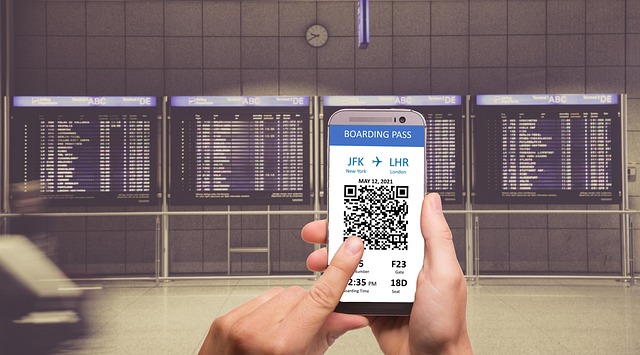
Online check-in opens exactly 24 hours before departure for most airlines, and logging in the moment it becomes available unlocks the widest selection of remaining seats at no extra cost. Passengers who check in early also secure their boarding passes digitally, eliminating airport queues and reducing the margin for error. Some airlines release previously held or upgraded seats back into the general pool at the 24-hour mark, making early check-in genuinely rewarding. Setting a phone reminder for the precise check-in opening time takes only seconds and pays consistent dividends.
Keep a Toiletry Kit Permanently Packed

Maintaining a dedicated travel toiletry bag that stays packed between trips removes one of the most tedious parts of trip preparation. Including a facial mist, lip balm, and a travel-sized moisturizer helps combat the drying effects of pressurized cabin air throughout the flight. Peppermint essential oil applied to the temples is a popular remedy among frequent flyers for managing headaches mid-flight. Keeping the kit stocked and ready means it goes directly from the last trip’s bag into the next one with no effort required.
Choose Your Airline Loyalty Program Wisely
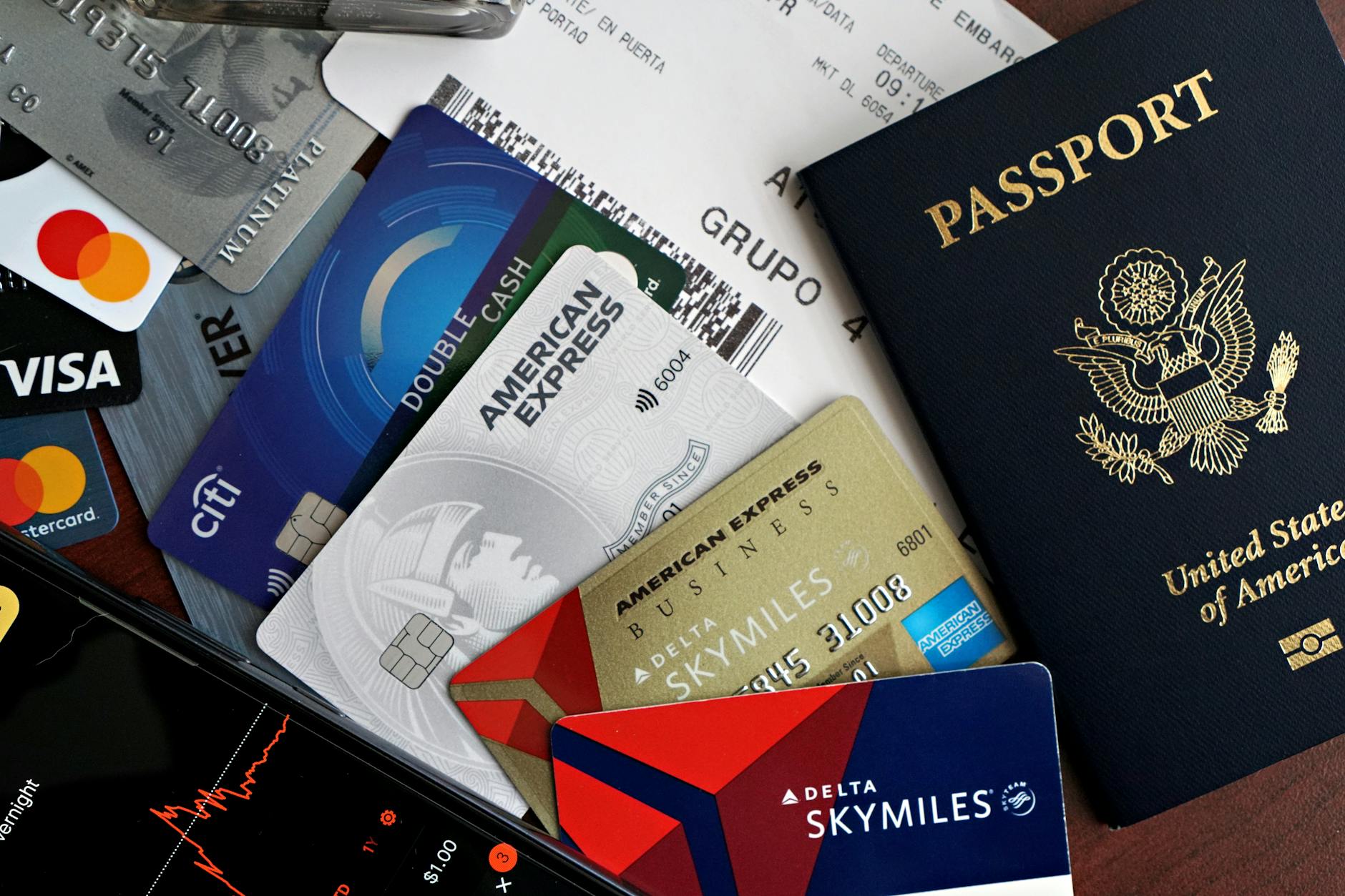
Committing to a single airline alliance and accumulating miles consistently unlocks benefits that cost nothing beyond choosing flights strategically. Even economy status members gain access to priority boarding, complimentary upgrades on select routes, and more generous baggage allowances over time. Understanding which partner airlines share miles within the same alliance dramatically expands the earning and redemption options available. Travelers who engage actively with one program tend to see tangible cabin benefits far sooner than those who spread their spending across multiple carriers.
Sleep on a Schedule
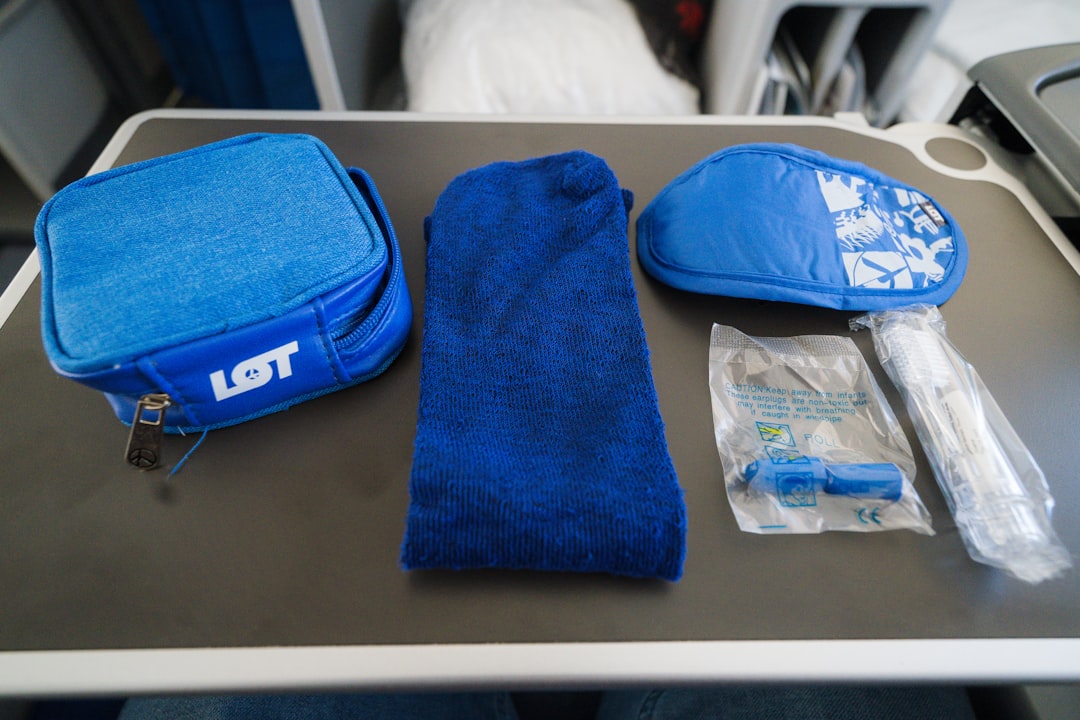
Adjusting sleep patterns before a long-haul flight by shifting bedtime gradually toward the destination time zone reduces the severity of jet lag upon arrival. Taking melatonin at the destination’s local sleep time during the flight is a widely used method for resetting the body clock in transit. Avoiding screens for thirty minutes before attempting sleep helps the brain shift into rest mode even in the unfamiliar environment of a moving aircraft. Committing to a consistent arrival routine that includes natural light exposure accelerates adaptation to the new time zone.
Think Like a Frequent Flyer from the Start
The mindset of an experienced traveler is itself a kind of travel hack that makes every element of the economy experience more manageable. Frequent flyers move through airports with calm efficiency because they have internalized the routines that minimize friction at every stage. They know which lines to join, which snacks to pack, and which seat configurations to target without needing to think twice. Adopting their habits even as an occasional traveler creates a noticeably smoother and more enjoyable journey from departure gate to arrival hall.
What are your favorite economy class travel hacks that make a real difference on long flights? Share them in the comments.