Long flights have a way of stretching time in the most inconvenient ways, turning what should be an exciting journey into an endurance test of restless legs and wandering minds. The good news is that seasoned travelers have developed plenty of tried-and-true strategies for making the hours disappear. Whether you are crossing a few time zones or embarking on a long-haul adventure, the right combination of preparation and in-flight habits can make the experience feel significantly shorter. These twenty approaches cover everything from entertainment and mindset to physical comfort and smart planning.
Download a Podcast Series
Long-form podcast series are one of the most effective ways to lose track of time at 35,000 feet. A compelling multi-episode narrative or deep-dive interview series pulls the mind into a sustained state of engagement that single songs or short clips simply cannot match. True crime, history, and investigative journalism genres are particularly well-suited to air travel because they build suspense across episodes. Downloading several episodes before departure ensures uninterrupted listening even without in-flight Wi-Fi. A good pair of noise-canceling earbuds makes the experience even more immersive.
Binge a New TV Show
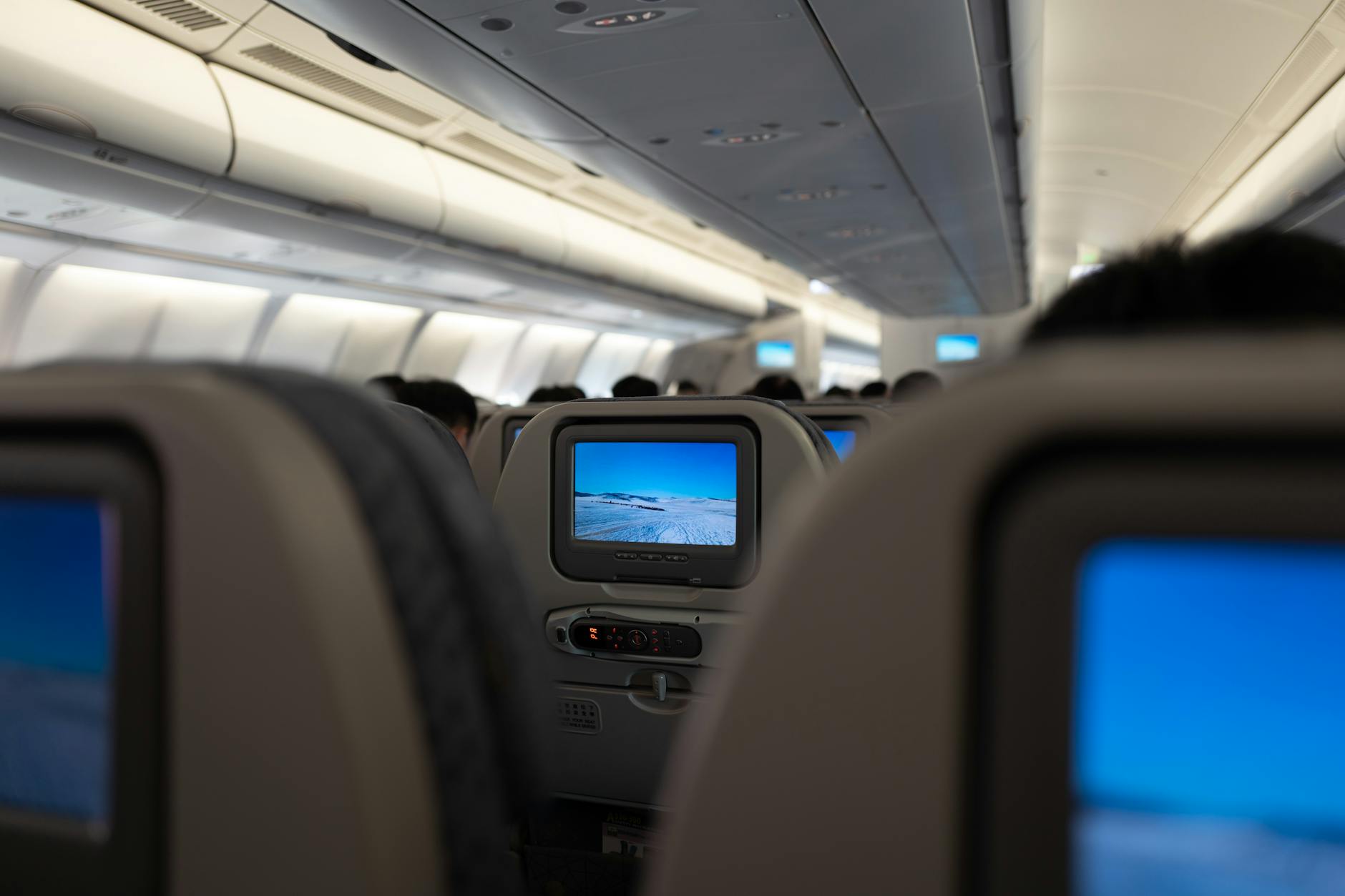
Starting a brand-new series on a flight is one of the most popular strategies among frequent flyers for good reason. The novelty of an unfamiliar show keeps the brain actively engaged as it processes new characters, plotlines, and settings. Dramas with complex storylines and cliffhanger episode endings are especially effective at keeping passengers glued to their screens. Downloading two or three seasons before the flight ensures there is always another episode waiting. Many airlines also offer solid streaming libraries through their own entertainment systems as a backup option.
Read a Book You Have Been Putting Off
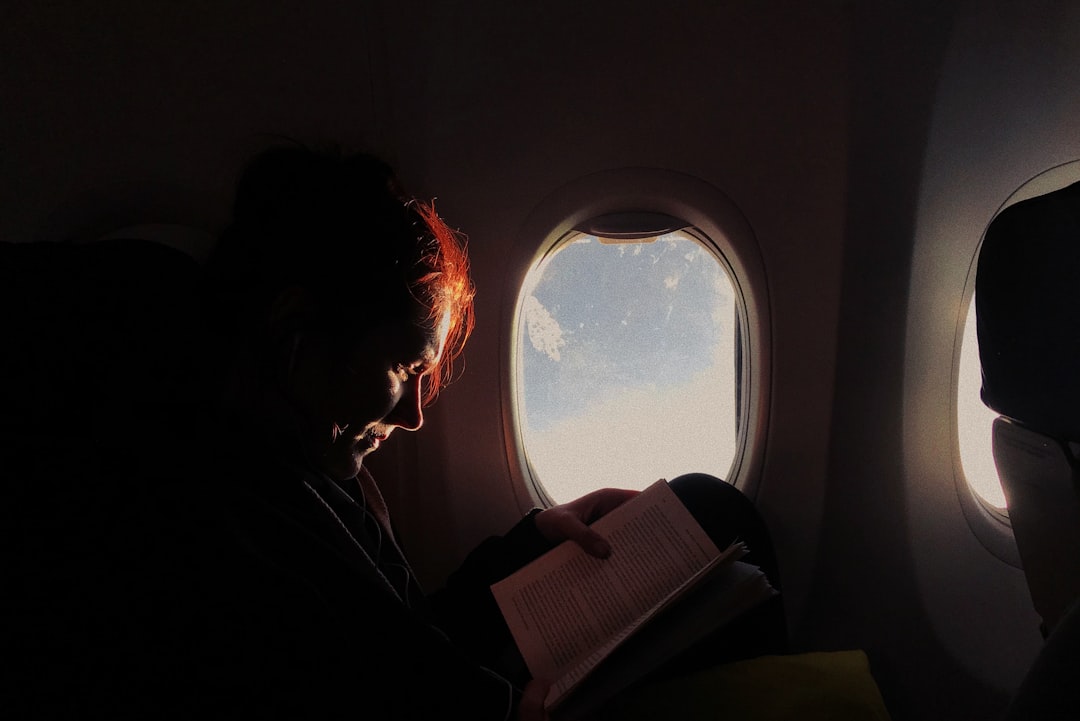
A flight provides one of the rare modern environments where deep, sustained reading becomes genuinely possible. Without the usual distractions of daily life, many readers find they can finish a substantial portion of a novel or nonfiction title in a single journey. Physical books work well, though e-readers are lighter and allow multiple titles to be stored in one device. Choosing a book that has been sitting on the nightstand for months adds an extra layer of motivation to finally get through it. Engaging fiction and narrative nonfiction tend to be particularly effective at making time pass quickly in the air.
Play an Immersive Mobile Game

Strategy games, puzzle-based adventures, and role-playing games are well-suited to long stretches of uninterrupted time. Unlike casual games that are designed for short bursts of play, deeper mobile titles reward extended sessions with progressing storylines and evolving challenges. Games that require planning and resource management are especially effective because they demand enough concentration to push time awareness aside. Downloading the game ahead of time and ensuring offline compatibility is essential for uninterrupted play during the flight. Many travelers find that a well-chosen game can account for several hours of a long-haul journey without a single glance at the flight tracker.
Try Sleep Strategies
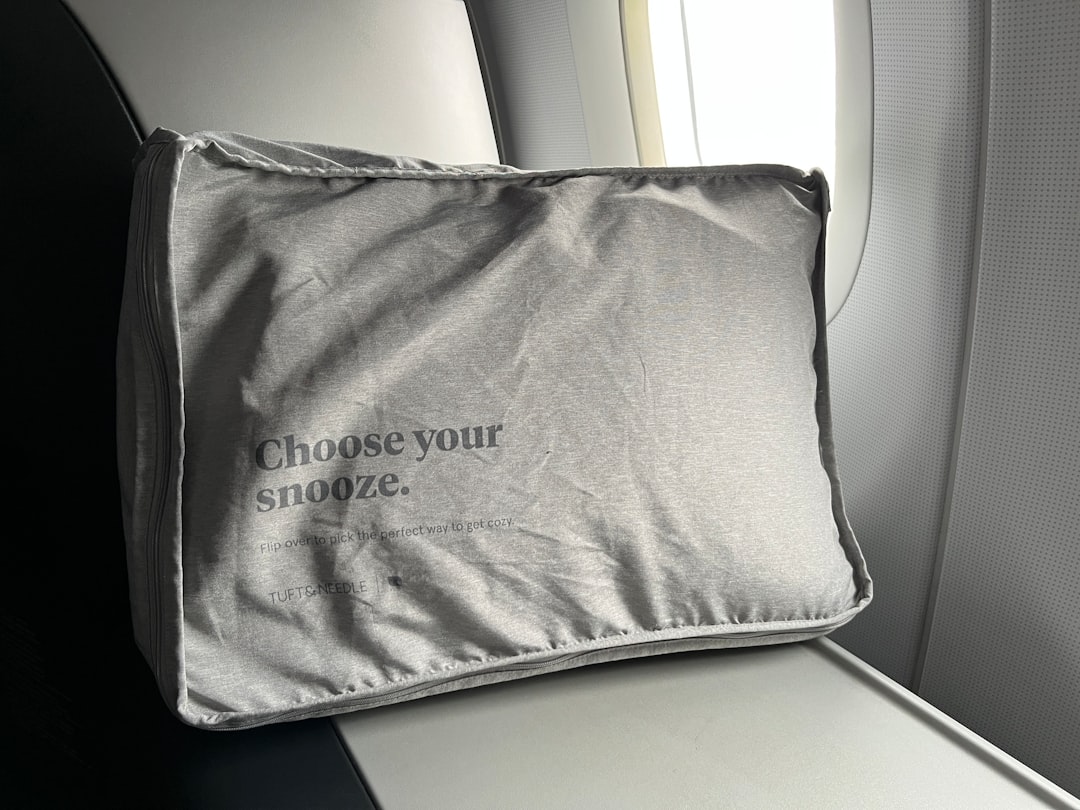
Sleeping through a portion of the flight remains one of the most efficient ways to shorten the perceived duration of any journey. A travel pillow that supports the neck properly makes a significant difference in the quality of rest achievable in an upright position. An eye mask combined with noise-canceling headphones or earplugs creates a sensory environment conducive to actual sleep rather than just drowsy restlessness. Taking a melatonin supplement timed to the destination’s sleep schedule can help the body relax on demand. Even a two-hour nap can make a ten-hour flight feel considerably more manageable upon waking.
Listen to an Audiobook

Audiobooks occupy a satisfying middle ground between music and a podcast, offering the depth of literature combined with the hands-free convenience of audio content. A skilled narrator can transform even a familiar story into something that feels entirely new and captivating. Long novels are particularly well matched to long flights because the extended format gives listeners a reason to keep going. Thriller, fantasy, and historical fiction genres tend to translate especially well to the audio format. Platforms like Audible and Libby allow books to be downloaded in advance so playback is possible in airplane mode.
Pack Satisfying Snacks
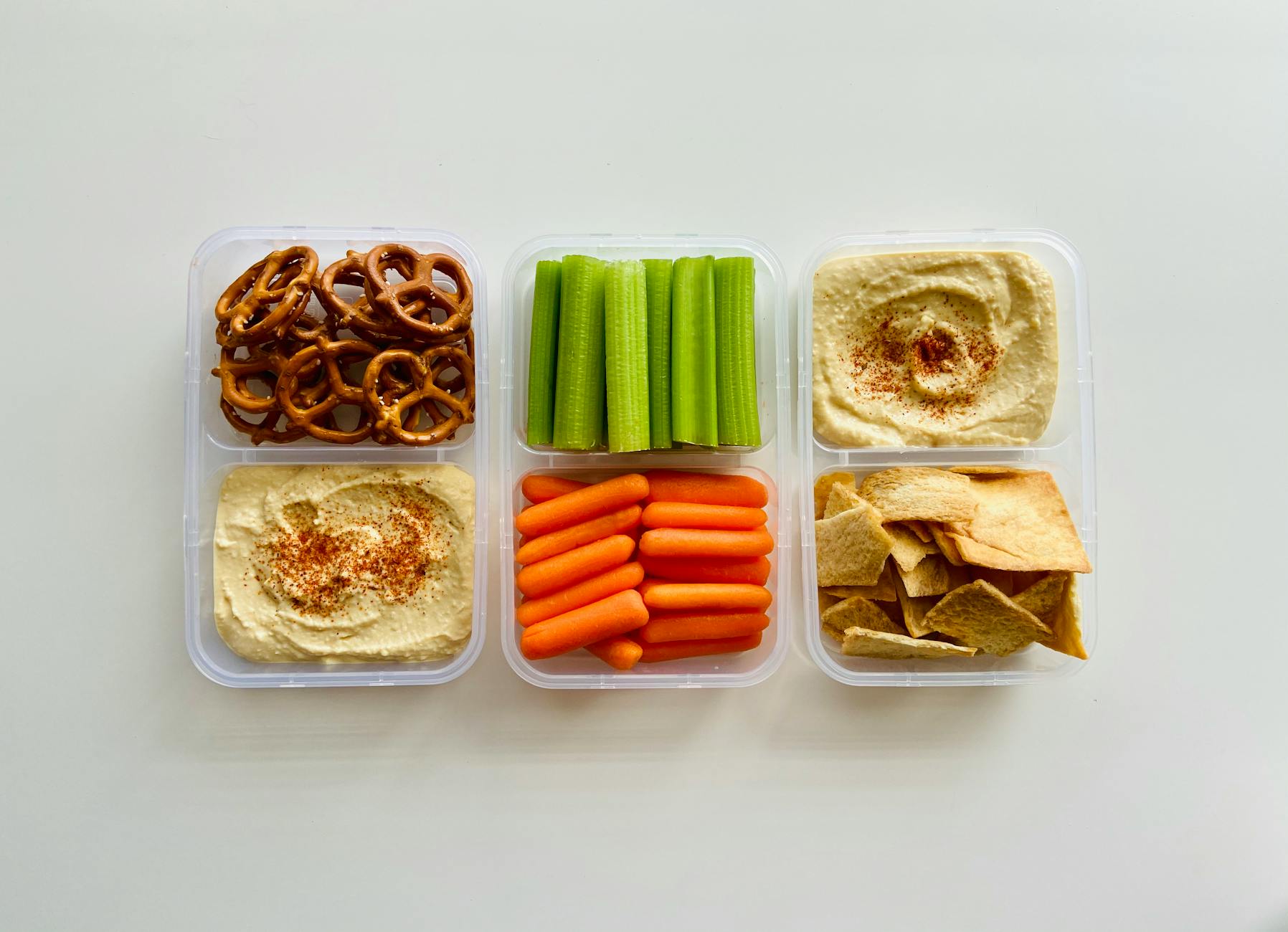
Eating is one of the most effective and underrated tools for breaking a long flight into a series of shorter, more manageable segments. Thoughtfully chosen snacks give passengers something to look forward to and create natural mental checkpoints throughout the journey. Foods that require a bit of time and attention to eat, such as nuts, dried fruit combinations, or crackers with individual toppings, tend to stretch the experience more effectively than something consumed in two bites. Keeping snacks in an easily accessible bag rather than buried in overhead storage makes the habit sustainable throughout the flight. The ritual of eating also provides a brief shift in activity that helps reset a restless mind.
Write in a Journal
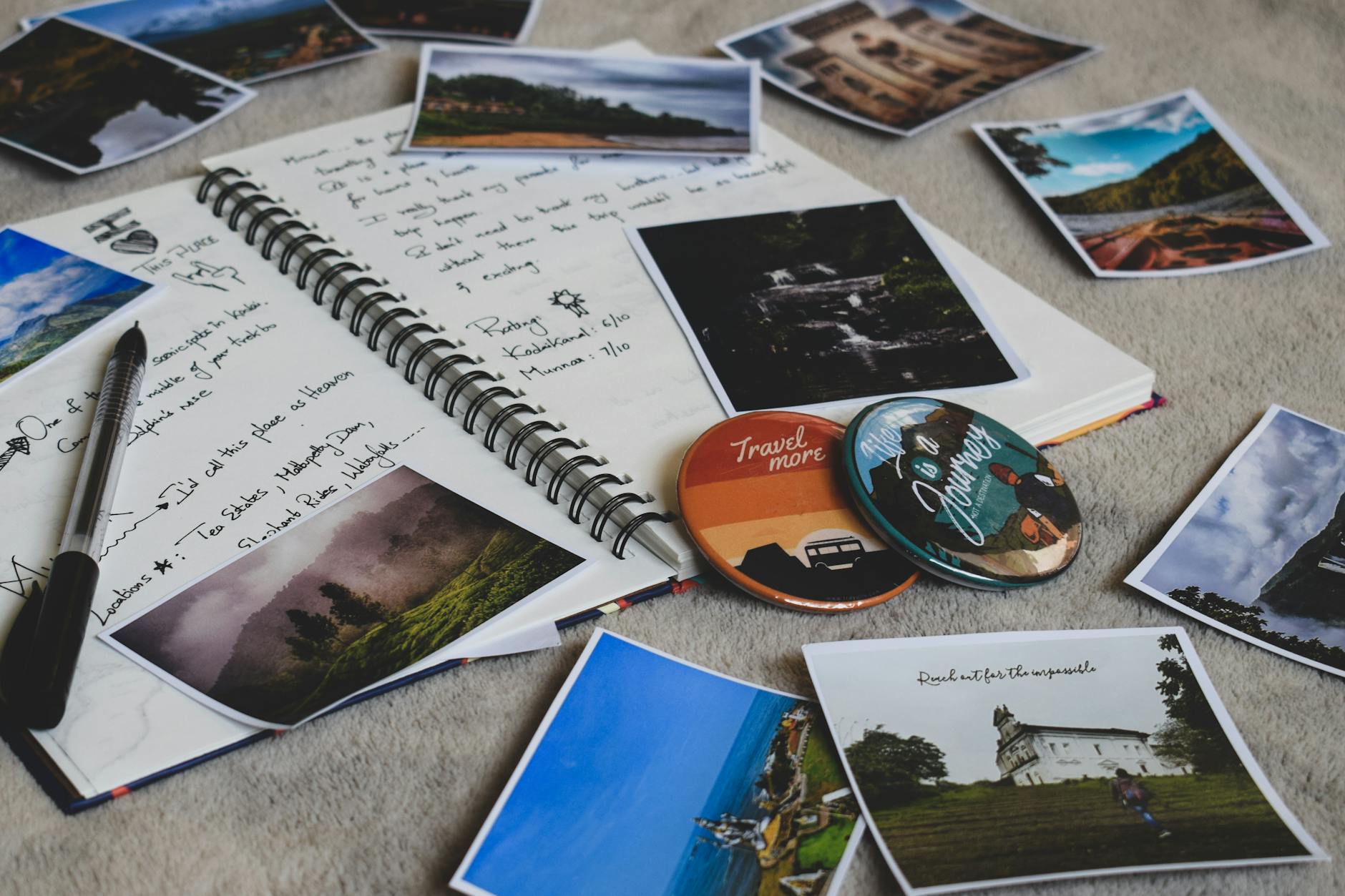
Journaling during a flight is a productive and reflective way to spend time that many travelers overlook entirely. The contained, distraction-reduced environment of an airplane cabin turns out to be surprisingly conducive to introspective writing. Passengers can use the time to process recent experiences, plan upcoming goals, or simply free-write without any particular agenda. A physical notebook and a good pen tend to feel more personal and deliberate than typing on a device. Many frequent flyers report that journaling creates a sense of purposeful time use that makes the flight feel far shorter in retrospect.
Watch a Series of Movies
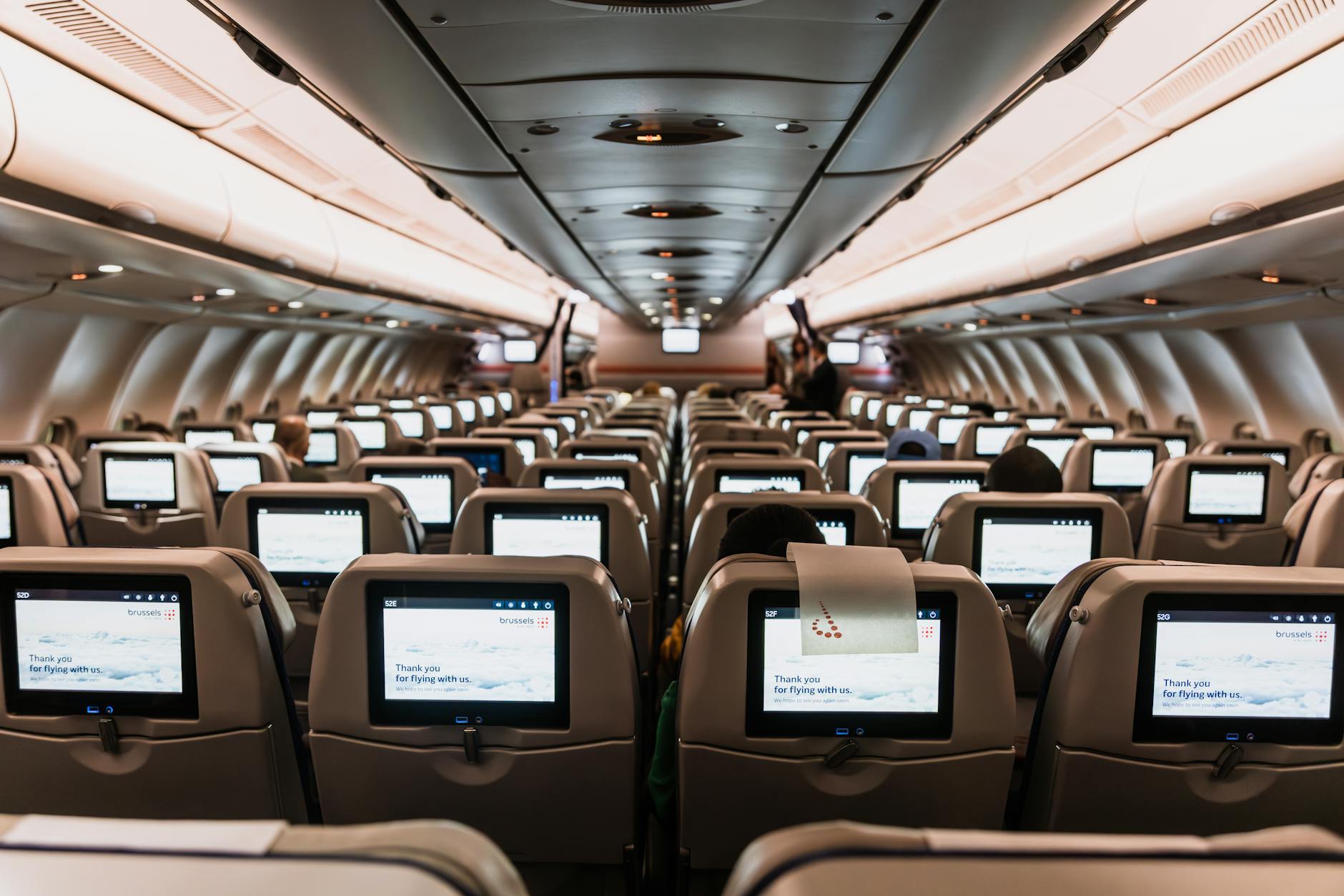
Back-to-back films are a classic long-haul flight strategy that remains consistently effective for a reason. Choosing a theme for the marathon, such as films by a single director, movies from a specific decade, or titles set in the destination country, adds an extra layer of engagement. In-flight entertainment systems on major carriers typically offer a broad enough selection to fill several hours without repeating genres. Having a personal list of films to work through ensures decision fatigue does not waste precious minutes scrolling aimlessly. Two feature films can account for nearly four hours with very little sense of time passing.
Do a Digital Detox and Meditate

Treating the flight as a deliberate break from connectivity can shift the entire psychological experience of being in the air. Without the habitual pull of notifications and social media, the mind often settles into a quieter and more reflective state quite naturally. Guided meditation apps such as Calm or Headspace can be downloaded in advance and used offline to structure the practice. Even a single thirty-minute body scan or breathing session can reduce the physical tension that accumulates during long periods of sitting. Some travelers find that alternating between meditation and other activities creates a satisfying rhythm that structures the flight into distinct phases.
Plan Your Trip Itinerary
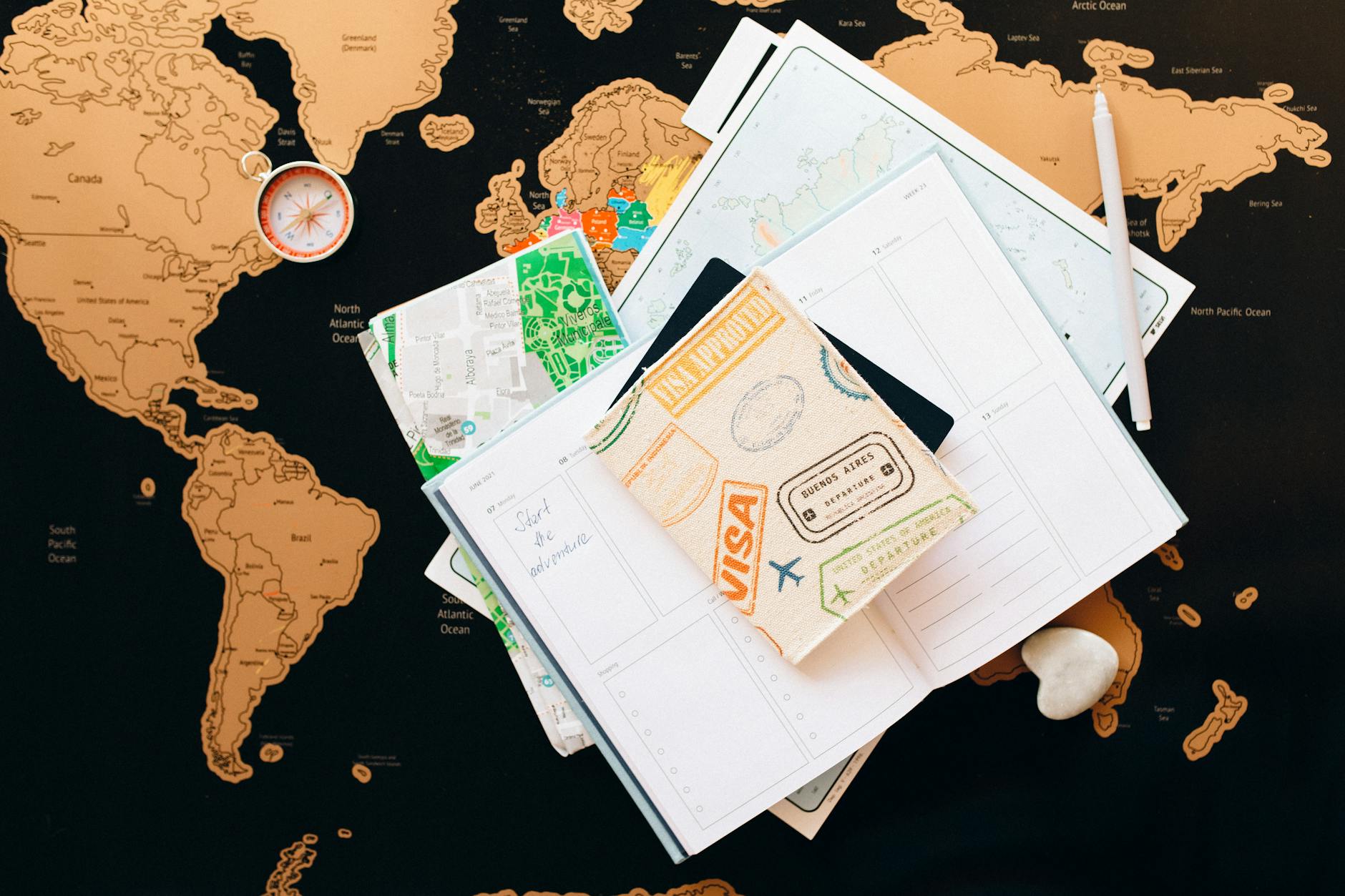
Using flight time to research and organize the upcoming destination is both productive and genuinely exciting. Travelers who arrive with a well-thought-out itinerary tend to get more out of their trip, and planning it in the air means the work is done without cutting into time at home. Offline maps, saved restaurant lists, and downloaded travel guides can all be prepared in advance for use without Wi-Fi. Working through a detailed day-by-day schedule gives the brain a problem-solving task that keeps it fully occupied. The added benefit is landing at the destination already feeling prepared and oriented.
Learn Something New with an App
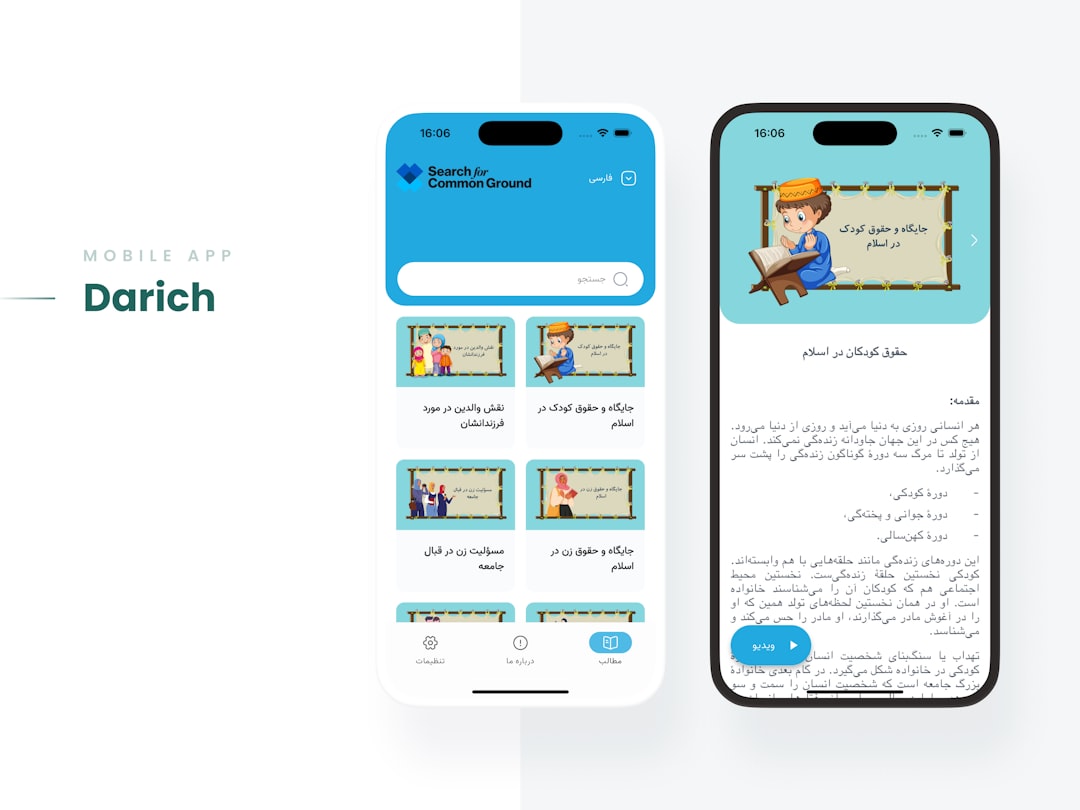
Language learning apps, history courses, and skill-building platforms are well-designed for use in short, repeatable sessions that stack up effectively over a long flight. Duolingo, for example, structures lessons in five to ten minute increments that accumulate meaningfully over several hours of travel. Passengers planning to visit a non-English-speaking destination can use the journey to pick up useful phrases and basic vocabulary. Offline modes on most major learning platforms allow content to be accessed without an internet connection. The combination of productive engagement and a clear practical purpose makes this one of the most rewarding ways to spend time in the air.
Stretch and Move Regularly
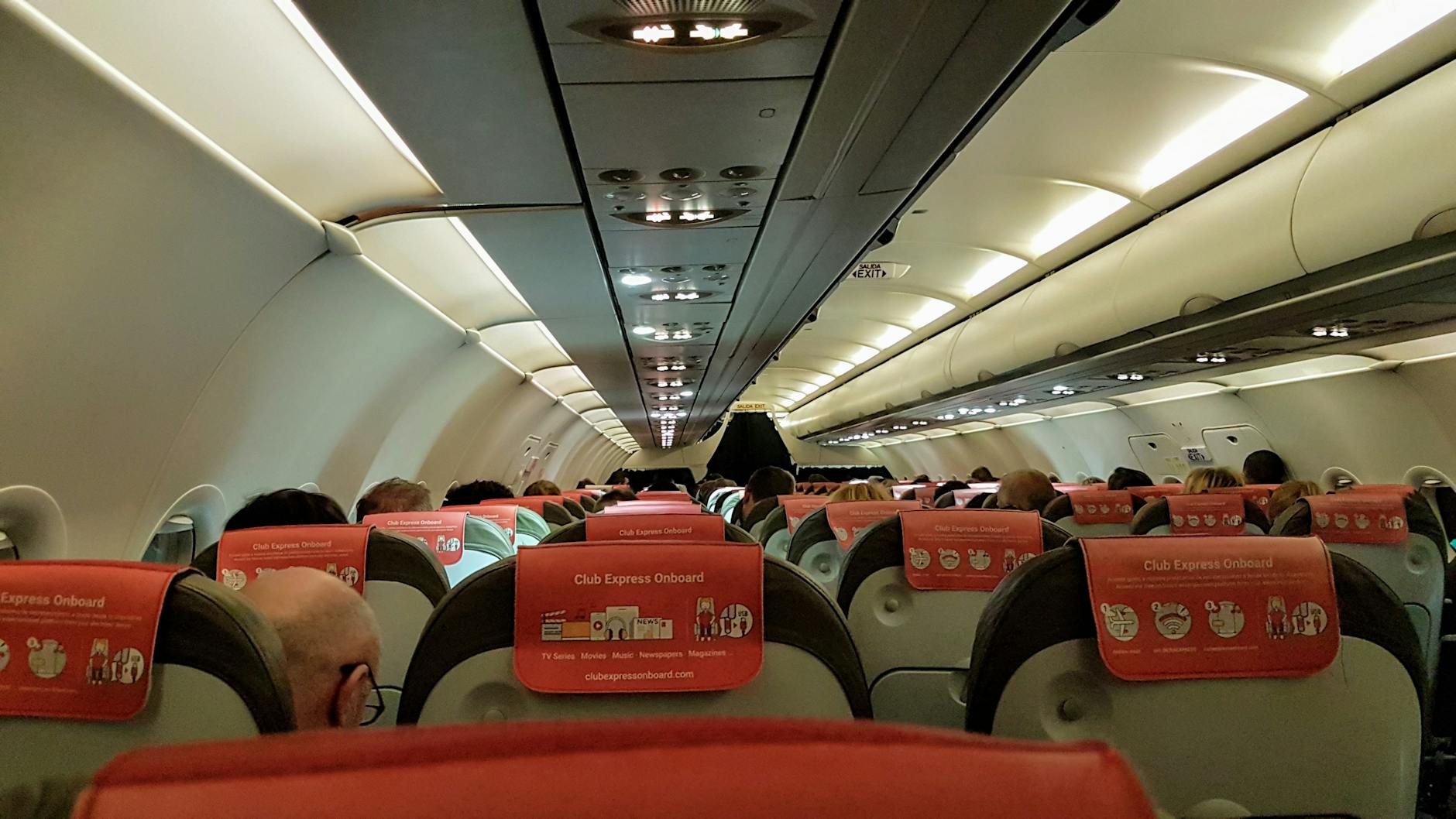
Standing up and moving through the cabin at regular intervals addresses the physical restlessness that makes long flights feel even longer than they are. A simple routine of aisle walks every hour or so keeps circulation moving and prevents the heavy, stiff feeling that builds up during prolonged sitting. Discrete seated stretches, including ankle rolls, shoulder rolls, and neck tilts, can be done without disturbing neighboring passengers. Compression socks further support circulation and reduce the discomfort that can make sitting feel increasingly unbearable in the final hours of a flight. Physical comfort has a direct effect on how time is perceived, and even minor movement breaks can reset the experience significantly.
Listen to a Full Album Start to Finish

In an era of shuffled playlists and algorithm-driven streams, listening to an entire album from beginning to end is a surprisingly absorbing experience. Artists who design albums as cohesive sonic journeys reward attentive listening in a way that curated playlists rarely can. Classic albums with strong narrative arcs or emotional progressions are particularly well-suited to this kind of focused attention. Pairing the listening experience with liner notes or a background read on the album’s creation adds another layer of depth. Many music fans find that one full album can reset their mental state between other activities, functioning almost like a palate cleanser during a long flight.
Organize Your Phone and Digital Files
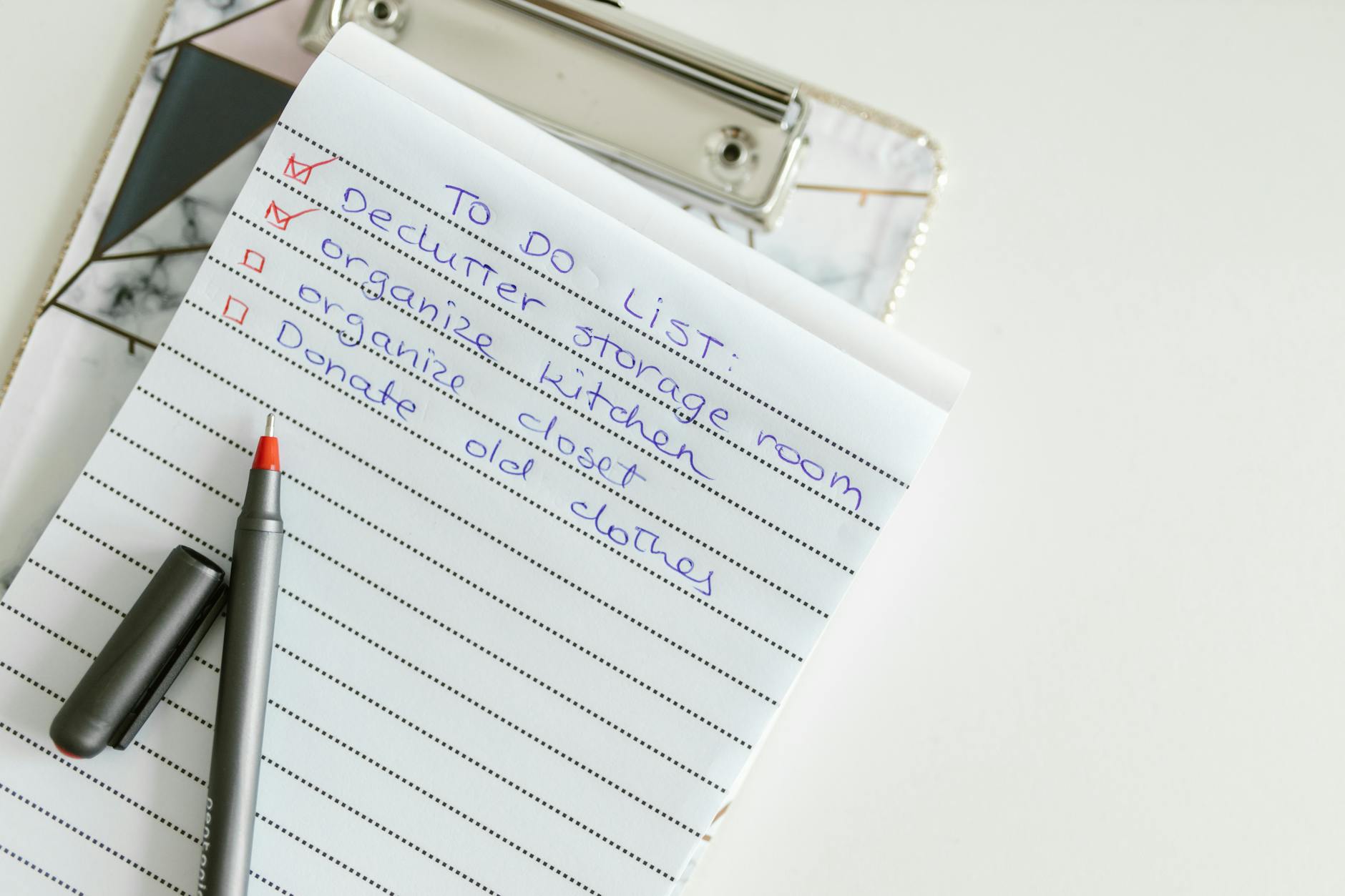
A long flight is an ideal opportunity to tackle the digital clutter that accumulates over weeks or months of daily device use. Deleting unused apps, organizing photos into albums, clearing out email inboxes, and archiving old files are all tasks that require no internet connection and translate well to a distraction-free environment. Most passengers have hundreds or even thousands of photos that have never been sorted or backed up, and a long flight can make a meaningful dent in that backlog. The satisfaction of completing a task that has been deferred for a long time creates a productive sense of accomplishment mid-journey. Arriving at a destination with a clean, organized digital life is a small but genuinely satisfying reward.
Revisit a Comfort Rewatch
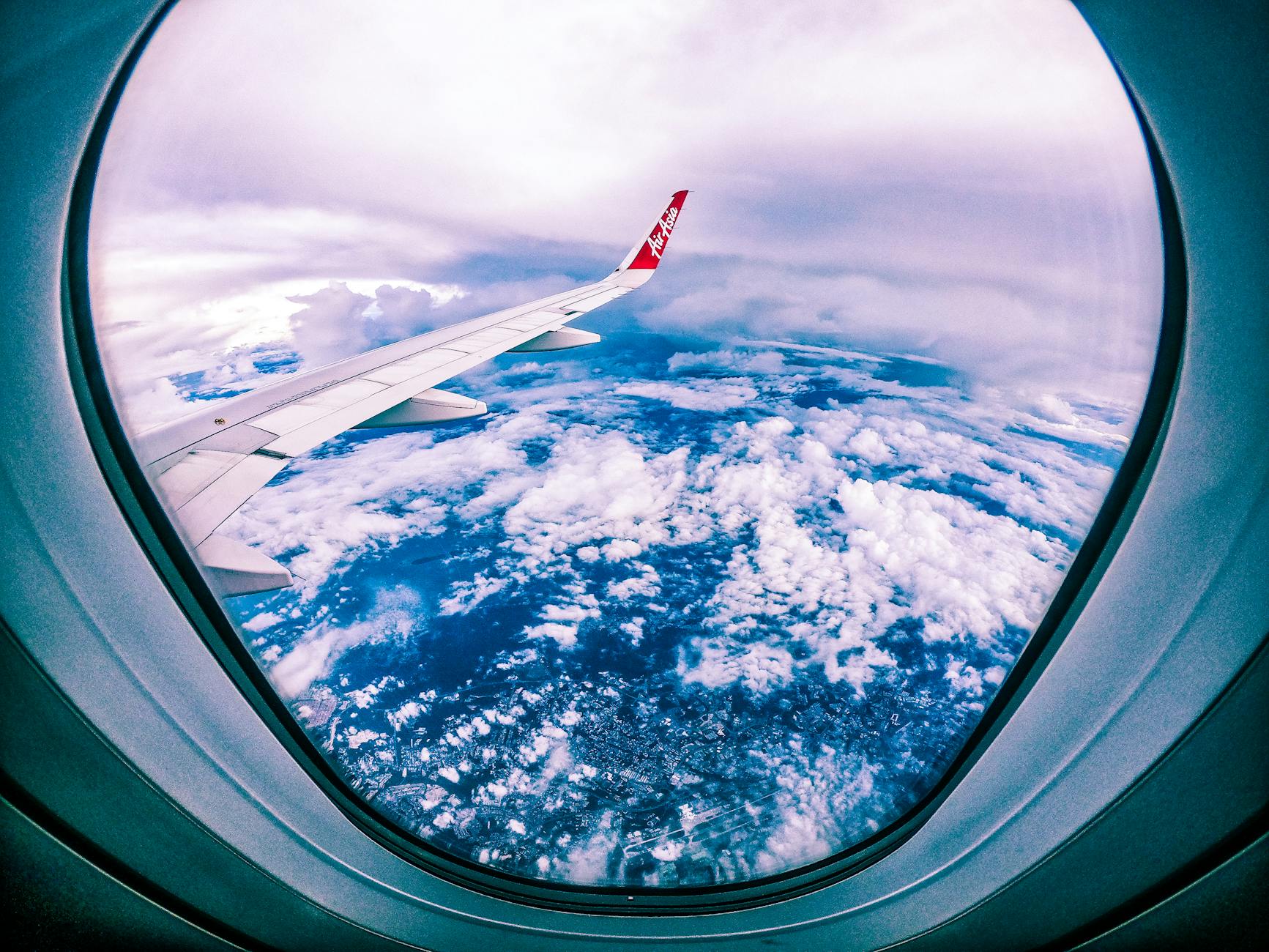
Rewatching a beloved film or series is one of the most psychologically soothing ways to spend time on a flight. Familiar storylines reduce the cognitive load of following new plots and characters, which makes the experience feel restful without requiring actual sleep. Comedies and feel-good dramas are particularly well suited to comfort rewatches because they reliably deliver the emotional payoff the viewer is already expecting. Downloading content from a streaming service in advance ensures access regardless of in-flight Wi-Fi quality. Many frequent flyers maintain a dedicated travel rewatch list of favorites specifically for this purpose.
Solve Puzzles or Play Brain Games
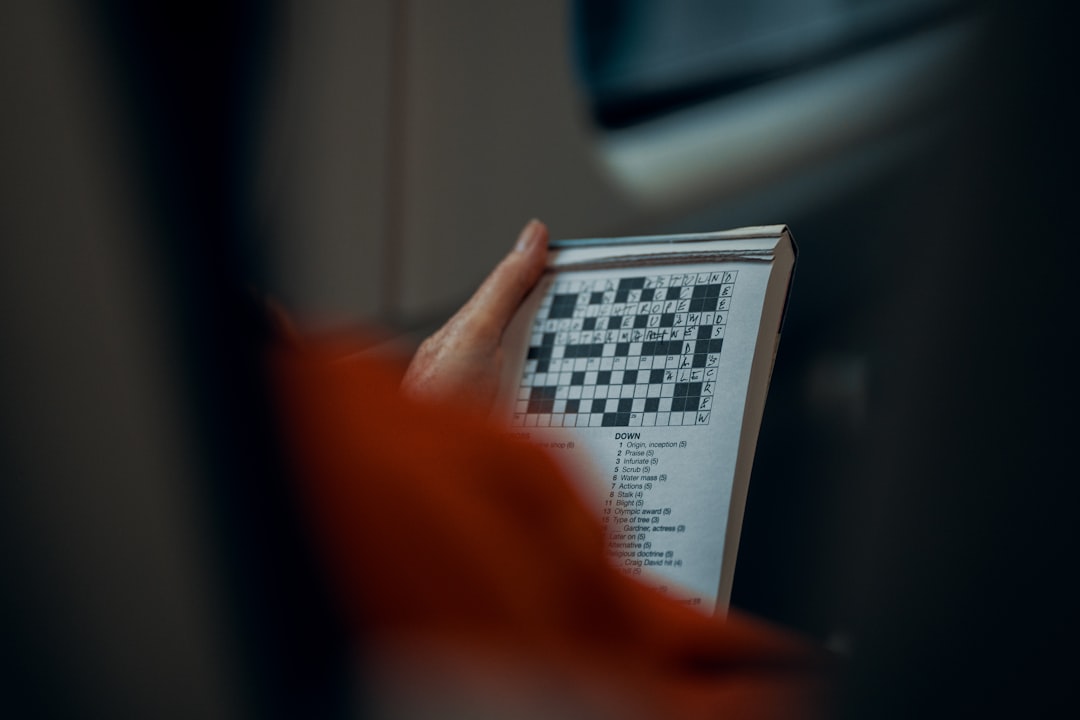
Crosswords, Sudoku, word searches, and logic puzzles are compact and endlessly replayable activities that work exceptionally well in the confined space of an airplane seat. They require just enough concentration to prevent the mind from drifting into restlessness while still allowing for a reasonably relaxed physical posture. Puzzle books are easy to pack and require no battery life or connectivity, making them a reliable fallback even on older aircraft without good entertainment options. Brain training apps downloaded to a phone or tablet offer digital versions of these games with added variety and difficulty progression. The combination of mental engagement and low physical demand makes puzzles one of the most practical long-haul flight companions.
Set Time-Based Goals and Milestones

Breaking the flight into mental segments rather than watching it as a single undivided block of time can dramatically change how long the journey feels. Setting personal checkpoints, such as reading for the first hour, watching a film for the next two, then napping before the final stretch, gives the brain a structured sequence to move through. Checking the flight map every ninety minutes rather than every fifteen prevents the frustrating sense that time is standing still. Rewarding each completed segment with a small treat, such as a snack or a new activity, reinforces the habit and creates a sense of forward momentum. Travelers who approach long flights with this kind of intentional structure consistently report that the time passes more quickly.
Dress for Maximum Comfort

Physical discomfort is one of the most overlooked contributors to the feeling that a flight is dragging on endlessly. Wearing breathable, loose-fitting layers allows body temperature to be adjusted easily as the cabin shifts between warm and cool. Slip-on shoes that can be removed during the flight reduce foot pressure and improve overall circulation. A light blanket or oversized scarf adds an extra layer of coziness that makes settling in for sleep or long periods of reading significantly easier. Passengers who arrive at the gate already dressed for comfort tend to transition into a relaxed flight mindset far more quickly than those in restrictive clothing.
Chat with Your Neighbor
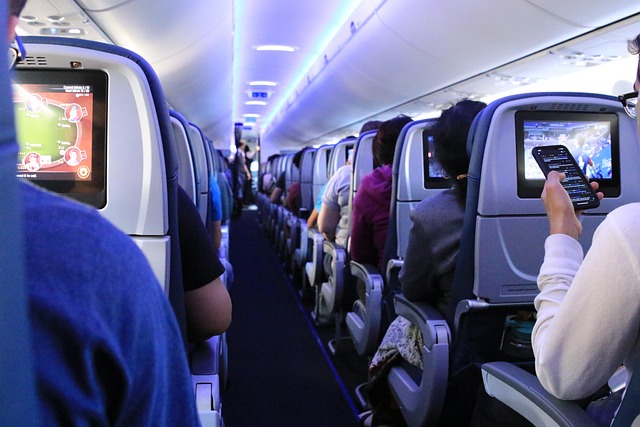
A genuine conversation with a seatmate can be one of the most unexpectedly enjoyable ways to pass time in the air. Fellow travelers come from an enormous range of backgrounds and professions, and long flights occasionally produce surprisingly memorable exchanges. Keeping the conversation open-ended and curious rather than forcing it in any particular direction tends to produce the most natural and engaging results. Not every seatmate will be interested in talking, and reading those social cues matters, but many solo travelers are quietly hoping for a bit of friendly interaction. Even a forty-five-minute conversation can make it feel as though an entire hour and a half has disappeared.
What is your go-to strategy for making flights feel shorter? Share your best tips in the comments.