
Most people assume that keeping money in a bank is the safest financial move they can make, but the fine print tells a very different story. Banks are structured to generate revenue from their own customers, often through fees and policies that go unnoticed until the damage is done. Understanding these tactics is the first step toward protecting your finances and keeping more of what you earn. The charges may seem small on their own, but over months and years they accumulate into a surprisingly significant sum. Here are 23 ways your bank may be quietly working against your financial health.
Monthly Maintenance Fees

Many banks charge a recurring monthly fee simply for holding an account open, regardless of how actively the account is used. These fees are often buried in the account agreement and can range from a few dollars to well over ten dollars per month. Some banks waive the charge if a minimum balance is maintained, but that threshold can be difficult for many customers to meet consistently. Over the course of a year, these fees quietly erode hundreds of dollars that could otherwise be saved or invested. Switching to a fee-free account or a credit union can eliminate this cost entirely.
Minimum Balance Penalties

Banks frequently penalize customers whose account balances dip below a set threshold, even temporarily. The penalty is applied automatically without any prior warning, catching many account holders off guard during tighter financial periods. These requirements are often set at levels that disproportionately affect lower-income customers who are already managing tight budgets. The irony is that the people with the least money are often the ones charged the most for having too little of it. Reviewing account terms carefully can help customers choose products that do not impose these conditions.
Overdraft Fees
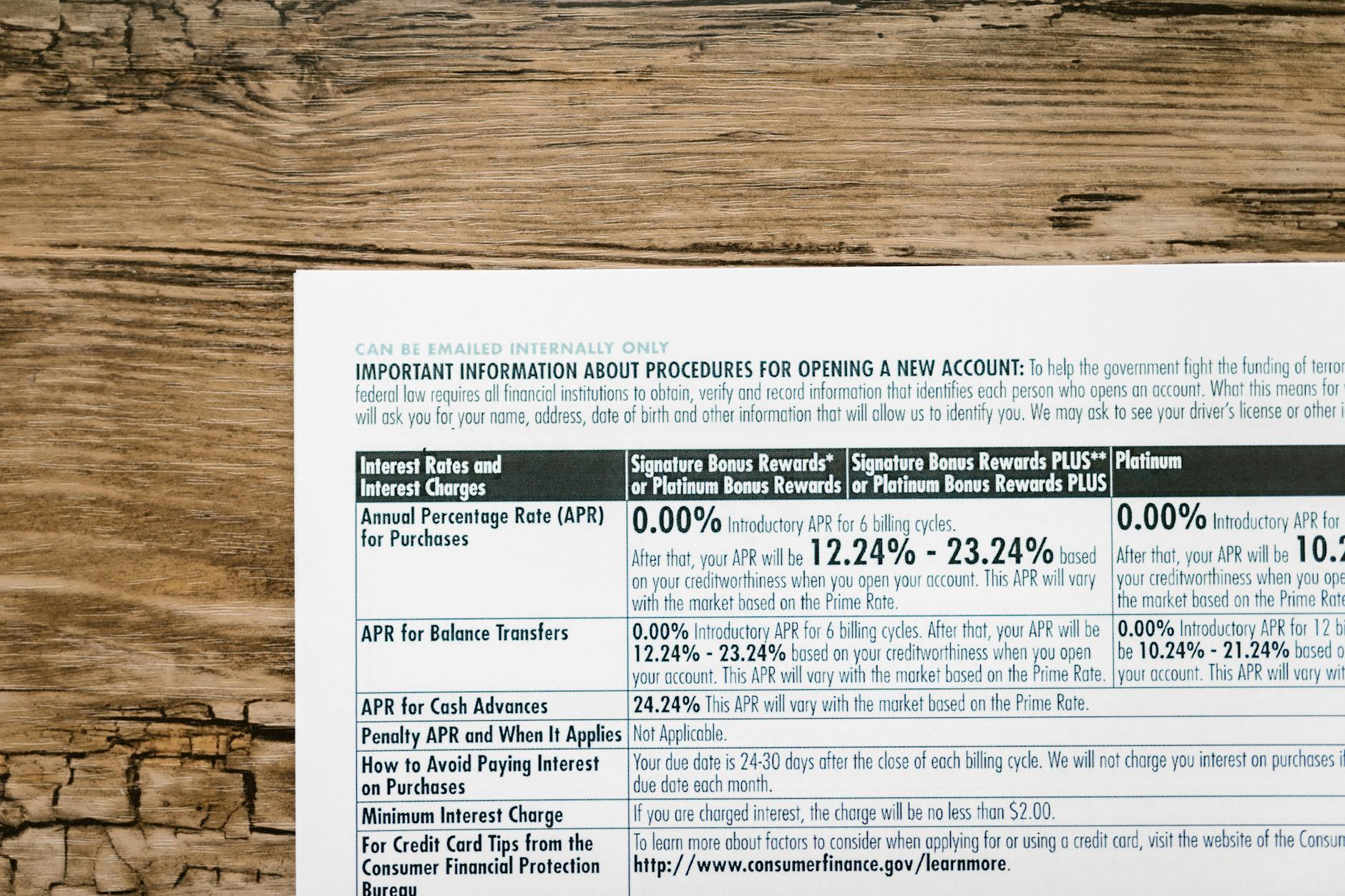
Overdraft fees are among the most profitable and widely criticized charges in consumer banking. When a purchase exceeds the available account balance, the bank covers the shortfall and charges a fee that can reach thirty-five dollars or more per transaction. Some banks process multiple overdrafts in a single day, stacking fees that can quickly total well over one hundred dollars before the account holder even realizes what has happened. Opting out of overdraft coverage or linking a savings account as a backup can prevent these charges from accumulating. Many banks have quietly reduced or restructured overdraft fees in recent years due to regulatory and public pressure, though plenty still maintain aggressive policies.
Extended Overdraft Fees

Beyond the initial overdraft charge, some banks apply an additional fee if an account remains in the negative for more than a day or two. This secondary penalty is less well known and often catches customers by surprise when they see a second charge appear after the first. The extended overdraft fee can match or even exceed the original charge, effectively doubling the cost of a single financial misstep. Banks are not always transparent about disclosing this policy at the time the overdraft occurs. Reading the account fee schedule in full is the only reliable way to know whether this charge applies.
ATM Fees
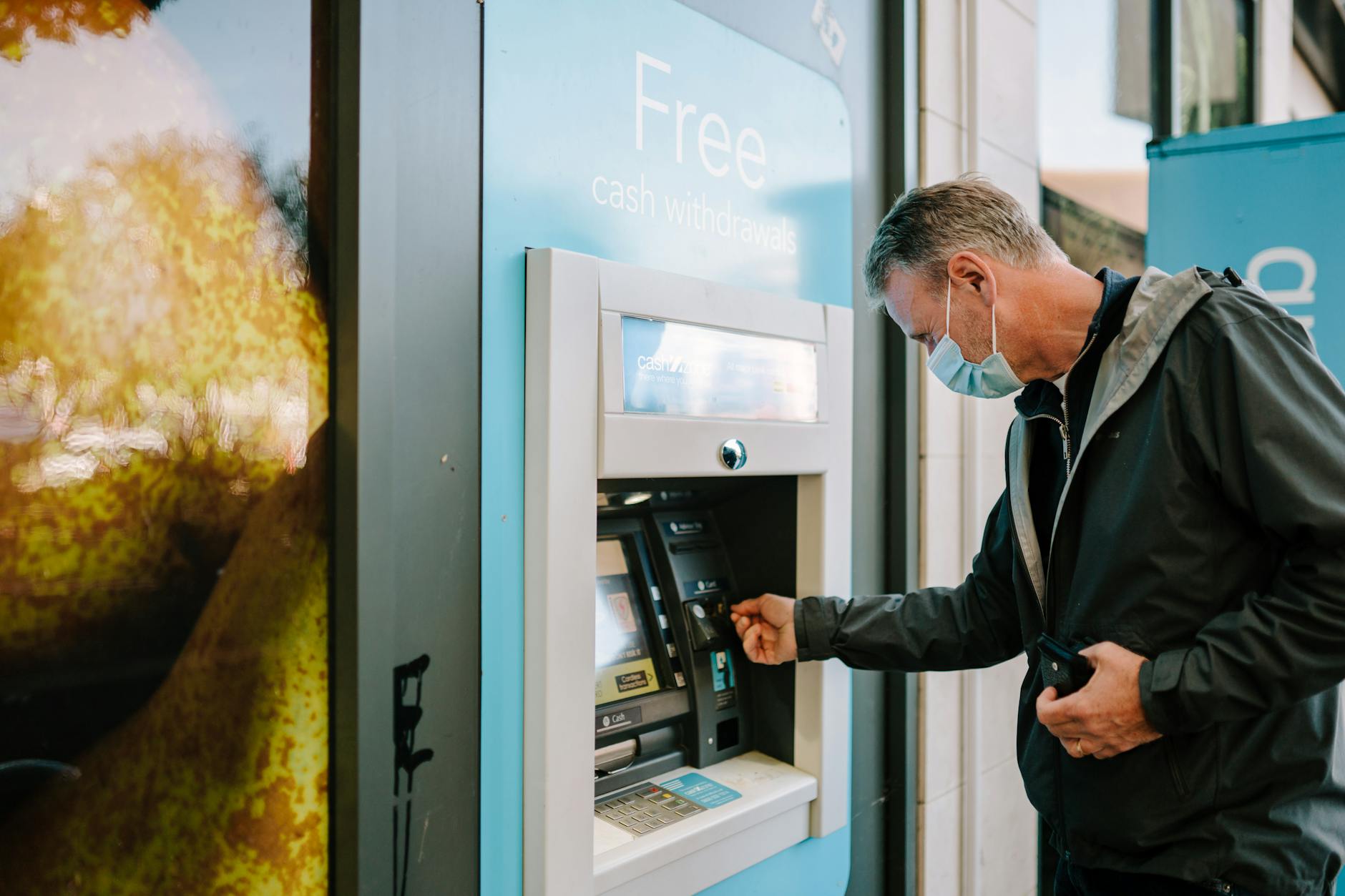
Using an ATM outside of a bank’s own network triggers a fee from the machine’s owner as well as a separate surcharge from the account holder’s own bank. Together, these two charges can add up to five dollars or more for a single cash withdrawal. Customers who regularly rely on out-of-network ATMs may be paying dozens of dollars a year without giving it a second thought. Some accounts offer ATM fee reimbursements, but these programs often come with conditions attached. Planning cash withdrawals in advance and using in-network machines is the simplest way to sidestep these costs entirely.
Foreign Transaction Fees

Every time a card is used in a foreign currency, many banks apply a percentage-based fee on top of the transaction amount. This charge typically ranges from one to three percent and appears as a line item that many travelers do not notice until they review their statement at home. On a moderately sized international trip, foreign transaction fees can quietly add up to a meaningful sum. Some travel-focused accounts and cards have eliminated this fee entirely, making them a far smarter choice for frequent travelers. Checking whether an account carries this fee before booking international travel can save a noticeable amount of money.
Currency Conversion Markups
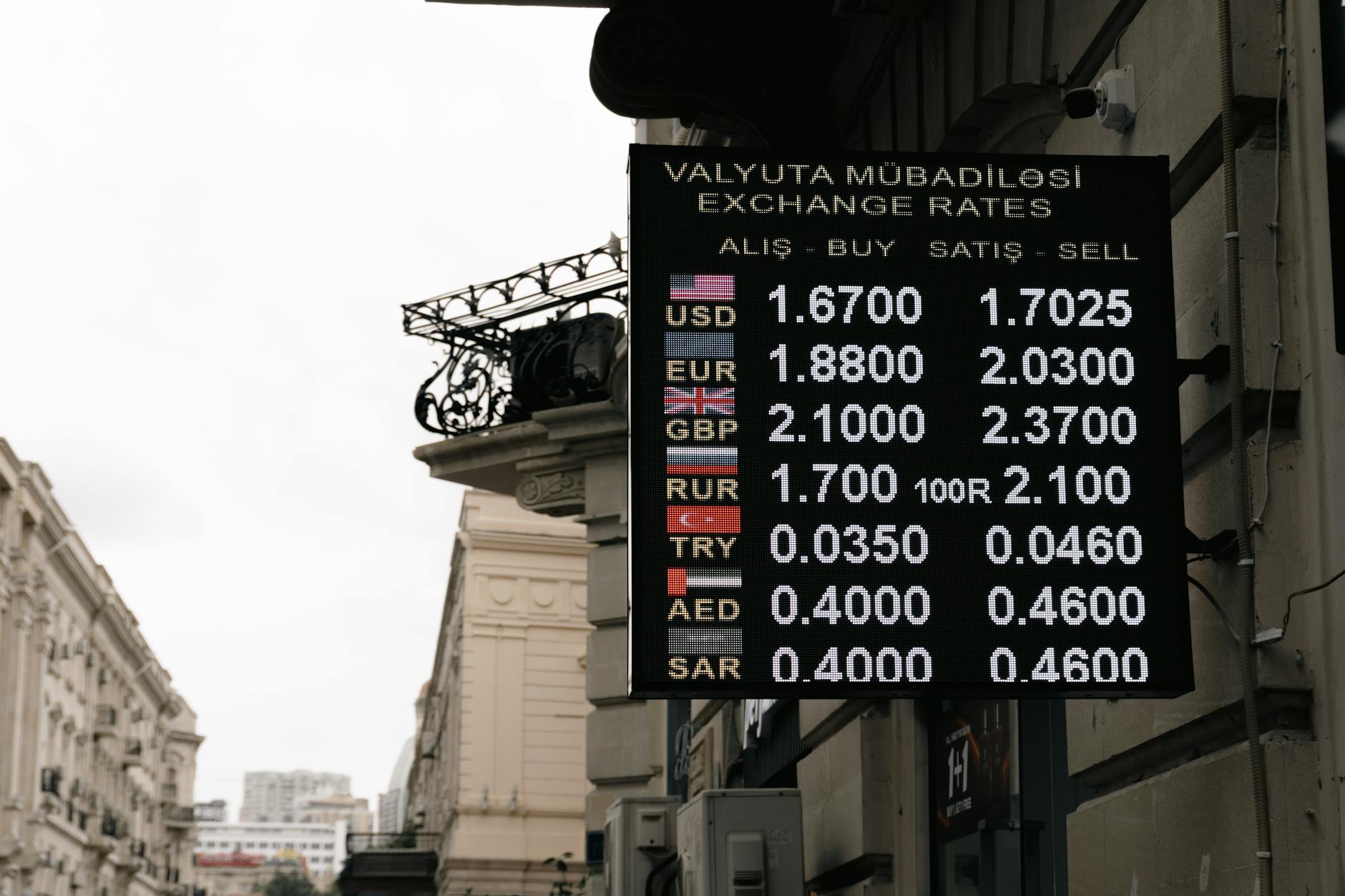
Separate from the foreign transaction fee, banks often apply their own exchange rate when converting currency rather than using the official interbank rate. The difference between the bank’s rate and the true market rate is kept as profit and is rarely disclosed in clear terms. This markup can be particularly steep at airport kiosks and in-branch currency exchange services. Customers who convert large amounts of money may lose a significant percentage to this spread without realizing it is happening. Using a provider that offers mid-market exchange rates is a more cost-effective alternative for currency conversion.
Paper Statement Fees
As banks push customers toward digital banking, many now charge a monthly fee for receiving paper statements in the mail. This charge is sometimes framed as an environmental initiative but functions primarily as a revenue stream. Customers who are not digitally savvy, elderly account holders, or those with limited internet access are often the ones most affected by this policy. The fee may seem minor in isolation but adds up over the course of a year. Enrolling in electronic statements eliminates this cost, though customers should ensure they have a reliable system for downloading and storing records digitally.
Inactivity Fees

Banks can charge a fee on accounts that have not had any transactions for a set period, typically ranging from six to twelve months. This policy targets customers who open accounts and then stop using them, but it can also affect people who simply keep a savings account for emergencies and rarely touch it. The charge is deducted directly from the balance, which can gradually reduce the account to zero if left unaddressed. Some banks send a warning before applying the fee, while others do not. Setting up a small recurring transfer or making occasional transactions is enough to keep an account active and avoid this penalty.
Wire Transfer Fees

Sending money electronically through a traditional wire transfer carries a fee that many banks charge regardless of the amount being sent. Domestic wire fees typically range from fifteen to thirty dollars, while international transfers can cost significantly more. These charges apply even when faster and cheaper alternatives exist through third-party services. Banks have been slow to modernize their wire infrastructure, in part because the fees generate reliable income. For regular transfers, exploring alternatives such as digital payment platforms can reduce or eliminate this cost entirely.
Early Account Closure Fees

Some banks charge a fee if an account is closed within a certain window after it is opened, often within the first ninety to one hundred and eighty days. This policy is designed to discourage customers from opening accounts to take advantage of sign-up bonuses and then leaving. The fee can be substantial enough to offset any promotional benefit the customer was hoping to receive. It is a charge that is easy to overlook when opening a new account, since most people are not thinking about closing it at the same time. Reading the account terms carefully before signing up can prevent an unpleasant surprise down the line.
Safe Deposit Box Fees

Renting a safe deposit box at a bank branch is a service that comes with an annual fee, yet many customers assume it is included as part of their banking relationship. The cost varies by box size and location but can run from twenty-five to several hundred dollars per year. Some banks have begun phasing out safe deposit boxes altogether, leaving long-term renters without their preferred storage option. The contents of a safe deposit box are also not covered by federal deposit insurance, which is a detail many renters do not know. Home safes or digital document storage can serve as practical and more cost-effective alternatives.
Returned Mail Fees

When a bank attempts to send correspondence and it is returned due to an outdated address on file, some institutions charge a fee to cover the administrative cost. This is a relatively obscure charge that many customers do not discover until it appears on their statement. The fee can recur monthly if the address issue is not resolved, compounding the cost over time. Banks are not always proactive about contacting customers through alternate means to flag the problem. Keeping contact information current in online banking portals is the simplest way to prevent this fee from appearing.
Cashier’s Check Fees

Obtaining a cashier’s check from a bank branch typically comes with a per-check fee, even for customers who have maintained long-standing accounts. These fees generally range from eight to fifteen dollars per check and apply every time one is requested. Cashier’s checks are commonly required for large transactions such as real estate purchases or vehicle sales, making the fees unavoidable in certain situations. Some premium account tiers include a limited number of free cashier’s checks per year, but standard accounts rarely offer this benefit. Being aware of this cost in advance allows customers to factor it into transaction planning.
Stop Payment Fees

Requesting a stop payment on a check or scheduled payment is a service that most banks charge for, typically between fifteen and thirty dollars per request. The fee applies even if the stop payment is requested immediately after the transaction is initiated. Stop payments are not always guaranteed to succeed, particularly if the payment has already been processed, meaning a customer may pay the fee and still not achieve the desired outcome. Banks often position this as a protective service, but the cost structure makes it feel more like a penalty for correcting a mistake. Verifying recipient details before issuing checks or authorizing payments is the best way to avoid needing a stop payment in the first place.
Returned Check Fees

When a check is deposited and later bounces due to insufficient funds in the payer’s account, the bank charges the recipient a returned check fee. This means the person who did everything correctly still ends up penalized for someone else’s financial shortfall. The fee typically ranges from twelve to thirty dollars and can be difficult to recover from the original payer. Some banks also place a hold on the account following a returned check, temporarily restricting access to other funds. Waiting for confirmation that a deposited check has fully cleared before spending against those funds is a prudent habit to develop.
Account Linking Fees

While many banks offer free basic linking between checking and savings accounts, some charge fees for maintaining connections between accounts at different institutions. These fees can apply to external transfer services or to maintaining overdraft protection through a linked account at another bank. The costs are often not prominently disclosed and may only become apparent after the first transfer is initiated. As the banking landscape becomes more interconnected, these charges remain an outdated holdover from an earlier era. Choosing a bank that supports free external account linking avoids this friction entirely.
Low Balance Alerts (Non-inclusive Plans)

Some banks bundle account alerts and notification services into premium plans, meaning customers on standard accounts do not receive low balance warnings at no additional cost. Without these alerts, account holders may not realize their balance is approaching zero until a fee has already been charged. The absence of proactive communication from the bank is itself a mechanism that generates fee revenue. Premium notification bundles can cost several dollars per month, adding another layer of cost for a service that many fintech platforms offer for free. Exploring free banking apps that provide real-time balance alerts can provide the same protection without the monthly charge.
Dormant Account Fees

Beyond basic inactivity fees, some states allow banks to charge additional fees on accounts classified as legally dormant before eventually handing the remaining balance over to the state as unclaimed property. The timeline and process vary by jurisdiction, but the result is that a forgotten account can be steadily diminished by charges before the funds are ultimately transferred away from the customer. Reclaiming escheated funds from the state is possible but requires navigating a bureaucratic process that many people find discouraging. Keeping track of all open accounts and consolidating unused ones prevents this scenario from unfolding. A simple annual review of all financial accounts can catch dormant balances before they disappear.
Expedited Debit Card Fees

Replacing a lost or stolen debit card typically comes with a choice between a standard delivery timeline and an expedited option, and banks frequently charge for the faster service. The rush delivery fee can range from five to thirty dollars depending on the institution, which can feel especially punishing given that the card was lost through no deliberate fault of the customer. Standard replacement cards often take five to ten business days to arrive, leaving customers without convenient access to their funds in the interim. Some banks have begun offering free expedited replacement as a competitive feature, but many still maintain the charge. Knowing a bank’s card replacement policy in advance is useful information to have before an emergency occurs.
Savings Account Excess Withdrawal Fees

Federal regulations once capped savings account withdrawals at six per month, a rule that many banks used as justification for charging excess withdrawal fees. Although the federal limit was suspended in 2020, a number of banks have continued charging these fees as a self-imposed policy. Customers who treat their savings account as a flexible spending tool may find themselves hit with repeated charges they did not anticipate. The fee per excess transaction can range from five to fifteen dollars and applies each time the threshold is exceeded. Understanding the withdrawal limits and fee structure of a savings account before using it is essential for avoiding unnecessary costs.
Balance Inquiry Fees
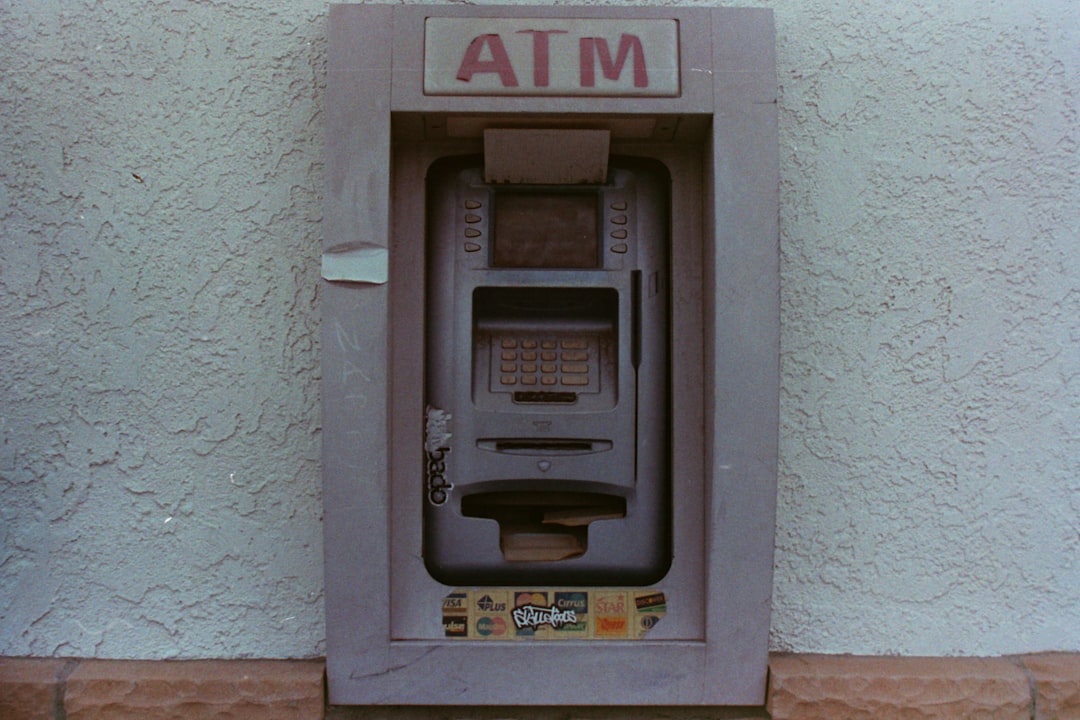
While most banks allow free balance checks through their own apps or ATMs, some charge a small fee for balance inquiries made at out-of-network ATMs or through telephone banking. The amount per inquiry is typically small but can accumulate if a customer regularly checks their balance through these channels. This charge is one of the more surprising items on a bank fee schedule because balance awareness is generally encouraged as a responsible financial habit. Banks that charge for this service often do not promote the fee, leaving customers to discover it on their statements. Using a bank’s own digital tools for balance checks is the most reliable way to avoid this cost.
Loan Prepayment Penalties

Some banks impose a fee when a customer pays off a loan ahead of schedule, a policy designed to recover the interest income the bank would have earned over the remaining loan term. This counterintuitive charge penalizes borrowers for being financially responsible and motivated to reduce their debt faster. Prepayment penalties are more commonly associated with mortgage products but can also appear in personal loans and auto financing agreements. The penalty structure varies widely and can be calculated as a percentage of the remaining balance or as a fixed number of months of interest. Reading loan agreements carefully before signing and asking directly about prepayment penalties is a critical step that many borrowers skip in the excitement of securing financing.
Banking fees are a reality of modern financial life, but awareness is the most powerful tool available to consumers looking to protect their money. Which of these charges have you encountered personally? Share your experience in the comments.