Asia is home to some of the most extraordinary food cultures on the planet, offering travelers an unmatched journey through bold flavors, ancient recipes, and vibrant street food scenes. From steaming bowls of noodles served at roadside stalls to elaborate tasting menus in Michelin-starred dining rooms, the continent caters to every kind of food lover imaginable. Each destination brings its own distinct culinary identity shaped by history, geography, and local tradition. Whether you are a first-time visitor or a seasoned food traveler, Asia delivers experiences that are as nourishing for the soul as they are for the palate. These 25 destinations represent the very best the continent has to offer for those who travel with their appetite leading the way.
Tokyo, Japan
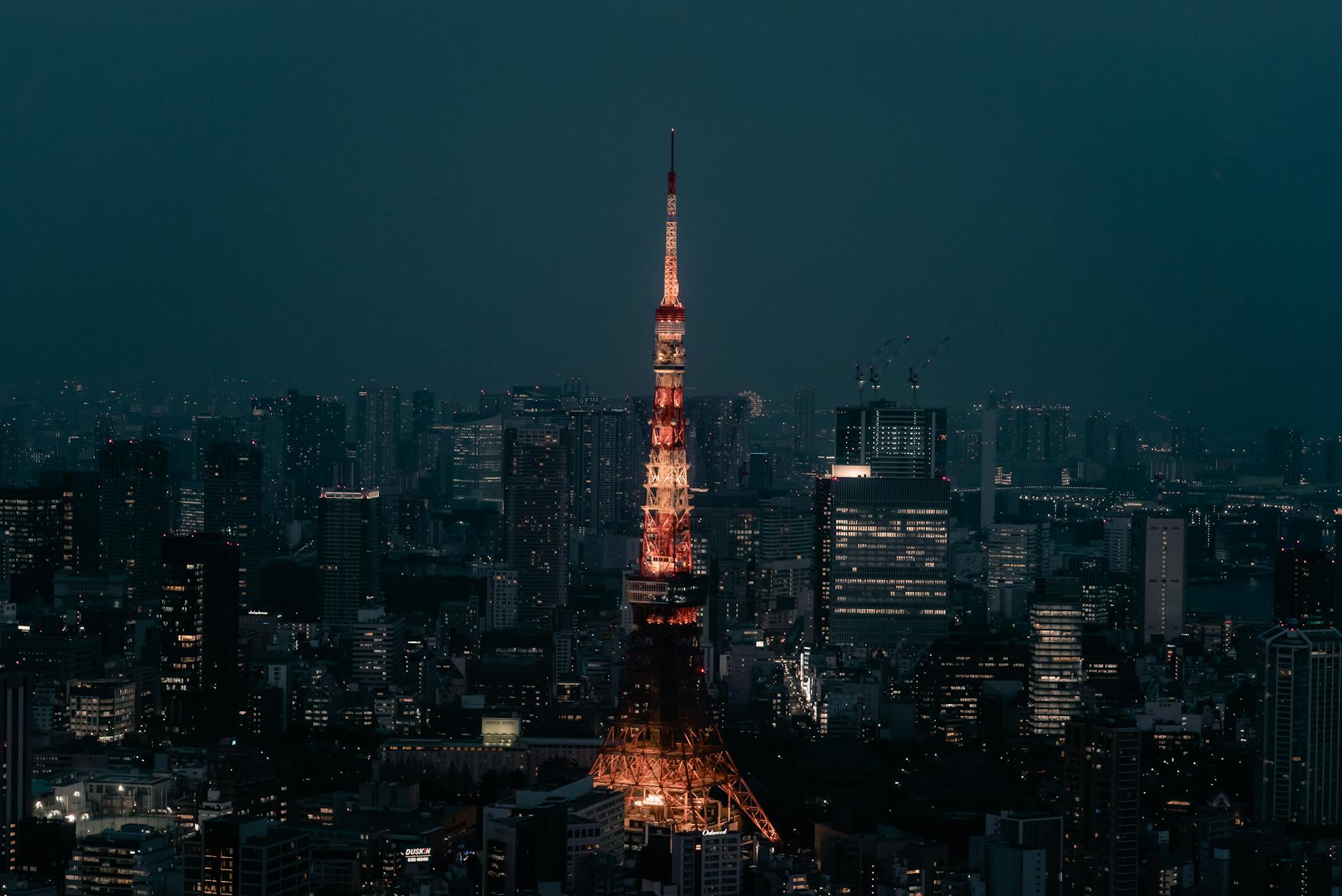
Tokyo holds more Michelin stars than any other city in the world, making it an undeniable pilgrimage site for serious food lovers. The city offers an astonishing range of dining experiences from intimate ten-seat omakase counters to bustling ramen shops that have been perfecting their broth for decades. Tsukiji Outer Market remains one of the finest places on earth to eat ultra-fresh sushi in the early morning hours. Every neighborhood in Tokyo carries its own distinct food personality, from the yakitori alleys of Yurakucho to the depachika food halls tucked beneath major department stores. The precision and dedication embedded in Japanese food culture elevates even the simplest bowl of noodles into a memorable experience.
Osaka, Japan
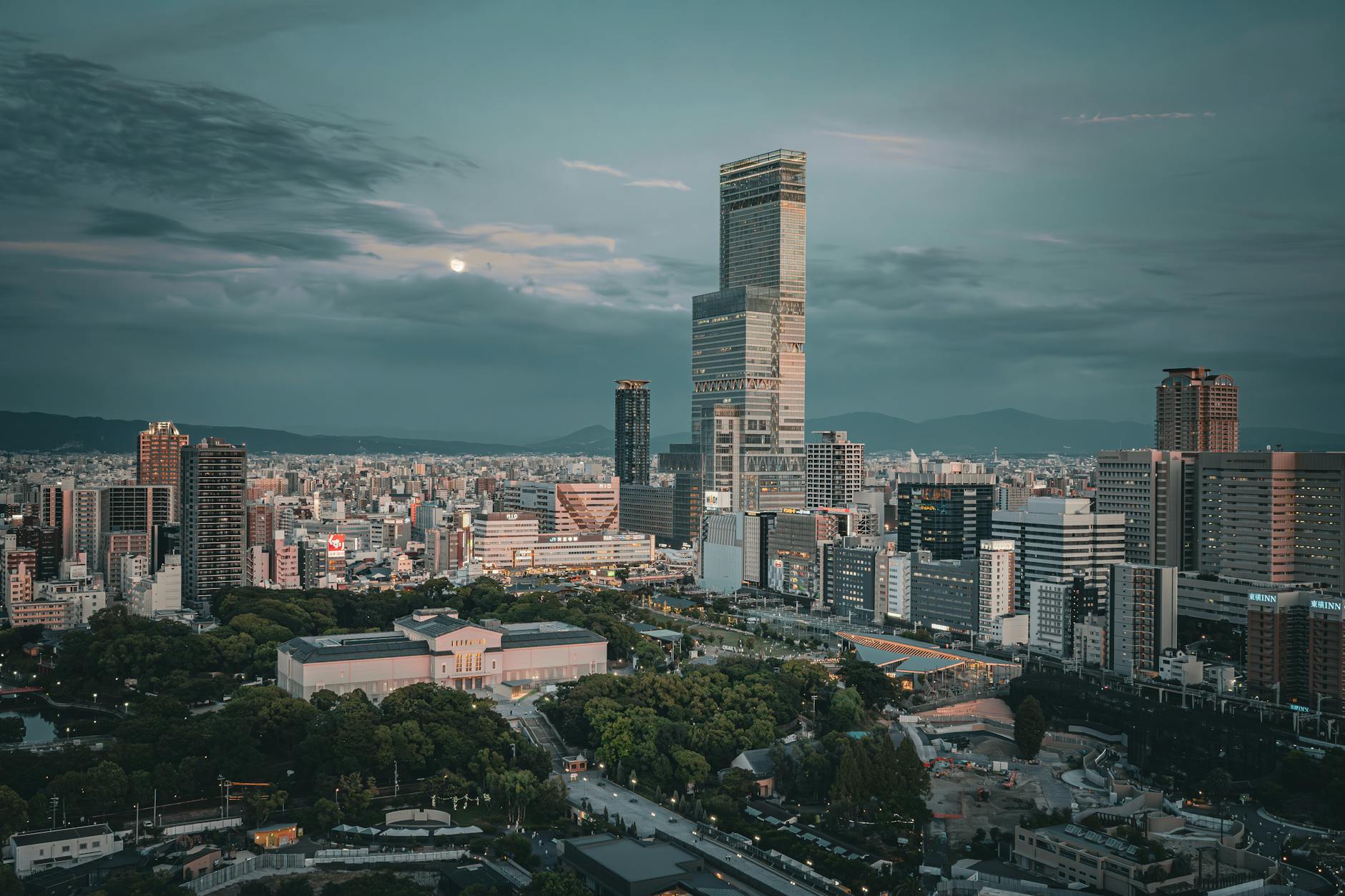
Osaka has long carried the reputation of being Japan’s kitchen, and the city wears that title with enormous pride. Locals have a phrase that roughly translates to eating until you drop, and it perfectly captures the city’s enthusiastic relationship with food. Dotonbori is the most iconic food street in the city, lined with vendors serving takoyaki, okonomiyaki, and kushikatsu at all hours of the day and night. The city’s covered shopping arcades hide countless family-run restaurants that have been feeding loyal customers for generations. Osaka also boasts a thriving fine dining scene that draws on the region’s exceptional produce, seafood, and traditional cooking techniques.
Bangkok, Thailand
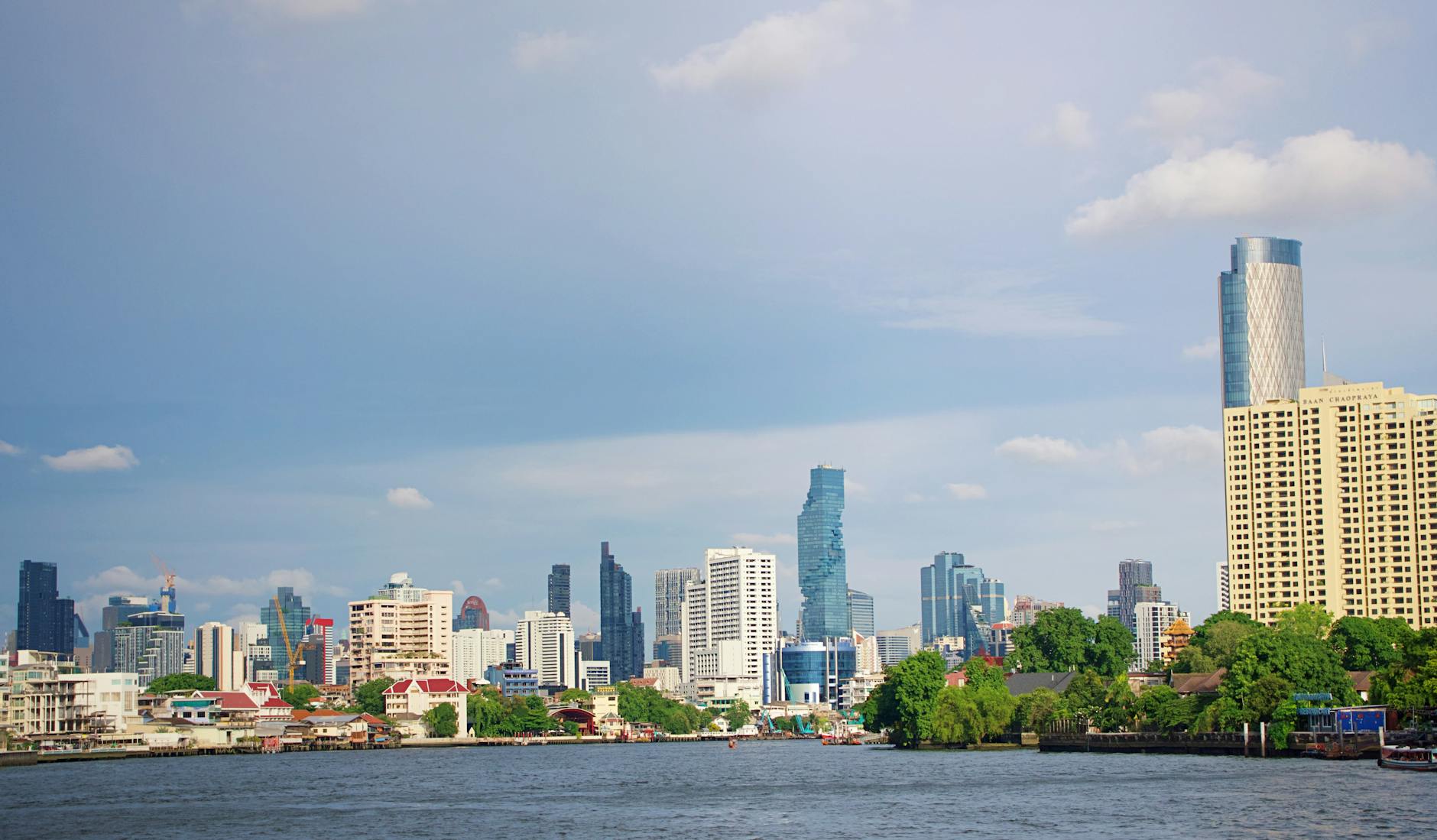
Bangkok is one of the world’s great street food capitals, offering an overwhelming abundance of flavor at prices that make eating out multiple times a day entirely reasonable. The city’s network of street vendors, floating markets, and open-air food courts serves dishes that range from fiery green papaya salads to delicate coconut milk desserts. Chinatown along Yaowarat Road transforms into a spectacular outdoor dining destination after dark, with grills and woks firing up alongside lantern-lit streets. Bangkok also has a rapidly evolving fine dining scene with several restaurants earning international recognition for reimagining Thai cuisine in unexpected ways. The sheer variety available within a single city block makes Bangkok endlessly rewarding for anyone who loves to eat and explore.
Chiang Mai, Thailand
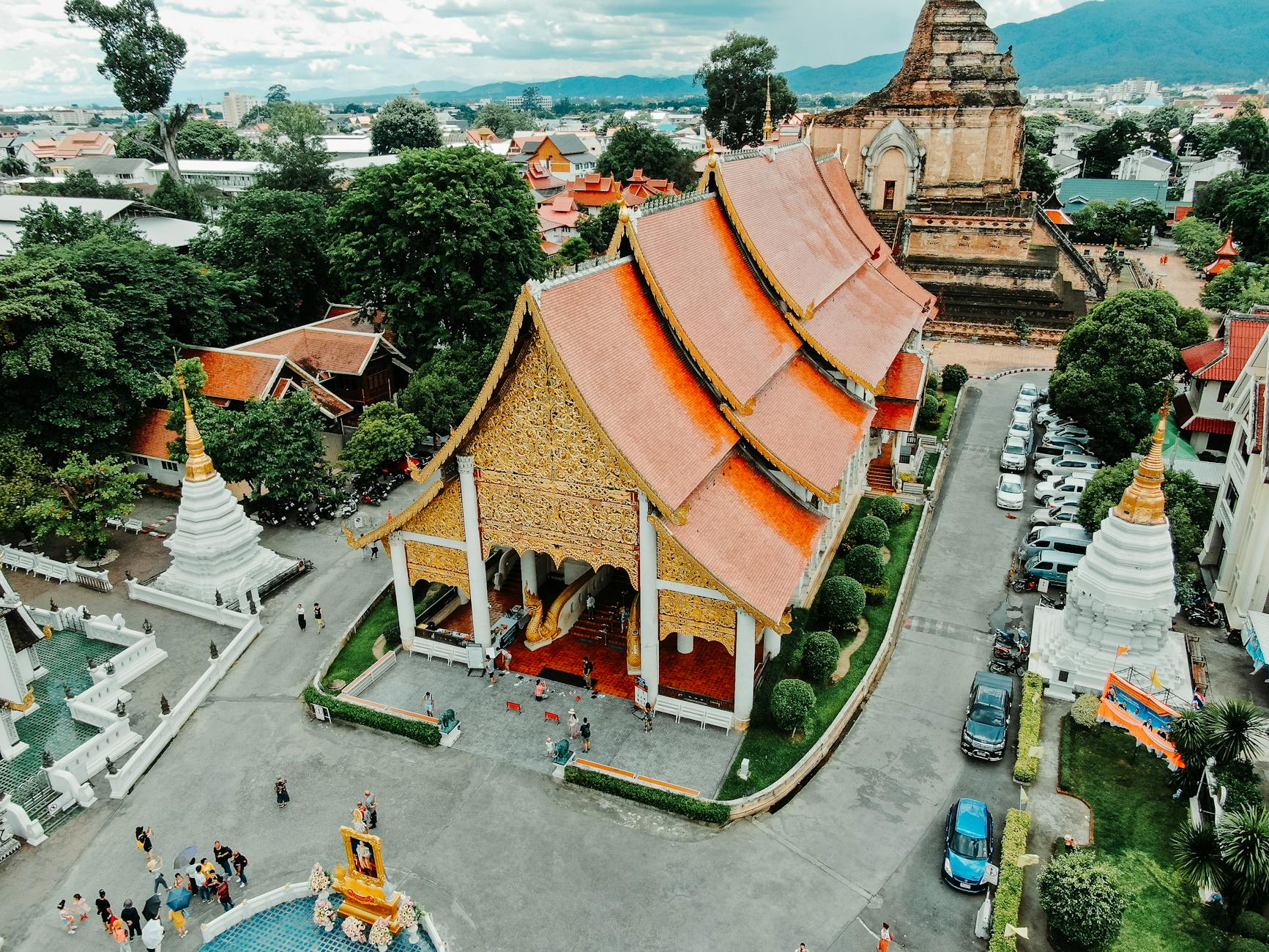
Chiang Mai offers a distinctly different Thai food experience from the capital, rooted in the traditions of the Lanna Kingdom that once ruled the northern region. Khao soi, a rich coconut curry noodle soup topped with crispy egg noodles, is the city’s most celebrated dish and can be found at dozens of beloved local restaurants. The Sunday Walking Street and Saturday Night Bazaar are both excellent places to graze on northern Thai specialties while soaking in the relaxed evening atmosphere. Cooking schools in Chiang Mai are among the best in the country, allowing visitors to learn how to prepare authentic dishes using locally sourced ingredients from the morning market. The surrounding countryside also produces exceptional organic vegetables, herbs, and coffee that make their way into the city’s food culture.
Penang, Malaysia
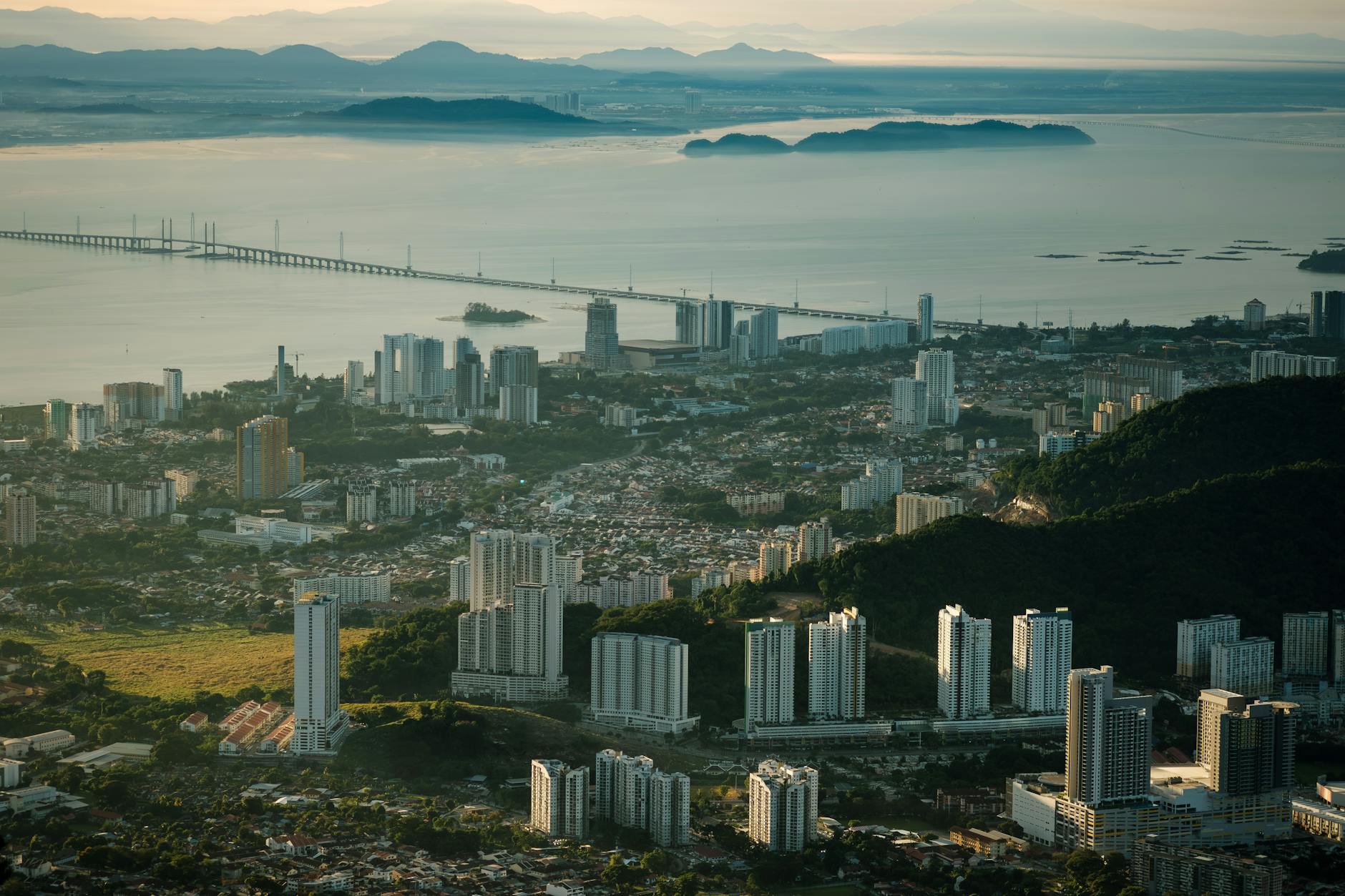
Penang is widely regarded as the street food capital of Malaysia and attracts food travelers from across the globe year after year. The island’s unique Peranakan heritage has produced a cuisine that blends Chinese, Malay, and Indian influences into something entirely its own. Gurney Drive Hawker Centre and Chulia Street Night Market are essential stops for anyone wanting to experience the full spectrum of Penang’s iconic dishes. Char kway teow, assam laksa, and cendol are just a few of the legendary plates that have made this island famous among culinary travelers. The historic streets of George Town provide a beautiful backdrop for eating your way through one of Asia’s most celebrated food destinations.
Kuala Lumpur, Malaysia
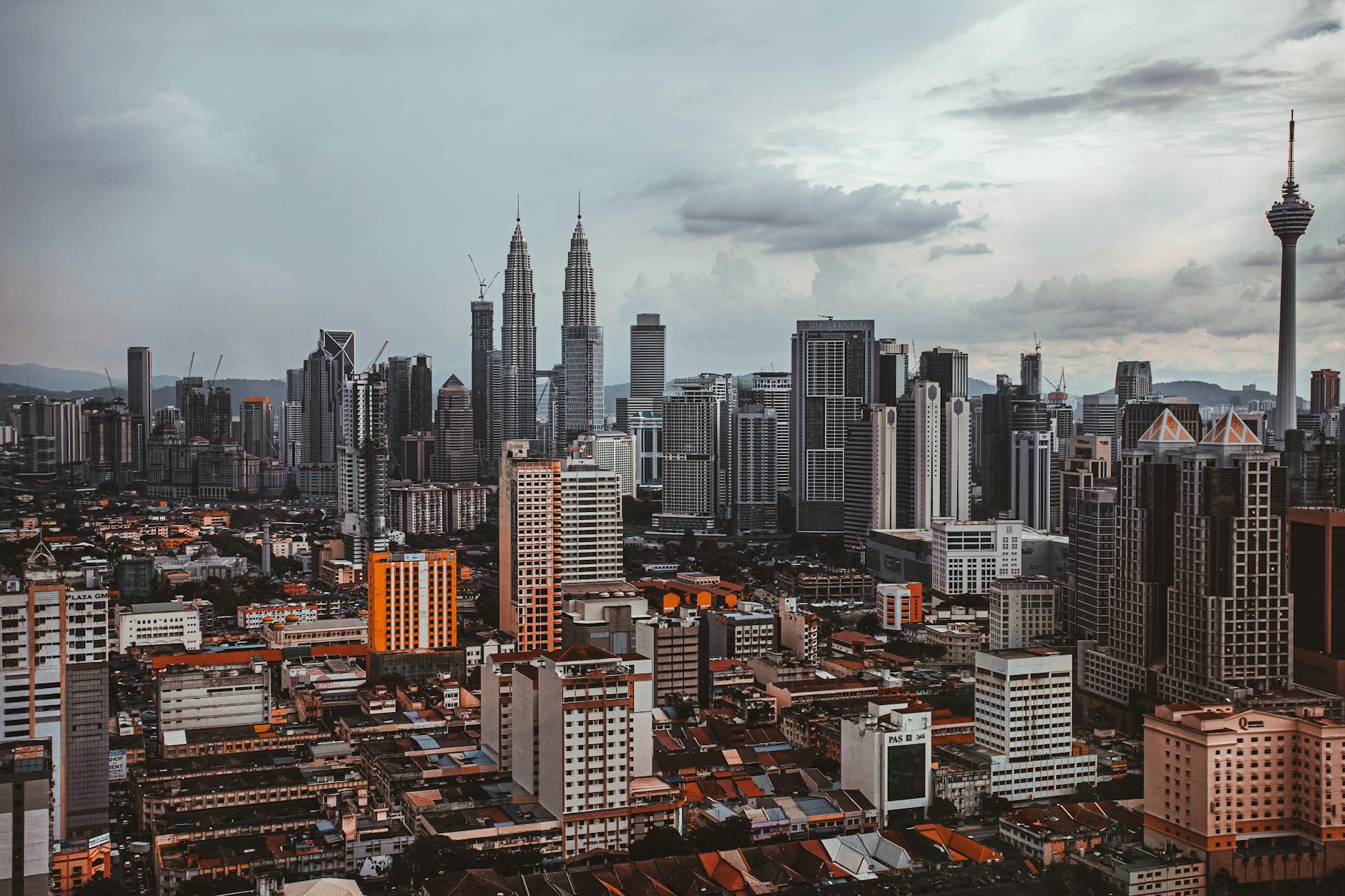
Kuala Lumpur sits at a remarkable cultural crossroads and its food scene reflects the city’s rich blend of Malay, Chinese, and Indian heritage. Nasi lemak, the national dish served with fragrant coconut rice and a variety of accompaniments, can be found at almost every hour of the day across the city. Jalan Alor is one of the most famous food streets in Southeast Asia, coming alive at night with rows of outdoor restaurants serving everything from Cantonese seafood to satay grilled over charcoal. The city also has a thriving café culture and a growing number of contemporary restaurants pushing the boundaries of Malaysian flavors. Visiting a traditional kopitiam for breakfast, with strong local coffee and soft-boiled eggs with kaya toast, is one of the most iconic foodie rituals in the city.
Singapore
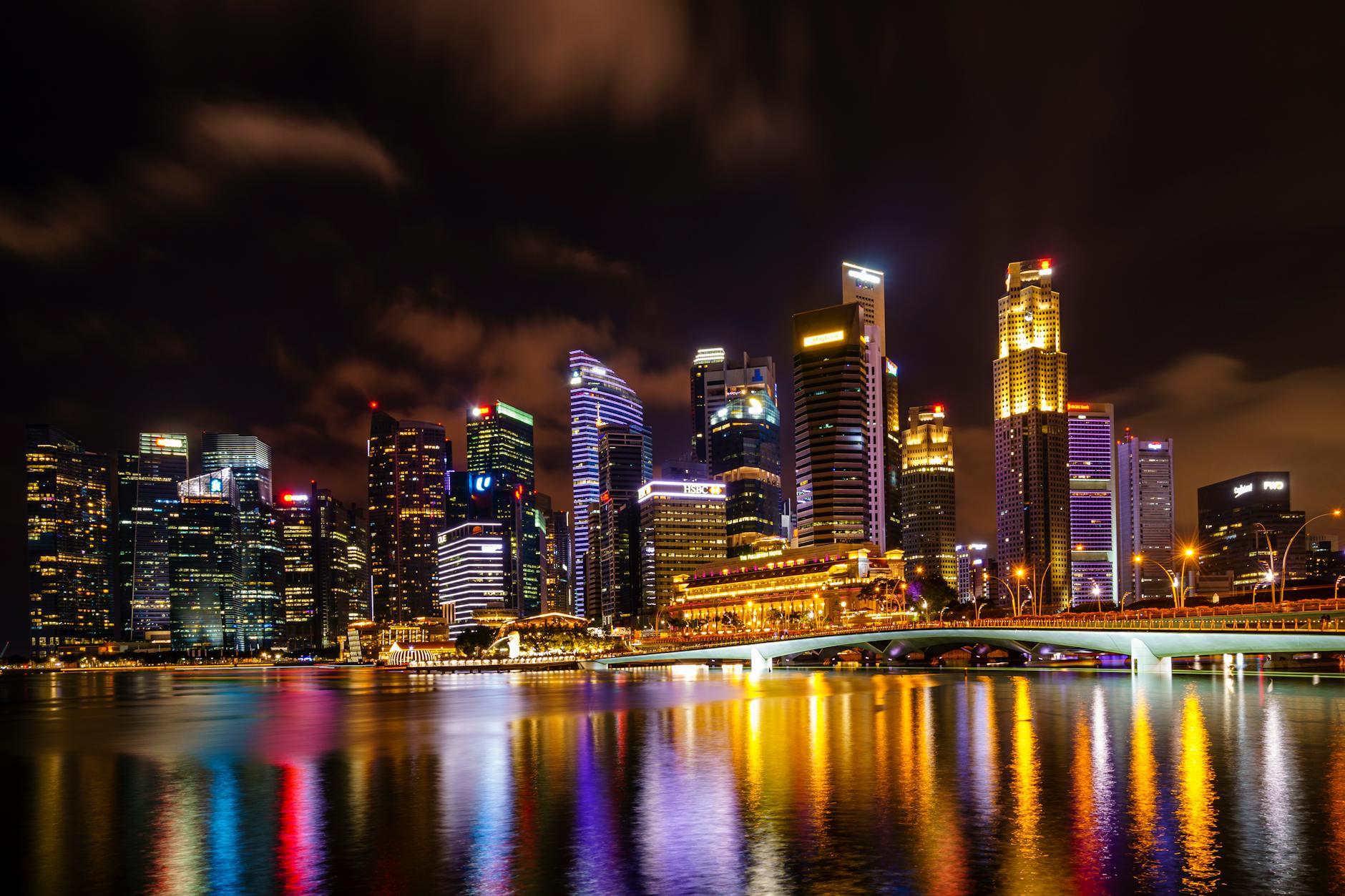
Singapore has built one of the most sophisticated food cultures in the world despite its small size, blending Malay, Chinese, Indian, and Peranakan traditions into a culinary identity unlike anywhere else. The city state’s hawker centre culture is so culturally significant that it has been recognized by UNESCO, with hundreds of these open-air food halls serving incredible meals at remarkably accessible prices. Dishes like Hainanese chicken rice, laksa, and chili crab have become internationally recognized ambassadors for Singaporean cuisine. The city also supports a world-class fine dining scene with a dense concentration of Michelin-starred restaurants exploring both local and global flavors. For a food lover, Singapore offers the rare combination of extraordinary quality, impressive variety, and cultural depth all within a compact and easily navigable city.
Taipei, Taiwan
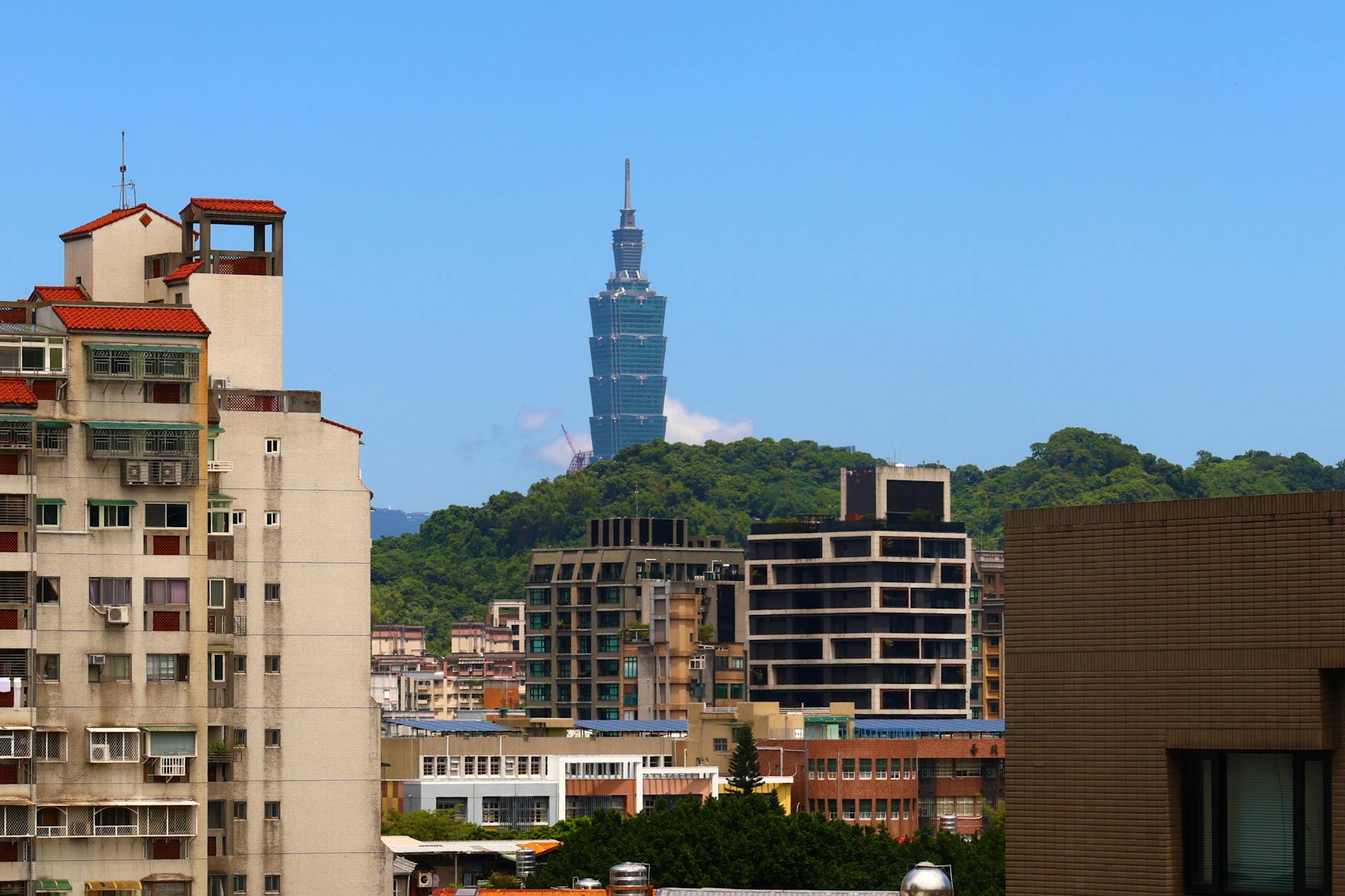
Taipei is a city that takes snacking seriously, with a night market culture that turns eating into an evening-long adventure. Shilin Night Market is the largest and most famous of the city’s many night markets, drawing both locals and visitors with its vast selection of Taiwanese street food classics. Beef noodle soup is considered the city’s signature dish and inspires fierce loyalty among locals who debate endlessly over which restaurant makes the definitive version. Taipei also has a thriving café culture and a growing reputation for creative desserts, including the famous shaved milk ice topped with fresh fruit and condensed milk. The city’s relationship with food is deeply communal and celebratory, making it one of the most welcoming places in Asia for first-time food travelers.
Seoul, South Korea
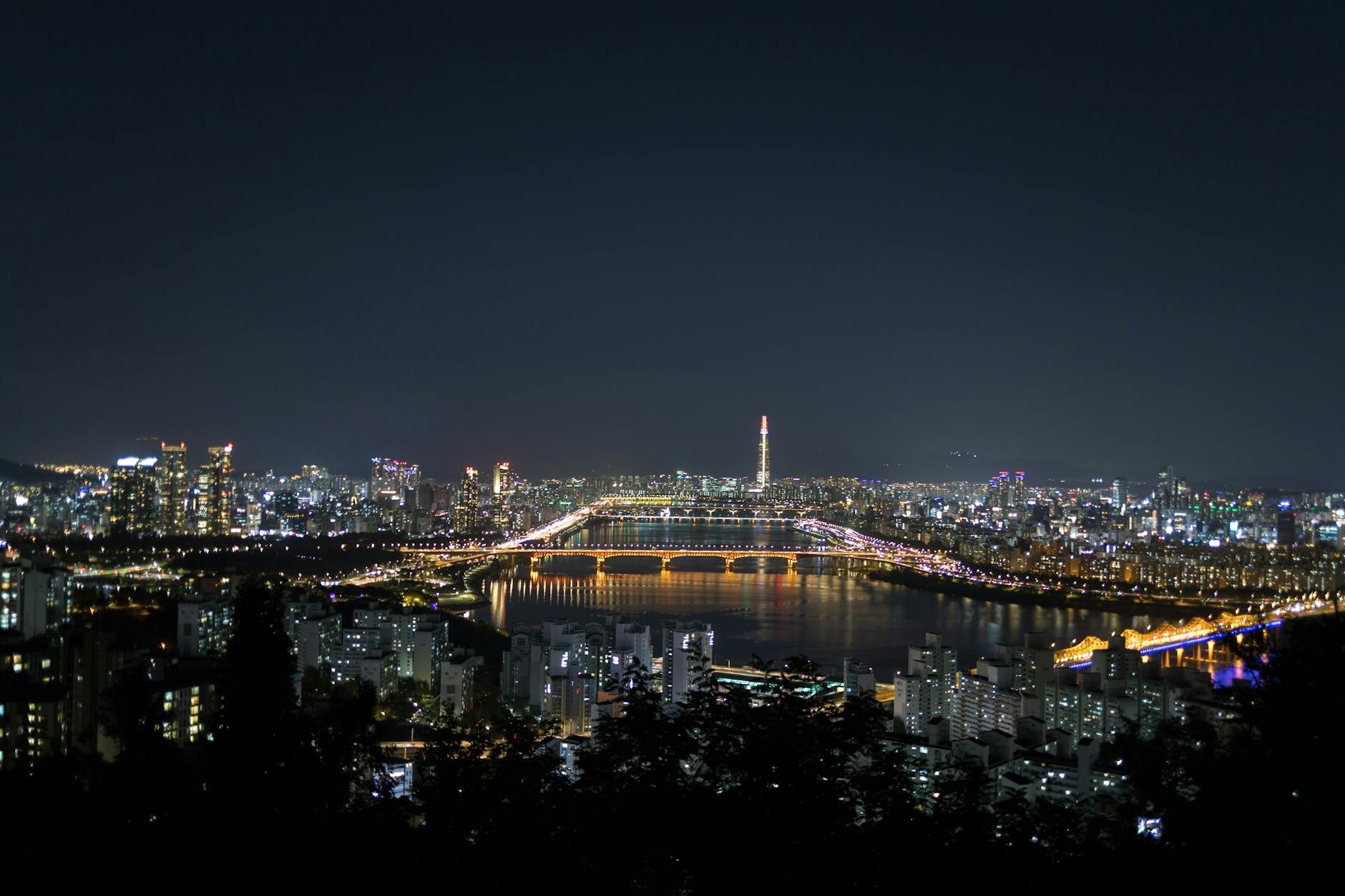
Seoul’s food scene is anchored in bold flavors, fermented ingredients, and the deeply social ritual of eating together around a table loaded with small shared dishes. Korean barbecue is the city’s most universally beloved dining experience, with diners grilling premium cuts of meat over charcoal or gas flames built directly into restaurant tables. The Gwangjang Market is one of the oldest traditional markets in South Korea and remains one of the best places to eat bindaetteok, mayak gimbap, and a wide variety of other Korean street food classics. Seoul also has a rapidly expanding fine dining scene with chefs drawing on the depth of Korean pantry ingredients including doenjang, gochujang, and a vast range of seasonal ferments. The city’s food culture has gained enormous global attention in recent years, attracting a new generation of culinary travelers eager to explore its depth and diversity.
Hong Kong

Hong Kong has one of the densest concentrations of restaurants per capita anywhere in the world, and the city’s food culture operates at an exhilarating pace from early morning until well past midnight. Dim sum is the cornerstone of Hong Kong’s culinary identity, and yum cha, the tradition of drinking tea while sharing small plates of dumplings and pastries, is a beloved daily ritual for many residents. The city’s roast meat shops are legendary, with whole ducks and pork hanging in brightly lit windows serving as an irresistible invitation to step inside. Dai pai dong street food stalls, though fewer in number than in previous decades, still offer some of the most atmospheric and delicious eating experiences in the city. Hong Kong also supports a remarkable fine dining scene that has earned it a place among the world’s elite food destinations.
Macau
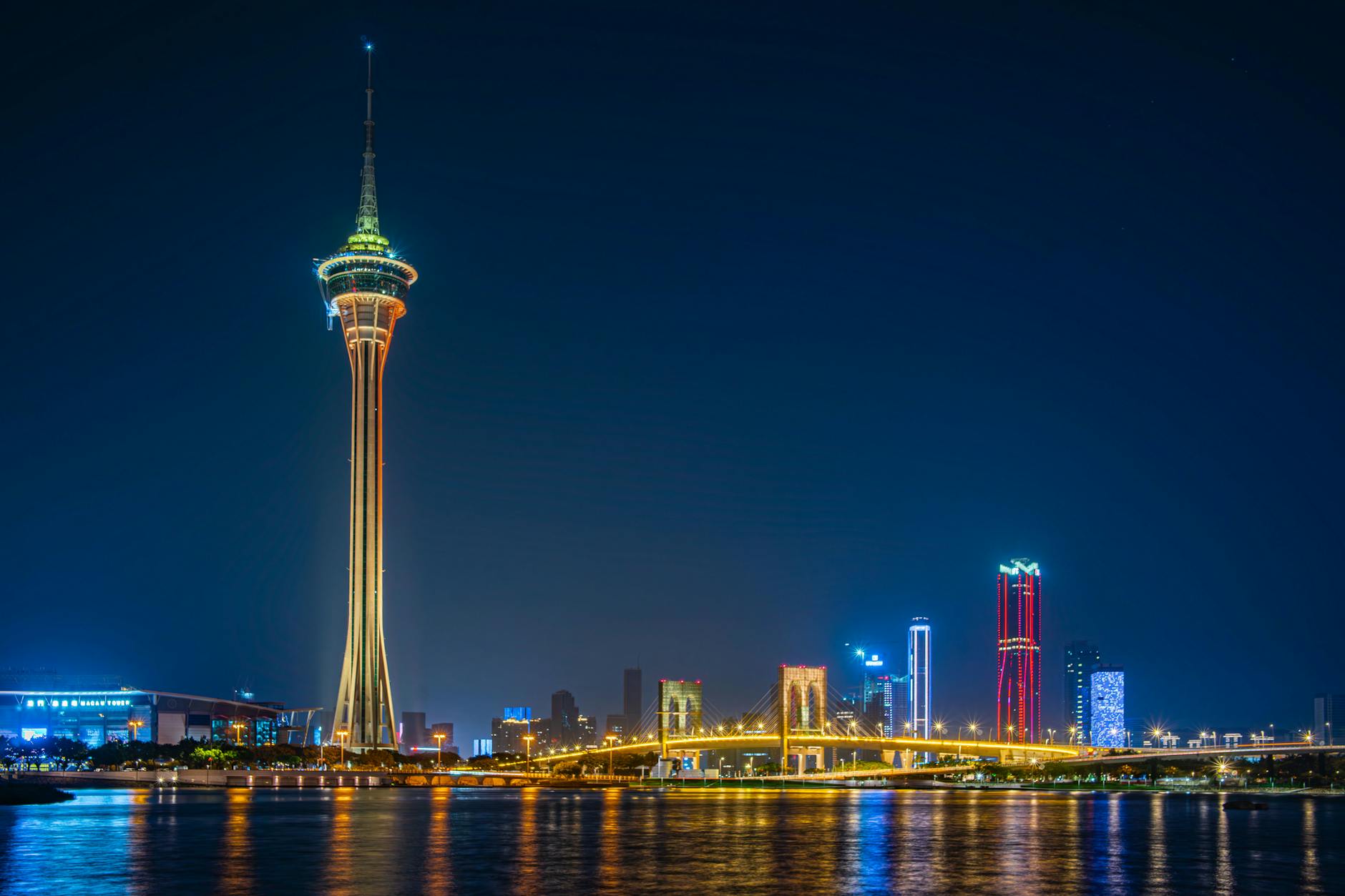
Macau offers a culinary experience that is genuinely unlike anywhere else in Asia, shaped by centuries of Portuguese colonial influence layered over Chinese culinary tradition. Macanese cuisine is considered one of the world’s first fusion cuisines, combining ingredients and techniques from Portugal, Africa, India, and southern China into a small but extraordinary body of dishes. The egg tart, a flaky pastry filled with a silky custard, is Macau’s most iconic food export and remains a must-eat for every visitor. The city’s Portuguese-influenced pork chop buns and African chicken are equally beloved examples of this rare and fascinating culinary tradition. Beyond its unique heritage cuisine, Macau also has a growing number of ambitious restaurants representing the full spectrum of Cantonese and international cooking.
Shanghai, China
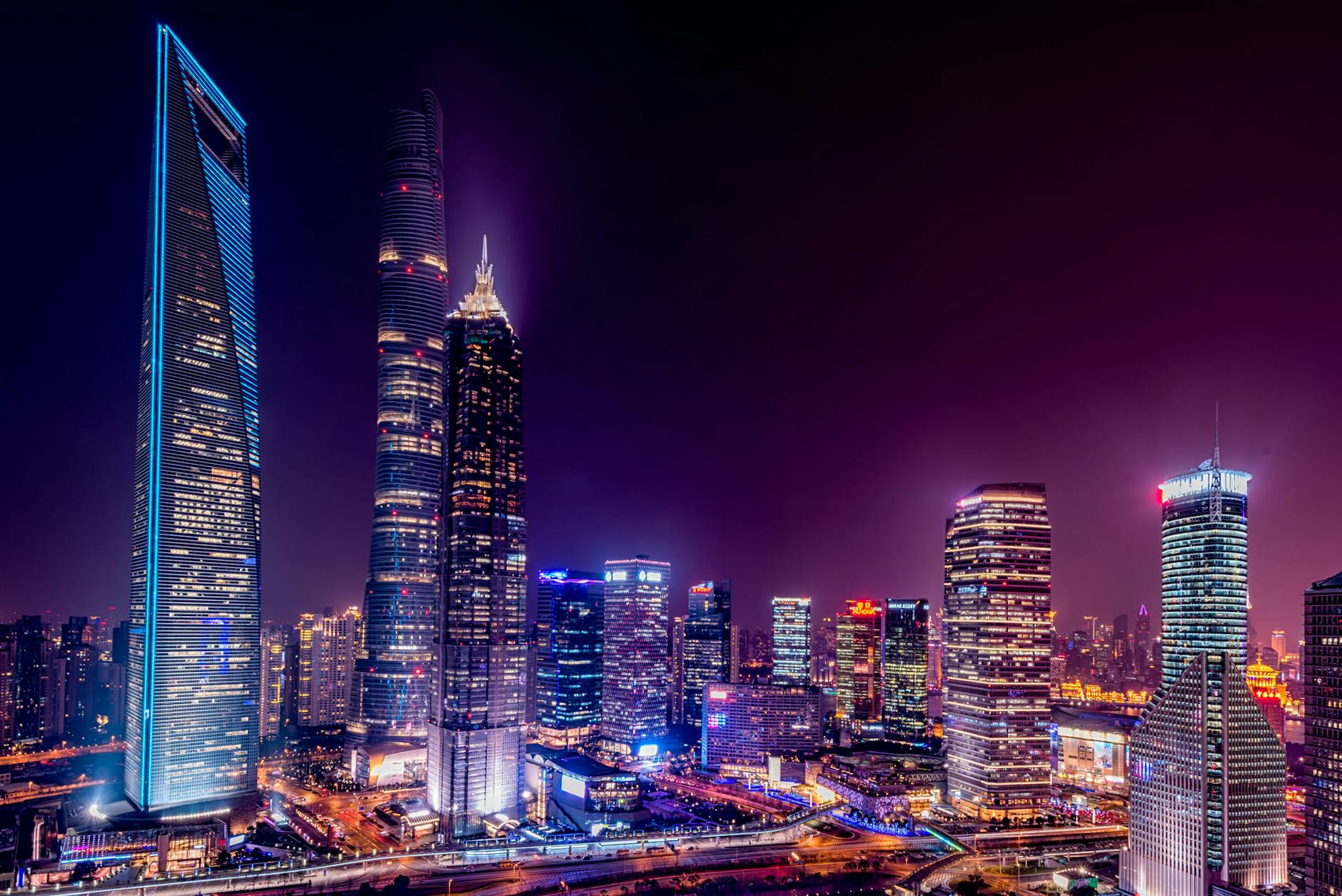
Shanghai is one of the most dynamic food cities in the world, constantly evolving while remaining deeply connected to the flavors of Shanghainese and broader Chinese culinary tradition. Soup dumplings known as xiaolongbao are the city’s most celebrated specialty, and tracking down the best version has become a beloved ritual for food-focused visitors. The Old City and the historic Yuyuan Bazaar area offer a concentrated taste of traditional Shanghainese street food in a setting that feels rooted in the city’s long history. Shanghai’s contemporary dining scene is equally impressive, with a cosmopolitan mix of restaurants exploring everything from refined Cantonese cooking to inventive modern Chinese cuisine. The city’s blend of tradition and innovation makes it one of the most exciting and rewarding food destinations in Asia.
Chengdu, China

Chengdu is the undisputed capital of Sichuan cuisine, a cooking tradition known worldwide for its masterful use of Sichuan peppercorn and its signature combination of numbing and fiery sensations. The city has been designated a UNESCO City of Gastronomy, a recognition that reflects the profound cultural importance of food in everyday Chengdu life. Hot pot is a central ritual of social dining here, with friends and families gathering around bubbling cauldrons of spiced broth to cook a seemingly endless variety of meats and vegetables. Street snacks like dan dan noodles, mapo tofu, and fuqi feipian are available at every turn and offer an accessible entry point into the complexity of Sichuan flavor. Chengdu also has a thriving teahouse culture that provides a calmer but equally essential counterpart to the city’s more intense culinary experiences.
Xi’an, China
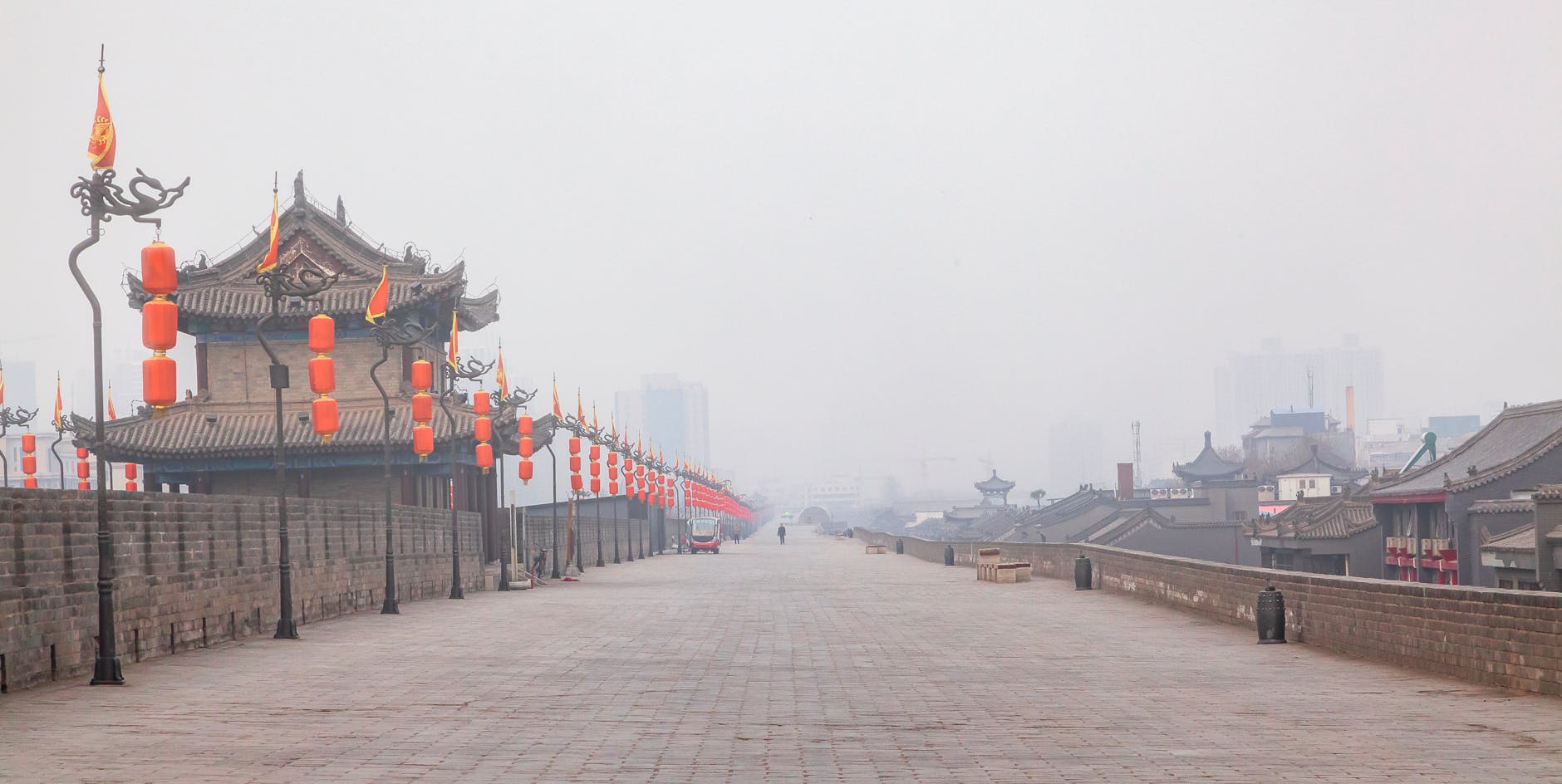
Xi’an is one of China’s oldest cities and its food culture reflects the rich history of the ancient Silk Road that once passed directly through the region. The Muslim Quarter is the city’s most famous food destination, a labyrinth of narrow lanes filled with vendors selling lamb skewers, hand-pulled noodles, and the beloved roujiamo, a flatbread sandwich stuffed with spiced stewed meat. Biang biang noodles, named after the sound the thick dough makes when slapped against a board, are wide belt-like noodles tossed with chili oil and vegetables that have become one of China’s most famous regional dishes. The city’s food culture is hearty, deeply flavored, and shaped by centuries of Central Asian and Middle Eastern influence that arrived along the ancient trade routes. Eating in Xi’an feels like a direct connection to a history that stretches back thousands of years.
Hanoi, Vietnam
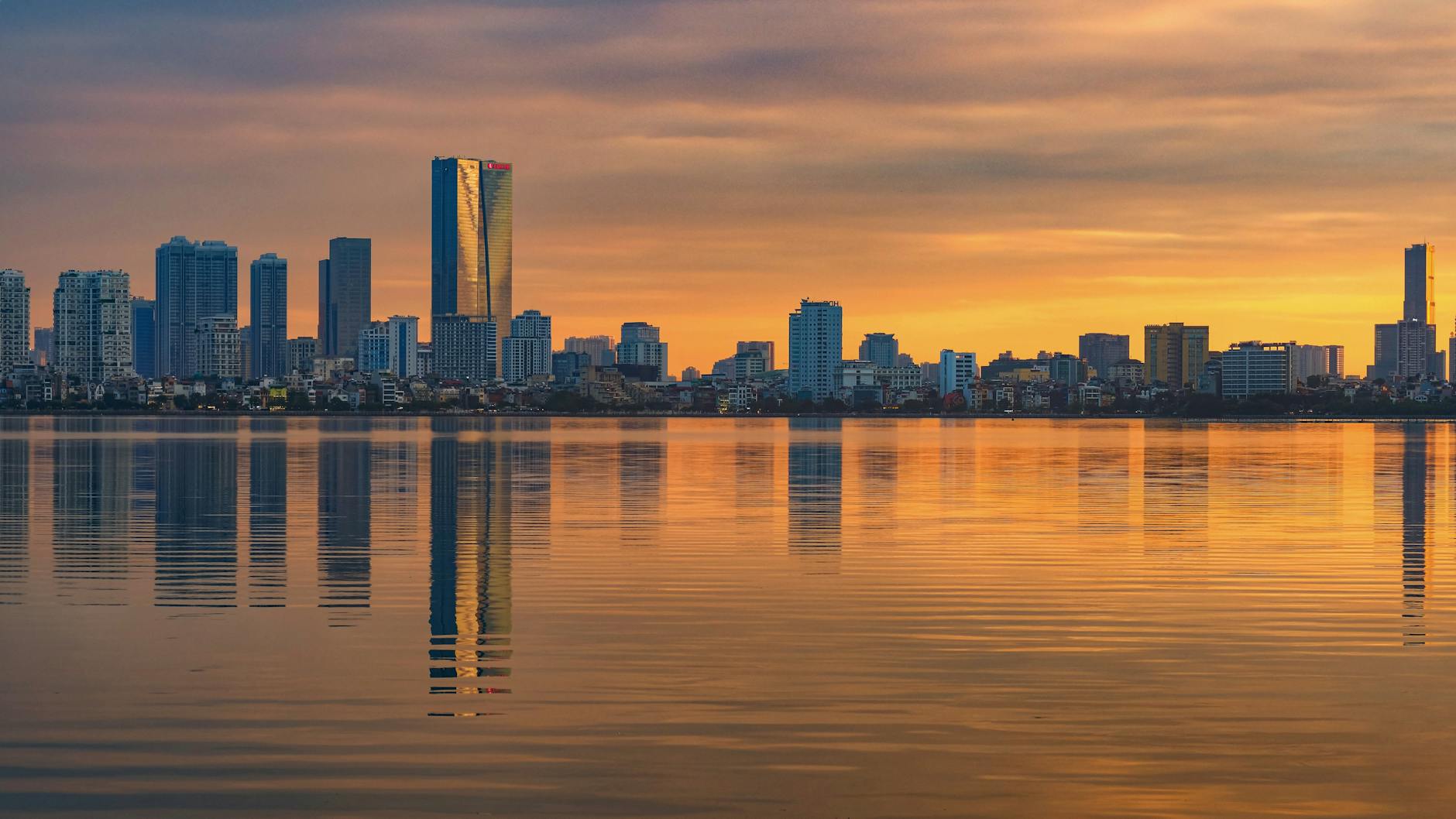
Hanoi is widely considered the spiritual home of Vietnamese cuisine, where traditional recipes have been refined and protected over many centuries of continuous culinary culture. Pho, the fragrant rice noodle soup that has become one of Vietnam’s most globally recognized dishes, is believed by many food historians to have originated in the north of the country around Hanoi. Bun cha, grilled pork patties served with vermicelli noodles and a bright dipping broth, is another essential Hanoi classic that locals eat almost exclusively at lunchtime. The Old Quarter is the best place to experience the city’s extraordinary street food culture, with vendors setting up tiny stools and low tables on pavements serving a rotating cast of dishes throughout the day. Hanoi’s food culture is built on subtlety, balance, and the perfection of time-honored recipes rather than bold reinvention.
Ho Chi Minh City, Vietnam
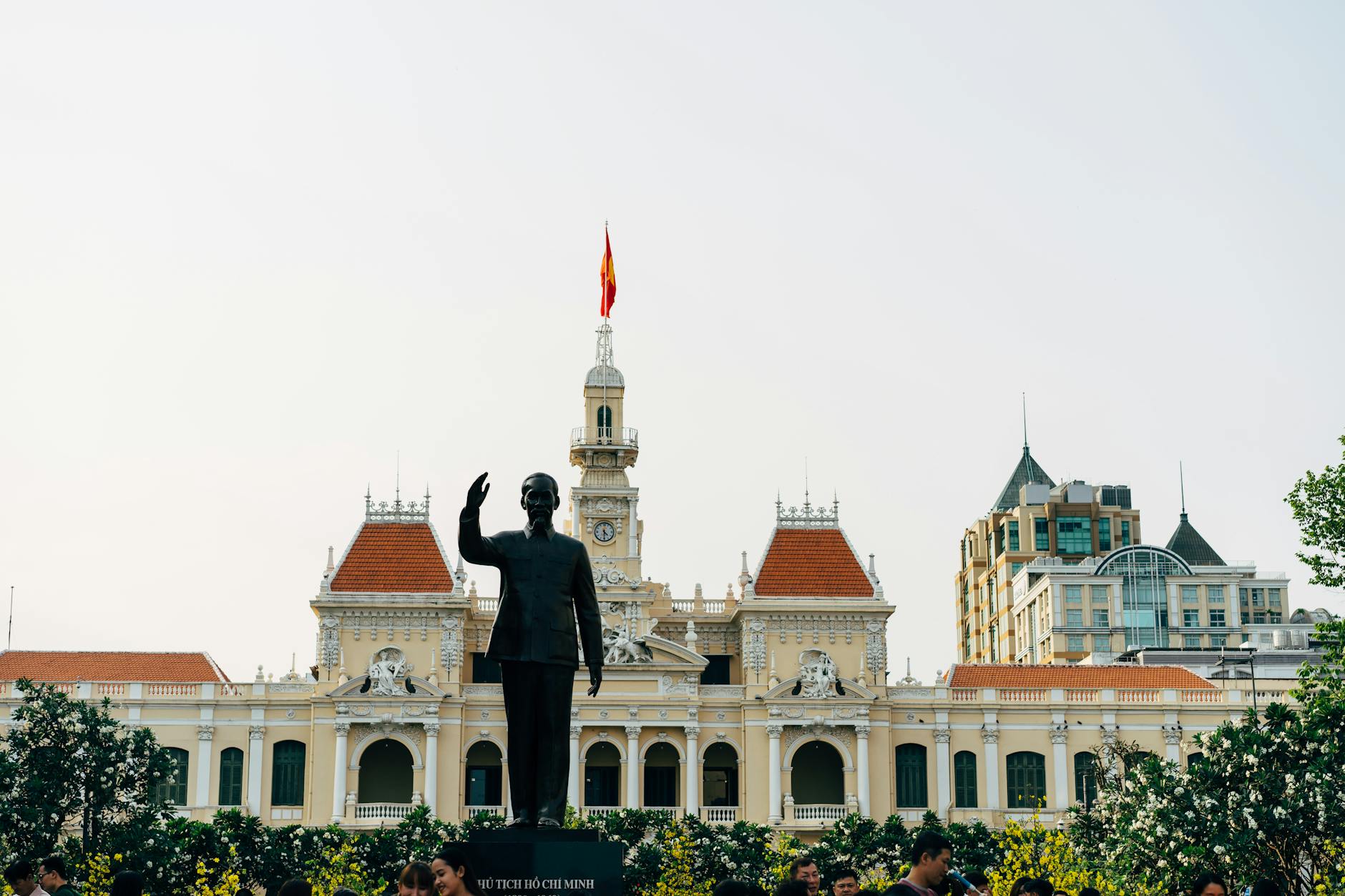
Ho Chi Minh City offers a more energetic and eclectic food scene than Hanoi, reflecting the southern city’s history as a melting pot of Vietnamese, French, Chinese, and Cambodian culinary influences. Banh mi, the iconic Vietnamese baguette sandwich, reaches its most satisfying form in the south, where vendors load the crispy bread with an extravagant variety of fillings and toppings. Ben Thanh Market and the surrounding streets provide an overwhelming but rewarding introduction to the city’s street food culture at almost any hour of the day. The city’s thriving café scene has produced a unique Vietnamese coffee culture celebrated for its strong drip coffee served over ice or blended with sweetened condensed milk. Ho Chi Minh City’s food scene rewards adventurous eaters willing to explore beyond the main tourist areas and seek out the neighborhood spots beloved by locals.
Hoi An, Vietnam
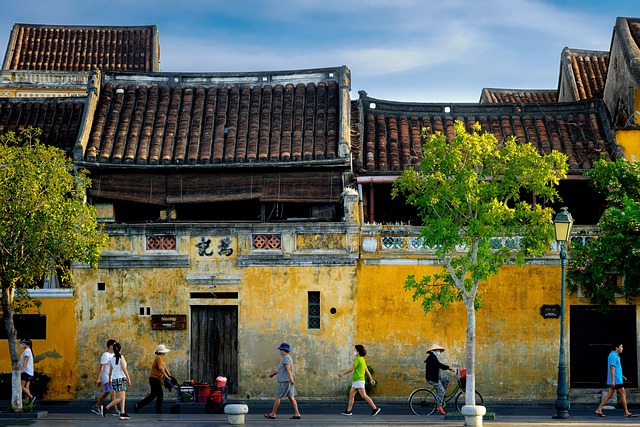
Hoi An is a small ancient trading port on the central Vietnamese coast that has developed a remarkably distinct regional cuisine shaped by its multicultural merchant history. Cao lau, a dish of thick noodles with pork and greens that can only be made authentically using water drawn from local wells, is the town’s most famous and unique specialty. White rose dumplings and the crispy crunchy fried wontons served with a tomato and shrimp topping are two more dishes that are considered unique to Hoi An and cannot be found in exactly the same form anywhere else in Vietnam. The town’s covered market and the street food stalls lining the Thu Bon River provide some of the most atmospheric and memorable eating experiences in the country. Hoi An is also home to a large number of excellent cooking schools where visitors can learn the techniques behind the town’s beloved dishes using fresh ingredients from the morning market.
Amritsar, India
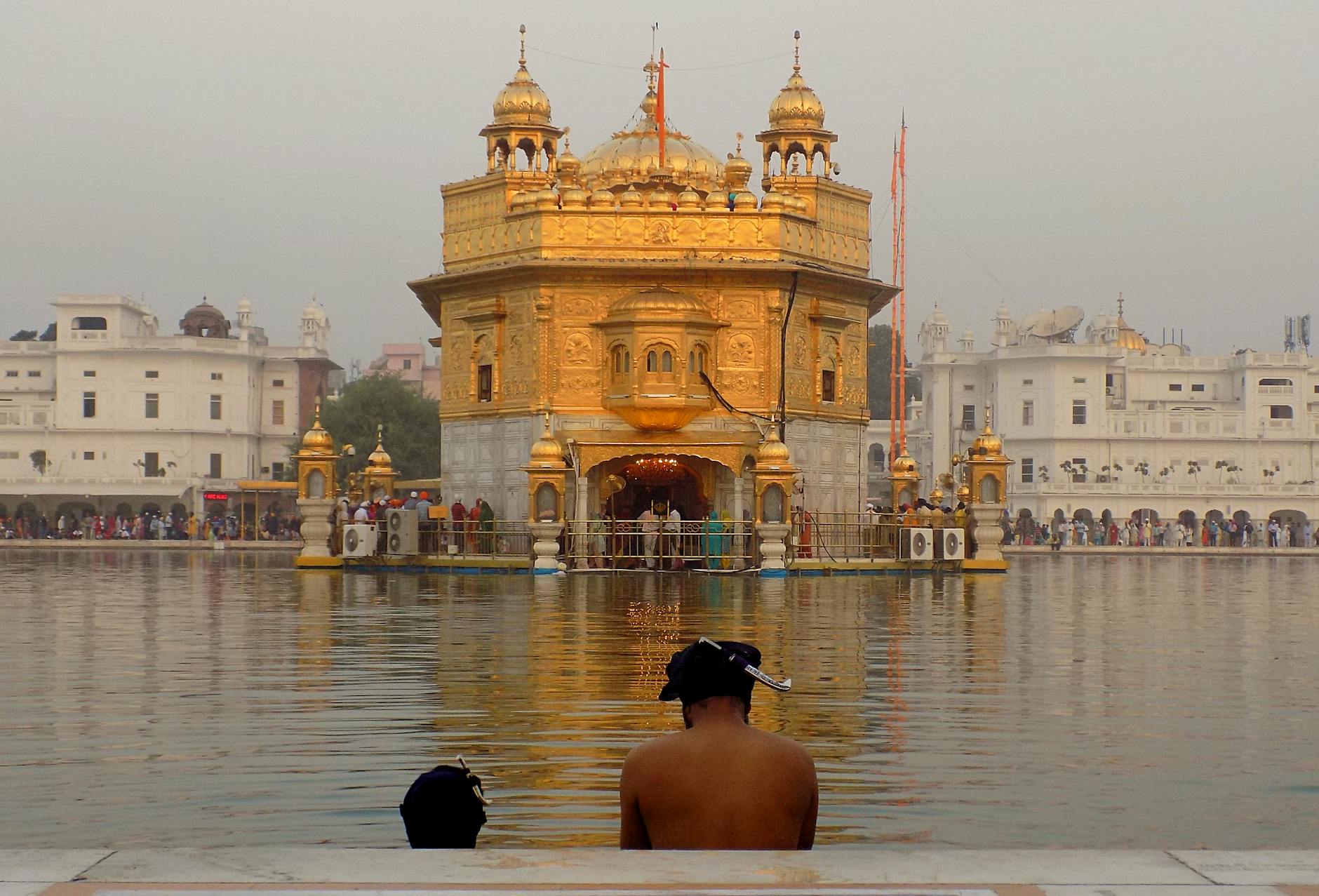
Amritsar in the Punjab region of northern India is one of the country’s most important food destinations and the birthplace of some of India’s most beloved dishes. The Golden Temple langar, a free community kitchen that feeds thousands of pilgrims and visitors every single day, offers a humbling and deeply moving food experience rooted in the Sikh principle of equality and service. Amritsari kulcha, a stuffed flatbread cooked in a tandoor oven and served with spiced chickpea curry and white butter, is the city’s most iconic street food and draws visitors from across India. The lassi shops near the Golden Temple serve some of the thickest and most indulgent versions of the yogurt-based drink found anywhere in the country. Lawrence Road and its surrounding lanes offer a concentrated tour through Punjabi street food culture that few other cities in India can match.
Mumbai, India
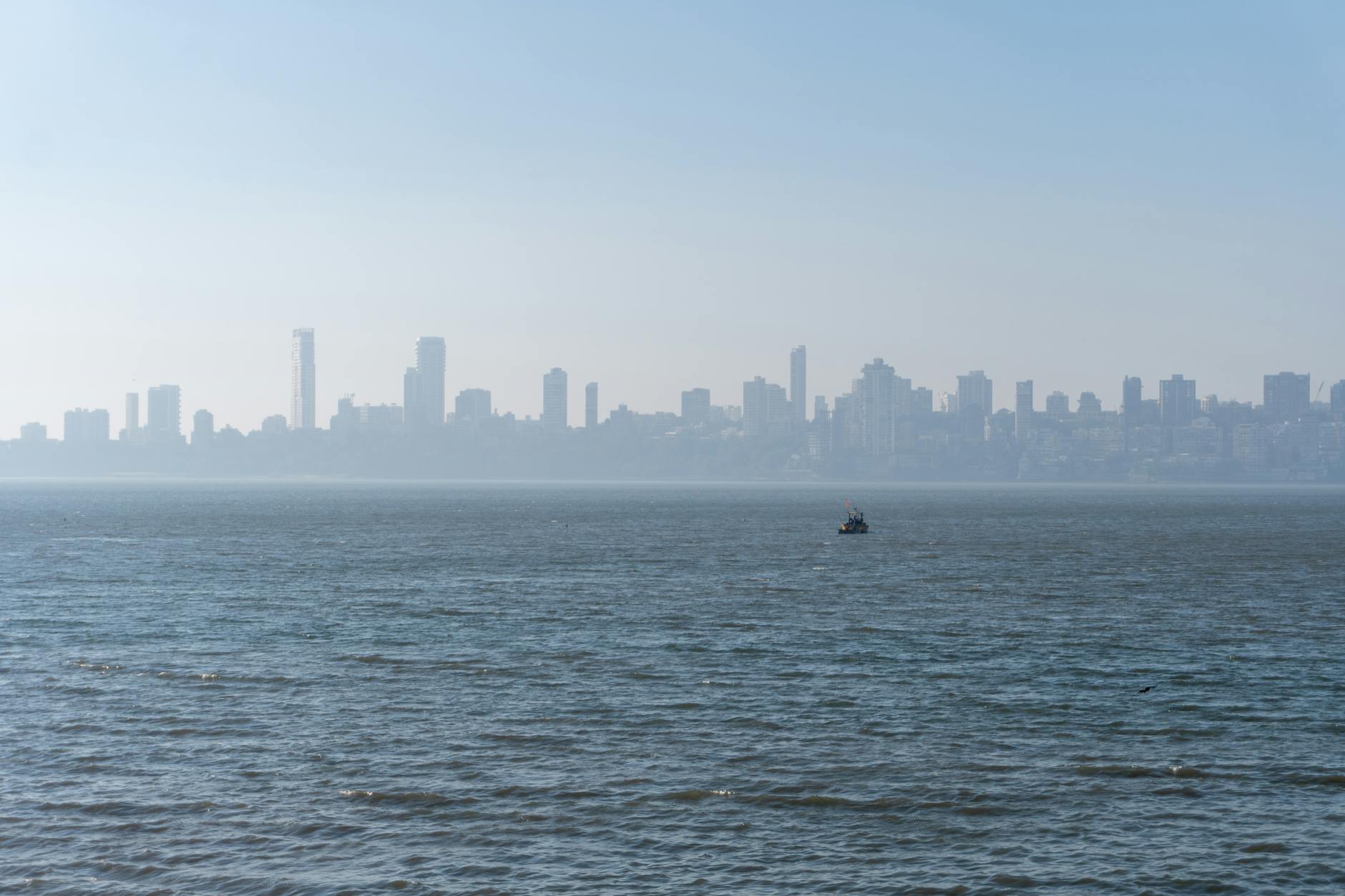
Mumbai is India’s most cosmopolitan city and its food scene mirrors the incredible diversity and energy that defines life in this sprawling metropolis. Vada pav, a spiced potato fritter tucked into a soft bread roll with chutneys, has become the city’s unofficial street food icon and is eaten by millions of people every single day. Chowpatty Beach is one of the most famous street food destinations in India, where bhel puri and pav bhaji vendors set up at sunset to feed the enormous crowds that gather along the seafront. The city’s Irani cafés, a legacy of Zoroastrian migration from Persia, offer a completely different but equally beloved slice of Mumbai food culture with their strong chai and bun maska. Mumbai also has one of the most exciting and diverse restaurant scenes in India, ranging from hole-in-the-wall Maharashtrian thali joints to some of the finest upscale Indian dining in the country.
Kolkata, India
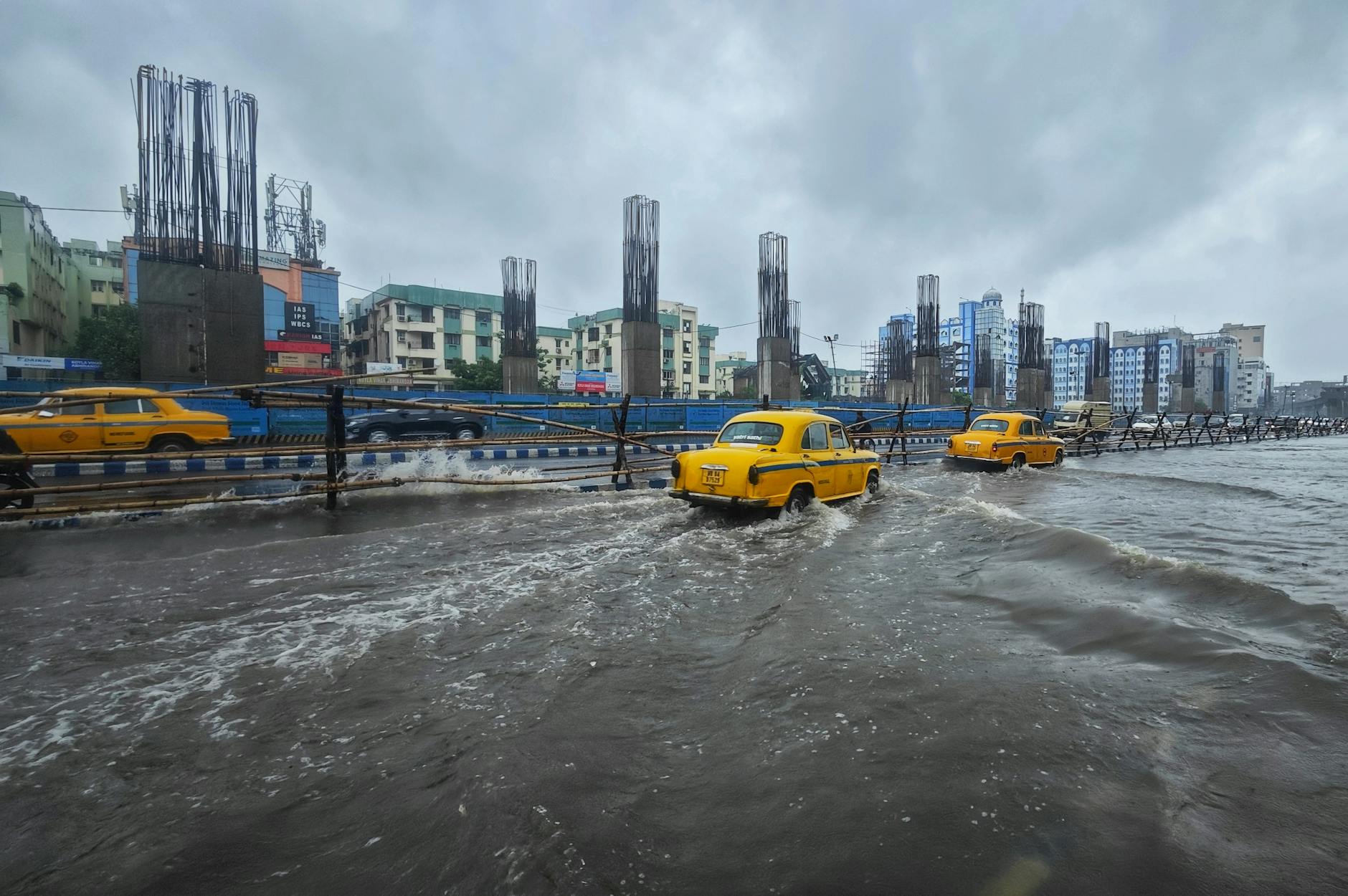
Kolkata has a food culture that is deeply emotional and closely tied to the city’s intellectual and artistic identity. The city’s love of sweets is almost legendary within India, with rasgulla, mishti doi, and sandesh representing a tradition of Bengali confectionery that has been celebrated for centuries. Kati rolls, a street food invention credited to Kolkata, consist of eggs and spiced fillings wrapped in a flaky paratha and have since spread to cities across India and beyond. The Dacres Lane area in the city center is one of the most atmospheric street food destinations in Kolkata, offering a condensed tour through the city’s beloved lunchtime traditions. Kolkata’s food culture is rooted in nostalgia, seasonality, and a fierce pride in regional Bengali cuisine that visitors find both welcoming and deeply fascinating.
Yogyakarta, Indonesia
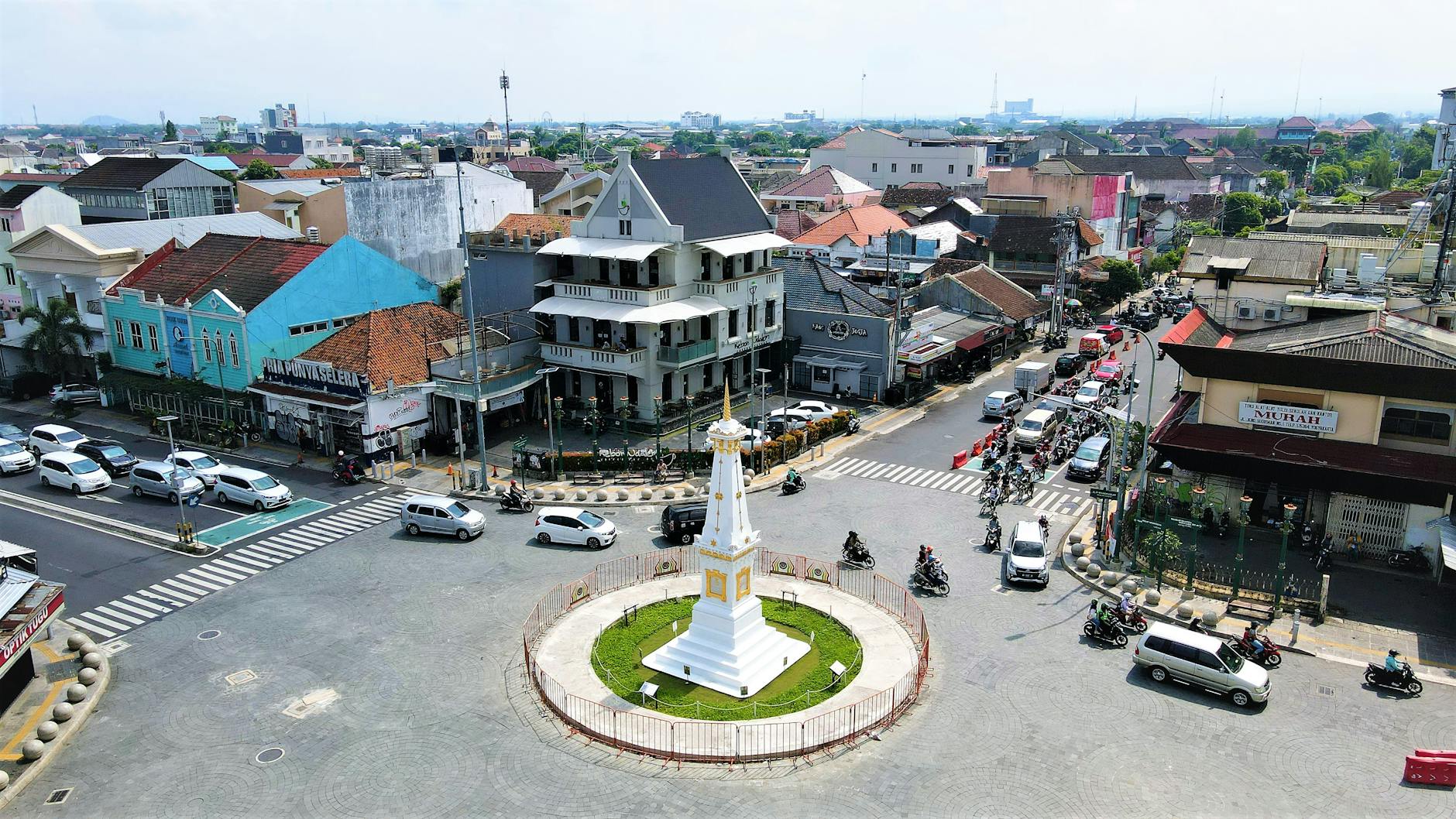
Yogyakarta is the cultural heartland of Java and its cuisine reflects the island’s sophisticated royal court traditions alongside a vibrant everyday street food culture. Gudeg, a slow-cooked jackfruit stew simmered for hours in coconut milk and palm sugar until it becomes richly sweet and deeply fragrant, is the city’s most iconic dish and can be eaten at any time of day. Malioboro Street is one of Indonesia’s most famous thoroughfares and transforms after dark into a lively outdoor food destination where vendors set up along the sidewalks to serve lesehan-style meals eaten while seated on mats. Nasi kucing, tiny parcels of rice with small amounts of accompaniments wrapped in banana leaves, is another Yogyakarta specialty that reflects the city’s unique food culture. The surrounding region is also home to excellent traditional markets where visitors can explore a vast range of Javanese ingredients and prepared foods.
Fukuoka, Japan

Fukuoka is widely regarded as the ramen capital of Japan and the birthplace of tonkotsu ramen, the rich pork bone broth soup that has gone on to conquer the global noodle world. The city’s yatai culture, a tradition of small mobile outdoor food stalls that set up along the riverbanks and under expressways each evening, is a unique and atmospheric way to eat in Japan. Mentaiko, a spicy marinated pollock roe that has become one of Fukuoka’s most beloved regional products, appears in everything from pasta to rice balls and onigiri across the city. The Yanagibashi Rengo Market is one of the best places to explore the remarkable quality and variety of fresh seafood and local produce that defines Fukuoka’s food culture. The city’s relatively compact size makes it easy to eat your way through a remarkable range of regional specialties in a single visit.
Kyoto, Japan
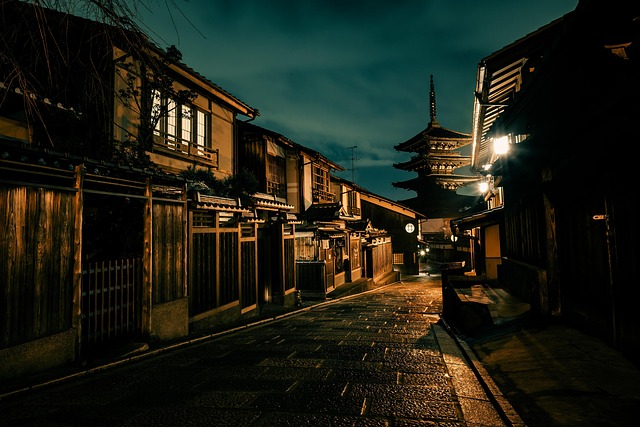
Kyoto is the home of kaiseki, Japan’s most refined multi-course dining tradition, which evolved from the tea ceremony culture of the ancient imperial capital. The cuisine of Kyoto places extraordinary emphasis on seasonality, presentation, and the subtle flavors of exceptional local ingredients known collectively as Kyoto vegetables or kyo yasai. Nishiki Market, known locally as Kyoto’s Kitchen, is a narrow covered shopping street lined with stalls and small restaurants selling everything from pickled vegetables to fresh tofu and grilled skewers. The city’s tofu culture is particularly celebrated, with establishments dedicated entirely to the preparation and serving of silken and firm tofu in its many beautiful forms. Kyoto’s food culture rewards patience and attentiveness, revealing its depth gradually to those willing to explore beyond the most obvious tourist destinations.
Istanbul, Turkey
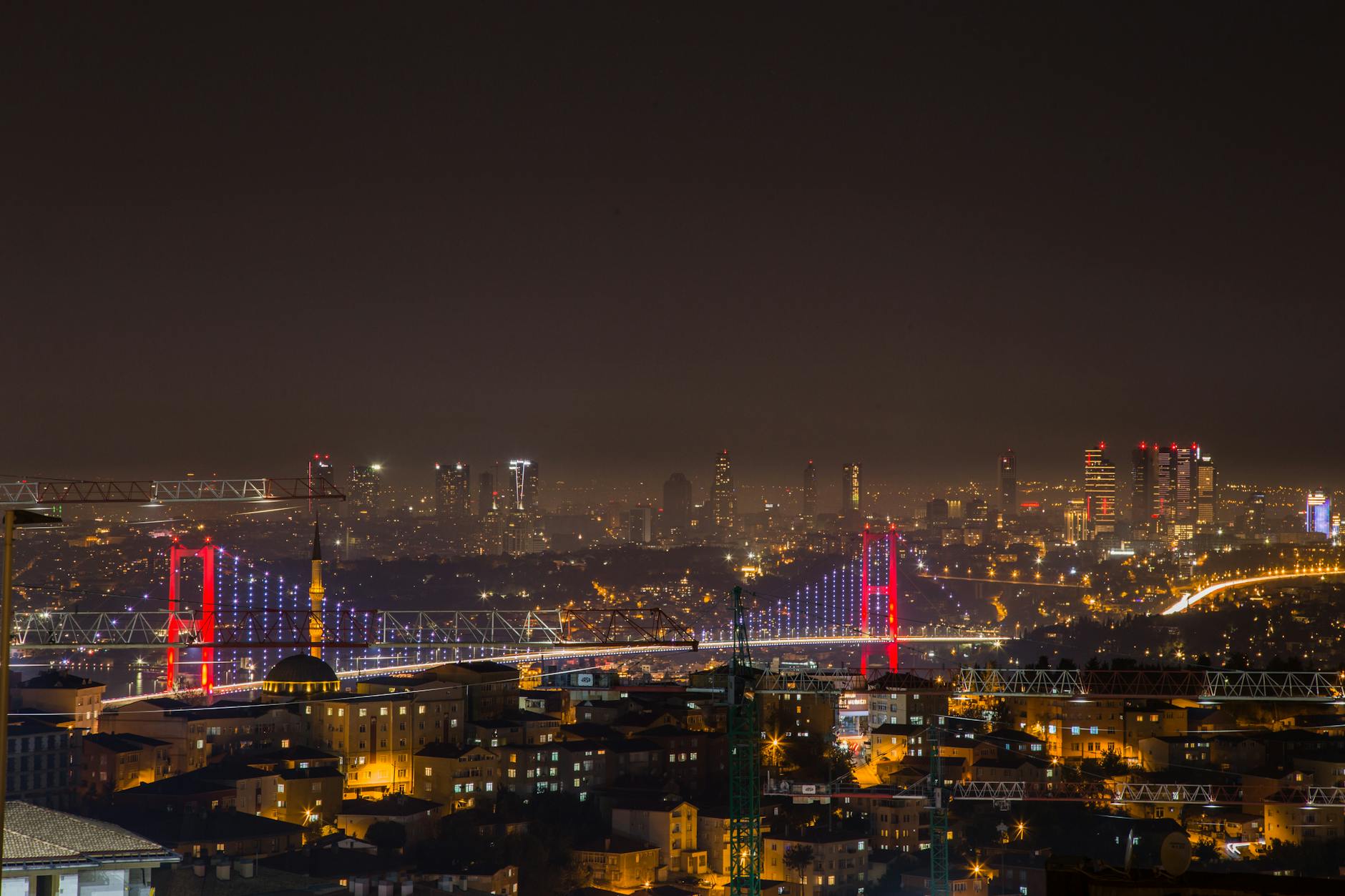
Istanbul occupies a unique position at the crossroads of Europe and Asia and its food culture reflects millennia of imperial history and extraordinary geographic diversity. The city’s breakfast culture is one of the most celebrated in the world, with the traditional Turkish spread of cheeses, olives, tomatoes, eggs, jams, and freshly baked bread transforming the morning meal into a long and leisurely ritual. The Grand Bazaar and the Egyptian Spice Market are not only extraordinary shopping experiences but also essential stops for understanding the ingredients and flavors that define Turkish cooking. Beyoglu’s meyhanes, traditional taverns serving small plates of meze alongside raki, offer one of the most convivial and authentic dining experiences the city has to offer. Istanbul’s street food culture is equally impressive, from the simit sellers pushing their carts along the Bosphorus to the fish sandwich boats moored near the Galata Bridge.
Tbilisi, Georgia
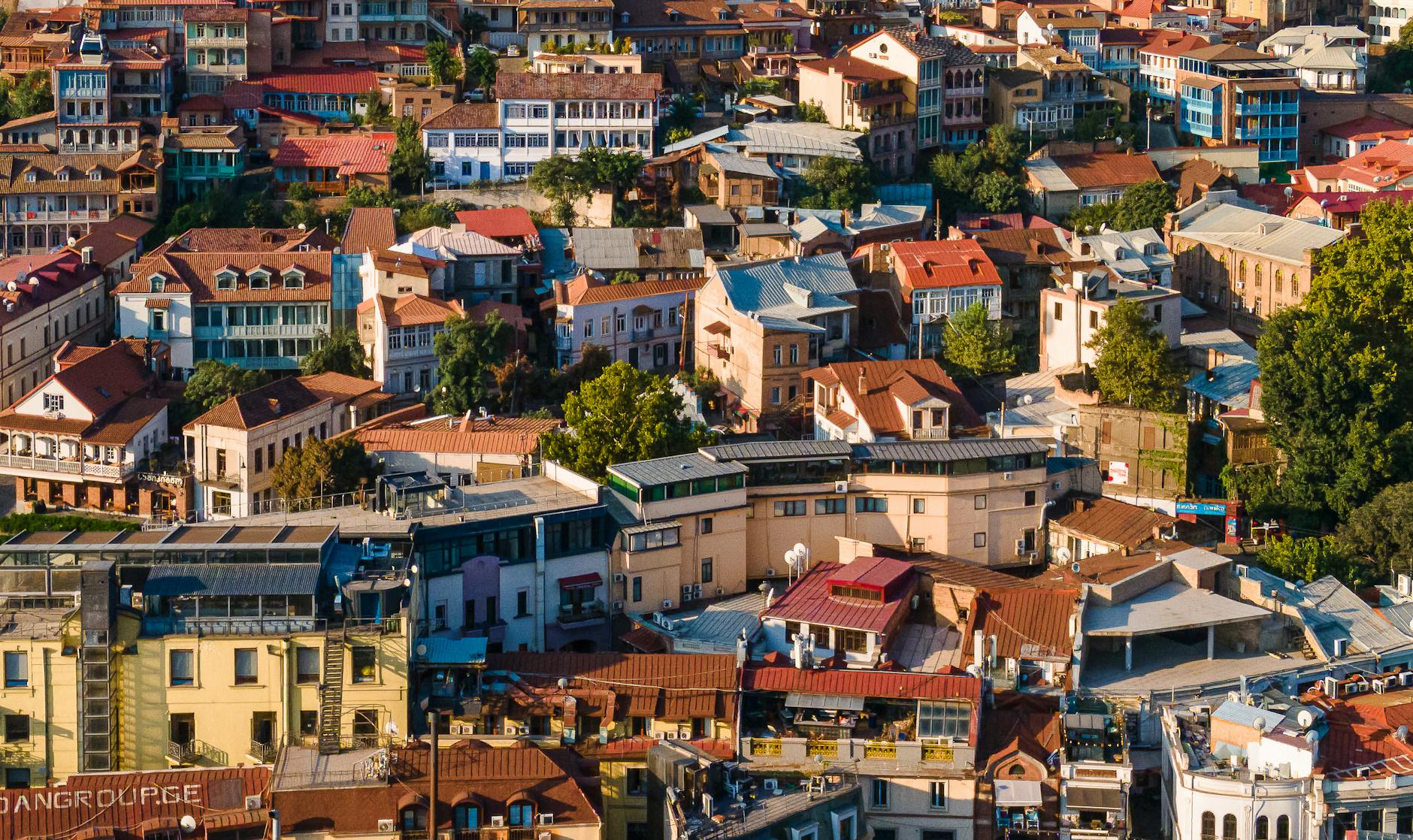
Tbilisi is one of Asia’s most underrated food destinations and the gateway to Georgian cuisine, a cooking tradition that has captivated a growing number of food travelers in recent years. Khinkali, the hefty twisted soup dumplings filled with spiced meat and broth, are perhaps the most universally beloved dish in Georgia and are eaten by gripping the knot at the top and slurping the hot liquid from the dumpling before devouring the rest. Khachapuri, the cheese-filled bread that comes in various regional styles across Georgia, is another cornerstone of the national food culture and serves as the perfect introduction to the country’s rich dairy and bread traditions. The city’s wine culture is equally extraordinary given that Georgia is widely considered the birthplace of wine, with the traditional qvevri clay vessel fermentation method still practiced in the surrounding countryside. Tbilisi’s combination of ancient culinary traditions, warm hospitality, and growing international recognition makes it one of the most exciting food destinations in Asia right now.
If you have eaten your way through any of these incredible Asian food destinations, share your most unforgettable meal or hidden gem discovery in the comments.