
Few things define a dog’s personality quite like its voice, and some breeds use theirs far more freely than others. Certain dogs were selectively bred over centuries to alert, herd, hunt, or guard, and that vocal heritage runs deep in their genetics. Understanding why a breed barks helps owners manage the behavior with patience and the right training approach. Whether you are a prospective owner or simply curious about canine communication, this list covers the breeds most likely to keep the neighborhood on notice.
Beagle
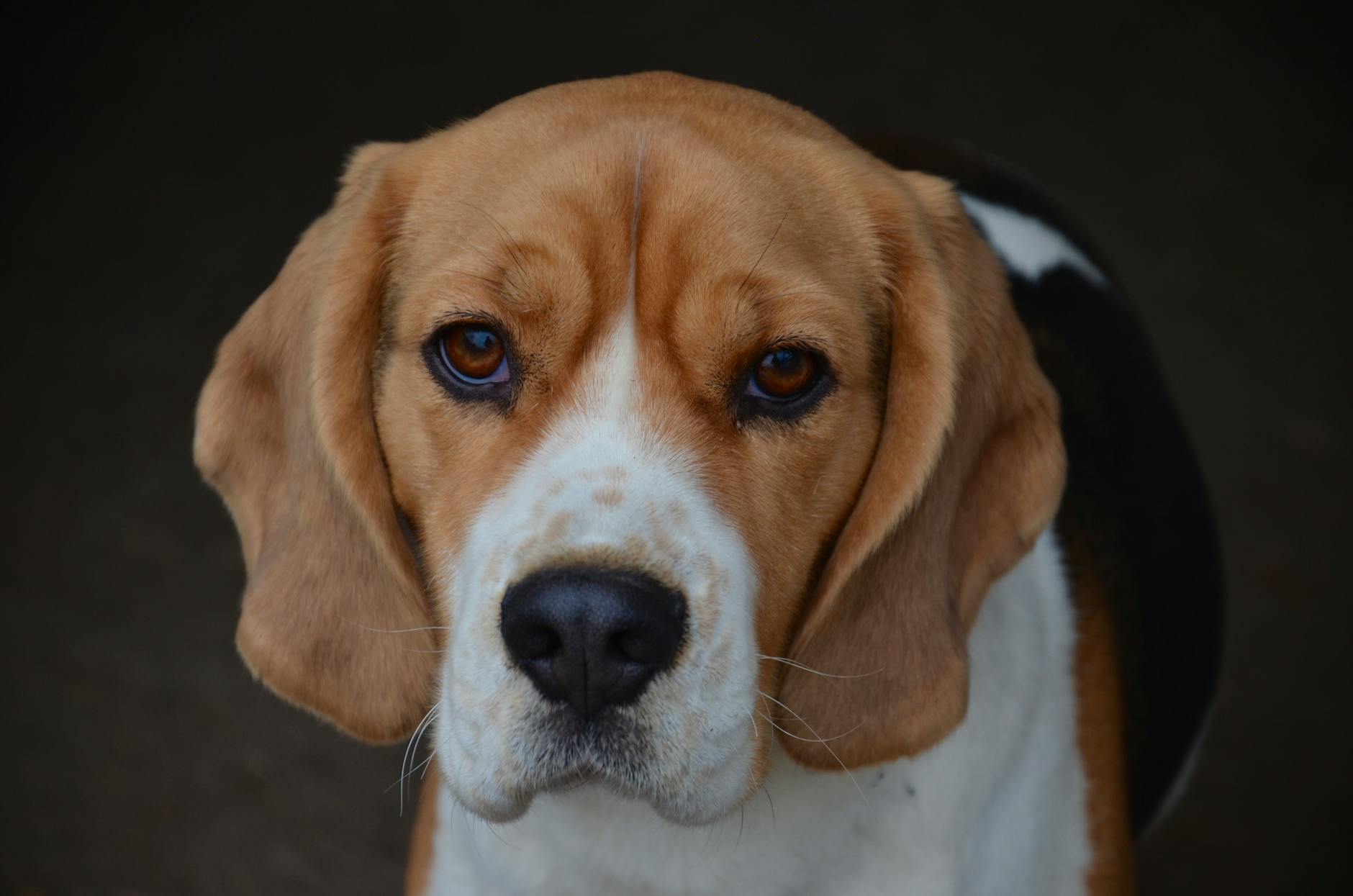
The Beagle is one of the most vocal breeds in the world, known for its distinctive bay that carries impressively long distances. Originally bred as a scent hound to track prey through dense terrain, the Beagle was designed to alert hunters with sustained, melodic howling. This instinct remains fully intact in modern Beagles, even those living as family companions in suburban homes. Boredom and separation anxiety are two of the biggest triggers for excessive Beagle vocalization. Mental stimulation, regular exercise, and consistent training are essential for managing this breed’s natural talkativeness.
Miniature Schnauzer
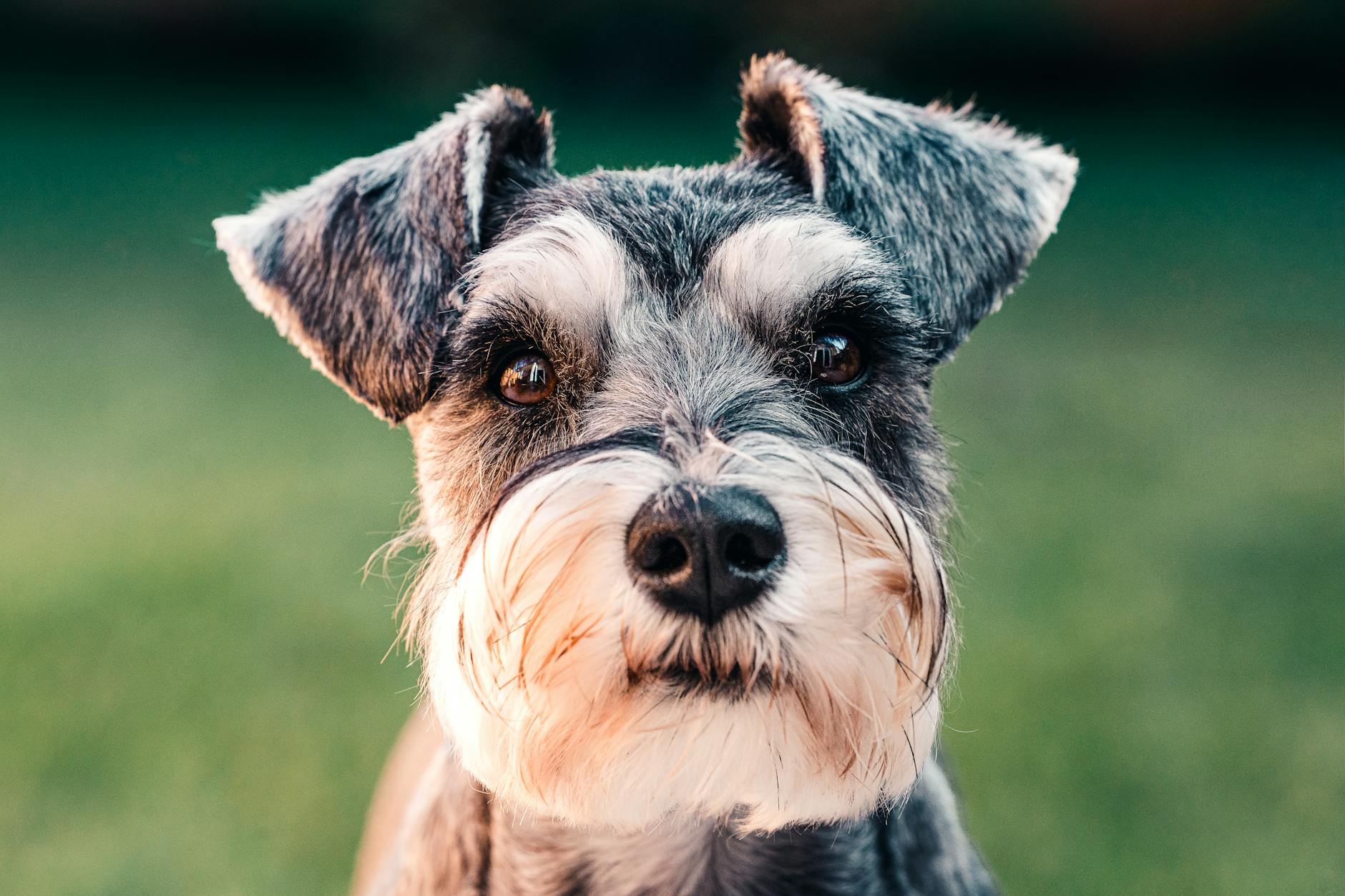
The Miniature Schnauzer carries the bold, watchful temperament of its working terrier ancestors in a compact frame. Originally bred in Germany as a farm dog and ratter, this breed developed a strong habit of alerting its owners to any unfamiliar presence. That alerting instinct translates directly into frequent barking at strangers, animals, and unexpected sounds. Despite their small size, Miniature Schnauzers have a powerful bark that commands attention far beyond what their stature might suggest. Early socialization and firm boundaries help redirect this natural vigilance into more measured behavior.
Yorkshire Terrier
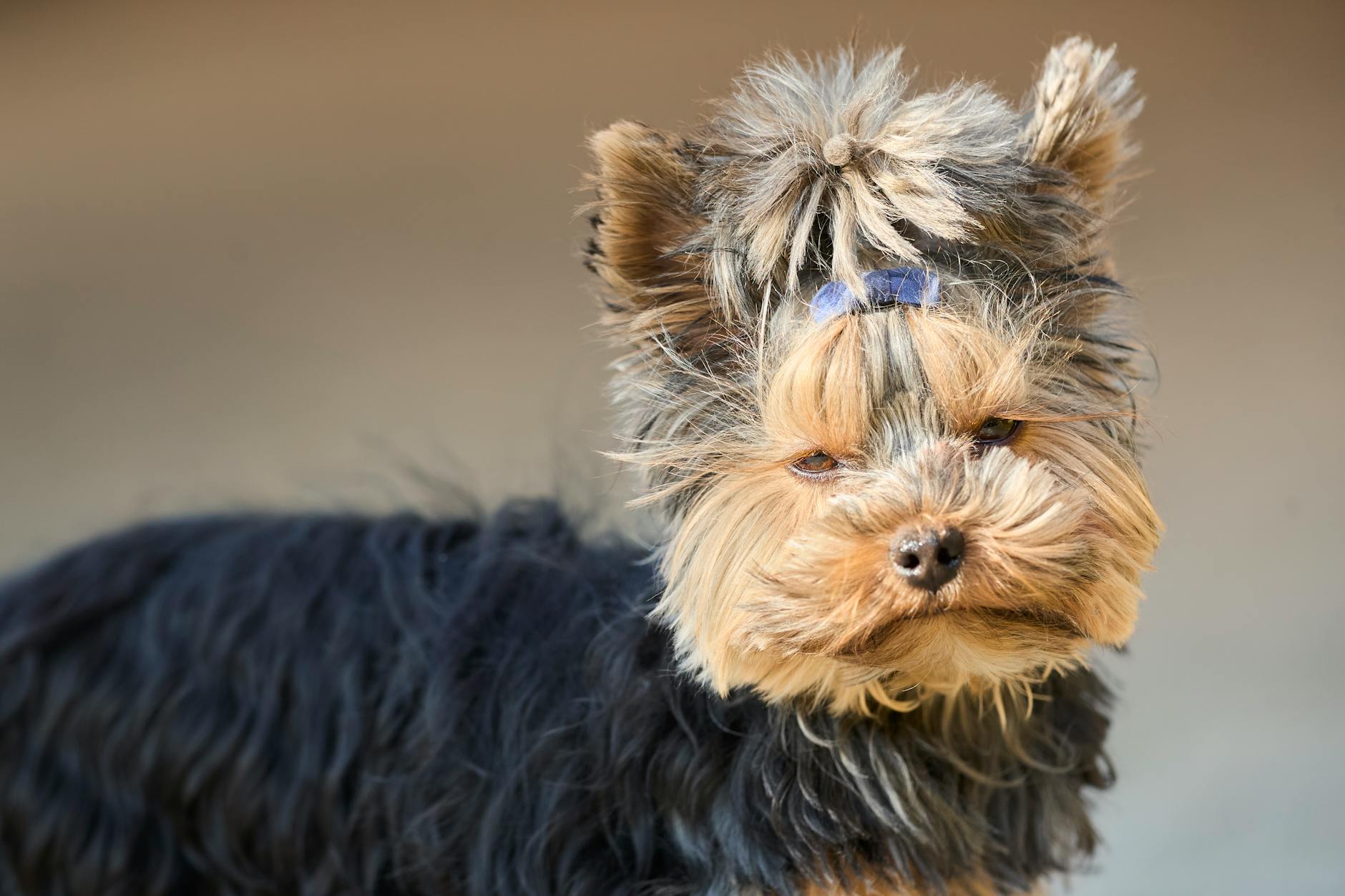
Yorkshire Terriers were originally bred to hunt rodents in textile mills and mines, giving them a fearless, high-energy personality that belies their toy breed status. Their confidence means they rarely hesitate to sound the alarm, regardless of how large the perceived threat may be. Yorkies are highly alert to environmental changes and tend to react vocally to sounds, movement, and unfamiliar visitors. Their attachment to their owners can also lead to anxiety-driven barking when left alone for extended periods. Positive reinforcement training and a structured daily routine help channel their vocal energy productively.
Chihuahua

Chihuahuas are widely recognized as one of the most vocal dog breeds despite being the smallest recognized breed in the world. Their tendency to bark is rooted in a combination of territorial instinct, high alertness, and strong loyalty to their primary owners. They are quick to perceive strangers as threats and will vocalize persistently until satisfied that the situation is under control. Chihuahuas are also prone to anxiety, which can amplify barking in new or overwhelming environments. Socialization from a young age significantly reduces reactive and fear-based vocalization in this breed.
Siberian Husky
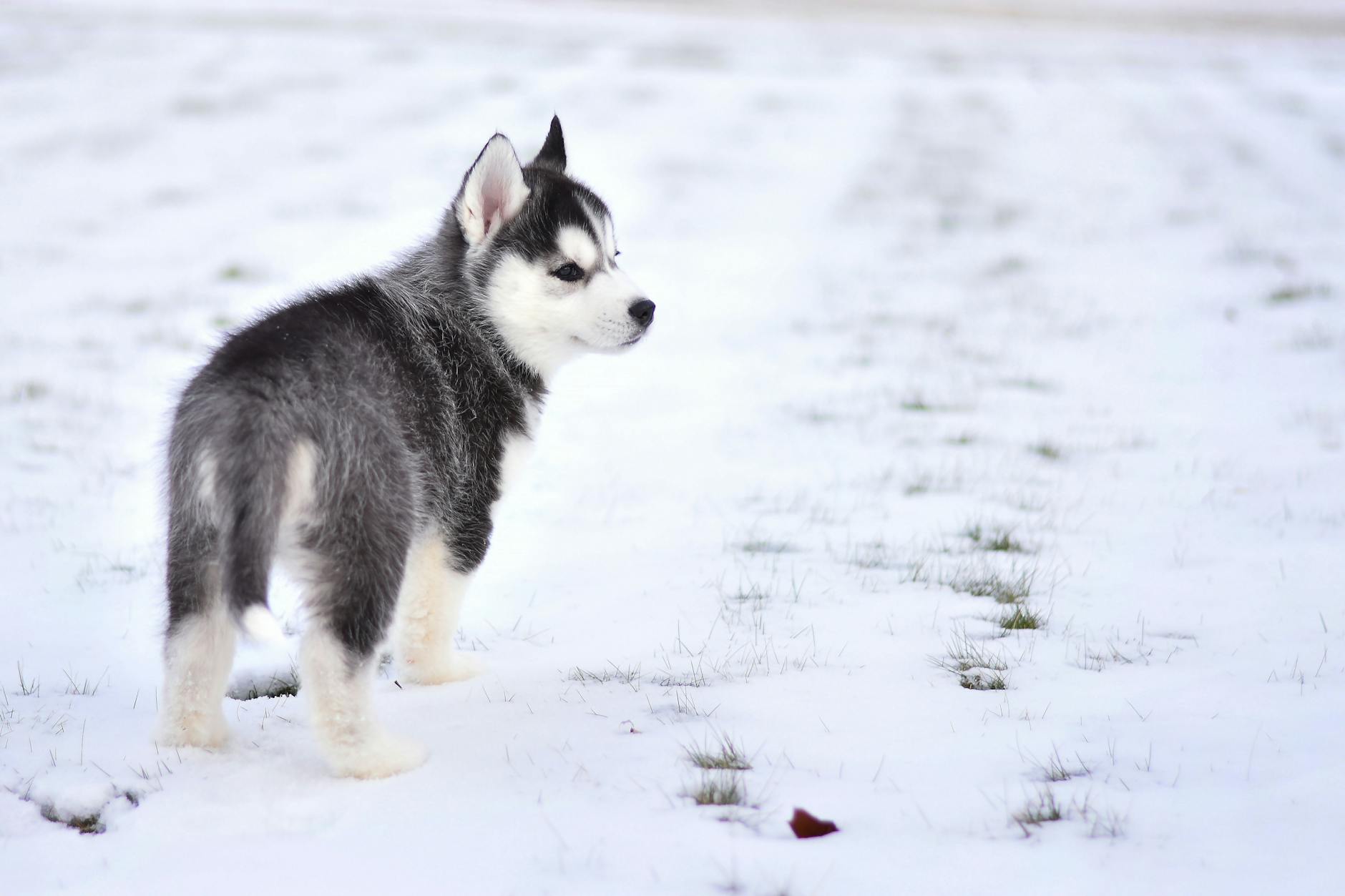
The Siberian Husky is celebrated for its extensive vocal range, which includes howls, whines, and a distinctive conversational yodeling sound. Bred by the Chukchi people of northeastern Asia for endurance sledding, Huskies developed vocal communication as a key part of pack interaction. While they do not always bark in the traditional sense, their howling and talking can be just as constant and attention-grabbing. They are expressive dogs that vocalize to communicate needs, displeasure, or simple enthusiasm about their environment. Owners who do not provide sufficient exercise and engagement often find the noise levels escalating significantly.
German Shepherd
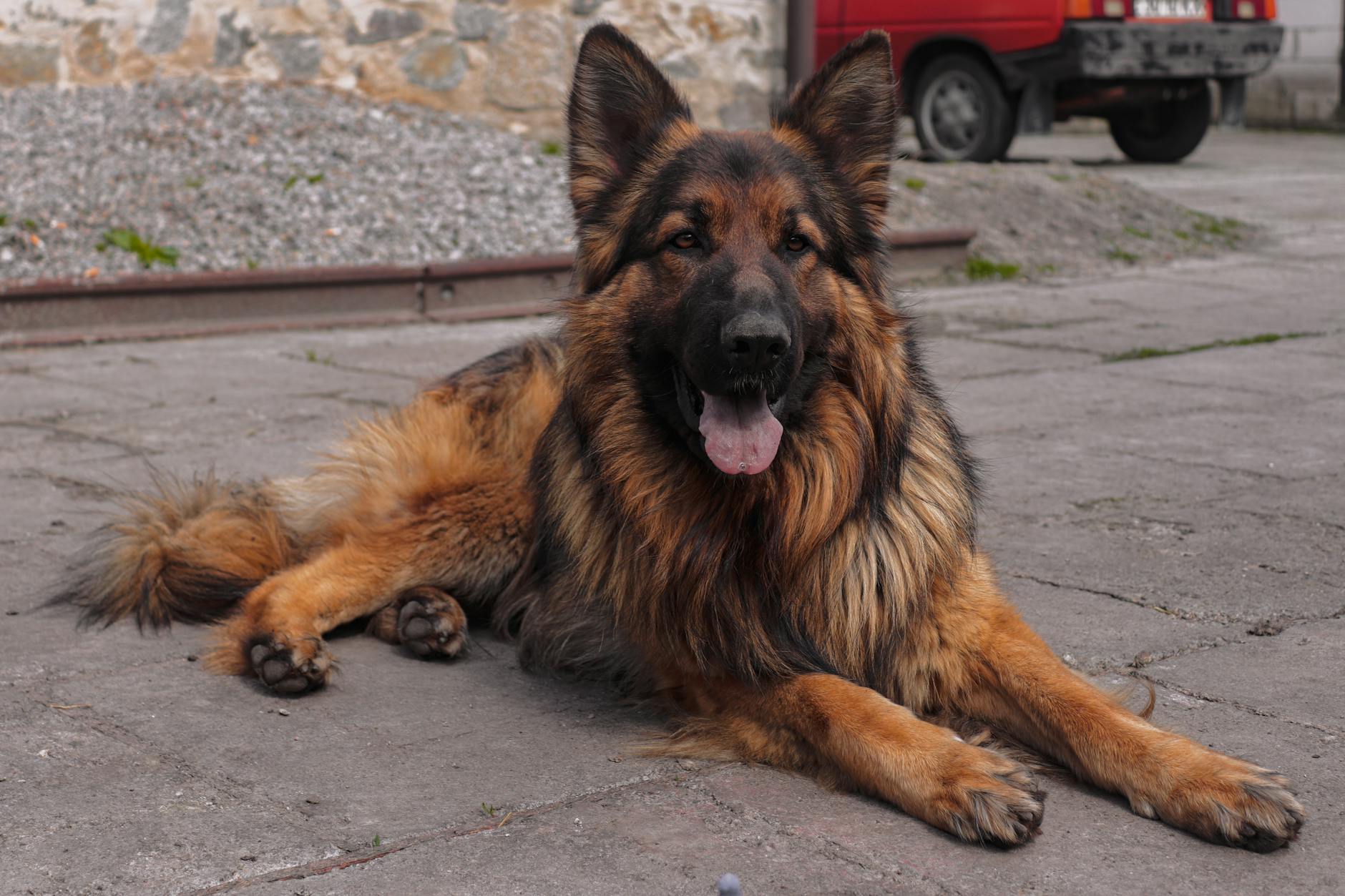
The German Shepherd is a highly intelligent working breed that uses barking as a deliberate and purposeful communication tool. Originally developed as a herding and protection dog, this breed is trained to alert and respond to changes in its environment. German Shepherds are naturally territorial and will bark to announce the approach of strangers or unfamiliar animals. Their intelligence means they can quickly learn when barking is expected and when it is not, making them highly responsive to training. Consistent leadership, early socialization, and purposeful mental engagement are key to keeping their vocal behavior appropriately calibrated.
Fox Terrier
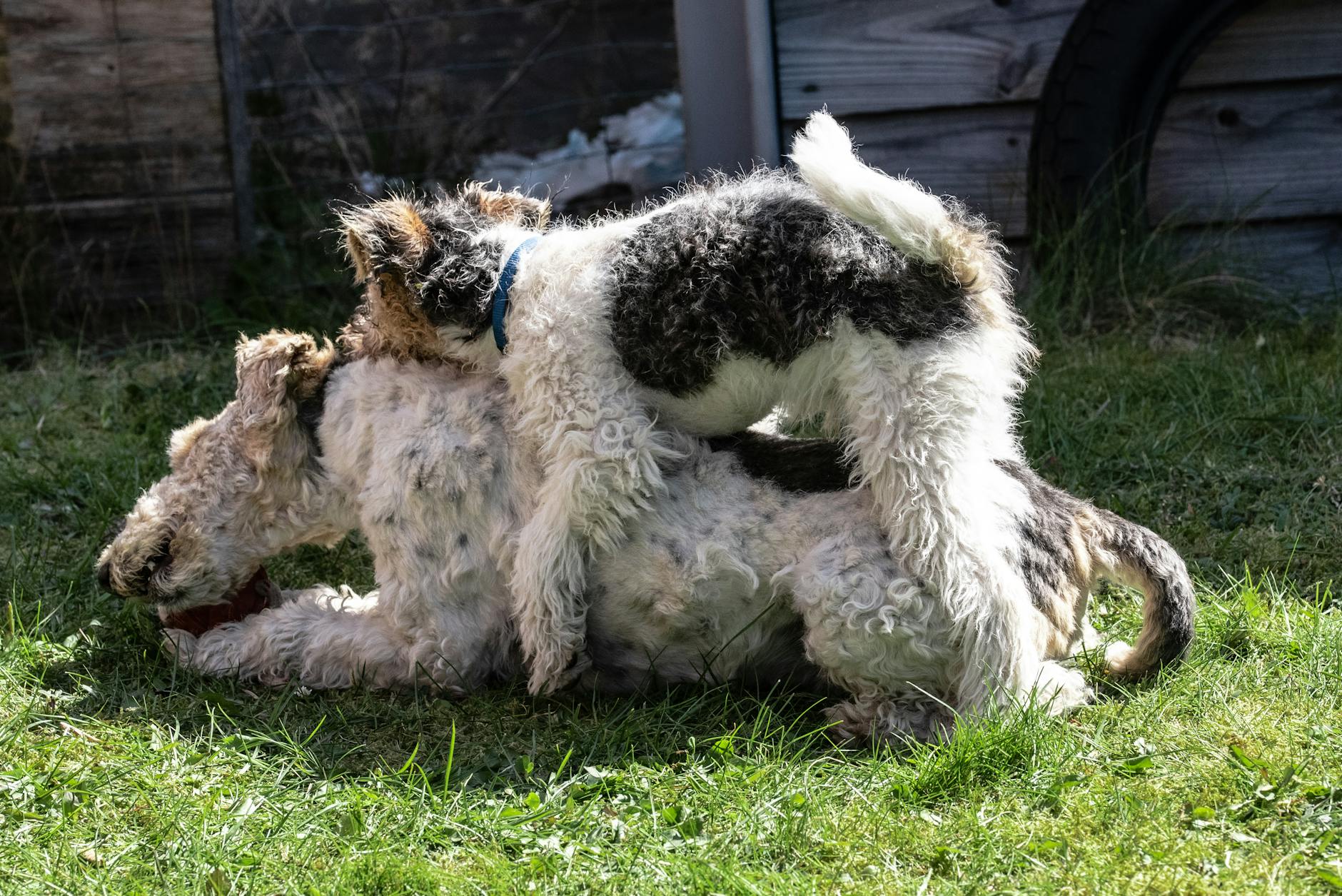
The Fox Terrier was developed in Britain specifically for fox hunting, requiring an energetic, fearless dog capable of flushing prey from underground dens. That hunting drive comes packaged with a bold, assertive personality and a very strong inclination to bark. Fox Terriers are reactive by nature and tend to respond loudly to anything that moves quickly through their field of vision. They thrive on stimulation and will create their own entertainment through vocalization if left without adequate exercise or activity. Training this breed requires patience and consistency, as their independence can make them selectively responsive to commands.
Dachshund

Dachshunds were bred in Germany to hunt badgers underground, a job that required exceptional tenacity and a booming bark capable of echoing through tunnels. Their voice remains impressively deep and loud for their size, often catching first-time owners off guard. Dachshunds tend to bark at strangers, unfamiliar sounds, and other animals with considerable enthusiasm and conviction. They are also prone to separation anxiety, which can turn into prolonged barking sessions when left alone for too long. Structured training, adequate exercise, and a calm household environment help moderate their vocal tendencies over time.
Alaskan Malamute
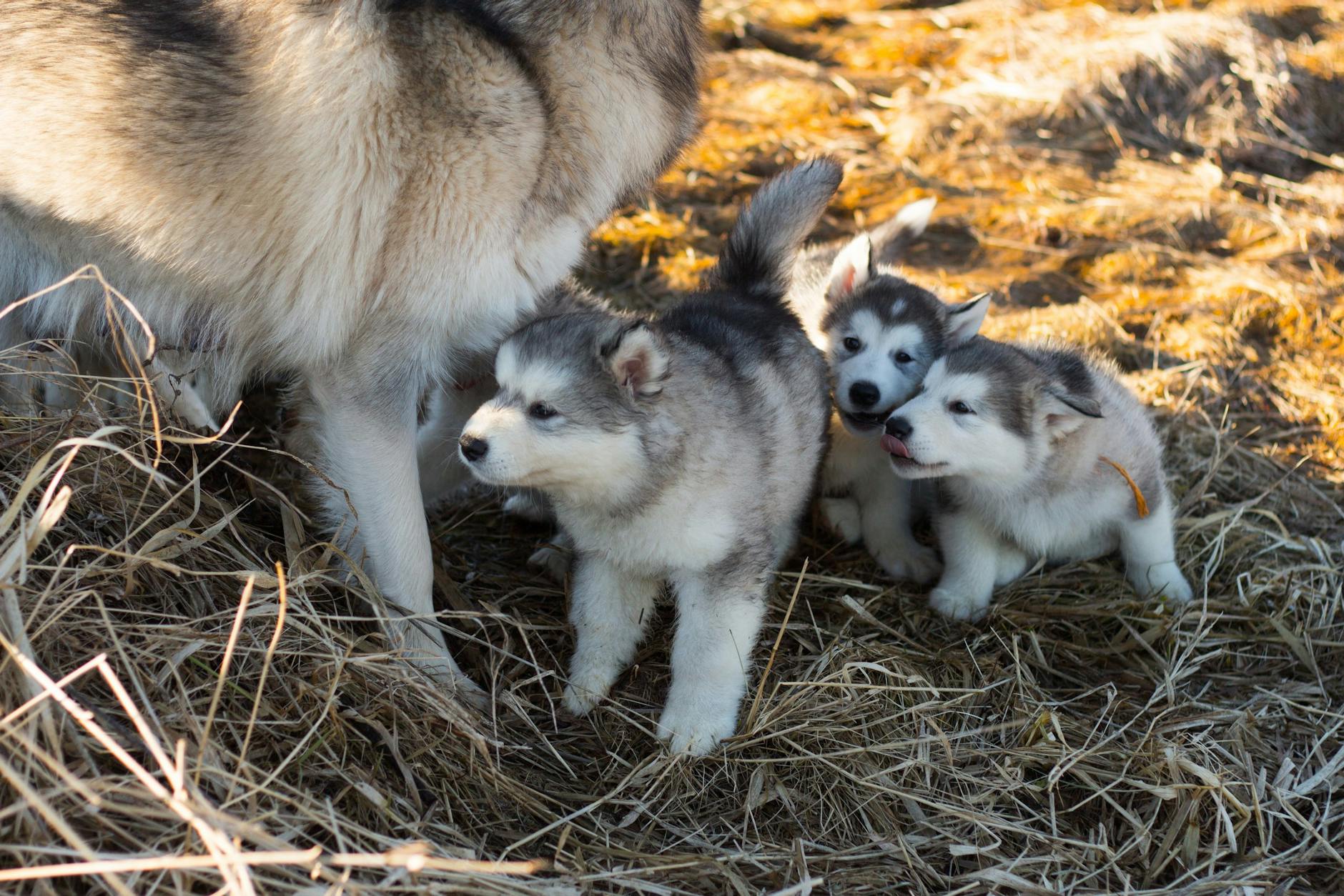
The Alaskan Malamute is a powerful Arctic breed that communicates through a rich variety of vocalizations including howling, woo-wooing, and dramatic whining. Like the Husky, the Malamute was bred to work in packs and developed vocal communication as an integral part of canine social interaction. They are expressive and will vocalize when they want attention, exercise, or simply feel like engaging with the world around them. Malamutes can become particularly loud when bored or under-stimulated, as they are a high-energy breed with significant physical and mental requirements. Their social nature means they are best kept in environments where their communication efforts receive thoughtful responses.
Pomeranian
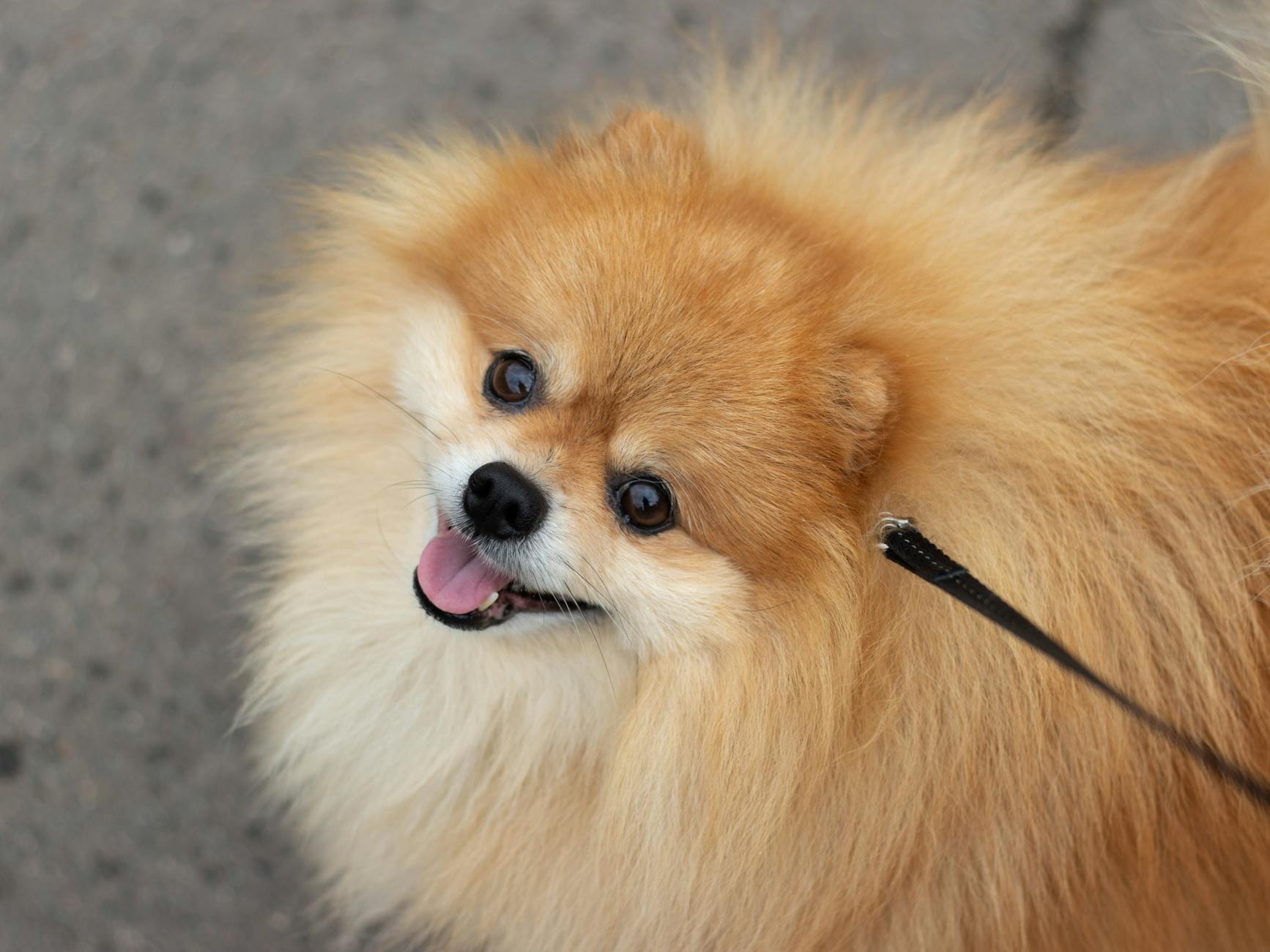
Pomeranians are lively, alert little dogs that carry the spitz heritage of their larger Nordic ancestors in a heavily coated, toy-sized package. Their strong watchdog instinct means they are quick to react to any change in their environment with sharp, sustained barking. Pomeranians bond intensely with their owners and can become anxious and vocal when separated or when they sense tension in the household. Despite their small size, their bark is surprisingly sharp and high-pitched, making it particularly noticeable in apartment settings. Consistent training from puppyhood helps prevent the development of compulsive or demand-driven barking habits.
Scottish Terrier
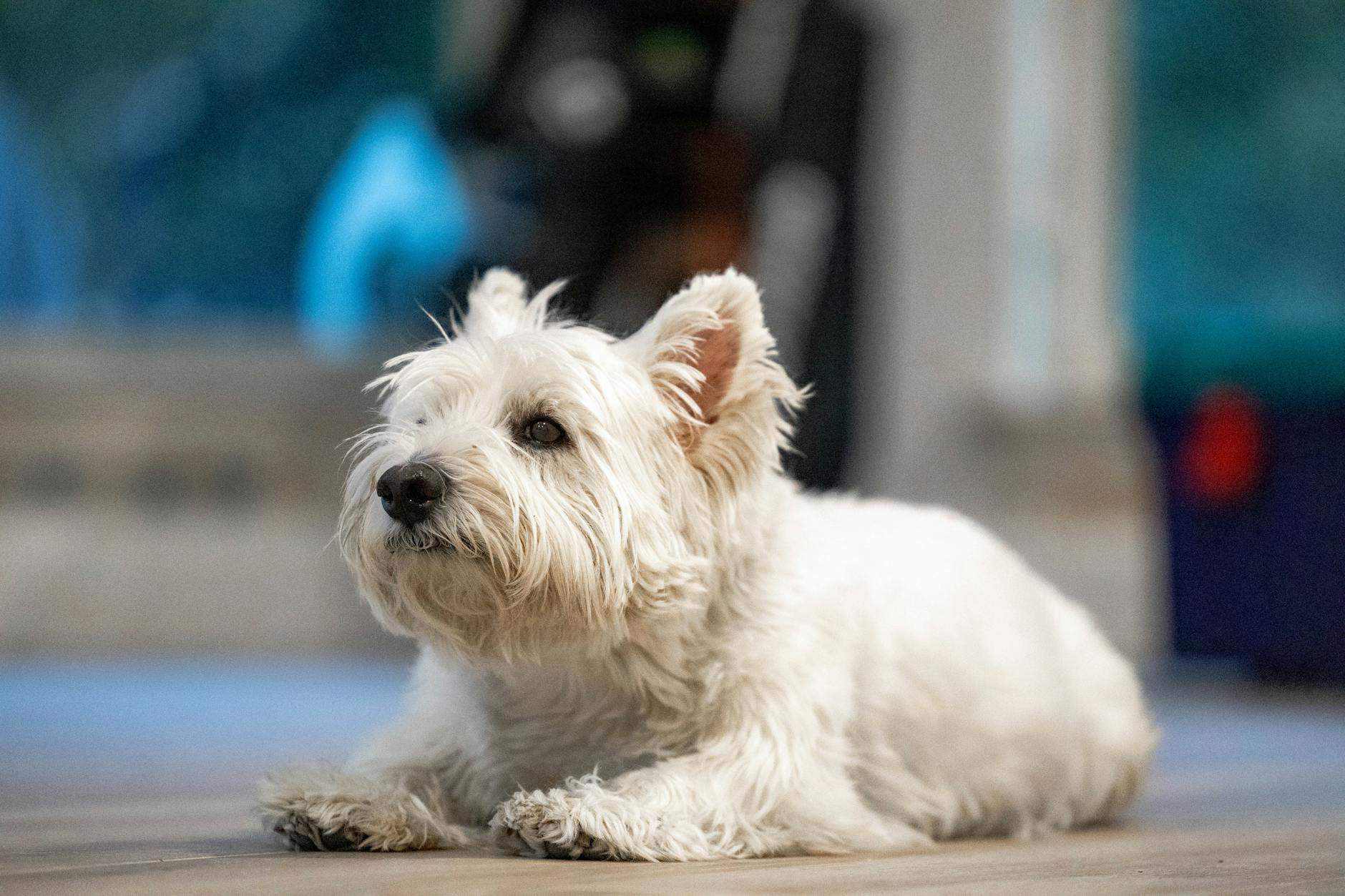
The Scottish Terrier was originally bred to hunt and track vermin in the rugged Highland terrain, developing an independent, bold personality in the process. This breed is highly alert and will react with confident barking to strangers, unfamiliar animals, and unexpected noises. Scotties are known for their stubborn streak, which can make redirecting their vocal behavior a more involved training process than with more eager-to-please breeds. Their territorial nature means they take their self-appointed watchdog role seriously and will not easily be deterred from alerting to perceived intrusions. Early boundaries and consistent reinforcement help establish appropriate parameters around their natural alertness.
Cairn Terrier
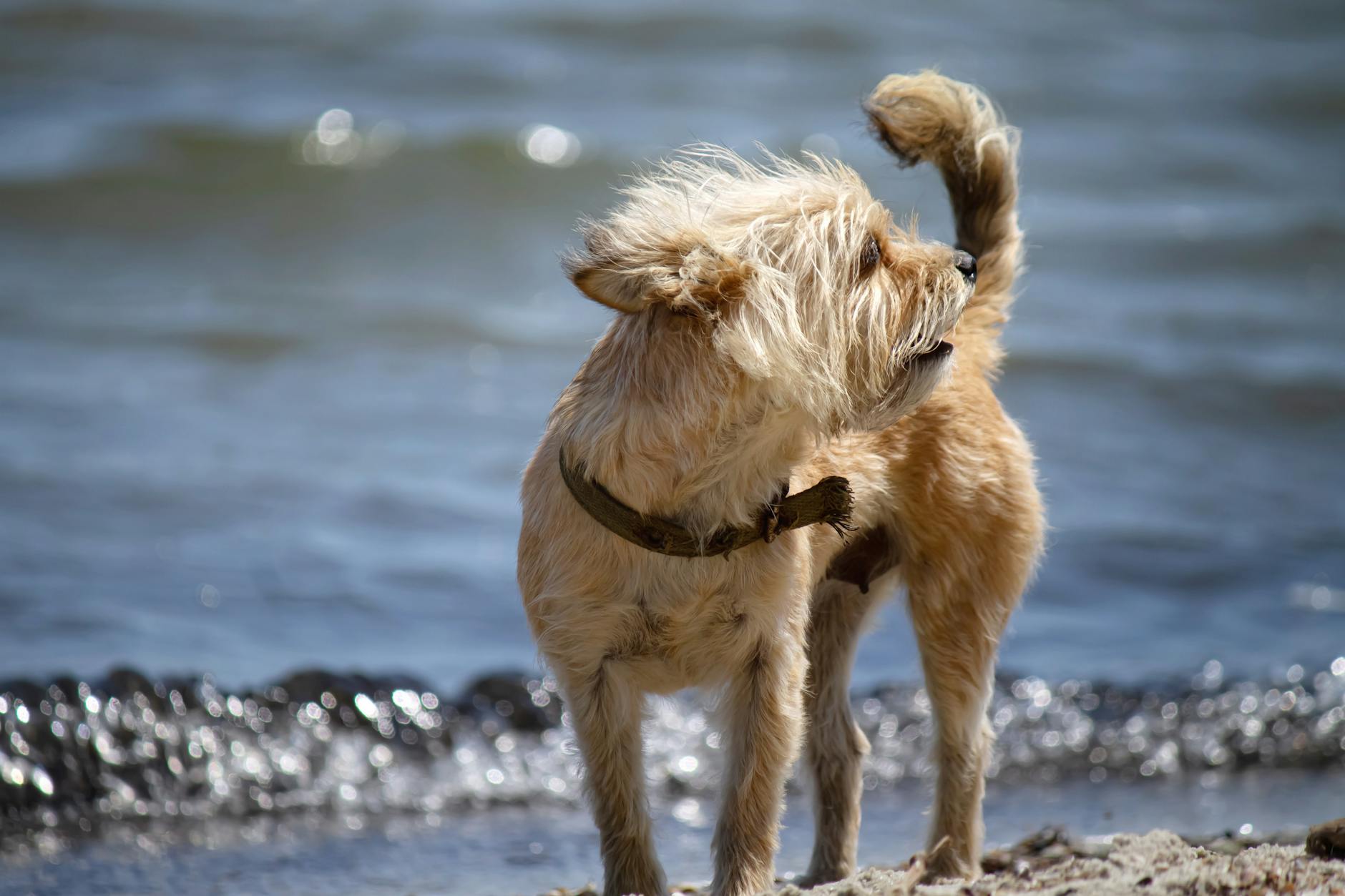
The Cairn Terrier gained widespread recognition through the character Toto in the Wizard of Oz, but behind that charming appearance is a true working terrier through and through. Bred in the Scottish Highlands to hunt foxes, otters, and other small prey, the Cairn Terrier developed a persistent, high-energy temperament. Their prey drive keeps them in a state of near-constant alertness, and they will vocalize freely when something catches their attention. Cairn Terriers are curious and bold, and their barking often reflects genuine engagement with their environment rather than anxiety or aggression. Channeling their energy through play, training, and exploration helps reduce unnecessary noise.
Basset Hound

The Basset Hound is best known for its soulful expression and low-slung body, but those long ears funnel scent upward toward a nose built for relentless tracking. When this breed picks up an interesting trail or finds itself frustrated by confinement, it produces a resonant, melodic howl that is impossible to ignore. Basset Hounds were bred as pack hounds and use vocalization as a primary means of communication with their companions, both human and canine. Their howling can become a significant issue in urban environments where close neighbors make noise sensitivity a practical concern. Regular scent-based enrichment activities satisfy their instincts and help reduce excessive howling significantly.
West Highland White Terrier
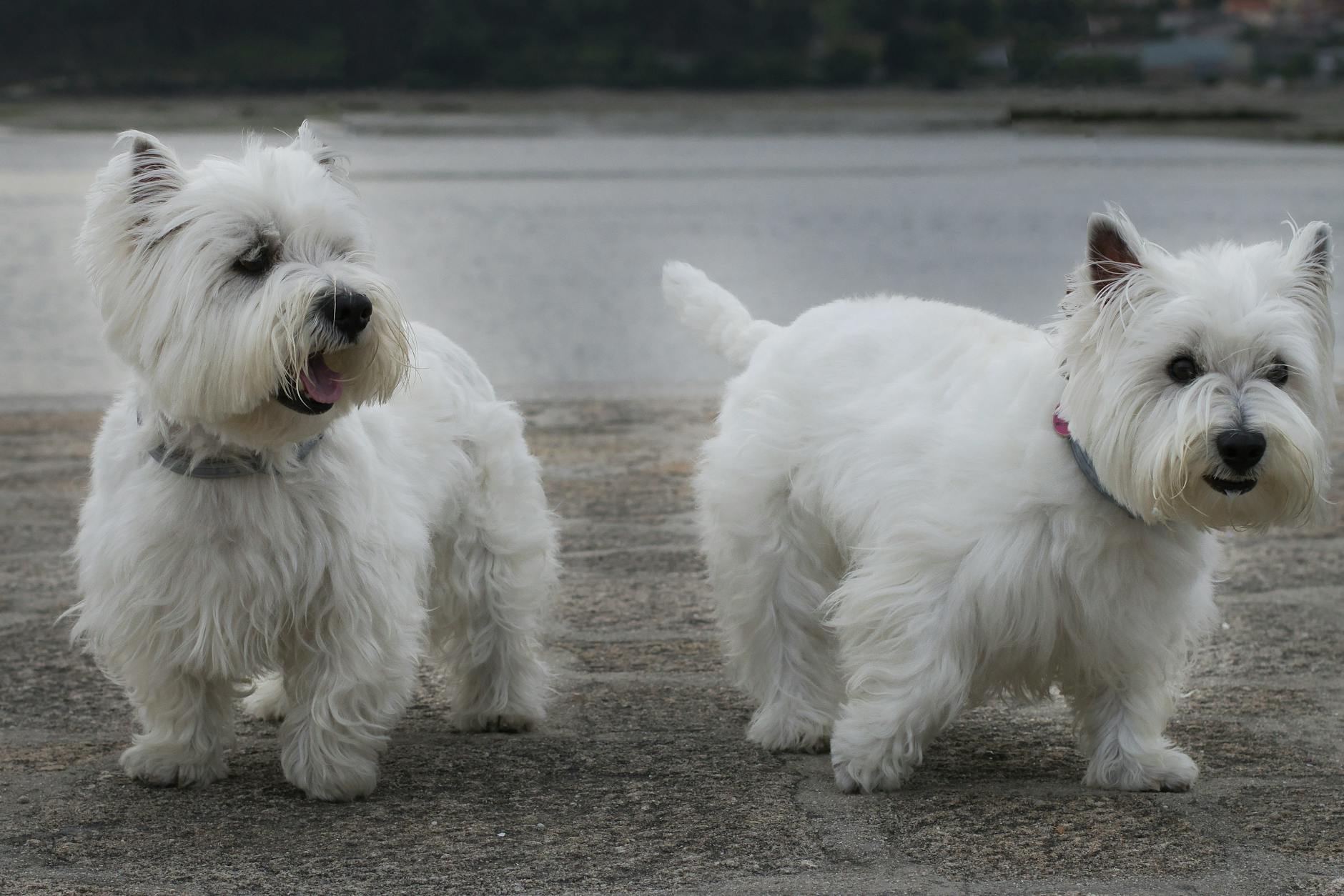
The West Highland White Terrier, known affectionately as the Westie, is a small but spirited Scottish breed with a bold approach to the world. Originally developed for hunting small game in rocky Highland terrain, Westies carry a strong instinct to alert and pursue. They are territorial and tend to bark assertively at strangers, other dogs, and any environmental sounds they deem worth investigating. Their confident, self-assured temperament means they are rarely intimidated and rarely silent when something captures their attention. Westies respond well to positive training methods and benefit greatly from an active lifestyle that keeps their minds and bodies engaged.
Doberman Pinscher
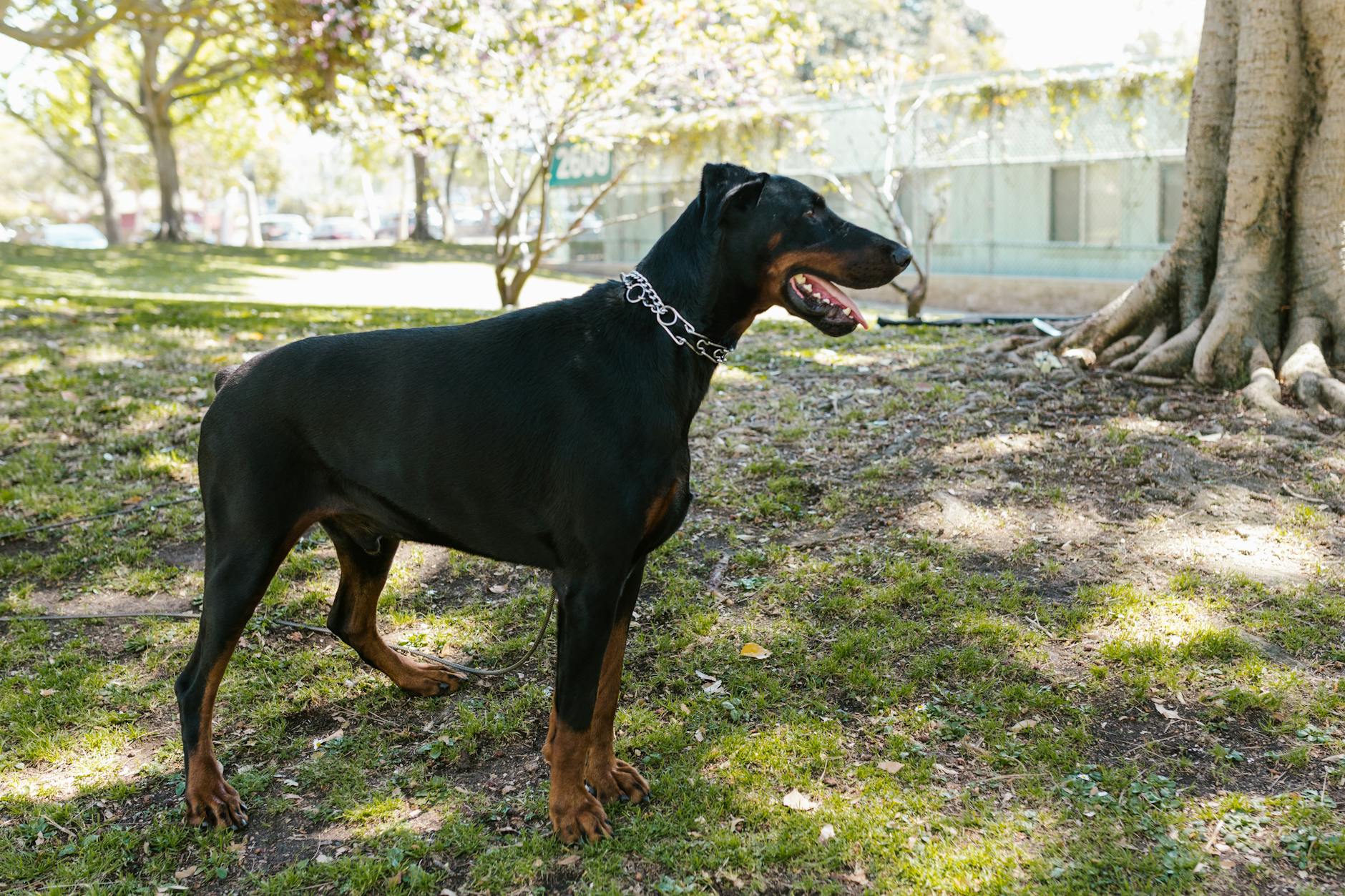
The Doberman Pinscher was specifically developed in Germany as a personal protection dog, and its voice is one of its most effective deterrents. This breed is highly alert and possesses a natural instinct to warn its owners and territory through confident, authoritative barking. Dobermans are discerning barkers, generally vocalizing with purpose rather than at random, which makes their alerts particularly significant. Their intelligence means they respond exceptionally well to training, allowing owners to shape their barking behavior with precision and consistency. A well-exercised and mentally engaged Doberman typically maintains a measured and effective approach to vocalization.
Bloodhound
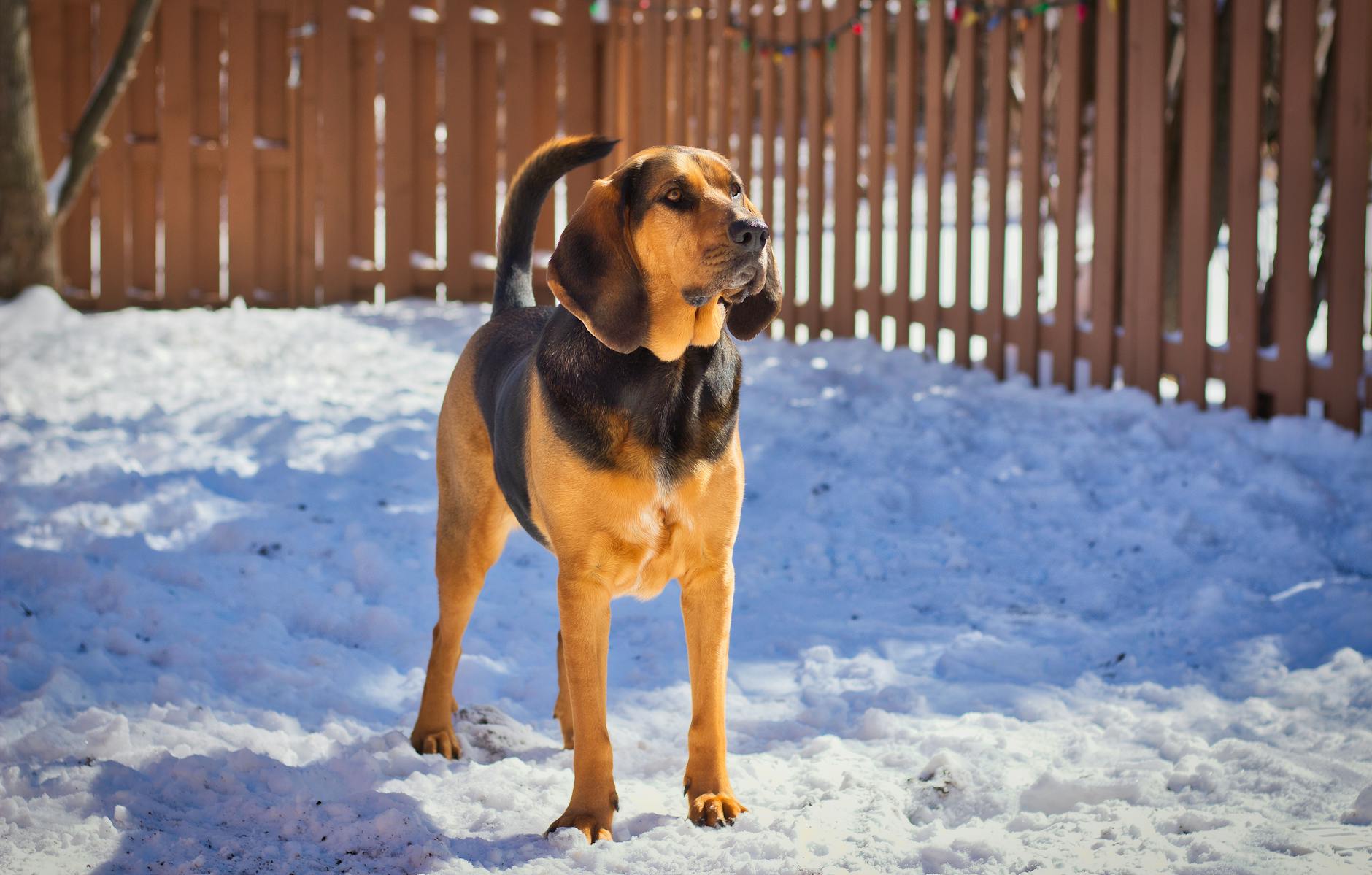
The Bloodhound is one of the oldest and most skilled scent-tracking breeds in the world, built for persistence and endurance on the trail. When this breed locks onto a scent or experiences frustration, it produces a deep, sonorous bay that reflects centuries of working alongside hunters in open country. Bloodhounds are expressive animals that use vocalization freely when stimulated, excited, or left without adequate engagement. Their size and vocal power combine to make their barking a genuinely commanding presence in any environment. Providing consistent scent-based activity and sufficient exercise is the most effective way to manage their vocal output.
Coonhound
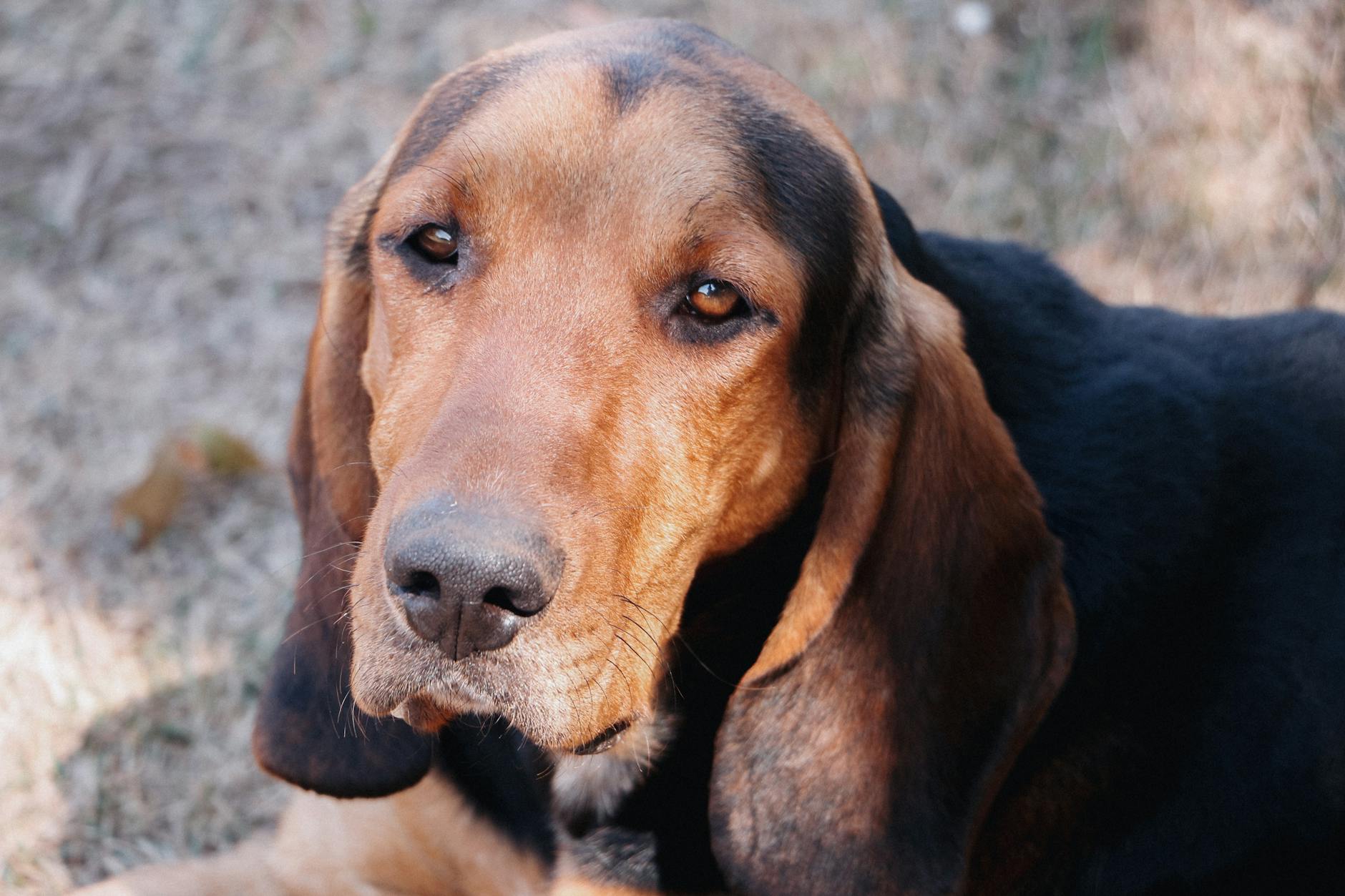
Coonhounds were developed in the American South for nocturnal hunting, tracking prey through dense forests with a distinctive, far-carrying howl to guide hunters to their location. The breed’s entire working purpose was defined by vocal communication, and that instinct is deeply embedded in even the most domesticated individuals. Coonhounds will howl freely at night, in response to sounds, or simply when the mood strikes, which can create significant challenges in residential settings. They are pack-oriented animals and vocalize more when isolated from companionship, whether human or canine. Providing structured activity and social engagement reduces the frequency and intensity of their vocalizations considerably.
Lhasa Apso
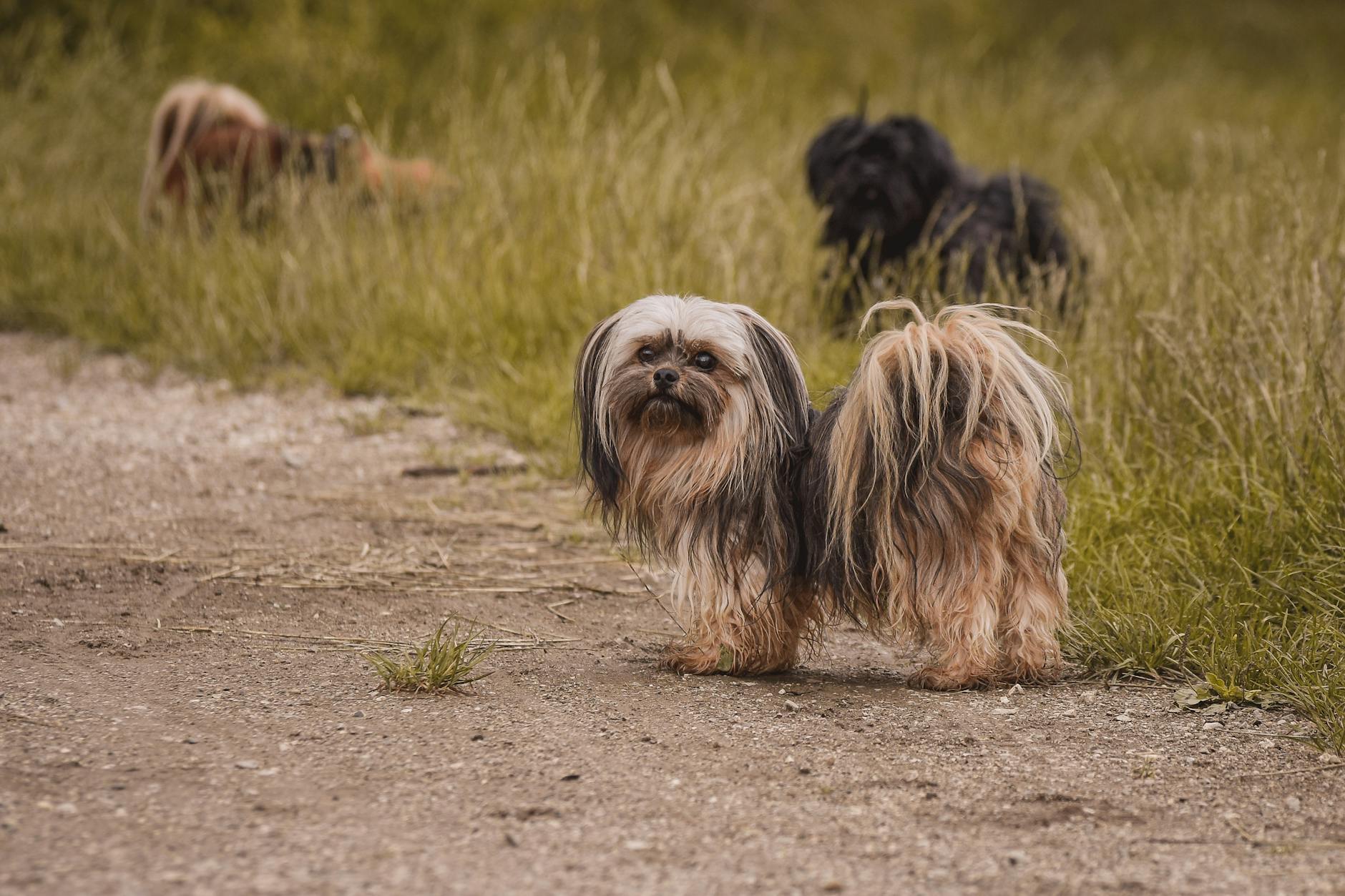
The Lhasa Apso was bred for centuries in Tibetan monasteries as an indoor sentinel, tasked with alerting monks to intruders that larger dogs outside had failed to detect. That watchdog role created a dog with exceptional hearing, keen awareness, and a reliable instinct to bark at anything unfamiliar. Lhasa Apsos are small in stature but carry considerable confidence, and they do not hesitate to sound the alarm in response to strangers or unusual sounds. Their independent temperament means they can be selective in their response to training, requiring a patient and consistent approach to modifying barking behavior. Understanding their historical purpose helps owners appreciate their vigilance while working to establish appropriate boundaries.
Miniature Pinscher
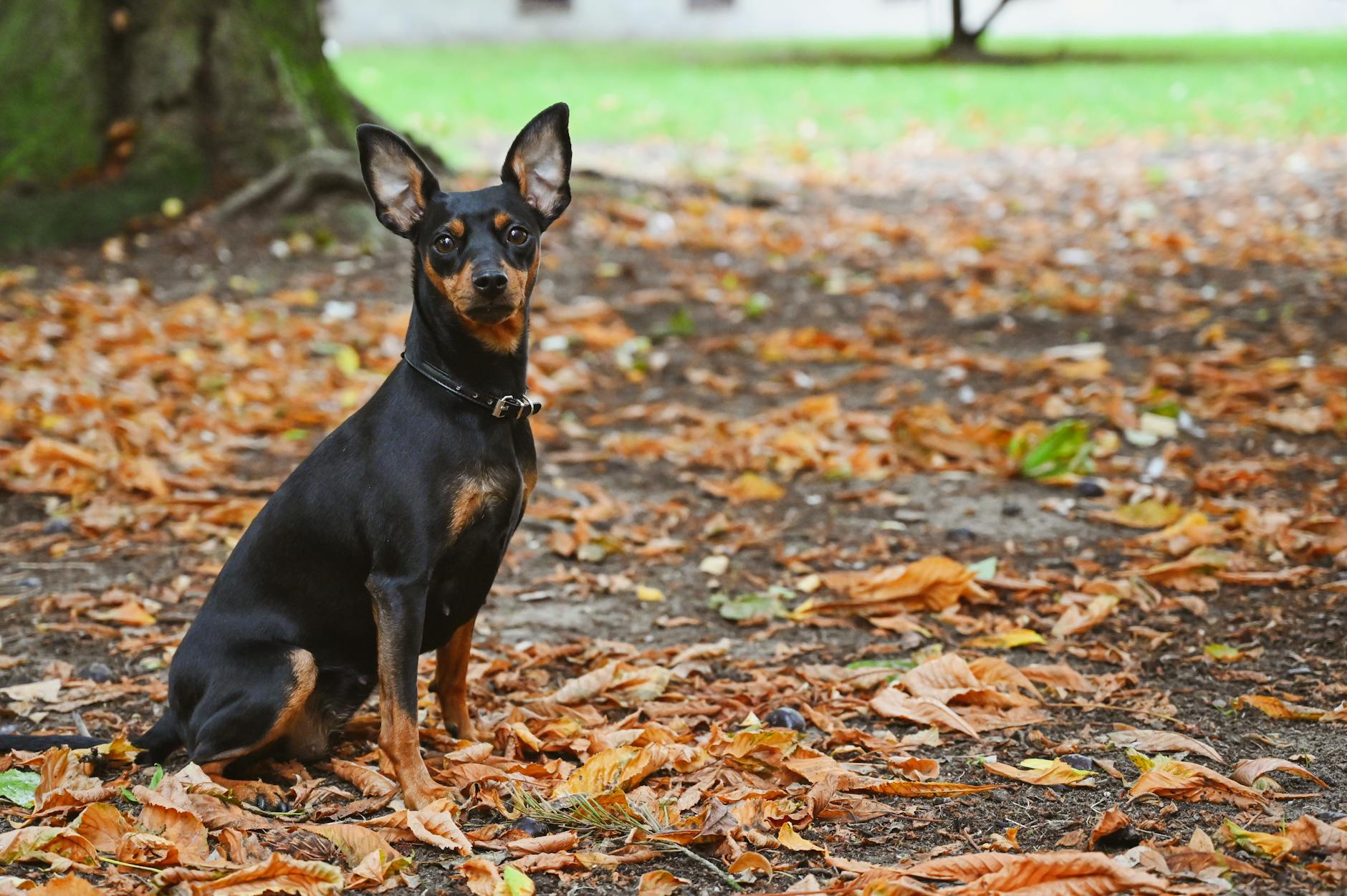
The Miniature Pinscher, often called the Min Pin, is a bold and energetic breed that carries itself with remarkable self-assurance for its compact size. Originally developed in Germany as a stable ratter, this breed is alert, quick-moving, and highly reactive to environmental stimuli. Min Pins are known for their fearless approach to perceived threats, which often translates into immediate and sustained barking. Their high prey drive and territorial nature combine to create a dog that is almost always on watch, ready to announce anything that crosses its perimeter. Consistent training and a stimulating daily routine help manage their reactive tendencies effectively.
Finnish Spitz
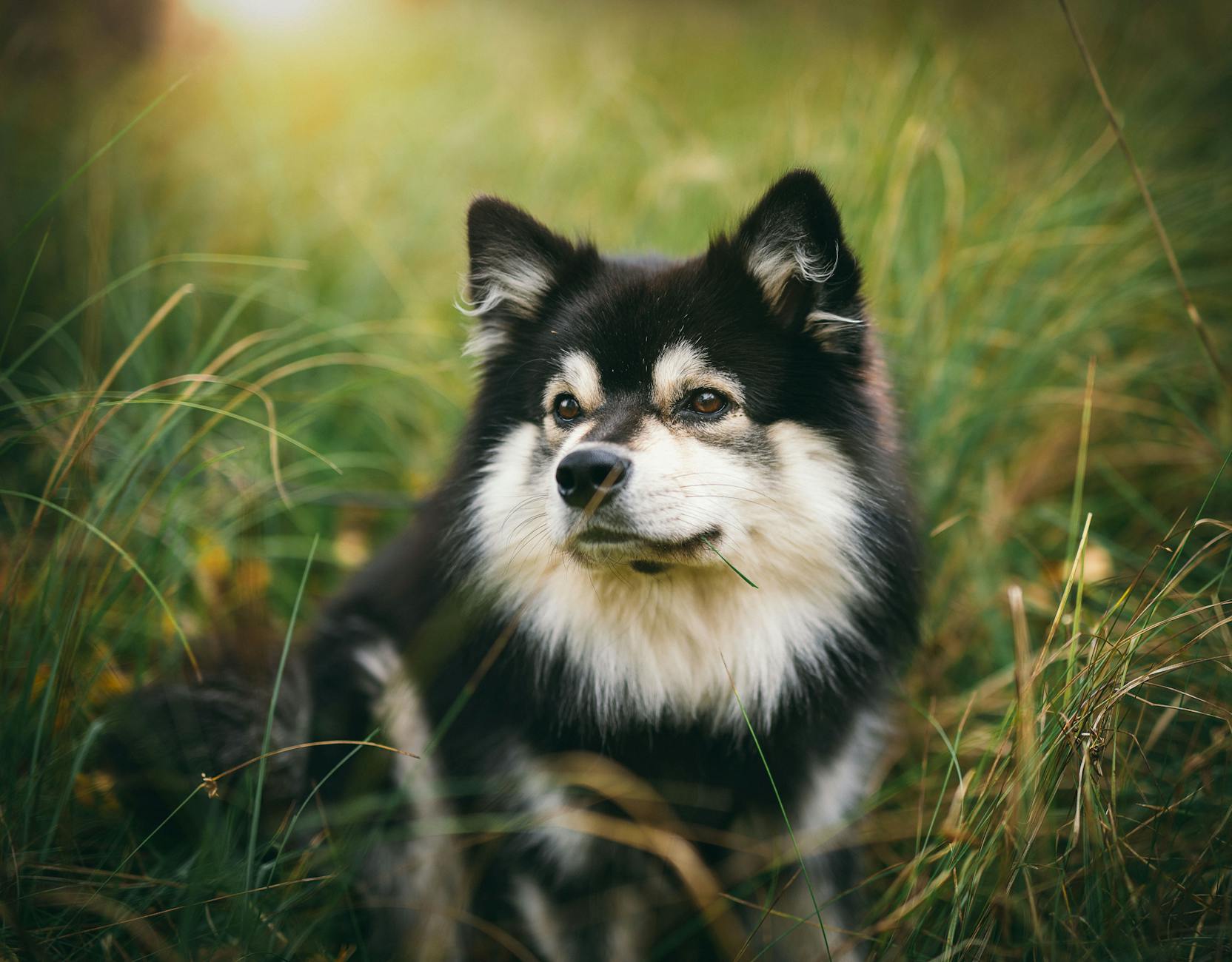
The Finnish Spitz holds the unusual distinction of being a national breed in Finland valued explicitly for its ability to bark rapidly and persistently at game in trees. Known as the barking bird dog, this breed was developed to locate prey and then hold it in place through continuous vocalization until hunters arrived. The Finnish Spitz can bark at an exceptionally fast rate and will do so with great enthusiasm in both hunting and domestic contexts. They are active, intelligent dogs that require significant exercise and mental engagement to prevent boredom-driven barking at home. Their vocal nature is deeply intertwined with their working identity and should be understood as an intentional breed characteristic.
Cocker Spaniel

The Cocker Spaniel is a gentle, affectionate breed with an expressive nature that extends to its vocal behavior. Originally bred as a flushing and retrieving dog, Cockers developed sensitivity and responsiveness to their environment that translates into reactive barking in everyday life. They are particularly prone to excitement-based barking during play, greetings, and outdoor activity, which can escalate without proper boundaries. Cocker Spaniels can also develop separation anxiety, leading to prolonged barking when left alone in an empty home. Positive reinforcement training combined with a stable, engaging routine significantly improves their ability to self-regulate in stimulating situations.
Pekingese
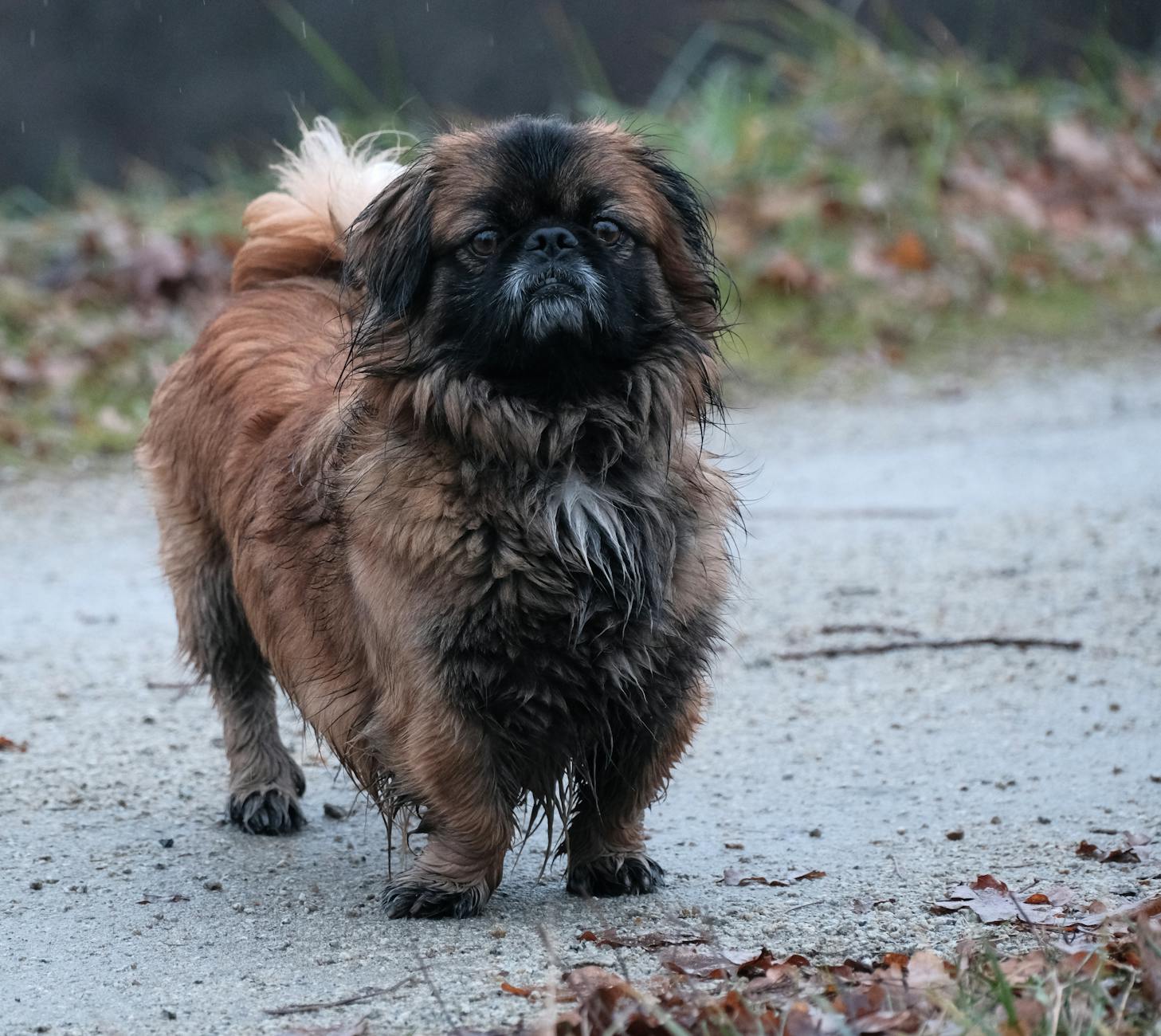
The Pekingese was bred for centuries as a companion dog in the Chinese imperial court, where it also served as a watchdog within the palace grounds. Despite its aristocratic appearance and calm resting demeanor, the Pekingese is a surprisingly vocal and alert breed with strong territorial instincts. They tend to bark confidently at strangers and unfamiliar animals, relying on their watchdog heritage to justify their persistent vigilance. Pekingese can be stubborn and independent, which requires a thoughtful and patient approach to training their barking behavior. Their loyalty to their owners makes them responsive to calm, consistent guidance over time.
Maltese
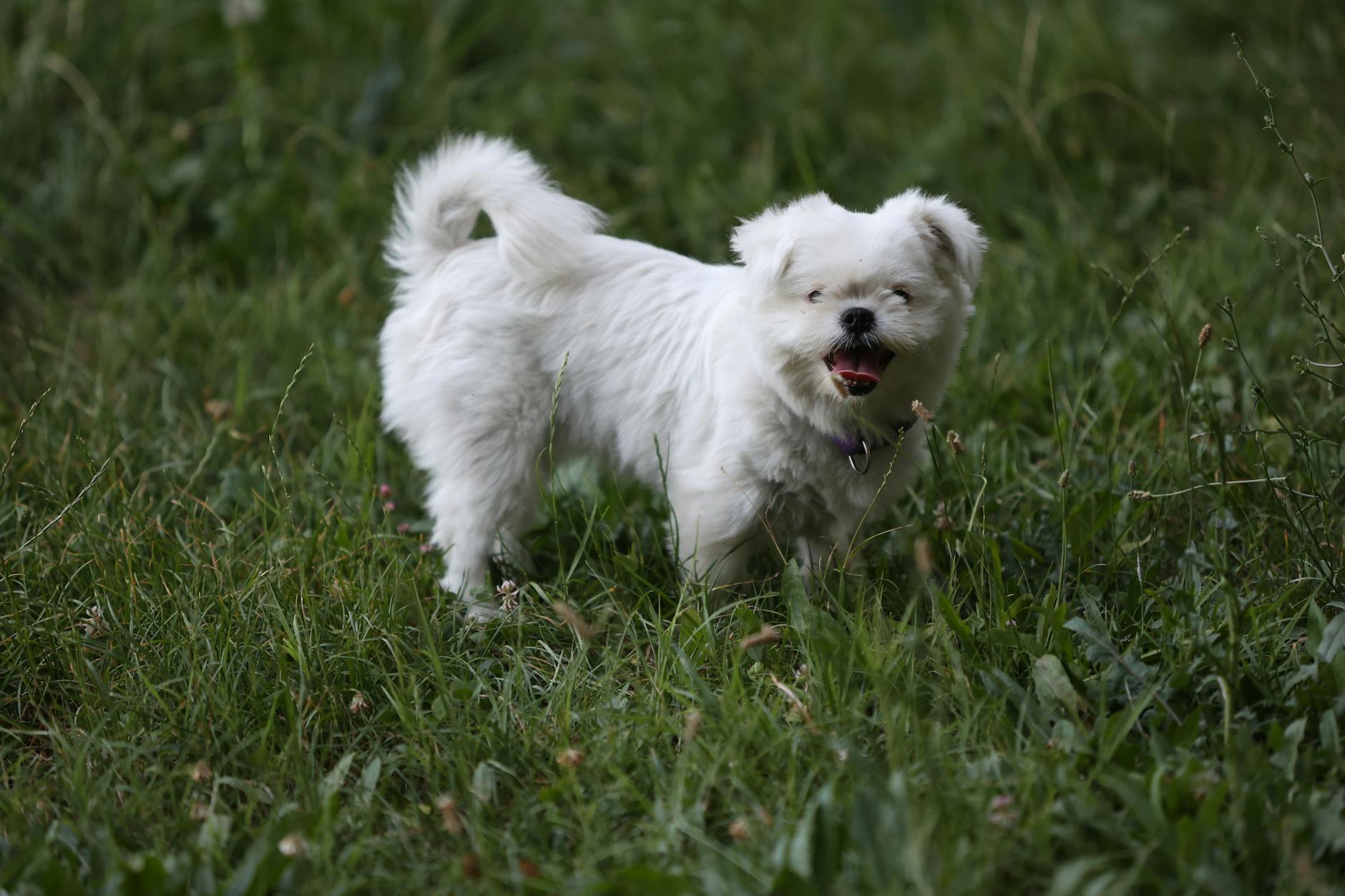
The Maltese is a classic toy breed with a long silky coat and a surprisingly assertive personality packed into its delicate frame. Like many small companion dogs, the Maltese can develop overprotective tendencies toward its owners that manifest as persistent alert barking. They are sensitive to their environment and will vocalize freely in response to sounds, strangers, or changes in household routine. Maltese dogs are also prone to separation anxiety, which is one of the most common drivers of excessive barking in the breed. Regular social exposure, a predictable daily schedule, and clear training boundaries help create a calmer and more balanced companion.
Norwich Terrier
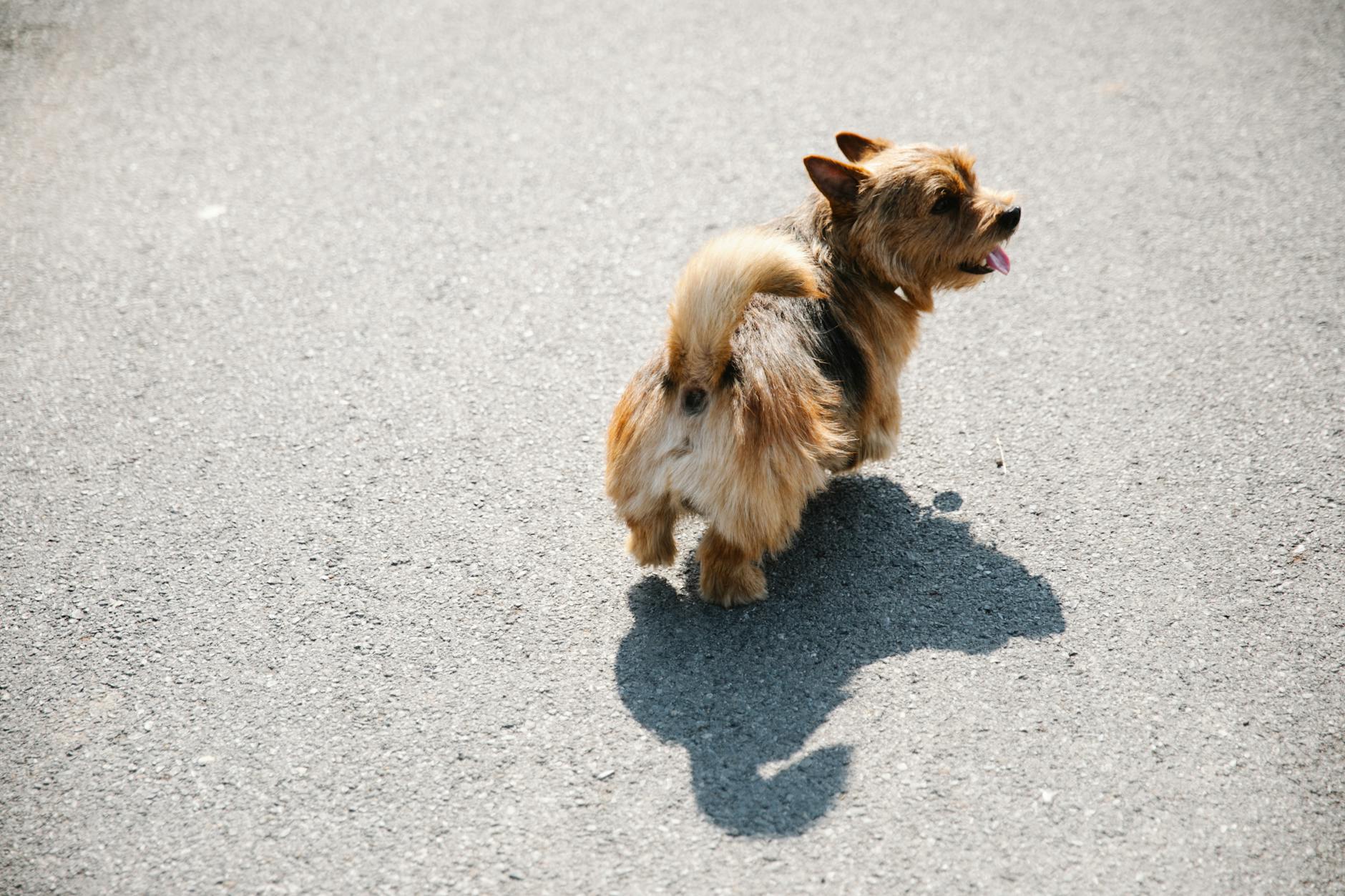
The Norwich Terrier is one of the smallest terrier breeds but carries all of the personality, tenacity, and vocal enthusiasm typical of the group. Originally developed in England as a barnyard ratter and fox bolter, this compact breed is fearless and perpetually engaged with its surroundings. Norwich Terriers bark readily at strangers, other animals, and any sound that registers as worth investigating in their environment. Their energy levels are high and their curiosity is nearly boundless, making mental and physical stimulation essential to managing their vocal tendencies. Despite their barky nature, they are affectionate and adaptable dogs that respond well to consistent positive training.
Shetland Sheepdog
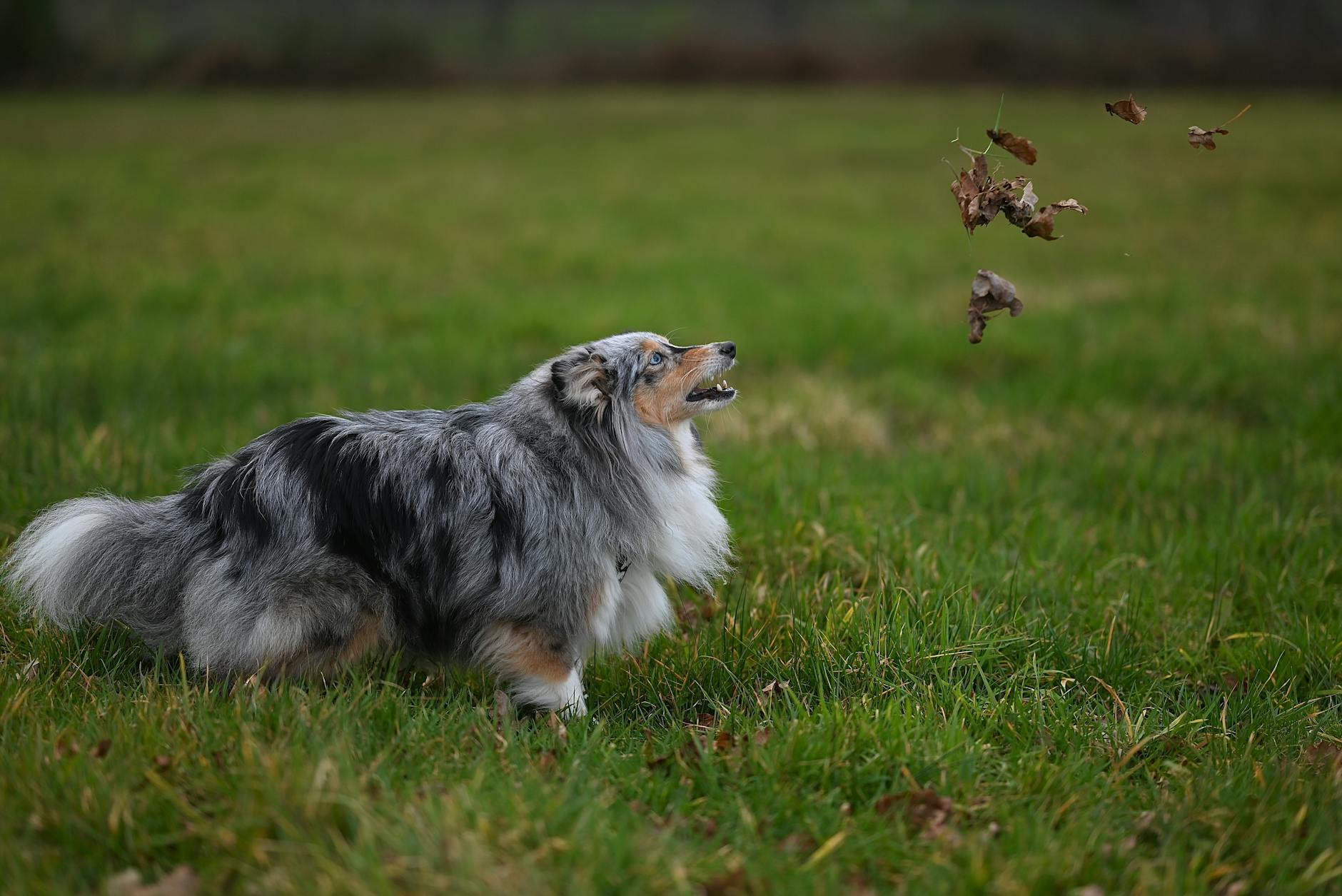
The Shetland Sheepdog, or Sheltie, was developed in the rugged Shetland Islands as a herding dog responsible for controlling livestock across open, windswept terrain. Barking was a core component of the Sheltie’s working toolkit, used to move animals and alert farmers to anything unusual in the field. This heritage makes modern Shelties among the most reliably vocal herding breeds, with a tendency to bark at movement, sounds, and anything that triggers their herding instinct. They are highly intelligent and sensitive dogs that thrive on structure, communication, and purposeful engagement with their owners. Training that clearly defines when barking is appropriate dramatically improves the Sheltie’s ability to manage its own vocal impulses over time.
If you share your home with one of these vocal breeds, share your experiences and training tips in the comments.