
Most people treat their bathrooms as a sanctuary for cleanliness and self-care, but many of the products lining those shelves contain ingredients that raise serious health concerns. Scientific research has steadily uncovered links between common bathroom staples and hormonal disruption, skin irritation, respiratory issues, and even long-term organ damage. The problem is compounded by the fact that these products are used daily, often on the largest organ of the body. Understanding what is actually in these items is the first step toward making more informed choices. Awareness alone can meaningfully reduce unnecessary chemical exposure in one of the most intimate spaces in the home.
Antibacterial Soap
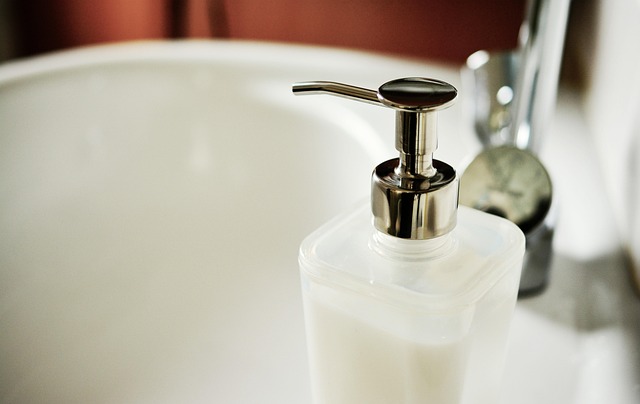
Many antibacterial soaps contain triclosan, a chemical compound that has been flagged by health regulators for its potential to disrupt thyroid hormone function. Studies have shown that triclosan can accumulate in the body over time with repeated daily use. The compound has also been found in waterways, raising concerns about its broader environmental impact. Regulatory agencies in several countries have moved to restrict or ban its use in consumer products. Plain soap and water achieve equivalent hygiene results without the associated chemical risks.
Synthetic Fragrance
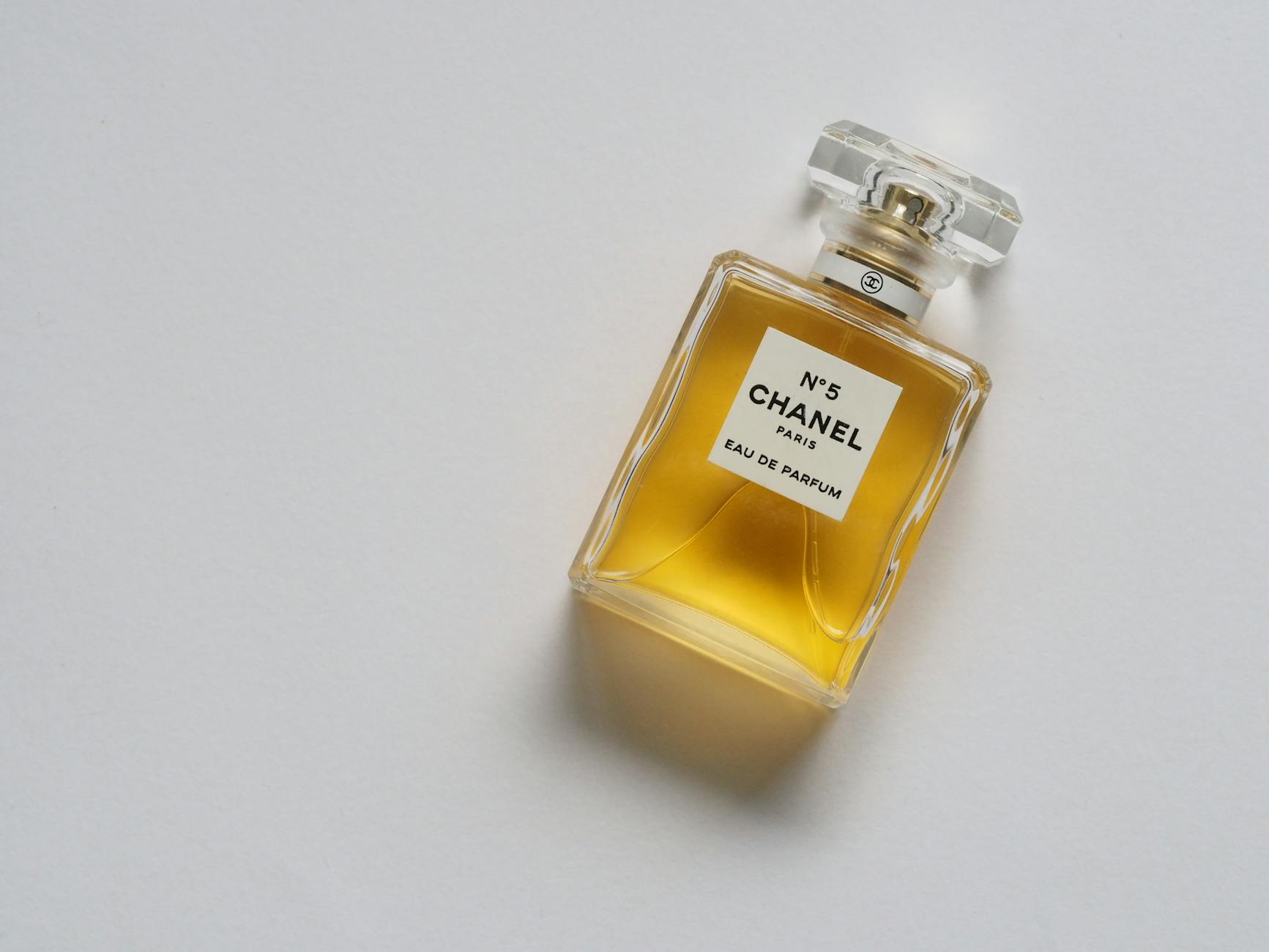
The word “fragrance” on a product label can legally represent a blend of hundreds of undisclosed chemicals, many of which are known allergens or endocrine disruptors. Phthalates are frequently used in synthetic fragrance formulations to make scents last longer on the skin. These compounds have been associated with reproductive health concerns in both human and animal studies. People with asthma or sensitivities often experience respiratory reactions to fragranced bathroom products. Opting for fragrance-free or naturally scented alternatives significantly reduces daily chemical load.
Conventional Shampoo
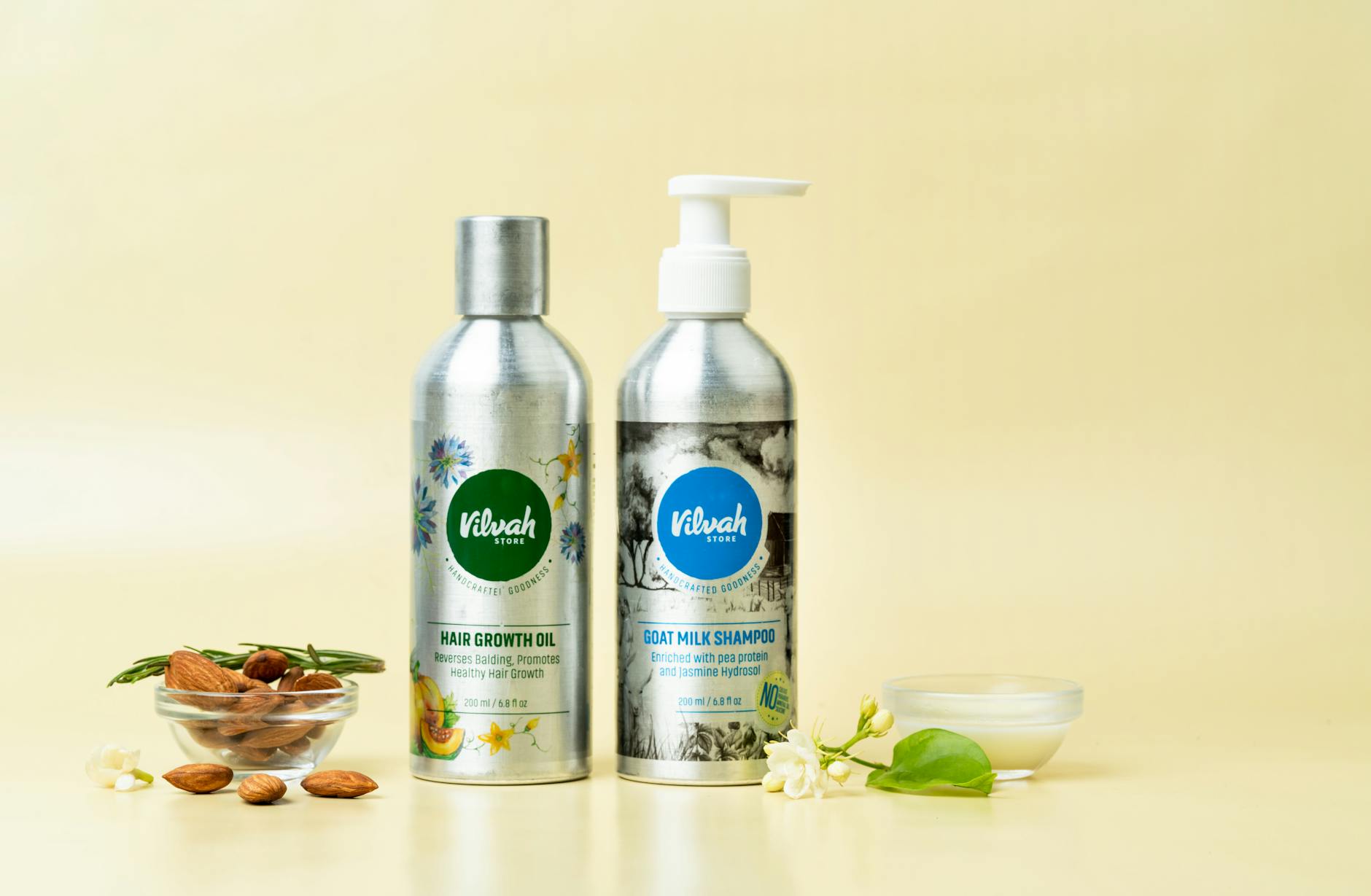
Many mainstream shampoos contain sodium lauryl sulfate, a surfactant known to strip natural oils from the scalp and irritate sensitive skin. Parabens are another common inclusion, used as preservatives but linked in research to hormonal disruption. Formaldehyde-releasing agents such as DMDM hydantoin are also found in numerous popular formulas. These chemicals are absorbed through the scalp, which is particularly permeable compared to other areas of skin. Reading ingredient labels carefully allows consumers to identify and avoid the most problematic compounds.
Dry Shampoo
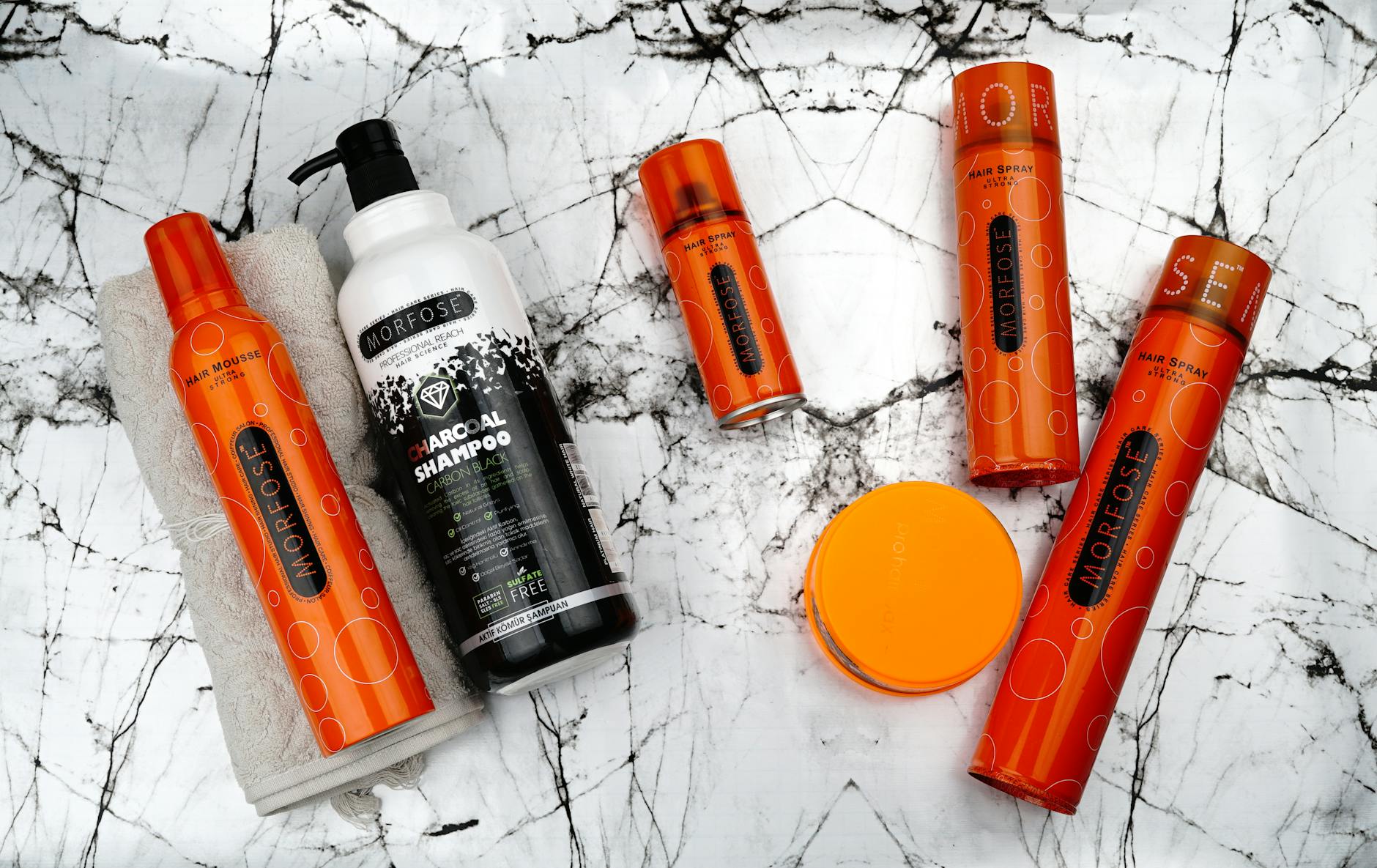
Aerosol dry shampoos often contain butane and isobutane as propellants, which are flammable hydrocarbons that can irritate the lungs when inhaled regularly. Several popular dry shampoo products have been recalled in recent years due to the detection of benzene, a known carcinogen. The fine particles in aerosol formulas can penetrate deep into the respiratory tract with repeated use. Talc, another common ingredient, has faced scrutiny over potential contamination with asbestos in certain deposits. Powdered non-aerosol alternatives offer a way to reduce these specific risks.
Hair Dye
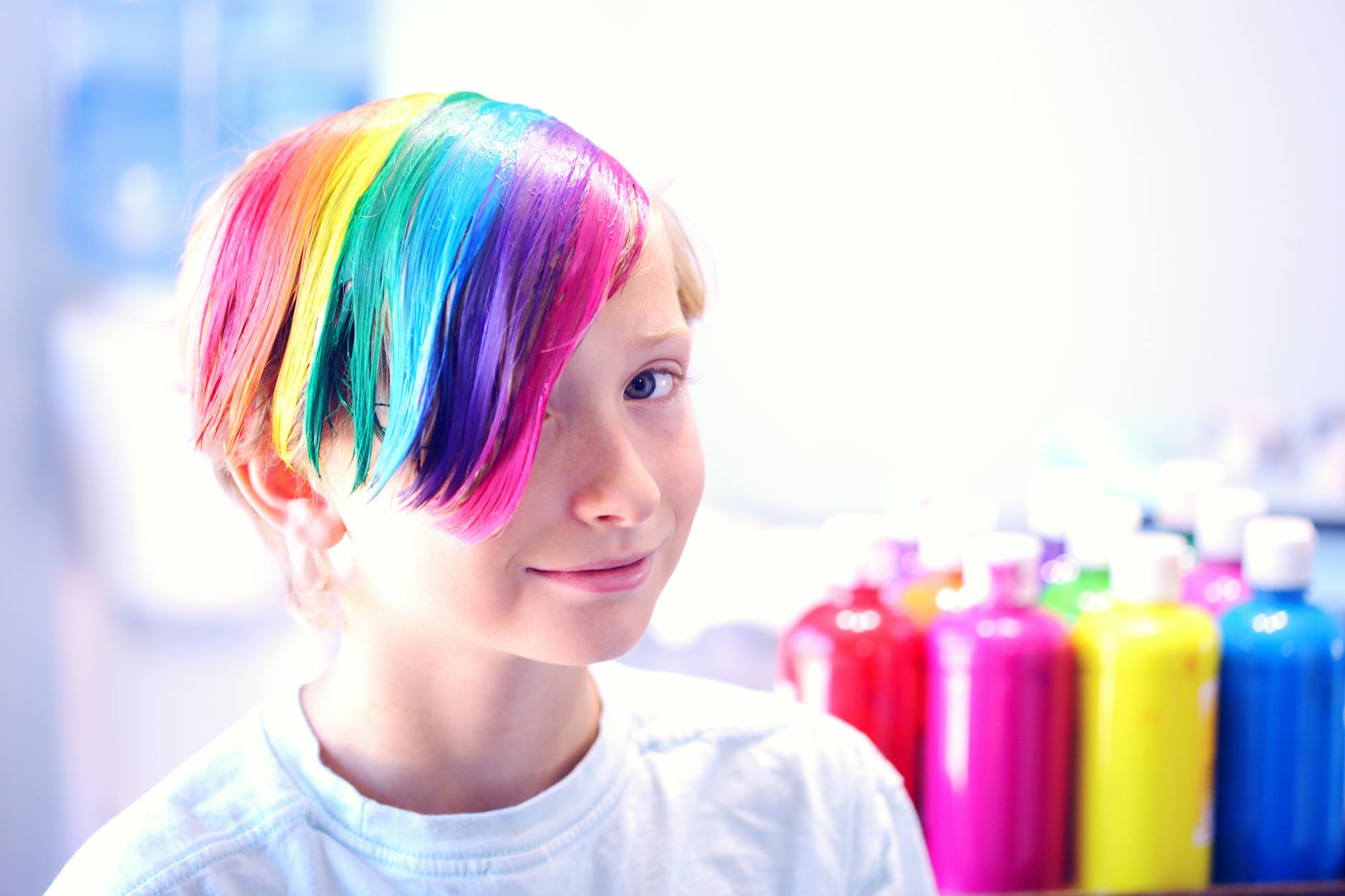
Permanent and semi-permanent hair dyes frequently contain p-phenylenediamine, a chemical that is a known skin sensitizer and potential carcinogen. Resorcinol, another common ingredient, can disrupt thyroid function and cause skin reactions with prolonged exposure. Ammonia used in many formulas releases fumes that irritate the eyes, nose, and lungs during application. Studies have explored links between long-term hair dye use and certain blood cancers, prompting ongoing scientific review. Plant-based and ammonia-free alternatives have grown considerably in availability and performance quality.
Hairspray
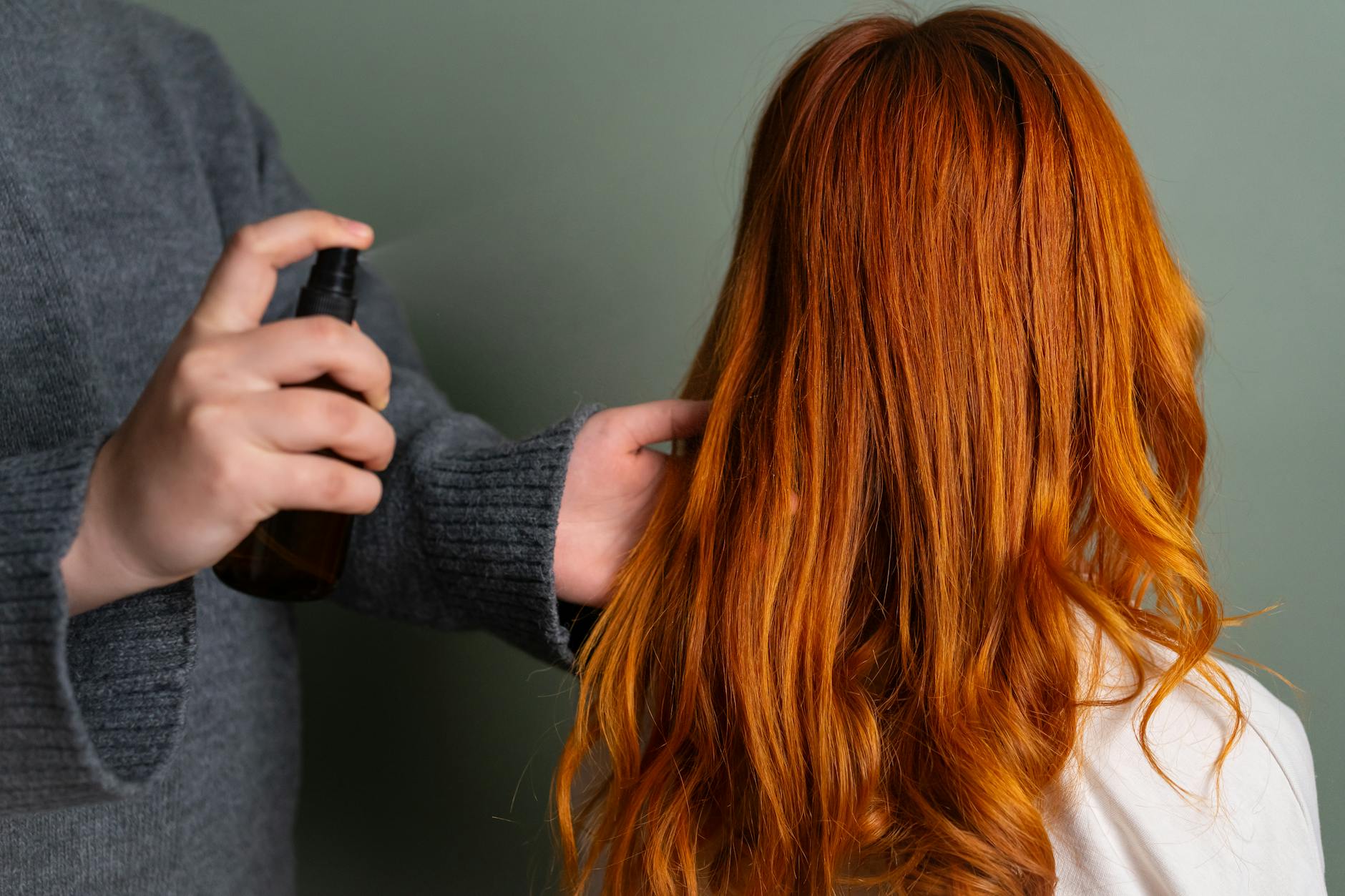
Conventional hairsprays contain volatile organic compounds that contribute to indoor air pollution and can cause throat and eye irritation. Polyvinylpyrrolidone, a plastic-derived film-forming agent, coats the hair and has raised concerns about lung impact when inhaled in aerosol form. Ethanol in high concentrations dries out both hair and the scalp membrane with frequent use. Fragrance additives in hairsprays introduce an additional layer of undisclosed chemical exposure. Choosing pump-spray formats or natural hold alternatives reduces inhalation risks significantly.
Nail Polish
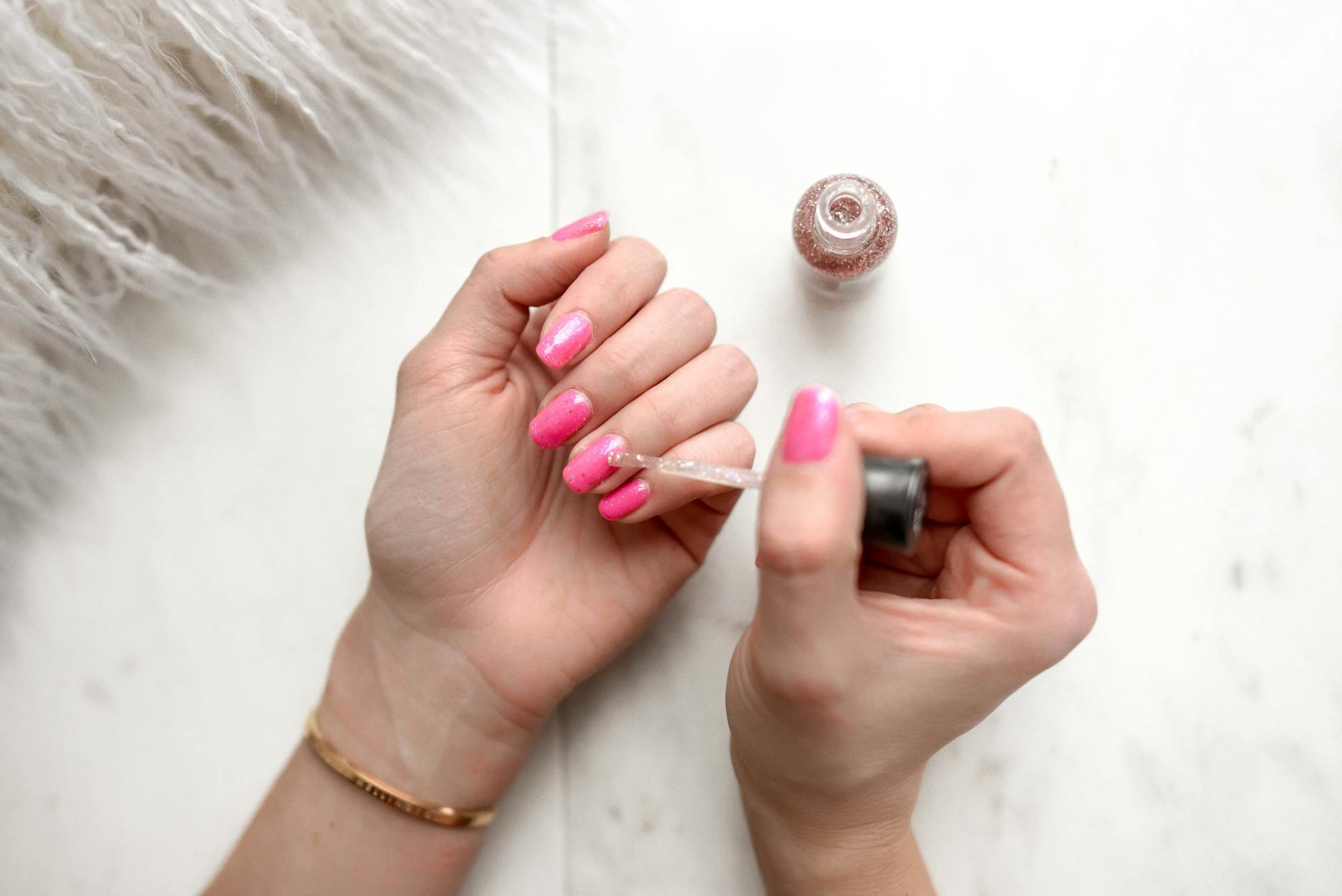
Nail polish has historically contained a trio of concerning chemicals known as the toxic trio, which includes formaldehyde, toluene, and dibutyl phthalate. Formaldehyde is a recognized carcinogen used as a hardening agent in many conventional formulas. Toluene, a solvent that gives polish its smooth application, is associated with neurological effects with high or prolonged exposure. These chemicals are released as vapors during application and drying, particularly in enclosed spaces. Many brands now offer lines that eliminate these three substances, though label scrutiny is still advised.
Nail Polish Remover
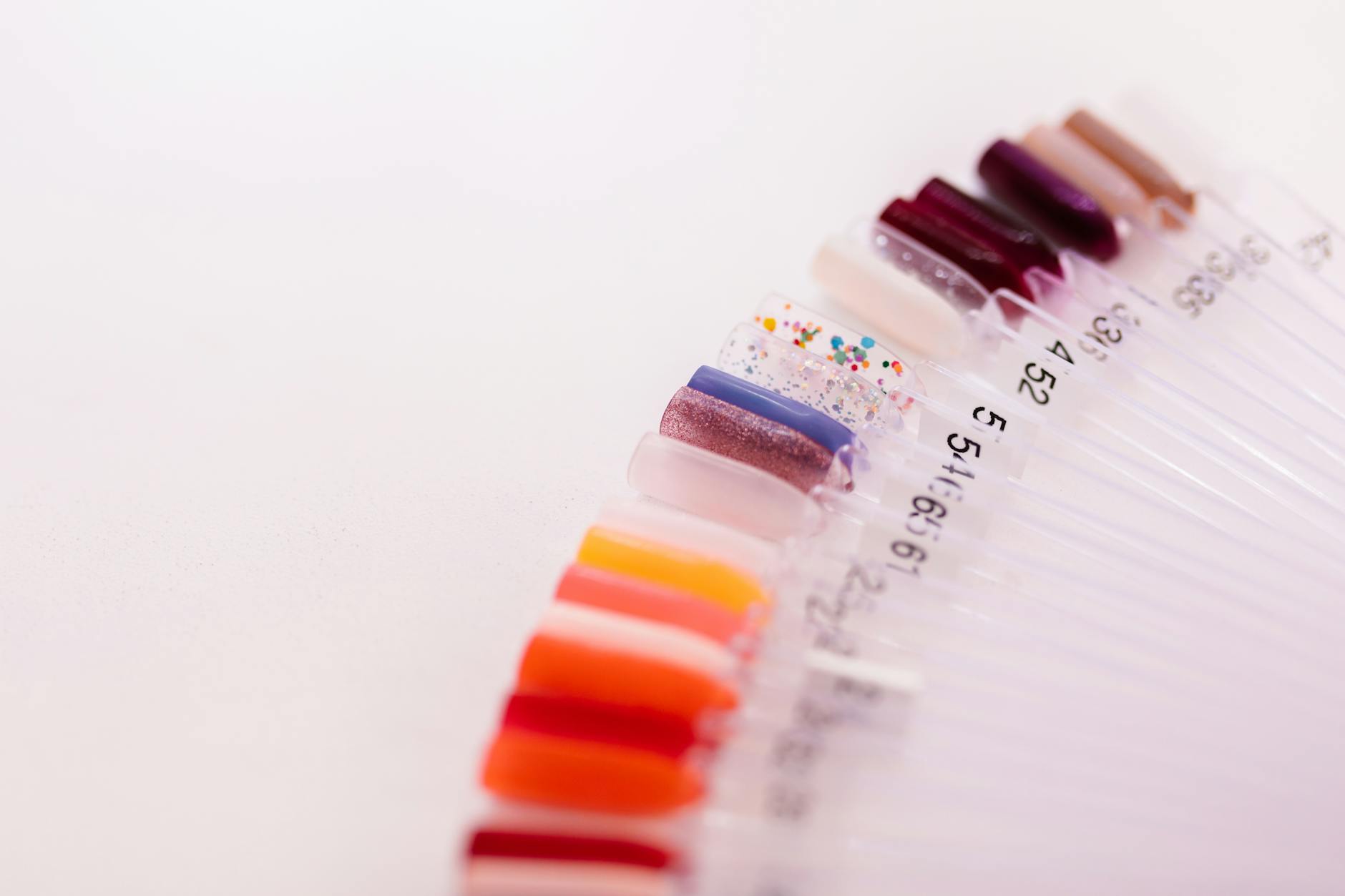
Acetone-based nail polish removers are highly volatile and can cause dizziness, headaches, and throat irritation when used in poorly ventilated spaces. Regular exposure dries out the nail plate and surrounding skin by dissolving natural oils. Non-acetone removers often substitute ethyl acetate or propylene carbonate, which carry their own mild irritant profiles. Repeated skin contact has been associated with dermatitis in individuals with sensitivities. Using these products near open windows or under ventilation significantly reduces inhalation exposure.
Conventional Deodorant
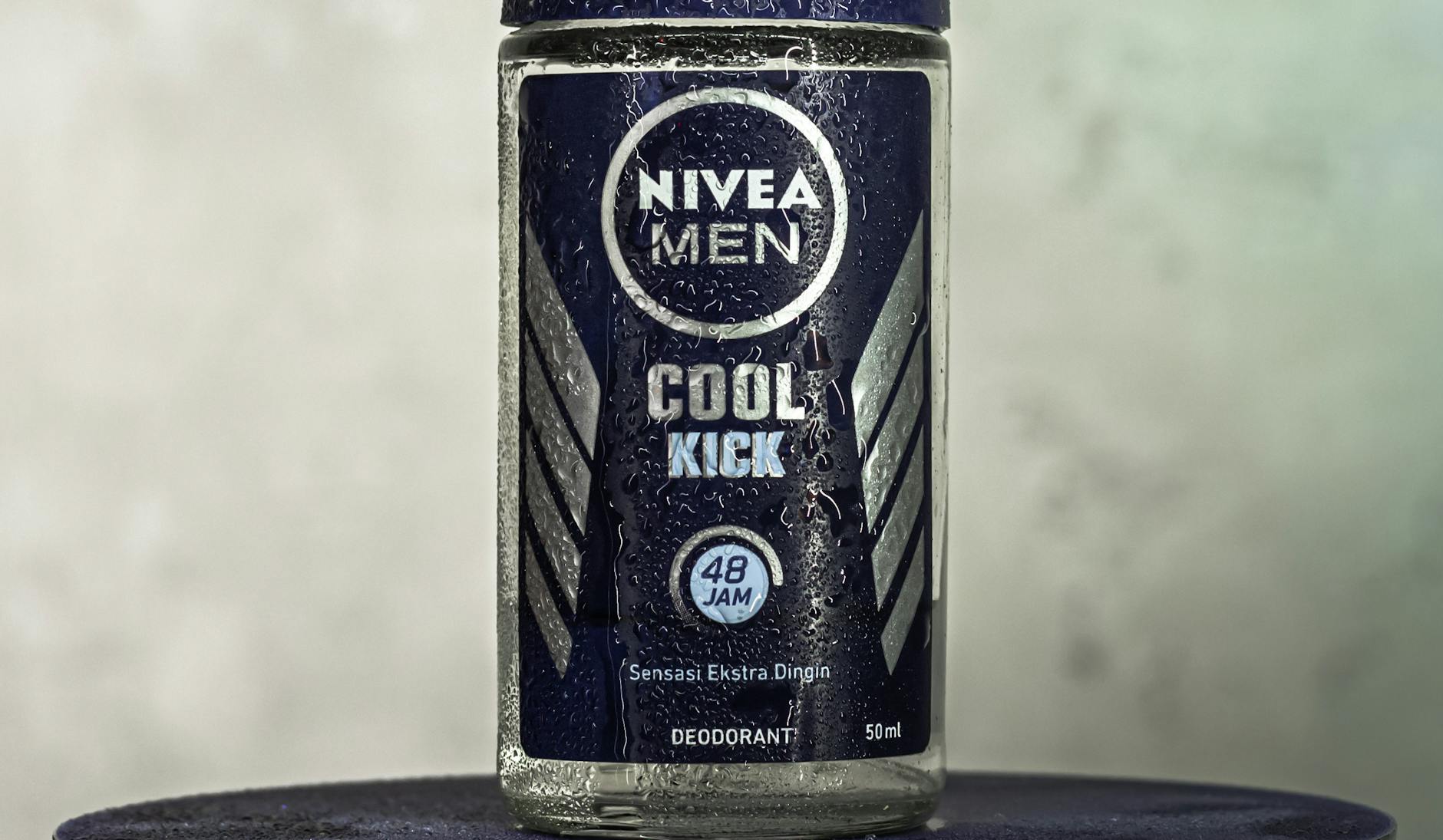
Many antiperspirant deodorants contain aluminum-based compounds that temporarily block sweat ducts to reduce perspiration. Some research has explored a potential connection between aluminum accumulation in breast tissue and disease risk, though findings remain the subject of scientific debate. Parabens used as preservatives in these formulas have been detected in human tissue samples in several studies. Artificial fragrances added to deodorants introduce additional potential allergens into daily skin contact. Aluminum-free and naturally derived deodorants have become widely available as alternatives.
Talcum Powder
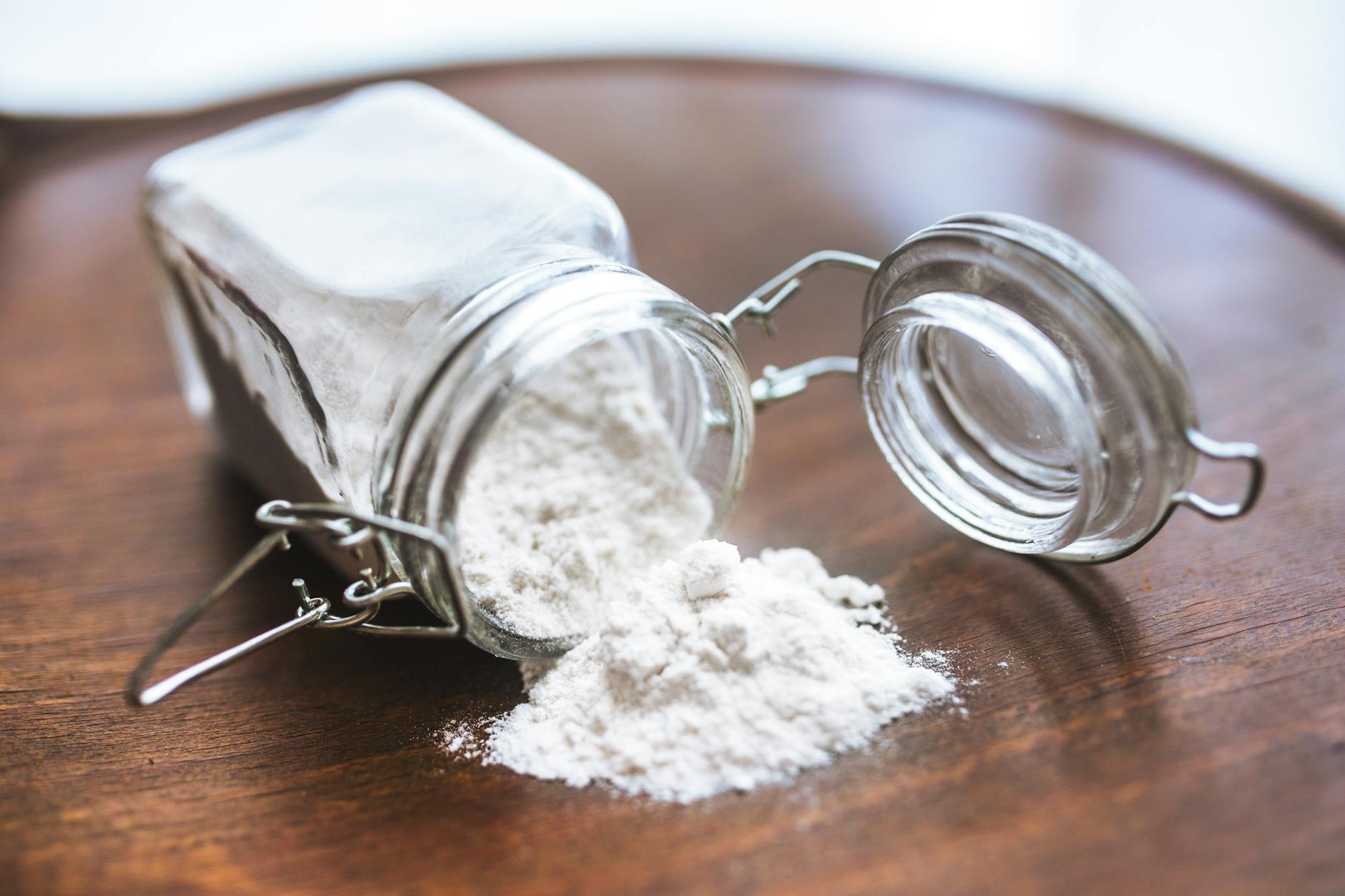
Talcum powder has been at the center of significant litigation and scientific scrutiny due to potential contamination with naturally occurring asbestos in talc ore deposits. Asbestos is a confirmed carcinogen with well-established links to mesothelioma and lung disease. Inhalation of fine talc particles during regular use poses a risk to the respiratory system, particularly in infants. Some studies have explored associations between genital talc use and ovarian health outcomes in women. Cornstarch-based body powders are widely recommended as a safer functional substitute.
Mouthwash
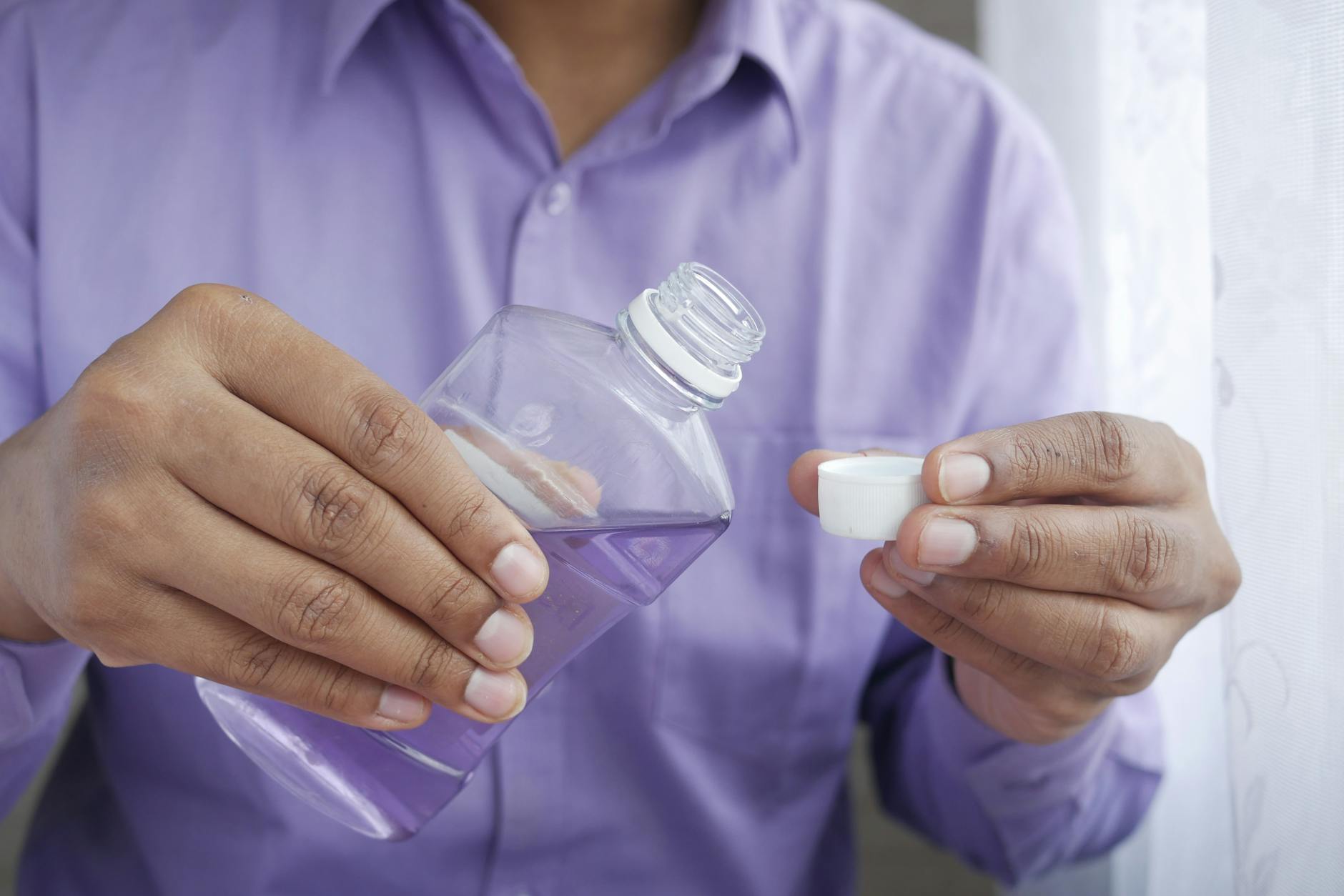
Many commercial mouthwashes contain alcohol concentrations of 20 percent or higher, which can cause dryness and irritation to the oral mucosa with daily use. Some research has linked high-alcohol mouthwash to an elevated risk of oral cancer, particularly with long-term habitual use. Artificial colors such as blue dye number one and yellow dye number five are common additives with ongoing safety reviews. Chlorhexidine, used in prescription-strength formulas, can stain teeth and disrupt oral microbiome balance with extended use. Alcohol-free mouthwashes and natural oil-based rinses are increasingly available as gentler options.
Whitening Toothpaste

Many whitening toothpastes contain hydrogen peroxide in concentrations that can cause gum irritation and increased tooth sensitivity with prolonged daily use. Microbeads made from polyethylene plastic, now banned in several countries, were historically used as abrasives in these formulas. Sodium lauryl sulfate, present in most foaming toothpastes, has been associated with canker sore development in susceptible individuals. Artificial sweeteners such as saccharin are regularly used to improve taste profiles in these products. Dentist-recommended use intervals rather than daily application help mitigate cumulative tissue effects.
Fluoride Toothpaste
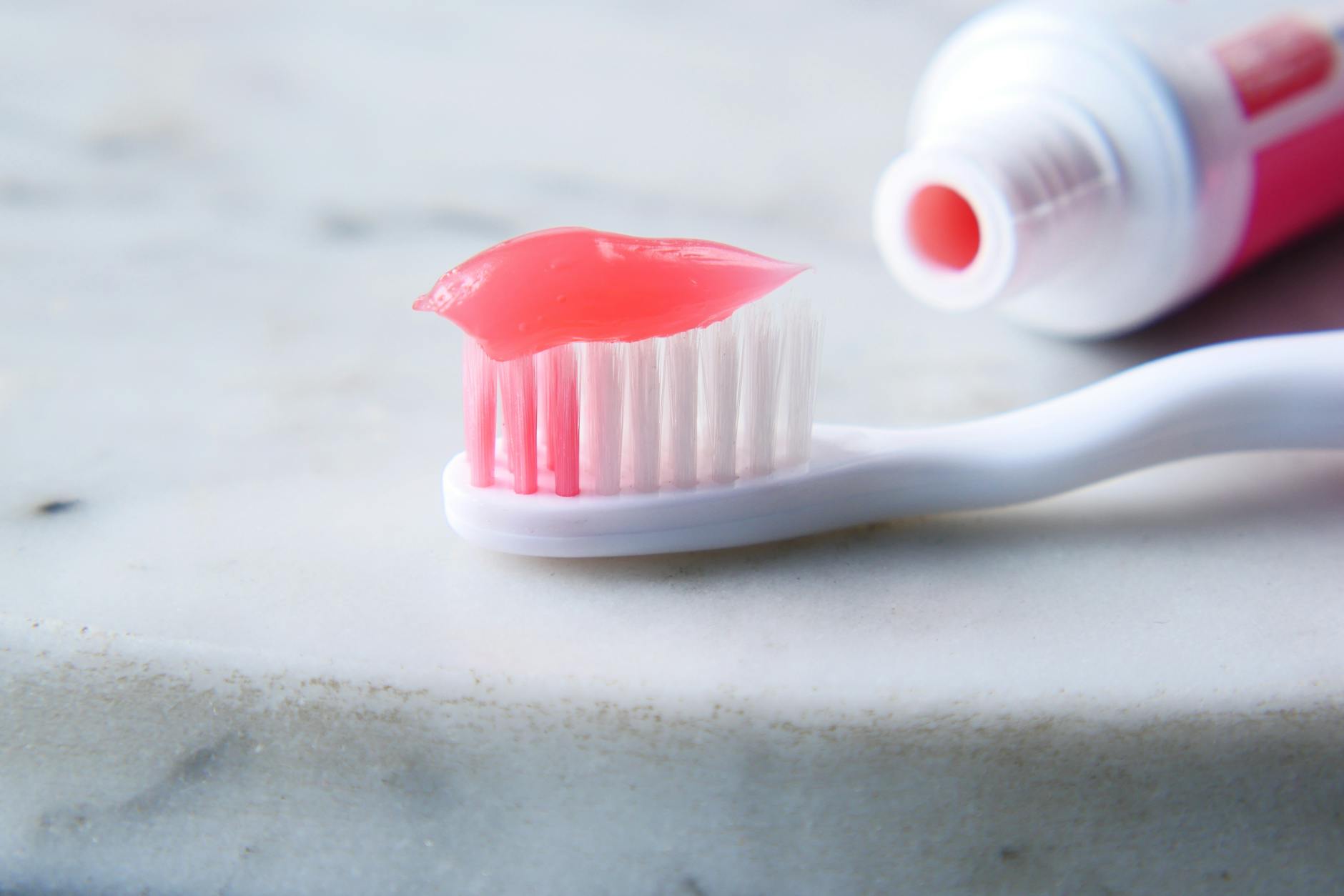
Fluoride toothpaste carries mandatory poison control warnings due to the toxicity risks of ingesting more than the recommended amount, particularly for young children. Excessive fluoride intake during tooth development has been linked to dental fluorosis, a condition affecting enamel appearance. Systemic overexposure to fluoride over time has been studied in relation to thyroid function and bone density. Children under six are advised to use only a pea-sized or rice-grain amount with supervision during brushing. Storing toothpaste out of reach of young children is a standard safety precaution recommended by pediatric health organizations.
Conventional Sunscreen

Chemical sunscreens commonly contain oxybenzone and octinoxate, compounds that are absorbed through the skin into the bloodstream at levels that exceed regulatory safety thresholds. Oxybenzone has been classified as a potential endocrine disruptor based on findings from human biomonitoring studies. Both compounds have also been found to contribute to coral reef bleaching and are banned in several coastal jurisdictions. Retinyl palmitate, a form of vitamin A used in some sunscreen formulas, has raised concerns about increased photosensitivity when applied to skin exposed to sunlight. Mineral sunscreens using zinc oxide or titanium dioxide are broadly considered safer alternatives by dermatologists.
Face Wash
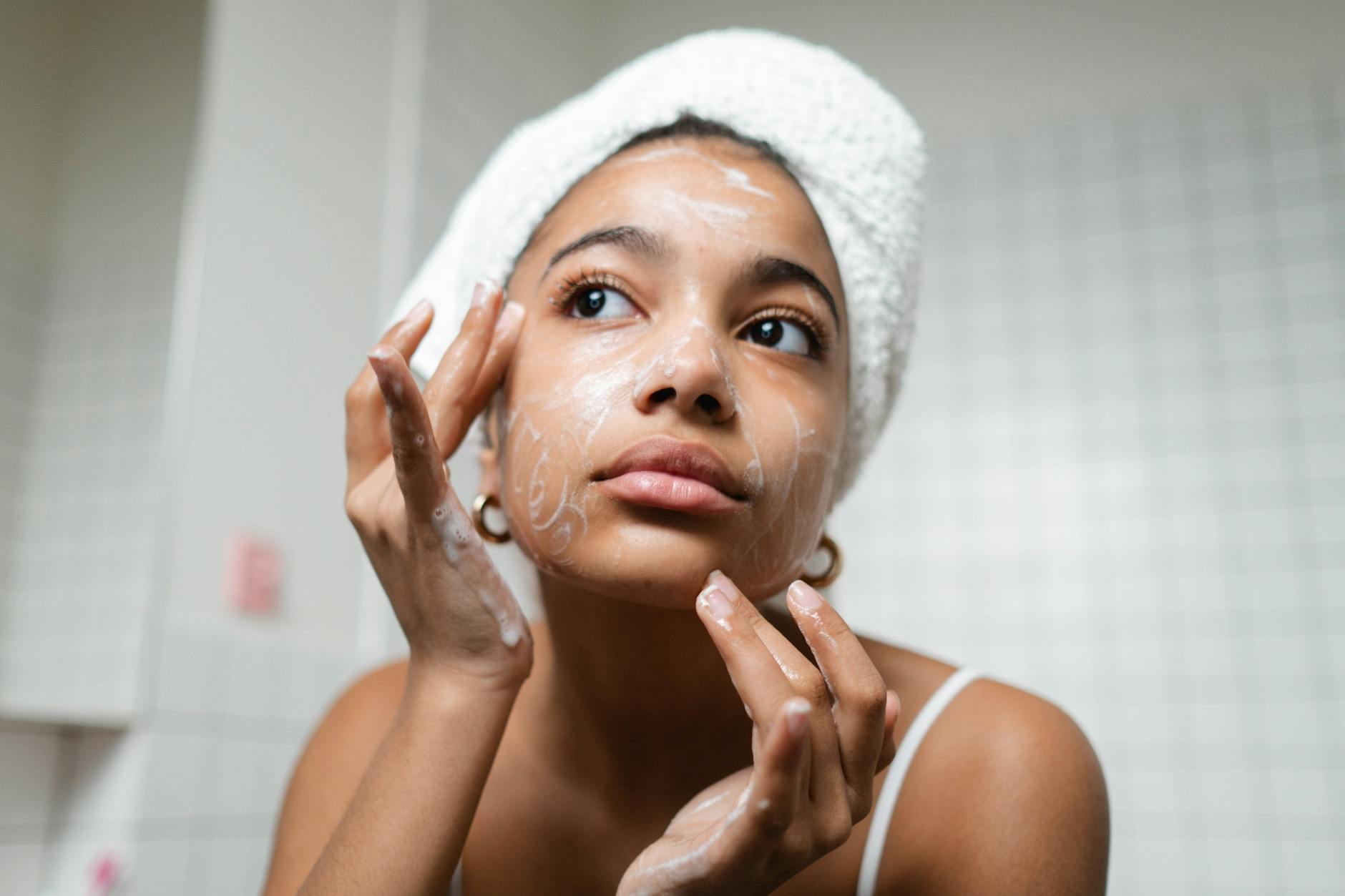
Many gel and foam face washes contain sodium laureth sulfate as a primary cleansing agent, which can compromise the skin barrier with daily use. Preservatives such as methylisothiazolinone have been identified as common causes of contact dermatitis and allergic reactions in facial skincare products. Microbeads, used in exfoliating face washes, contributed to plastic water pollution before being banned in many regions. Synthetic fragrance is particularly problematic in face wash due to the proximity to the eyes and mucous membranes. Certified clean beauty standards and short ingredient lists are useful benchmarks for evaluating safer options.
Exfoliating Scrub

Physical scrubs containing walnut shell powder or apricot kernel particles have been shown to create microscopic tears in the skin’s surface, compromising its protective barrier. Chemical exfoliants marketed in scrub form sometimes combine acids with ethylene glycol derivatives, which penetrate deeply and can cause sensitization. Synthetic fragrances in exfoliating products interact with broken skin and are more readily absorbed than on intact surfaces. Preservatives like imidazolidinyl urea release small amounts of formaldehyde into the product over time. Patch testing new exfoliating products is a universally recommended precaution.
Conventional Moisturizer
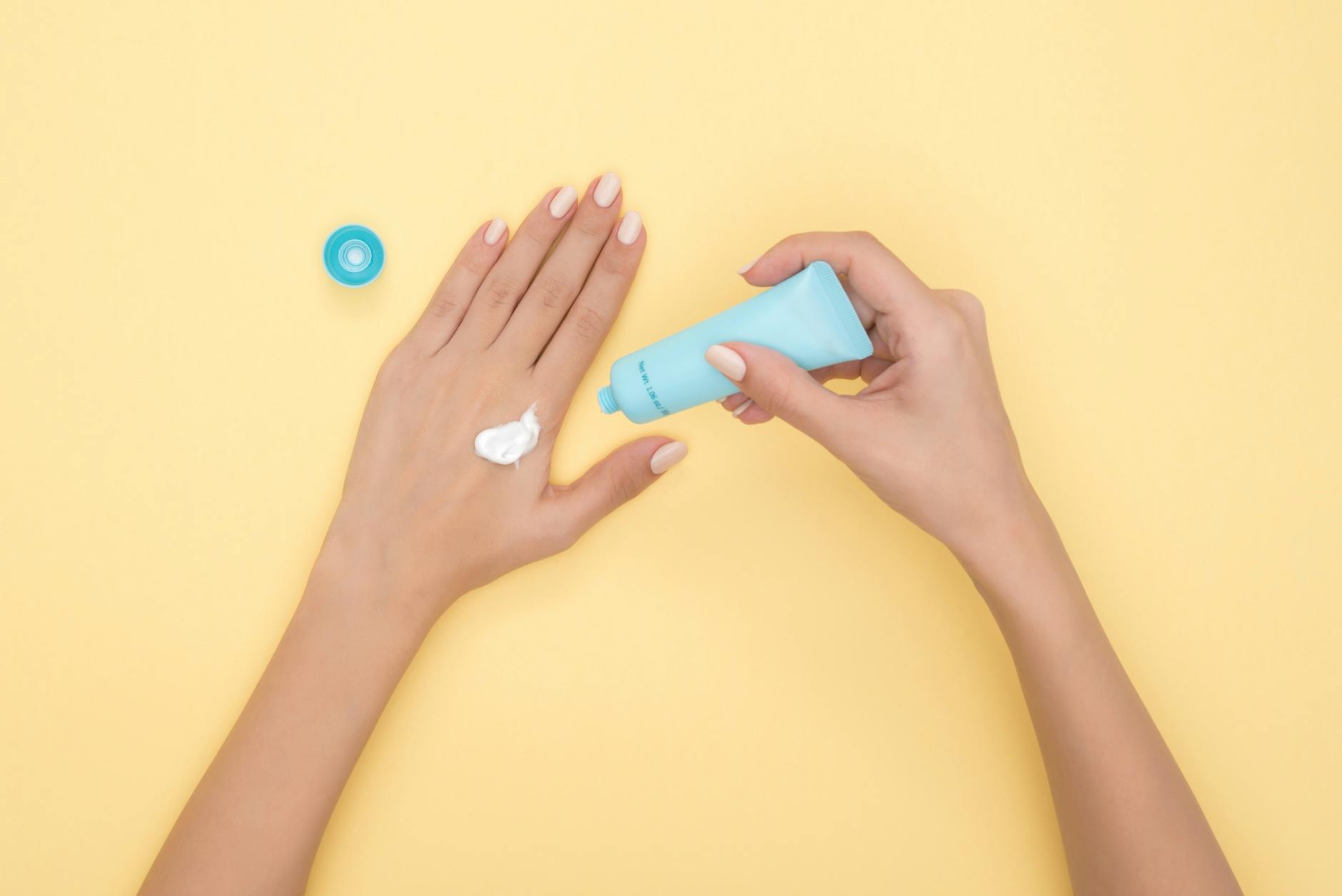
Mainstream moisturizers frequently contain parabens as multi-spectrum preservatives, which mimic estrogen in the body and have been detected in human tissue. Mineral oil, a petroleum derivative used as an occlusive agent, has faced scrutiny over potential contamination with polycyclic aromatic hydrocarbons in impure forms. BHA and BHT, synthetic antioxidants added to stabilize formulas, are flagged by environmental health organizations as possible endocrine disruptors. Propylene glycol at high concentrations can cause contact dermatitis in sensitive individuals, particularly around the eyes. Checking products against established clean ingredient databases helps identify formulas with lower risk profiles.
Lip Balm
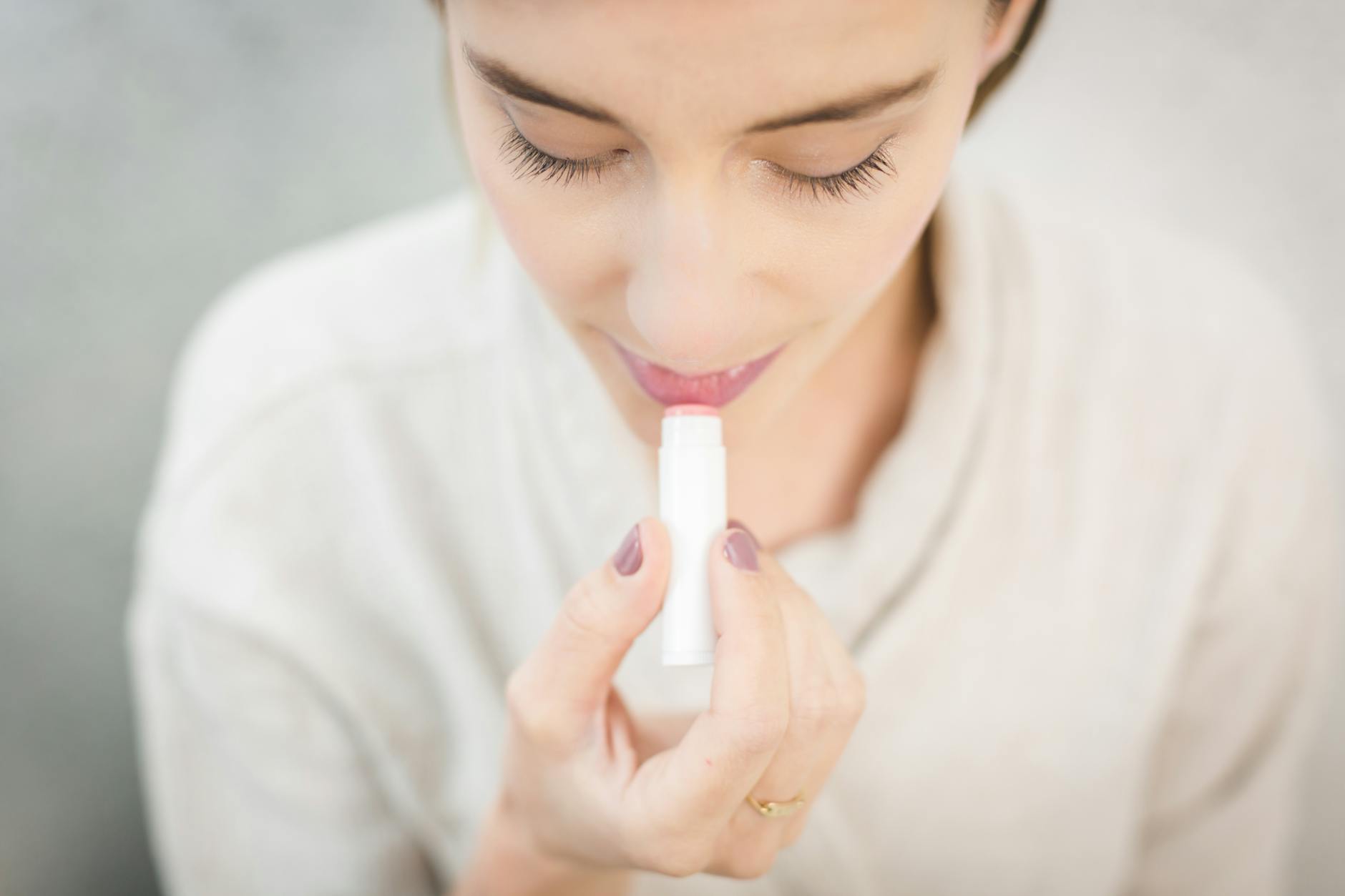
Many popular lip balms contain phenol or menthol in concentrations that can create a dependency cycle by slightly irritating the lips and driving repeated reapplication. Petroleum jelly-based formulas, while effective as a barrier, are derived from crude oil and may contain trace contaminants if not highly refined. Some flavored lip balms aimed at children contain artificial dyes and sweeteners that are absorbed orally throughout the day. Oxybenzone included in SPF lip balms raises the same hormonal disruption concerns as it does in facial sunscreens. Beeswax and plant-based oil formulas are straightforward alternatives with simpler safety profiles.
Shaving Cream
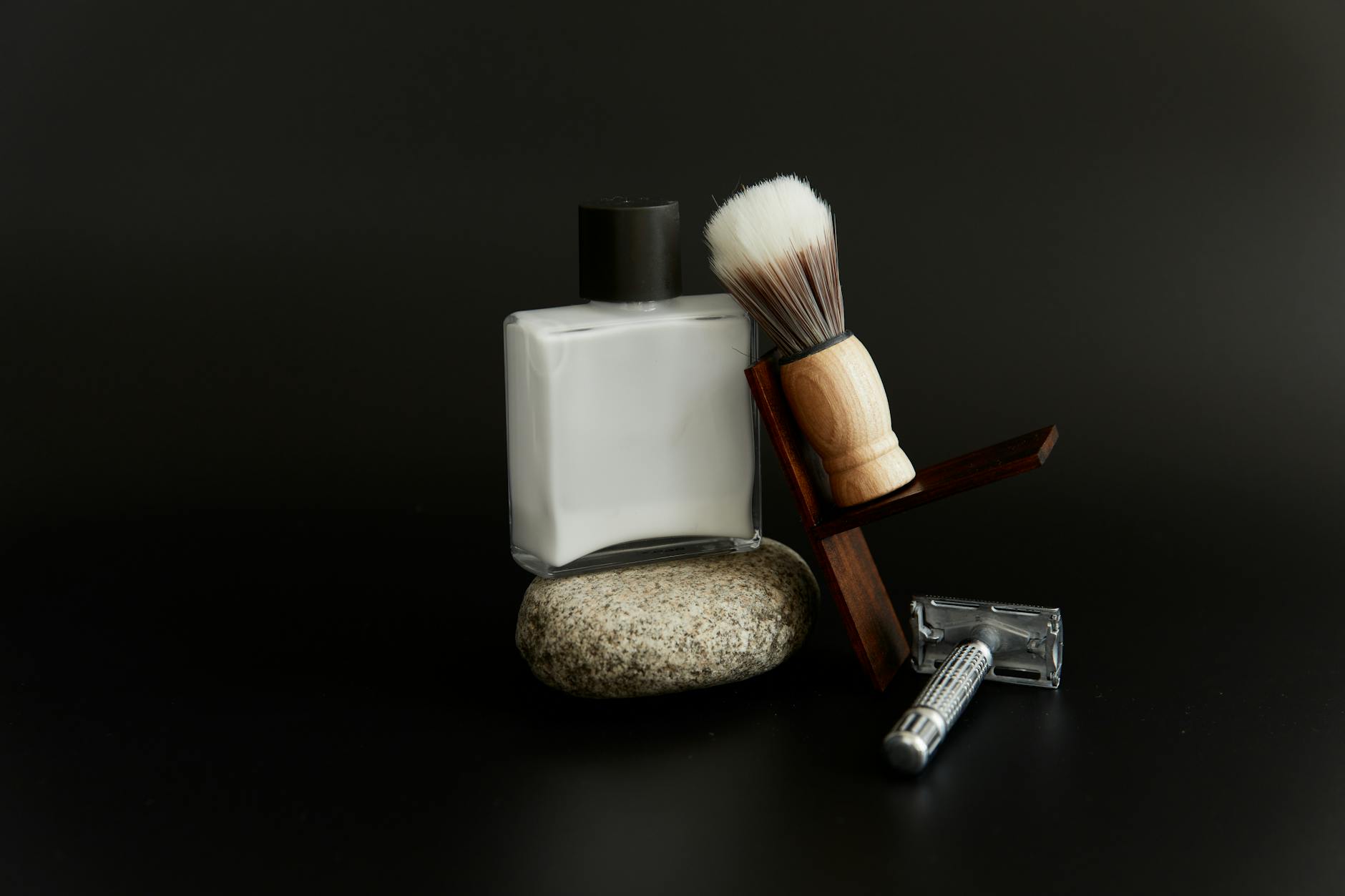
Conventional shaving creams often contain triethanolamine, a pH adjuster that can form nitrosamines, which are recognized carcinogens, when combined with certain other formula ingredients. Isobutane and propane propellants in aerosol shaving foams add flammable hydrocarbon inhalation risks during bathroom use. Artificial fragrance in shaving products is applied to freshly shaved skin where the barrier has been temporarily compromised, increasing absorption potential. Sodium lauryl sulfate creates the characteristic foam but strips natural oils from skin already sensitized by razor contact. Shaving soaps with minimal ingredient lists and fragrance-free options avoid the most significant chemical exposures.
Conventional Conditioner
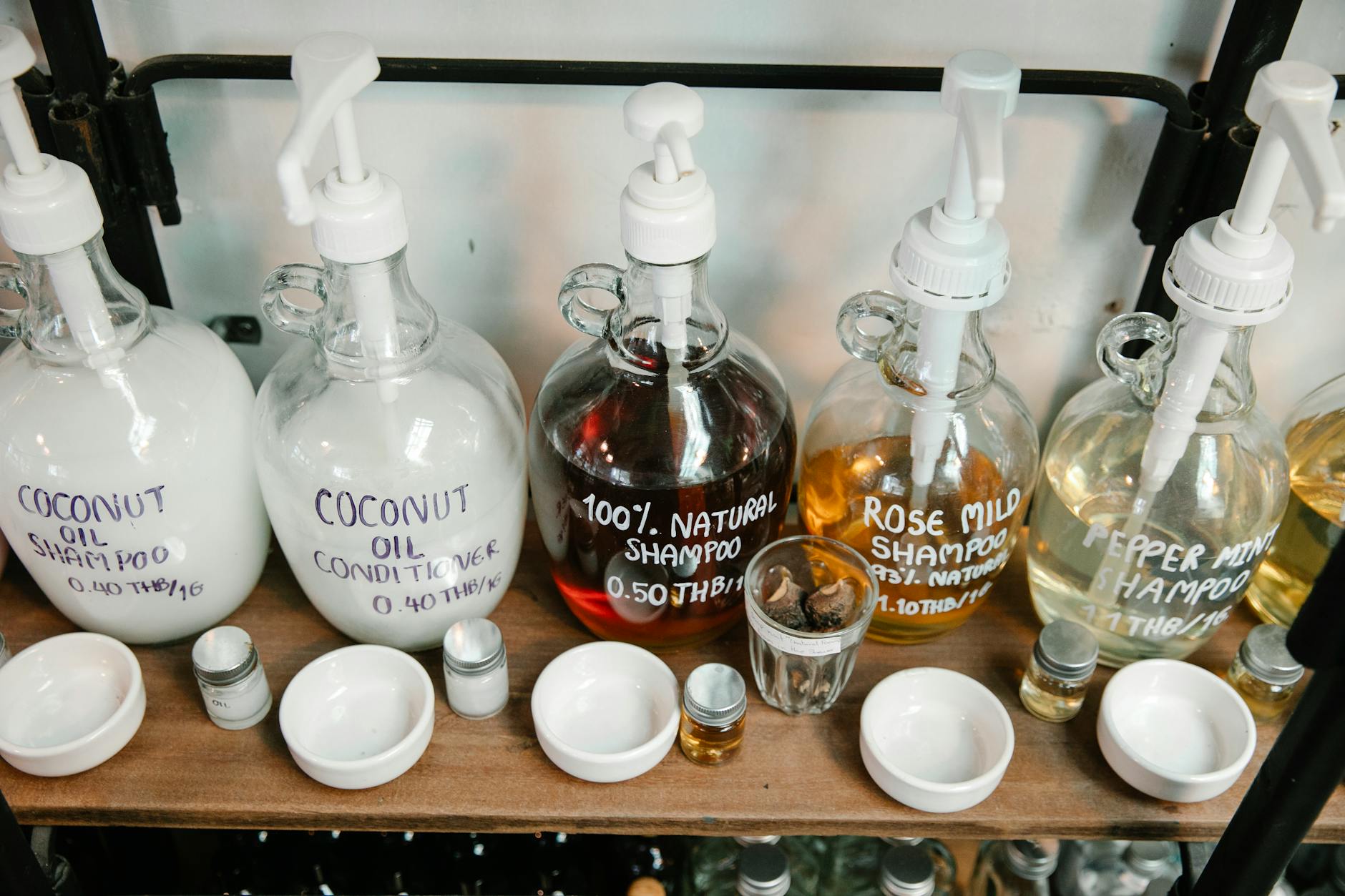
Hair conditioners routinely use behentrimonium chloride as a conditioning agent, which at higher concentrations can be toxic to cells, though amounts in products are generally considered low risk. Dimethicone and other silicones coat the hair shaft and scalp, and while not acutely toxic, they can accumulate over time and contribute to scalp congestion. Formaldehyde-releasing preservatives such as quaternium-15 are included in some mainstream formulas and are classified as known allergens. Synthetic fragrance is a persistent concern in conditioners due to the length of time the product typically sits on hair and skin during use. Silicone-free and preservative-minimal formulas have grown substantially in the professional and natural hair care markets.
Plastic Shower Curtain

Vinyl shower curtains made from PVC release volatile organic compounds including phthalates and dioxins, particularly when first installed and exposed to steam. The off-gassing from new plastic shower curtains can be significant enough to cause headaches and nausea in a small enclosed bathroom. Phthalates used to soften PVC are endocrine disruptors that accumulate in household dust and are inhaled or ingested over time. The moist environment of a shower curtain also supports the growth of mold, which compounds indoor air quality concerns. Fabric curtains made from organic cotton or PEVA liners are widely available safer substitutes.
Air Freshener

Aerosol bathroom air fresheners contain a broad mixture of volatile organic compounds, synthetic musks, and propellants that collectively degrade indoor air quality. Phthalates are routinely detected in air freshener formulas as fragrance carriers, and they settle into surfaces and dust throughout the room. Some air fresheners contain paradichlorobenzene or naphthalene, compounds used as odor maskers that carry respiratory and neurological toxicity concerns. Plug-in diffuser formats concentrate these chemicals continuously into the air of an enclosed space. Ventilation, baking soda, and essential oil-based alternatives are effective odor management approaches without the same chemical burden.
Antibacterial Wipes
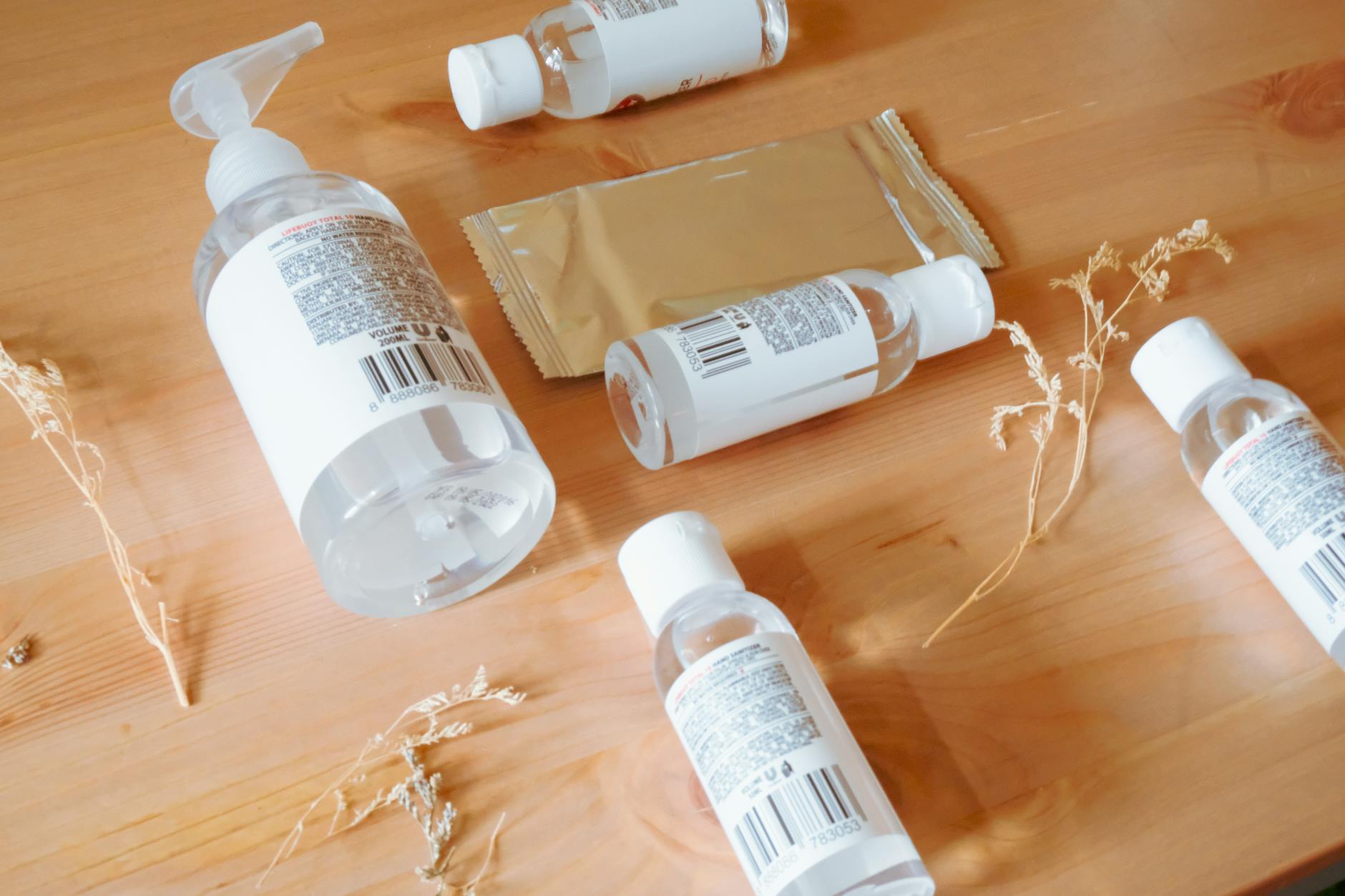
Pre-moistened antibacterial wipes often contain quaternary ammonium compounds, commonly called quats, which are associated with respiratory sensitization and potential reproductive effects with repeated occupational exposure. Residual quat compounds remain on surfaces after wiping and can be transferred to skin or food contact areas. Research has raised concerns about quats contributing to the development of antimicrobial resistance in environmental bacteria. Fragrance and preservative additives in these wipes introduce additional allergen exposure through direct skin contact. Plain soap and water or fragrance-free unscented wipes achieve adequate hygiene without these chemical concerns.
Plastic Toothbrush
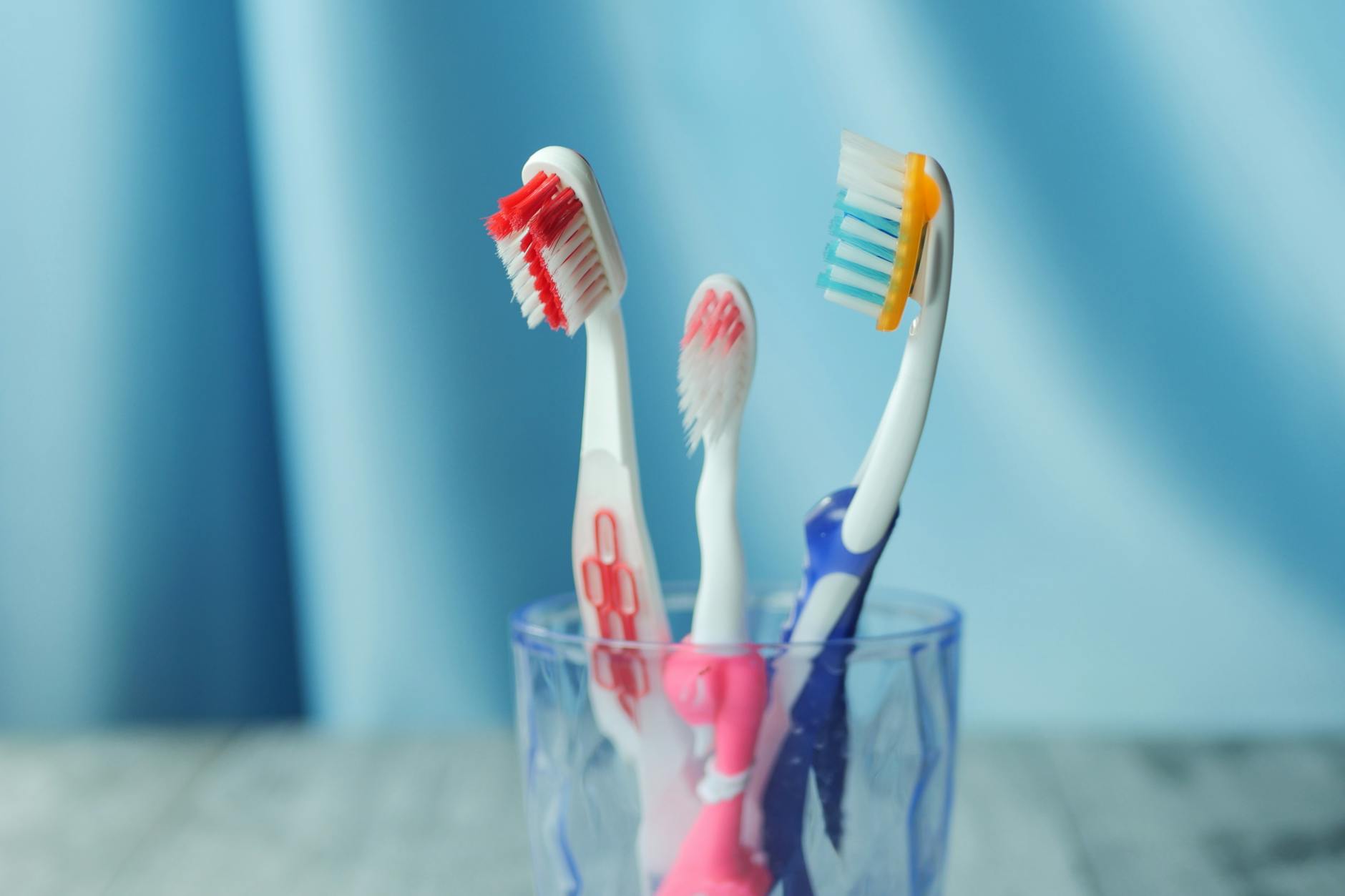
Conventional plastic toothbrushes are made primarily from nylon and polypropylene, both of which shed microplastics into the oral environment during use. Studies have detected microplastic particles in saliva and digestive tracts, raising questions about cumulative health effects over a lifetime of exposure. BPA, though now removed from many products following regulatory pressure, was historically used in the hard plastic handles of toothbrushes. Nylon bristles degrade over time, releasing fibers that are ingested in small quantities during brushing. Bamboo-handled toothbrushes with plant-based bristle options provide a meaningful reduction in plastic exposure.
Makeup Remover Wipes
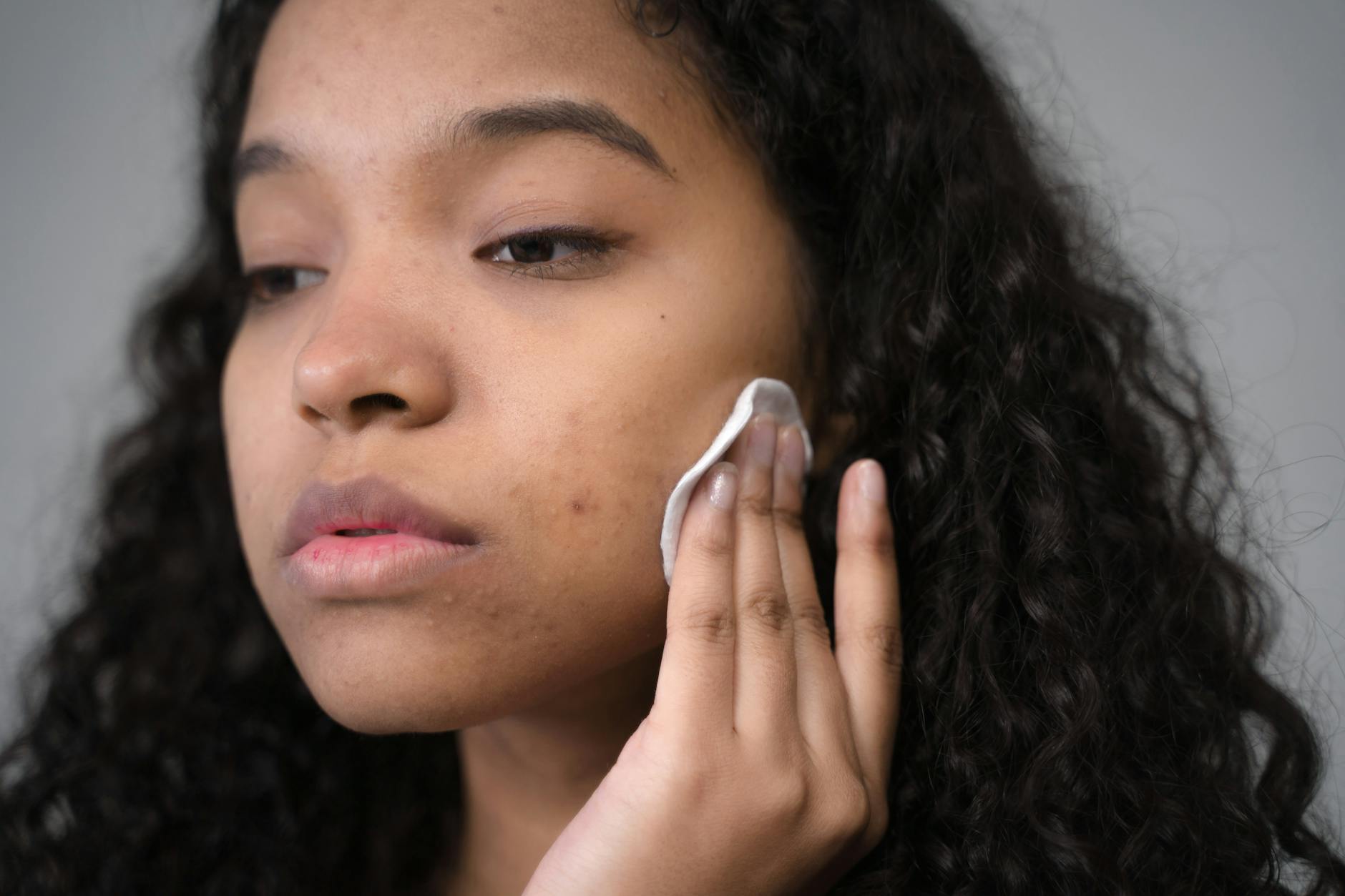
Makeup remover wipes frequently contain propylene glycol, an emollient and solvent that can cause contact dermatitis in individuals with sensitive skin at higher concentrations. Phenoxyethanol, a widely used preservative in these products, has been associated with skin and eye irritation and carries ongoing regulatory review in the European Union. Artificial fragrance in makeup wipes contacts the delicate skin around the eyes and lips, areas particularly susceptible to chemical sensitization. The occlusive rubbing motion required to remove product enhances penetration of these ingredients into the skin. Micellar water applied with a reusable cloth achieves equivalent removal with considerably fewer chemical inputs.
Share which of these bathroom staples surprised you most in the comments.