Horses have captivated human imagination for thousands of years through their strength and grace. These majestic creatures played a pivotal role in the development of modern civilization by transforming agriculture and transportation. Their biology is filled with fascinating adaptations that allow them to thrive in various environments around the world. Understanding their unique traits offers a deeper appreciation for their complex nature and intelligence. The following facts illuminate the remarkable characteristics of these beloved animals.
Peripheral Vision
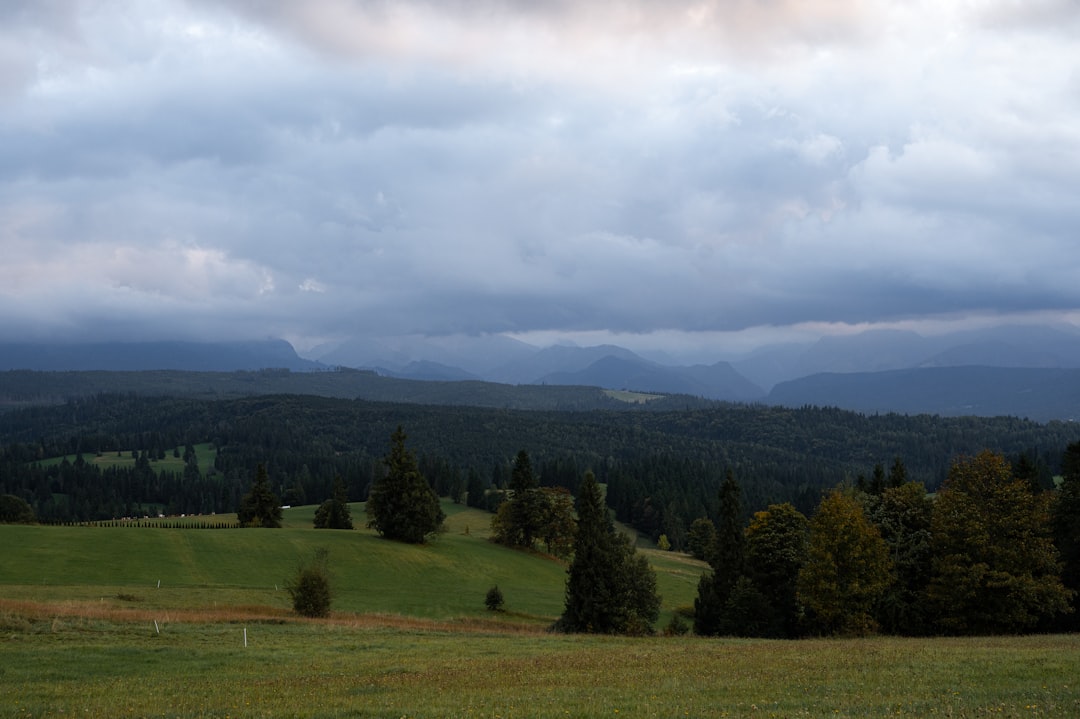
Horses possess the largest eyes of any land mammal and their lateral placement provides a distinct advantage. They can see nearly 360 degrees around them to spot potential predators from almost any angle. This panoramic view comes with two specific blind spots located directly in front of their noses and directly behind their tails. They often lift or lower their heads to adjust their focus on distant objects. This visual range is a critical survival mechanism for an animal that is naturally preyed upon in the wild.
Sleeping Habits
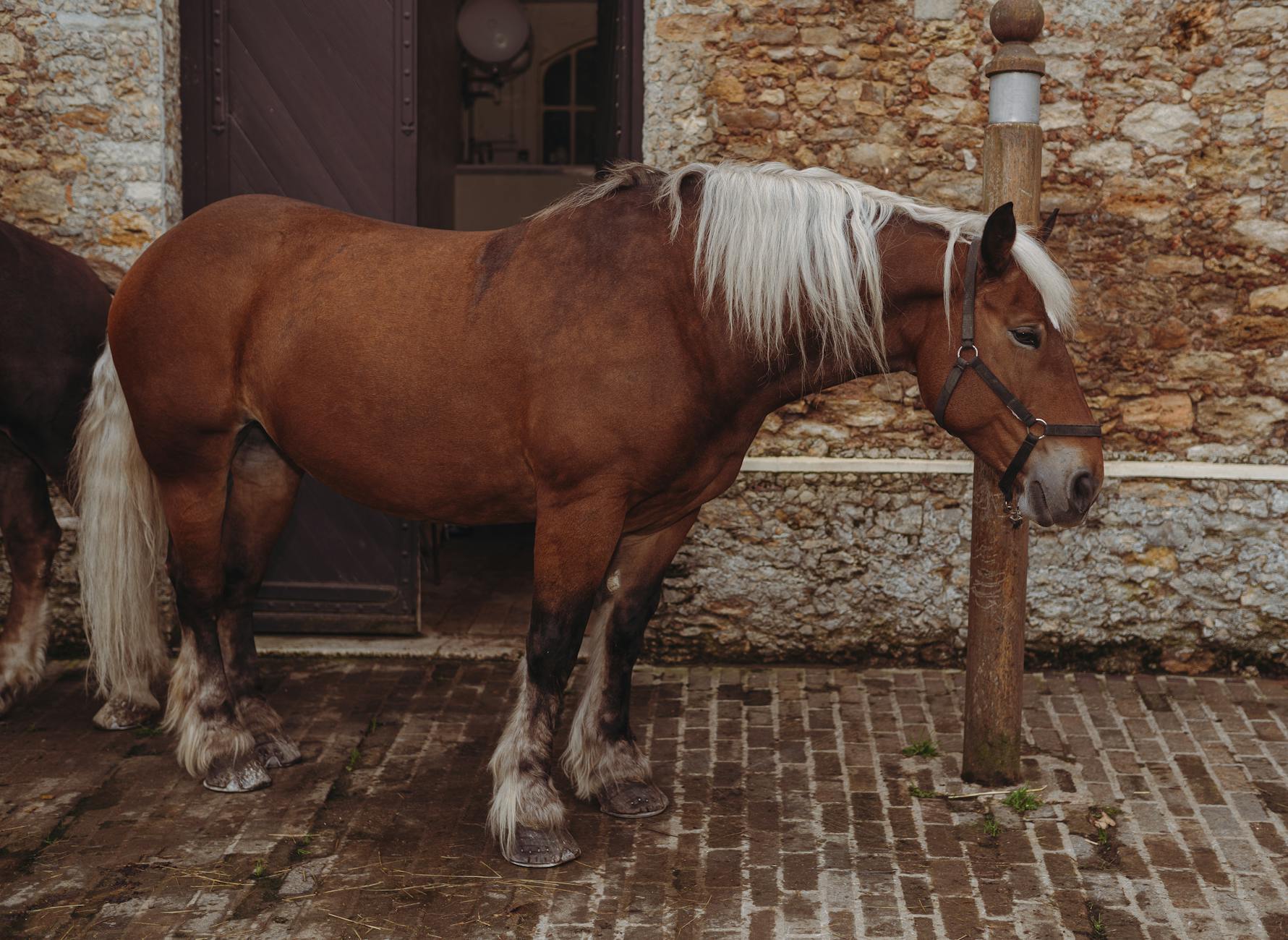
These large animals have a unique anatomical mechanism called the stay apparatus that allows them to doze off without collapsing. They can lock the tendons and ligaments in their legs to remain standing while they enter light sleep phases. Horses do require lying down to achieve the restorative rapid eye movement sleep stage. They typically only need about three hours of sleep within a twenty-four hour period to function properly. This ability to rest while upright ensures they can flee quickly if a threat appears.
Digestive System Limits
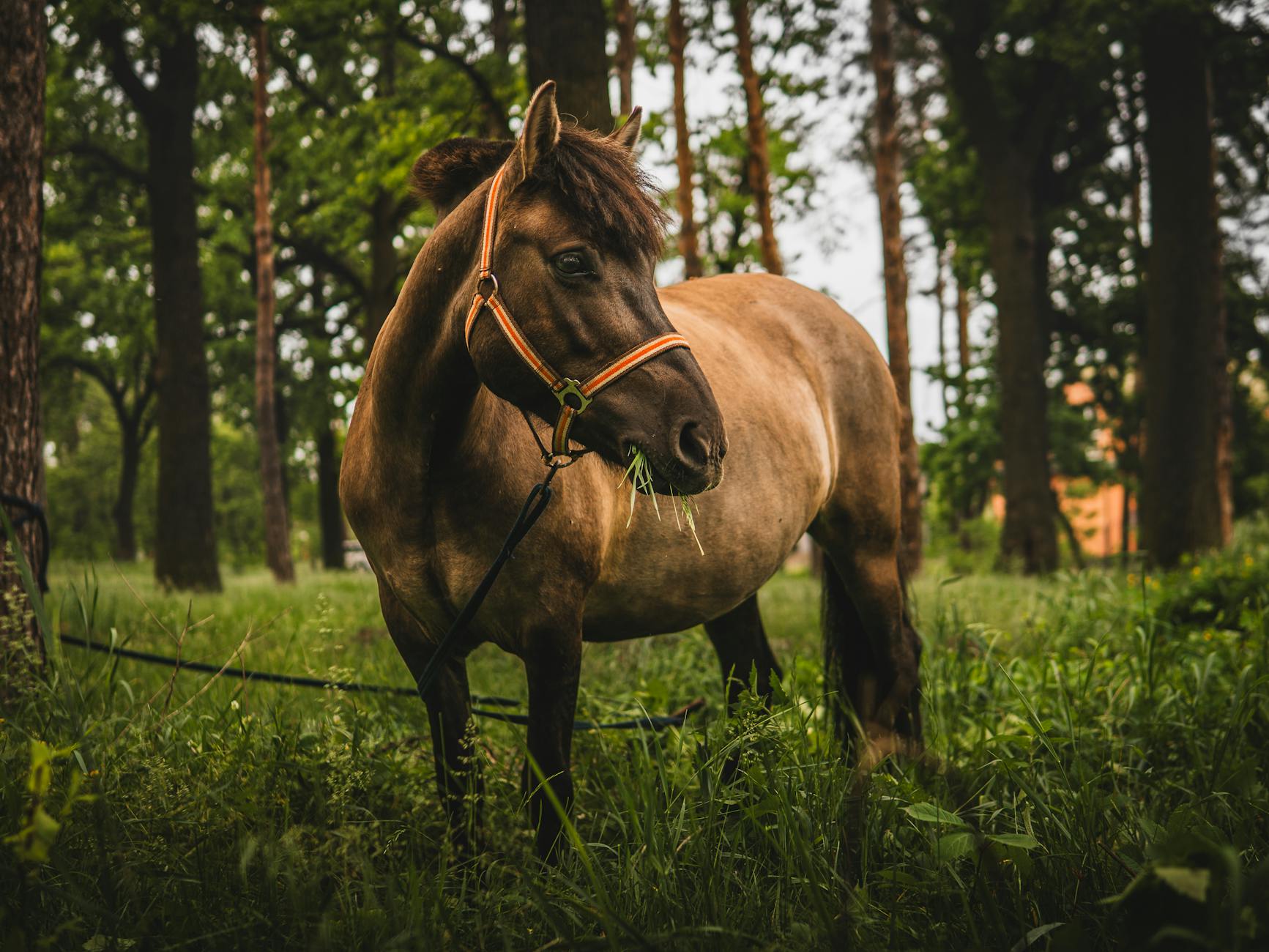
The equine digestive tract is designed for continuous grazing rather than large meals. One distinct biological limitation is that horses physically cannot vomit due to a powerful valve at the entrance of the stomach. This inability makes digestive issues like colic particularly dangerous and potentially life-threatening for them. Their system processes forage efficiently but struggles to expel toxins or alleviate pressure through regurgitation. Proper dietary management is essential to prevent severe gastric complications.
Teeth Growth
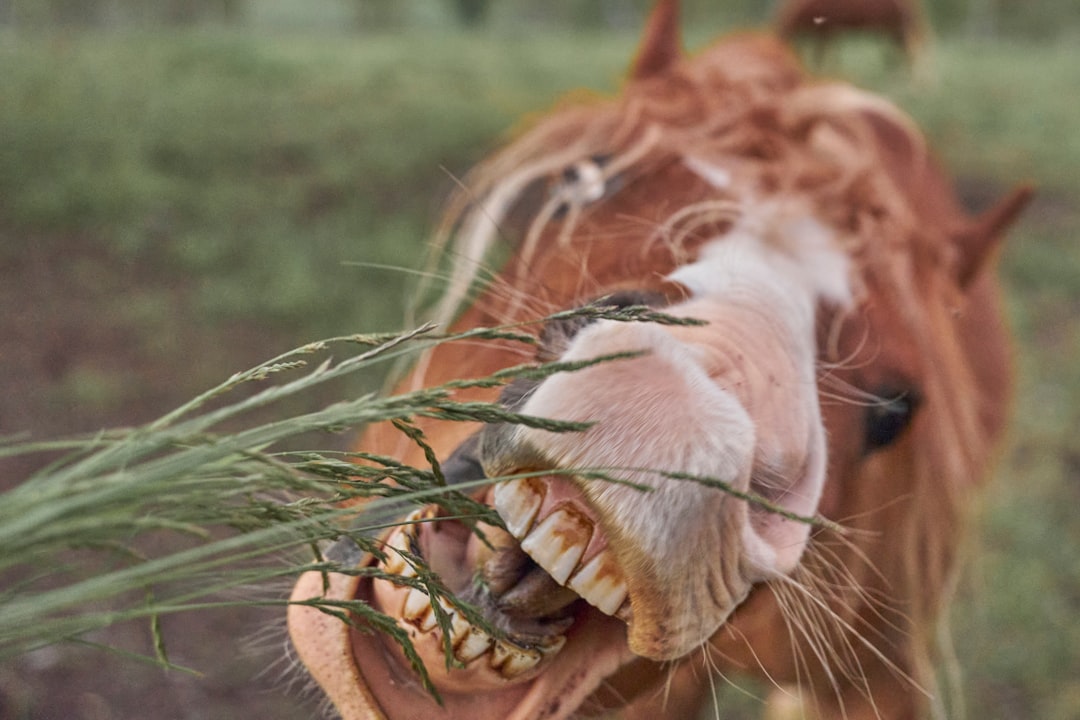
A horse possesses teeth that continuously erupt throughout its lifetime to compensate for the wear caused by grazing. The abrasive silica found in grass wears down the tooth surface as they chew for many hours each day. Veterinarians can estimate the age of a horse by examining the wear patterns and the angle of the incisors. This continuous eruption eventually stops as the animal reaches old age and the tooth root diminishes. Dental care is vital to ensure they can process food effectively as they age.
Facial Expressions
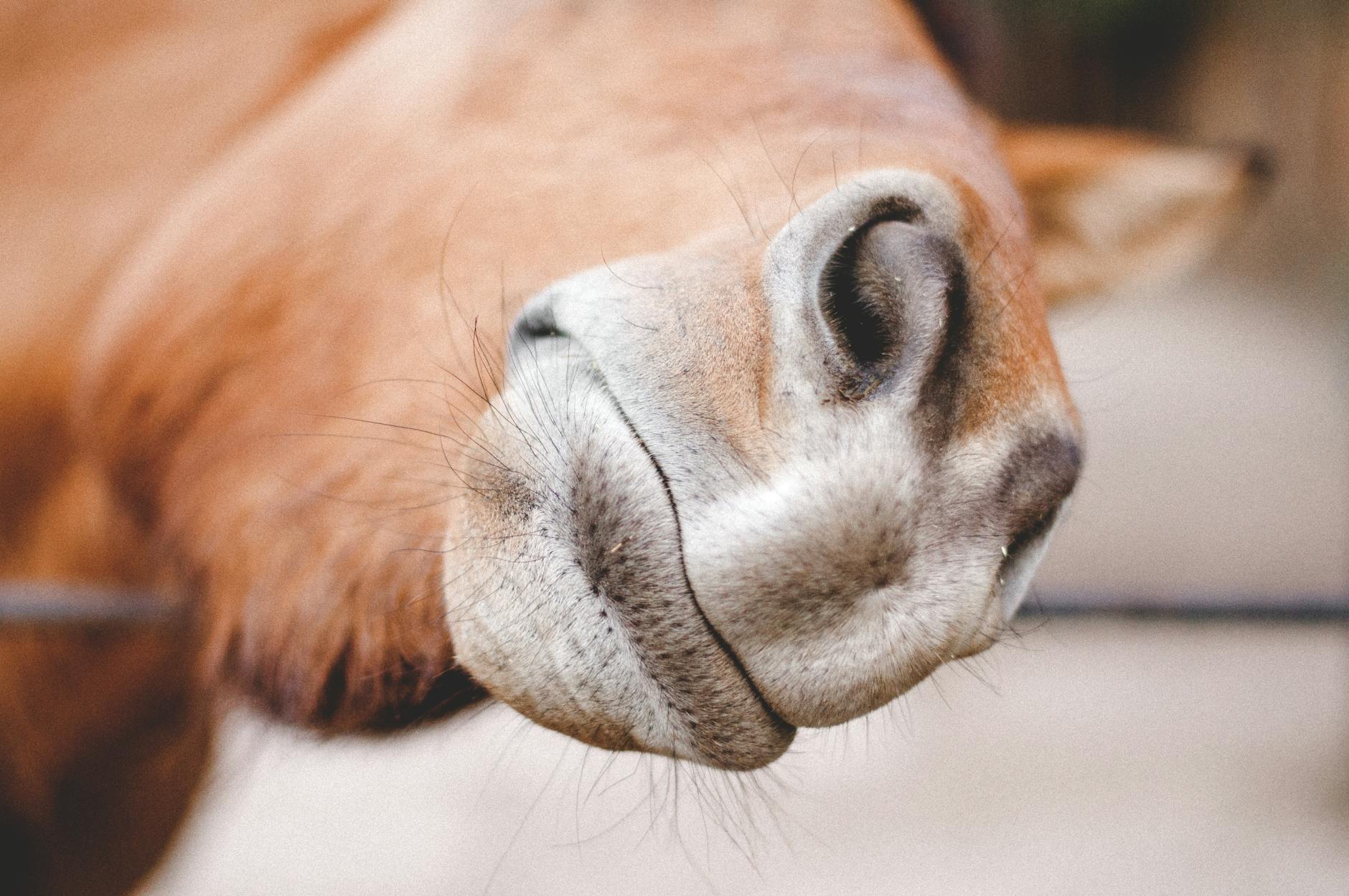
Research indicates that horses use a complex range of facial muscles to communicate with one another. They can produce seventeen distinct facial movements which is surprisingly similar to human capabilities. Their ears play a significant role in signaling their mood or attention to herd members. Pinned ears often signal aggression or irritation while forward ears indicate interest and alertness. This nonverbal language helps maintain social hierarchy and cohesion within the herd.
Memory Capabilities
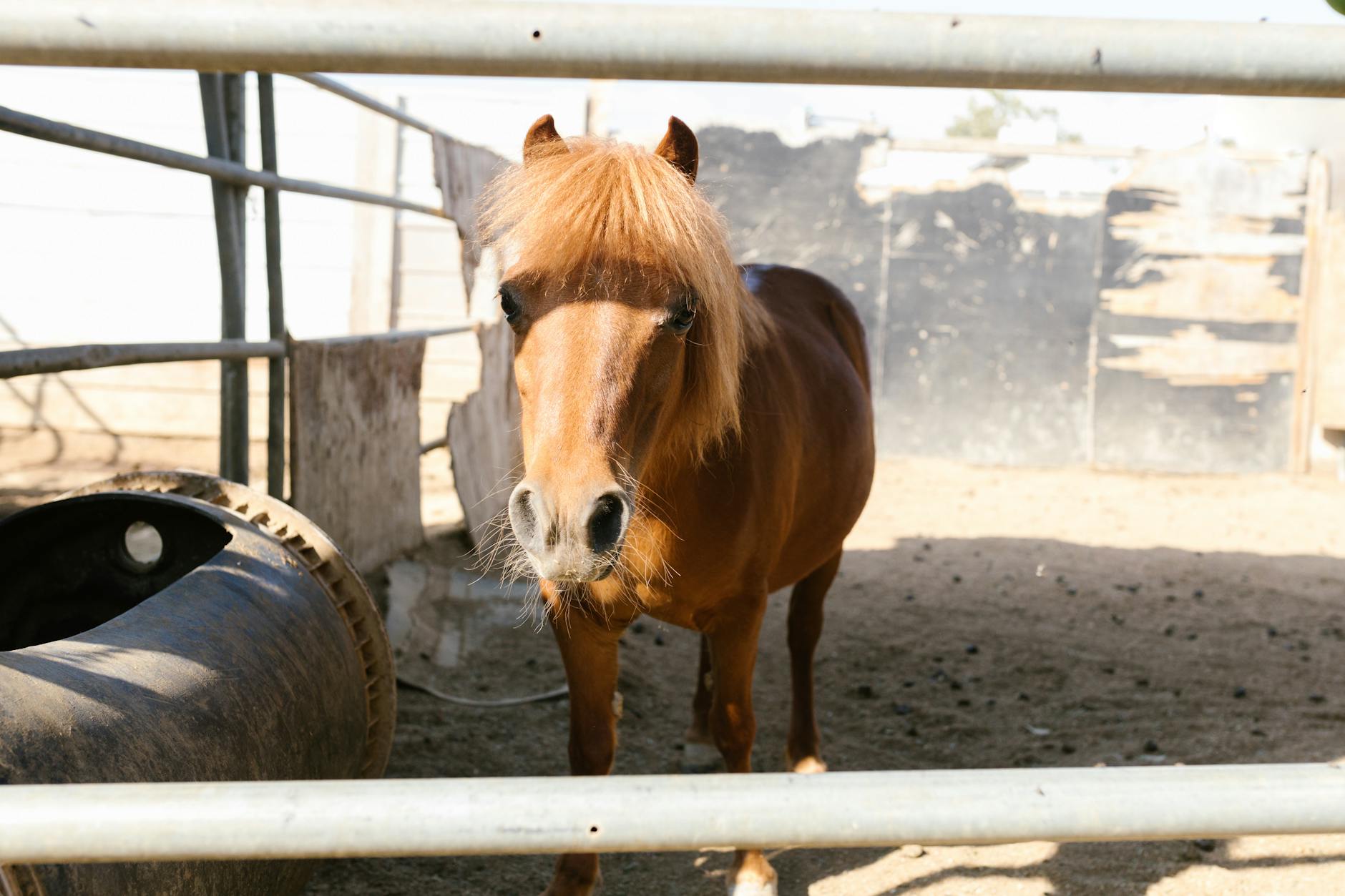
Equine intelligence includes a remarkable memory that rivals that of elephants. Studies suggest horses can remember specific people and other horses for over a decade after a separation. They also recall complex routes and tasks they have learned even after a long period of inactivity. This long-term retention helps them navigate their environment and recognize safe or dangerous situations. Trainers rely on this trait to build consistent performance and trust over time.
Hoof Composition
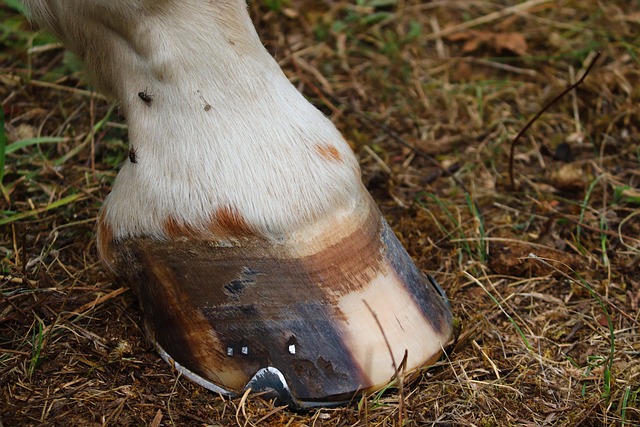
The hoof of a horse is composed of the same protein found in human hair and fingernails called keratin. This hard outer shell protects the sensitive inner structures of the foot from rough terrain and impact. Continuous growth requires the hoof to be trimmed regularly if the animal is not wearing it down naturally. The hoof acts as a shock absorber that aids blood circulation back up the leg with every step. Healthy hooves are fundamental to the overall soundness and mobility of the animal.
Breathing Physiology
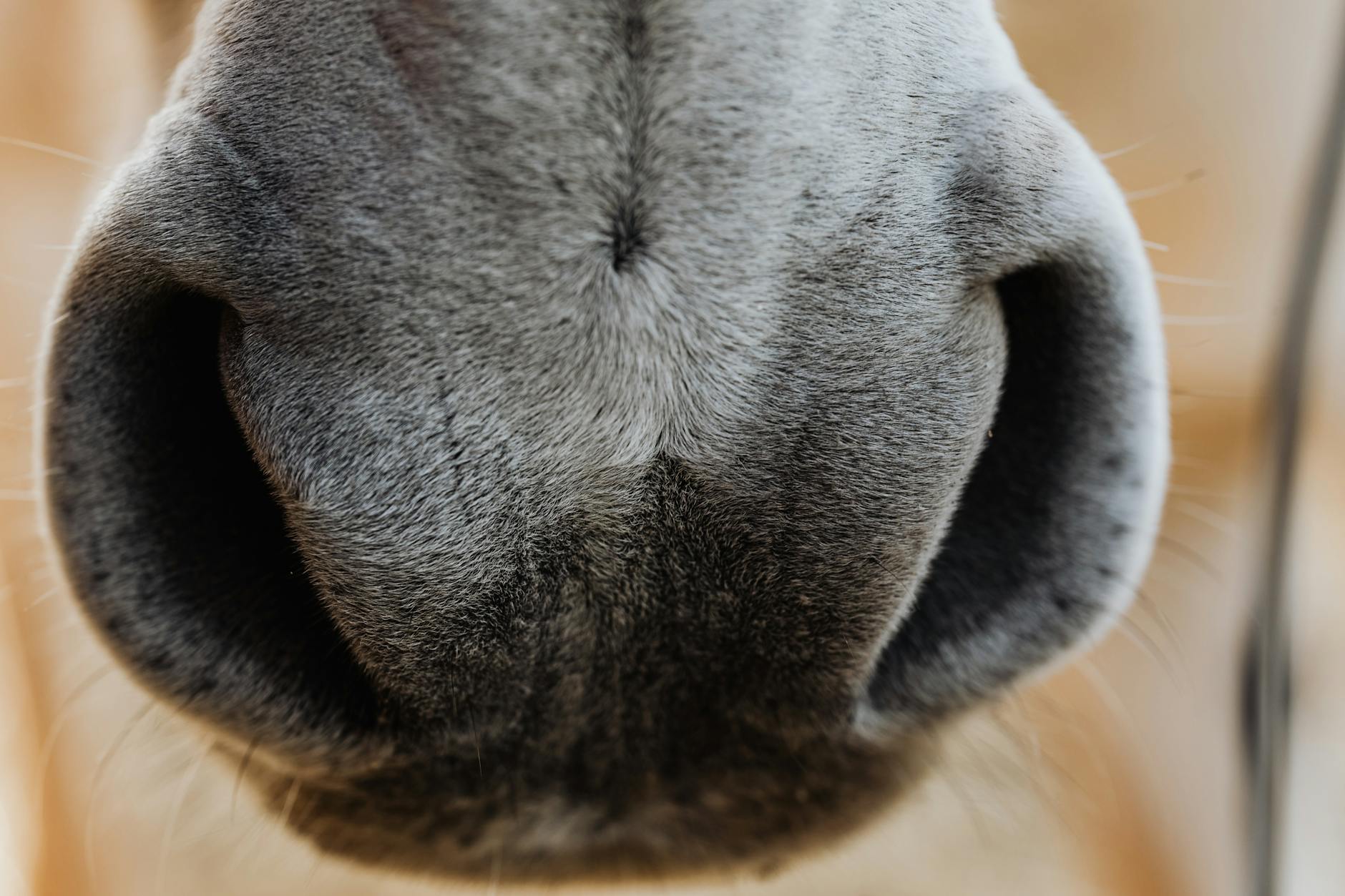
Horses are obligate nasal breathers which means they can only breathe through their noses. Their soft palate creates a tight seal that prevents air from entering the trachea through the mouth. This anatomical feature ensures they can chew feed while breathing but limits airflow during intense exertion. It prevents them from panting like dogs to cool down after heavy exercise. This specific respiratory design requires clear nasal passages for optimal performance.
Arabian Skeleton
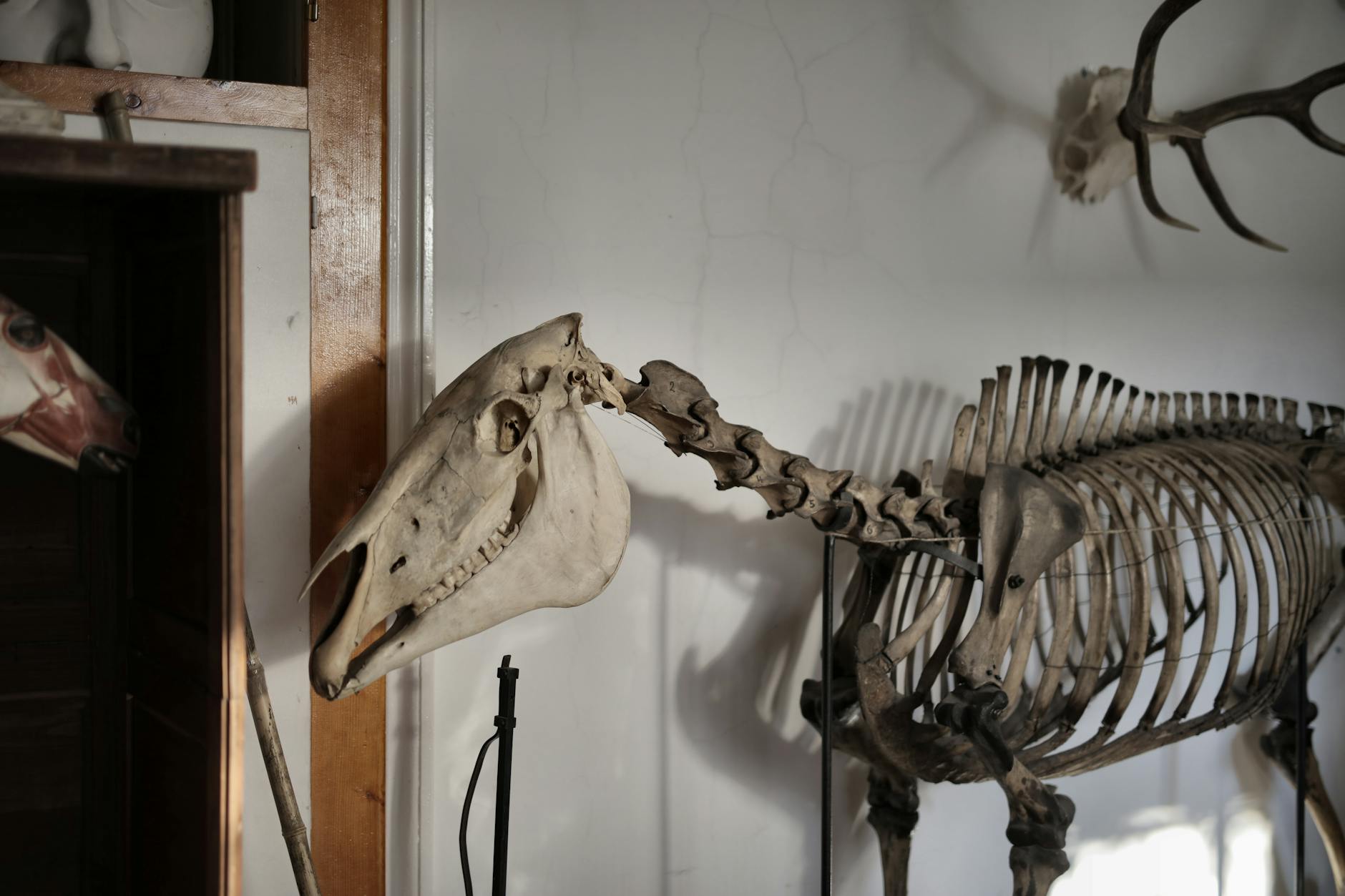
The Arabian breed differs physically from other horses in its skeletal structure. Most horses have eighteen ribs and six lumbar vertebrae but Arabians often have fewer. They typically possess seventeen ribs and five lumbar vertebrae along with fewer tail bones. This unique formation contributes to their short backs and high tail carriage. These distinct traits are hallmarks of the breed and aid in their endurance capabilities.
Newborn Foals
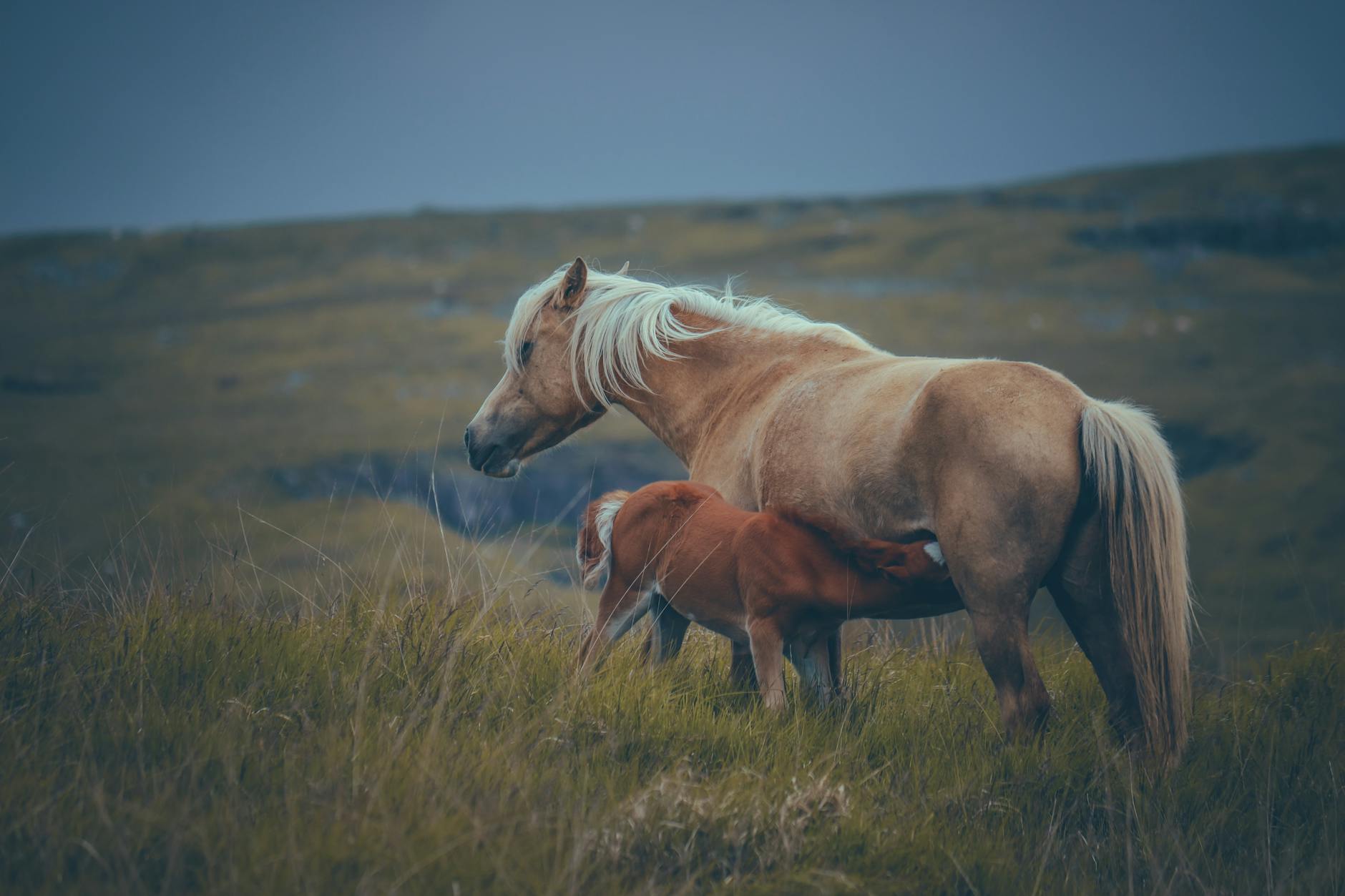
Foals are born with an instinctual drive to stand and run shortly after birth. A healthy newborn can typically stand within one hour and trot within a few hours of delivery. This rapid development is an evolutionary adaptation to keep up with the herd and evade predators. Their legs are nearly fully formed in length at birth which gives them a lanky appearance. This precocious nature ensures their survival in open environments where safety lies in movement.
Przewalski’s Horse
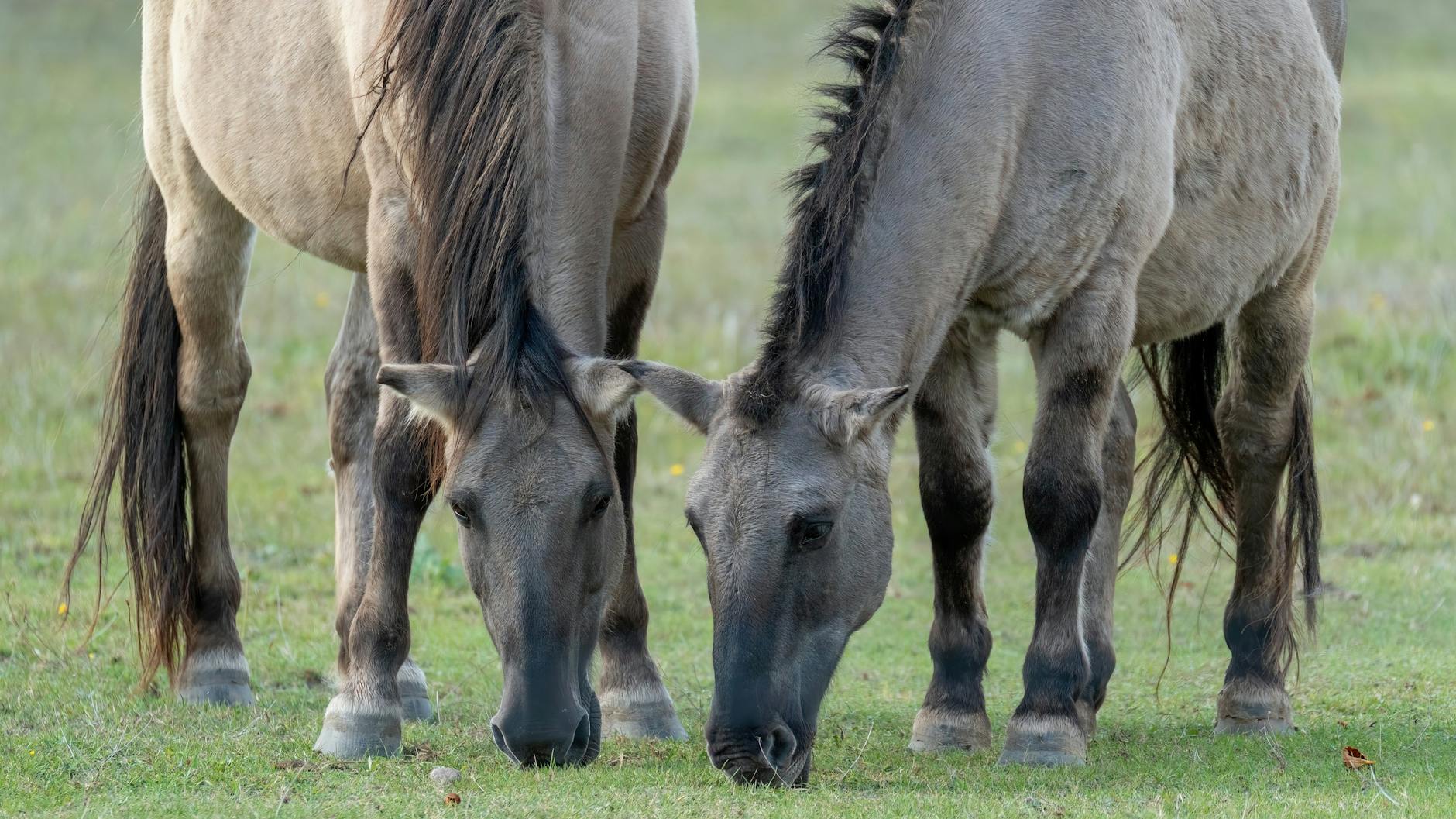
This breed is the only truly wild horse species surviving in the world today. Unlike mustangs or brumbies which are feral descendants of domesticated stock this horse has never been domesticated. They have a distinct stocky build with a short mane that stands upright. Conservation efforts have successfully reintroduced them to their native habitats in Mongolia. They represent an ancient genetic line that offers insight into prehistoric equine history.
Water Consumption
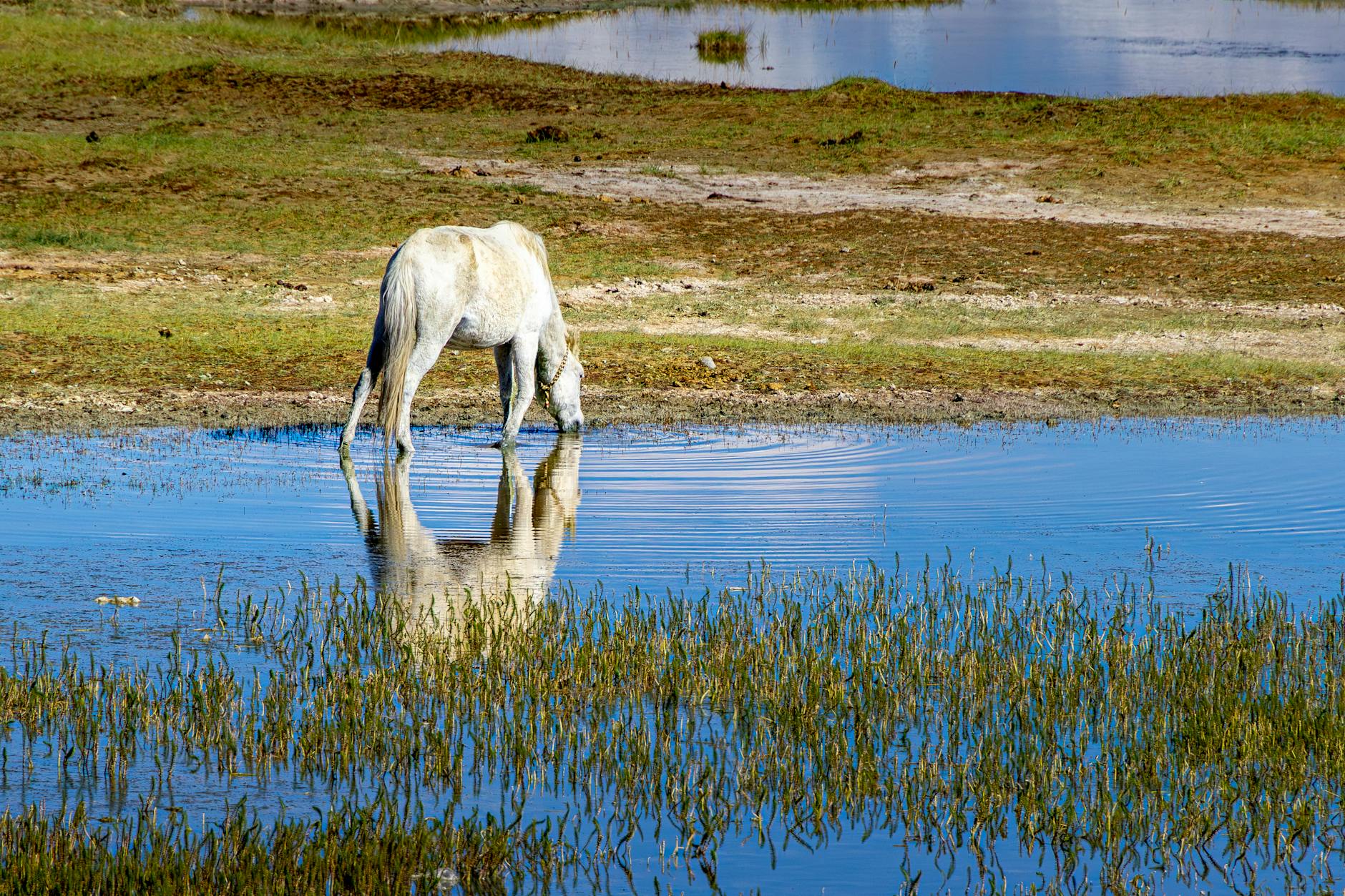
Horses require a substantial amount of water daily to maintain their health and digestion. An average horse can drink between five and ten gallons of water every single day. This amount increases significantly during hot weather or after intense physical activity. Dehydration can lead to serious health issues such as impaction colic. Access to clean and fresh water is the most critical component of their daily care.
Heart Size

The equine heart is a massive and powerful organ designed to support athletic performance. The average heart weighs nearly ten pounds but elite racehorses can have hearts nearly double that size. A larger heart pumps blood more efficiently to oxygenate muscles during high-speed galloping. The legendary racehorse Secretariat had a heart estimated to weigh twenty-two pounds. This genetic trait is often referred to as the X factor in breeding circles.
Color Vision
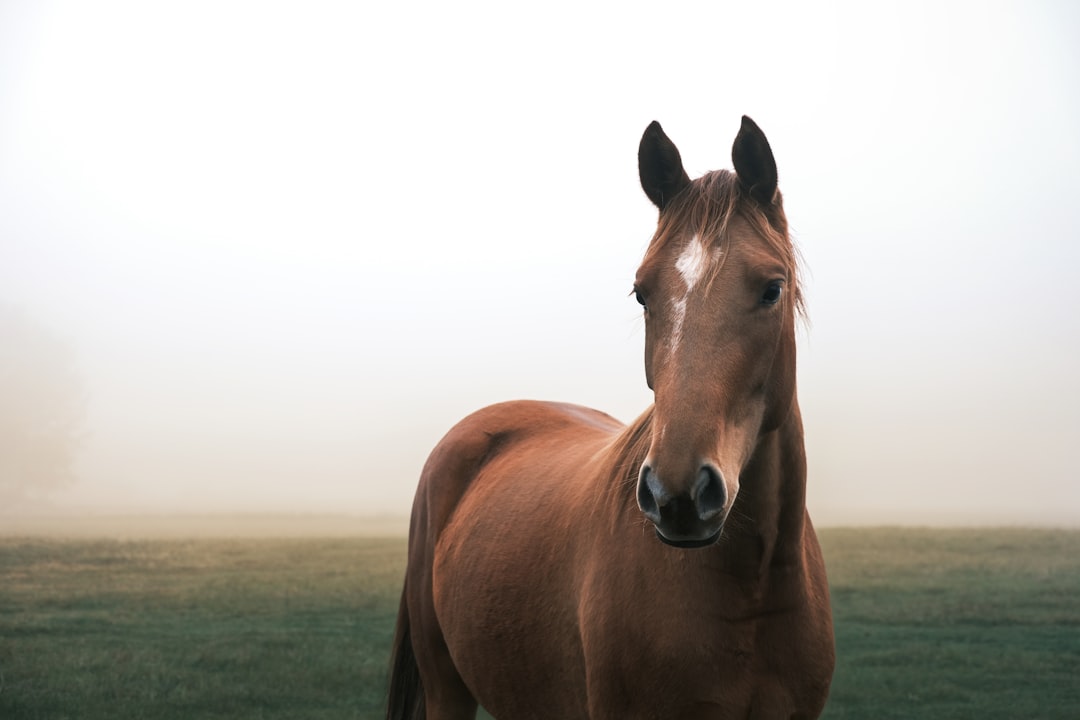
Horses have dichromatic vision which means they see the world differently than humans do. They perceive blues and yellows quite well but have difficulty distinguishing reds and greens. This color spectrum is similar to a human with red-green color blindness. Their vision is tuned to detect motion and contrast rather than vibrant colors. This adaptation helps them spot movement in grassy landscapes where predators might hide.
Ear Muscles
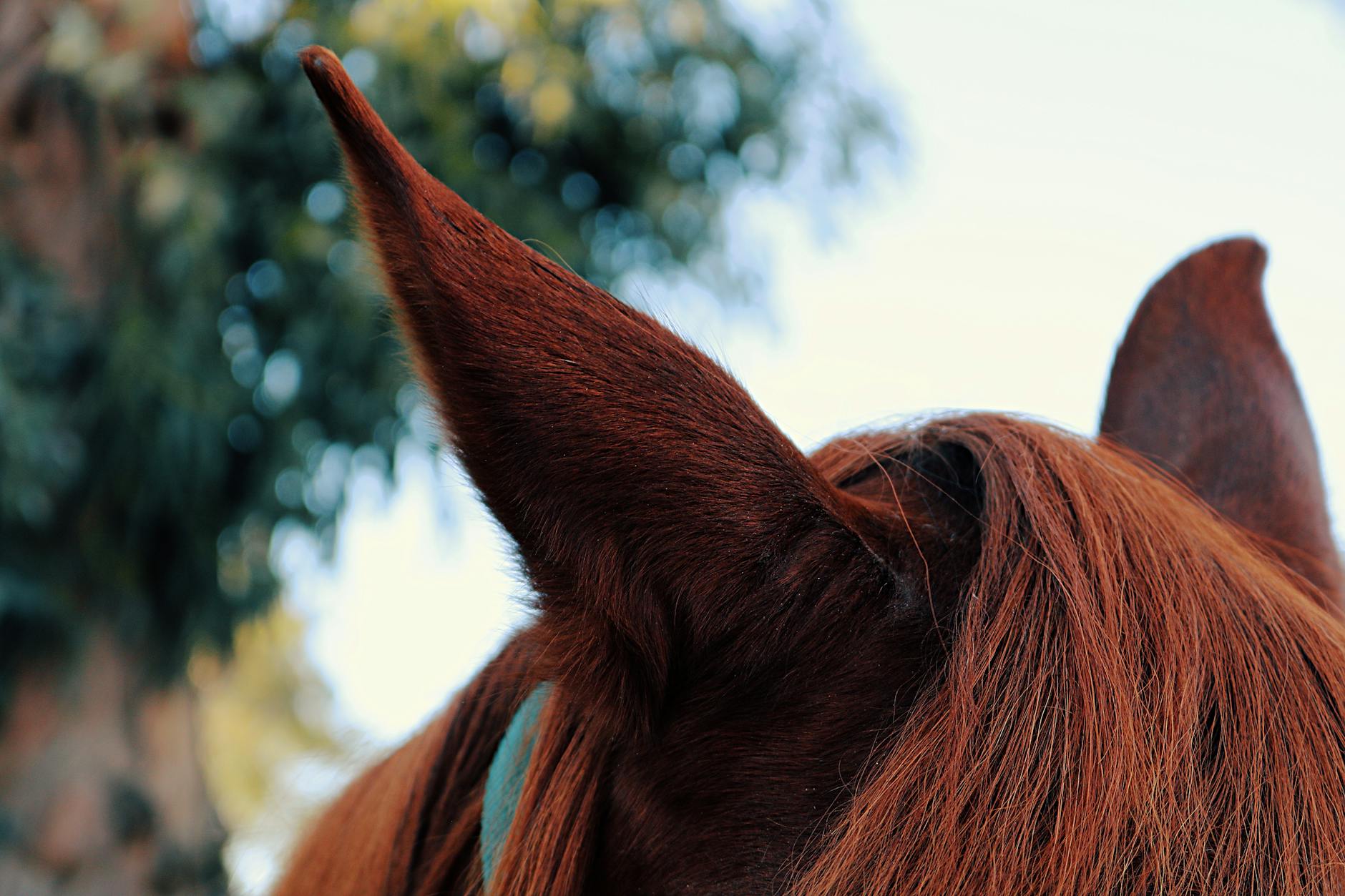
A horse has ten distinct muscles in each ear that allow for incredible mobility. They can rotate their ears 180 degrees independently to pinpoint sounds without moving their heads. This auditory radar helps them detect threats approaching from any direction. The position of the ears also serves as a primary visual cue for other horses. This sensory tool is essential for maintaining situational awareness in open spaces.
Gut Length
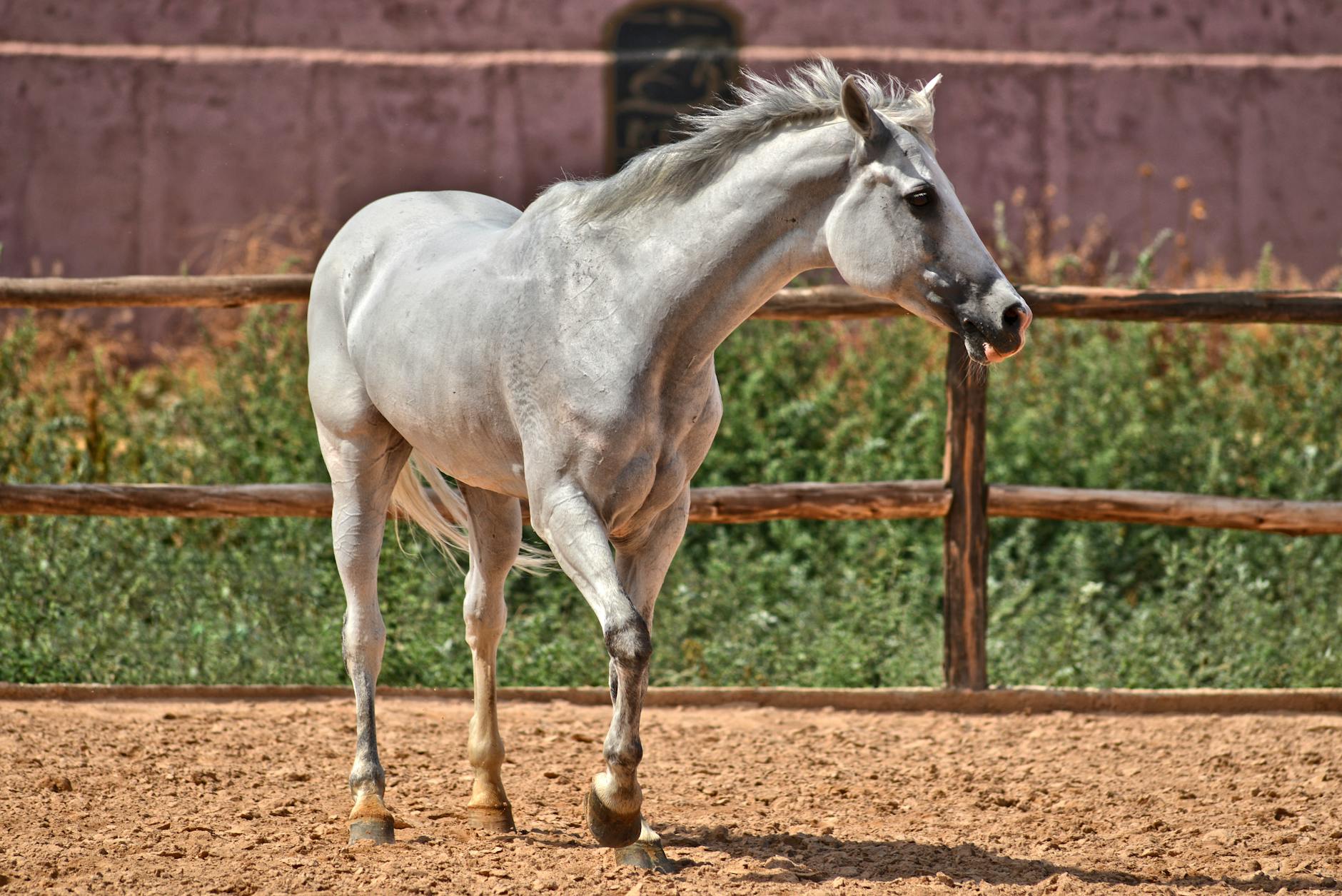
The digestive tract of a full-sized horse is immensely long and complex. The entire system stretches approximately one hundred feet from mouth to tail. Most of the digestion of fibrous plant material occurs in the large intestine through fermentation. This lengthy process is necessary to extract nutrients from tough grasses and hay. The sheer size and complexity of the gut make it prone to twists and blockages.
Social Structure
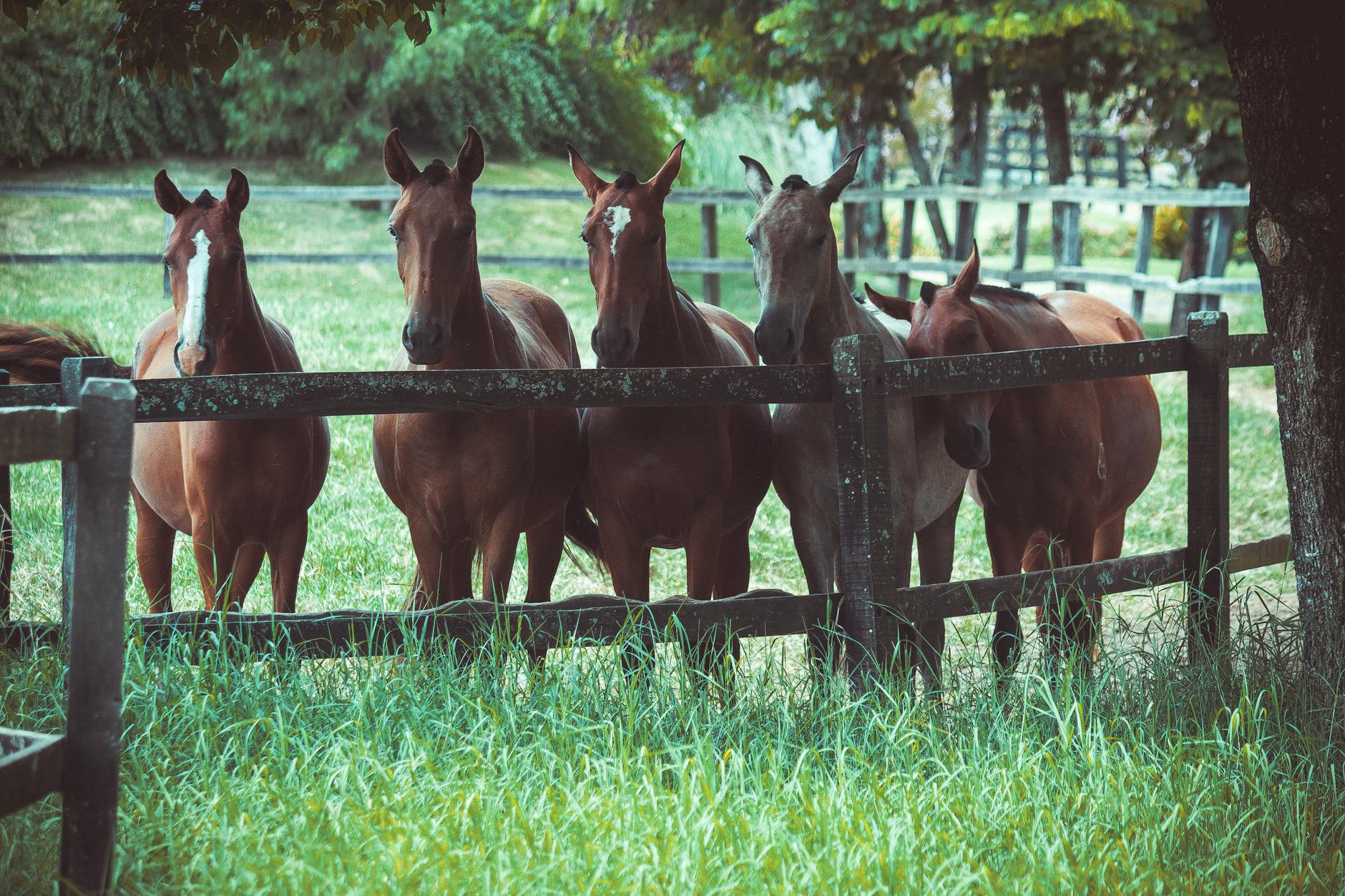
Horses are intensely social animals that suffer psychologically when kept in isolation. They form strong bonds within a herd and establish a clear hierarchy for order. Mutual grooming is a common behavior used to reinforce relationships and reduce stress. Separation from their companions can cause anxiety and the development of stereotypic behaviors. Living in a group provides them with a sense of security and belonging.
Speed Potential
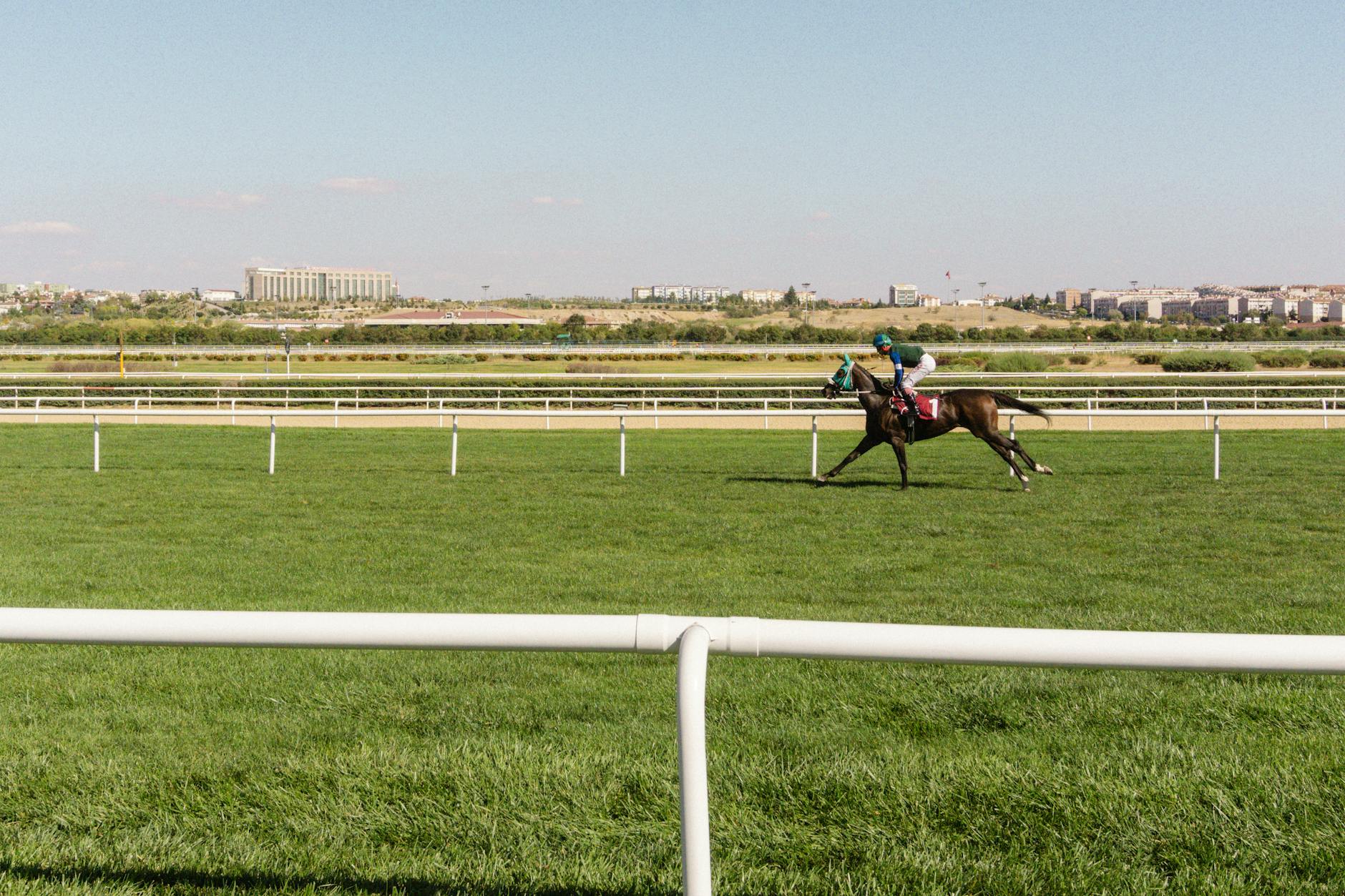
The thoroughbred racehorse is built for explosive speed and can reach impressive velocities. The fastest recorded speed for a horse over a short distance is nearly 55 miles per hour. Their specialized muscle fibers and efficient gait mechanics allow them to cover ground rapidly. Quarter Horses are known for sprinting while Arabians excel at endurance over long distances. Speed serves as their primary defense mechanism against danger.
Genetic Clones
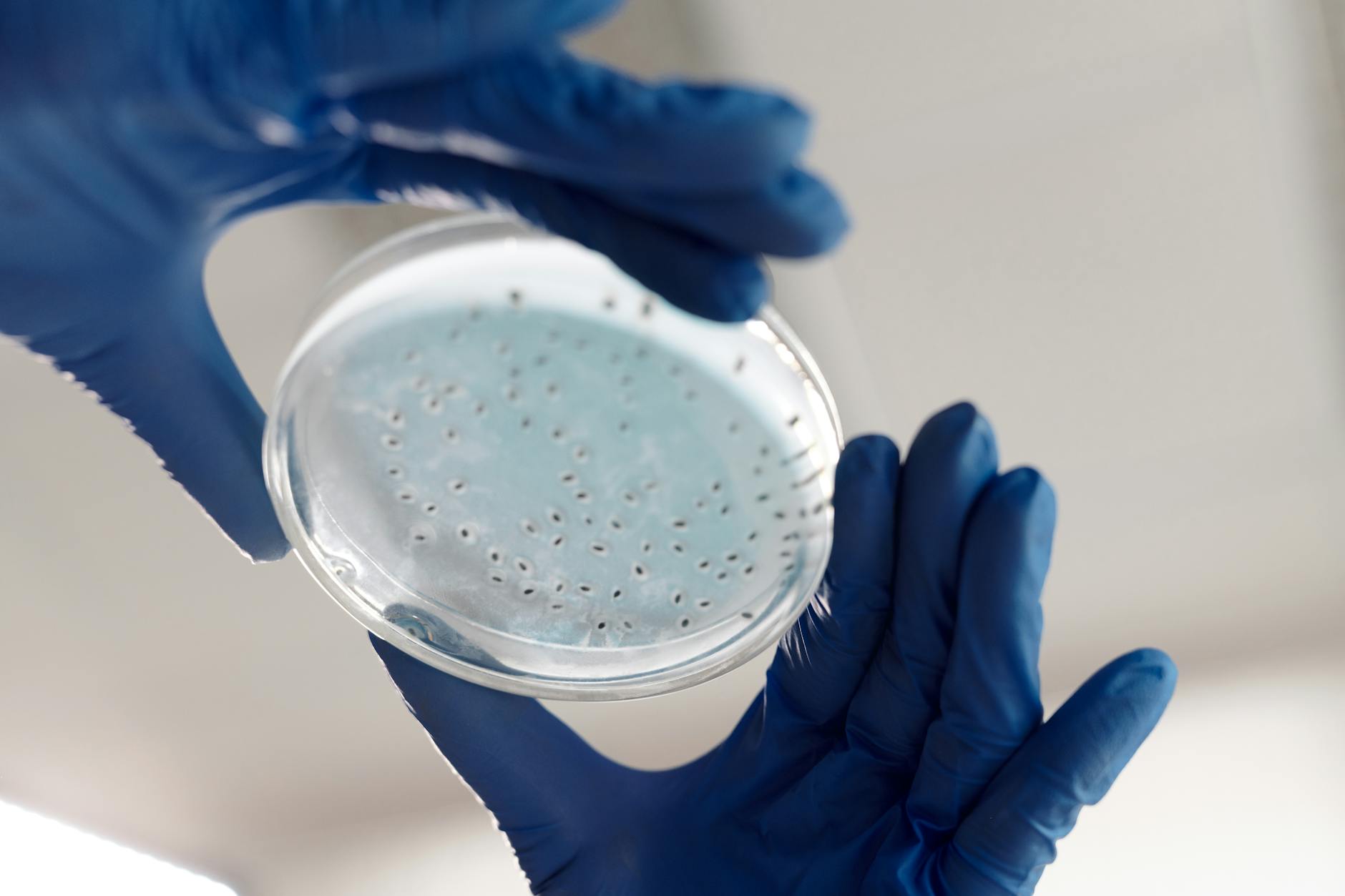
The first cloned horse was a Haflinger born in Italy in 2003 named Prometea. Since then the technology has been used to preserve the genetics of elite performance horses. Cloning allows breeders to replicate animals that have been gelded or are unable to reproduce. It remains a controversial topic within various breed registries and competitive organizations. The science continues to evolve and spark ethical debates in the equestrian world.
White Markings
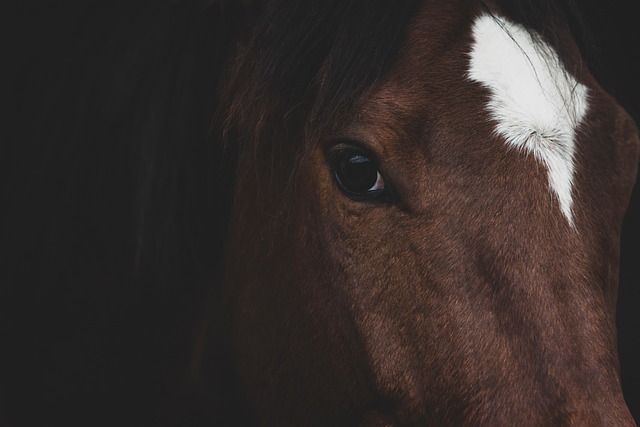
The white markings on a horse are as unique as human fingerprints. No two horses have the exact same pattern of socks or facial blazes. These markings are used to identify individual animals in registration papers and medical records. Even cloned horses do not share identical white markings due to developmental factors in the womb. This distinctiveness aids owners and veterinarians in tracking specific animals throughout their lives.
Knee Structure
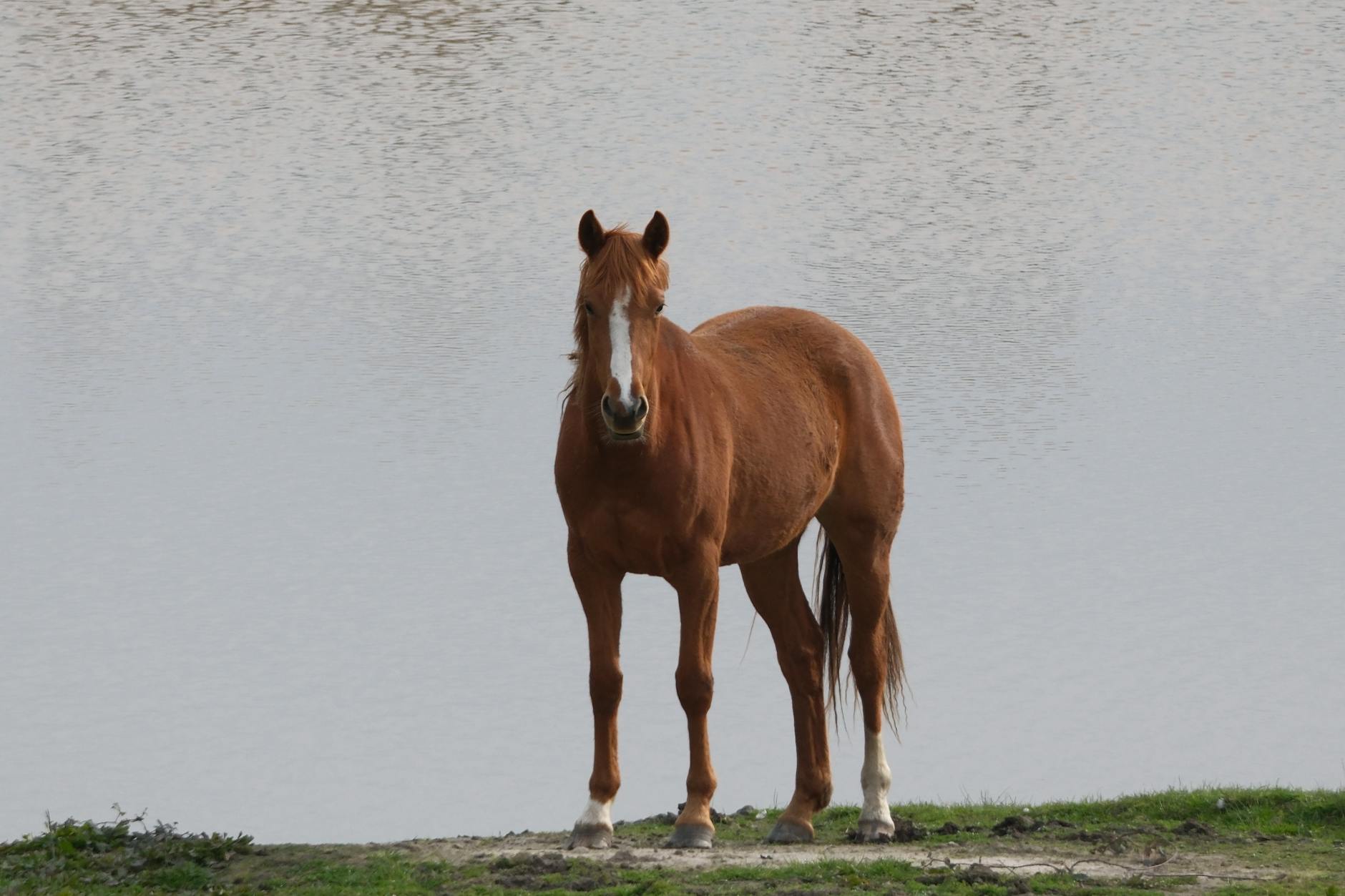
The joint in the front leg of a horse that looks like a knee is actually comparable to the human wrist. The true knee of the horse is the stifle joint located high on the hind leg. This anatomical alignment means their front legs function similarly to human arms in terms of bone structure. The hock on the hind leg corresponds to the human ankle and heel. Understanding this anatomy helps in diagnosing lameness and movement issues.
Skin Sensitivity
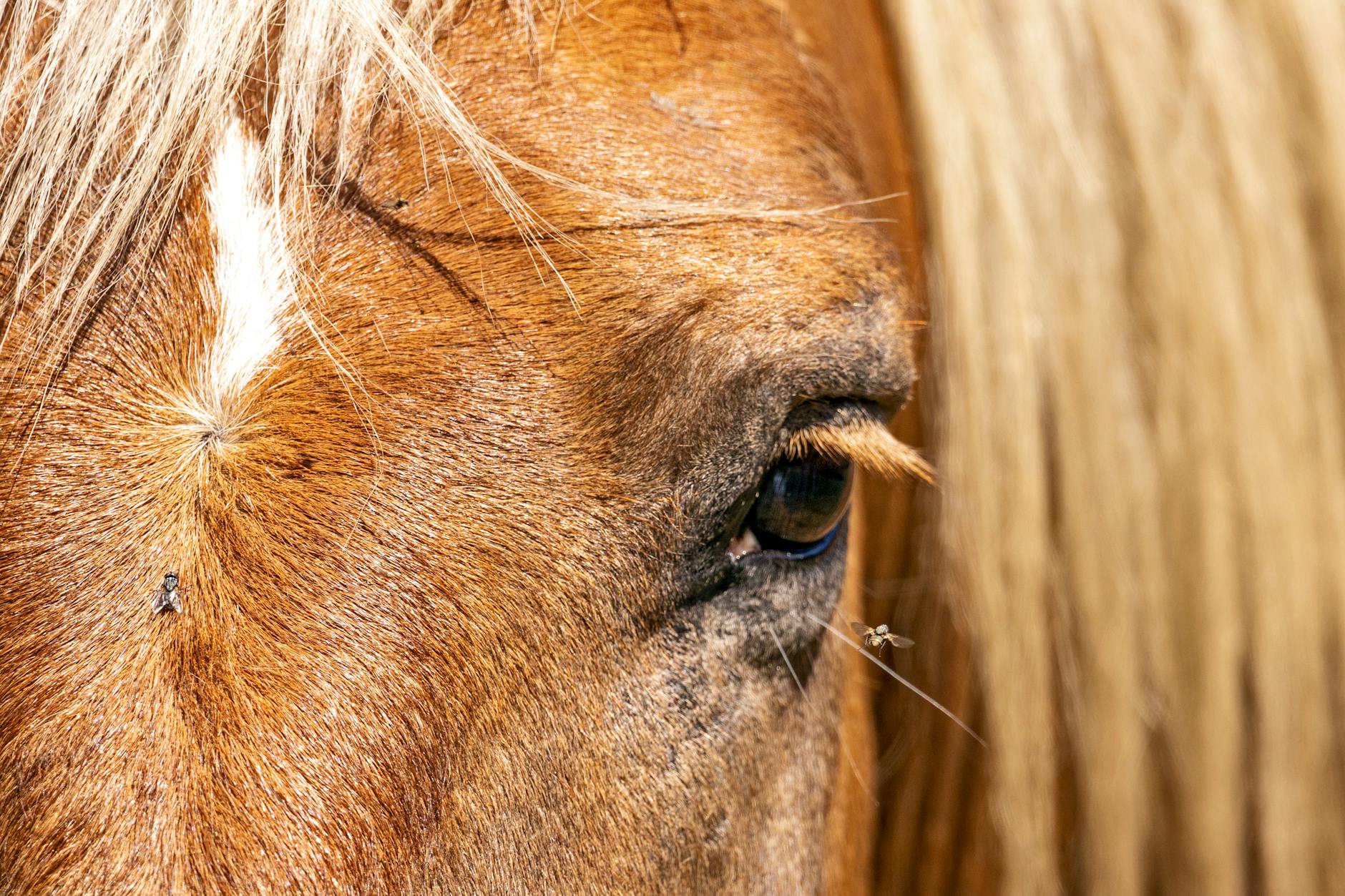
Despite their thick hides horses have incredibly sensitive skin capable of feeling minute sensations. They can detect a single fly landing on their coat and will twitch a specific muscle to dislodge it. This reflex is known as the panniculus reflex and targets the specific area of irritation. Their skin is also prone to fungal infections and reactions to insect bites. Grooming helps desensitize the skin while checking for any abnormalities.
Hybrid Offspring
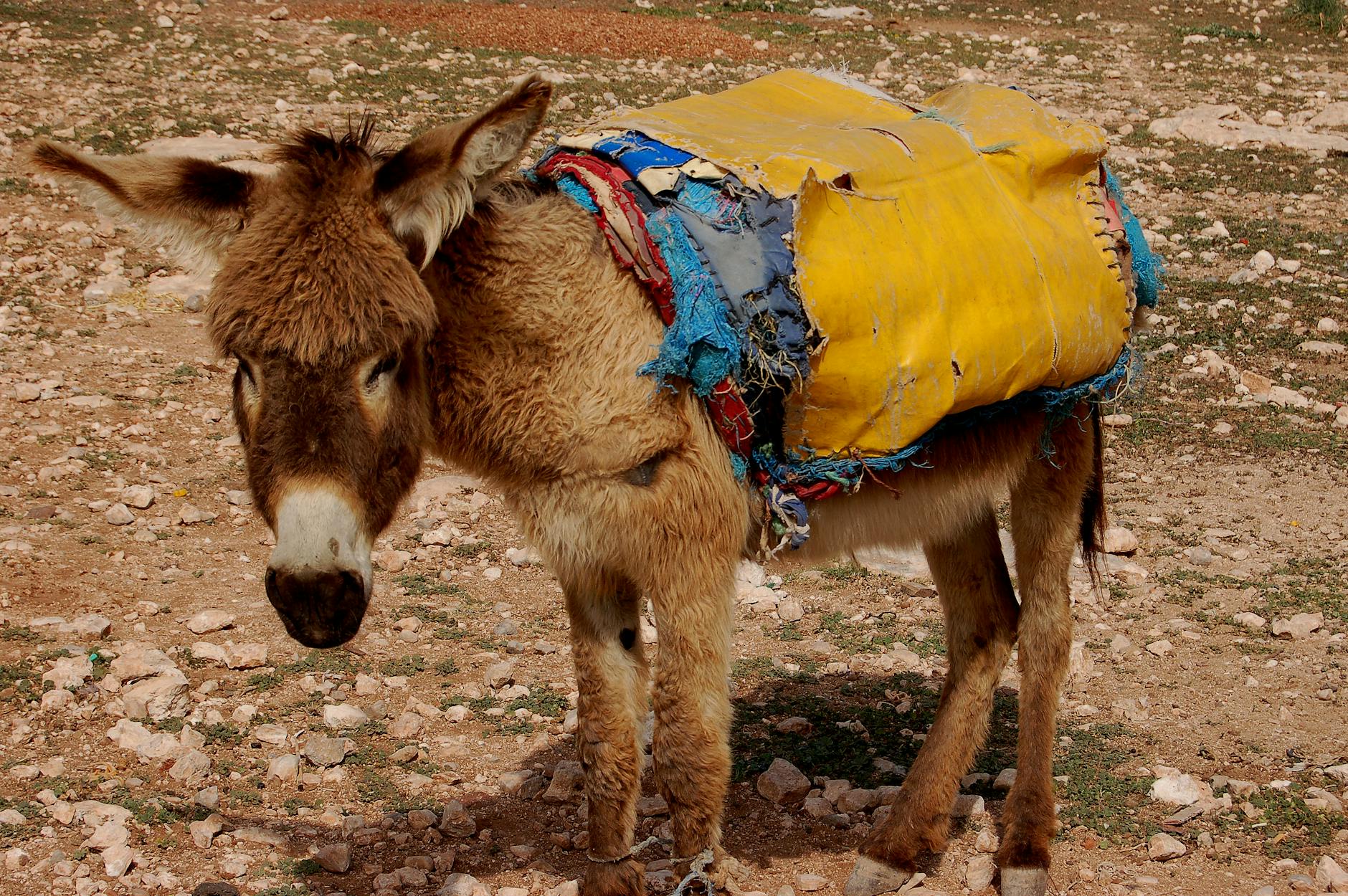
Horses can breed with donkeys and zebras to create hybrid animals with distinct traits. A male donkey and a female horse produce a mule which is known for its strength and intelligence. A male horse and a female donkey produce a hinny which is generally smaller and less common. Zorses are the result of crossing a zebra with a horse and typically retain the wild temperament of the zebra. These hybrids are usually sterile due to differences in chromosome numbers.
Taste Receptors
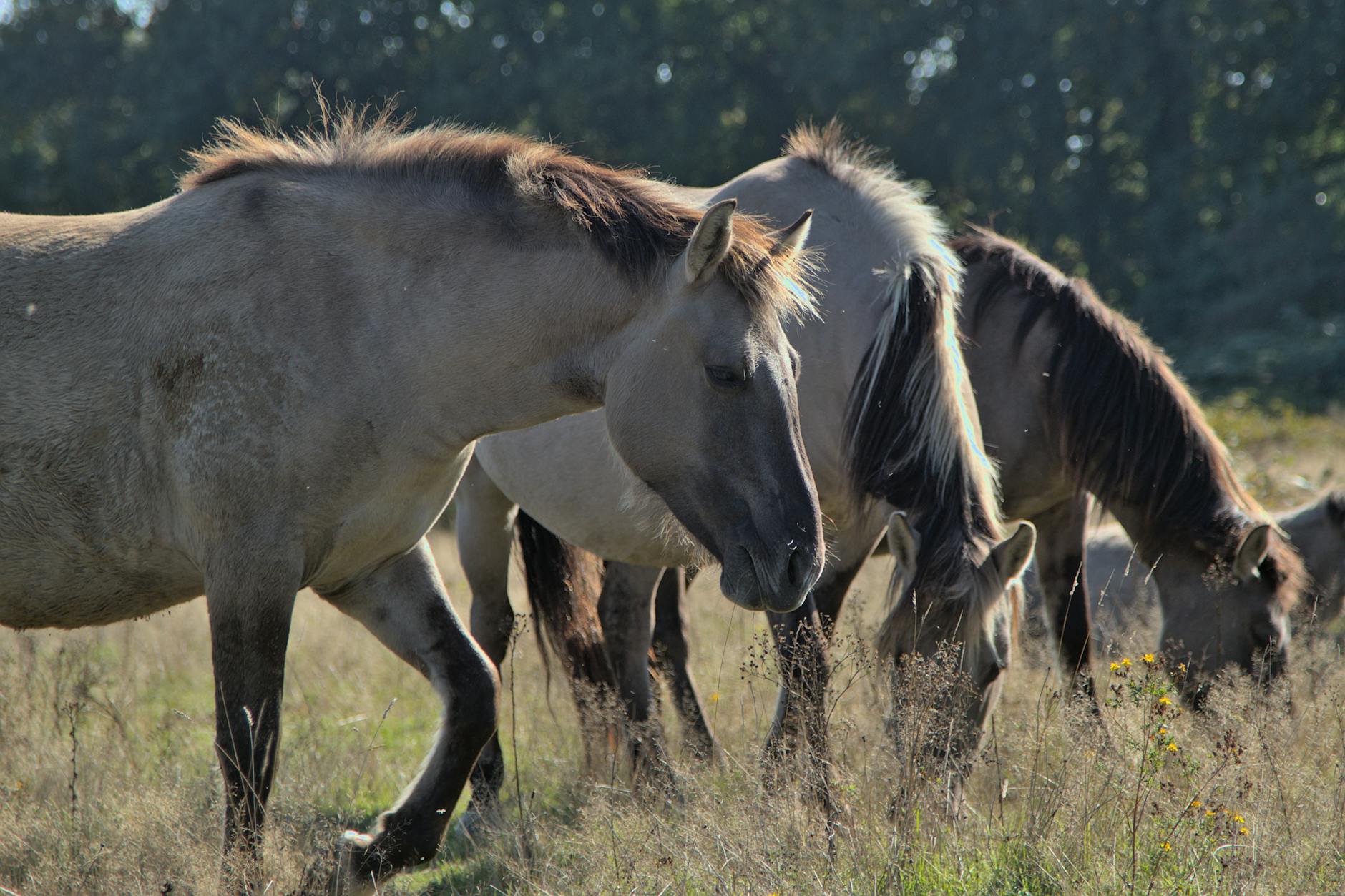
Horses have a well-developed sense of taste that helps them select safe forage. They generally prefer salty and sweet flavors while avoiding bitter plants that may be toxic. This natural mechanism protects them from ingesting poisonous weeds in a pasture setting. They can skillfully sort through grain mixes to leave behind medication or supplements they find unpalatable. Their discriminating palate requires owners to be creative when administering necessary treatments.
Temperature Regulation
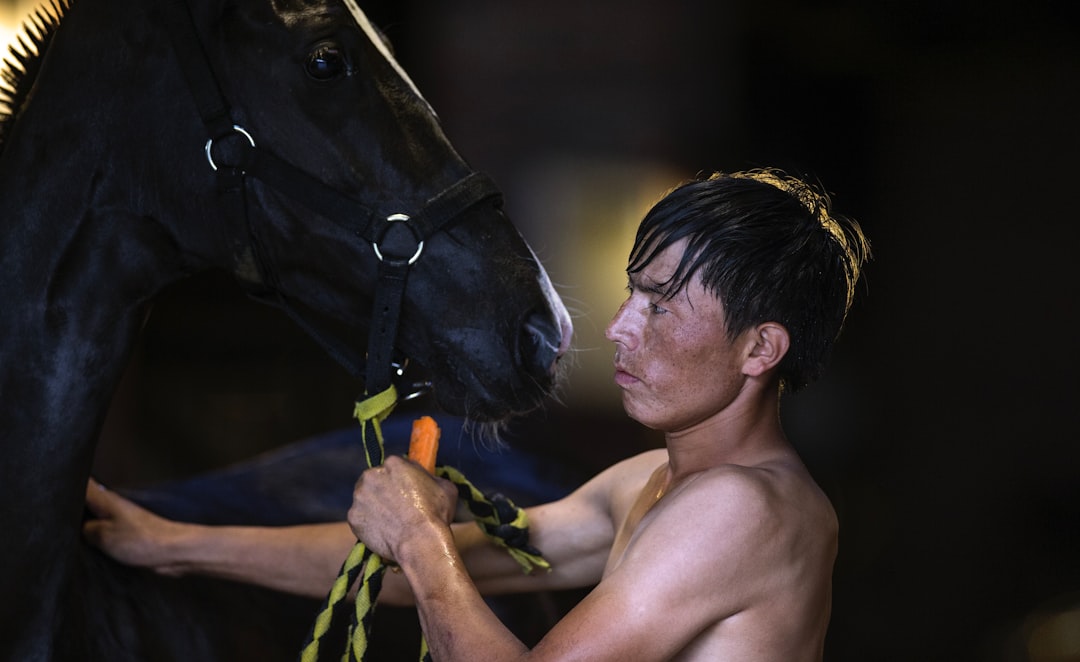
Horses generate a tremendous amount of body heat during exercise that must be dissipated. They rely heavily on sweating to cool down and are one of the few mammals that sweat profusely like humans. Their sweat contains a protein called latherin which helps the moisture spread across their waterproof coat. This creates a foaming effect often seen on racehorses after a competition. Effective cooling is vital to prevent heat stress and muscle damage.
What surprised you the most about these equine facts, so please let us know in the comments?