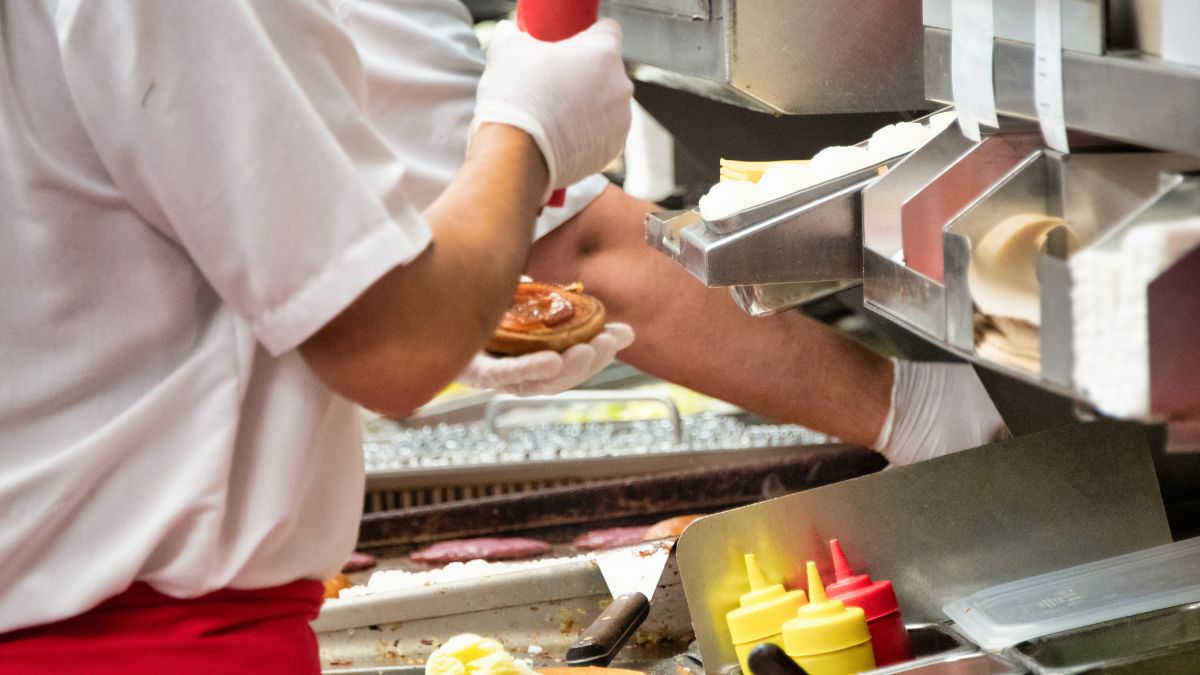
Fast food is a staple of modern life, but what happens behind the counter often stays there. Workers across the industry have quietly revealed some uncomfortable truths about the preparation, handling, and storage of the food that ends up in your hands within minutes of ordering. These revelations come from years of firsthand experience inside some of the most recognizable kitchens in the world. Understanding what goes on behind the scenes may change the way you think about your next drive-through order.
Ice Machines
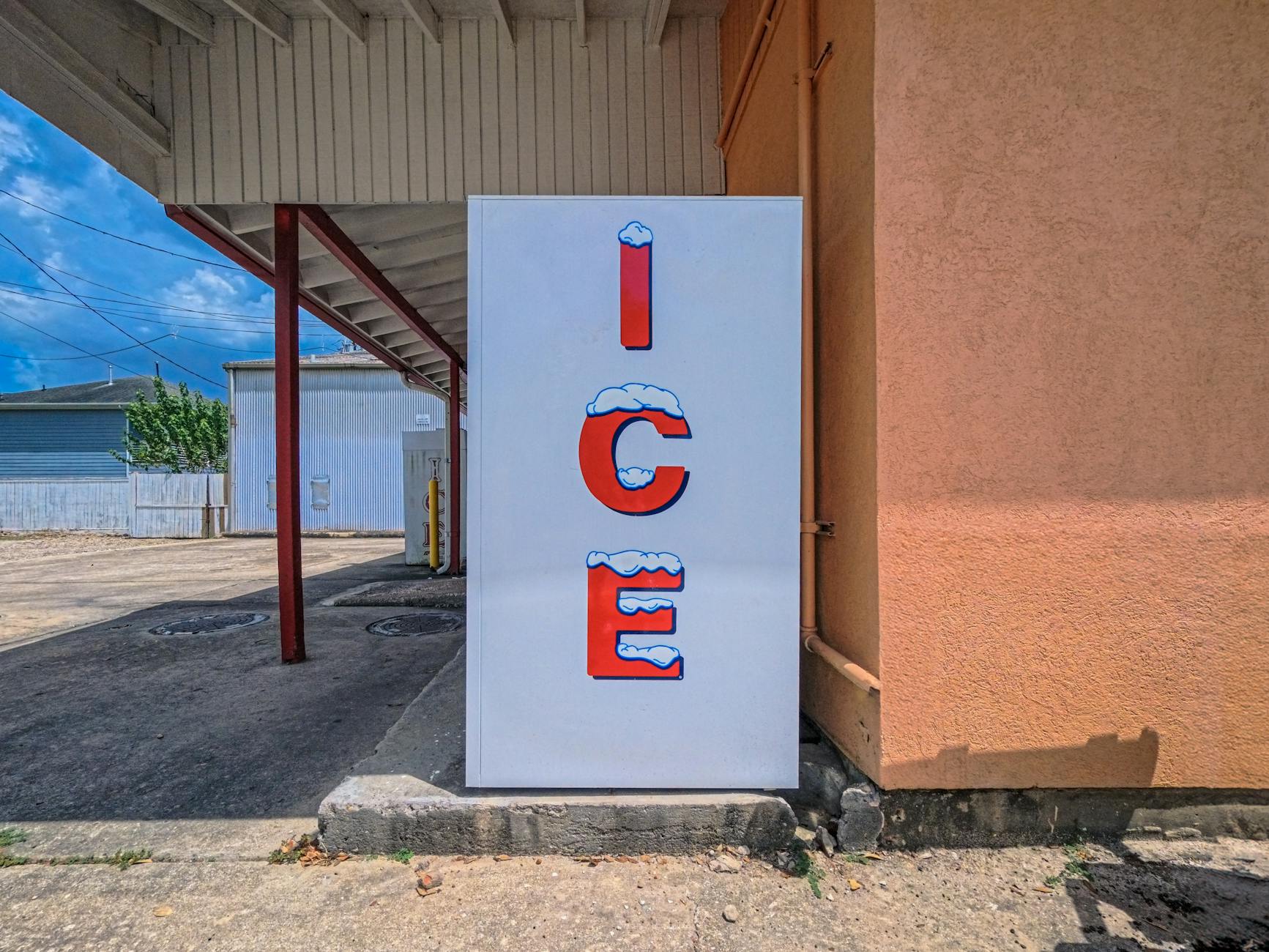
Ice machines in fast food restaurants are among the most neglected pieces of equipment in the building. They are cleaned far less frequently than health codes technically require, and mold and slime buildup inside the machine is considered normal by many workers. The ice that ends up in your drink has often been sitting in a damp, dark chamber for extended periods. Studies have found that fast food ice can carry more bacteria than toilet water in the same restaurants. Many experienced workers choose to skip the ice in their own drinks entirely.
Fryer Oil
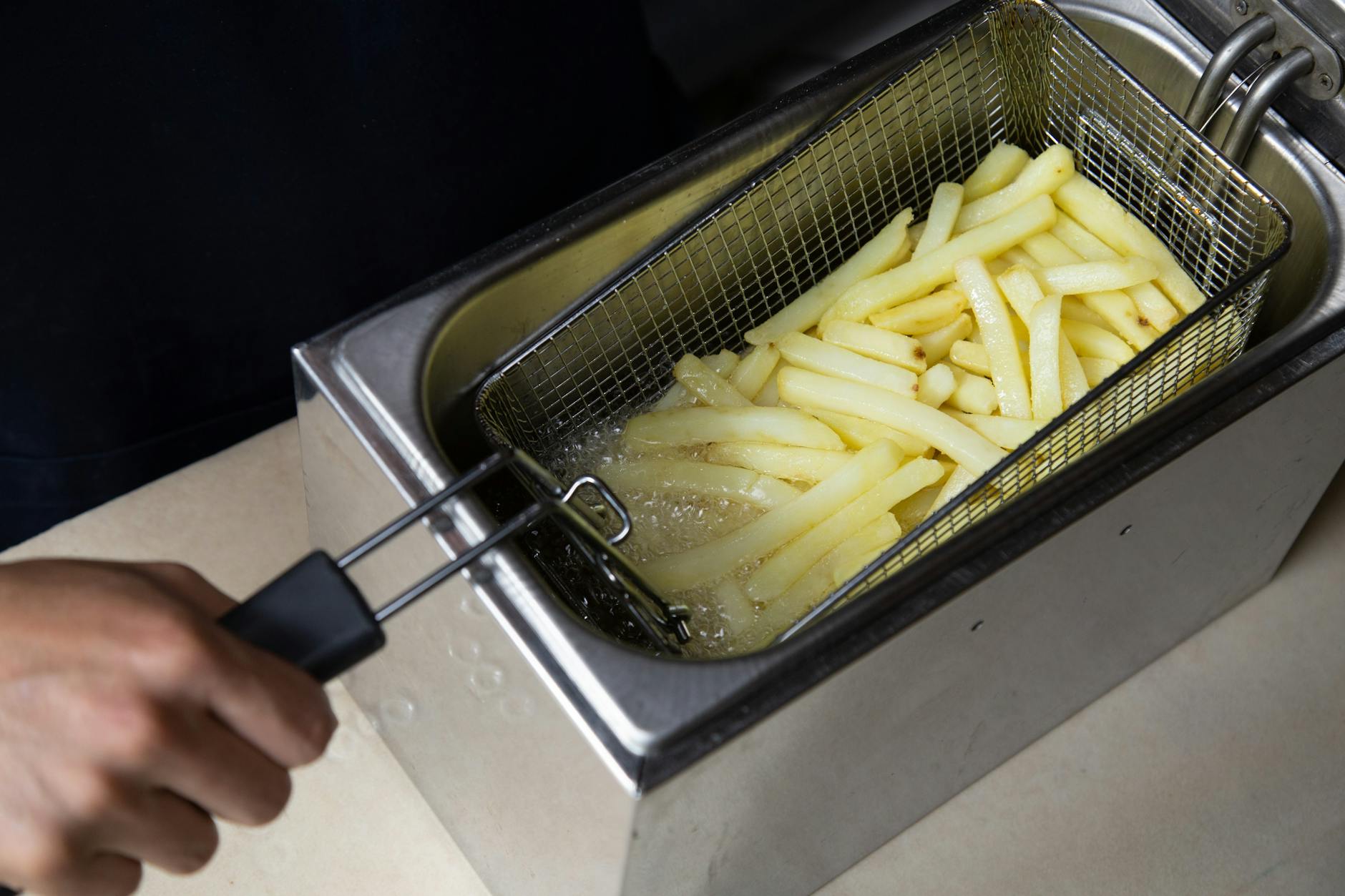
The oil used to cook fries, chicken, and other fried items is rarely changed as often as it should be. Workers describe oil that has turned dark brown and developed a thick, almost syrupy texture still being used during busy service hours because changing it takes time. Old oil not only affects the flavor of food but also increases the concentration of harmful compounds produced by repeated high-heat cooking. Some locations stretch a single batch of oil across multiple days or even an entire week. Filters are sometimes used to extend the life of oil rather than replace it altogether.
The Heat Lamp

Food sitting under heat lamps is a standard part of fast food operations, but the time limits posted in training manuals are frequently ignored. Burgers, chicken sandwiches, and other items can sit warming for well beyond the recommended window during slow periods. Workers have described simply resetting timers rather than discarding food that has been sitting too long. The texture and moisture of the food changes significantly the longer it sits, resulting in a noticeably lower quality product. This practice is particularly common during late-night and overnight shifts when supervision is minimal.
Glove Usage
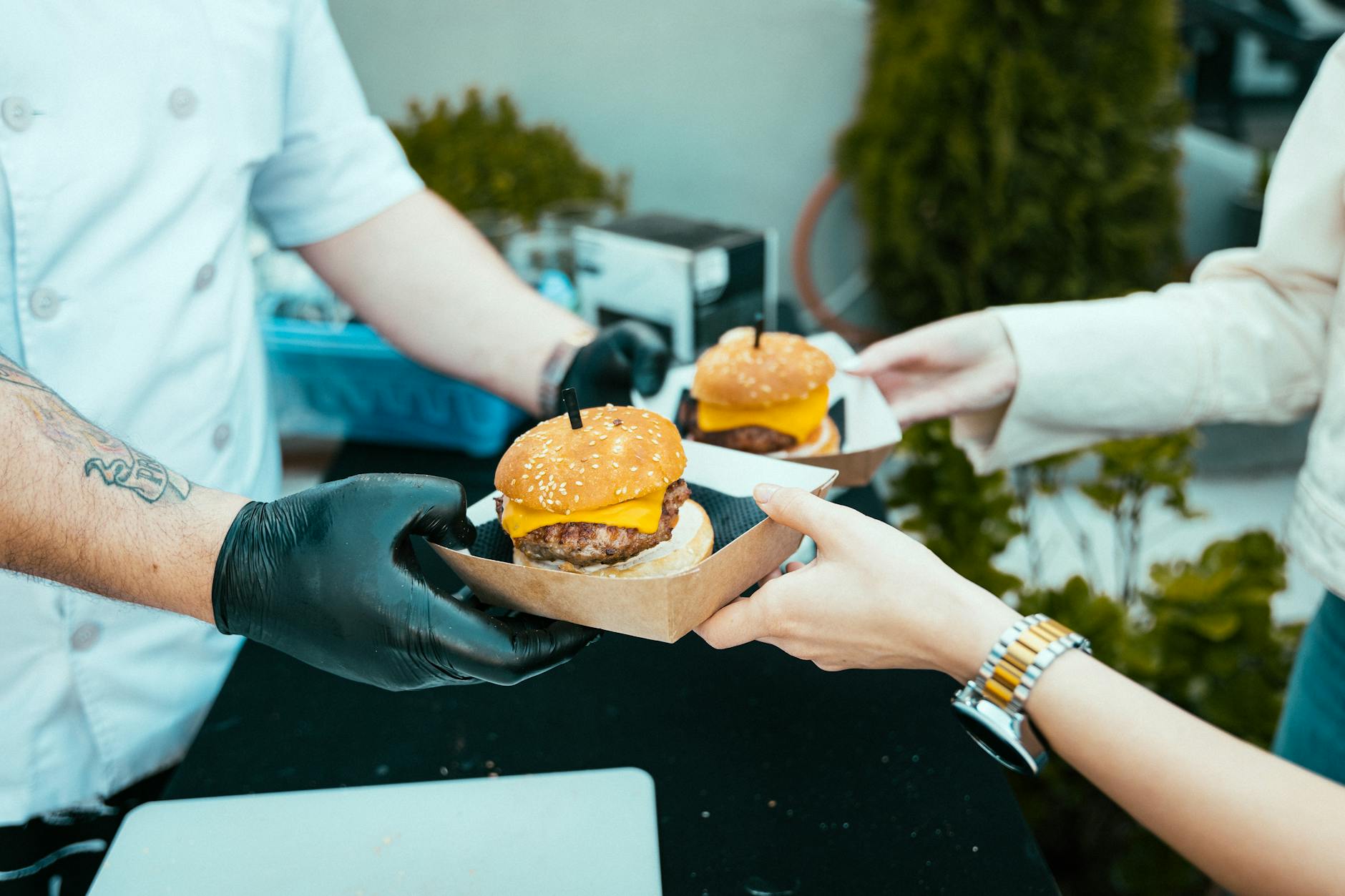
Gloves are meant to create a hygienic barrier between workers and food, but they often create a false sense of security in fast food kitchens. Many employees wear the same pair of gloves across multiple tasks without changing them, meaning the gloves themselves become a source of cross-contamination. Some workers skip gloves altogether when they feel rushed during a lunch or dinner rush. The rate at which gloves are changed is rarely monitored in real time by management. Handwashing frequency tends to drop significantly when gloves are in use because workers assume the barrier is doing the job.
Drink Nozzles
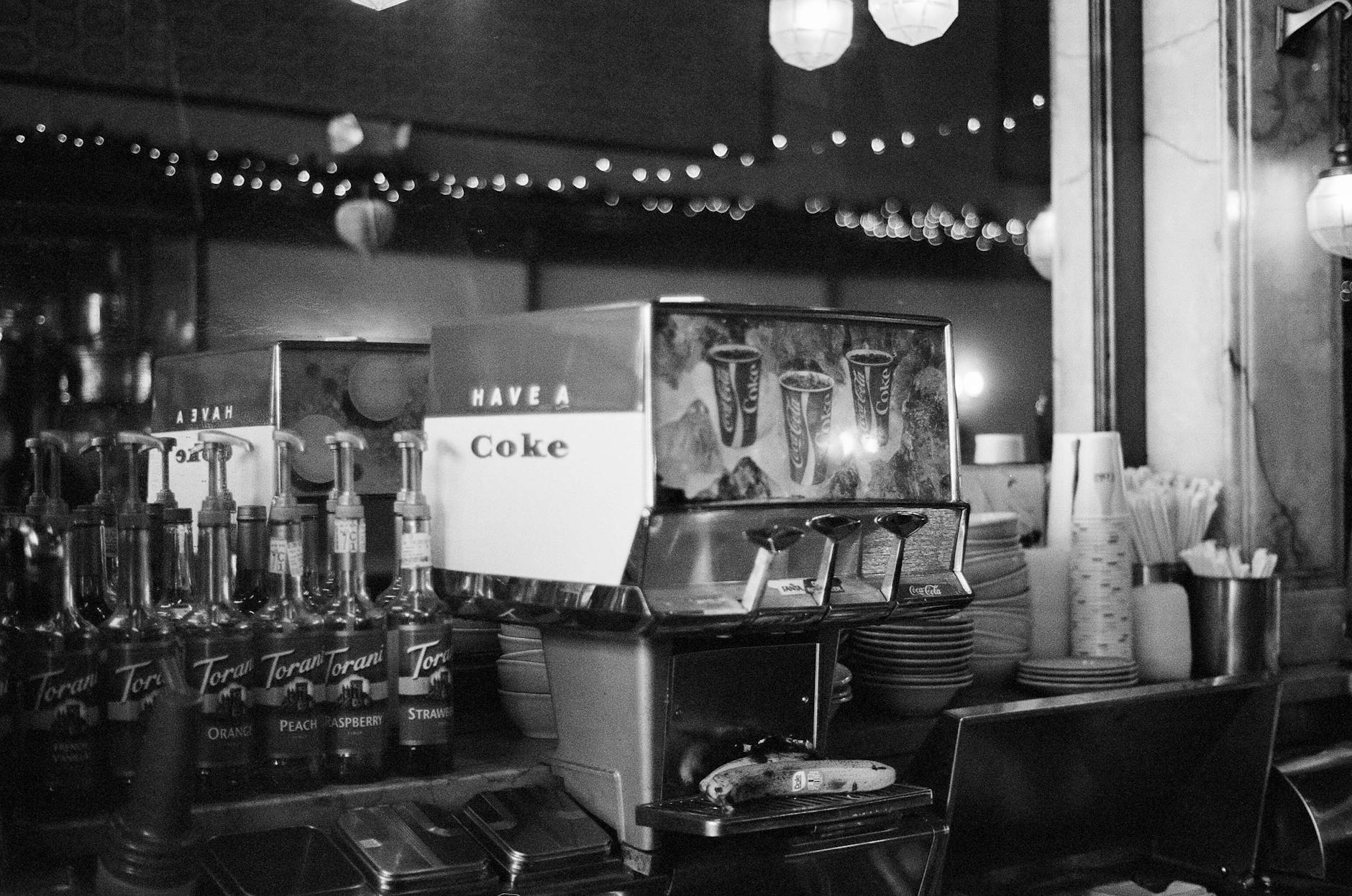
The nozzles attached to soda fountain machines accumulate a significant amount of residue and are not cleaned between every customer interaction. Mold and bacteria thrive in the warm, sugary environment created by constant use and infrequent deep cleaning. Many locations clean these components once a day at best, and some workers report going several days between thorough cleanings. The inside of the nozzle housing, which customers never see, is often the dirtiest part of the entire drink station. Health inspectors have flagged soda nozzles as a recurring violation at fast food chains across multiple countries.
Prep Surfaces

Countertops and prep surfaces in fast food kitchens are wiped down regularly, but the cleaning cloths used for this task often do more harm than good. A single rag may be used across dozens of surfaces throughout a shift without being properly sanitized between uses. Workers describe cloths sitting in buckets of cleaning solution that grow increasingly diluted and ineffective as the day goes on. Raw meat residue, condiment spills, and other contaminants get redistributed rather than eliminated. Health code violations related to improper surface sanitization are among the most commonly cited issues in fast food restaurant inspections.
Expired Ingredients
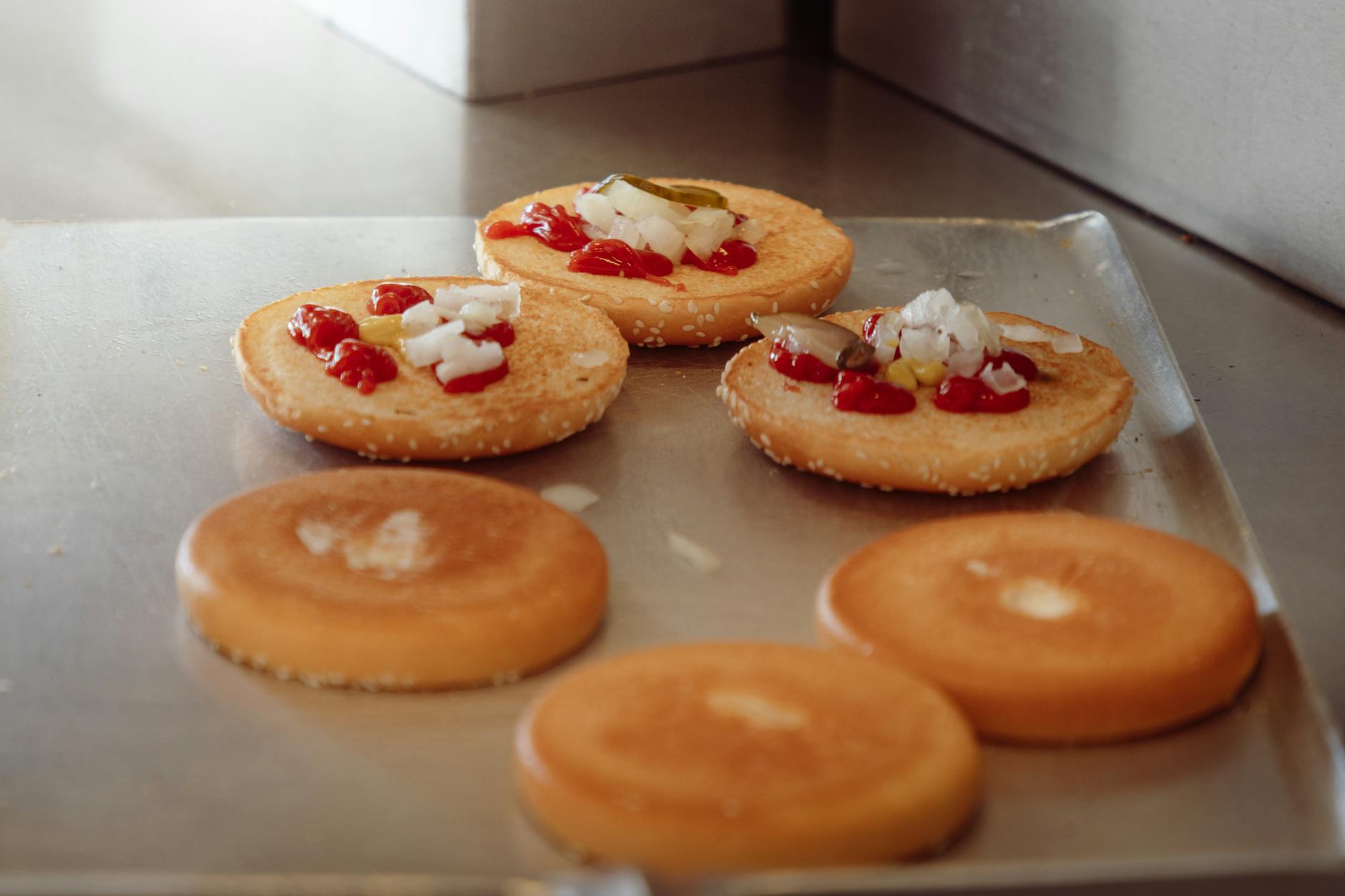
Date labels on ingredients in fast food kitchens are not always followed strictly, particularly when food costs are under scrutiny. Workers have reported managers instructing them to use items slightly past their labeled date rather than throw them away and log a waste report. Produce such as lettuce and tomatoes is sometimes used well after it has begun to show visible signs of deterioration. Pre-portioned sauces and condiments in open containers may sit refrigerated for longer than recommended before being discarded. The pressure to minimize waste and maintain profit margins often creates tension with food safety standards.
Bathroom Proximity

In many fast food restaurants, the same workers responsible for preparing food are also tasked with cleaning bathrooms during their shift. While they are required to wash their hands afterward, the transition between these roles happens rapidly and is not always monitored. Workers who clean bathrooms during a rush may return to food preparation stations more quickly than proper hygiene protocols would recommend. The shared responsibility of customer-facing and sanitation tasks is a staffing decision driven by low headcount rather than health considerations. This practice is legal in most jurisdictions but raises legitimate concerns about cross-contamination.
Handwashing Stations
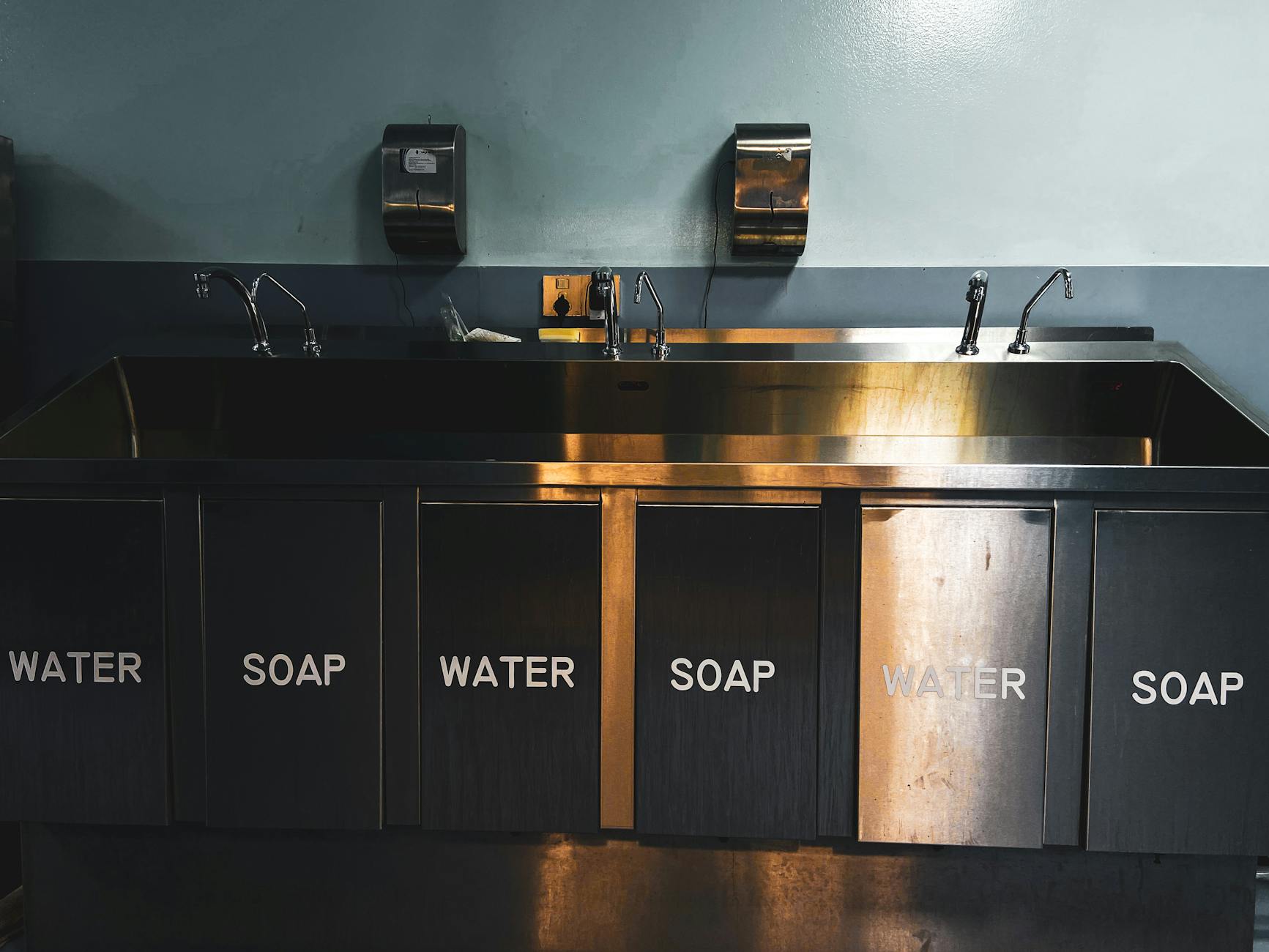
Handwashing is one of the most critical food safety practices in any kitchen, but in fast food environments it is chronically underpracticed. Workers describe going extended periods without washing their hands during busy rushes because stepping away from the line slows production. Some locations have handwashing stations positioned inconveniently far from food prep areas, making compliance less likely in practice. Management pressure to maintain speed often implicitly discourages workers from taking the time required for proper hygiene. Observed handwashing rates in fast food kitchens have been documented as significantly below recommended standards in multiple industry studies.
Chicken Handling
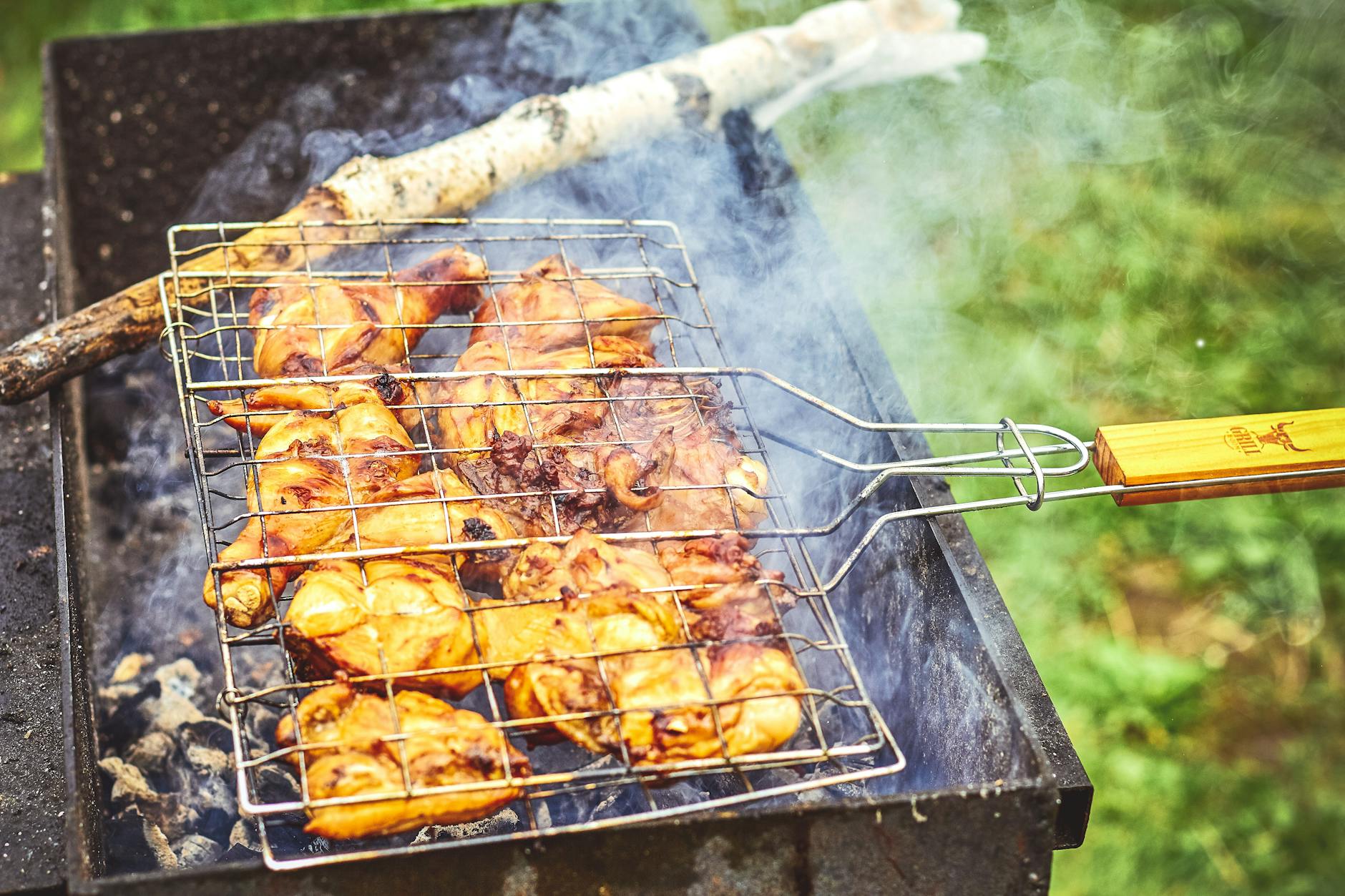
Raw chicken is one of the most hazardous proteins to handle in any food environment, and fast food kitchens are no exception. Workers often handle raw chicken and then touch shared surfaces, packaging, or other food items without adequately cleaning their hands or changing their gloves. The speed at which chicken products move through a fast food kitchen leaves little margin for careful cross-contamination prevention. Improperly thawed chicken is another common issue, with frozen product sometimes left out at room temperature to speed up the process. These shortcuts create real risks for foodborne illness, particularly in kitchens with high turnover and limited training time.
Floor Food
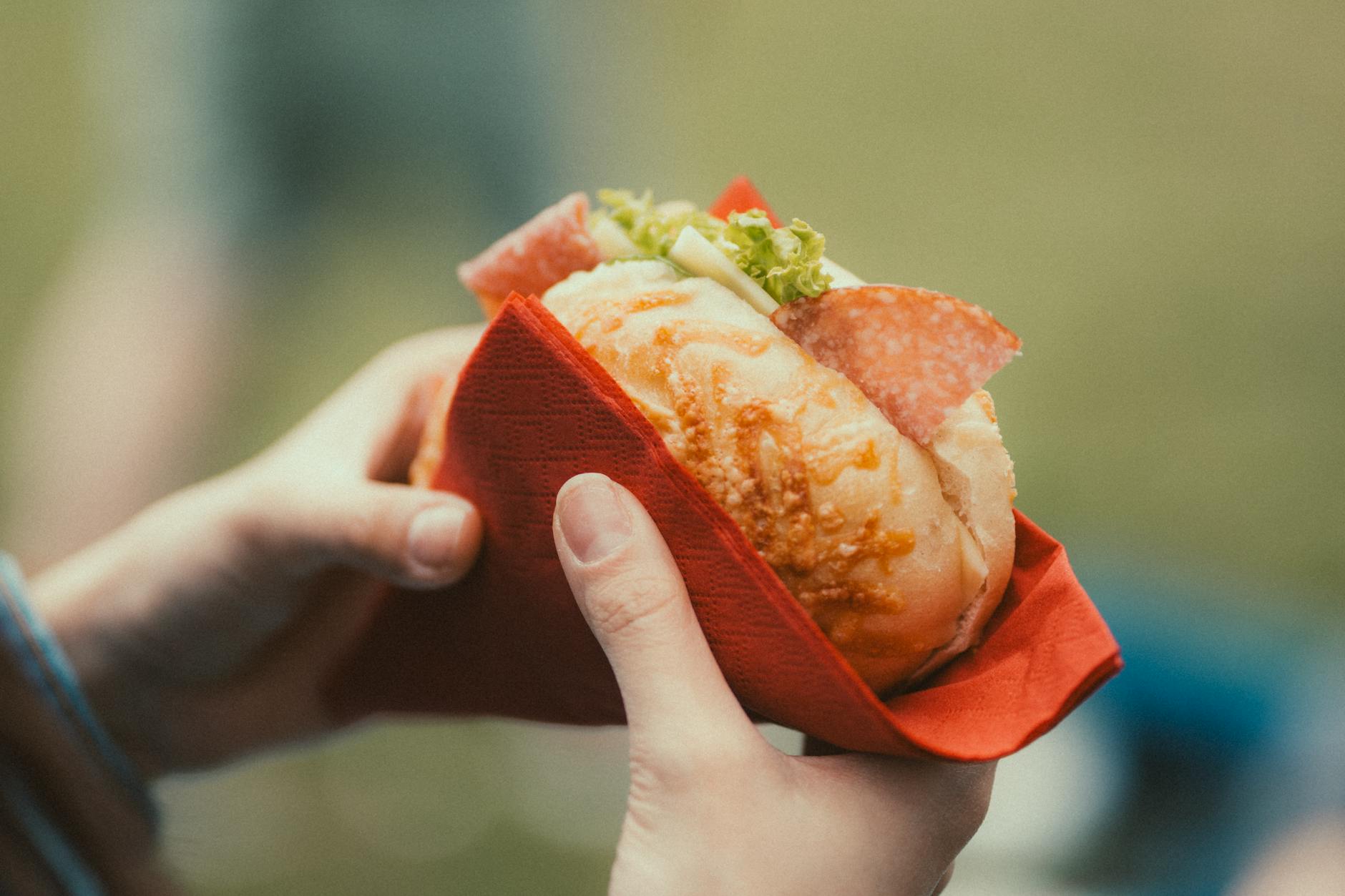
Dropped food making its way back into service is an uncomfortable reality that multiple fast food workers have confirmed across different chains and countries. During busy periods, the priority is speed, and a dropped bun, patty, or handful of fries may be placed back on the prep surface rather than discarded. Workers describe being aware that this happens but feeling unable to speak up due to fear of conflict with coworkers or management. Kitchens floors in fast food restaurants are cleaned throughout the day but are rarely sterile environments given the constant traffic and activity. The combination of pressure and pace creates conditions where food safety shortcuts become normalized.
Milkshake Machines
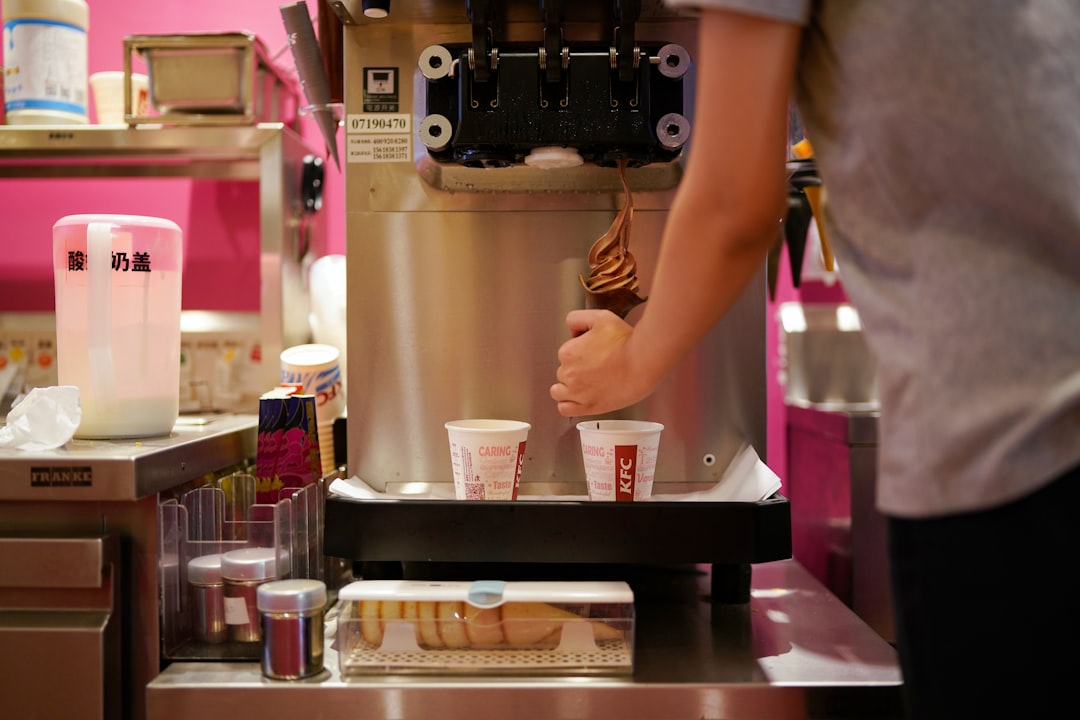
Milkshake and frozen dessert machines are notoriously difficult to clean and are frequently the subject of public discussion for that very reason. The internal components require disassembly for proper sanitation, a process that is time-consuming and often skipped or performed incorrectly. Residue and bacteria can build up inside the machine’s tubes and dispensing mechanisms over days of continuous use. Some machines are cleaned only once every few days despite being used hundreds of times in that same period. Health regulators have specifically targeted dessert machines as a priority inspection item due to their high risk for contamination.
Reheated Food

Food that has been sitting too long is occasionally reheated and returned to service rather than discarded, a practice that bypasses both food safety protocols and customer expectations. Workers describe items such as grilled chicken, rice, and pre-cooked proteins being cycled back through heating equipment to meet demand during busy periods. Reheating does not restore the original quality of the food and can create uneven temperature distribution that fails to eliminate bacteria effectively. This practice is more common in locations under pressure to reduce waste or manage tight inventory. Customers receiving reheated food have no visible indication that it was not freshly prepared.
Sick Workers

Fast food workers often come to work while ill because many are paid hourly and cannot afford to take unpaid sick days. Workers describe showing up with colds, stomach bugs, and other contagious conditions because the financial consequences of staying home are too significant. High turnover in the industry also creates social pressure to avoid calling out, as doing so leaves understaffed teams in an even more difficult position. Some locations have no formal sick day policy at all, effectively penalizing workers for prioritizing their health. The result is that food preparation regularly happens in the presence of workers who are actively unwell.
Condiment Dispensers
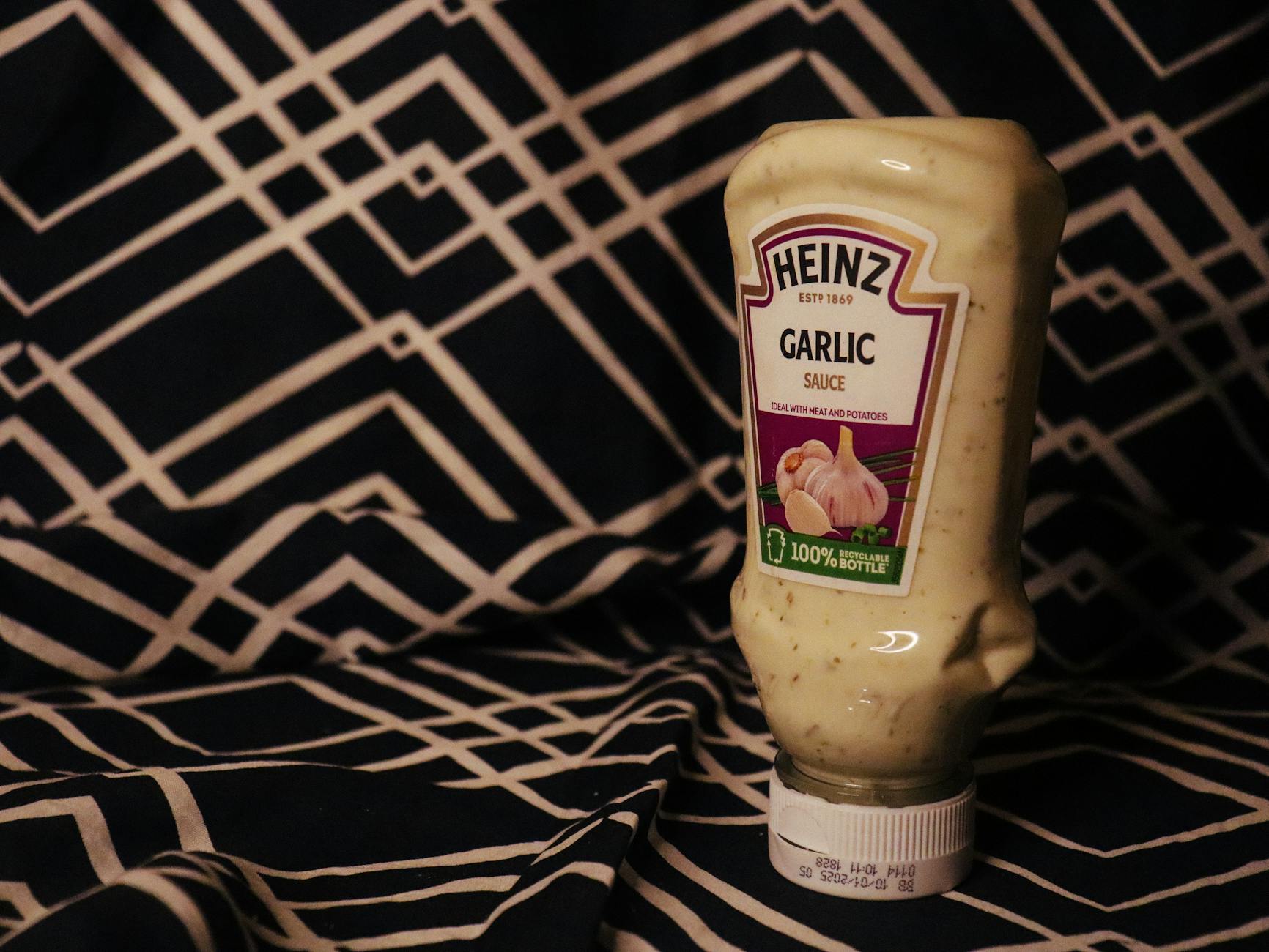
Ketchup, mustard, and other condiment dispensers and packets are not always stored or maintained in hygienic conditions. Shared dispensers in dining areas are touched by hundreds of customers throughout the day with minimal cleaning between uses. The nozzles of bulk condiment dispensers can accumulate dried residue and become a breeding ground for bacteria over time. Refilling practices sometimes involve pouring fresh product directly onto older product left at the bottom of the container. Workers rarely have time during a shift to fully disassemble and sanitize condiment equipment to the standard required for genuine food safety.
Walk-In Coolers
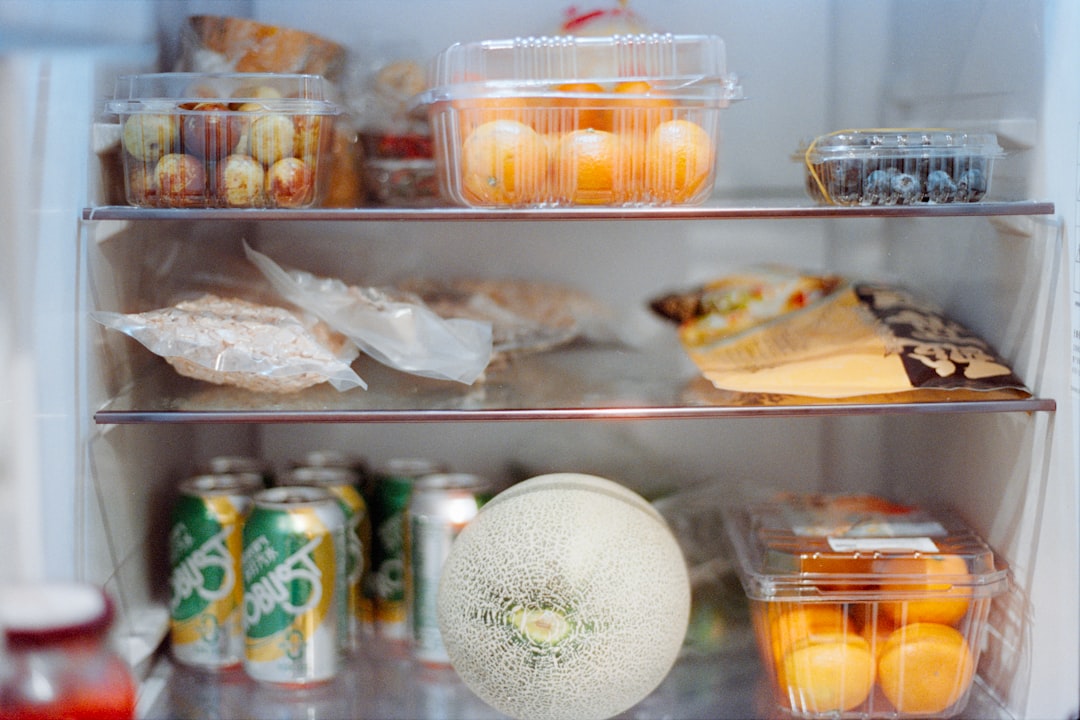
The walk-in coolers used to store perishable ingredients are large shared spaces that do not always maintain consistent temperatures throughout. Items stored near the door experience more temperature fluctuation than those further inside, which can affect the safety and quality of the product. Organization inside walk-in coolers is often inconsistent, with raw proteins stored above ready-to-eat items in violation of standard food safety stacking rules. Workers describe coolers as rarely fully cleaned or reorganized unless an inspection is anticipated. The sheer volume of product moving in and out each day makes proper stock rotation difficult to enforce consistently.
Paper Bag Warmers
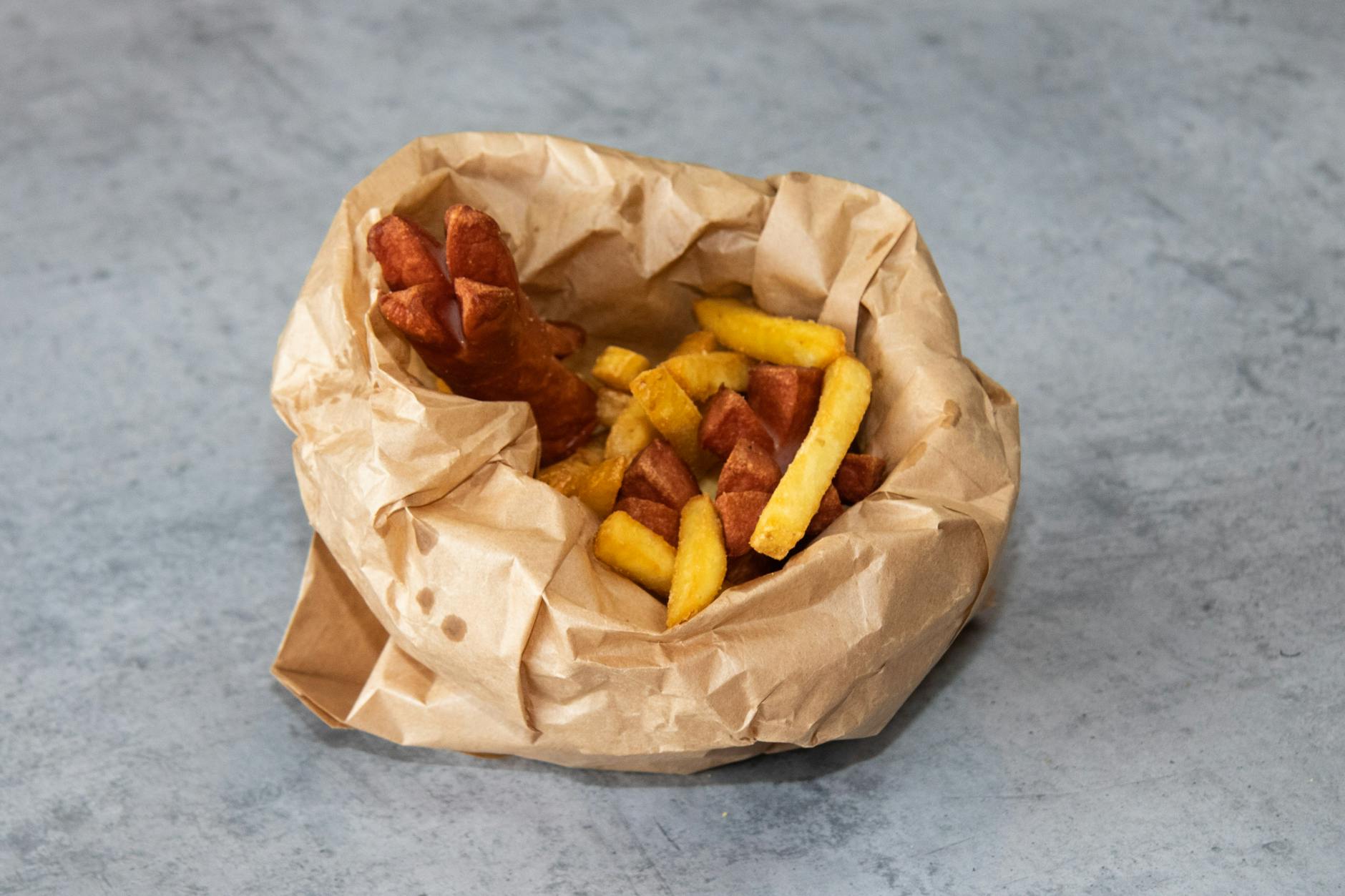
Paper bags used to hold completed orders are often placed in warming areas where they absorb heat from surrounding equipment. This can cause steam and moisture to build up inside the bag, accelerating the softening of fried foods and creating conditions that are not ideal for food safety. Orders that sit in the bag for several minutes before being picked up continue to degrade in quality even when the individual items were freshly prepared. Workers have limited control over how long a bagged order sits once it is placed in the pickup area. This waiting period is particularly problematic during high-volume service when orders accumulate faster than they are collected.
Pest Activity

Pest activity in fast food restaurants is more common than the public tends to assume, and workers across many chains have reported encountering insects and rodents in kitchen and storage areas. The constant presence of food waste, grease, and warmth makes fast food kitchens an attractive environment for pests regardless of cleaning routines. Workers describe discovering evidence of pest activity but feeling uncertain about how or whether to report it. Management responses to pest problems sometimes prioritize minimizing disruption over immediately addressing the underlying issue. Regular pest control visits do not always eliminate infestations, particularly in urban locations where access points are numerous and difficult to seal.
Uniform Hygiene
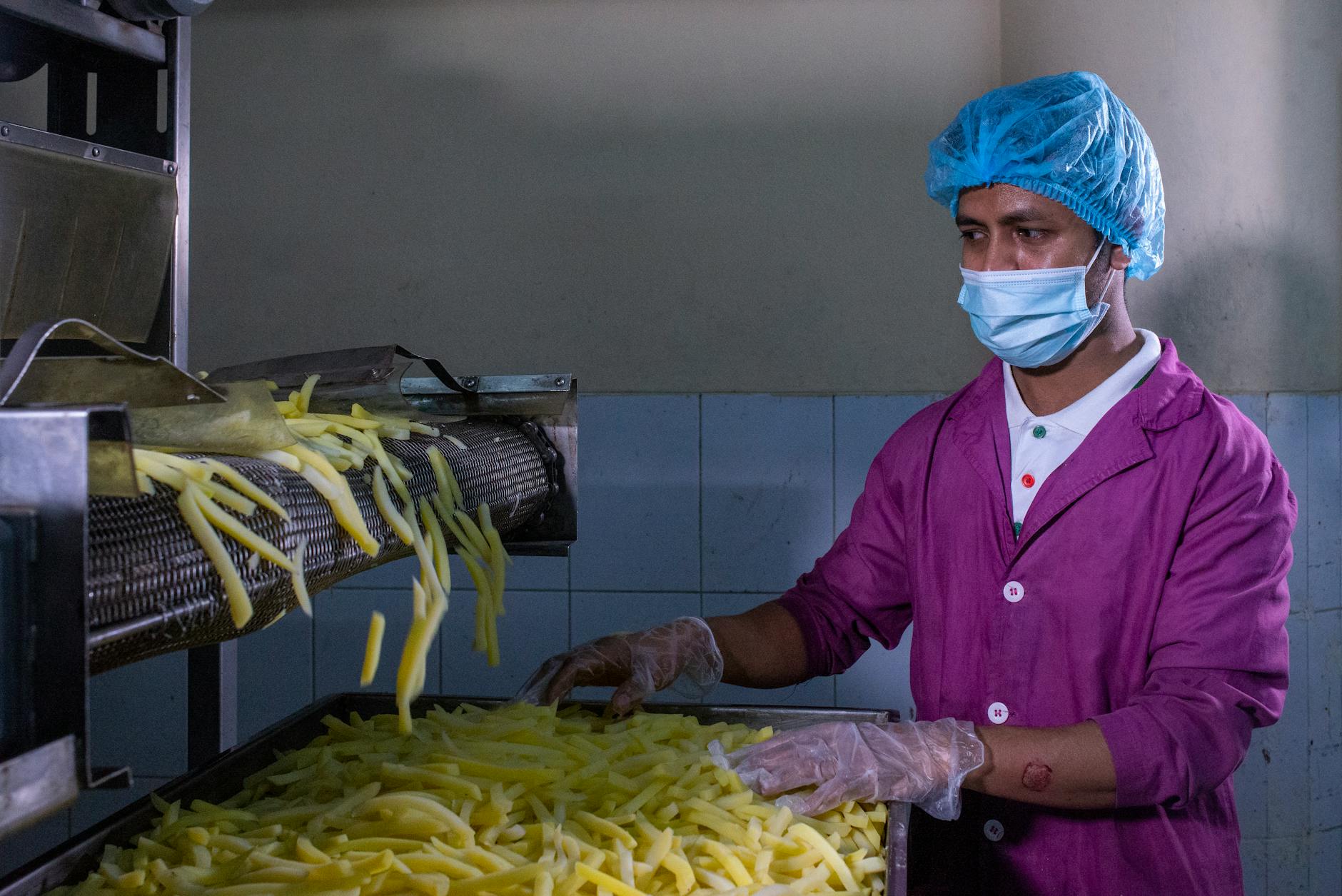
The uniforms worn by fast food workers are the responsibility of the individual employee in most cases, meaning laundering frequency varies significantly from person to person. Workers who handle food all day accumulate grease, sauce, and other residue on their clothing, which they then bring back into the kitchen the following shift if the uniform is not properly washed. Some employees wear the same uniform for consecutive days without washing it, particularly if they work multiple shifts in a row. There is rarely a formal system in place to verify that uniforms meet hygiene standards before a worker begins their shift. The uniform itself can become a vehicle for transferring contaminants between surfaces and food.
Shared Equipment
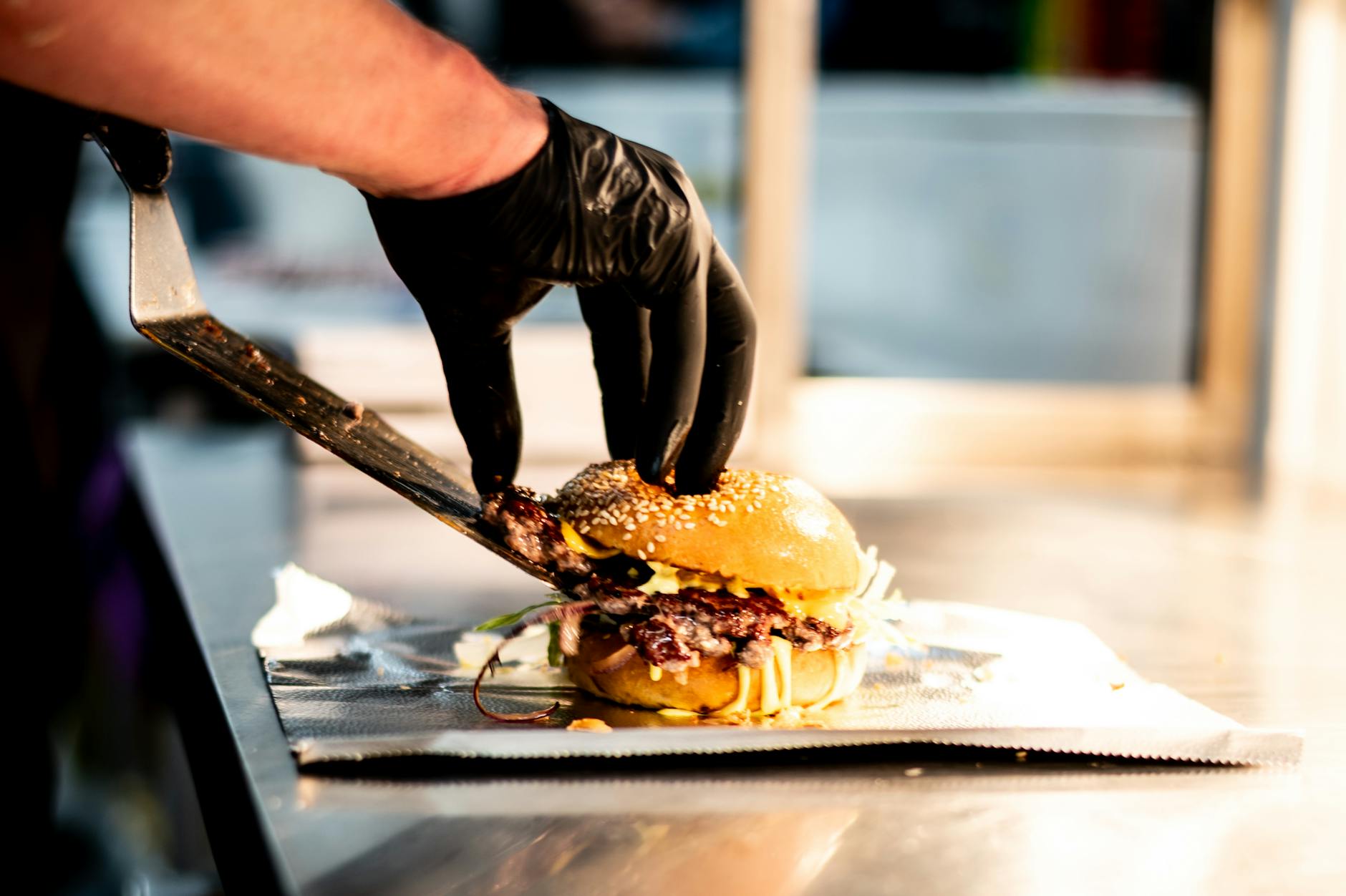
Tongs, spatulas, ladles, and other shared kitchen tools are supposed to be changed or sanitized at regular intervals throughout a shift. In practice, the same tools often remain in use for hours without being cleaned, particularly during peak service periods when stopping to sanitize equipment is not prioritized. Workers describe picking up the same tongs they have used across multiple food types simply because a clean replacement is not immediately available. Equipment sanitization logs required by health codes are sometimes filled in without the actual cleaning having taken place. Shared tools represent one of the most consistent and underappreciated sources of cross-contamination in fast food kitchens.
Dumpster Proximity
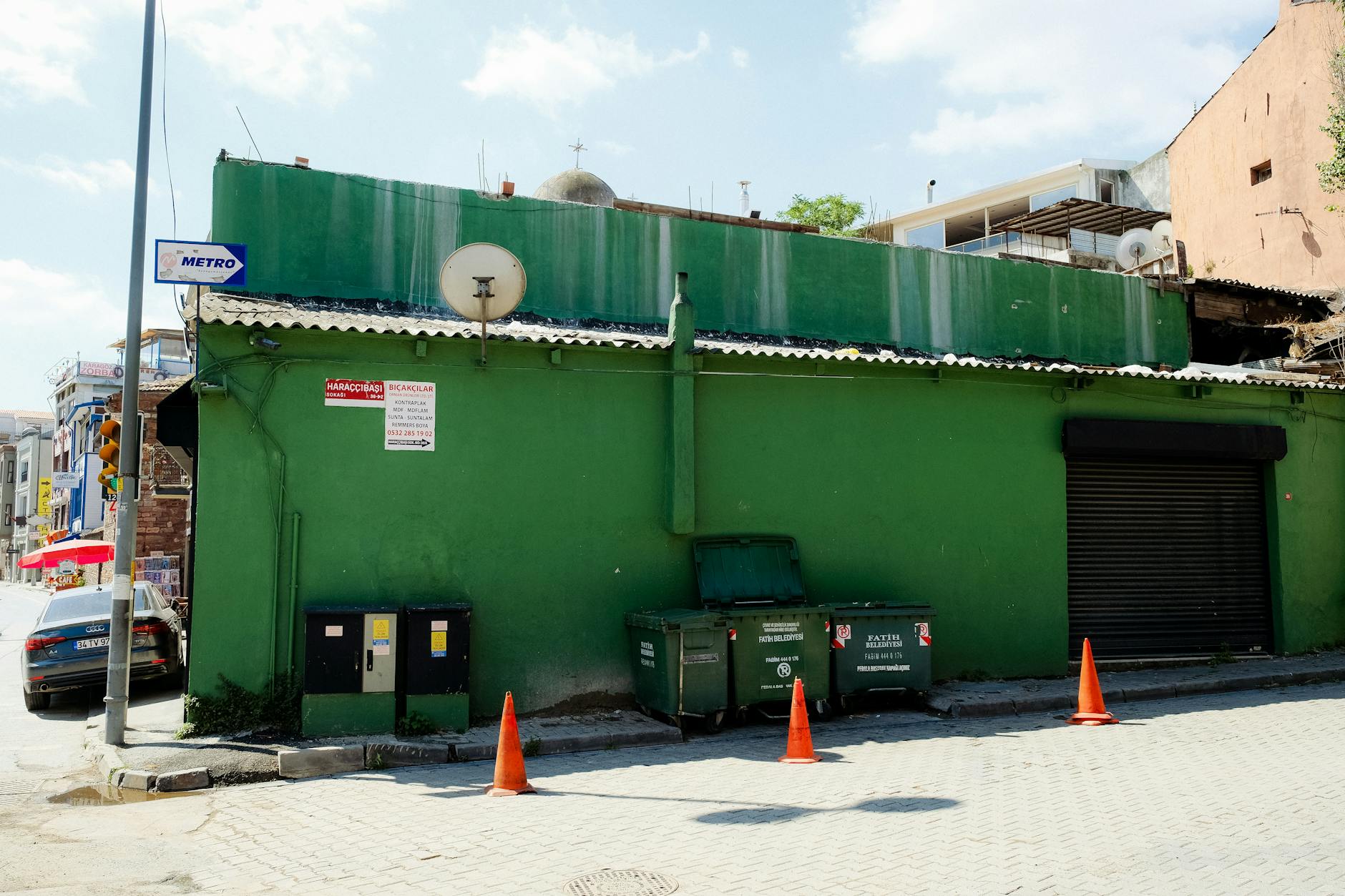
The dumpsters used for food waste disposal are located close to the kitchen in most fast food restaurant designs, creating conditions that attract pests and generate unpleasant odors near food preparation areas. Workers describe navigating between active food prep and waste disposal areas multiple times during a shift. Proper handwashing after handling waste is required but not always enforced, particularly when the kitchen is understaffed. Grease traps located near waste disposal areas can overflow or emit strong odors that permeate the back-of-house environment. The physical layout of many fast food restaurants makes complete separation of waste and food handling impractical.
Secret Sauce Storage

Signature sauces and house-made condiments are prepared in large batches and stored for extended periods, sometimes in unlabeled containers without clear date markings. Workers describe opening containers of sauce that have been sitting in the cooler for an unclear amount of time and using them without confirmation that they are still within a safe window. Batch-made sauces can develop bacterial growth well before any visible or aromatic signs of spoilage appear. The appeal of homemade or proprietary sauces on the menu often obscures the reality that they are produced infrequently and used until exhausted. Customers ordering menu items featuring these sauces have no way of knowing how long the sauce has been in circulation.
Training Standards
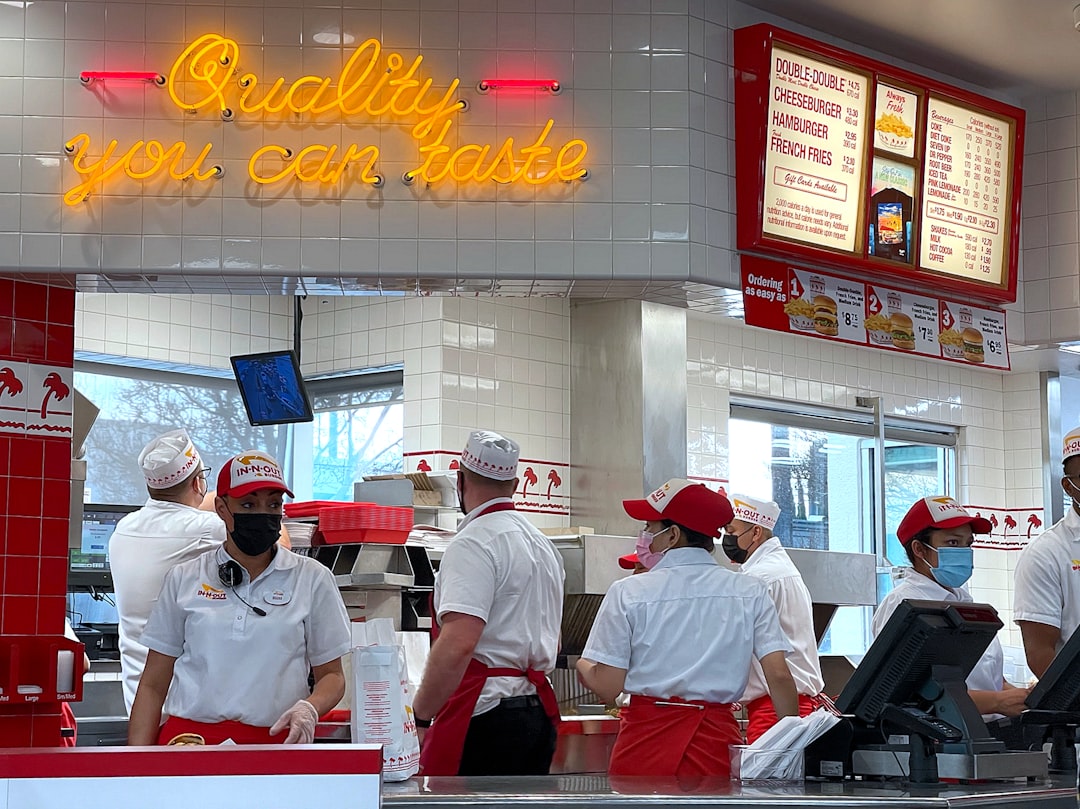
Fast food worker training is often condensed into a matter of hours, leaving employees without a thorough understanding of food safety protocols. Workers frequently report being placed on the line before they feel fully prepared, relying on coworkers to fill in gaps in their knowledge. The speed at which training is completed is driven by business need rather than by readiness, resulting in workers who know the basics but not the reasoning behind food safety rules. High turnover in the industry means a significant portion of the workforce at any given location is newly trained or still in the process of learning. The cycle of rapid onboarding and frequent departures creates persistent gaps in food safety knowledge across the industry.
Late Night Cleaning

End-of-day cleaning in fast food restaurants is one of the most important hygiene interventions in the entire operation, but it is frequently rushed or incomplete. Workers assigned closing duties are often tired after a full shift and motivated to finish quickly so they can leave. Surfaces that require thorough scrubbing are sometimes sprayed down and wiped superficially rather than cleaned to the depth that food safety demands. Equipment that should be disassembled and cleaned every night may only receive a surface wipe on busy closing shifts. The kitchen that opens the following morning may not be as clean as morning staff assume when they begin preparing food.
Health Inspection Timing
Health inspections in the fast food industry are often predictable in timing and are sometimes anticipated in advance by restaurant management. Workers describe frantic cleaning and restocking sessions in the days leading up to a known or suspected inspection that bear little resemblance to everyday operating standards. Practices that are routinely ignored during normal service are temporarily enforced to ensure compliance during the inspection window. Once the inspector has left, operations frequently return to the same shortcuts and habits that characterized pre-inspection conditions. The inspection result displayed in the restaurant window may reflect a brief period of exceptional effort rather than the everyday reality of how food is prepared.
Share your thoughts about these behind-the-scenes fast food revelations in the comments.