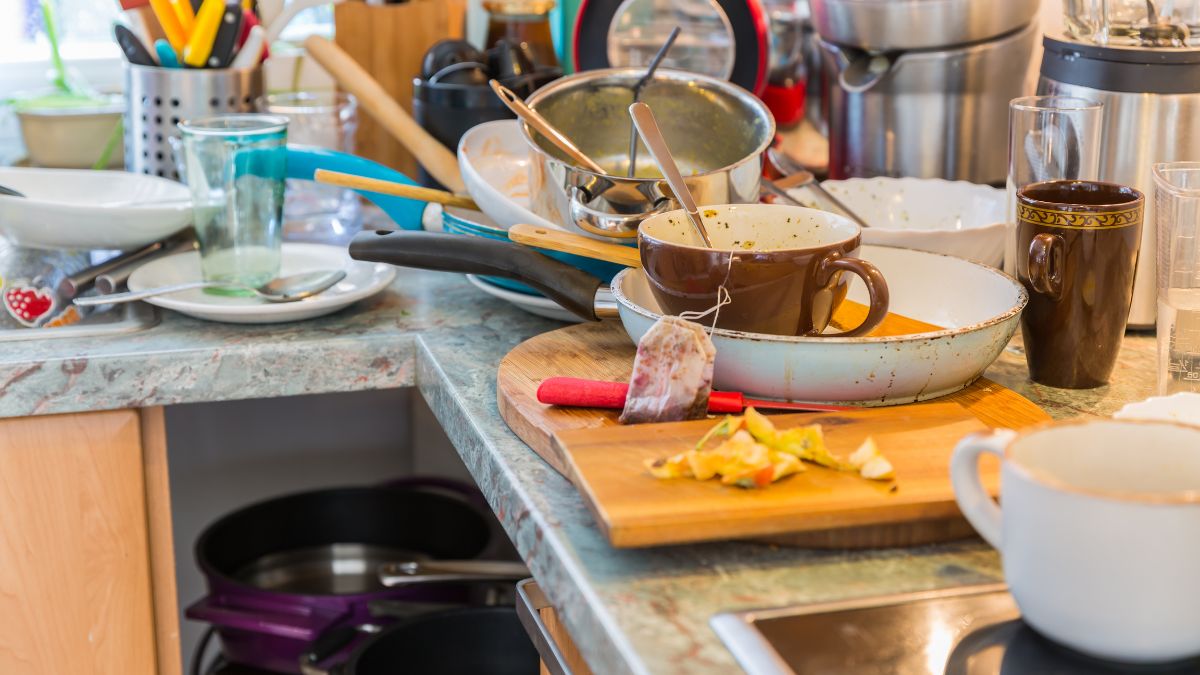
The kitchen is often called the heart of the home, but it is also one of the most bacteria-laden environments in any household. Studies consistently show that kitchens harbor more harmful microorganisms than bathrooms, largely because food residue and moisture create the perfect conditions for microbial growth. Most people focus on wiping down visible messes while overlooking the dozens of surfaces they touch dozens of times each day. The items on this list are among the most overlooked sources of contamination hiding in plain sight. Read on to find out just how many germ hotspots you have been casually grabbing without a second thought.
Kitchen Sponge
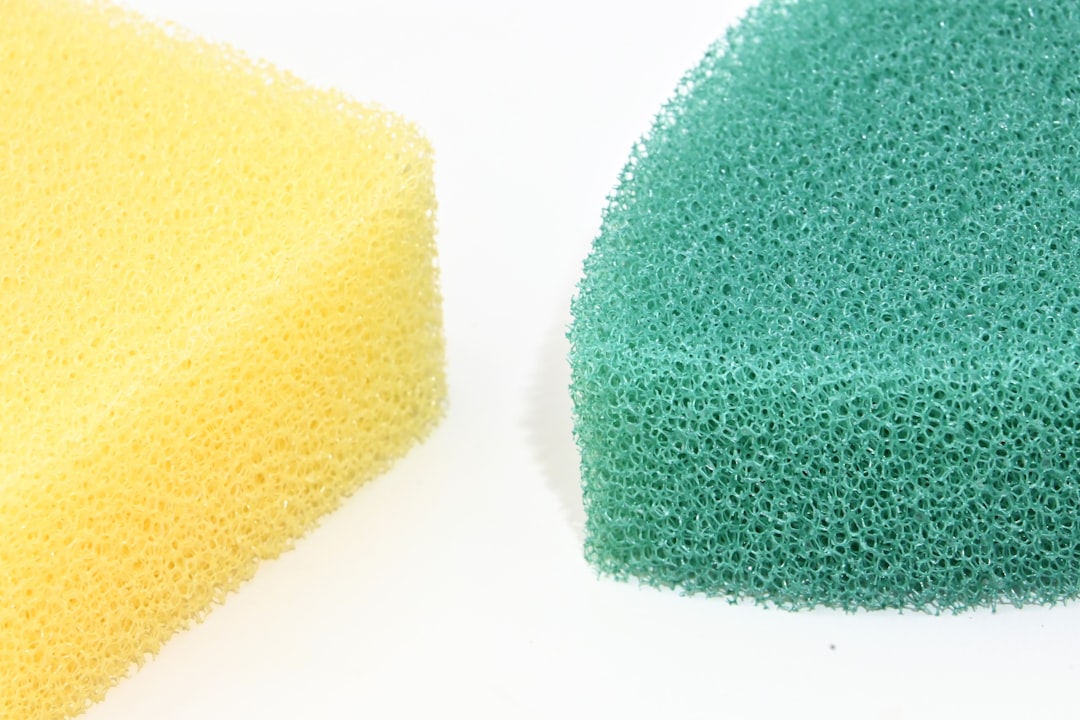
The kitchen sponge is widely considered one of the most germ-infested objects in the entire home. Its warm, wet, porous structure makes it an ideal breeding ground for bacteria including E. coli and Salmonella. Most people use the same sponge to wipe counters, wash dishes, and clean up spills without realizing how quickly cross-contamination occurs. Bacteria can double in number every 20 minutes under the right conditions, and a sponge left on the sink provides exactly those conditions. Replacing your sponge every one to two weeks is the minimum recommendation from food safety experts.
Dish Towel

Dish towels are used to dry hands, wipe surfaces, and clean spills, often all in the same day without being washed in between. Research has found that multi-purpose kitchen towels carry particularly high levels of coliform bacteria, especially in households that handle raw meat. The damp fabric retains moisture and warmth that accelerates microbial growth significantly. Many people hang the same towel for days or even weeks before laundering it, dramatically increasing contamination risk. Washing dish towels after every day of heavy use is the safest approach recommended by food hygiene specialists.
Faucet Handle
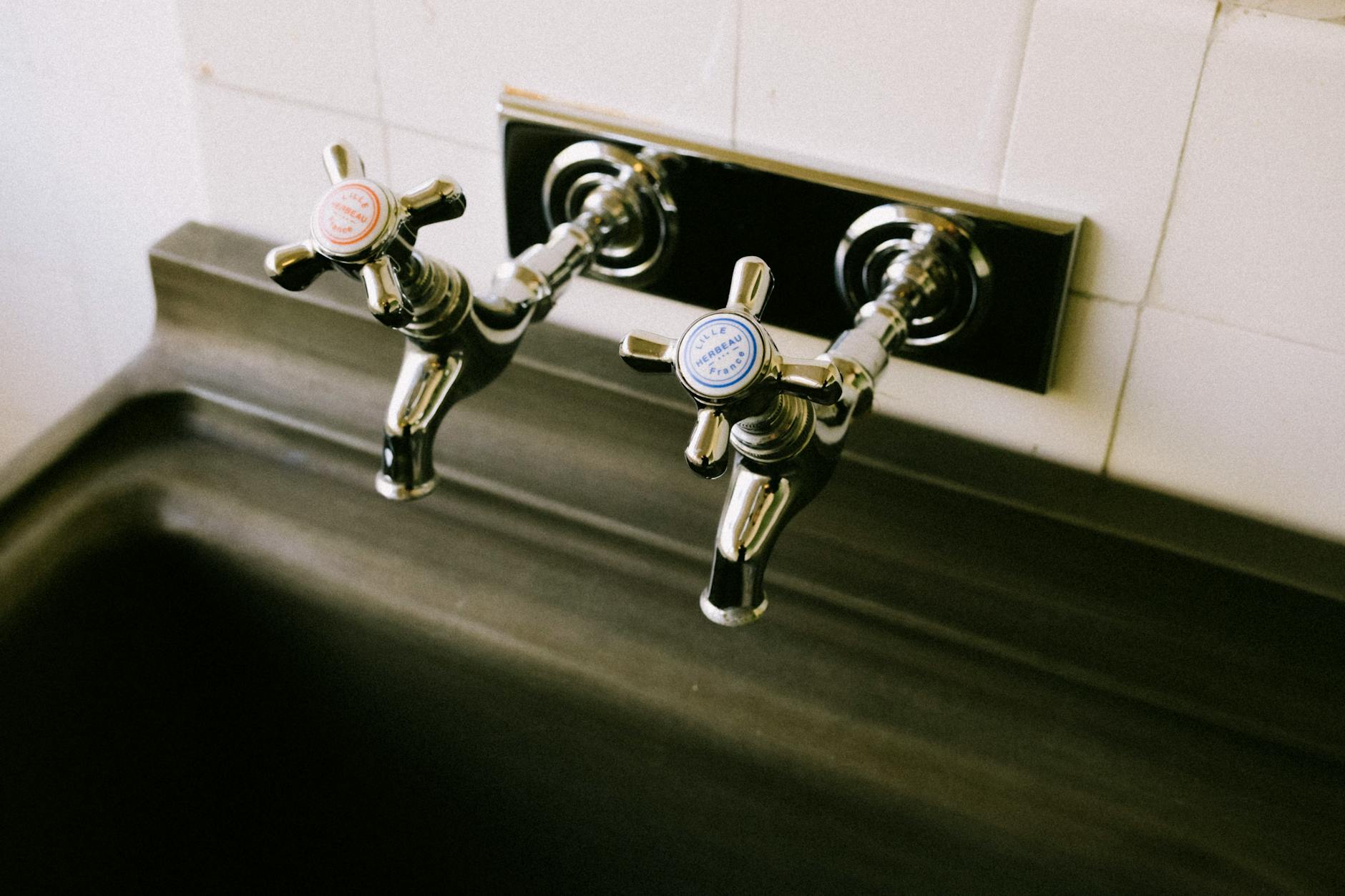
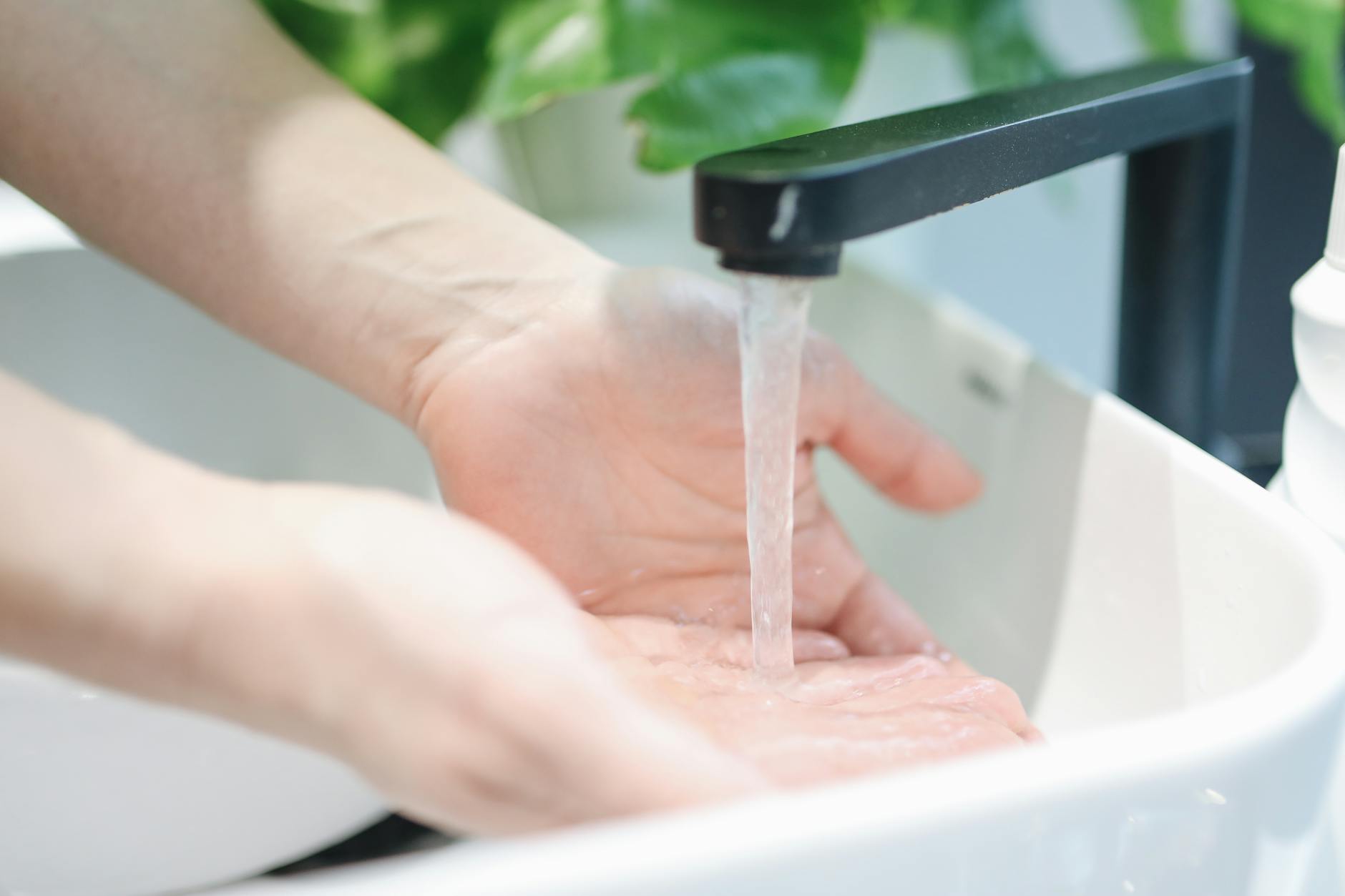
The kitchen faucet handle is touched constantly throughout the day, often by hands that are already contaminated with raw food, dirt, or other residues. It is one of the first things you grab after handling raw chicken or unwashed produce, meaning bacteria transfer directly onto its surface. Because most people turn the faucet on before washing their hands rather than after, the handle rarely gets cleaned during the handwashing process itself. Studies have found Salmonella and other pathogens present on kitchen faucet handles in a significant percentage of tested homes. A weekly wipe-down with a disinfectant solution can reduce microbial load on this frequently overlooked surface.
Refrigerator Handle

The refrigerator handle is one of the most touched surfaces in the kitchen and one of the least frequently cleaned. Every member of the household grabs it multiple times per day, transferring bacteria from their hands onto the handle and then onto the next person who opens the door. Food residue from unwashed hands can accumulate in the grooves and textures of the handle over time. Because it does not look visibly dirty, it rarely prompts anyone to reach for a disinfectant wipe. Incorporating the fridge handle into your weekly kitchen cleaning routine can significantly reduce the spread of household germs.
Cutting Board
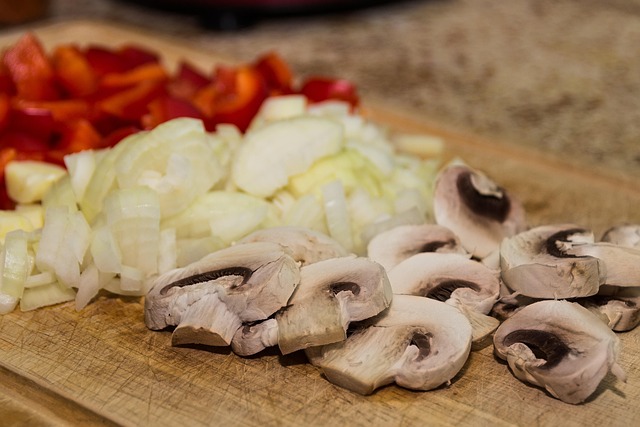
Cutting boards develop deep grooves and scratches over time that trap bacteria well below the surface, making them nearly impossible to fully sanitize with a simple rinse. Raw meat, poultry, and fish leave behind pathogens that can survive on a cutting board for hours if not properly cleaned. Using the same board for produce and proteins without proper washing between uses is one of the leading causes of cross-contamination in home kitchens. Wooden boards are particularly porous and absorb bacteria more readily than plastic alternatives. Food safety guidelines recommend using separate boards for meat and vegetables and replacing boards that show deep scarring.
Can Opener

The can opener is one of the most neglected tools in the kitchen when it comes to cleaning. Its cutting wheel comes into direct contact with the rims of food cans, which are rarely washed before opening and often carry dust, debris, and handling residue. The mechanism has multiple small crevices that trap food particles and moisture, providing an ideal environment for mold and bacterial growth. Many people store their can opener in a drawer for months without ever washing it. Running the cutting wheel through soapy water and scrubbing it with a small brush after each use is the recommended cleaning method.
Spice Jars
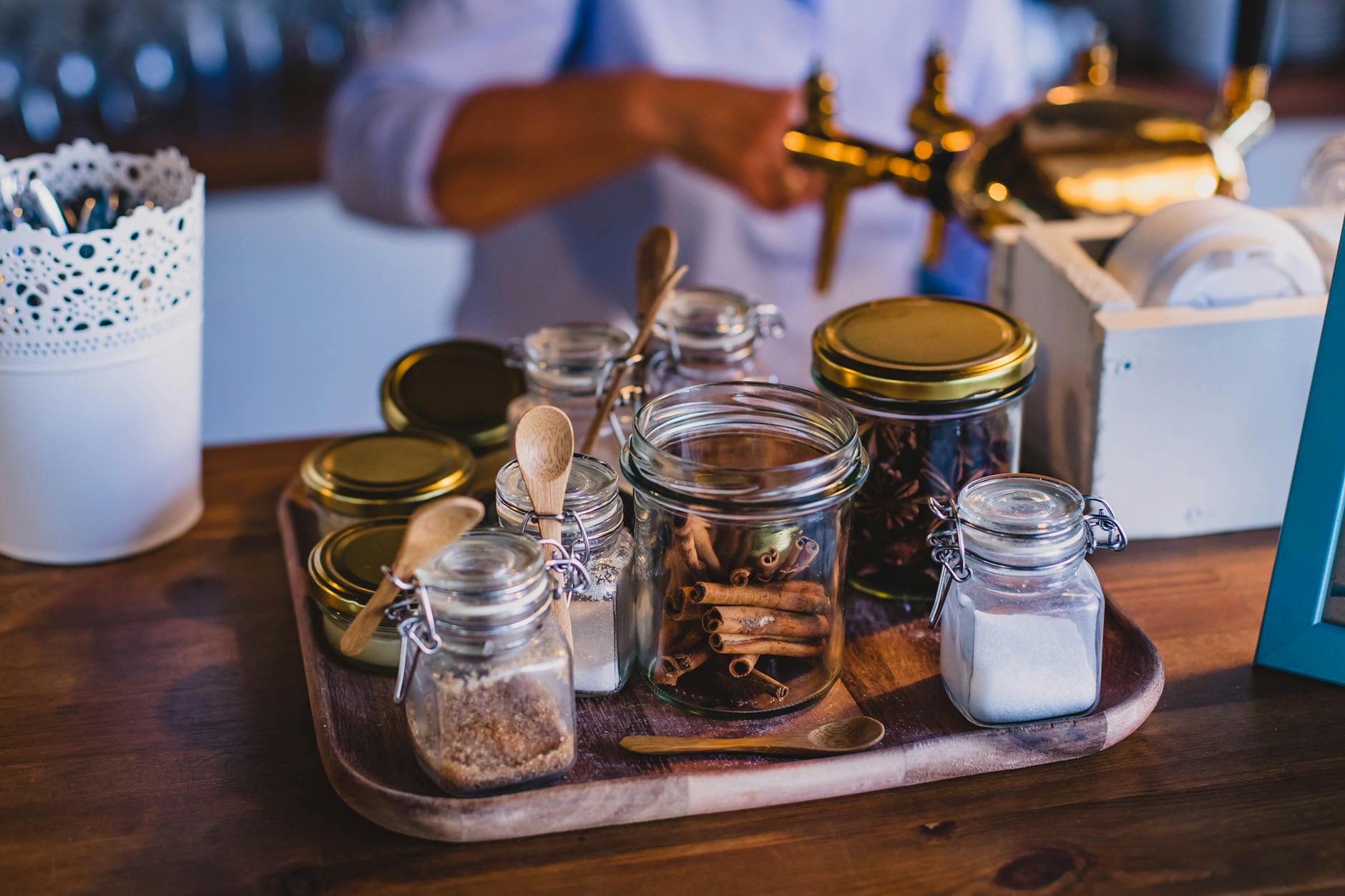
Spice jars are touched repeatedly during meal preparation, often by hands that have just been handling raw proteins or other uncooked ingredients. Because they are rarely if ever washed, bacteria transferred onto their surfaces can persist for extended periods. The lids and sides of spice containers accumulate a build-up of grease, food dust, and fingerprints over time. Research from a university food safety study found that spice containers were among the most contaminated surfaces in test kitchens. Wiping down your spice jars with a damp disinfectant cloth during weekly cleaning sessions is a simple habit that reduces this hidden risk.
Coffee Maker
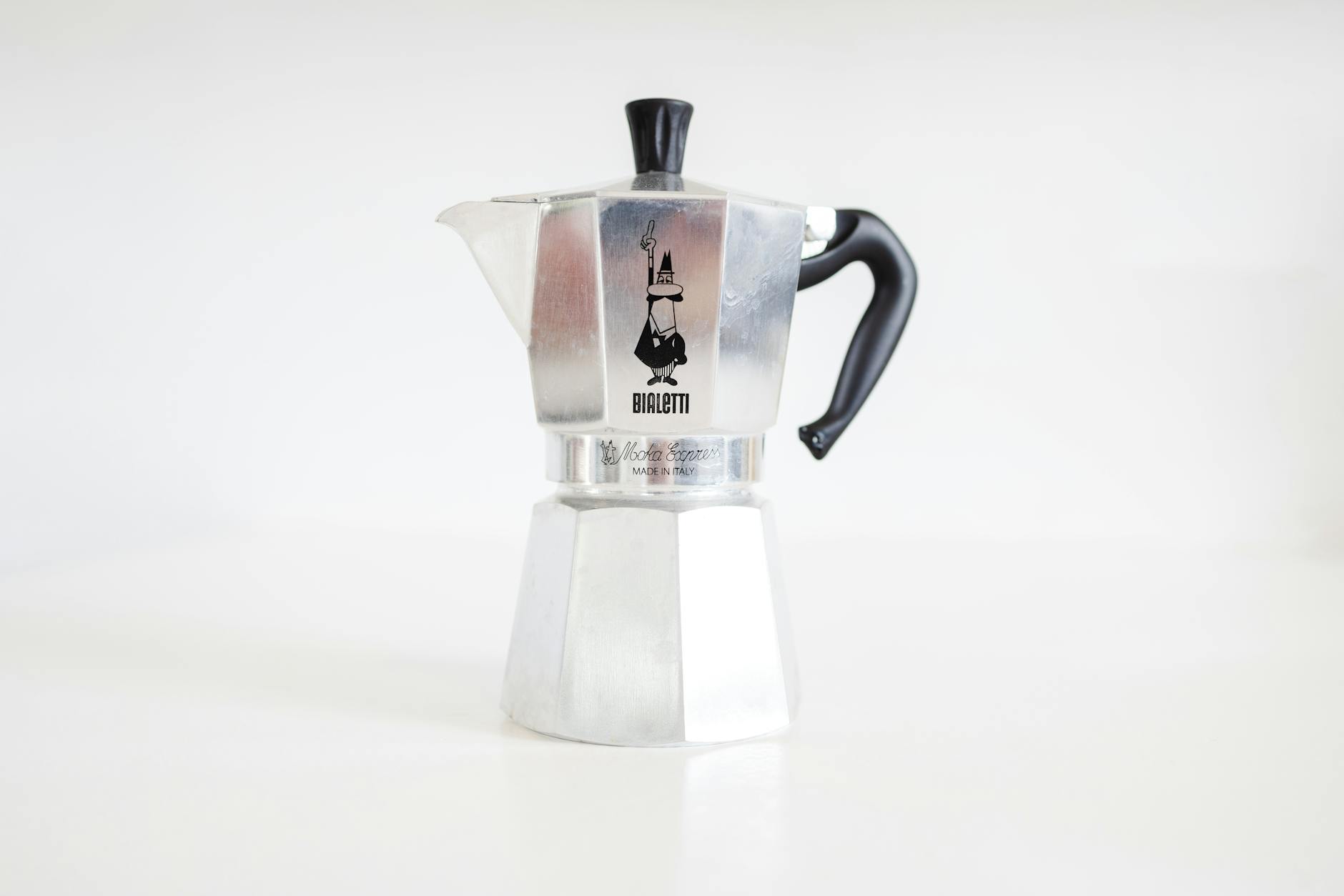
The internal reservoir of a drip coffee maker is a dark, moist environment that rarely gets cleaned and is highly susceptible to mold and yeast growth. A study by a household hygiene research group found that coffee maker reservoirs contained more bacteria than both bathroom door handles and toilet seats in tested homes. The external surfaces including the carafe handle and the brew button are touched every morning by hands that have not yet been washed. Mineral deposits and old coffee residue build up inside the machine and can harbor microbial colonies over time. Running a mixture of white vinegar and water through a full brew cycle monthly is one of the most effective ways to clean the internal components.
Blender Gasket
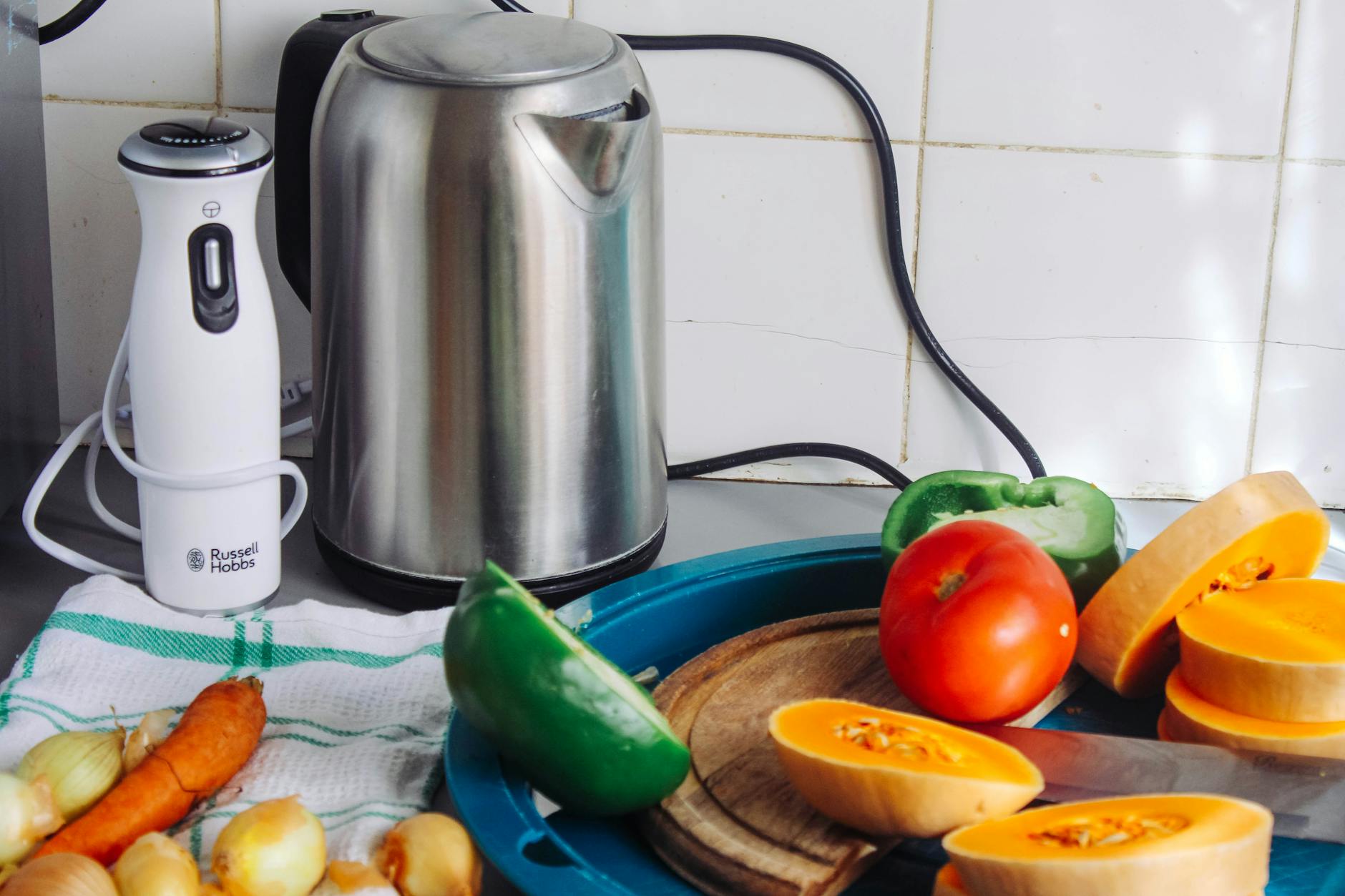
The rubber gasket or seal at the base of a blender is one of the most overlooked spots for food contamination in the kitchen. It sits directly where the blade assembly meets the jar and traps tiny particles of food each time the blender is used. Because most people simply rinse the jar without fully disassembling the unit, the gasket never gets properly cleaned. Mold and bacteria thrive in the residue that accumulates under and around this rubber ring. Removing and scrubbing the gasket separately with hot soapy water after each use is the only way to ensure the area is truly clean.
Sink Basin
The kitchen sink basin is rinsed with water constantly, which gives it a misleading appearance of cleanliness despite being one of the most bacteria-laden spots in the home. Raw meat juices, vegetable dirt, food scraps, and dirty dishwater all flow through the sink multiple times a day. The basin harbors more bacteria per square inch than most other surfaces in the kitchen, including areas that look visibly dirty. Its texture and the constant presence of moisture make it a persistent breeding ground for pathogens. Scrubbing the basin with a disinfectant cleaner at least once a day is the standard recommendation from household hygiene experts.
Wooden Spoon
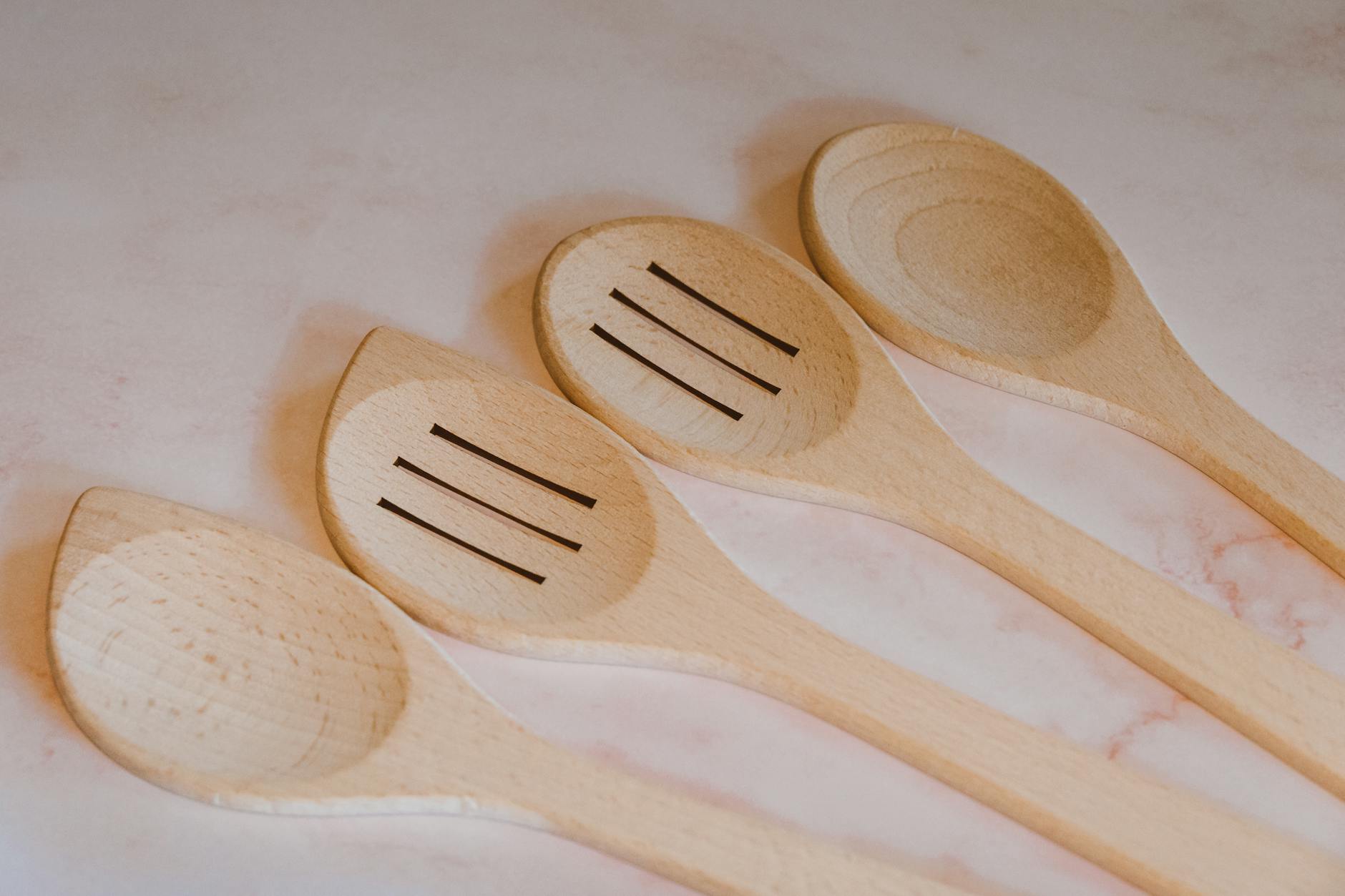
Wooden spoons are porous tools that absorb food, fat, and liquid every time they are used, and no amount of standard washing fully removes what has soaked into the grain. Bacteria can survive deep within the wood even after the surface appears clean and dry. Cracks and discoloration that develop over time in wooden spoons are a sign that bacteria have had time to establish themselves in the material. Heat from boiling liquids does not fully sterilize a wooden spoon the way it would a metal utensil. Replacing wooden spoons annually and avoiding soaking them in water are practices recommended by culinary hygiene professionals.
Drawer Handles

Kitchen drawer handles are pulled open dozens of times throughout a cooking session, often by hands covered in food residue, grease, or raw protein juices. Because they are a functional rather than a food-contact surface, they are almost never considered during routine kitchen cleaning. Grease and food particles accumulate on and around drawer pulls over time, particularly in kitchens where frying and baking happen regularly. Different family members touch these handles with varying degrees of hand hygiene throughout the day. Including drawer pulls in your weekly wipe-down routine with an all-purpose disinfectant cleaner is a simple and effective step.
Dish Rack
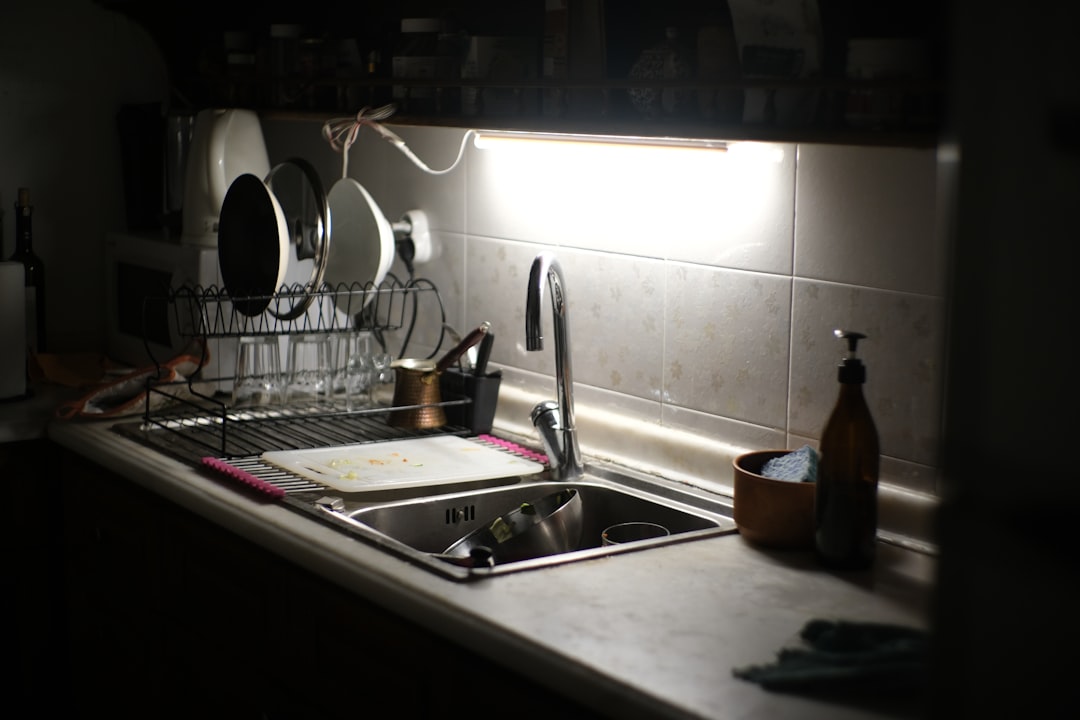
The dish rack holds wet dishes for extended periods, creating a persistently damp environment where bacteria, mold, and mildew can thrive. Water pools in the tray beneath the rack and sits stagnant between uses, accelerating microbial growth. Food particles washed from dishes can settle in the tray and the rack itself, adding nutrients that feed bacterial colonies. Many households go weeks or months without fully cleaning or replacing their dish rack. Emptying and disinfecting the rack and its tray at least once a week is recommended by food safety organizations.
Rubber Spatula
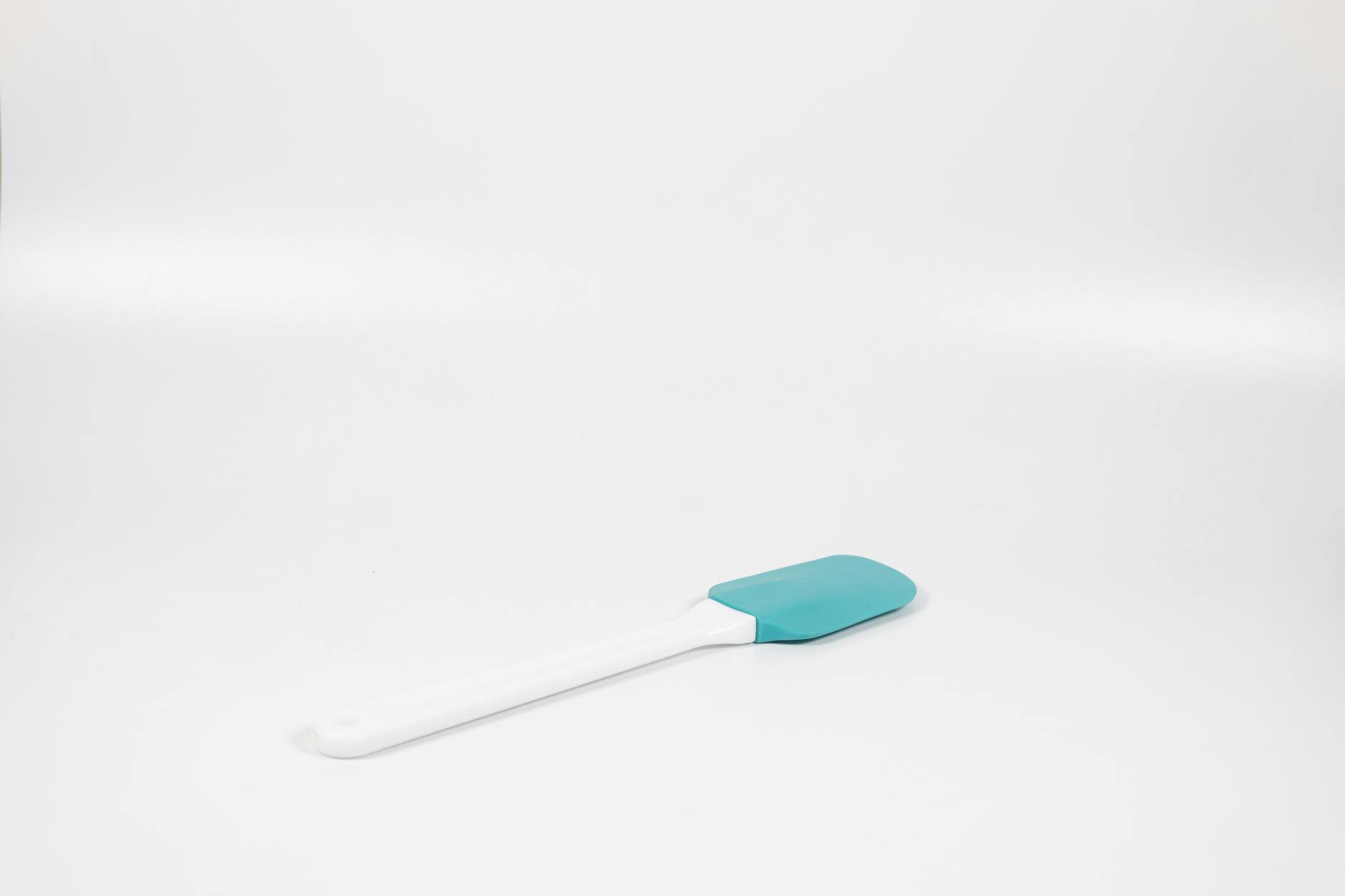
Rubber or silicone spatulas often have a design that allows the head to detach from the handle, and the junction between the two parts is a prime location for food and moisture buildup. Even when the spatula appears clean after rinsing, bacteria can survive in the seam where the two components meet. Batter, egg, and sauce residue that work their way into this connection point can begin to spoil within hours. Many people are unaware that the head should be removed and cleaned separately from the handle after each use. Disassembling the spatula fully before washing is the only reliable method to reach all contaminated surfaces.
Measuring Cups
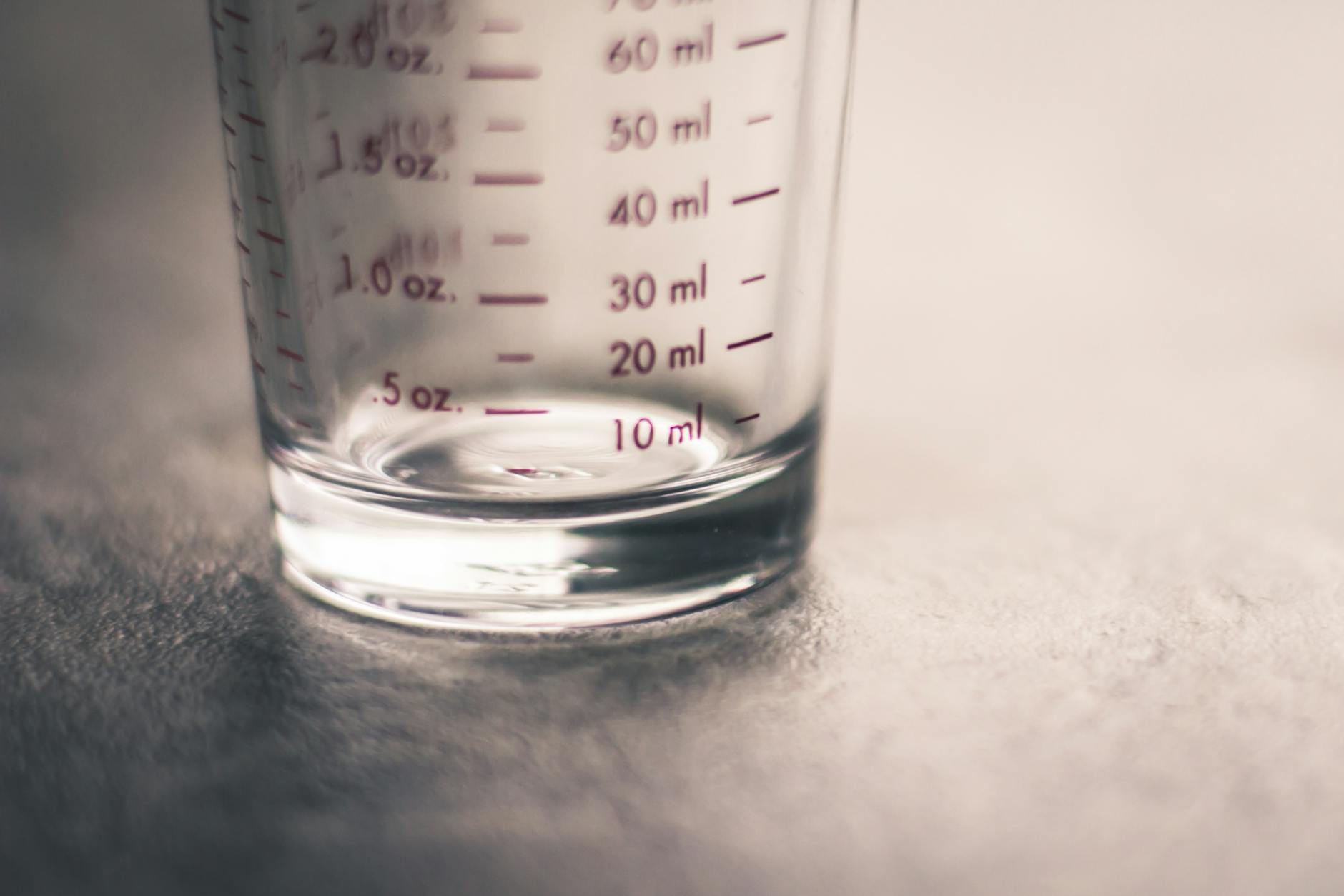
Measuring cups are dipped directly into flour, sugar, salt, and other pantry staples and then often wiped off or rinsed lightly before being returned to the drawer. This cross-contamination means that trace amounts of one ingredient end up in the container of another over time. The handles of measuring cups accumulate grease and finger residue from repeated handling during cooking and baking sessions. Stacking them together in a drawer while they are not fully dry can promote mold growth in the spaces between them. Washing measuring cups with hot soapy water and allowing them to dry completely before storing is the proper protocol.
Oven Handle

The oven handle is gripped with oven mitts, towels, bare hands, and everything in between throughout the cooking process, making it a significant point of bacterial transfer. Grease splatter from cooking rises and settles on the oven exterior including the handle, where it accumulates between cleanings. The handle is rarely thought of as a food-safety concern because it does not directly contact food, but the hands that touch it often do. In households where multiple people cook, the oven handle experiences a high volume of contact from people at varying stages of the cooking process. Wiping it down with a degreasing cleaner as part of your regular kitchen cleaning routine is an easy step that most households skip.
Reusable Bags
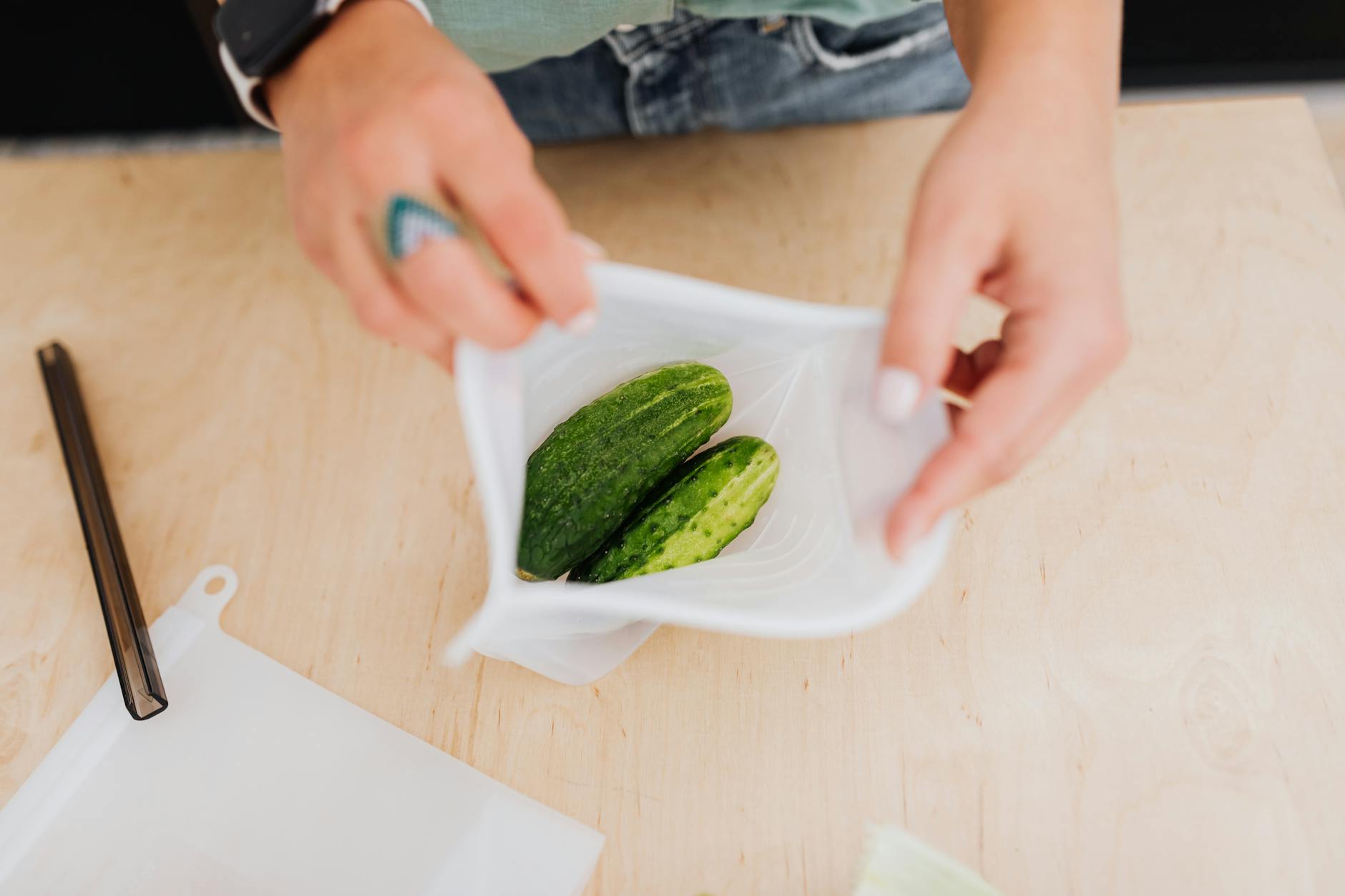
Reusable grocery bags have become a sustainability staple in many households, but they carry a significant bacterial load if not cleaned between uses. Research has found E. coli in a notable percentage of tested reusable bags, particularly those used to carry raw meat or unwashed produce. Most reusable bags are never washed, despite being taken into stores, placed on checkout counters, and stored in car trunks between shopping trips. Bacteria from the bag’s exterior can transfer onto the food placed inside it and then onto the kitchen counter where the bag is unpacked. Washing reusable bags after each grocery trip in warm soapy water or the washing machine dramatically reduces this risk.
Garbage Lid
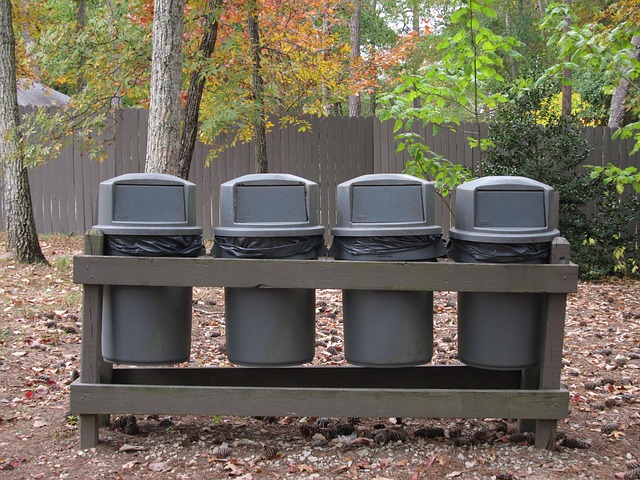
The lid of a kitchen trash can is lifted and touched repeatedly throughout the day, often during or directly after food preparation. It accumulates bacteria from hands that have been handling raw food, food packaging, and used cleaning materials. The interior of the lid is in constant proximity to decomposing food waste, making it a hotspot for harmful pathogens. Many people never disinfect the trash can lid despite touching it more than almost any other surface during meal prep and cleanup. Spraying the lid with a disinfectant and wiping it down every few days is a quick habit that meaningfully reduces bacterial spread in the kitchen.
Ice Maker
The ice maker and its dispenser chute are touched regularly but cleaned almost never, despite the fact that they deliver ice directly into drinks. The interior of the dispenser chute can develop mold and biofilm buildup over time, particularly in older or less frequently used machines. Hands that touch the dispenser lever or scoop are often mid-meal and not freshly washed. Bacteria and mold spores in the air can settle into the ice maker’s interior and begin colonizing if the unit is not periodically sanitized. Manufacturers typically recommend a full cleaning and sanitizing cycle every three to six months to maintain safe ice production.
Phone

Bringing your phone into the kitchen while cooking is an extremely common habit, but phones are among the most bacteria-laden objects most people own. Studies have found that the average smartphone carries more bacteria per square inch than a toilet seat, and kitchen use adds food residue and grease to the mix. Every time you check a recipe or respond to a message mid-cooking, you transfer whatever is on your hands to your screen and vice versa. Phones are rarely disinfected with appropriate cleaning products, and many people use the same device throughout the kitchen, dining room, and bathroom in a single day. Keeping your phone in a hands-free stand while cooking and wiping it down with a phone-safe disinfectant cloth regularly significantly reduces cross-contamination.
Colander
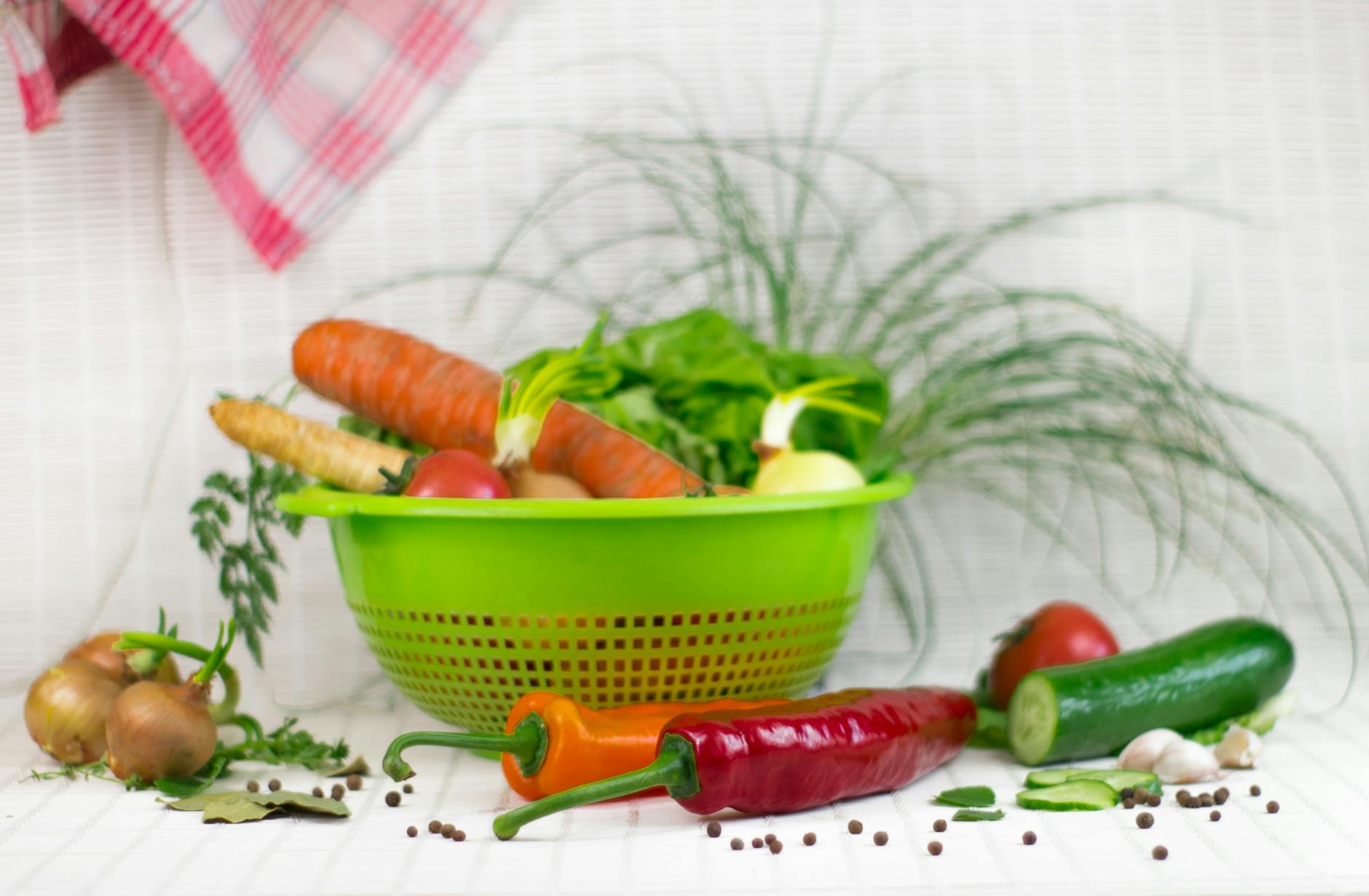
The colander or strainer is used to drain pasta, rinse vegetables, and wash fruit, putting it in direct contact with raw produce and starchy cooking water on a regular basis. Its perforated surface is notoriously difficult to clean thoroughly, with food particles lodging in and around the holes. Many colanders have a rim or base ring that traps standing water and food residue after washing. If the colander is stored before it is completely dry, that residual moisture supports mold and bacterial growth. Scrubbing it with a stiff brush and hot soapy water after each use and allowing it to air dry fully before storing it is the recommended practice.
Kitchen Timer
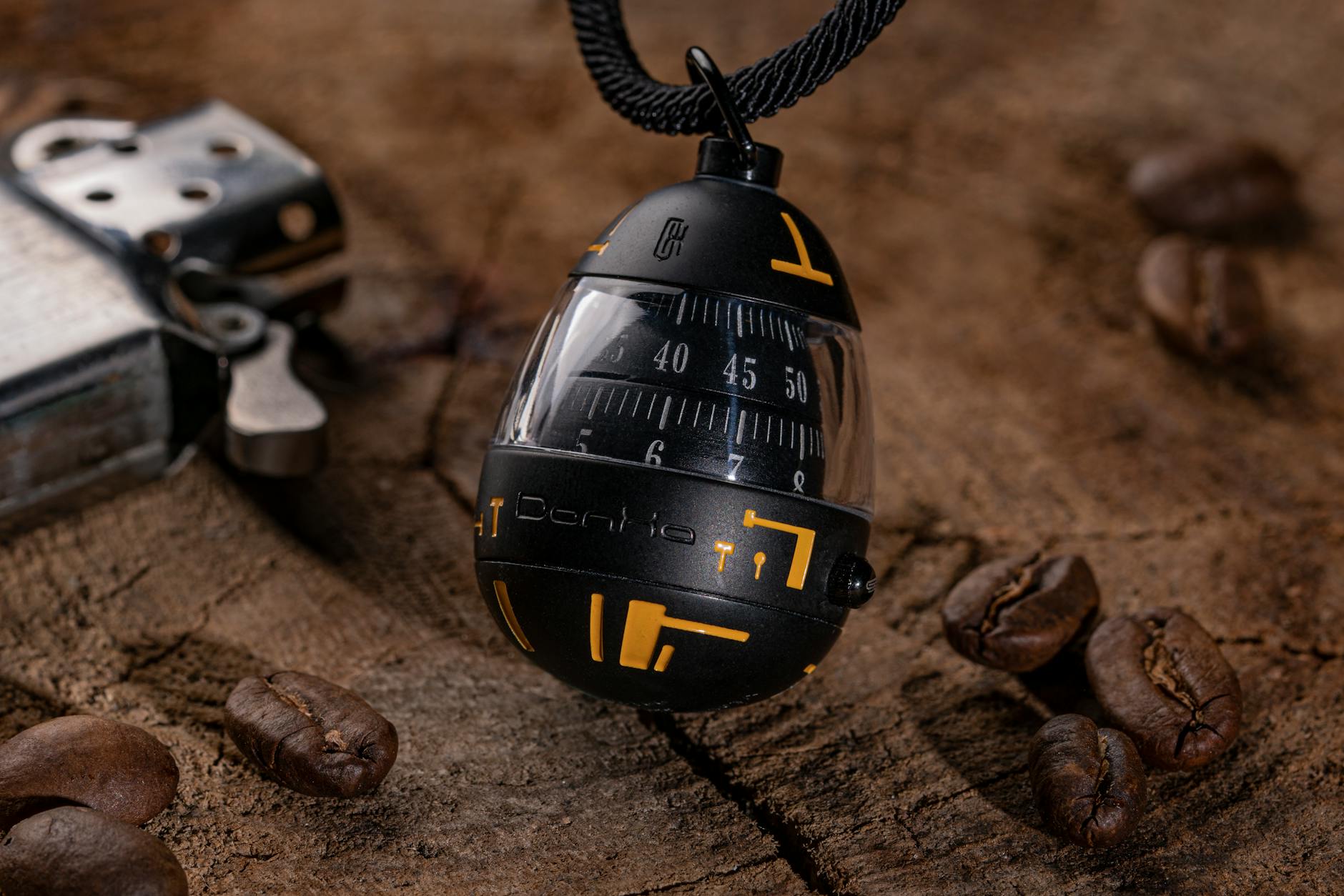
A kitchen timer or the timer button on a microwave is pressed repeatedly during cooking, often by hands covered in raw ingredients or cooking grease. It is a high-touch surface that experiences contact at some of the messiest moments of the cooking process. The buttons and crevices around them accumulate grease, flour, and food residue over time in ways that are not always visible. Because it is a small or built-in appliance, it is rarely included in standard kitchen cleaning routines. Using a damp microfiber cloth with a mild disinfectant to wipe down timer buttons and appliance surfaces weekly is a simple preventive measure.
Knife Handle

Knife handles are gripped tightly during some of the most high-risk food preparation tasks in the kitchen, including cutting raw poultry, fish, and meat. The junction between the blade and the handle is a particularly problematic area where food and moisture accumulate and are difficult to clean with a standard wash. Knives stored in knife blocks may also pick up bacteria and mold from the dark, enclosed slots of the block itself, which are rarely cleaned. Many households wash knives with a quick rinse rather than a thorough scrub, leaving bacterial contamination in place. Washing knife handles thoroughly with hot soapy water, drying them immediately, and regularly cleaning knife blocks are all essential steps in kitchen food safety.
Pot Handles
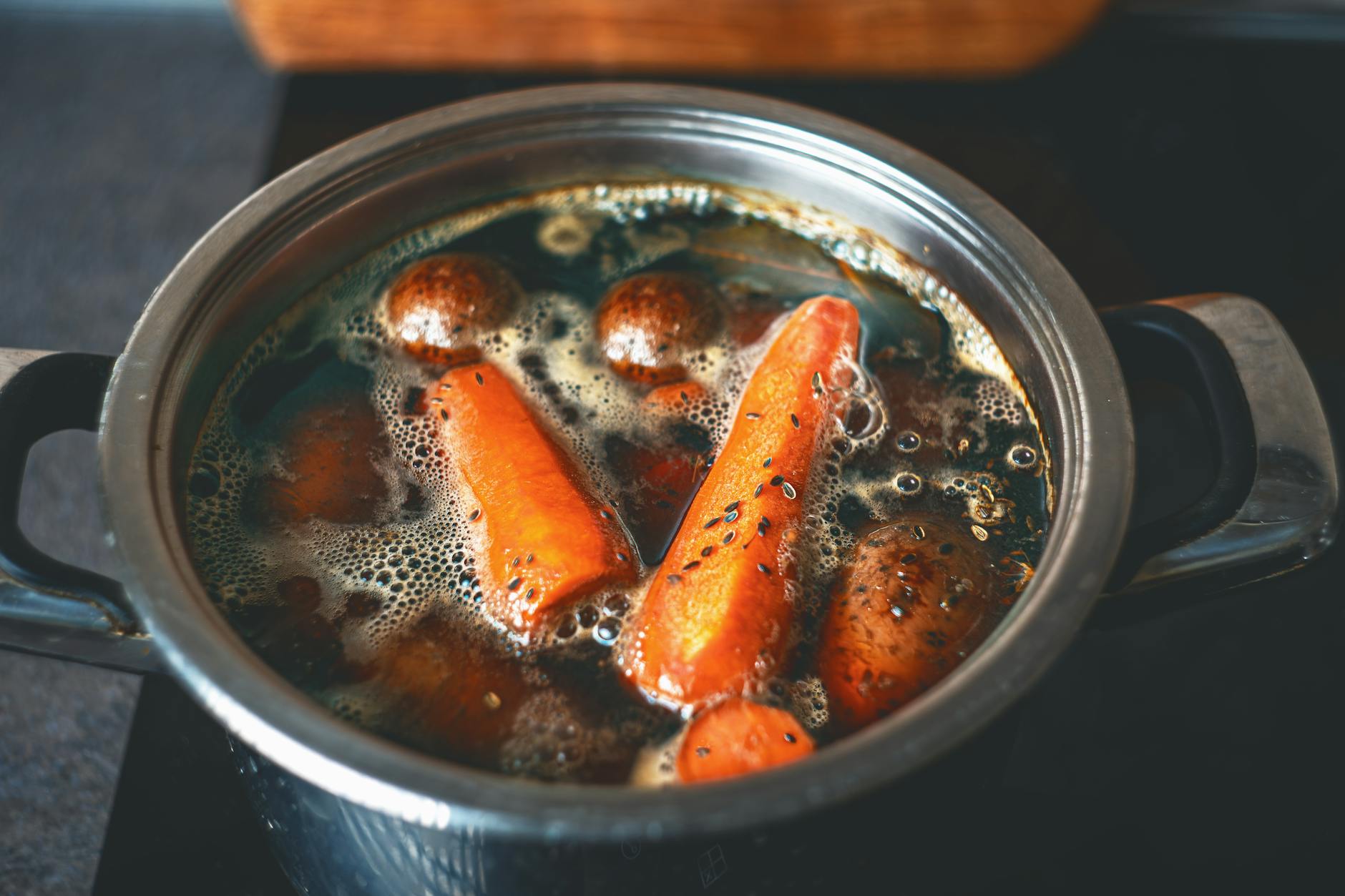
Pot and pan handles are gripped throughout the entire cooking process, often while the cook’s hands are alternating between raw food, utensils, and other kitchen surfaces. Because heat does not travel efficiently through the handle material by design, the handle itself never reaches a temperature that would kill bacteria. Grease and food splash accumulate on handles during stovetop cooking and are often missed during the washing process when attention is focused on the interior cooking surface. In shared households, multiple people may handle the same pot throughout a single meal preparation. Including the handles in your scrubbing routine when washing cookware ensures that this frequently overlooked surface gets the attention it requires.
Reusable Straws
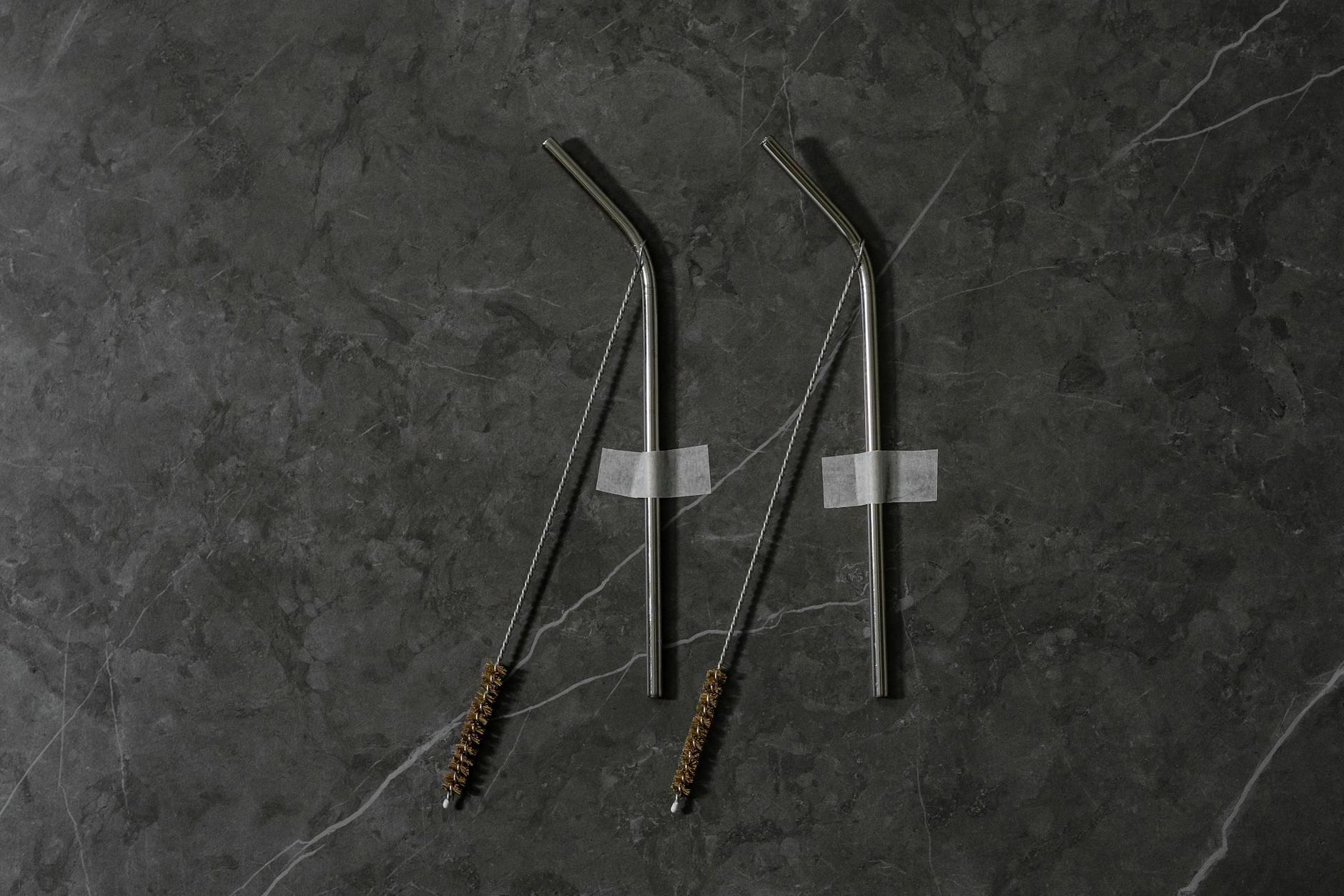
Reusable straws made from stainless steel, glass, or silicone have become popular alternatives to single-use plastic, but they pose a hidden hygiene challenge that many users underestimate. The interior of a reusable straw is nearly impossible to clean without a dedicated brush, and most people rinse them with water alone. Bacteria, mold, and residue from beverages accumulate on the inner walls of the straw with each use. Silicone straws in particular can develop a biofilm on their interior surface that contributes an off-taste and harbors harmful microorganisms. Using a straw cleaning brush with soap after every single use and allowing the straw to dry completely before storing it in a closed container is the only reliable way to keep reusable straws hygienic.
Which of these surprising germ hotspots caught you off guard, and which ones have you already started cleaning more carefully? Share your thoughts in the comments.