Many seemingly harmless financial choices silently erode your financial standing over time. Understanding the impact of daily financial decisions empowers consumers to take control of their economic future. Simple mistakes easily accumulate and eventually lower your score significantly. Recognizing these destructive patterns represents the first vital step toward achieving lasting financial wellness.
Missing Payment Deadlines

Payment history makes up the largest portion of a standard credit score calculation. Lenders report late payments to bureaus once they exceed thirty days past due. A single missed deadline stays on your report for up to seven years. Automating your monthly payments prevents accidental oversights and protects your financial reputation. Setting calendar alerts serves as an additional safeguard against forgetfulness.
High Credit Utilization
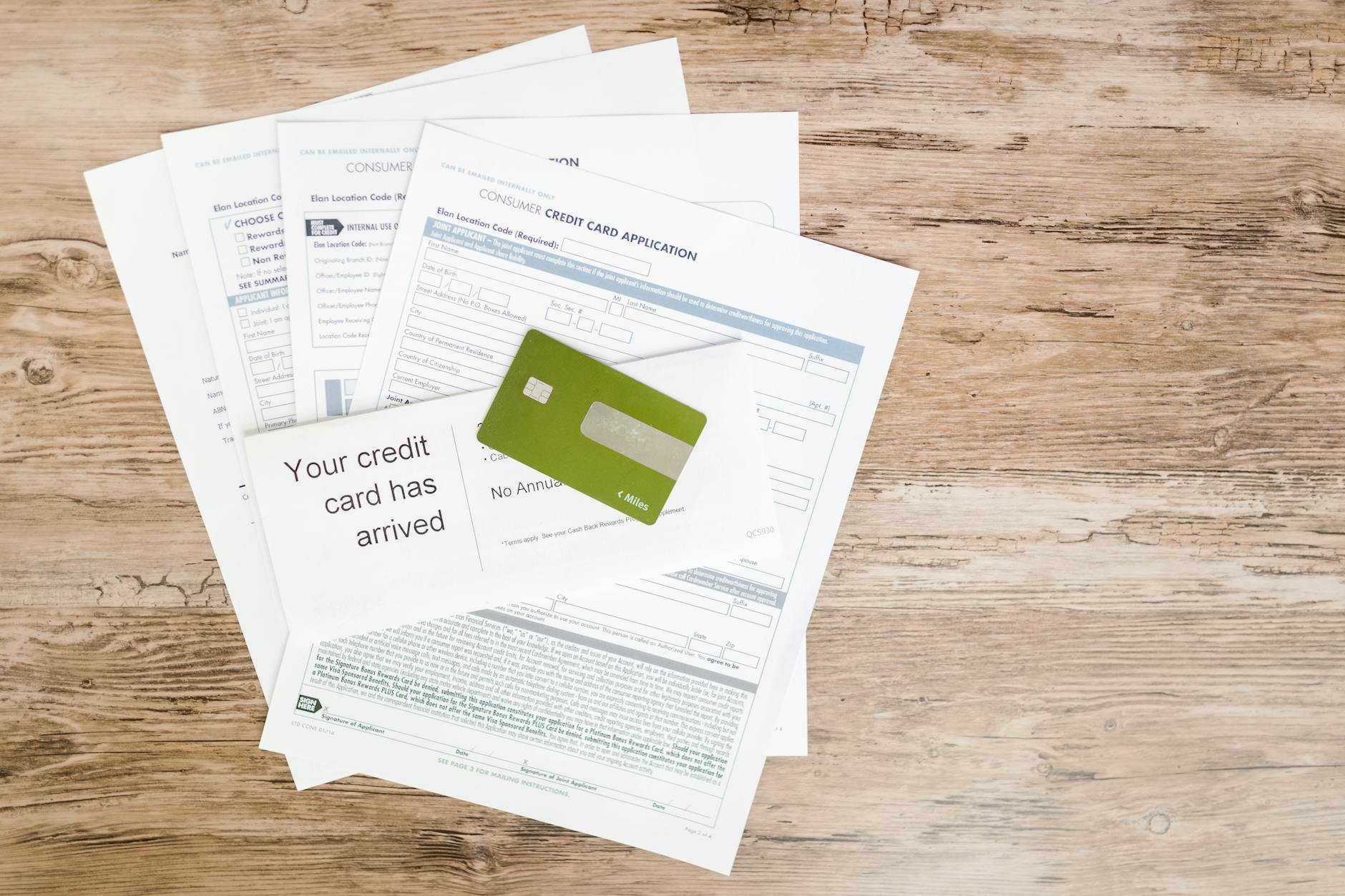
Carrying large balances relative to your available credit directly harms your score. Experts recommend keeping your utilization ratio under thirty percent across all accounts. Maxing out a card indicates financial distress to potential lenders and creditors. Paying down balances multiple times throughout the month helps keep this ratio low. Requesting a credit limit increase also improves this metric if spending remains stable.
Closing Old Accounts
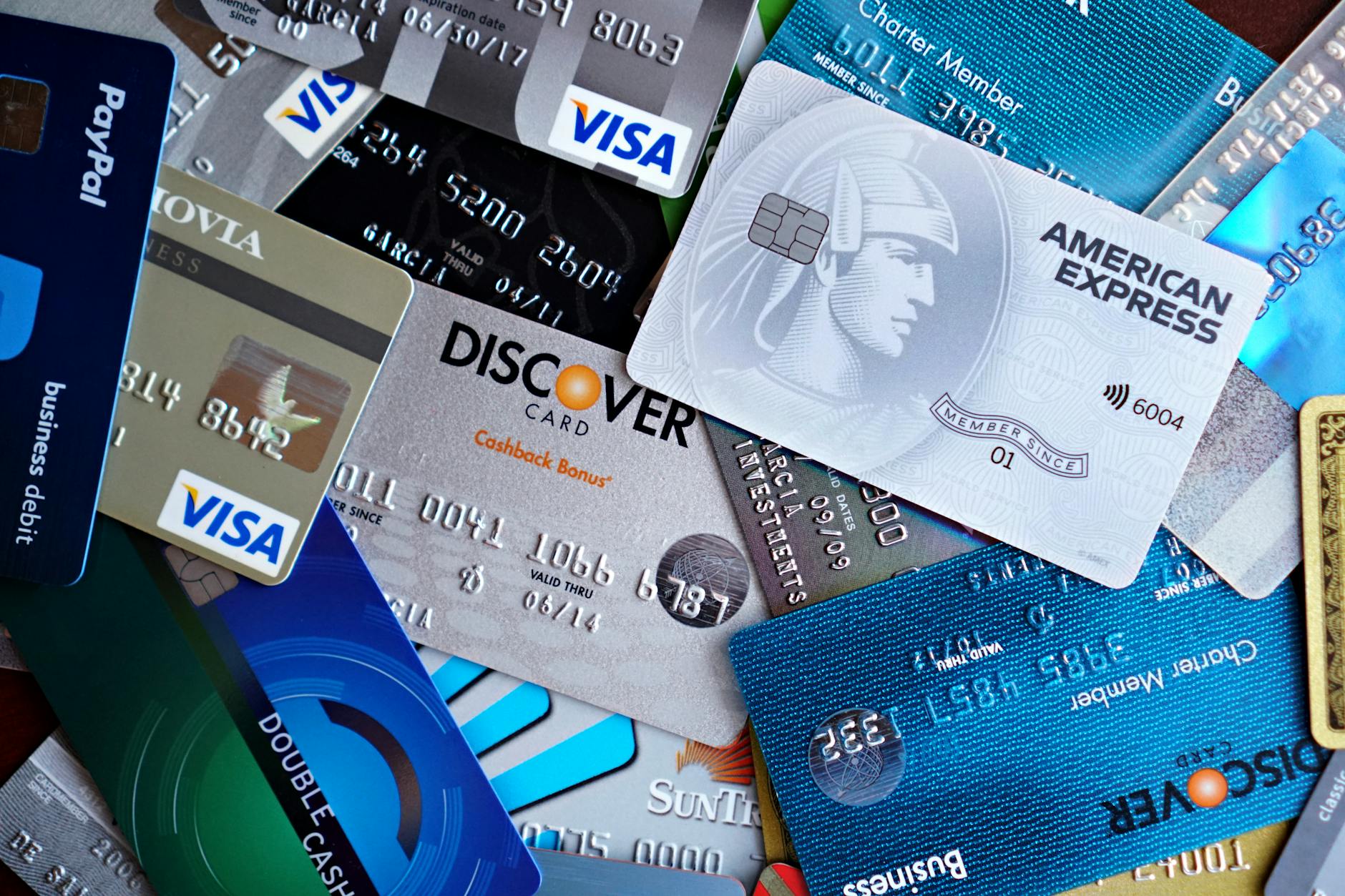
Canceling your oldest credit card shortens your overall credit history length. The age of your credit accounts significantly impacts the evaluation of your financial stability. Keeping an old account active with small recurring charges maintains this positive history. Issuers sometimes close inactive accounts automatically after prolonged periods of nonuse. Setting a small monthly subscription on your oldest card prevents automatic closure.
Frequent New Applications

Every new credit application triggers a hard inquiry on your permanent record. Multiple hard inquiries within a short period signal desperation for available funds. Each inquiry temporarily lowers your overall score by a few points. Spacing out applications for new financial products minimizes this negative impact. Consumers should only apply for new accounts when absolutely necessary for their financial goals.
Ignoring Credit Reports

Errors on your credit file routinely cause unnecessary drops in your score. Identity theft often goes unnoticed when individuals fail to monitor their profiles regularly. Federal law allows consumers to check their reports annually at no cost. Disputing inaccurate information quickly resolves unfair penalties applied to your account. Regular monitoring ensures your financial data remains accurate and completely secure.
Cosigning For Others

Guaranteeing a loan for a friend or family member ties their behavior to your record. Any missed payments by the primary borrower immediately damage your personal score. The entire debt amount appears on your report and increases your overall debt load. Removing yourself as a cosigner later requires a complex refinancing process. Lenders hold you equally responsible for the entire balance until the debt disappears.
Paying Only Minimums

Sending only the lowest required amount keeps you in debt significantly longer. Outstanding balances accrue interest and increase your overall credit utilization ratio. Lenders view minimum payments as a sign of potential financial overextension. Paying the full statement balance every month eliminates interest charges entirely. Clearing your balance demonstrates responsible borrowing behavior to future lenders.
Taking Cash Advances
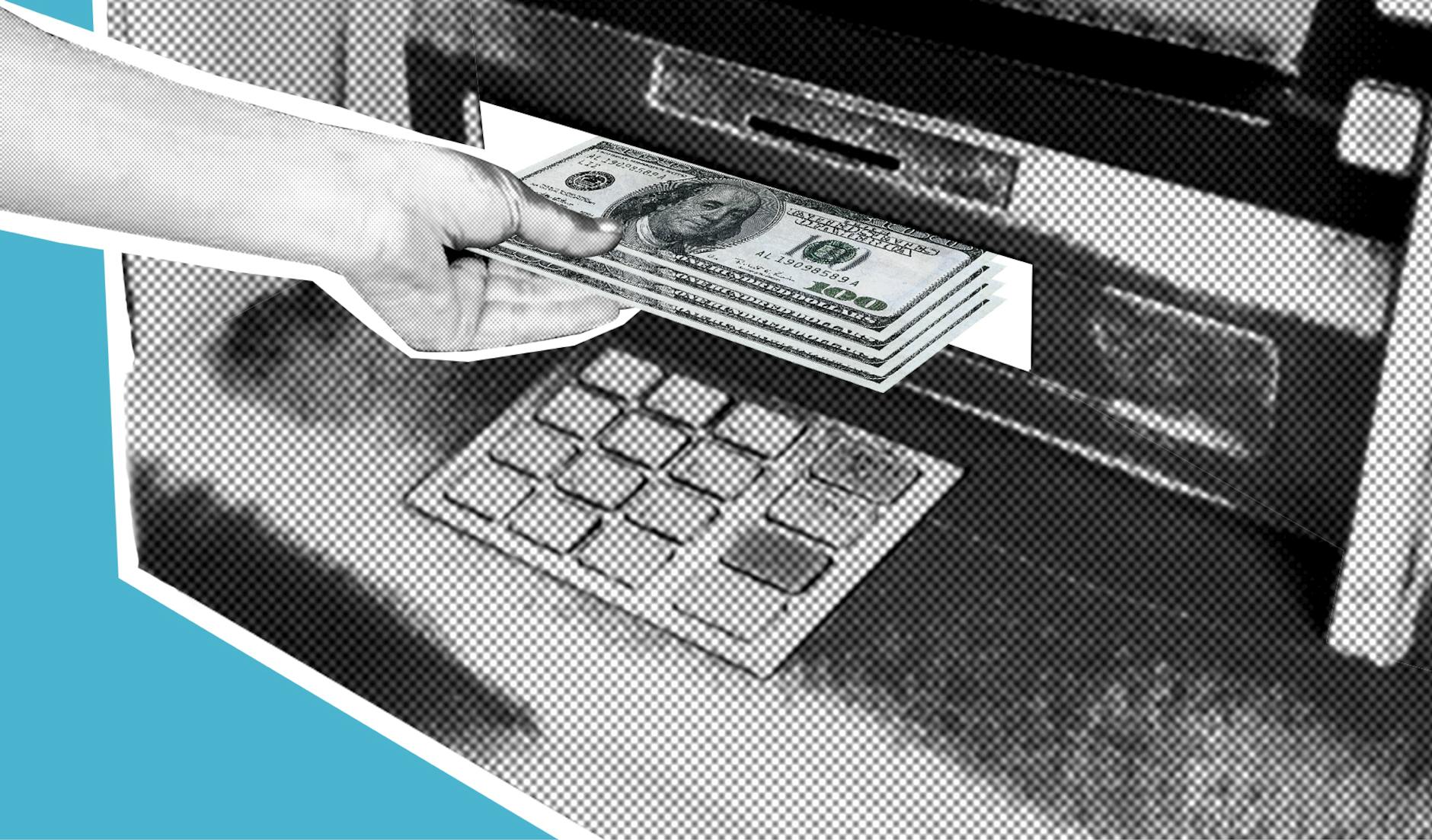
Using a credit card to withdraw physical cash triggers immediate high interest rates. These transactions lack the standard grace period offered for regular retail purchases. Lenders view cash advances as a strong indicator of severe cash flow problems. The associated fees add unnecessary bulk to your overall revolving debt balance. Building an emergency savings fund eliminates the need for these expensive transactions.
Overlooking Medical Bills
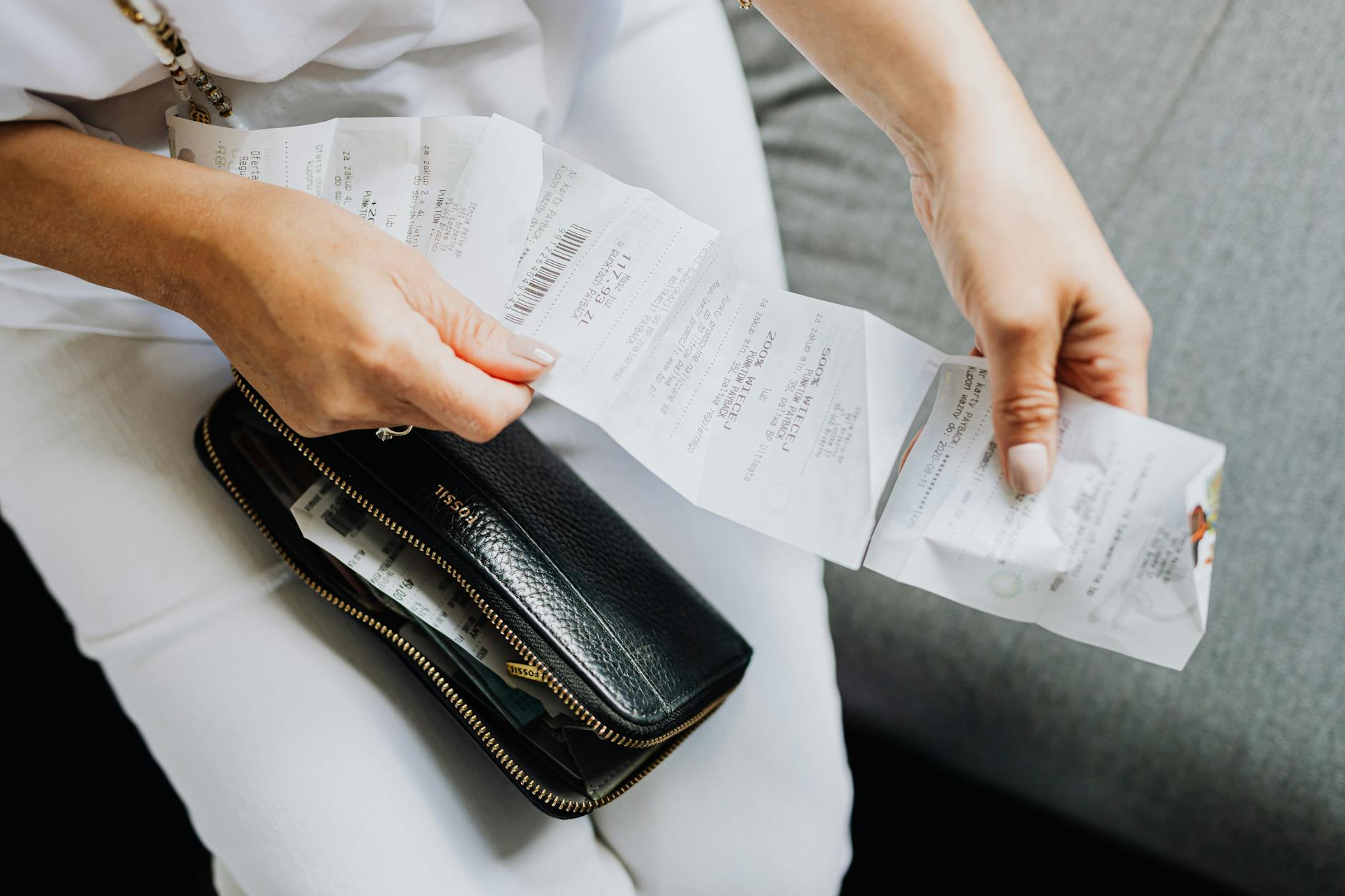
Unpaid healthcare invoices eventually find their way to aggressive collection agencies. Recent regulations provide some grace periods before these debts impact your score. Medical debt in collections severely damages your perceived reliability as a borrower. Setting up a payment plan with the provider prevents the account from going to collections. Promptly addressing healthcare invoices protects your financial profile from unexpected damage.
Relying On Payday Loans

These short term lending products carry astronomical interest rates and predatory terms. Failing to repay them on time leads to immediate collection actions. Collection accounts drag down your score and remain visible for years. Traditional lenders view payday loan usage as a major red flag during underwriting. Exploring alternative personal loans or credit union products offers a safer financial path.
Dodging Collection Agencies

Ignoring calls from debt collectors never makes the underlying financial problem disappear. Collection accounts create substantial negative marks on your permanent credit profile. Negotiating a settlement or payment plan often prevents further damage to your record. Some collectors agree to remove the negative mark upon receiving final payment. Addressing the issue directly provides the fastest route to credit rehabilitation.
Financing Multiple Vehicles

Taking out several auto loans concurrently dramatically increases your debt burden. Multiple heavy installment loans raise red flags for mortgage lenders and card issuers. The resulting hard inquiries compound the negative impact on your current score. Consolidating vehicles or purchasing reliable used cars reduces your overall financial liability. Keeping your auto debt proportional to your income demonstrates sound fiscal management.
Avoiding Credit Entirely

Operating strictly with cash prevents the establishment of a verifiable payment history. Lenders cannot evaluate your reliability without a documented track record of borrowing. A nonexistent score creates hurdles when renting apartments or securing favorable insurance rates. Opening a secured card provides a safe entry point into the financial system. Regular small purchases paid in full gradually build a solid foundation.
Exceeding Credit Limits
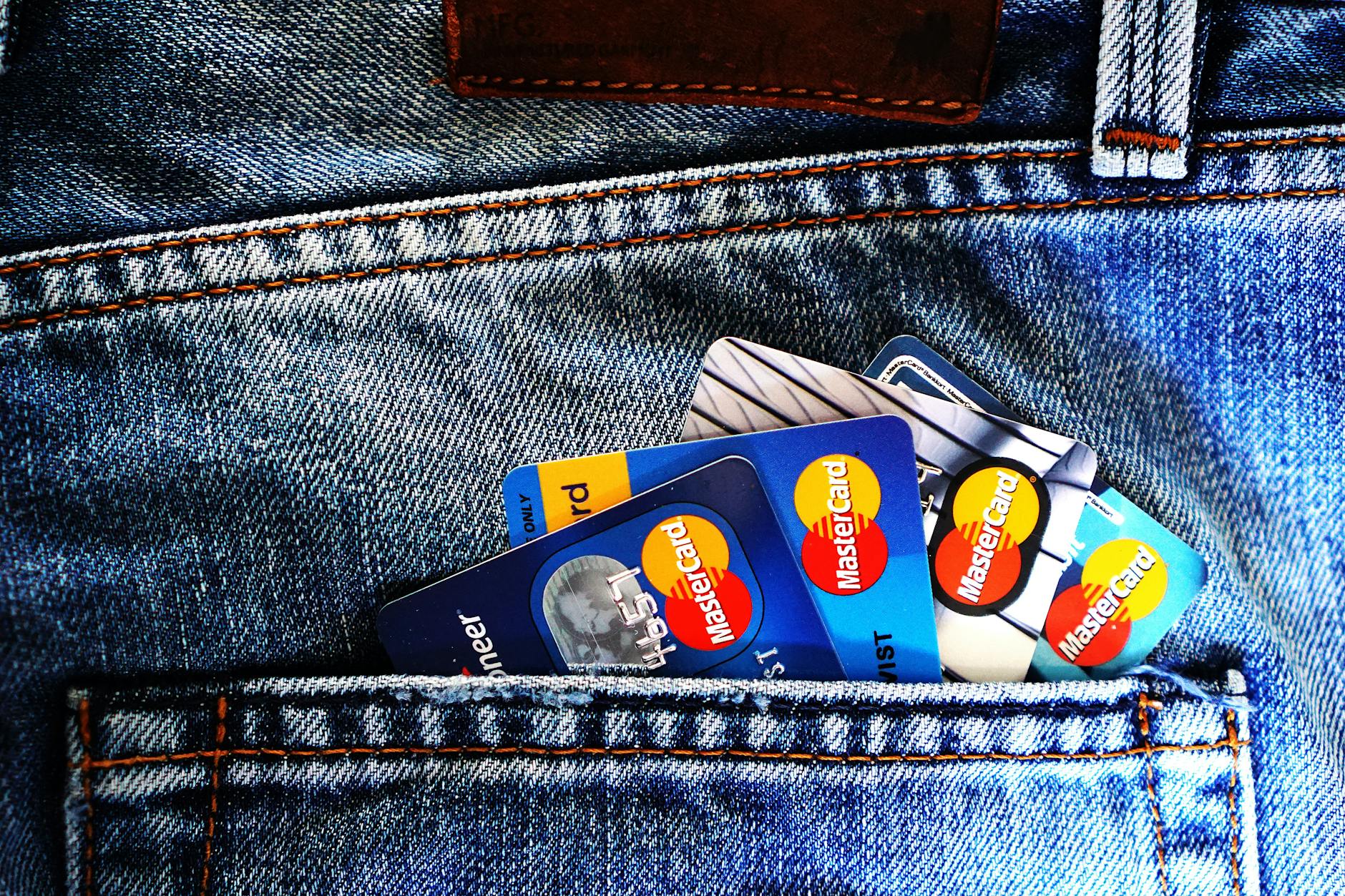
Spending beyond your approved maximum triggers steep overlimit fees and penalties. This behavior maximizes your utilization ratio and instantly tanks your score. Card issuers might respond by slashing your available credit or closing the account. Keeping a close eye on your available balance prevents accidental overspending. Setting text alerts for high balances provides a helpful warning system.
Shuffling Balances Around

Constantly transferring debt between new cards avoids the core problem of overspending. Transfer fees add unnecessary expenses to your total outstanding debt burden. Multiple new accounts lower your average account age and generate hard inquiries. Creating a structured payoff plan addresses the root cause of the accumulating debt. Tackling the principal balance directly yields better long term financial results.
Stopping Dispute Payments

Halting payments on a contested charge guarantees a late mark on your report. The credit card issuer expects regular minimum payments while conducting their investigation. A late payment during a dispute damages your score just like any other delinquency. Continuing to pay the undisputed portion of your bill protects your good standing. The issuer will refund the money if they resolve the dispute in your favor.
Changing Addresses Frequently

Moving constantly increases the likelihood of missing important mail and billing statements. Lost bills quickly become late payments and eventual collection accounts. Updating your address with every single creditor requires meticulous organization and effort. Setting up paperless billing ensures statements reach your email inbox regardless of your physical location. Forwarding your mail through the postal service provides an extra layer of protection.
Misusing Buy Now Pay Later

These installment plans encourage overspending by breaking large purchases into smaller pieces. Missing a payment on these services frequently results in negative credit reporting. Accumulating multiple active plans simultaneously strains your monthly cash flow significantly. Treating these services as actual debt helps maintain better control over personal finances. Paying for items upfront remains the safest way to avoid accidental debt accumulation.
Comingling Business Finances

Using personal credit cards for business expenses risks sudden spikes in utilization. Business failures or delayed client payments directly threaten your personal financial stability. Establishing a separate legal entity and dedicated accounts protects your individual score. Commercial credit profiles operate independently from consumer reporting agencies. Keeping clear boundaries prevents professional setbacks from ruining your personal borrowing power.
Paying Just Before Deadlines

Waiting until the last minute leaves no room for technical glitches or banking errors. A failed transfer on the due date automatically results in a late penalty. Processing delays between different banking institutions sometimes take several business days. Scheduling payments a week early provides a buffer against unforeseen technical problems. Early payments also reduce your average daily balance and lower interest charges.
Owning Joint Accounts

Opening accounts with a partner links your financial destinies inextricably together. The poor financial habits of a joint owner directly damage your own profile. Removing yourself from a joint account requires the cooperation of the other party. Maintaining individual accounts preserves your autonomy and protects your personal score. Clear communication about shared expenses prevents catastrophic damage to either party.
Ignoring Utility Bills

Unpaid water and electricity accounts eventually transfer to aggressive debt buyers. These utility companies rarely report positive payments but always report severe delinquencies. A utility collection account remains visible to future landlords and mortgage brokers. Setting up automatic drafts for municipal services prevents these vital bills from slipping past. Prompt resolution of final bills after moving prevents surprise collection notices.
Closing Cards Before Mortgages

Altering your credit profile right before buying a home creates underwriting nightmares. Closing accounts changes your debt ratio and potentially alters your mortgage eligibility. Lenders require a stable and predictable financial picture during the approval process. Postponing any major changes to your credit file ensures a smoother closing experience. Consulting your loan officer before adjusting accounts prevents costly delays.
Retail Card Accumulation

Store credit cards often carry extremely high interest rates and low limits. Opening multiple store accounts at checkout counters generates numerous harmful hard inquiries. The low limits make it incredibly easy to max out the available credit. Standard cash back cards offer better rewards without the restrictive retail limitations. Declining checkout counter offers protects your score from unnecessary temporary drops.
Failing To Build Savings

A lack of emergency funds forces reliance on borrowed money during sudden crises. Unexpected car repairs or medical issues quickly max out available credit limits. High balances from emergency spending drag down your score through high utilization. Building a robust savings cushion creates a buffer against relying on plastic. Financial resilience prevents isolated emergencies from causing long lasting credit damage.
Please share your thoughts on managing credit and building healthier financial habits in the comments.