
Homeowners insurance is designed to provide a financial safety net when the unexpected strikes, but many policyholders are unaware that certain everyday decisions can quietly invalidate their coverage. Insurance companies include detailed conditions in their policies that most people never read carefully, leaving them vulnerable to denied claims at the worst possible moments. Understanding these common pitfalls can mean the difference between full protection and a costly gap in coverage. From seemingly minor home improvements to overlooked lifestyle habits, the following situations are among the most frequent reasons insurers refuse to pay out.
Home-Based Business

Running a business out of a residential property can trigger a coverage gap that most homeowners never anticipate. Standard homeowners policies are written specifically for personal residential use, meaning commercial activity on the premises often falls outside the scope of protection. Equipment, inventory, and liability related to business operations are typically excluded from personal policies. Many insurers will deny a claim if damage or injury is linked to business activity conducted in the home. A separate business rider or commercial policy is usually required to restore full coverage.
Trampoline

A backyard trampoline is one of the most common reasons an insurer will either cancel a policy or exclude injury-related claims entirely. Insurance providers classify trampolines as attractive nuisances because they draw children in and carry a high likelihood of serious injury. Some companies will allow coverage to continue only if specific safety enclosures and netting are installed around the equipment. Others treat the presence of a trampoline as an automatic grounds for non-renewal at the end of the policy term. Homeowners are strongly advised to notify their insurer before making this addition to their property.
Swimming Pool

An in-ground or above-ground pool significantly changes the risk profile of a residential property in the eyes of an insurer. Most policies require homeowners to install proper fencing, locking gates, and safety equipment as a condition of continued coverage. Failing to meet these requirements after installation can result in a denied liability claim if someone is injured on the property. Some insurers impose higher premiums while others exclude pool-related incidents from coverage altogether. Homeowners should review their policy terms carefully before breaking ground on a pool project.
Unoccupied Home
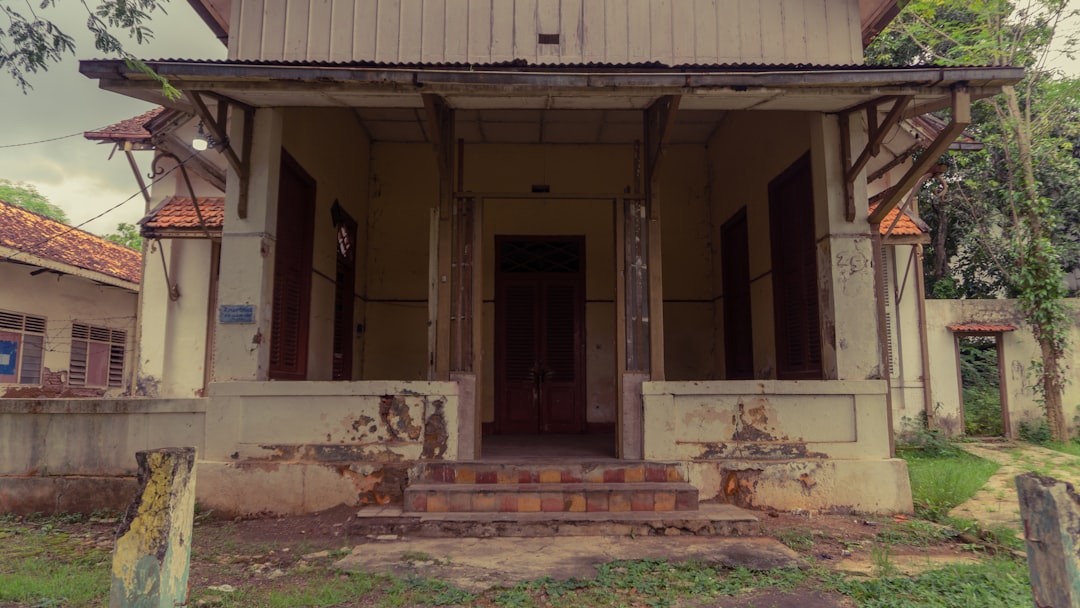
Leaving a home vacant for an extended period is one of the most overlooked ways to inadvertently void a policy. Most standard homeowners policies include a vacancy clause that suspends or limits coverage after the property has been unoccupied for 30 to 60 consecutive days. Insurers consider vacant homes to be at greater risk of vandalism, water damage from undetected leaks, and fire hazards. A claim filed after the vacancy threshold has been exceeded is frequently denied without exception. A separate vacant home policy or a rider added before leaving can prevent this gap in protection.
Unreported Renovations
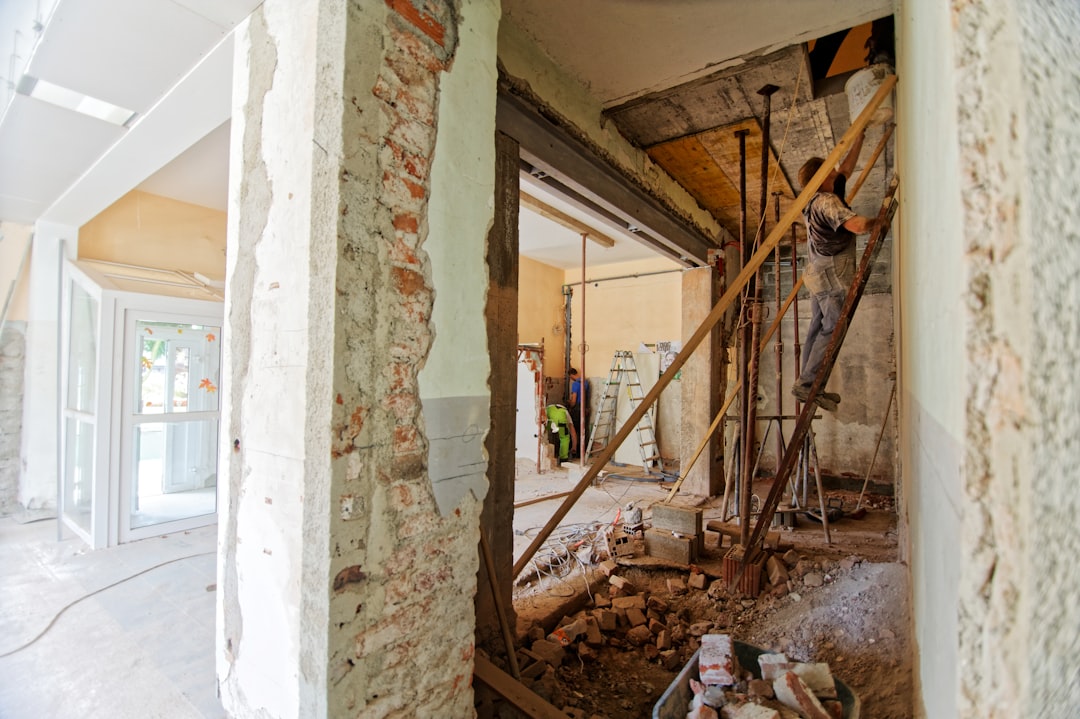
Structural renovations that are not disclosed to an insurer can quietly shift coverage into invalid territory. Adding square footage, finishing a basement, or converting a garage into a living space increases the replacement cost of the home significantly. When these changes are not reported, the existing policy may be insufficient to cover a total loss and the insurer may cite misrepresentation to deny a claim. Building permits and inspections are also tied to coverage in many policies, meaning unpermitted work creates compounding risk. Any renovation that changes the structure or value of the home should be reported immediately.
Exotic Pets

Owning a non-traditional animal such as a snake, large reptile, or big cat can render the liability section of a homeowners policy effectively useless. Most policies include breed and species exclusions that extend beyond dogs to cover a wide range of animals considered inherently dangerous. If a covered exotic animal injures a visitor, the insurer is likely to deny the liability claim and potentially cancel the policy. Some specialty insurers offer coverage designed specifically for exotic pet owners, but standard policies rarely accommodate this risk. Full disclosure of all pets at the time of application is essential to maintaining valid coverage.
Aggressive Dog Breeds

Many homeowners insurance policies include specific breed exclusions that remove liability coverage for bites and injuries caused by certain dogs. Breeds commonly flagged by insurers include pit bulls, Rottweilers, Dobermans, and German Shepherds, though the list varies by provider. A single bite incident involving an excluded breed can result in a denied liability claim and policy cancellation. Some insurers conduct home inspections specifically to check whether restricted breeds are present on the property. Owners of flagged breeds should seek out insurers that offer breed-neutral policies or specialized coverage.
Mold Damage
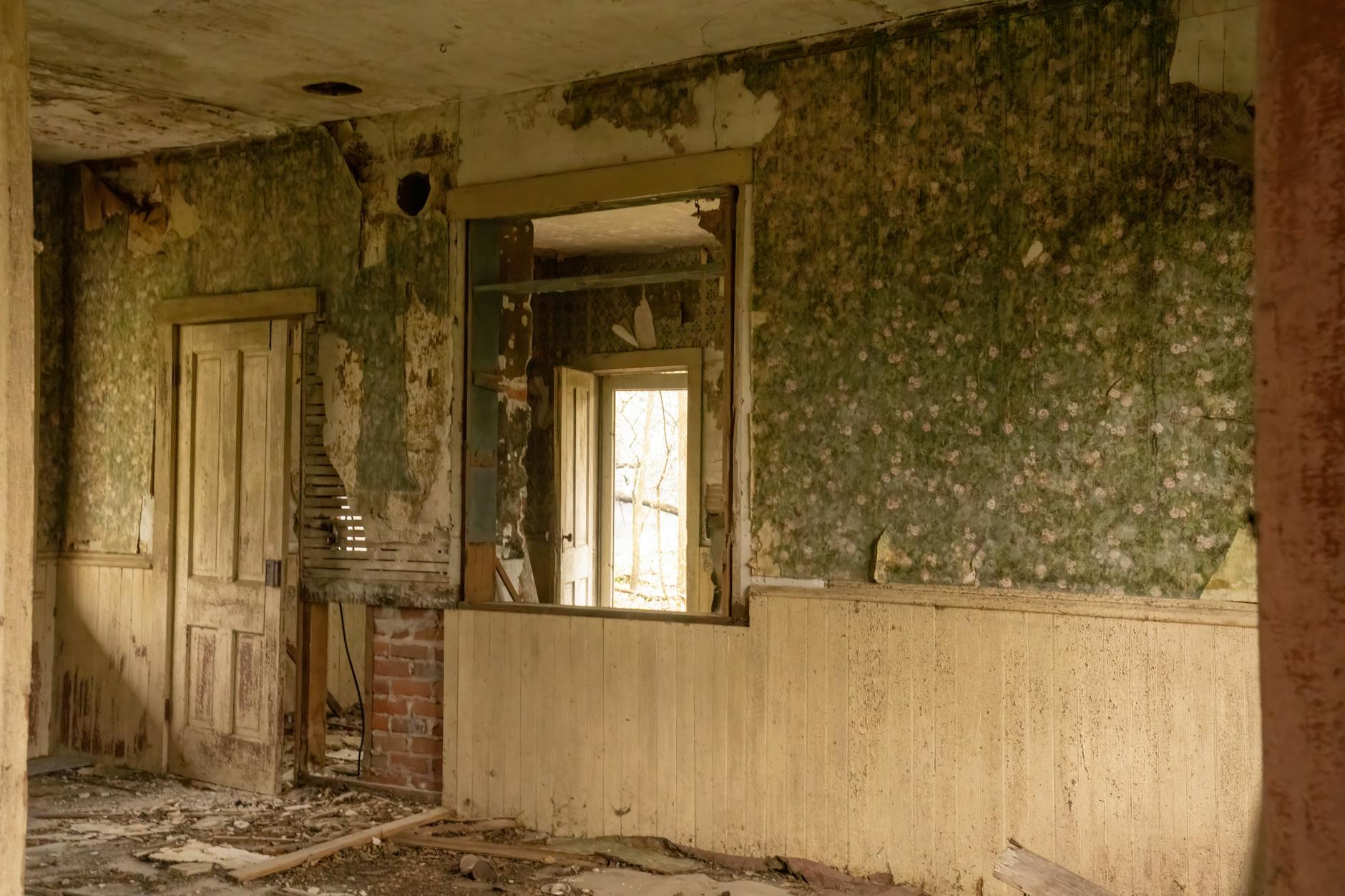
Mold is one of the most commonly misunderstood exclusions in homeowners insurance, and many policyholders assume they are covered when they are not. Most standard policies exclude mold damage unless it results directly from a sudden and accidental covered event such as a burst pipe. Gradual mold growth caused by poor ventilation, long-term humidity, or delayed maintenance is typically excluded as a maintenance issue. Failing to address known moisture problems in a timely manner gives insurers grounds to deny a related claim. Homeowners in humid climates should consider purchasing a separate mold endorsement for added protection.
Neglected Roof
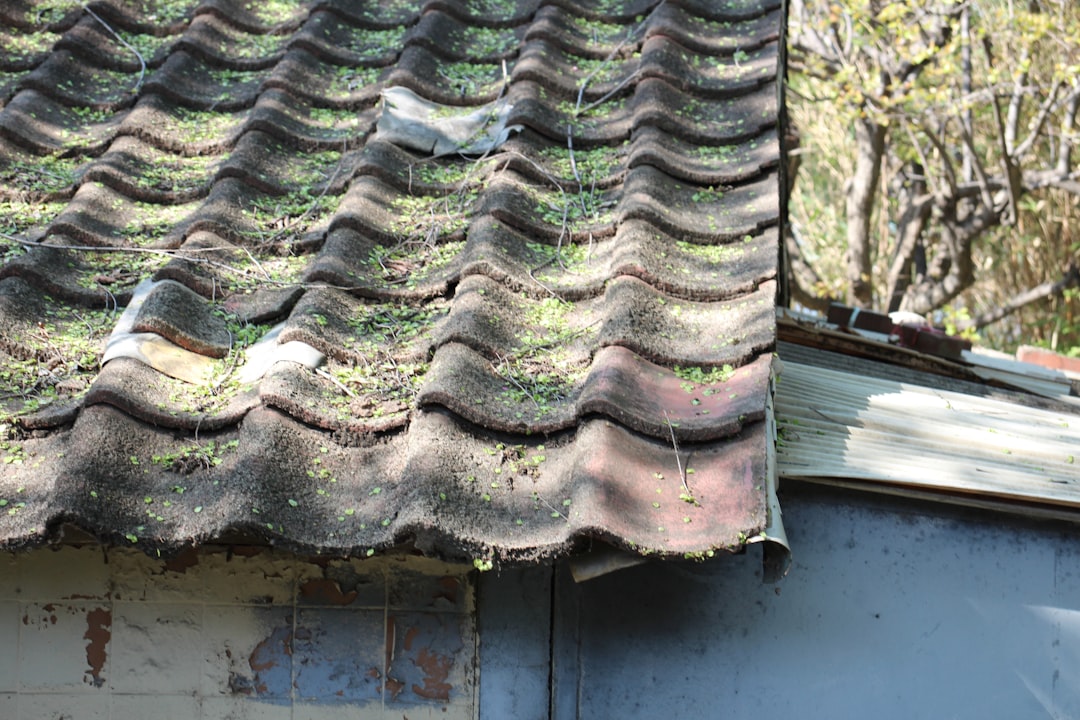
An aging or poorly maintained roof is a frequent point of contention between homeowners and their insurers at claim time. Most policies require the insured to maintain the property in good repair, and a roof that has exceeded its expected lifespan may be excluded from coverage. If a claim is filed for storm or water damage and an inspection reveals that the roof was already in deteriorating condition, the insurer can deny it on the basis of negligence. Some companies will refuse to renew a policy or offer reduced coverage on homes with older roofs. Regular inspections and documented maintenance records are important tools in preserving coverage eligibility.
Homesharing Rental

Listing a home or a room on a short-term rental platform like Airbnb can void the residential nature of a homeowners policy. Standard policies are written with the assumption that the insured and their family are the primary occupants, not transient guests paying for access. Damage caused by paying guests is routinely excluded, and liability for guest injuries may also be denied. Some insurers now offer homesharing endorsements that restore coverage during rental periods, but these must be arranged in advance. Homeowners who rent even occasionally should contact their insurer to understand the full scope of their exposure.
Deferred Maintenance
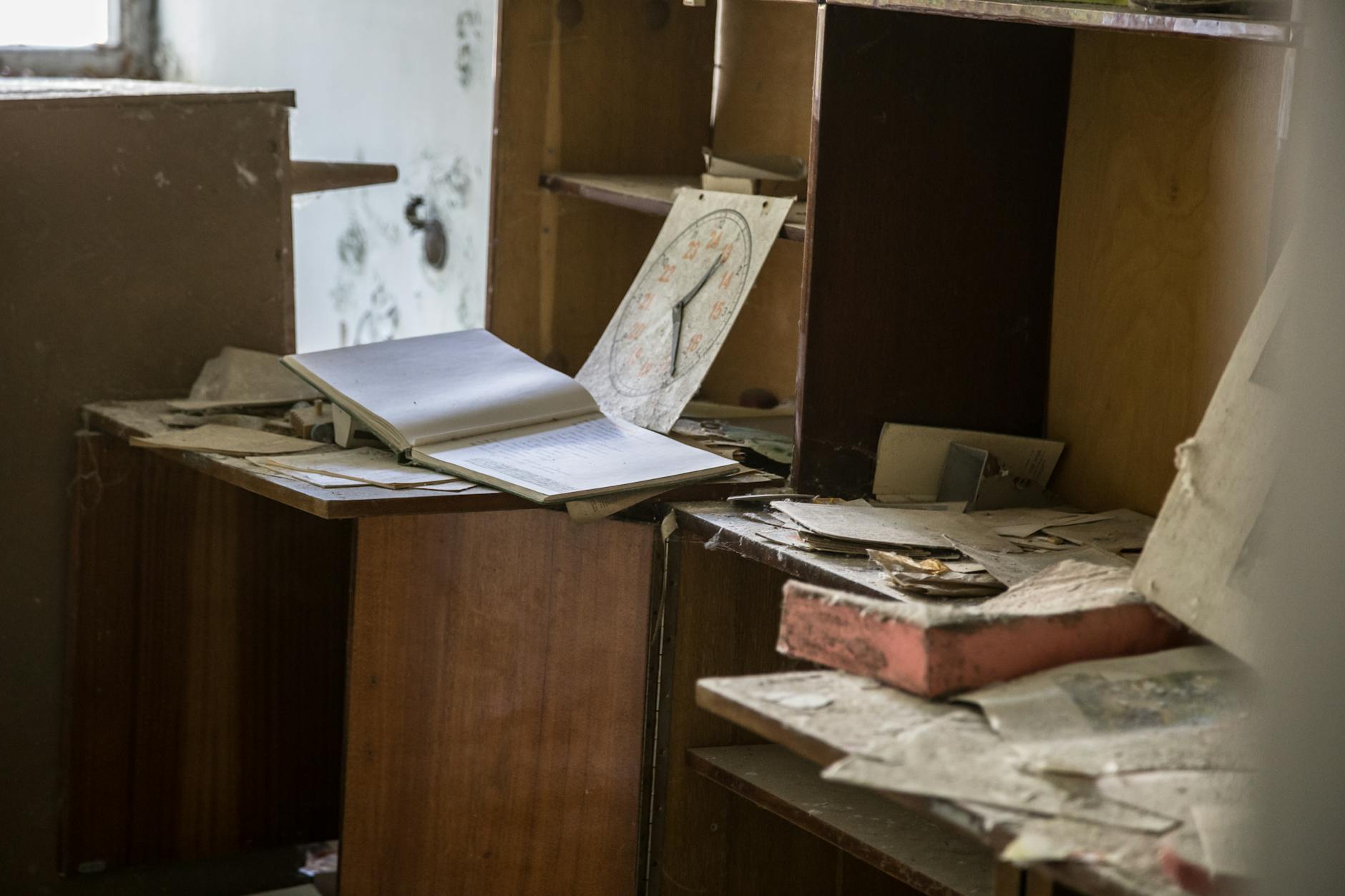
Insurance providers operate on the principle that homeowners have a duty to maintain their properties to a reasonable standard. When visible deterioration such as crumbling foundations, rotting wood, or damaged electrical systems is left unaddressed, insurers may classify resulting damage as a maintenance failure rather than an insurable event. Claims filed for losses that stem from pre-existing conditions are regularly denied under this provision. Routine upkeep not only protects the home physically but also preserves the legal validity of the insurance contract. Detailed records of repairs and inspections serve as important documentation if a dispute arises.
Wood-Burning Stove
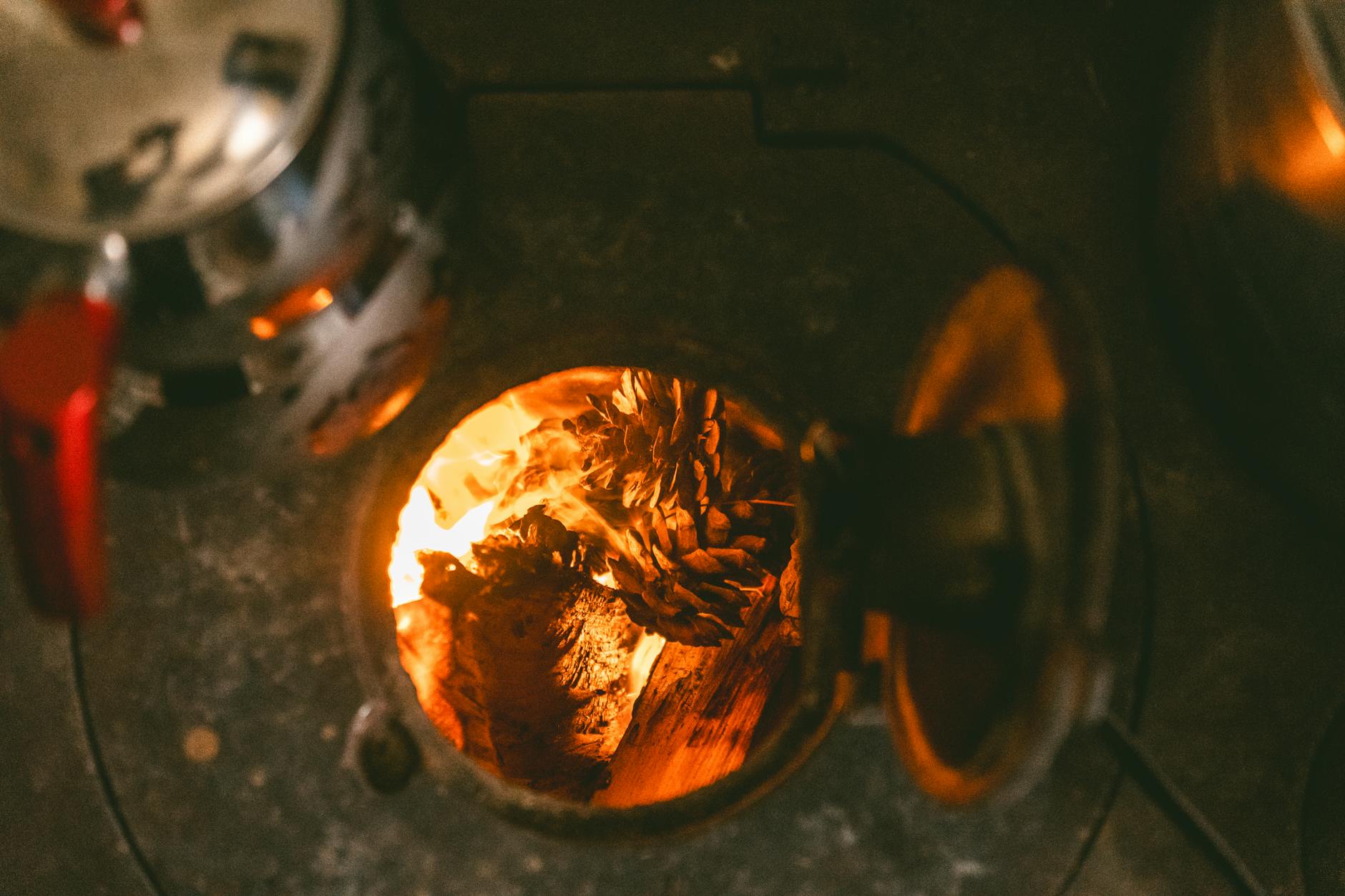
Installing a wood-burning stove or fireplace insert without notifying the insurer is a common source of coverage issues. These appliances are associated with a higher risk of chimney fires, carbon monoxide exposure, and smoke damage, all of which affect the insurer’s risk calculation. Policies may be voided or claims denied if an undisclosed stove is found to be the cause or contributing factor in a loss. Some insurers require professional installation documentation and annual chimney inspections as conditions of continued coverage. Homeowners should always disclose heating appliance installations before they are put into use.
Solar Panels
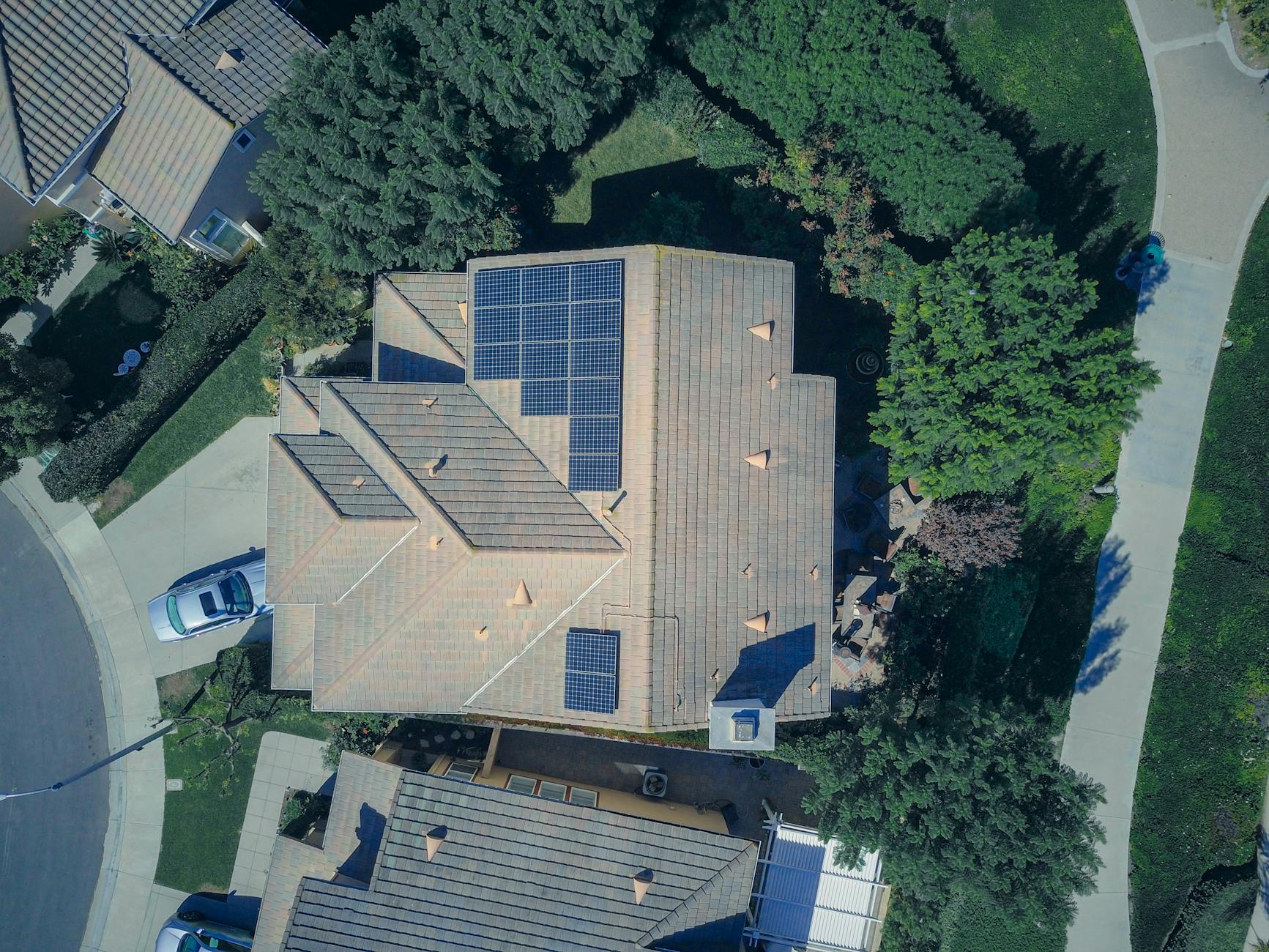
While solar panels are increasingly common, they represent a structural addition that must be reported to an insurer to maintain accurate coverage. Panels added to the roof change the replacement cost of the home and may affect coverage for both the structure and the roof beneath them. Many standard policies do not automatically extend to cover solar equipment, leaving homeowners with a gap if panels are damaged or stolen. Some insurers require a separate rider or endorsement specifically for renewable energy systems. Informing the insurer at the time of installation ensures the investment is properly protected.
Attractive Nuisance
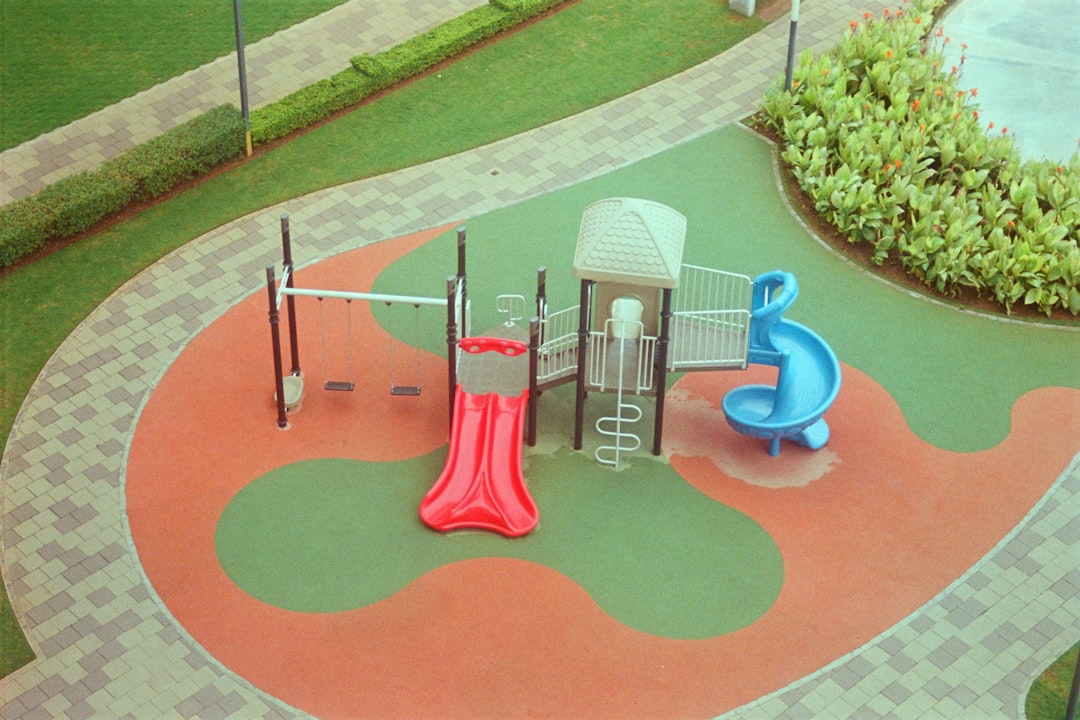
Beyond trampolines and pools, any feature of a property that may draw children in and pose a risk of harm is classified legally as an attractive nuisance. Old vehicles, construction equipment left on the property, unlocked sheds containing tools, and even certain landscaping features can fall into this category. Insurers view these features as elevated liability risks, and a claim stemming from an incident involving a child may be denied if the hazard was obvious and unaddressed. Some policies require homeowners to actively mitigate these risks as a condition of coverage. Removing or securing hazardous features is the most reliable way to maintain liability protection.
Asbestos or Lead

Homes built before the 1980s may contain asbestos insulation or lead-based paint, both of which create complex insurance situations. Standard homeowners policies typically exclude any costs related to the inspection, removal, or remediation of these materials. If a renovation disturbs asbestos or lead and results in a health incident or property damage, a standard claim is almost certainly going to be denied. Specialized environmental liability coverage is available but must be purchased separately and in advance. Homeowners of older properties should have a professional assessment completed before beginning any work that could disturb existing materials.
Sinkholes
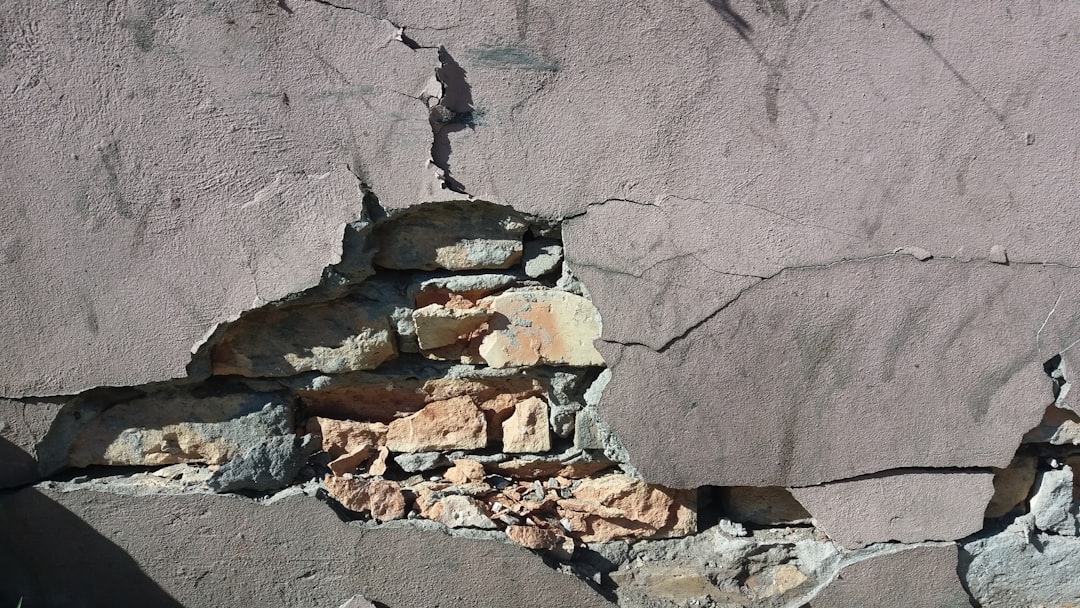
Sinkhole damage is one of the most dramatic and destructive events a homeowner can experience, yet most standard policies exclude it entirely. This type of geological damage is treated similarly to earthquake and flood damage in that it requires a separate and specific endorsement to be covered. Regions with known sinkhole activity such as Florida, Texas, and parts of the Southeast carry particular risk that standard policies do not address. Filing a claim for sinkhole-related structural damage under a standard policy will almost always result in a denial. Homeowners in high-risk areas should consult with their insurer about the availability and cost of dedicated sinkhole coverage.
Earthquake Damage
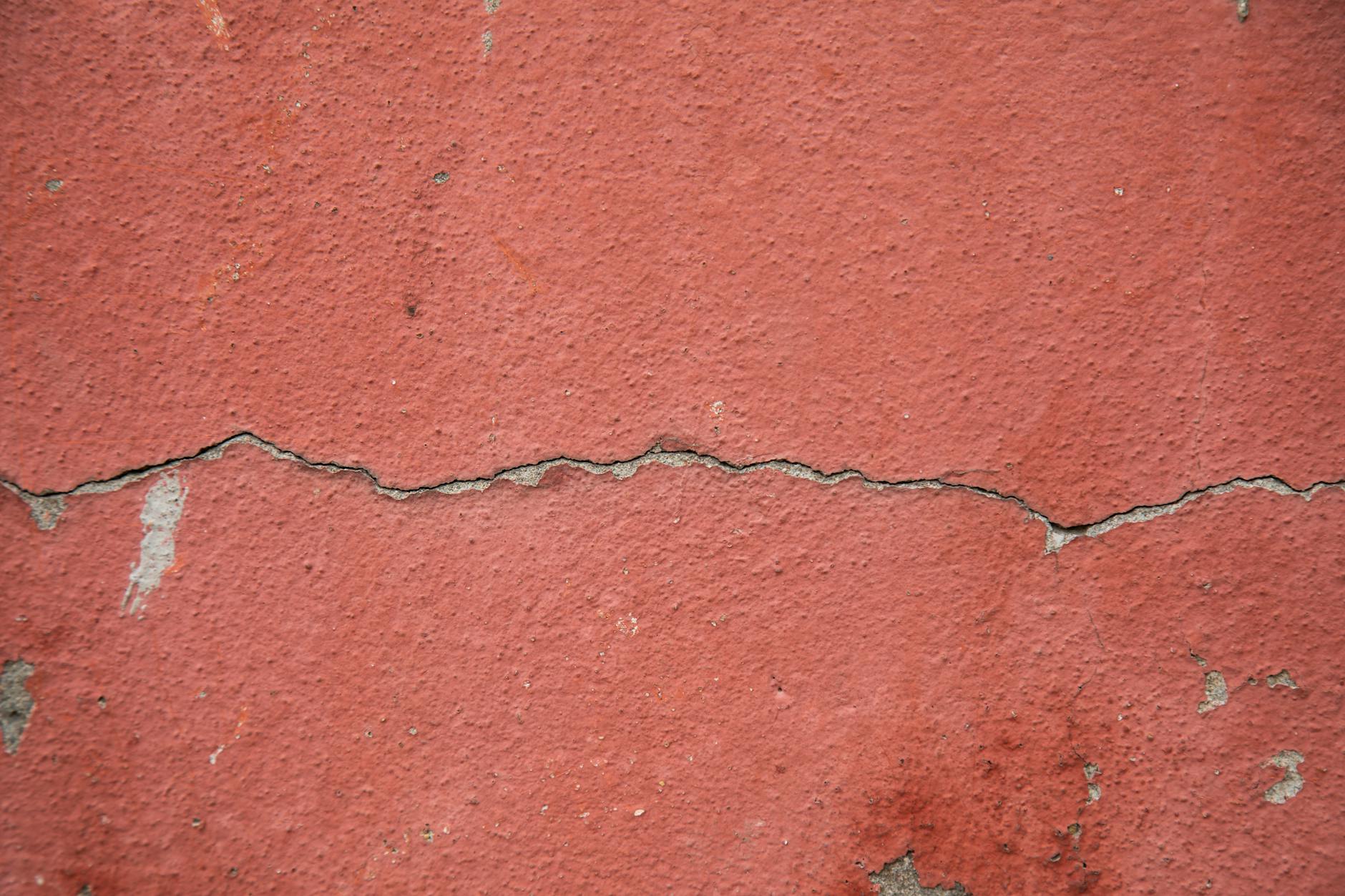
Standard homeowners policies universally exclude earthquake damage, a fact that surprises many policyholders in high-risk states. The structural damage caused by seismic activity can be catastrophic, yet no standard residential policy in the United States covers it without a specific add-on. Earthquake endorsements or standalone policies are available through private insurers and, in states like California, through state-run programs. Homeowners in seismically active regions who do not carry this additional coverage are left entirely without a financial safety net after a quake. The cost of an earthquake endorsement is often modest compared to the financial exposure it eliminates.
Flood Damage

Flooding is among the most devastating and most commonly misunderstood exclusions in standard homeowners coverage. Whether caused by heavy rainfall, river overflow, or storm surge, flood damage is not covered under a typical residential policy under any circumstances. Separate flood insurance must be purchased through the National Flood Insurance Program or a private flood insurer to obtain this protection. Many homeowners discover this exclusion too late, after water has already entered the home and the damage has been done. Even properties located outside of high-risk flood zones can experience flooding, making this coverage worth exploring regardless of location.
Sewer Backup
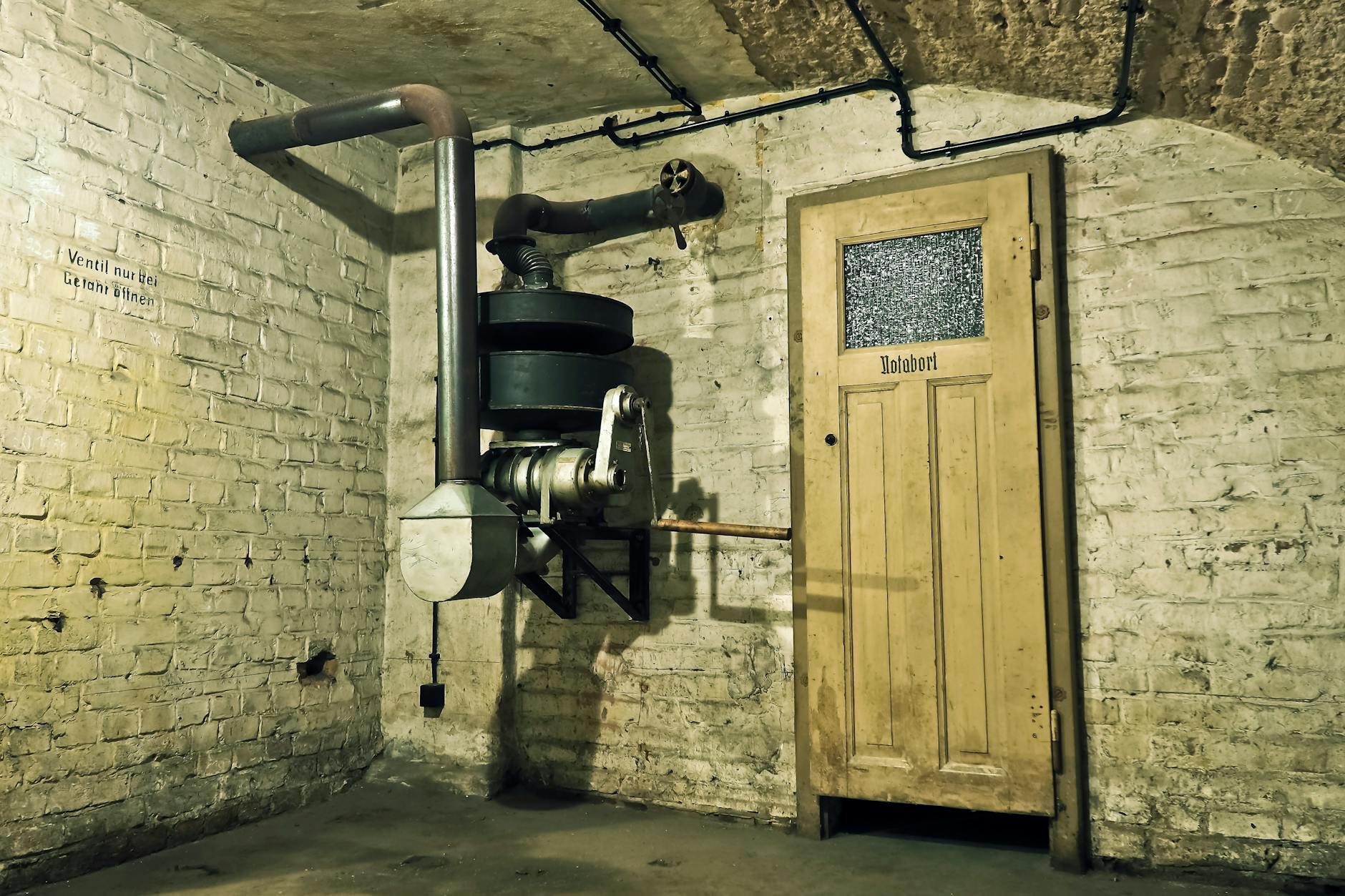
Water damage caused by a backed-up sewer or overflowing drain is a surprisingly common occurrence that most standard policies exclude by default. When municipal systems become overwhelmed during heavy rain events, raw sewage can flow backward into residential plumbing and cause significant damage. Because this type of water damage is not the result of a sudden internal failure, it falls outside the scope of most standard coverage. A sewer backup endorsement is widely available and is one of the more affordable riders a homeowner can add to an existing policy. Homeowners with finished basements or low-lying plumbing are especially advised to consider this addition.
Inflatable Structures

Large inflatable structures such as bounce houses and party slides have become popular for events and celebrations, but their presence on a property introduces unexpected liability risk. Most homeowners policies do not extend liability coverage to injuries that occur inside or around temporary inflatable equipment. If a guest is injured during a party and the bounce house is involved, a claim may be denied on the grounds that the equipment introduced a risk not anticipated by the policy. Rental companies typically carry their own liability coverage, but homeowners should not assume that coverage extends to their property. Checking with an insurer before hosting an event with inflatable equipment is a straightforward way to avoid exposure.
Undisclosed Outbuildings
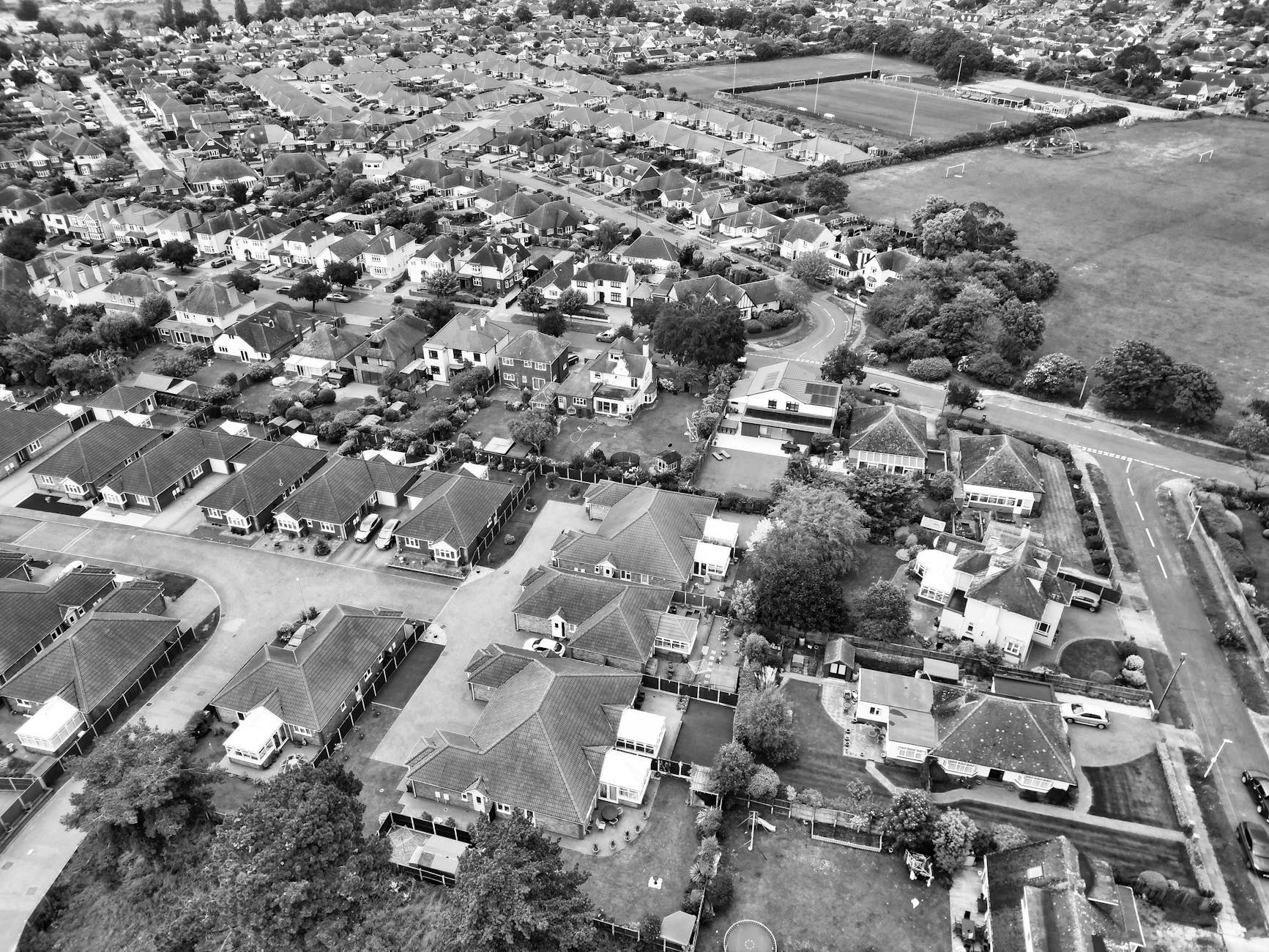
Adding a detached garage, workshop, greenhouse, or storage shed to a property without informing an insurer creates a coverage gap that many homeowners never consider. Standard policies typically cover additional structures up to a percentage of the main dwelling’s insured value, but only if those structures are disclosed and reflected in the policy. An undisclosed outbuilding that is damaged or destroyed may not be covered, and its presence could be used to argue misrepresentation in other claims. The replacement cost of even a modest outbuilding can run into tens of thousands of dollars without insurance protection. Any permanent structure added to the property should be reported to the insurer promptly after construction.
Permafrost or Subsidence

Ground movement caused by soil subsidence, permafrost thaw, or expansive clay is a growing concern in certain regions and is excluded from most standard policies. As climate conditions shift, homeowners in areas previously considered stable are discovering that the ground beneath their foundations is no longer reliable. Structural damage caused by gradual soil movement is treated as a maintenance or geological issue rather than a sudden accidental event. Specialized earth movement policies are available in some markets but are not universally offered. Homeowners in regions with known soil instability should have a geotechnical assessment completed before purchasing a property.
Illegal Modifications
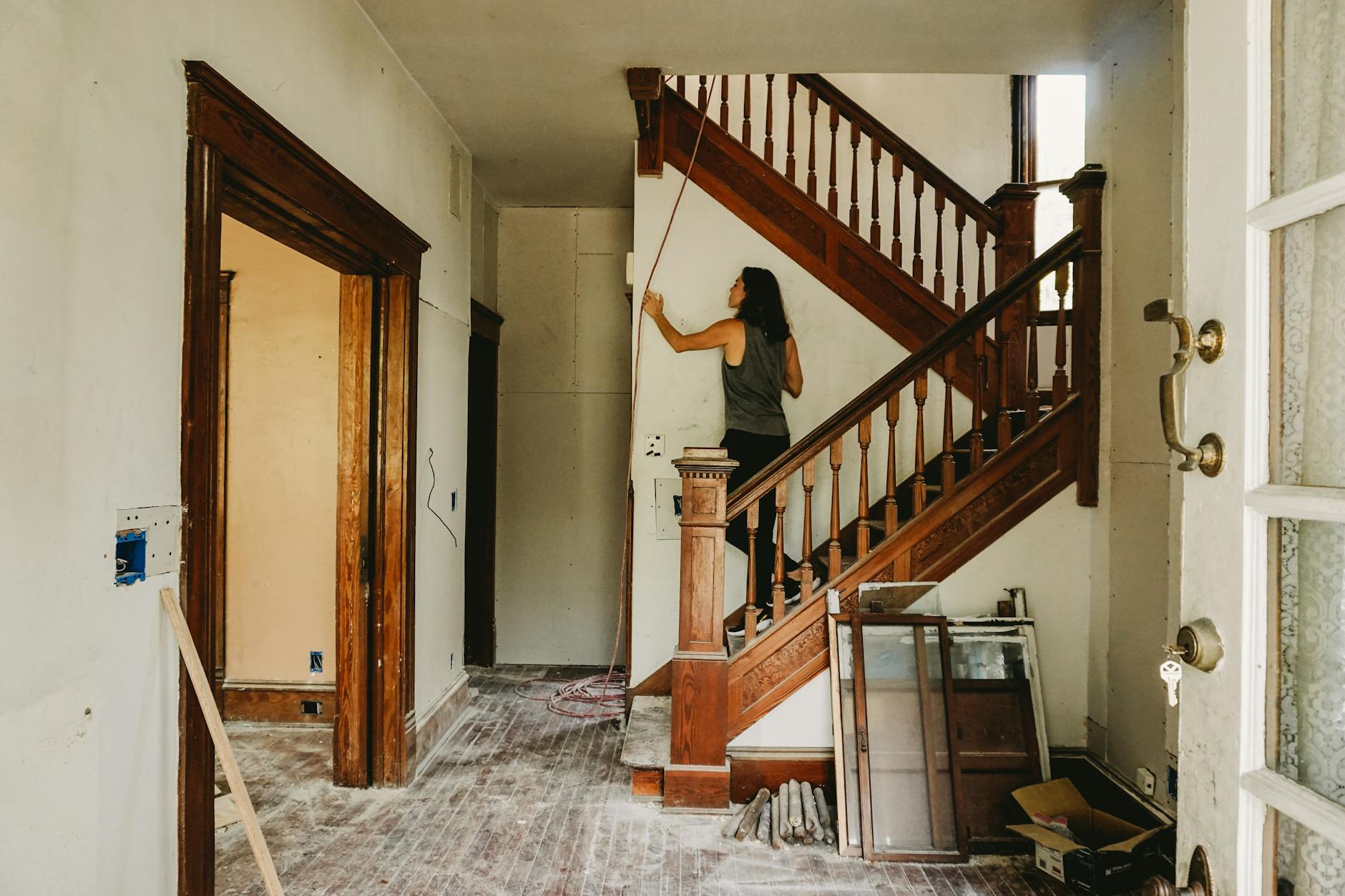
Any modification to a home that violates local building codes or was completed without the required permits can compromise an insurance claim significantly. Insurers expect that the properties they cover meet minimum legal standards, and unpermitted work indicates that the home may not have been inspected for safety compliance. If a fire, structural failure, or other loss event is traced back to an illegal modification, the insurer has grounds to deny the claim entirely. The presence of unpermitted work can also surface during a home inspection triggered by a claim, exposing the homeowner to retroactive issues. Obtaining proper permits and having work inspected before closing walls or finishing spaces is the most effective way to prevent this outcome.
Marijuana Cultivation

Growing marijuana at home can void a homeowners insurance policy even in states where cultivation is legal for personal use. The heat, humidity, and electrical load associated with indoor growing operations create fire, mold, and structural risks that fall well outside the parameters of a standard residential policy. Insurers may treat a cultivation setup as evidence of commercial activity or as an undisclosed hazard, either of which can justify denial. Some insurers will cancel a policy outright upon discovering that growing operations are present. Homeowners interested in legal home cultivation should consult with their insurer before beginning to understand the full extent of the coverage implications.
Cyber Incidents

As smart home technology becomes more widespread, the risk of cyberattacks affecting connected home systems is a growing concern that most standard policies have not yet caught up with. Damage caused by hacking, ransomware, or unauthorized access to smart devices is not covered under traditional homeowners policies, which were written long before internet-connected appliances became common. Financial losses resulting from a cyber incident affecting home systems are typically classified as digital rather than physical losses and fall outside the policy scope. Dedicated cyber insurance products are now available to homeowners seeking protection against this modern risk category. Reviewing a policy’s technology-related exclusions is an increasingly important step in ensuring comprehensive coverage.
Share your own homeowners insurance experiences or questions in the comments.