
Many snack products marketed as wholesome or nutritious contain ingredients that tell a very different story. Clever branding and health-forward packaging often disguise what is actually inside the bag, bar, or bottle. Nutritionists and food scientists have repeatedly flagged a range of additives, sweeteners, and processing agents that consumers rarely think to check for. Understanding these hidden culprits gives shoppers a clearer picture of what they are actually putting into their bodies.
Carrageenan
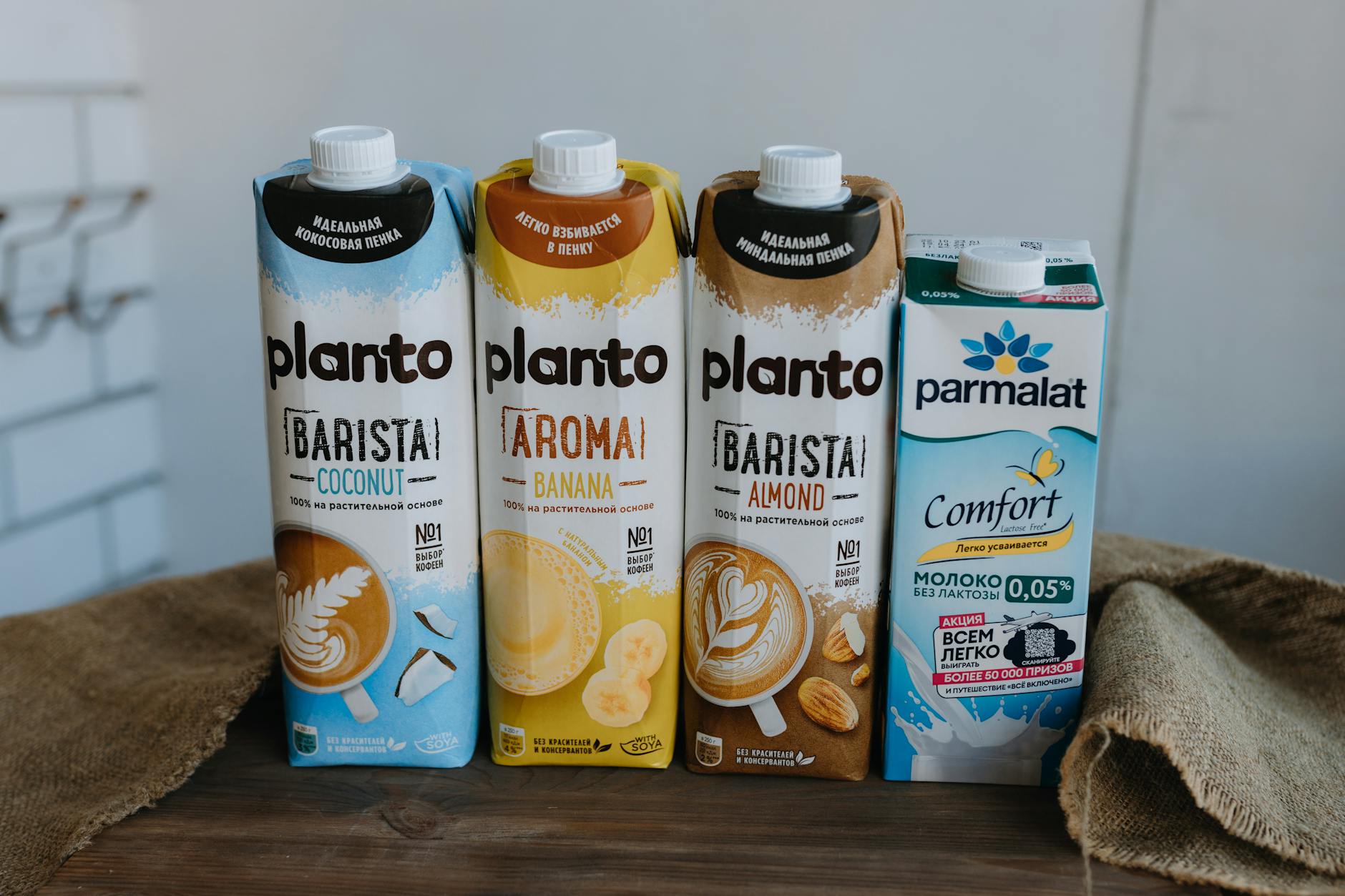
Carrageenan is a seaweed-derived thickener commonly found in plant-based milks, yogurts, and protein drinks. Despite its natural origin, research has linked it to gastrointestinal inflammation in some individuals. It appears on labels under its own name but is often overlooked because it sounds benign and botanical. Nutritionists caution that frequent exposure may irritate the gut lining, particularly for people with existing digestive sensitivities.
Maltodextrin

Maltodextrin is a highly processed starch derived from corn, wheat, or rice that is used to improve texture and extend shelf life in snack foods. It has a glycemic index higher than table sugar, meaning it can cause rapid spikes in blood glucose levels. This ingredient commonly appears in protein bars, flavored rice cakes, and powdered snack mixes. Despite its starchy origin, it contributes little to no nutritional value and is often listed near the end of an ingredient panel where consumers are less likely to notice it.
Carob Syrup

Carob syrup is frequently used as a natural-sounding substitute for refined sugar in granola bars and health-forward confections. While carob itself contains fiber and antioxidants, the syrup form is heavily concentrated and stripped of most of those benefits. Its sugar content is comparable to conventional sweeteners, yet its wholesome name leads many consumers to assume it is a better choice. Nutritionists point out that the body processes it in much the same way as other high-sugar syrups.
Natural Flavors
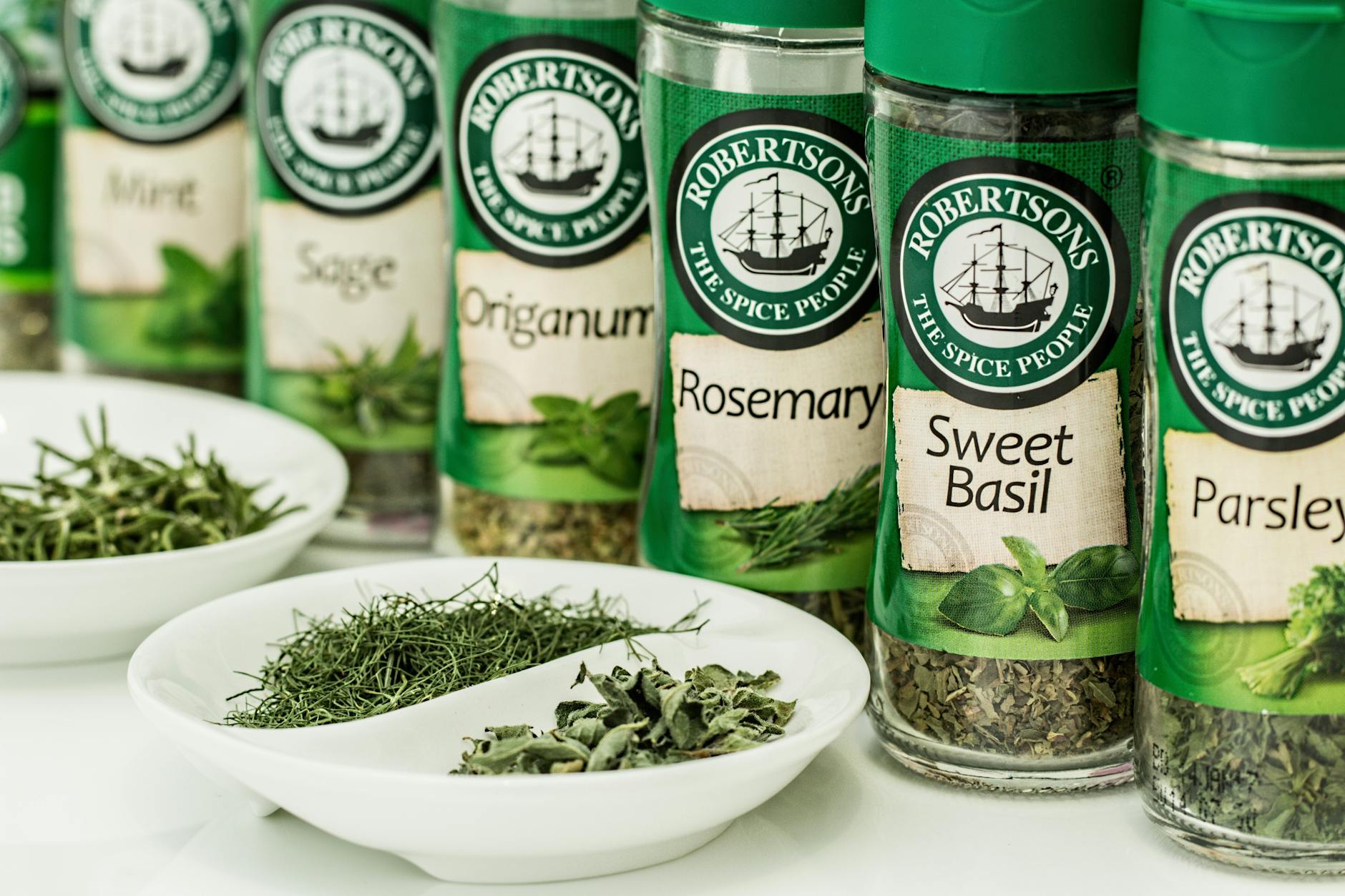
The term natural flavors is one of the most misleading entries on any nutrition label, covering a broad range of chemically extracted compounds from plant or animal sources. Food manufacturers are not required to disclose the specific substances grouped under this umbrella term. These flavors are often highly engineered to enhance palatability and encourage overconsumption. Nutritionists warn that the vagueness of this category makes it impossible for consumers to know exactly what they are ingesting.
Agave Nectar

Agave nectar was widely promoted as a healthier alternative to sugar due to its low glycemic index, but nutritionists have largely revised that assessment. It contains exceptionally high levels of fructose, often between 70 and 90 percent, which the liver must process directly. Excessive fructose intake has been associated with increased triglycerides, fatty liver development, and insulin resistance over time. It is commonly found in energy bars, flavored nut butters, and wellness beverages marketed to health-conscious consumers.
Canola Oil

Canola oil is a staple in many packaged snacks, including crackers, popcorn, and baked chips, often listed as a healthier fat option. The oil is typically extracted using high-heat chemical processes involving solvents such as hexane, which can degrade its fatty acid profile. It is heavily refined, bleached, and deodorized before reaching the consumer, reducing any naturally occurring nutritional content. Nutritionists raise concerns about its high omega-6 fatty acid content, which in excess may contribute to systemic inflammation when consumed regularly.
Soy Lecithin

Soy lecithin is an emulsifier derived from soybean oil that appears in an enormous range of snack products, from dark chocolate bars to grain-free crackers. While it is generally recognized as safe, the majority of soy used in food production is genetically modified. Individuals with soy sensitivities may experience reactions even from this refined derivative. Nutritionists also note that it is frequently used to mask poor-quality ingredient combinations by improving the texture and mouthfeel of otherwise substandard products.
Erythritol

Erythritol is a sugar alcohol increasingly used in keto-friendly and low-calorie snacks as a zero-calorie sweetener. It occurs naturally in small quantities in some fruits but is manufactured for commercial use through fermentation of glucose. Recent research has explored potential associations between high erythritol consumption and cardiovascular markers, prompting nutritionists to recommend moderation. Digestive discomfort, including bloating and loose stools, is also a commonly reported side effect among people who consume it in large amounts.
Sunflower Oil

Sunflower oil appears in many snacks labeled as grain-free, paleo-friendly, or clean-ingredient products, often positioned as a neutral and acceptable fat. Conventional sunflower oil is rich in omega-6 linoleic acid, and diets already high in processed foods tend to be oversaturated with this fatty acid. An imbalance between omega-6 and omega-3 fatty acids is linked to chronic low-grade inflammation. The high-heat refining process that most commercial sunflower oils undergo also generates oxidation byproducts that nutritionists consider undesirable.
Brown Rice Syrup

Brown rice syrup is a common sweetener in organic and natural snack brands, particularly in granola bars, cereals, and puffed rice cakes. It is made by breaking down the starches in cooked rice using enzymes, resulting in a thick, amber-colored liquid. Despite its wholesome associations with whole grain ingredients, it has an extremely high glycemic index and is composed almost entirely of glucose. Some batches have also tested positive for trace amounts of arsenic, a concern that nutritionists have flagged repeatedly in relation to rice-derived products.
Titanium Dioxide

Titanium dioxide is a whitening agent found in certain flavored snack coatings, powdered candies, and some protein supplements marketed with a clean appearance. It is derived from a naturally occurring mineral but undergoes significant industrial processing to reach the form used in food production. The European Food Safety Authority has raised concerns about its potential to accumulate in body tissues with repeated exposure. Nutritionists advise checking for it specifically in brightly colored or white-coated snacks that seem artificially pristine.
Inulin

Inulin is a prebiotic fiber added to many high-fiber snack bars, protein cookies, and digestive wellness products to boost the fiber count on the nutrition label. While it does support gut health in moderate amounts, it is also highly fermentable and can cause significant gas, bloating, and cramping in sensitive individuals. Manufacturers often add it in quantities well above what the gut can comfortably handle in a single serving. Nutritionists caution that fiber enrichment through isolated additives does not deliver the same benefits as fiber consumed from whole food sources.
Xanthan Gum

Xanthan gum is a polysaccharide produced through bacterial fermentation and used extensively in gluten-free snacks to mimic the binding properties of gluten. It is found in crackers, chips, and baked snack alternatives, and is generally considered safe in small quantities. However, in larger amounts it can have a laxative effect and cause digestive discomfort, particularly in people with sensitive gastrointestinal systems. Nutritionists observe that it is so prevalent in the gluten-free snack category that consumers following that dietary pattern may be consuming it across multiple products daily.
Citric Acid

Citric acid is one of the most widely used preservatives and flavor enhancers in the snack industry, appearing in everything from dried fruit blends to veggie straws and flavored nuts. While it occurs naturally in citrus fruits, the commercial version is almost entirely derived from mold fermentation of corn syrup rather than from fruit. Some individuals report sensitivity reactions including joint pain, muscle aches, and gastrointestinal distress after consuming it regularly. Nutritionists note that its near-universal presence in processed snacks makes it difficult for sensitive consumers to avoid without carefully scrutinizing every label.
Vegetable Glycerin

Vegetable glycerin is a colorless, odorless liquid derived from plant oils that is used in protein bars and soft-baked snacks to retain moisture and create a chewy texture. It contributes a mild sweetness and is often used to lower the sugar count on a label while maintaining the palatability of the product. Though it is not digested in the same way as sugar, high intake can cause gastrointestinal issues including diarrhea and bloating. Nutritionists point out that its use often signals a highly engineered product whose texture and taste have been artificially constructed rather than naturally achieved.
Refined Salt

Refined salt is added in substantial quantities to many snacks branded as healthy, including roasted nuts, seed crackers, and protein chips, often far exceeding what is immediately apparent from taste alone. Unlike sea salt or mineral-rich unrefined salts, refined salt has been stripped of trace minerals and sometimes contains added anti-caking agents such as sodium aluminosilicate. Excessive sodium intake is well-documented as a contributing factor to elevated blood pressure and cardiovascular strain. Nutritionists recommend paying close attention to the sodium per serving figure rather than relying on taste as a guide.
Ascorbic Acid

Ascorbic acid is often listed on snack packaging and interpreted by consumers as a helpful addition of vitamin C, but its primary function in most processed snacks is as a preservative and color stabilizer. The synthetic form used in food manufacturing is typically derived from genetically modified corn and differs structurally from the vitamin C complex found in whole foods. In isolation, it lacks the cofactors present in natural vitamin C sources that support absorption and biological activity. Nutritionists caution against using its presence as a marker of nutritional quality in an otherwise highly processed product.
Whey Protein Concentrate

Whey protein concentrate is added to a wide range of snack bars, puffs, and baked goods to inflate the protein count on the nutrition label. Unlike whey protein isolate, the concentrate form retains a higher proportion of lactose, making it problematic for individuals with lactose intolerance or dairy sensitivities. It is often sourced from conventionally raised dairy operations without clear disclosure of farming practices or hormone use. Nutritionists flag it as an ingredient frequently used to engineer a high-protein claim without the product delivering meaningful satiety or complete amino acid utility.
Dextrose
Dextrose is a simple sugar derived from corn that is used in snack seasonings, flavored coatings, and protein-based products to enhance browning, improve texture, and add sweetness. It is chemically identical to glucose and is rapidly absorbed into the bloodstream, producing a quick and significant blood sugar response. Because it often appears well down the ingredient list, consumers frequently underestimate its contribution to a product’s overall sugar load. Nutritionists note that it commonly appears in products that carry low-sugar claims on the front of the package, creating a misleading impression of the full sweetener picture.
Sodium Phosphate
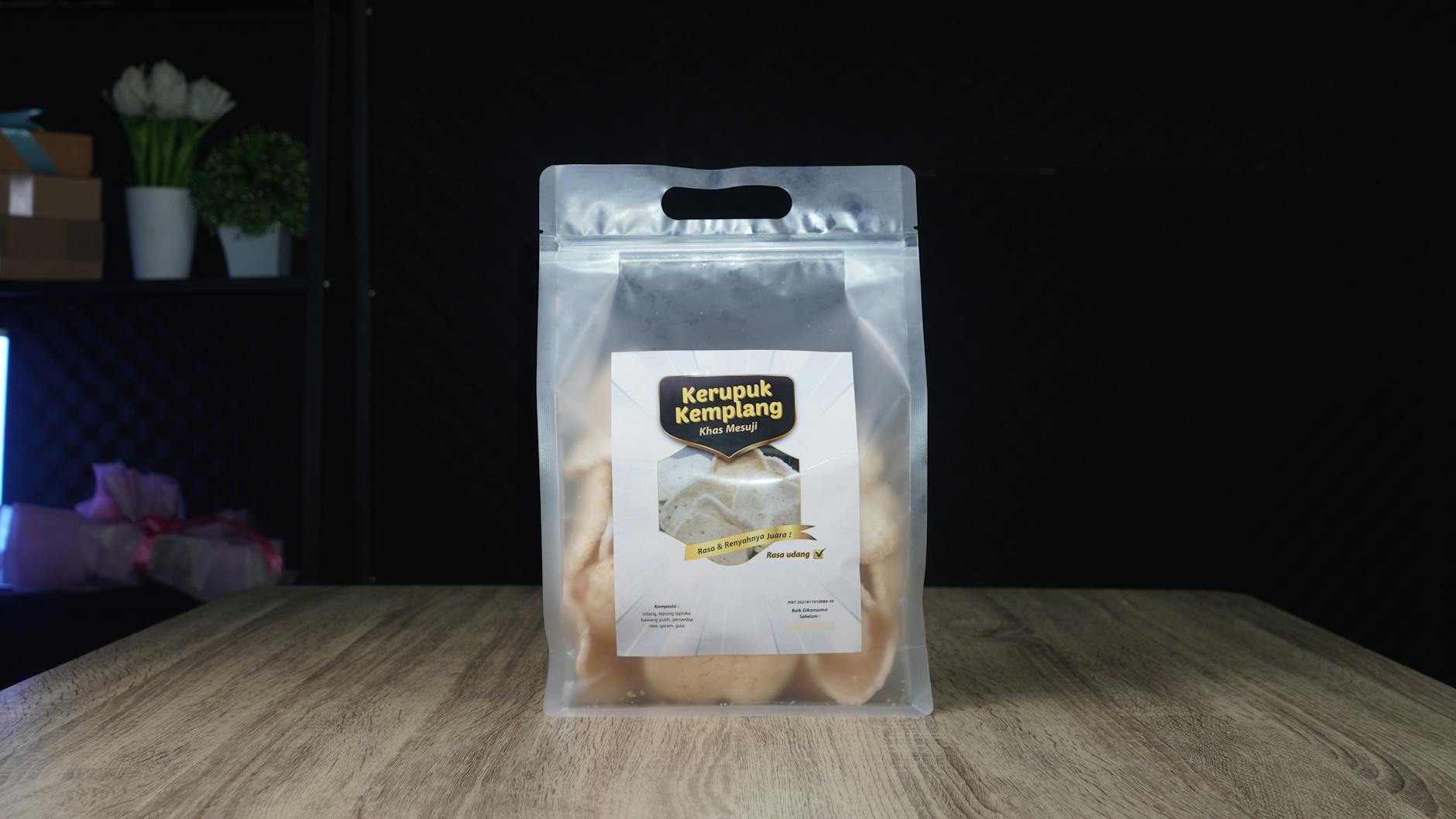
Sodium phosphate is an additive used to improve moisture retention and texture in protein snacks, processed cheese-flavored products, and certain meat-based jerky items. Phosphate additives are distinct from naturally occurring phosphorus found in whole foods and are absorbed by the body at a much higher rate. Elevated phosphate levels have been associated with kidney strain and may affect calcium metabolism with long-term excessive intake. Nutritionists are particularly concerned because multiple snack products consumed in a single day can result in a cumulative phosphate load that far exceeds what the body would encounter through a whole foods diet.
Silicon Dioxide

Silicon dioxide is an anti-caking agent used in powdered snack seasonings, protein powders, and spice blends to prevent clumping and extend shelf life. It is derived from sand or quartz and processed into an ultrafine powder before being incorporated into food products. While regulatory agencies consider it safe at approved levels, concerns have emerged around the nanoparticle form, which some research suggests may penetrate biological membranes more readily than larger particle versions. Nutritionists advise consumers to be aware of it in any powdered or heavily seasoned snack product consumed on a frequent basis.
Partially Inverted Sugar

Partially inverted sugar is a modified form of sucrose that has been chemically altered to increase its sweetness intensity and improve its blending properties in snack manufacturing. It is common in granola clusters, yogurt-coated snacks, and flavored rice puffs, often appearing alongside other sweeteners in the ingredient list. Because it is listed by this technical name rather than simply as sugar, many consumers do not recognize it as a sweetener at all. Nutritionists point out that its presence, combined with other sugars in the same product, frequently pushes the total sugar content well beyond what the packaging implies.
Autolyzed Yeast Extract
Autolyzed yeast extract is a flavor enhancer derived from yeast that is used extensively in savory snacks, protein chips, and flavored crackers to deliver a rich, savory depth without being labeled as monosodium glutamate. It naturally contains free glutamic acid, which functions in the body similarly to MSG and can trigger reactions in individuals sensitive to glutamates. Food manufacturers favor it because it allows them to achieve an intense savory flavor profile while technically avoiding a MSG declaration on the label. Nutritionists consider this a form of label misdirection that leaves sensitive consumers vulnerable to reactions they may not be able to trace to a recognizable ingredient.
Caramel Color

Caramel color is a widely used food coloring derived from heating carbohydrate sources and is found in protein bars, flavored popcorn, granola, and a range of other snacks to enhance visual appeal. The manufacturing process can produce compounds called 4-methylimidazole, or 4-MEI, which some health authorities have flagged as a potential carcinogen at high exposure levels. Its presence in a snack contributes nothing nutritionally and exists purely for aesthetic purposes. Nutritionists recommend treating any snack with artificial or manufactured colorings as a signal that the product has undergone substantial industrial processing regardless of the health claims on its front panel.
Propylene Glycol

Propylene glycol is a synthetic compound used in soft-baked snacks, flavored protein bars, and certain nut-based confections to retain moisture and maintain a pliable texture over an extended shelf life. It is classified as generally recognized as safe by regulatory bodies but is also used in antifreeze formulations and pharmaceutical products, a fact that nutritionists believe consumers would find relevant. The body metabolizes it primarily in the liver, and while occasional exposure at low levels is not considered harmful, regular consumption through multiple processed snack sources may accumulate meaningfully. Its presence is a reliable indicator of a product engineered for longevity on the shelf rather than freshness or nutritional integrity.
Have you ever spotted one of these ingredients on a label and been surprised to find it in a so-called healthy snack? Share your thoughts in the comments.