Home renovation projects carry enormous financial risk when approached without the right knowledge or preparation. Homeowners across the country have found themselves in serious financial trouble after making preventable errors during what should have been straightforward upgrades. Some mistakes drain savings accounts quietly over months while others create immediate catastrophic costs that spiral completely out of control. Understanding the most damaging pitfalls before picking up a hammer or signing a contractor agreement can mean the difference between a successful renovation and a financial disaster. These are the renovation mistakes most likely to leave homeowners in serious debt and regret.
Permits
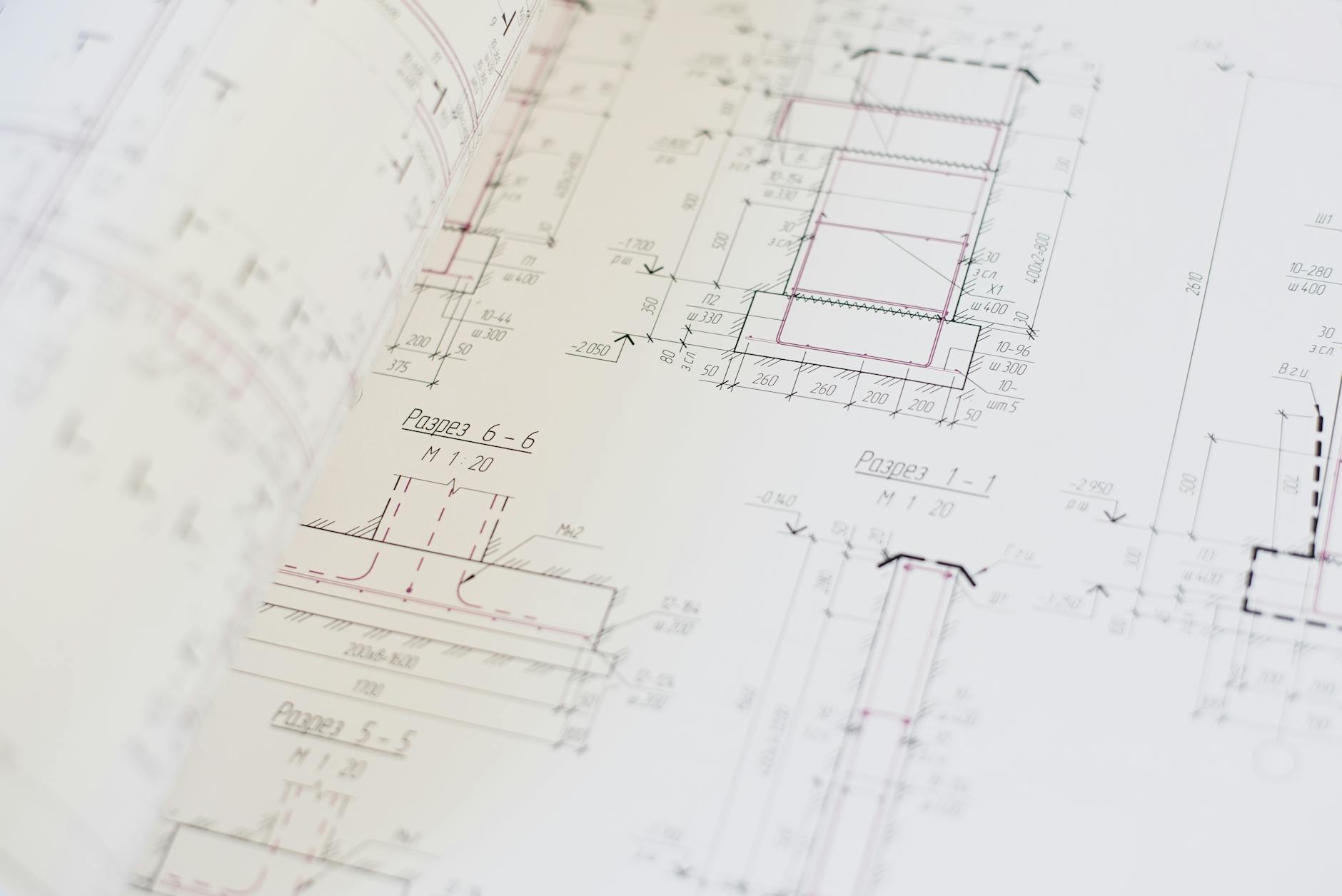
Skipping the permit process is one of the costliest decisions a homeowner can make during any renovation project. Many people avoid permits to save time or money upfront only to face enormous fines and mandatory demolition of completed work later. Unpermitted work can invalidate homeowner’s insurance policies and create serious complications when selling the property. Buyers and their inspectors routinely discover unpermitted additions and improvements during the sale process. What started as a shortcut can ultimately cost tens of thousands of dollars to correct.
Asbestos
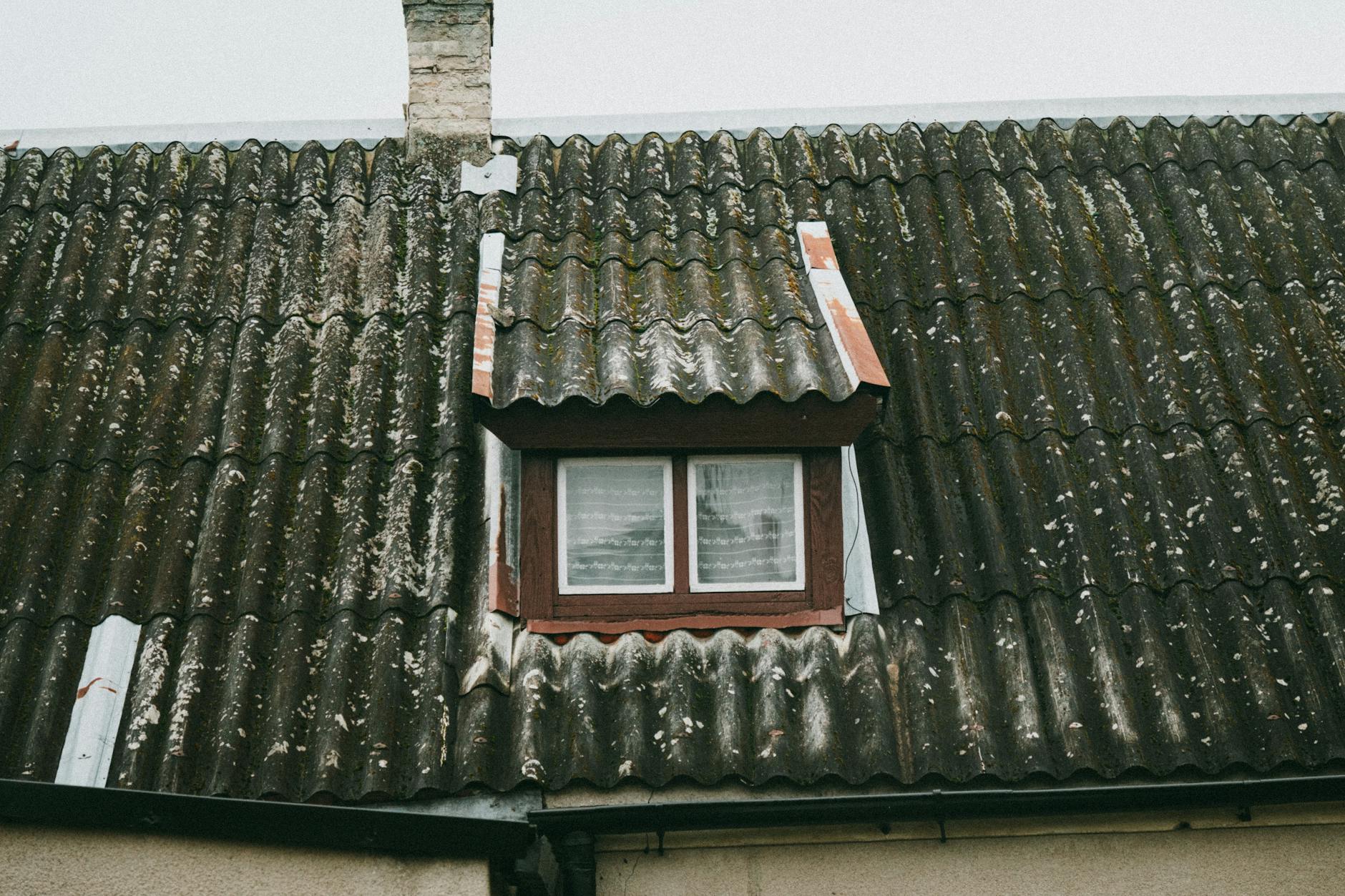
Older homes built before the 1980s frequently contain asbestos in insulation flooring and ceiling tiles that most homeowners never anticipate encountering. Disturbing asbestos materials without proper professional assessment triggers serious health and legal consequences for everyone involved. Professional abatement services are legally required in most jurisdictions and the costs can run into the tens of thousands of dollars. Many renovation budgets collapse entirely when asbestos is discovered mid-project and work must halt immediately. Skipping a professional inspection before beginning work in an older home is a gamble with devastating financial consequences.
Load-Bearing Walls
Removing a wall without first confirming whether it bears structural load is one of the most dangerous and expensive renovation errors imaginable. A load-bearing wall supports the weight of the floors and roof above it and removing one without proper support causes catastrophic structural failure. Structural engineers must be consulted before any wall removal project begins regardless of how confident a homeowner feels about the decision. Emergency repairs to a compromised structure can cost hundreds of thousands of dollars and render a home completely uninhabitable. This single mistake has financially ruined more renovation projects than almost any other error on this list.
Mold

Mold hidden behind walls beneath flooring or inside ceilings is a silent budget killer that turns routine renovations into full remediation nightmares. Once mold is disturbed during renovation it can spread rapidly through the air and contaminate previously unaffected areas of the home. Professional mold remediation is expensive and time-consuming often requiring the removal of drywall insulation and structural materials. Many homeowners discover mold only after opening up walls mid-project leaving them no choice but to address it immediately at great expense. Skipping a moisture inspection before beginning any renovation in a bathroom kitchen or basement is an enormous financial risk.
DIY Electrical

Attempting electrical work without a licensed electrician creates an immediate risk of fire faulty wiring and catastrophic financial loss. Improperly installed wiring is one of the leading causes of residential fires and insurance companies routinely deny claims when unlicensed work is found to be the cause. Rewiring or repairing DIY electrical mistakes after the fact often costs far more than hiring a professional from the very beginning. Many homeowners dramatically underestimate the complexity of electrical systems and the strict code requirements governing every aspect of installation. A single wiring error in a wall can sit undetected for years before causing a devastating and uninsured house fire.
Contractors

Hiring an unlicensed or uninsured contractor to save money on labor is a shortcut that reliably ends in financial catastrophe. When something goes wrong on a project managed by an unqualified contractor the homeowner bears full legal and financial responsibility for all damage and injuries. Shoddy workmanship from underqualified contractors frequently requires complete removal and reinstallation at double or triple the original projected cost. Many fraudulent contractors collect large upfront deposits and disappear entirely before completing any meaningful work on the project. Recovering money lost to a dishonest contractor is a slow and expensive legal process that rarely results in full reimbursement.
Plumbing

Attempting plumbing work without professional expertise leads to water damage mold growth and structural deterioration that compounds every single day it goes undetected. A single improperly fitted pipe joint can leak slowly inside a wall for months causing tens of thousands of dollars in hidden damage before any visible sign appears. Plumbing code violations discovered during a home inspection can derail a property sale and require expensive emergency corrections. Many homeowners who attempt DIY plumbing fail to account for water pressure requirements pipe sizing and material compatibility. The cost of repairing water damage caused by amateur plumbing errors almost always dwarfs what professional installation would have originally cost.
Roof
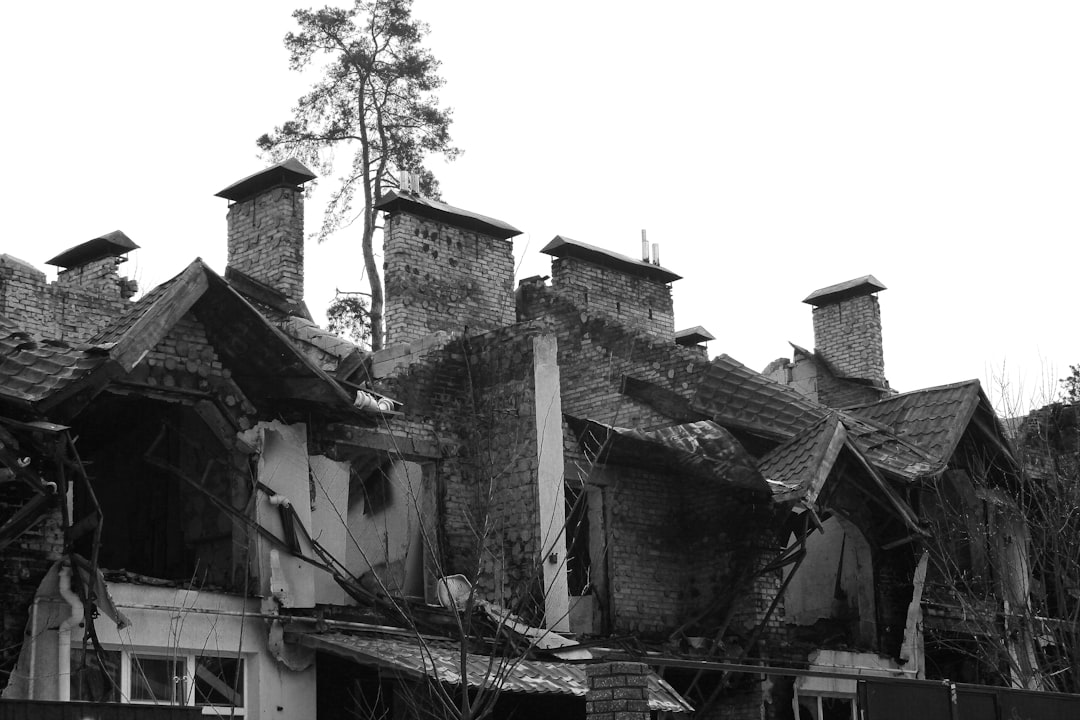
Delaying roof repairs or attempting cheap patchwork solutions instead of addressing underlying issues is a decision that compounds into staggering financial loss. A compromised roof allows water infiltration that damages insulation drywall flooring electrical systems and the structural framing of the entire home. Insurance companies frequently deny interior water damage claims when they determine that roof deterioration was a known and neglected issue. Full roof replacements that could have been avoided with timely maintenance end up costing homeowners tens of thousands of dollars in combined repair expenses. No other single component of a home has the ability to generate such widespread and cascading damage when left unaddressed.
Foundation
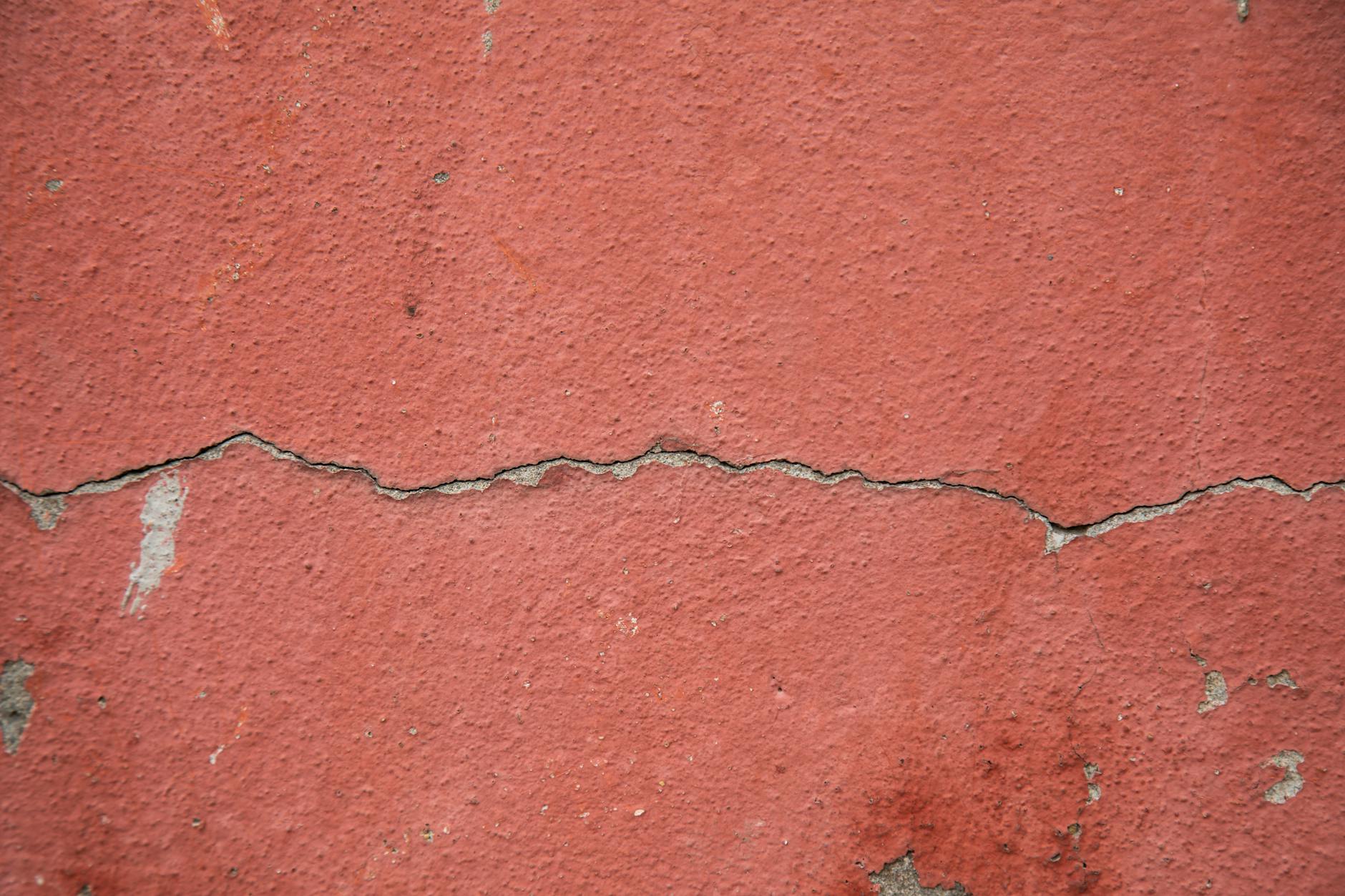
Ignoring foundation cracks settling floors or sticking doors and windows is a mistake that transforms a manageable repair into a financially crushing structural crisis. Foundation problems worsen progressively and what costs a few thousand dollars to stabilize early can require complete underpinning at a cost exceeding six figures. Homes with known foundation issues are dramatically harder to sell and lenders frequently refuse to approve mortgages on properties with unresolved structural concerns. Many homeowners attempt cosmetic fixes like patching cracks and rehanging doors rather than addressing the underlying soil or drainage issue causing the movement. A professional structural engineer assessment is always worth the investment when any sign of foundation movement appears.
Budget Planning

Starting a renovation without a detailed and realistic budget is the foundational mistake that enables almost every other financial disaster on this list. Most homeowners significantly underestimate material costs labor fees permit expenses and the inevitable surprises that emerge once construction begins. Renovation professionals universally recommend building a contingency fund of at least twenty percent above the initial project estimate to cover unexpected costs. Homeowners who exhaust their budgets mid-project are frequently forced to leave work incomplete which creates a host of additional problems and costs. A renovation without a proper financial plan is not a project but a financial risk with no defined ceiling.
HVAC Systems
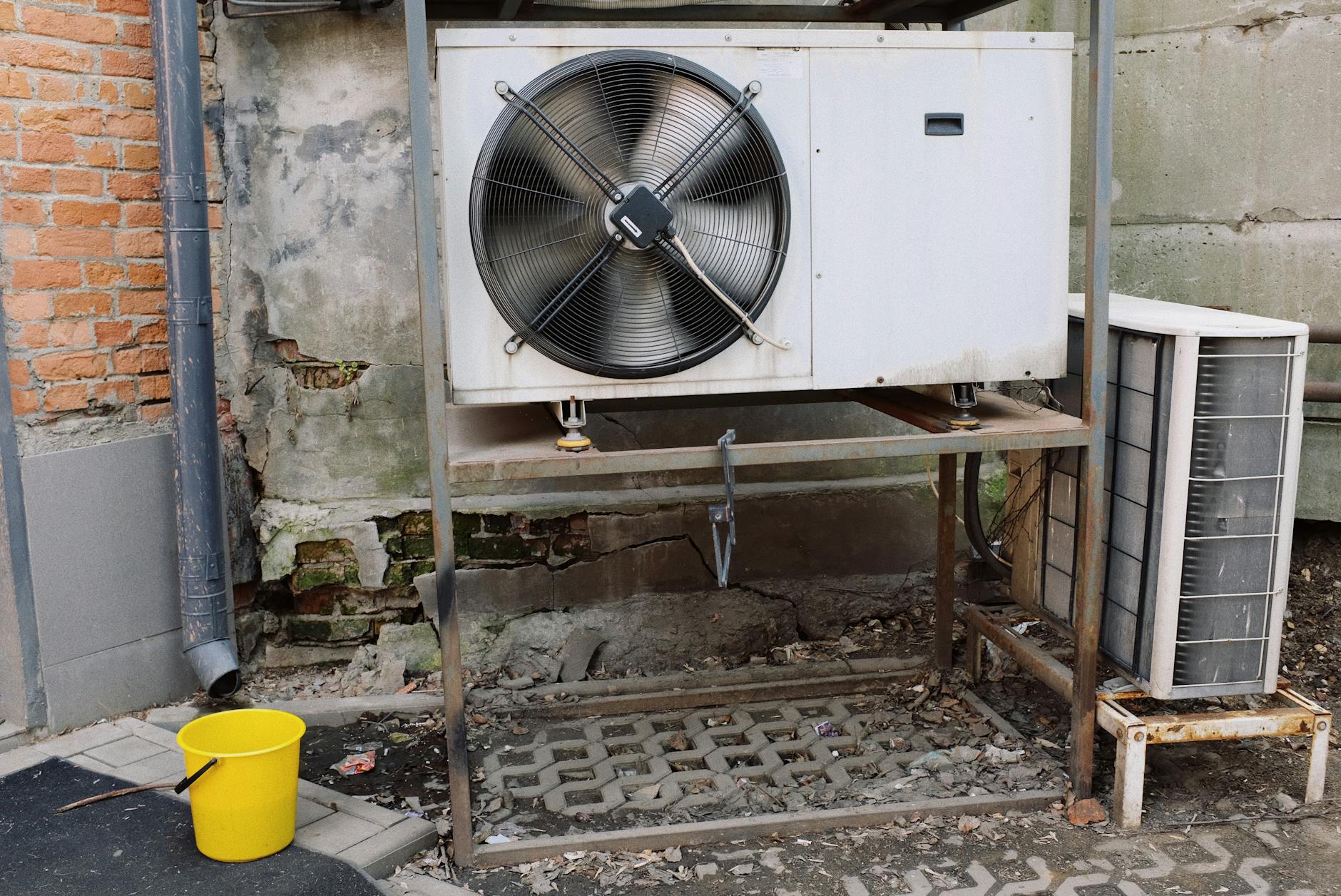
Neglecting heating ventilation and air conditioning systems during a renovation or installing undersized replacement units creates long-term costs that far exceed the original savings. An improperly sized HVAC system works harder than it was designed to resulting in dramatically higher energy bills premature mechanical failure and uneven temperature throughout the home. Many renovation plans alter the square footage or insulation levels of a home without recalculating the HVAC load requirements for the updated space. Replacing an HVAC system that has failed prematurely due to installation error or neglect is an expense that can reach fifteen thousand dollars or more. Consulting an HVAC professional before beginning any renovation that changes the home’s thermal envelope is a non-negotiable step for budget-conscious homeowners.
Windows

Installing low-quality windows or failing to properly seal and flash new window installations leads to energy loss air infiltration and water intrusion that damages surrounding structures. Poorly installed windows void manufacturer warranties almost immediately leaving homeowners responsible for all repair and replacement costs. Energy inefficient windows dramatically increase heating and cooling bills year after year creating a long-term financial burden that compounds over the life of the home. Water damage around window frames caused by improper installation is a slow moving disaster that often goes unnoticed until drywall rot and mold are already established. Saving money on cheap windows or unskilled installation is a false economy that costs homeowners significantly more over time.
Flooring Order

Installing new flooring before completing overhead work like painting ceiling repairs and electrical updates is a sequencing mistake that results in unnecessary damage and costly reinstallation. Paint drips drywall dust and dropped tools destroy finished flooring surfaces that then require replacement before the home is even close to complete. Professional contractors follow a strict top-down sequence during renovation for this exact reason and deviating from it is an amateur error with real financial consequences. Homeowners who manage their own projects without understanding proper trade sequencing routinely waste thousands of dollars on avoidable material damage. Renovation sequence planning should be established in writing before any work begins on the project.
Overpersonalization
Designing renovation choices around highly specific personal tastes rather than broad market appeal destroys return on investment for homeowners who may eventually sell. Bold color schemes unusual layouts and niche design features may delight the current owner but significantly narrow the pool of interested future buyers. Real estate professionals consistently report that highly personalized renovations recoup far less of their cost at resale compared to neutral universally appealing upgrades. Buyers who encounter an overly personalized home typically factor in the cost of reversing the renovation rather than paying a premium for the existing work. Renovation decisions should always balance personal enjoyment with the long-term financial reality of eventual resale.
Trendy Materials

Choosing materials and finishes based on current design trends rather than durability and timelessness is a mistake that dates a renovation within just a few years. Trendy materials often command premium prices during their peak popularity but quickly look outdated and require costly replacement as tastes shift. Buyers evaluating a home with obviously dated renovation materials tend to discount their offer to account for future updates they anticipate needing to make. Classic neutral materials like hardwood stone and white cabinetry have consistently held their appeal and resale value across decades of changing design fashions. Spending more on timeless quality materials is always a better financial decision than spending less on something that will look tired in five years.
Roofline Changes
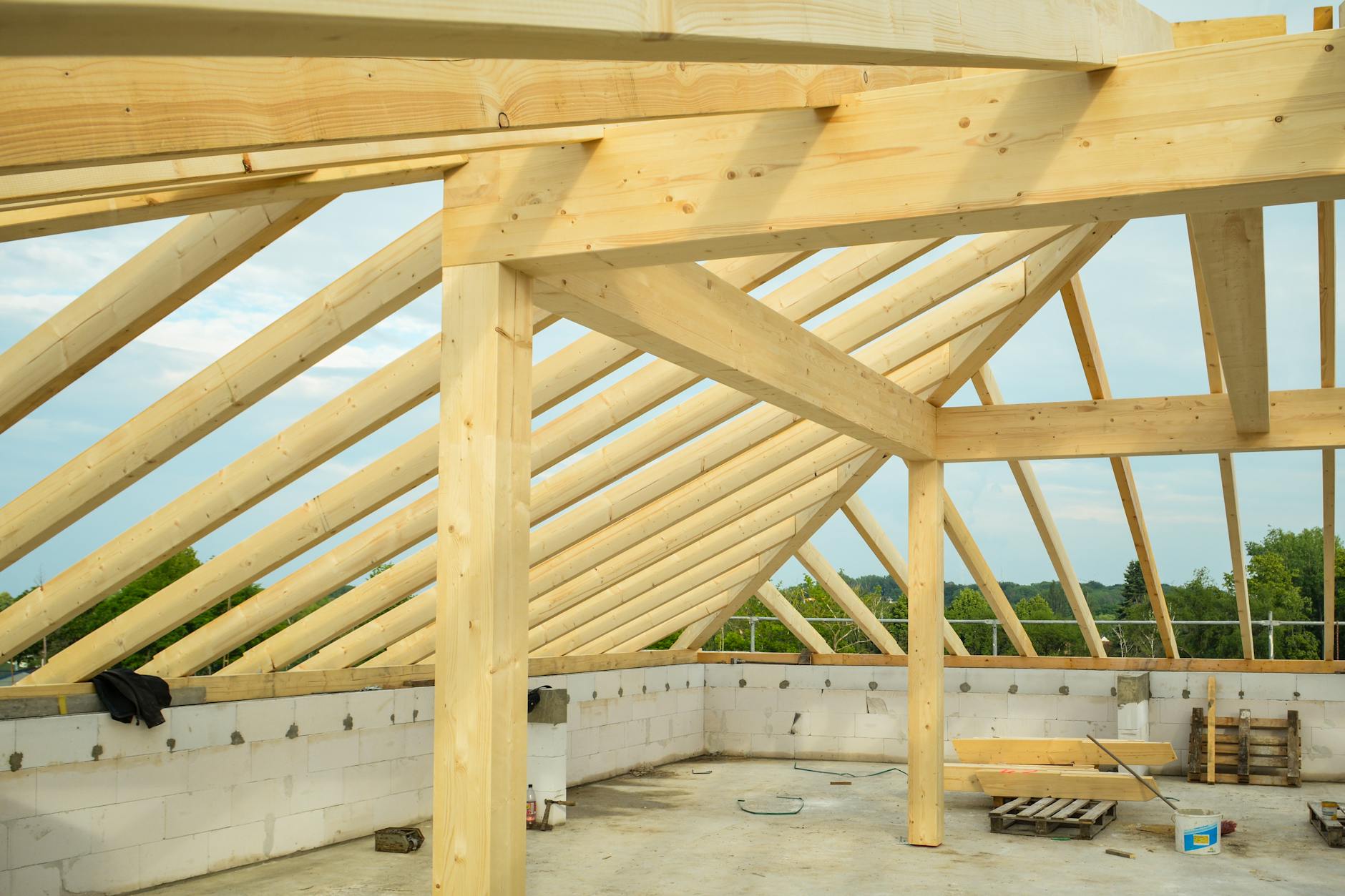
Altering the existing roofline during a renovation or addition is one of the most structurally complex and financially risky decisions a homeowner can undertake. Roofline modifications require extensive engineering assessment custom framing work and weatherproofing that dramatically escalates the cost of what may have seemed like a straightforward project. When roofline work is done improperly the resulting water infiltration and structural instability can compromise the entire home and require complete reconstruction of the affected area. Many homeowners who attempt roofline changes based on contractor estimates find the final cost doubles or triples before the project reaches completion. Treating roofline modifications as a casual upgrade rather than a major structural undertaking is the mindset that leads to financial ruin.
Waterproofing
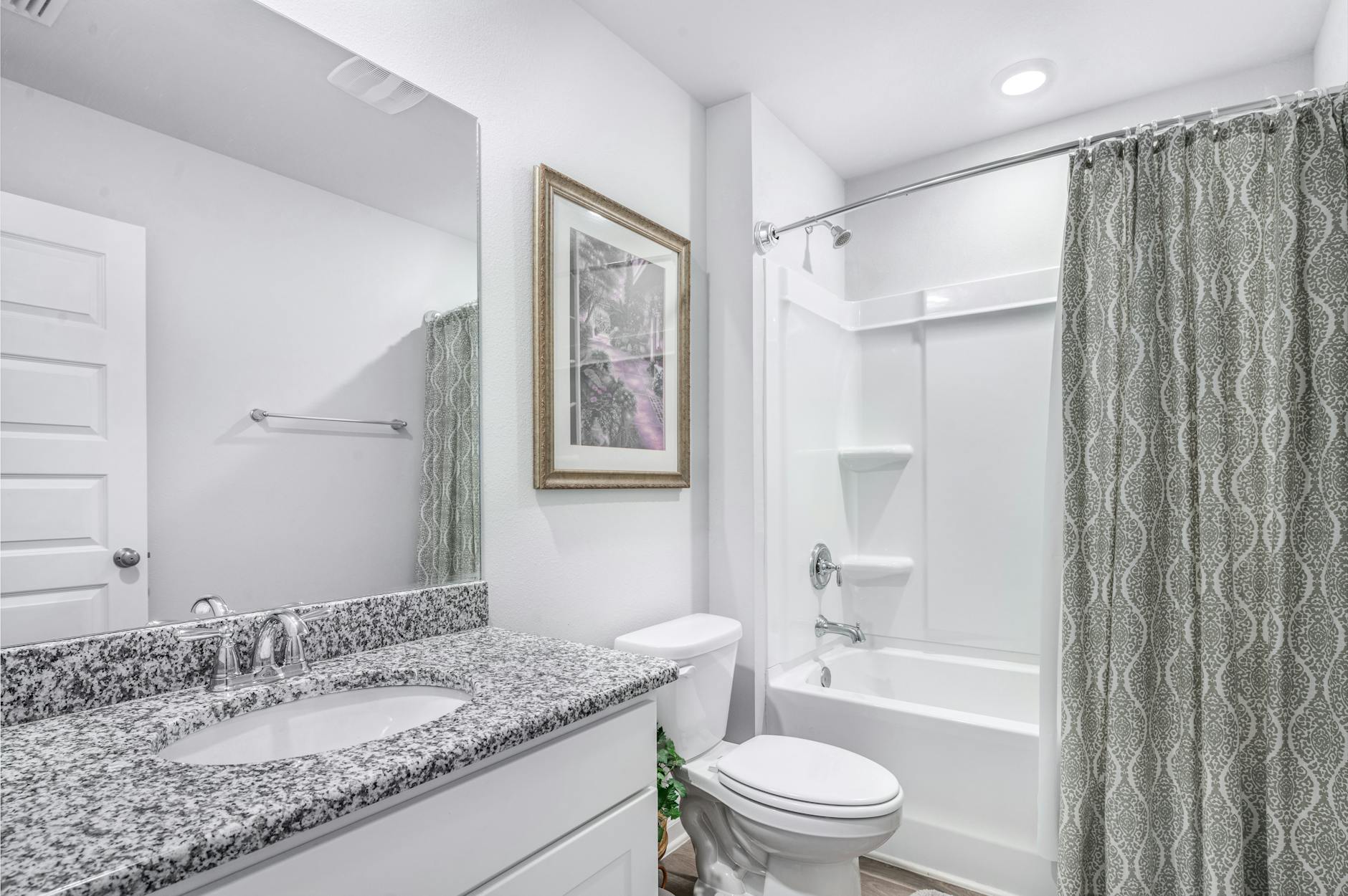
Skipping proper waterproofing in wet areas like bathrooms showers laundry rooms and basements is an invisible mistake with very visible and expensive long-term consequences. Water that penetrates improperly sealed surfaces migrates through walls and subfloors causing rot mold and structural damage that takes months to fully reveal itself. Retiling a shower or bathroom that was not adequately waterproofed often requires complete demolition down to the studs adding thousands of dollars to what should have been a straightforward cosmetic refresh. Building codes in most jurisdictions specify exact waterproofing standards for wet areas and failing to meet them creates both legal and financial liability. Proper waterproofing materials and installation add a modest cost to any project but prevent expenses that can be ten to twenty times greater.
Cheap Fixtures

Installing the lowest cost plumbing fixtures faucets and hardware to reduce upfront spending creates a cycle of replacement and repair costs that quickly exceeds what quality products would have originally cost. Budget fixtures frequently fail within a few years of installation and the labor cost of repeated replacement adds up faster than homeowners anticipate. Leaking or malfunctioning low-quality faucets and valves cause water damage that compounds into mold and structural deterioration if not caught immediately. Buyers evaluating a home with visibly cheap fixtures factor in replacement costs during their offer negotiation reducing the sale price by more than the original savings. Investing in mid-range to quality fixtures from the start is always the more financially sound approach over the lifetime of any renovation.
Landscaping Neglect

Overlooking drainage and landscaping concerns during a home renovation creates water management problems that send moisture directly toward the foundation and lower structure of the home. Renovations that add hardscaping patios or extensions without addressing how water flows away from the property routinely result in basement flooding and foundation erosion. Proper grading directs water away from the home and its absence is one of the most common causes of preventable water damage after exterior renovation work. Landscaping corrections after the fact are significantly more expensive than incorporating proper drainage planning into the original renovation design. Water that has nowhere to go during heavy rainfall will always find a way into a home and the resulting damage is never cheap to fix.
Skipping Inspections
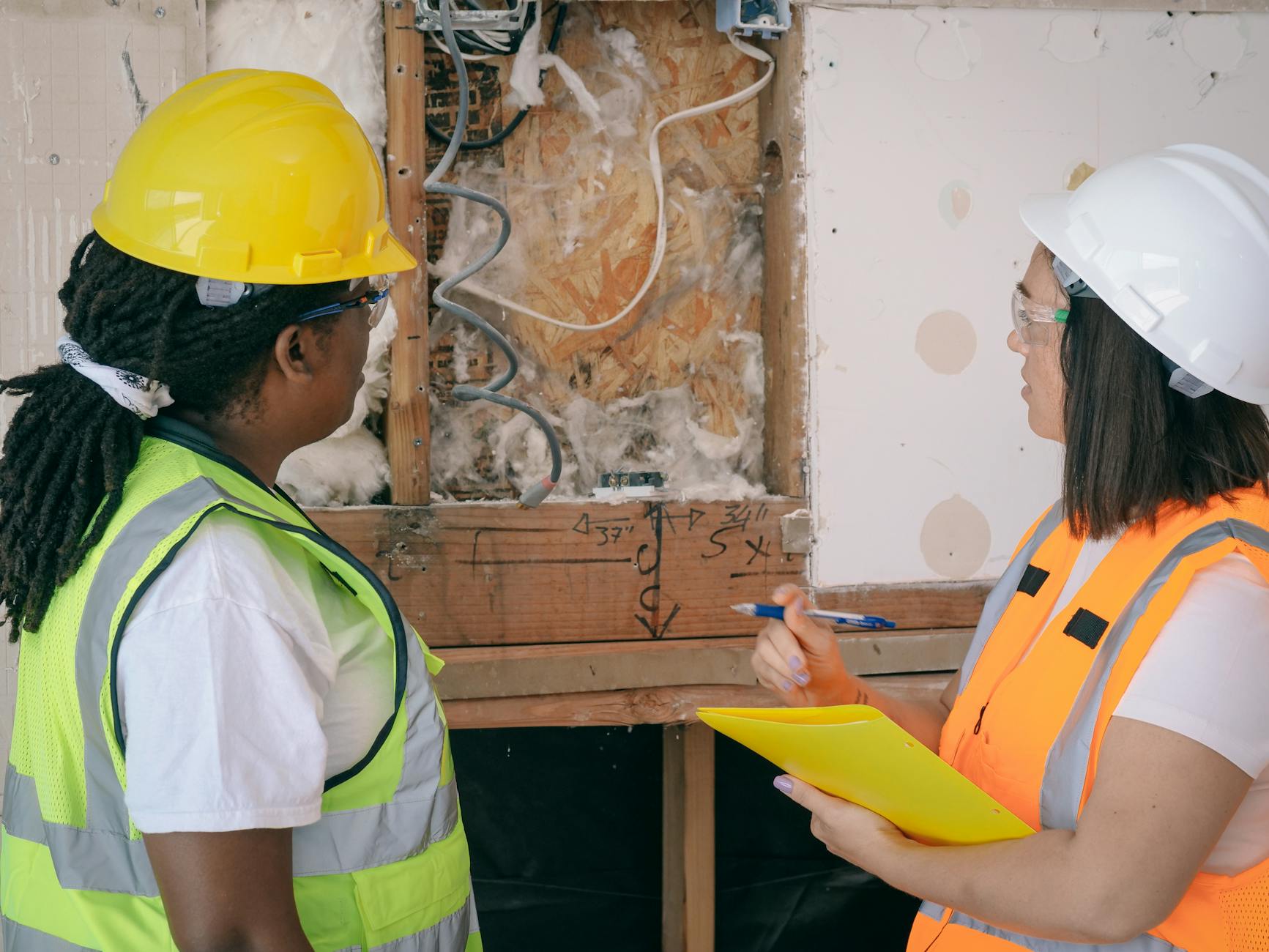
Bypassing professional inspections at key stages of a renovation project is a false economy that allows costly mistakes to become buried inside finished walls and floors. Inspectors catch framing errors electrical faults plumbing failures and structural deficiencies before they become invisible and exponentially more expensive to address. Many homeowners skip inspections to avoid delays only to discover during a future sale that uncertified work must be demolished and redone at full cost. Building departments issue certificates of occupancy and completion specifically to ensure that renovation work meets the safety standards that protect both the homeowner and future buyers. Every inspection fee paid during a renovation is an investment that protects against costs that could be a hundred times greater.
Structural Shortcuts
Cutting corners on structural framing and support work during a renovation creates hidden deficiencies that can cause partial or complete structural failure years after the project is finished. Undersized beams improperly spaced joists and missing structural hardware all represent code violations that compromise the safety and integrity of the renovated space. Insurance companies and mortgage lenders treat structural deficiencies discovered during assessments as serious red flags that can make a property uninsurable or unmortgageable. Structural repairs that require opening up finished spaces are dramatically more expensive than doing the work correctly during the original construction phase. No cosmetic upgrade is worth sacrificing the structural integrity that keeps the entire home stable and safe.
HVAC Relocation
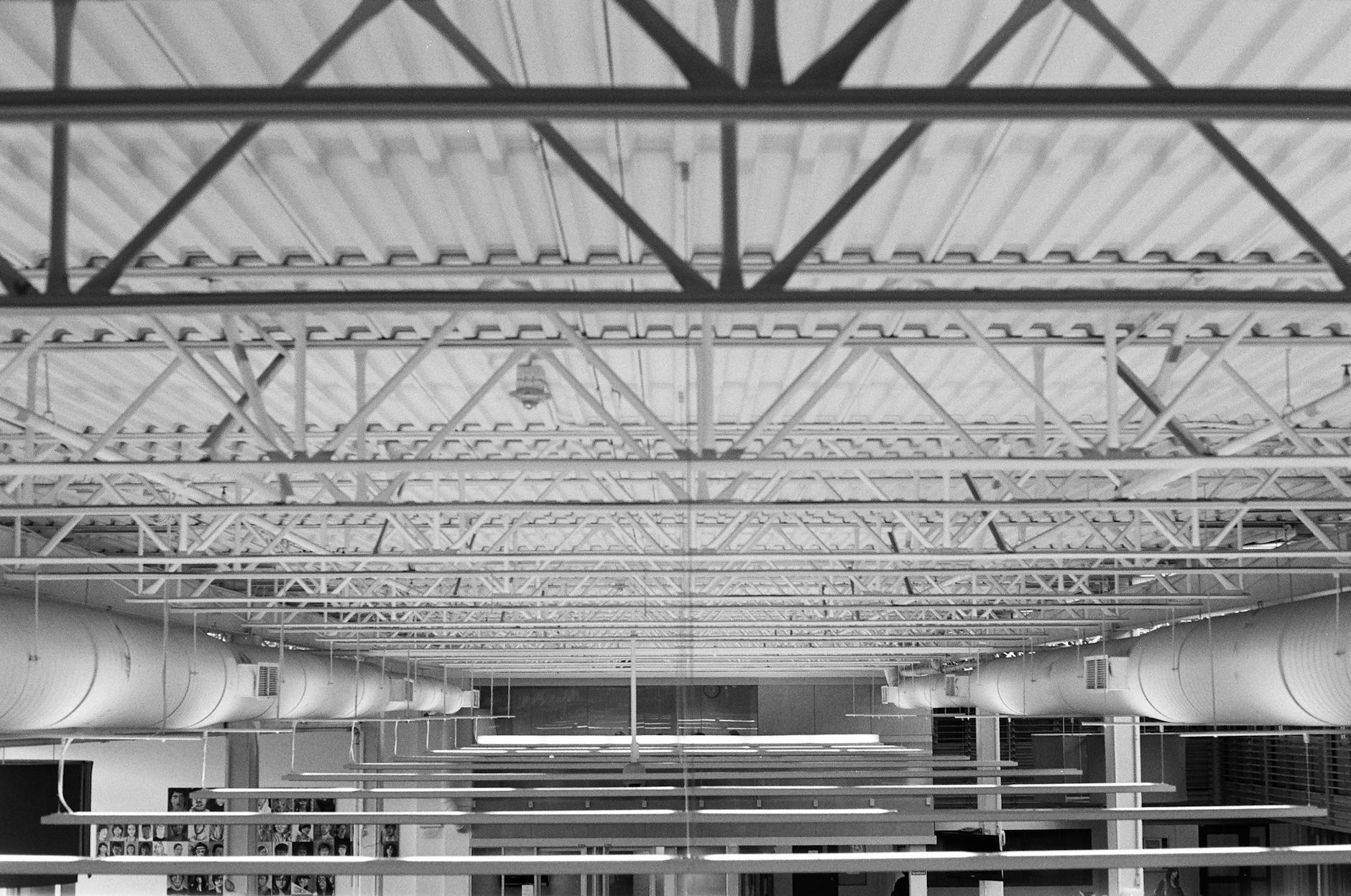
Moving HVAC ductwork vents or equipment as part of a renovation without professional engineering assessment results in airflow imbalances energy inefficiency and premature system failure. Improperly rerouted ductwork creates pressure problems that force the entire system to work beyond its designed capacity accelerating wear on the compressor and air handler. Many homeowners discover after a renovation that certain rooms receive inadequate heating or cooling because duct modifications were made without proper load calculations. Correcting an improperly modified HVAC distribution system often requires opening up ceilings and walls at significant expense after all finished surfaces have already been installed. Treating HVAC modifications as an afterthought rather than a core engineering consideration is a costly mindset that renovation professionals see far too often.
Septic Systems
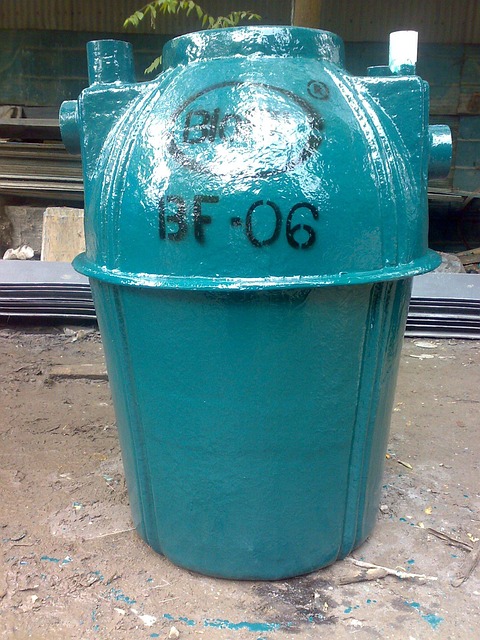
Undertaking renovation work that increases water usage or adds bathroom facilities without first assessing septic system capacity is a financially devastating oversight. Residential septic systems are engineered for specific household sizes and adding capacity without upgrading the system causes premature failure and environmental contamination. Septic system replacement is one of the most expensive single repairs a homeowner can face with costs routinely exceeding twenty thousand dollars depending on property conditions. Many municipalities require septic assessment and approval before any renovation that alters household occupancy or plumbing configuration is permitted to proceed. Discovering during a renovation that the existing septic system is already at or near capacity can halt a project entirely and trigger mandatory infrastructure upgrades.
Over-Improvement
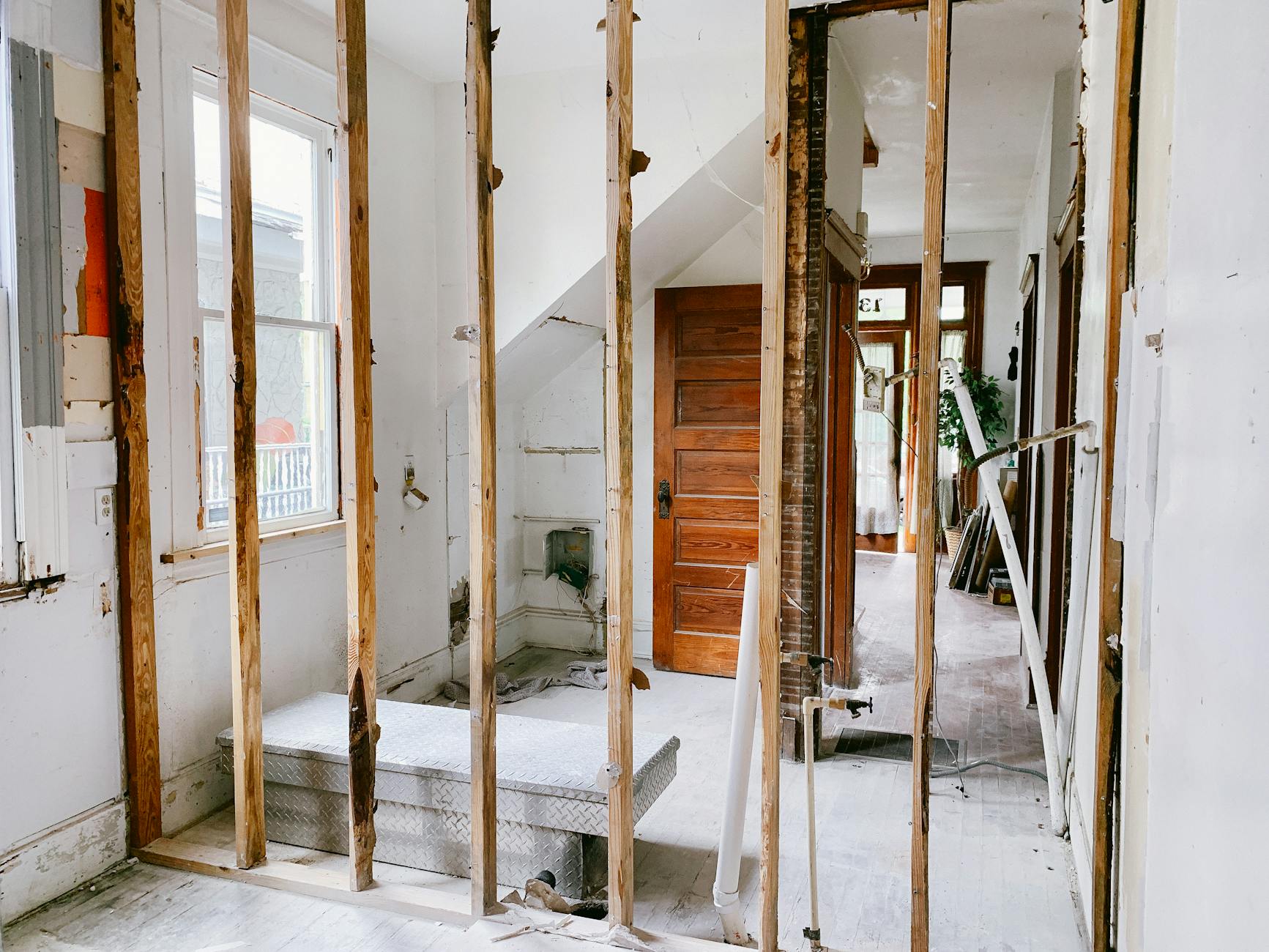
Renovating a home far beyond the value ceiling of the surrounding neighborhood makes it virtually impossible to recoup renovation costs at resale regardless of the quality of the work. Real estate markets set property values based on comparable sales in the immediate area and a heavily renovated home cannot exceed what the neighborhood supports. Homeowners who install luxury kitchens and high-end finishes in mid-range neighborhoods routinely find that appraisers and buyers refuse to pay a premium that the neighborhood simply does not support. Financial advisors and real estate professionals consistently identify over-improvement as one of the most common ways homeowners destroy renovation return on investment. Renovation spending should always be calibrated against realistic neighborhood comparable values before committing to any major project.
Change Orders

Approving contractor change orders casually without scrutinizing costs or necessity is one of the fastest ways a renovation budget spirals completely out of control. Change orders are modifications to the original scope of work that carry additional costs and many contractors rely on them as a primary profit-making strategy. Homeowners who do not have a detailed original contract have no baseline against which to evaluate whether change order pricing is reasonable or inflated. Even modest renovations can accumulate tens of thousands of dollars in change order costs when homeowners approve them without adequate oversight and documentation. Every change order should be evaluated in writing with a clear understanding of why the change is necessary and whether the proposed cost is justified.
Share your renovation war stories and hard-learned lessons in the comments.