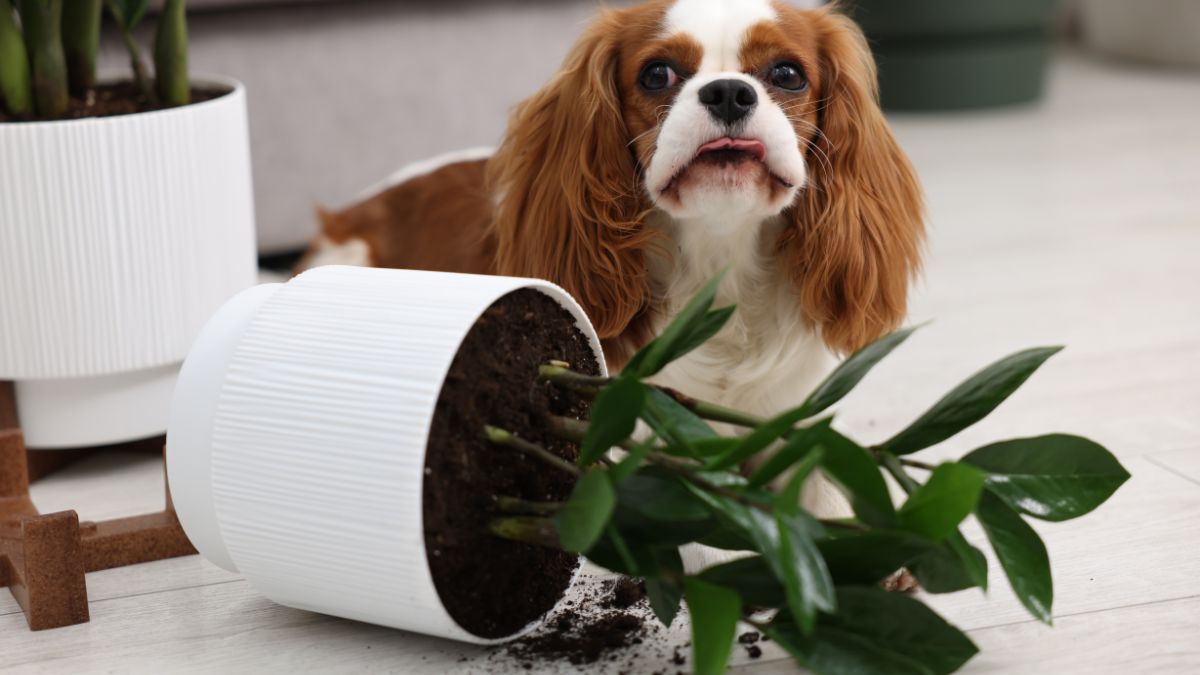
Bringing greenery indoors does more than brighten a living space — it actively contributes to a healthier home environment. For pet owners, the challenge has always been finding plants that filter the air without posing a risk to curious cats and dogs. The following 25 plants strike that ideal balance, combining natural air-purifying properties with a non-toxic profile that keeps four-legged companions safe. Each of these varieties has been recognized for its ability to absorb common household pollutants including formaldehyde, benzene, and xylene. Whether you have a sun-drenched apartment or a low-light corner in need of life, there is a plant on this list that will thrive in your space.
Spider Plant
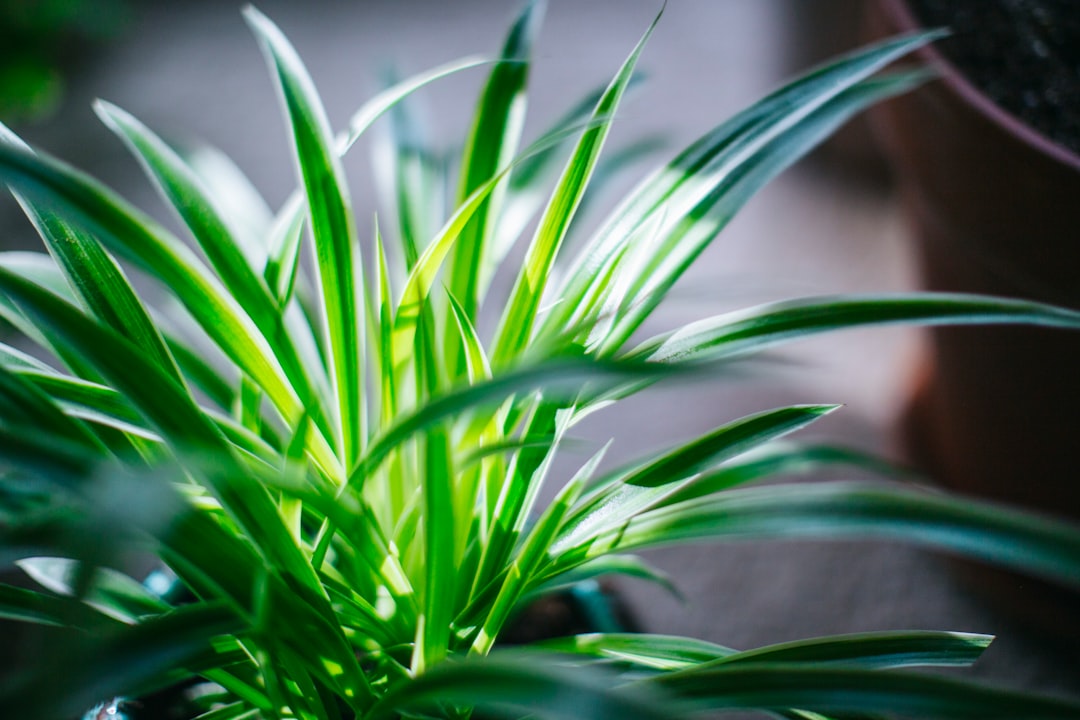
The spider plant is one of the most effective air purifiers available for indoor environments and thrives in a wide range of lighting conditions. It absorbs carbon monoxide, formaldehyde, and xylene from surrounding air with impressive efficiency. New shoots called spiderettes grow outward on long stems, making it a visually dynamic addition to shelves or hanging baskets. It is completely non-toxic to both cats and dogs, even if nibbled out of curiosity. Its hardiness and low-maintenance nature make it an ideal first plant for new plant parents.
Boston Fern
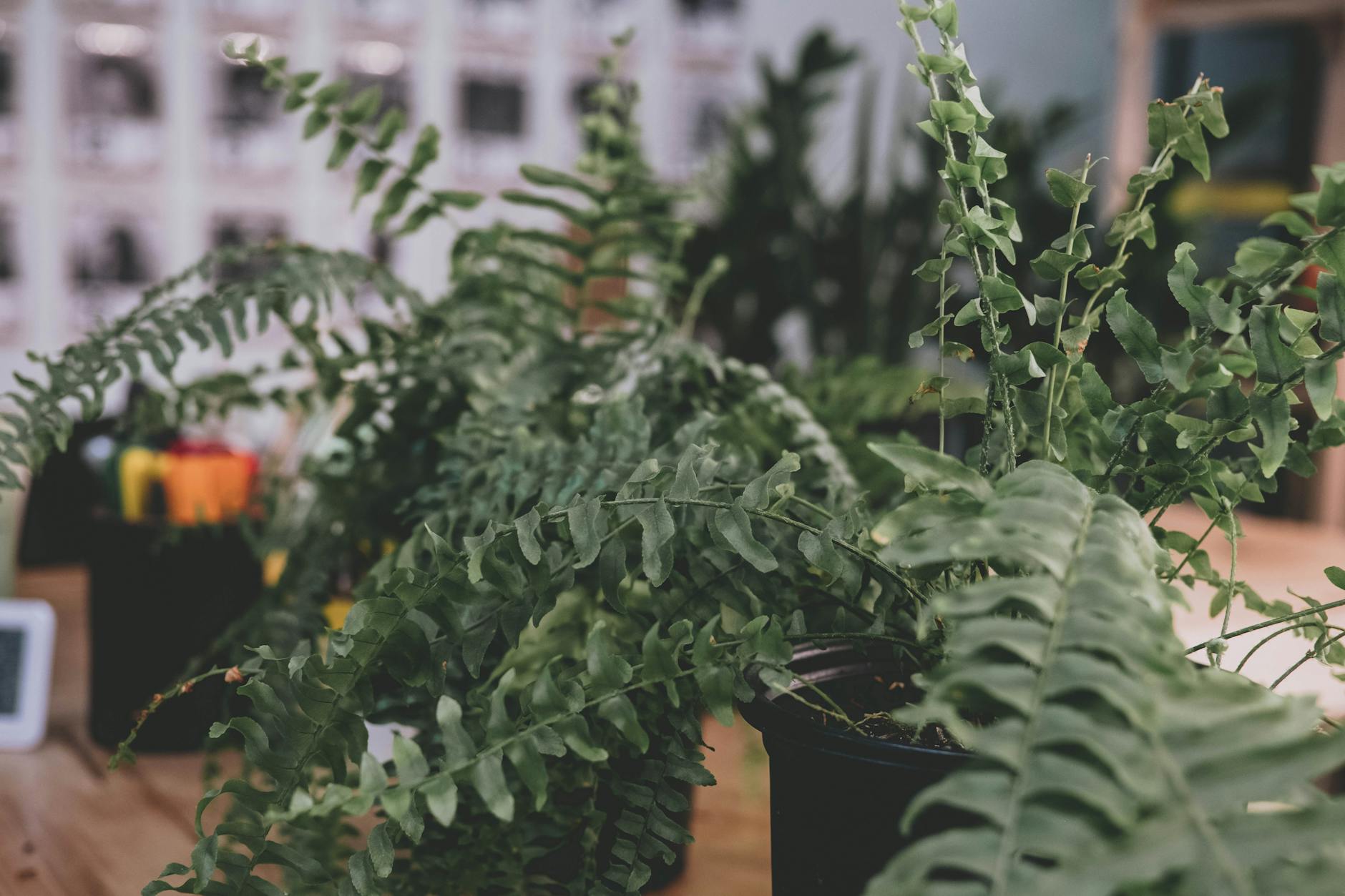
The Boston fern has long been regarded as one of the top air-humidifying plants for indoor spaces, making it especially valuable in dry climates or during winter months. It works by releasing moisture into the air while simultaneously filtering out formaldehyde and other common pollutants. Its lush, arching fronds create a full and dramatic display when placed in a hanging basket or on a pedestal. The ASPCA lists it as non-toxic to cats and dogs, making it a safe and beautiful choice for pet-friendly homes. It prefers indirect light and consistently moist soil to maintain its vibrant appearance.
Areca Palm
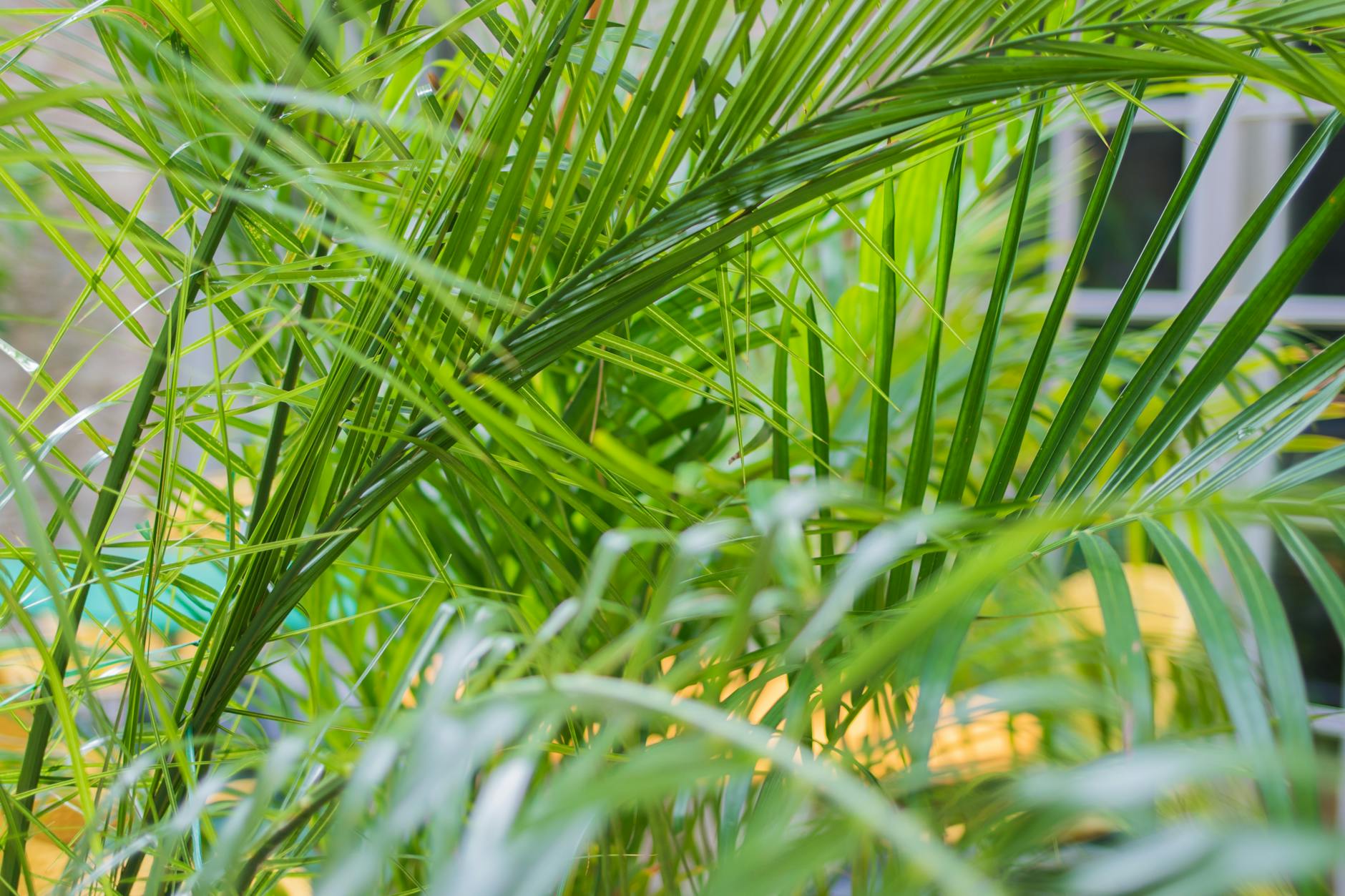
The areca palm is a standout air purifier that releases significant amounts of moisture into indoor environments, effectively acting as a natural humidifier. It filters xylene and toluene from the surrounding air and performs best in bright, indirect sunlight. Its feathery, arching fronds bring a tropical aesthetic to living rooms, bedrooms, and offices alike. Both cats and dogs can safely coexist with this plant without risk of toxicity. It grows at a moderate pace and benefits from regular watering during the warmer months.
Bamboo Palm
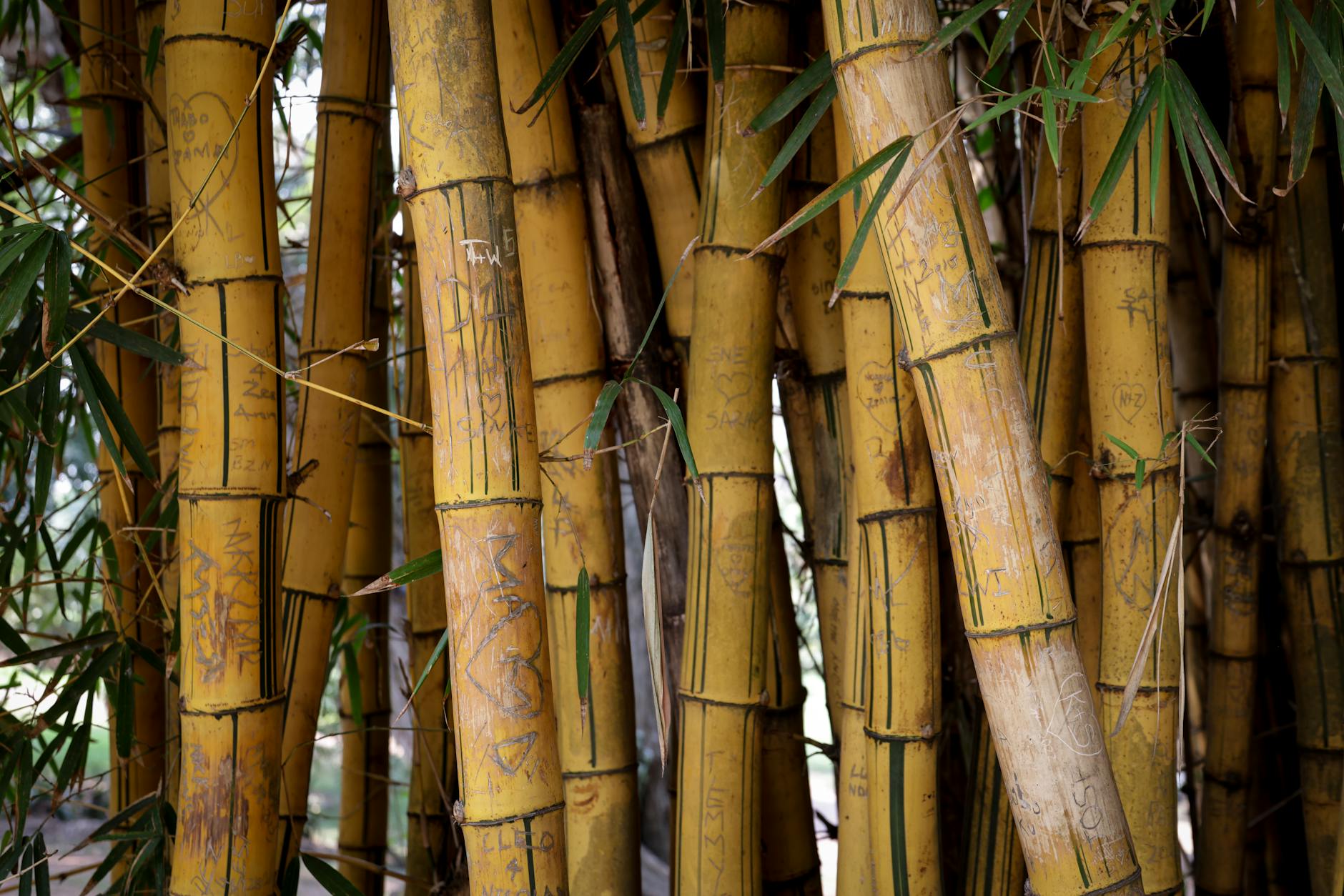
The bamboo palm is particularly effective at removing formaldehyde, benzene, and carbon monoxide from indoor air. It thrives in low to medium light conditions, making it a versatile option for rooms that do not receive much direct sunlight. Its tall, multi-stemmed structure adds height and architectural interest to any interior space. It is listed as non-toxic by the ASPCA and poses no harm to household pets. Regular misting helps this plant maintain its lush appearance in drier indoor environments.
Parlor Palm
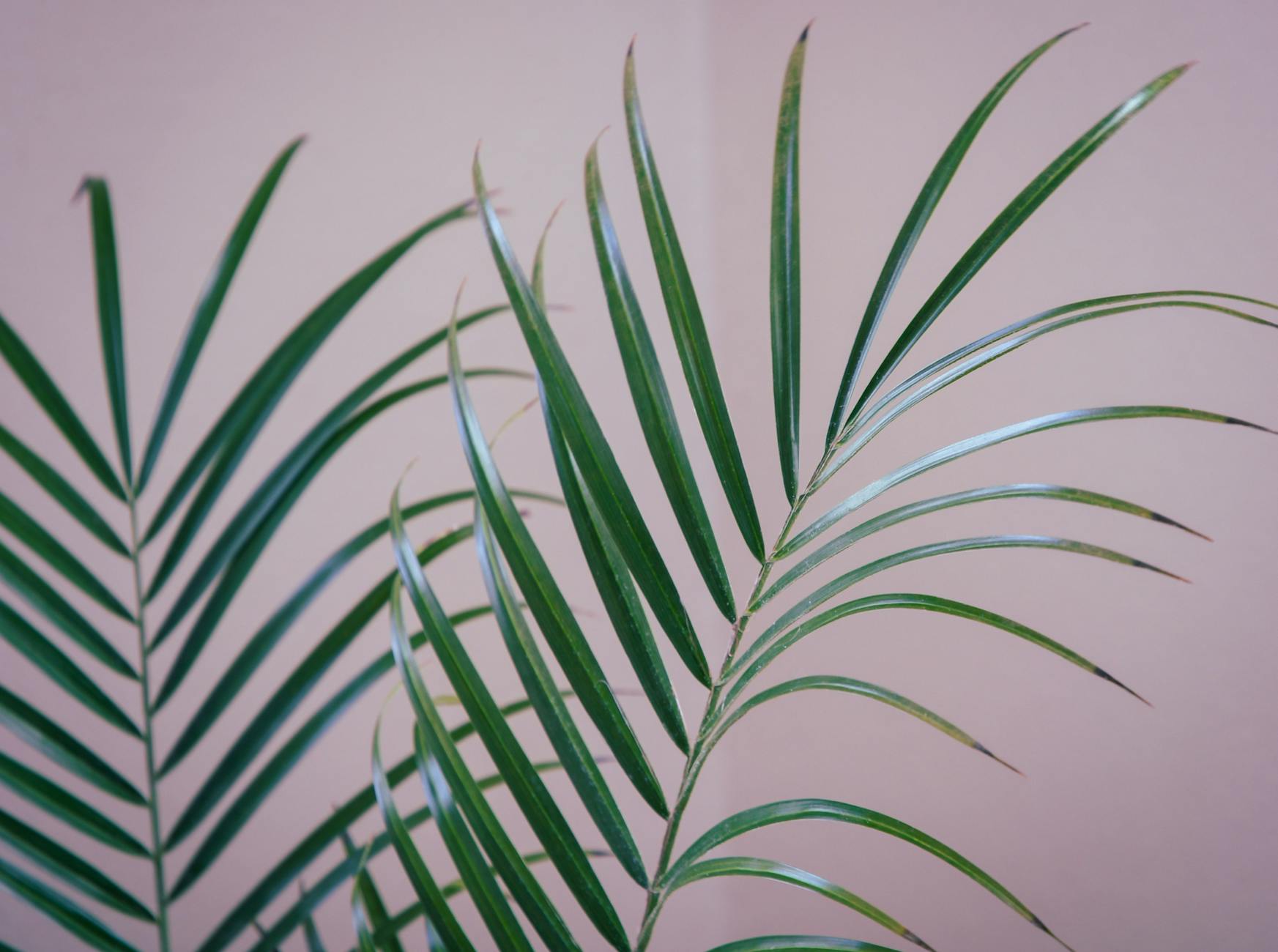
The parlor palm is a classic houseplant that has been valued for centuries for its graceful appearance and adaptability to indoor conditions. It filters benzene and carbon monoxide from the air and performs well even in low-light settings. Its slender green stems and delicate leaflets make it a refined addition to living rooms, hallways, and home offices. It is entirely safe for cats and dogs and produces no toxic compounds when touched or ingested. This palm prefers to dry out slightly between waterings, making it forgiving for those with inconsistent routines.
Calathea
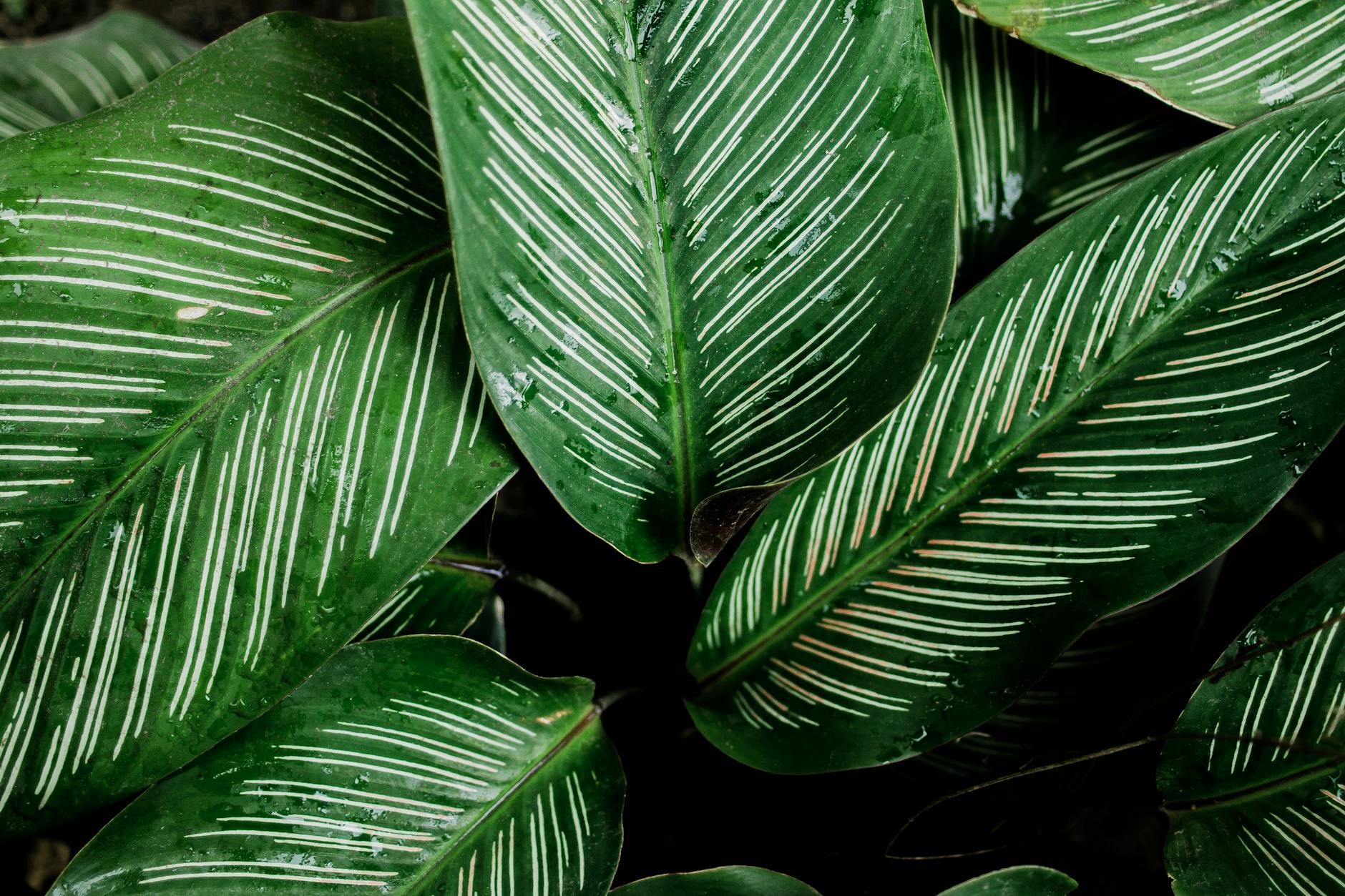
Calathea plants are admired for their striking, patterned foliage and their capacity to absorb airborne toxins from indoor environments. They work to remove pollutants such as formaldehyde from the air while adding vivid visual texture to any space. The leaves of most calathea varieties open during the day and close at night, a behavior that has earned them the nickname “prayer plant” in some regions. They are completely non-toxic to cats and dogs and are therefore widely recommended for pet-friendly households. Calathea thrives in high humidity and indirect light, making bathrooms and kitchens particularly suitable locations.
Phalaenopsis Orchid
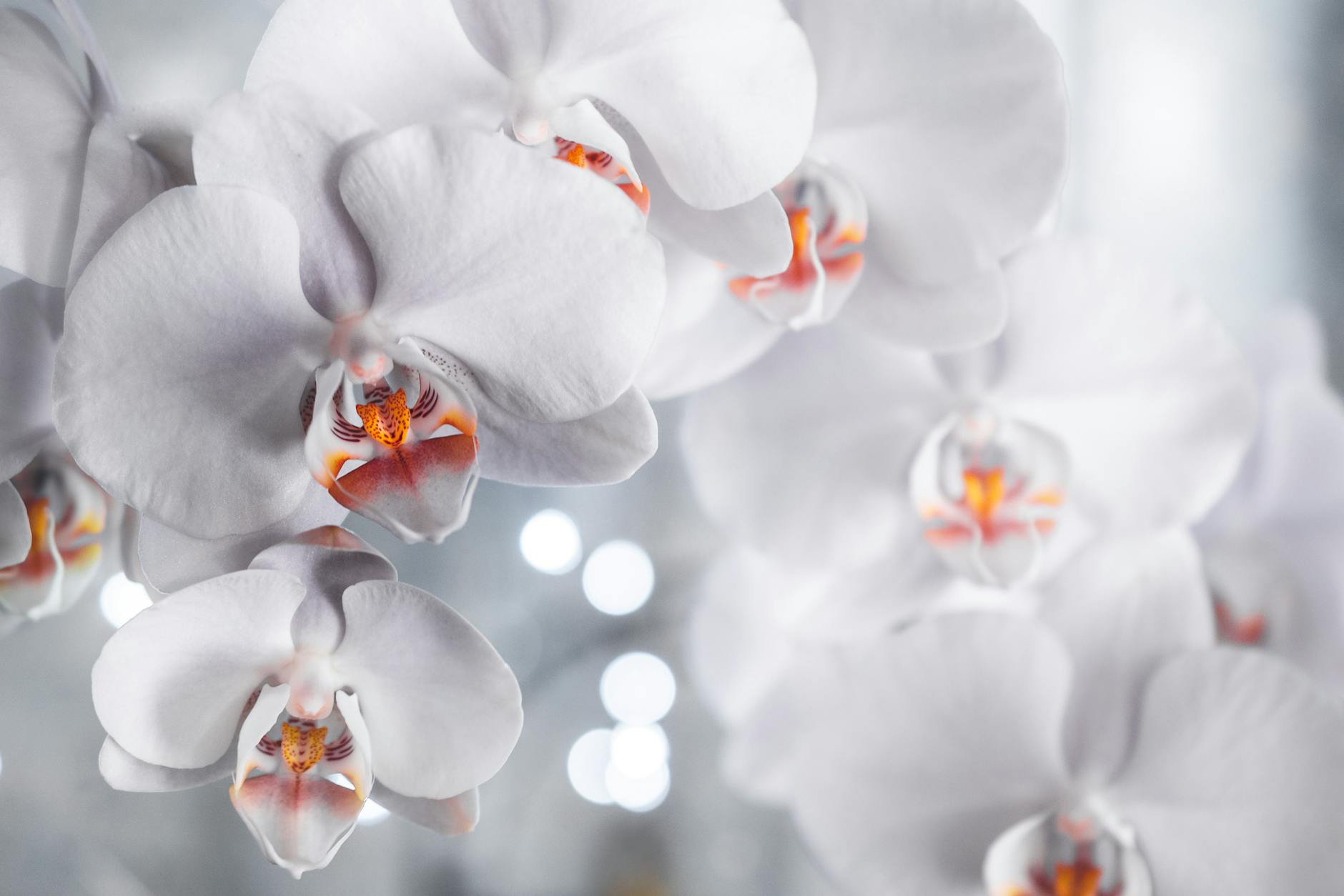
The Phalaenopsis orchid is a refined and elegant plant that has been shown to absorb carbon dioxide and release oxygen during the night cycle. This makes it a particularly beneficial addition to bedrooms, where overnight air quality can have a direct impact on sleep. Its blooms last for weeks at a time and come in a wide array of colors including white, pink, purple, and yellow. The ASPCA confirms that Phalaenopsis orchids are non-toxic to both cats and dogs. They require minimal watering and prefer bright, indirect light for optimal blooming.
Bromeliad
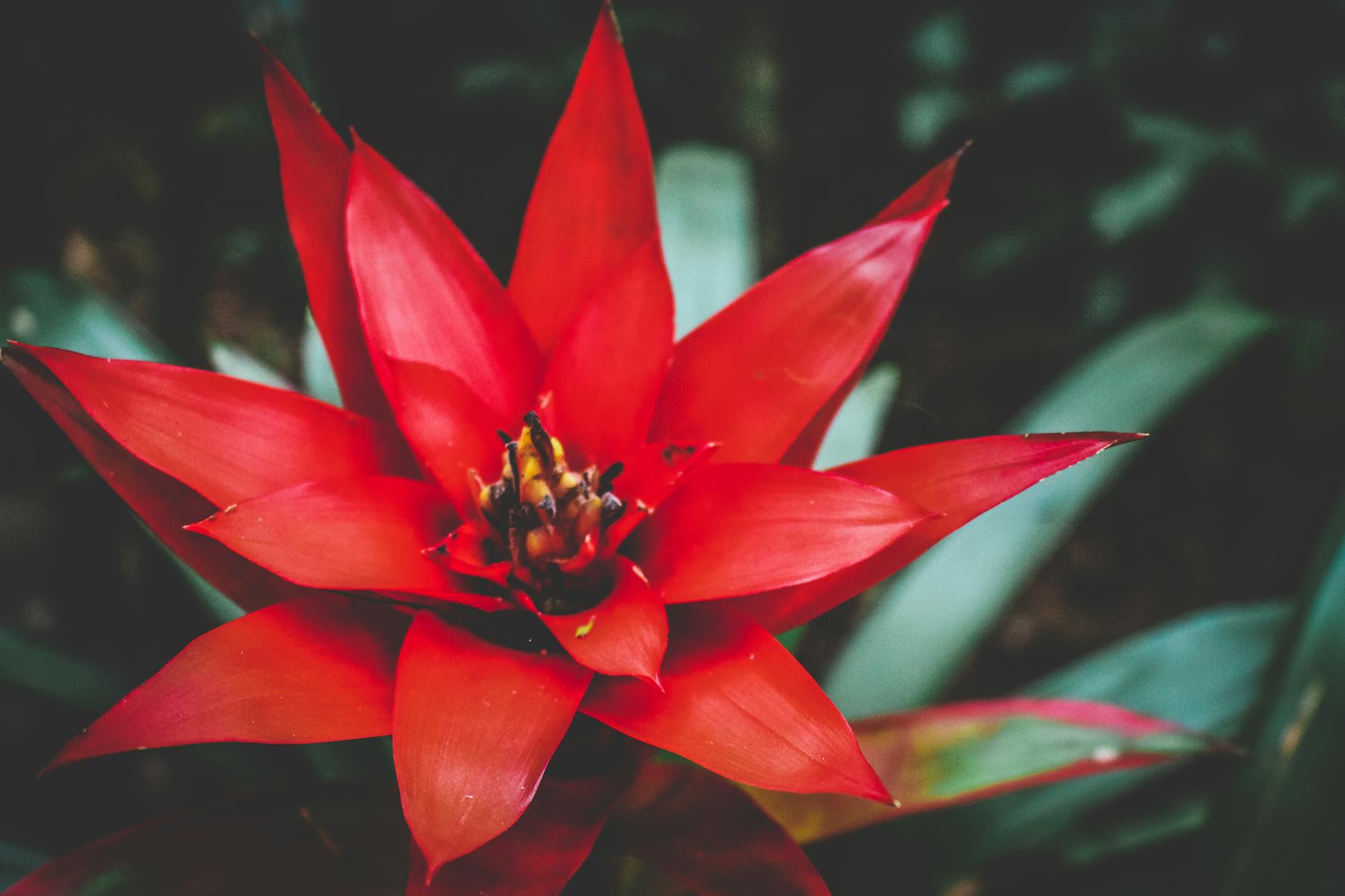
Bromeliads are tropical plants that absorb airborne volatile organic compounds and release oxygen in a pattern that complements the natural human sleep cycle. Many varieties continue producing oxygen into the night, making them an excellent choice for bedroom placement. Their vibrant, long-lasting blooms add bold color to indoor spaces without requiring much ongoing maintenance. Bromeliads are non-toxic to cats and dogs and are commonly recommended by veterinarians for pet-safe plant collections. They prefer bright indirect light and require watering directly into their central cup rather than the soil.
Air Plant
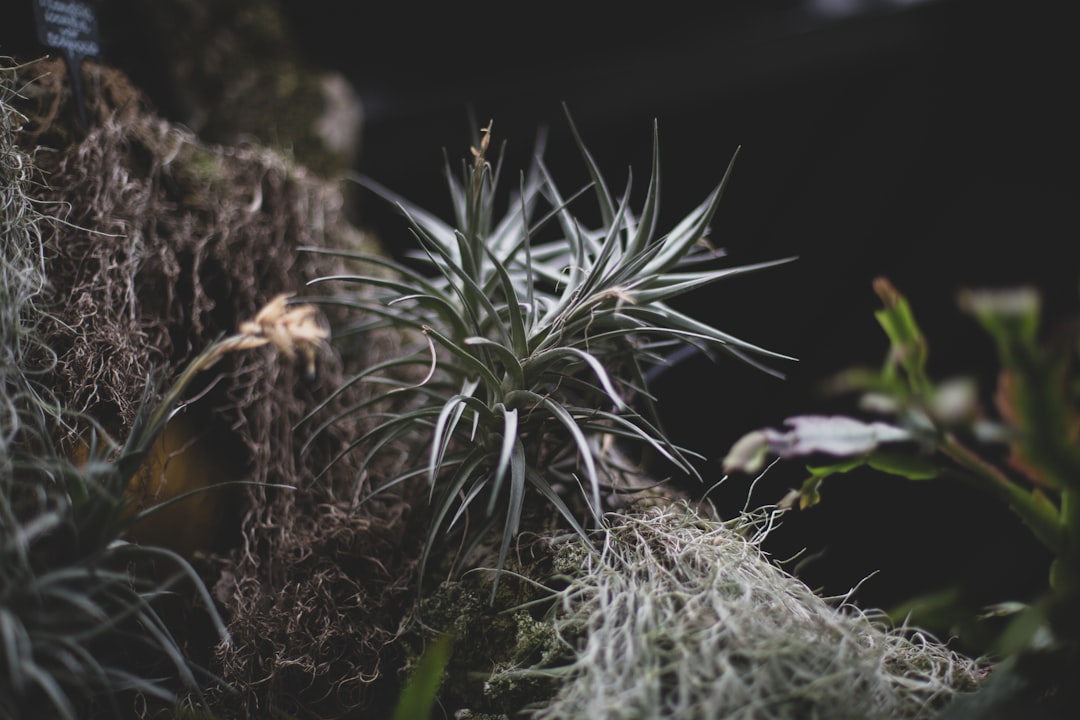
Air plants from the Tillandsia genus are unique in that they require no soil to grow, absorbing nutrients and moisture directly through their leaves. They are effective at filtering dust particles and small airborne pollutants from the surrounding environment. Their sculptural, otherworldly shapes make them popular in terrariums, mounted displays, and decorative bowls. Tillandsia species are non-toxic to both cats and dogs and produce no harmful compounds. They require a regular misting schedule or periodic soaking in water to remain healthy.
Baby Rubber Plant
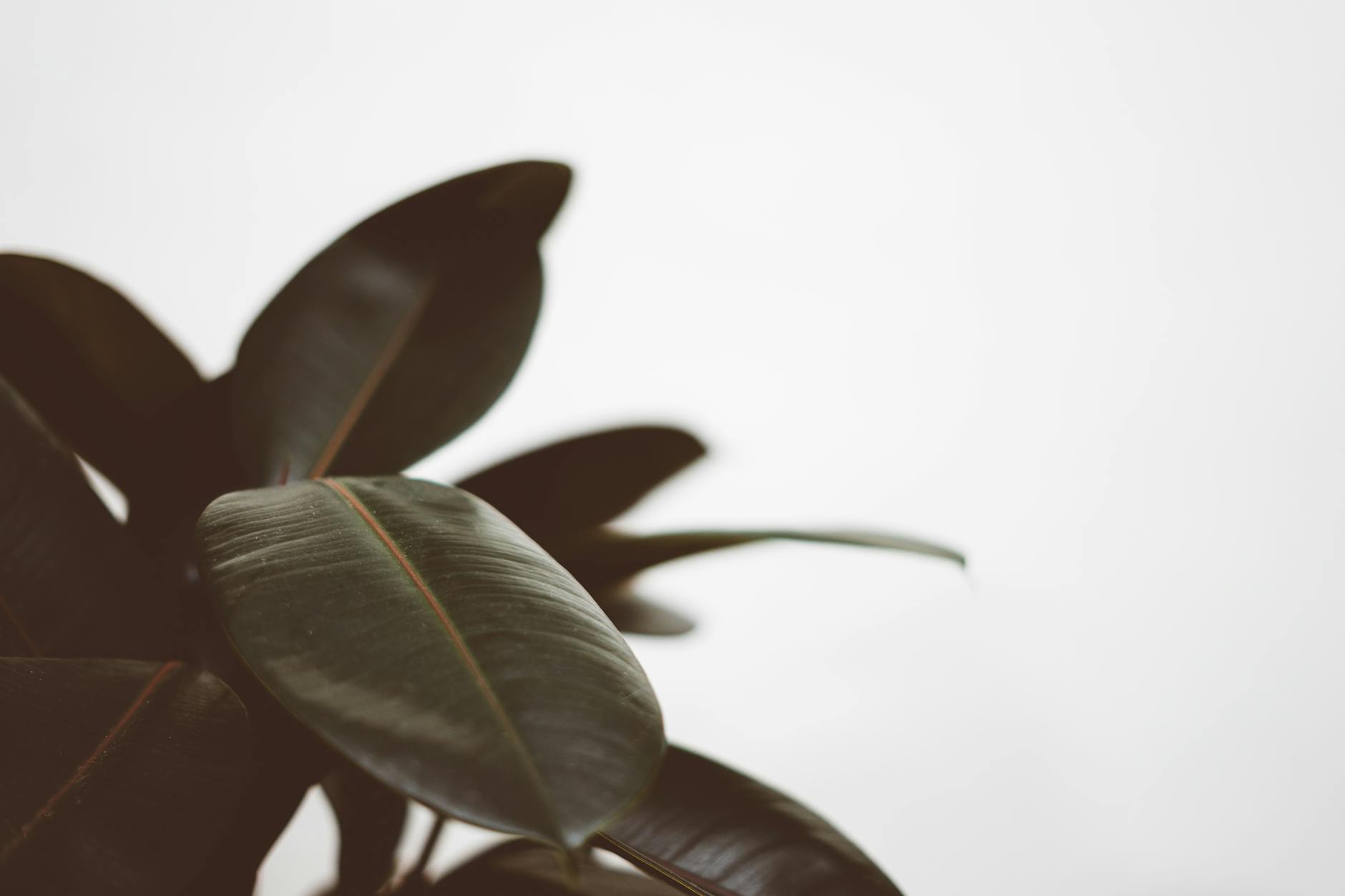
The baby rubber plant, known botanically as Peperomia obtusifolia, is a compact and easy-growing houseplant with notable air-purifying capabilities. It removes formaldehyde from the air and thrives in medium to bright indirect light with minimal watering requirements. Its thick, glossy leaves store water efficiently, making it tolerant of occasional neglect. Unlike its look-alike the rubber tree, this species is completely safe for cats and dogs. It is a practical choice for small apartments or offices where space and light may be limited.
Haworthia
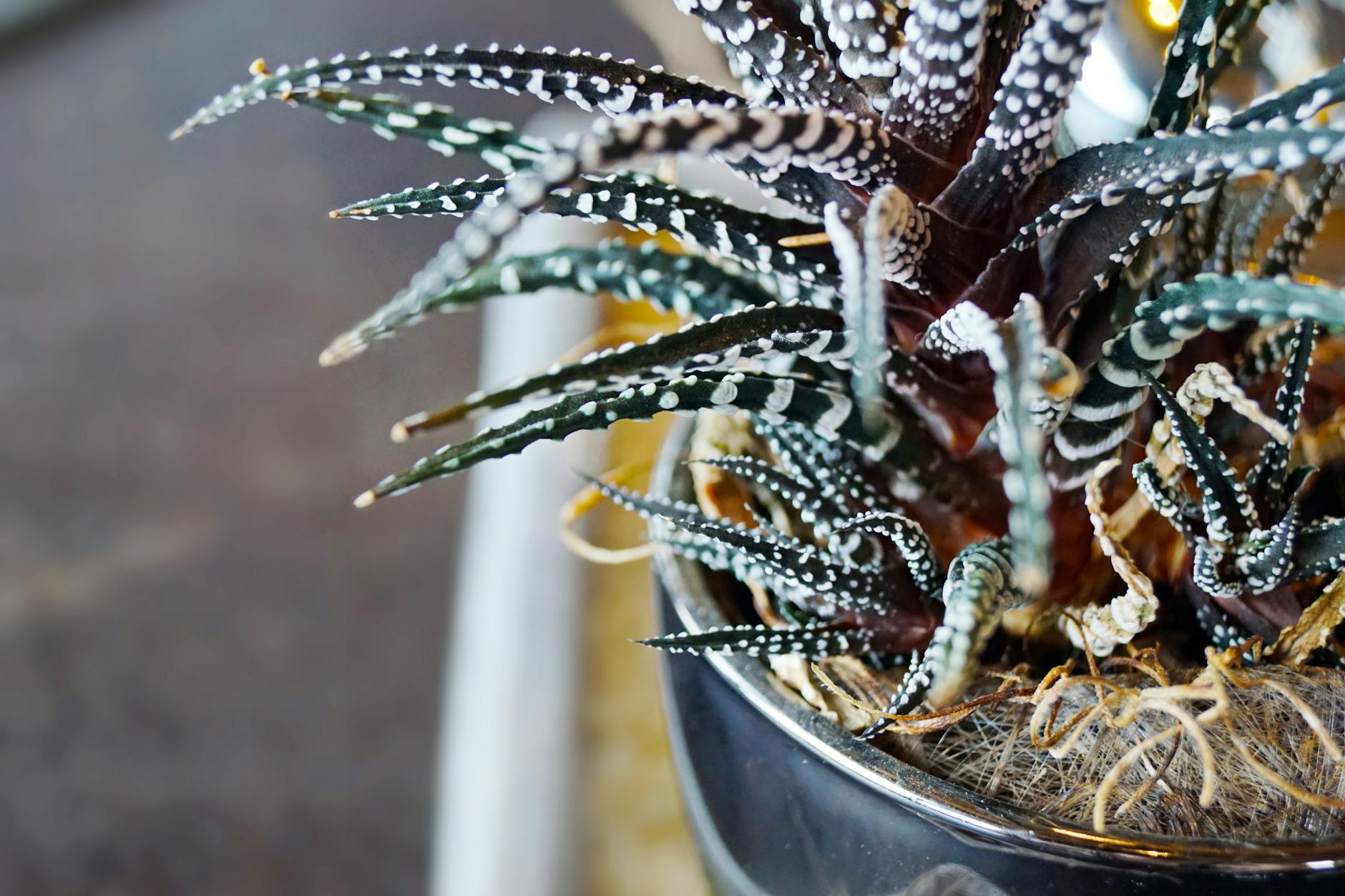
Haworthia is a small succulent plant that filters indoor air and produces oxygen during the night, much like aloe vera but without the pet toxicity concerns. Its compact size makes it ideal for windowsills, desks, and shelves where space is at a premium. The plant’s distinctive stripes and translucent leaf tips give it a sculptural, geometric appearance that suits modern interiors. It is non-toxic to both cats and dogs and requires very little water to thrive. Haworthia prefers bright but indirect sunlight and well-draining soil to prevent root rot.
African Violet
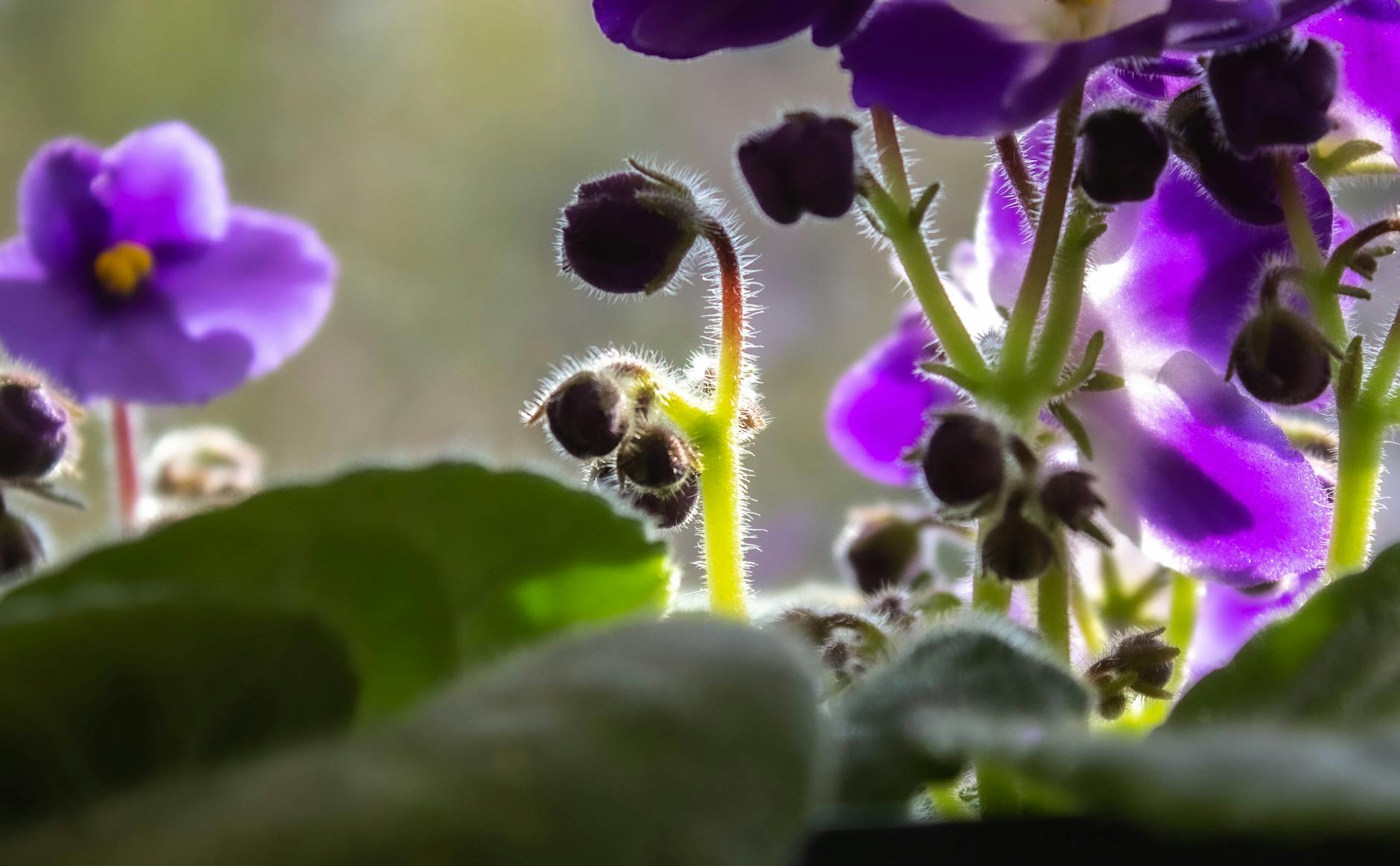
African violets are popular flowering houseplants that contribute to indoor air quality while adding soft, jewel-toned blooms to any interior. They absorb carbon dioxide and release fresh oxygen throughout the day in a consistent cycle. Their velvety leaves and compact rosette shape make them a charming addition to windowsills and coffee tables. The ASPCA has confirmed that African violets are non-toxic to both cats and dogs. They bloom best in bright, indirect light and prefer to be watered from below to protect their delicate leaves from moisture damage.
Staghorn Fern
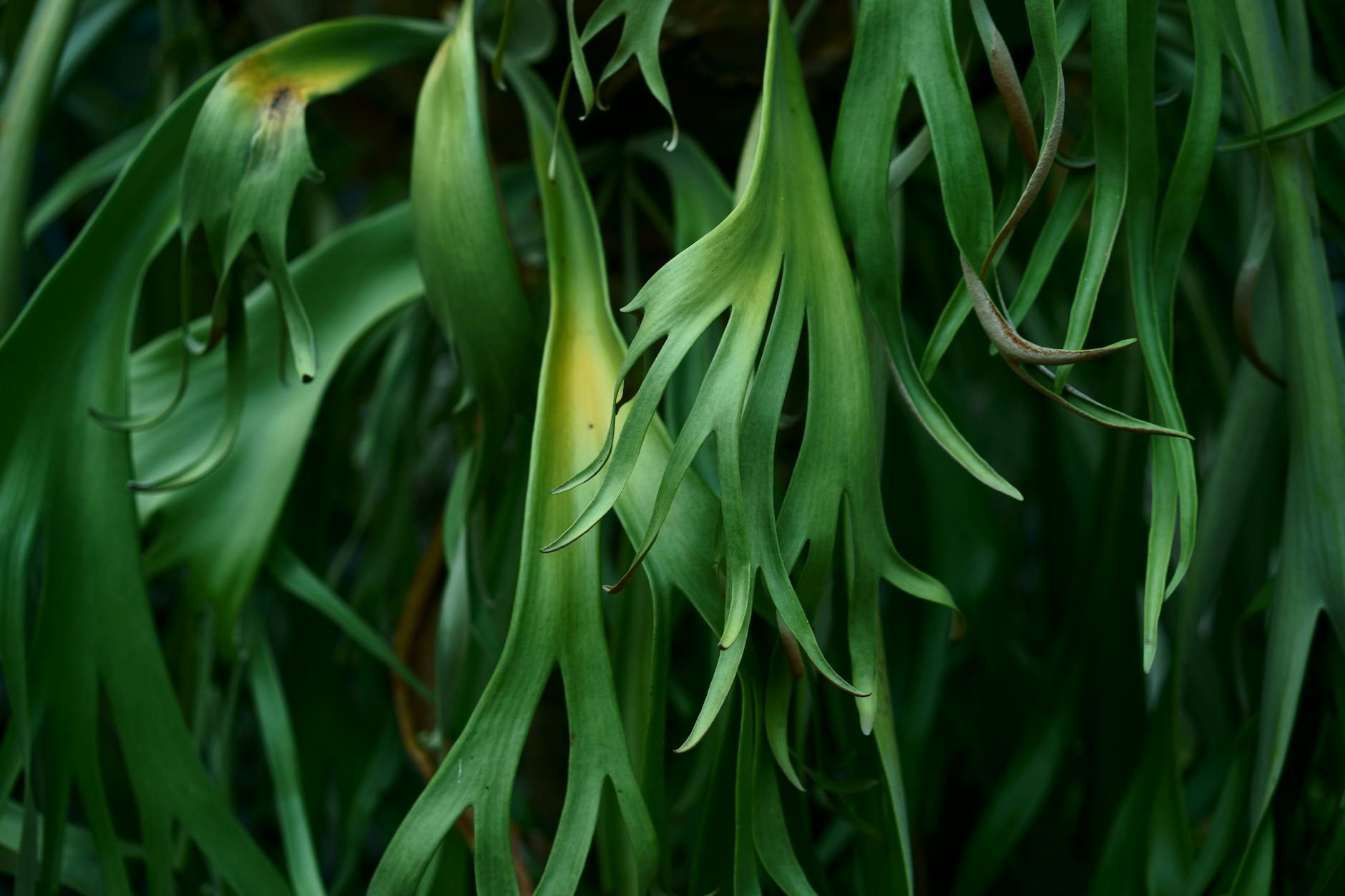
The staghorn fern is a striking epiphytic plant that filters airborne pollutants while adding a sculptural, gallery-worthy element to any wall or surface. It absorbs formaldehyde and other volatile organic compounds from the surrounding air with notable effectiveness. Its distinctive antler-shaped fronds make it a popular choice for mounting on wooden boards or displaying in hanging wire baskets. Staghorn ferns are non-toxic to cats and dogs and pose no risk when touched or accidentally ingested. They thrive in humid environments and require regular misting to maintain their deep green coloring.
Lemon Button Fern
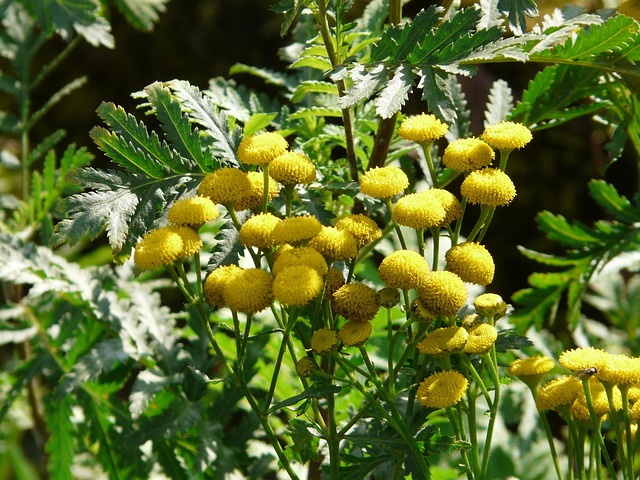
The lemon button fern is a petite and delicate variety that emits a faint citrus fragrance while filtering formaldehyde and other toxins from indoor air. Its small, rounded leaflets grow along arching stems, creating a soft and feathery texture that works well in terrariums or small pots. It is listed as non-toxic by the ASPCA and is entirely safe for households with cats and dogs. This fern thrives in indirect light and consistently moist soil, making it well-suited to kitchens and bathrooms. Its manageable size and gentle fragrance make it one of the more sensory-pleasing options on this list.
Maidenhair Fern
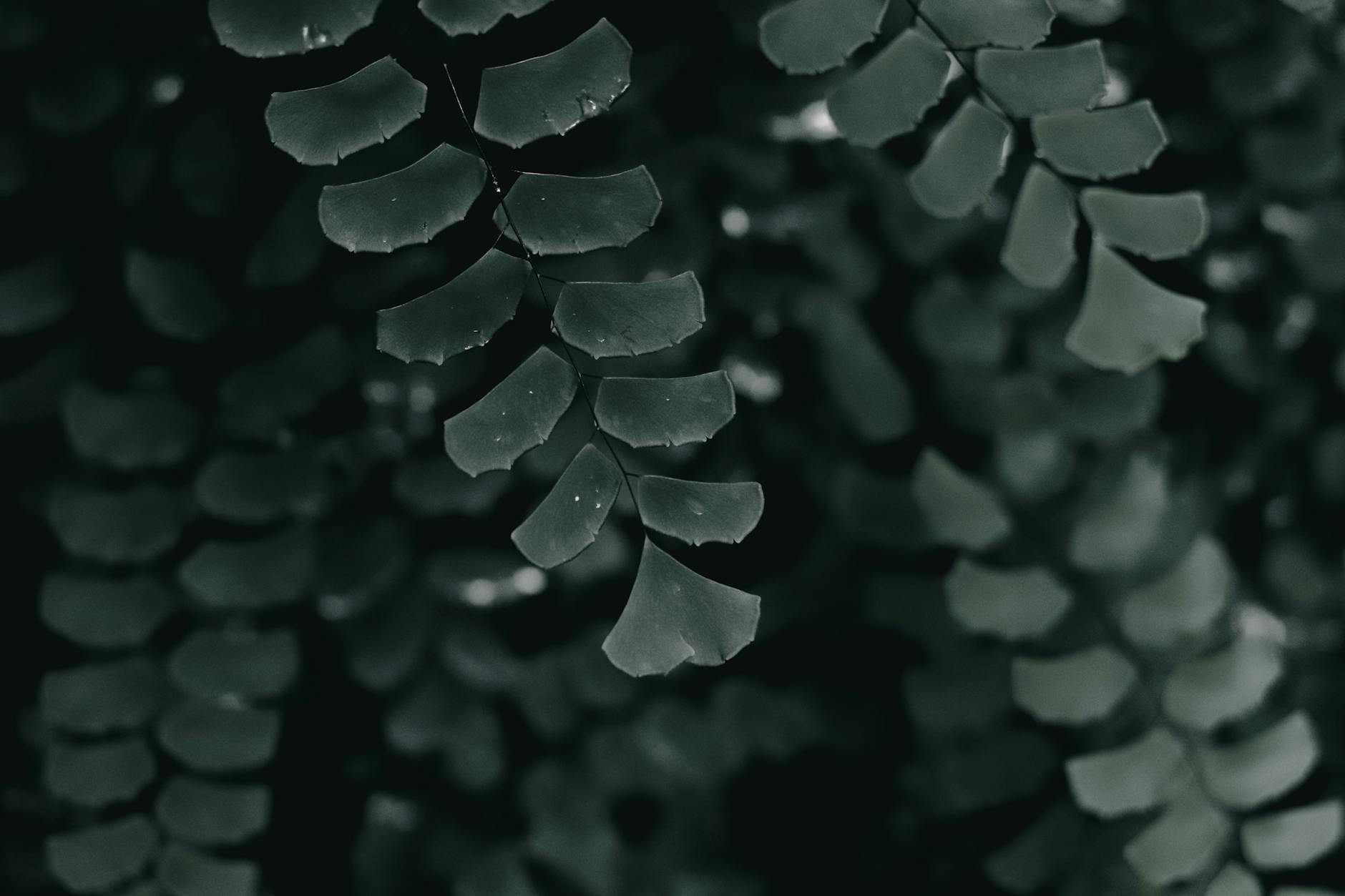
The maidenhair fern is prized for its delicate, fan-shaped leaflets and its ability to increase indoor humidity while filtering common airborne toxins. It absorbs formaldehyde and helps regulate moisture levels in rooms that tend toward dryness. Its airy, cascading growth habit makes it particularly beautiful when displayed in elevated planters or hanging pots. It is completely safe for cats and dogs and creates no toxic exposure risk. Maidenhair ferns require consistently moist soil, high humidity, and indirect light to maintain their famously lush appearance.
Friendship Plant
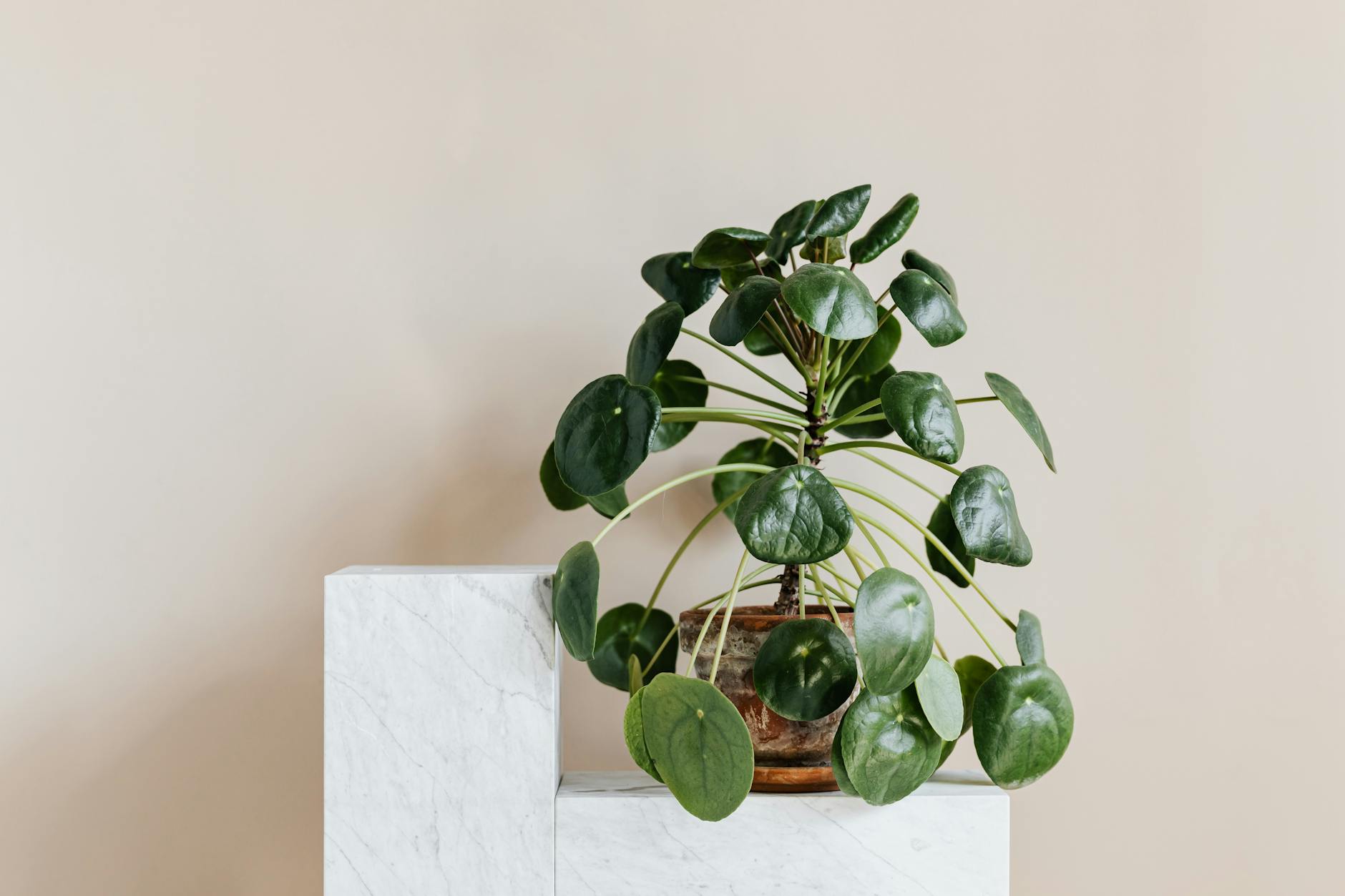
The friendship plant, or Pilea involucrata, is a compact tropical plant with deeply textured, quilted leaves that adds rich visual detail to small indoor spaces. It filters airborne pollutants while thriving in medium indirect light with moderate watering. Its low-growing, spreading habit makes it a natural choice for terrariums or grouped plant arrangements. It is confirmed as non-toxic to cats and dogs and is widely used in pet-friendly plant styling. The friendship plant also propagates easily, making it a popular plant to share with others.
Mosaic Plant
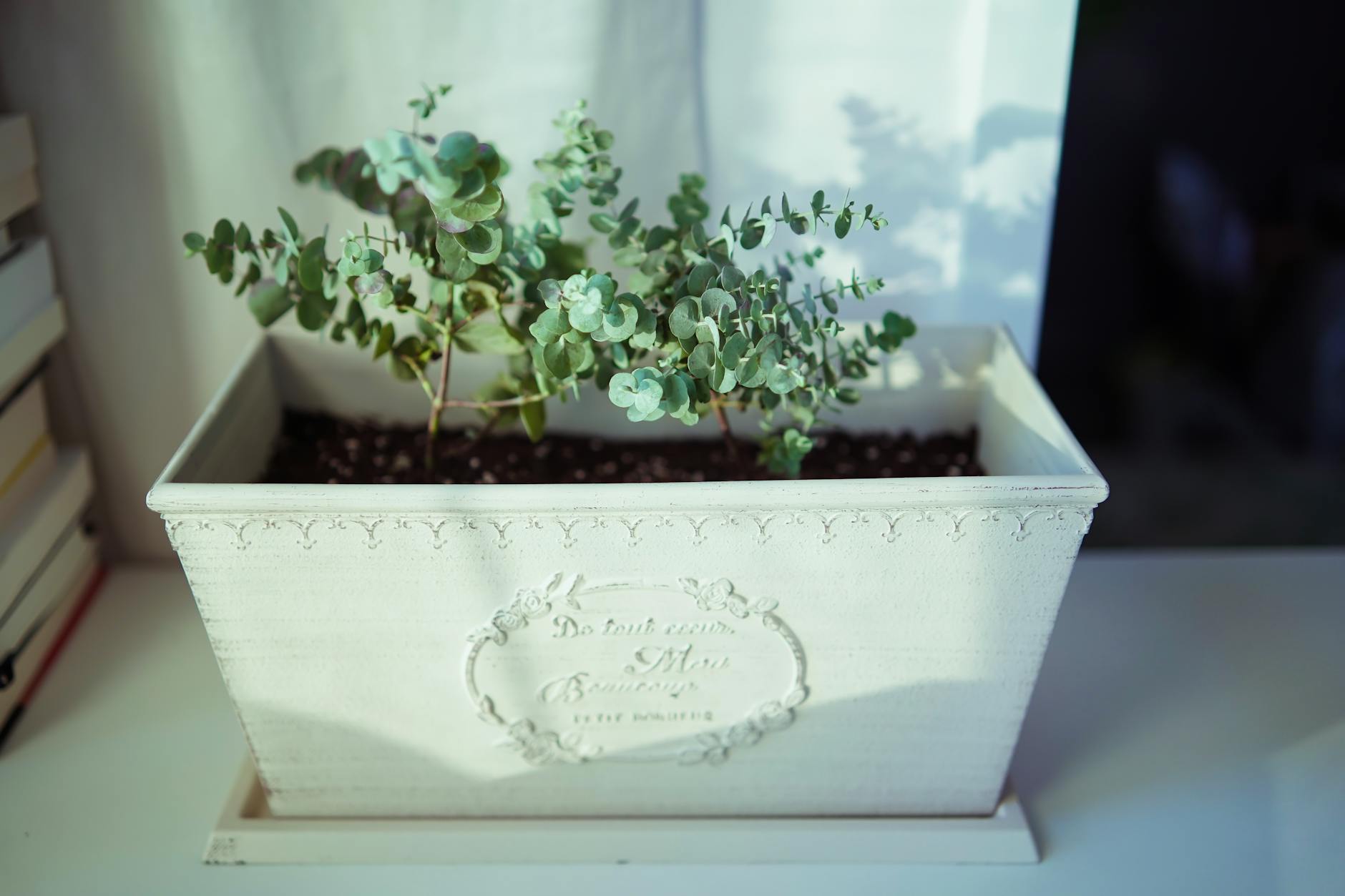
The mosaic plant, or Fittonia, is a low-growing tropical plant celebrated for its intensely veined leaves in shades of green, white, red, and pink. It contributes to improved indoor air quality by absorbing common household pollutants and increasing humidity levels slightly. Its vivid foliage makes it a standout feature in terrariums, dish gardens, and tabletop arrangements. The ASPCA classifies Fittonia as non-toxic to both cats and dogs. It prefers high humidity and indirect light, and will visibly wilt when thirsty, making it easy to know when watering is needed.
Polka Dot Plant
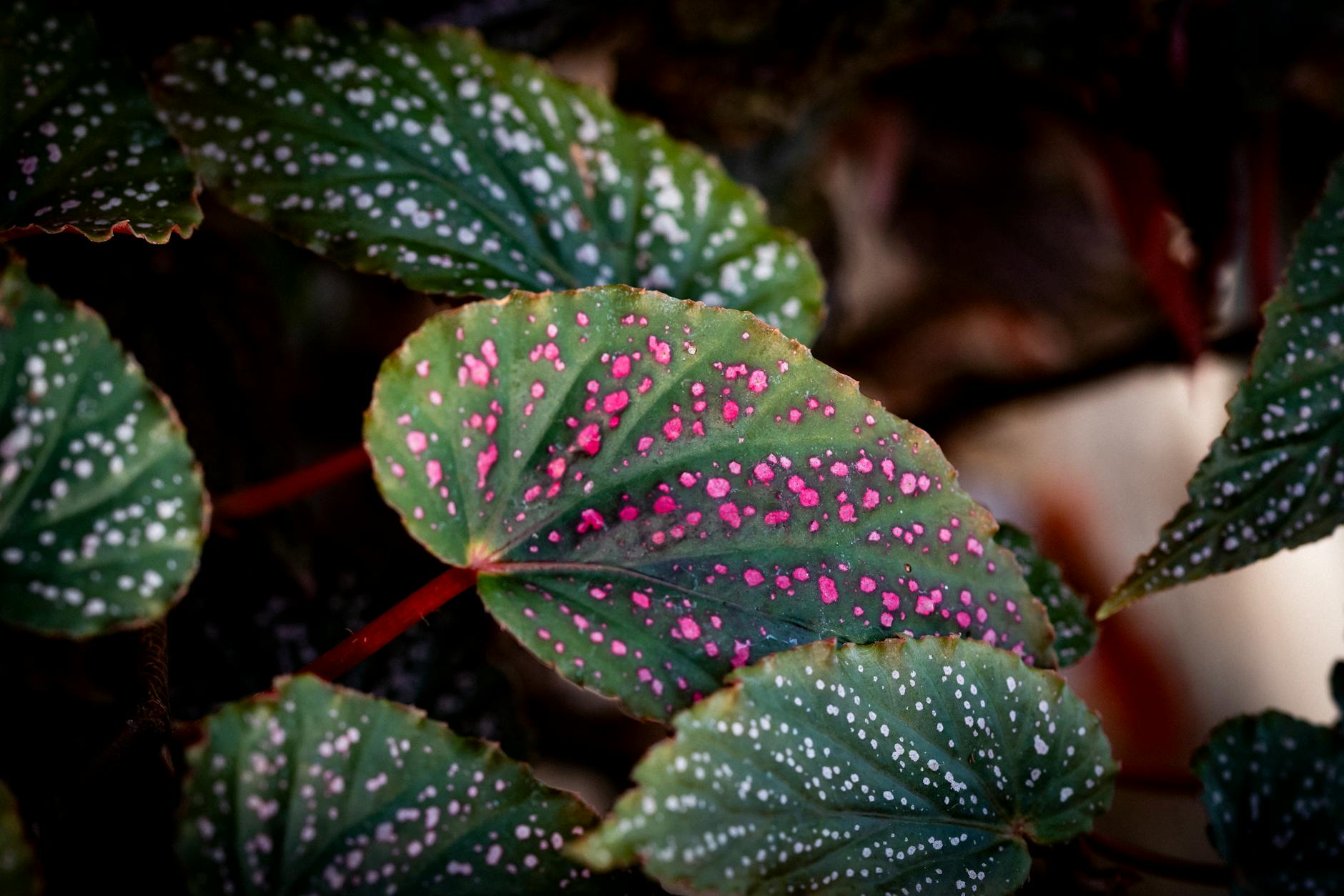
The polka dot plant is a vibrant tropical variety whose spotted or mottled foliage comes in combinations of green with pink, red, or white. It absorbs carbon dioxide and contributes to cleaner air in small indoor spaces while providing exceptional decorative value. Its bold patterning makes it a popular accent plant among interior designers and plant enthusiasts alike. It is non-toxic to cats and dogs and is frequently recommended for colorful pet-safe plant collections. It grows best in bright indirect light and benefits from regular pinching to maintain a bushy rather than leggy shape.
Swedish Ivy
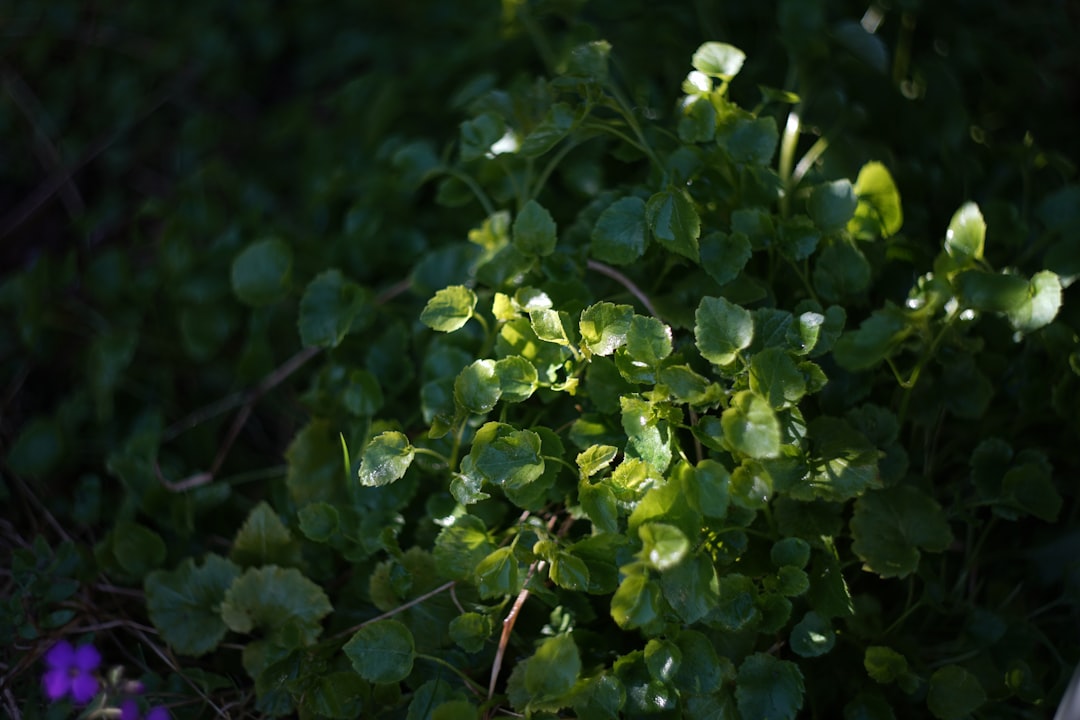
Swedish ivy is a fast-growing trailing plant that filters benzene and formaldehyde from indoor air while cascading elegantly from shelves and hanging baskets. Its scalloped, waxy leaves remain a consistent deep green and create a lush, full display with minimal effort. It is entirely non-toxic to cats and dogs and is therefore a popular recommendation in veterinary and botanical communities alike. Swedish ivy adapts well to a variety of light conditions, from bright indirect sunlight to moderate interior lighting. Regular pruning encourages dense, healthy growth and prevents the plant from becoming too leggy over time.
Wax Plant
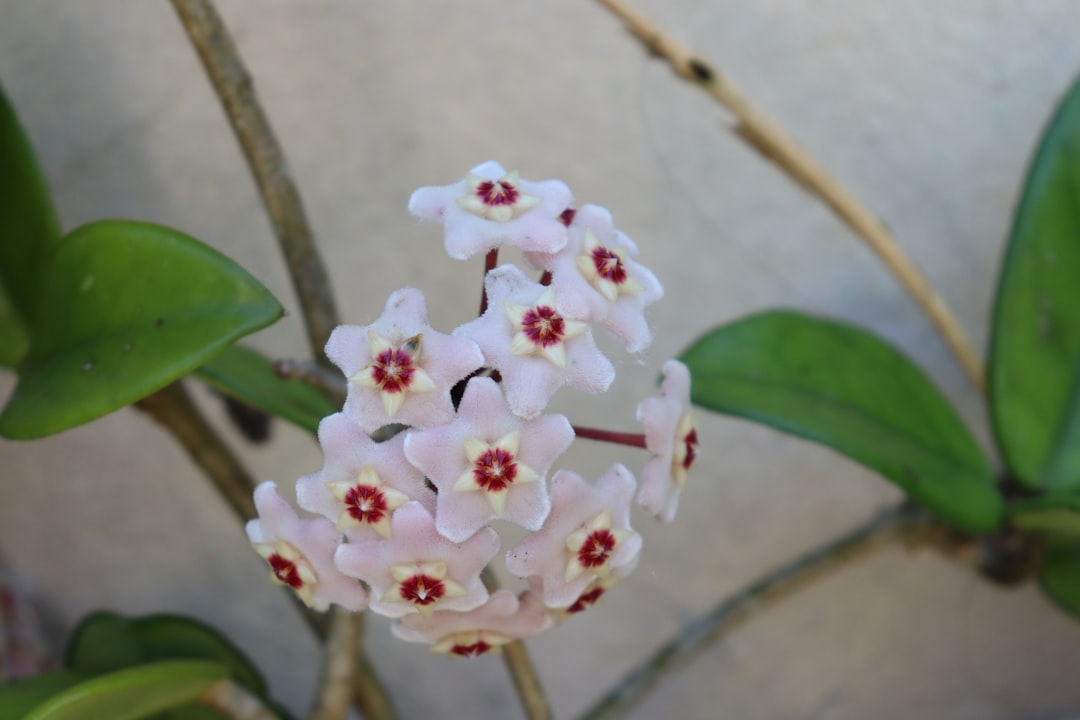
The wax plant, or Hoya carnosa, is a slow-growing climbing vine that produces clusters of waxy, star-shaped flowers with a sweet fragrance. It actively filters formaldehyde and other volatile organic compounds from indoor air throughout its growth cycle. Its thick, succulent-like leaves store water effectively, making it a forgiving plant for those who occasionally miss a watering. Hoya carnosa is listed as non-toxic to cats and dogs and is a reliable long-term addition to any pet-friendly plant collection. It thrives in bright indirect light and blooms most prolifically when slightly root-bound in its pot.
Button Fern
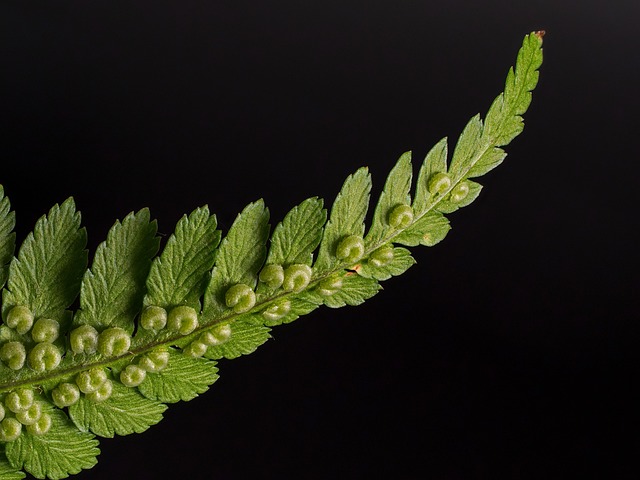
The button fern is a compact and tidy fern variety whose rounded leaflets give it a uniquely geometric and playful appearance among household plants. It removes formaldehyde from the air and adds moisture to indoor environments through natural transpiration. Unlike many fern species, the button fern is somewhat more tolerant of drier conditions, making it a practical option for those still developing their plant care routines. It is completely safe for cats and dogs and is listed as non-toxic by major animal health organizations. This fern performs best in indirect light with consistently moist but well-drained soil.
Cast Iron Plant
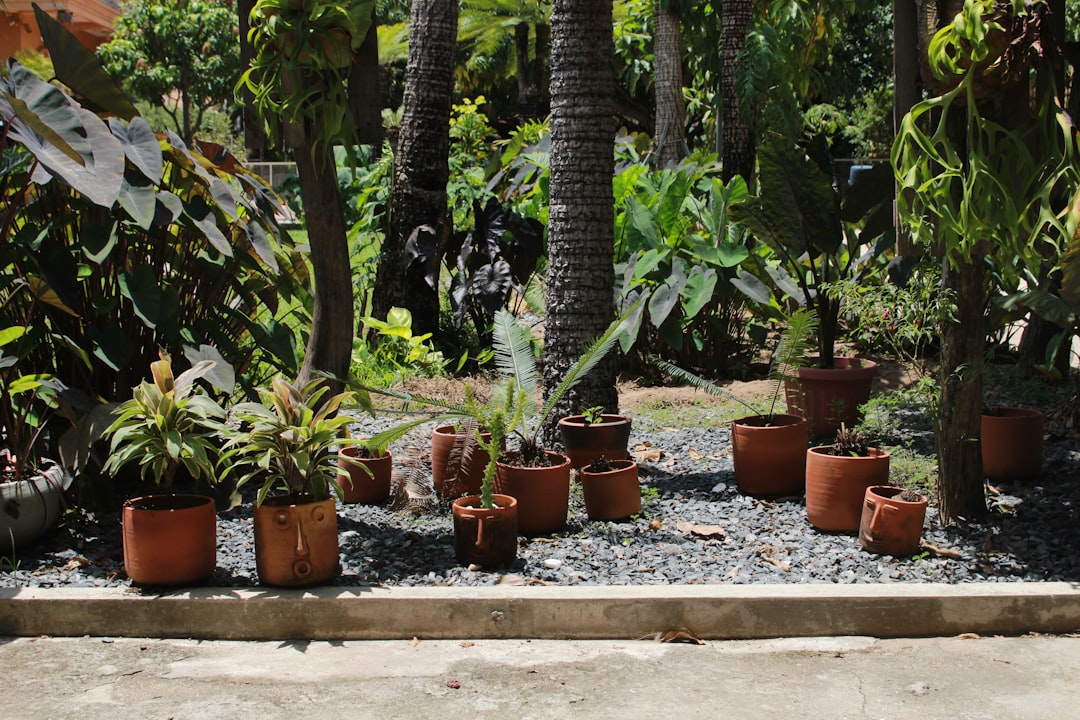
The cast iron plant earns its name from its extraordinary resilience to low light, drought, dust, and temperature fluctuations that would damage most other houseplants. It filters airborne toxins including formaldehyde and benzene and contributes steadily to cleaner indoor air over time. Its broad, deep green leaves grow slowly but create a bold and architectural presence in darker corners of a room. It is non-toxic to cats and dogs and requires very little intervention once established in its environment. Its near-indestructible nature makes it one of the most recommended plants for beginners and busy households alike.
Ponytail Palm
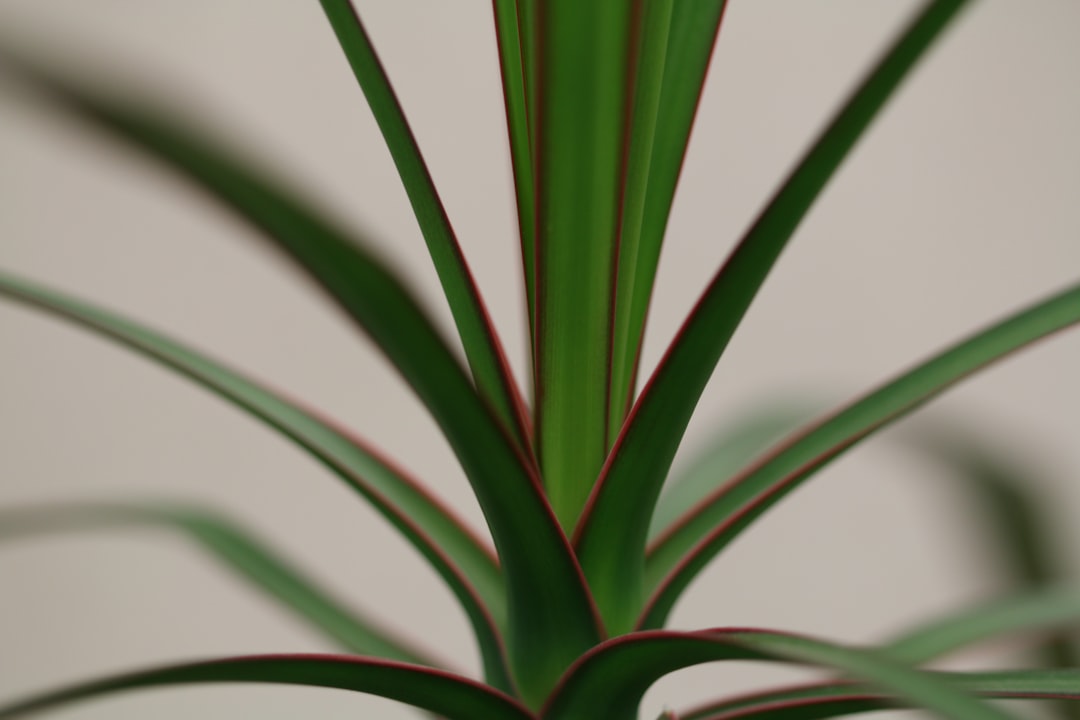
The ponytail palm is a distinctive and long-lived plant with a swollen trunk that stores water and a fountain of long, narrow leaves that arch outward from its crown. It filters xylene and toluene from indoor air while adding a sculptural and dramatic focal point to any room. Despite its palm-like appearance, it is technically a member of the agave family and is adapted to warm and dry indoor conditions. The ASPCA confirms that the ponytail palm is non-toxic to both cats and dogs. It requires very infrequent watering and thrives in bright light, making it ideal for sunny living rooms and entryways.
Catnip
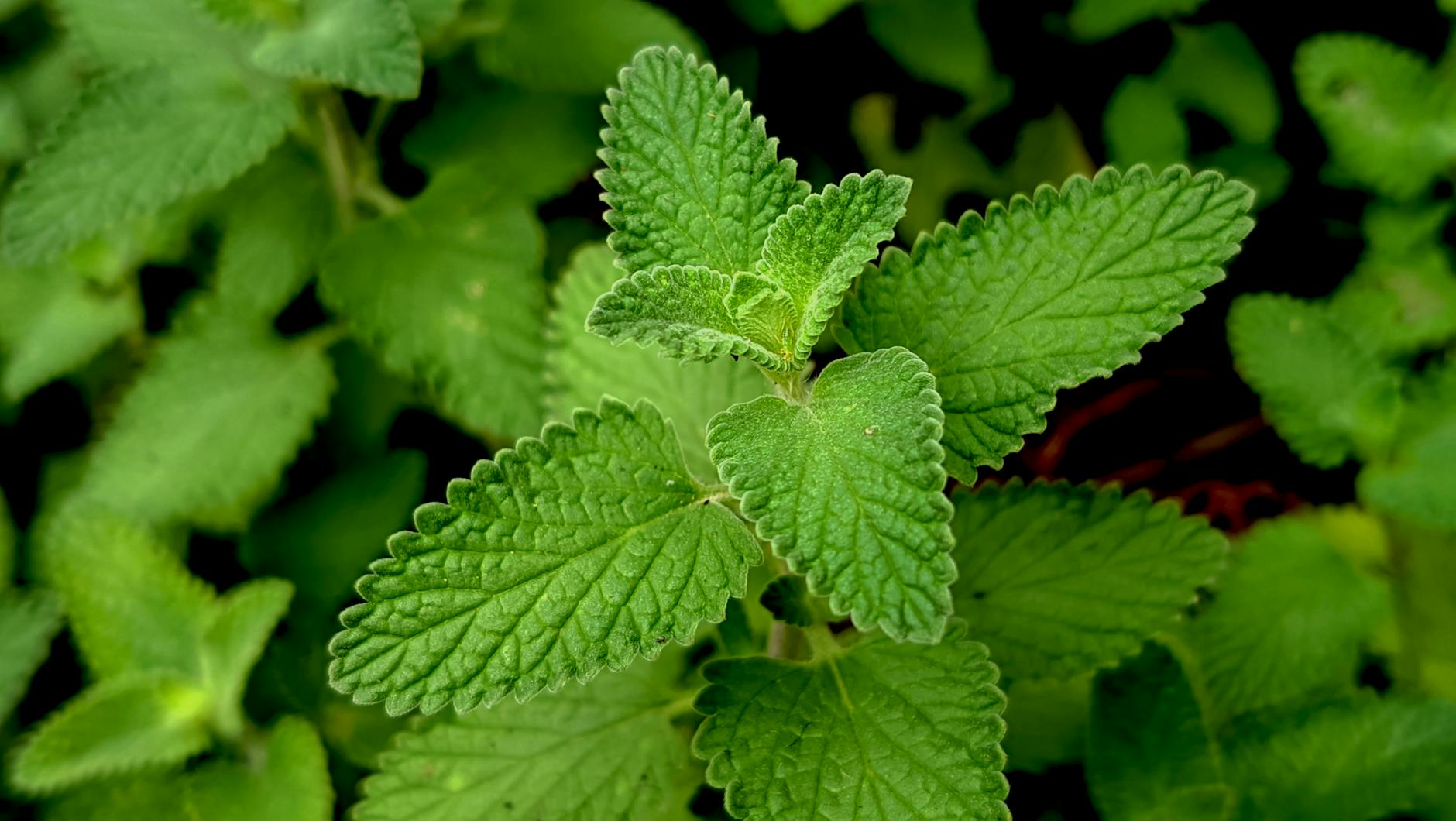
Catnip is a well-known herb in the mint family that also functions as a mild air-filtering plant capable of absorbing trace pollutants from indoor environments. It is entirely non-toxic and in fact deeply appealing to cats, providing sensory enrichment and stimulation for feline companions. Its small white and lavender flowers are edible and safe for both cats and dogs throughout the plant’s life cycle. It grows quickly in a sunny windowsill and can be harvested regularly to maintain a compact shape. Growing catnip indoors creates a natural and enriching element for cats while contributing modestly to overall air quality.
Peperomia Rosso
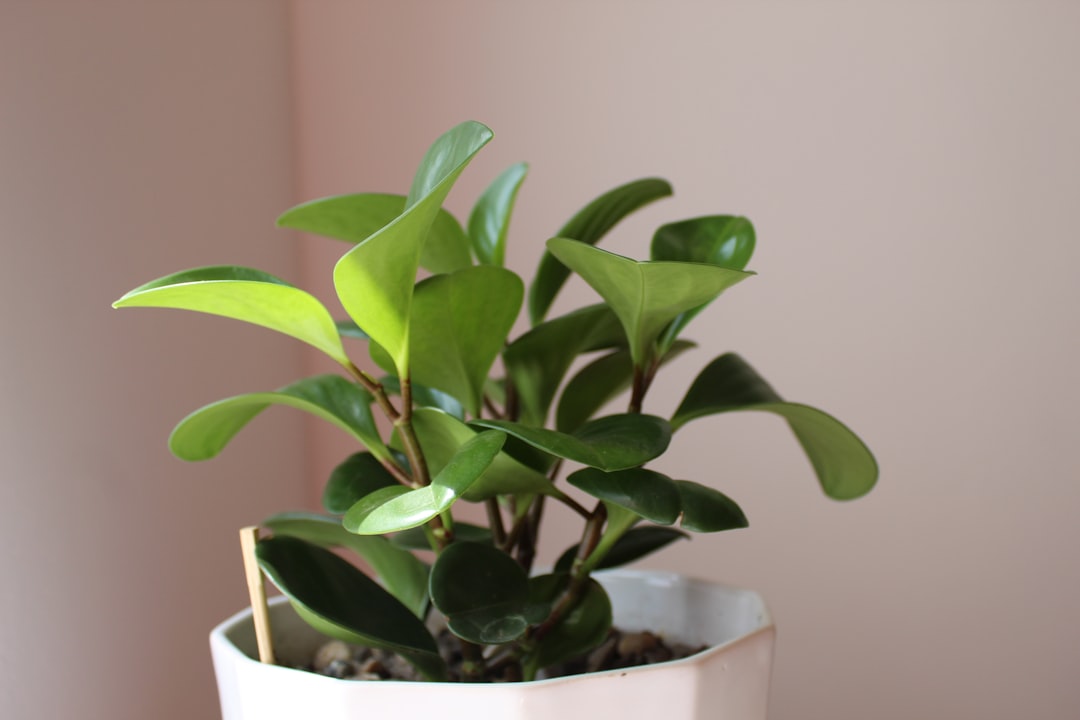
Peperomia Rosso is a compact ornamental plant with dark green leaves featuring a dramatic red underside that adds bold contrast to any plant display. It filters formaldehyde from indoor air and grows well in medium to bright indirect light with minimal watering requirements. Its thick leaves are adapted to retain moisture, making it one of the more drought-tolerant options among air-purifying houseplants. The ASPCA classifies Peperomia Rosso as non-toxic to both cats and dogs. Its small stature and striking bicolor foliage make it a popular choice for desks, shelves, and grouped plant arrangements in pet-friendly homes.
If you grow any of these pet-safe air-purifying plants at home, share your favorites and experiences in the comments.