Embracing natural texture involves a dedicated journey of understanding the unique needs of coils and curls. This process requires a balance of moisture retention and gentle handling to maintain hair health. Many women find that developing a consistent regimen tailored to their specific hair porosity yields the best results. The following tips provide actionable advice to help you nurture your crown and achieve your length goals.
The LOC Method
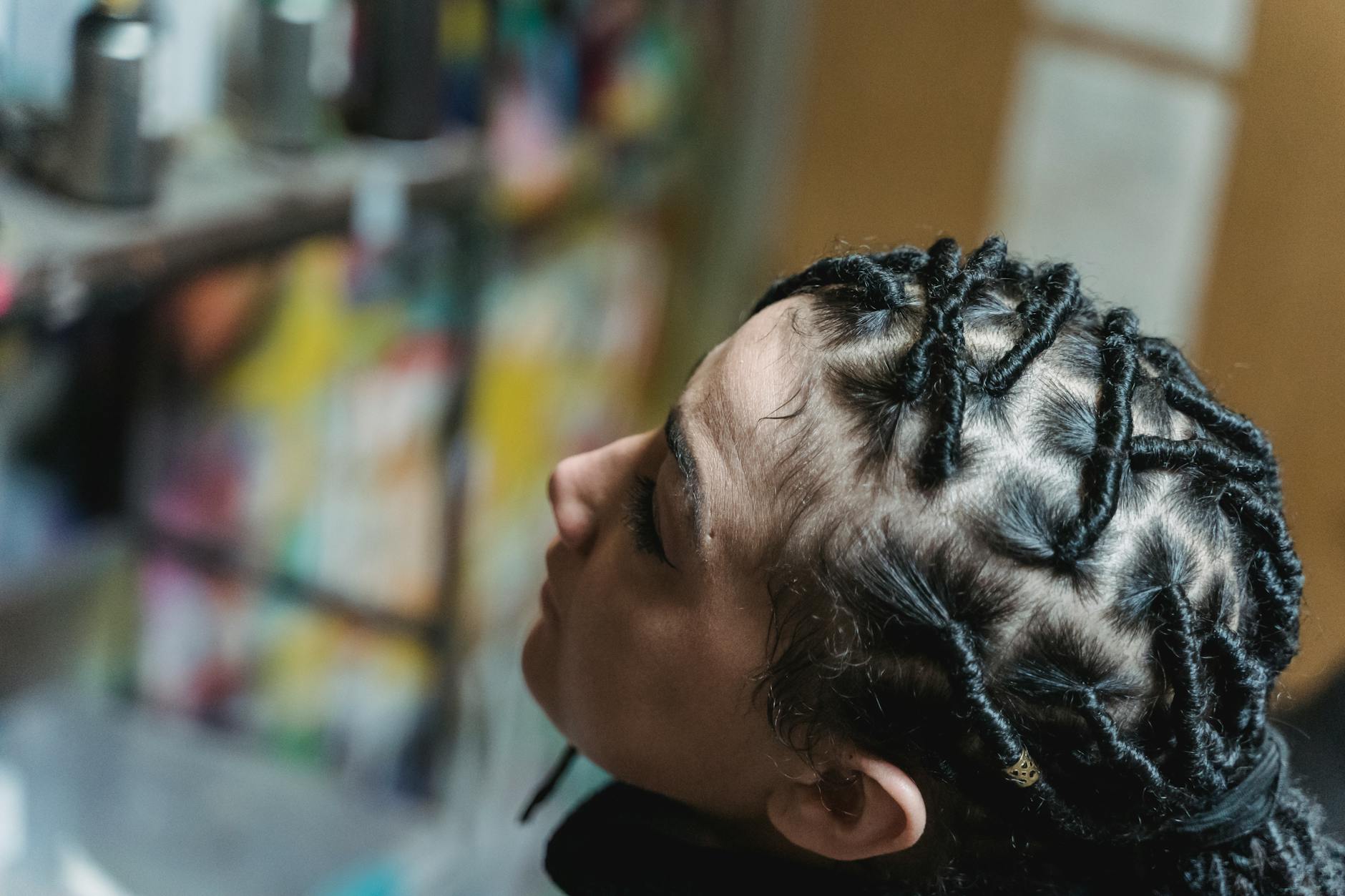
This layering technique stands for liquid and oil and cream to lock in moisture effectively. You start by applying a water-based leave-in conditioner to hydrate the hair shaft. A penetrating oil like olive or coconut oil follows to seal that moisture inside. The final step involves a heavy cream or butter to close the hair cuticle. This layering process helps maintain hydration for days without weighing the hair down.
Satin Protection at Night

Cotton fabrics absorb moisture from your hair and cause unnecessary friction while you sleep. Switching to satin or silk materials creates a smooth surface that reduces breakage and frizz. You should wear a bonnet every night or sleep on a satin pillowcase to preserve your style. This simple habit keeps your natural oils where they belong on your hair strands. It also helps your edges stay smooth until the next morning.
Finger Detangling
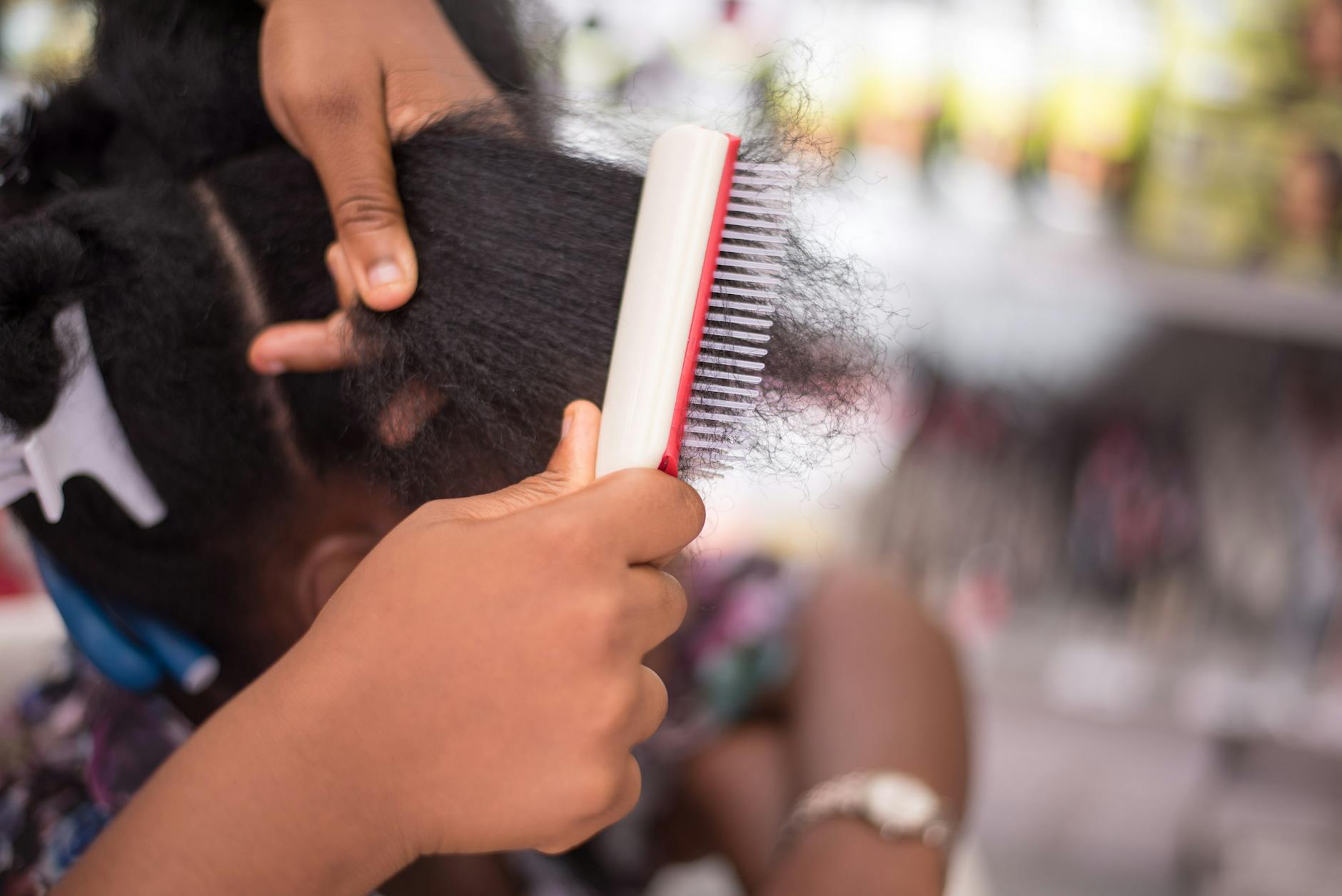
Rushing through knots with a tool often creates breakage and split ends that hinder length retention. You can use your fingers to gently separate tangles before introducing a comb or brush. This method allows you to feel the knots and unravel them without snapping the hair. It is best to perform this task when the hair is coated with a conditioner for slip. Patience during this process significantly improves the overall health of your mane.
Deep Conditioning Weekly

Regular deep conditioning treatments restore moisture and elasticity to dry or brittle strands. These products penetrate the hair shaft more effectively than standard rinse-out conditioners. You should look for ingredients like honey and hydrolyzed wheat protein for maximum benefit. Applying heat with a thermal cap helps the product absorb even deeper into the cuticle. Consistent application strengthens the hair and prevents future damage.
Understanding Hair Porosity

Knowing how well your hair absorbs and retains moisture determines which products work best for you. Low porosity hair requires heat to open the cuticles and lightweight products that do not cause buildup. High porosity hair needs heavier creams and butters to seal in moisture that easily escapes. You can perform a simple float test with a strand of clean hair in water to gauge your type. Adjusting your routine based on porosity is often the turning point for hair health.
Protective Styling

Styles that tuck away your ends help minimize manipulation and exposure to environmental elements. Braids and twists or updos are excellent options for retaining length over time. You must ensure these styles are installed without excessive tension to prevent traction alopecia. Keeping a style in for too long can lead to matting so proper duration is key. Regular moisturizing while your hair is in a protective style keeps it healthy underneath.
Sulfate-Free Shampoos
Harsh cleansers strip the hair of its natural sebum and leave it feeling dry and straw-like. Sulfate-free shampoos clean the scalp gently without removing essential moisture. These formulas use milder surfactants that maintain the pH balance of your hair. You should focus the lather on your scalp rather than rubbing the lengths of your hair. A clean scalp promotes healthy growth while keeping the strands hydrated.
Trimming Regularly

Holding onto split ends causes the damage to travel up the hair shaft and result in breakage. Regular trims every three to four months keep the ends blunt and healthy. You do not need to cut off significant length unless there is severe damage. Many stylists recommend dusting the very tips to maintain shape without losing progress. Healthy ends make detangling easier and improve the overall appearance of your style.
Pre-Poo Treatments

Applying a treatment before shampooing prepares the hair for the cleansing process. Oils or conditioners protect the strands from the drying effects of water and shampoo. This step makes detangling easier and reduces the amount of hair shed during the wash. You can use ingredients like aloe vera gel or coconut oil for this purpose. letting it sit for thirty minutes ensures your hair remains soft after washing.
Scalp Massages
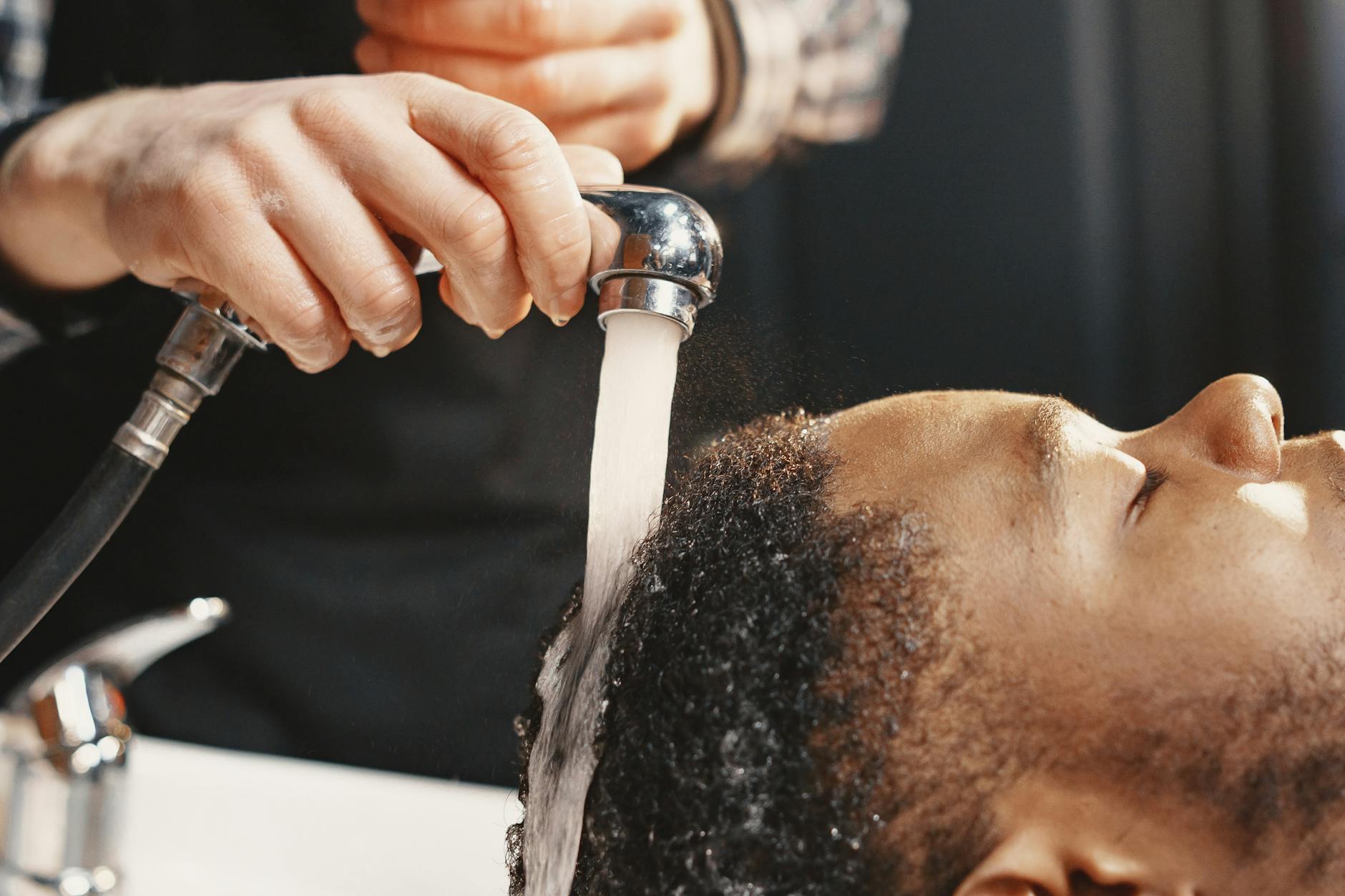
Stimulating blood flow to the scalp encourages hair follicles to produce healthy strands. You can use the pads of your fingers to massage in circular motions for a few minutes daily. Adding a lightweight oil like peppermint or jojoba can enhance the soothing effect. This practice also helps distribute natural sebum down the length of the hair. Regular massage relieves tension and creates a fertile environment for growth.
Limiting Heat Styling

Excessive use of flat irons and blow dryers permanently alters the protein structure of your hair. You should reserve heat styling for special occasions rather than daily maintenance. Always use a high-quality heat protectant spray to create a barrier against high temperatures. Air drying or using cool settings helps preserve your natural curl pattern. Heat damage is irreversible so prevention is the most effective strategy.
Microfiber Towels
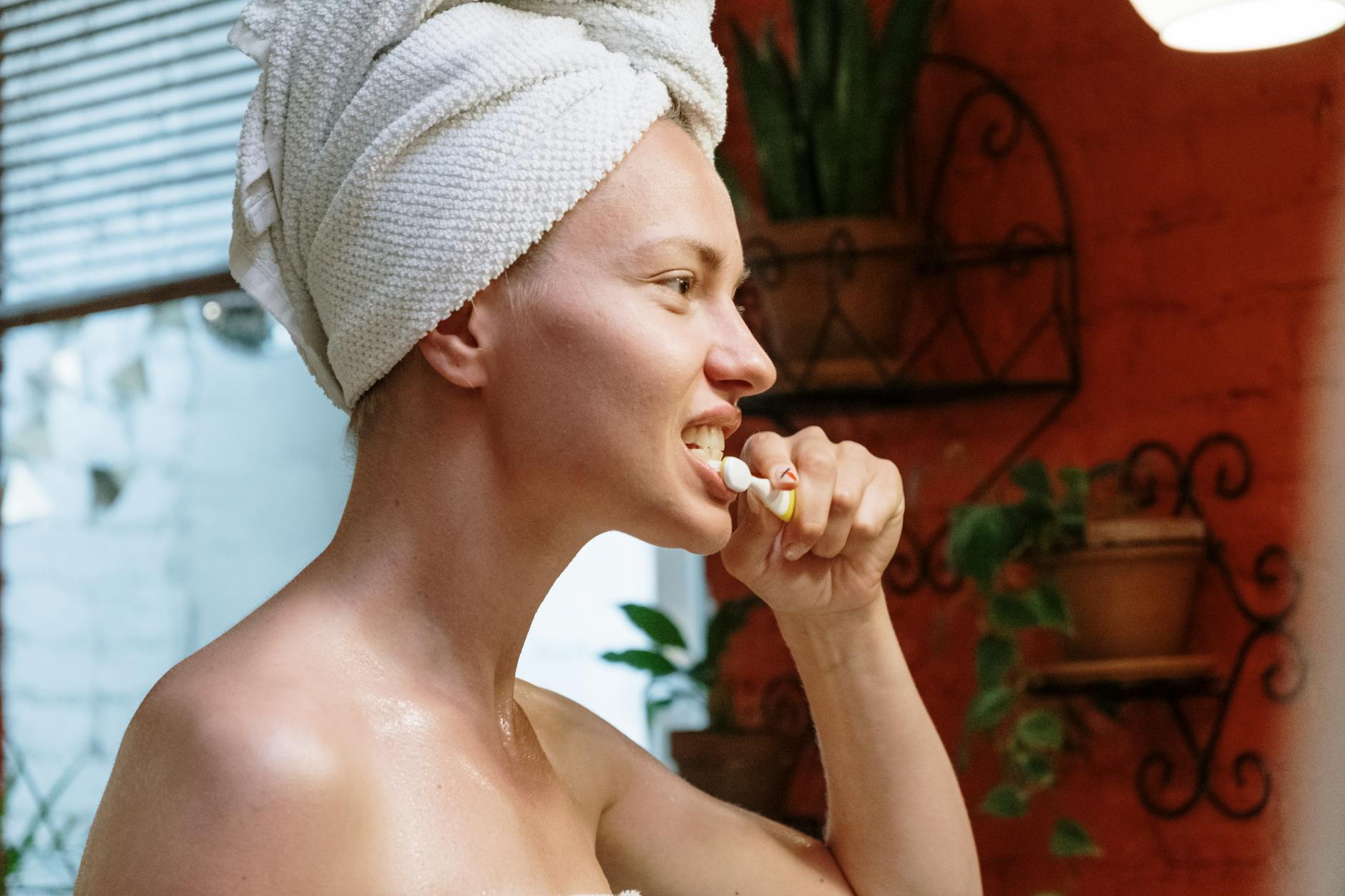
Traditional terry cloth towels have rough loops that snag hair and cause frizz during drying. Microfiber towels are smoother and absorb water quickly without friction. You should gently squeeze excess water from your hair rather than rubbing it vigorously. T-shirts are a suitable alternative if you do not have a microfiber towel available. Gentle drying techniques maintain the integrity of the cuticle and define curls.
Water Intake

External products cannot compensate for a lack of internal hydration. Drinking adequate amounts of water keeps your hair cells hydrated from the inside out. Dehydration often manifests as dry and brittle hair that breaks easily. A balanced diet rich in vitamins and minerals supports this internal care. Your hair health is a direct reflection of your overall bodily health.
Clarifying Washes
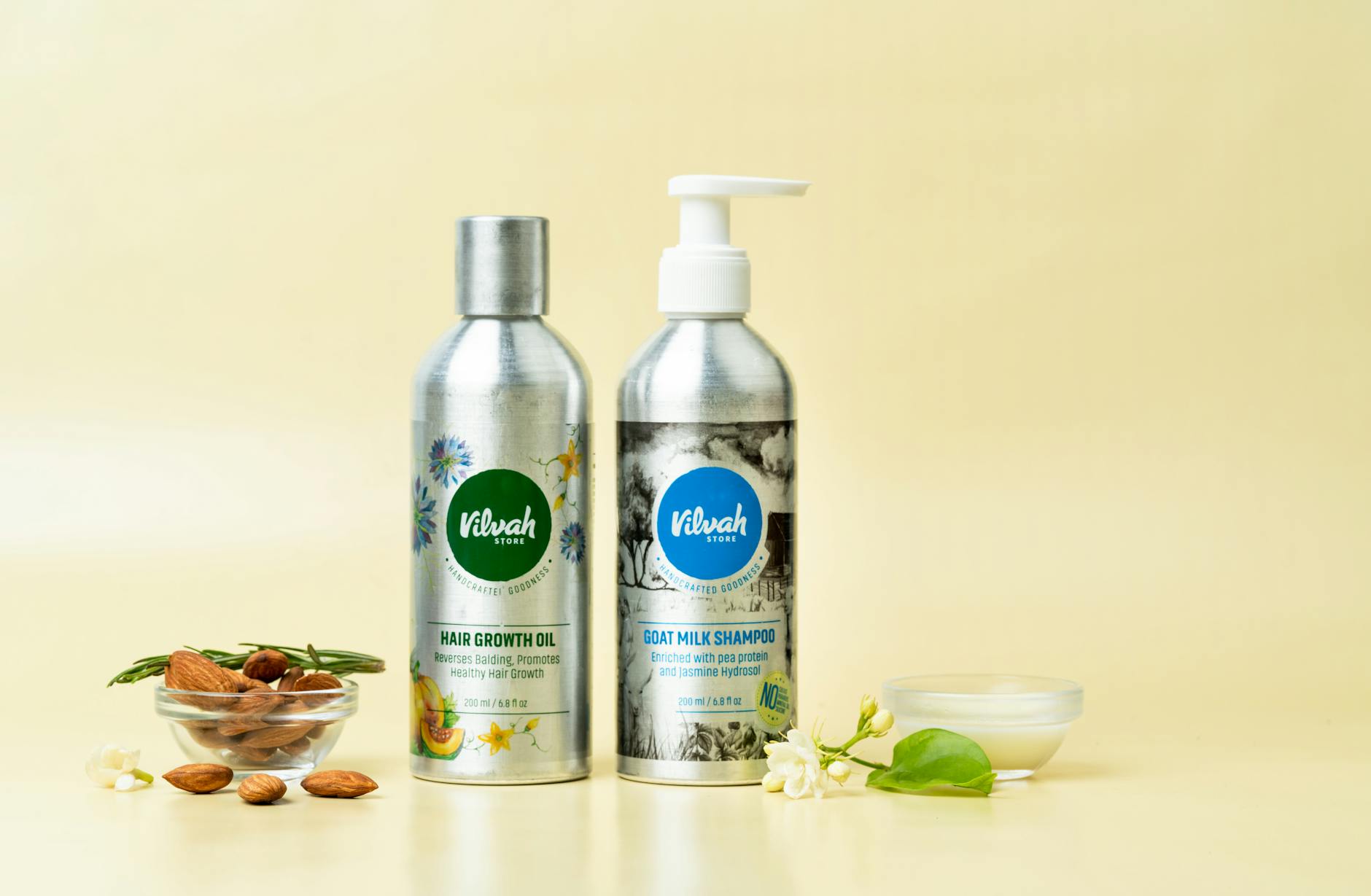
Product buildup blocks moisture from penetrating the hair shaft and leads to dullness. You should use a clarifying shampoo once a month to remove oils and silicones. This deep clean resets your hair and allows conditioners to work more effectively. Following up with a moisturizing deep conditioner is essential to restore hydration. A clean slate prevents products from sitting on top of the hair uselessly.
Low Manipulation

Constantly touching or restyling your hair increases the risk of mechanical damage and breakage. You should try to keep your hands out of your hair once it is styled. Styles that last for several days reduce the need for daily combing and brushing. Less manipulation allows the hair to thrive and retain its length. Embracing frizz as the days pass helps extend the life of your style.
Avoiding Tight Edges
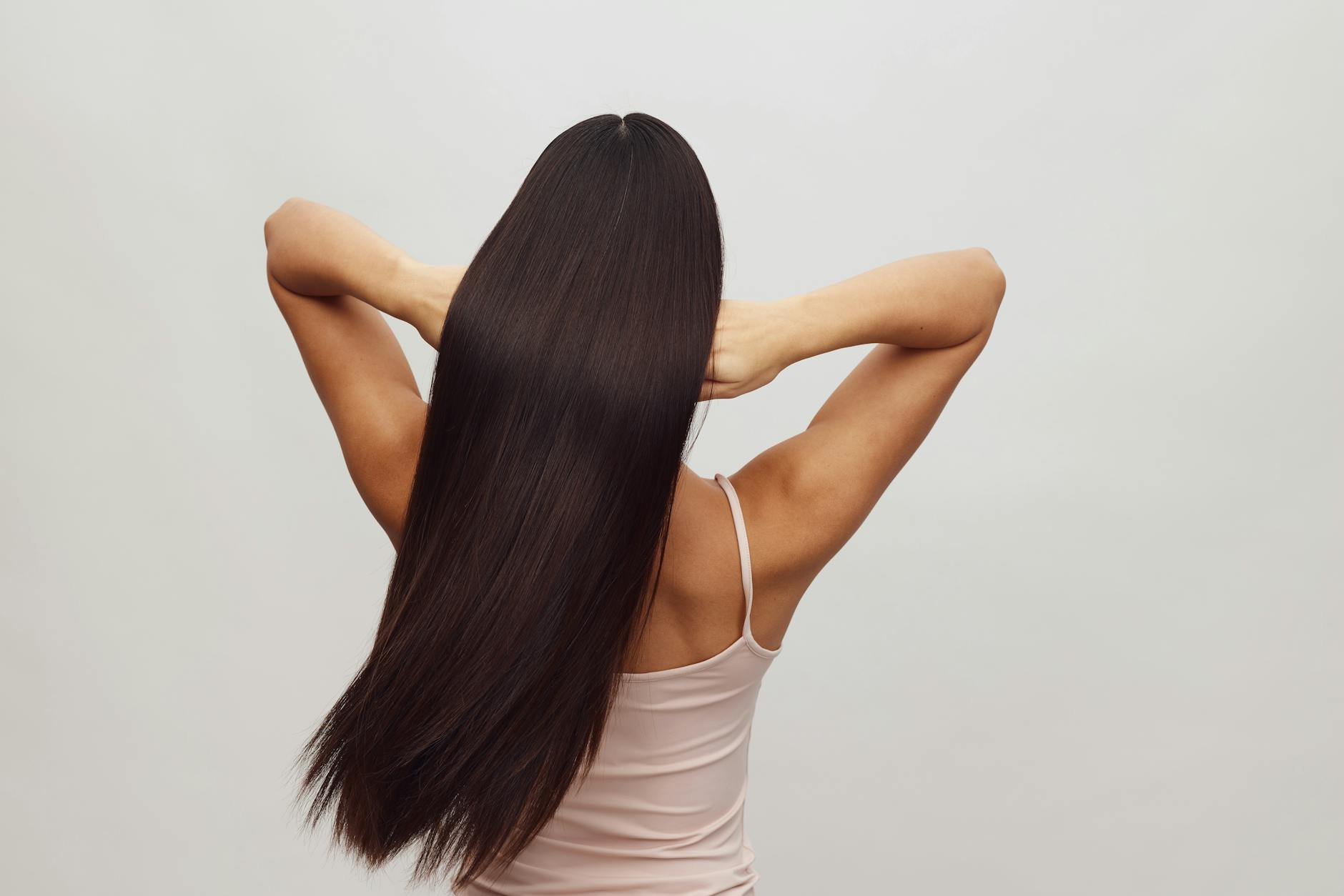
The hairline is the most fragile part of your head and requires delicate handling. You should avoid pulling braids or ponytails too tightly around the perimeter. using heavy edge control gels daily can also cause buildup and breakage. Soft brushes or your fingers are better tools than fine-tooth combs for this area. Protecting your edges ensures a full and healthy hairline.
Protein Treatments
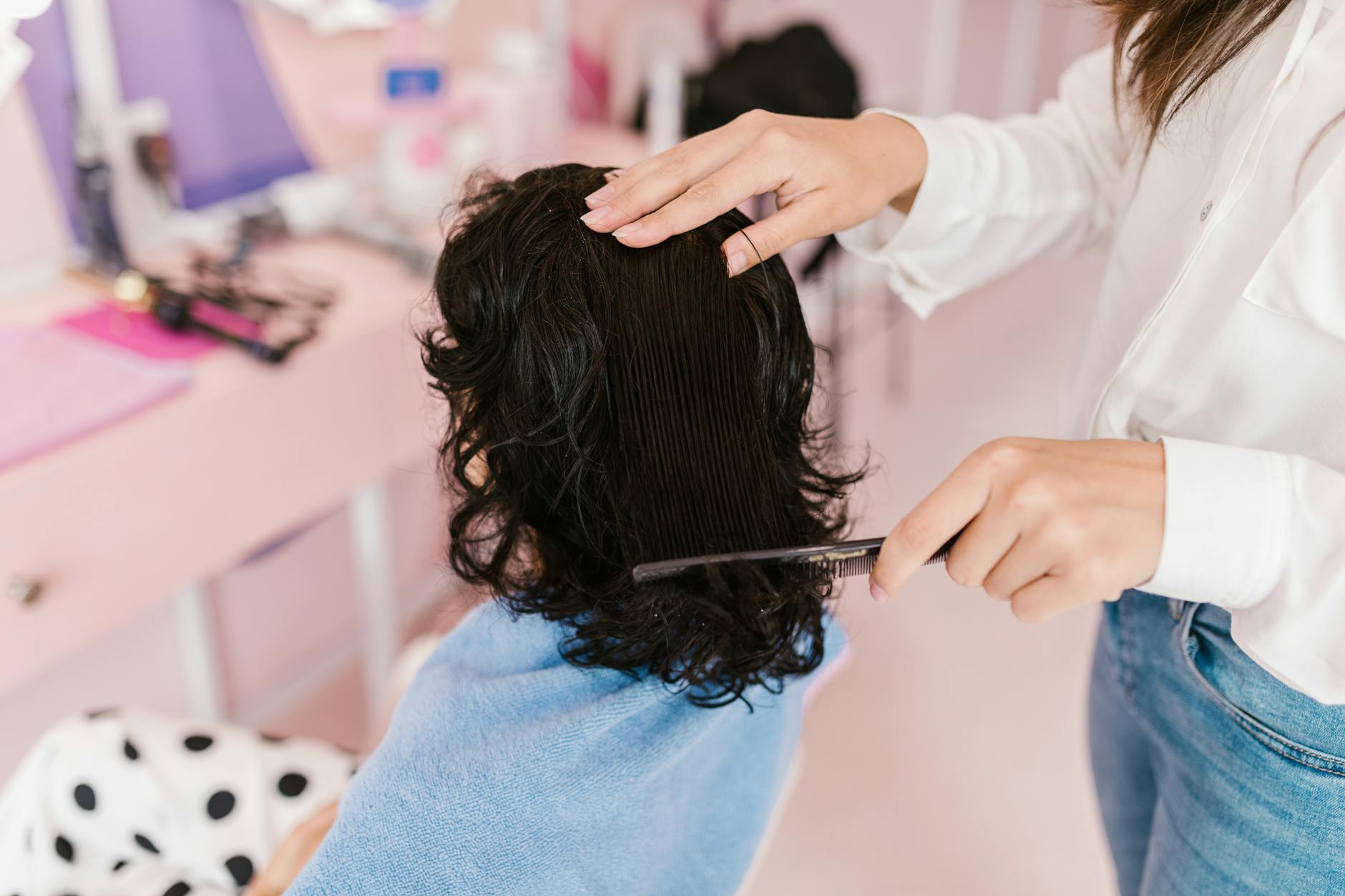
Hair is made of a protein called keratin which gives it structure and strength. Protein treatments help repair damage and fill in gaps in the hair cuticle. You should use these treatments every six weeks or when your hair feels mushy. It is crucial to balance protein with moisture to avoid stiffness. Overloading on protein can make hair brittle so moderation is necessary.
Sectioning Hair
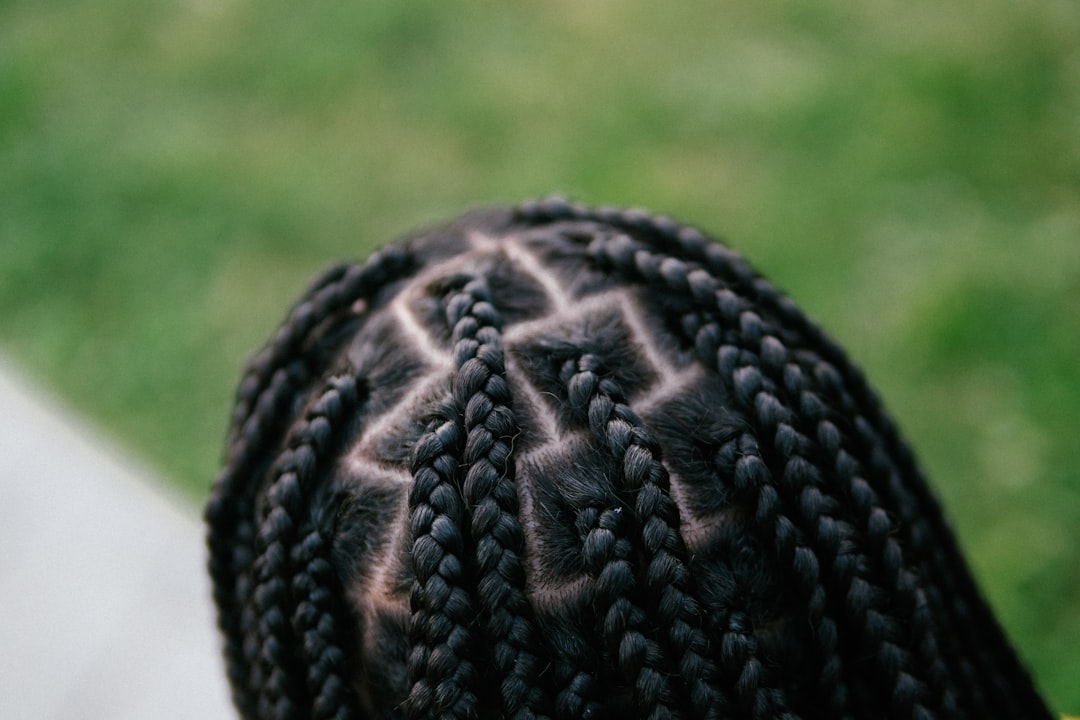
Working with your hair in sections makes washing and detangling and styling much more manageable. You can use clips to separate the hair into four or more parts. This ensures that every strand receives product and attention evenly. Sectioning prevents tangles from reforming while you work on other areas. It saves time and reduces frustration during wash day routines.
Essential Oils
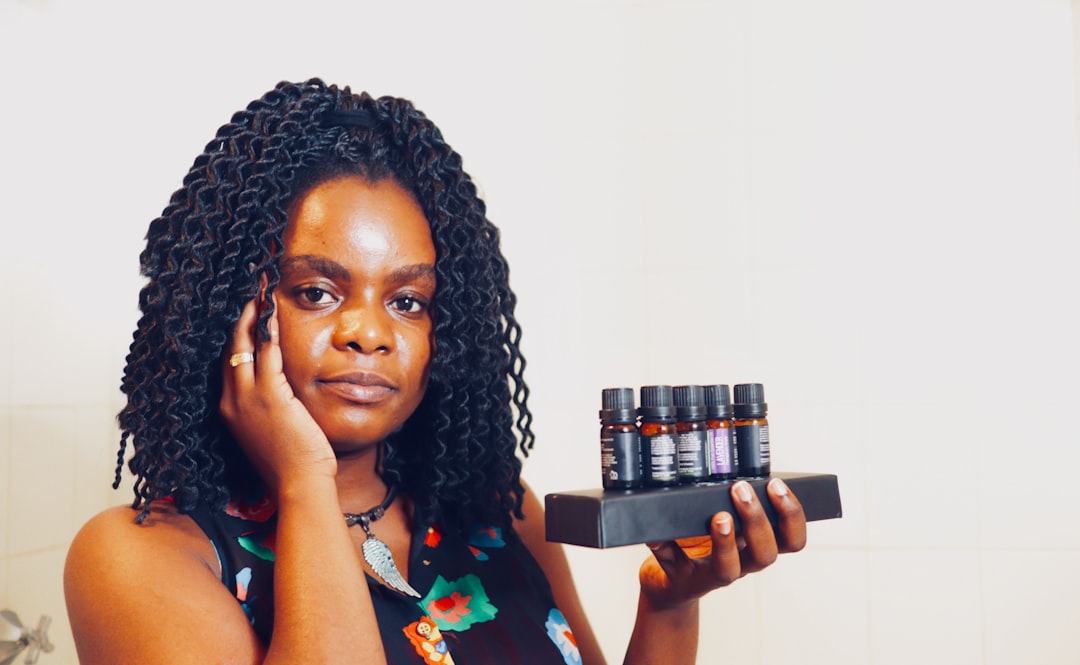
Natural oils like tea tree and rosemary have properties that support scalp health. You must dilute these potent oils with a carrier oil like almond or jojoba before application. They can help soothe an itchy scalp and combat dandruff effectively. Adding a few drops to your shampoo or deep conditioner boosts their efficacy. These natural remedies offer a chemical-free way to treat common scalp issues.
Seasonal Adjustments

Your hair needs change as the weather shifts from summer humidity to winter dryness. Heavier butters and oils are beneficial during colder months to seal in moisture. Humectants like glycerin work well in moderate weather but can cause frizz in high humidity. You should monitor how your hair reacts to the climate and switch products accordingly. Adapting your routine protects your hair from environmental stressors.
Proper Tools
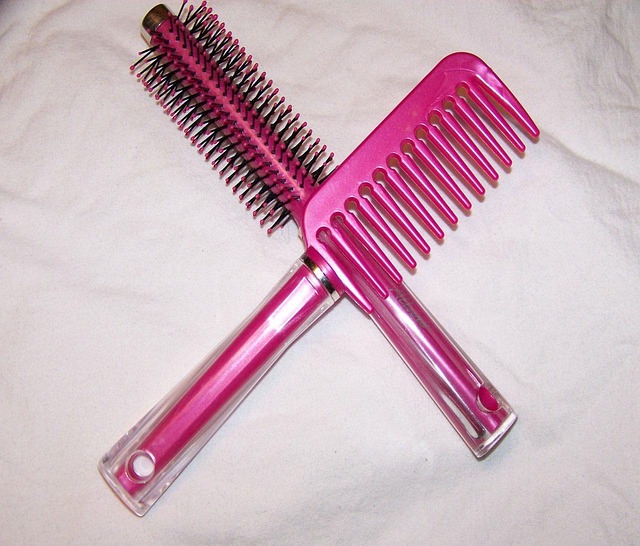
Using the wrong combs and brushes can tear through your hair and cause unnecessary pain. Wide-tooth combs and flexible detangling brushes are designed to move with your curls. You should discard any tools with broken teeth or rough seams immediately. Seamless combs glide through the hair without snagging or ripping. investing in quality tools is an investment in the longevity of your hair.
Rice Water Rinses
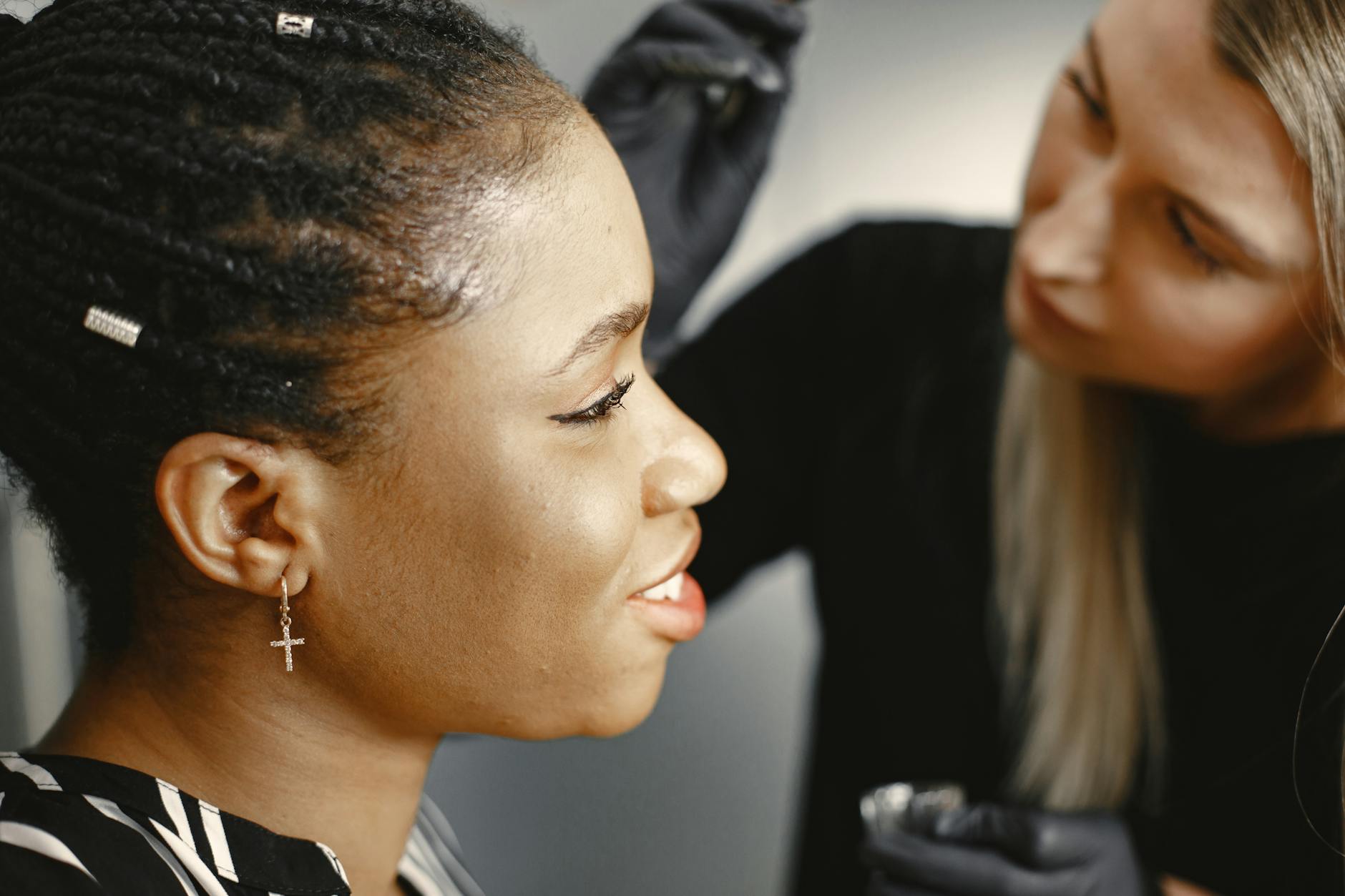
This fermented water treatment contains amino acids and vitamins that strengthen the hair shaft. Many women report increased shine and improved elasticity after using rice water. You should use this rinse as a pre-poo or after conditioning depending on your preference. It acts as a mild protein treatment so follow up with moisture. consistent use can help with shedding and overall manageability.
Reading Ingredients
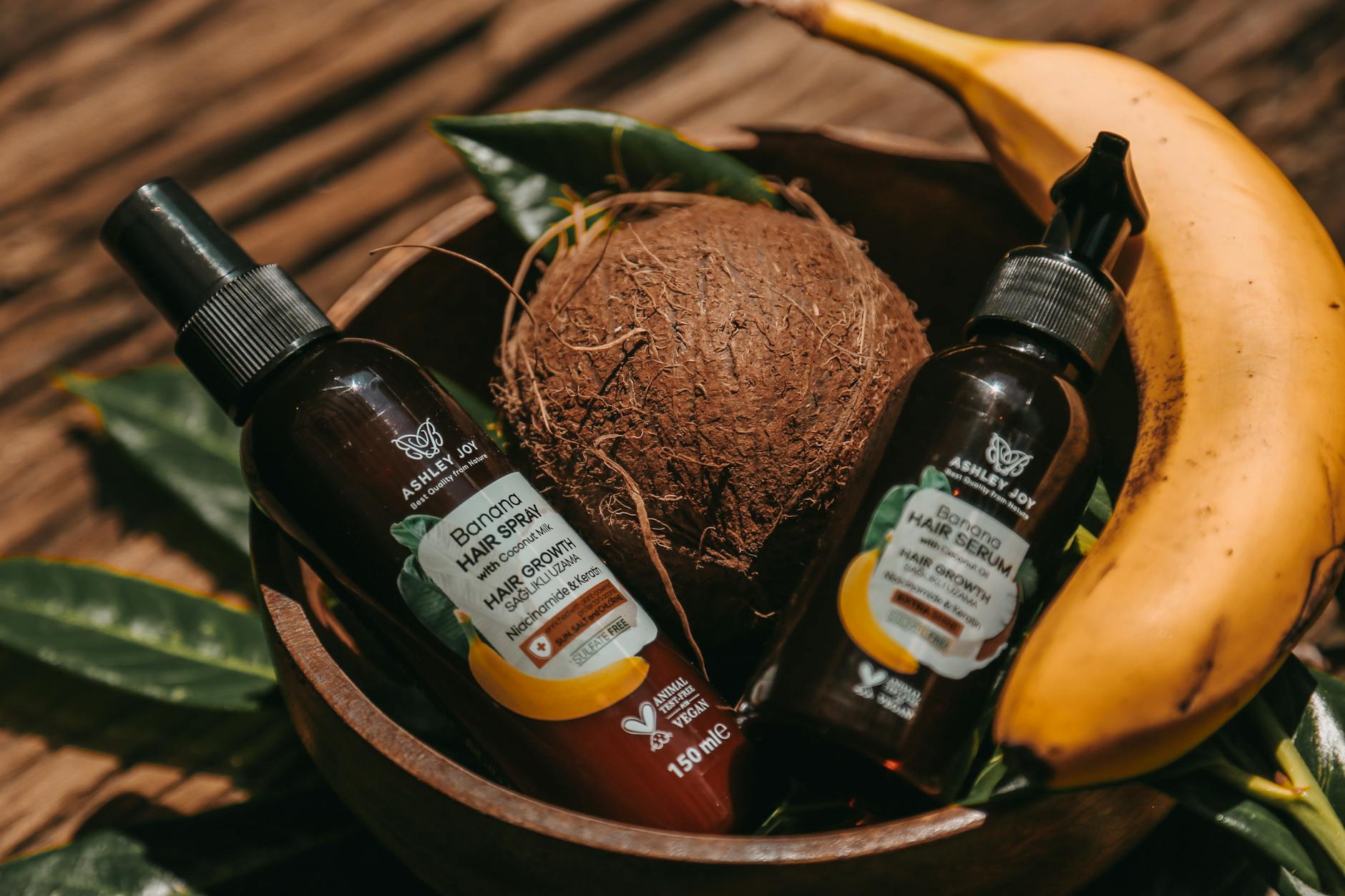
Understanding product labels helps you avoid harmful chemicals that damage natural hair. You should look out for drying alcohols and mineral oils that offer no real benefits. Natural ingredients like shea butter and aloe vera are generally safer bets. Learning the difference between good and bad alcohols empowers you to make better choices. Knowledge of ingredients saves money on ineffective products.
Patience with Growth

Hair grows at an average rate of half an inch per month regardless of what products you use. You must focus on length retention rather than trying to speed up growth. It is normal to experience plateaus where progress seems slow or stagnant. consistency in your routine is the only magic formula for long hair. excessive checking for length can lead to disappointment so focus on health instead.
Listening to Your Hair

Every head of hair is unique and what works for others may not work for you. You should pay attention to how your hair responds to different products and techniques. If a popular method causes breakage or dryness you must stop immediately. keeping a hair journal can help you track what is successful. trusting your own observations is the most important part of your natural hair journey.
Please share your favorite natural hair care tips and experiences in the comments.