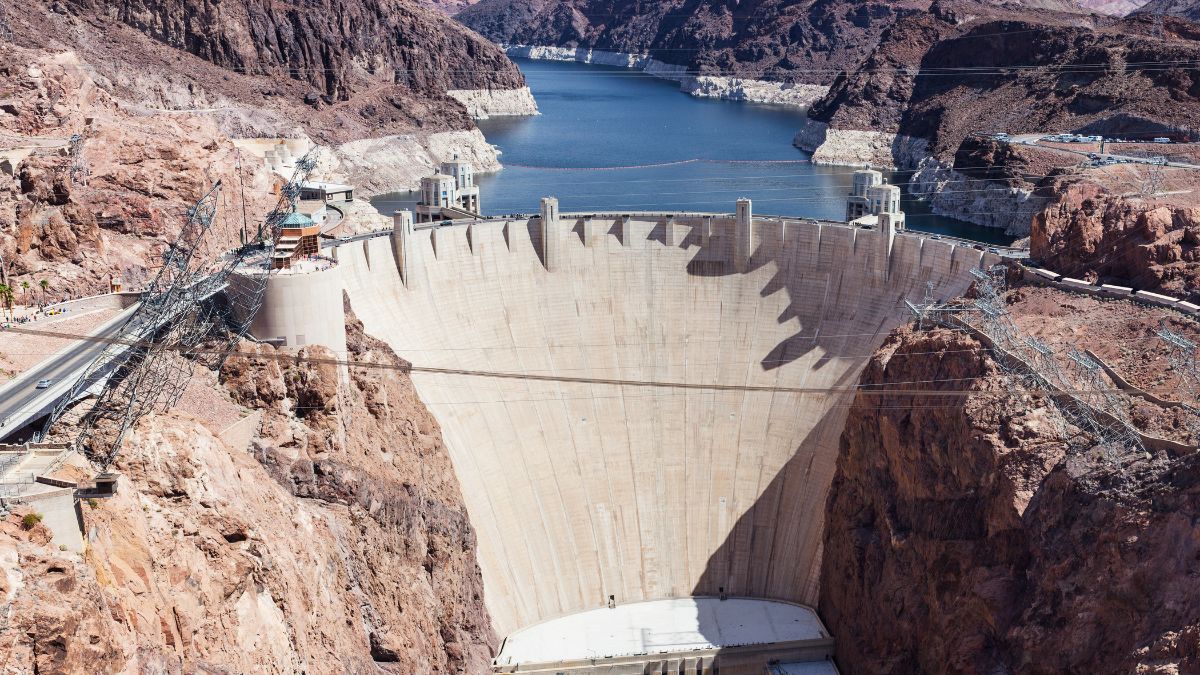
The United States is home to countless iconic destinations that draw millions of visitors each year, yet not every celebrated landmark lives up to its towering reputation. Many of these attractions benefit more from decades of marketing than from any genuinely memorable experience. Crowds, long lines, and underwhelming payoffs leave travelers feeling like their time and money were poorly spent. Before booking the next big American road trip, it is worth knowing which stops are better left off the itinerary entirely.
Times Square
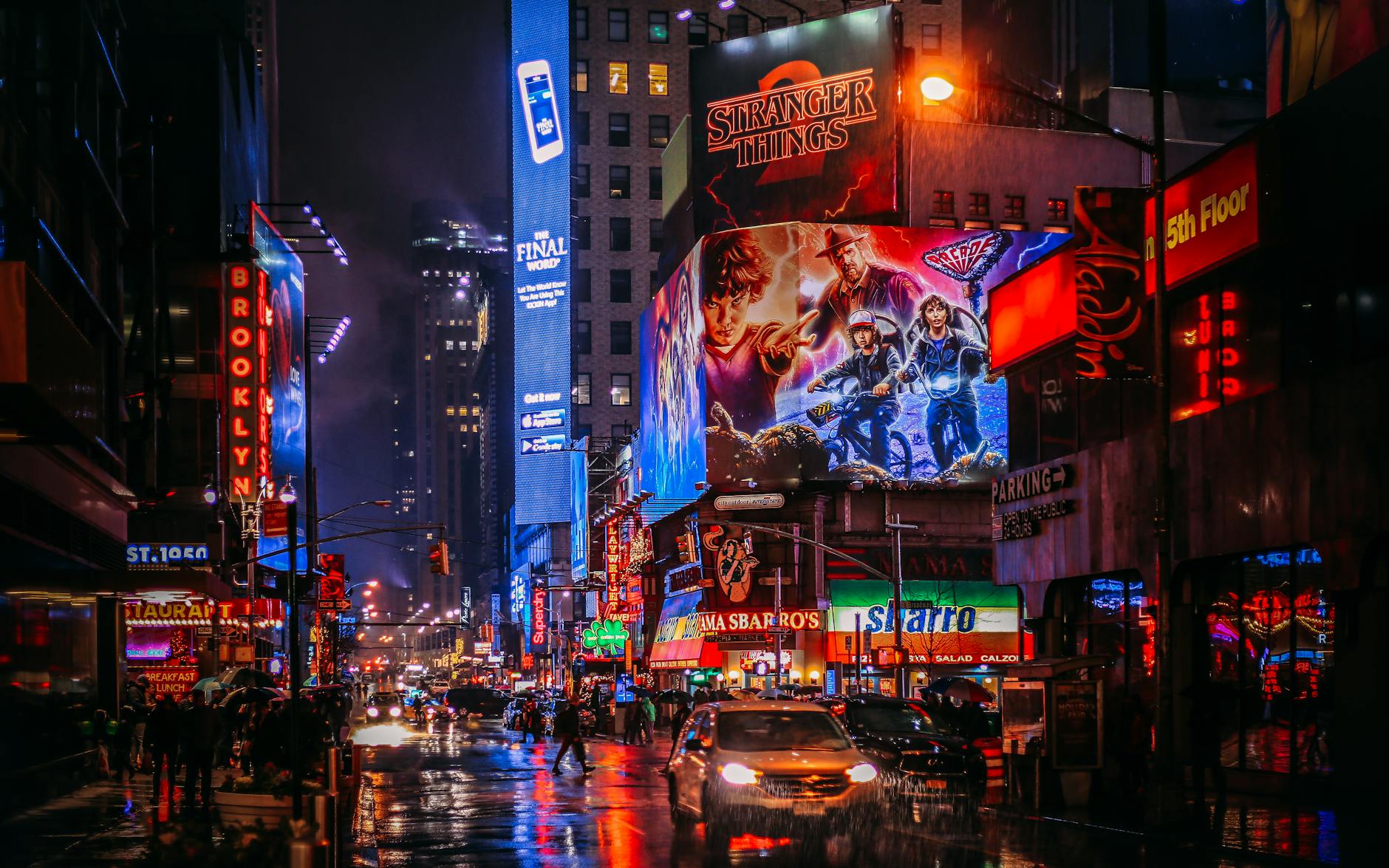
Times Square in New York City is one of the most visited urban intersections in the world, yet the experience rarely matches the anticipation. The area is densely packed with tourists at nearly every hour of the day, making simple movement through the space exhausting. The majority of surrounding businesses are chain restaurants and souvenir shops that can be found in any American city. Aggressive costumed characters soliciting tips add an uncomfortable layer to the already overwhelming environment.
Hollywood Walk of Fame
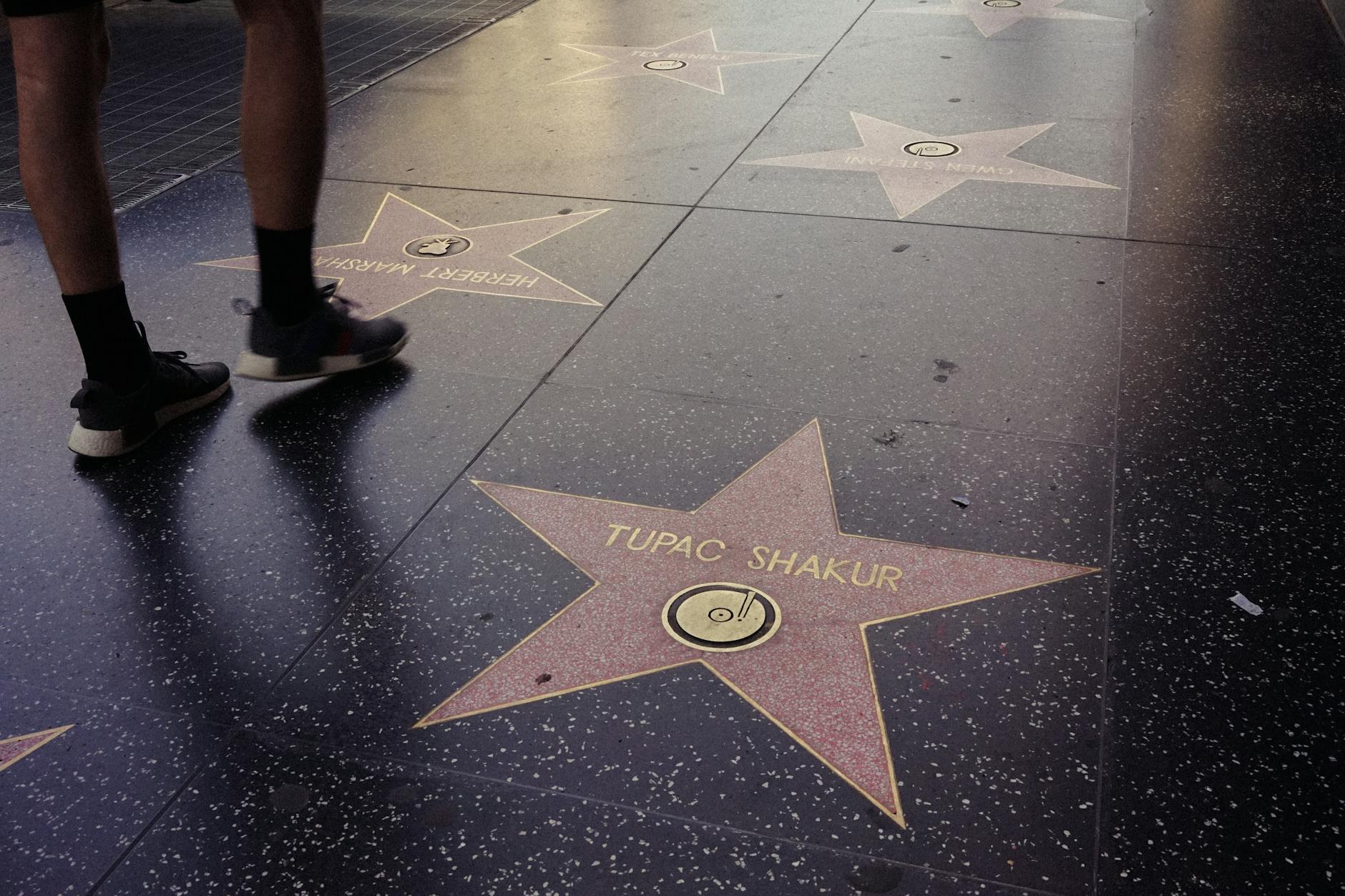
The Hollywood Walk of Fame stretches along Hollywood Boulevard in Los Angeles and features over 2,700 star-shaped plaques embedded in the sidewalk. In person, the stars are easy to miss underfoot and the surrounding neighborhood feels noticeably run-down compared to expectations. Many visitors are surprised to find the area filled with vendors, panhandlers, and crowds rather than the glamour associated with the entertainment industry. The experience of staring at a name in concrete rarely justifies the effort of traveling to the location specifically.
Fisherman’s Wharf
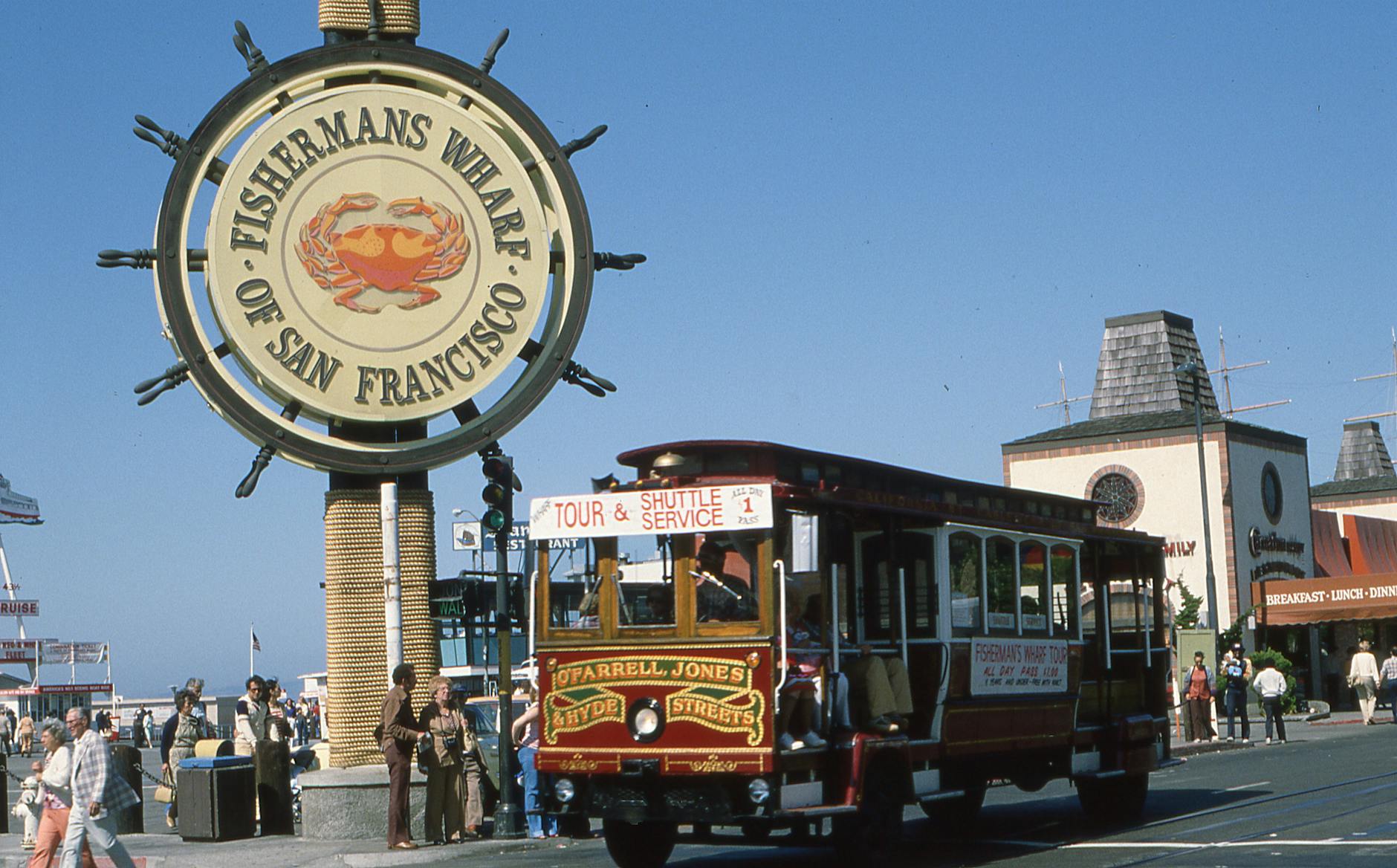
Fisherman’s Wharf in San Francisco was historically a working waterfront but has since transformed almost entirely into a tourist-focused commercial zone. The seafood prices along the main strip are significantly higher than in other parts of the city with comparable or superior quality. Most of the shops sell identical merchandise that has little connection to the area’s maritime heritage. San Francisco offers far more authentic and distinctive neighborhoods that better represent the city’s culture and character.
Navy Pier
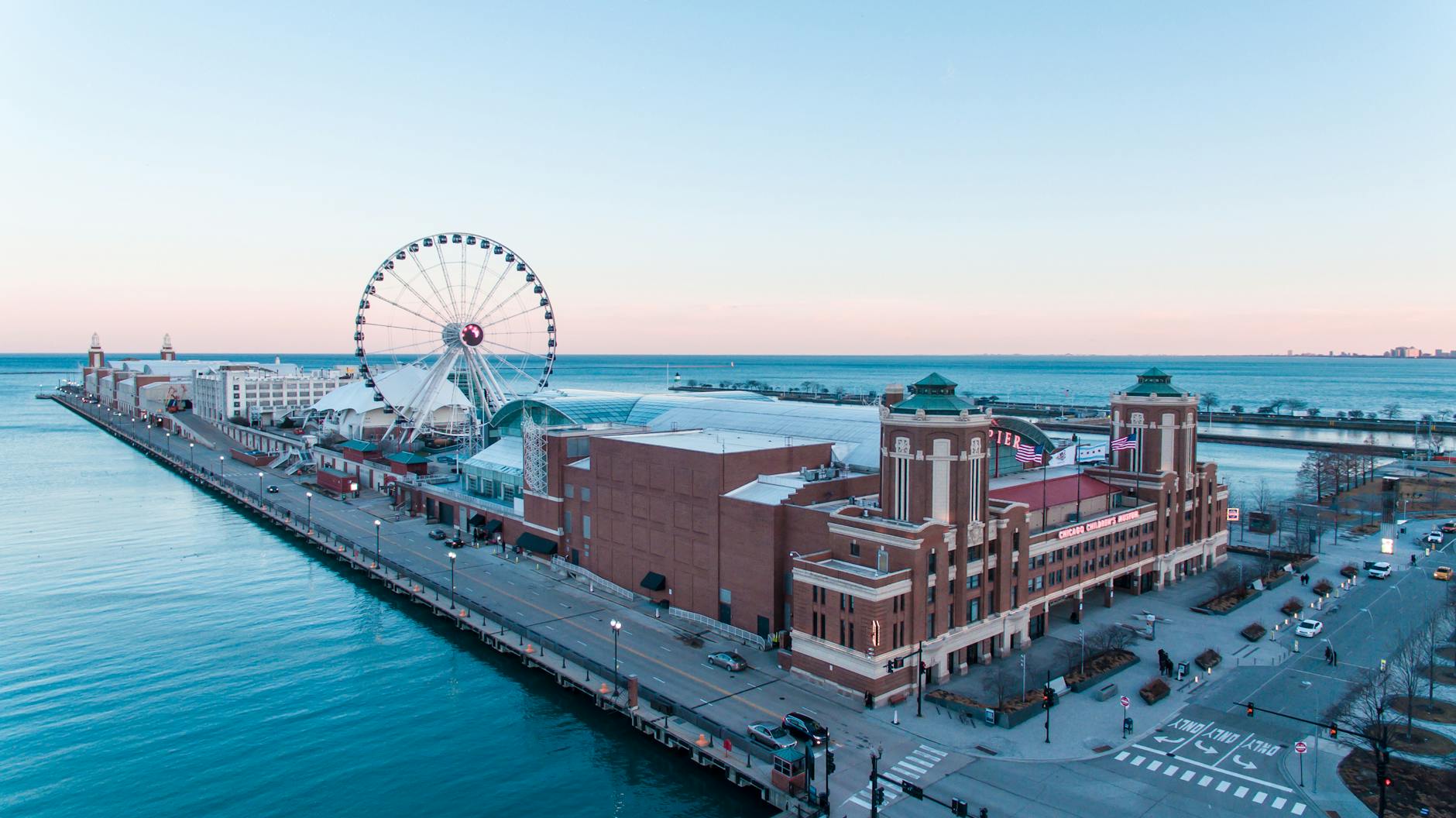
Navy Pier extends into Lake Michigan from the Chicago shoreline and draws more visitors annually than almost any other attraction in the Midwest. The pier itself functions largely as an outdoor mall, with the majority of its space occupied by chain eateries and retail vendors. The Ferris wheel and a handful of carnival-style rides represent the bulk of the entertainment options available. Visitors hoping for a meaningful cultural experience will find Chicago’s museum campus, architecture river cruise, or independent neighborhoods far more rewarding.
Mall of America
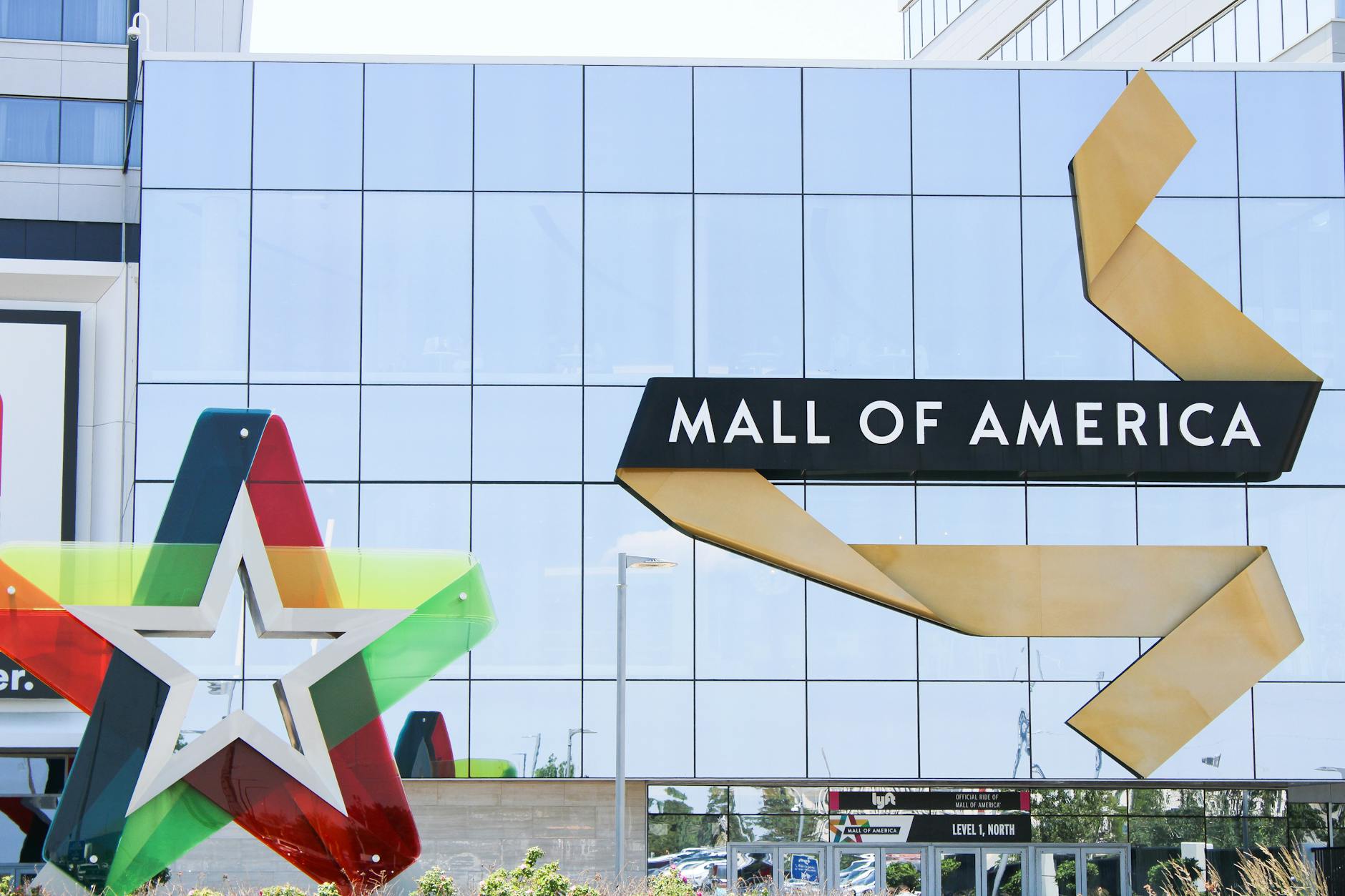
The Mall of America in Bloomington, Minnesota holds the distinction of being the largest shopping mall in the United States. Despite the novelty of its size and the indoor amusement park at its center, the tenant roster is largely composed of brands found in most regional malls across the country. The sheer scale can make the experience more disorienting than enjoyable, with hours of walking required to cover even a fraction of the space. Travelers flying into Minneapolis specifically for the mall often find the experience underwhelming relative to the hype.
Graceland
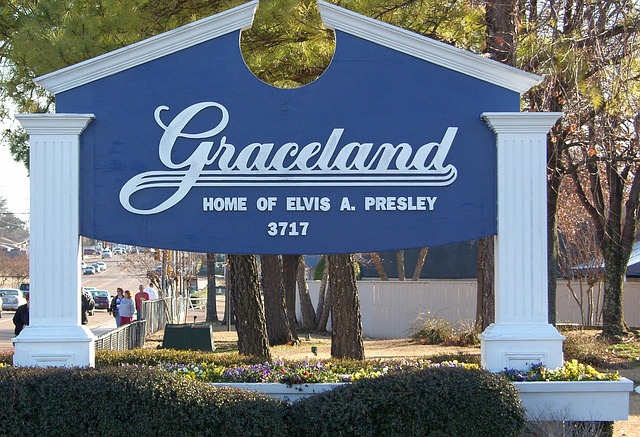
Graceland in Memphis, Tennessee is the former home of Elvis Presley and draws devoted fans from around the world each year. Non-fans or casual visitors tend to find the property modest in scale and the ticket prices steep relative to what is actually on display. Much of the experience involves watching video presentations and moving through rooms preserved in a style specific to a single era of American interior design. The surrounding commercial strip outside the estate gates has also grown increasingly focused on merchandise sales rather than authentic historical context.
The Alamo
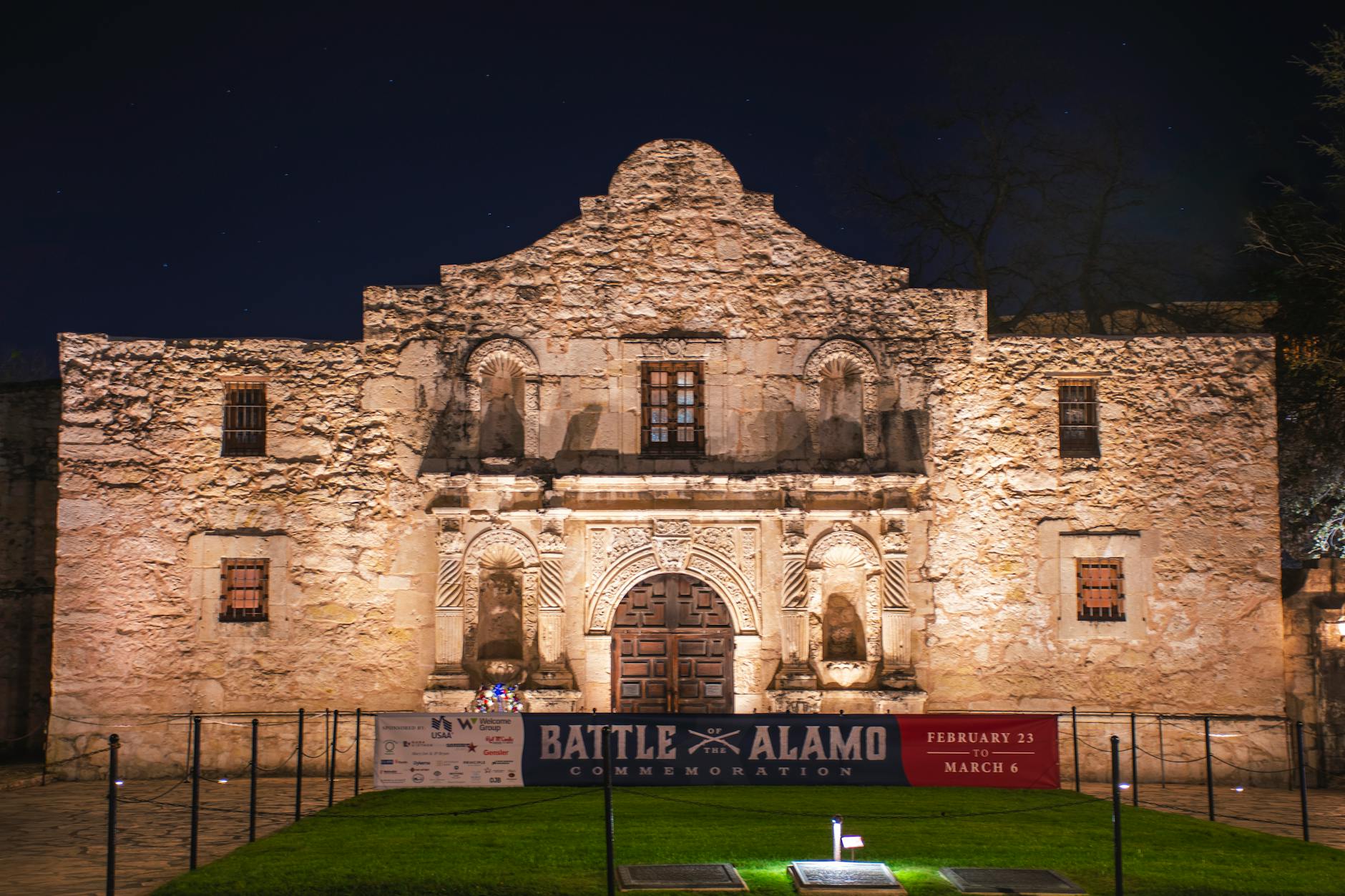
The Alamo in San Antonio, Texas carries enormous symbolic weight in American history as the site of an 1836 battle during the Texas Revolution. Many visitors arrive expecting a large and dramatic fortress and are instead surprised to find a relatively small mission building surrounded by a busy downtown commercial district. The interior exhibits, while historically informative, can be toured in under an hour, leaving many travelers wondering how to fill the rest of their time in the area. The surrounding Riverwalk, by contrast, offers a far more expansive and enjoyable experience unique to San Antonio.
Four Corners

The Four Corners Monument marks the only point in the United States where four state borders meet simultaneously, drawing visitors curious about the geographic novelty. In practice, the monument consists of a granite disk set into the ground on a flat, largely featureless stretch of land in the desert Southwest. The surrounding vendor stalls selling regional crafts are the main source of activity at the site. For many travelers, the long drive required to reach the remote location makes the brief visit feel disproportionate to the effort involved.
Hollywood Sign
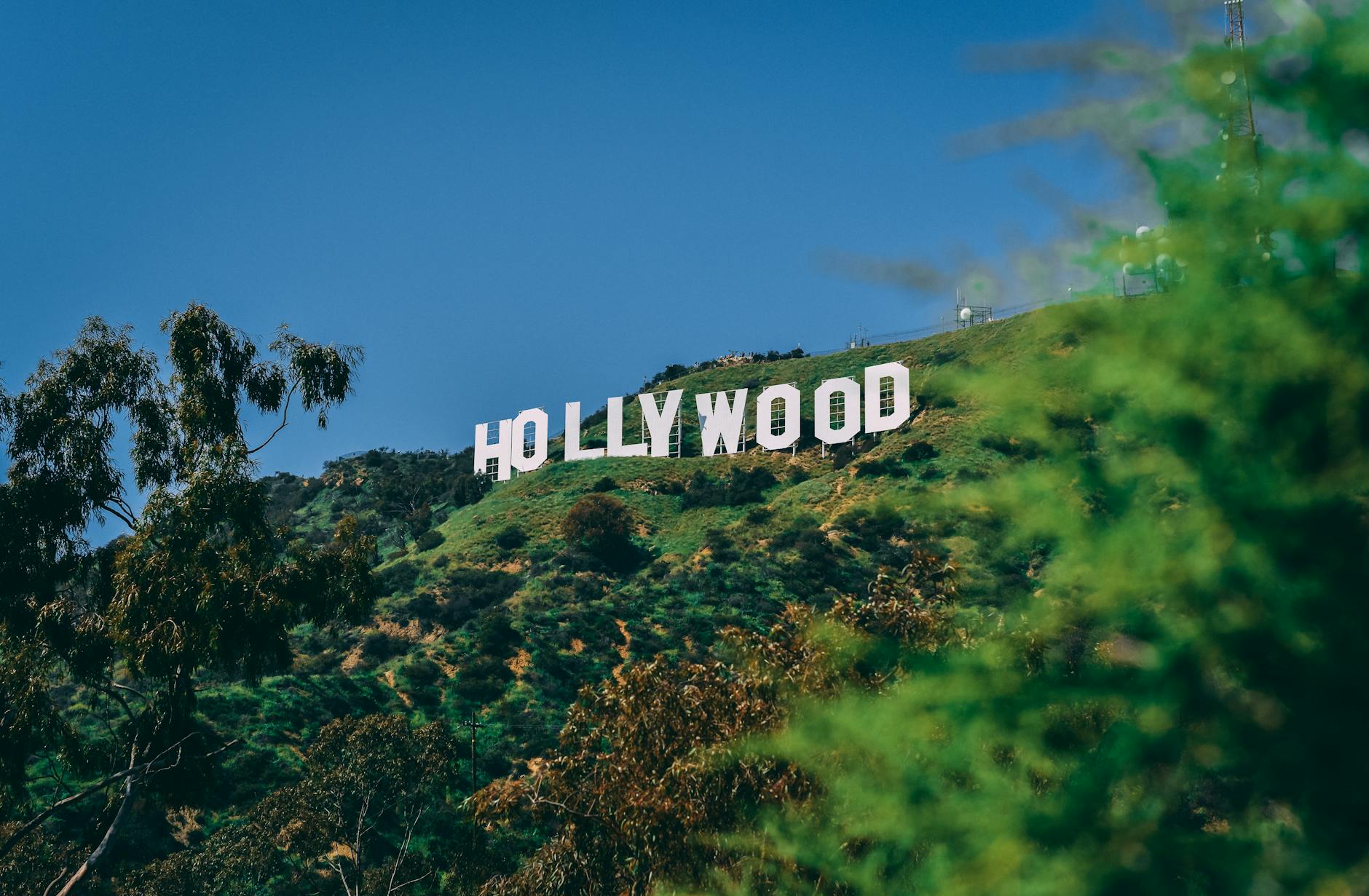
The Hollywood Sign in the hills above Los Angeles has become one of the most recognized landmarks in the world, yet seeing it in person is frequently anticlimactic. The sign is difficult to photograph well from street level due to surrounding development, and most visitors end up using a telephoto lens or digital zoom from a considerable distance. Hiking closer to the sign is restricted, meaning no visitor actually stands beneath it for a photo. The surrounding Griffith Park offers genuinely beautiful trails and the Griffith Observatory provides a far more rewarding destination on the same hillside.
Niagara Falls
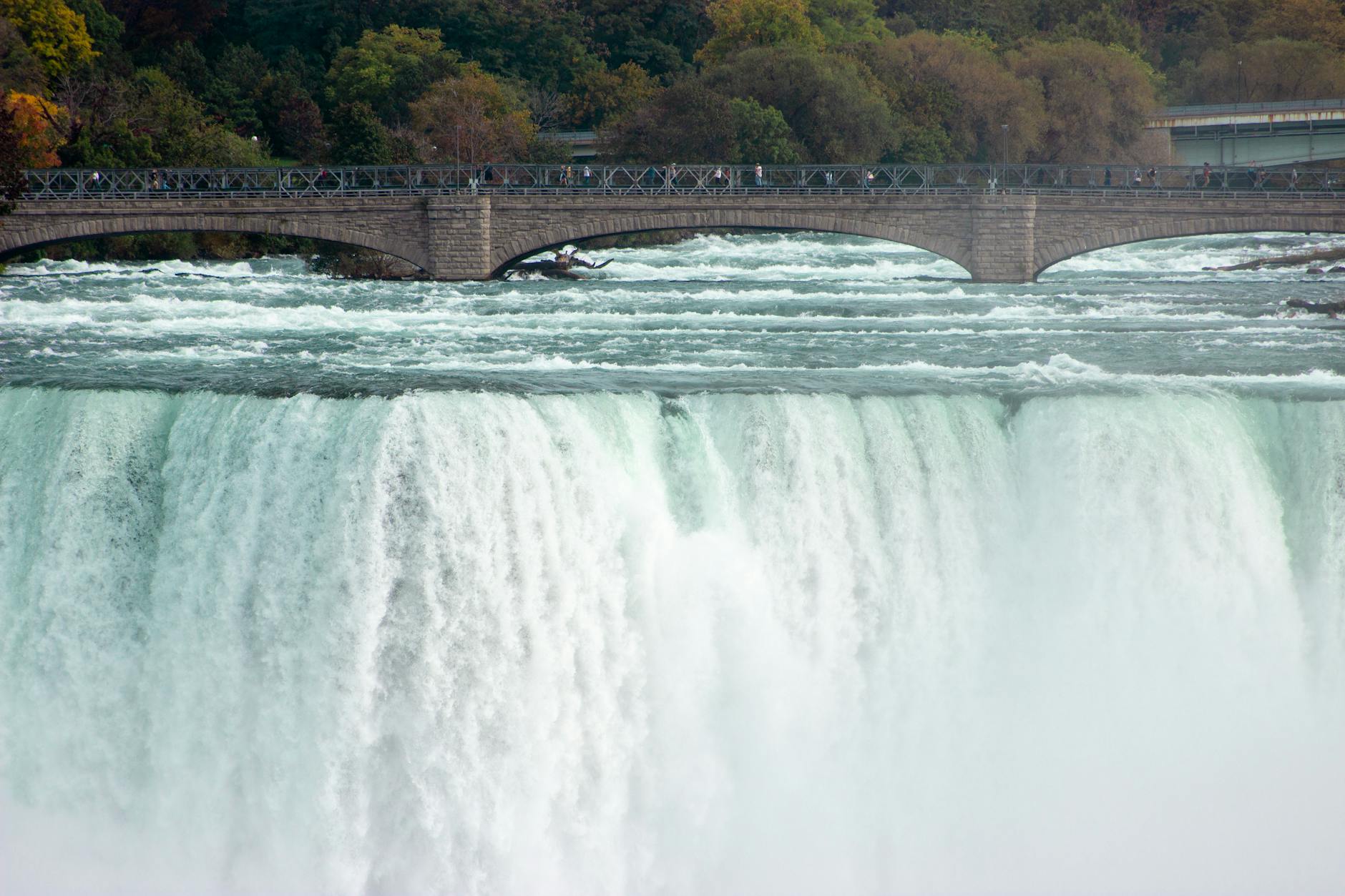
Niagara Falls straddles the border between New York State and Ontario, Canada, and while the falls themselves are undeniably powerful, the American side of the experience is widely considered the weaker of the two. The observation areas on the US side provide less dramatic vantage points compared to those accessible from Canada. The surrounding town of Niagara Falls, New York is characterized by dated infrastructure and tourist traps that have seen better decades. Most travel professionals suggest crossing into Ontario for a dramatically improved perspective on the same natural wonder.
Mount Rushmore
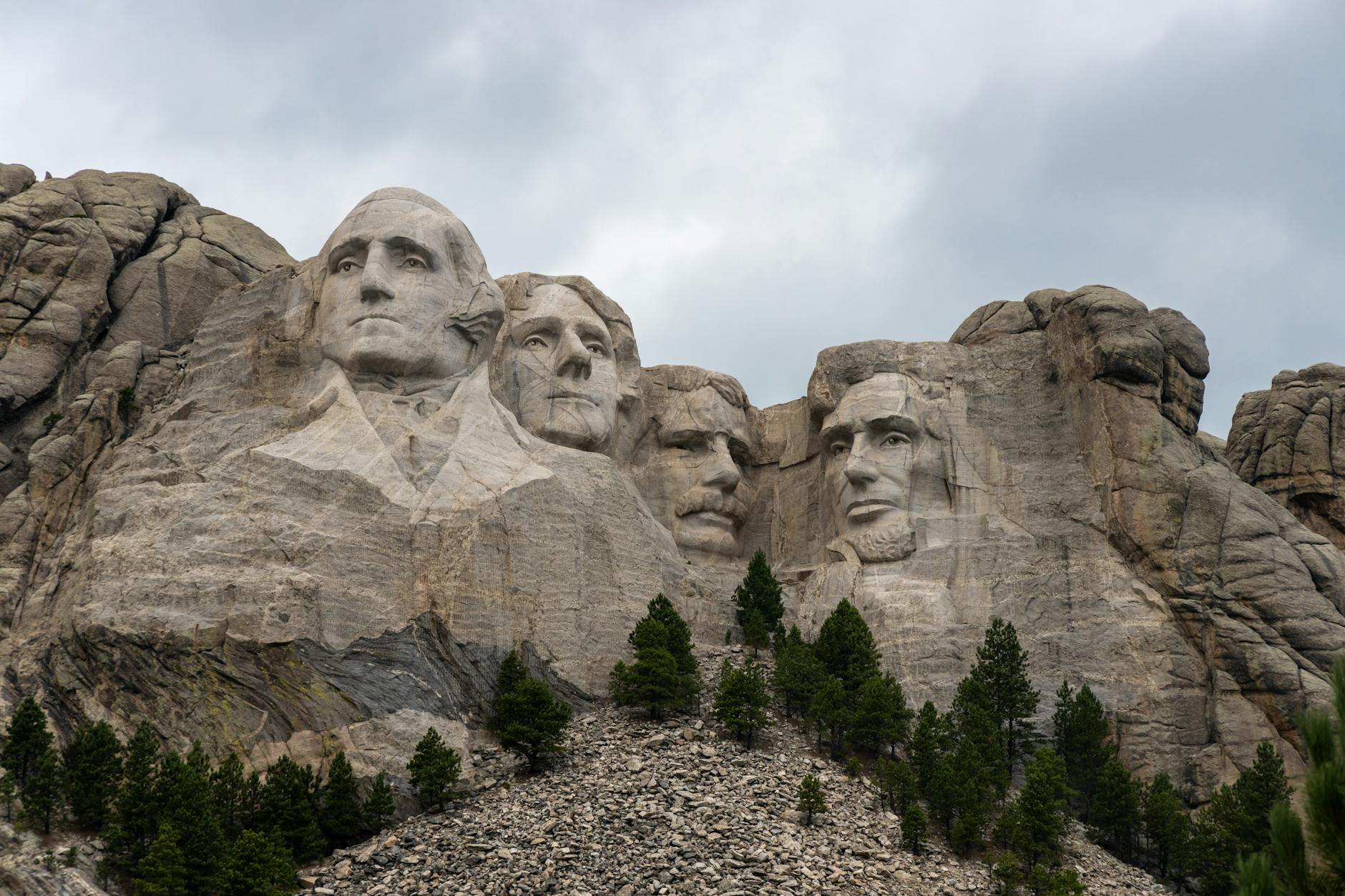
Mount Rushmore in the Black Hills of South Dakota depicts the carved faces of four American presidents on a granite mountainside and is deeply significant as a feat of engineering and a symbol of American identity. Many visitors who make the long drive to the remote location are struck by how much smaller the sculpture appears compared to photographs. The site itself offers limited activities beyond viewing the monument from designated areas and browsing the attached visitor center. The surrounding Black Hills region, including Custer State Park and the nearby Crazy Horse Memorial, often proves more impressive to travelers once they arrive.
Bourbon Street
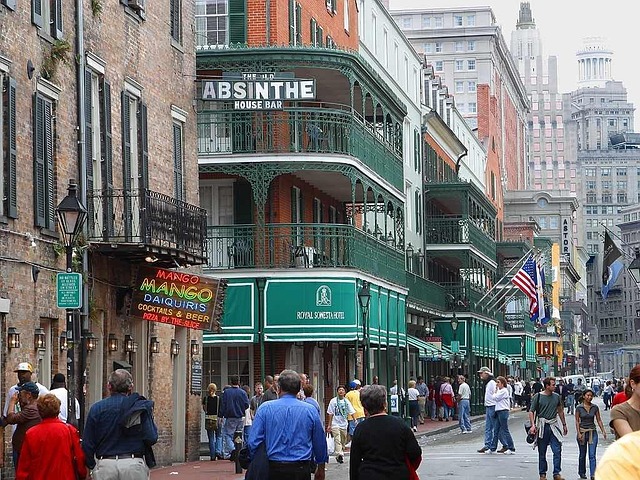
Bourbon Street in New Orleans is internationally famous as a destination for nightlife and revelry, drawing visitors throughout the year. The reality of the street involves dense crowds, aggressive bar promotions, and an atmosphere that prioritizes volume and excess over the authentic culture that makes New Orleans genuinely extraordinary. The city’s most celebrated music venues, historic architecture, and renowned culinary institutions are found throughout the French Quarter and surrounding neighborhoods rather than concentrated on a single block. Travelers who venture off Bourbon Street consistently report a richer and more memorable experience of the city.
Pike Place
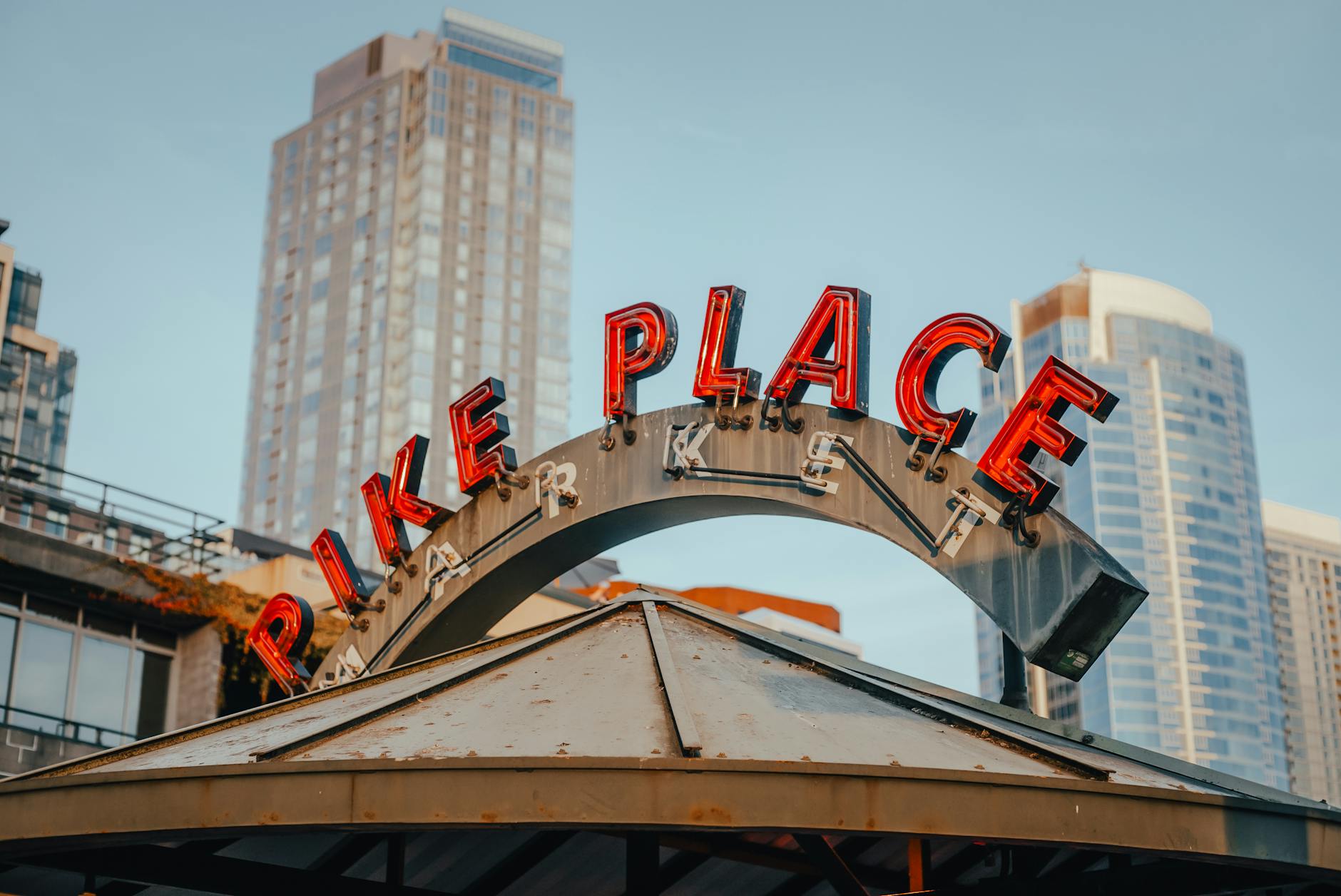
Pike Place Market in Seattle is one of the oldest continuously operating farmers markets in the United States and is famous partly for its fish-throwing vendors. The market’s lower levels and back corridors are genuinely interesting, but the main arcade becomes extremely congested during peak tourist hours. Many of the stalls closest to the main entrance have shifted toward catering to visitors rather than serving as a functional local market. Seattle’s Capitol Hill neighborhood, waterfront areas, and independent dining scene offer a more current and less crowded window into the city’s character.
Faneuil Hall
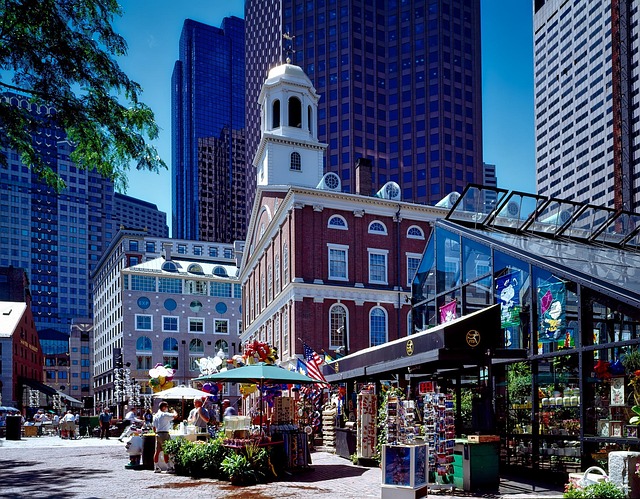
Faneuil Hall Marketplace in Boston combines a historic meeting hall with a large commercial shopping and dining complex in the heart of the city. The historical significance of Faneuil Hall itself is genuine, but the adjacent Quincy Market building and surrounding pavilions function essentially as a food court surrounded by gift shops. The tourist density in the area makes it difficult to appreciate the architectural and historical context of the original building. Boston’s North End, Beacon Hill, and harborfront neighborhoods offer a more immersive experience of the city’s layered history.
Venice Beach

Venice Beach in Los Angeles is celebrated as a hub of counterculture, street performance, and eclectic boardwalk energy. Over the years, rising costs and shifting demographics have altered the neighborhood significantly, and the boardwalk experience now varies widely depending on the time of visit. A substantial unhoused population along the beachfront has created conditions that many visitors find difficult to navigate comfortably. Santa Monica to the north and Manhattan Beach to the south offer more relaxed and accessible California beach experiences within the same general area.
Dealey Plaza
Dealey Plaza in Dallas, Texas is the site of the 1963 assassination of President John F. Kennedy and holds undeniable historical weight. The Sixth Floor Museum within the former Texas School Book Depository provides a well-curated exhibit that many visitors find genuinely moving and informative. The plaza itself, however, is a small urban park adjacent to a busy freeway, and the visit can feel dissonant given the unremarkable surroundings. Visitors with a strong interest in the event typically find the museum far more meaningful than simply standing on the grassy area outside.
Wall Drug
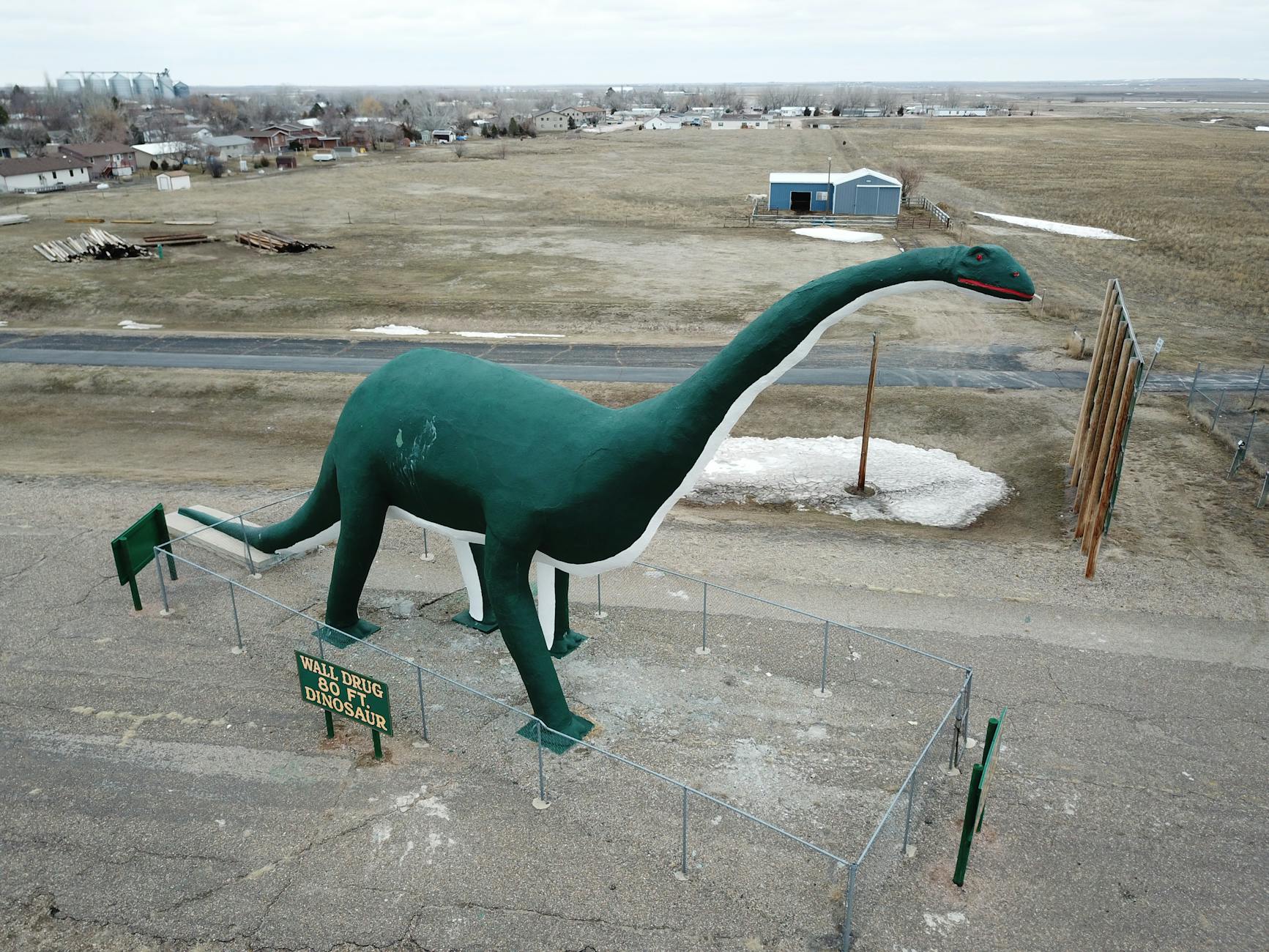
Wall Drug in Wall, South Dakota is a sprawling roadside attraction that has been advertising itself on highway billboards for hundreds of miles in every direction across the Great Plains. The destination began as a small pharmacy in the 1930s and has since expanded into a large collection of gift shops, restaurants, and novelty exhibits. The experience is built almost entirely around the mythology created by its own advertising rather than any inherently unique offering. Travelers lured by decades of roadside signs frequently find the reality of Wall Drug less compelling than the anticipation built during the long drive through South Dakota.
Gateway Arch
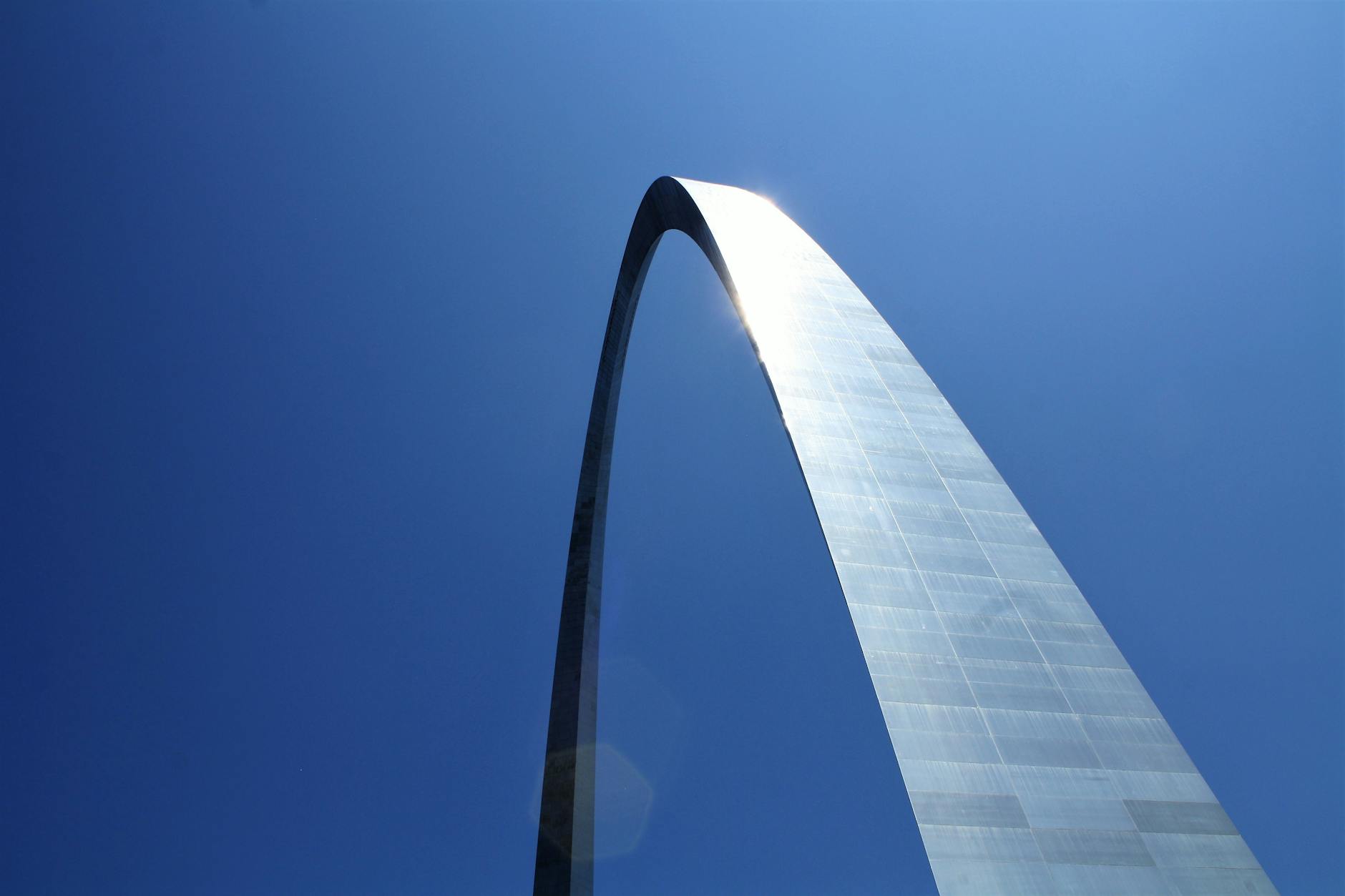
The Gateway Arch in St. Louis, Missouri is a stunning feat of architectural engineering and a meaningful monument to westward expansion in American history. The tram ride to the top of the arch, however, involves a long wait, a cramped capsule ride, and a brief window at the summit with limited views obstructed by small oval windows. The experience at the top rarely matches what visitors imagine when looking up at the graceful curve of stainless steel from below. The surrounding Jefferson National Expansion Memorial and the adjacent Old Courthouse offer context that some visitors find more substantive than the ride itself.
Beale Street
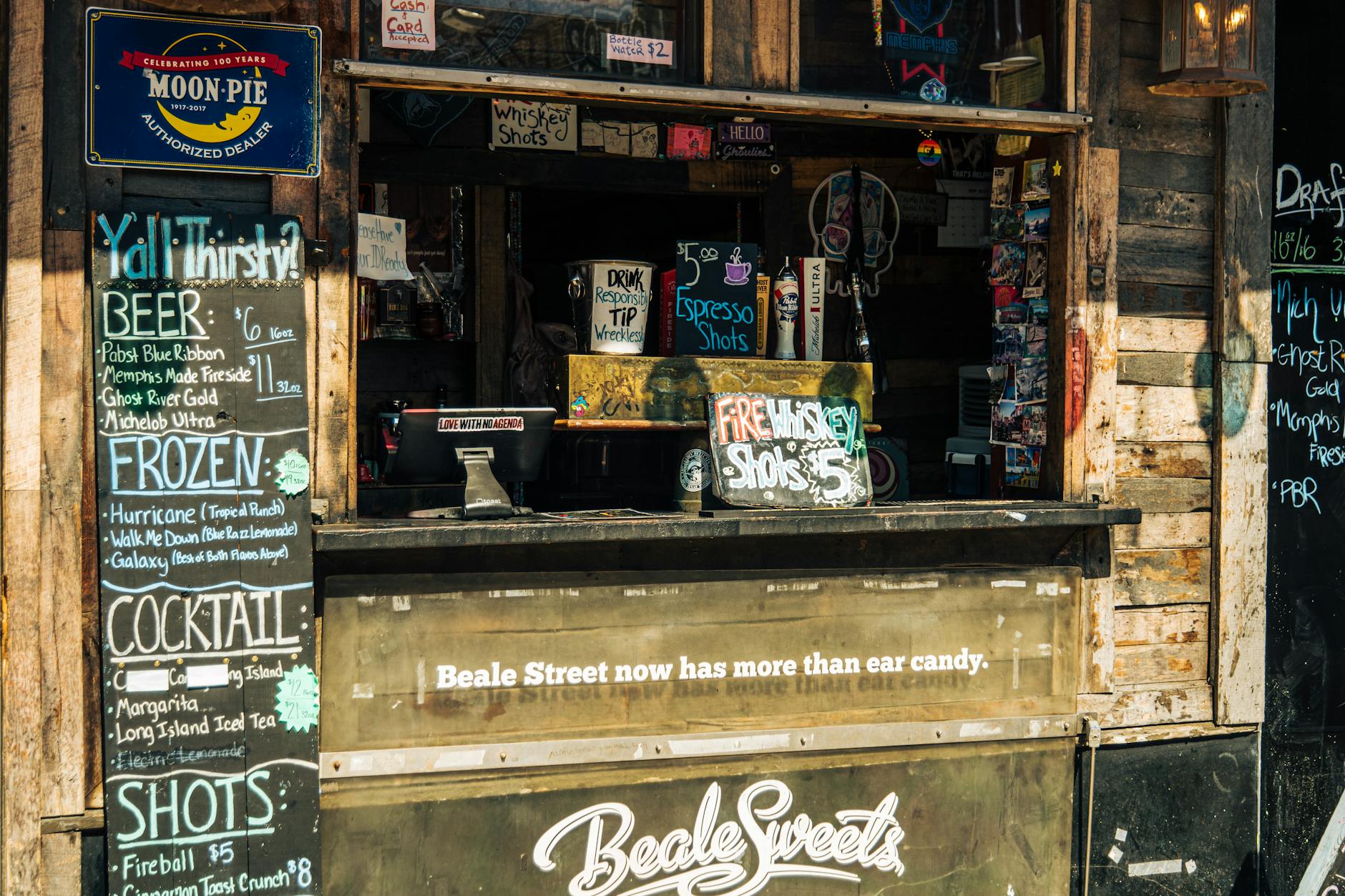
Beale Street in Memphis, Tennessee is historically significant as a birthplace of the blues and a major chapter in American musical heritage. Today the street operates primarily as a pedestrian entertainment district with bars, live music venues, and souvenir shops targeting tourists. The authenticity that once defined the street has largely given way to a more formulaic nightlife experience. Memphis’s deeper musical heritage is better explored at institutions like the Stax Museum of American Soul Music and through the city’s broader musical history rather than on a single commercialized block.
Universal Studios
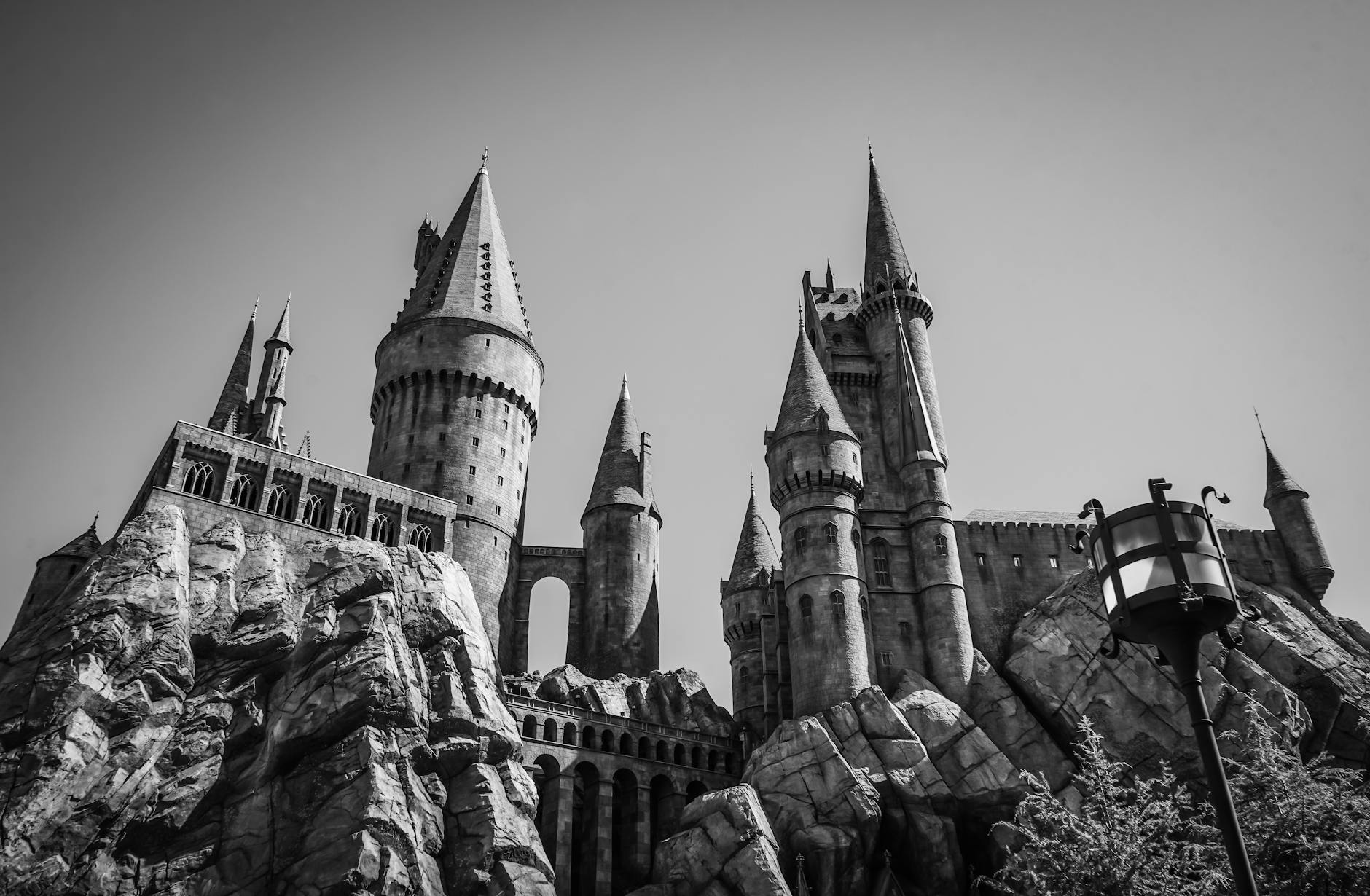
Universal Studios Hollywood is a working film studio and theme park that markets itself on the strength of its major intellectual property franchises. Wait times for popular rides regularly exceed an hour during peak seasons, and ticket prices have risen sharply in recent years relative to the number of available experiences. Much of the park outside of the Wizarding World of Harry Potter area consists of a limited selection of rides and a studio tour that has changed little in decades. Visitors with children seeking a more comprehensive theme park experience often find the competing parks at Disneyland or California Adventure better suited to a full day’s outing.
Madame Tussauds
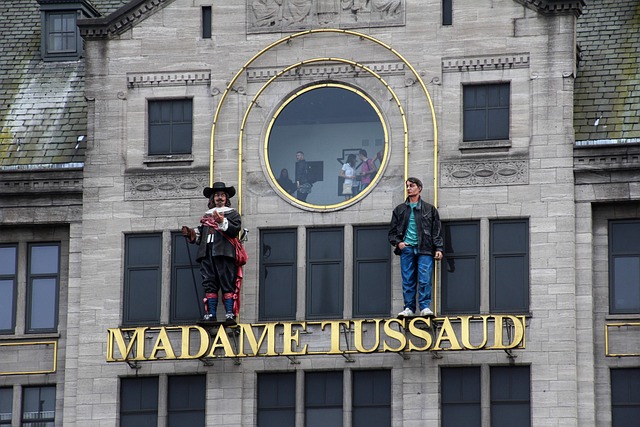
Madame Tussauds operates multiple locations across the United States, including high-profile outposts in New York, Hollywood, and Las Vegas. The wax figures have become familiar from decades of media coverage and social media sharing, and the in-person experience of posing beside them grows repetitive quickly. Ticket prices at most locations are considerable for what amounts to a walk through a series of themed rooms with stationary figures. The novelty of the format tends to wear off well before the tour concludes, leaving many visitors with a sense of diminishing returns.
Biltmore Estate
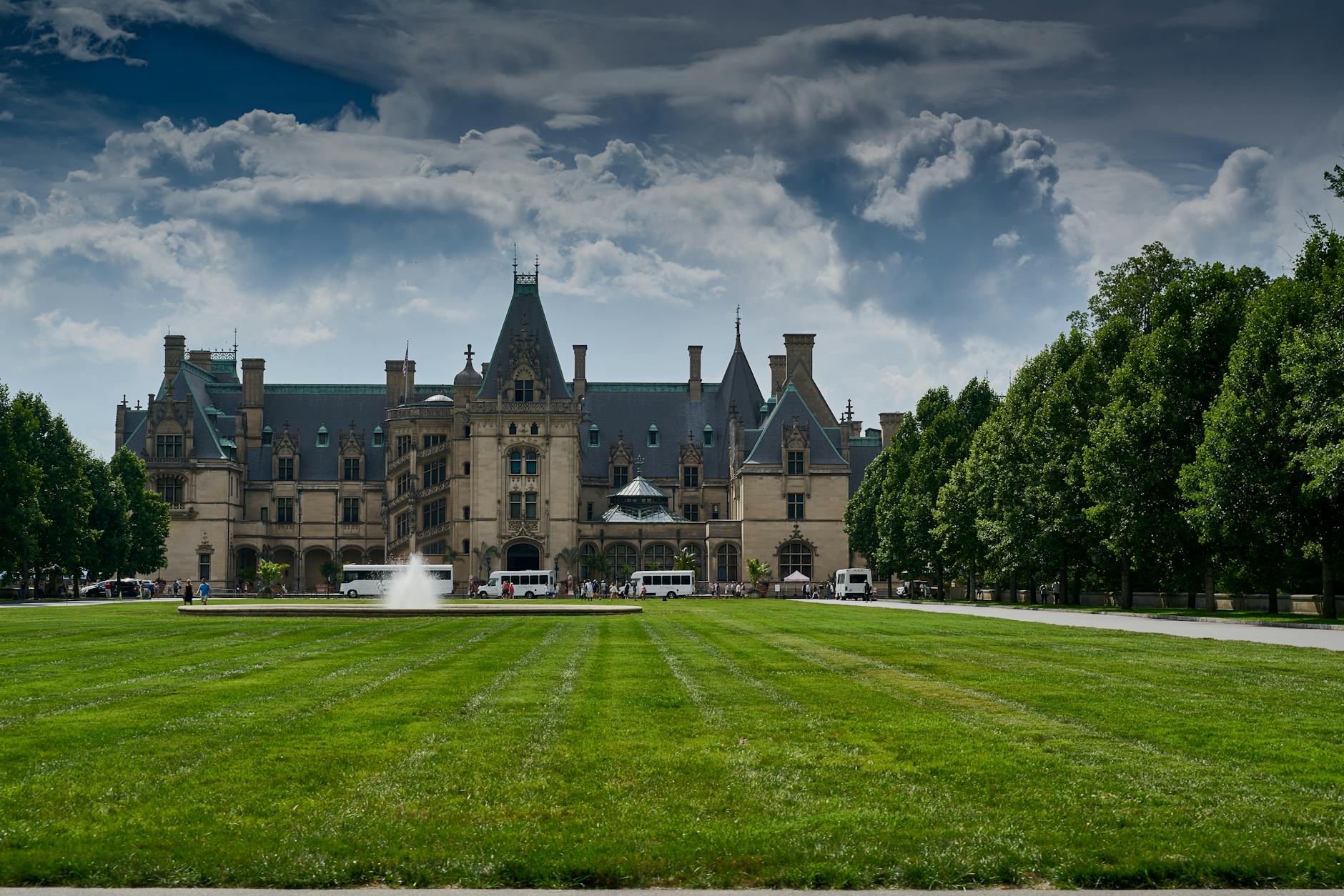
The Biltmore Estate in Asheville, North Carolina is the largest privately owned home in the United States, built by the Vanderbilt family in the late nineteenth century. The house itself is architecturally impressive, but the admission price is among the highest of any historic home in the country and covers only a portion of what is available on the sprawling property. Additional charges apply for access to the gardens, the winery, and various guided tours beyond the standard house visit. Visitors who do not research the full pricing structure in advance often find themselves spending significantly more than anticipated.
Ripley’s
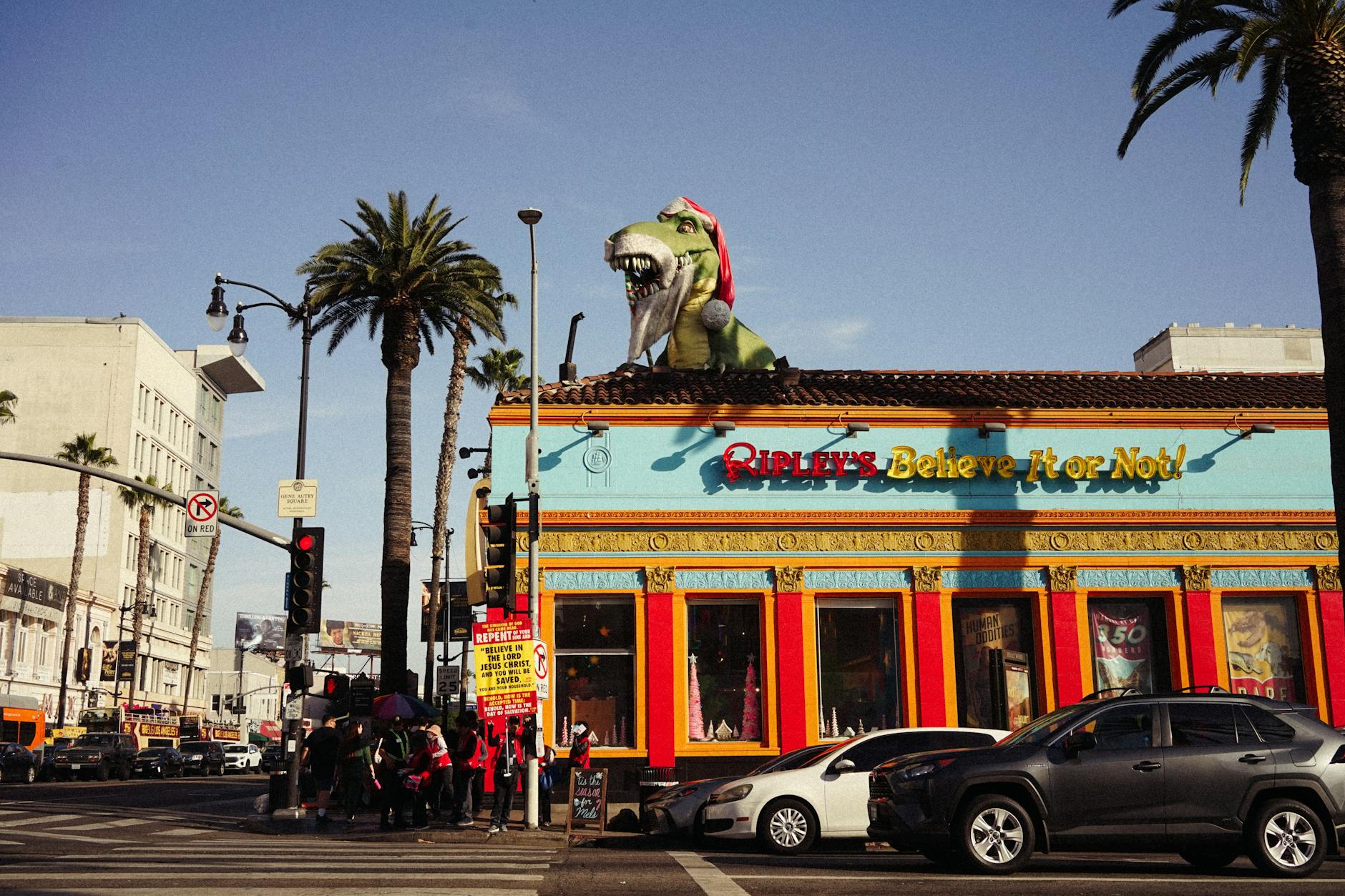
Ripley’s Believe It or Not museums operate in numerous American tourist destinations, including Times Square, Hollywood, and several beach resort towns. The collections feature oddities, records, and unusual artifacts presented with a sensationalist approach that targets a broad family audience. The exhibits change infrequently between locations and visiting one franchise outpost provides a nearly identical experience to any other. The novelty of the format diminishes quickly, and many travelers find that the ticket cost is difficult to justify relative to the hour or less typically required to move through the entire space.
South Beach
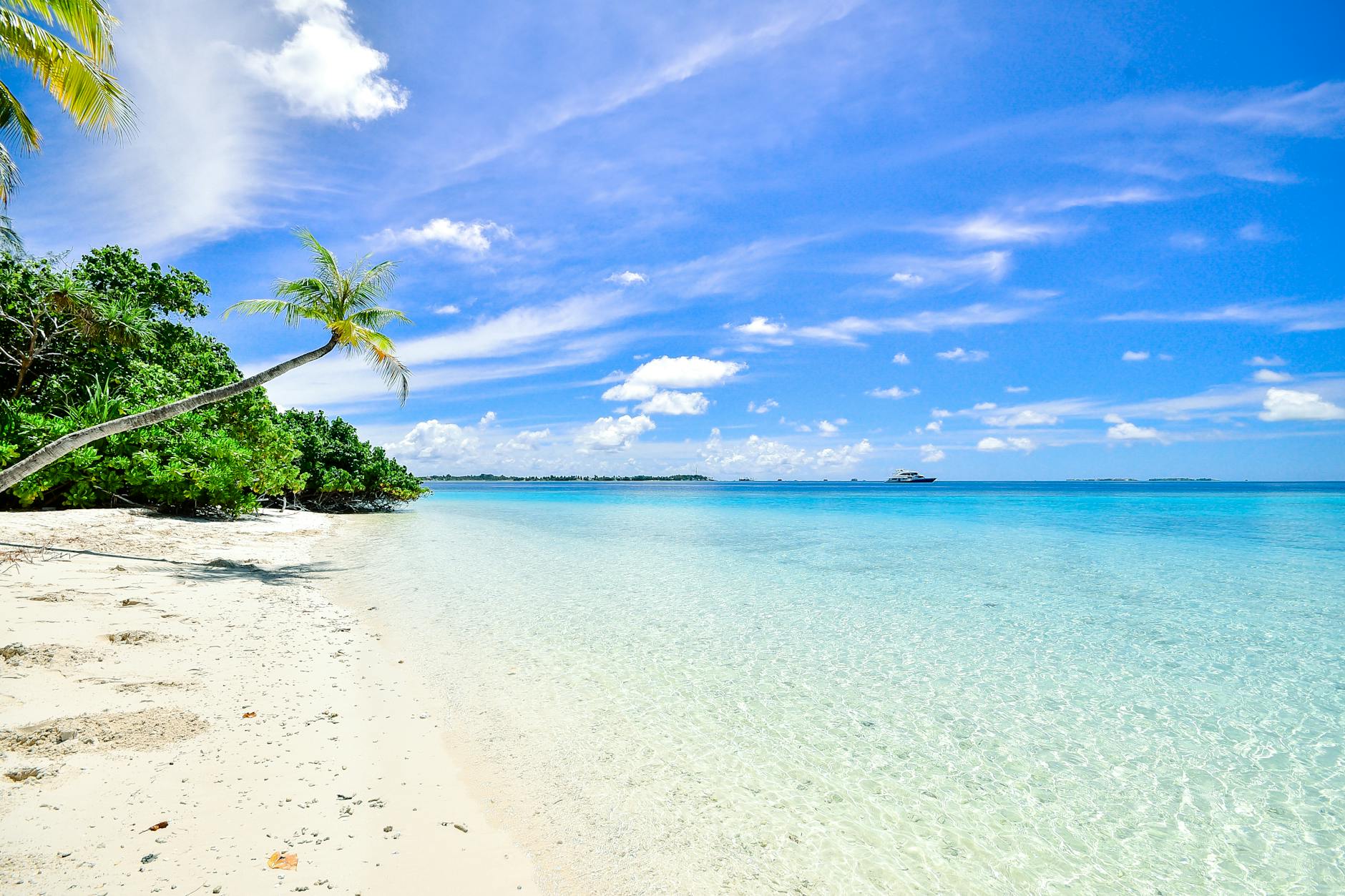
South Beach in Miami, Florida is one of the most photographed urban beach destinations in the world and is internationally associated with luxury, nightlife, and Art Deco architecture. The beach itself is narrow and heavily congested during peak season, with chair and umbrella rentals occupying a significant portion of the usable sand. Ocean Drive and the surrounding streets function largely as a backdrop for nightlife and see-and-be-seen culture that can feel exclusionary or overpriced to the average visitor. The Art Deco Historic District is genuinely worth exploring on foot, but the broader South Beach experience often falls short of the idealized image promoted in travel media.
Hoover Dam
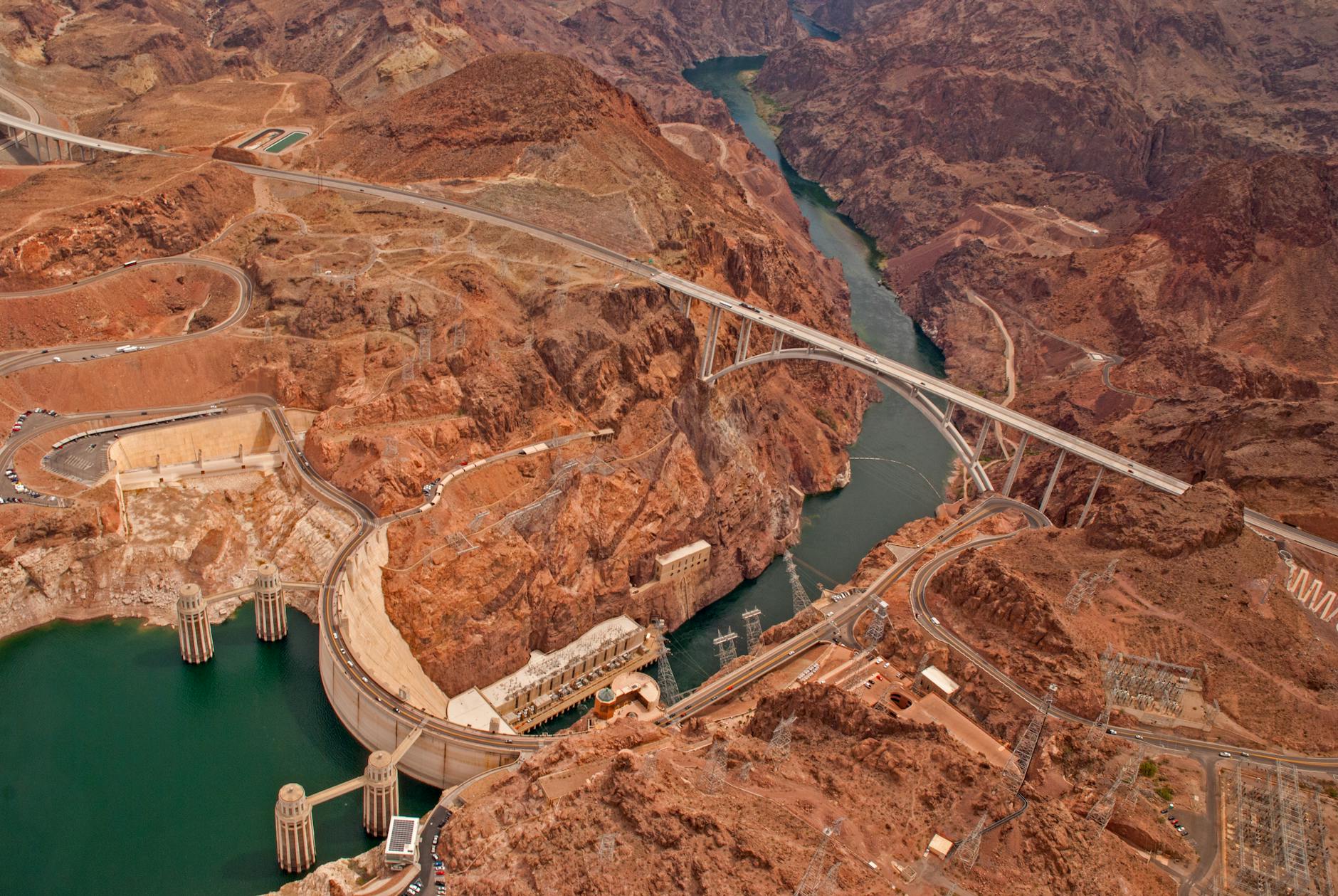
Hoover Dam on the Nevada-Arizona border is a remarkable achievement of Depression-era engineering and one of the most powerful hydroelectric facilities in the Western Hemisphere. The exterior and roadway crossing offer views that are genuinely impressive, and the free observation areas require no ticket purchase. The interior guided tours, however, come at a significant cost and involve a relatively brief underground walk through utilitarian service corridors. Many visitors spend more time in the parking structure and gift shop than they do engaged with the dam itself, and the surrounding Lake Mead landscape can be explored more rewardingly from other access points nearby.
Share your thoughts on which US attractions have left you underwhelmed in the comments.