Parenting is one of the most rewarding yet relentlessly demanding jobs in the world. Between school runs, meal prep, emotional meltdowns and the general chaos of family life, even the most patient parents can feel overwhelmed. The good news is that small, clever adjustments to daily routines can make an enormous difference to everyone in the household. These 25 tried-and-tested parenting hacks are designed to reduce stress, save time and bring a little more calm to the beautiful madness of raising children.
The Two-Choice Method

Giving children two options instead of open-ended questions dramatically reduces decision fatigue for both parent and child. Asking whether they want the red cup or the blue cup feels empowering to a toddler while keeping the parent firmly in control of the outcome. This approach works across meals, clothing choices and after-school activities with consistent results. Children who feel heard and respected through small choices tend to cooperate more readily during larger transitions throughout the day.
The Bedtime Basket

A designated basket placed near the stairs or bedroom door collects all items that need to go upstairs at the end of the day. Shoes, toys, library books and school supplies are tossed in throughout the afternoon rather than carried up in multiple trips. One final trip at bedtime clears the living space and teaches children to participate in tidying without it feeling like a chore. This simple system cuts down significantly on the clutter that tends to accumulate in family living areas by evening.
The Morning Prep Station

Setting up a dedicated morning station the night before eliminates the frantic scramble that derails so many family mornings. A low hook or shelf near the front door holds backpacks, shoes, jackets and any notes or permission slips that need to leave the house. Children as young as three can be taught to check their own station before heading out the door each morning. Involving kids in setting up the station the night before builds independence and reduces the number of reminders parents need to give.
The Frozen Smoothie Pack

Portioning smoothie ingredients into zip-lock bags and freezing them in advance turns a nutritious breakfast into a thirty-second task. Each bag contains pre-measured fruit, spinach and any other add-ins so that only milk or yogurt needs to be added before blending. This approach works particularly well on school mornings when time is tight and patience is thin. Children are far more likely to consume a smoothie they helped assemble the night before, making it a useful tool for fussy eaters as well.
The Timer Trick
A visual or audible timer transforms difficult transitions from a battle of wills into a neutral countdown that the clock controls rather than the parent. Children respond far better to “the timer says five more minutes” than to a direct parental instruction to stop playing. Kitchen timers, sand timers and phone alarms all work equally well depending on the age of the child. Using a timer consistently for screen time, play time and getting-ready routines builds an internal sense of time awareness that becomes genuinely useful as children grow.
The Snack Drawer

Designating one low refrigerator drawer and one low pantry shelf entirely to approved child-accessible snacks puts an end to constant snack negotiations throughout the day. Children can independently choose from the pre-approved options without requiring a parent to stop what they are doing. Refilling the snack drawer once a week during a grocery shop keeps the system running smoothly with minimal ongoing effort. This hack works particularly well during school holidays when snack requests tend to reach peak frequency.
The Chore Chart with Visual Cues
A laminated chart with pictures rather than words allows even pre-readers to understand their responsibilities around the house. Tasks such as making the bed, putting dirty clothes in the hamper and feeding a pet become manageable when broken into visual steps. Dry-erase markers let children tick off completed tasks with great satisfaction and the chart can be wiped clean and reused daily. Consistent use of a visual chore chart builds habits that require less parental prompting over time.
The Emotional Weather Report

Asking children to describe their feelings as a weather forecast rather than a direct emotion question tends to unlock more honest and detailed responses. A child who struggles to articulate sadness may find it easier to say they feel “stormy inside” or “a bit cloudy today.” This technique is particularly effective during car rides when children are more likely to open up without the pressure of direct eye contact. Naming emotions through metaphor has been shown to support emotional literacy and regulation in children across a wide age range.
The Car Activity Kit
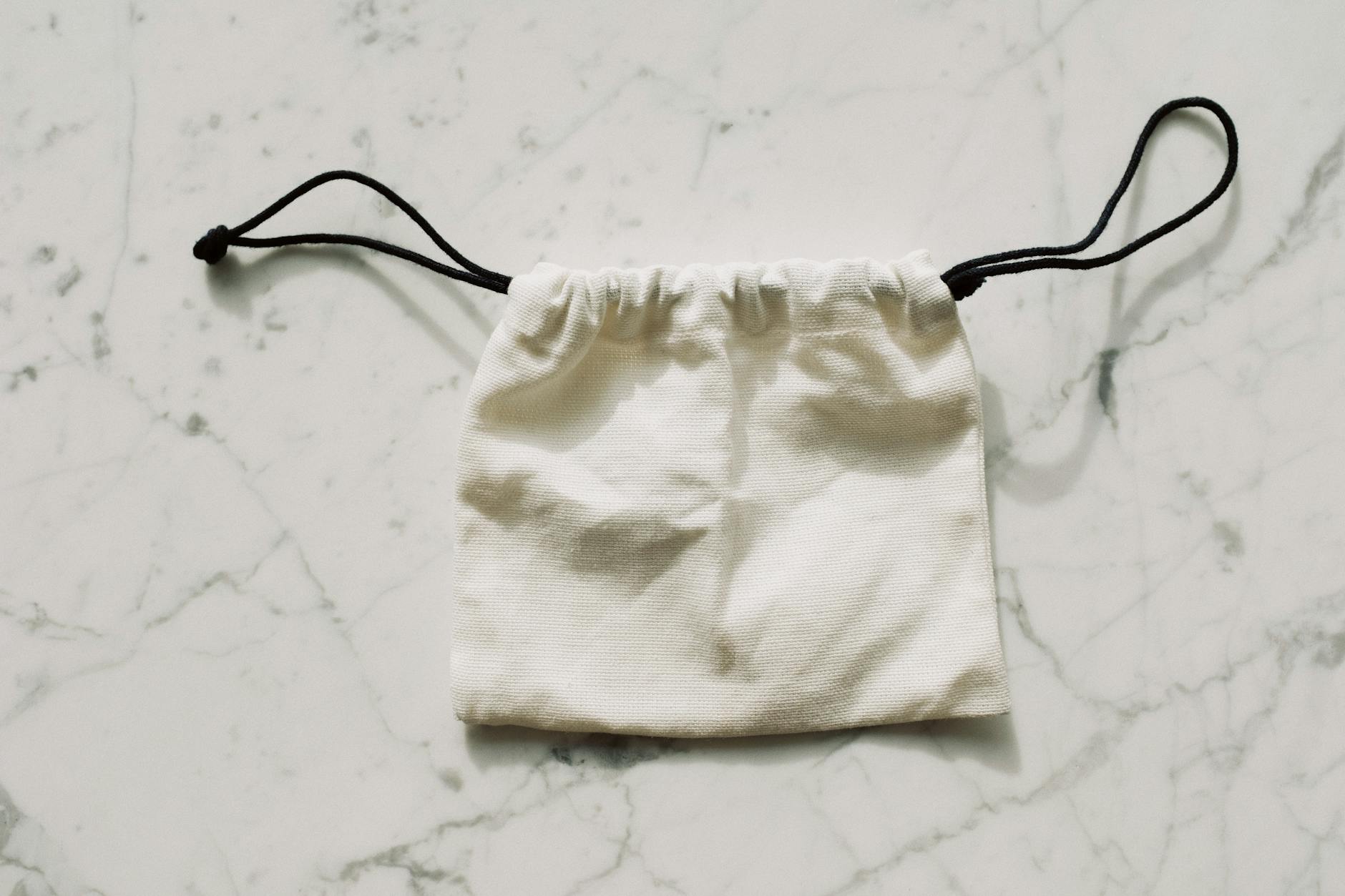
A small zippered pouch kept permanently in the back seat and stocked with crayons, a notepad, sticker sheets and a couple of small toys eliminates the need to plan ahead for every outing. It becomes invaluable during unexpected waits at appointments, long drives and restaurant visits. Rotating the contents every few weeks keeps the kit feeling fresh and interesting without requiring a significant investment. Parents who use a permanent car kit report far fewer complaints of boredom during journeys of any length.
The Sunday Meal Prep Hour

Spending one hour on Sunday afternoon preparing the building blocks of weekday meals removes the daily 5pm stress that affects most households. Washing and chopping vegetables, cooking a large batch of grains and marinating proteins in advance means that assembling dinner each evening takes a fraction of the usual time. Children old enough to help with washing or sorting ingredients can be included, turning the session into a low-pressure bonding activity. A well-stocked fridge on Monday morning sets a productive and calm tone for the entire week ahead.
The Homework Station
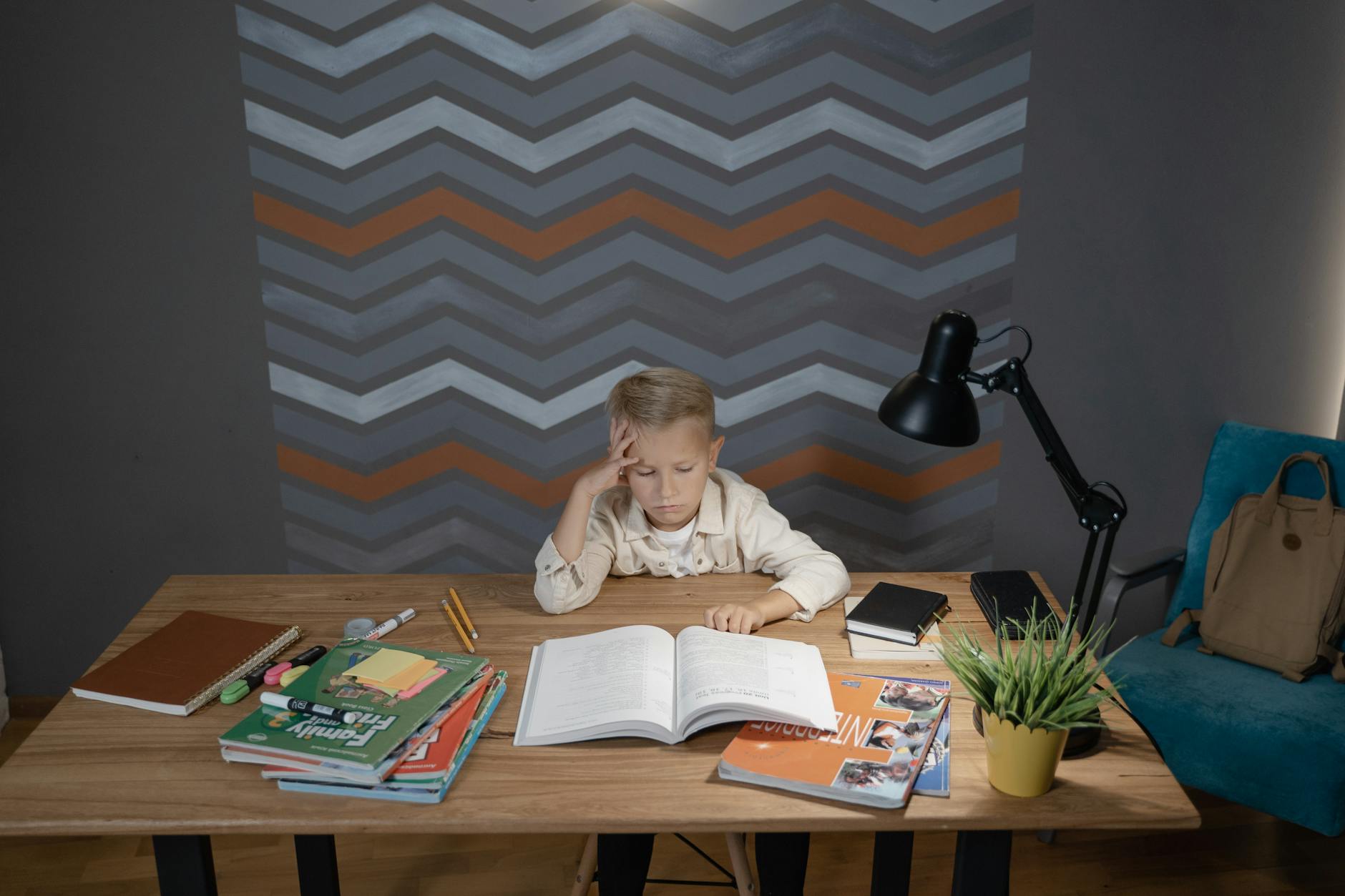
A permanent and consistently available homework station equipped with all necessary supplies removes the daily hunt for pencils, scissors and rulers that delays getting started. The station works best when it is positioned in a common area rather than a bedroom, allowing parents to remain nearby without hovering. A small set of headphones and a playlist of instrumental music can help children who struggle to focus in lively household environments. Returning supplies to the station after each session keeps the system functional and teaches children to respect shared spaces.
The Reward Jar
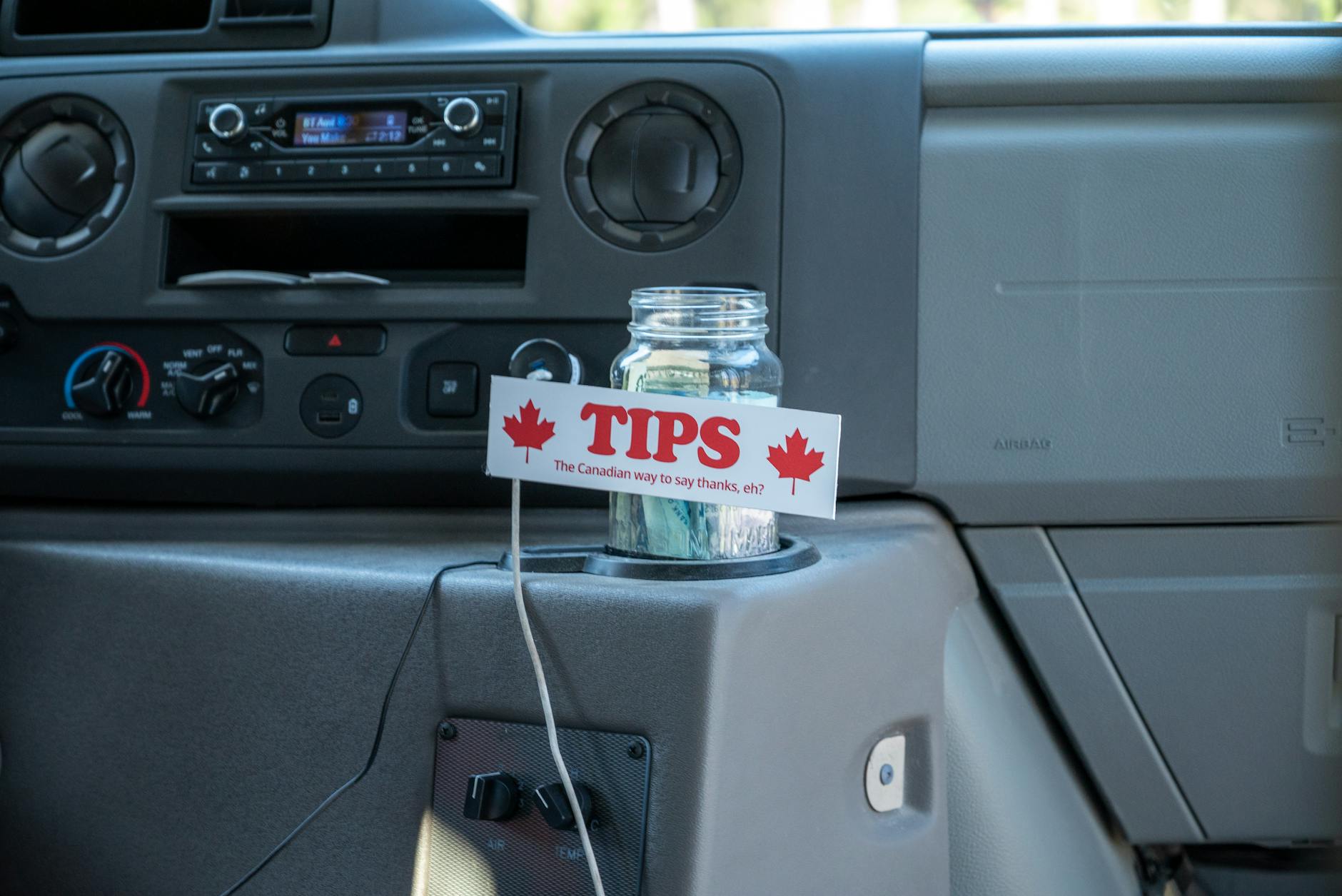
A clear glass jar that fills up with marbles, buttons or craft sticks as children demonstrate positive behaviour provides a powerful and tangible motivation tool. The visual progress of watching the jar fill up maintains engagement far longer than sticker charts, which often lose momentum after the first week. When the jar is full the family celebrates together with a chosen reward such as a movie night or a trip to a favourite park. Focusing the jar on effort and behaviour rather than academic achievement ensures that all children can participate meaningfully regardless of ability.
The Outfit Pre-Planning System

Hanging a simple seven-pocket fabric organiser in a child’s wardrobe and filling it on Sunday with a complete outfit for each school day eliminates morning clothing debates entirely. Including underwear and socks in each pocket ensures that nothing is missing when the rush begins. Children who are involved in choosing their weekly outfits on Sunday evenings feel a sense of ownership over the system and are more likely to engage with it willingly. This single habit is consistently cited by parents as one of the most impactful morning routine changes they have made.
The Picky Eater Plate
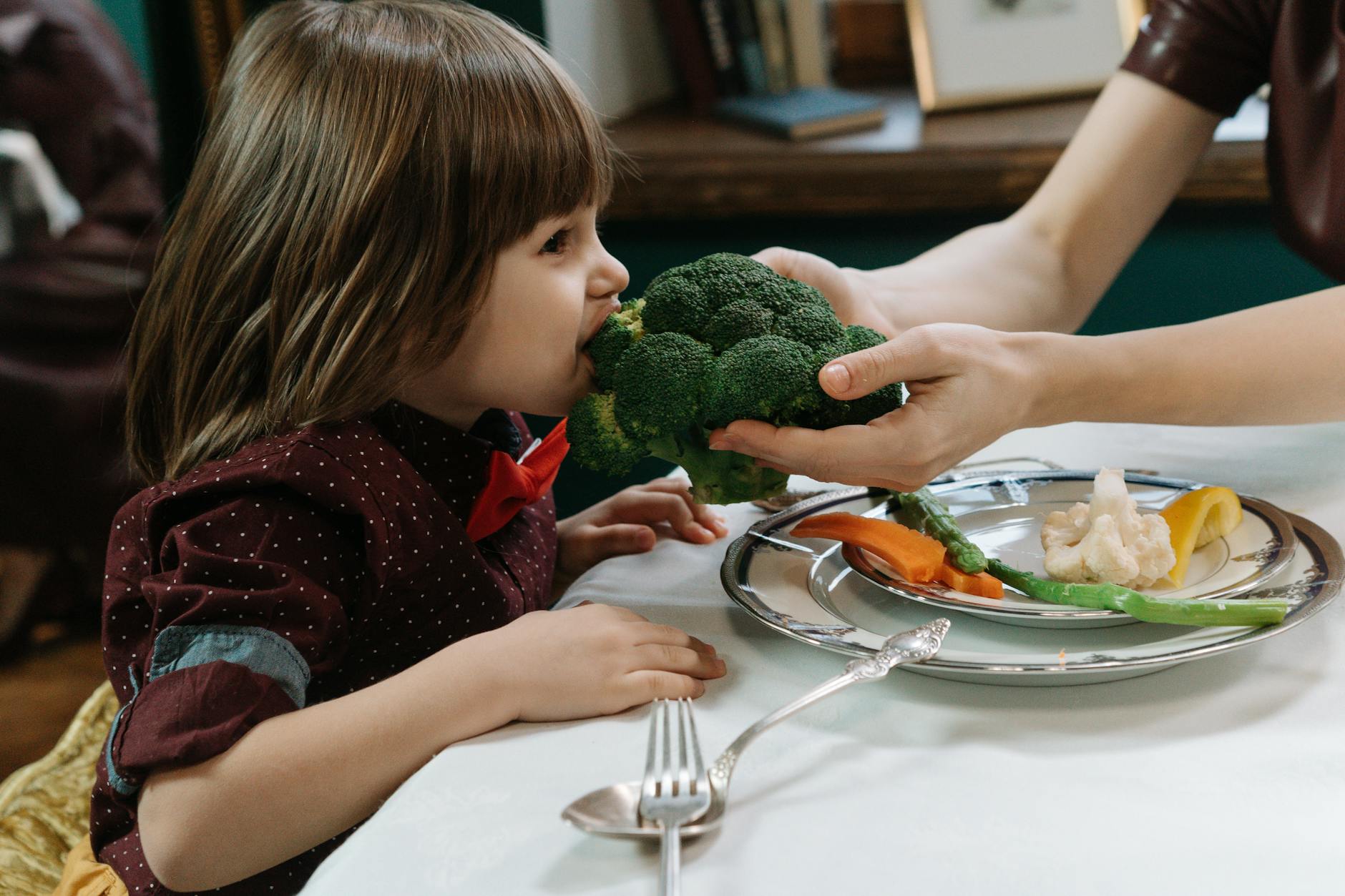
Serving new or disliked foods alongside two or three familiar and well-loved items dramatically increases the likelihood of a child trying something new at the dinner table. The presence of “safe” foods reduces anxiety around the meal and removes the all-or-nothing pressure that tends to escalate conflict. Research in child nutrition consistently supports repeated low-pressure exposure as the most effective strategy for expanding a child’s diet over time. Keeping portion sizes of new foods very small ensures that the experience feels manageable rather than overwhelming for the child.
The Laundry Sock Bag

Giving each child their own small mesh laundry bag dedicated entirely to socks removes the chaos of sorting and matching after wash day. Socks go into the bag dirty and come out of the dryer already contained and ready to be put away as a pair. Children old enough to manage their own laundry bag develop a sense of responsibility for their belongings from an early age. The system scales effortlessly with the size of the family and requires no ongoing effort to maintain once the initial habit is established.
The Busy Bag Rotation

A collection of pre-prepared activity bags stored out of sight and rotated on a weekly basis provides fresh entertainment without requiring new purchases. Each bag might contain playdough, a puzzle, a colouring book or a set of building blocks that disappear between uses to maintain novelty. The rotation keeps children engaged independently for longer stretches of time, which is particularly useful during work-from-home days or important phone calls. Sourcing bag contents from dollar stores, charity shops and repurposed household items keeps the cost of the system minimal.
The Nighttime Routine Chart
A simple laminated card displayed in the bathroom listing the steps of the nighttime routine in order removes the need for parental reminders at the end of an exhausting day. Bath or shower, teeth brushing, pyjamas, one book and lights out becomes a sequence the child eventually follows with full independence. Using photographs of the child completing each step rather than generic illustrations creates a personal connection to the chart that increases engagement. A consistent nighttime routine has well-documented benefits for children’s sleep quality and overall mood the following morning.
The Travel Snack Pouch
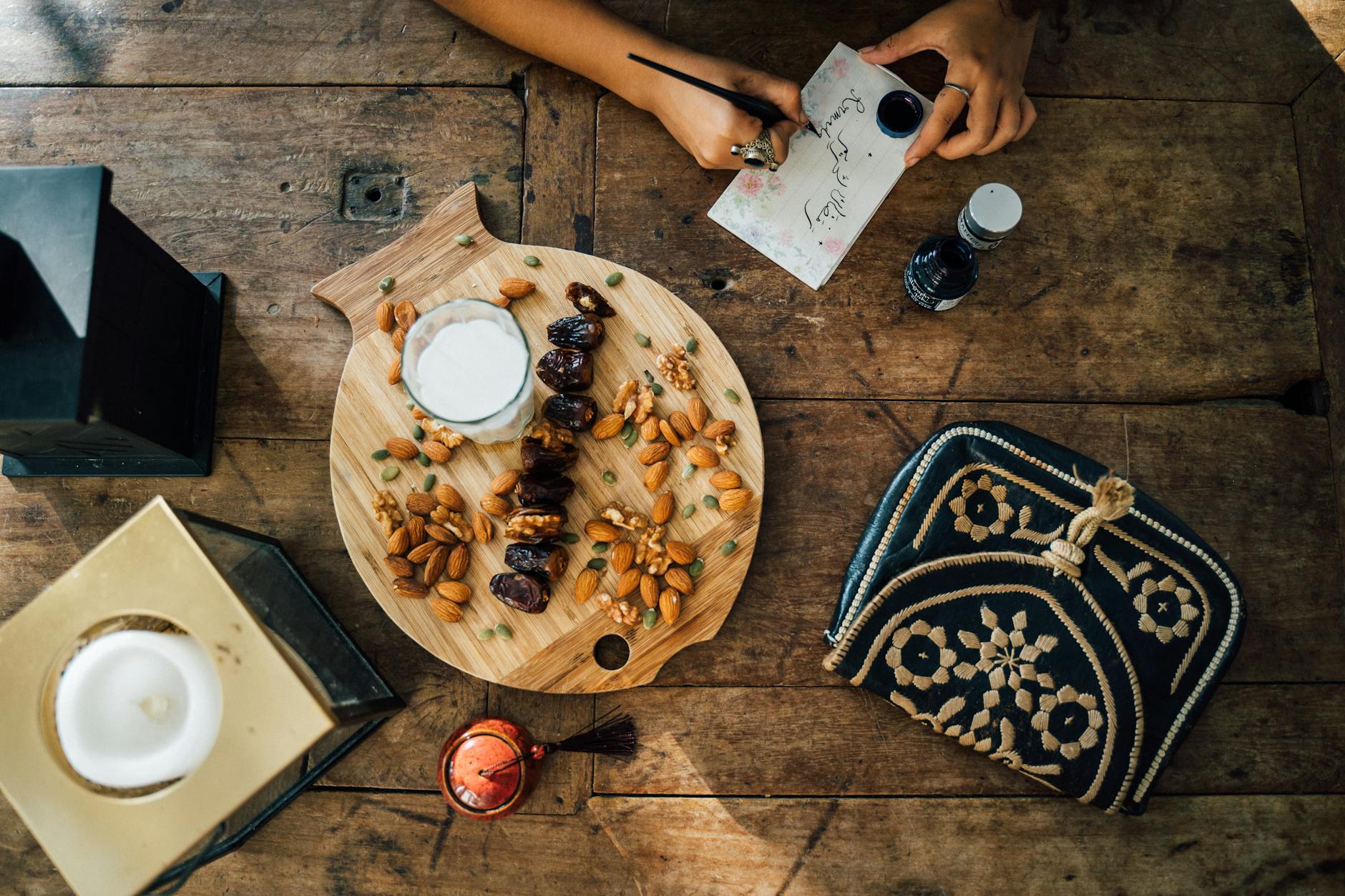
A dedicated and reusable snack pouch kept packed and ready in a bag or car eliminates the last-minute scramble before any outing with children. Filling it with a reliable combination of non-perishable favourites such as rice cakes, dried fruit and nut butter pouches ensures that hunger does not derail plans while away from home. Having a consistently available snack supply also reduces the frequency of impulse purchases at petrol stations and airport shops. Parents who travel regularly with children report that managing hunger proactively is one of the most effective ways to prevent public meltdowns.
The Playdate Toy Rotation
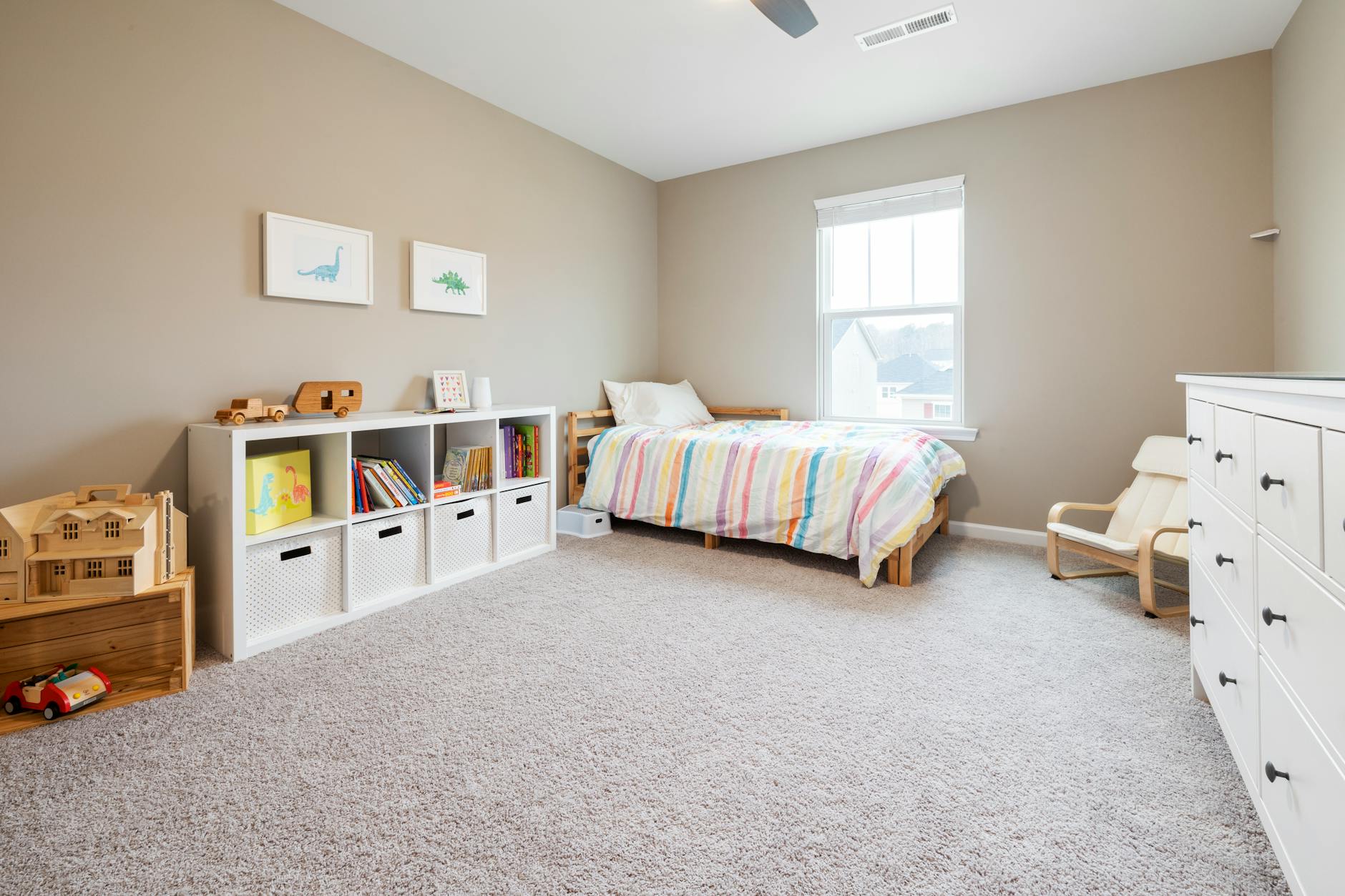
Putting away a portion of a child’s toys before a playdate and bringing out a different set creates an atmosphere of freshness and novelty that keeps guests engaged for longer. Children are often more protective of toys that are constantly available than those that have been “rediscovered” for the occasion. Rotating toys between storage and play also reduces the visual clutter of a bedroom or playroom without requiring the child to part with anything permanently. This approach has the added benefit of extending the lifespan of toys by reducing the speed at which they become boring.
The Yes Drawer
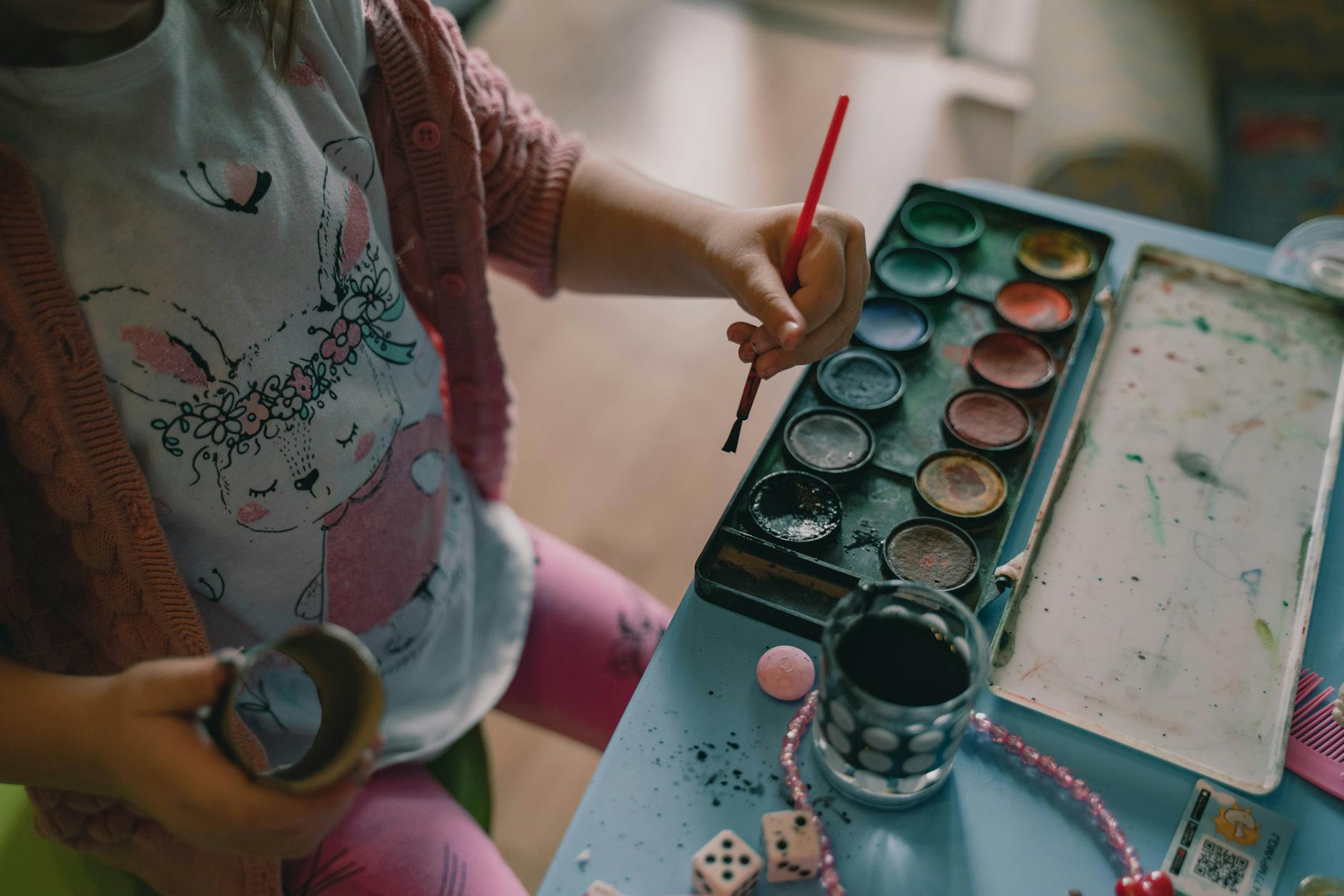
A designated kitchen or hallway drawer filled with items children are always allowed to access freely, such as colouring supplies, putty, sticker books and pipe cleaners, reduces the number of times a parent needs to say no during an average day. The psychological impact of having a space that is entirely theirs and always available builds confidence and self-directed play skills. Keeping the contents practical and low-mess ensures that the drawer remains a source of calm rather than chaos. Refreshing the drawer occasionally with seasonal items or small new additions maintains enthusiasm for independent exploration.
The Emergency Quiet Kit
A small box or bag reserved exclusively for moments of genuine parental desperation and never used casually maintains its power as a reliable reset tool. Contents might include a new small toy, a special snack, a disposable camera or an activity the child has not seen before. The rarity of the kit’s appearance is what makes it so effective during long waits, illness recovery or stressful travel days. Parents who keep an emergency quiet kit report that knowing it exists reduces their own anxiety in challenging situations, which in turn helps regulate the child’s response.
The Family Meeting

A short weekly family meeting of ten to fifteen minutes gives every member of the household including young children a structured opportunity to share something positive, raise a concern and suggest an activity for the coming week. Keeping the meeting brief, consistent and solution-focused prevents it from becoming a complaint session. Children who participate in family meetings from an early age develop stronger communication skills and a greater sense of belonging within the family unit. Even very young children can participate meaningfully by sharing one word about how their week felt.
The Shoe Bin by the Door
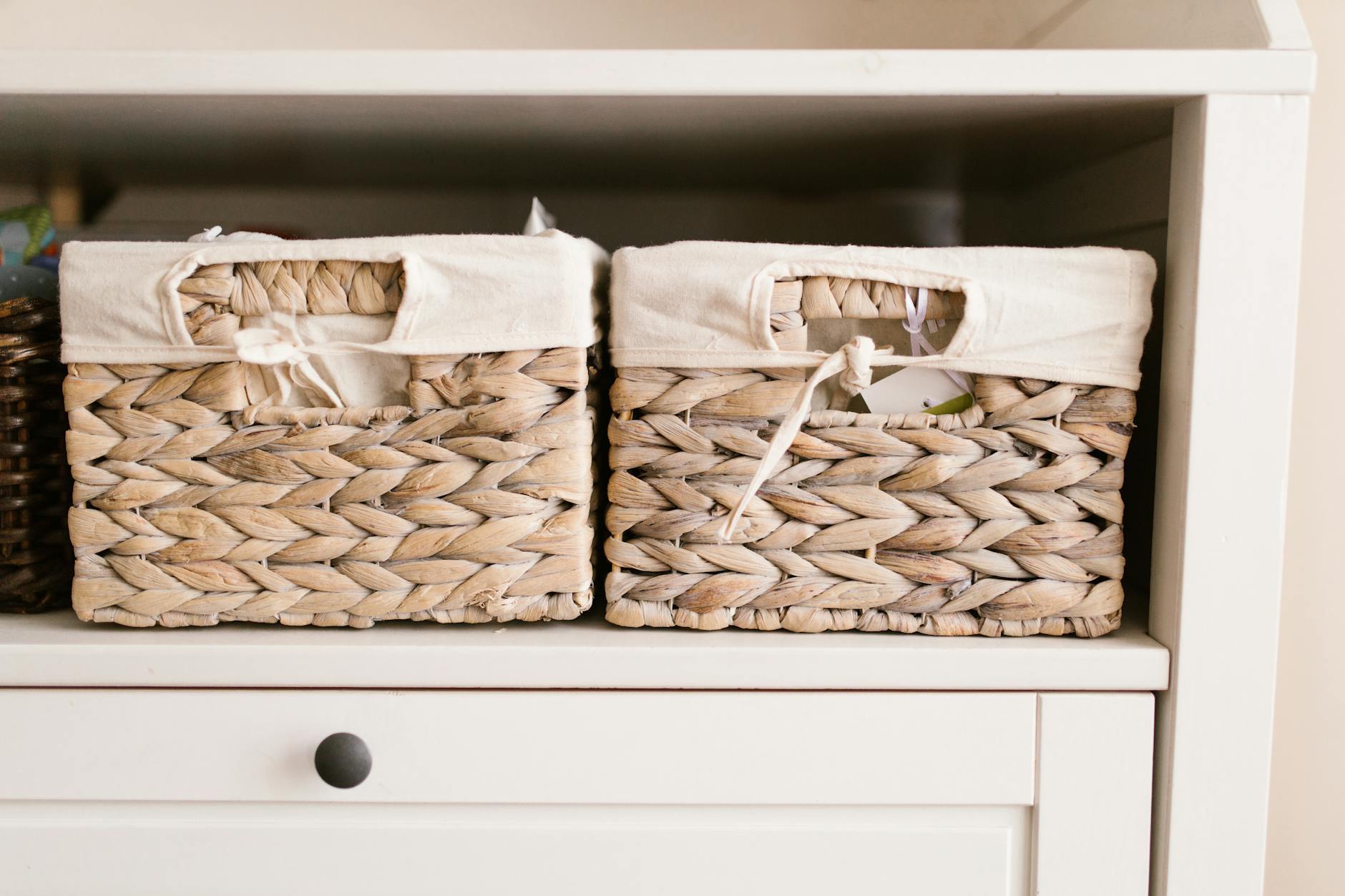
A large open bin or basket positioned directly beside the front door collects all family shoes in one place and eliminates the treasure hunt that delays departures. The system works best when it is the only designated shoe location in the house and all family members use it without exception. Children adapt to the habit quickly when they observe their parents modelling it consistently from the start. A shoe bin requires no labelling, no sorting and no maintenance beyond occasionally returning escaped shoes to the correct location.
The Car Nap Transition
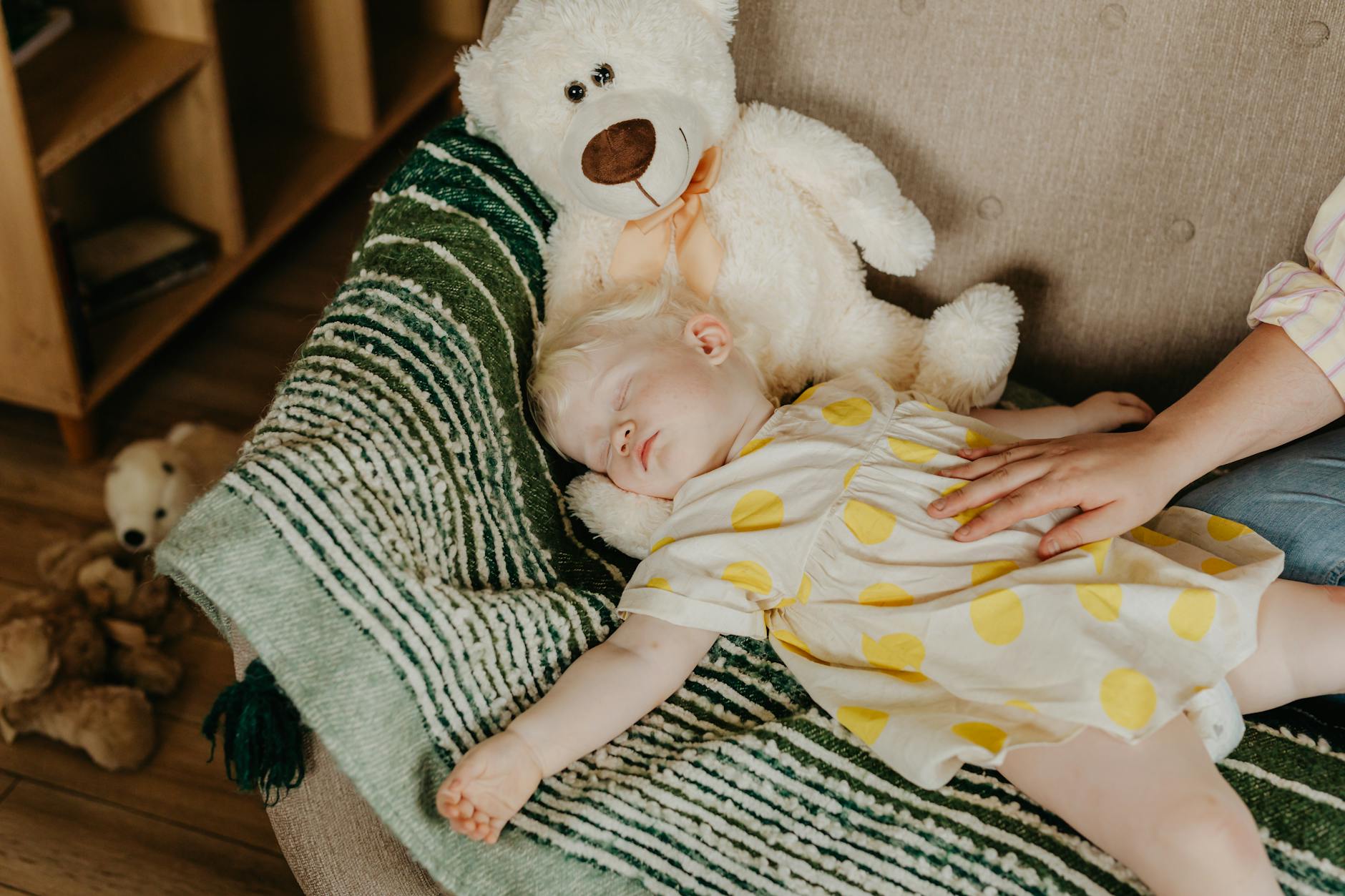
Placing a child’s bed or nap surface with the same sheet and blanket they use in the car during frequent naps helps ease the transfer from vehicle to bed without fully waking them. Warming the sleep surface with a heating pad before transfer and removing it before placing the child down replicates the warmth of the car seat that many children associate with sleep. Minimising light and sound during the transition and avoiding eye contact reduces the stimulation that typically causes children to rouse. Parents of young children who master the transfer technique often describe it as one of the most significant quality-of-life improvements in the early years.
The Gratitude Bookend
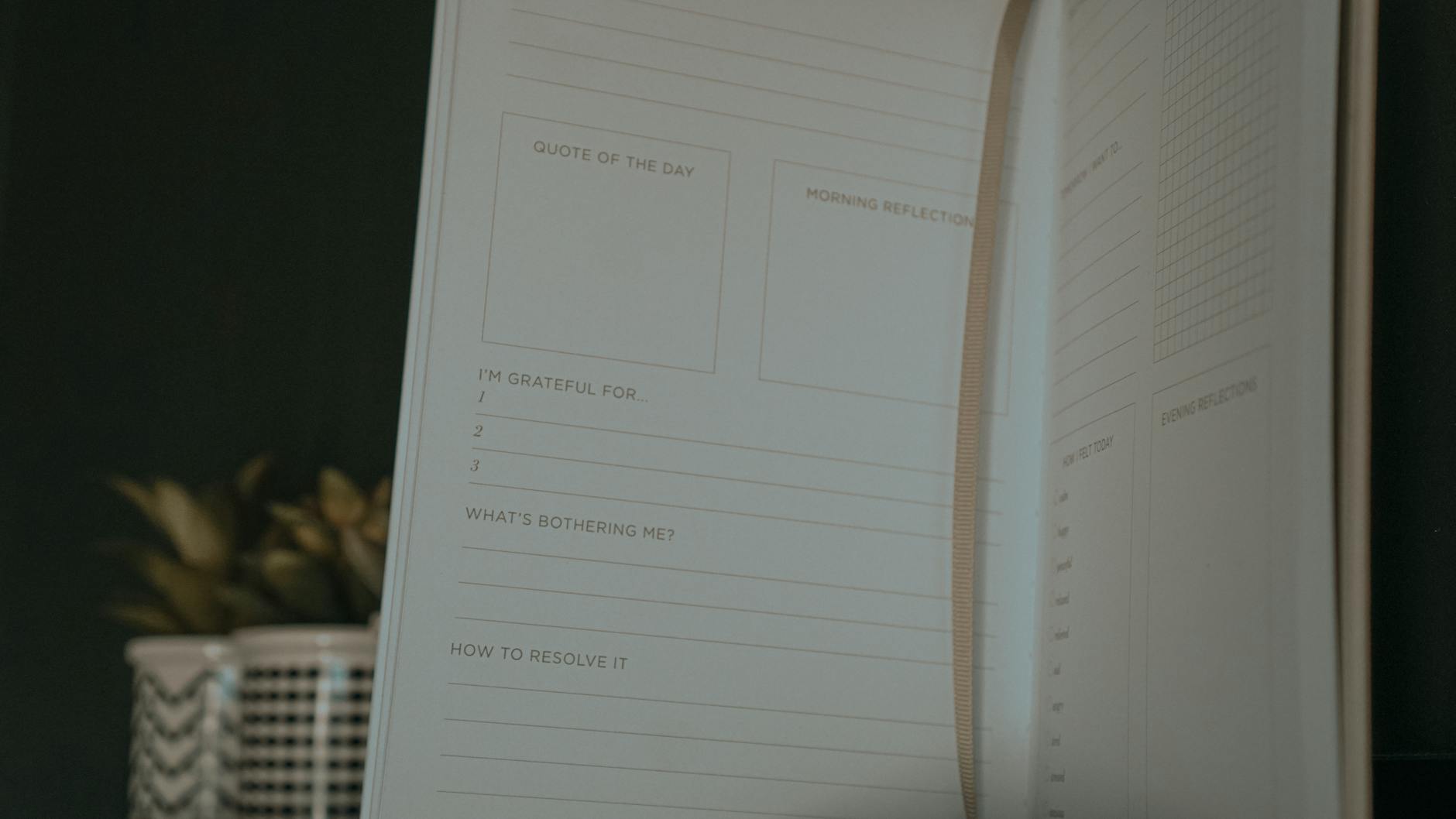
Beginning and ending the day with one shared moment of gratitude creates a positive emotional frame around even the most difficult days. At breakfast each person names one thing they are looking forward to and at dinner each person names one good thing that happened. Children who practise this habit regularly show measurable improvements in emotional resilience and optimism over time. The ritual requires no materials, no preparation and no cost, making it one of the most accessible and sustainable parenting tools available to any family.
If these hacks have sparked ideas or you have a favourite sanity-saving trick of your own, share it in the comments.