The natural world harbors countless species teetering on the brink of disappearance, their populations reduced to alarmingly small numbers by habitat loss, climate change, and human activity. From dense rainforests to remote ocean depths, these creatures represent some of the planet’s most vulnerable and extraordinary wildlife. Many of these animals exist in such limited numbers that their survival depends entirely on immediate conservation action. Understanding which species face the greatest threats helps focus global efforts on protecting biodiversity before these remarkable creatures vanish forever.
Javan Rhino
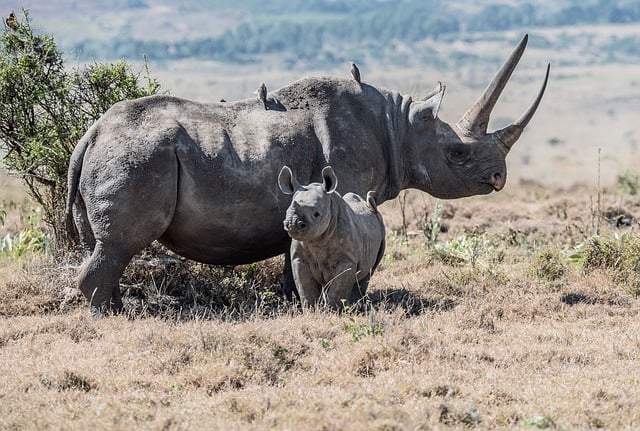
Fewer than eighty individuals of this species remain in a single national park in Indonesia, making it one of the rarest large mammals on Earth. Poaching for their valuable horns has devastated populations over the past century, while habitat loss continues to threaten their survival. These solitary animals once ranged across Southeast Asia but now occupy only a fraction of their historical territory. Conservation efforts focus on protecting their remaining habitat and preventing further population decline through intensive monitoring programs.
Vaquita
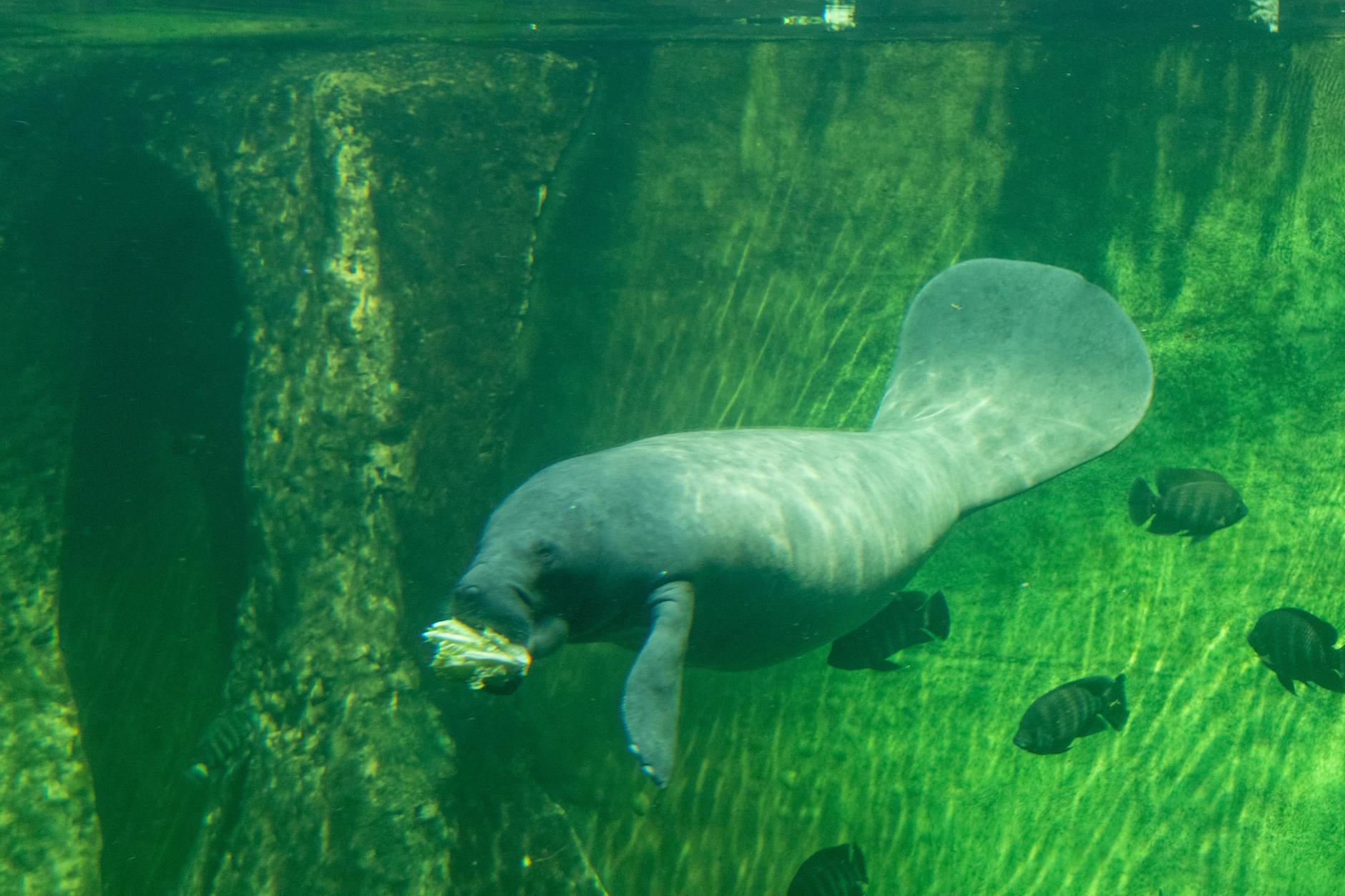
This small porpoise found only in Mexico’s Gulf of California numbers fewer than ten individuals, representing the world’s most endangered marine mammal. Accidental entanglement in illegal fishing nets designed to catch a different species has driven the vaquita to the edge of extinction. Despite fishing bans and protected areas, enforcement challenges continue to threaten the remaining population. Scientists estimate that without immediate intervention, this species could disappear within the next few years.
Amur Leopard
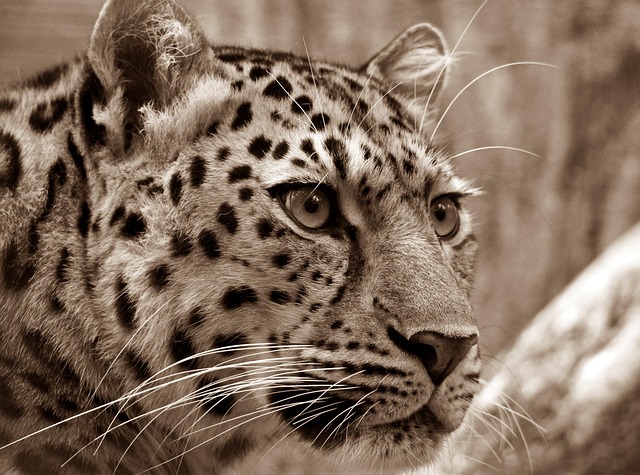
Approximately one hundred of these magnificent cats survive in the wild, restricted to a small region along the border between Russia and China. Their thick spotted coats adapted for cold climates have made them targets for illegal wildlife trade throughout history. Habitat fragmentation and prey depletion further challenge their recovery despite recent conservation successes. Protected reserves and anti-poaching patrols have helped stabilize numbers, though the species remains critically endangered.
Sumatran Orangutan
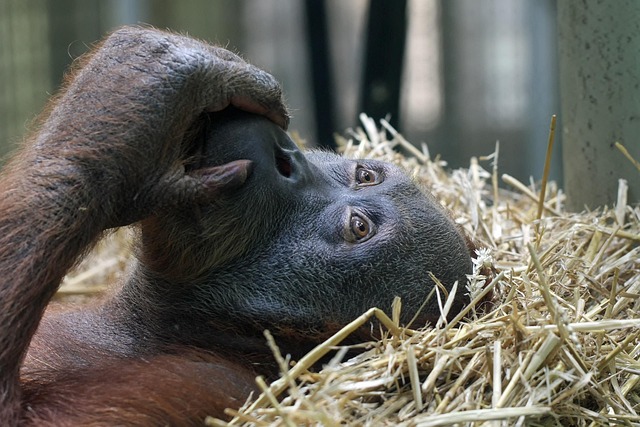
With fewer than fifteen thousand individuals remaining, this great ape faces extinction primarily from deforestation driven by palm oil plantations and logging. These intelligent primates require vast tracts of lowland forest to survive, yet their habitat continues shrinking at alarming rates. Mother orangutans spend years teaching their young essential survival skills, making population recovery an exceptionally slow process. Climate change and human conflict further complicate conservation efforts in their remaining forest strongholds.
Kakapo
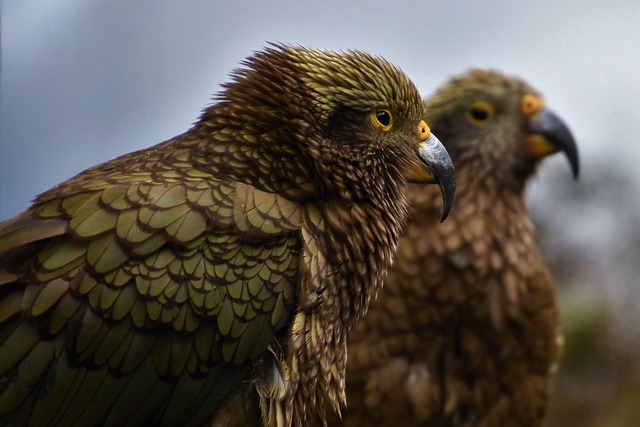
This flightless nocturnal parrot from New Zealand numbers around two hundred birds, all living under intensive management on predator-free islands. European colonization introduced predators like rats and cats that decimated populations of this ground-dwelling species. Their unusual breeding system, where males gather at traditional display sites to attract females, makes population recovery particularly challenging. Every individual kakapo has a name and receives personalized conservation attention from dedicated teams.
Saola
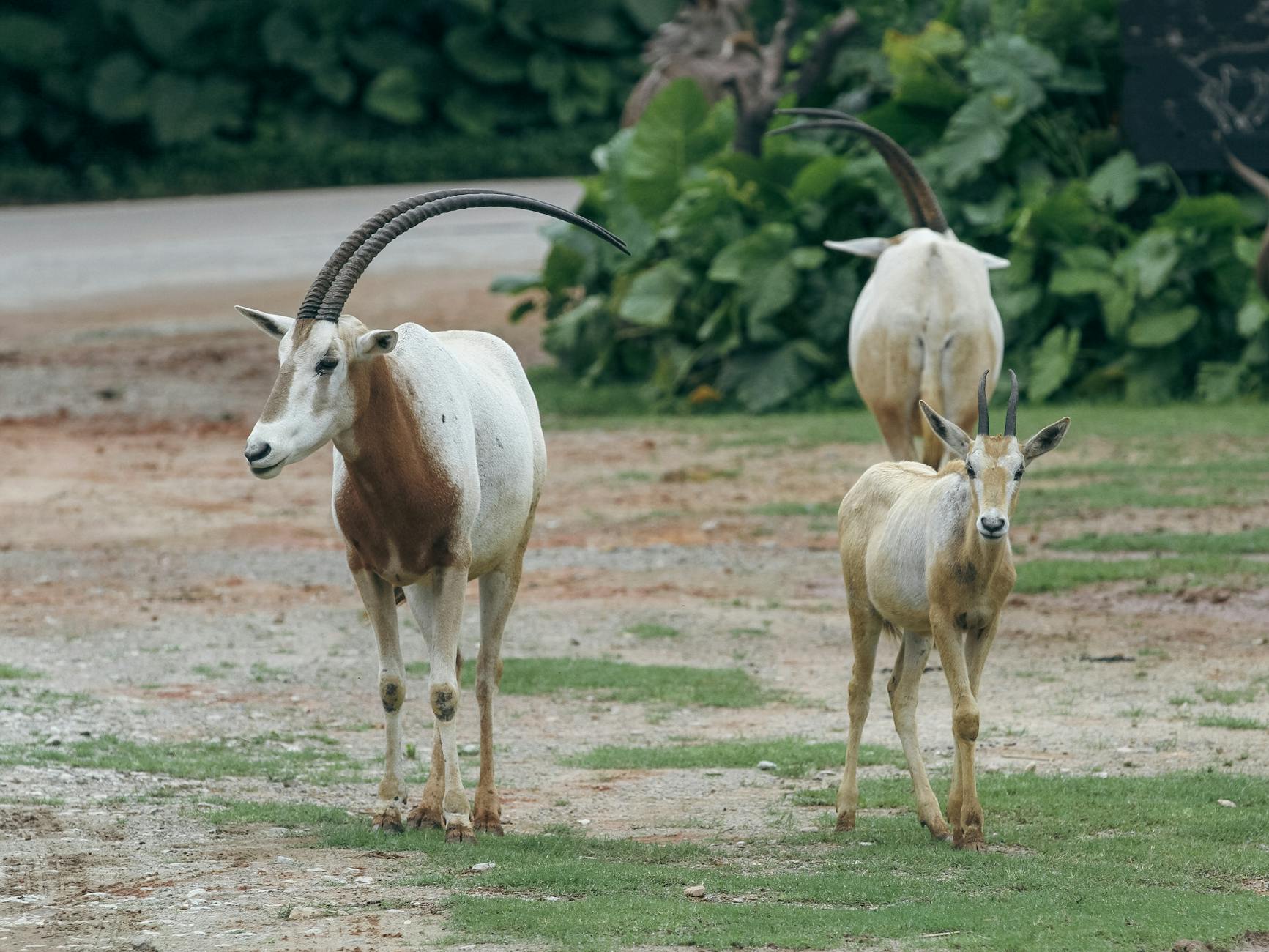
Sometimes called the Asian unicorn, this elusive forest antelope from Vietnam and Laos remains so rare that scientists have never observed one in the wild. Camera traps and local reports provide the only evidence of their continued existence in remote mountain forests. Hunting and habitat loss threaten this species discovered only in 1992, making it one of the least understood large mammals. Conservation groups work with local communities to protect remaining habitat and reduce hunting pressure.
Philippine Eagle
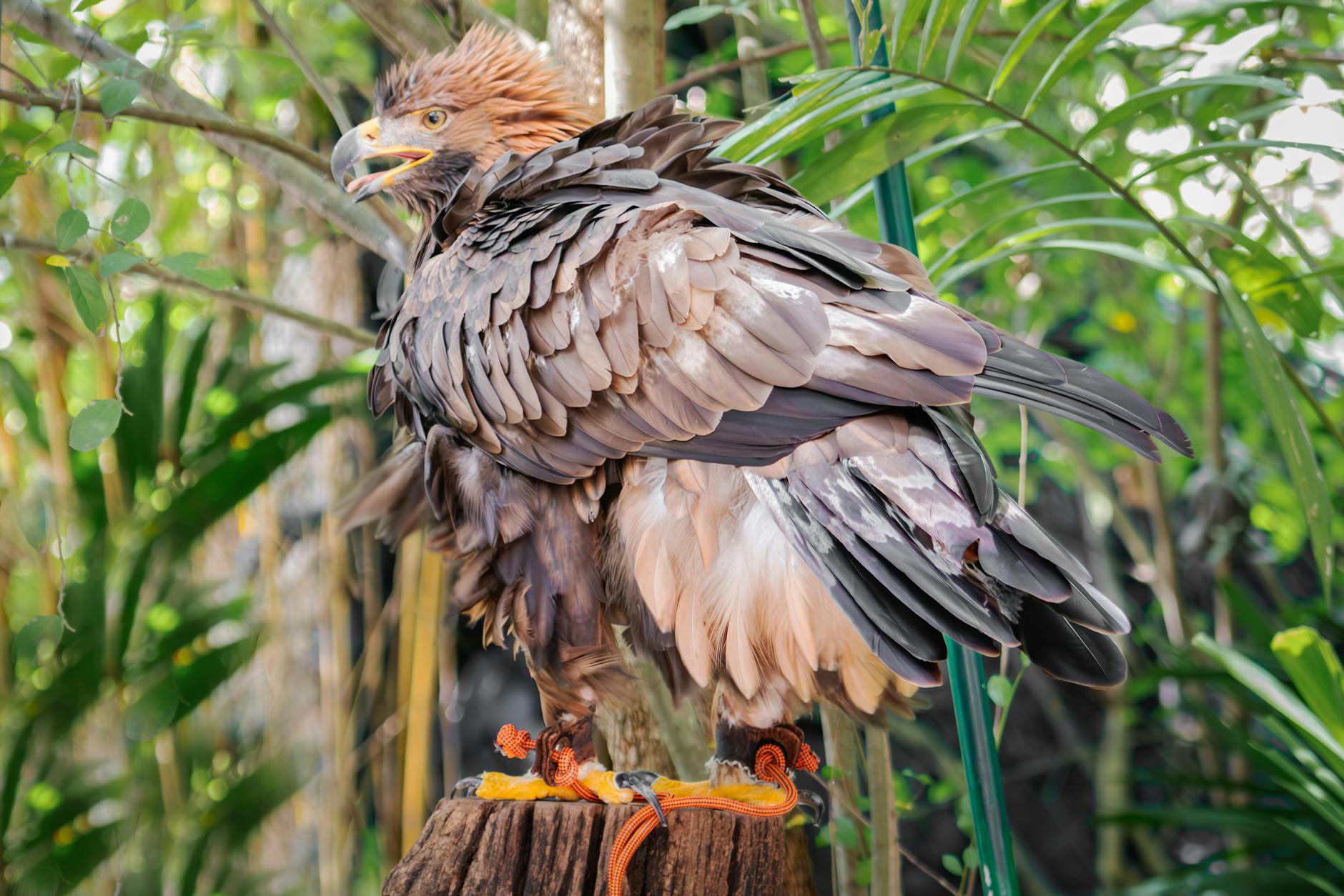
Fewer than four hundred pairs of these powerful raptors survive in the Philippines, where deforestation has eliminated much of their required old-growth forest habitat. As one of the largest and most powerful eagles in the world, they require extensive hunting territories that are increasingly fragmented. These birds mate for life and raise only one chick every two years, making population recovery extremely slow. Captive breeding programs and habitat protection offer hope for this national symbol of the Philippines.
Yangtze Finless Porpoise
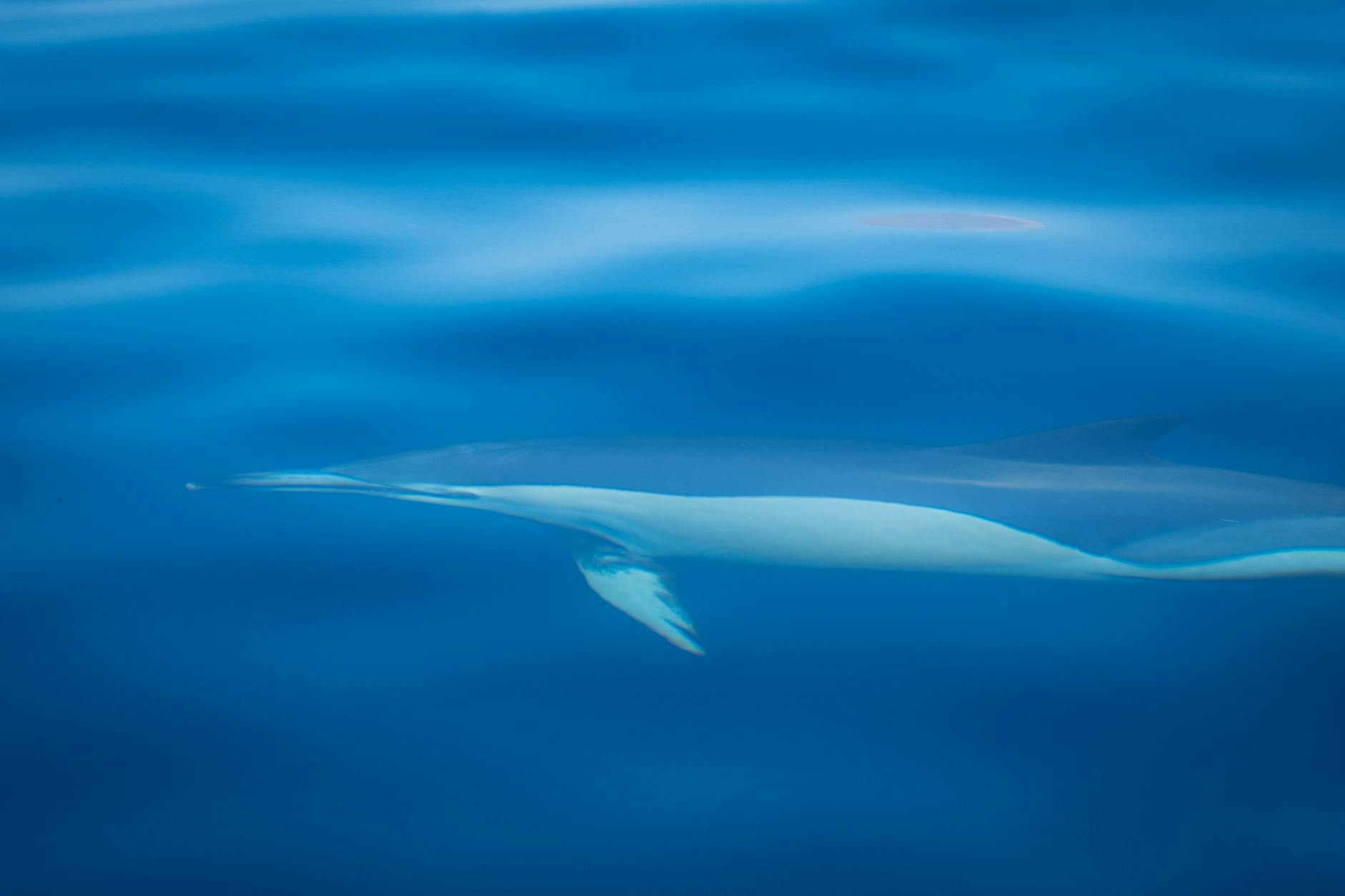
Around one thousand of these small cetaceans inhabit China’s Yangtze River and connected lakes, making them the only porpoise species living exclusively in freshwater. Pollution, boat traffic, and declining fish populations have pushed this species toward extinction in one of the world’s busiest waterways. Their close relative, the baiji river dolphin, went extinct in the same river system just decades ago. Conservation efforts now focus on establishing protected reserves and reducing human impacts along critical river stretches.
Cross River Gorilla
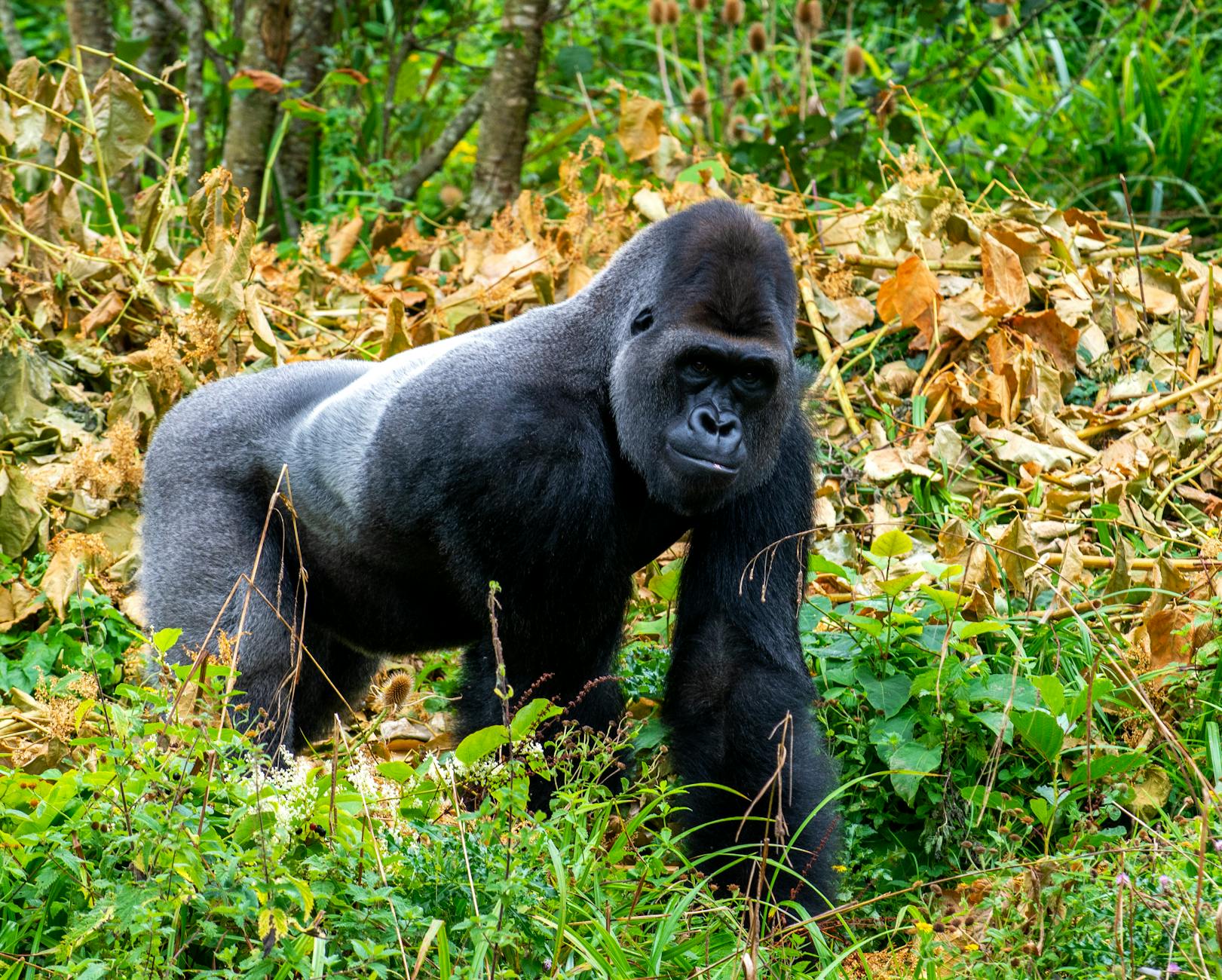
This gorilla subspecies numbers approximately three hundred individuals scattered across the Nigeria-Cameroon border in fragmented forest patches. Agricultural expansion and logging have destroyed most of their habitat, while hunting continues despite legal protections. Their small population size and isolation in separate groups reduce genetic diversity and increase vulnerability to disease. Community-based conservation programs work to protect remaining habitat while providing alternative livelihoods for local residents.
Hawksbill Sea Turtle
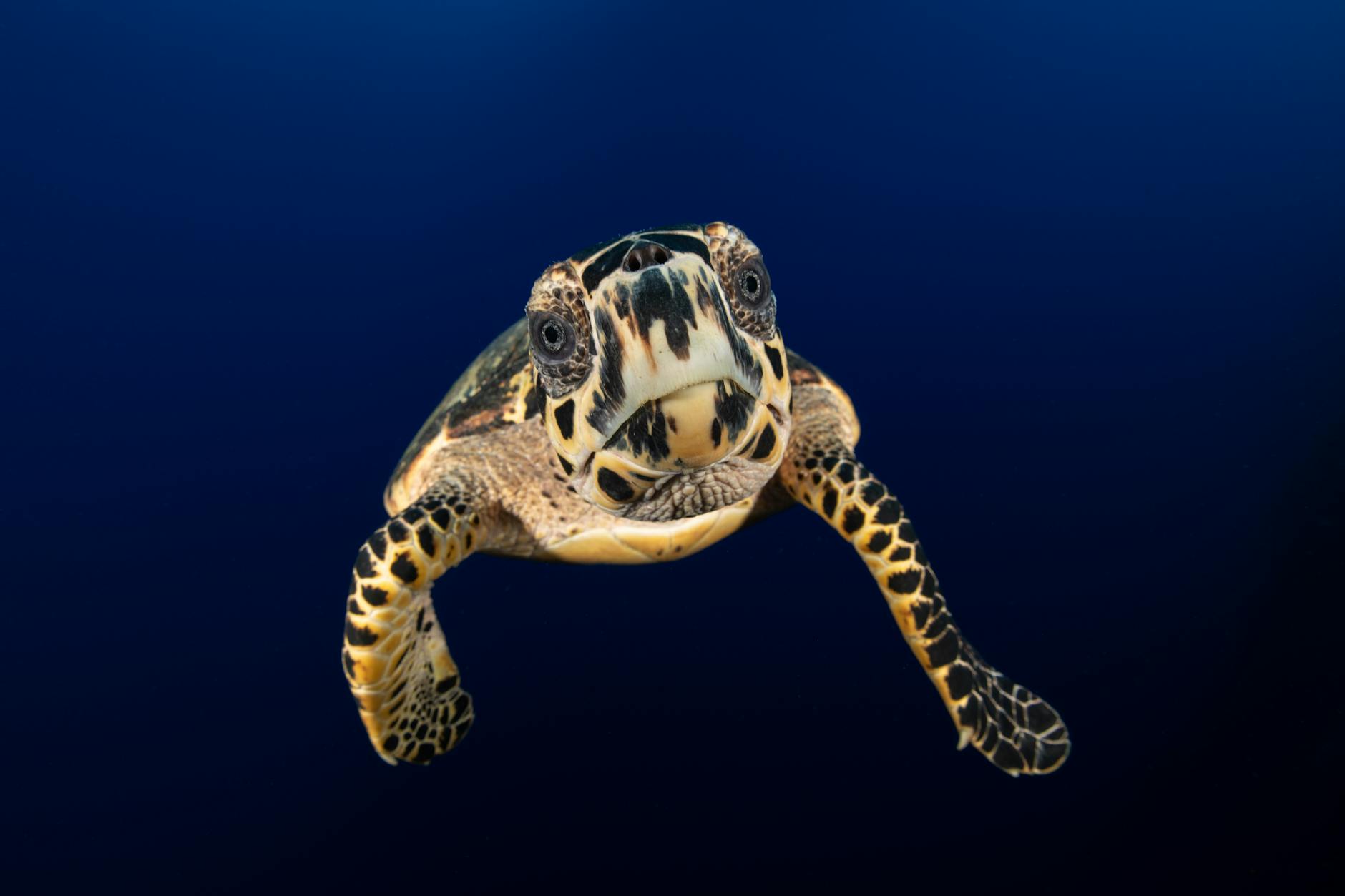
Despite existing in oceans worldwide, this sea turtle faces critical endangerment from decades of hunting for their beautiful shells used in jewelry and ornaments. Coastal development destroys nesting beaches while ocean pollution and fishing gear entanglement kill individuals throughout their long lives. These turtles play crucial roles in coral reef ecosystems by controlling sponge populations that would otherwise overwhelm corals. International protection agreements and beach monitoring programs support gradual population recovery efforts.
Sumatran Elephant
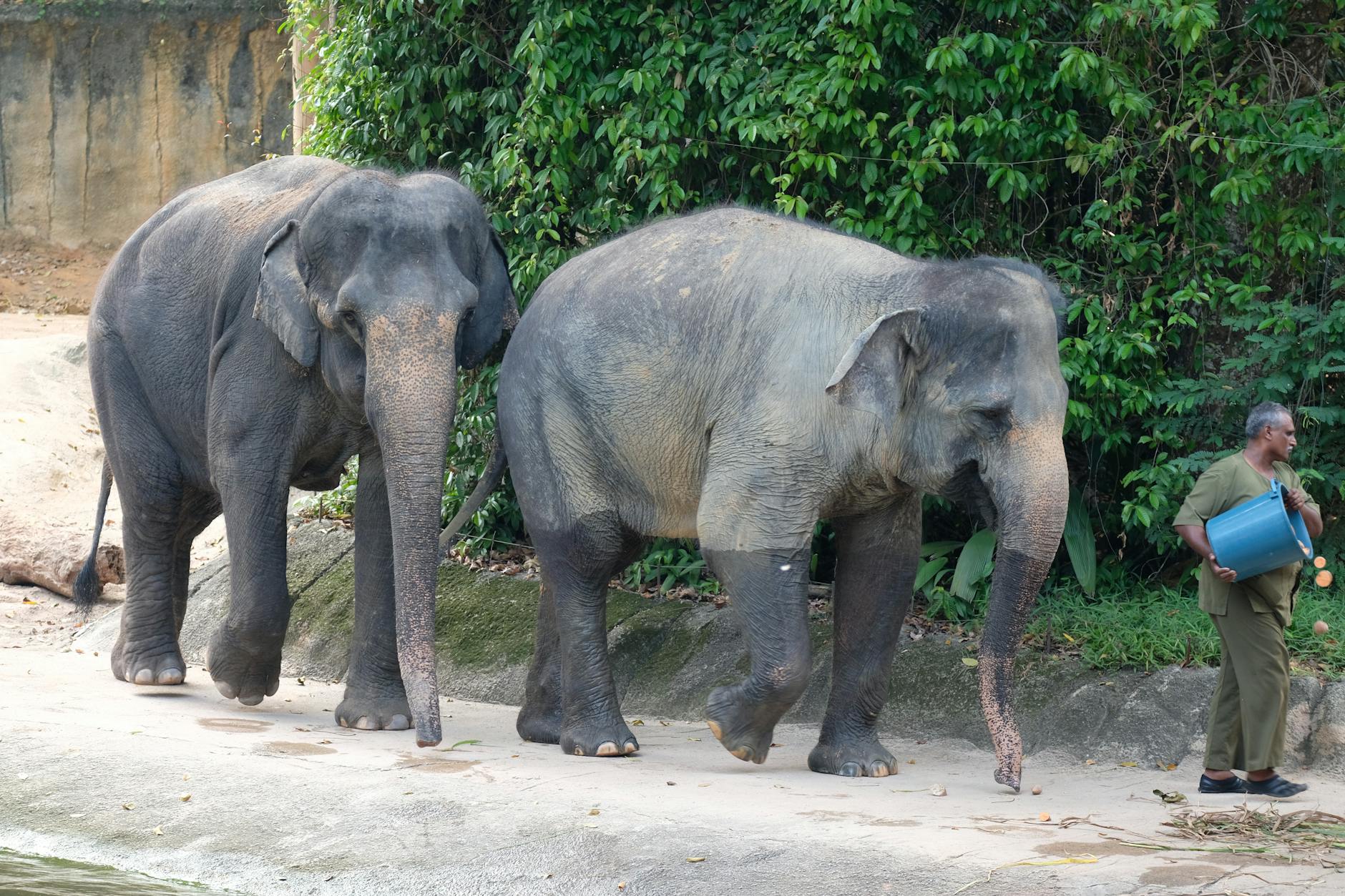
Fewer than three thousand of these smaller Asian elephants survive on Sumatra, where rapid deforestation for agriculture has eliminated most of their habitat. Human-elephant conflict escalates as the animals raid crops while searching for food in their shrinking territories. These highly social and intelligent creatures require vast areas to roam, creating significant conservation challenges in densely populated regions. Protected corridors and community awareness programs aim to reduce conflict and preserve remaining populations.
Black Rhino
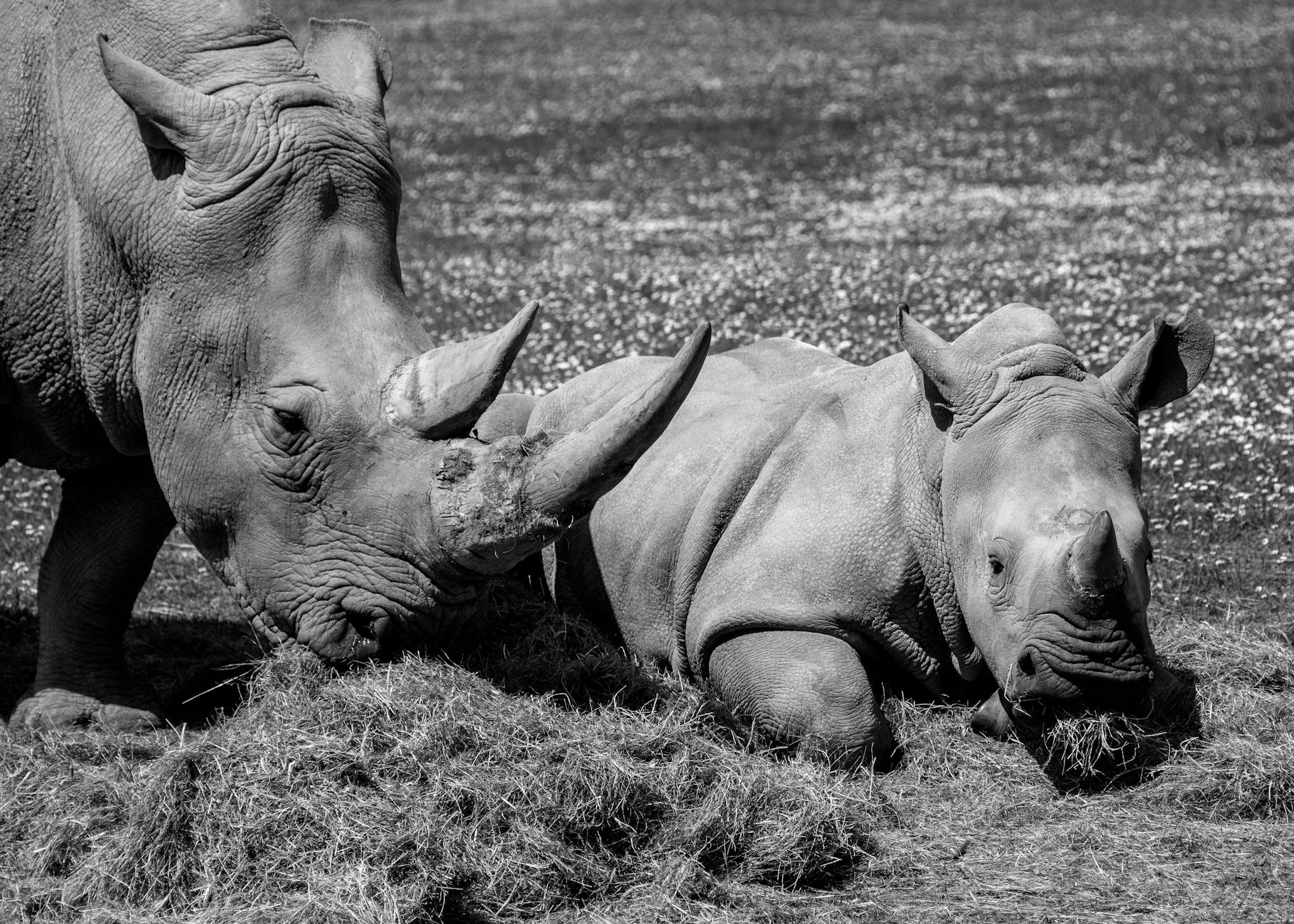
Around six thousand black rhinos exist across Africa, a devastating decline from hundreds of thousands just a century ago due to relentless poaching. Organized criminal networks continue targeting these animals for their horns, which hold no medicinal value despite persistent myths. Anti-poaching units and armed guards now protect many populations, while translocation programs establish new breeding populations in safer areas. Careful management has allowed some populations to slowly recover, though the species remains critically endangered.
Addax
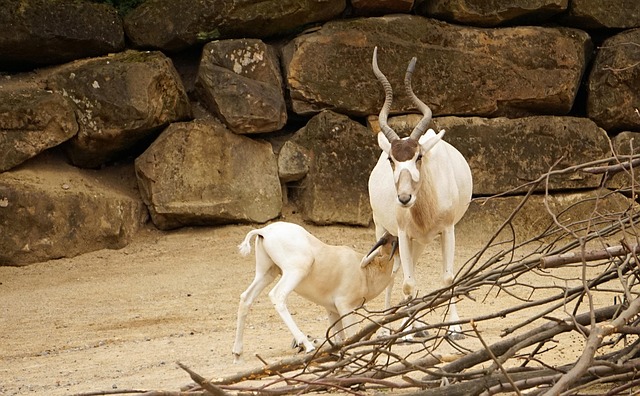
This desert antelope once roamed across North Africa but now exists only in isolated pockets with perhaps fewer than one hundred wild individuals. Hunting and habitat disruption from oil exploration and military activity have devastated their populations in remote Saharan regions. Their remarkable adaptations to extreme desert conditions include the ability to survive without drinking water, obtaining moisture from desert plants. Captive breeding programs maintain larger populations that may eventually support reintroduction efforts if suitable habitat can be secured.
California Condor
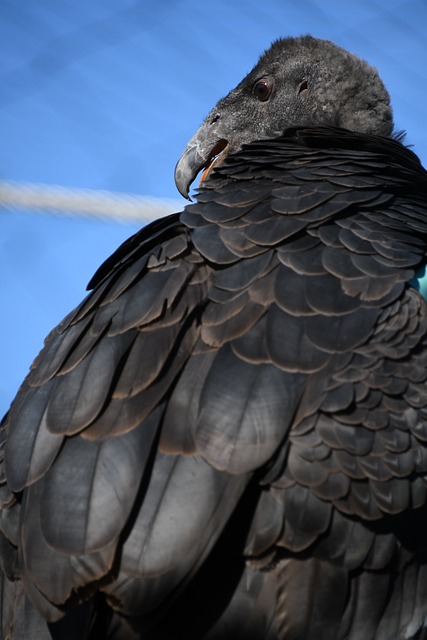
This massive vulture numbered just twenty-seven individuals in 1987 when the last wild birds were captured for a desperate breeding program. Today around three hundred birds exist through intensive management, though all living condors descend from that tiny founding population. Lead poisoning from spent ammunition in carcasses remains their primary threat, along with habitat loss and collisions with power lines. Each bird receives ongoing monitoring and veterinary care in one of conservation’s most intensive species recovery efforts.
Ploughshare Tortoise

Endemic to a small region of Madagascar, fewer than four hundred of these striking tortoises survive in the wild amid rampant illegal collection for the pet trade. Their beautiful golden-domed shells make them highly sought after by collectors willing to pay thousands of dollars for a single animal. Habitat destruction from slash-and-burn agriculture compounds the threat from poaching in their limited range. Captive breeding programs and community-based protection initiatives work to save this species from extinction.
Bornean Orangutan
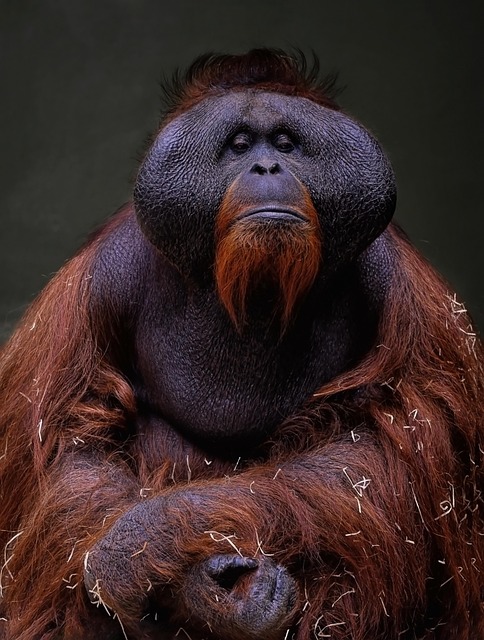
Populations of this great ape have declined by more than half over the past sixty years, with around one hundred thousand remaining in fragmented forests. Palm oil plantations and logging operations continue destroying their lowland rainforest habitat at alarming rates. These solitary, intelligent apes require vast home ranges and reproduce slowly, bearing offspring only every six to eight years. Rescue and rehabilitation centers care for displaced orphans while conservation groups work to protect remaining forest corridors.
Mountain Gorilla
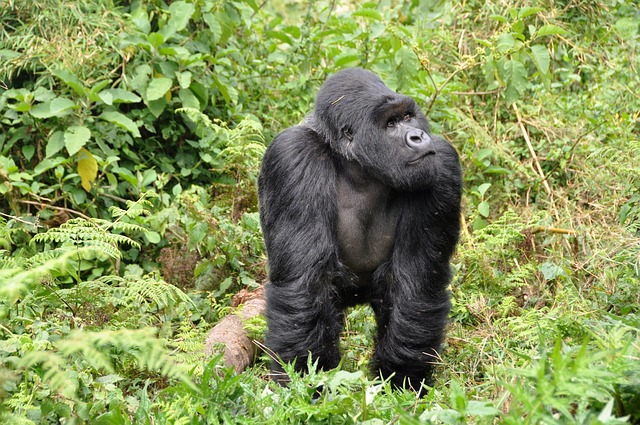
Approximately one thousand mountain gorillas survive in the volcanic mountains of central Africa, representing a conservation success story after decades of protection efforts. Habitat loss and poaching once pushed this subspecies to fewer than three hundred individuals before intensive conservation intervention. Political instability and disease outbreaks in their range continue to threaten these charismatic primates despite their increasing numbers. Ecotourism revenue from gorilla trekking now provides economic incentives for local communities to protect these animals.
Sunda Tiger
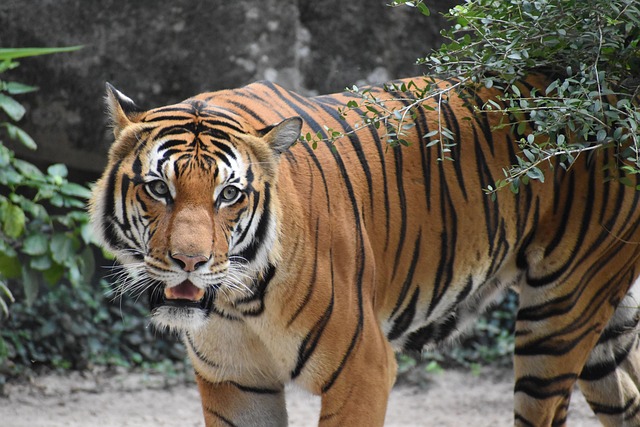
Fewer than six hundred of these tigers remain on the Indonesian island of Sumatra, the last stronghold of tigers in the Sunda Islands. Deforestation for palm oil and paper plantations fragments their habitat while poaching for traditional medicine continues despite strict legal protections. As the smallest surviving tiger subspecies, they have already watched their relatives on Java and Bali go extinct. Camera trap networks and ranger patrols monitor populations while working to reduce human-tiger conflict.
Northern White Rhino
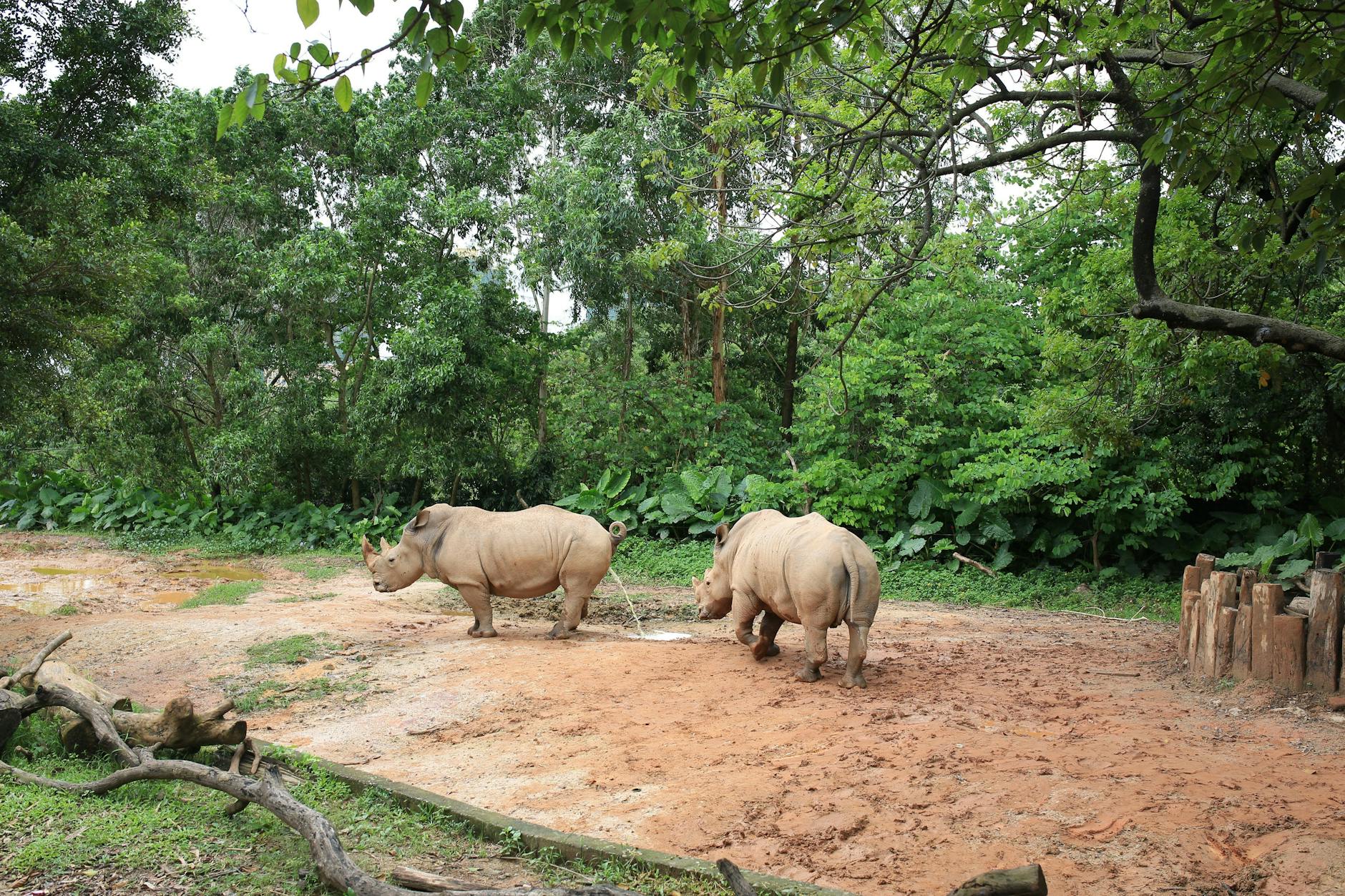
Only two individuals of this subspecies remain alive, both elderly females incapable of natural reproduction, making functional extinction already a reality. Scientists are attempting to use frozen genetic material and advanced reproductive technologies to potentially revive the subspecies through surrogate mothers. Decades of poaching for rhino horn eliminated this population from the wild, with the last wild northern white rhinos killed in the early 2000s. Their story represents both the devastating impact of wildlife crime and the desperate measures now required to prevent complete genetic loss.
Irrawaddy Dolphin
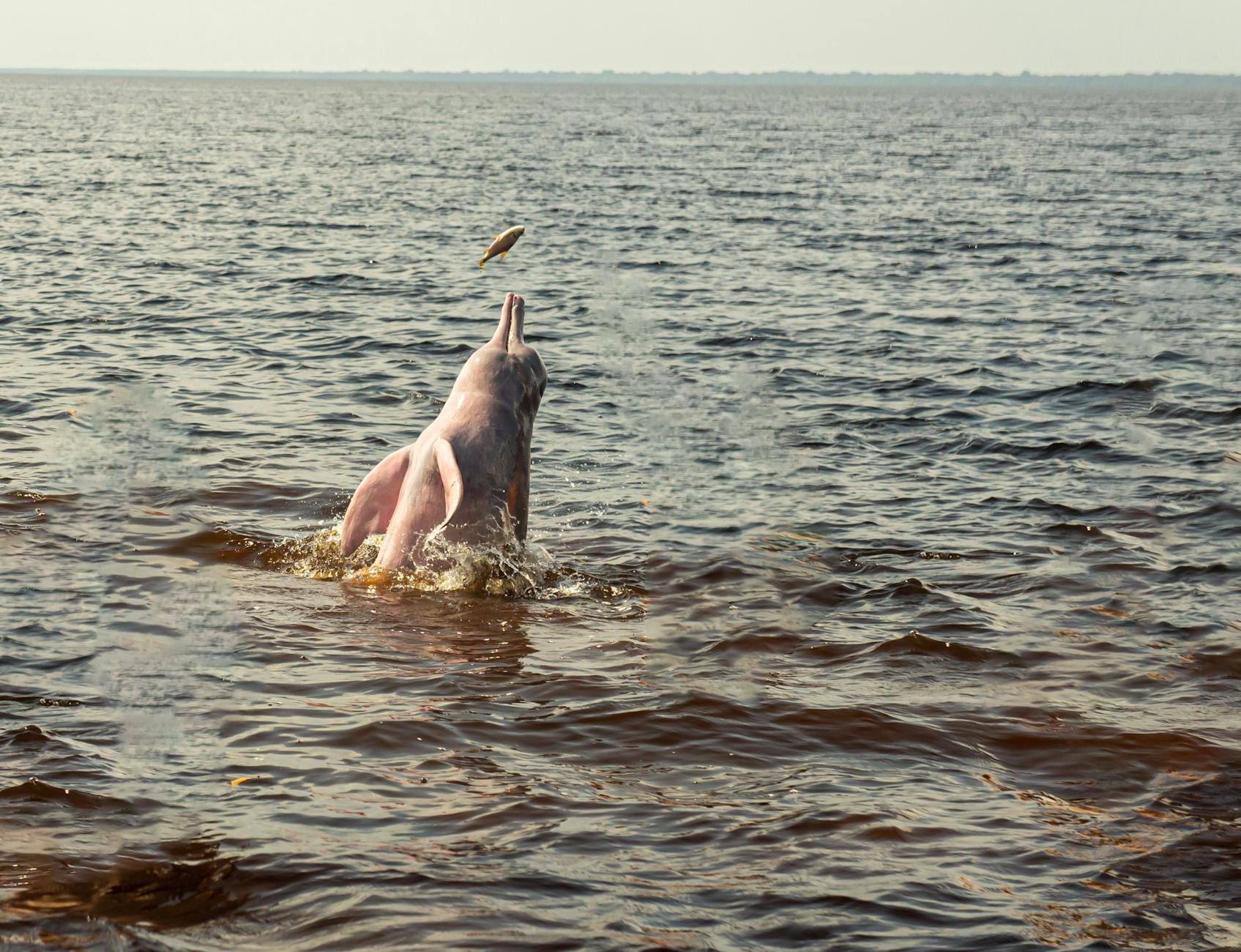
These distinctive dolphins with rounded heads inhabit coastal areas and rivers throughout Southeast Asia, with some populations numbering fewer than one hundred individuals. Accidental capture in fishing nets represents their primary threat, while habitat degradation and dam construction fragment remaining populations. Their preference for shallow coastal waters and river mouths puts them in direct conflict with human fishing activities. Some populations in specific river systems may already be functionally extinct despite conservation efforts.
Malayan Tiger
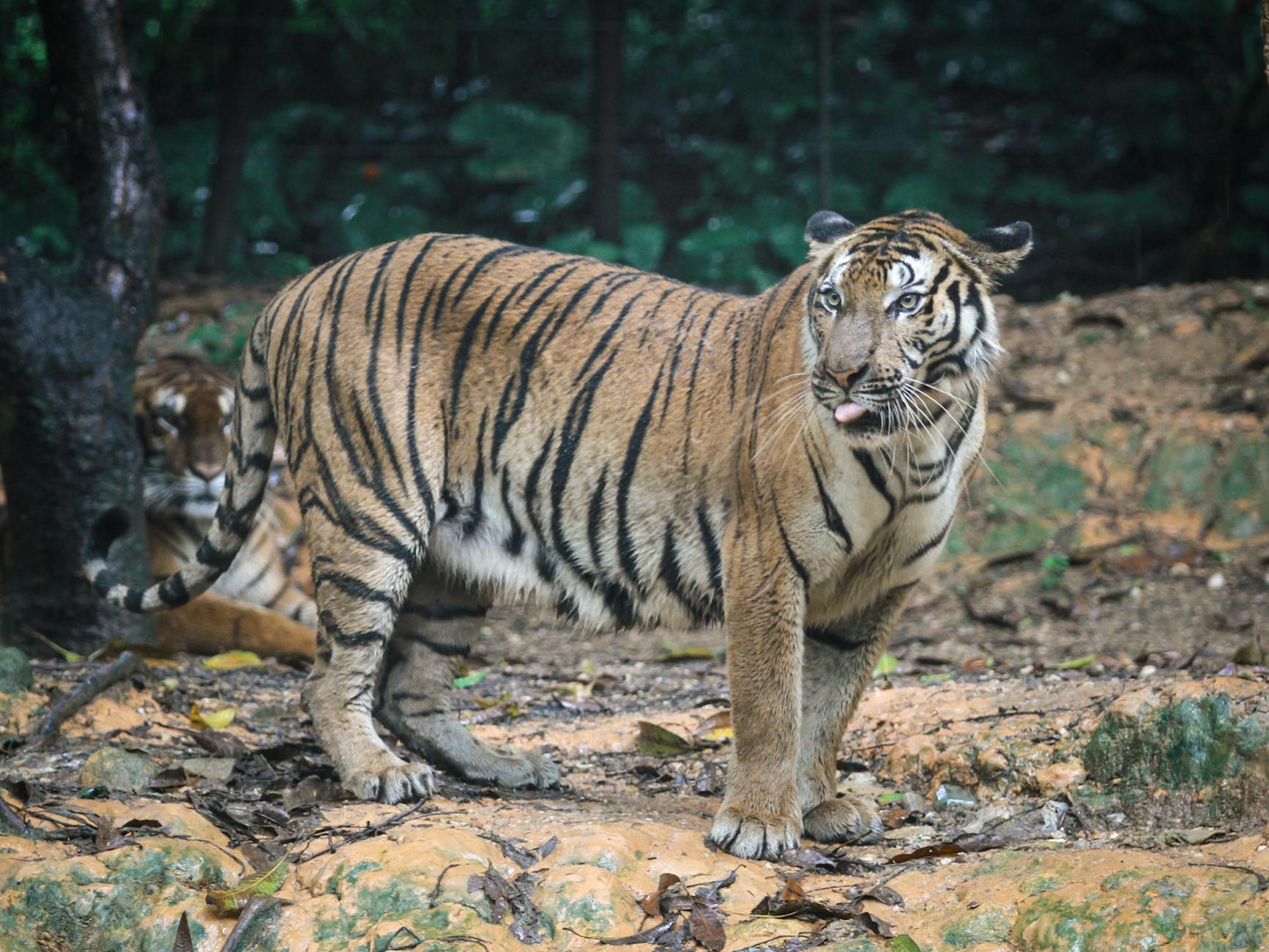
Fewer than one hundred and fifty Malayan tigers survive in the wild, representing a catastrophic decline driven by poaching and prey depletion. These tigers face threats from both organized criminal networks seeking body parts and local hunters reducing their food supply. Extensive rubber and palm oil plantations have converted much of their forest habitat into agricultural land. Conservation organizations work with local communities and governments to establish protected corridors and combat illegal wildlife trade.
Pygmy Three-Toed Sloth
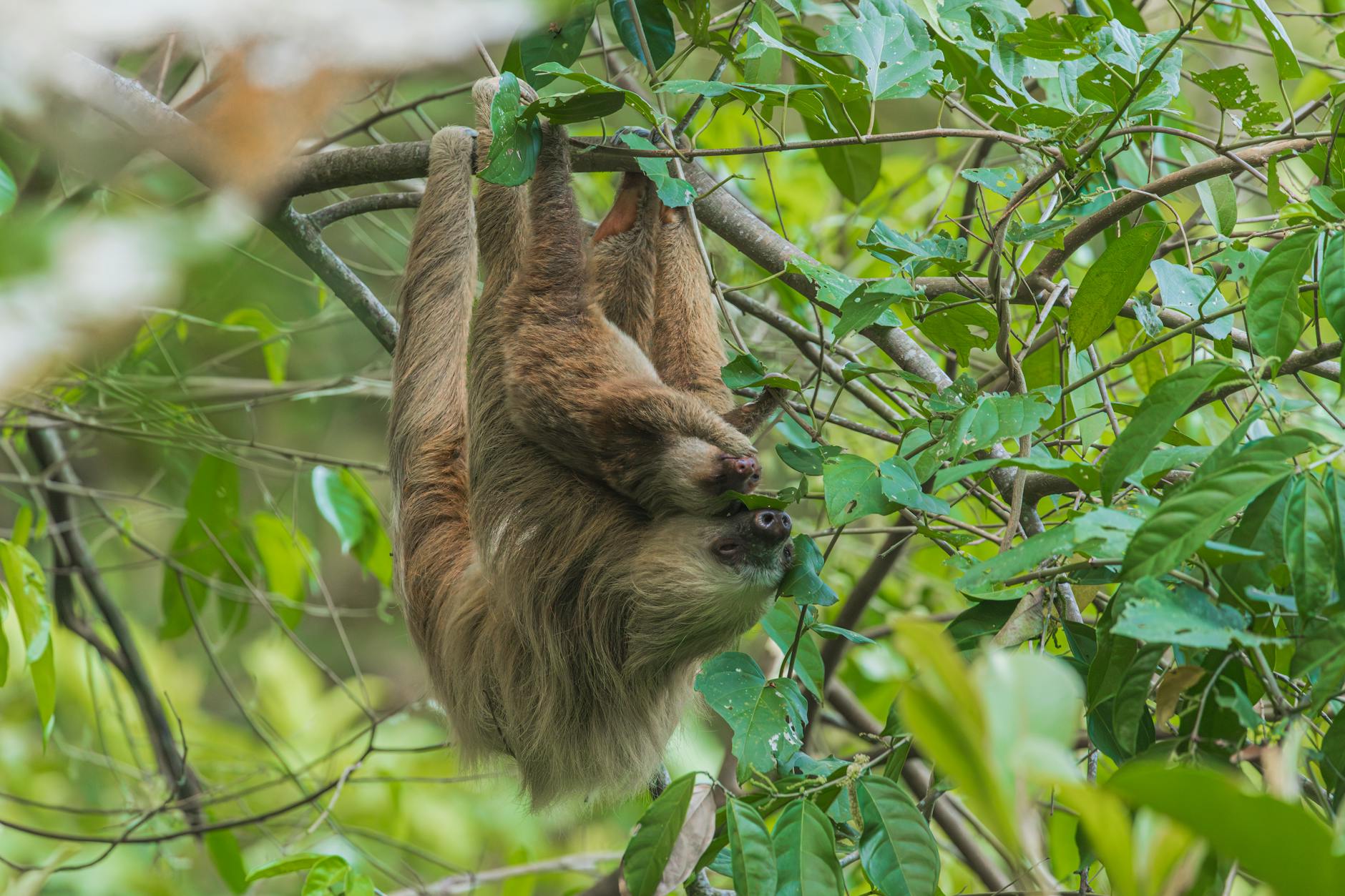
This sloth exists only on a tiny island off Panama’s coast, with an estimated population of fewer than five hundred individuals in just a few square kilometers. Rising sea levels from climate change threaten to submerge much of their limited mangrove habitat in coming decades. Their extreme habitat specialization leaves them vulnerable to any environmental changes on their small island home. Research into their ecology remains limited due to their remote location and the difficulty of studying wild sloths.
Gharial
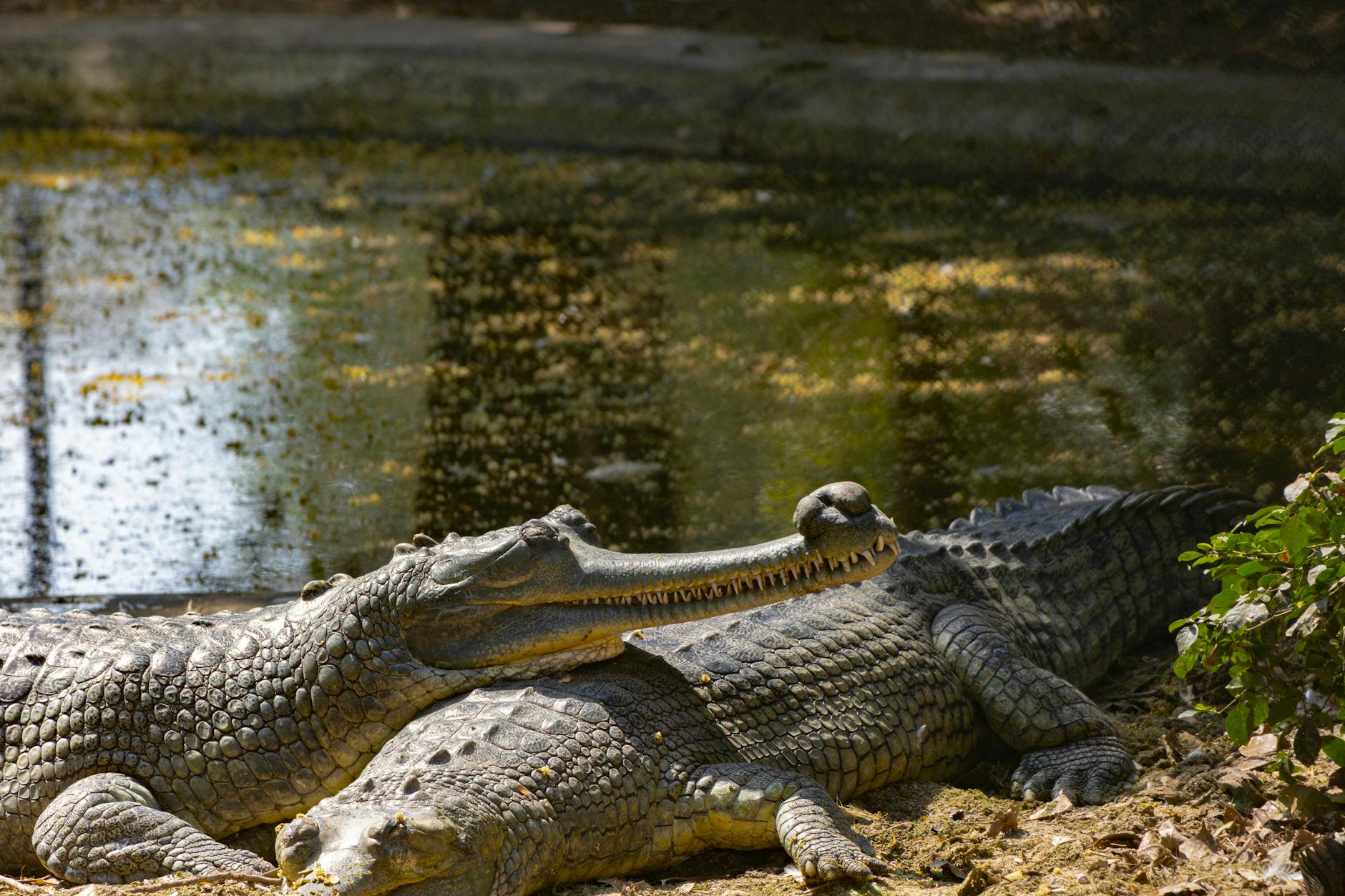
This distinctive crocodilian with an extremely narrow snout survives in just a few river systems across India and Nepal with fewer than one thousand adults remaining. Dam construction, sand mining, and fishing net entanglement have devastated populations of this fish-eating specialist. Males develop a bulbous growth on their snout during breeding season, giving the species its name from the Hindi word for pot. Captive breeding and river protection programs aim to restore populations to their former strongholds.
Iberian Lynx
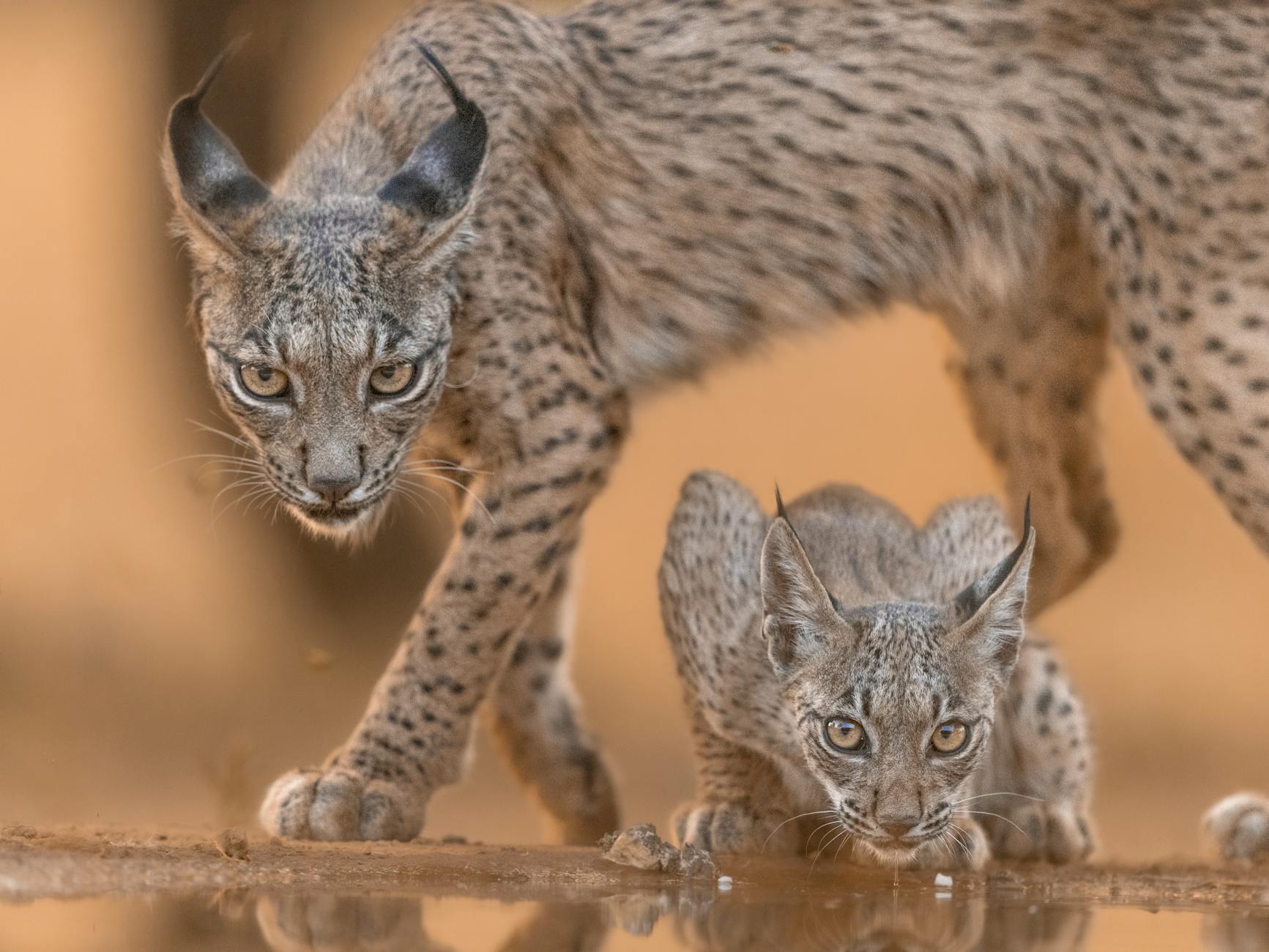
Once the world’s most endangered cat species, successful conservation has increased populations from fewer than one hundred to over one thousand individuals in Spain and Portugal. Habitat restoration and rabbit population recovery programs have supported this remarkable rebound from the brink of extinction. Road accidents now represent a significant threat as lynx territories expand and overlap with human infrastructure. This conservation success demonstrates that dedicated efforts can reverse even dire population declines.
Asiatic Cheetah
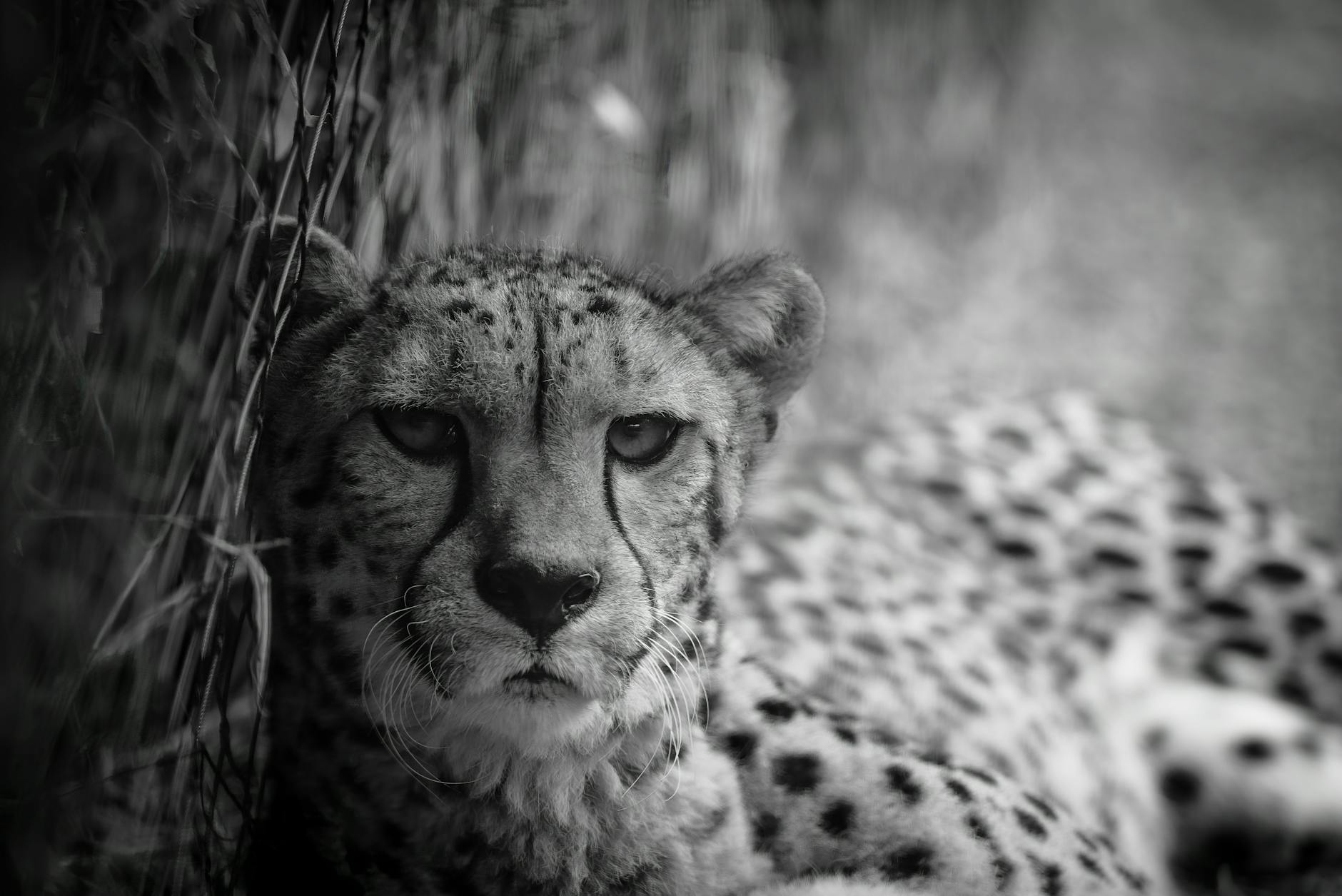
Fewer than fifty of these cheetahs survive in isolated protected areas of Iran, representing the last remnants of a subspecies that once ranged across the Middle East and Central Asia. Habitat loss and prey depletion have restricted them to remote desert regions where human contact remains minimal. Their incredible running speed evolved for hunting in open grasslands, but most suitable habitat has been converted to agriculture or development. Iranian conservation programs attempt to protect remaining individuals while considering reintroduction possibilities.
Red Wolf
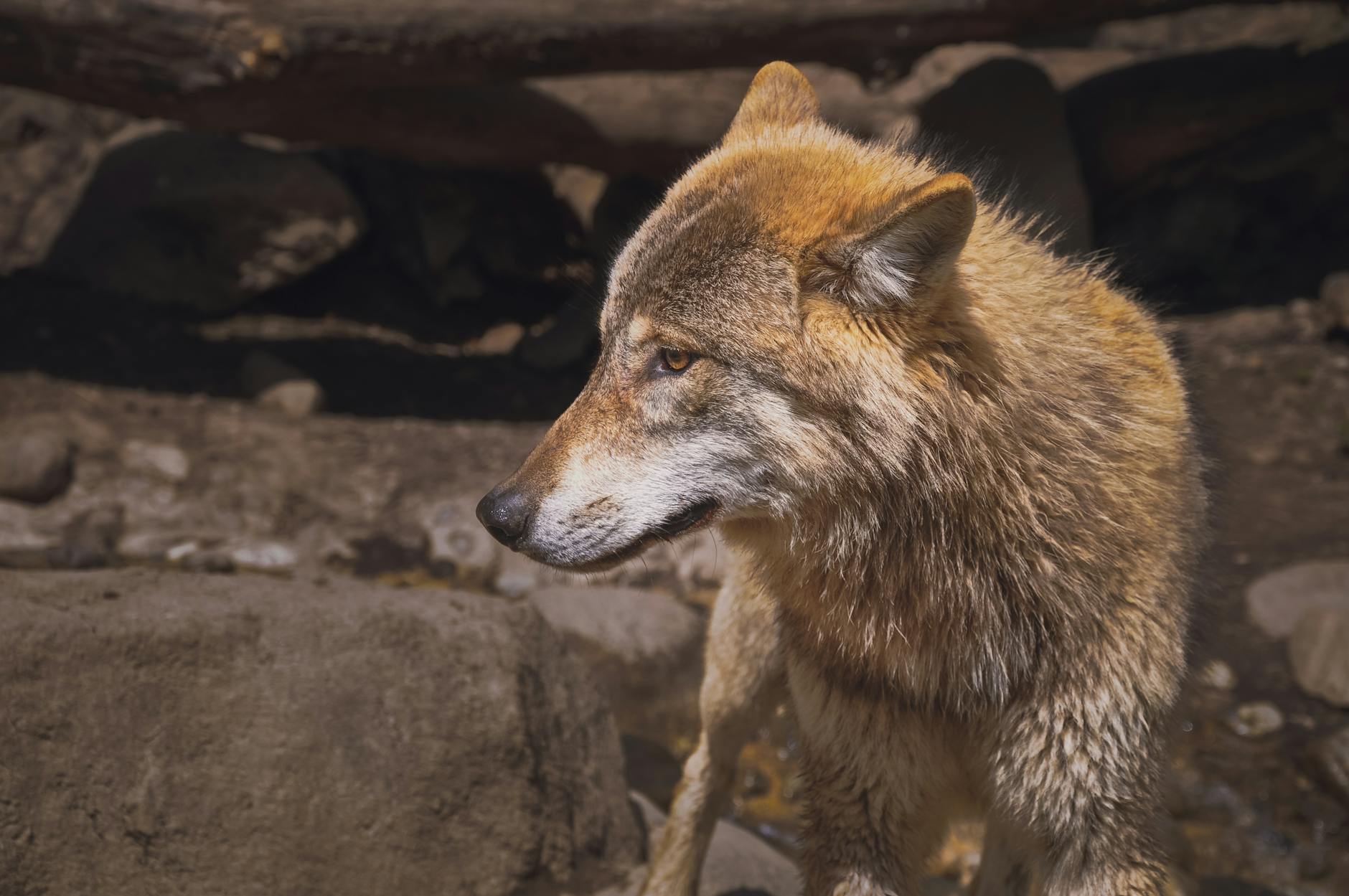
Around thirty red wolves exist in the wild in North Carolina, supplemented by several hundred in captive breeding programs, after being declared extinct in the wild in 1980. Hybridization with coyotes threatens the genetic integrity of the remaining wild population as the two species interbreed. Legal challenges and political opposition have complicated reintroduction efforts despite initial success restoring wolves to their historical range. This species demonstrates how conservation gains can be fragile without sustained public and political support.
What rare or endangered species do you think deserves more attention and protection? Share your thoughts in the comments.