
Emotional abuse in romantic relationships is one of the most difficult forms of mistreatment to identify because it leaves no visible marks and often intensifies so gradually that the person experiencing it may not recognize what is happening. Unlike physical violence, emotional abuse operates through patterns of behavior that erode self-worth and distort reality over time. Understanding these signs is a critical step toward recognizing unhealthy dynamics and making informed decisions about safety and wellbeing. Awareness is the first and most powerful tool available to anyone navigating a difficult relationship.
Constant Criticism

A partner who frequently criticizes appearance, intelligence, choices, or personality is engaging in behavior that goes beyond constructive feedback. These comments are often delivered in front of others to amplify humiliation or framed as jokes to make them harder to challenge. Over time the target of this criticism begins to internalize these negative assessments as truth. The cumulative effect is a deeply diminished sense of self-worth and confidence.
Gaslighting

Gaslighting occurs when one partner consistently causes the other to question their own memory, perception, and sanity. Common tactics include flat-out denying that events occurred, insisting the other person misremembered conversations, or claiming they are overreacting to documented behaviors. This pattern of psychological manipulation creates confusion and dependency as the affected person begins relying on their partner to define reality. It is one of the most disorienting forms of emotional abuse.
Isolation From Loved Ones

An emotionally abusive partner will often work to cut off their significant other from friends, family members, and support networks. This may begin subtly with complaints about certain people or suggestions that spending time with others is disloyal. Gradually the affected person may find themselves spending less time with loved ones and more time managing their partner’s moods and demands. Isolation ensures that outside perspectives and sources of support are eliminated.
Controlling Behavior
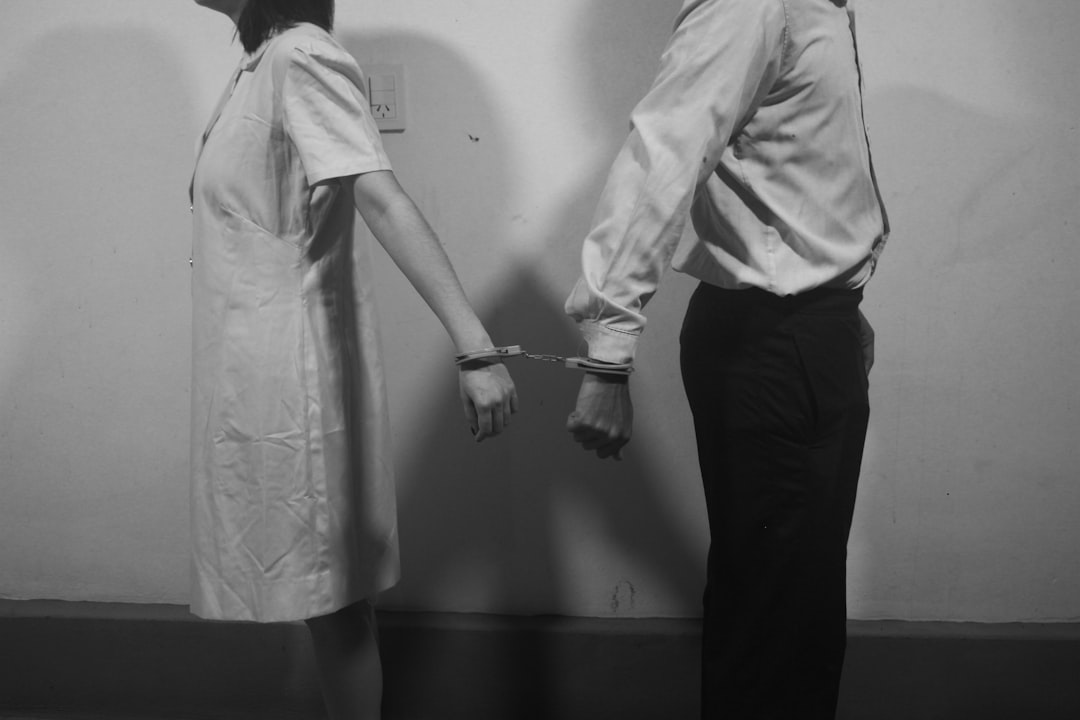
Control in an emotionally abusive relationship can manifest across finances, daily schedules, clothing choices, social interactions, and even food consumption. The controlling partner may frame these behaviors as expressions of love or concern for the other person’s wellbeing. However the underlying function of control is to limit autonomy and create dependence. A person whose movements and decisions are constantly monitored loses the ability to act independently over time.
Unpredictable Mood Swings

Living with a partner whose emotional state shifts dramatically and without warning keeps the other person in a constant state of hypervigilance. Walking on eggshells becomes a default mode of existence as the affected person tries to anticipate and prevent outbursts. This chronic anxiety has measurable effects on mental and physical health over time. The unpredictability itself is a form of control because it keeps attention focused entirely on managing the abusive partner.
Public Humiliation

Deliberately embarrassing a partner in social settings is a clear indicator of emotional abuse. This behavior may involve sharing private information, mocking them in group conversations, or undermining their contributions in professional or social contexts. The public nature of the humiliation is intentional as it amplifies shame and signals to others that the affected person is lesser. This tactic also makes it harder for the target to seek support from the very people who witnessed the incident.
Threats and Intimidation

Threats do not have to be physical to be abusive. Emotional abusers may threaten to leave, to share private information, to harm themselves, or to take legal action in order to maintain power over their partner. These threats are designed to produce fear and compliance rather than to reflect genuine intentions. The affected person often modifies their behavior extensively in an attempt to prevent threatened consequences.
Dismissing Feelings

When a partner consistently invalidates the other person’s emotions by calling them too sensitive, irrational, or dramatic, it creates an environment where emotional expression feels unsafe. Healthy relationships involve space for both partners to communicate how they feel without fear of ridicule or dismissal. Repeated invalidation teaches the affected person to suppress their own emotional responses. This suppression can lead to anxiety, depression, and difficulty recognizing one’s own needs.
Using Guilt as a Weapon
An emotionally abusive partner frequently invokes guilt to manipulate decisions and behaviors. They may reference past sacrifices, bring up old conflicts at strategic moments, or frame every disagreement as evidence of the other person’s selfishness or ingratitude. This tactic makes it extremely difficult for the affected person to advocate for their own needs without feeling like a burden. Guilt-tripping is a calculated strategy to override boundaries and maintain control.
Monitoring and Surveillance

Demanding constant access to a partner’s phone, email, social media accounts, or location data is not a sign of love or security. It reflects a need to monitor and control that is inconsistent with mutual trust. Some emotionally abusive partners install tracking applications or check receipts and call logs without consent. This level of surveillance communicates a fundamental lack of respect for privacy and autonomy.
Withholding Affection as Punishment

Deliberately withdrawing love, attention, or physical affection as a response to perceived slights is a manipulation tactic known as the silent treatment. When used strategically it causes the affected person to feel intense anxiety and a desperate need to repair the relationship at any cost. This pattern puts one partner in the position of always seeking approval and reconciliation. The power imbalance created by this tactic is a defining feature of emotional abuse.
Minimizing Achievements

An emotionally abusive partner may consistently downplay or ignore their significant other’s accomplishments, promotions, creative work, or personal milestones. Rather than offering genuine celebration they may redirect attention to their own achievements or suggest the success was luck or assistance rather than merit. This pattern prevents the affected person from building confidence and a stable sense of identity outside of the relationship. Over time it produces a distorted view of one’s own capabilities.
Blame Shifting

In an emotionally abusive relationship, conflict is consistently redirected so that the affected person ends up taking responsibility for the abuser’s behavior. An argument that begins as a response to mistreatment ends with the affected person apologizing for causing the reaction. This cycle prevents accountability and keeps the dynamic one-sided. The person on the receiving end of blame shifting may genuinely come to believe that they cause all problems in the relationship.
Love Bombing Followed by Withdrawal

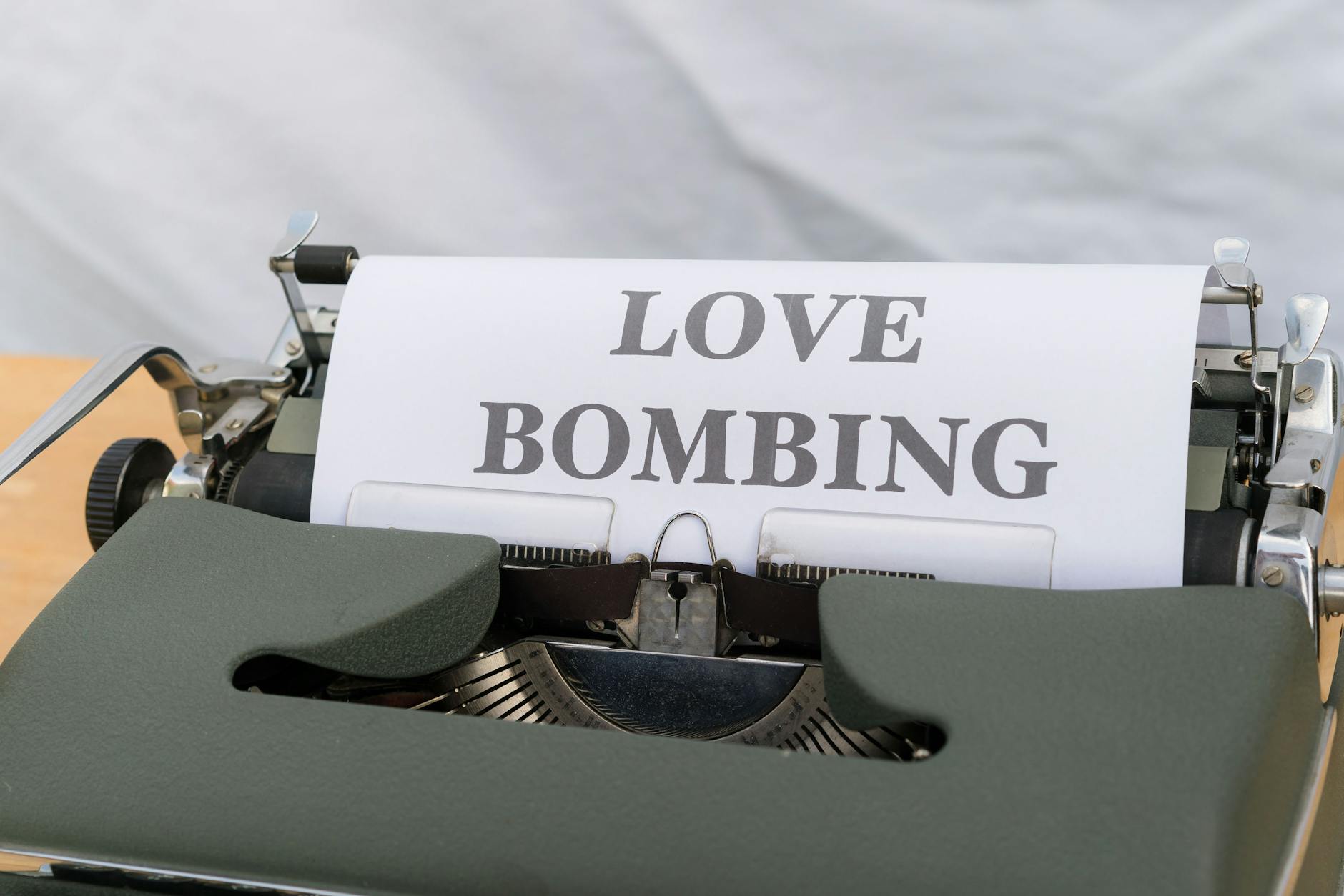
Periods of intense affection, grand gestures, and declarations of love are sometimes used strategically to create emotional dependency. This pattern often follows a period of mistreatment and functions as a reset that discourages the affected person from leaving. The contrast between warmth and withdrawal produces a powerful attachment rooted in hope and confusion rather than genuine security. Recognizing this cycle is essential to understanding the relationship’s true nature.
Jealousy Disguised as Love

Extreme jealousy is frequently presented as proof of deep love and devotion rather than what it actually represents. An emotionally abusive partner may become hostile when their significant other spends time with colleagues, friends, or even family members of any gender. This jealousy is used to justify controlling behavior and demands for explanations and reassurances. It places the affected person in the position of constantly managing their partner’s insecurity at the expense of their own social life.
Rewriting History

An emotionally abusive partner may consistently alter the narrative of past events to serve their own interests. Conversations get reframed, agreements get denied, and positive memories may be replaced with negative interpretations that support the abuser’s current position. This manipulation creates a distorted shared history that leaves the affected person feeling confused and unable to trust their own recollection. It is closely related to gaslighting but focuses specifically on the reinterpretation of shared experiences.
Undermining Parenting and Relationships With Children

In relationships that involve children, an emotionally abusive partner may criticize parenting choices, contradict decisions in front of the children, or use the children as messengers and informants. This behavior creates instability for the children while simultaneously eroding the affected parent’s confidence and authority. It can also be used as a leverage point to maintain control within the relationship by threatening custody arrangements. The impact extends beyond the couple to affect the entire family system.
Controlling Finances

Financial abuse is a subset of emotional abuse that involves restricting access to money, monitoring every purchase, or preventing a partner from working or advancing their career. This creates a practical dependency that makes leaving the relationship significantly more difficult. The financially controlled partner may be forced to ask for money for basic needs or to account for every expenditure. Economic dependency is a powerful tool for maintaining control over another person.
Dismissing Boundaries

Healthy relationships require both partners to respect the physical, emotional, and social limits expressed by the other. An emotionally abusive partner repeatedly crosses stated boundaries and dismisses protests as overreactions or signs of insecurity. When boundaries are consistently ignored the affected person may eventually stop expressing them altogether out of frustration or fear. The absence of respected boundaries is a foundational indicator of an unhealthy relationship dynamic.
Name-Calling and Verbal Attacks

Direct verbal attacks including name-calling, derogatory labels, and contemptuous language represent overt emotional abuse. These attacks may occur during arguments but can also appear during calm moments and are used to demean and subordinate the affected person. The language used in these attacks often targets core aspects of identity including intelligence, physical appearance, cultural background, and character. Repeated exposure to verbal attacks reshapes how a person sees themselves.
Using Children as Pawns

Involving children in adult conflicts is a form of emotional manipulation that harms both the children and the targeted parent. An abusive partner may share inappropriate details about relationship problems with children or use them to deliver messages, gather information, or create loyalty conflicts. This behavior places children in an impossible position and weaponizes the affected parent’s love for them. It is recognized by family therapists as a significant indicator of an unsafe relationship dynamic.
Sabotaging Goals and Ambitions

An emotionally abusive partner may actively undermine career pursuits, educational goals, creative projects, or personal development efforts. This sabotage can take the form of creating conflict on important days, refusing to support childcare or household responsibilities during key periods, or expressing consistent skepticism about the other person’s ability to succeed. The effect is to keep the affected person dependent and to prevent the growth of confidence and independence. Ambition is treated as a threat rather than a quality to be celebrated.
Conditional Love

Expressing love in ways that are clearly tied to compliance, appearance, performance, or behavior is a significant indicator of emotional abuse. Statements suggesting that affection will be withdrawn if certain conditions are not met teach the affected person that love must be earned rather than freely given. This creates an exhausting and unwinnable dynamic in which the affected person is perpetually working to maintain the relationship. Genuine love does not come with conditions attached to fundamental aspects of a person’s identity.
Creating Dependency

Some emotionally abusive partners systematically dismantle the self-sufficiency of their significant other by taking over decisions, reinforcing the idea that the affected person cannot manage independently, or discouraging relationships that provide outside support. The goal is to create a situation in which leaving feels impossible or too frightening to consider. Dependency is cultivated through a combination of the other tactics on this list working in concert over time. Recognizing it requires stepping back to assess the full pattern of the relationship rather than any single incident.
Denying the Abuse

When an affected person names the mistreatment they are experiencing, an emotionally abusive partner will often deny that abuse is occurring, reframe it as normal behavior, or insist the other person is too fragile or mentally unstable to accurately assess the situation. This final denial reinforces every other tactic by making it harder for the affected person to trust their own experience and seek help. It is the mechanism that keeps the cycle intact and prevents accountability. Naming it clearly is one of the most powerful steps a person can take toward reclaiming their reality.
If you or someone you know recognizes these patterns in a relationship, share your thoughts and experiences in the comments.