The first date is a performance whether anyone admits it or not, and financial reality has a persistent way of breaking through even the most carefully constructed presentation. The behaviors that reveal financial strain are rarely about the amount of money spent and almost always about the relationship a person has with money, scarcity, and the impression they are trying to manage. A genuinely comfortable person does not think about the check the way someone operating on financial stress does, and that difference in relationship to money produces dozens of small observable signals that a perceptive date will register even without consciously cataloguing them. What follows are the patterns that communicate financial pressure far more loudly than any admission ever would.
Coupon Apps
Opening a coupon or cashback application at the table while the date is watching, scrolling for applicable discounts before ordering, and then applying a promo code at checkout communicates a relationship with the meal’s cost that transforms the dining experience into a transaction. The behavior itself is financially sensible in isolation but its placement in the specific social context of a first date reveals that the financial pressure of the evening exceeded the person’s ability to manage it invisibly. A person who is genuinely comfortable with the cost of the date they chose does not need to recover a percentage of it in front of their companion. The coupon app on the first date is less about saving money and more about revealing that the money needed saving.
Venue Downgrading
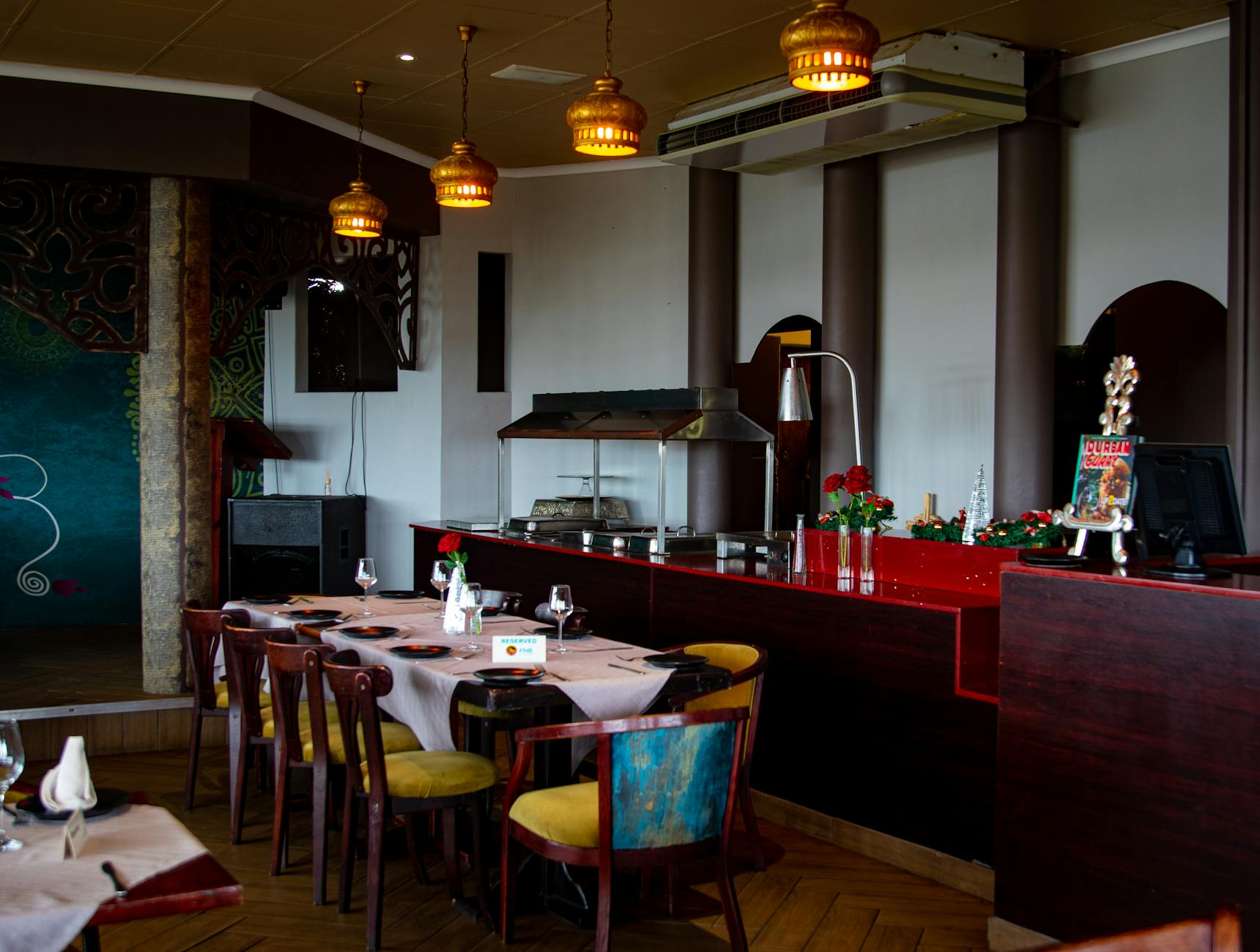
Suggesting a specific restaurant or venue in the initial invitation and then proposing a switch to a less expensive alternative as the date approaches communicates that the original suggestion exceeded the actual budget and the person hoped the invitation itself would make the impression before the reality arrived. The pattern is particularly transparent when the downgrade suggestion arrives with an explanation that strains credibility, including claims about the original venue being overrated, too loud, or recently reviewed poorly. A person who suggested a venue with genuine intention does not develop reservations about it in the days between the invitation and the date. The timeline of the downgrade request tells the story more clearly than any explanation offered alongside it.
Splitting Appetizers

Proposing to share a single appetizer as a cost-reduction strategy rather than as a genuine expression of preference signals awareness of the bill’s trajectory that a financially comfortable person would not be monitoring at the appetizer stage. The distinction between genuine sharing as an intimate gesture and strategic sharing as a budgeting mechanism is communicated through timing, framing, and the specificity of the suggestion. A person genuinely excited about sharing something delicious expresses enthusiasm for the item rather than relief at the division of its cost. When the split is proposed before either person has expressed any interest in what is on the menu, the motivation behind it becomes apparent.
Water Only Ordering

Ordering only water while the date orders a beverage is a pattern that communicates budget management rather than personal preference when it is accompanied by a visible scan of the drink menu prices before the decision is made. Genuine preference for water over other beverages exists and is entirely valid but it does not typically involve a review of the menu pricing before the preference is expressed. The water-only order becomes a financial signal when it arrives after the person has visibly evaluated the cost of the alternatives rather than before. A person who simply prefers water orders it without any interaction with the pricing column of the beverage menu.
Loud Bill Negotiation
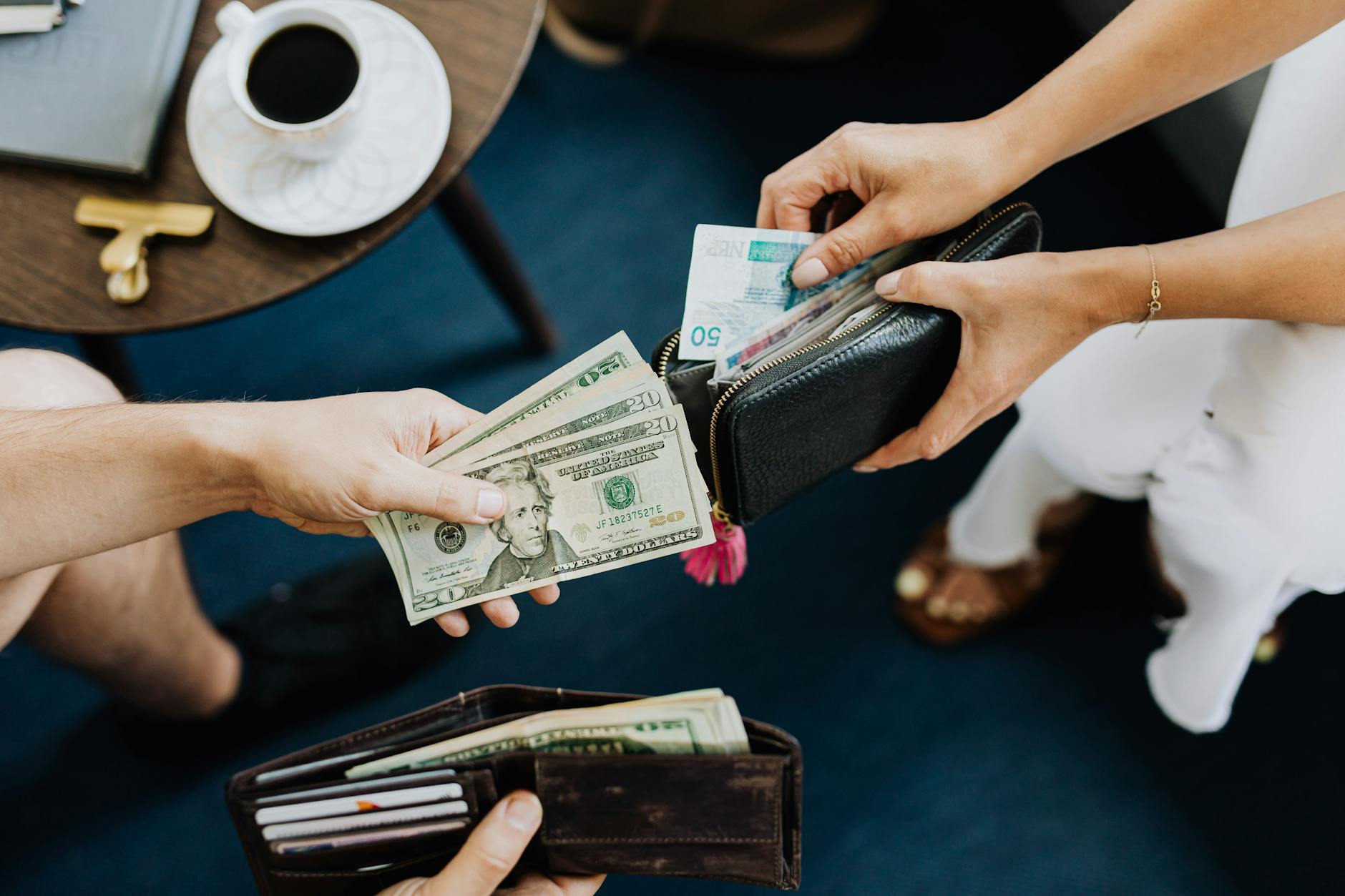
Initiating an audible conversation about how the bill should be divided in a manner that involves specific dollar calculations, percentage discussions, or item-by-item attribution communicates that the financial outcome of the meal required active management rather than comfortable resolution. The mechanics of how a first date bill is handled reveal something about financial ease regardless of who pays what, and the revelation comes through the process rather than the outcome. A person financially comfortable with the evening’s cost resolves the bill with minimal visible engagement with its specifics. Extended table-side arithmetic performed within earshot of the date is a communication about one’s relationship with the amount in question.
Pre-Date Eating

Arriving at a dinner date having visibly eaten beforehand, ordering very minimally, and explaining that the appetite is not particularly present communicates a budget management strategy that the explanation is meant to obscure. The pre-date meal as a cost-reduction mechanism is a well-documented pattern that occasionally involves explicit admission but more often surfaces through the ordering behavior it produces. A person who has genuinely eaten beforehand for reasons unrelated to the cost of the date does not typically choose a dinner venue as the date setting. The combination of dinner venue selection and minimal ordering without a convincing appetite explanation is a pairing that communicates its own subtext.
Happy Hour Dependency

Structuring the date entirely around happy hour pricing windows, including an arrival time that is conspicuously precise relative to the happy hour end time and an agenda that concludes before full pricing begins, communicates that the date’s budget was calibrated to the discounted rate rather than the standard one. Happy hour is a legitimate and pleasant context for a date when it is chosen for atmosphere and timing rather than exclusively for its pricing structure. The financial motivation becomes visible when the date’s timeline is rigidly organized around the discount window in ways that would require explanation if the pricing structure were removed. A person comfortable with the venue’s standard pricing does not treat the happy hour end time as a scheduling constraint.
Gift Card Payment
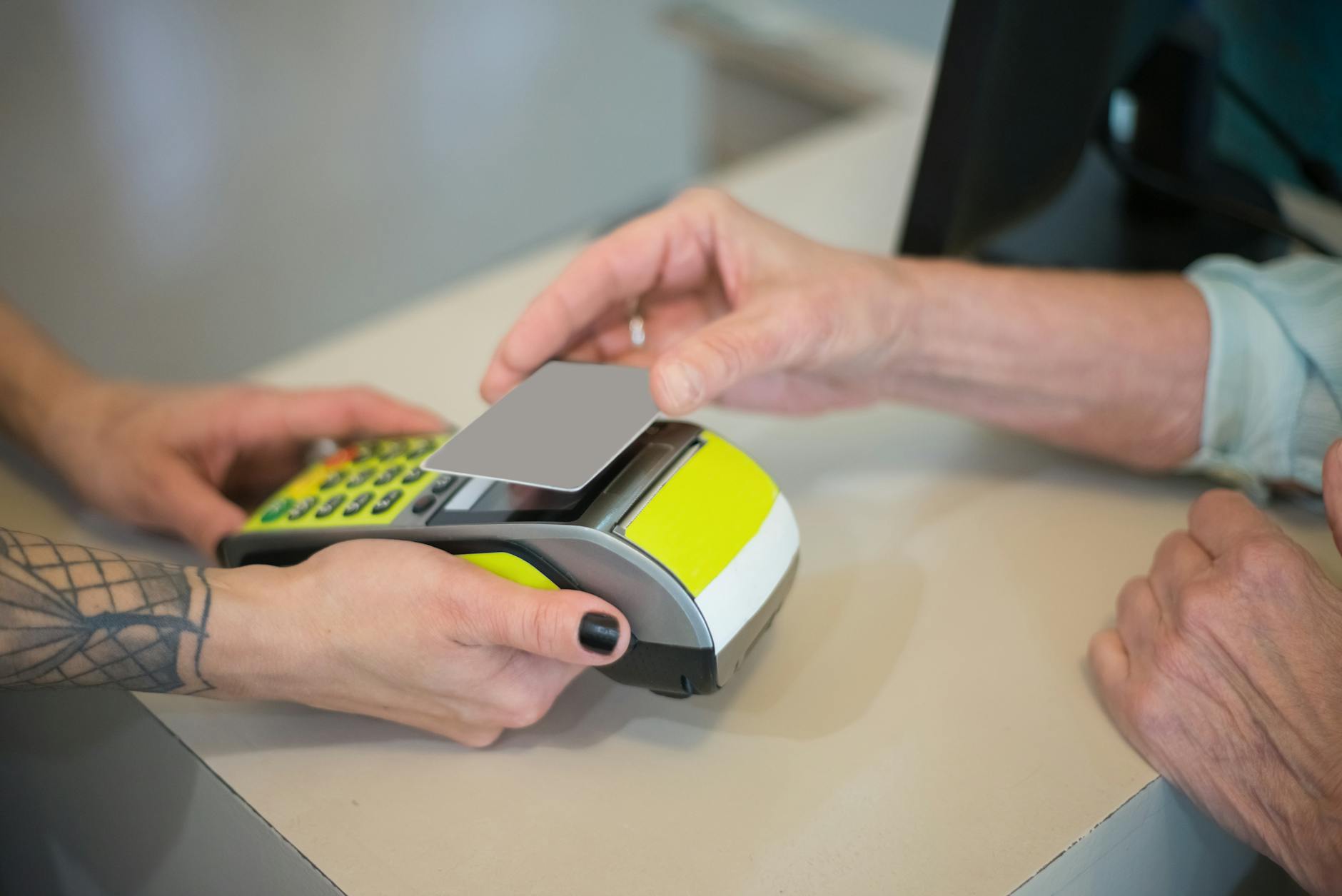
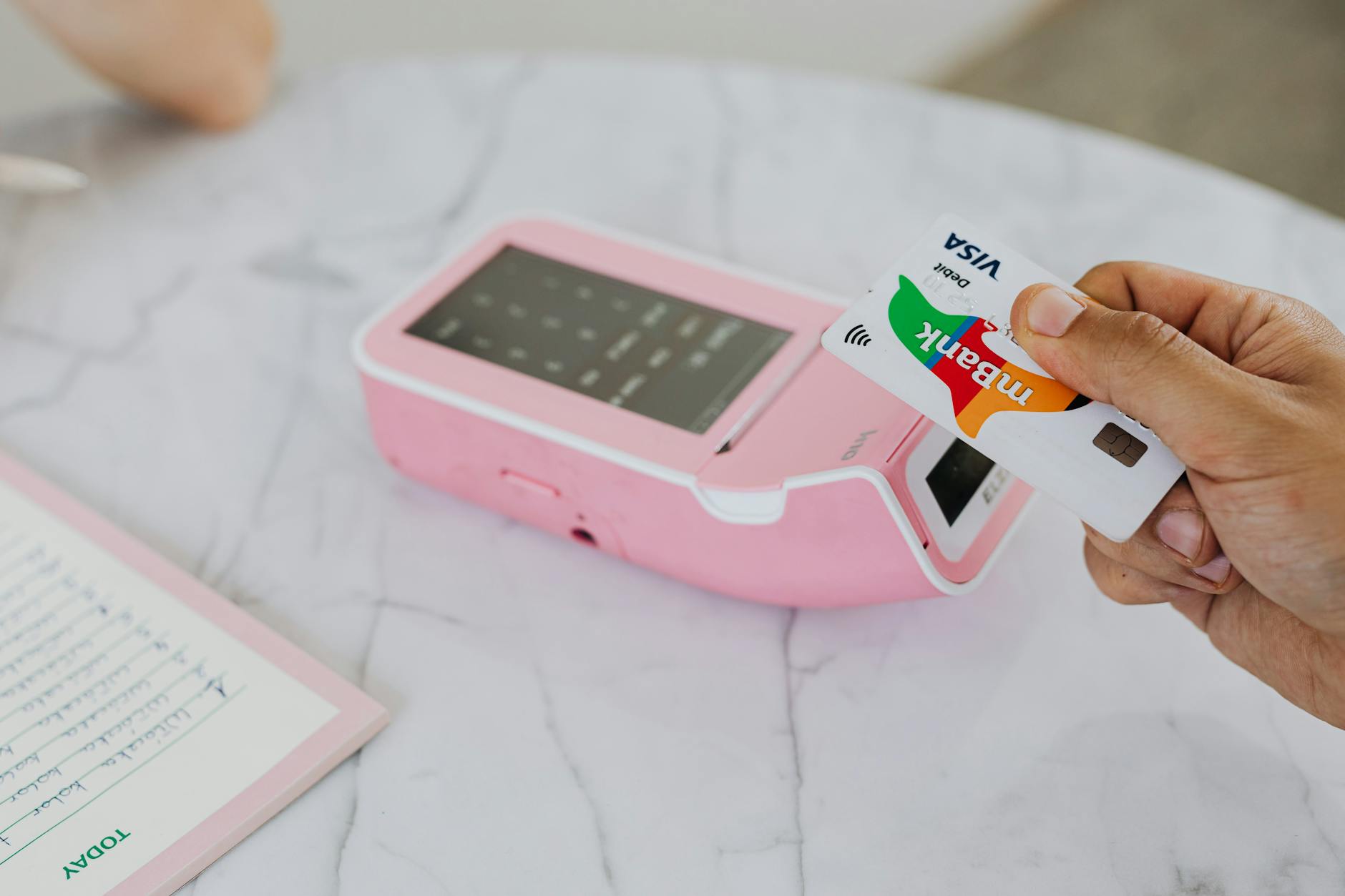
Producing a gift card to pay for a first date meal communicates several things simultaneously about financial management, forward planning, and the specific thought given to the evening’s cost. Gift cards purchased at a discount through resale platforms or received as compensation through rewards programs are a legitimate financial tool whose placement on a first date table transforms them from a saving strategy into a social signal. The reaction that gift card payment produces in a date is not about judgment of the financial practice itself but about the visibility of the financial management it represents in a context where financial ease was the intended presentation. A person whose date budget was comfortably within their means does not need a gift card to manage it.
Menu Price Scanning
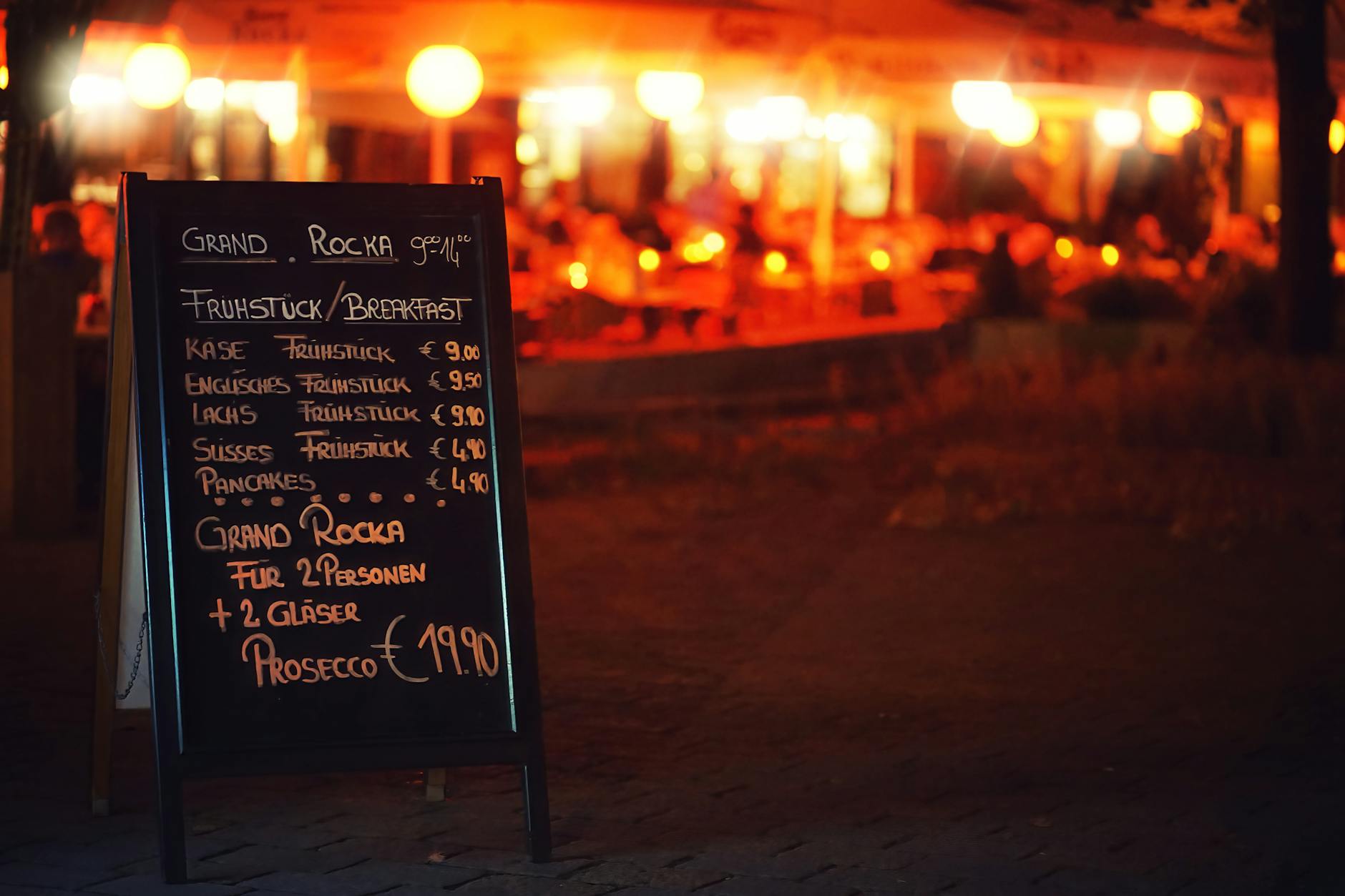
Scanning the right column of a menu before the left, reviewing prices before descriptions, and making audible comments about what things cost reveals an orientation toward the bill rather than the food that a financially comfortable person does not exhibit in the same visible way. Most people check prices at some point during menu review but the sequence and visibility of the price check communicates different things depending on how it is performed. A person whose primary concern is what sounds appealing engages with the menu from a different direction than a person whose primary concern is what the evening will cost. The price-first menu orientation is one of the more legible financial signals available at the table before a single order is placed.
Visible Tip Calculation

Producing a phone calculator to determine the tip amount, visibly computing a percentage below the standard range, or rounding down to a figure that requires calculation to achieve communicates active management of the final total that financially comfortable diners do not perform with the same visibility. Tipping behavior on a first date is observed by the date and interpreted as information about character, generosity, and financial ease simultaneously. The person who tips poorly on a first date is communicating financial stress, value system information, or both, and neither communication serves the impression the date was intended to make. The tip calculation performed openly at the table makes the financial management process visible in a context where its invisibility was the goal.
Doggie Bag Priority
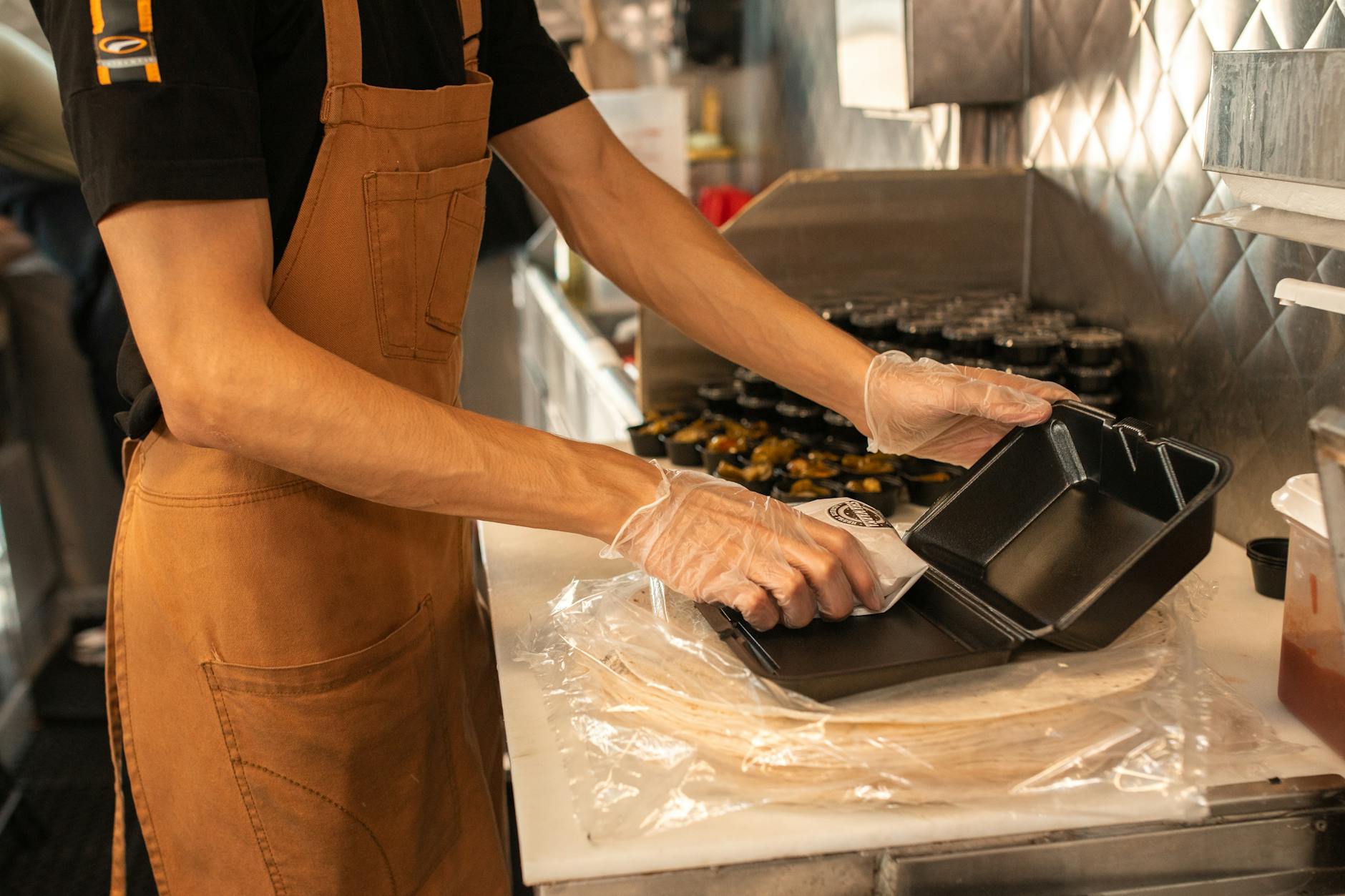
Requesting a takeaway container for remaining food on a first date prioritizes the economic recovery of the meal’s value over the social impression the evening is intended to make. The doggie bag in an everyday dining context is a reasonable and waste-reducing practice with no social implications worth examining. Its appearance on a first date communicates that the cost of the meal was significant enough to warrant recovery of its unconsumed portion in a context where most people would absorb the cost without a second thought. The priority assigned to the leftover container reveals the priority assigned to the bill, which reveals the relationship with the amount it represented.
Over-Explanation of Choices
Providing unprompted explanations for choosing the less expensive option, including commentary about not being particularly hungry, finding rich food heavy, or preferring simpler dishes when the ordering pattern clearly follows the price column rather than any consistent culinary preference, communicates a gap between the stated reason and the actual motivation. Explanations that arrive before they are requested are almost always managing an impression rather than sharing genuine information. A person who orders the less expensive dish because they genuinely prefer it does not feel the need to explain the preference. The explanation is the signal, not the order.
Skipping the Second Round

Declining a second round of drinks immediately after finishing the first without any expression of genuine disinterest in continuing, and with timing that corresponds precisely with having reached a comfortable stopping point on the bill rather than a natural conclusion of the conversation, communicates budget management rather than preference. The second round is a natural inflection point in a date’s progression and how it is handled communicates something about the financial comfort of the person managing the decision. A person who would genuinely like to continue the conversation but is monitoring the total cost of continuing it makes a different calculation than someone for whom the cost is not a factor in the decision. The abruptness of the decline relative to the warmth of the conversation up to that point is what makes the motivation legible.
Venue Research Overcommunication
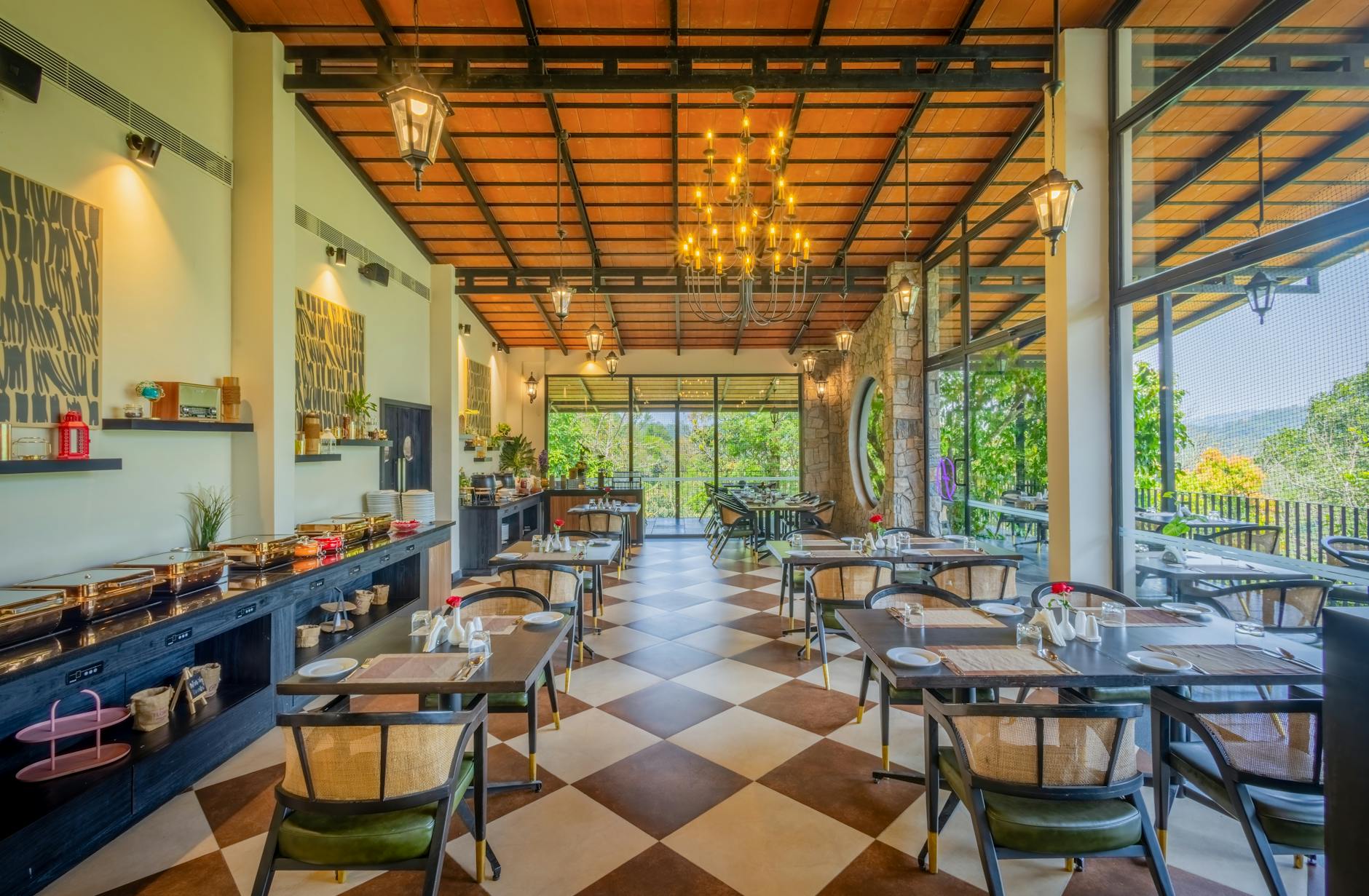
Sharing detailed information about how a restaurant was identified through discount aggregator platforms, how long it took to find an option within a specific price range, or how many alternatives were rejected for being too expensive transforms the date venue from a chosen experience into a budget optimization outcome communicated in real time. The research that goes into finding a good date venue is entirely invisible when the date goes well because the venue speaks for itself. When the research process becomes conversational content on the date itself, it reveals that the constraints that shaped the research were the dominant consideration rather than the experience being created. A person who found an excellent place shares enthusiasm for it rather than the process of finding something affordable.
Loyalty Points Payment
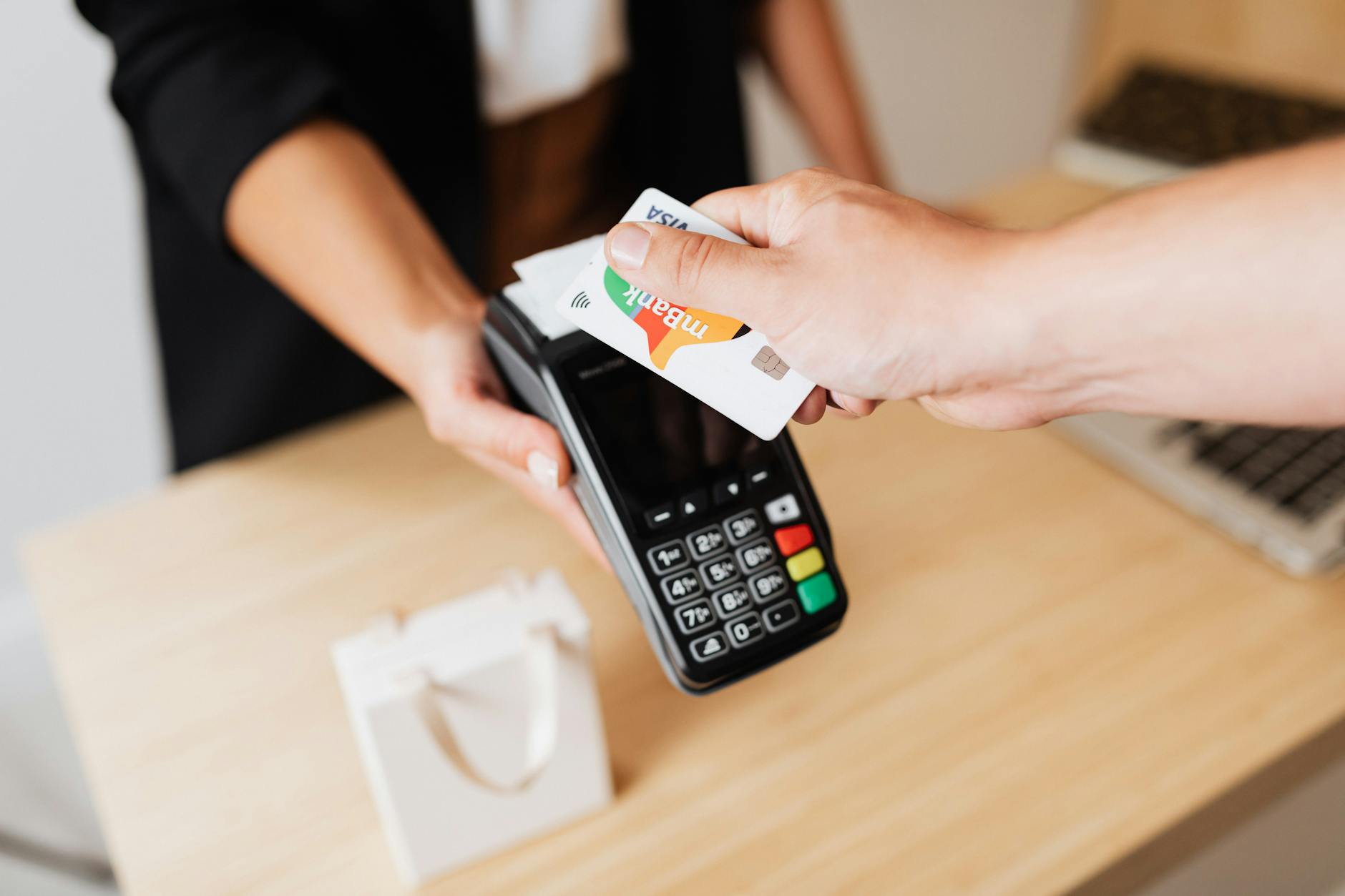
Paying for a first date meal partially or entirely with accumulated loyalty or rewards points communicates financial management in a context where the preferred communication is financial ease. Loyalty programs represent genuine value and their use is financially intelligent in most contexts. Their appearance on a first date bill communicates that the cost of the evening required resource mobilization beyond the current period’s available budget, which is a different message than the date was intended to send. The partner who watches the server process a rewards redemption alongside a partial cash payment receives a composite picture of the financial planning that preceded the evening.
Complaints About Prices

Making audible comments about menu prices, expressing surprise at what items cost, or noting that the restaurant seems expensive relative to some reference point communicates a misalignment between the venue that was selected and the budget available for it that the commenter was hoping not to reveal until the bill arrived. A person who selected the venue with full awareness of its pricing does not express surprise at the prices once inside it. The surprise is information about the gap between the impression the venue selection was meant to create and the reality of the budget it was meant to represent. Price complaints on a first date are simultaneously a social miscalculation and a financial disclosure.
Borrowing for the Bill
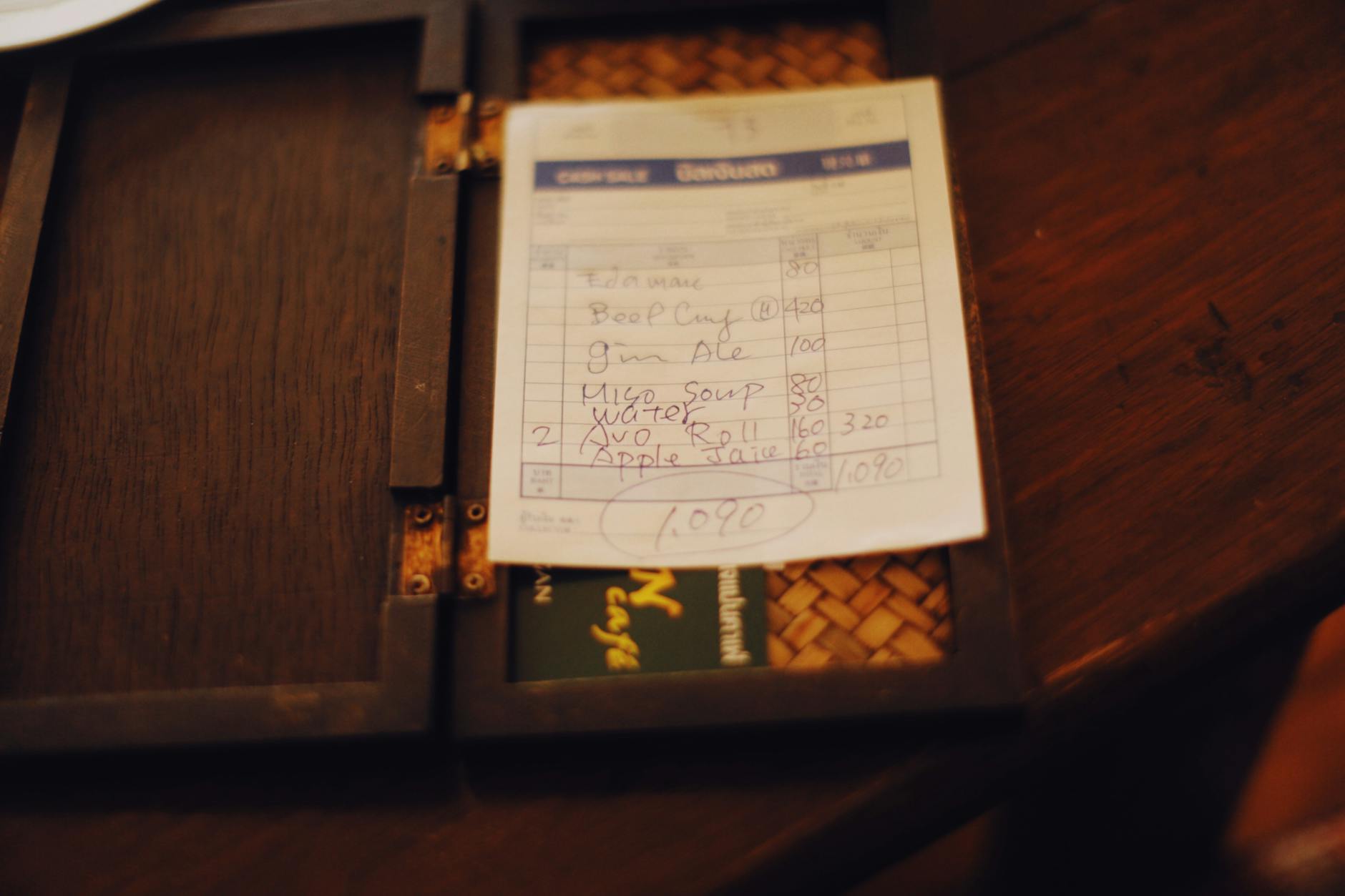
Discovering at the point of payment that the available funds are insufficient and asking the date to cover the difference, contribute their share in advance of the original plan, or wait while a funds transfer is processed communicates a preparation failure whose implications extend beyond the immediate moment. The logistics of covering a dinner bill are something a person issuing a date invitation is expected to have resolved before the meal rather than during it. A person who arrived at a restaurant without adequate means to complete the experience they initiated has communicated something about both their financial situation and their preparation that no explanation fully addresses. The ask at the table reframes the entire preceding evening retroactively.
Early Departure Timing
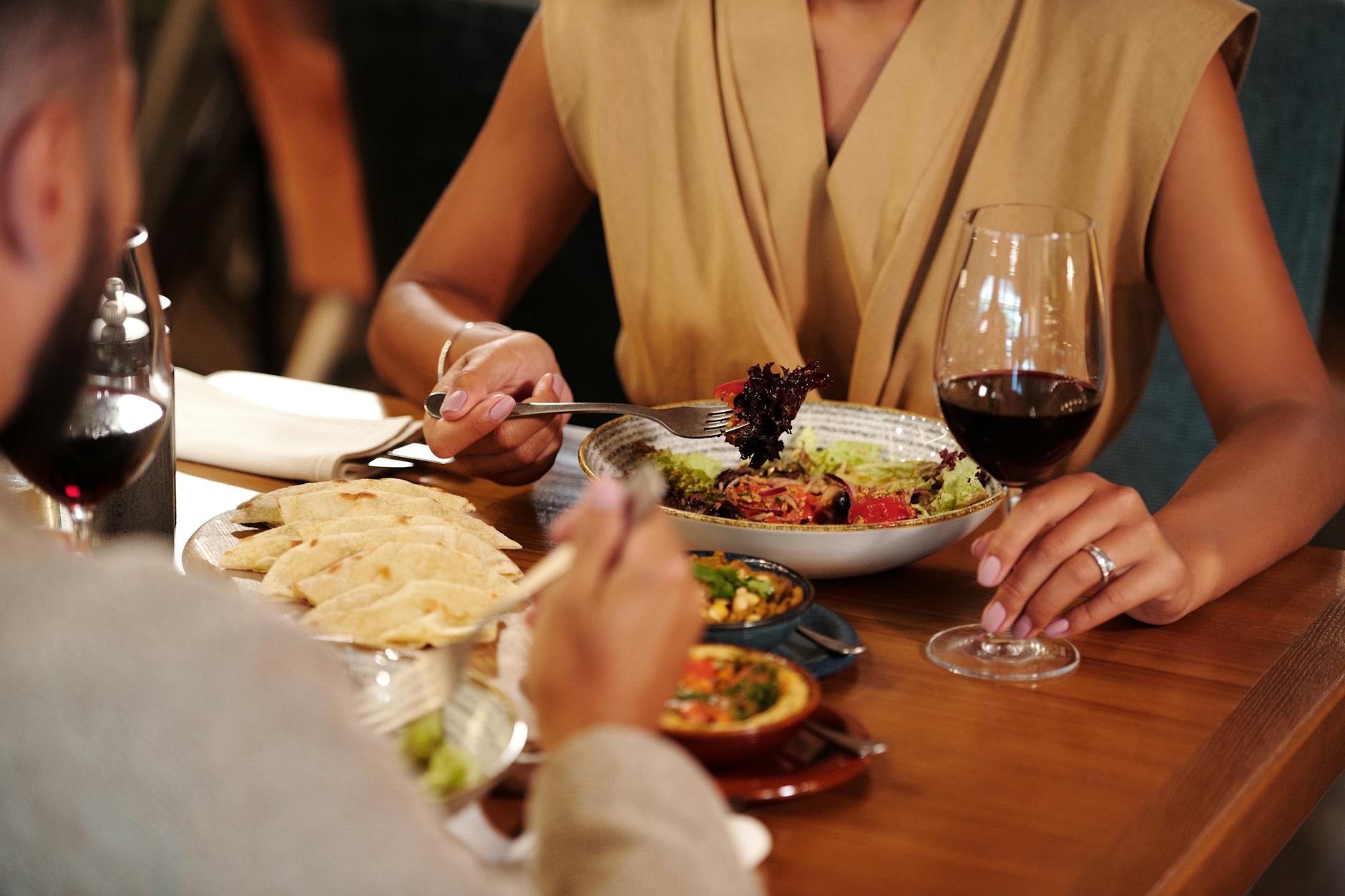
Suggesting a conclusion to the evening at a timing that corresponds precisely with having reached the end of a planned spending increment rather than a natural conclusion of mutual enjoyment communicates budget management disguised as preference. The date that ends abruptly after drinks but before dinner despite a conversation that was clearly progressing well, or the one that concludes immediately after the minimum viable duration has been achieved, communicates that the evening was designed around a financial ceiling rather than an experience. A person engaged in a genuinely enjoyable date does not check the time with the frequency of someone monitoring their spending timeline. The disjunction between the warmth of the interaction and the abruptness of the conclusion is what reveals the calculation behind it.
Phone Browsing for Deals

Browsing discount and deal platforms on a visible phone screen during an initial venue selection conversation, comparing prices across options in real time during the date planning discussion, or proposing alternatives based on promotional offers discovered during the conversation communicates that the venue selection criteria were primarily financial rather than experiential. Planning a date around what sounds like a good experience produces a different conversation than planning it around what represents the best value for the available budget. The phone that comes out during venue discussion to find a deal is communicating the same information as a spoken budget disclosure without the directness that a spoken disclosure would at least offer as social credit for honesty.
Brand Name Dropping Without Basis

Referencing luxury brands, expensive experiences, and high-end venues with a frequency and specificity that is disproportionate to any genuine familiarity with them communicates an attempt to establish a financial impression through association rather than through demonstrated comfort. A person genuinely familiar with expensive things does not reference them at the frequency of someone who has researched them as conversational props. The specific pattern of luxury reference in the absence of any corresponding ease with the actual cost of the present evening creates a contrast that is more revealing than either signal would be independently. Talking extensively about expensive things while managing the cost of inexpensive ones is a combination that communicates the gap between aspiration and reality more clearly than silence would.
Dessert Redirection
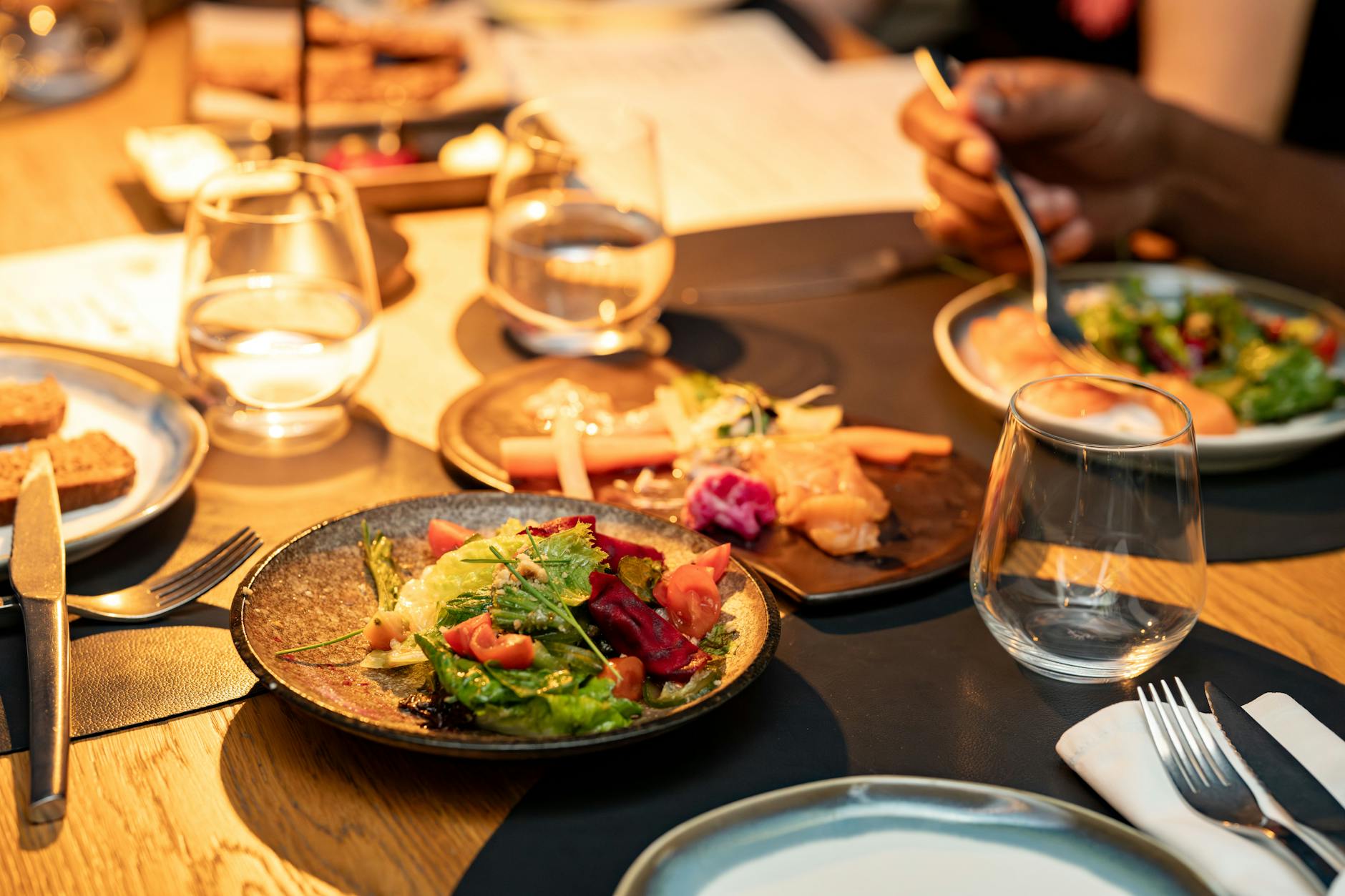
Redirecting the dessert conversation toward leaving, suggesting dessert elsewhere without a specific destination in mind, or pivoting to commentary about being full immediately when the dessert menu arrives communicates that the cost of the additional course was not accommodated in the evening’s financial planning. Dessert on a first date is a natural opportunity to extend an enjoyable evening and the person who deflects it in the specific ways described is communicating something about the budget remaining rather than the appetite. A full person who genuinely wants to continue the evening suggests a walk, coffee, or another activity with the same enthusiasm they brought to the earlier part of the date. The deflection that produces an immediate and convenient appetite conclusion is performing a financial function dressed as a physical one.
Itemized Venmo Requests
Sending a payment request through a digital payment platform itemized to include specific dishes, tax proportions, and drink counts within hours of a first date concluding communicates a relationship with the evening’s cost that most recipients will find difficult to interpret charitably. The financial reconciliation that follows a first date, when it occurs at all, typically involves approximate rather than precise amounts and a timeframe that communicates comfort with the imprecision rather than urgency about the recovery. An itemized same-night request communicates that the person had been tracking the amounts throughout the evening in preparation for the accounting that would follow it. The precision of the itemization is a record of the attention that was devoted to the bill rather than the company.
Self-Checkout Dates

Choosing a self-checkout venue including fast casual ordering counters, food halls requiring individual station payments, or any format that structurally requires each person to pay separately as the first date setting eliminates the bill conversation entirely through venue architecture rather than through discussion. The structural payment separation that these venues provide is the feature that makes them attractive as a date setting for someone managing budget constraints rather than any experiential quality they offer that traditional seating service does not. The venue format communicates the financial intention more efficiently than any conversation about going Dutch would. A person selecting the date venue for its atmosphere and food quality rather than its payment architecture arrives at a different category of place.
Frequent Flyer Upgrades Mentioned
Referencing accumulated points, miles, status tiers, and rewards memberships across multiple loyalty programs in detail during a first date conversation communicates an intensive relationship with optimization culture that reveals more about financial preoccupation than the aspirational associations these programs are meant to carry. Genuine frequent travelers and people with substantial disposable income do not typically discuss the mechanics of their loyalty program management with the frequency and detail of someone for whom the optimization represents meaningful financial recovery. The person who travels extensively and comfortably discusses where they went rather than how many points the flights generated. The points conversation is most detailed among people for whom the points represent a significant proportion of the travel budget.
Walk-In Versus Reservation
Arriving at a restaurant and attempting to secure a walk-in table at a venue where reservations are standard practice, and where the decision to arrive without one was driven by the reservation deposit or credit card hold requirement rather than spontaneity, communicates a preparation gap whose financial dimension is revealed when the deposit policy is what prompted the walk-in strategy. Genuine spontaneity in date planning produces a different category of venue than strategic avoidance of reservation systems that require advance financial commitment. The distinction between a person who did not make a reservation because they are spontaneous and one who did not make a reservation because the system required a card on file is not always visible until the walk-in line reveals it. A reservation made in advance communicates a level of preparation and intention that the walk-in arrival does not.
Early Round Volunteering
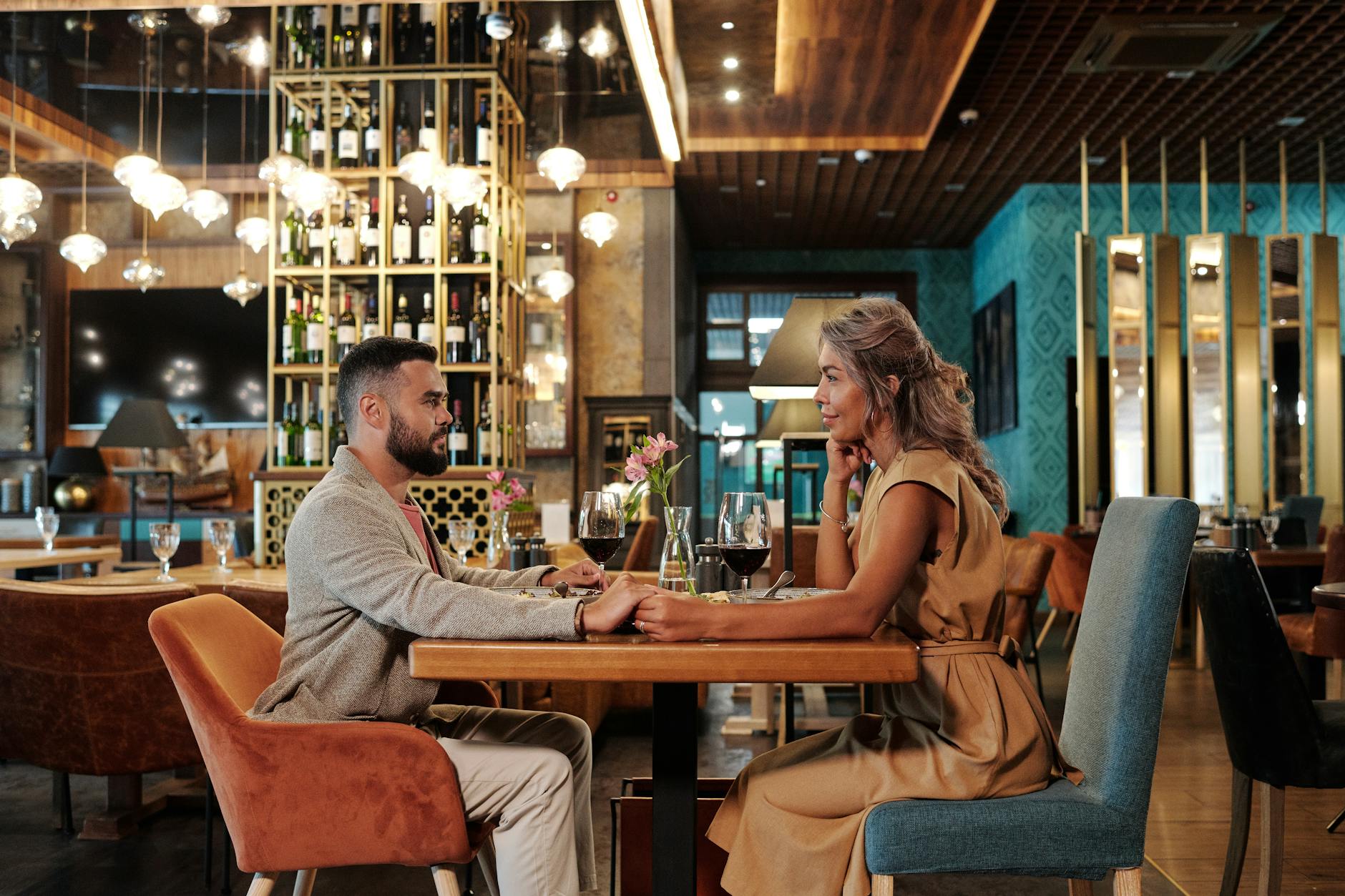
Enthusiastically offering to buy the first round of drinks in a context where the offer carries no obligation to buy subsequent rounds, and then becoming unavailable or distracted when subsequent round discussions arise, communicates a financial strategy that uses early generosity to establish an impression that the rest of the evening’s behavior contradicts. The first round offer made without intention to continue contributing positions the person favorably in the opening exchange while transferring the cost of the remainder of the evening to the companion through social momentum rather than explicit discussion. A person financially comfortable with the evening’s cost does not need to strategically position their contribution at the cheapest point in the spending arc. The genuine offer to buy a round does not come with awareness of its relative cost compared to what will follow it.
If any of these patterns have prompted some reflection on first date culture, share your thoughts in the comments.