
Youth sports are meant to be a space where young athletes build confidence, develop teamwork, and learn how to handle both wins and losses with grace. Yet too often, the sidelines become a source of stress rather than support for the children on the field. Parental enthusiasm is natural and well-intentioned, but certain behaviors cross a line that kids feel deeply even if they struggle to articulate it. From the bleachers to the parking lot, the moments that embarrass young athletes tend to follow recognizable patterns that many families have experienced. Understanding these behaviors is the first step toward creating a sideline culture that genuinely lifts children up.
Sideline Screaming
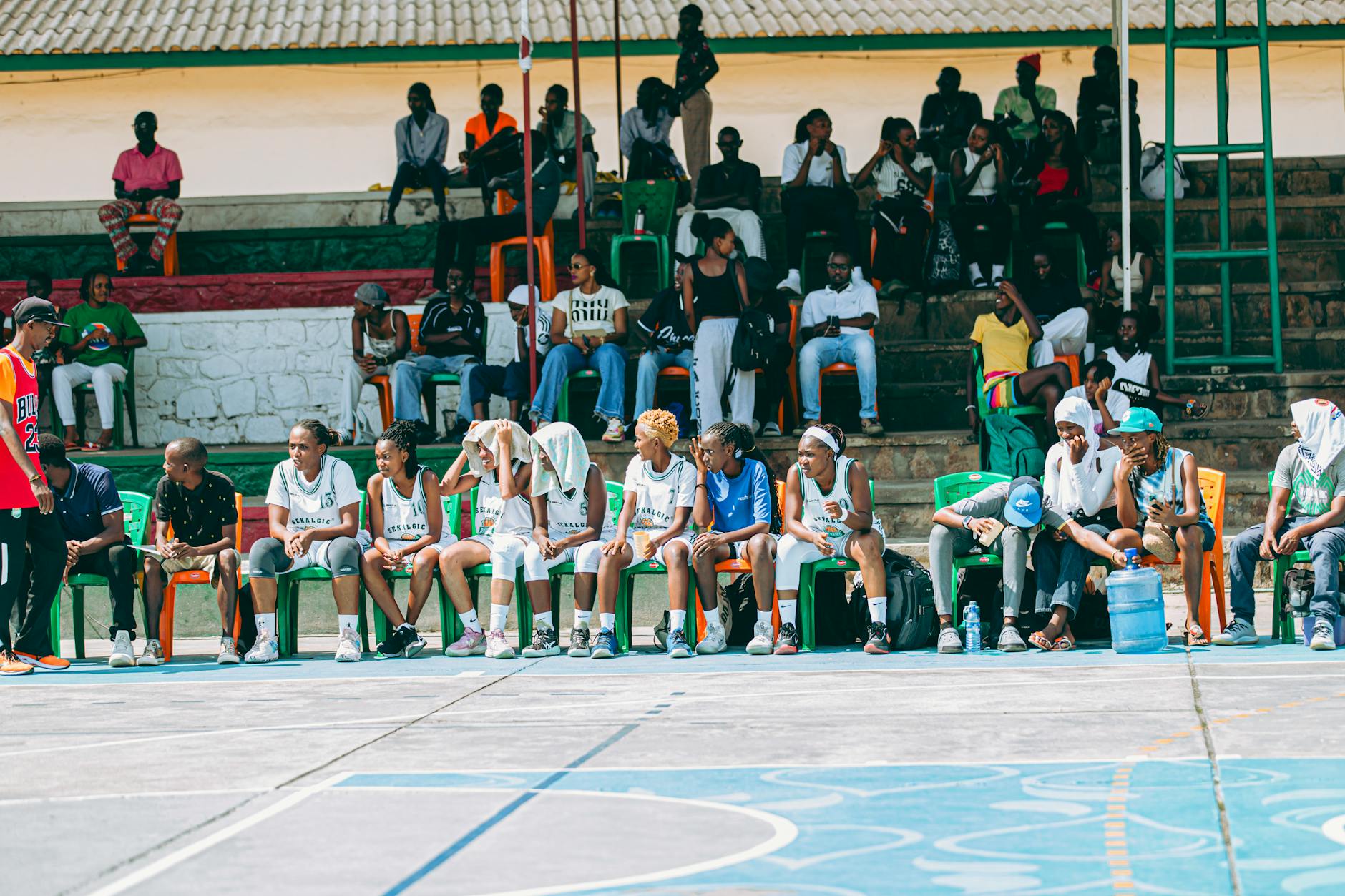
When a parent shouts instructions from the sideline during active play, it creates a confusing and overwhelming environment for a young athlete trying to concentrate. Children are already receiving guidance from their coaches and processing the fast-moving game around them, so additional voices add pressure rather than support. This type of behavior signals to the child that their parent does not trust them to perform independently. Over time, kids begin to dread competitive moments knowing that a public outburst may follow. The result is often heightened anxiety and a diminished enjoyment of the sport they once loved.
Referee Arguments
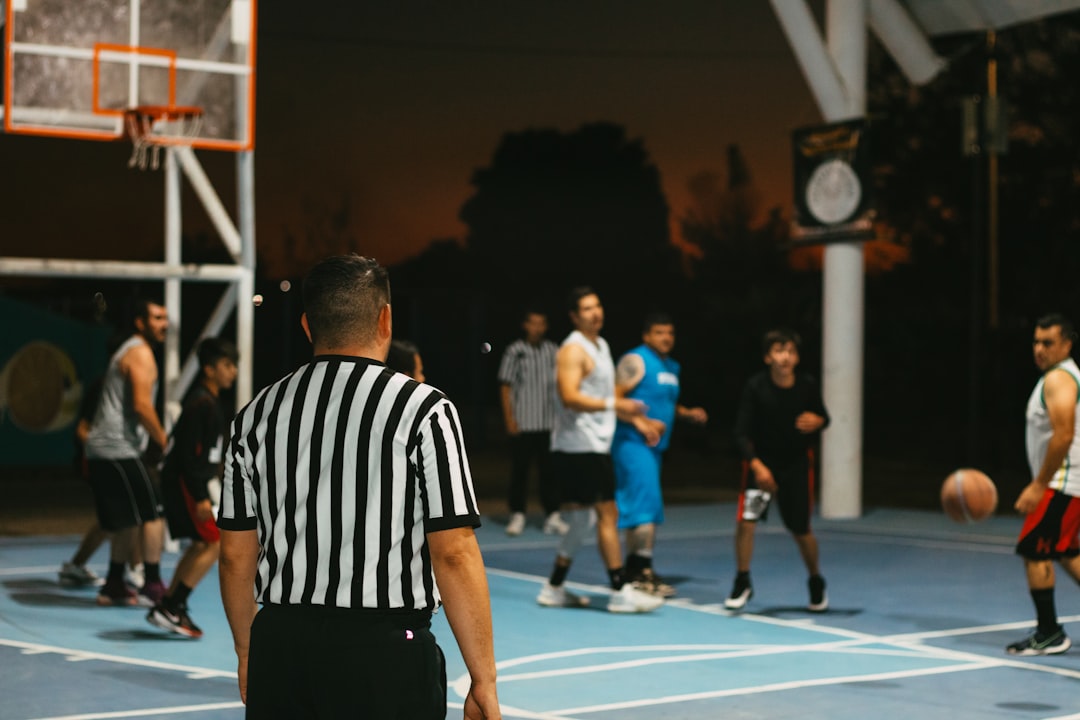
Publicly disputing an official’s call puts a child in an incredibly uncomfortable position in front of teammates, opponents, and spectators. Referees and umpires are part of the structure of organized sport, and undermining them models poor sportsmanship for young players watching from the field. Children often feel a rush of embarrassment when their parent becomes the center of negative attention at a game. Officials can and do remove disruptive adults from venues, which compounds the humiliation for the child involved. Teaching kids to accept imperfect officiating with composure is one of the most valuable lessons sport can offer.
Coaching From Stands
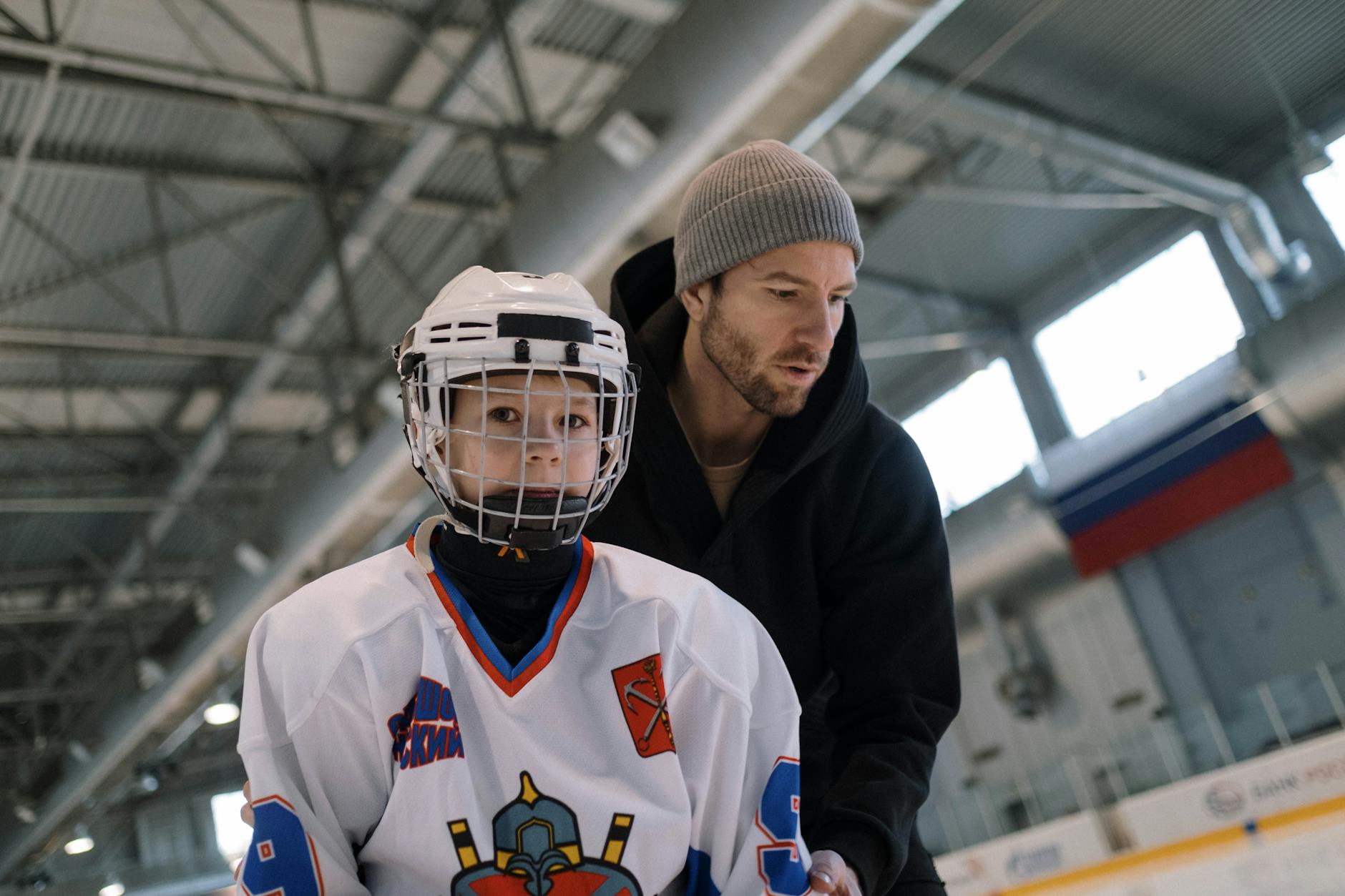
Even when a parent has genuine sporting knowledge, offering tactical instructions from the stands contradicts the authority of the team’s actual coach. Kids pick up on this conflict immediately and find themselves torn between following parental advice and adhering to what their coach has told them. This divided loyalty is disorienting and can affect performance in real time. It also signals a lack of respect for the organized structure the child is part of, which they absorb as a form of social embarrassment. A coach’s job is to guide the team, and allowing them to do so without interference is a meaningful show of support.
Post-Game Criticism
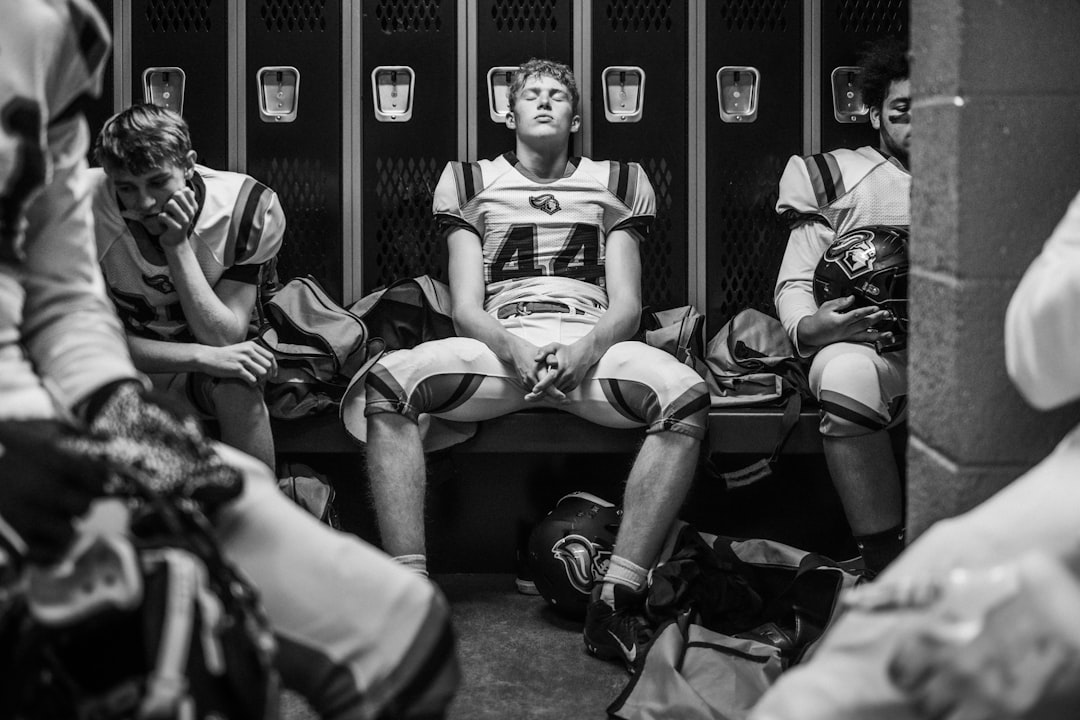
Delivering a detailed performance critique immediately after a game strips away any opportunity for a child to simply process the experience of playing. Young athletes need emotional space after competition, whether the result was a win or a loss, before they are ready to engage in reflection. When a parent launches into corrections in the car or parking lot, the child associates the end of every game with criticism rather than relief. This pattern can make children reluctant to share how they actually feel about their sporting experiences. A simple expression of pride in their effort is far more constructive in those first moments after the final whistle.
Excessive Cheering
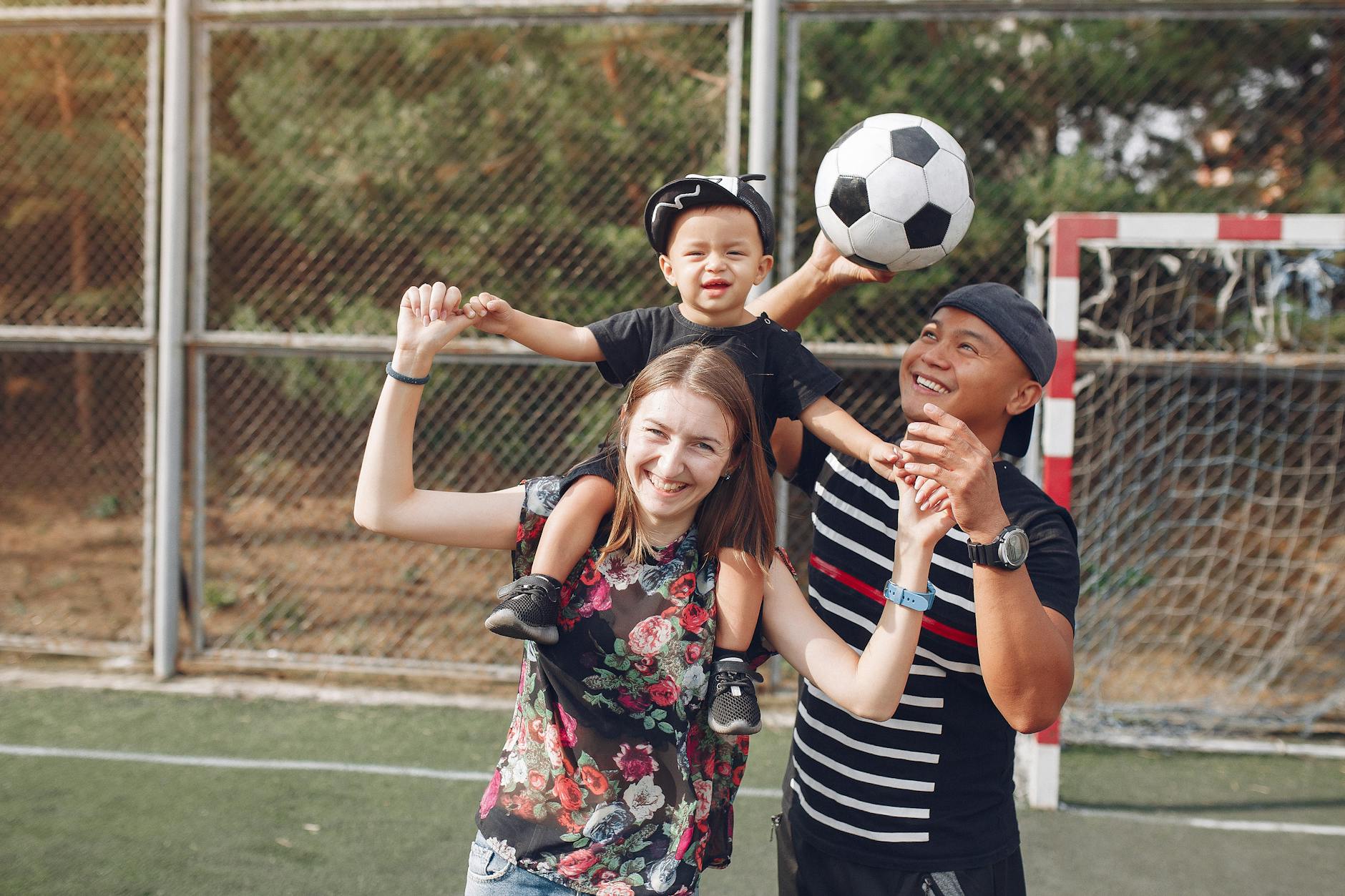
There is a meaningful difference between enthusiastic support and performative cheering that draws attention away from the game itself. When a parent cheers loudly and continuously for every minor action, it can feel embarrassing rather than encouraging to a child who simply wants to blend in with their teammates. Peers notice when one parent is significantly louder or more theatrical than others, and this social awareness is acutely felt by the child being cheered for. Young athletes are especially sensitive to standing out in ways they did not choose. Measured, genuine encouragement communicates support without turning the sideline into a one-person performance.
Opposing Team Taunting
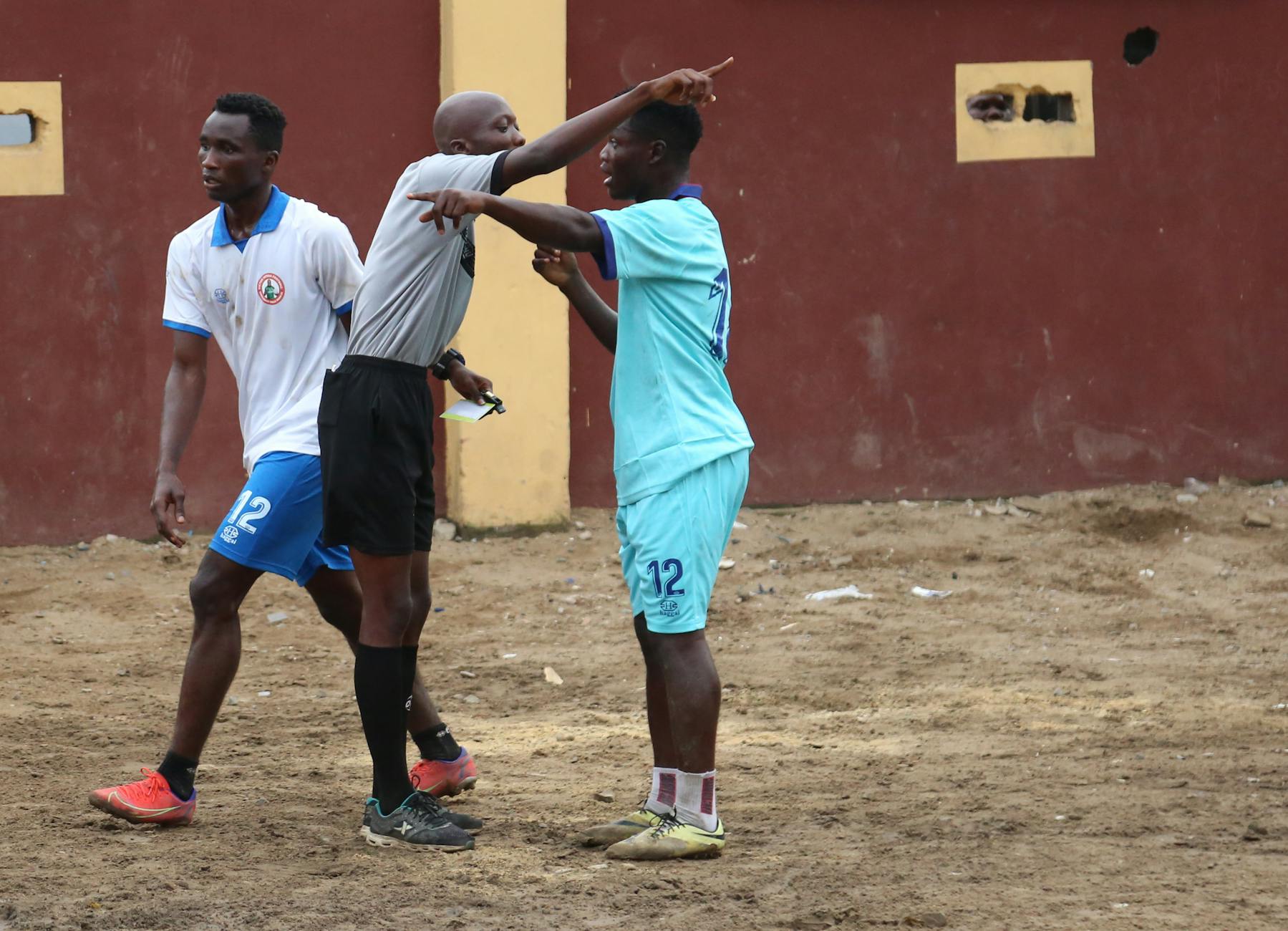
Making dismissive or negative comments about the opposing team, their players, or their supporters is a form of poor sportsmanship that children find deeply uncomfortable. Kids are often friends or classmates with members of rival teams, and hearing a parent speak disparagingly about people they know creates social awkwardness that extends well beyond the game. It also contradicts the values of fairness and respect that youth sports are designed to reinforce. Children who witness this behavior frequently report feeling ashamed rather than energized. Sport is a shared community experience, and treating opponents with dignity models that principle for young players.
Emotional Outbursts
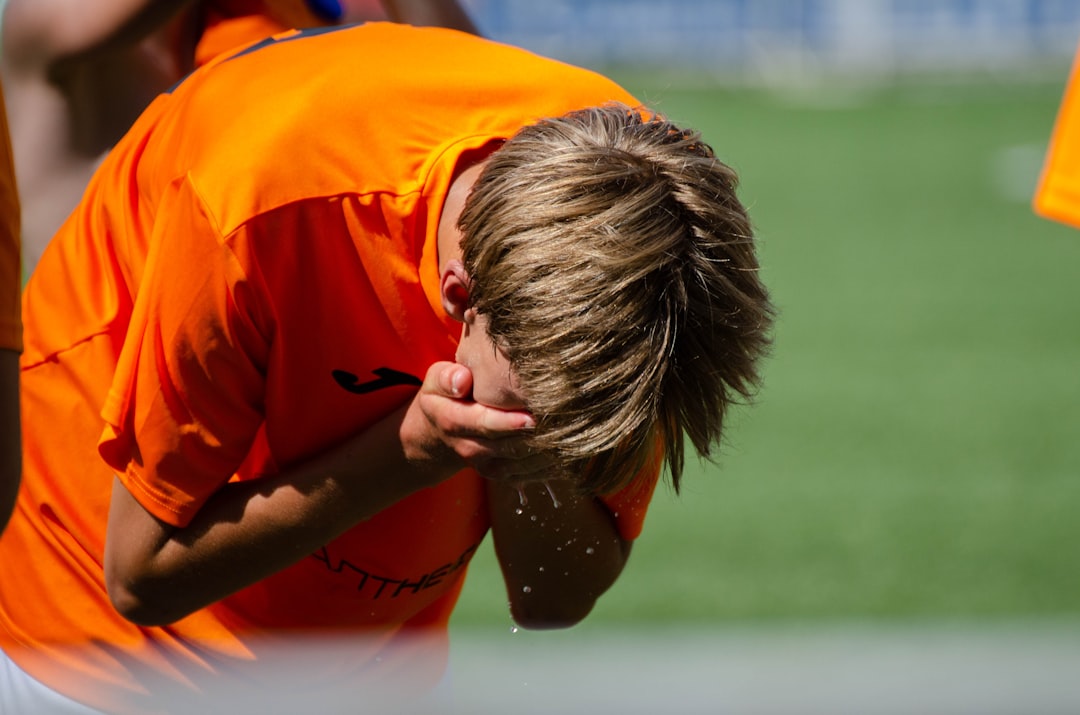
Visible expressions of frustration such as throwing hands up, groaning loudly, or walking away in anger after a mistake can devastate a young athlete mid-performance. Children instinctively monitor their parents’ reactions during competition, and negative body language communicates disappointment even without a single word being spoken. This creates an additional layer of performance pressure that has nothing to do with the sport itself. A child who fears causing their parent visible distress will often play with excessive caution or become emotionally withdrawn on the field. Maintaining a calm, steady presence on the sideline is one of the most powerful things a parent can do.
Statistics Comparisons

Measuring a child’s output against a teammate’s statistics or another player’s performance introduces a competitive dynamic that is corrosive to a young athlete’s self-esteem. Youth sport is not a data-driven evaluation exercise but a developmental environment where progress looks different for every participant. When comparisons are made openly, children internalize the message that their value is conditional on measurable output. This is particularly damaging in team sports where collective success depends on trust and mutual encouragement between players. Every young athlete deserves to be assessed against their own progress rather than the performance of those around them.
Recording Obsession
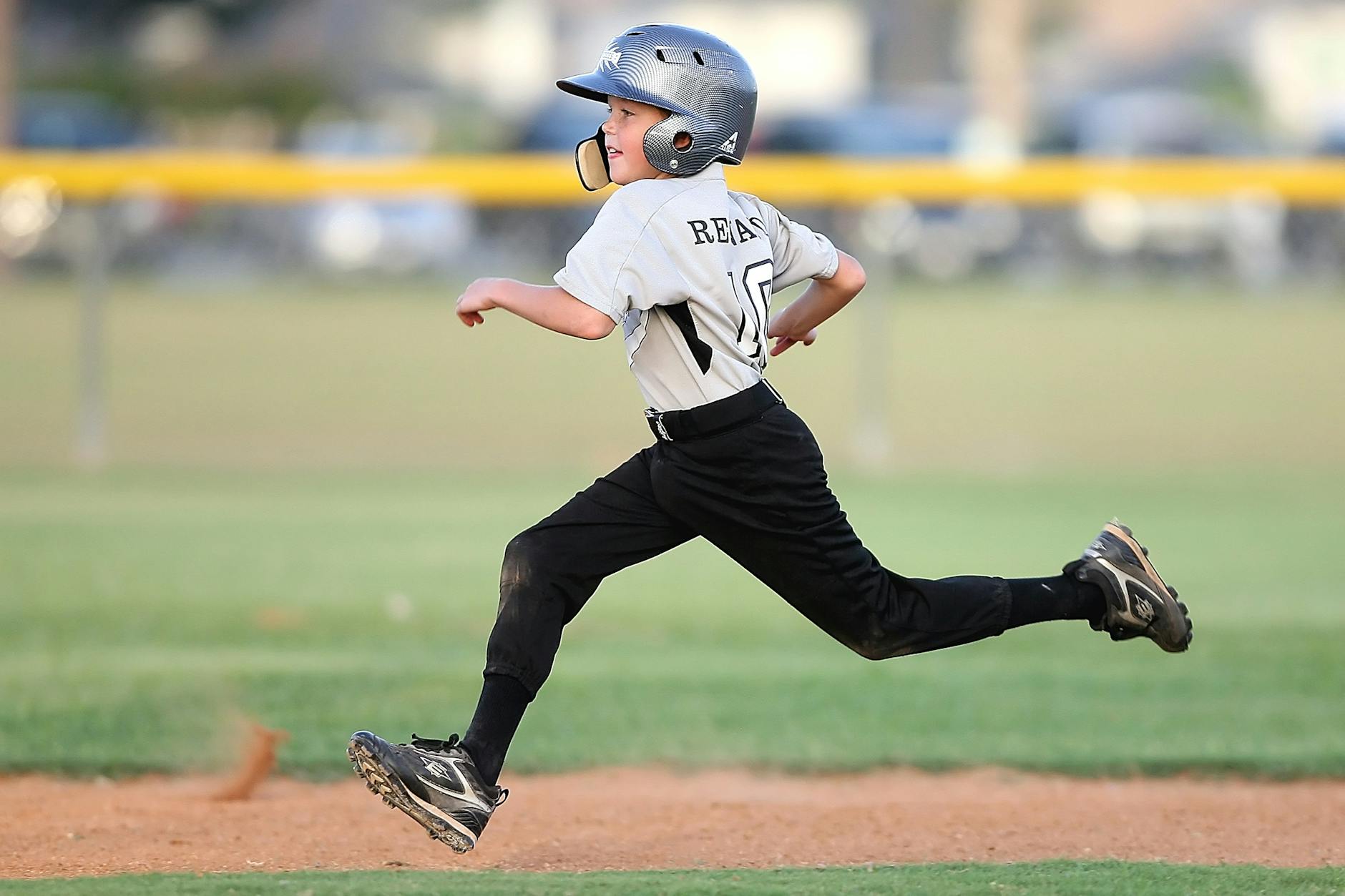
When a parent spends the entirety of a game behind a phone or tablet, children often feel reduced to content rather than celebrated as participants. The pressure of knowing every moment is being filmed can make naturally expressive young players self-conscious and hesitant on the field. There is also an element of disconnection, as a child glancing toward the sideline for reassurance sees a screen rather than an engaged, present face. Videos and photographs shared publicly without a child’s understanding or consent add another layer of discomfort. Being genuinely present and attentive is a form of support that no recording can replicate.
Playing Time Complaints
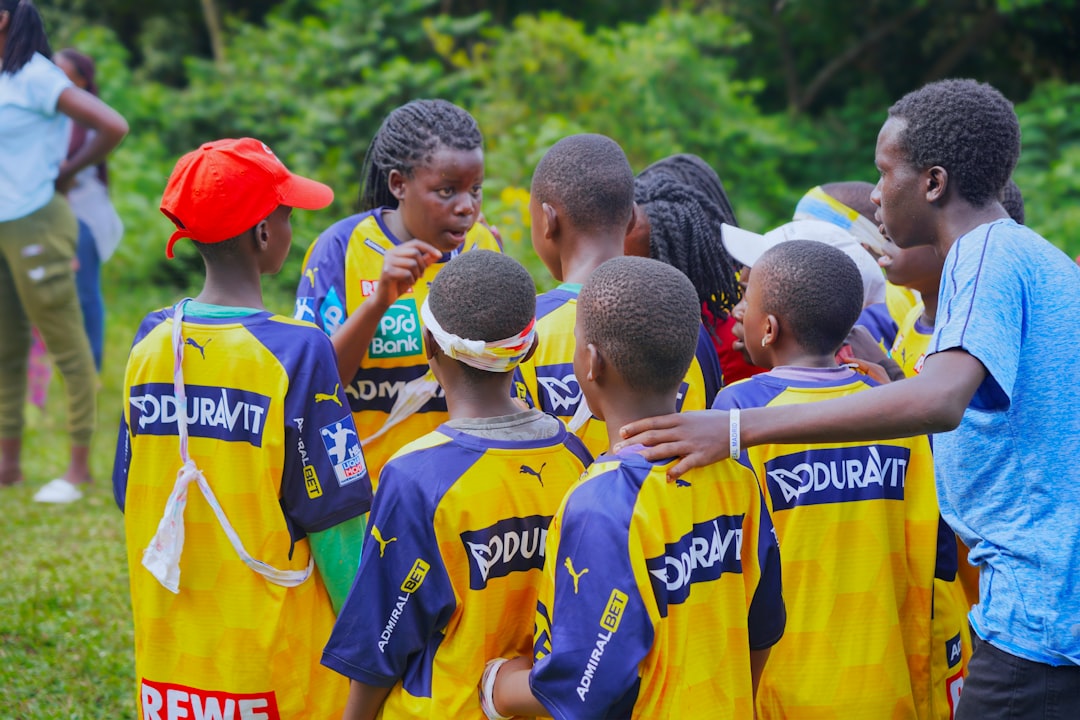
Publicly voicing frustration about a child’s playing time during or after a game creates tension that the child carries into their relationship with the team and coach. Coaches make decisions based on a wide range of factors including positioning, fitness, tactical needs, and training performance, none of which are fully visible to spectators. When a parent challenges those decisions openly, it places the child in an adversarial position with the very adult responsible for their development. Teammates and their parents observe these interactions, which can affect how the child is perceived within the group. Concerns about playing time are best addressed through a calm and private conversation with the coach at an appropriate time.
Premature Recruitment Talk
Discussing professional prospects, scholarships, or elite academies at youth level introduces a weight of expectation that most children are not equipped to carry. The majority of kids playing organized sport are motivated by fun, friendship, and personal achievement rather than long-term athletic ambitions. When parents speak openly about future careers in sport, it reframes every game as a performance trial rather than an enjoyable experience. This pressure is amplified when it occurs in front of teammates or other parents, making the child feel exposed and objectified. Allowing children to love sport for what it is in the present moment is the foundation of genuine long-term engagement.
Teammate Criticism
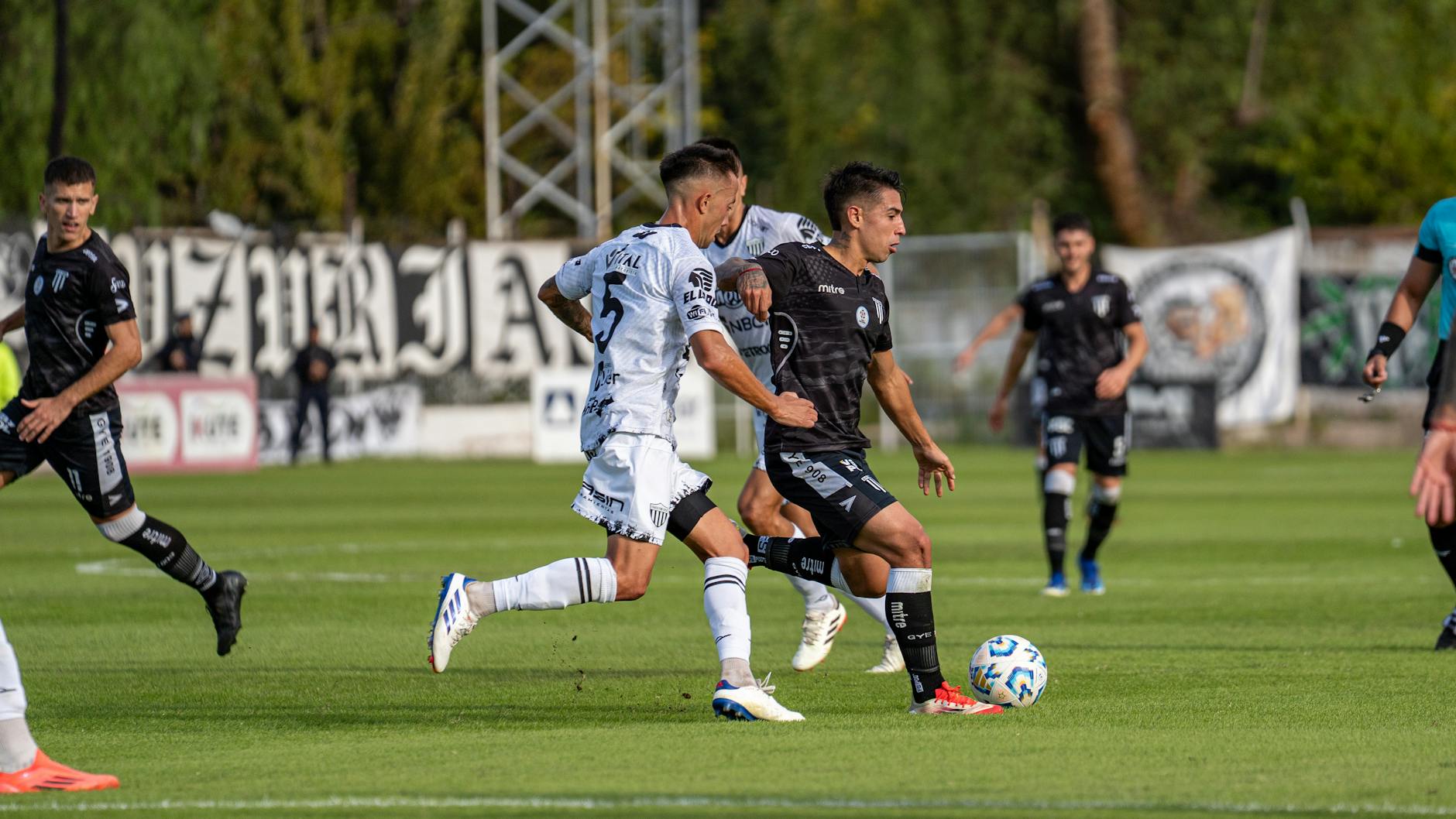
Commenting negatively about other children on the team, whether regarding skill level, decision-making, or attitude, models a form of interpersonal cruelty that young athletes absorb quickly. Children share information with each other, and remarks made by a parent rarely stay private within a team environment. A child who knows their parent is critically discussing teammates begins to worry that similar comments are made about them when they are not present. This erodes the psychological safety that underpins positive team dynamics. Supporting every member of the team with genuine generosity reflects the kind of character that youth sport is meant to cultivate.
Uniform Theatrics
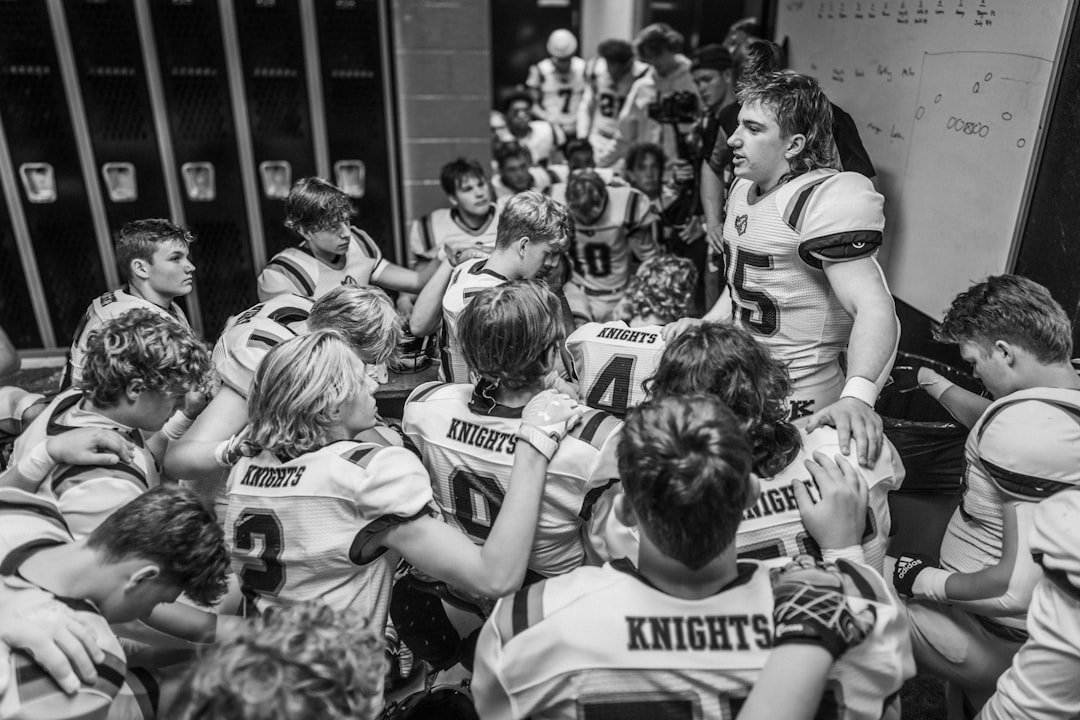
Making a loud or prolonged scene over a uniform issue such as a missing item, incorrect sizing, or forgotten equipment draws unnecessary attention to a child at a moment when they want to focus on the game. These situations are common in youth sport and are generally managed efficiently by team staff or coaches when handled quietly. The public nature of a parent’s reaction amplifies what would otherwise be a minor logistical inconvenience into a memorable moment of embarrassment. Children are acutely aware of how their family behaves in shared social spaces, particularly among peers. Addressing equipment concerns calmly and discreetly keeps the focus where it belongs, on the game ahead.
Aggressive Nicknames
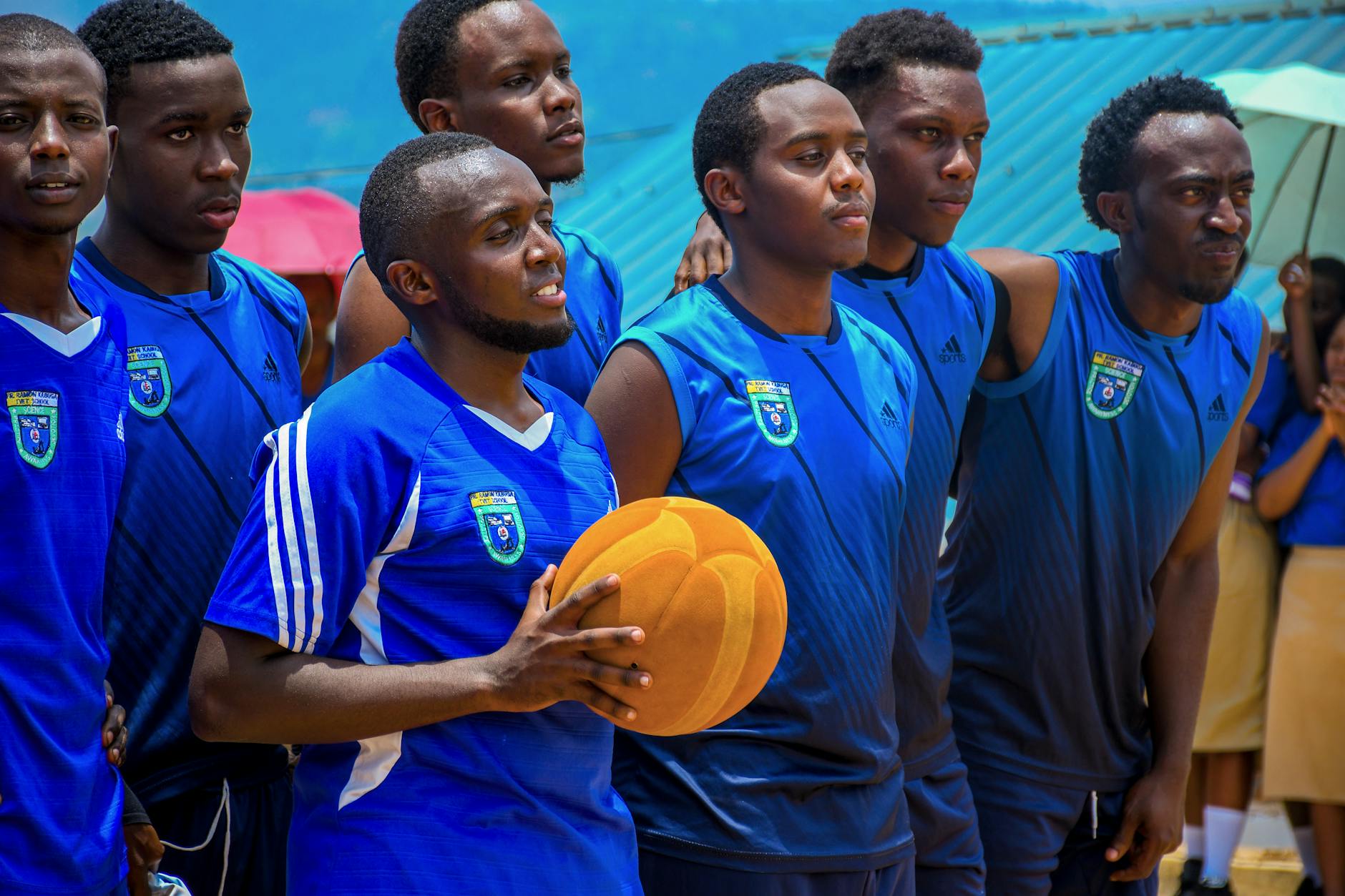
Using overly dramatic or performance-focused nicknames in public, especially during games, can make a child feel objectified or ridiculed rather than celebrated. What a parent intends as a term of affection or encouragement may land very differently when heard by teammates and opponents on a crowded field. Children at youth level are navigating complex social identities, and having an unsolicited label attached to them publicly can become a source of teasing. The child has no control over what a parent calls out from the stands, which compounds the sense of powerlessness. Simple, natural encouragement using a child’s actual name is almost always the more supportive choice.
Win-At-All Costs Attitude
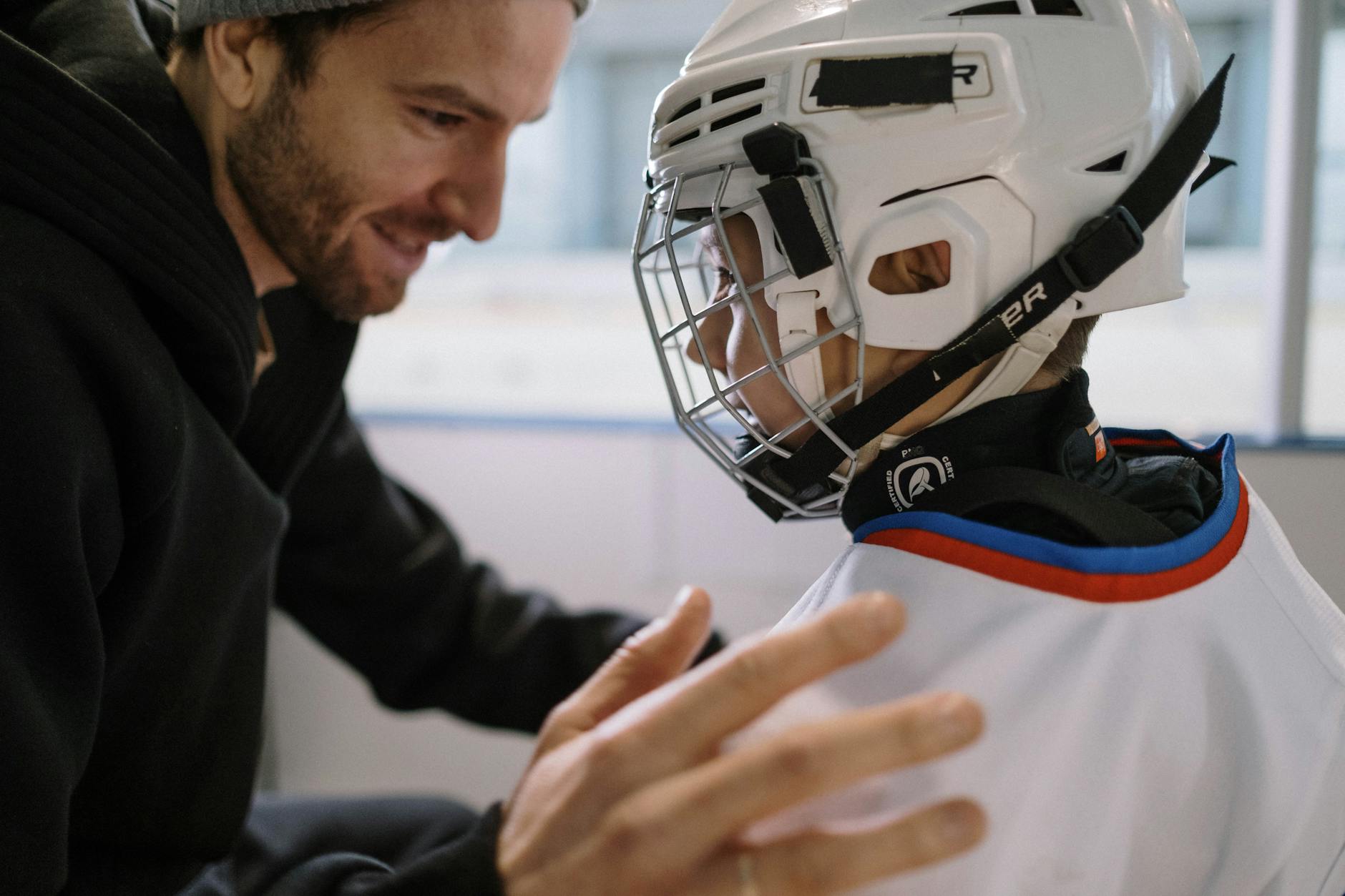
When a parent visibly prioritizes victory above all other considerations, children receive the message that their enjoyment, wellbeing, and effort are secondary to the result on the scoreboard. This mindset creates a high-stakes emotional environment that is antithetical to the developmental purpose of youth sport. Kids who sense this pressure frequently describe dreading games rather than looking forward to them, particularly when the team is struggling. The cultural norm a parent models on the sideline becomes the emotional template a child uses when navigating competition in all areas of life. Sport that is emotionally safe produces athletes who are resilient, self-motivated, and genuinely passionate about what they do.
Opposition Celebrations
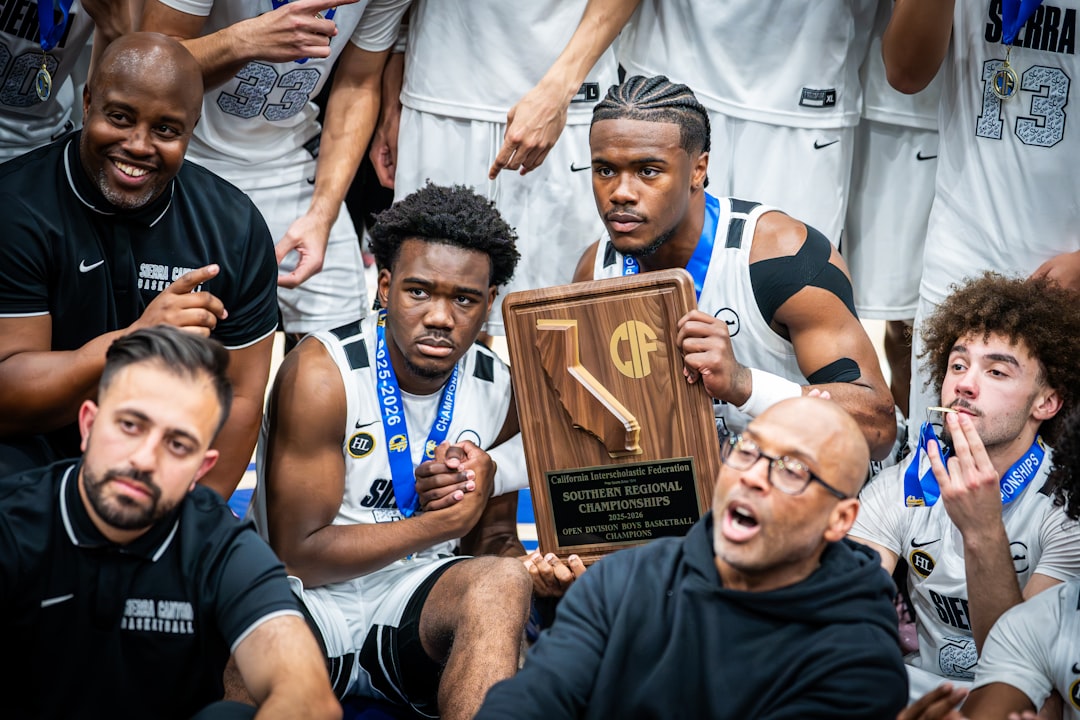
Celebrating loudly or provocatively when the opposing team makes an error or suffers a setback is a display of poor character that children find deeply uncomfortable to be associated with. Young athletes know the opponents on the other team as people, not adversaries, and witnessing a parent revel in another child’s mistake introduces a cruelty that conflicts with what sport is supposed to teach. This type of behavior is frequently noticed by coaches, officials, and other parents, all of whom form impressions of the family as a result. Children develop their sense of sportsmanship by observing the adults closest to them in competitive settings. Responding to an opponent’s difficulty with quiet respect rather than celebration leaves a far more lasting impression.
Halftime Lectures
Approaching a child during a break to deliver an unsolicited tactical lecture undermines the coaching staff and creates social awkwardness in front of teammates. Halftime and injury stoppages are structured moments within the game’s rhythm, and inserting a parental debrief disrupts the child’s ability to rest, hydrate, and receive guidance from those responsible for the team. Teammates observe this interaction and it can affect the child’s standing within the group dynamic. The child themselves often feels caught between the desire to please a parent and the awareness that the behavior is inappropriate. Allowing coaching staff to manage these structured pauses without interruption is a straightforward and respectful boundary to maintain.
Unsolicited Advice Shouting
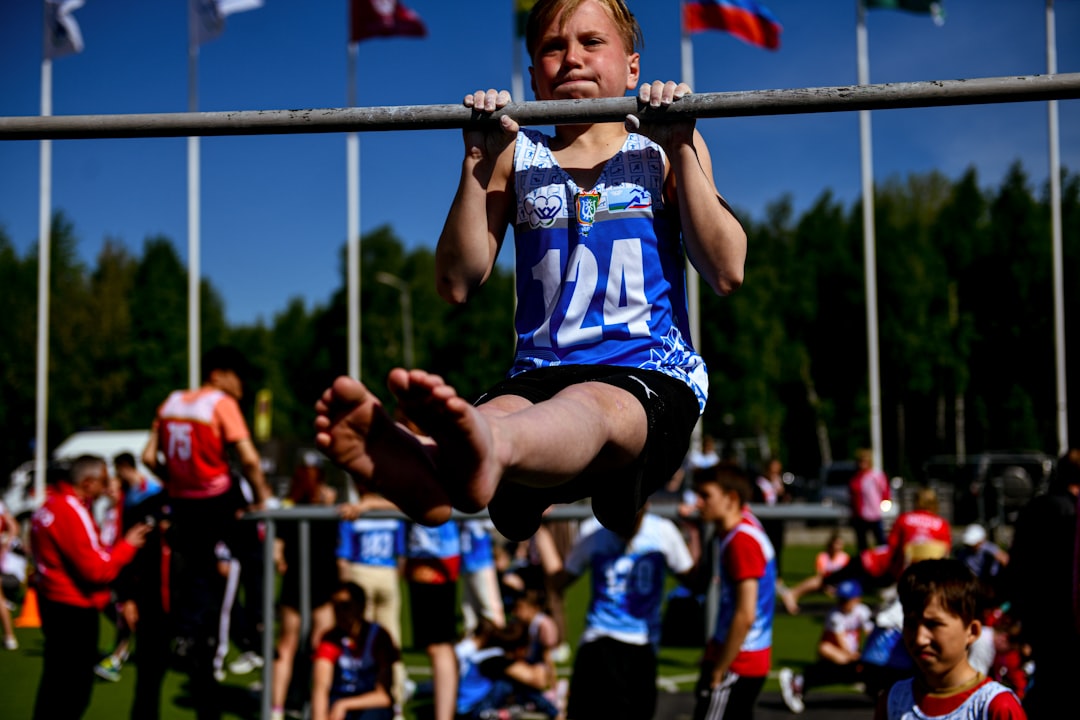
Calling out technical corrections during active play such as footwork tips, positional suggestions, or passing instructions creates a distracting soundtrack that is counterproductive for a child trying to perform. Even when the advice is technically sound, the delivery undermines the child’s ability to develop autonomous decision-making on the field. Learning to read a game and respond instinctively is a core developmental goal of youth sport, and external verbal interruption disrupts that process. Children who play under a constant stream of parental instruction often struggle to develop confidence in their own sporting judgment. Trusting a young athlete to apply what they have learned in training is one of the most affirming things a parent can offer during a game.
Parking Lot Replays
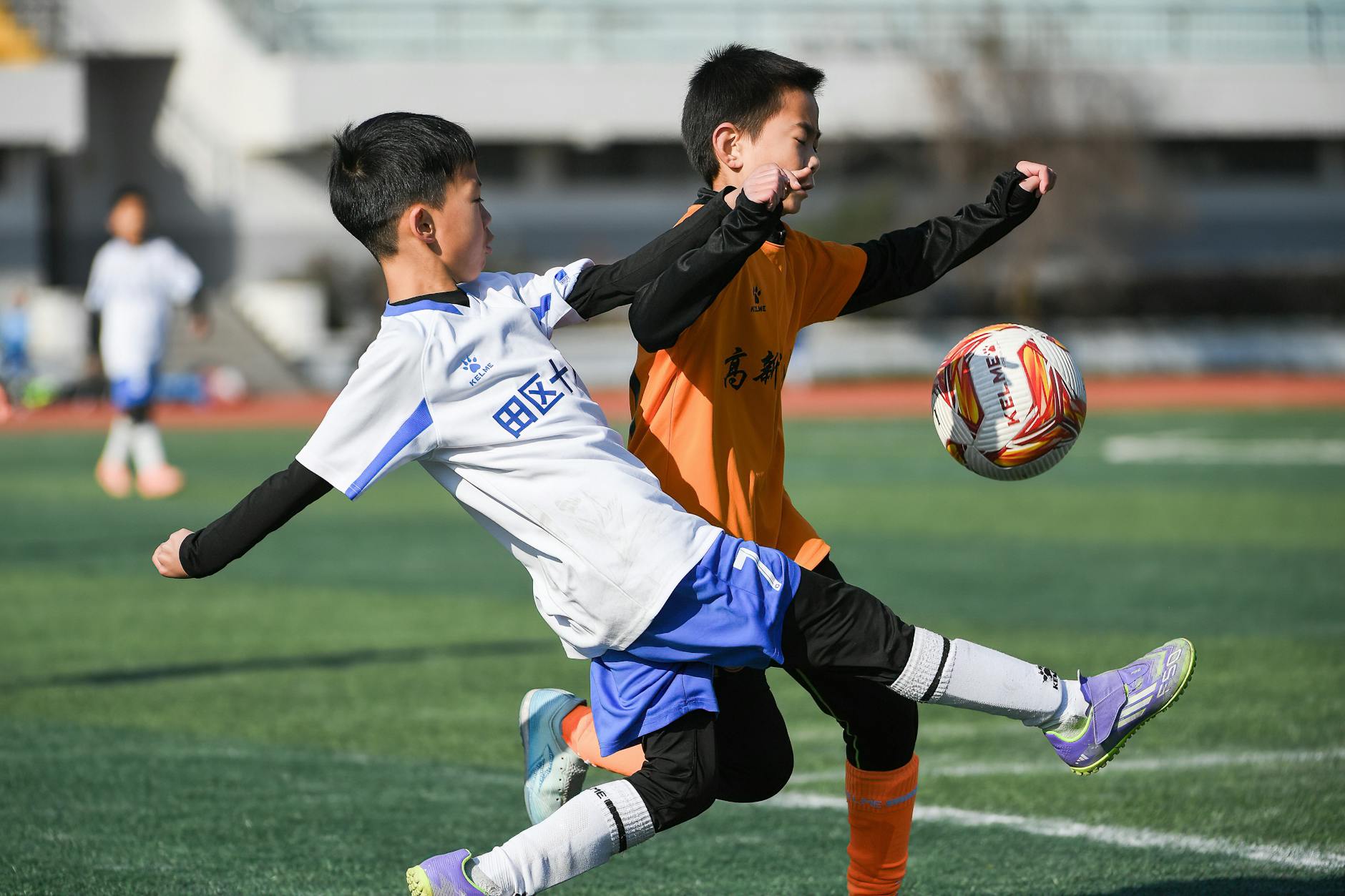
Recreating specific moments of poor play in the parking lot after a game, whether verbally or physically, prolongs a child’s exposure to criticism at a time when they need emotional recovery. The immediate post-game period is one of heightened vulnerability for young athletes regardless of the result, and reliving mistakes in a public setting compounds that vulnerability. Other families and players often witness these exchanges, and children are acutely aware of being observed in moments of emotional exposure. This behavior communicates that a parent’s processing of the game takes priority over the child’s emotional needs. The journey home is an opportunity for connection and comfort rather than an extended performance review.
Social Media Shaming

Posting footage or commentary that highlights a child’s errors, frustrations, or low moments from a sporting event without their knowledge creates a digital record of embarrassment that can follow them indefinitely. Children have no control over how a parent frames and shares their experiences publicly, which is a significant breach of the trust that underpins the parent-child relationship. Peers, classmates, and teammates often encounter this content, turning a private sporting moment into a public social narrative. Even posts intended as humorous or relatable can land very differently for the child at the center of them. Young athletes deserve the right to own their sporting story and decide how and when it is shared.
Early Departure Pressure

Visibly pressuring a child to leave before a team event has fully concluded, whether through impatient body language, repeated gestures, or verbal prompts, signals that the parent’s schedule takes precedence over the child’s social experience. The post-game period is often where meaningful team bonding occurs, and being pulled away prematurely can create a sense of exclusion that lingers well beyond the day itself. Teammates notice when one player is consistently absent from shared moments, which can affect their sense of belonging within the group. Organizing logistics around the full commitment of a sporting event, including the time afterward, demonstrates genuine investment in the child’s experience. Being the last family to leave occasionally is a small sacrifice with a disproportionately positive impact on a young athlete’s sense of connection.
Coach Undermining

Openly questioning a coach’s decisions, methods, or qualifications in front of a child creates a damaging conflict of authority that directly affects how the child responds to their training environment. When a parent frames the coach negatively at home or on the sideline, the child loses faith in the person responsible for their development and becomes less receptive to instruction. This dynamic frequently produces behavioral issues within the team setting as the child mirrors the dismissive attitude they have absorbed. The coaching relationship is one of the most formative of a young person’s sporting life and deserves to be protected by the adults surrounding the team. Disagreements with coaching decisions should always be addressed privately, respectfully, and at a time that does not affect the child’s mindset going into a game or training session.
Weather Complaints
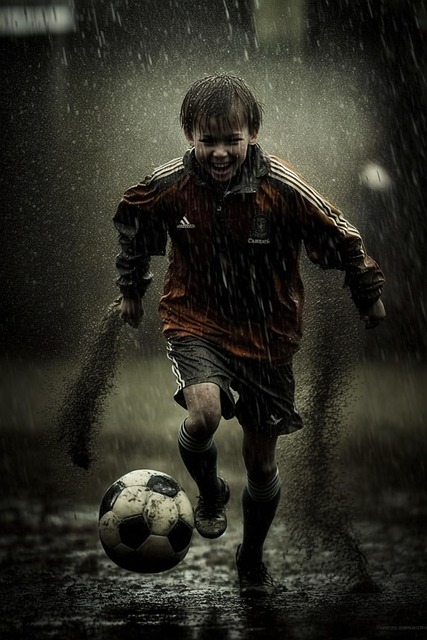
Loudly complaining about the conditions such as heat, cold, mud, or rain in a way that suggests the child should not be expected to perform disrupts a young athlete’s mental preparation and models an avoidance mindset. Youth sport takes place across all seasons and in varied conditions, and developing the ability to adapt is a fundamental athletic skill. When a parent normalizes suffering or quitting in the face of discomfort, it weakens the child’s capacity to push through challenges independently. Teammates hear these comments and they contribute to a collective lowering of expectations within the group. Arriving prepared for the conditions and focusing on the game ahead communicates confidence and readiness rather than resistance.
Crying at Games

While it is completely natural for parents to feel emotional at their child’s sporting events, visibly crying during routine performances places an unintended emotional burden on the young athlete who becomes aware of it. Children instinctively shift their focus from their own experience to managing the feelings of those around them, which is a developmentally inappropriate reversal of roles. A parent in visible emotional distress on the sideline can also draw attention and commentary from others nearby, compounding the child’s sense of exposure. The intensity of parental emotion can communicate to the child that the stakes are far higher than a recreational sporting event warrants. Keeping emotional responses proportionate to the context allows children to experience sport as joyful rather than weighty.
If any of these moments feel familiar, share your own sideline experiences in the comments.