Public swimming pools are shared spaces that rely on every visitor following a set of unwritten and official rules to stay safe and enjoyable for all. From hygiene habits to water safety behaviors, the way people conduct themselves in and around the pool affects everyone present. Understanding what to avoid can prevent accidents, illness, and unnecessary conflict with other swimmers and staff. Whether you are a regular lap swimmer or an occasional visitor, these reminders are worth keeping in mind every single time you visit.
Skip the Pre-Swim Shower
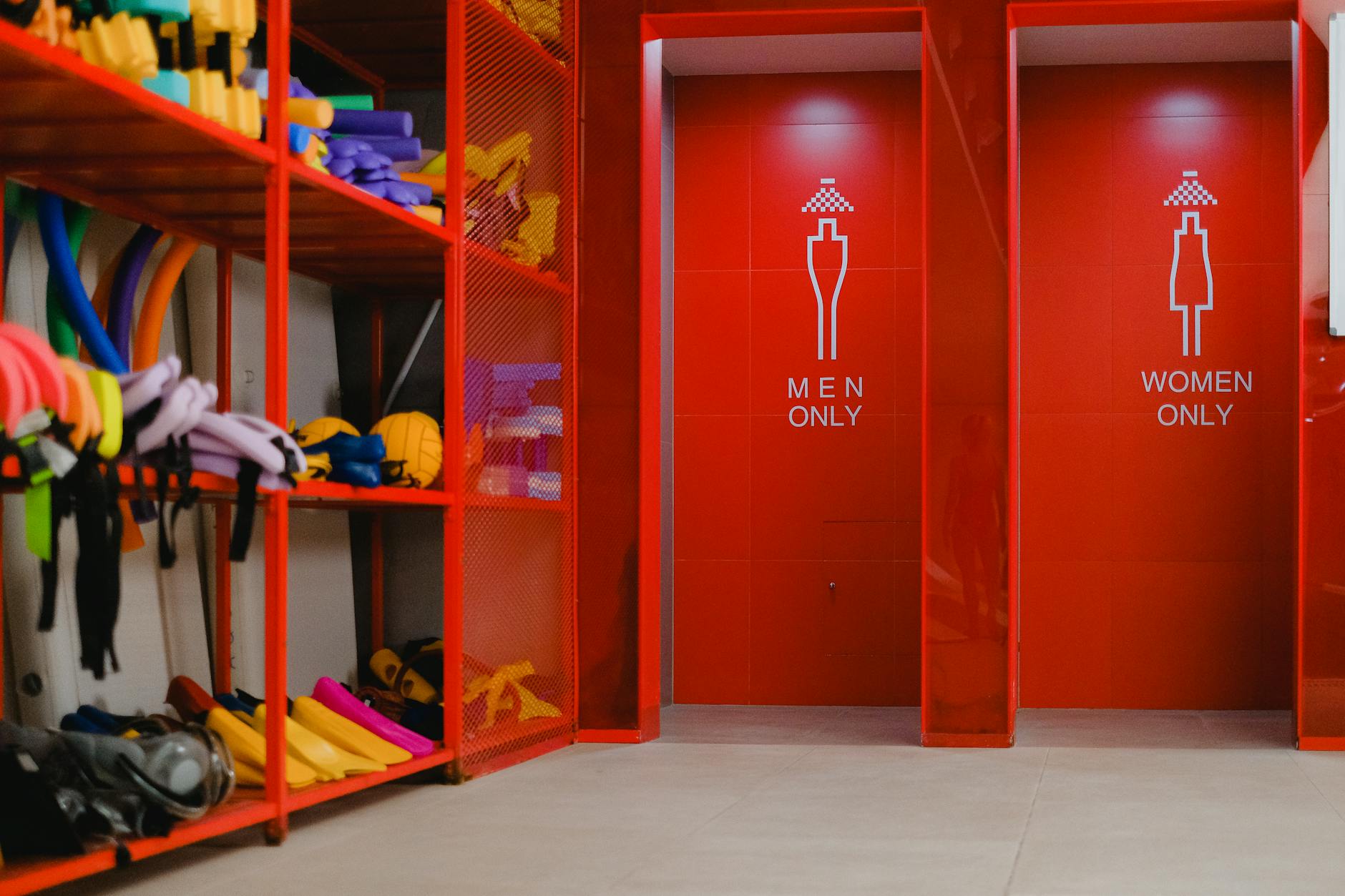
Most public pools have shower facilities specifically designed for use before entering the water. Sweat, body lotions, oils, and other residues on the skin react with chlorine and reduce its effectiveness at keeping the water sanitary. Health codes in many regions actually require swimmers to rinse off before entering a pool. Taking even a brief shower significantly reduces the chemical load introduced into shared water. This simple step protects every person swimming in that same pool throughout the day.
Swim While Sick
Entering a public pool while experiencing diarrhea, vomiting, or any contagious illness poses a serious public health risk. Waterborne illnesses such as cryptosporidiosis can spread rapidly through pool water even when chlorine levels are properly maintained. The Centers for Disease Control and Prevention advises that individuals who have recently experienced gastrointestinal illness wait at least two weeks before swimming in a shared pool. Many outbreaks of recreational water illness have been traced back to a single infected swimmer. Staying out of the water when unwell is one of the most responsible decisions a pool visitor can make.
Urinate in the Pool
Urine in pool water reacts with chlorine to form a group of compounds known as chloramines. These byproducts are responsible for the strong chemical smell often associated with heavily used pools and can cause eye and respiratory irritation. Contrary to popular belief, a strong chlorine smell is actually a sign of contamination rather than cleanliness. Repeated urination in pools forces facility staff to use significantly more chemicals to maintain safe water conditions. Every swimmer has access to restroom facilities and should use them before and during their visit.
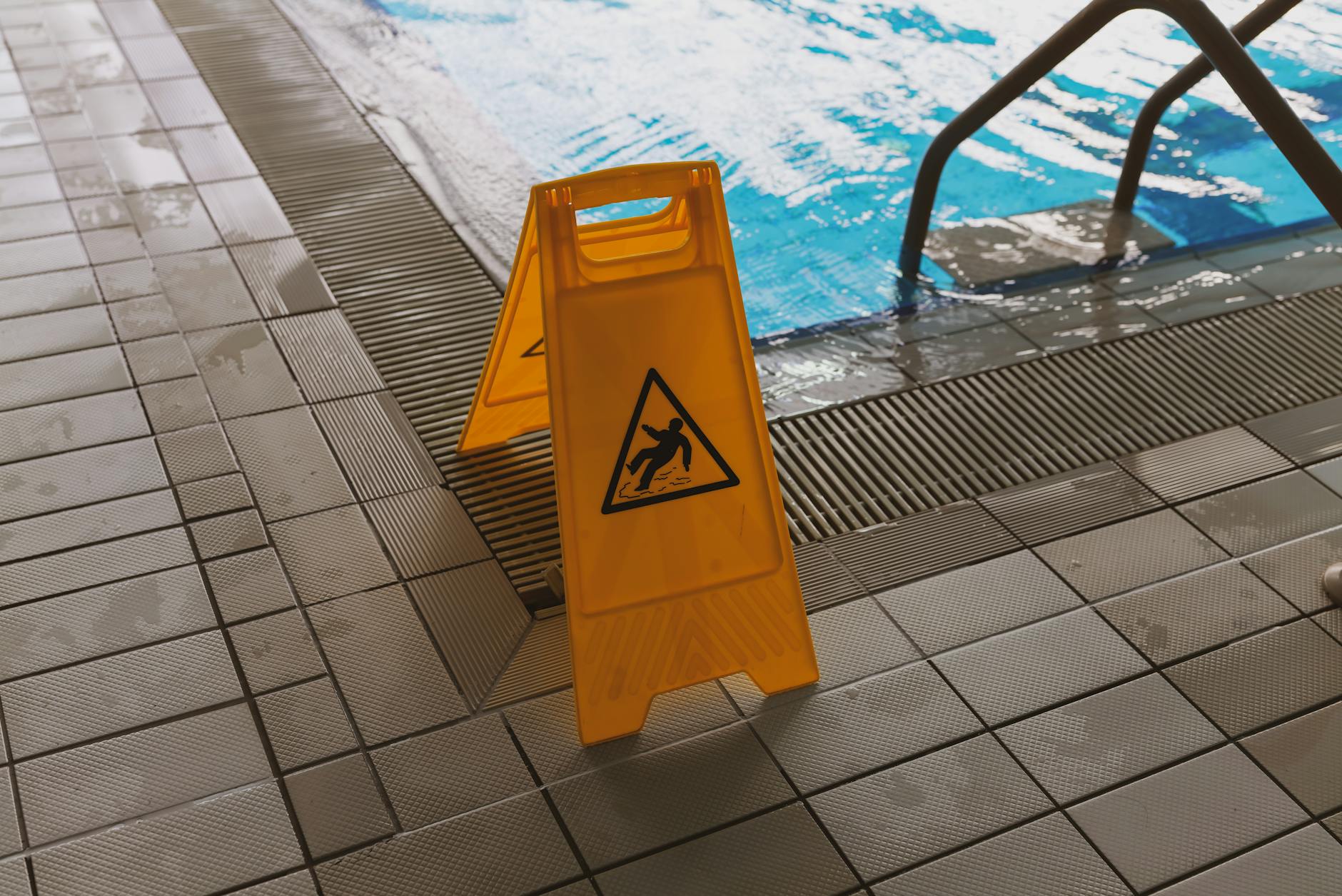
Run on the Pool Deck
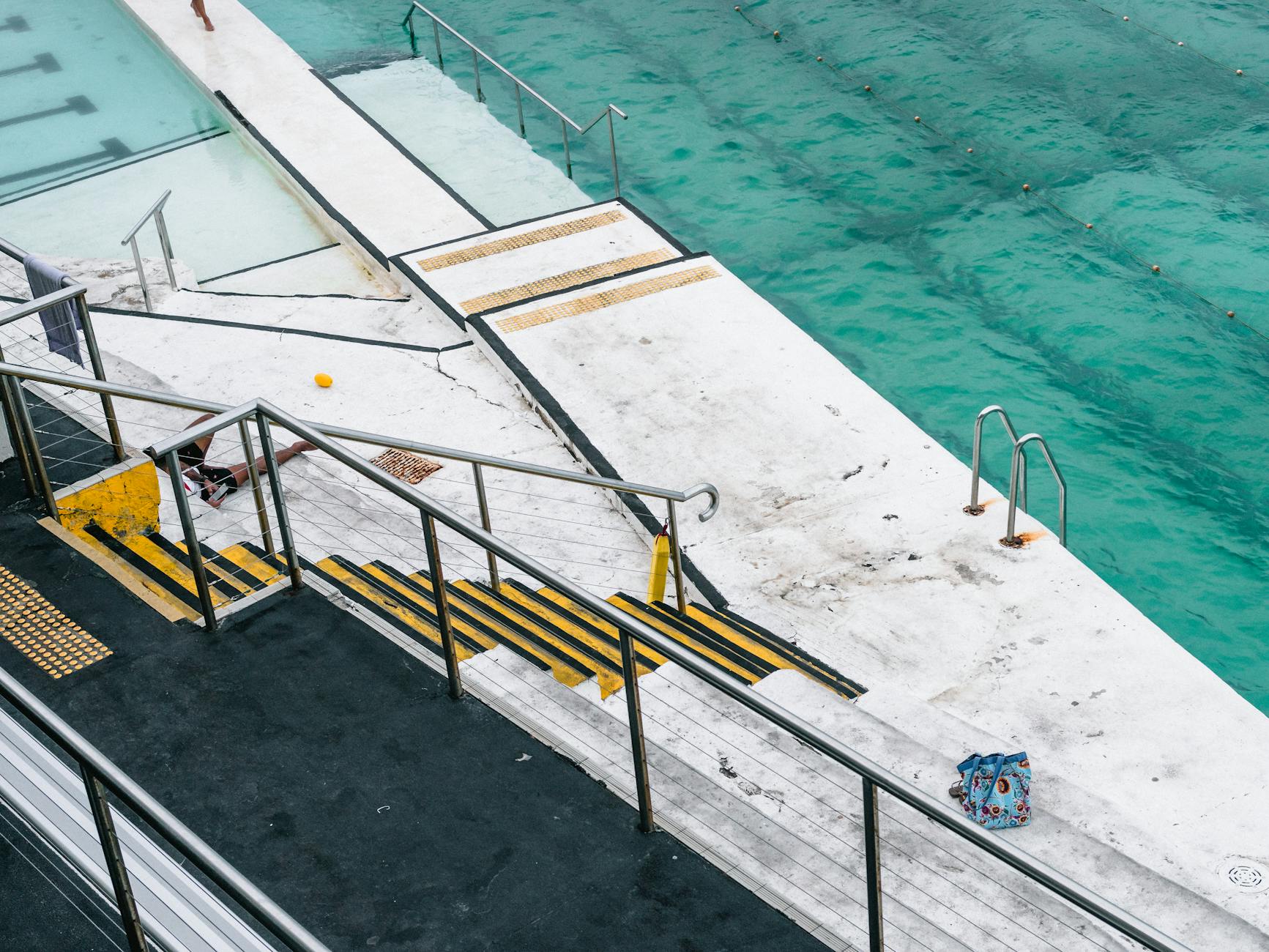
The surfaces surrounding public swimming pools are almost always wet and highly slippery underfoot. Running in these areas is one of the most common causes of poolside injuries including falls, fractures, and head trauma. Pool facilities universally post signage prohibiting running for this exact reason. The hard tiled or concrete surfaces offer very little forgiveness in the event of a fall. Walking at a controlled pace around the pool area is the expected and safest behavior at all times.
Bring Glass Containers

Glass bottles, cups, and containers are strictly prohibited at virtually every public swimming pool facility. When glass breaks on a pool deck or in the water it becomes nearly impossible to fully remove all fragments from the surface or the pool floor. Even a small shard left behind can cause a serious laceration to a barefoot swimmer or child. Many pools enforce this rule with fines or immediate removal from the facility. Plastic or aluminum alternatives are widely available and serve the same purpose without any risk.
Dive Into Shallow Water
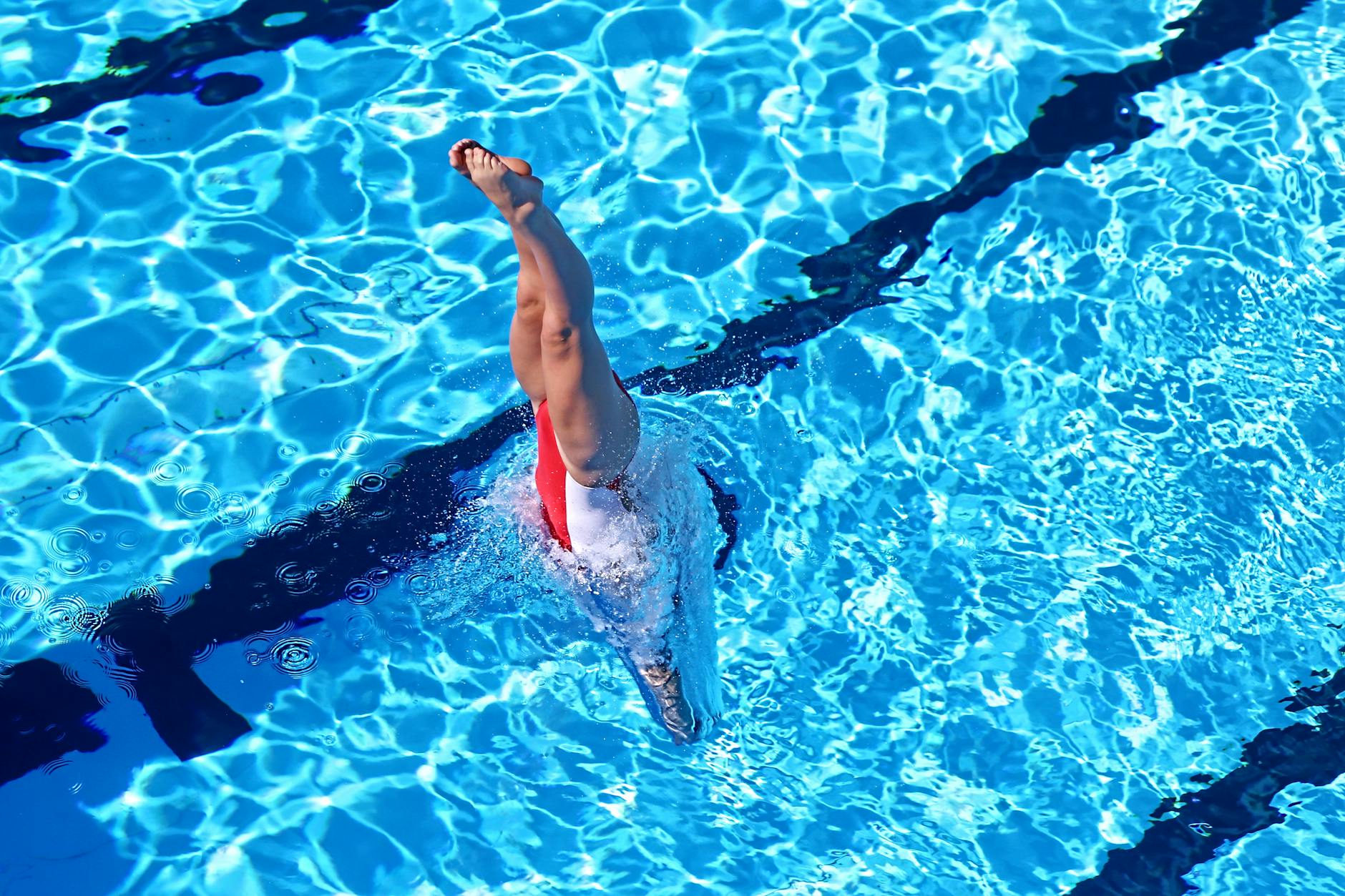
Diving into the shallow end of a pool is one of the leading causes of catastrophic spinal cord injuries in aquatic environments. The water depth in shallow areas is far too low to safely absorb the impact of a head-first entry. Pool facilities clearly designate diving zones which are limited to areas with sufficient depth to make diving reasonably safe. Lifeguards are trained to intervene immediately when they observe unauthorized diving in restricted zones. No recreational dive is worth the risk of permanent neurological injury.
Ignore Lane Etiquette
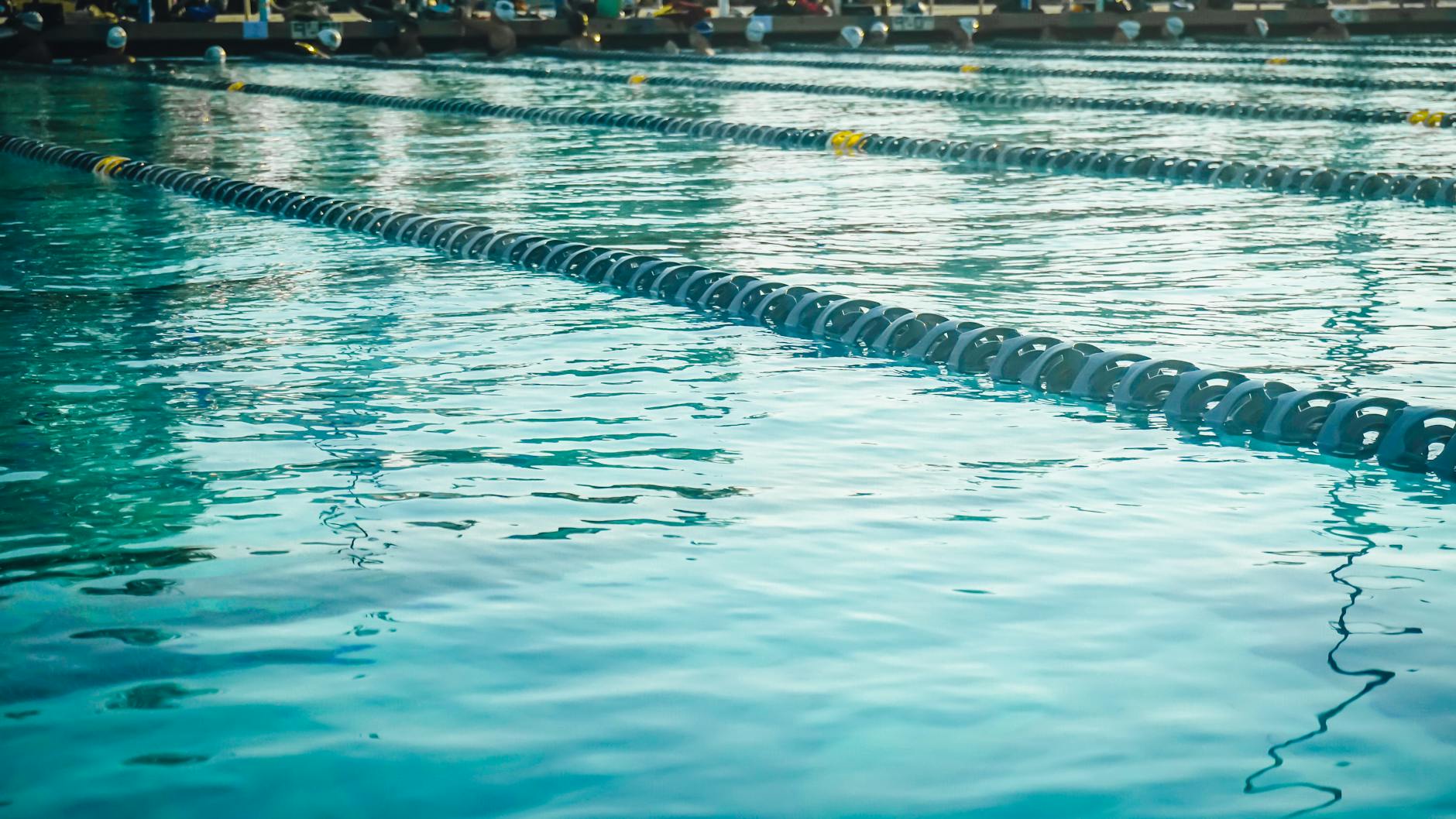
Public lap swimming lanes operate on an understood system that allows multiple swimmers to share the same lane efficiently. Swimmers are expected to circle swim by keeping to the right side of the lane and passing only when safe to do so. Stopping abruptly in the middle of the lane or failing to leave space at the wall creates dangerous collisions and frustration among other lane users. Faster swimmers generally occupy faster lanes while slower swimmers use accordingly marked slower lanes. Respecting this system ensures that everyone can complete their workout without unnecessary interruptions.
Leave Young Children Unsupervised
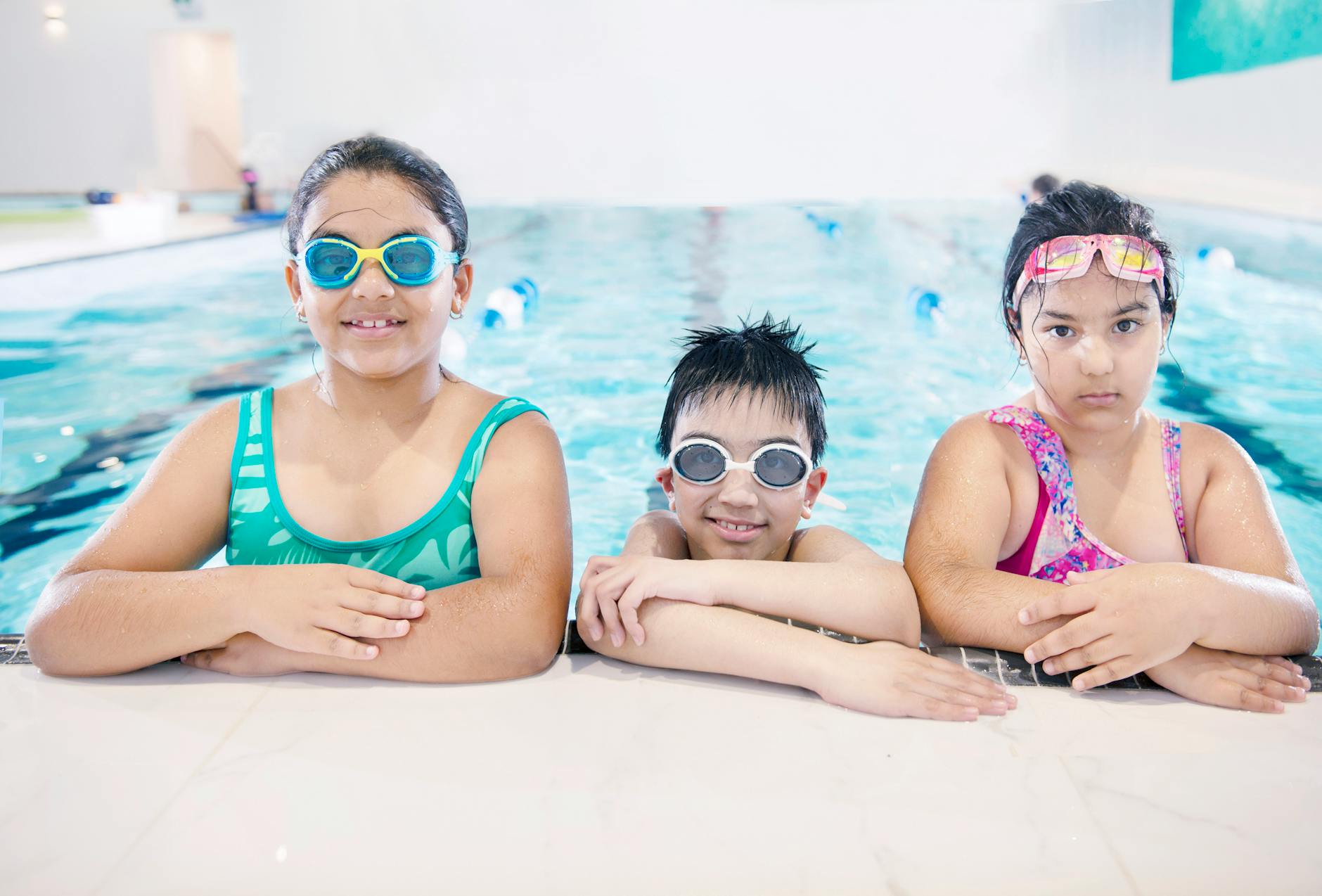
Children require constant adult supervision near and in any body of water regardless of the child’s swimming ability. Drowning can occur in seconds and is often silent with no splashing or calling for help. Even in pools staffed by trained lifeguards parents and guardians are expected to maintain active and close supervision of their children at all times. Lifeguards are responsible for monitoring a large area simultaneously and cannot serve as a substitute for direct parental oversight. Being within arm’s reach of young or non-confident swimmers is the recommended standard from water safety organizations globally.
Eat Food Inside the Pool

Consuming food while in the pool introduces organic matter into the water that accelerates bacterial growth and upsets chemical balance. Beyond the hygiene issue food particles attract insects and create an unpleasant swimming environment for everyone sharing the space. Most pool facilities have designated seating and eating areas away from the water for this exact reason. Swallowing pool water that contains food debris significantly increases the risk of gastrointestinal illness. Eating should always take place outside the pool area and away from the water’s edge.
Wear Unsanitary Clothing in the Water

Street clothes such as jeans, t-shirts, and undergarments are not appropriate swimwear for public pools. Regular clothing carries detergents, fabric dyes, lint, and other substances that interfere with pool chemistry and filtration systems. Many facilities require swimmers to wear designated swimwear made from materials suited for pool use. Wearing clothing that has been worn throughout the day introduces an elevated level of contaminants into the shared water. Proper swimwear is a standard expectation at any regulated public pool facility.
Apply Heavy Sunscreen Without Rinsing
Sunscreen is an essential part of sun protection but applying thick layers immediately before entering a public pool introduces significant amounts of chemical compounds into the water. Many sunscreen formulations contain ingredients that react with chlorine and contribute to the formation of disinfection byproducts. Applying sunscreen well in advance of swimming and taking a pre-swim shower helps reduce the amount transferred into the water. Certain sunscreen ingredients have also been shown to degrade water quality and irritate the skin and eyes of other swimmers. Mineral-based sunscreens are generally considered a preferable option when poolside use is unavoidable.
Hang or Pull on Lane Ropes
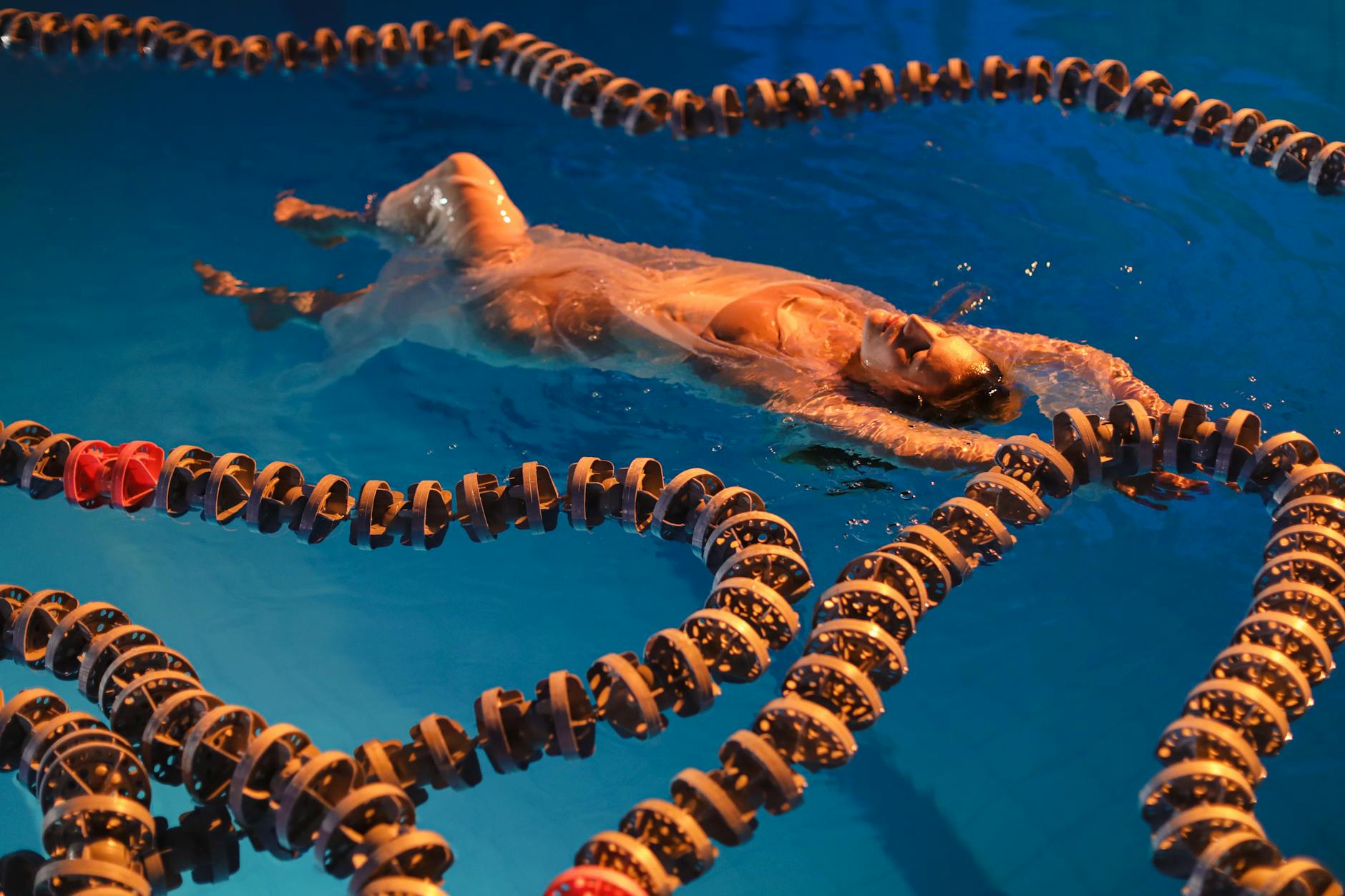
Lane ropes in public pools serve a critical functional purpose by separating swimming lanes and reducing wave turbulence between them. Hanging on lane ropes places significant stress on the anchor points and can damage or dislodge the floats that keep them in position. A broken lane rope can create a hazardous situation for other swimmers and is costly for the facility to repair or replace. Children in particular are often drawn to lane ropes as play equipment which puts both them and the equipment at risk. Lane ropes should be treated as infrastructure rather than recreational accessories.
Swim Under the Influence of Alcohol

Alcohol impairs coordination, reaction time, and judgment making it a serious hazard in and around water. A significant proportion of adult drowning deaths involve alcohol as a contributing factor according to water safety research. Public pool facilities expressly prohibit the consumption of alcohol on their premises for this reason. Even mild intoxication affects a swimmer’s ability to respond to sudden changes in their environment or physical condition. Choosing to swim sober is a straightforward decision that substantially reduces risk for the individual and others nearby.
Ignore Posted Capacity and Closure Signs
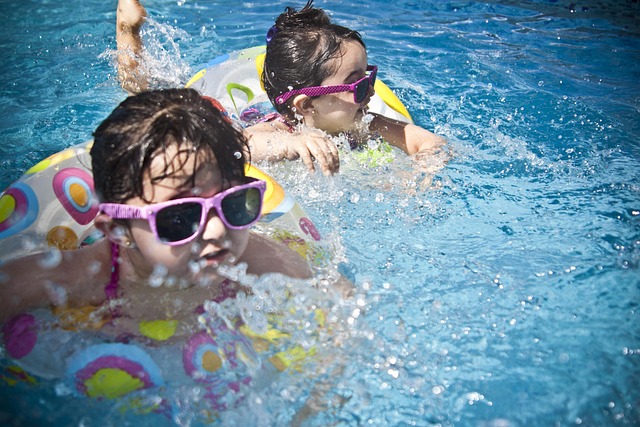
Public pools post signage regarding capacity limits, lane reservations, and temporary closures for important operational and safety reasons. Overcrowding in a pool makes it significantly harder for lifeguards to monitor all swimmers effectively. Pool closures related to water chemistry or contamination events are implemented to protect public health and should never be ignored or circumvented. Respecting these notices ensures the facility can operate safely and that water quality is maintained at appropriate levels. Entering a closed or overcapacity pool area creates liability and endangers everyone present.
Bring Pets to the Pool Area
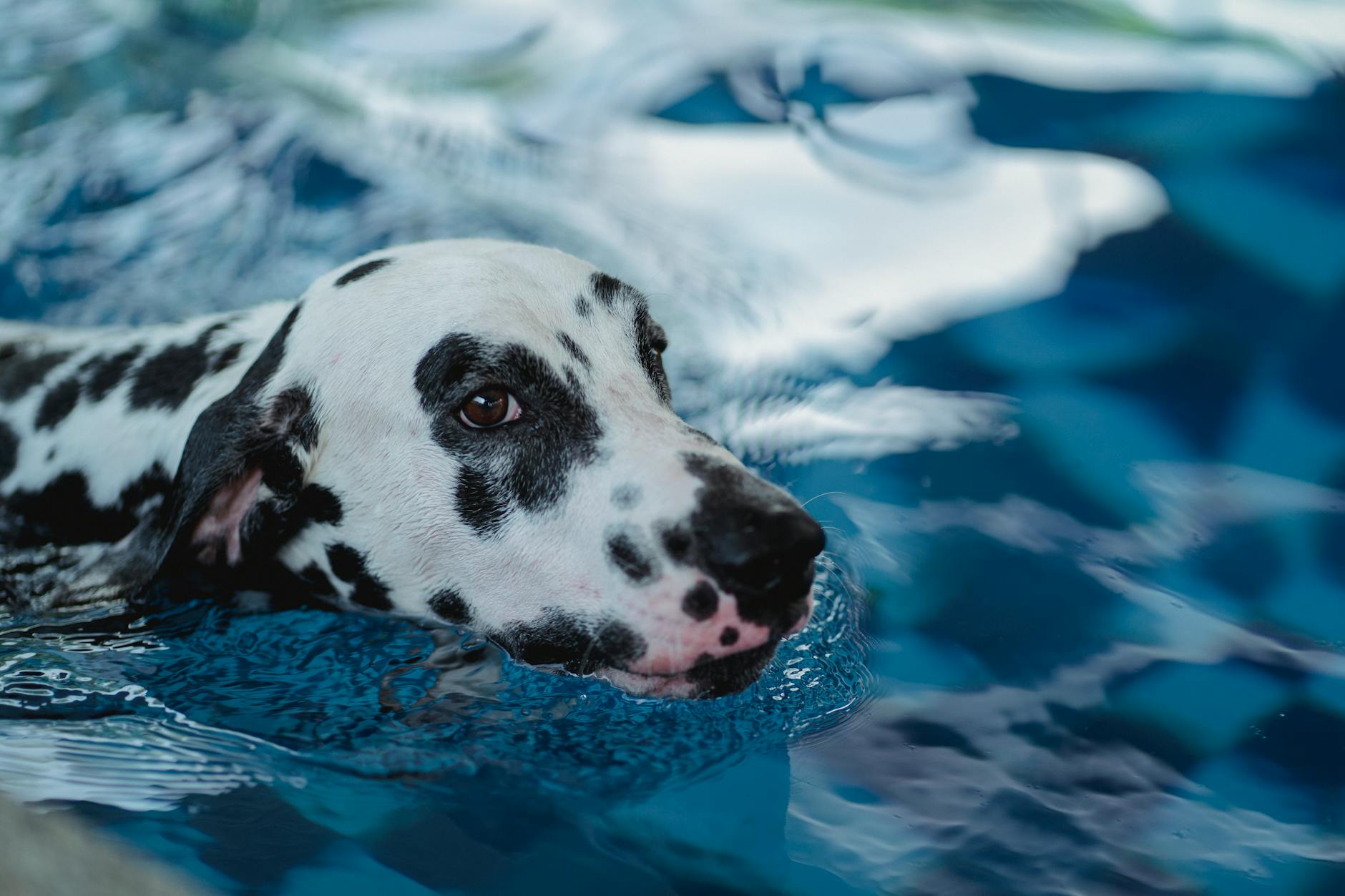
Domestic animals including dogs are not permitted at public swimming pool facilities regardless of their temperament or vaccination status. Animal fur and dander introduce contaminants that are difficult to filter out of pool water and disrupt its chemical balance. Animals near pool areas can also create unpredictable situations around children and other visitors. Many facilities that do offer designated dog swim days do so at specific times when the pool is drained and thoroughly cleaned afterward. Standard public pool visits are not an appropriate environment for animals of any kind.
Use Floatation Devices Irresponsibly
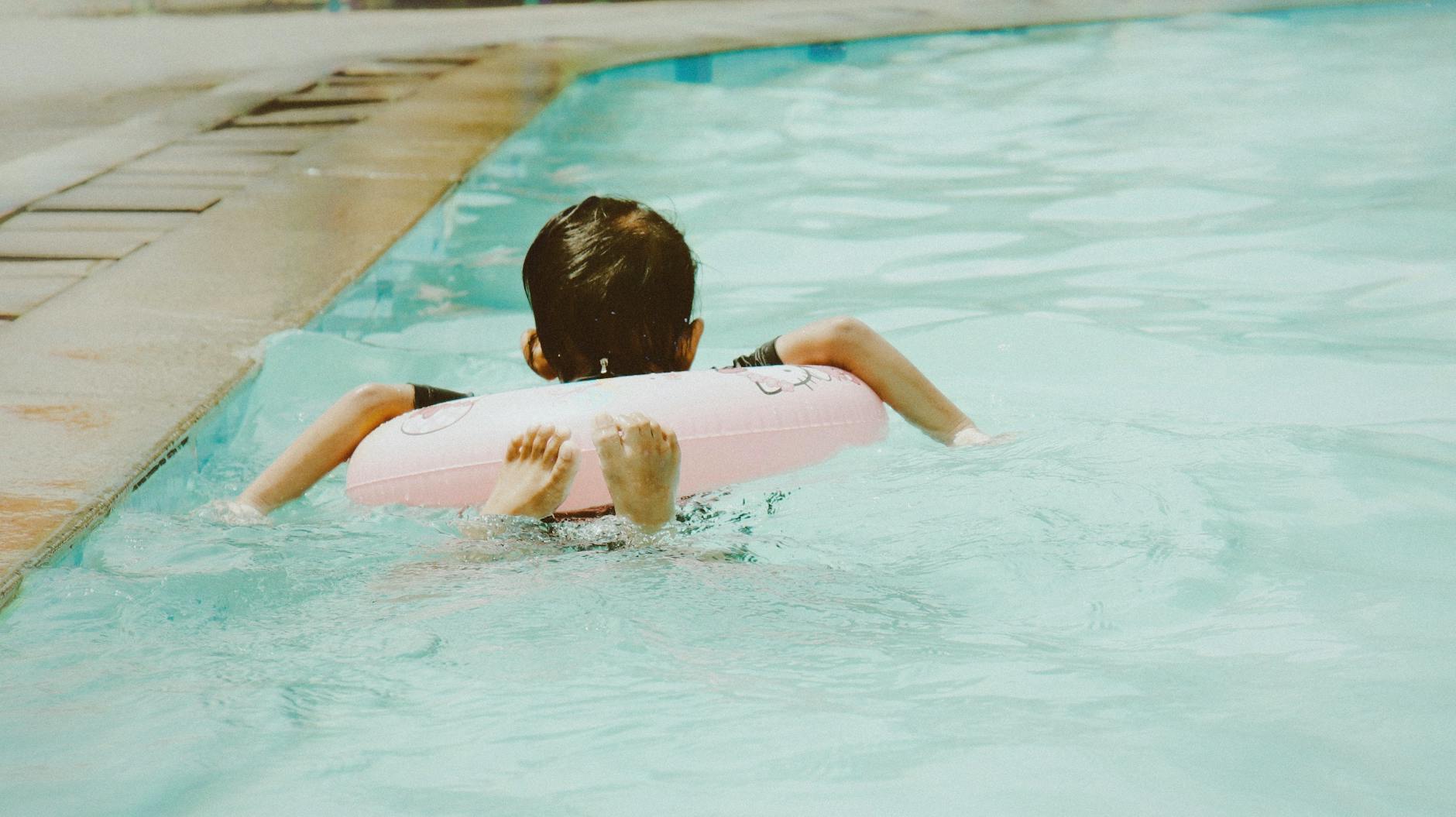
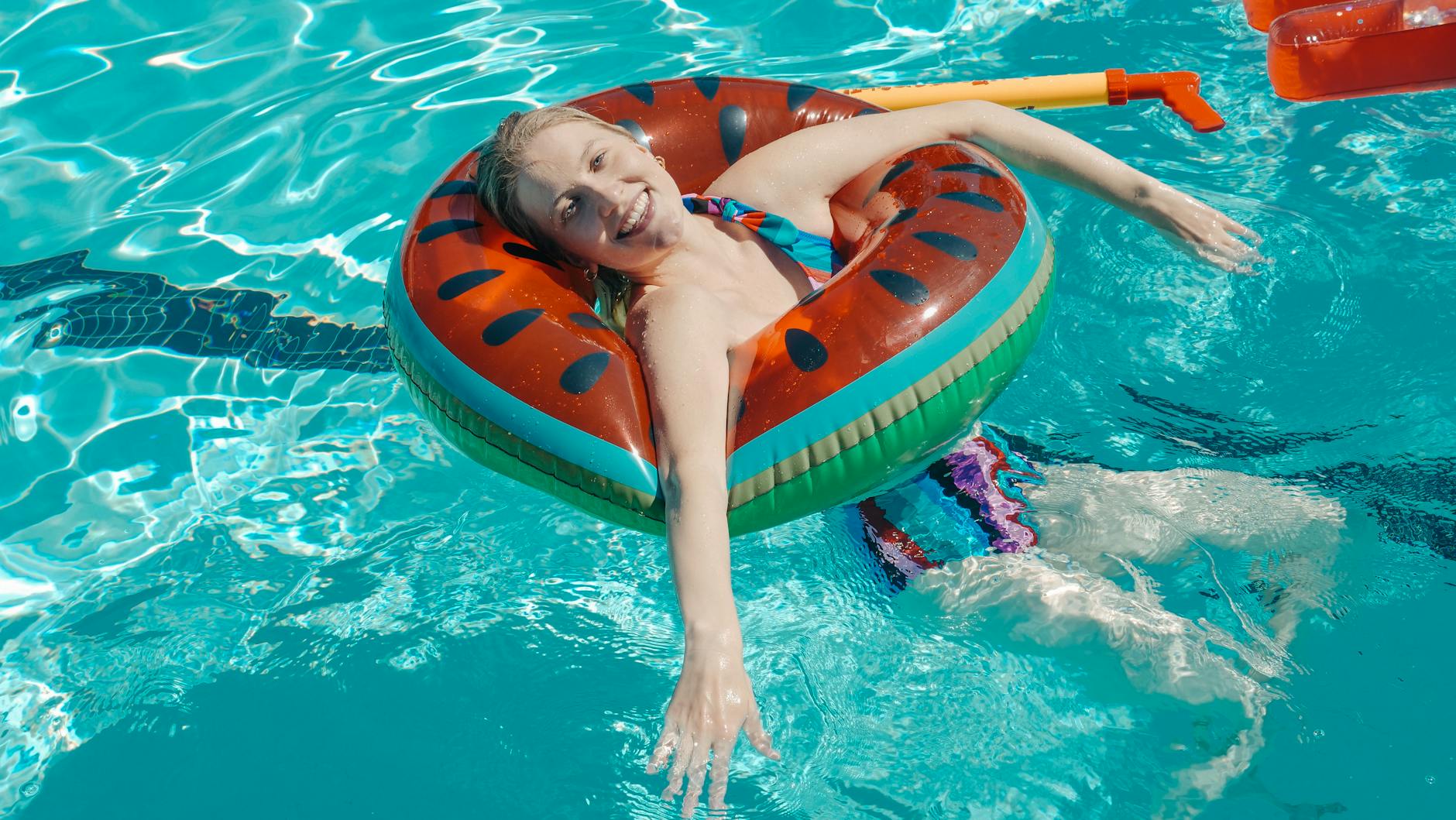
Personal floatation devices and pool toys can be a fun part of recreational swimming but using them carelessly in shared spaces creates hazards for others. Large inflatable toys in general swim areas obstruct lanes and reduce the space available for other swimmers. Relying on floatation devices as a substitute for swimming ability creates a false sense of security particularly for children. Many pool facilities restrict the use of floatation devices to specific areas or time periods to manage these risks. Understanding and respecting pool rules around floatation equipment ensures a safe experience for all visitors.
Spit or Blow Nose in the Pool

Spitting and blowing one’s nose directly into pool water introduces bacteria and bodily fluids into a shared swimming environment. These actions are widely considered disrespectful to fellow swimmers and contribute to the microbial load that pool chemicals must manage. Pool etiquette in most cultures treats the water as a shared resource that all users have a responsibility to keep clean. Using designated facilities for these natural bodily functions is both hygienic and considerate. Maintaining basic courtesy standards in shared aquatic spaces benefits the health and comfort of every person present.
Reserve Deck Chairs With Unattended Belongings
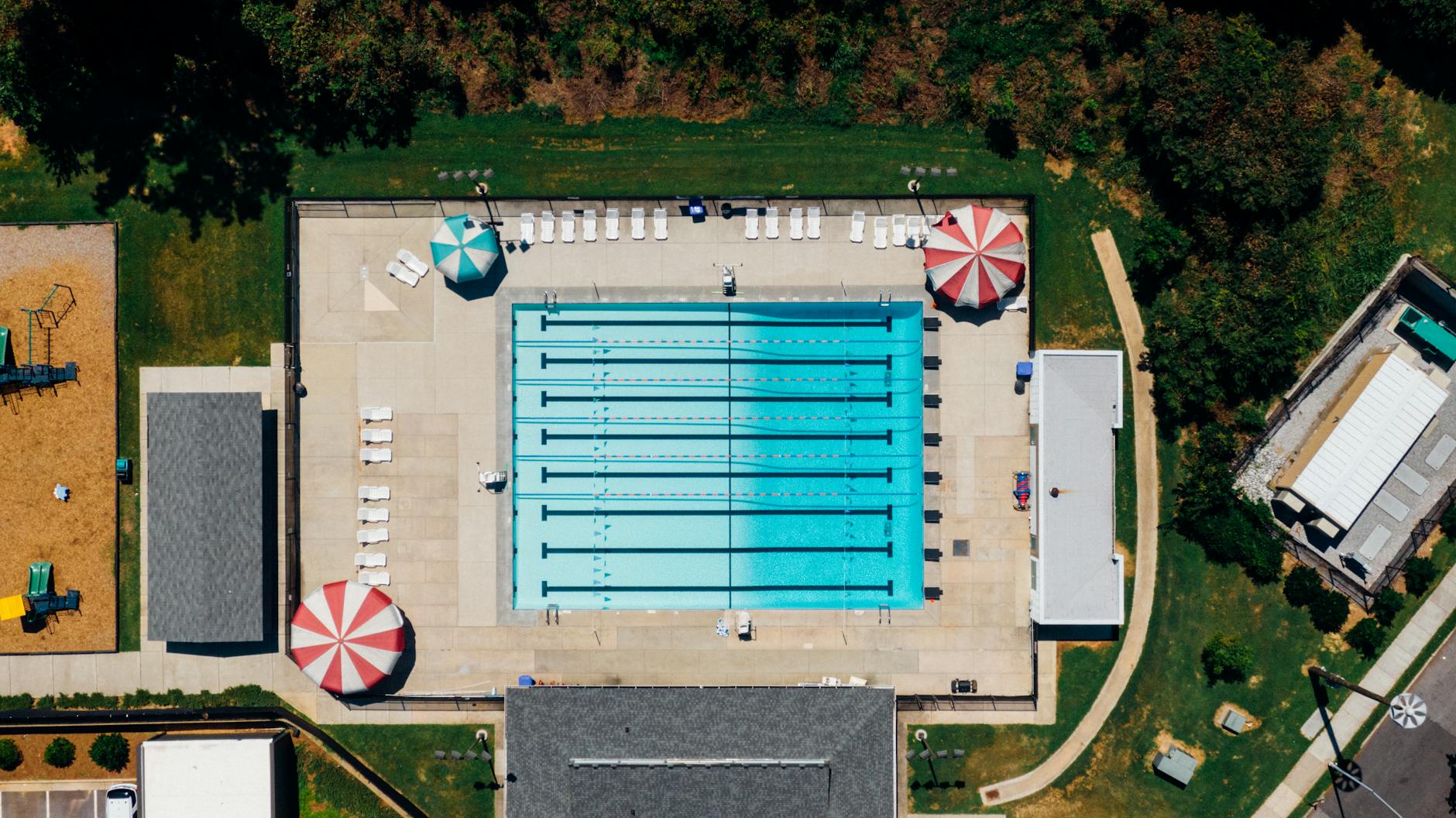
Placing towels or bags on poolside chairs for extended periods while not actively using them is a widespread source of conflict at public pools. This practice prevents other visitors from resting or accessing shade during peak usage hours. Most public facilities operate on a first-come first-served basis for shared seating and do not permit reservation of chairs through unattended belongings. Staff at many facilities are authorized to remove items left unattended on chairs for extended periods. Being considerate of shared seating availability allows all visitors to enjoy the poolside facilities equally.
Engage in Rough Play Near the Water
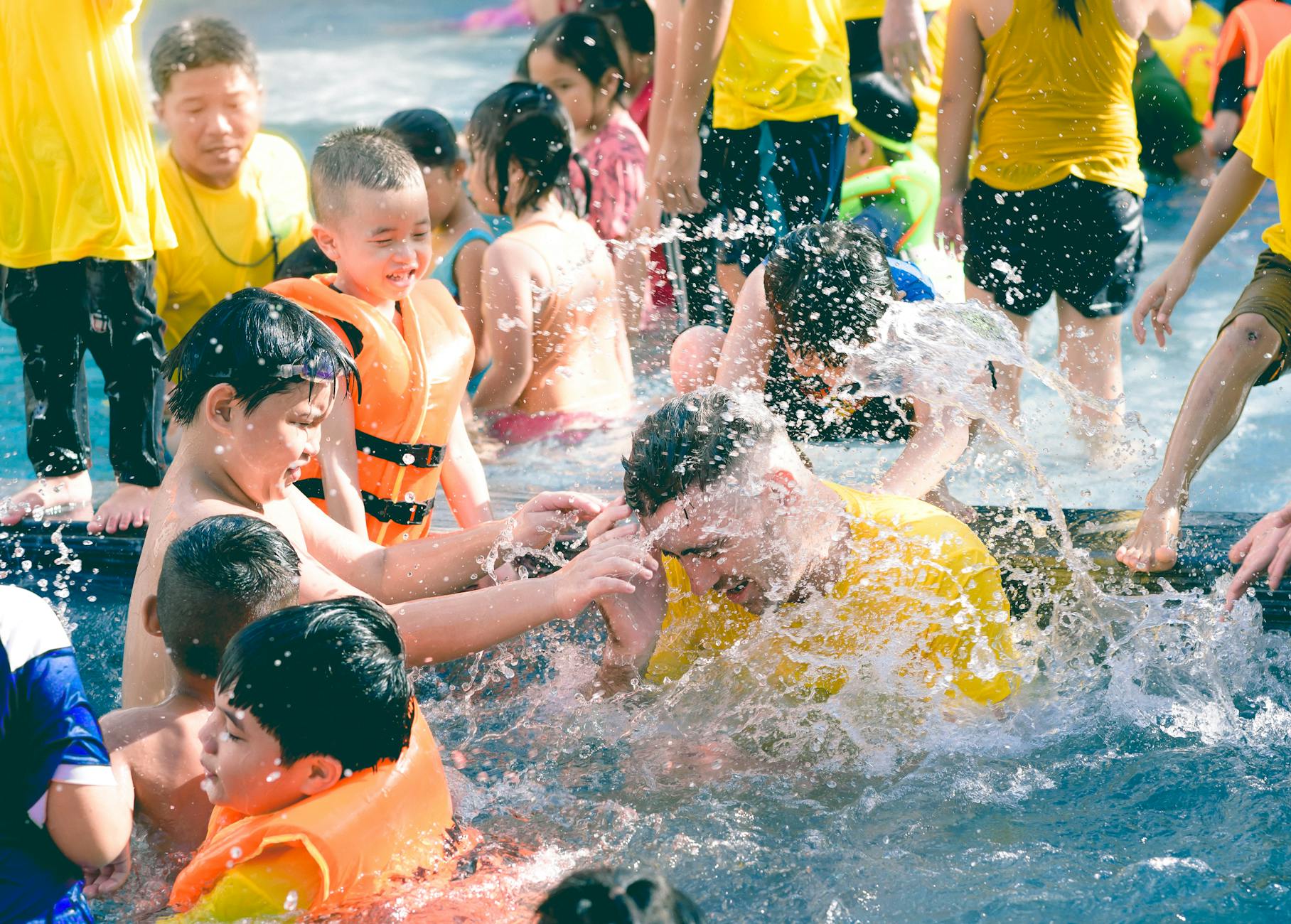
Horseplay including pushing others into the pool, dunking, and aggressive water fights poses a serious risk of injury in an aquatic environment. Unexpected entry into water can cause panic in swimmers of all abilities and lead to disorientation or distress. The hard edges of pools and the unpredictable nature of rough play create conditions where head injuries and falls are likely. Lifeguards are required to intervene when rough behavior is observed and repeated violations typically result in removal from the facility. Energetic play can absolutely coexist with safety when it remains controlled and considerate of surrounding swimmers.
Use Your Phone in Restricted Waterfront Areas
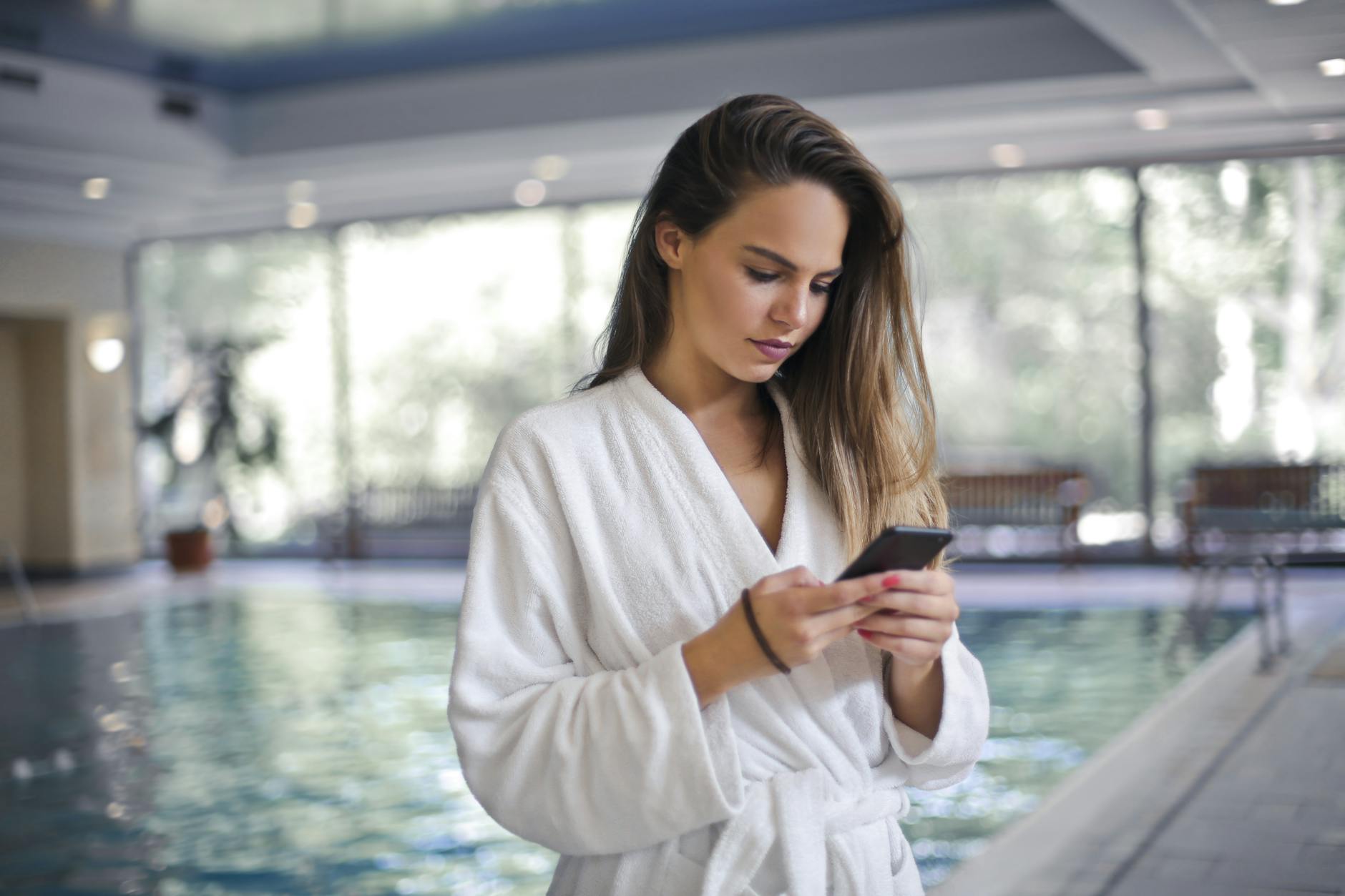
Smartphones and electronic devices near pool water create risks for both the device owner and other swimmers. Distracted poolside supervision is a documented contributing factor in near-drowning incidents involving children. Many facilities prohibit photography and video recording in pool areas to protect the privacy of all visitors including minors. Devices dropped into pool water can also create electrical hazards depending on the proximity to lighting or audio equipment. Keeping phone use to designated dry areas away from the water’s edge is the safest and most respectful approach.
Swim Immediately After Heavy Meals
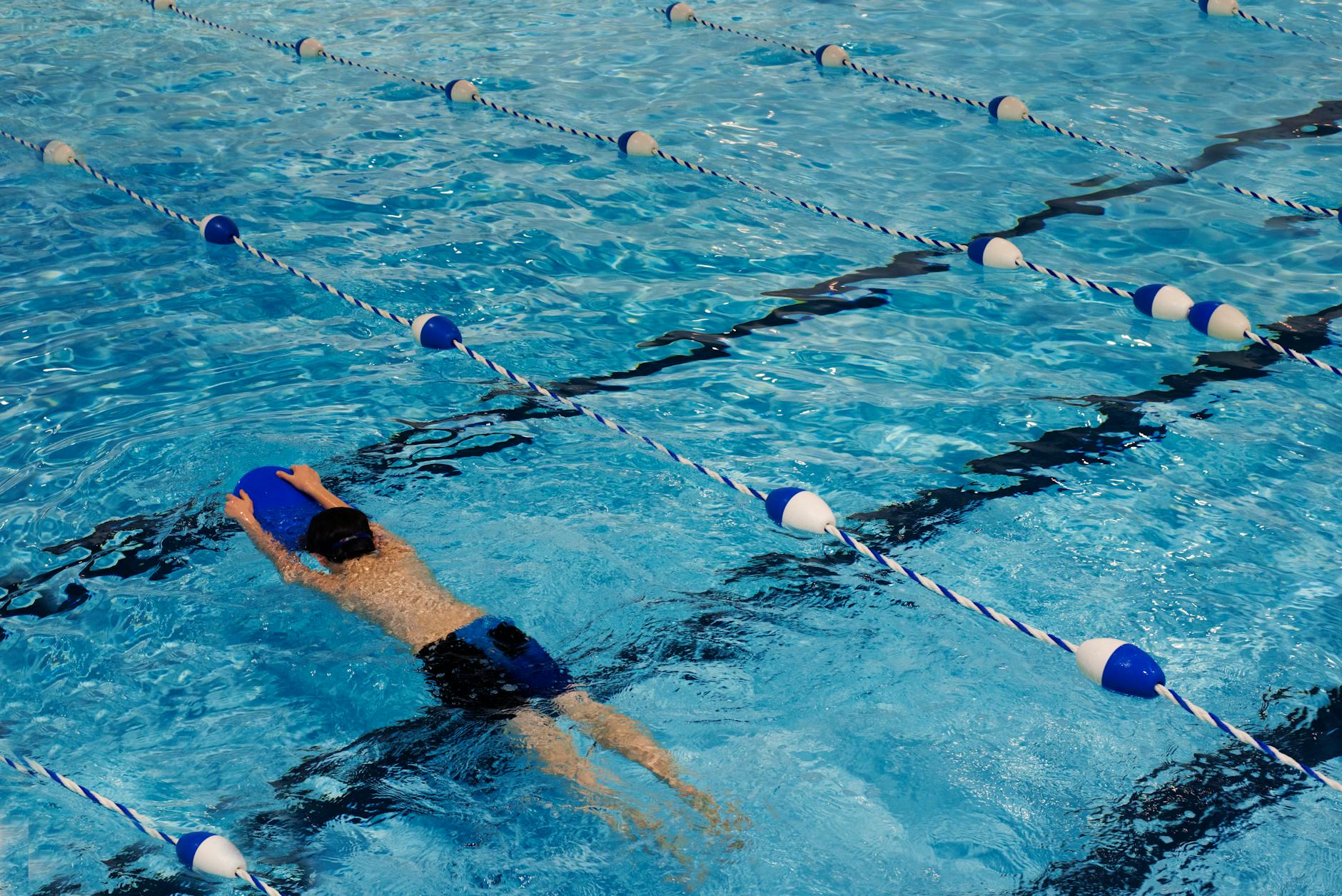
Swimming vigorously on a full stomach can cause physical discomfort including cramping and nausea that may impair a swimmer’s ability to continue safely. While the old rule about waiting a full hour has been somewhat revised by sports scientists the general principle of avoiding strenuous swimming immediately after a large meal remains sensible. Discomfort in the water reduces a swimmer’s focus and responsiveness to their environment. A light snack before swimming is generally manageable but large meals are best consumed after the swim session is complete. Allowing adequate time for digestion before entering the water supports both performance and comfort.
Wear Excessive Jewelry in the Pool

Rings, necklaces, earrings, and bracelets worn in the pool present a number of practical and safety concerns. Metal jewelry can scratch and injure other swimmers in close contact situations such as lap lanes or recreational areas. Chlorinated water accelerates tarnishing and can permanently damage many types of metal including gold and silver alloys. Rings in particular can slip off swollen fingers during swimming and be lost permanently on the pool floor. Leaving jewelry secured in a locker before entering the water protects both the swimmer and their belongings.
Ignore Signs of Water Contamination
Unusual discoloration of pool water, strong chemical odors, or visible debris are warning signs that should not be dismissed by swimmers. Fecal contamination events in particular require immediate evacuation of the pool and a thorough disinfection process before swimming can safely resume. Reporting concerns about water quality to pool staff is the appropriate and responsible course of action. Entering water that appears or smells abnormal increases the risk of exposure to harmful pathogens. Pool staff and facility managers rely on observant visitors to help maintain safe water conditions throughout the day.
Teach Swimming Without Proper Supervision
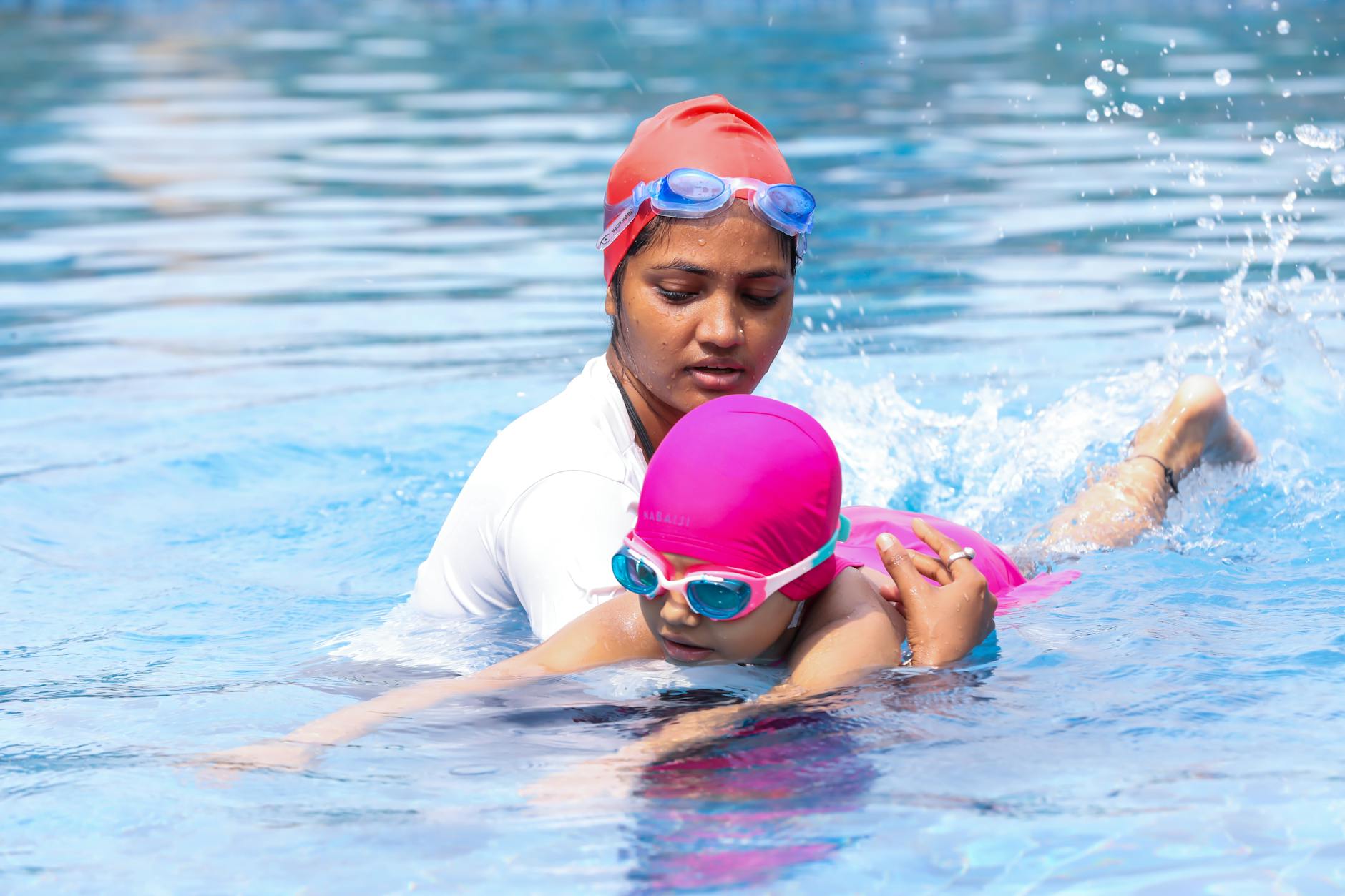
Informal swimming lessons conducted by untrained individuals in public pools can create dangerous situations for beginner swimmers. Non-professional instruction may inadvertently reinforce poor technique or place beginners in water depths beyond their current ability. Most public pools have strict rules about unauthorized instruction taking place in their facilities particularly in lanes reserved for lap swimming. Certified swimming instruction programs provide a structured and safe environment for learning that includes proper risk management protocols. Children learning to swim deserve instruction from qualified professionals in appropriate supervised settings.
Leave Without Reporting an Incident
Witnessing a near-drowning event, a slip and fall, or a water quality issue and leaving without reporting it to pool staff is a serious lapse in collective responsibility. Prompt reporting allows lifeguards and facility managers to respond quickly and prevent further harm. Even minor incidents such as a child who briefly went under or a chemical smell that seems unusual are worth flagging to on-duty staff. Pool facilities rely on a combination of staff vigilance and visitor awareness to maintain a safe environment throughout operating hours. Taking a moment to speak with a lifeguard or front desk staff could directly prevent a more serious outcome for another visitor.
If you have your own pool etiquette experiences or tips to add, share your thoughts in the comments.