Microwaves offer incredible convenience for reheating leftovers or cooking quick meals in our busy daily lives. Many materials and food items react dangerously when exposed to this specific type of radiation. Placing the wrong object inside can lead to fires or chemical leaching or ruined appliances. Understanding these restrictions is essential for maintaining a safe and functional kitchen environment. This guide highlights twenty-five items that must be kept away from your microwave to prevent accidents.
Aluminum Foil
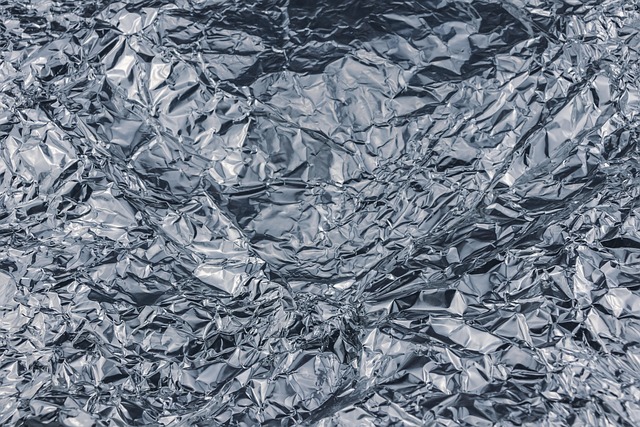
Metal surfaces reflect microwaves rather than absorbing them and this causes the electromagnetic waves to bounce erratically. This reflection creates sparks and arcing that can severely damage the interior of your appliance. A fire can start very quickly if the sparks come into contact with any flammable food debris or paper towels. It is essential to remove all traces of foil covering or wrapping before heating any dish. Even small pieces left on the rim of a container can cause significant electrical problems.
Paper Bags
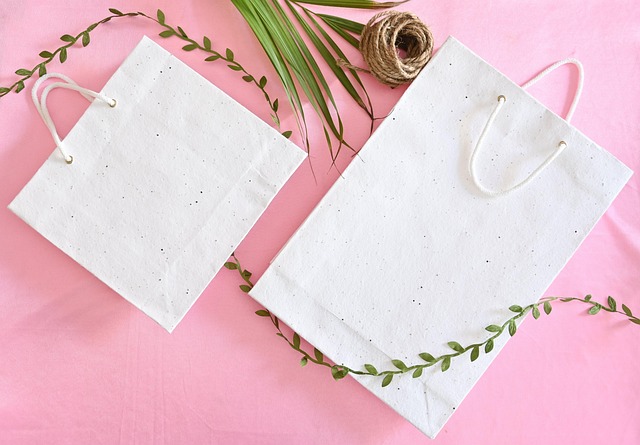
Brown paper bags from grocery stores or lunch sacks are not designed to withstand high heat. They may contain glues or ink that release toxic fumes when the temperature rises inside the bag. The paper itself can ignite easily due to the concentrated heat generated by the microwave. Intense heat can cause the bag to catch fire and spread flames to the rest of the appliance. Always transfer food to a microwave-safe plate instead of heating it directly in a paper sack.
Styrofoam Containers
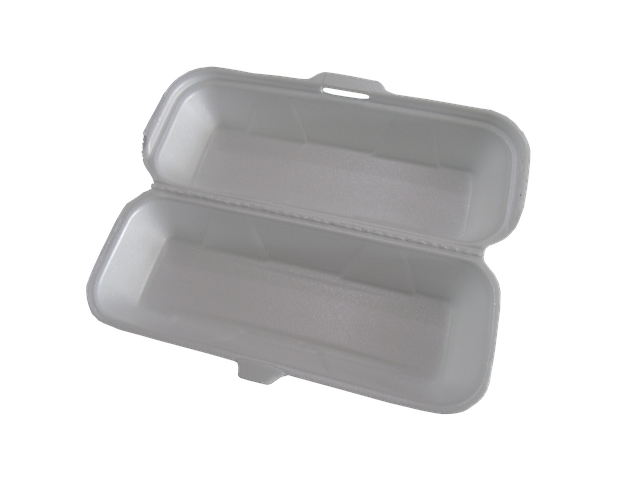
Expanded polystyrene foam is a type of plastic that is generally unstable under high temperatures. Most takeout containers made of this material will melt or warp when exposed to microwave radiation. This melting process leaches harmful chemicals and styrene directly into your food. Consuming these chemical byproducts poses potential health risks over time. You should check the bottom of the container for a microwave-safe label before assuming it is safe to use.
Plastic Grocery Bags
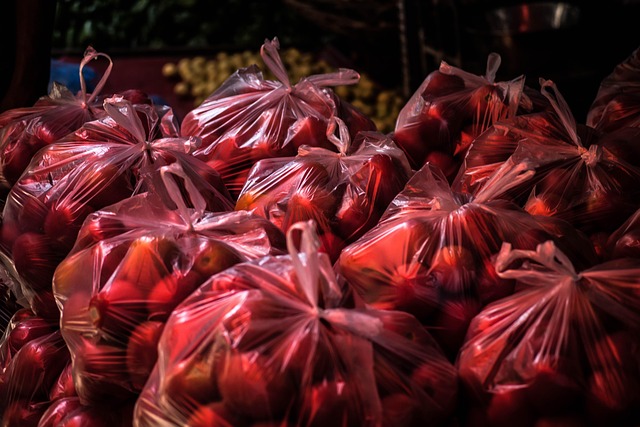
Single-use plastic bags are extremely thin and have a very low melting point. Putting these bags in the microwave will almost certainly result in melted plastic covering your food and the turntable. The melting plastic can release bisphenol A or phthalates which are endocrine disruptors. Cleaning melted plastic off the interior of a microwave is difficult and often results in permanent damage. It is always safer to remove food from plastic carriers before heating.
Stainless Steel Travel Mugs
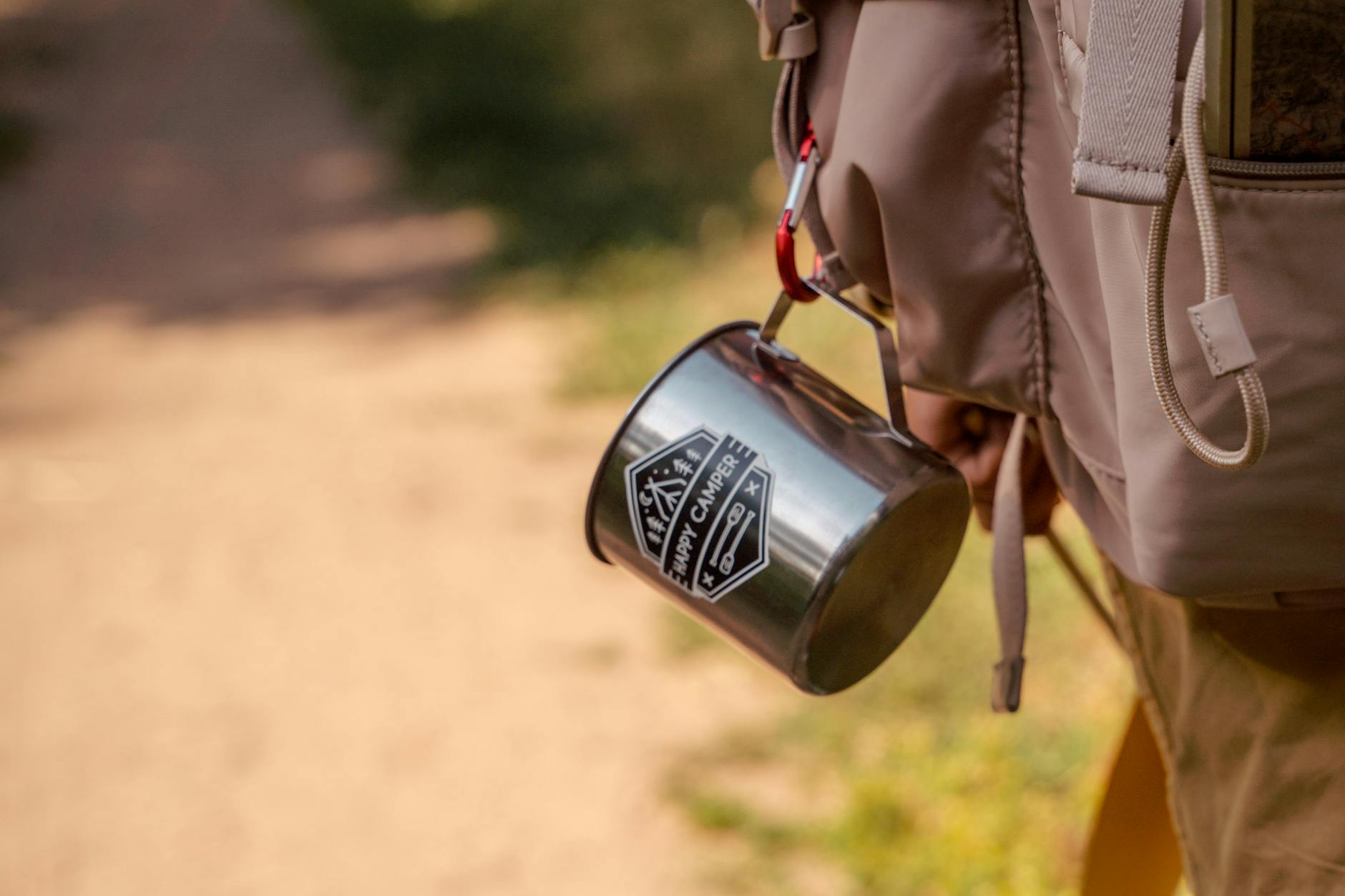
Many travel mugs are constructed with stainless steel liners to keep beverages hot. The metal interior prevents the microwaves from heating the liquid and shields the contents completely. The waves bounce off the steel and can damage the magnetron which is the core component of your microwave. This can permanently break your appliance and requires an expensive repair or full replacement. You should transfer your coffee or tea to a ceramic mug for reheating.
Hard-boiled Eggs
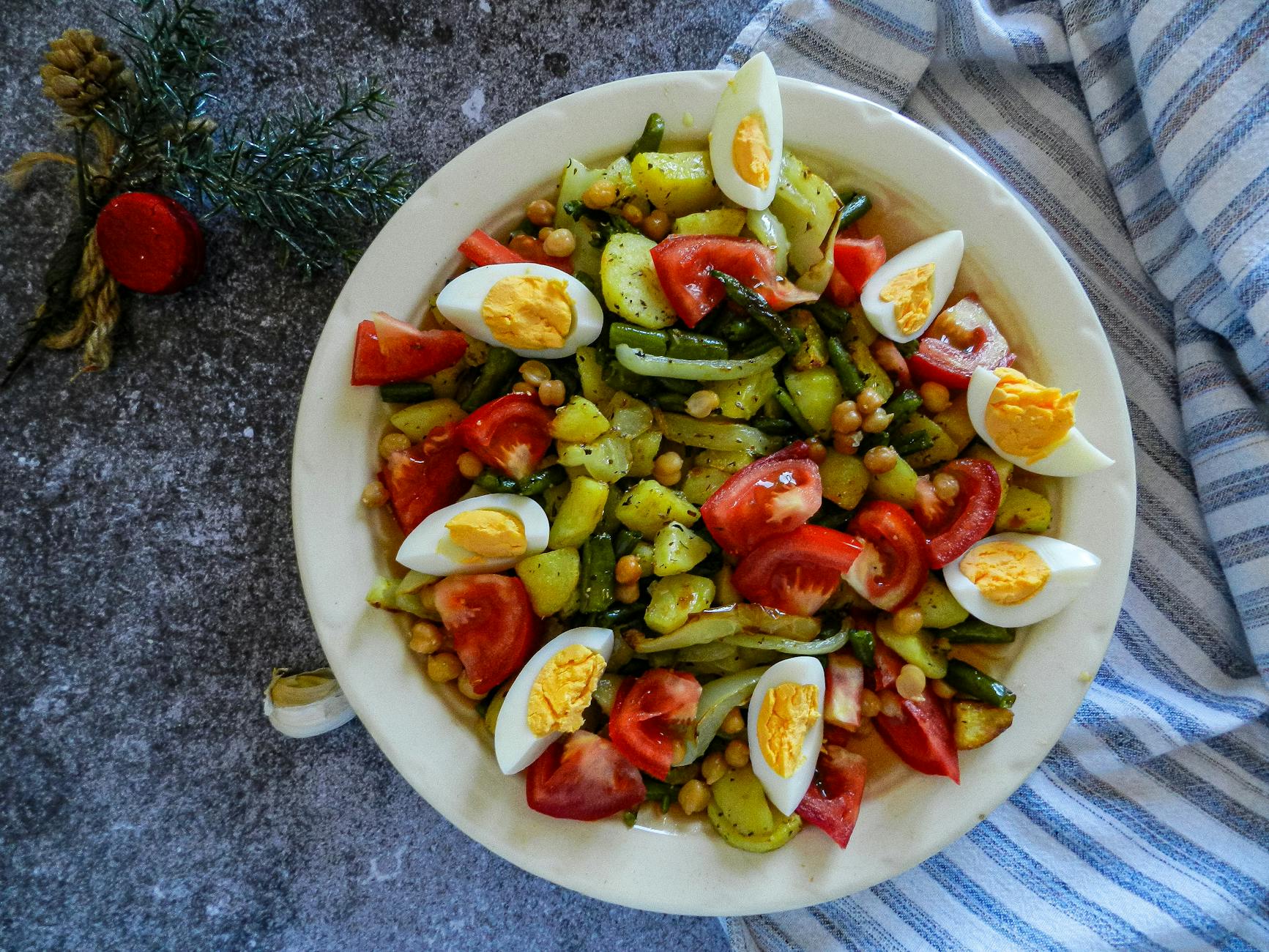
The moisture inside a whole egg turns into steam rapidly when exposed to microwave energy. The shell creates a pressure vessel that does not allow the steam to escape naturally. This pressure builds until the egg explodes violently inside the oven or sometimes after you remove it. The resulting explosion creates a massive mess and can cause severe burns from hot shell fragments. Slicing the egg before heating is the only way to reduce this risk.
Hot Peppers
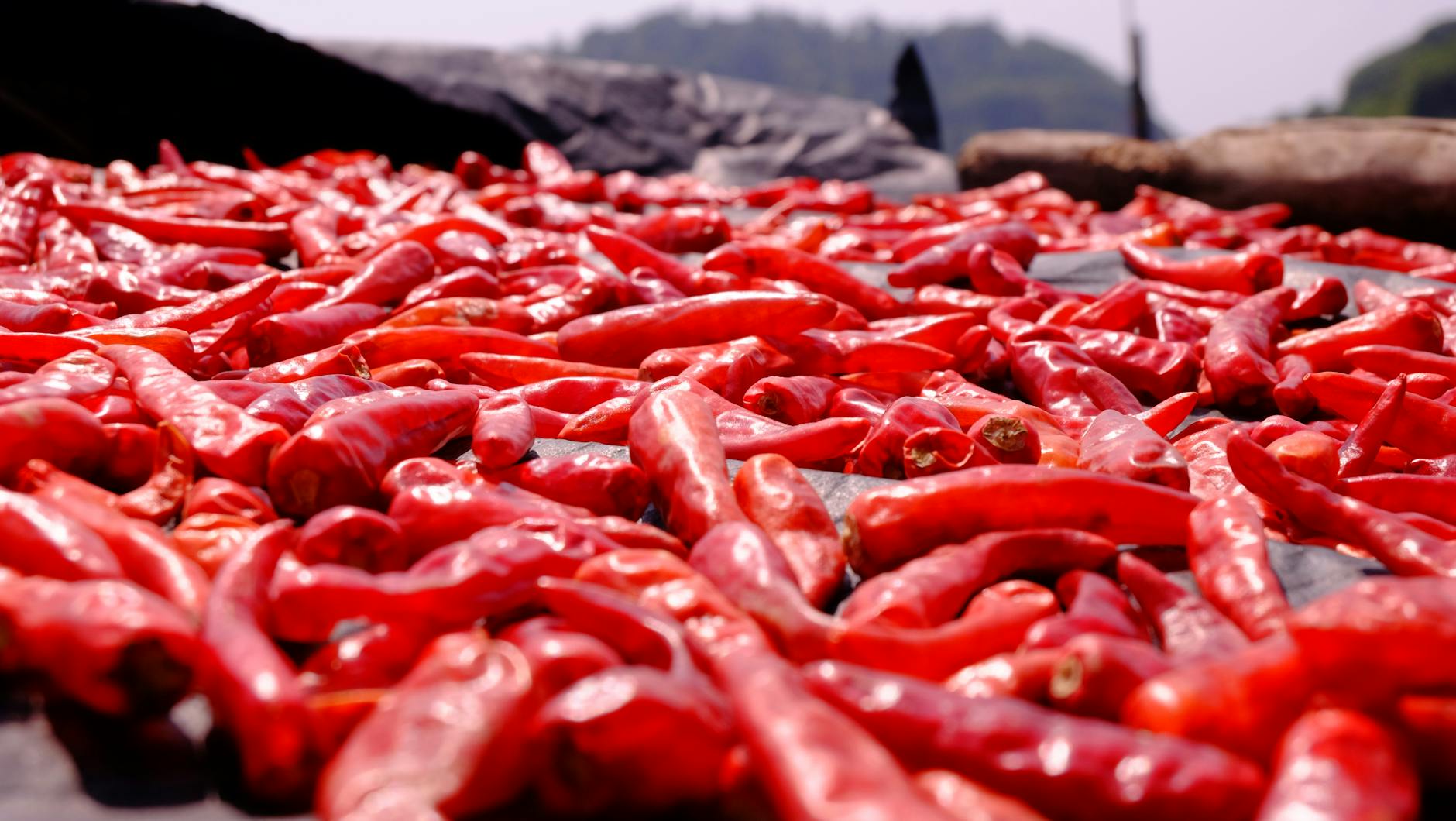
Fresh peppers contain a chemical compound called capsaicin which gives them their spicy heat. Microwaving peppers causes this compound to vaporize into the air inside the oven. Opening the microwave door releases a cloud of spicy steam that can sting your eyes and burn your throat. The sensation is similar to being sprayed with pepper spray and can be very distressing. It is much safer to roast or sauté peppers using a stove or conventional oven.
Dried Sponges
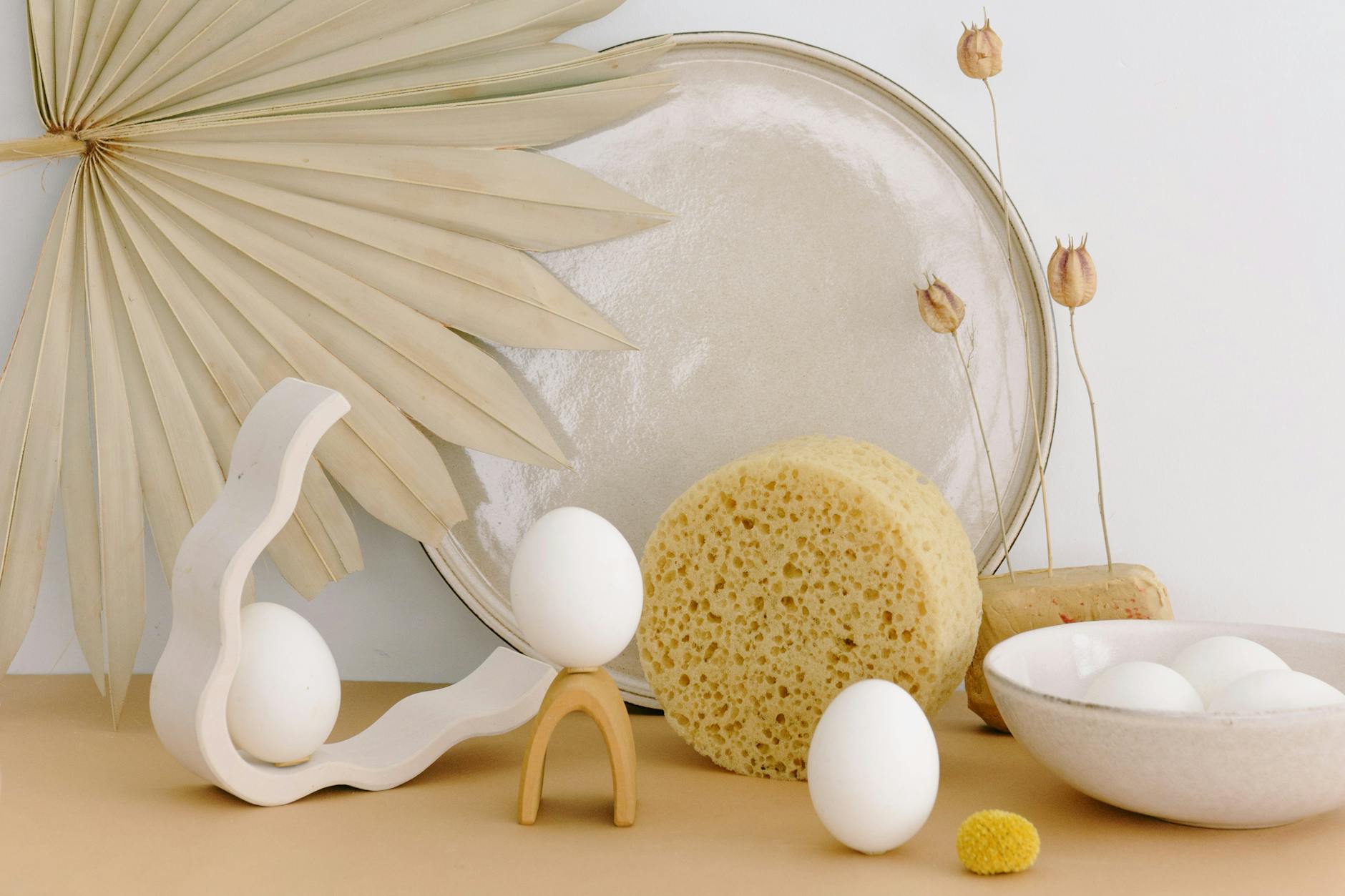
Microwaving a damp sponge is a common hack for disinfection but a dry sponge poses a fire hazard. The concentrated energy will quickly overheat the dry synthetic material and cause it to ignite. A burning sponge releases acrid smoke that creates a lingering foul odor in your kitchen. The fire can spread rapidly if there is any grease residue inside the microwave. You must ensure the sponge is completely saturated with water before attempting to sanitize it.
Grapes

Grapes act as tiny conductive antennas when placed in the microwave due to their size and shape. The electromagnetic waves create a plasma arc between the pieces of fruit. This reaction produces bright sparks and can even generate small amounts of ionized gas. The arcing can ruin the interior of your microwave and potentially destroy the magnetron. You should never attempt to heat grapes or cut grapes in this appliance.
Leafy Greens
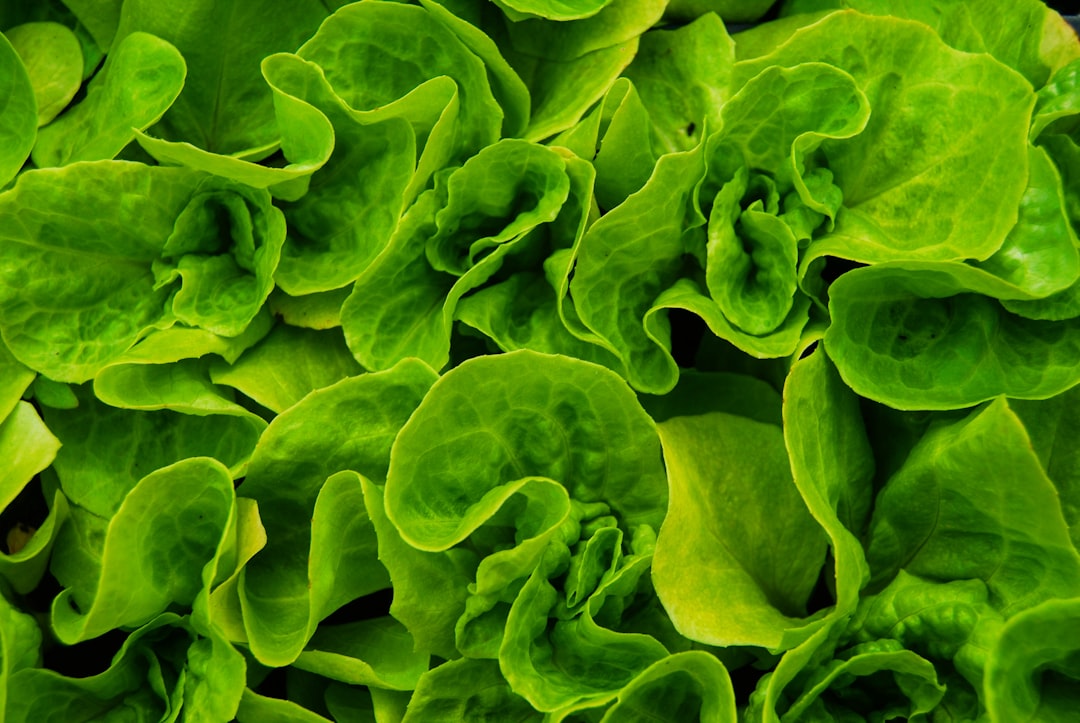
Certain vegetables like kale and spinach contain high concentrations of minerals like iron and magnesium. These minerals can cause arcing and sparking similar to putting metal in the microwave. The sparks can burn holes in the leaves and render the food unappetizing. It also risks damaging the appliance if the sparking is severe enough. Steaming these vegetables on the stovetop is a much more effective cooking method.
Frozen Fruit
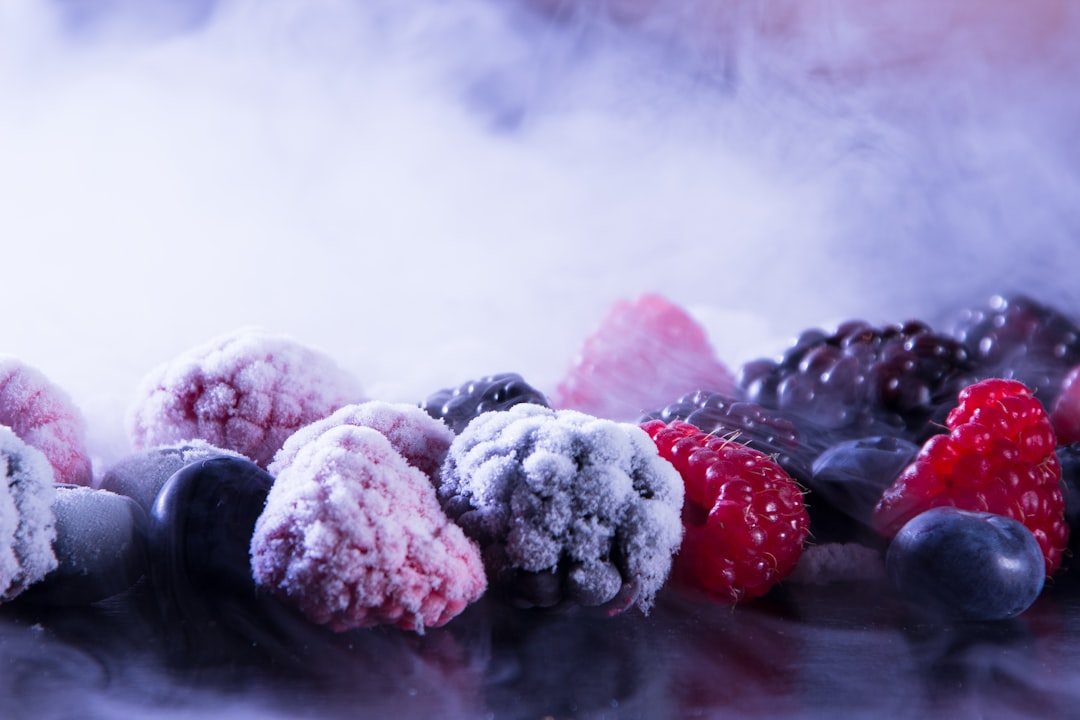
Heating frozen fruit in the microwave often results in uneven thawing and texture issues. More importantly certain fruits can burst or lose their beneficial nutrients when subjected to this heating method. The rapid temperature change destroys the delicate cell walls of berries and stone fruits. This turns the fruit into a mushy and unappealing paste rather than a thawed snack. It is better to let frozen fruit thaw gradually in the refrigerator or on the counter.
Uncovered Red Sauce
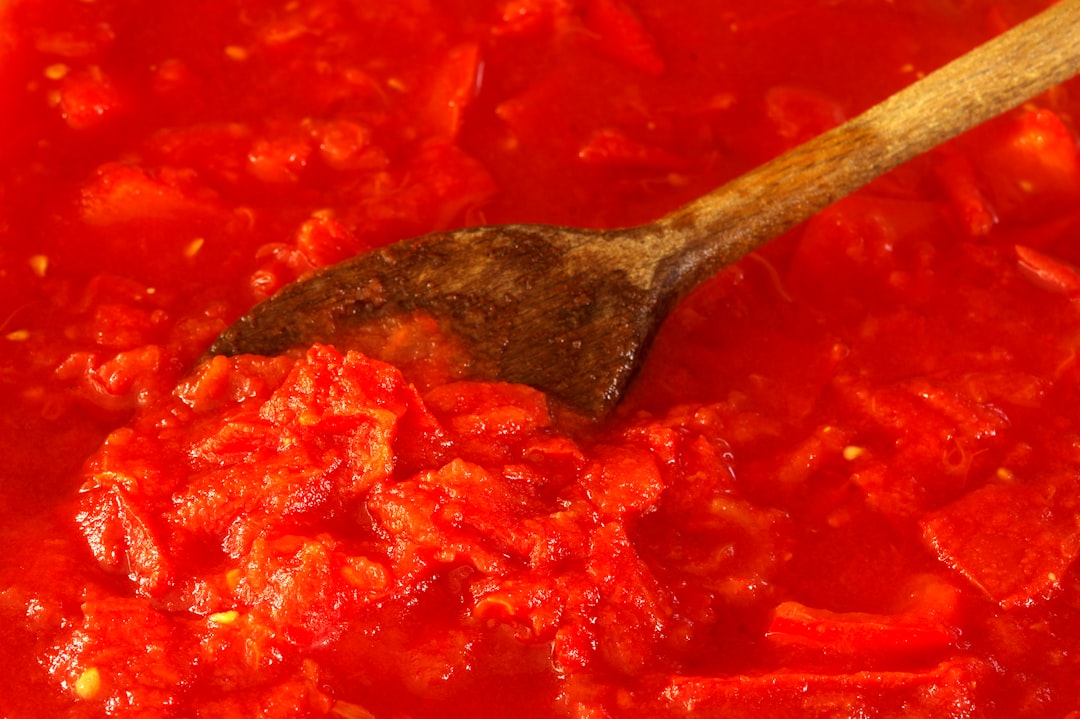
Tomato-based sauces have a thick consistency that traps steam bubbles below the surface. These bubbles eventually burst violently and splatter hot sauce all over the interior walls. The resulting mess is difficult to clean and the stains can be permanent on plastic surfaces. The sudden eruption of sauce can also cause burns if it happens while you are removing the dish. Always use a microwave-safe cover or a paper towel to contain the splatter.
Breast Milk

Microwaves heat food unevenly and create hot spots within liquids. These hot pockets can severely burn a baby’s mouth even if the bottle feels cool on the outside. Intense heat can also destroy the immune-boosting proteins and vitamins found in breast milk. This reduces the nutritional value of the milk significantly. Warming the bottle in a bowl of warm water is the recommended method for safety and nutrition.
Plain Water
Heating water in a clean ceramic cup can lead to a phenomenon called superheating. The water heats past its boiling point without physically bubbling because there are no nucleation sites. Disturbing the water by moving the cup or adding a tea bag can cause it to erupt instantly. This sudden explosion of boiling water can cause severe scalds to your face and hands. Placing a wooden stir stick in the cup while heating prevents this dangerous buildup.
Nothing
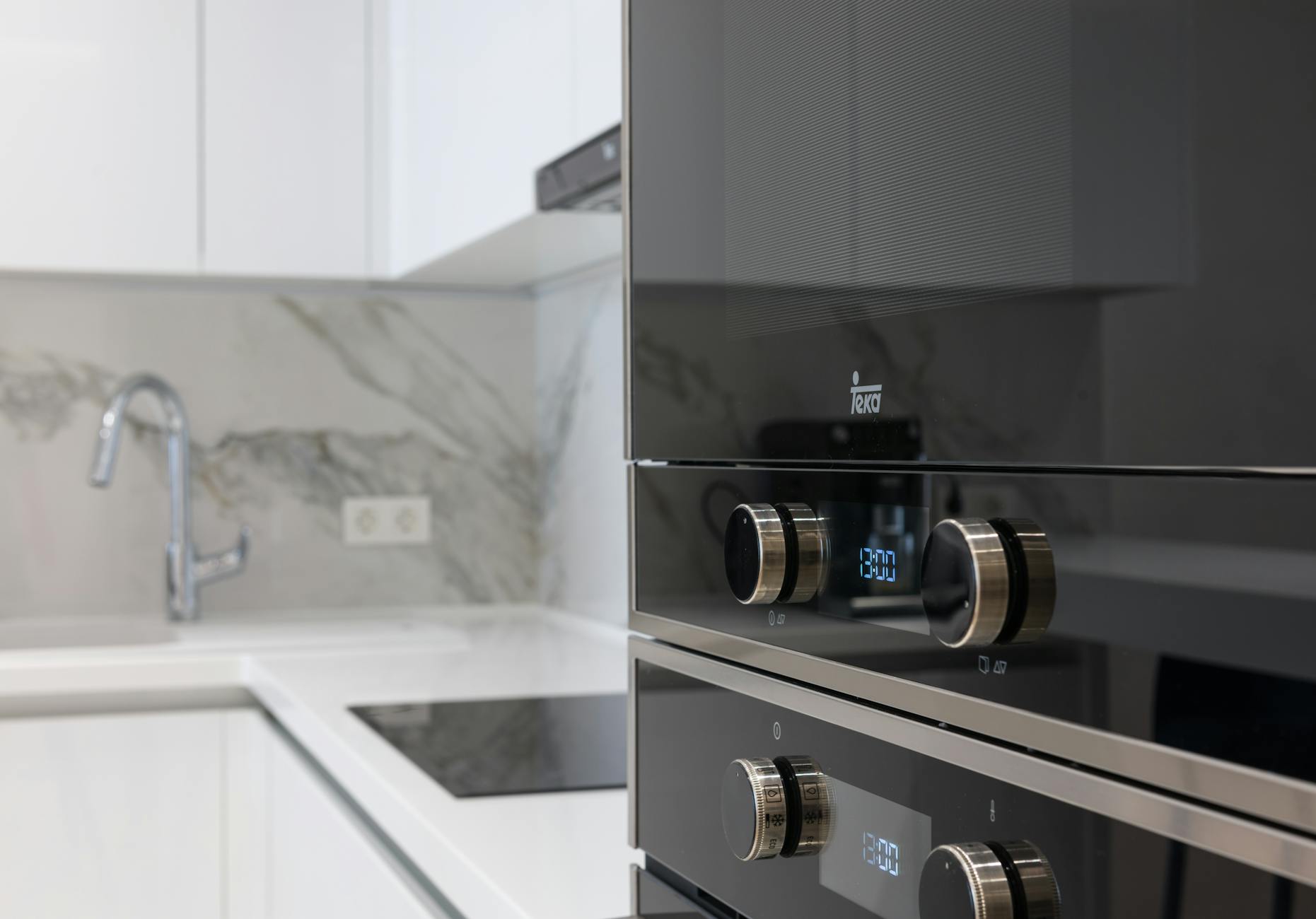
Running a microwave without anything inside is one of the most damaging things you can do to the machine. The microwaves have nowhere to be absorbed and end up bouncing back into the magnetron tube. This feedback loop causes the appliance to self-destruct or blow a fuse. The repair costs for a blown magnetron are often higher than the price of a new microwave. You should always double-check that food is inside before pressing the start button.
Takeout Containers with Handles
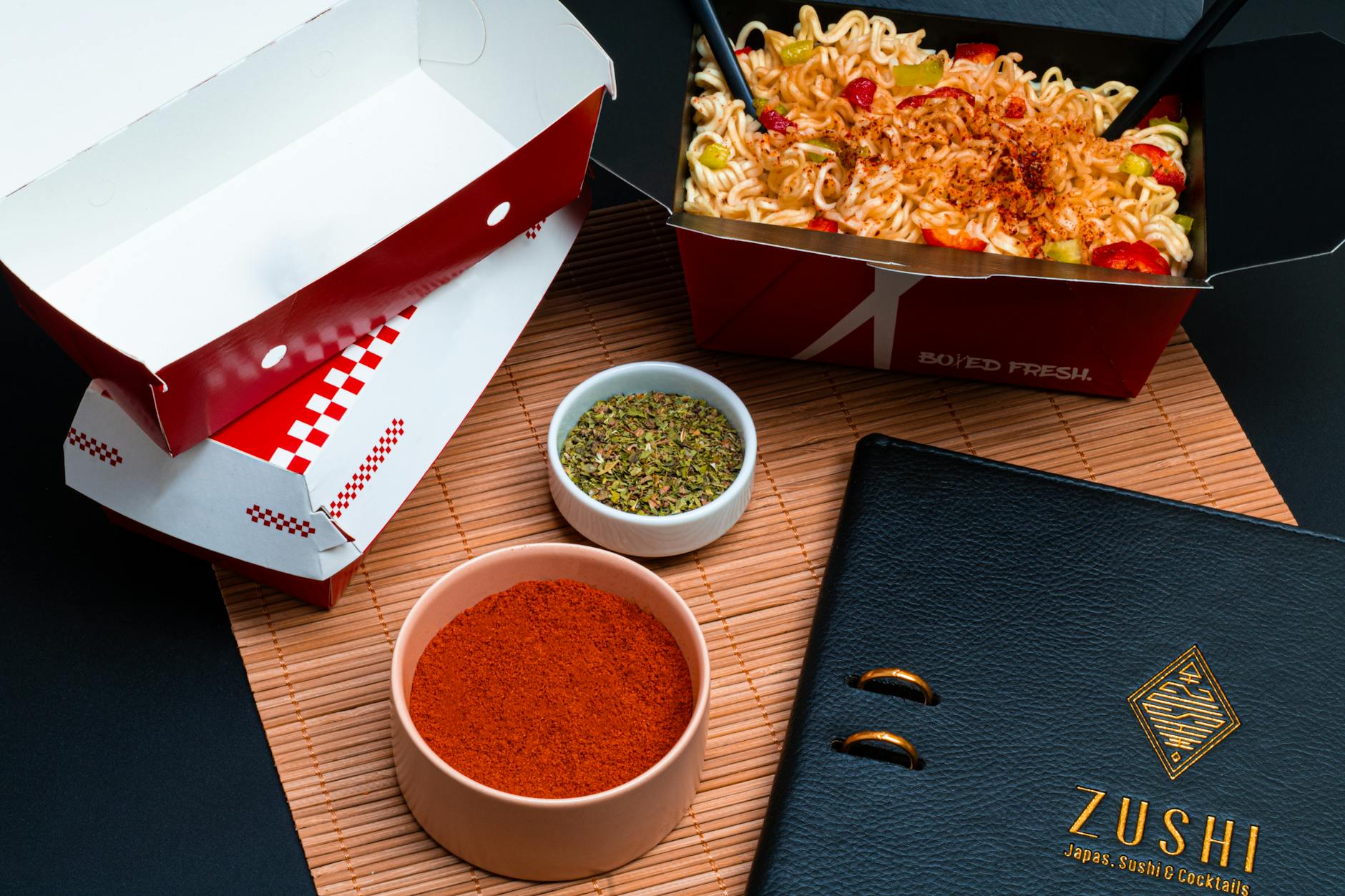
Many Chinese takeout boxes appear to be made of paper but feature a thin metal handle. This wire handle will spark and arc just like aluminum foil or silverware. The sparks can ignite the paperboard container and start a kitchen fire within seconds. Even if a fire does not start the metal will become extremely hot. You must remove the food from the box and place it on a plate.
Yogurt Tubs
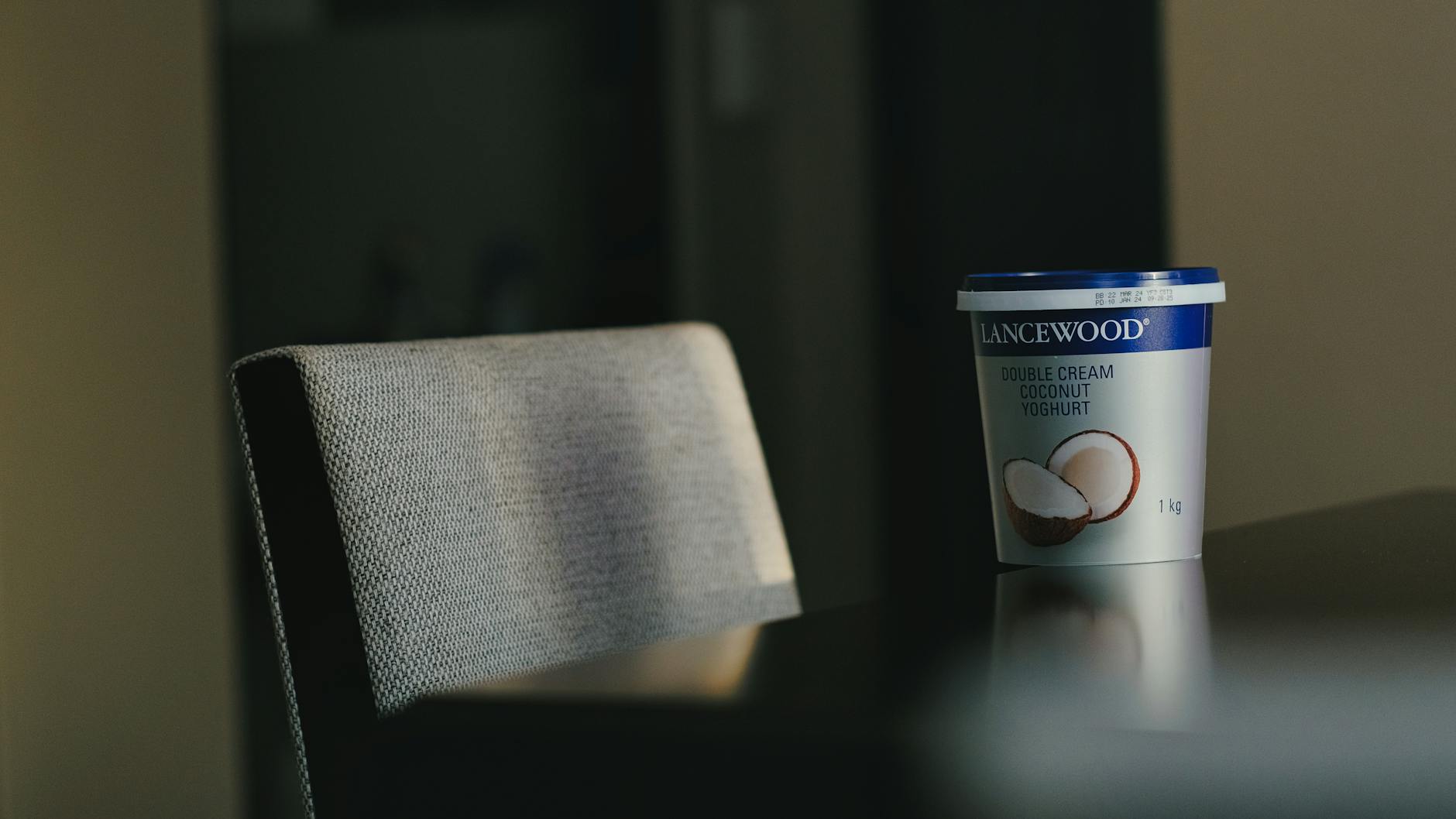
Single-use plastic containers for yogurt or margarine are not engineered to withstand heat. The plastic will warp and melt into the food when exposed to microwave energy. Harmful chemicals from the plastic can migrate into your meal during this process. These tubs are strictly designed for cold storage and should never be used for cooking. Transferring leftovers to glass or ceramic is the only safe option.
Vintage China
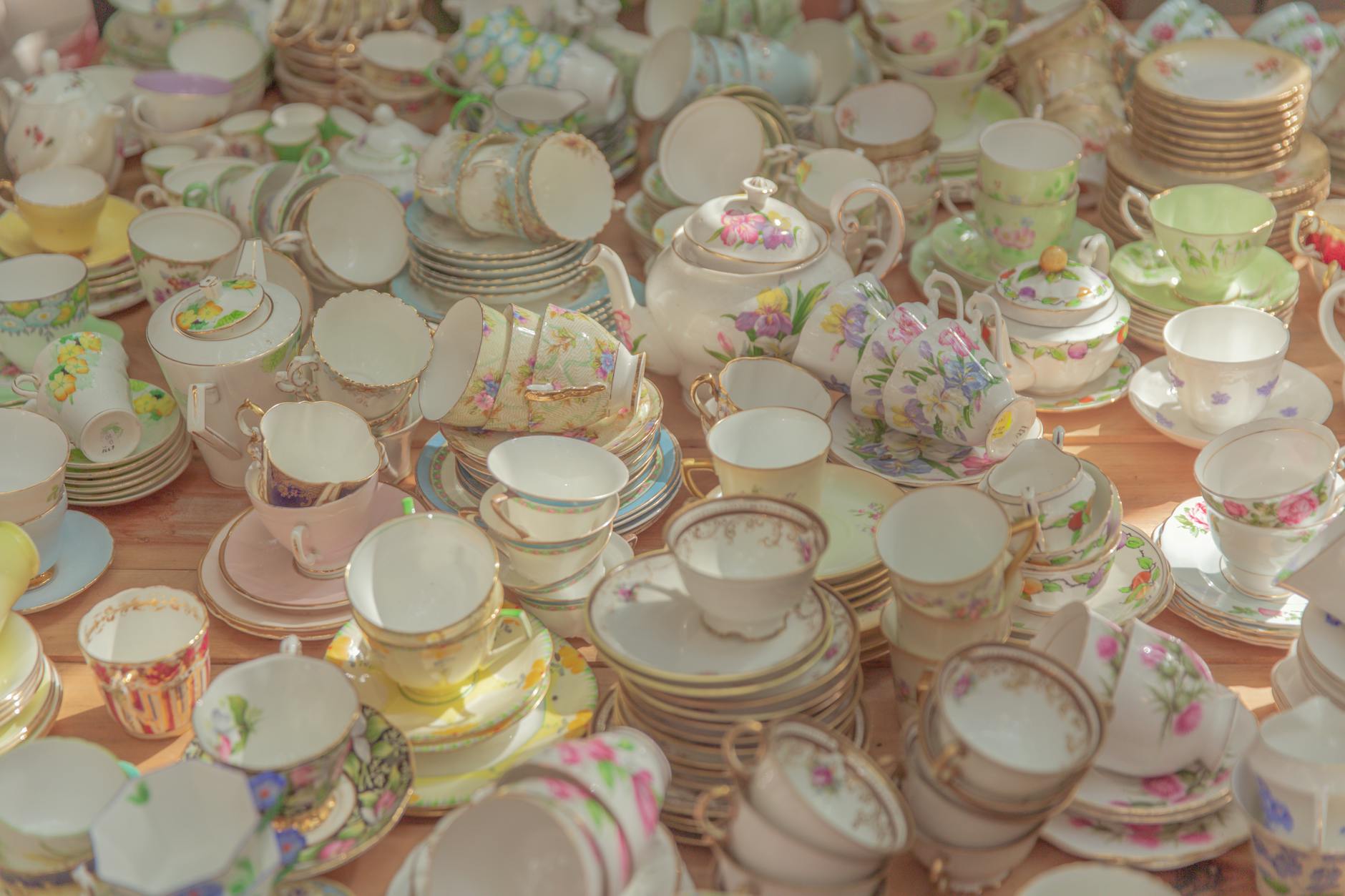
Older plates and bowls often feature decorative metallic rims made of gold or silver paint. This metallic paint will spark and crackle as it reflects the microwaves. The arcing can permanently remove the decorative pattern and damage the dish. It creates a fire hazard similar to putting solid metal utensils in the oven. You should stick to using modern tableware that is explicitly labeled as microwave-safe.
Melamine Dishes
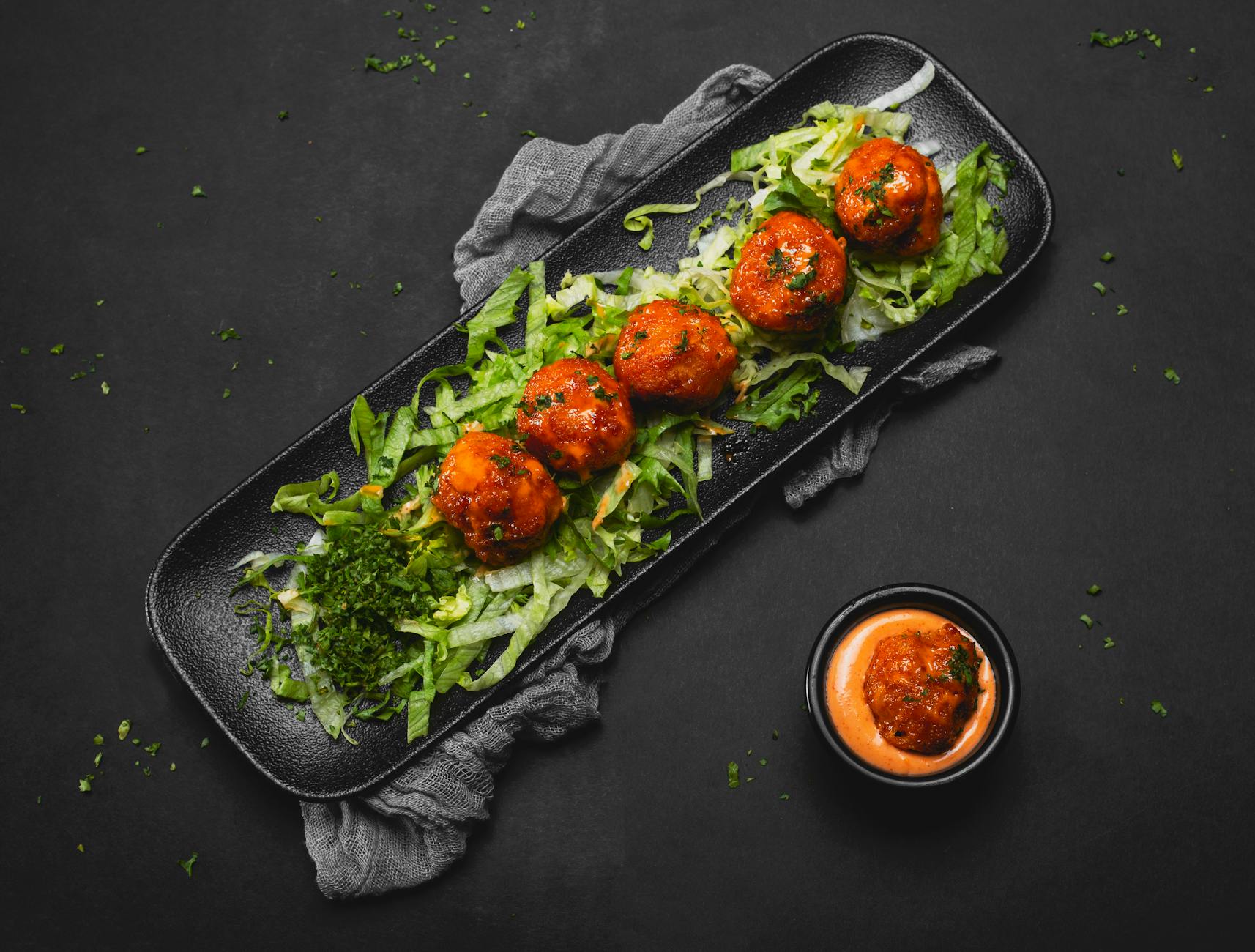
Melamine is a hard plastic material that is durable and often used for outdoor dinnerware. It absorbs microwave energy and becomes dangerously hot to the touch. This absorption can cause the melamine to crack or shatter unexpectedly. The excessive heat creates a risk of chemical migration into the food being heated. It is best to wash melamine by hand or in the dishwasher and keep it out of the microwave.
Clothing
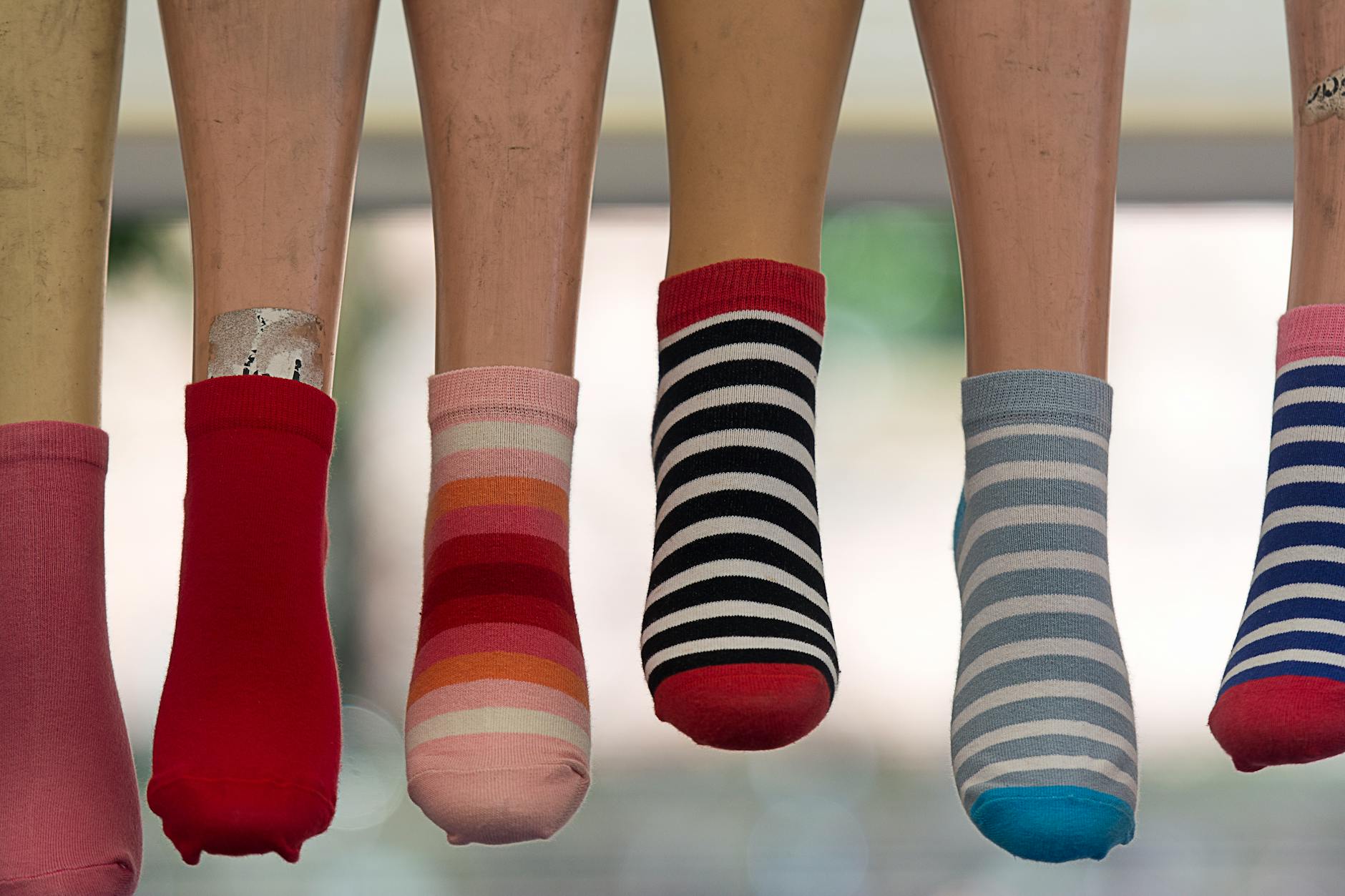
Trying to dry socks or warm up underwear in the microwave is a significant fire hazard. The fabric contains no moisture to absorb the waves which causes the material to overheat rapidly. Synthetic fibers will melt and cotton can smolder and catch fire. The smoke from burning fabric is toxic and difficult to remove from the home. You should always use a conventional clothes dryer or line dry your items.
Raw Meat
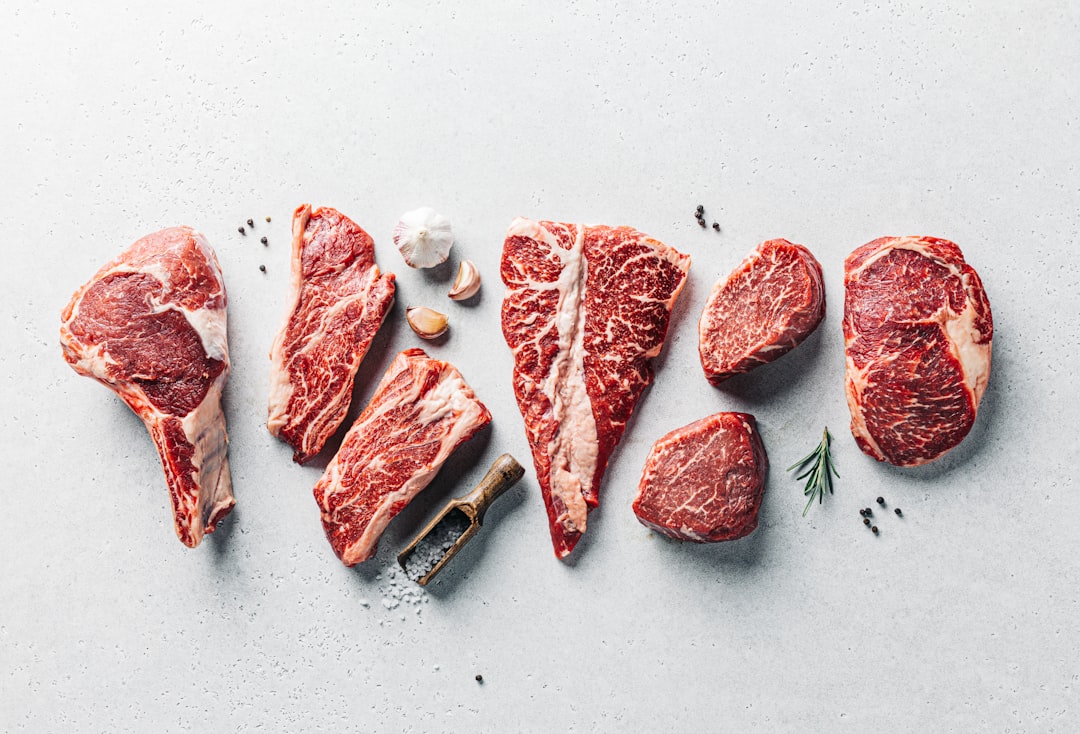
Microwaves cook from the outside in and often leave cold spots in the center of raw meat. These cool areas allow bacteria like salmonella and E. coli to survive the cooking process. The uneven heating makes it difficult to ensure the meat reaches a safe internal temperature throughout. This method often results in a rubbery texture that is unappealing to eat. Cooking raw meat on a stove or grill is safer and produces better flavor.
Processed Meats
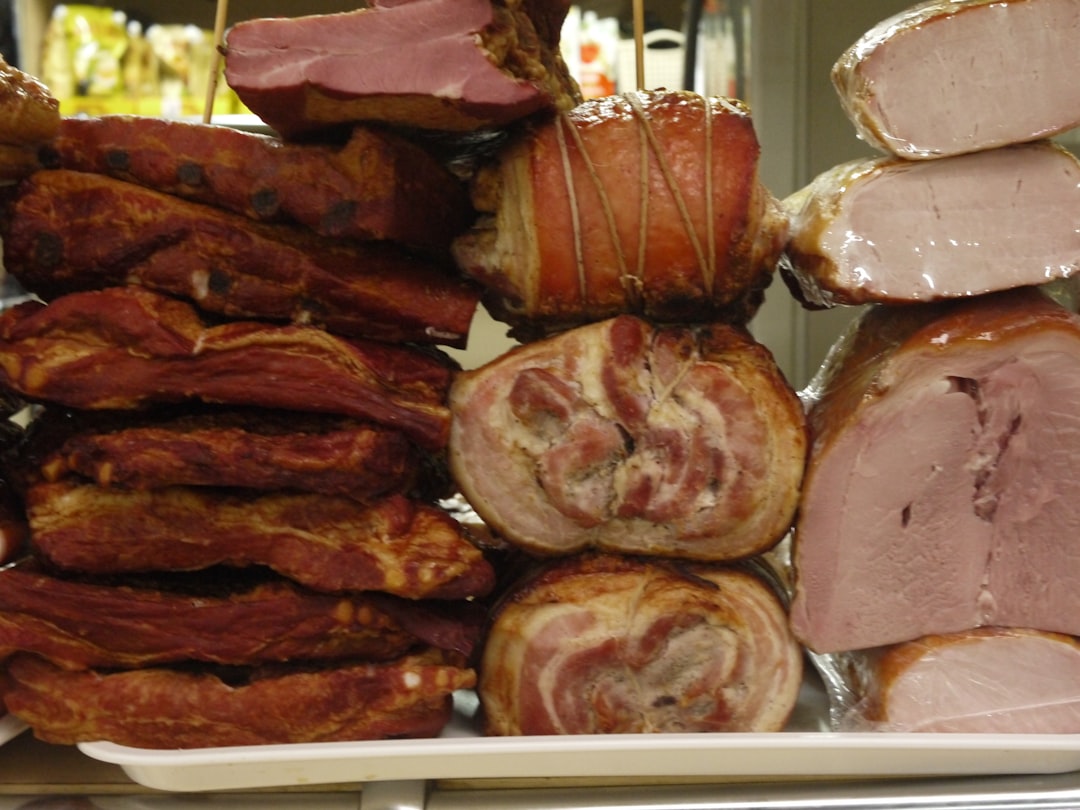
Hot dogs and deli meats contain preservatives and nitrates that react poorly to microwave radiation. The radiation can cause these chemical additives to oxidize and become more harmful to your health. These changes are linked to the production of cholesterol oxidation products which are bad for arteries. The texture of processed meat also tends to become tough or leathery. Gentle heating on a stovetop helps maintain the quality and safety of these foods.
Wooden Bowls
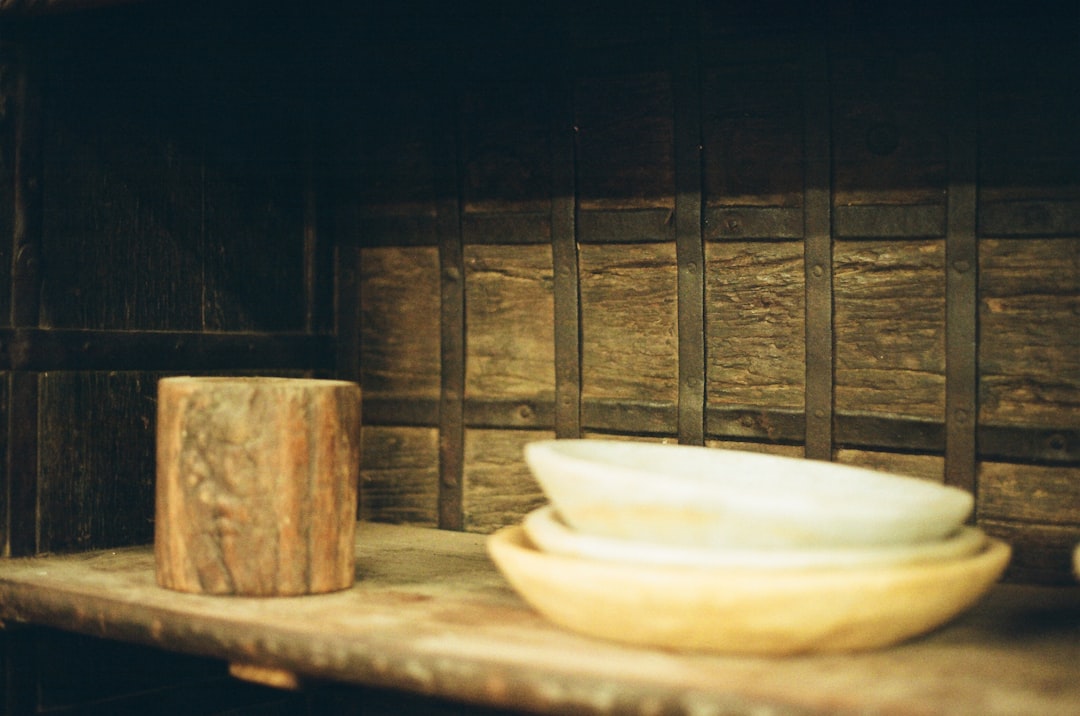
Wood is a porous material that contains small amounts of natural moisture. The heat from the microwave causes this moisture to evaporate too quickly and leads to cracking. Repeated heating will dry out the wood completely and cause the bowl to split apart. Use of glue in composite wooden bowls can also fail and release toxins. Wooden items should serve as serving vessels rather than cooking containers.
Stainless Steel Bowls
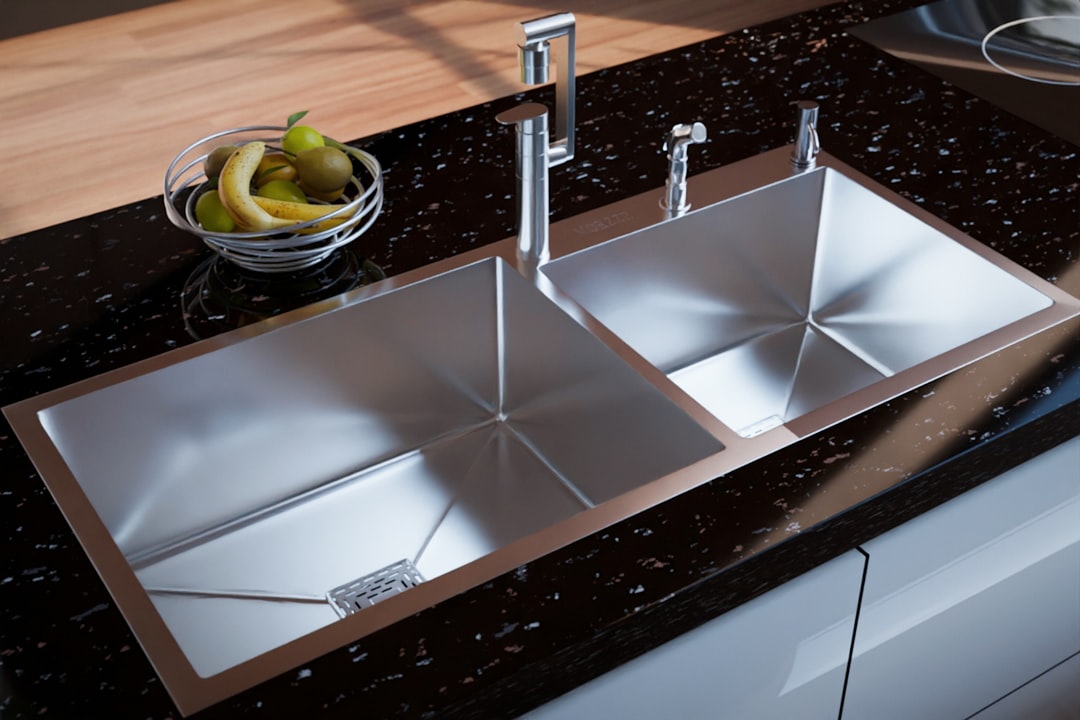
Mixing bowls made of stainless steel block the microwaves from reaching the food inside. This ineffective heating wastes energy and time while leaving your food cold. The metal interaction can cause arcing that damages the interior walls of the microwave. The sparks generated can be startling and dangerous. Always use glass or plastic mixing bowls if you need to melt ingredients.
Electronic Devices
Putting a phone or laptop in the microwave will destroy the device instantly. The electromagnetic waves fry the delicate circuits and microchips within seconds. The battery inside the device can explode and cause a chemical fire. This action will void your warranty and result in the total loss of your data. Never believe online myths suggesting microwaves can charge electronic batteries.
Please tell us in the comments if you have ever accidentally damaged your microwave with any of these items.