Skincare advice floods the internet daily, and not all of it comes from qualified professionals. Dermatologists consistently warn that well-intentioned DIY treatments and household shortcuts can cause lasting damage to the delicate skin on the face. From kitchen staples to beauty product crossovers, the list of facial no-gos is longer than most people realize. Understanding why these substances are harmful can help protect the skin barrier and prevent unnecessary irritation, breakouts, and scarring.
Toothpaste
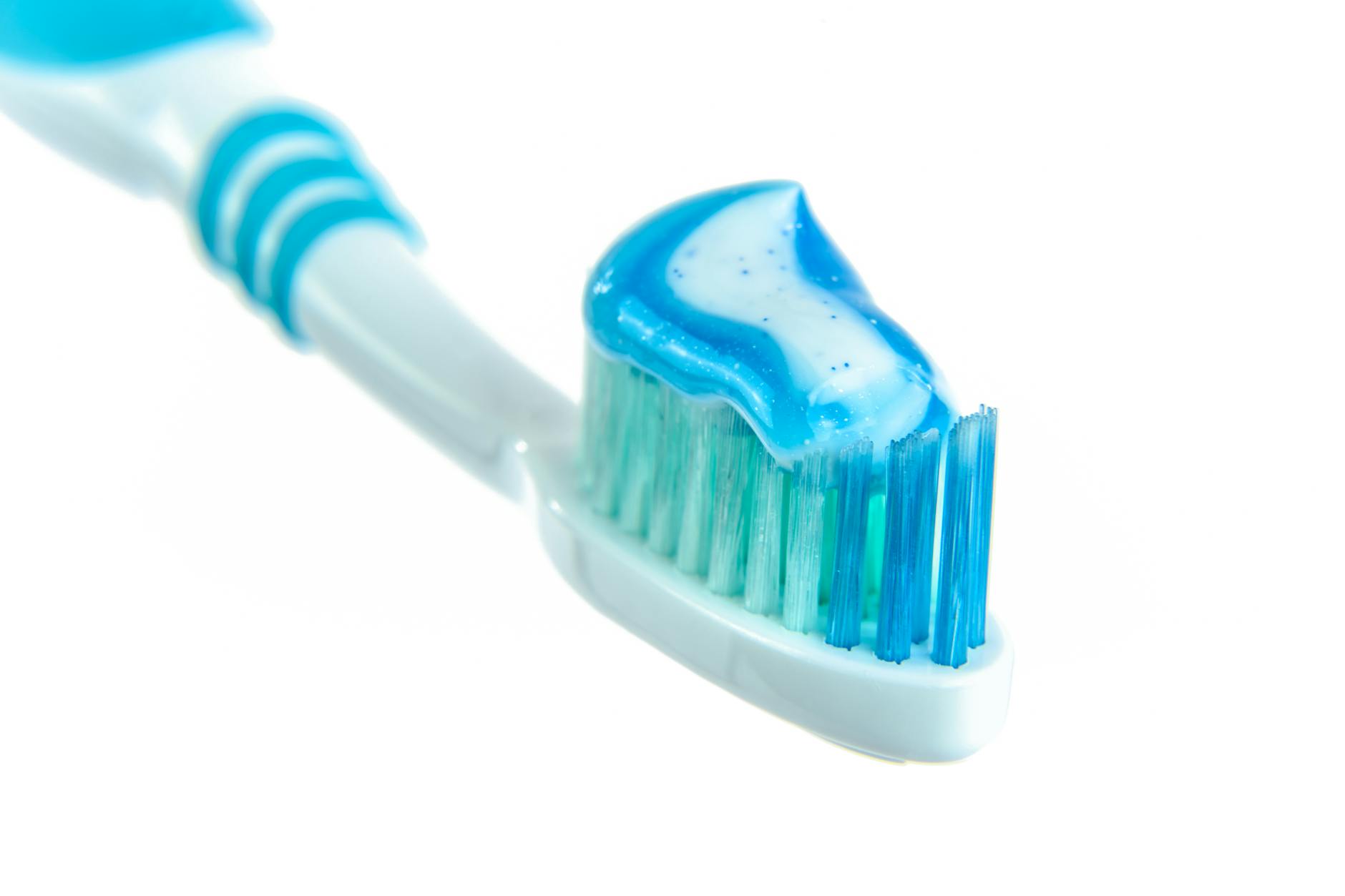
Toothpaste is one of the most commonly recommended DIY spot treatments, but dermatologists strongly advise against it. It contains ingredients like fluoride, baking soda, and menthol that are far too harsh for facial skin. These components can cause chemical burns, severe dryness, and post-inflammatory hyperpigmentation around blemishes. The skin around a pimple is already inflamed, and toothpaste only amplifies that irritation. Dedicated spot treatments with salicylic acid or benzoyl peroxide are far safer and more effective alternatives.
Baking Soda

Baking soda has an extremely high pH level that disrupts the skin’s natural acid mantle. The face requires a slightly acidic environment to maintain its protective barrier and microbiome. Applying baking soda strips away this balance, leaving skin vulnerable to bacteria, dryness, and chronic irritation. Repeated use can lead to eczema flares and increased sensitivity to other products. Even a single application can cause noticeable redness and tightness in those with reactive skin.
Lemon Juice

Lemon juice is highly acidic and contains a compound called psoralen that makes skin photosensitive. Applying it to the face and then going outdoors can result in serious chemical burns from UV exposure, a reaction known as phytophotodermatitis. Although it is often promoted as a natural brightener, the citric acid concentration is too aggressive for facial tissue. It can cause uneven pigmentation, raw patches, and long-term sun damage. Dermatologist-approved vitamin C serums deliver brightening benefits without the associated risks.
Apple Cider Vinegar

Apple cider vinegar is promoted heavily in wellness circles as a skin toner and acne remedy. Its acidity level is far too high for safe use on the face, sitting at a pH that can erode the skin barrier with regular application. Documented cases include chemical burns from undiluted and even diluted applications on facial skin. The antimicrobial properties it is praised for do not outweigh the potential for significant irritation and scarring. Dermatologists recommend gentle, pH-balanced toners formulated specifically for facial use.
Hydrogen Peroxide

Hydrogen peroxide was once a staple in wound care, but modern dermatology has moved well past recommending it for skin. It produces free radicals upon contact with skin tissue, which damages healthy cells in the process of targeting bacteria. On the face, this results in slowed healing, increased redness, and degradation of collagen over time. Using it repeatedly on acne or wounds leaves the skin more susceptible to scarring. Gentle antiseptic alternatives that do not generate oxidative stress are widely available and far more appropriate.
Rubbing Alcohol

Rubbing alcohol is a potent solvent that strips every layer of the skin’s natural oils in seconds. While it feels like a deep clean, it triggers a rebound effect where the skin overproduces sebum to compensate for the moisture loss. This can worsen acne rather than improve it, creating a frustrating cycle that is difficult to break. It also damages the lipid barrier that keeps environmental pollutants and bacteria out. Regular use leads to chronic dryness, tightness, and increased sensitivity to other skincare ingredients.
Body Lotion
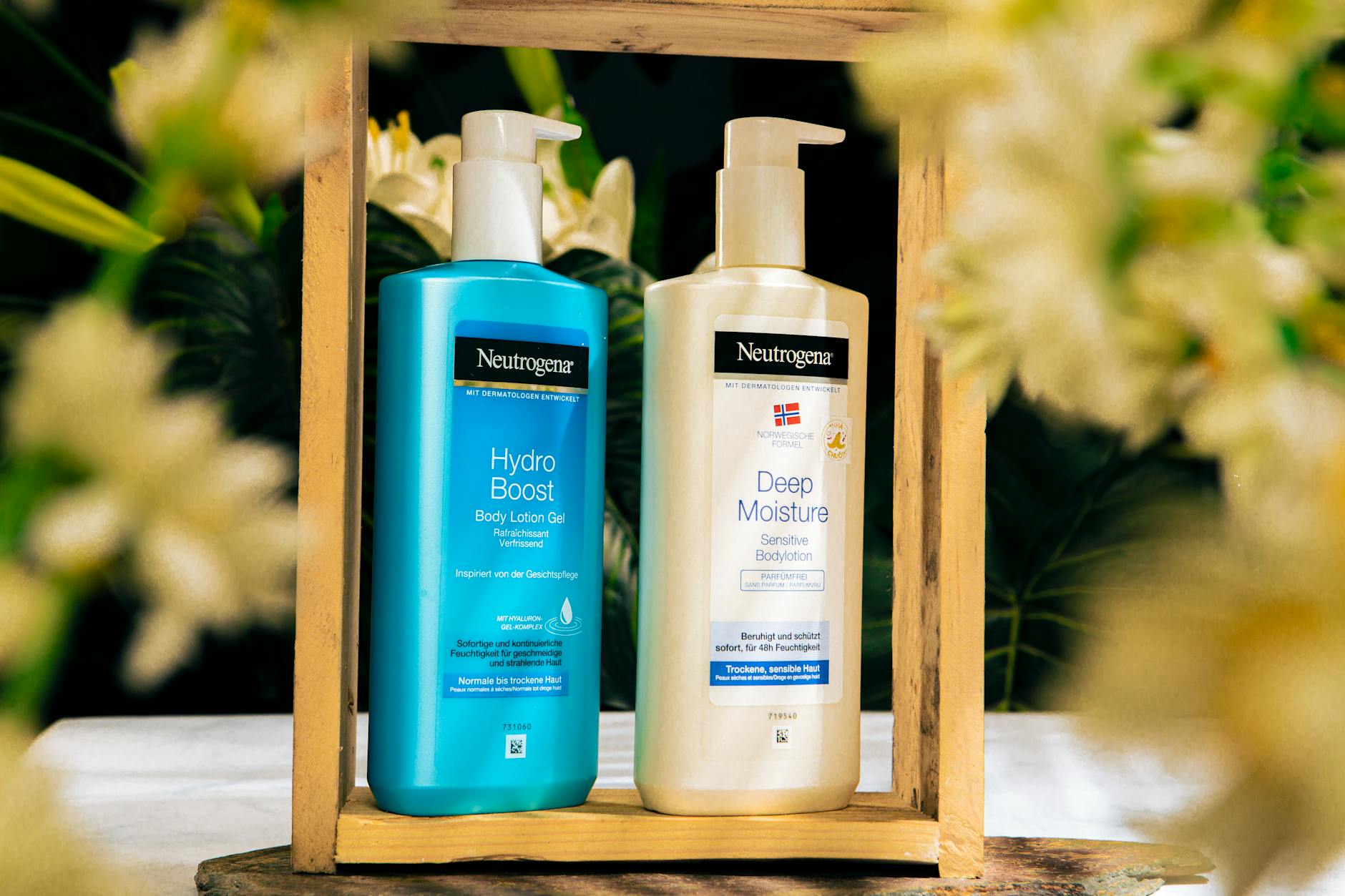
Body lotions are formulated for thicker, less sensitive skin and contain ingredients that are too heavy and sometimes too fragrant for the face. Many include occlusive agents at concentrations that clog facial pores, leading to milia and comedones. Fragrances and preservatives present in body formulas are also more likely to cause contact dermatitis when applied to facial skin. The face has a higher density of sebaceous glands and requires products designed with that physiology in mind. A lightweight, non-comedogenic facial moisturizer is always the appropriate choice for the face.
Hair Dye
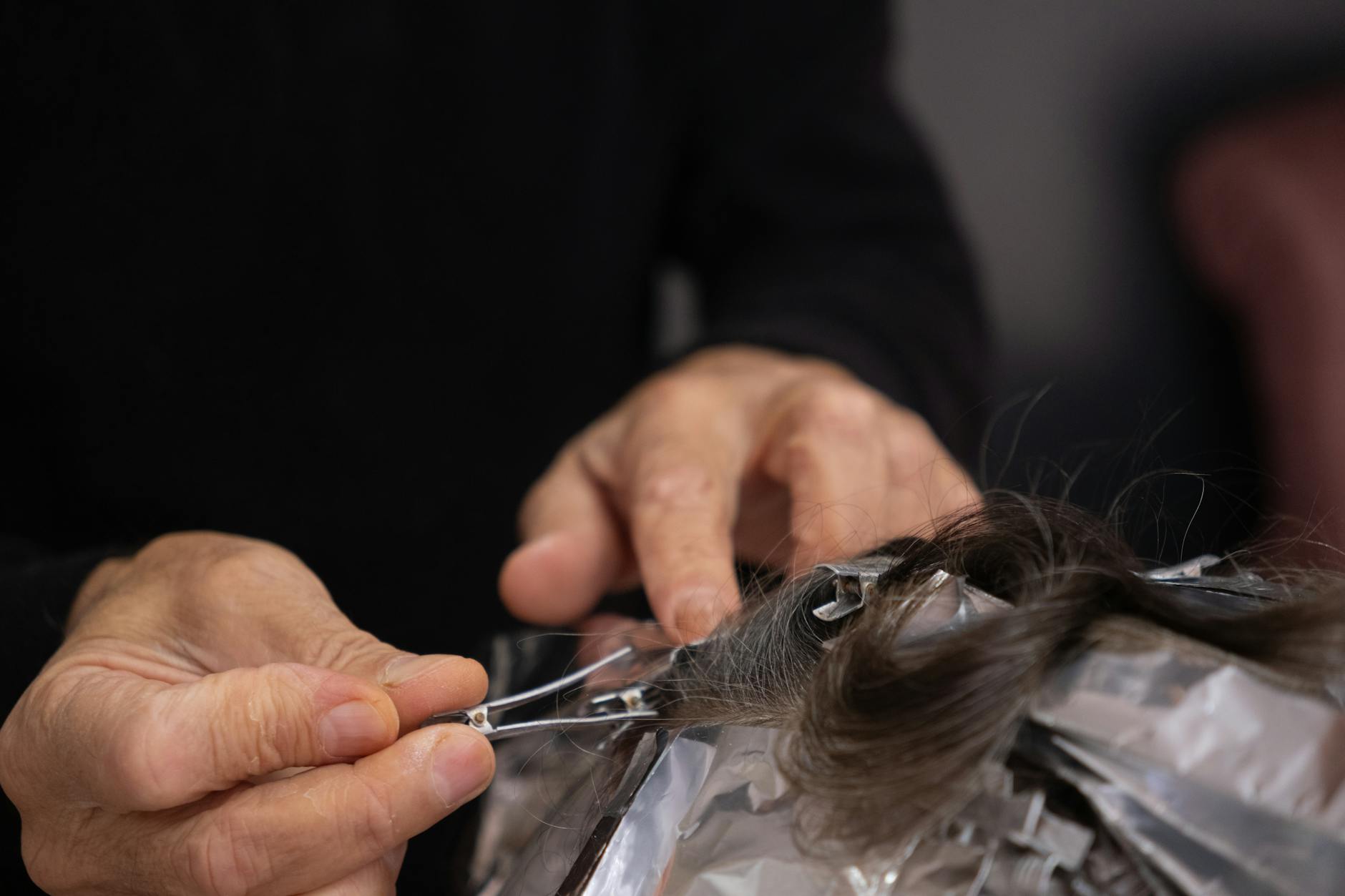
Hair dye contains powerful chemical developers and pigments designed to penetrate the hair shaft, not skin cells. When applied near or on the face, it can cause severe allergic reactions, chemical burns, and permanent discoloration of delicate areas. The skin around the hairline, eyebrows, and forehead is particularly vulnerable to these concentrated formulas. Even patch-tested individuals can experience escalating reactions over multiple exposures. Eyebrow tinting should always be performed by trained professionals using products specifically certified for periorbital use.
Hairspray
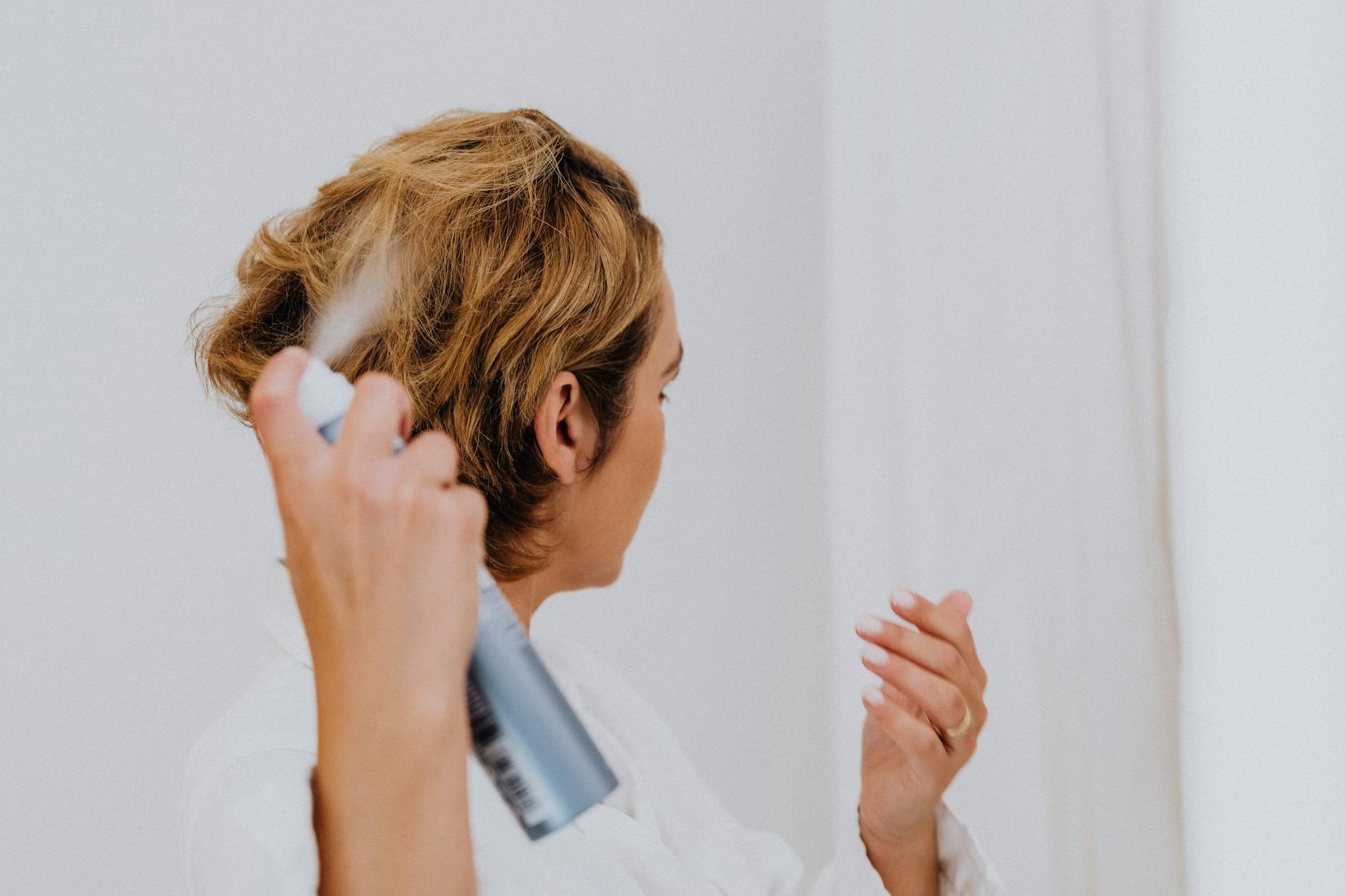
Hairspray contains polymers, alcohol, and a range of fixative chemicals that are entirely unsuitable for facial skin. It is sometimes suggested as a setting spray for makeup, but the aerosol chemicals can cause clogged pores, irritation, and allergic contact dermatitis. Inhaling the fine mist while spraying near the face also presents respiratory concerns over time. The alcohol content dries out the skin rapidly and interferes with the protective moisture barrier. Cosmetic setting sprays are specifically formulated to be safe for facial application and are the correct substitute.
Nail Polish
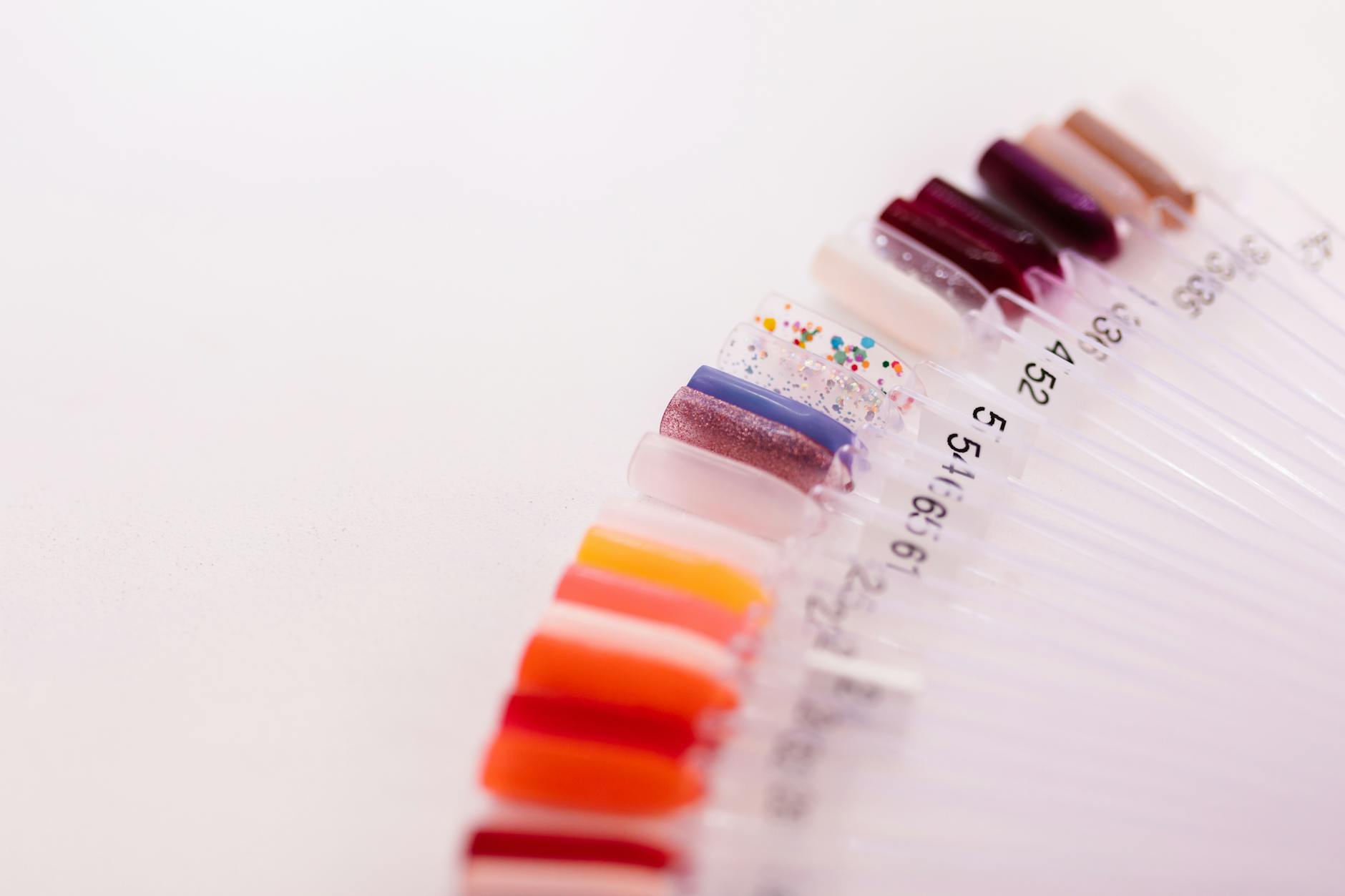
Nail polish is designed to adhere to the hard keratin surface of nails and contains chemicals like formaldehyde, toluene, and dibutyl phthalate. These ingredients are highly irritating to living skin cells and can cause contact dermatitis, chemical burns, and lasting discoloration when applied to the face. It is occasionally used as a DIY pore strip or blackhead treatment, a practice that dermatologists strongly condemn. Removing hardened nail polish from skin requires acetone, which causes additional damage in the process. There are no safe or effective uses for nail polish on facial skin.
Bleach

Household bleach is a corrosive agent that should never come into contact with facial skin under any circumstances. Even heavily diluted concentrations can cause severe chemical burns, permanent scarring, and damage to the eyes and mucous membranes. Despite occasional online claims about its use as a skin lightener, bleach destroys healthy tissue indiscriminately. Medical-grade treatments for hyperpigmentation involve entirely different and carefully regulated compounds. Any skin-lightening goal should be pursued exclusively under the supervision of a licensed dermatologist.
Sugar Scrubs
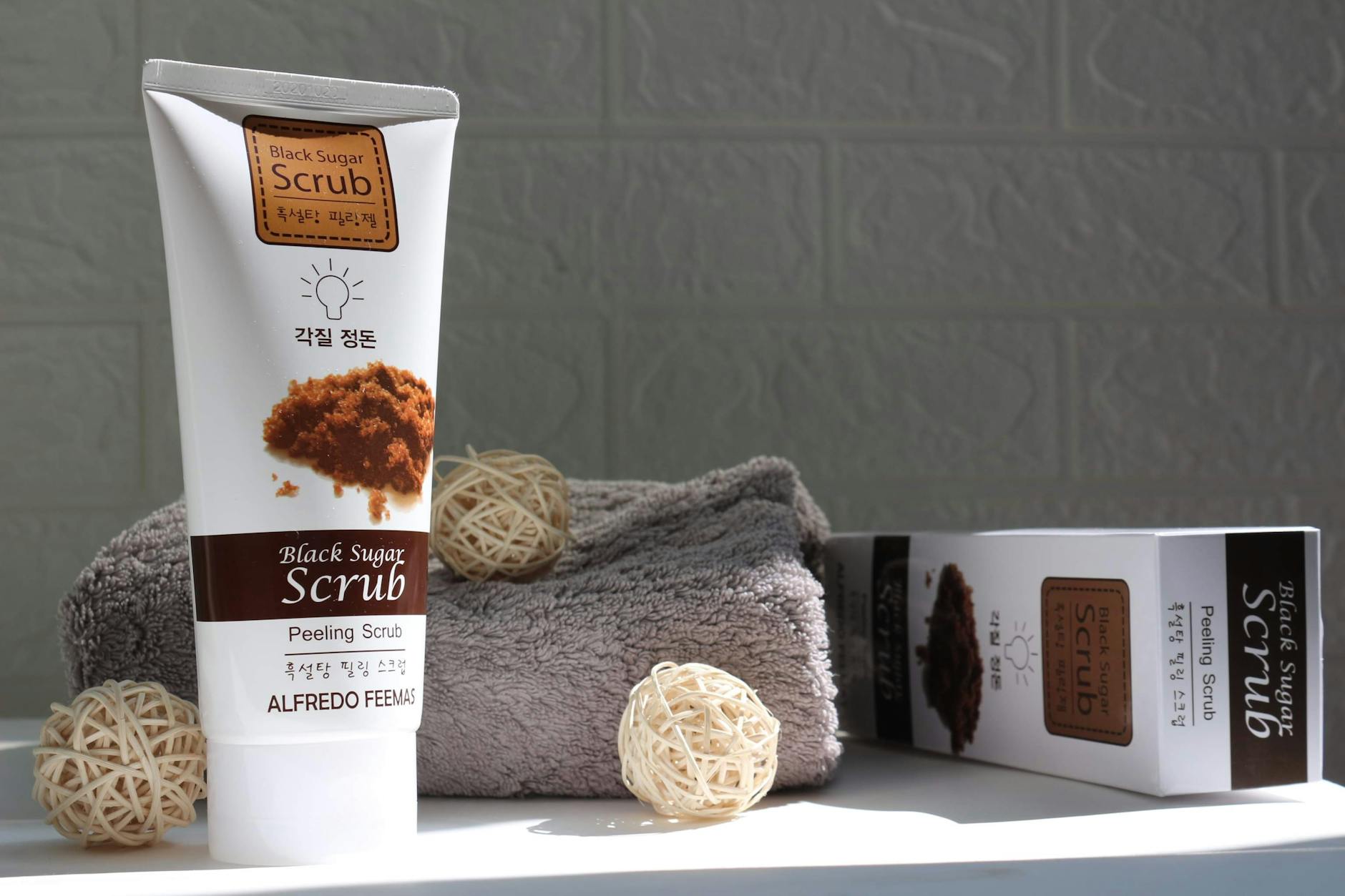
Sugar scrubs are popular as physical exfoliants, but the granules are irregularly shaped and create micro-tears in facial skin when rubbed in. The face requires far gentler exfoliation than the body because its skin is thinner and more prone to sensitivity. Repeated use of sugar scrubs can compromise the skin barrier and lead to persistent redness, broken capillaries, and increased risk of infection. Vigorous scrubbing motions amplify the damage regardless of the particle size used. Chemical exfoliants with lactic acid or polyhydroxy acids provide effective cell turnover without the physical trauma.
Coconut Oil

Coconut oil scores very high on the comedogenicity scale, meaning it is highly likely to block pores on the face. For individuals with oily or acne-prone skin, applying it to the face can trigger a rapid and significant breakout. It creates a thick occlusive barrier that traps dead skin cells, bacteria, and sebum beneath the surface. While it has legitimate uses in dry body care and haircare, the facial skin’s unique environment makes it an unsuitable choice for most people. Those seeking a natural facial oil should look to options with low comedogenic ratings such as rosehip or squalane.
Egg Whites

Raw egg whites are often promoted as a tightening face mask with pore-minimizing effects. Beyond the temporary tightening sensation being purely superficial and short-lived, raw eggs carry a significant risk of salmonella contamination on facial skin and near the eyes and mouth. Any small cut, pimple, or open skin creates an entry point for bacterial infection. Proteins in egg whites can also trigger allergic reactions, including contact dermatitis in sensitive individuals. The claimed benefits are not supported by dermatological evidence, and the risks far outweigh any potential reward.
Mayonnaise
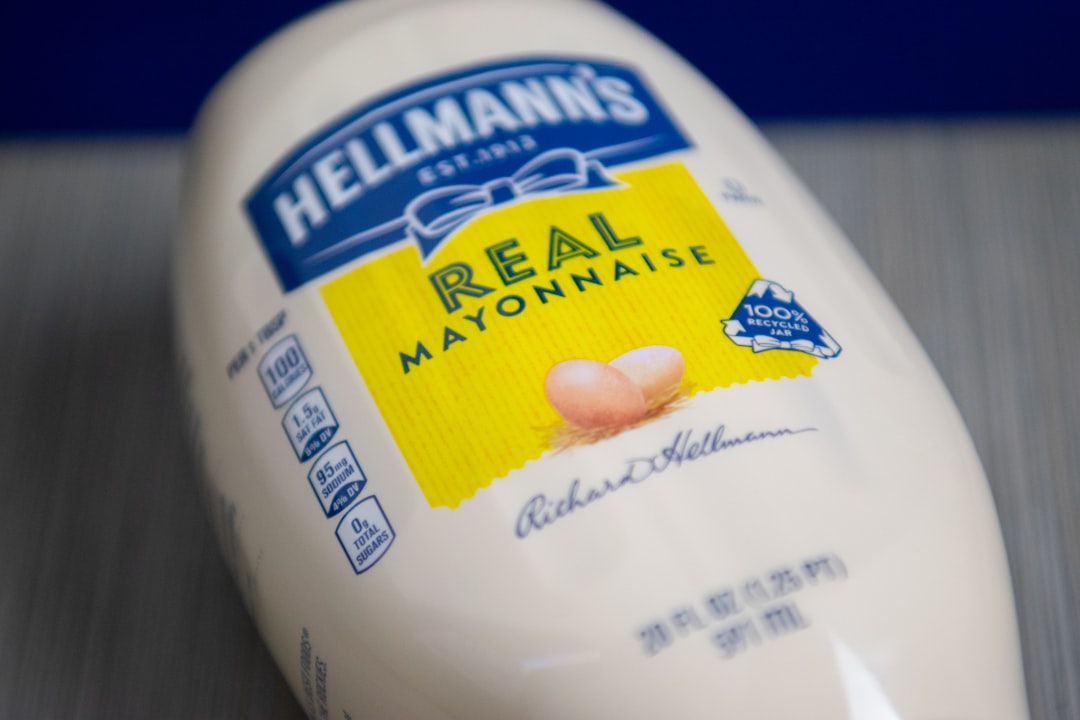
Mayonnaise is a combination of eggs, oil, vinegar, and emulsifiers that dermatologists unanimously agree has no place in a facial skincare routine. The heavy oil content clogs pores rapidly, while the vinegar component introduces the same pH-disrupting risks associated with applying acids directly to skin. The bacterial contamination risk from applying a food product to the face is also a genuine concern, particularly for those with active acne or broken skin. Any moisturizing effect perceived from the oil is temporary and comes with significant downsides. A properly formulated facial moisturizer addresses hydration without these complications.
Dish Soap

Dish soap is engineered to cut through grease and food residue on hard surfaces and cookware. Its surfactants are far too aggressive for human facial skin, which it strips of natural oils, beneficial bacteria, and protective lipids within a single wash. Regular use leads to a compromised skin barrier, excessive dryness, and an inflammatory response that can mimic or worsen acne. Some people use it believing it will address oiliness, but the rebound sebum production it causes makes skin oilier over time. A gentle, pH-balanced facial cleanser is designed to remove impurities without disrupting the skin’s essential microenvironment.
Hand Sanitizer
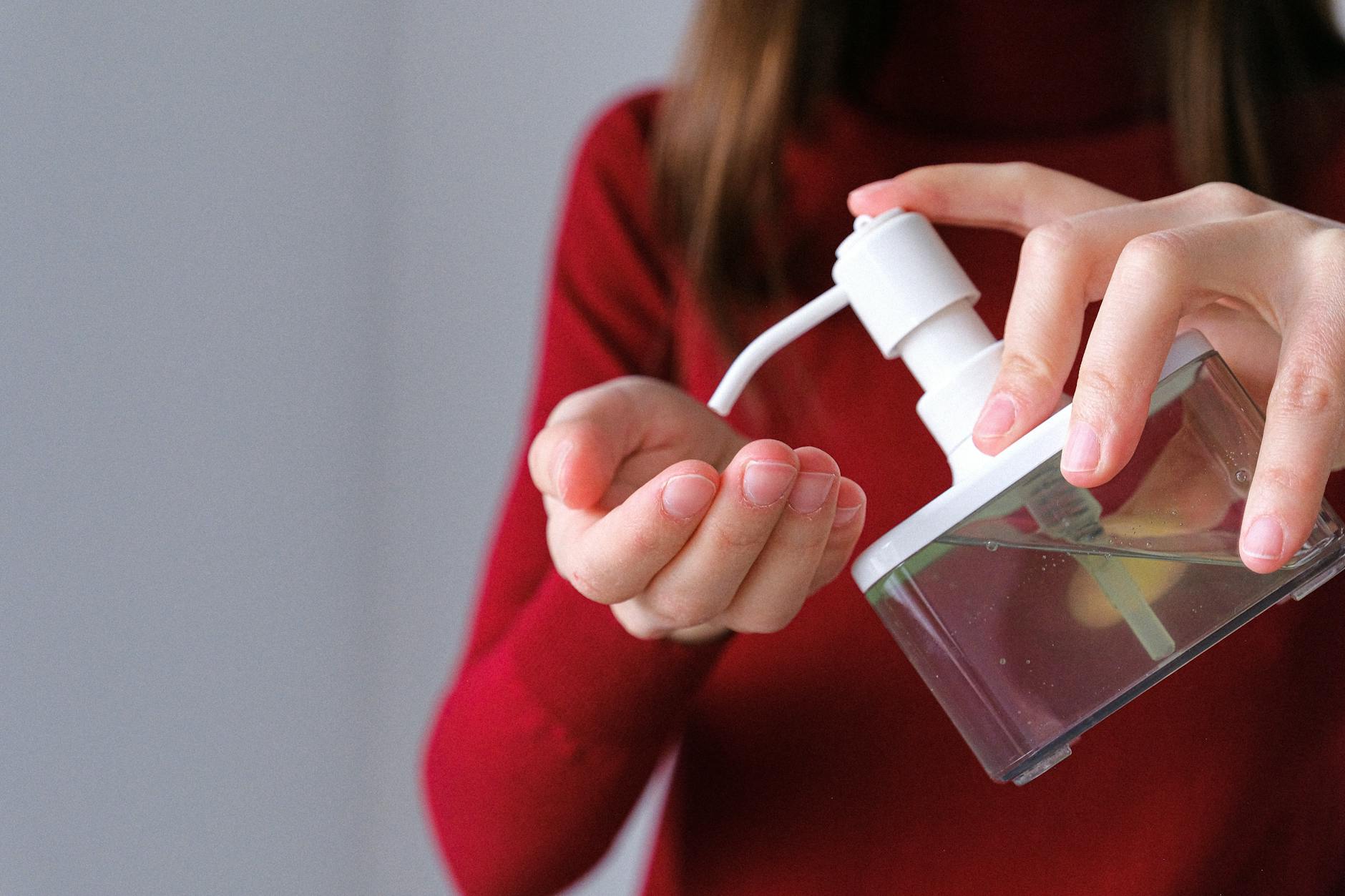
Hand sanitizer formulas rely on very high concentrations of ethanol or isopropyl alcohol to kill pathogens on the hands. Applying these concentrations to the face, even briefly, causes rapid and significant dehydration of the skin cells and disruption of the acid mantle. The face is significantly more reactive than the palms, and the same formula that is safe for hand use will cause visible irritation when applied facially. Prolonged or repeated use can cause peeling, cracking, and heightened sensitivity to UV radiation. Facial skin should only be cleansed with products formulated and tested for that purpose.
Shampoo
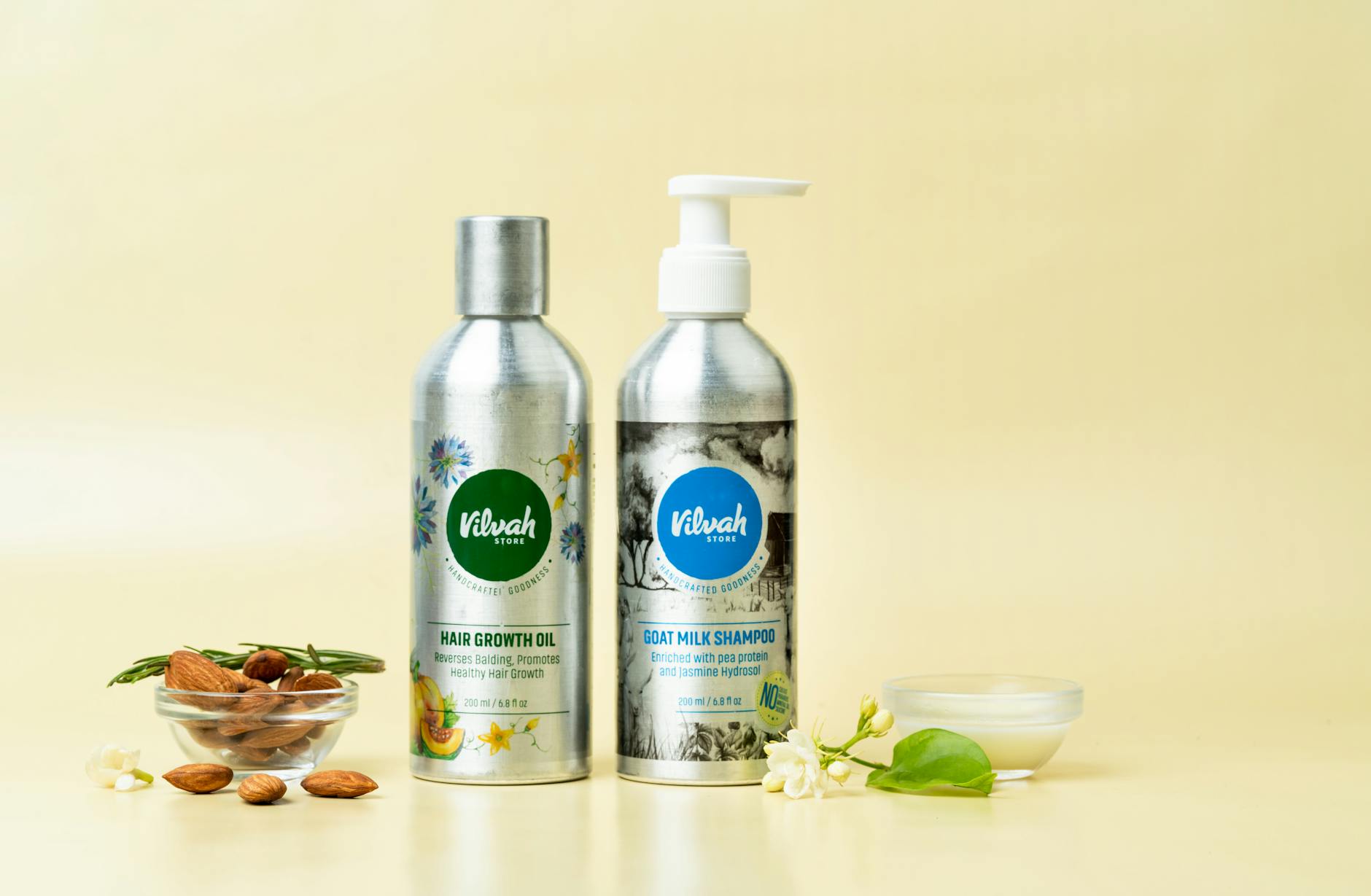
Shampoo is developed to cleanse the scalp, which produces far more oil than facial skin and can tolerate stronger surfactants. Using shampoo as a facial cleanser introduces detergents, silicones, and preservatives at concentrations appropriate for scalp skin but damaging to facial tissue. This leads to dryness, irritation, and barrier disruption that can take weeks to resolve. Many shampoos also contain fragrances and thickening agents that are known allergens for facial skin. The face requires a cleanser specifically formulated to match its pH and sensitivities.
Deodorant
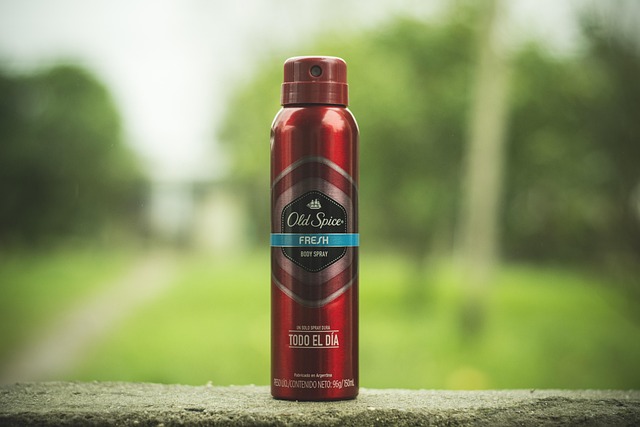
Deodorants and antiperspirants contain aluminum compounds, alcohol, and fragrance combinations intended for underarm skin, which is structurally different from facial skin. Applying them to the face to control shine or sebum production causes significant pore congestion and can trigger inflammatory acne around the application site. The fragrance load in most deodorant formulas is among the most common causes of contact dermatitis on the face. Antiperspirant compounds also interact unpredictably with facial sebaceous glands when applied in that area. Dermatologist-recommended oil-control primers and niacinamide-based serums are the appropriate solution for facial shine.
Undiluted Essential Oils
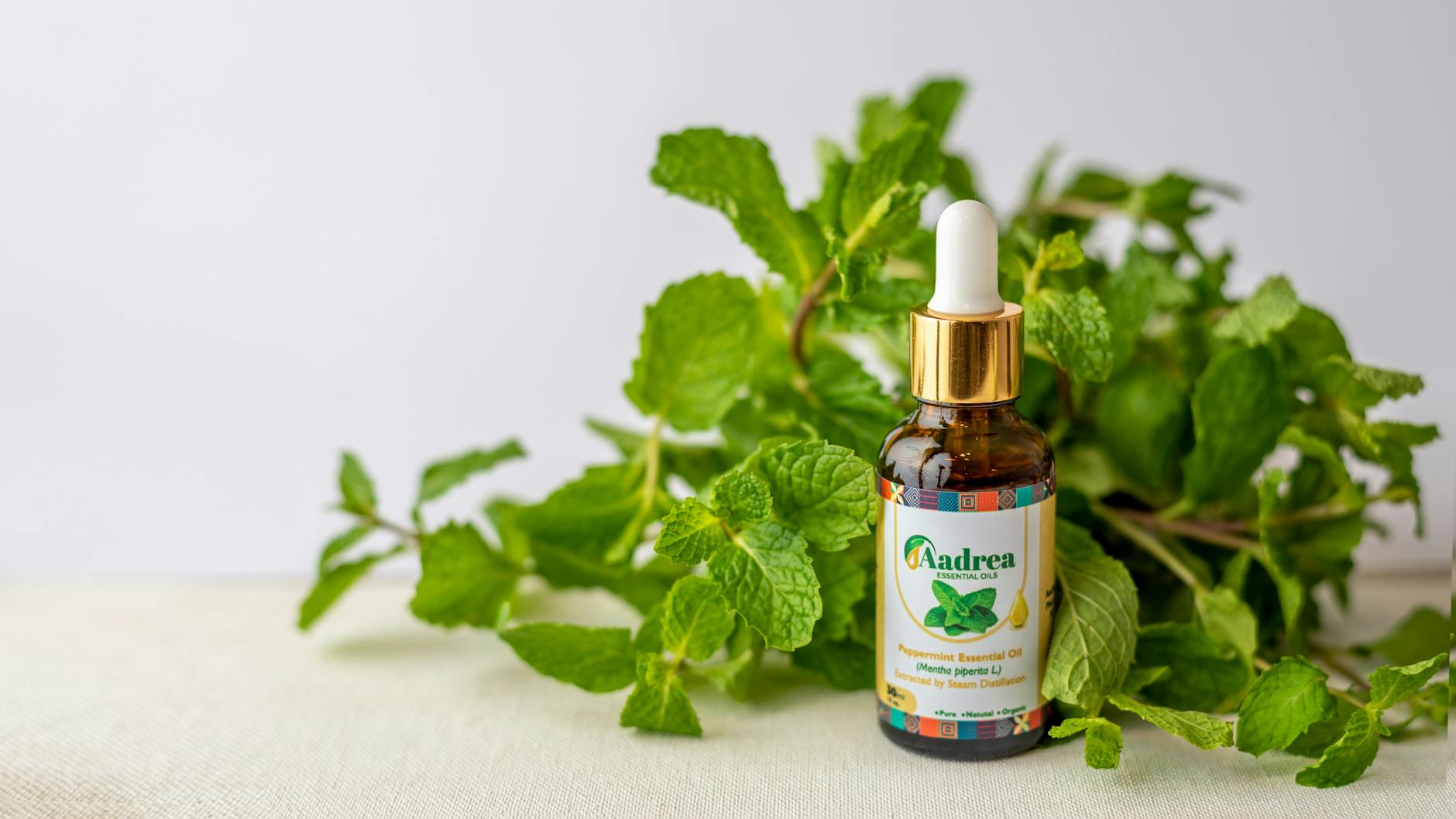
Essential oils in their undiluted form are highly concentrated plant extracts capable of causing chemical burns on contact with facial skin. Tea tree oil, peppermint oil, and cinnamon oil are among the most frequently documented culprits behind severe facial irritation and scarring. Even oils commonly marketed for skin use require careful dilution in a carrier oil before they are safe to apply to the face. The dose makes the difference in botanical skincare, and direct application bypasses this critical safety step entirely. Any essential oil intended for facial use should be incorporated into a properly formulated product rather than applied directly from the bottle.
Glue
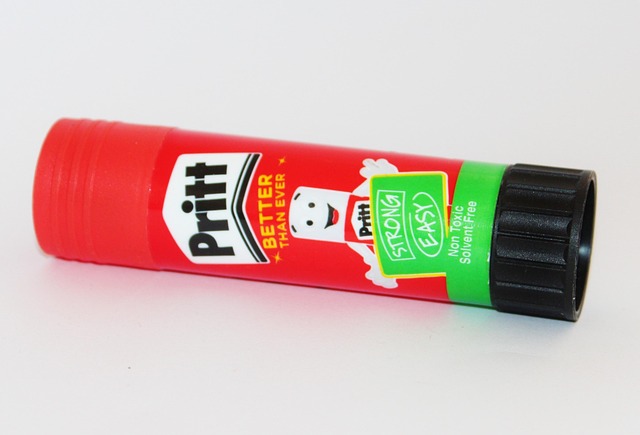
Craft and school glue has circulated online as a DIY pore-clearing treatment, typically painted over the nose and peeled away when dry. Dermatologists note that this method does not extract blackheads and instead removes a layer of healthy skin cells along with any debris, leaving skin raw and vulnerable. The adhesive chemicals in non-cosmetic glues are not tested or approved for skin contact and can cause contact dermatitis and allergic reactions. Repeated peeling also damages fragile capillaries and skin elasticity over time. Clinically developed pore strips or professional extractions are the appropriate alternatives for those concerned about congested pores.
Vitamin E Oil Directly from Capsules

Vitamin E oil applied directly from punctured capsules is a widespread recommendation for scar treatment, but research does not support its effectiveness for this purpose. In clinical studies, direct application of high-concentration vitamin E oil was shown to cause contact dermatitis in a significant portion of participants. The thick, occlusive nature of pure vitamin E oil also makes it highly comedogenic for facial skin. Any benefit it might provide is offset by the inflammatory response it commonly triggers in facial tissue. Vitamin E is most beneficial when integrated into a balanced serum or moisturizer at appropriate concentrations alongside complementary ingredients.
Toothpaste Whitening Strips Near the Skin
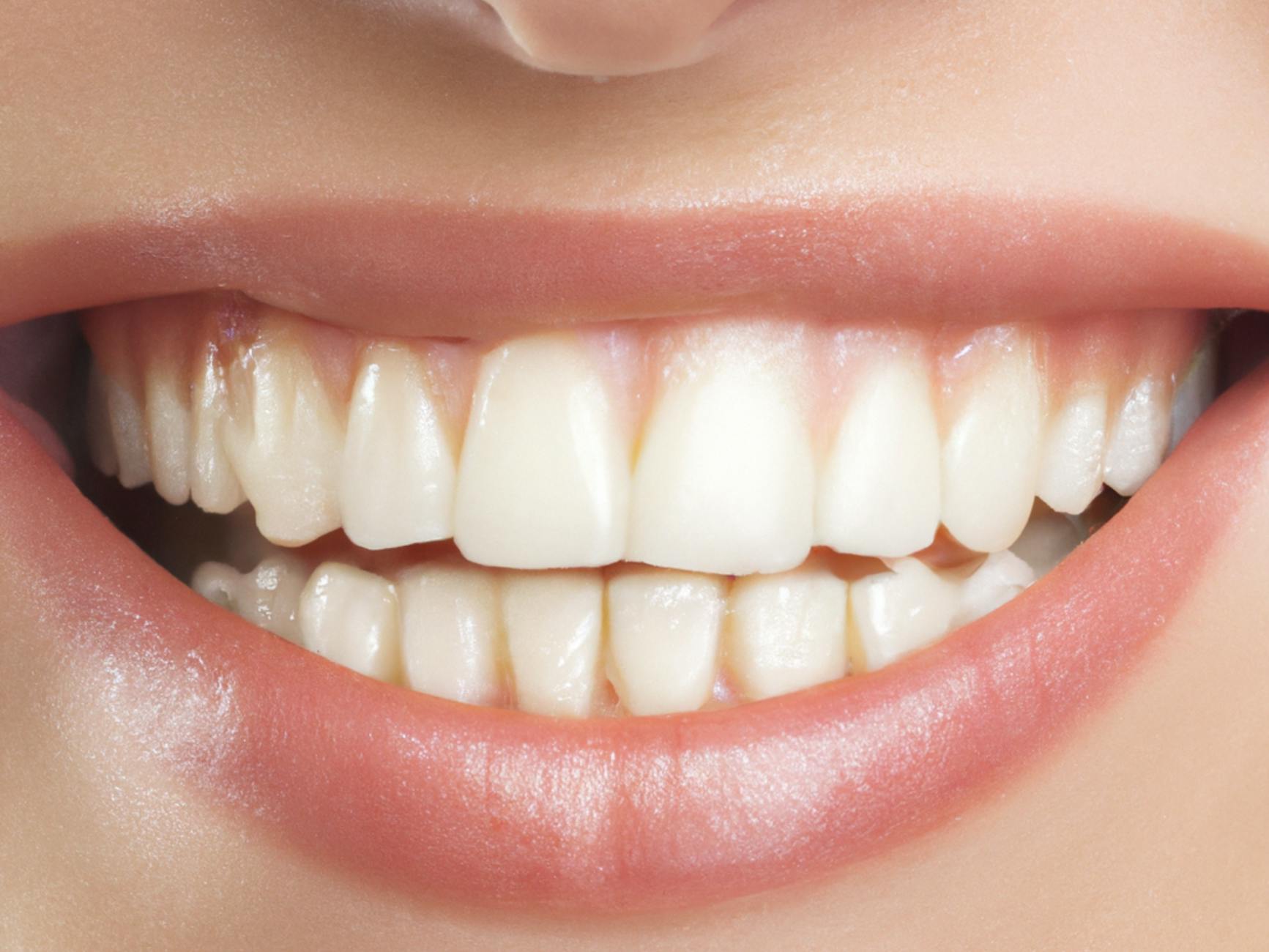
Teeth-whitening strips contain hydrogen peroxide concentrations that are calibrated for enamel, not skin. When these strips make contact with the lip line, corners of the mouth, or surrounding facial skin, they cause bleaching, chemical irritation, and sensitivity that can persist for days. The gum and perioral skin area is particularly reactive to these formulas, and accidental contact is extremely common during application. Dermatologists frequently treat patients for lip and perioral irritation caused by whitening strip misuse. Careful application and barrier protection around the mouth are essential whenever these products are used.
Petroleum Jelly on Acne-Prone Skin
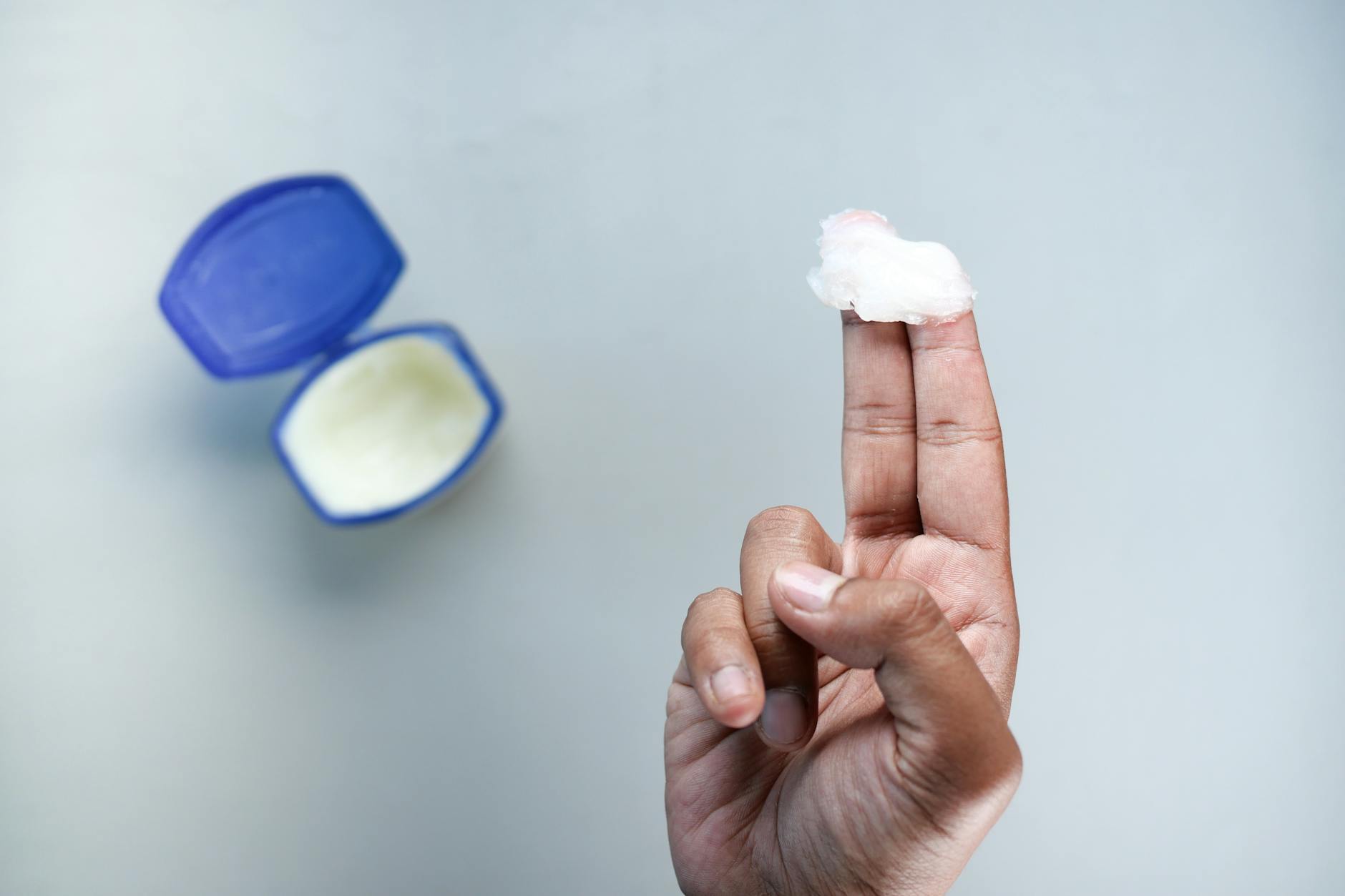
Petroleum jelly is frequently recommended as an occlusive moisturizer and healing agent, but it presents specific risks when used on acne-prone facial skin. Its occlusive nature traps everything beneath it, including bacteria, dead skin cells, and excess sebum, creating an anaerobic environment that accelerates breakout formation. For individuals already experiencing active acne, applying petroleum jelly to affected areas can significantly worsen the condition. It is most appropriately used on very dry, non-acneic areas of the face such as the lips or outer eye area. Those with congestion-prone skin should seek out non-comedogenic alternatives designed for compromised or sensitive complexions.
Self-Tanner Not Formulated for the Face

Body self-tanners contain dihydroxyacetone concentrations that are too high for use on facial skin, which is more reactive and thinner than body skin. Applying body formula self-tanner to the face frequently results in uneven color development, orange undertones, and significant pore congestion. The fragrances and alcohol content in most body-grade tanners also cause dryness and irritation when used on facial tissue. Dedicated facial self-tanners are formulated at lower concentrations and with ingredients appropriate for facial use. Using the correct product for the correct area is one of the most fundamental principles of safe skincare practice.
If you have experienced a reaction from any of these ingredients or have a trusted dermatologist tip to add, share your thoughts in the comments.