Quality footwear represents a significant investment that requires proper maintenance to retain its value and appearance over time. Implementing practical care strategies prevents premature deterioration and extends the lifespan of both casual and formal styles. Daily habits combined with appropriate storage solutions make a substantial difference in preserving structural integrity. Developing a consistent maintenance routine ensures your favorite pairs remain comfortable and attractive for years.
Cedar Shoe Trees
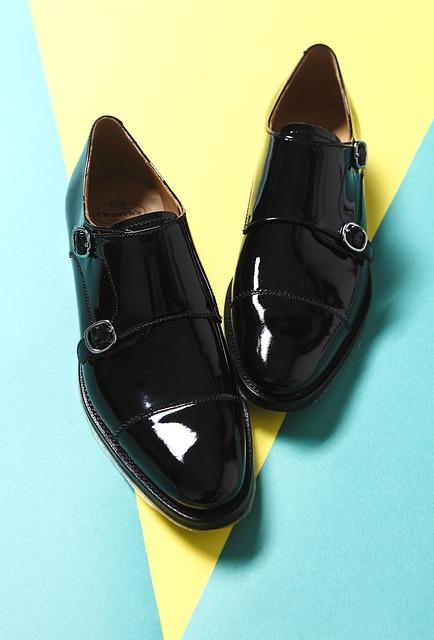
Inserting unfinished cedar blocks into footwear immediately after wearing absorbs harmful moisture and perspiration from the lining. The wood naturally neutralizes odors while preventing deep creases from forming across the vamp. This structural support maintains the original shape of the toe box during storage periods. Consistently utilizing these wooden inserts drastically reduces leather cracking and bacterial growth over the long term.
Water Repellent Sprays
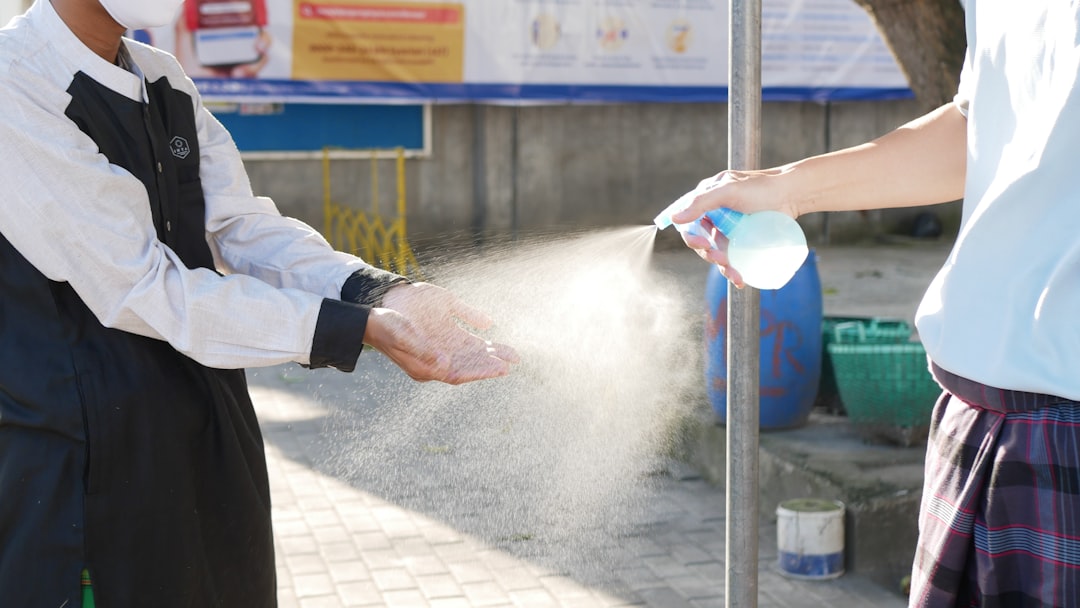
Applying a protective hydrophobic coating creates an invisible barrier against rain and environmental moisture. Treatment should occur before the first wear and continue regularly depending on climate conditions. The protective layer prevents liquid from penetrating the material fibers and causing permanent water stains. Spraying evenly across the entire surface area ensures comprehensive protection for delicate fabrics and porous leathers.
Alternating Wear Days
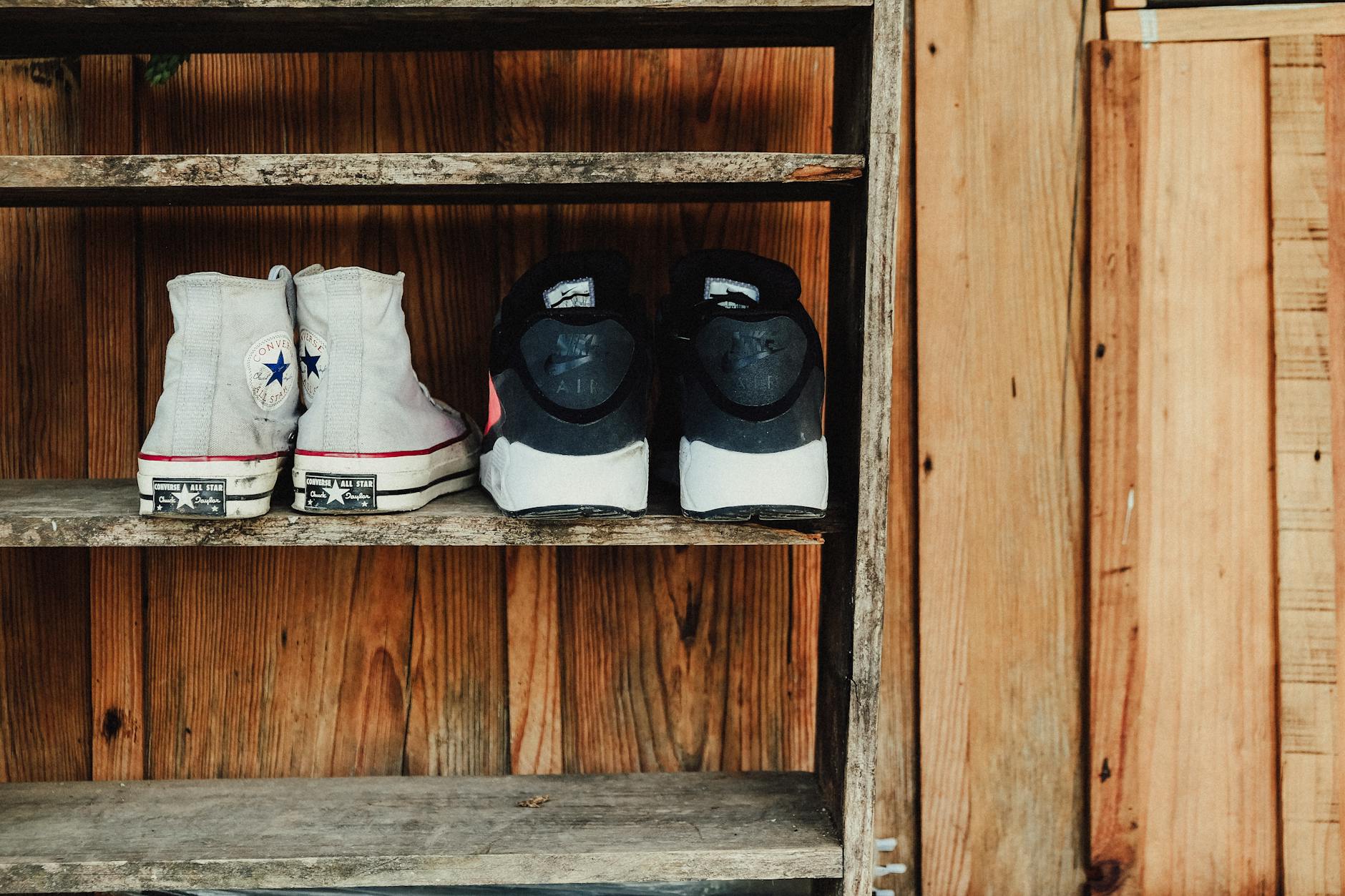
Allowing footwear to rest for twenty four hours between uses gives accumulated moisture sufficient time to evaporate completely. Constant consecutive wear breaks down interior cushioning and weakens the structural integrity of the upper materials. A resting period allows the materials to contract and return to their original manufactured shape. Rotating through a larger collection ultimately multiplies the lifespan of every pair in your closet.
Shoe Horns
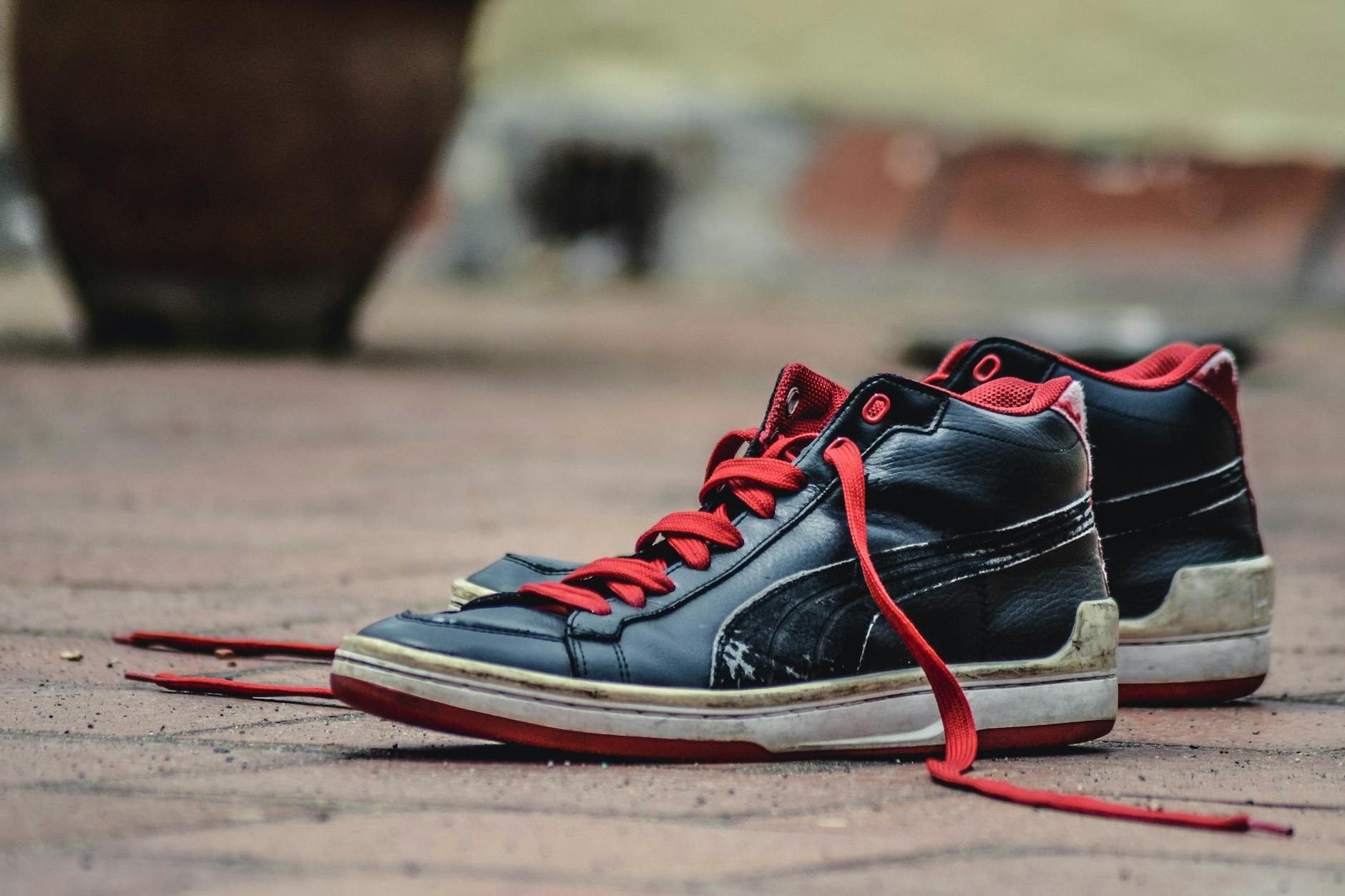
Utilizing a smooth wooden or metal tool to guide your heel prevents the back counter from collapsing during wear. Forcing the foot into a closed heel crushes the internal stiffeners and permanently ruins the structural silhouette. Long handled variations allow for comfortable dressing while completely eliminating friction against the delicate heel collar. This simple tool preserves the precise fit and aesthetic appeal of the heel structure indefinitely.
Regular Polishing
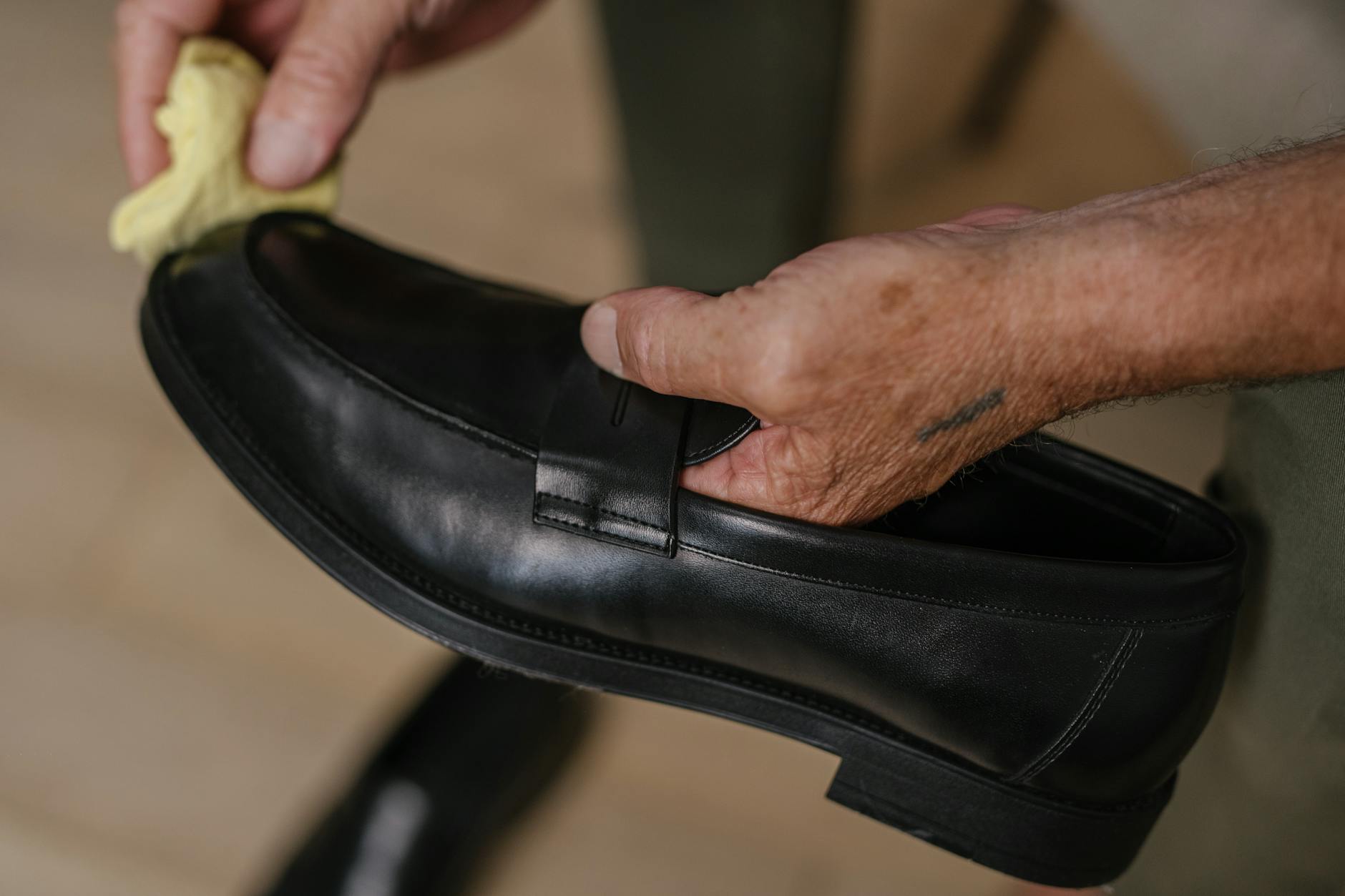
Applying colored or neutral cream restores essential oils to the leather while masking superficial scuffs. The wax content builds a thin protective shell over the pores to guard against daily environmental abrasions. Rubbing the compound deeply into the surface ensures the material remains supple and resistant to dry rot. Finishing the process with a vigorous brush creates a handsome luster that revitalizes the original factory finish.
Suede Brushes
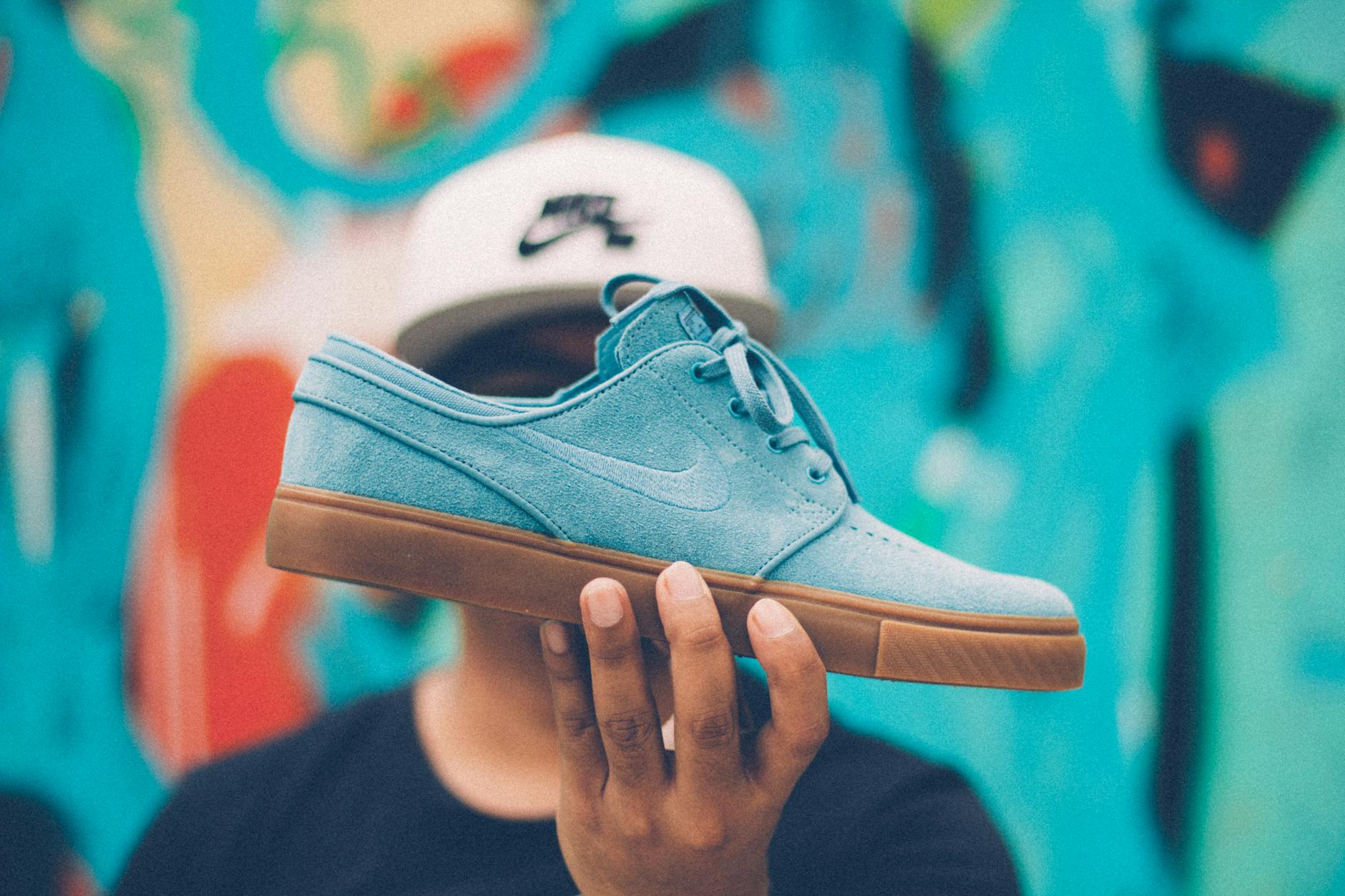
Using a specialized tool with brass and nylon bristles restores the natural nap of brushed leathers. Vigorous strokes lift embedded dirt and dust particles that would otherwise permanently mat the delicate surface fibers. Moving the bristles in a single direction creates a uniform texture and revives the original vibrant color. Regular dry brushing eliminates the need for harsh liquid cleaners that might permanently alter the delicate finish.
Professional Resoling
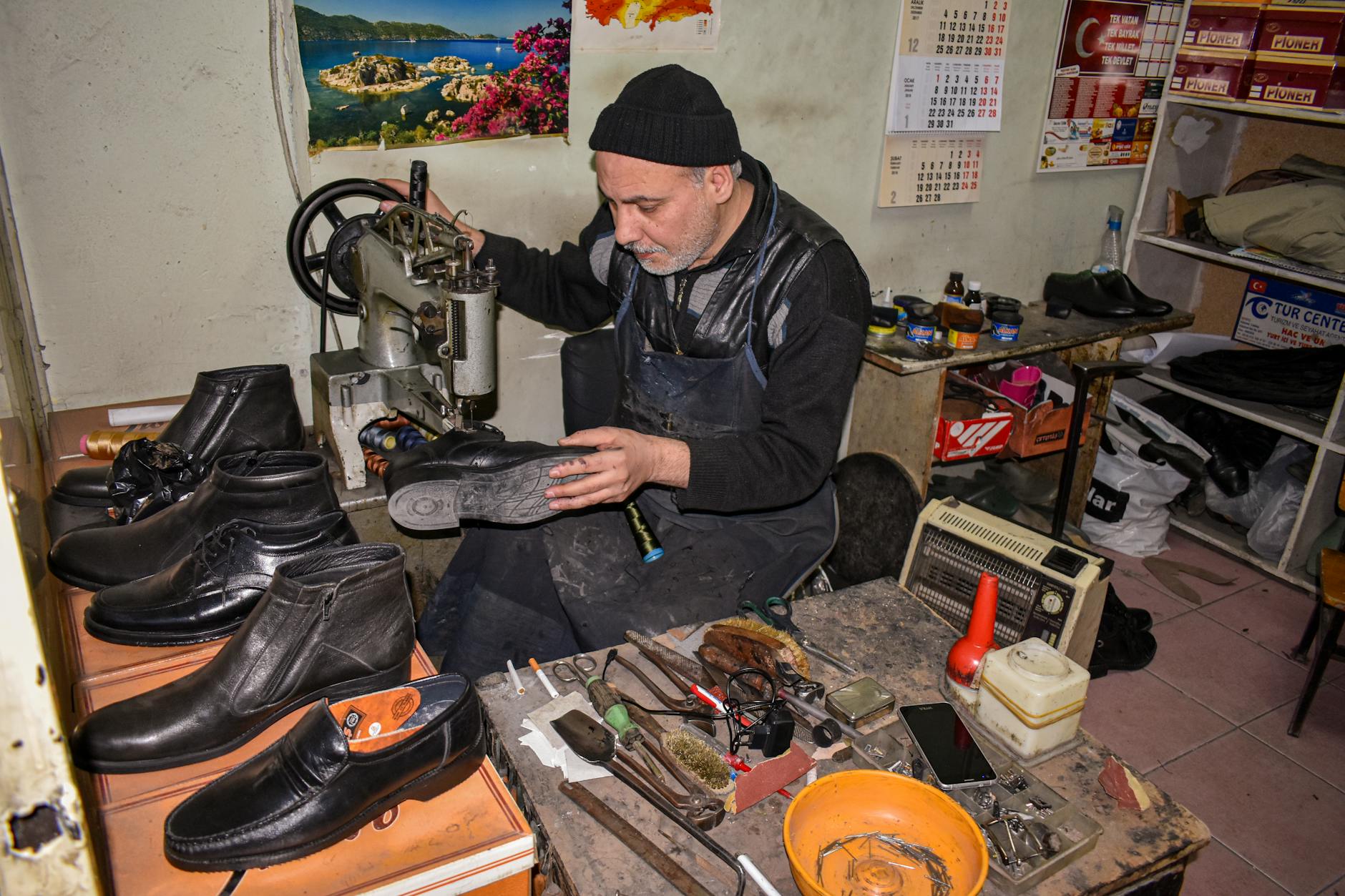
Replacing worn out bottoms before they develop actual holes saves the original upper construction from irreversible damage. Skilled craftspeople can detach the exhausted rubber or leather bottoms and stitch brand new foundations in their place. This procedure restores the original traction and balance while completely revitalizing the comfort of the footbed. Timely replacement prevents uneven wear patterns from warping the rest of the structural framework.
Heel Taps
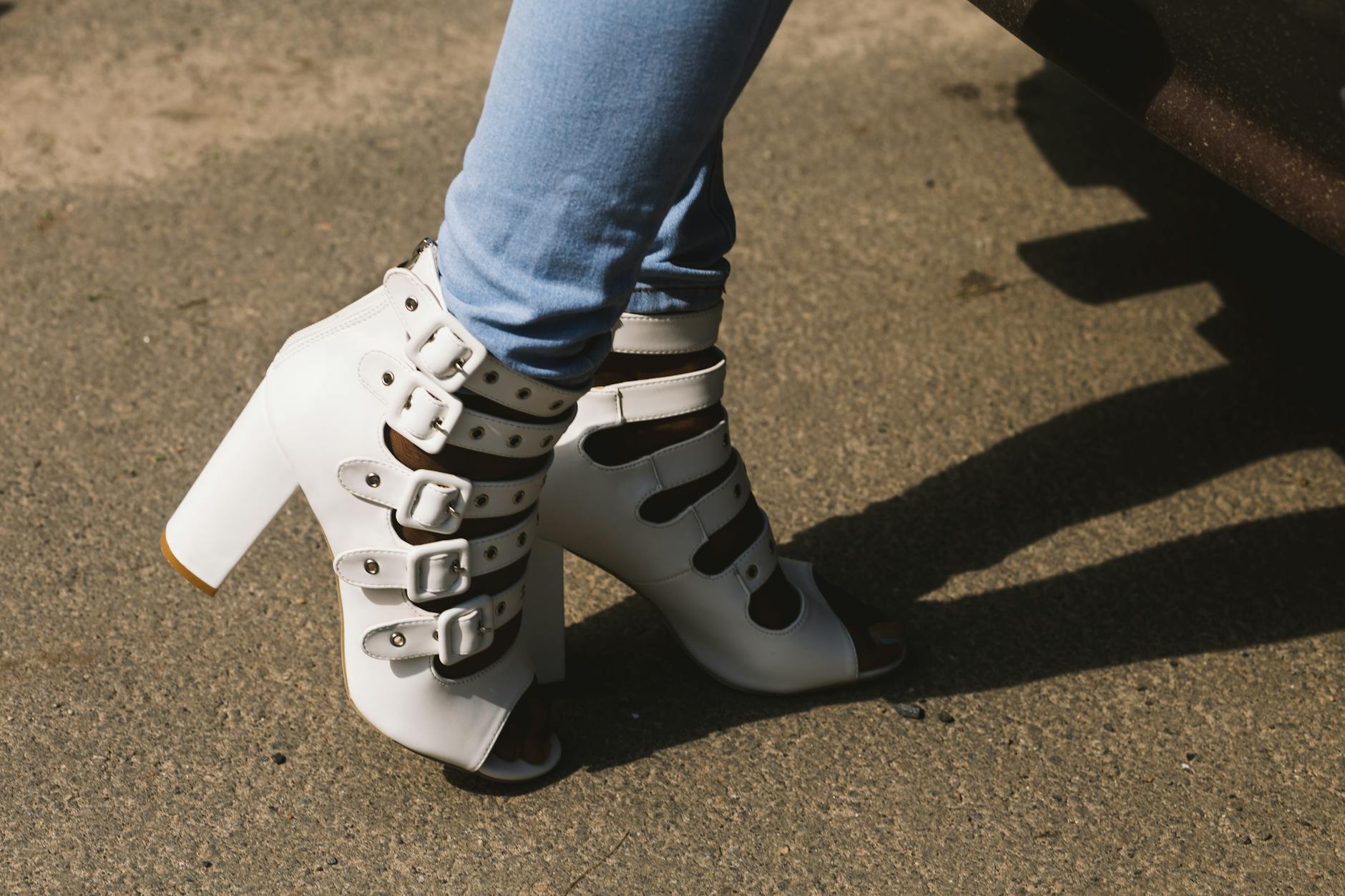
Installing small polyurethane or metal plates at the extreme rear edge of the sole prevents rapid deterioration. The back exterior corner endures the heaviest friction during a normal walking stride and wears down fastest. These inexpensive additions take the brunt of the concrete impact and save the actual heel block from grinding away. Replacing these tiny guards periodically costs significantly less than rebuilding the entire heel structure.
Leather Conditioners
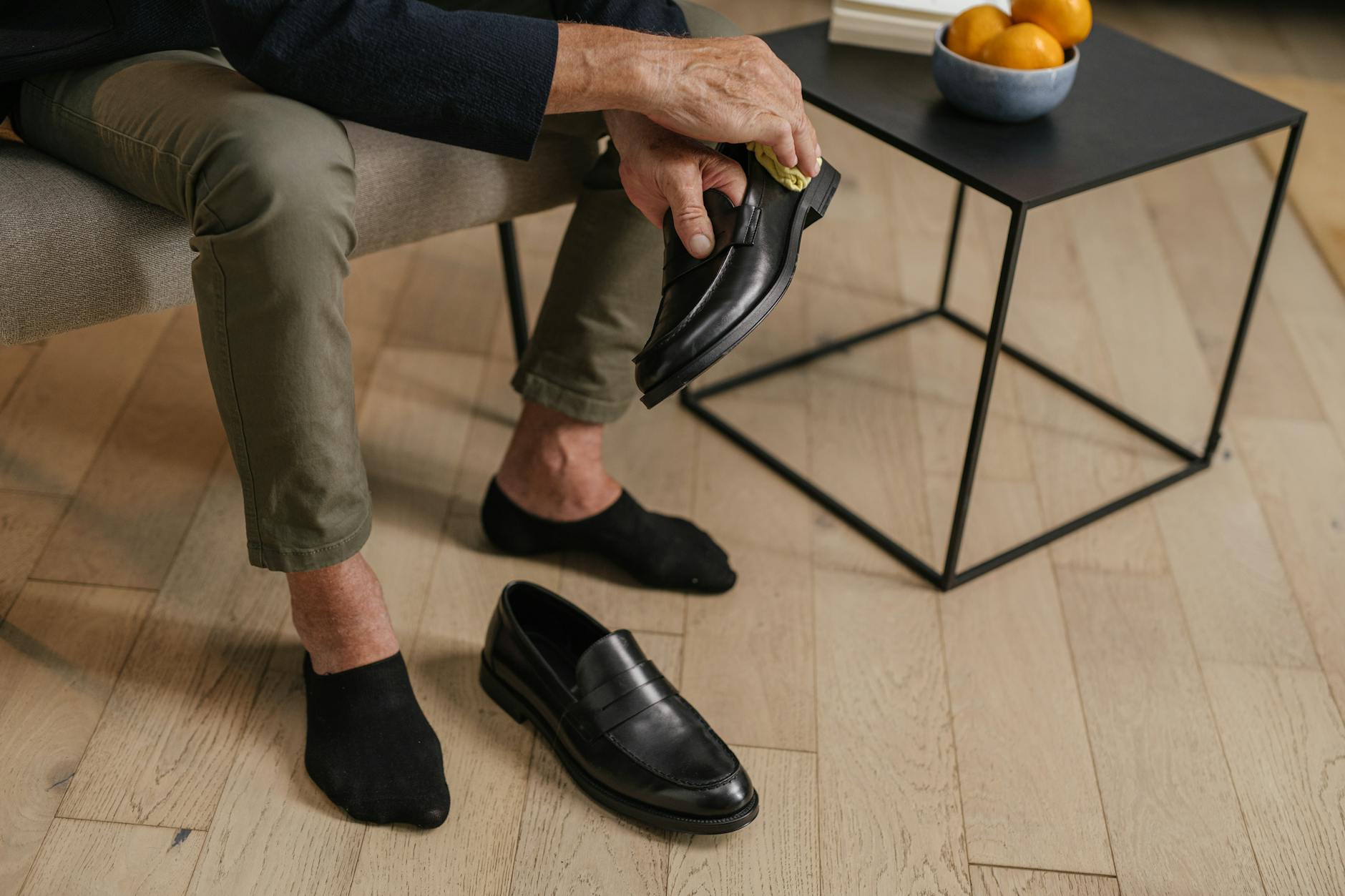
Massaging specialized moisturizing lotions into natural hides prevents the fibers from drying out and snapping under pressure. Central heating and dry climates aggressively extract natural oils from the material and cause deep structural cracking. The conditioning liquids penetrate the grain to restore flexibility and enhance the overall weather resistance. Treating the uppers every few months keeps the material resilient and beautifully soft to the touch.
Climate Controlled Storage
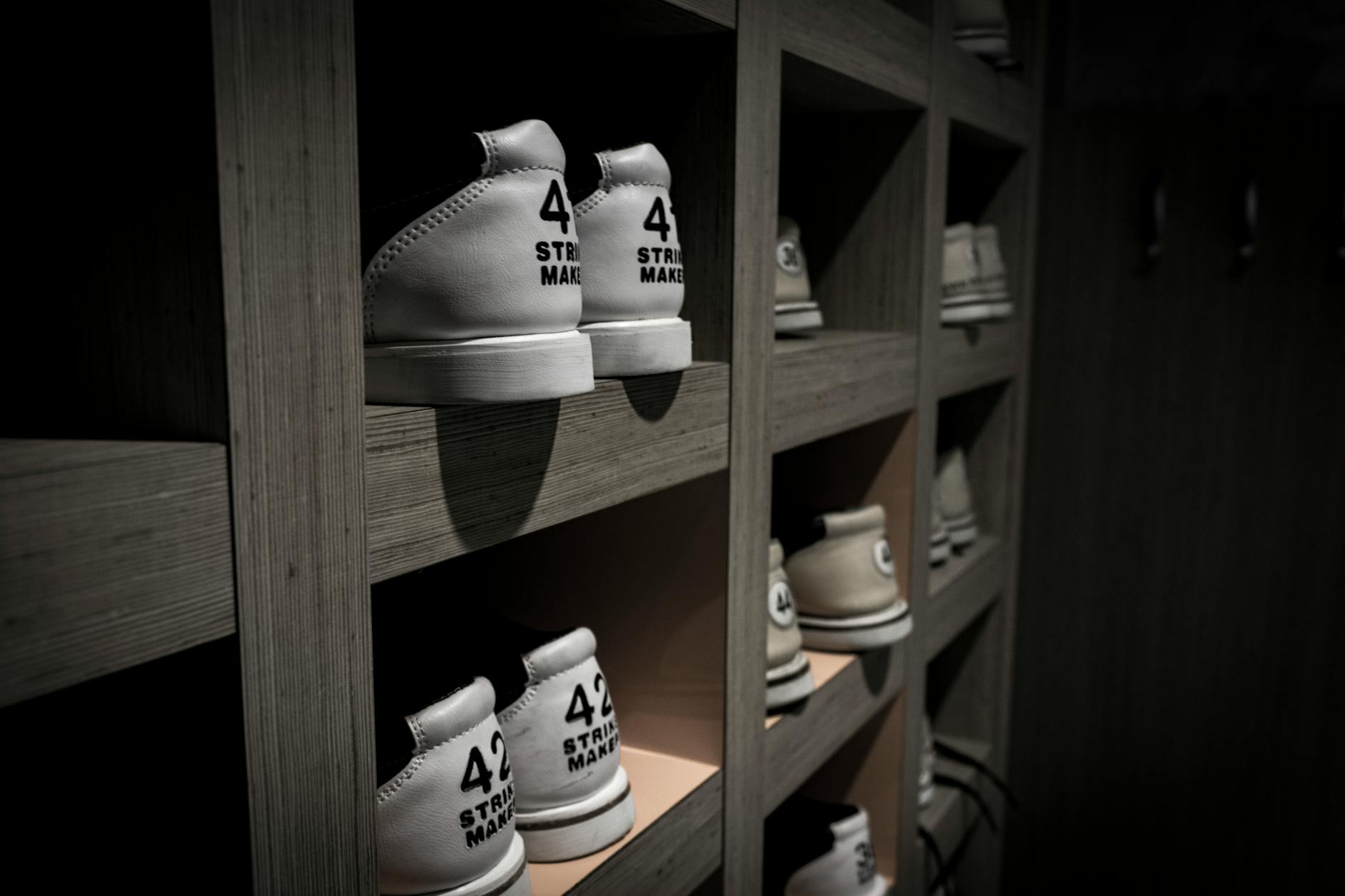
Keeping footwear in cool and dry environments prevents mold growth and material degradation during off season periods. Extreme temperature fluctuations found in attics or garages cause synthetic glues to fail and natural materials to deteriorate rapidly. A dark closet with consistent humidity levels preserves the vibrancy of dyed leathers and sensitive fabrics. Proper environmental management eliminates the risk of mildew spots ruining expensive seasonal items.
Magic Erasers

Gently rubbing melamine foam blocks over white rubber midsoles instantly removes stubborn scuffs and dark oxidation marks. The micro abrasive texture lifts embedded grime from textured rubber without requiring harsh chemical solvents. Light pressure combined with a tiny amount of water restores the bright contrast of athletic footwear bottoms. Frequent touch ups keep casual sneakers looking fresh and pristine without risking damage to the upper materials.
Mild Soap Cleaning
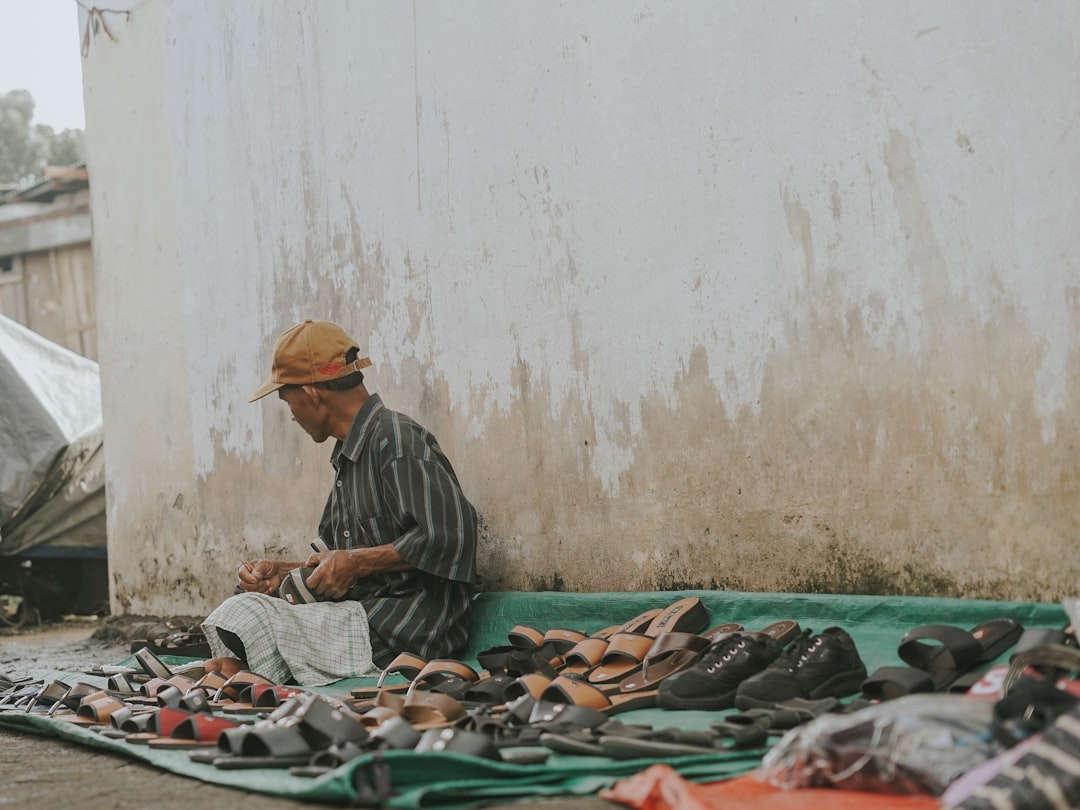
Creating a gentle lather with diluted dish liquid safely lifts surface dirt from synthetic and canvas materials. Scrubbing with a soft bristle toothbrush targets concentrated grime hidden within seams and decorative perforations. Rinsing with a damp cloth prevents the fabric from becoming completely saturated and losing its structural shape. Regular light cleanings prevent dirt particles from grinding into the fibers and causing premature fraying.
Room Temperature Drying
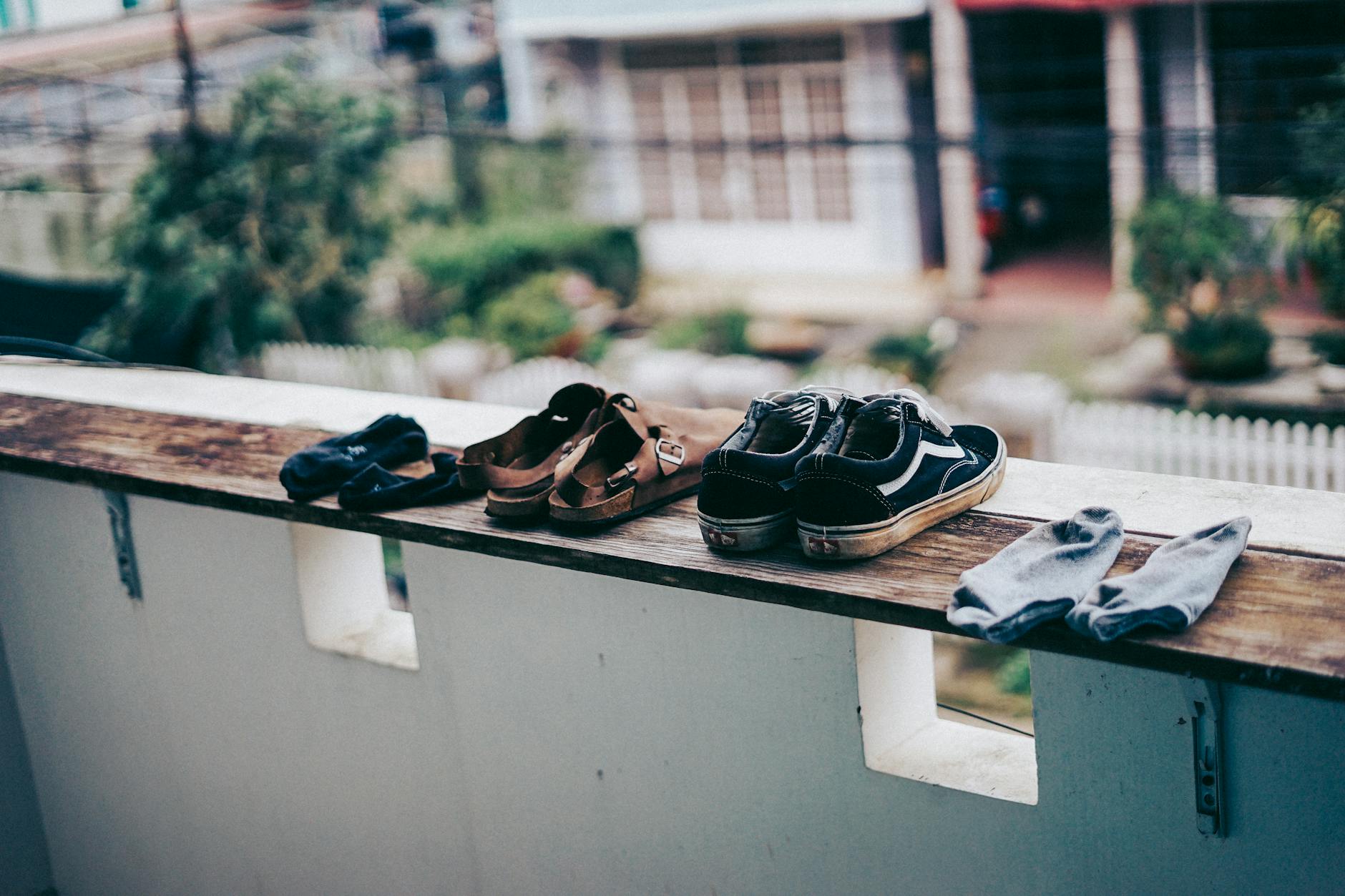
Allowing wet footwear to dry naturally in a well ventilated space preserves the integrity of adhesives and stitching. Artificial heat sources aggressively bake natural materials and cause irreversible shrinking or immediate cracking. A gentle breeze from a household fan safely accelerates the evaporation process without risking thermal damage. Patience during the drying phase prevents warped soles and stiffened uppers that lead to uncomfortable blisters.
Paper Stuffing
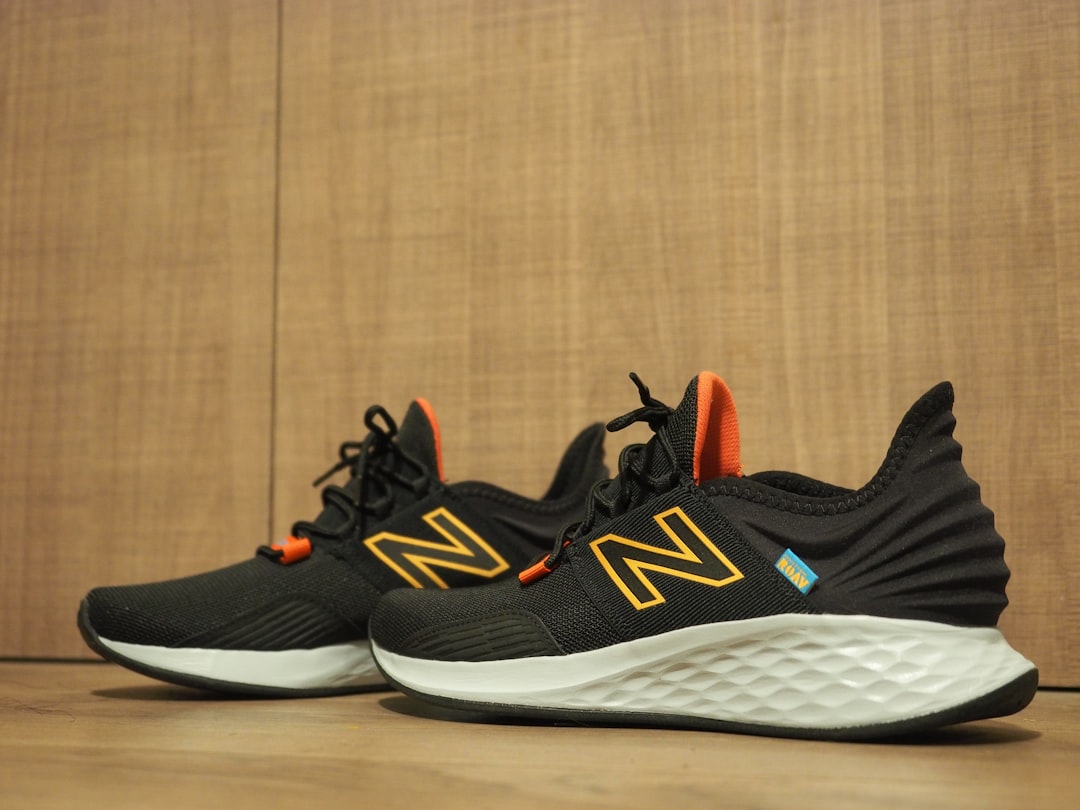
Packing the toe box with unprinted newsprint rapidly draws moisture out of completely soaked interior linings. The crumpled paper maintains the volume of the cavity while simultaneously acting as a highly effective desiccant. Replacing the damp paper every few hours ensures continuous moisture extraction without promoting fungal growth. This accessible emergency method saves materials from rotting and prevents the upper from collapsing into permanent wrinkles.
Sole Protectors
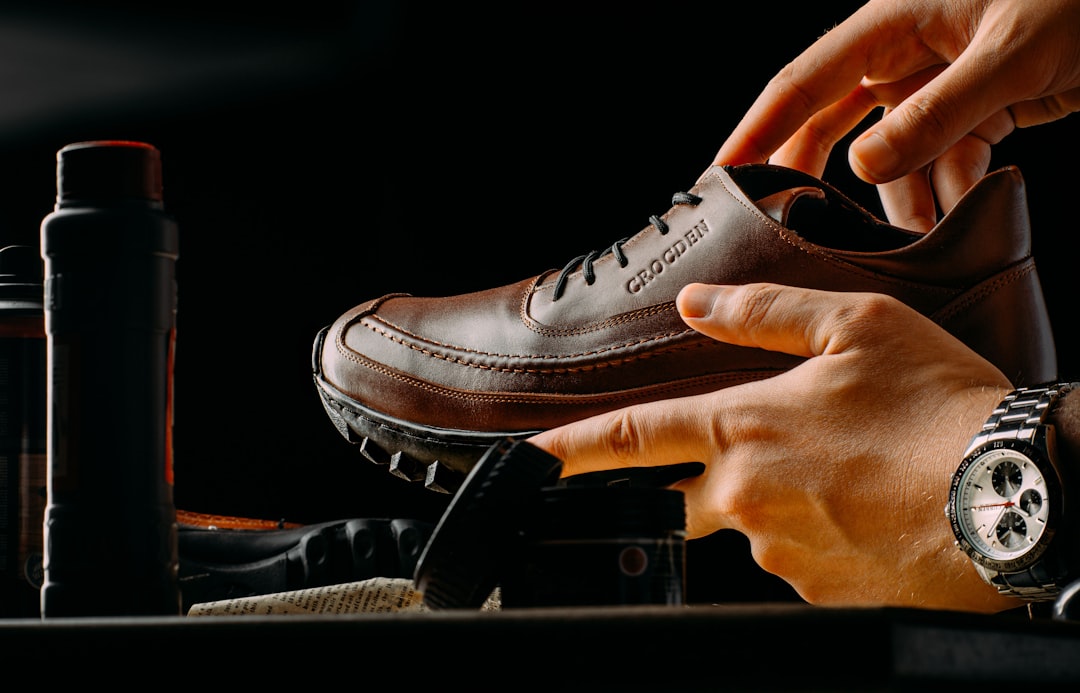
Applying thin rubberized adhesives over smooth leather bottoms provides immediate traction and extends the lifespan of the outsole. These protective films take the daily abrasive damage from rough pavement instead of the expensive structural leather. The textured surface prevents dangerous slips on polished floors while completely shielding the original stitching from concrete friction. Replacing these synthetic covers periodically preserves the expensive foundation indefinitely.
Edge Dressing

Painting the exposed perimeter of the sole with specialized liquid dye restores a crisp and formal appearance. Daily encounters with stairs and curbs chip away the original factory finish and leave the edges looking scuffed. The dark pigment seals the exposed raw material and prevents water from seeping into the welt stitching. Regular applications keep the entire silhouette looking sharp and meticulously maintained.
Beeswax Treatments
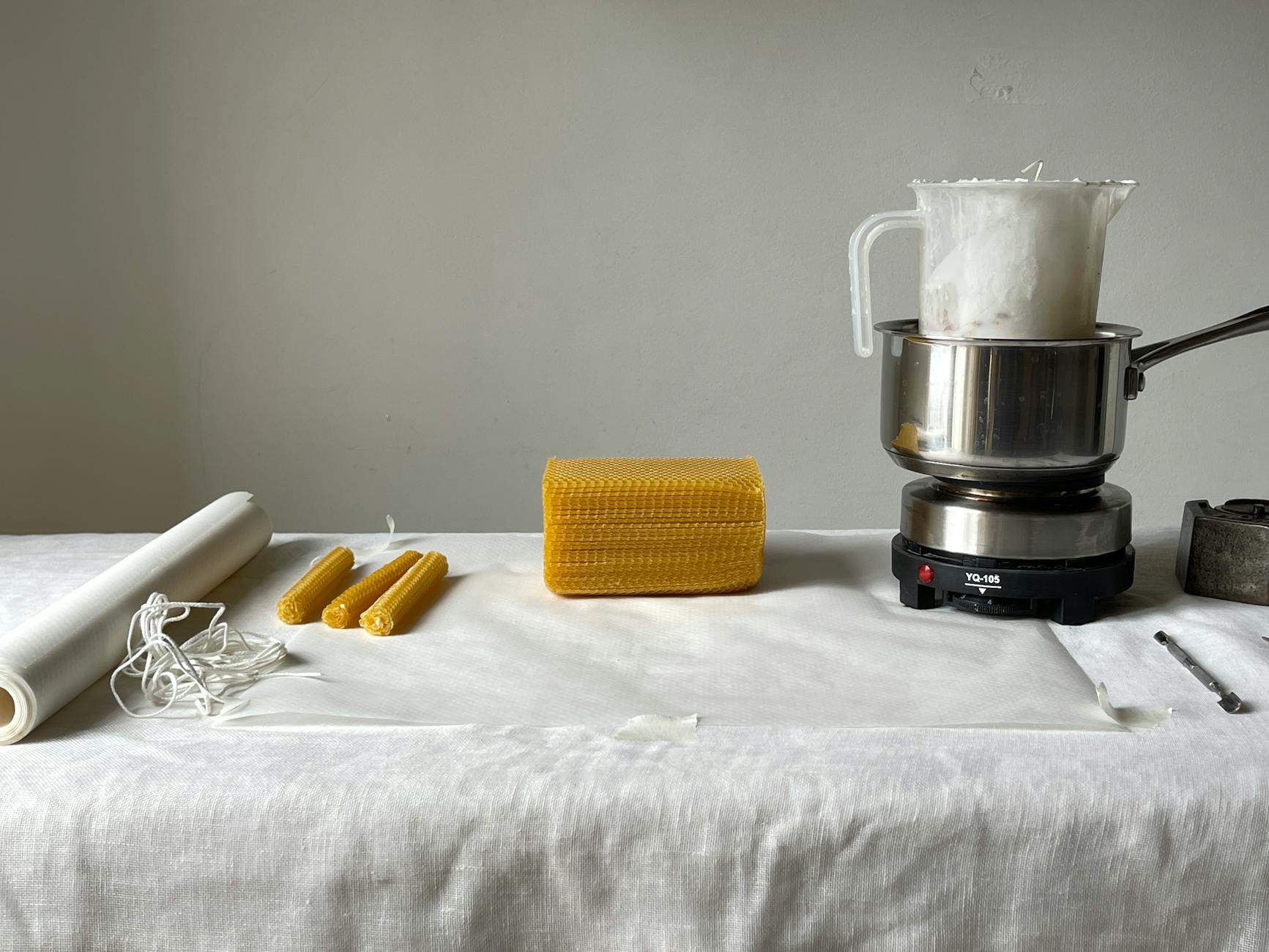
Melting natural wax into rugged boots creates an impenetrable barrier against harsh winter snow and corrosive road salt. The heavy compound darkens the material while providing maximum protection for outdoor and work oriented styles. Buffing the cured wax creates a dull rugged shine that aggressively repels liquid elements and heavy mud. This intensive winterizing process protects thick hides from cracking during freezing temperature exposure.
Spot Cleaning Canvas
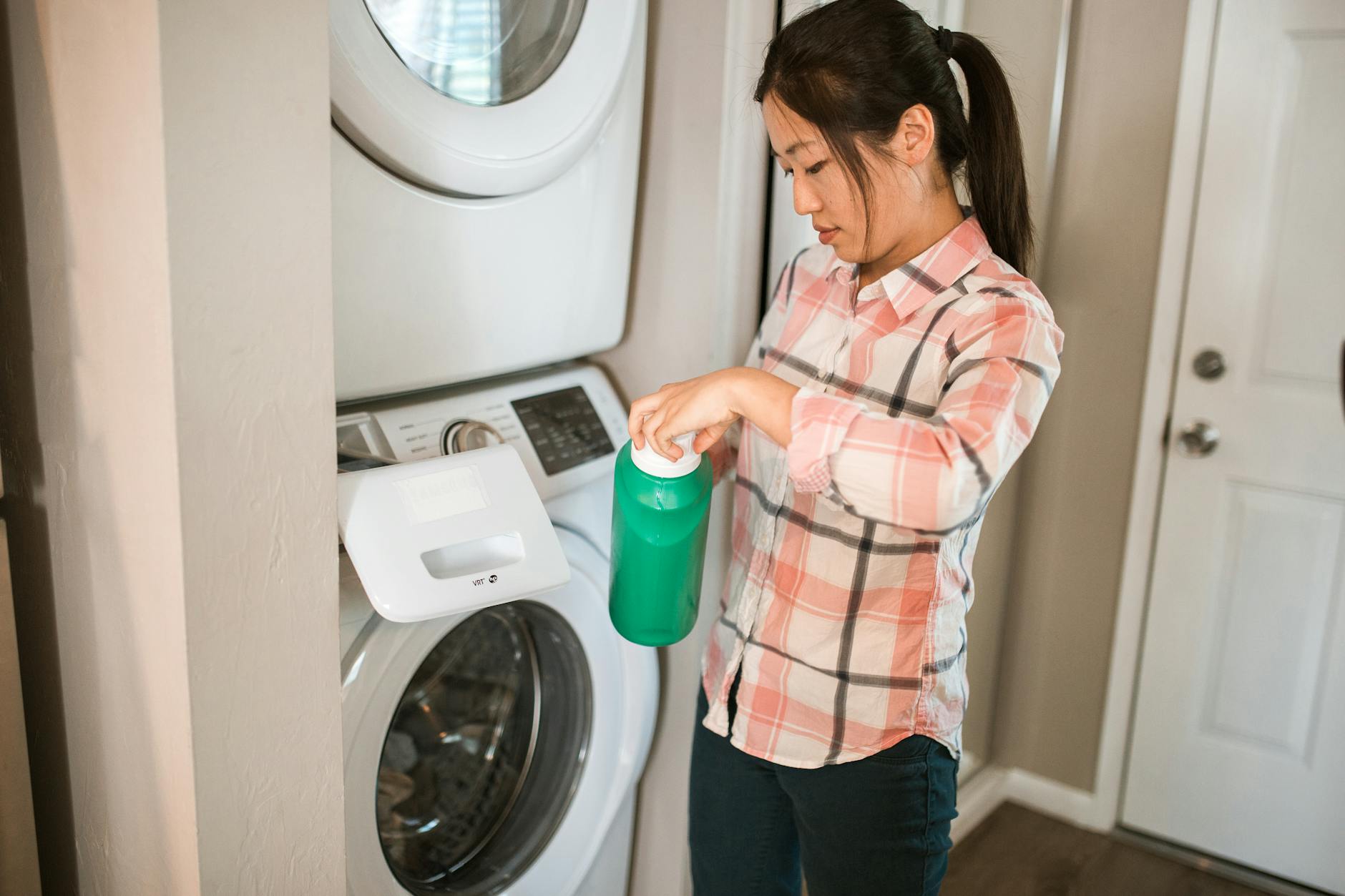
Targeting individual stains with specialized fabric detergents prevents dirt from setting permanently into woven textiles. Prompt attention stops colored spills from bonding chemically with the cotton or synthetic threads. Dabbing the affected area gently prevents the stain from spreading wider into clean adjacent fibers. Consistent attention to minor blemishes keeps casual summer pairs looking bright and thoroughly presentable.
Replacing Insoles
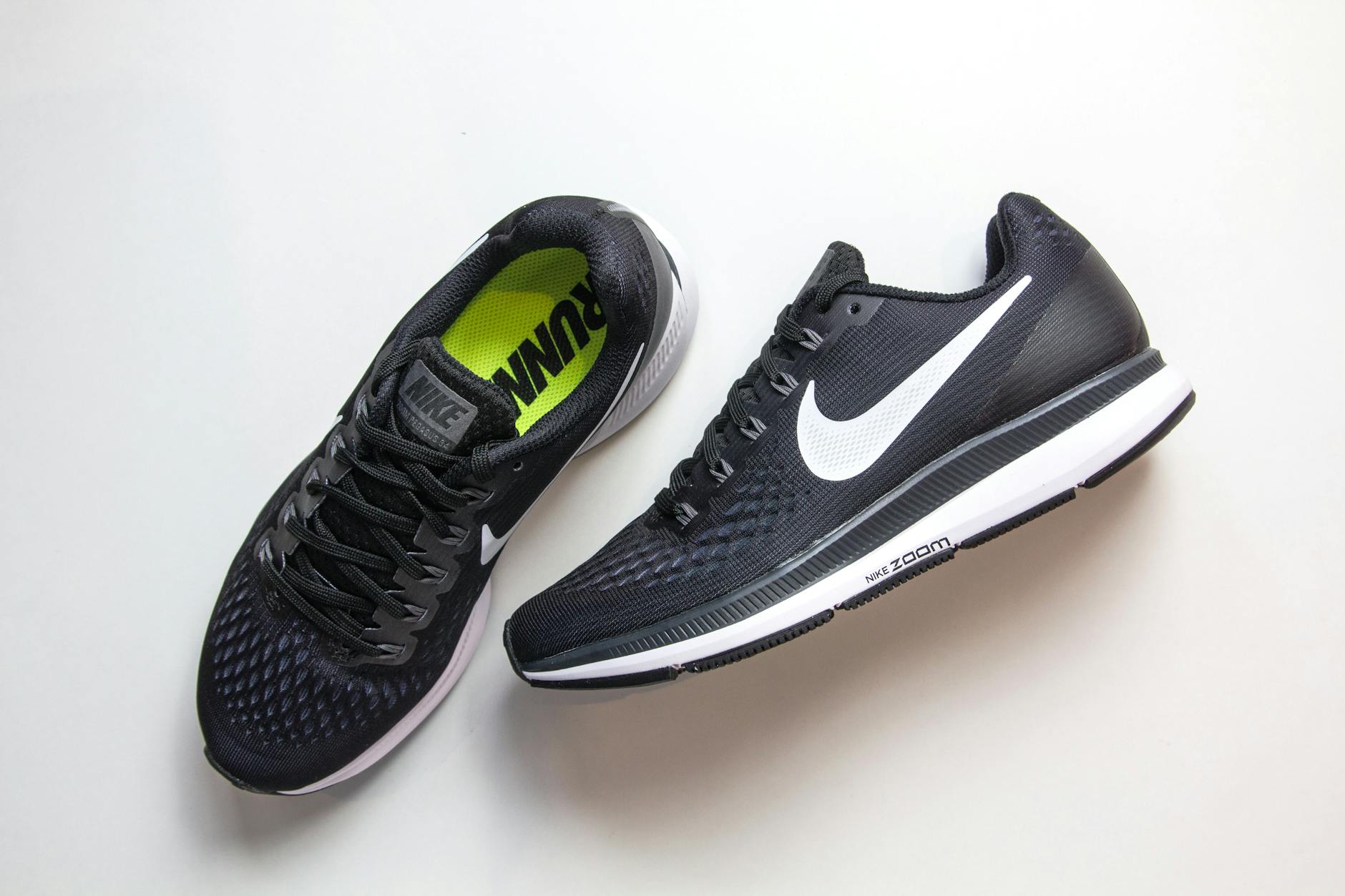
Swapping out flattened interior footbeds restores essential shock absorption and reduces friction against the bottom of the foot. Worn insoles harbor bacteria and fail to align the foot properly within the internal cavity. Fresh padded inserts instantly revive the original comfort level and improve the overall fit of stretched out pairs. This simple interior upgrade reduces internal wear and makes prolonged standing much more manageable.
Washing Laces
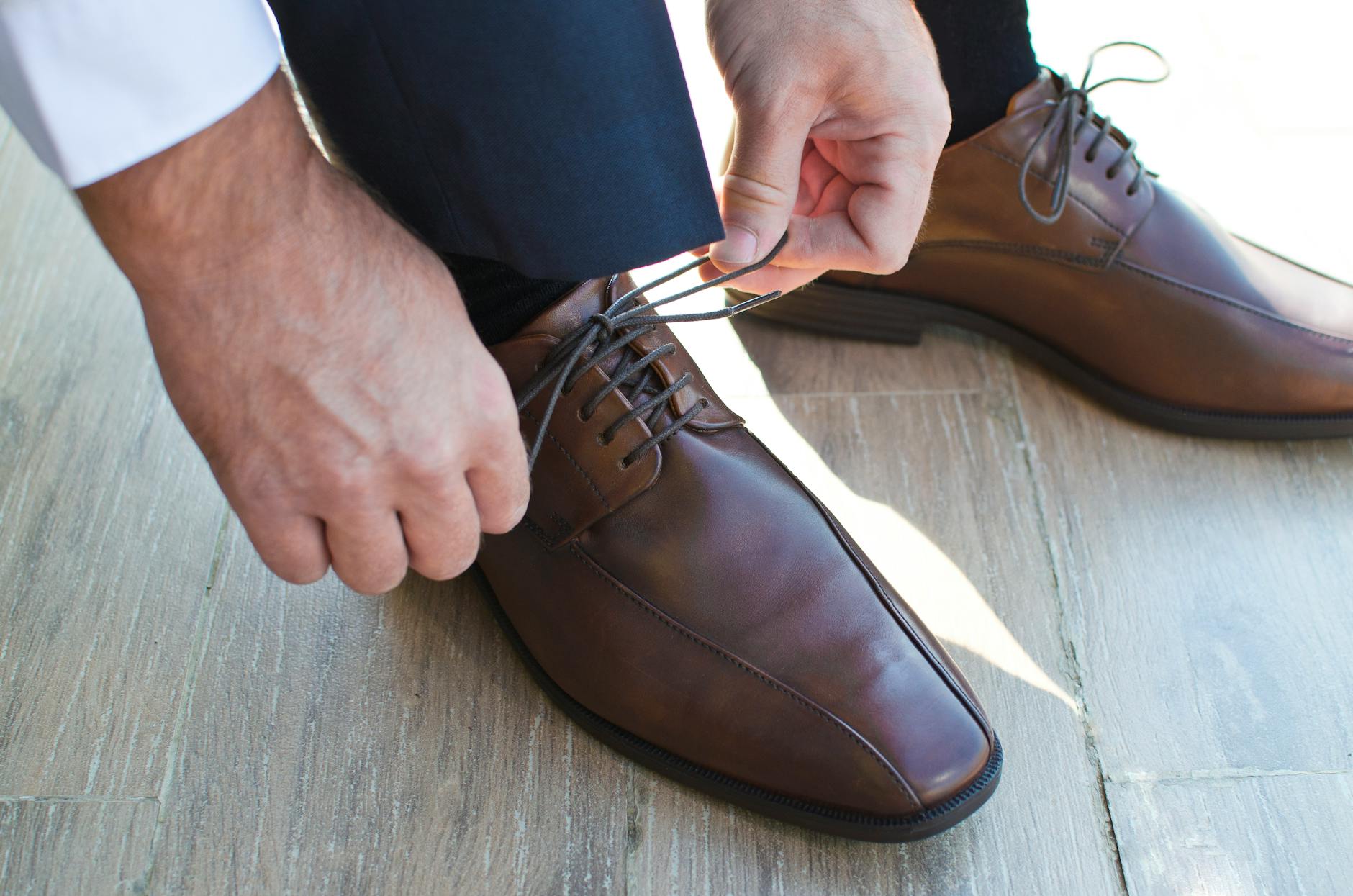
Removing and laundering the strings separately brightens the overall appearance of the entire silhouette significantly. Agitating them in warm soapy water removes dark eyelet stains and ground in dirt from the woven threads. Drying them flat prevents shrinkage and ensures they remain long enough to tie properly. Installing a crisp white set of strings immediately rejuvenates the visual appeal of heavily worn athletic styles.
Velvet Cloth Buffing
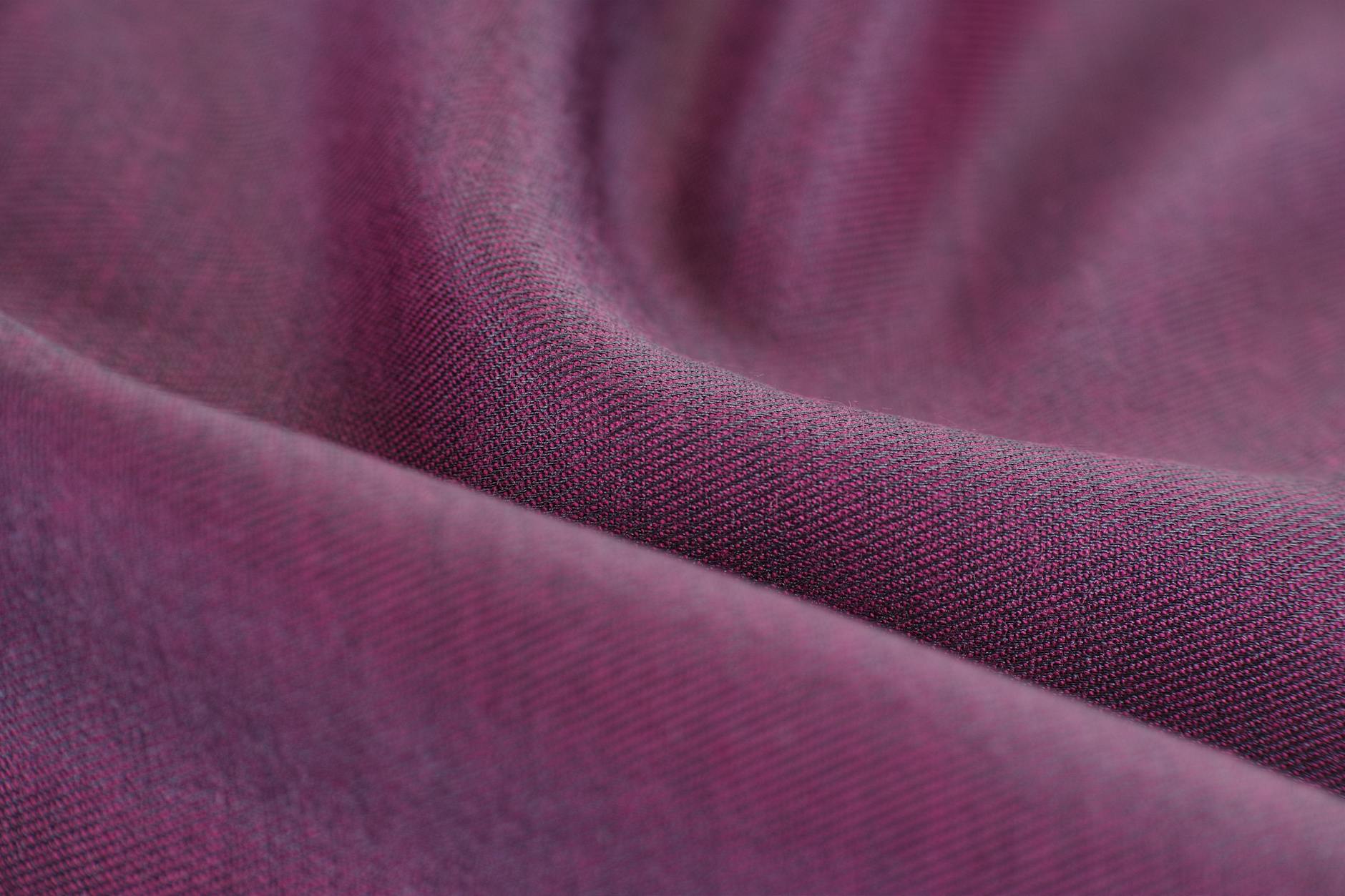
Wiping smooth surfaces with a plush fabric removes superficial dust and restores a high gloss shine instantly. The soft texture gently heats residual wax left from previous polishes and redistributes it evenly across the vamp. Keeping a dedicated cloth near the door allows for quick touch ups immediately before leaving the house. This daily maintenance step requires minimal effort but ensures maximum visual impact throughout the week.
Removing Mud Immediately
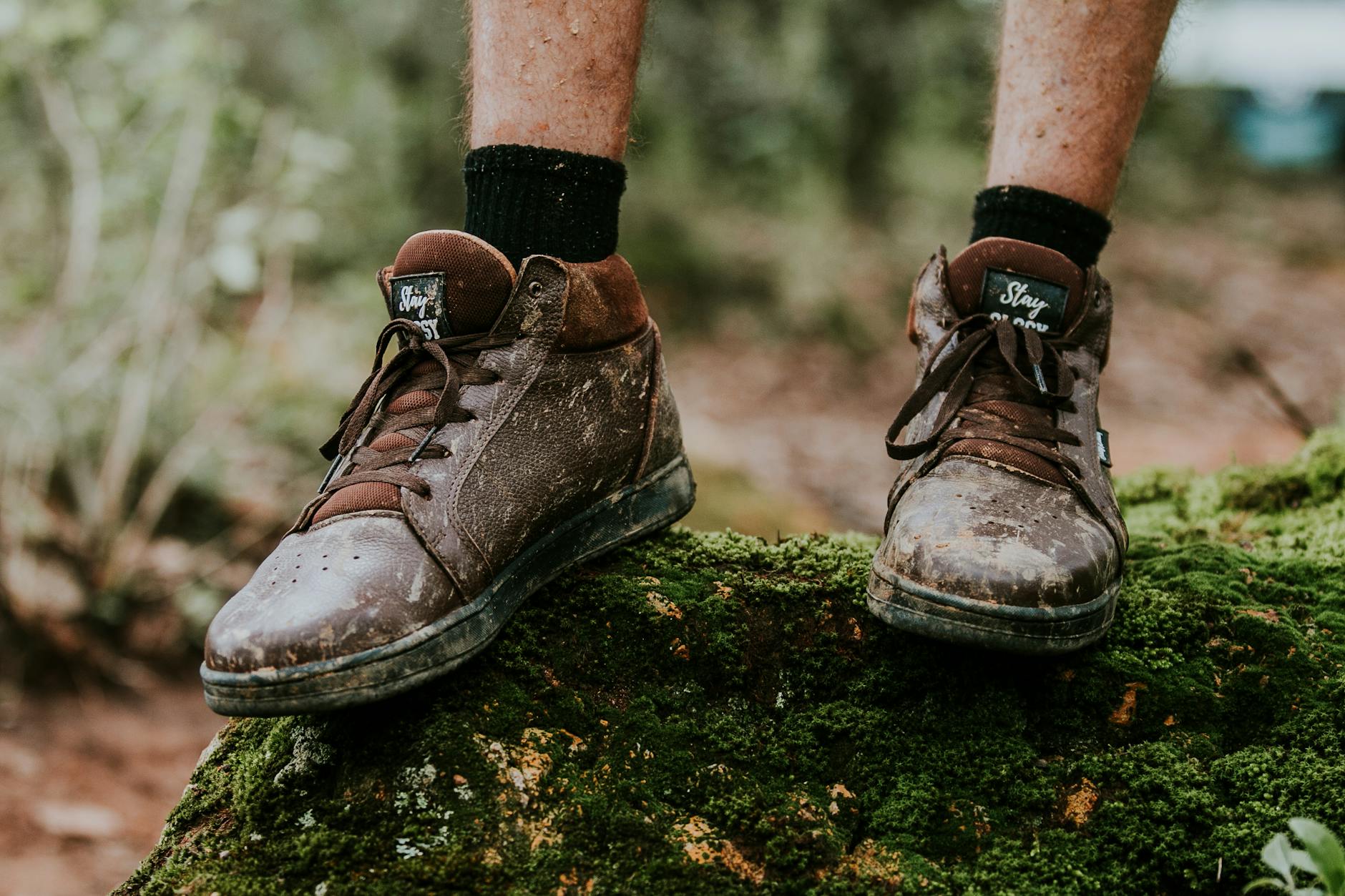
Scraping heavy soil away before it dries completely prevents the earth from drawing essential moisture out of the material. Dried clay acts as a harsh abrasive that grinds deeply into pores and micro scratches the finish. Brushing the dried remnants away quickly stops acidic soil components from eating away at the threads and adhesives. Prompt cleaning preserves the structural integrity and prevents permanent discoloration of sensitive materials.
Avoiding Direct Heat
Keeping pairs safely away from radiators and space heaters preserves the sensitive chemical bonds of modern shoemaking glues. High temperatures cause synthetic outsoles to separate completely from the upper materials in a process called delamination. Leather exposed to nearby fireplaces shrinks rapidly and hardens into an unwearable brittle crust. Safe placement in shaded and temperate zones guarantees the materials remain supple and securely attached.
Cotton Dust Bags
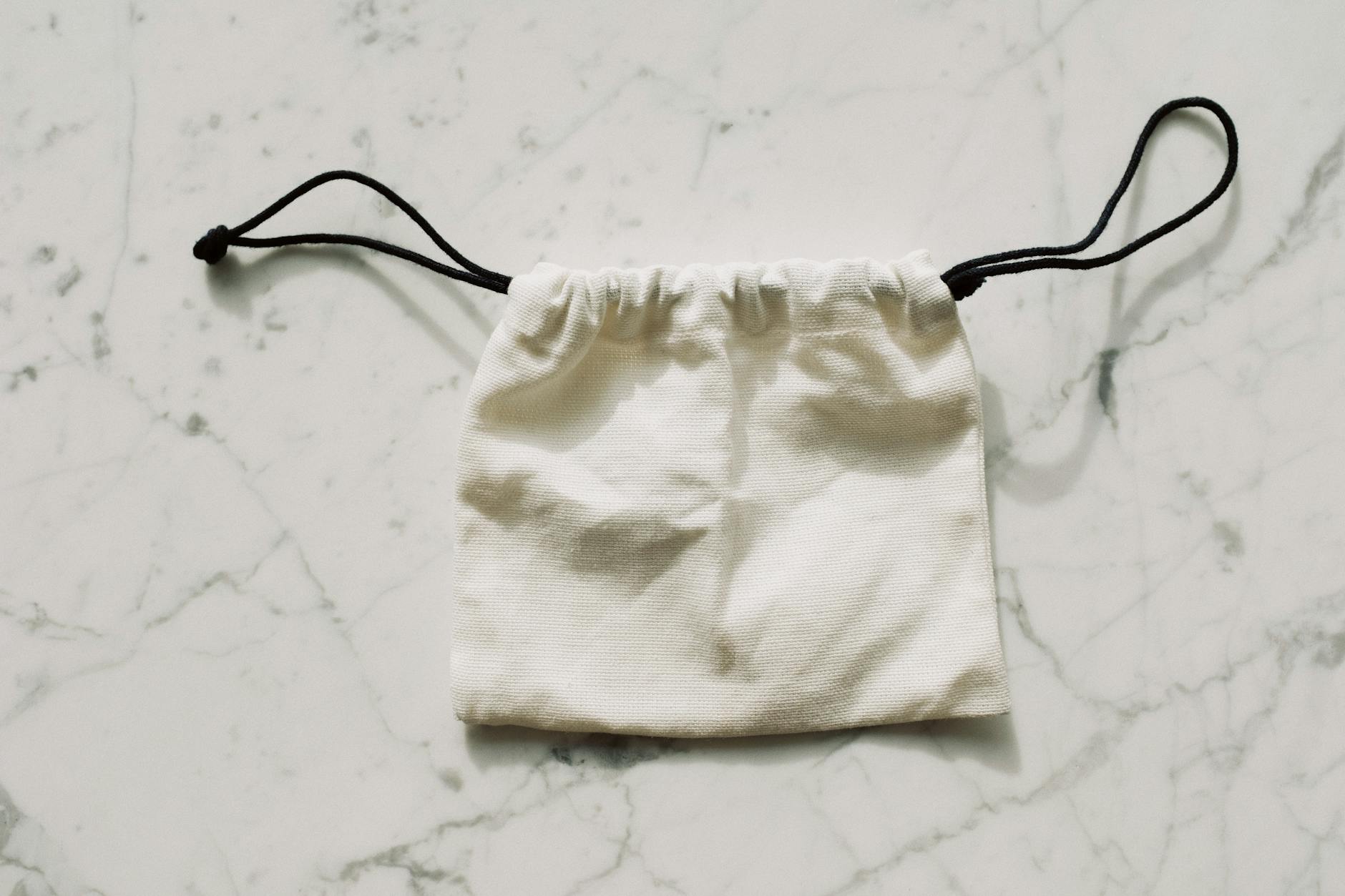
Encasing seasonal footwear in breathable fabric pouches prevents accumulated household dust from settling deeply into the creases. The soft material shields delicate finishes from accidental scratches while packed tightly among other items in dark closets. Unlike plastic containers the woven fabric permits necessary air circulation and entirely prevents suffocating mold development. Utilizing these protective covers ensures your formal pairs emerge flawless and ready for special occasions.
Cobbler Inspections
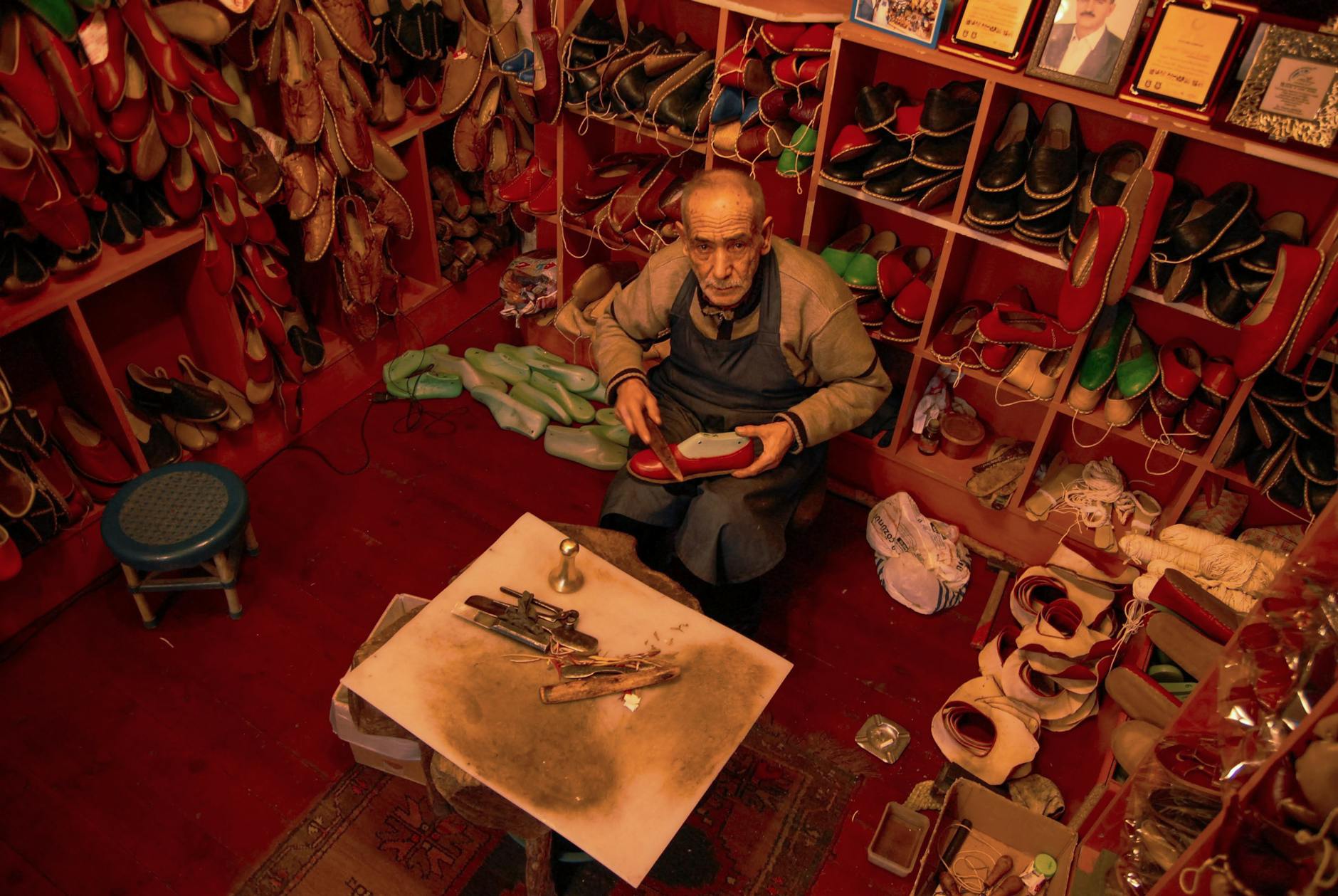
Taking your collection to a trusted professional annually catches minor structural issues before they become catastrophic failures. Trained eyes spot weakening seams and thinning outsoles that average owners might easily overlook during daily wear. Preventative stitching repairs cost significantly less than replacing completely torn leather panels. Building a relationship with a skilled craftsperson remains the ultimate strategy for maintaining a premium wardrobe indefinitely.
Please share your favorite maintenance tips and preservation strategies in the comments.