A small living room does not have to feel cramped or closed off with the right design choices working in your favor. Thoughtful arrangements, clever color palettes, and strategic lighting can completely transform how spacious a room feels without requiring a single wall to come down. Designers have long relied on a handful of tried and true principles that trick the eye into perceiving more square footage than actually exists. Whether you are renting a studio apartment or settling into a cozy starter home, these practical strategies will help every inch of your space work harder and feel larger.
Use a Light, Neutral Color Palette
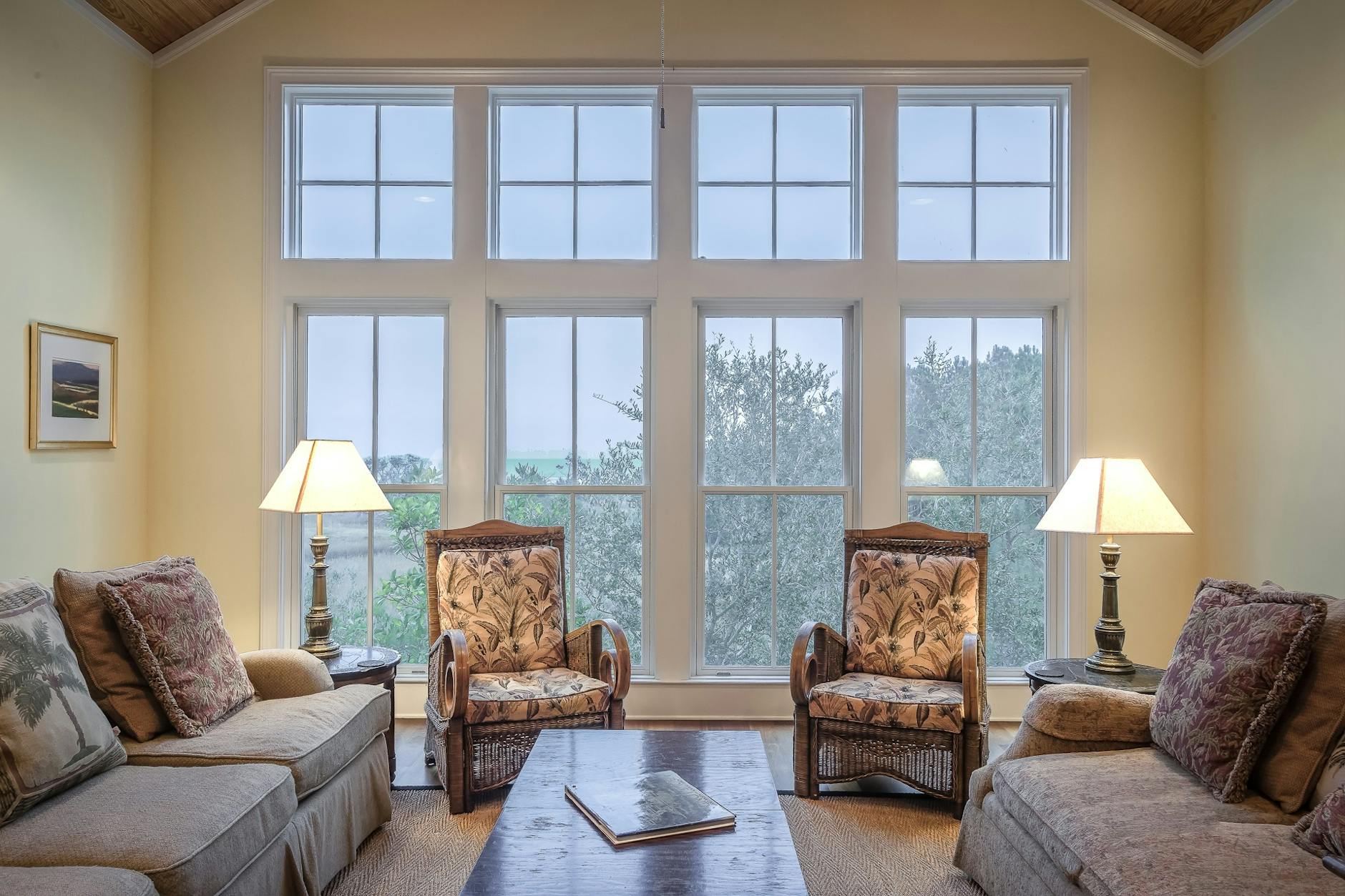
Pale shades such as soft white, warm ivory, and light greige reflect natural light rather than absorbing it, which instantly opens up a room visually. When walls, ceilings, and trim share a similar tone, the eye struggles to detect where one surface ends and another begins. This blurring effect removes visual boundaries that make a room feel boxed in and constrained. Painting the ceiling the same shade as the walls is a particularly effective trick that draws the eye upward and adds perceived height. A cohesive neutral palette creates a seamless, airy backdrop that makes furniture and decor pop without overwhelming the space.
Hang Curtains High and Wide
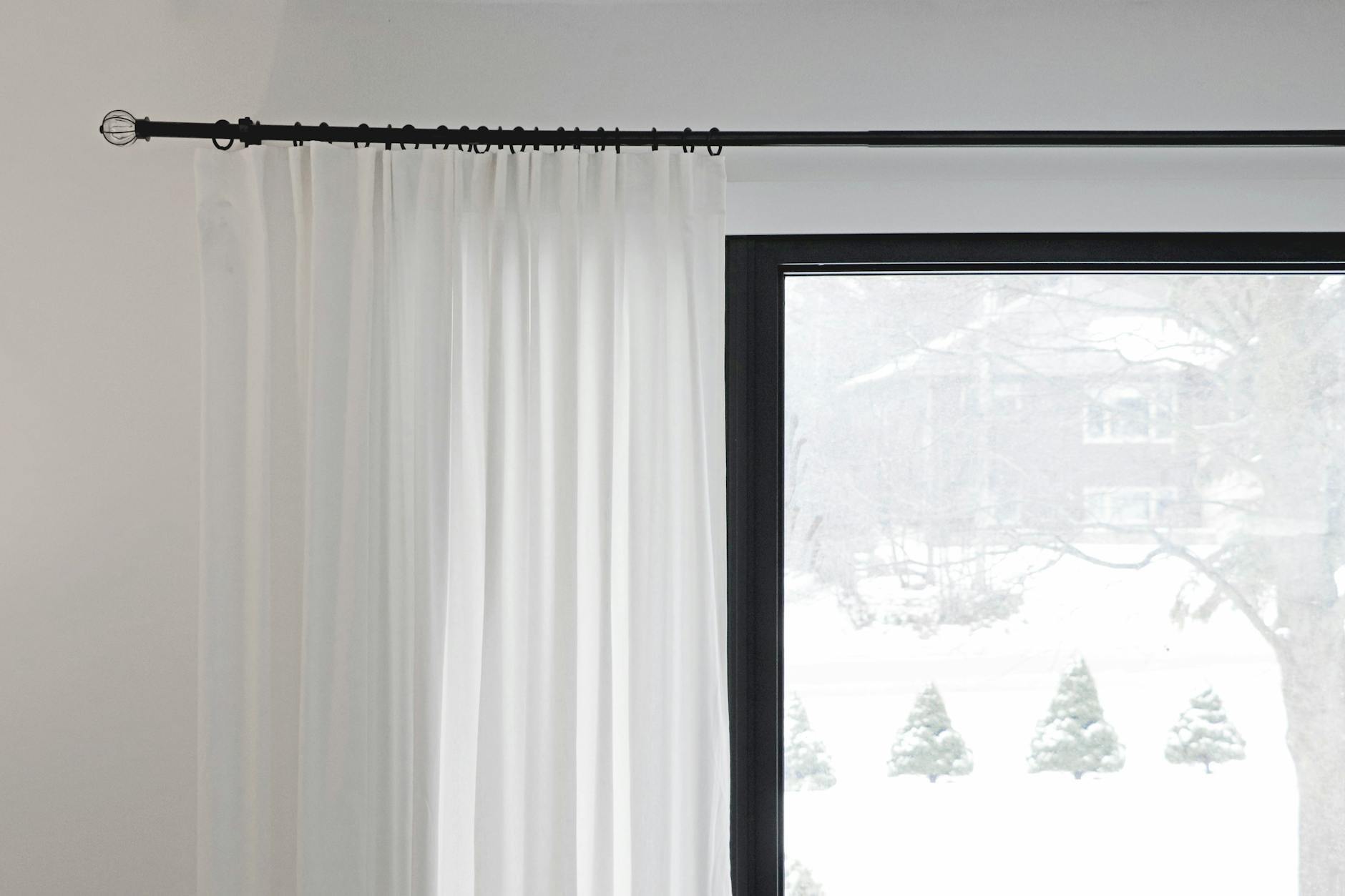
Mounting curtain rods close to the ceiling rather than just above the window frame draws the eye upward and creates the illusion of much taller walls. Extending the rod several inches beyond the window frame on each side allows the curtains to hang without blocking natural light when pushed open. Floor-length panels that graze or slightly puddle on the floor reinforce the sense of height and grandeur in even the tiniest rooms. Choosing curtains in a light, sheer fabric allows daylight to filter through while maintaining a sense of softness and volume. This simple and inexpensive installation upgrade can make a dramatic visual difference in how large the room feels.
Invest in Multi-Functional Furniture
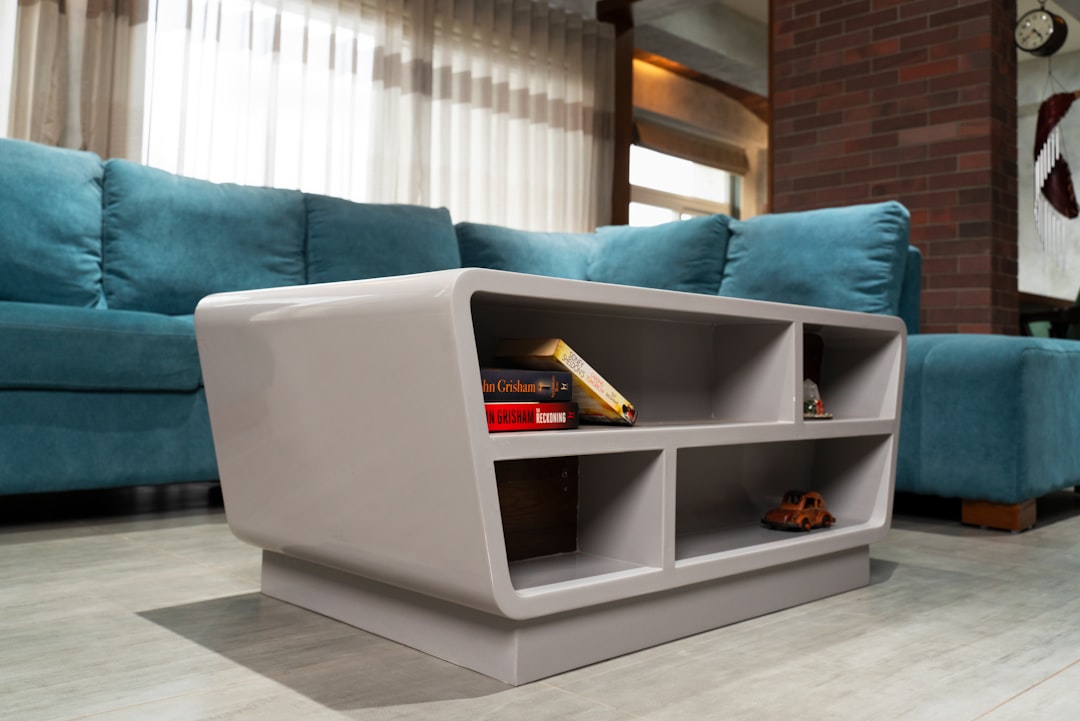
Pieces that serve more than one purpose are essential in a small living room where every item must earn its place. An ottoman with internal storage doubles as a coffee table and a hidden home for blankets, remotes, and board games. Sofa beds and sleeper sectionals allow a living room to moonlight as a guest bedroom without dedicating square footage to a separate sleeping area. Nesting tables can be tucked away when not in use and pulled apart when entertaining requires additional surface space. Choosing furniture that works overtime reduces the total number of pieces needed, which keeps the floor plan open and uncluttered.
Choose Furniture with Exposed Legs
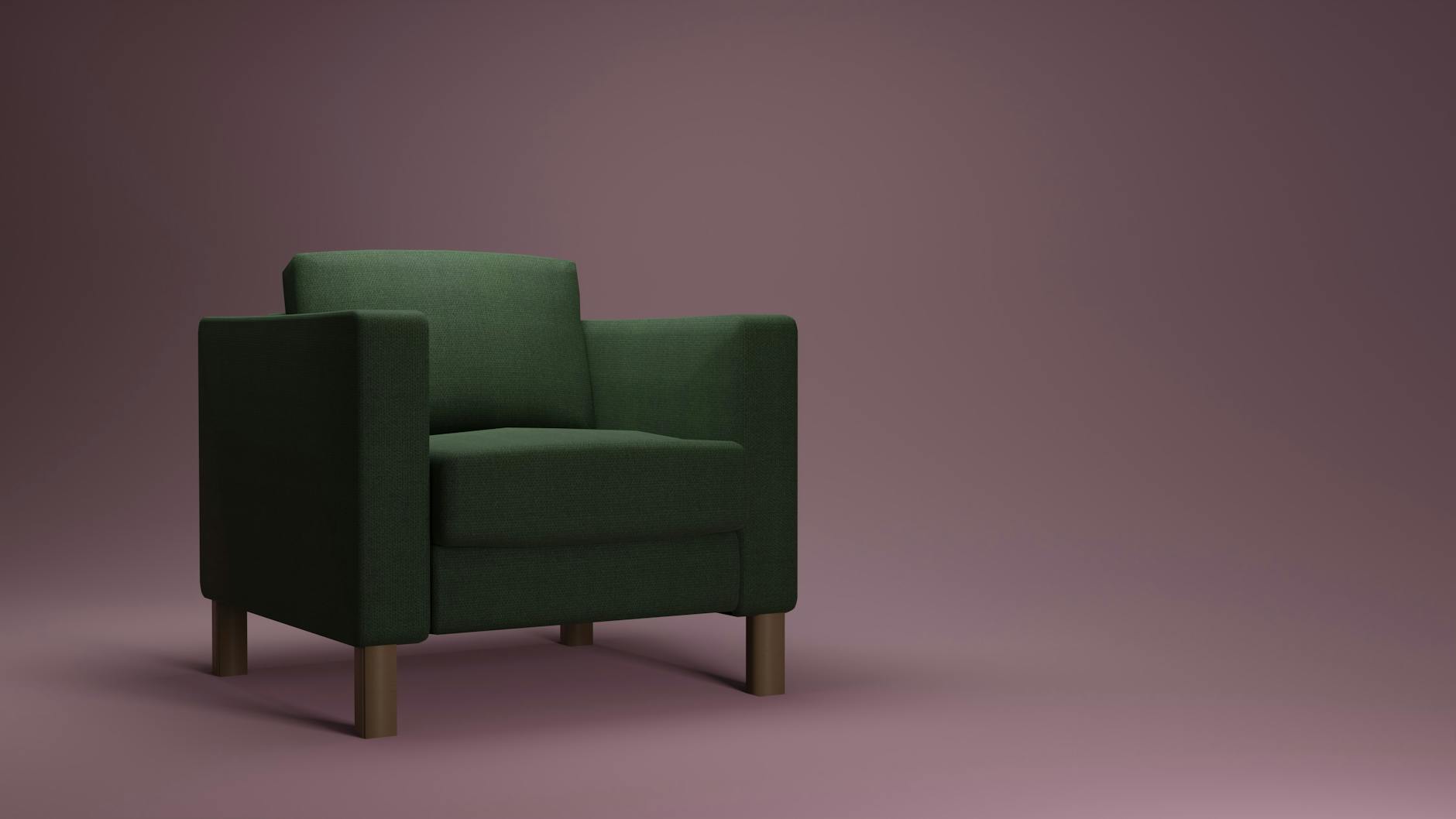
Sofas, chairs, and tables that sit on visible legs create a sense of airiness by allowing the eye to travel underneath and across the floor. When furniture appears to float rather than sit directly on the ground, the uninterrupted sightlines make the room feel more open and expansive. Low-profile legs in natural wood or slim metal finishes add a light, contemporary touch without adding visual weight. This principle applies to side tables, console tables, and even storage benches that might otherwise anchor heavily to the floor. Swapping out skirted or blocky furniture for legged alternatives is one of the easiest no-renovation upgrades available.
Use a Large Area Rug
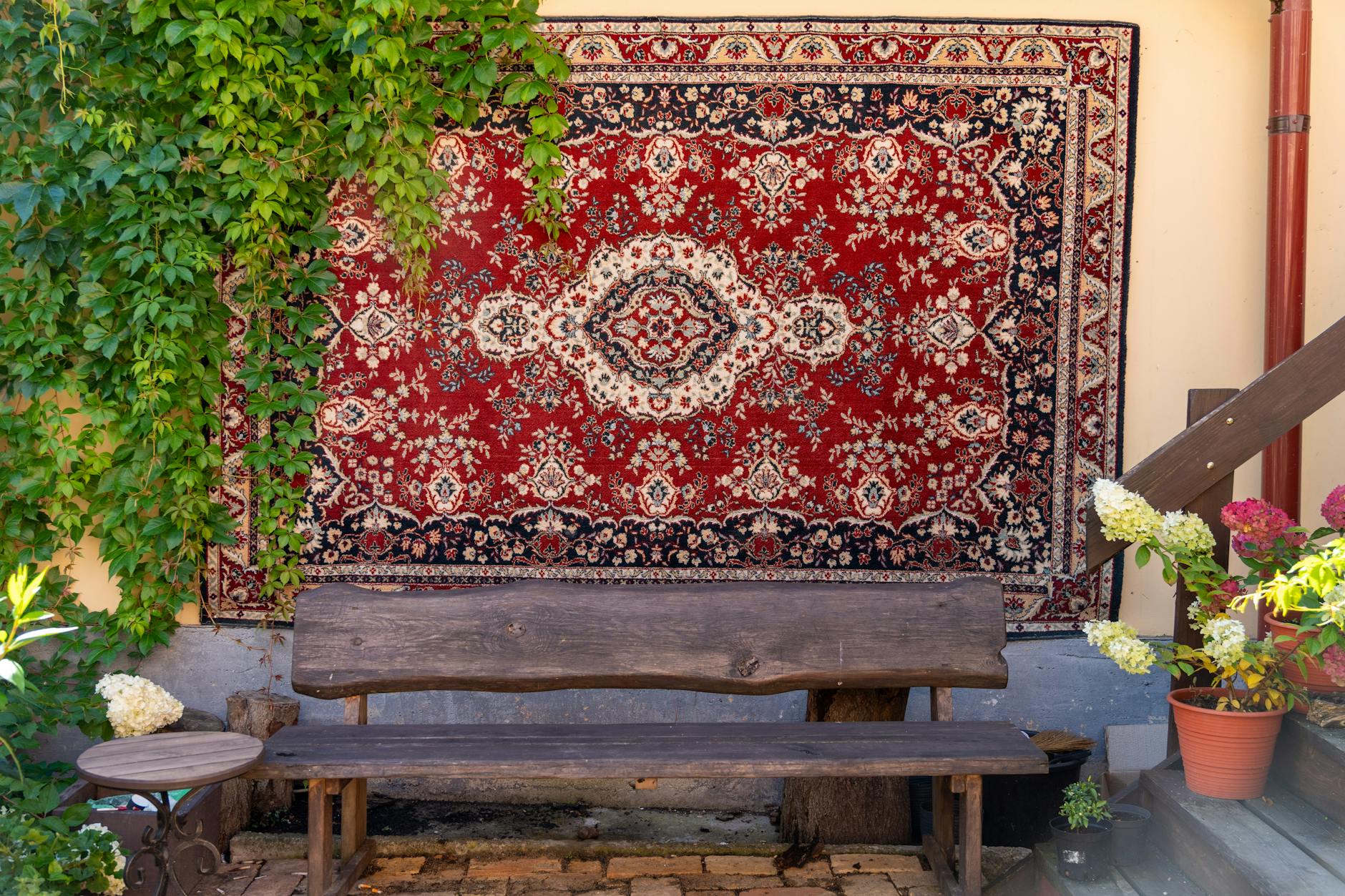
A single oversized rug that extends well beneath the front legs of all major seating pieces ties the room together and defines the space as one unified zone. Choosing a rug that is too small is one of the most common design mistakes in compact living rooms because it fragments the floor and makes the space feel choppy. A larger rug creates a visual anchor that makes the seating area feel intentional and expansive rather than scattered. Light-colored rugs with minimal pattern reflect more light and keep the floor from feeling heavy or dominant. Opting for a low-pile or flatweave style also prevents the rug from creating a visually cluttered texture underfoot.
Place a Large Mirror Strategically
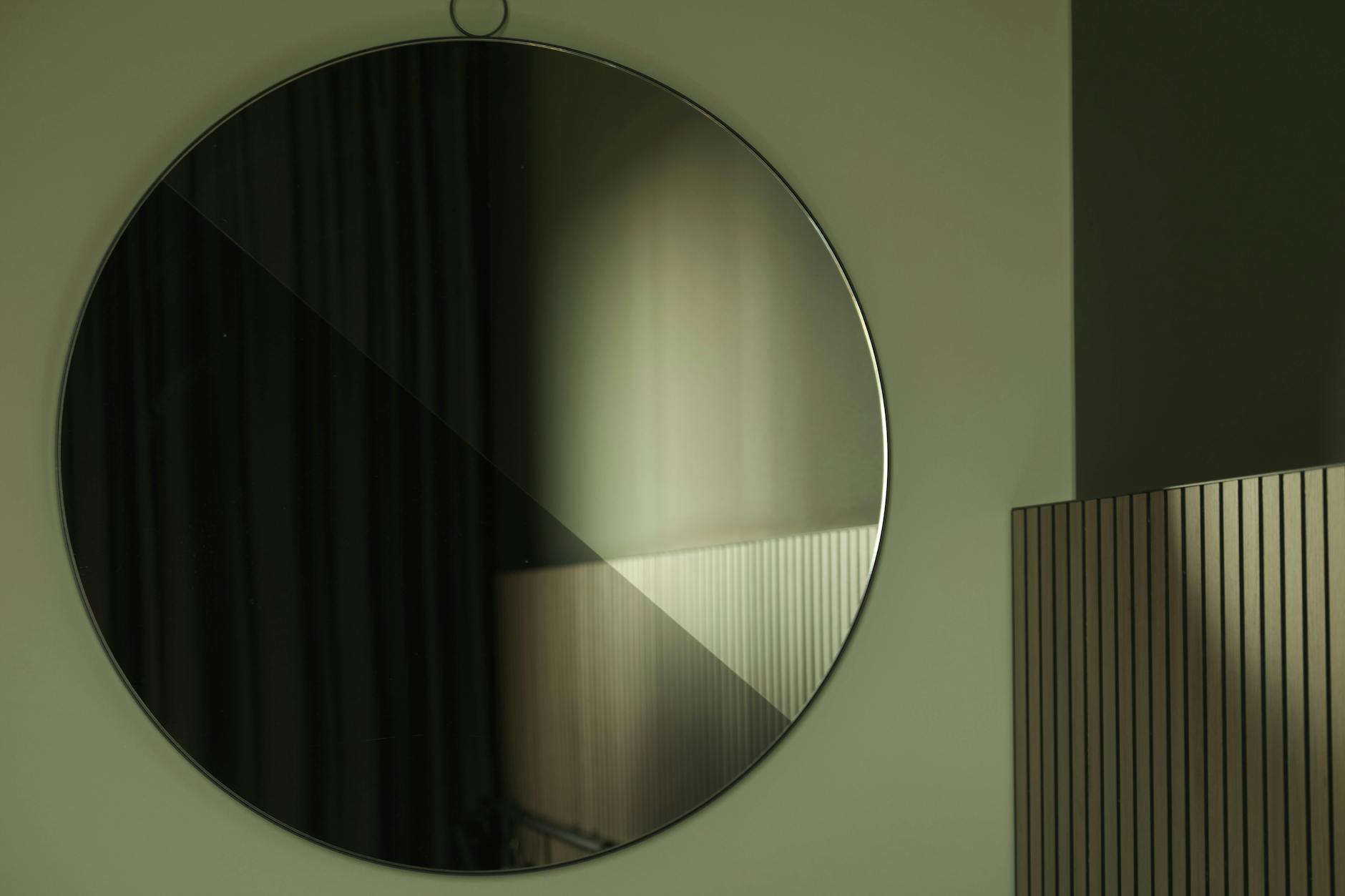
Mirrors are one of the oldest and most reliable tools for making a small room feel significantly larger than it actually is. When positioned across from a window, a large mirror bounces natural light deep into the room and creates the appearance of an additional window or even an entire extra room beyond the wall. A full-length or oversized framed mirror leaned casually against the wall adds depth without the commitment of permanent installation. Gallery arrangements of smaller mirrors can achieve a similar effect while adding a decorative layer of visual interest. The reflective surface essentially doubles whatever it faces, multiplying both light and the sense of spaciousness.
Embrace Vertical Storage
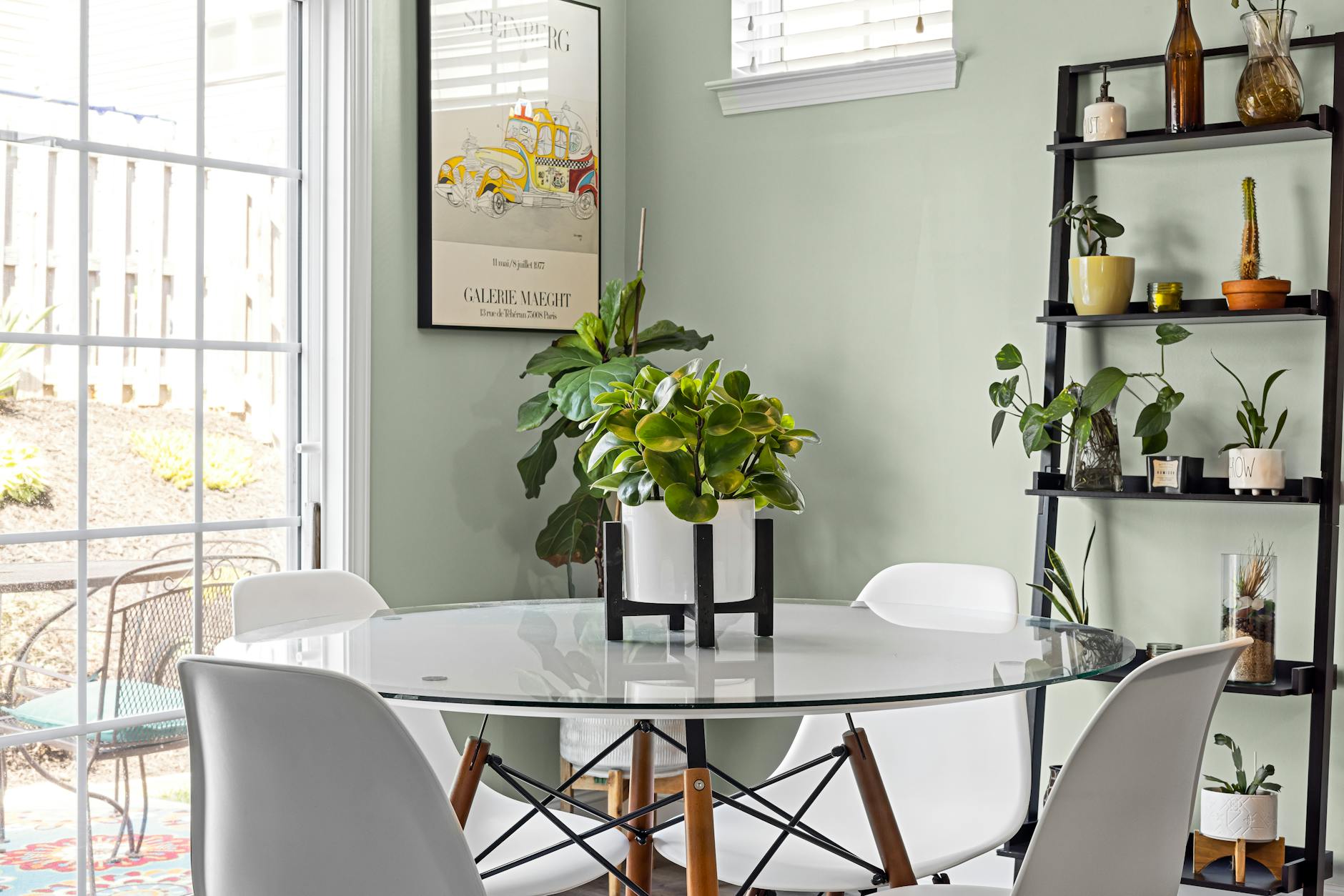
Drawing the eye upward rather than outward is a fundamental principle of small-space design that makes ceilings feel taller and rooms feel larger. Floor-to-ceiling shelving units or bookcases take advantage of often-ignored vertical real estate while keeping clutter off the floor. Tall, narrow storage units have a far smaller footprint than wide, low cabinets while offering comparable or even greater storage capacity. Floating shelves installed high on the wall encourage the gaze to travel upward, which subtly stretches the perceived height of the room. Keeping upper shelves neatly styled with a few curated objects rather than packed full maintains the airy quality that makes vertical storage so effective.
Opt for a Streamlined, Low-Profile Sofa

A sofa with a lower back height keeps sightlines clear across the room and prevents the largest piece of furniture from becoming a visual wall that cuts the space in half. Streamlined silhouettes without bulky arms or overstuffed cushions take up less visual real estate while still providing ample seating comfort. Choosing a sofa in a light upholstery color or one that matches the wall tone makes the piece recede rather than dominate. Compact two-seaters or apartment-scale sectionals are specifically designed with smaller footprints while maintaining proportional comfort. A well-chosen sofa that fits the scale of the room feels purposeful and spacious rather than crammed and oversized.
Keep Clutter Ruthlessly Minimal
Visual clutter is one of the fastest ways to make a small living room feel suffocating regardless of how cleverly it is decorated. Every surface covered with objects competes for attention and creates a sense of chaos that the eye reads as cramped and overwhelming. Adopting a strict one-in-one-out policy for decorative objects helps maintain a curated environment over time. Closed storage solutions such as ottomans, media consoles with doors, and lidded baskets keep daily essentials out of sight and off surfaces. A room with fewer things always feels larger and more intentional than one filled to capacity no matter how stylish those objects might be individually.
Use Glass and Lucite Furniture
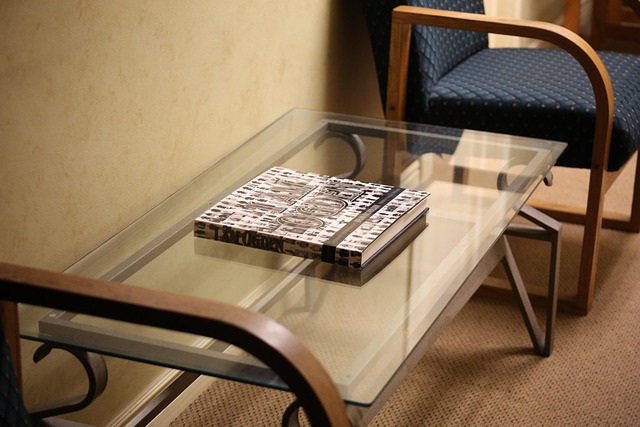
Transparent furniture made from glass or acrylic allows the eye to pass directly through it rather than stopping at its surface, which keeps sightlines open across the entire room. A glass-topped coffee table or a Lucite accent chair takes up physical space without registering as a solid visual mass. This makes transparent pieces ideal for small living rooms where every element that adds physical bulk without blocking the view is an asset. The see-through quality also makes the floor more visible, which reinforces the sense of open, uninterrupted square footage. Mixing one or two transparent pieces among more solid furniture creates a balanced look that feels light without appearing empty.
Maximize Natural Light
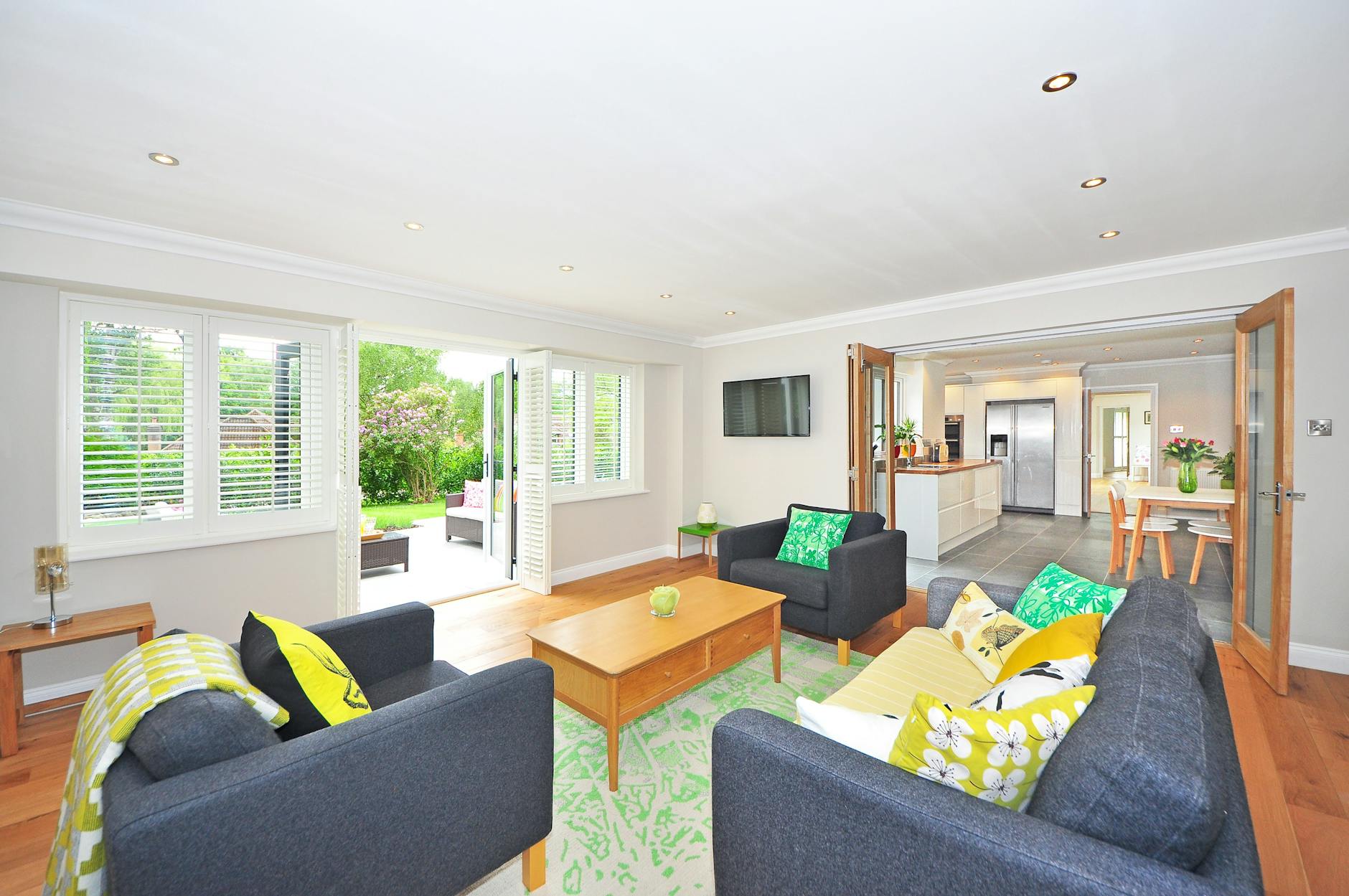
Natural light is one of the most powerful tools available for making a small room feel open, airy, and generously sized. Keeping window treatments minimal or sheer ensures that daylight floods the space throughout the day without obstruction. Trimming back any outdoor plants or shrubs that block window light from entering is a simple exterior fix with significant interior impact. Light-colored walls and ceilings amplify the effect of natural light by reflecting it rather than absorbing it into darker tones. Even small increases in the amount of daylight reaching a room can dramatically shift how spacious and welcoming the space feels.
Layer Lighting at Multiple Heights
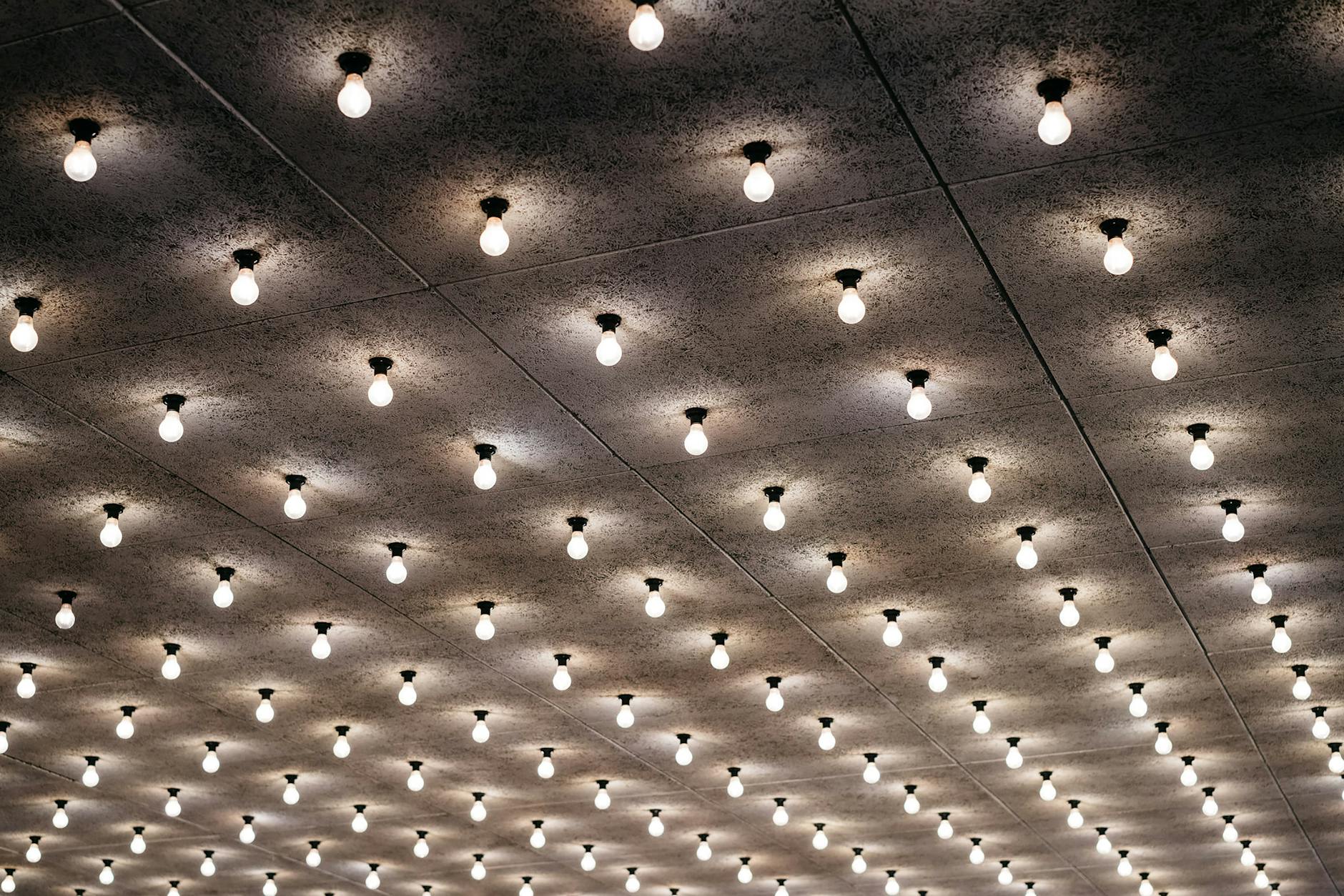
Relying solely on overhead lighting flattens the visual depth of a room and makes it feel smaller and less dynamic. Layering floor lamps, table lamps, and wall sconces at different heights creates a warm, dimensional atmosphere that expands perceived space. Uplighting directed at the ceiling draws the eye upward and adds the illusion of greater height in rooms with low ceilings. Dimmable fixtures allow the intensity and mood of the light to shift throughout the day and evening to match the activity and atmosphere needed. A thoughtfully lit room always feels more spacious and inviting than one relying on a single harsh overhead source.
Choose a Floating Media Console

Mounting a media console or TV unit to the wall rather than placing it on the floor frees up visible floor space and creates a lighter, more open visual foundation. The unobstructed floor beneath a floating unit draws the eye across the room and makes the space feel wider and more expansive. Wall-mounted units also allow for more flexibility in height placement, which can be adjusted to suit the proportions of the room and the seating arrangement. Keeping cables neatly concealed inside the wall or through a cord management system maintains the clean, uncluttered look that makes floating furniture so effective. This approach combines practical storage with a sleek, contemporary aesthetic that suits almost any interior style.
Use Monochromatic Color Schemes
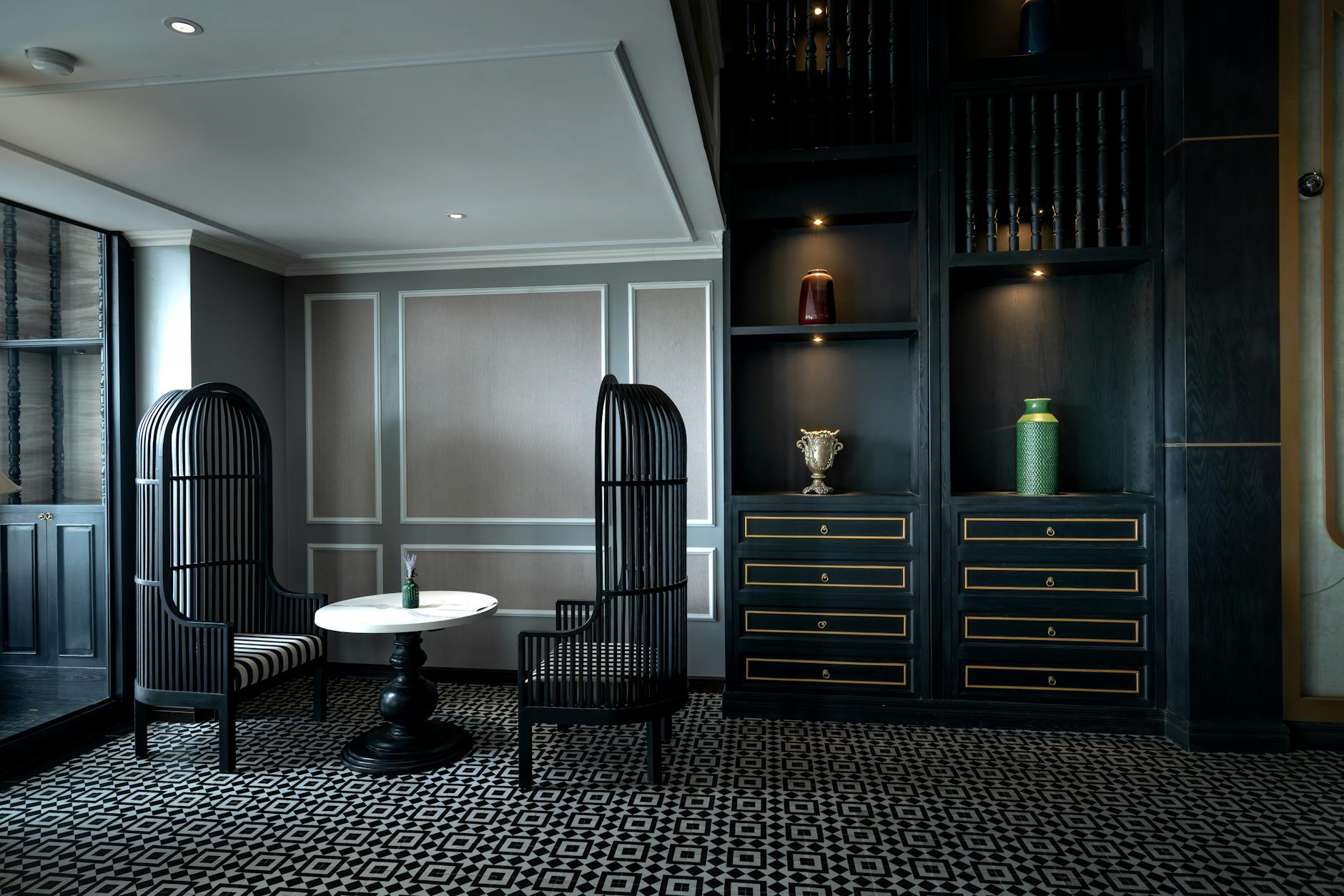
Decorating in tones and shades within the same color family reduces visual fragmentation and allows the eye to move smoothly across the room without stopping on jarring contrasts. When walls, furniture, and soft furnishings share a similar hue at varying intensities, the room reads as a cohesive, unified whole rather than a collection of separate objects competing for attention. Texture and material variation within a monochromatic palette adds depth and visual interest without introducing the busyness of competing colors. This approach is particularly effective with lighter color families such as warm whites, soft blues, or gentle sage greens. A monochromatic living room feels calm, curated, and deceptively spacious compared to one decorated in a fragmented mix of unrelated tones.
Incorporate Built-In Shelving
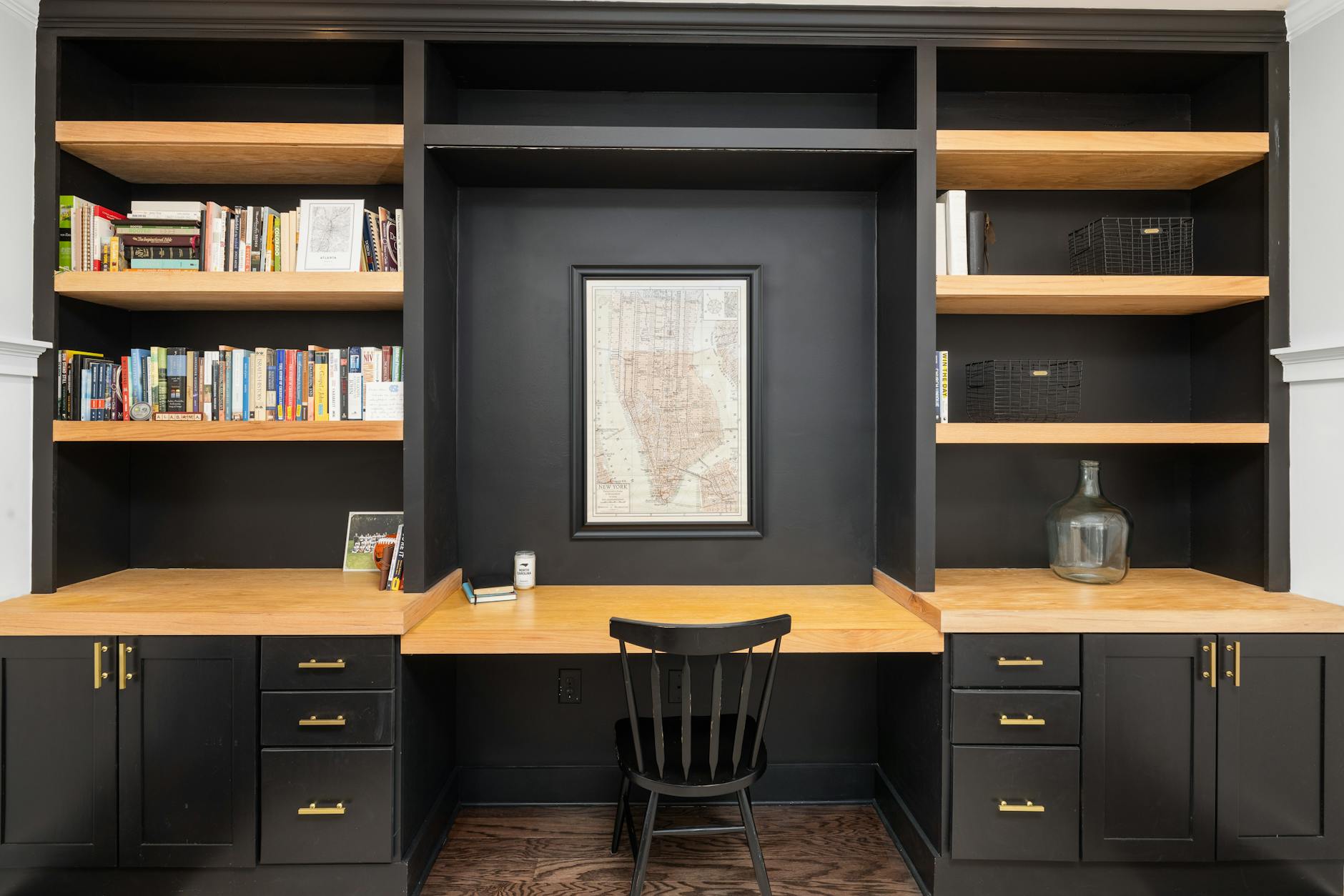
Built-in shelving units that span an entire wall transform dead wall space into functional, intentional storage while creating a sense of architectural permanence. Because built-ins are flush with the wall rather than projecting into the room like freestanding furniture, they preserve precious floor space and maintain open circulation paths. A floor-to-ceiling built-in surrounding a fireplace or media area gives the room a custom, designer quality that feels both purposeful and expansive. Styling built-in shelves with a thoughtful mix of books, plants, and objects rather than packing them densely keeps the display looking curated and breathable. The visual depth created by open shelving recessed into the wall adds dimension that makes the room feel more substantial and architecturally interesting.
Place Furniture Away from Walls
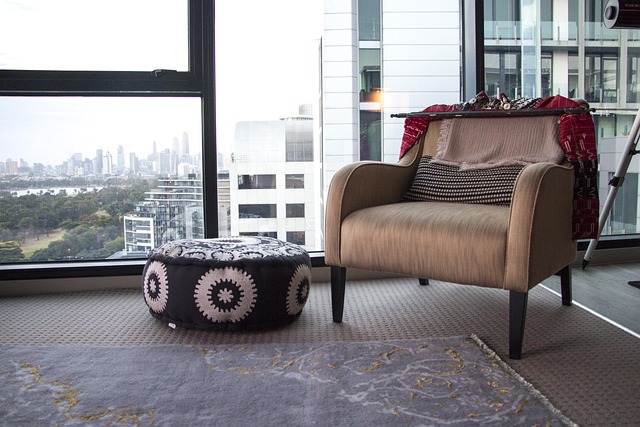
Pulling sofas and chairs a few inches away from the walls rather than pushing them flush against every surface is a counterintuitive trick that actually makes rooms feel larger. The small gap between furniture and the wall creates breathing room that prevents the space from feeling rigidly boxed in and cramped. Floating furniture groupings in the center or toward the middle of the room create more intentional conversation zones while freeing up perimeter floor space. This arrangement also makes it easier for light and air to circulate throughout the room, which contributes to a more open and welcoming atmosphere. Designers consistently recommend this approach as one of the most immediate and impactful changes anyone can make in a compact living room.
Add Stripes to Elongate the Space

Horizontal stripes on walls, rugs, or upholstery create a strong optical illusion that makes a narrow room appear wider than it actually is. Vertical stripes achieve the opposite effect and are ideal for rooms with low ceilings where added height is the primary goal. Wide, subtle stripe patterns tend to feel more sophisticated and less overwhelming in small spaces than bold, high-contrast alternating bands. Striped rugs running lengthwise down a narrow room are a particularly simple and affordable way to deploy this effect without committing to a striped paint treatment. The directional pull created by stripes is a powerful design tool that costs very little but delivers significant spatial impact.
Keep Window Treatments Simple
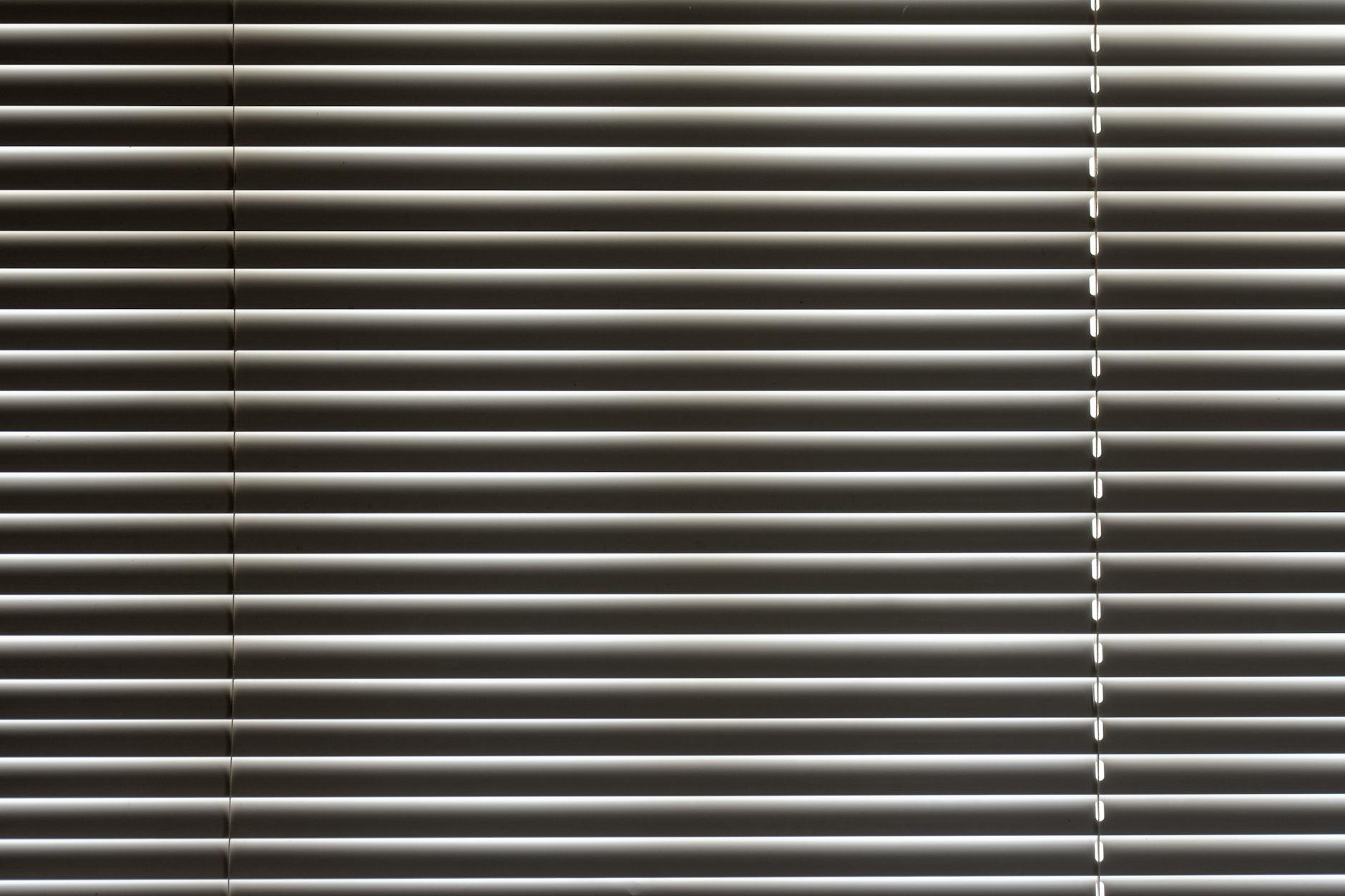
Heavy, layered window treatments with pelmet boxes, thick linings, and oversized hardware add visual weight to walls and block the natural light that makes small rooms feel open. Opting instead for simple Roman shades, clean roller blinds, or single-panel curtains in a light fabric keeps window areas neat and unobtrusive. Choosing treatments in a color close to the wall tone helps windows blend seamlessly into the surrounding surface rather than standing out as separate focal points. Minimal window dressing also draws attention to the view beyond the glass, which visually extends the perceived depth of the room outward. In a small space, the less visual noise surrounding windows, the more light and openness the room gains.
Use Artwork Strategically
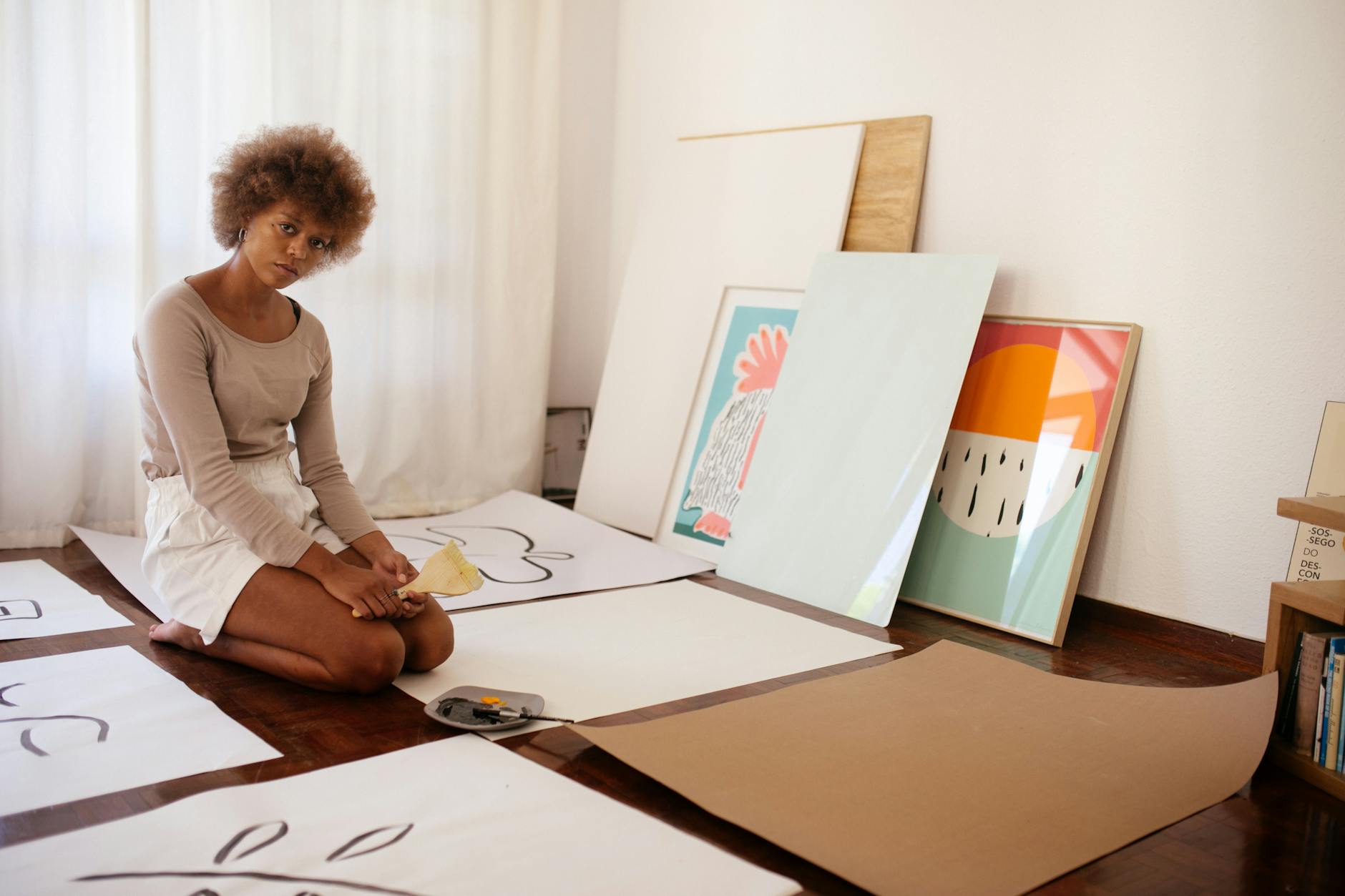
A single large piece of artwork creates a dramatic focal point that anchors the room without fragmenting the wall into multiple competing elements. Large-scale art on a primary wall draws the eye immediately and creates the impression of a deliberate, spacious gallery rather than a crowded corner. Hanging artwork at the correct height is critical because pieces mounted too high or too low disrupt the visual flow and make ceilings feel lower. Choosing art with depth-inducing subject matter such as landscapes, architectural photography, or abstract works with strong perspective can visually extend the room beyond its physical boundaries. Leaning a large canvas or framed print against the wall rather than hanging it adds a relaxed, studio-like quality that keeps the space feeling open and effortless.
Reduce the Number of Furniture Pieces

Editing the furniture in a small living room down to only the most essential and functional pieces is one of the most transformative decisions possible. Each additional chair, side table, or accent piece added to a compact room reduces the available floor space and makes navigation feel increasingly difficult. A three-piece seating arrangement with a sofa and two chairs often works better as a sofa with a single accent chair and one well-placed side table. The empty floor space left behind by removing unnecessary furniture is not wasted space but rather breathing room that makes the room feel deliberate and generously proportioned. Resisting the urge to fill every corner and surface is one of the defining principles of successful small-space design.
Choose a Statement Piece Over Many Accessories

Rather than scattering a large number of small decorative accessories across every surface, anchoring the room with one or two statement pieces keeps the space feeling intentional and uncluttered. A single oversized vase, a sculptural floor lamp, or an eye-catching art object creates the same decorative impact as a collection of smaller items while taking up far less visual real estate. Large singular pieces also photograph and read more clearly in a small space where too many competing objects create visual noise. This editing approach forces more thoughtful decorating decisions and results in a room that feels curated rather than accumulated. Statement pieces often carry more personality and design weight than a group of smaller accessories combined.
Add Plants to Create Depth
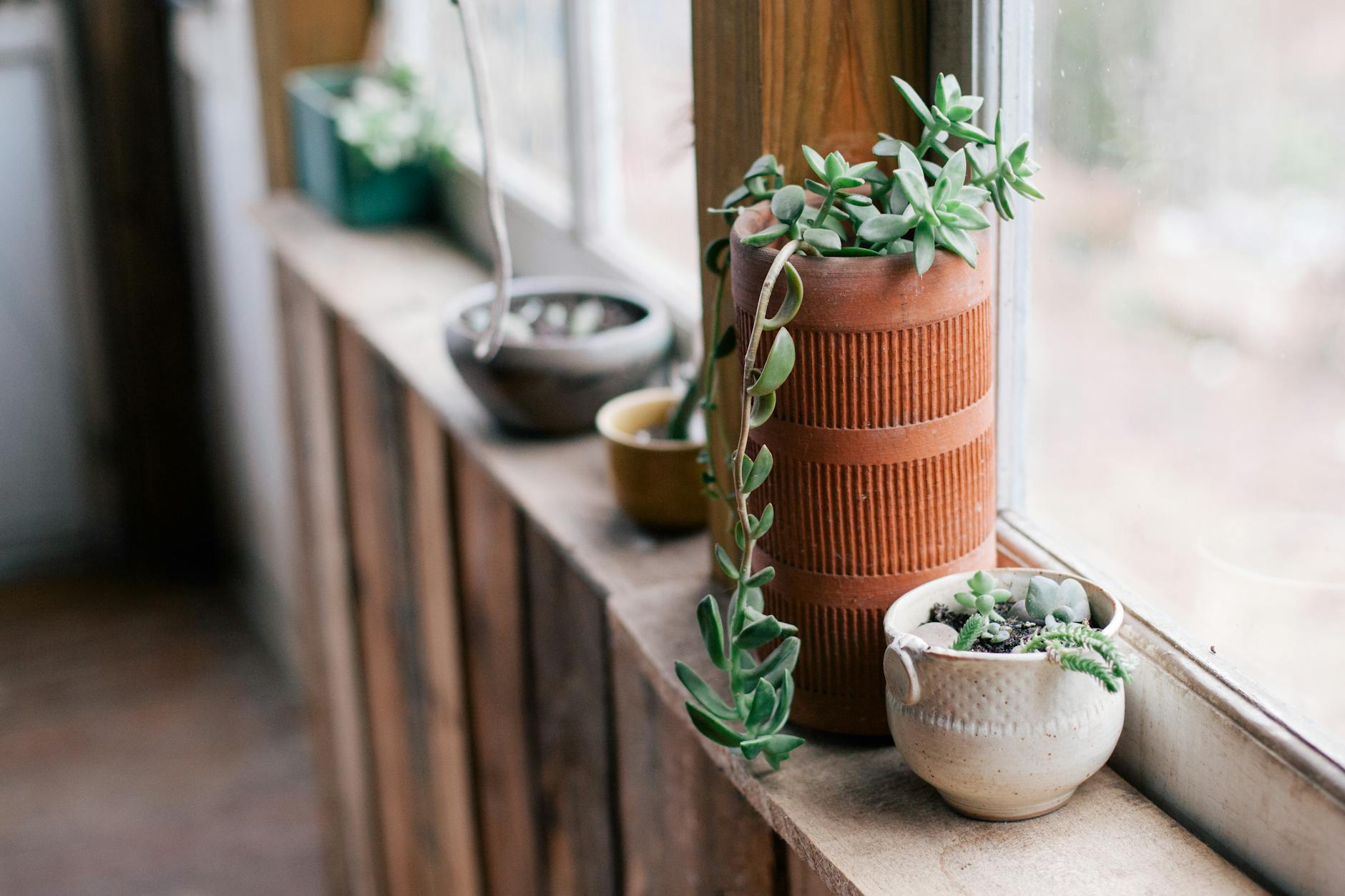
Strategically placed indoor plants add a layer of organic depth and texture that makes a small living room feel more dynamic and dimensionally rich. Tall floor plants such as fiddle-leaf figs or snake plants draw the eye upward and emphasize vertical space much like tall furniture does. Trailing plants positioned on high shelves or hanging from the ceiling bring life to overlooked vertical zones and add movement without requiring floor space. Plants introduce a natural color and texture contrast that prevents an all-neutral room from feeling flat or monotonous. Beyond aesthetics, the presence of greenery is consistently associated with feelings of openness and tranquility that make even the most compact spaces feel more livable.
Use Recessed or Flush Lighting
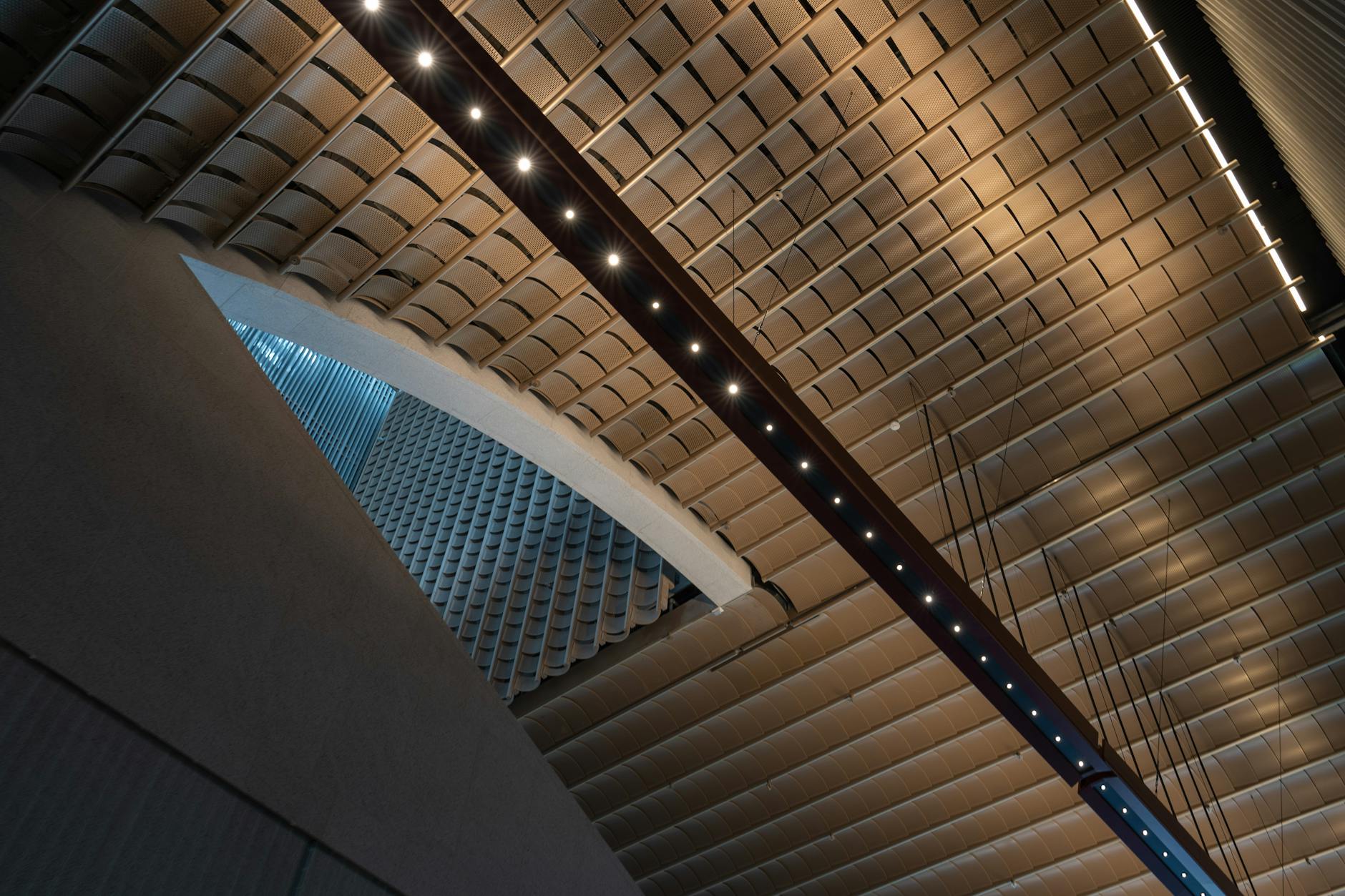
Light fixtures that protrude significantly from the ceiling such as chandeliers or large pendant clusters reduce the visual height of the room and can make lower ceilings feel even more oppressive. Recessed or flush-mounted ceiling lights sit tight against the ceiling surface and preserve every available inch of perceived height. Recessed lighting also distributes illumination evenly across the room without creating shadows or dark corners that make the space feel smaller and more closed off. For rooms where recessed installation is not possible, slim flush-mount fixtures with a low profile are an effective compromise. Clean, ceiling-hugging lighting keeps the upper portion of the room visually clear and reinforces the open, airy quality that makes a small living room feel significantly larger.
Declutter with Dedicated Storage Zones
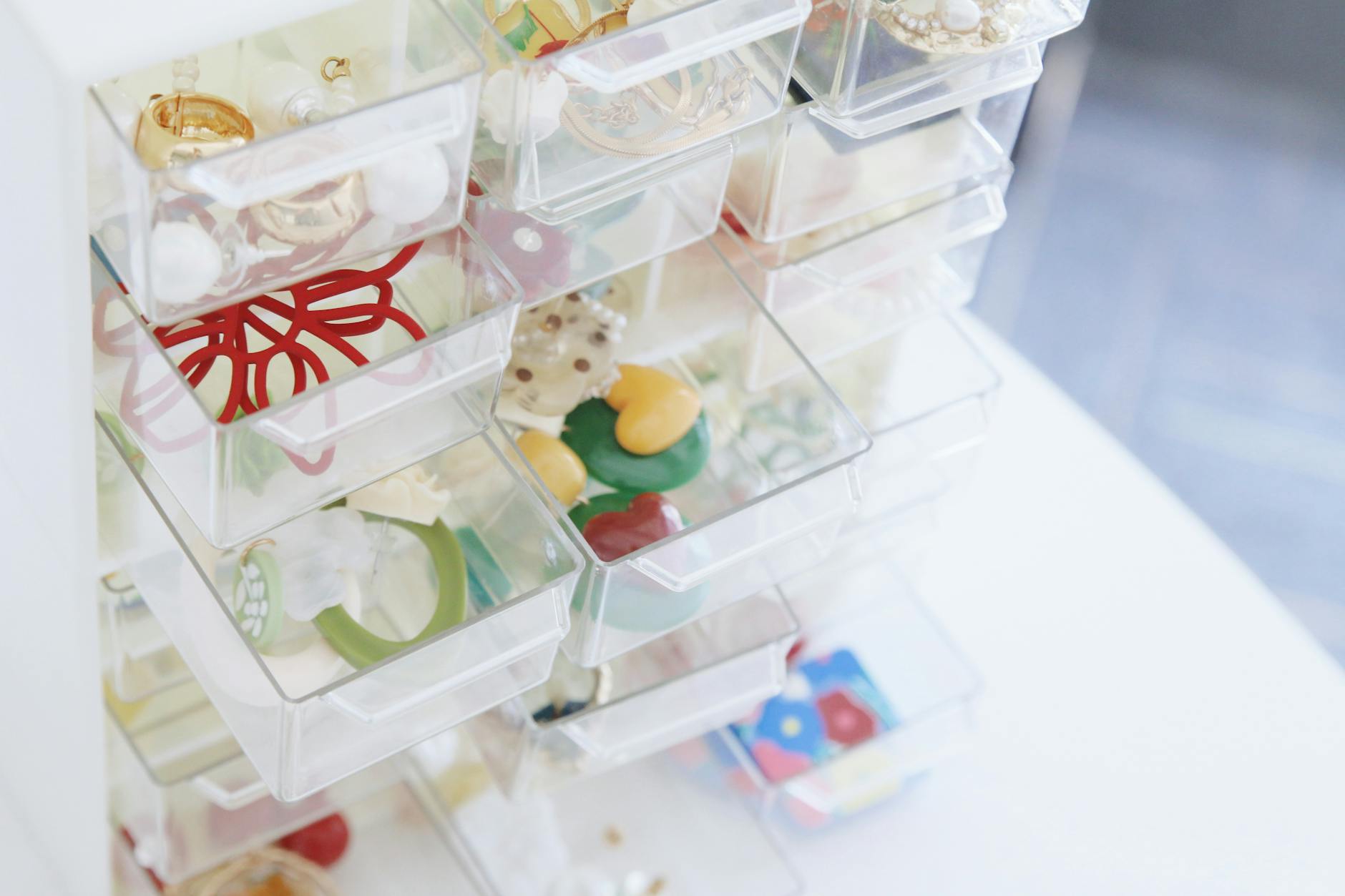
Establishing specific storage zones for everyday items prevents the accumulation of surface clutter that makes small rooms feel disorganized and tight. A media console with closed cabinets, a storage ottoman, and a wall-mounted entryway shelf can collectively manage the majority of items that tend to drift into living room spaces without a designated home. Keeping remote controls, charging cables, magazines, and other everyday objects tucked away in accessible but concealed storage maintains the room’s visual calm. Labeling or organizing storage containers internally reduces the time spent searching for items, which in turn reduces the tendency to leave things out on surfaces. A small living room with excellent storage infrastructure always feels more spacious and livable than one where belongings have no clear place to belong.
Embrace Minimalist Decor Principles
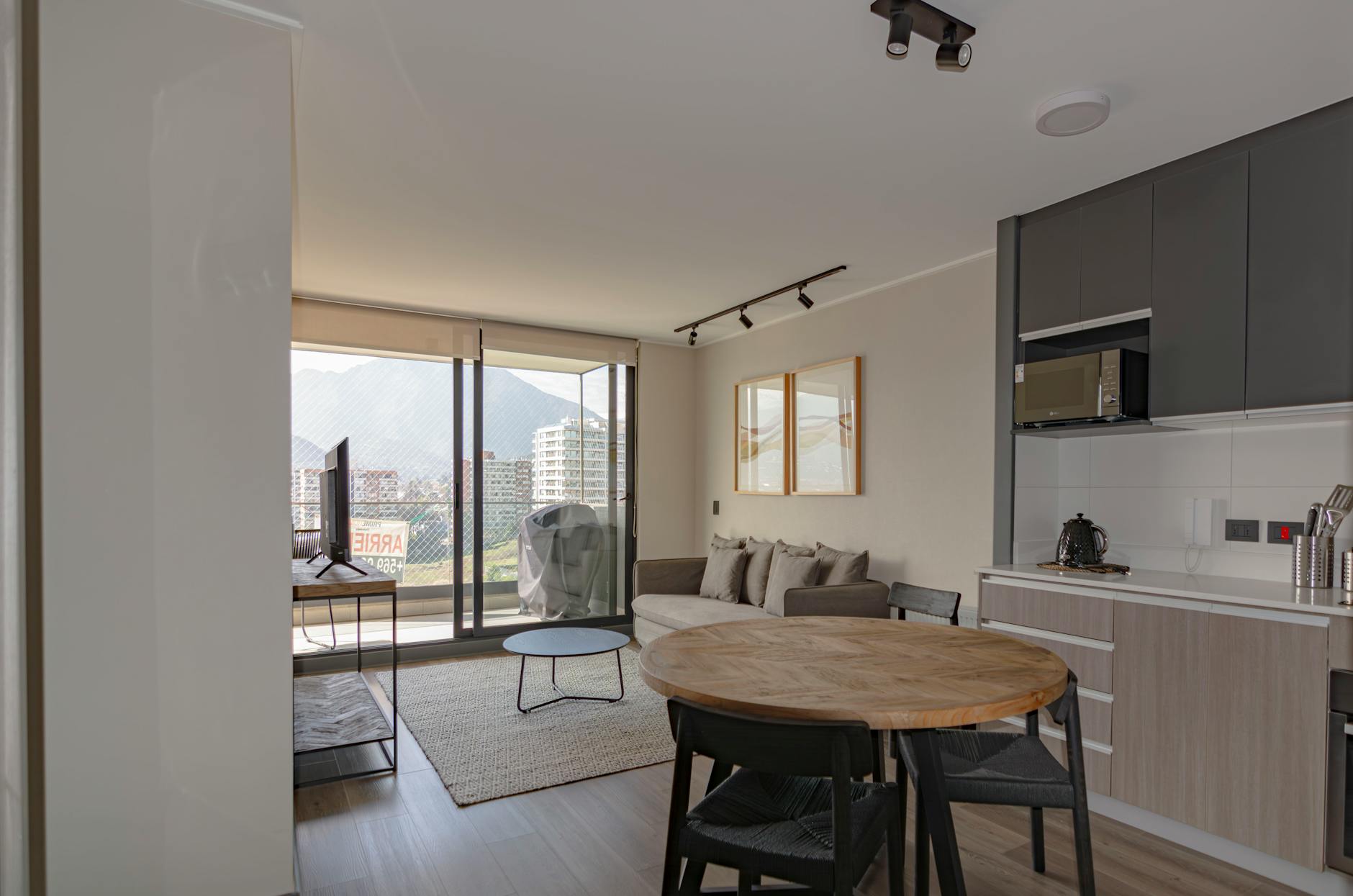
Minimalism in a small living room is not about deprivation but about ensuring that every object present is either functional, beautiful, or both. Removing decorative pieces that no longer serve a meaningful purpose in the room immediately reduces visual noise and creates a greater sense of space. Choosing quality over quantity when selecting decor allows fewer pieces to carry more emotional and aesthetic weight throughout the entire room. Keeping surfaces such as coffee tables and side tables clear except for one or two thoughtfully chosen items maintains an open, breathing quality that maximizes perceived square footage. The minimalist approach transforms a small living room from a space that feels limited by its size into one that feels purposefully edited and effortlessly stylish.
If you have tried any of these strategies in your own home, share what worked best for you in the comments.