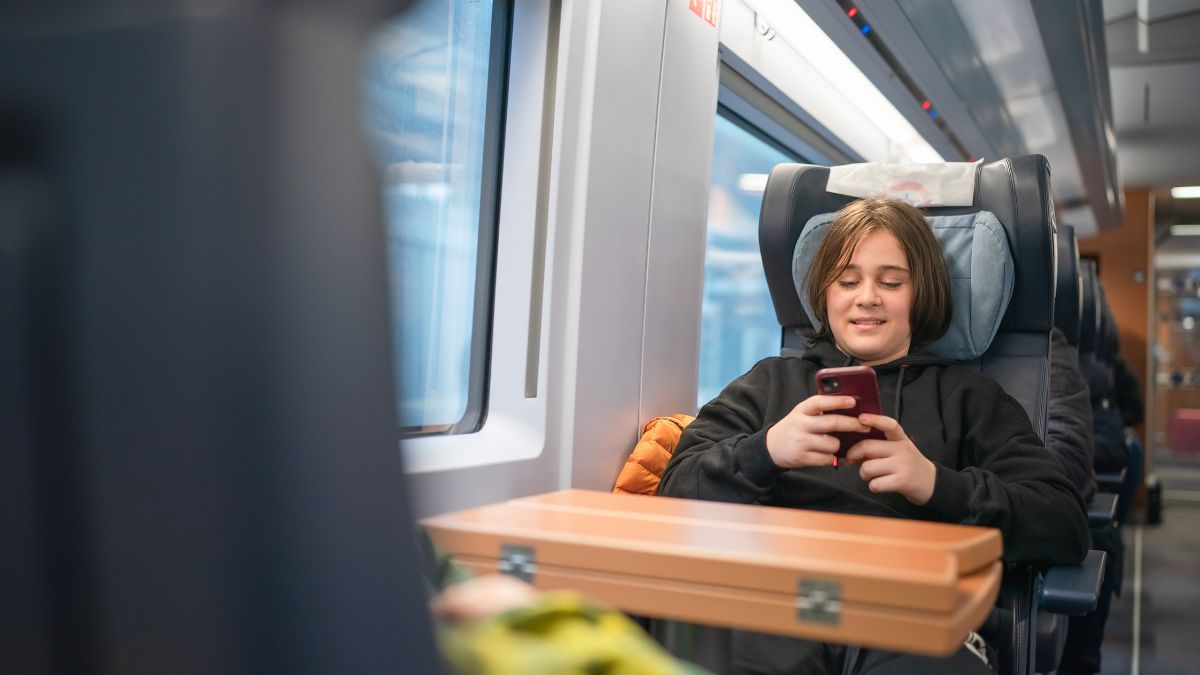
Lifestyle creep is one of the most financially dangerous patterns a person can fall into, precisely because it happens gradually and without any single dramatic turning point. As income rises, spending tends to rise alongside it in ways that feel entirely justified in the moment. What once felt like a luxury slowly becomes a baseline expectation, and the cycle continues almost invisibly. Recognizing the early signs of this pattern is the first step toward regaining control of financial wellbeing and long-term security.
Upgraded Subscriptions

A telling early sign of lifestyle creep is the quiet accumulation of premium subscription tiers that once seemed unnecessary. Streaming platforms, music apps, cloud storage, and software tools all get bumped to their most expensive versions over time. Each upgrade feels minor on its own, but collectively these services can consume a significant portion of a monthly budget. When the standard version of something no longer feels acceptable without a clear functional reason, that shift in expectation is worth examining.
Restaurant Budgets
Dining out frequency and spending tend to increase significantly as a person earns more, often without any conscious decision to change habits. Meals that were once reserved for special occasions become routine weeknight choices. The price range of acceptable restaurants quietly shifts upward, and ordering without checking prices becomes the norm. This change in behavior often goes unnoticed because food feels like a basic necessity rather than a discretionary luxury.
Grocery Preferences

The supermarket is one of the most revealing places to spot lifestyle inflation in action. Everyday items get swapped for premium or organic versions not because of a deliberate health decision but simply because they now feel more appropriate. Specialty grocers and gourmet food halls begin to replace budget-friendly stores as the default shopping destination. When the sight of a standard brand feels like a downgrade rather than a neutral choice, spending habits have likely shifted.
Hotel Standards
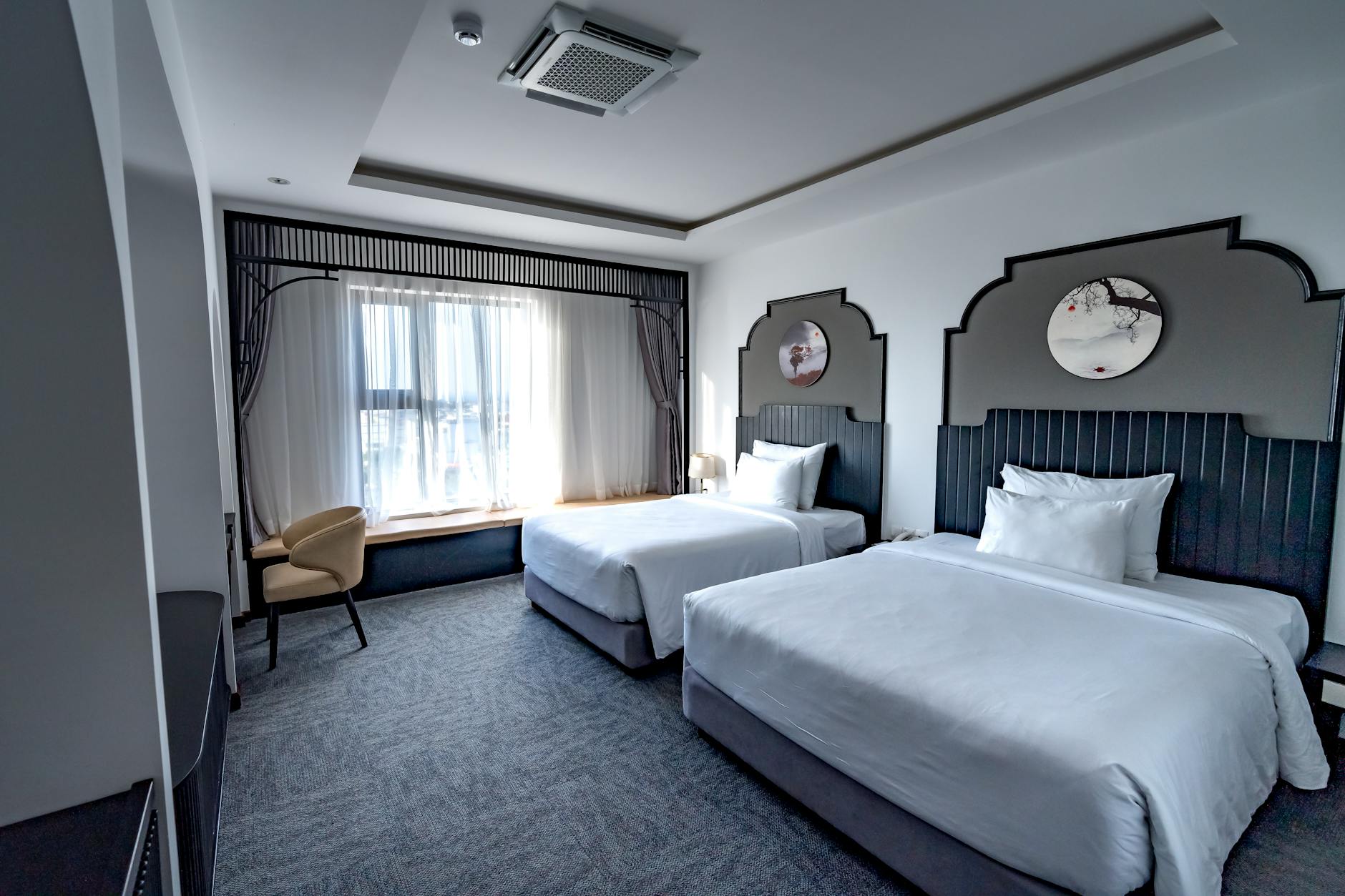
Travel accommodation expectations are a strong indicator of how baseline comfort levels have quietly risen. Hotels that once felt perfectly comfortable now seem inadequate compared to properties with concierge service and spa amenities. The minimum acceptable room quality creeps upward with each trip, making budget or mid-range options feel like a sacrifice. This shift can dramatically increase the overall cost of travel without any corresponding increase in genuine enjoyment or experience.
Coffee Habits

Daily coffee spending is one of the most cited examples of small expenses that grow quietly over time. What begins as an occasional treat from a specialty café gradually becomes a non-negotiable daily ritual. The idea of brewing coffee at home starts to feel inconvenient rather than practical and cost-effective. Over the course of a year, this single habit shift can account for thousands of dollars in additional spending.
Wardrobe Expectations
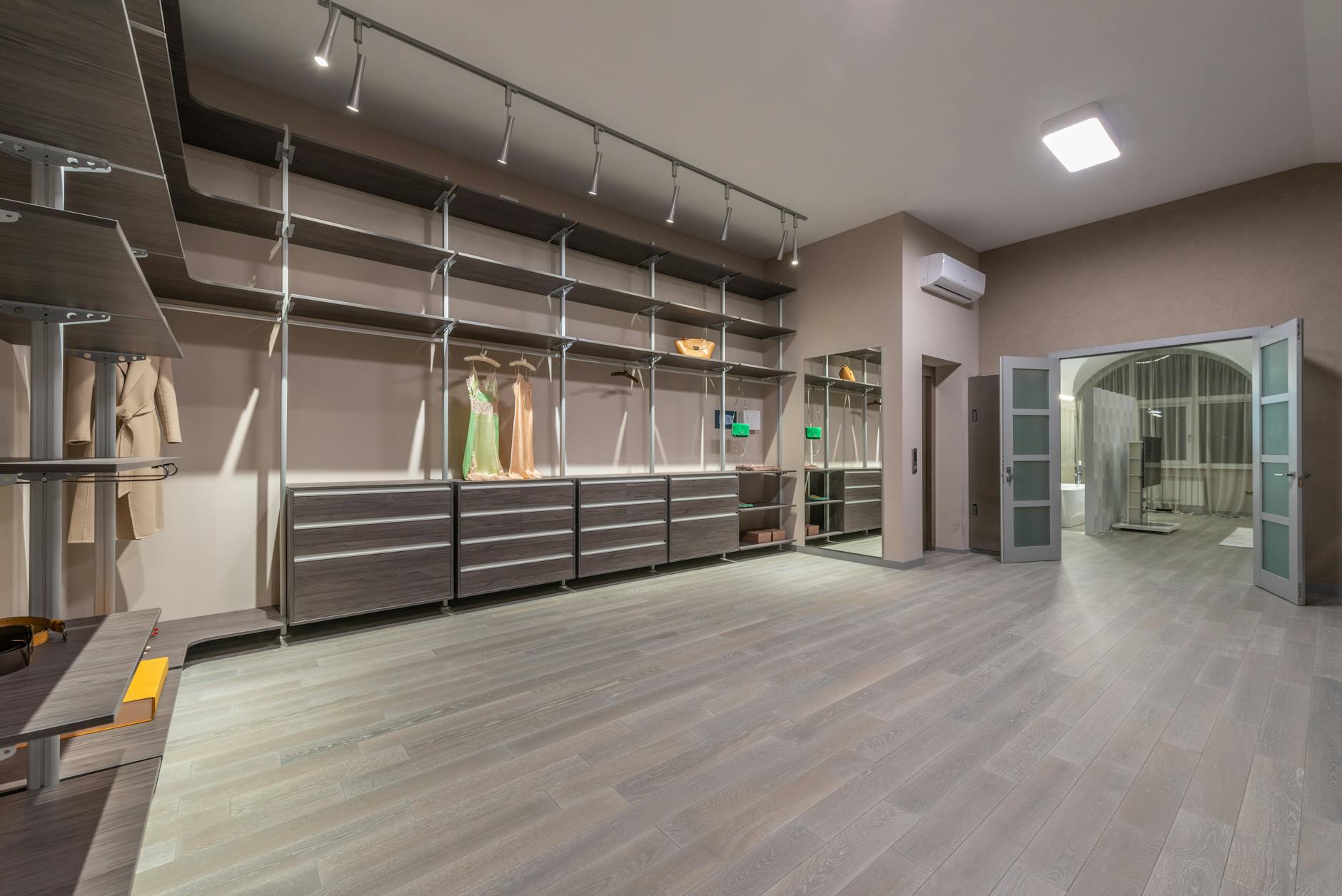
Clothing budgets tend to expand as income grows, with price points shifting upward across every category of apparel. Items that were once considered high-end purchases become the new standard for everyday wear. Sale shopping and budget-friendly retailers start to feel unappealing even when the products are functionally identical to pricier alternatives. A wardrobe that consistently trends toward luxury labels without a specific reason is a reliable signal of creeping lifestyle inflation.
Fitness Spending
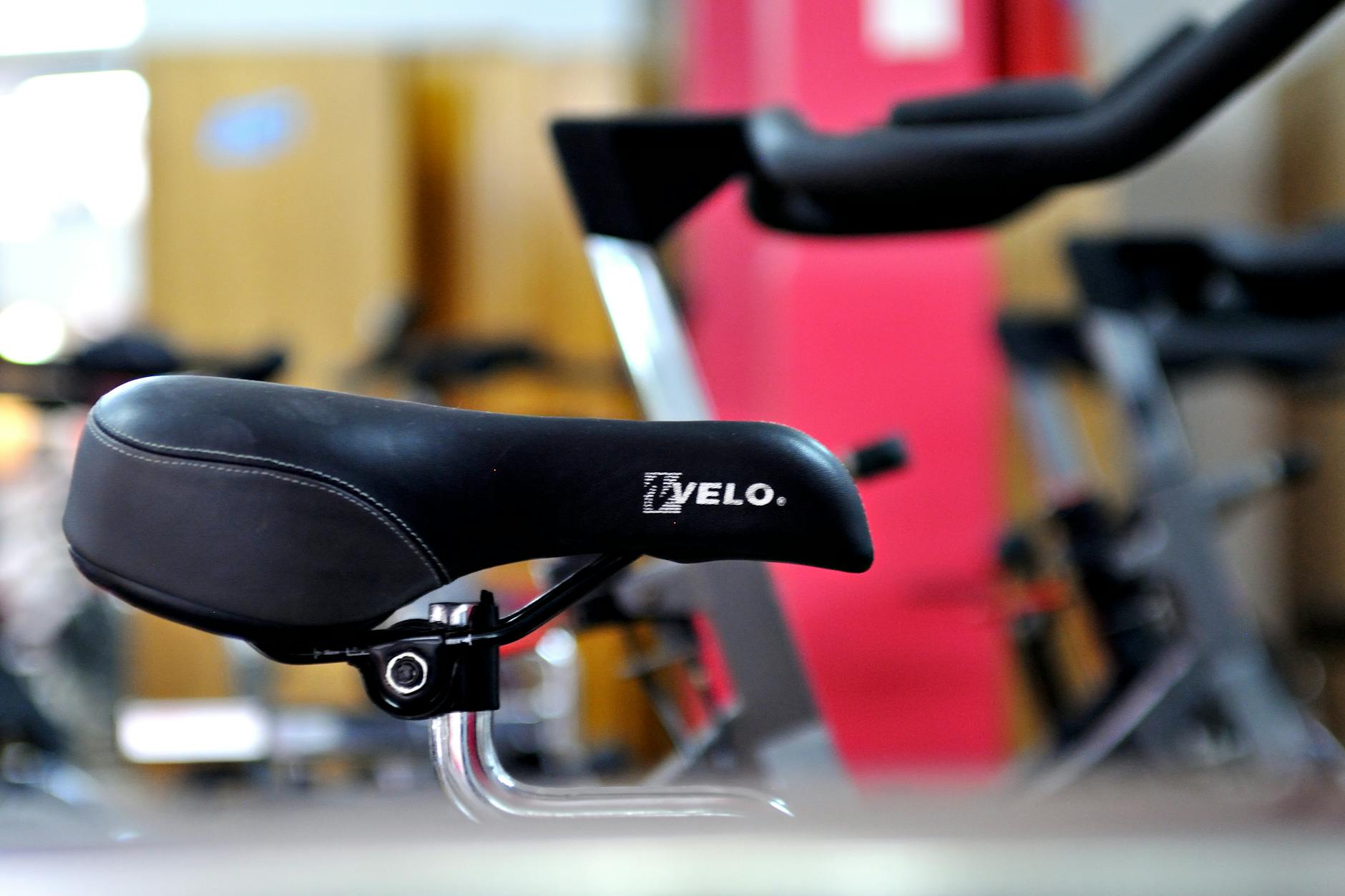
Gym memberships and wellness expenditures are an area where lifestyle creep is particularly easy to rationalize as self-investment. Basic gym access gets replaced with boutique fitness studios, personal training sessions, and premium athletic gear. Monthly wellness costs can grow substantially when high-end classes, supplements, and recovery services are added gradually. The fact that health spending feels virtuous makes it one of the harder categories to scrutinize honestly.
Home Upgrades
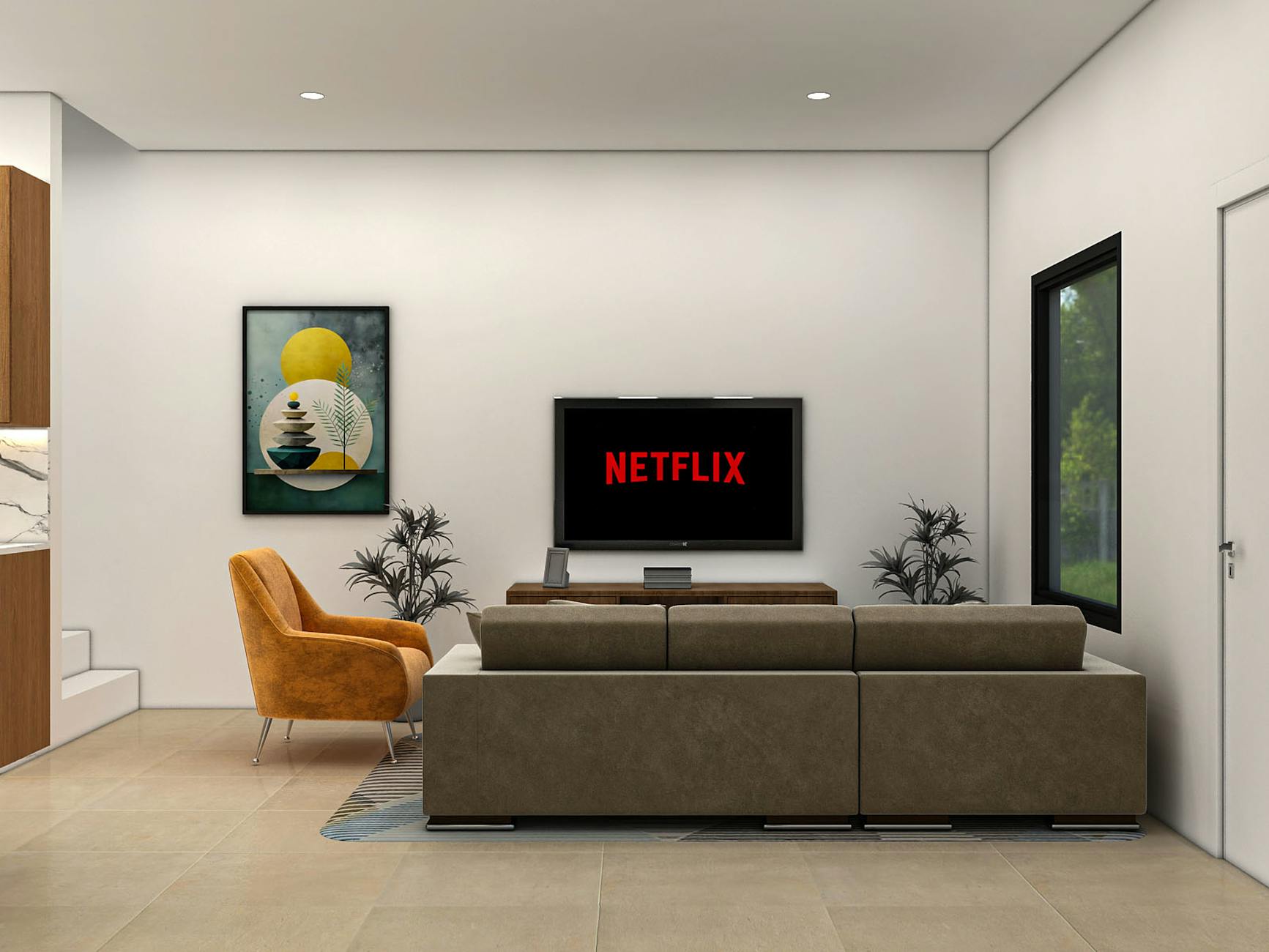
Home improvement and décor spending often accelerates when income increases, driven by a rising sense of what a living space should look like. Functional furniture and appliances get replaced not because they have worn out but because they no longer feel current or aspirational enough. Renovation projects expand in scope and budget well beyond what was initially planned or necessary. The home becomes a continuously moving target of perceived adequacy rather than a stable and satisfying space.
Tech Purchases
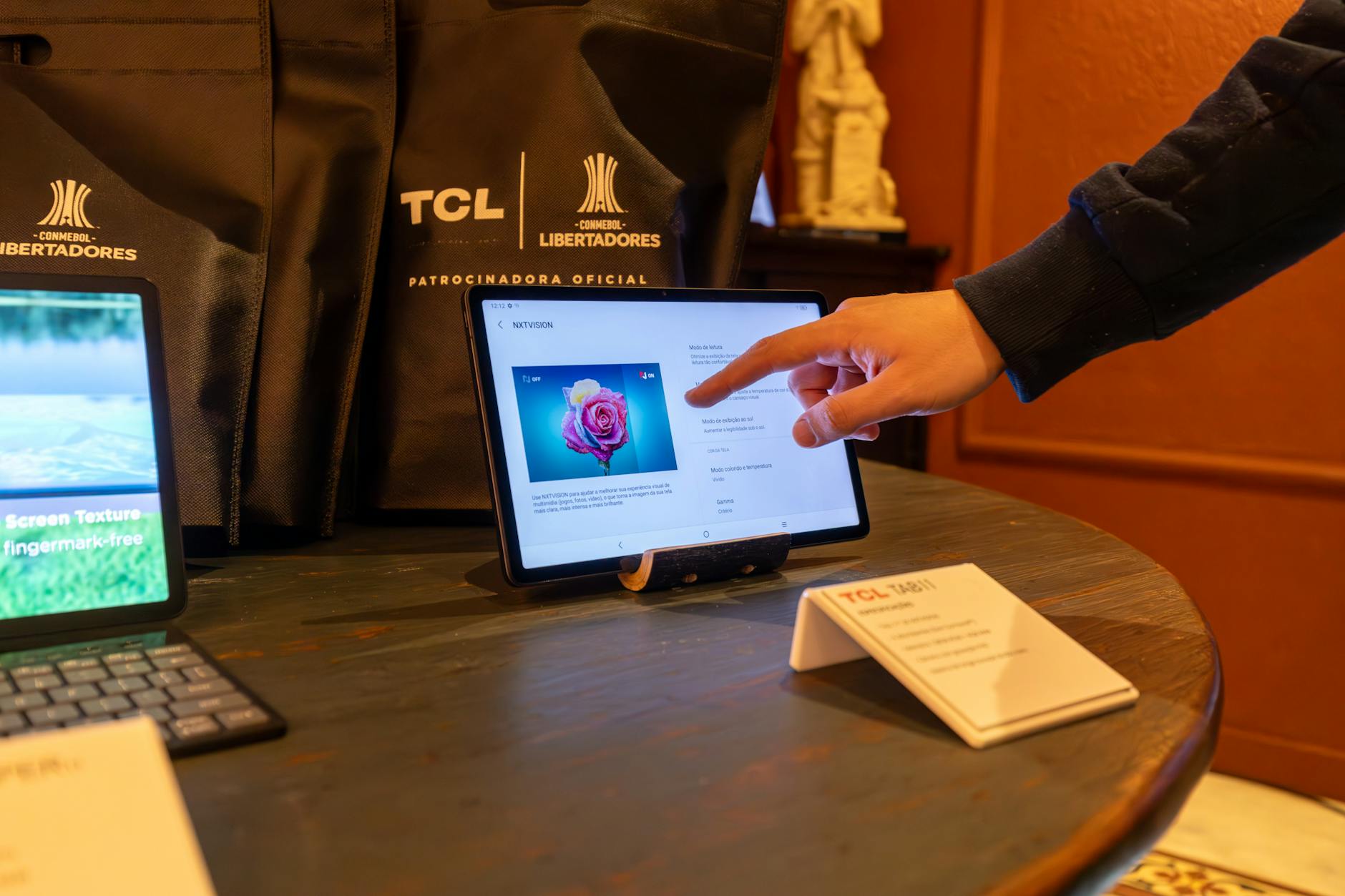
Consumer electronics are an area where the upgrade cycle tends to shorten considerably as spending power increases. New device releases that were once easy to pass on begin to feel like practical necessities rather than optional indulgences. Accessories, cases, and complementary gadgets multiply alongside each new purchase, adding further to the overall cost. When the latest version of a device feels mandatory rather than aspirational, lifestyle creep has likely taken hold in this category.
Skincare Routines

Personal care spending is one of the subtler areas where lifestyle inflation tends to grow without obvious checkpoints. Entry-level skincare and grooming products get replaced with prestige alternatives from luxury brands and specialist retailers. Multi-step routines expand with serums, treatments, and tools that carry significant price tags individually and collectively. The shift from functional to aspirational in personal care is often framed as self-care but can quietly become a significant monthly expense.
Car Expectations
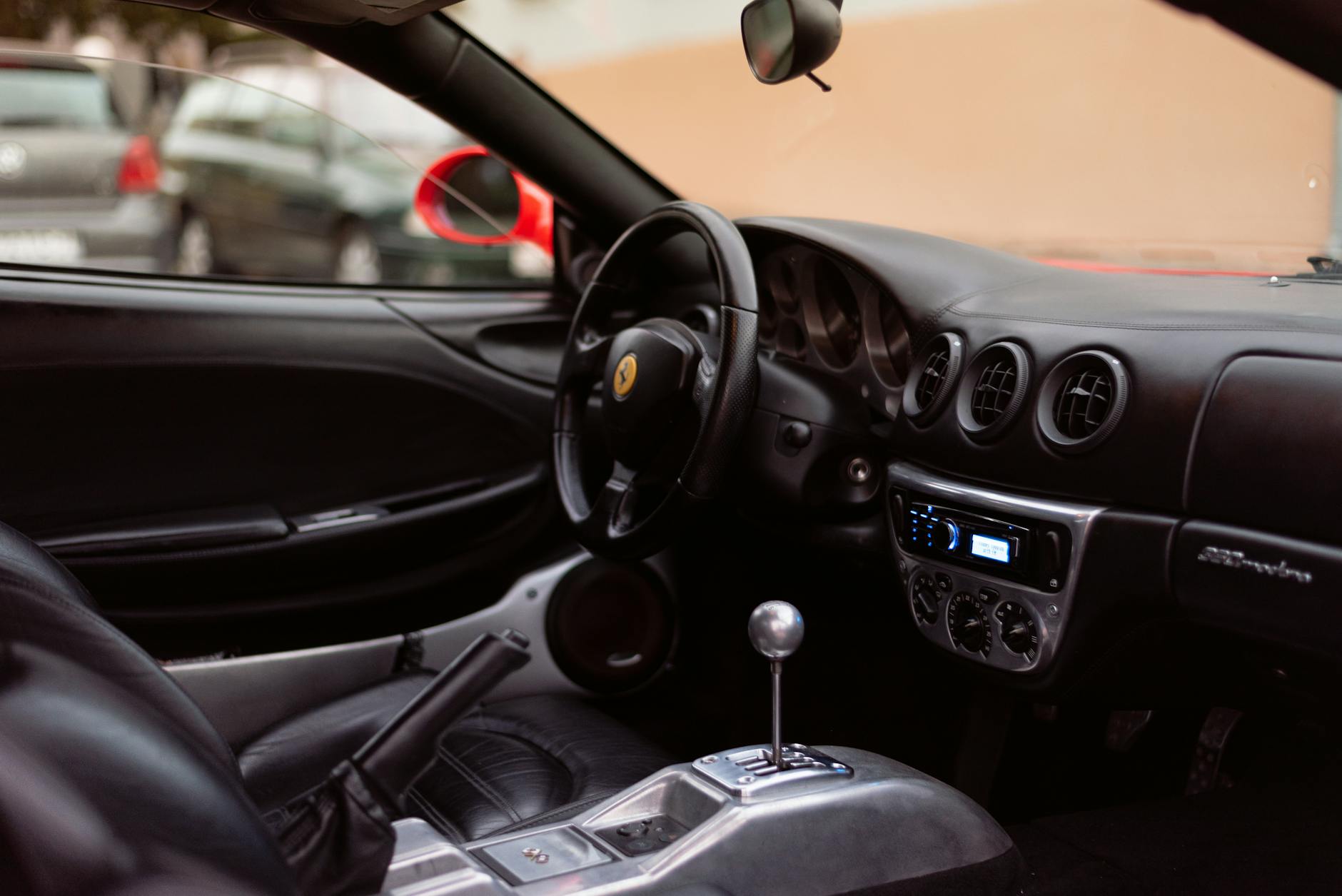
Vehicle preferences are a strong and well-documented area where lifestyle creep plays out over time. The practical considerations that once guided car choices give way to comfort, status, and feature expectations that push spending into higher brackets. Lease or loan payments on premium vehicles absorb income that could otherwise be directed toward savings or investments. Feeling genuinely dissatisfied in a reliable, functional car is a meaningful sign that baseline expectations have shifted.
Childcare Choices
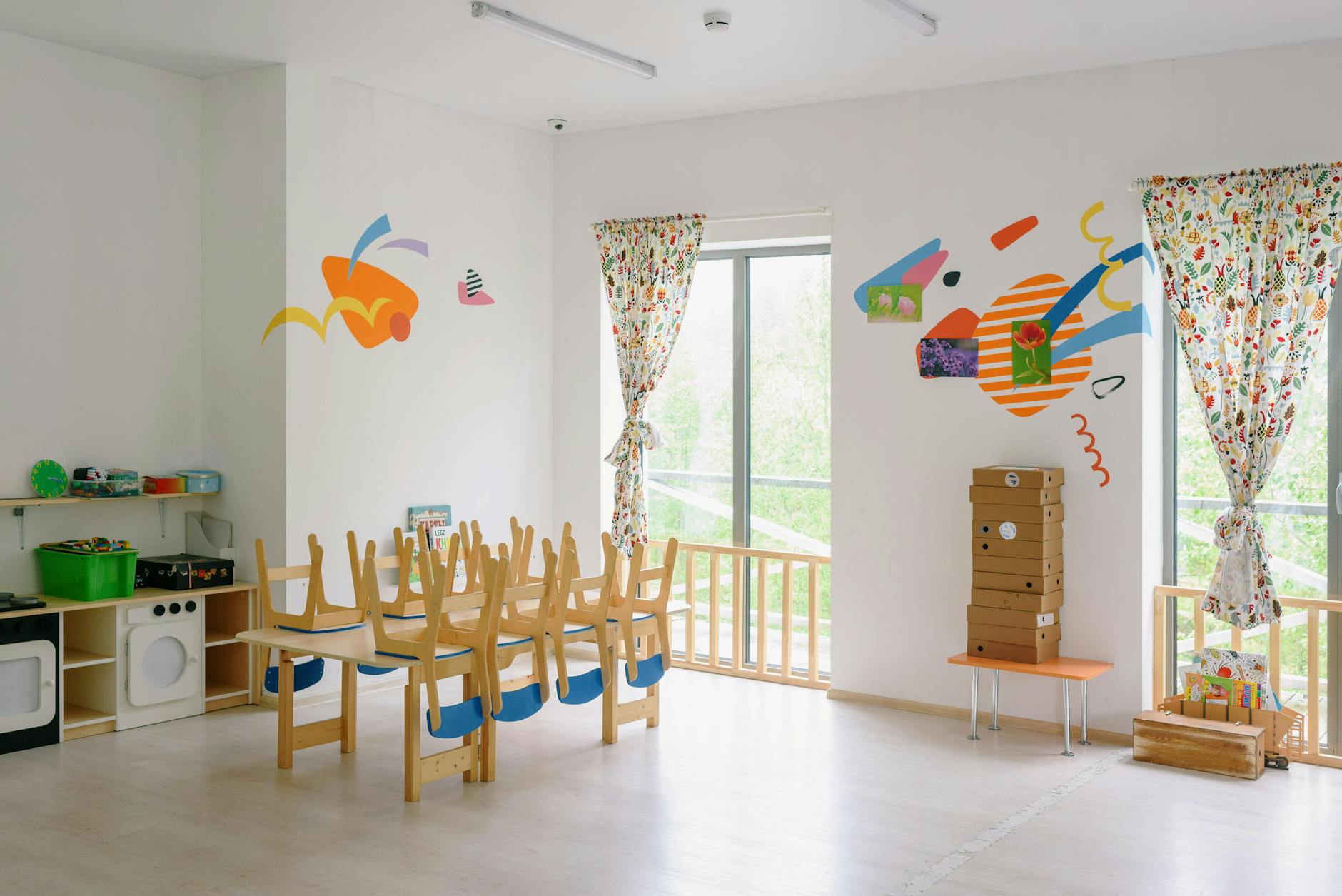
Parents experiencing lifestyle creep often find that expectations around childcare and children’s activities escalate alongside household income. Extracurricular programs multiply, private tuition becomes normalized, and premium childcare facilities replace more affordable alternatives. Birthday parties, holidays, and everyday experiences are scaled up to match a perceived standard that feels difficult to walk back. These decisions are easy to justify as being in the child’s best interest, which makes the pattern harder to identify and address.
Gift Spending

The amount spent on gifts for family, friends, and colleagues tends to increase gradually as financial comfort grows. A higher income shifts the internal benchmark for what constitutes a thoughtful or appropriate gift upward over time. Occasions that were once marked with modest gestures begin to require more elaborate and expensive expressions of generosity. This pattern can create social and financial pressure that compounds further during peak gifting seasons.
Delivery Services
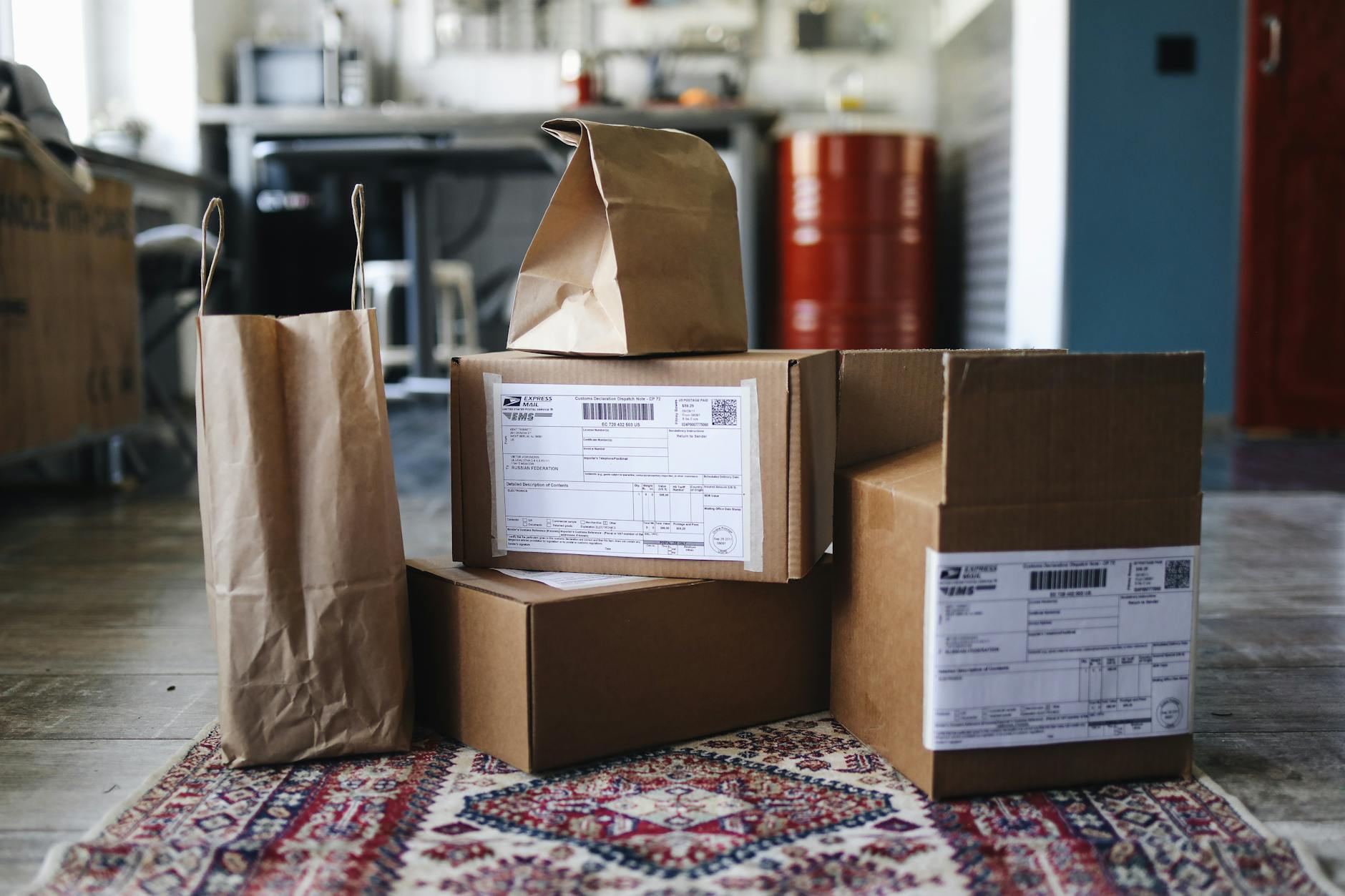
The reliance on convenience delivery services is one of the clearest modern markers of lifestyle inflation. Grocery delivery, meal kits, same-day courier services, and food delivery apps transition from occasional conveniences to everyday defaults. The fees, tips, and markups associated with these services add up considerably over the course of a month. When the idea of picking something up in person feels genuinely burdensome rather than just slightly less convenient, a habit has been formed that carries real financial weight.
Vacation Frequency
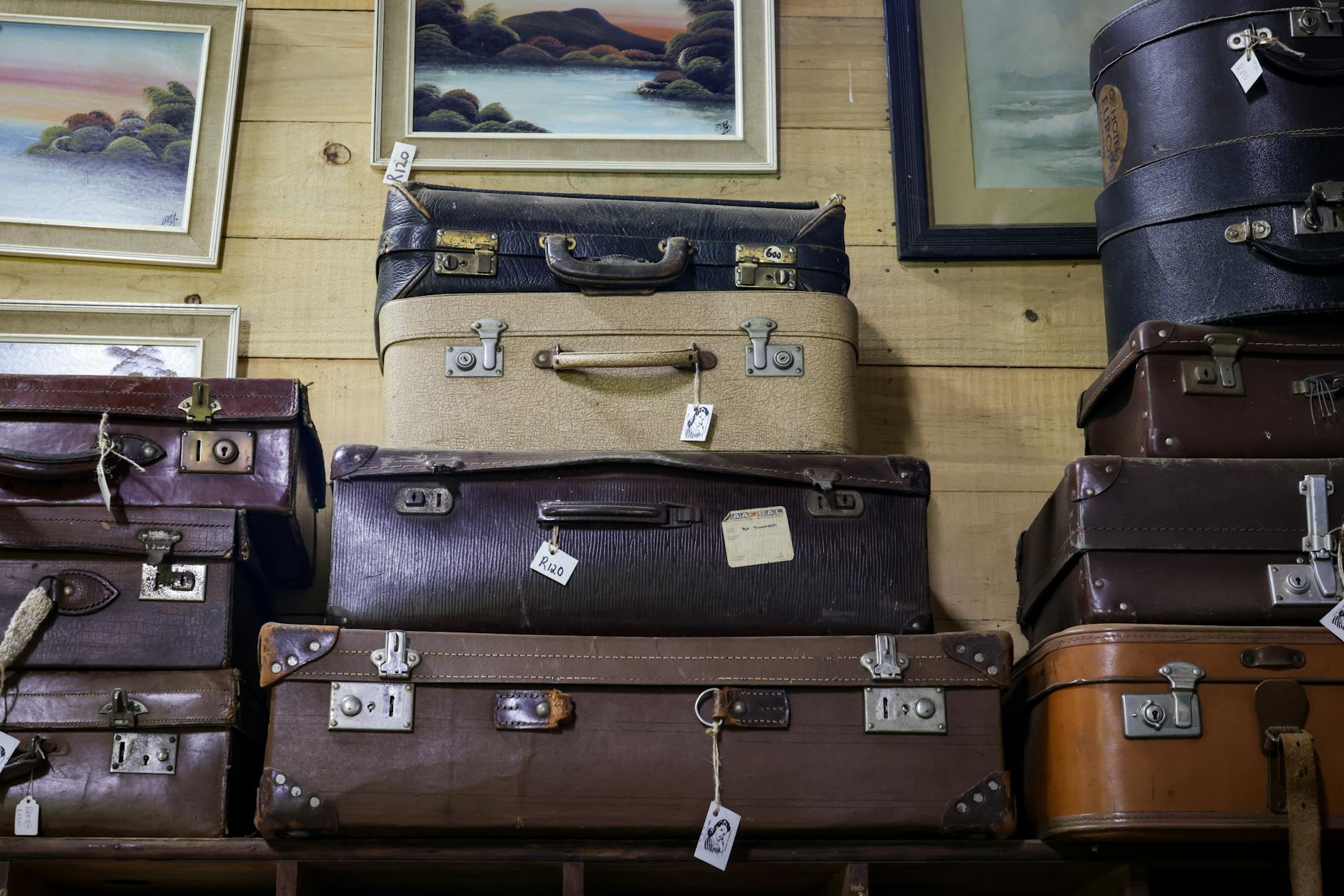
The number of trips taken per year often increases alongside income in ways that feel like a natural and deserved reward for professional effort. Weekend getaways are added to annual itineraries alongside longer holidays, and each trip tends to be planned at a higher level of expenditure than the last. The total annual travel budget can expand dramatically without any single trip feeling obviously excessive. Reviewing the cumulative cost of all travel over a twelve-month period often reveals spending that far exceeds what was intended.
Airline Upgrades
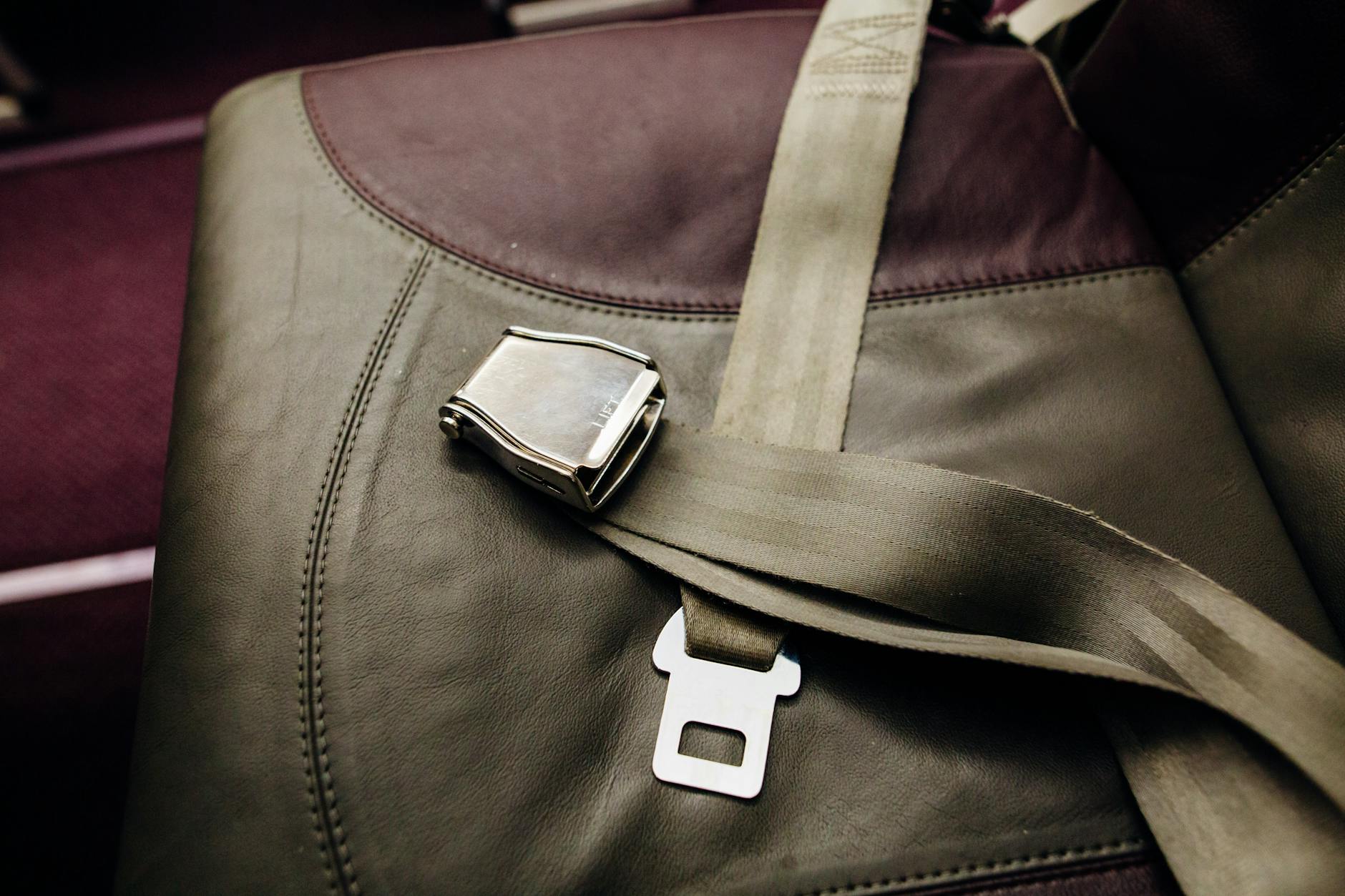
Seat class expectations during air travel shift noticeably as people become more accustomed to premium travel experiences. Economy class begins to feel like an imposition rather than a standard and entirely functional option for getting from one place to another. Business or premium economy upgrades start to feel like necessities, particularly for longer routes. The additional cost of consistently upgrading seats across multiple annual trips can represent a substantial and often overlooked financial commitment.
Pet Expenses
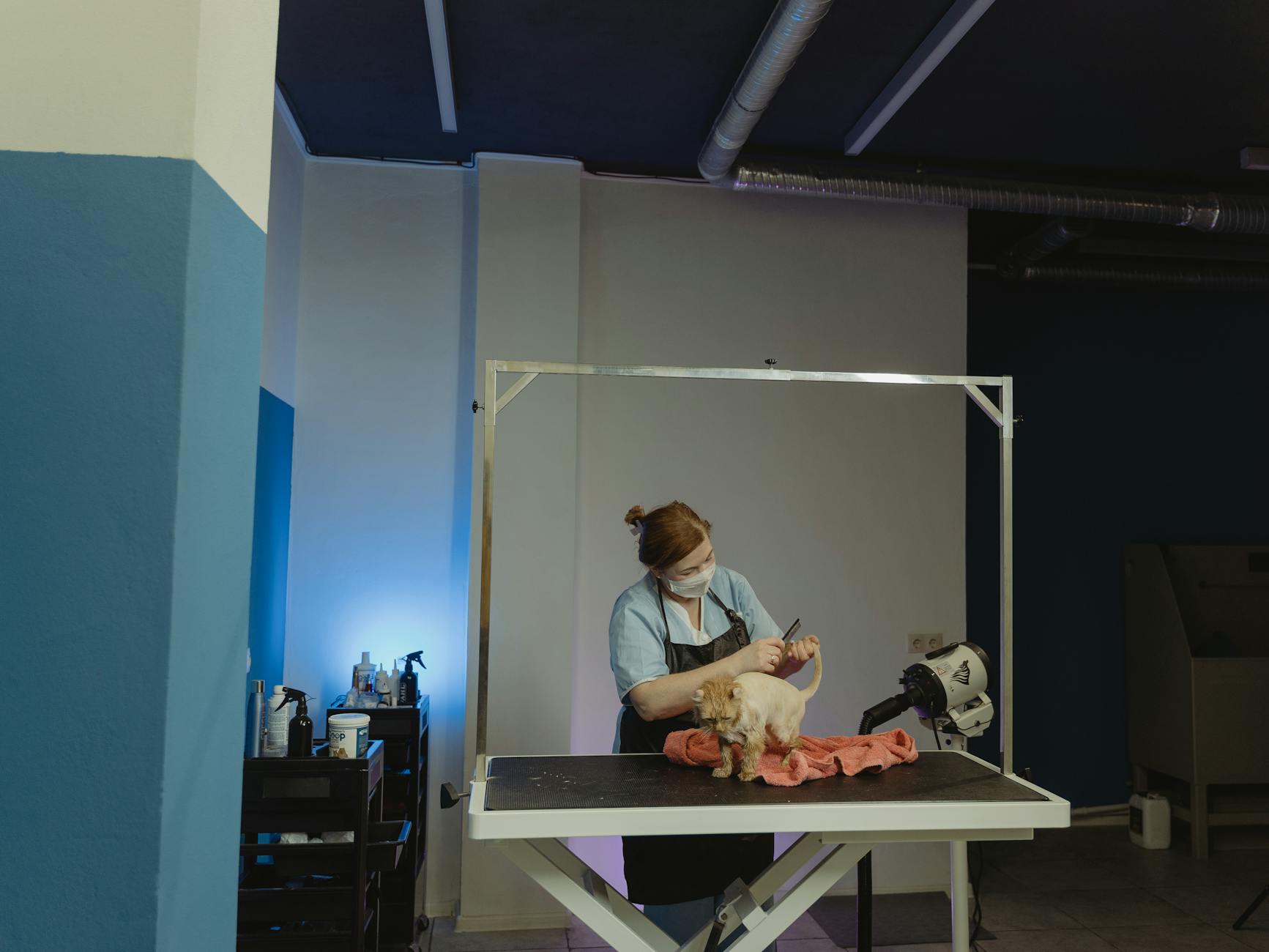
Spending on pets is an area where lifestyle inflation can grow rapidly and is almost always emotionally justified in the moment. Gourmet pet food, specialist veterinary care, grooming services, and premium accessories accumulate into a sizable monthly category. Pet boarding, daycare, and training services that were once considered optional become standard parts of pet ownership. Because spending on animals feels rooted in care and responsibility, it is rarely examined with the same financial scrutiny applied to other categories.
Networking Events
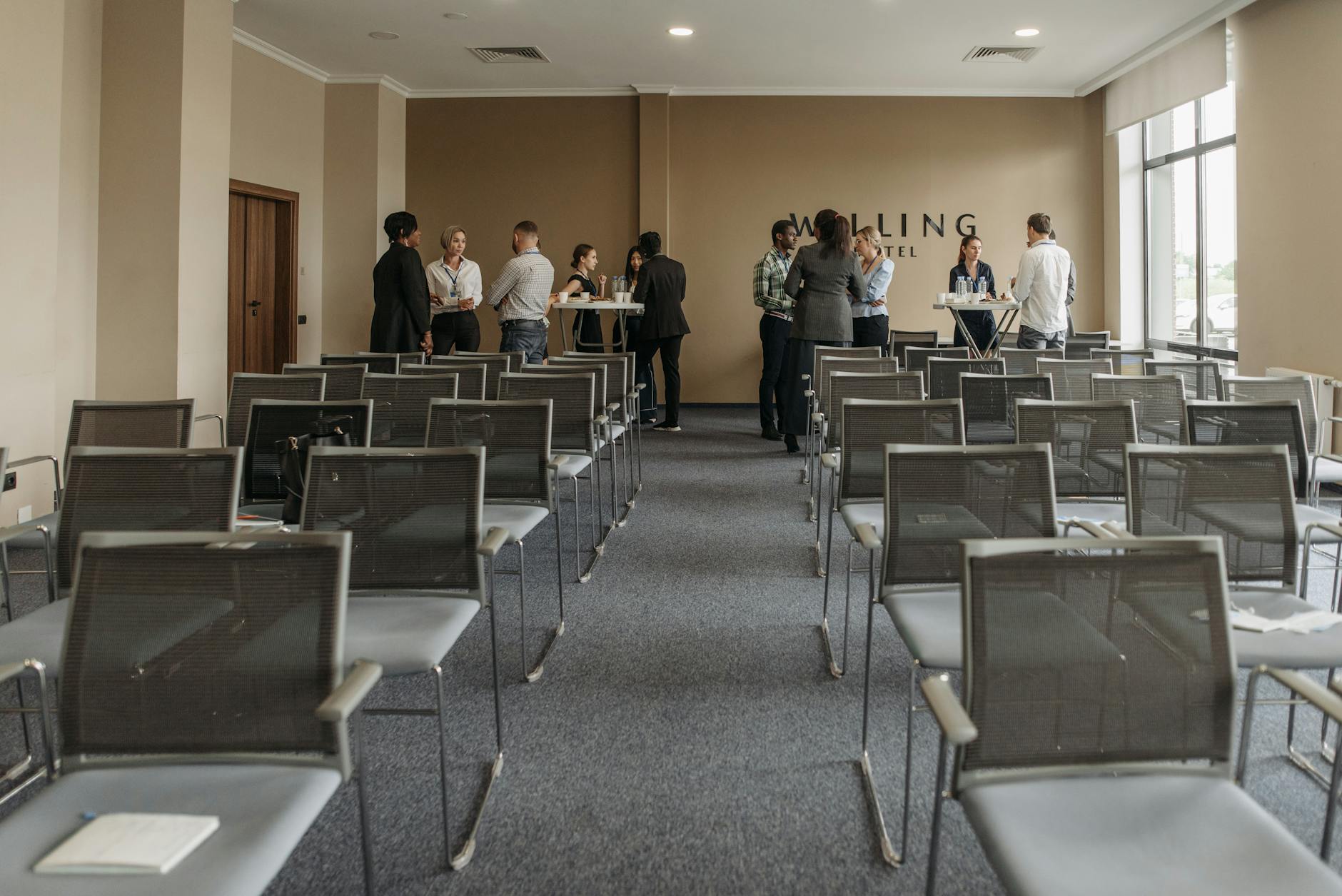
Participation in professional and social events tends to become more frequent and more expensive as career status and income rise. Industry dinners, conferences, private member clubs, and charity galas begin to feel like professional necessities rather than optional activities. The wardrobe, travel, and attendance costs associated with these events are rarely totalled across an entire year. Framing social spending as a career investment is one of the most effective ways lifestyle creep conceals itself in a budget.
Home Cleaning
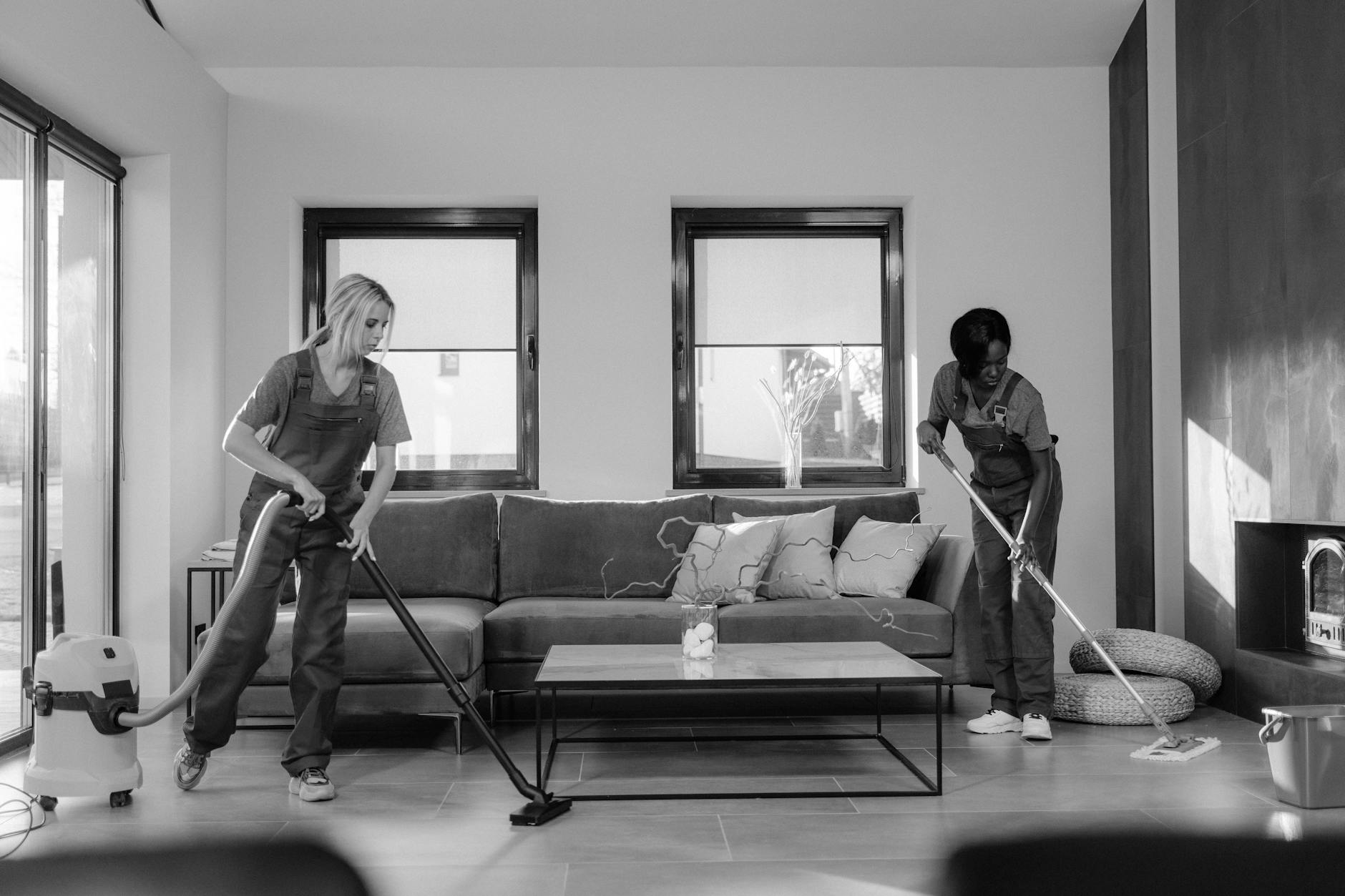
Household service spending is one of the earliest areas where increased income gets absorbed without deliberate planning. Cleaning services that began as an occasional convenience become weekly or bi-weekly fixtures in the household schedule. Additional services including laundry pickup, window cleaning, and handyman visits are layered in over time. The total annual spend on household maintenance services can reach a level that would have seemed extraordinary at an earlier income level.
Lighting and Décor
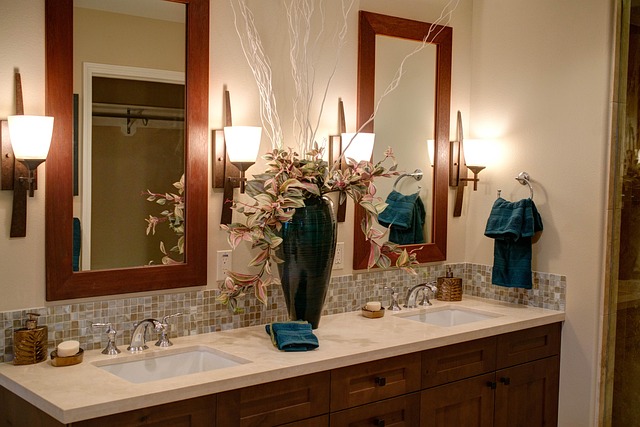
Interior styling and home accessories represent a category where aspirational spending grows in small, individually justifiable increments. Candles, cushions, artwork, and decorative objects from premium retailers replace functional equivalents purchased more economically. Seasonal refreshes and trend-led updates become habitual rather than occasional, driven by a sense that the home should continuously evolve. The cumulative cost of maintaining a curated interior aesthetic is rarely tracked as carefully as larger household expenditures.
Café Working

The habit of working from cafés and co-working spaces rather than at home or in a standard office environment adds consistent costs to a weekly budget. Specialty coffee, food purchases, and day passes or memberships at premium spaces accumulate into a meaningful monthly expense. The atmosphere and social experience of these environments become part of an expected daily standard rather than an occasional variation. This shift is often categorized mentally as a productivity expense, which makes it resistant to financial scrutiny.
Book and Media Spending

Spending on books, courses, podcasts, and premium media content tends to grow unchecked because it is associated with self-improvement and learning. Multiple educational platform subscriptions sit alongside audiobook credits, physical book purchases, and premium newsletter memberships. The actual engagement rate with purchased content often declines as the volume of subscriptions increases. Framing media spending as intellectual investment is one of the more subtle ways this category avoids being included in lifestyle inflation conversations.
Alcohol and Entertaining

Spending on wine, spirits, and home entertaining rises steadily as income grows and social expectations shift. Bottles that were once purchased for special occasions become the standard choice for an ordinary weeknight dinner at home. Hosting gatherings at a higher standard requires more elaborate food, drink, and presentation, all of which carry escalating costs. The social dimension of entertaining makes this spending feel tied to generosity and relationship maintenance rather than personal indulgence.
Children’s Clothing

Spending on children’s apparel is a category where lifestyle creep operates with particular ease because it is insulated by parental protectiveness. Budget-friendly clothing brands are replaced with premium children’s labels that carry adult price points for very small garments. Fast-growing children who quickly outgrow each size make this an especially costly area in which to maintain elevated spending standards. The idea that children deserve the best makes this pattern among the hardest for parents to examine objectively.
Tipping Habits
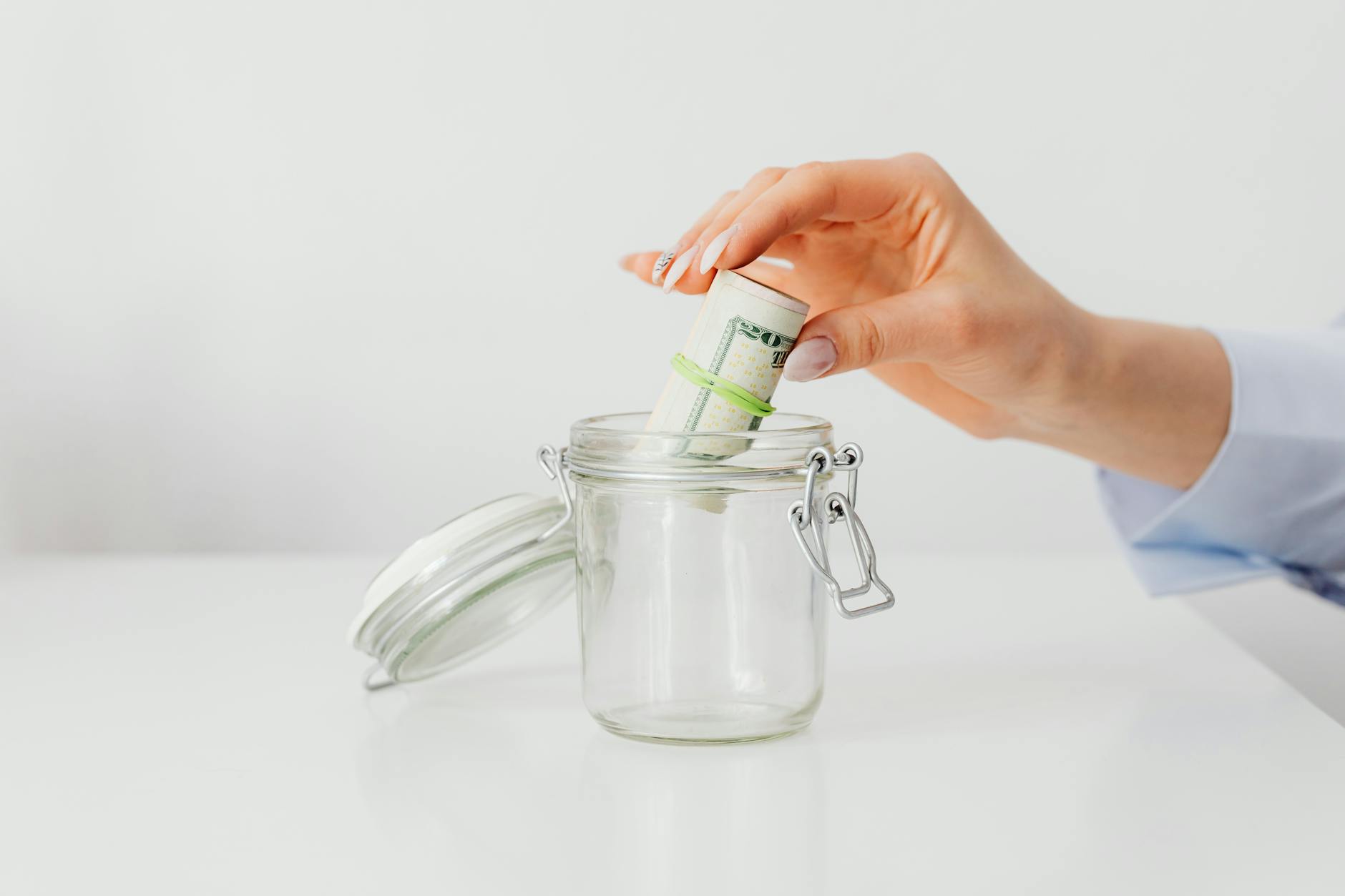
Tipping behaviors tend to expand in both frequency and amount as financial comfort increases, often reflecting an inflated baseline sense of what is customary. Higher percentages become automatic across a wider range of services, including those where tipping was not previously standard practice. Digital payment prompts and preset tip options have made it easier for this category to grow without deliberate consideration. While generosity is a positive quality, tipping patterns that have escalated well beyond social norms represent a real and often invisible budget increase.
Wellness Retreats

High-end wellness experiences including retreats, spa days, sound bath sessions, and luxury health programs represent one of the fastest-growing areas of lifestyle inflation. What begins as an annual treat gradually becomes a seasonal expectation tied to rest, recovery, and self-care. The price points associated with premium wellness experiences are significant, and the category continues to expand in both variety and cost. When restorative practices begin to require luxury environments to feel effective, the line between genuine wellbeing and aspirational spending has been crossed.
Have you spotted any of these patterns in your own spending habits? Share your thoughts in the comments.