
Work-life balance rarely collapses all at once. Instead, it erodes gradually through small, easy-to-dismiss shifts in behavior, mindset, and physical health that accumulate over time. Recognizing these early warning signs is the first step toward reclaiming a sustainable and fulfilling daily rhythm. The following signals are worth taking seriously, even when each one seems minor on its own.
Inbox Anxiety

Checking work emails within minutes of waking up has become an automatic reflex rather than a conscious choice. The habit creates a psychological state of alertness before the day has truly begun, flooding the brain with task-related stress during what should be restorative morning hours. Over time, this behavior conditions the nervous system to treat rest as a prelude to work rather than a need in its own right. Research in occupational health consistently links early-morning digital engagement with elevated cortisol levels throughout the day.
Sunday Dread

A persistent sense of unease or low mood on Sunday afternoons and evenings is a widely recognized signal that work stress has begun bleeding into personal time. The phenomenon is so common it has its own informal name in workplace wellness literature. What makes it particularly telling is that it occurs during time that is technically free, suggesting the mind has stopped distinguishing between work and rest periods. When Sunday no longer feels like a day off, the boundary between professional and personal life has likely already been compromised.
Forgotten Hobbies

Activities that once brought genuine pleasure, whether painting, hiking, cooking, or reading, have quietly disappeared from the weekly schedule without a formal decision to stop. The time they occupied has been gradually absorbed by work tasks, extended hours, or simply the mental exhaustion that follows a demanding day. This kind of passive abandonment is different from choosing to deprioritize a hobby temporarily. It often signals that work has expanded to fill not just time but also the emotional bandwidth needed to enjoy leisure.
Fatigue

Persistent tiredness that does not improve after a full night of sleep is one of the more telling physical signs that chronic overwork has taken hold. Unlike ordinary tiredness that resolves with rest, this variety tends to be cumulative and is closely associated with prolonged stress and insufficient psychological recovery. The body struggles to complete essential repair processes when it remains in a state of low-level vigilance related to work demands. Healthcare professionals often describe this as one of the earliest physical markers of burnout in progress.
Irritability

Snapping at family members, friends, or colleagues over minor inconveniences that would previously have gone unnoticed is a behavioral red flag worth paying attention to. Emotional regulation requires cognitive resources, and when those resources are depleted by sustained work pressure, the threshold for frustration drops noticeably. Partners and close family members are often the first to observe this shift, even before the individual recognizes it themselves. The pattern tends to worsen during particularly intense work periods and eases temporarily during time off, which itself can be a useful diagnostic signal.
Lunch Skipping

Consistently eating at the desk, grabbing food on the go, or skipping lunch altogether in order to stay on top of tasks is a normalized behavior in many high-pressure work environments. Nutritionists and occupational health specialists note that removing structured meal breaks eliminates one of the few natural pauses built into the working day. Over time it also disrupts blood sugar regulation, which affects concentration, mood, and decision-making during afternoon hours. A missing lunch break is often one of the first personal needs to be sacrificed when workload begins to feel unmanageable.
Sleep Disruption

Waking in the early hours of the morning with a racing mind full of unresolved tasks, deadlines, or workplace concerns is a classic sign that professional stress has migrated into the sleep cycle. Sleep architecture research shows that anxiety-related awakenings most commonly occur during the lighter stages of sleep in the second half of the night. Repeated disruption of this kind prevents the brain from completing the deeper restorative cycles it needs for memory consolidation and emotional processing. Chronically disrupted sleep then feeds back into reduced work performance, creating a reinforcing cycle that is difficult to break without addressing the root cause.
Guilt

Experiencing a sense of guilt or unease when taking time off, leaving at a reasonable hour, or simply resting without a productive outcome is a cognitive pattern associated with overwork culture. This guilt often operates quietly in the background, making vacations feel stressful, weekends feel undeserved, and downtime feel like a problem to be justified. Psychologists specializing in workplace behavior describe this as internalized productivity pressure, which tends to develop gradually in environments where availability and output are consistently rewarded. Recognizing that rest is not a reward for productivity but a biological necessity is an important reframe.
Relationship Withdrawal

Pulling back from social plans, canceling commitments, or becoming emotionally unavailable to close friends and family without a clear reason is a pattern that often accompanies escalating work stress. The withdrawal is rarely intentional. It typically results from a combination of exhaustion, reduced emotional capacity, and the mistaken belief that pulling back temporarily will free up enough energy to reconnect later. Relationship researchers note that this kind of gradual disengagement, if left unaddressed, can cause lasting distance in even well-established personal bonds.
Concentration Issues

Finding it increasingly difficult to focus on a single task without the mind drifting to other responsibilities, unanswered messages, or pending decisions is a sign that cognitive load has exceeded sustainable limits. Attention is a finite resource that is heavily impacted by stress hormones, sleep quality, and the volume of unprocessed information the brain is managing at any given time. Workers experiencing this symptom often describe a sense of spinning their wheels despite long hours of effort. The inability to concentrate is frequently misattributed to laziness or distraction when it is more accurately a sign of mental depletion.
Phone Checking

Reflexively reaching for a phone to check work-related notifications during meals, conversations, or other personal moments is a behavior that signals psychological unavailability even when physically present. The habit is reinforced by workplace cultures that implicitly reward rapid response times at all hours. Neuroscientists who study attention note that the mere anticipation of a notification is enough to fragment concentration and prevent full engagement with whatever is happening in the present. When this behavior becomes unconscious and automatic, it suggests that work has colonized mental space well beyond contracted hours.
Exercise Dropping

Physical activity is often the first deliberate personal commitment to be dropped when work demands intensify, partly because it feels like the most optional item on an otherwise crowded schedule. Exercise is, however, one of the most evidence-supported tools for managing stress hormones and supporting emotional resilience. The irony noted by sports psychologists is that eliminating exercise in response to stress removes one of the most effective buffers against its long-term effects. A sustained absence of physical movement tends to amplify the very feelings of overwhelm and exhaustion that prompted its removal.
Presenteeism

Showing up to work while sick, mentally depleted, or recovering from illness rather than taking necessary rest is a behavior that occupational health researchers call presenteeism. It is often driven by a fear of falling behind, judgment from colleagues, or an organizational culture where taking sick leave is implicitly discouraged. Despite its apparent dedication, presenteeism is associated with significantly reduced productivity and longer recovery times. It also signals a deeper belief that personal health is secondary to professional output.
Vacation Avoidance

Letting vacation days accumulate unused, feeling unable to fully disconnect during time away, or returning from a trip without feeling genuinely rested are all indicators that the psychological separation between work and personal life has become difficult to achieve. Many professionals in high-pressure roles report checking in with work during holidays out of a sense of obligation rather than genuine necessity. Research consistently shows that unused leave is associated with higher levels of long-term burnout and lower reported life satisfaction. Time away from work is not a luxury but a necessary mechanism for sustained performance.
Creative Blocks
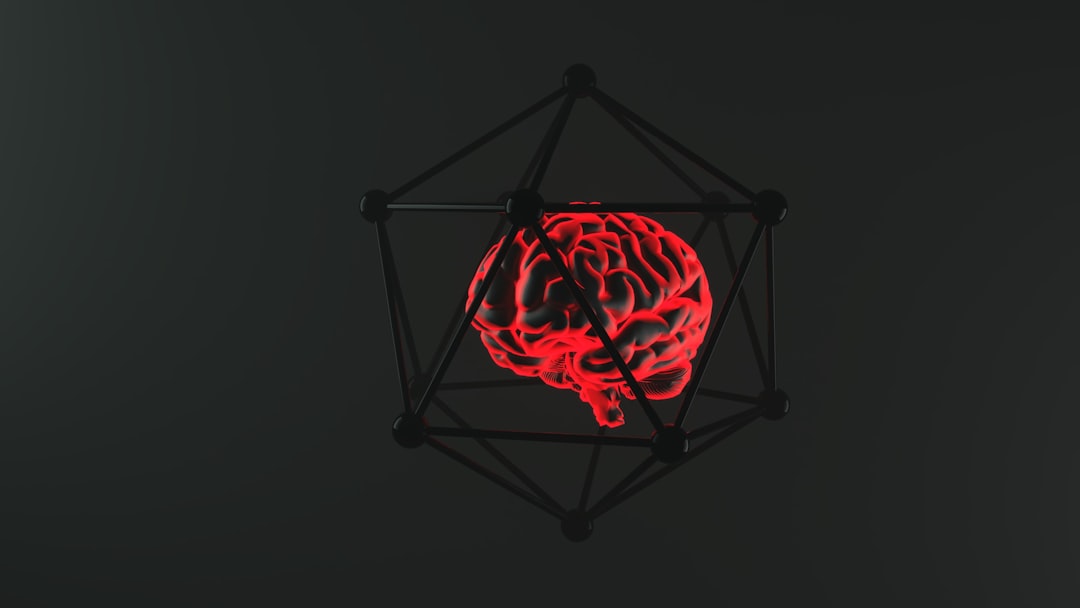
A noticeable decline in creative thinking, problem-solving ability, or the capacity to generate new ideas is an early sign that the brain has been operating in a reactive rather than generative mode for too long. Creativity requires mental spaciousness, the kind that emerges during rest, play, and open-ended time rather than scheduled productivity. Cognitive scientists note that some of the brain’s most important associative thinking occurs during periods of apparent idleness. When creative work begins to feel like a mechanical effort rather than a natural process, cognitive recovery has likely been insufficient.
Boundary Blurring

Struggling to define where the working day begins and ends, especially in remote or hybrid work environments, is a structural challenge that quietly erodes personal time. When physical commuting is removed as a natural transition point, many workers find that tasks bleed into evenings, weekends, and even holidays without any formal decision to extend. Behavioral scientists describe this as boundary permeability and note that it requires active, deliberate counteraction rather than passive hope that it will self-correct. Establishing and protecting clear transition rituals is a recognized strategy for containing this kind of drift.
Perfectionism Spike

A sudden increase in perfectionist behavior, such as revising work far beyond what the situation requires or experiencing disproportionate distress about minor errors, can indicate that work-related anxiety has reached an unhealthy level. While attention to quality is professionally valuable, perfectionism driven by fear of failure or excessive self-criticism is a recognized stress response rather than a performance asset. Psychologists distinguish between adaptive conscientiousness and maladaptive perfectionism by examining the emotional cost of the behavior. When the pursuit of quality feels compulsive rather than satisfying, it is often a signal that something else needs attention.
Decision Fatigue

Feeling unable to make even minor personal decisions after the working day ends, such as what to cook for dinner or which television program to watch, is a well-documented consequence of sustained high-stakes decision-making throughout the day. The prefrontal cortex, which governs executive function and willpower, operates on limited daily resources that are depleted by repeated decision-making. Organizational psychologists note that leaders and professionals with high daily decision loads are particularly vulnerable to this form of evening exhaustion. Its presence suggests that the cognitive demands of work are outpacing available recovery time.
Resentment

A growing sense of resentment toward work tasks, colleagues, or the organization itself, particularly when it feels disproportionate to specific events, often reflects accumulated frustration from sustained boundary violations. Resentment in a workplace context is frequently described in burnout literature as a signal that fundamental needs for autonomy, recognition, or rest have gone unmet for a significant period. It tends to build slowly and reveal itself through a general loss of enthusiasm or an increased sensitivity to perceived unfairness. Addressing its root cause early is considerably more effective than managing its symptoms after the fact.
Memory Lapses
Forgetting appointments, deadlines, or conversations that would previously have been easily retained is a cognitive symptom that often accompanies chronic stress and insufficient sleep. The hippocampus, which plays a central role in memory encoding, is particularly sensitive to stress hormones like cortisol, which impair its function when elevated over extended periods. Workers experiencing this symptom often compensate with increasingly elaborate reminder systems without addressing the underlying cause. It is a sign that the brain is being asked to manage more information than its current recovery levels can support.
Emotional Numbness

A general flattening of emotional experience, where neither professional successes nor personal pleasures produce the usual sense of satisfaction or joy, is one of the more serious signs that emotional depletion has become severe. Psychologists describe this state as a form of dissociation from experience and note that it often follows a prolonged period of high output with insufficient recovery. It differs from ordinary tiredness in that sleep alone does not resolve it. This form of emotional numbness is recognized as a core dimension of clinical burnout and warrants serious attention.
Social Comparison

Becoming preoccupied with comparing one’s workload, output, or professional progress with that of colleagues or peers in a way that generates persistent anxiety is a behavioral pattern associated with workplace insecurity. While some level of professional benchmarking is normal, obsessive or distressing comparison often reflects a deeper uncertainty about personal value and performance standards. Researchers in occupational psychology note that this kind of comparison tends to intensify during periods of high work pressure. It can lead to taking on additional responsibilities in an attempt to close a perceived gap, further worsening the underlying balance problem.
Cancelled Plans

Repeatedly canceling personal plans, social engagements, or family commitments due to work demands is a pattern that causes compounding social and emotional costs over time. Each cancellation may feel individually justified in the moment, but the cumulative message sent to both the individual and their social network is that work consistently takes priority over personal relationships. Sociologists studying work culture note that this pattern is often accompanied by a vague intention to make up for lost time that rarely materializes. It is a concrete, measurable sign that work has expanded into territory that once belonged to personal life.
Physical Tension

Noticing chronic muscle tension in the neck, shoulders, jaw, or back, particularly during or after working hours, is the body’s physical record of sustained psychological stress. The stress response activates muscle tension as part of a fight-or-flight preparation that never fully resolves when stressors are chronic and ongoing rather than acute and temporary. Physical therapists and psychosomatic medicine specialists frequently cite neck and shoulder tension as among the most common physical presentations of workplace stress. When stretching or massage provides only temporary relief and the tension returns as soon as work resumes, the source is unlikely to be purely physical.
Cynicism

A growing sense of cynicism about the value or purpose of one’s work, expressed through dismissive comments, detachment from organizational goals, or a loss of belief in the meaningfulness of daily tasks, is a recognized warning sign in burnout research. It typically develops as a psychological defense mechanism in response to prolonged stress and emotional exhaustion. Cynicism functions as emotional distance from a situation that has become overwhelming, offering short-term relief at the cost of long-term engagement and satisfaction. When it begins to extend beyond the workplace and color general attitudes toward life, the imbalance has reached a significant level.
Daydreaming Escape

Frequently fantasizing about quitting, radical career changes, relocating entirely, or otherwise escaping one’s current life situation without taking any concrete steps suggests a tension between current reality and deeply unmet needs. Psychologists who study occupational behavior describe this as escape ideation and distinguish it from healthy future planning by its passive, repetitive, and emotionally urgent character. It is rarely a sign that the dreamed-of change is truly desired and more often a signal that something in the present situation needs to be addressed. When the fantasy of elsewhere becomes more appealing than the present, it is worth examining what specific needs the current situation is failing to meet.
If any of these signs feel familiar, share your thoughts in the comments.