Professional cleaners distinguish themselves through efficiency and specific techniques that maximize results in minimal time. These experts rely on systematic approaches rather than expensive products to achieve a spotless environment. Implementing their strategies transforms household chores from overwhelming burdens into manageable tasks. The following list outlines practical methods used by industry veterans to maintain pristine spaces. Adopting these habits ensures a cleaner home with significantly less effort.
Top to Bottom Cleaning
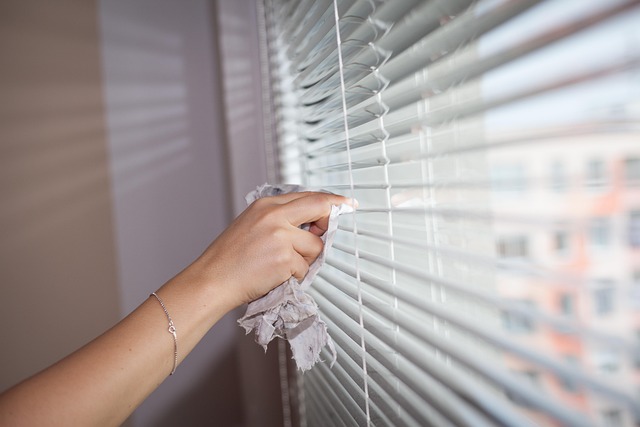
Gravity plays a crucial role in how dust settles during the cleaning process. Professionals always start dusting ceiling fans and high shelves before moving to lower surfaces. This technique ensures that debris falls onto dirty floors rather than freshly cleaned furniture. Working downward prevents the frustration of wiping the same surface twice. It serves as the fundamental rule for maximizing efficiency in every room.
The S-Pattern Wipe
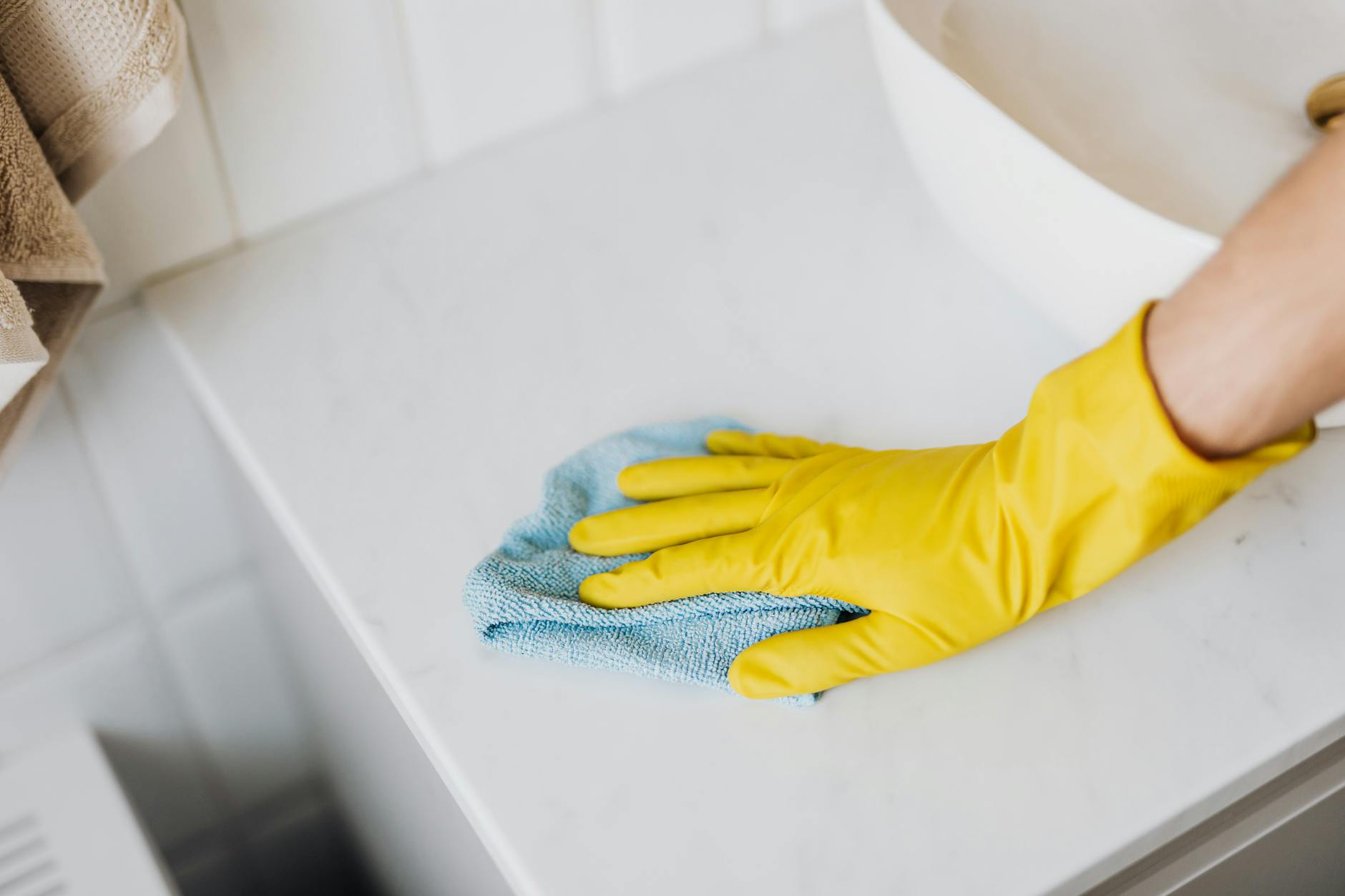
Randomly scrubbing back and forth often redistributes dirt instead of removing it. Maids use a distinct S-pattern motion when wiping surfaces to capture dust effectively. This method ensures that every inch of the surface gets covered without missing spots. Starting from the top left and weaving down to the bottom right keeps the dirty cloth area contained. It creates a streak-free finish on countertops and tables.
Product Dwell Time
Most cleaning solutions require time to break down grime before wiping occurs. Professionals spray surfaces and let the product sit for several minutes to activate its chemical properties. This practice drastically reduces the amount of scrubbing needed to remove stuck-on messes. Patience allows the cleaners to work smarter rather than harder on tough stains. Rushing this step often leads to lackluster results and wasted supplies.
Dry Dusting First
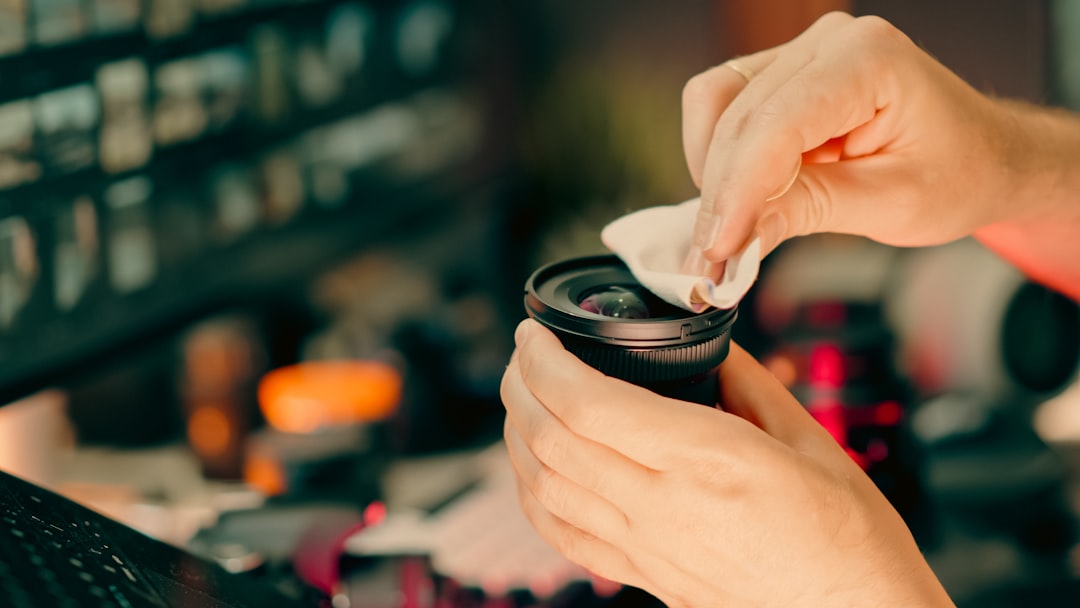
Wet cloths can turn dust into a muddy sludge that is difficult to remove. Experts always dry dust surfaces with a microfiber cloth or duster before applying any liquid cleaner. This initial step removes the bulk of loose particles and allergens. The subsequent wet cleaning then focuses solely on sanitizing and polishing the surface. This two-step process protects wood finishes and ensures a deeper clean.
The Microfiber Advantage
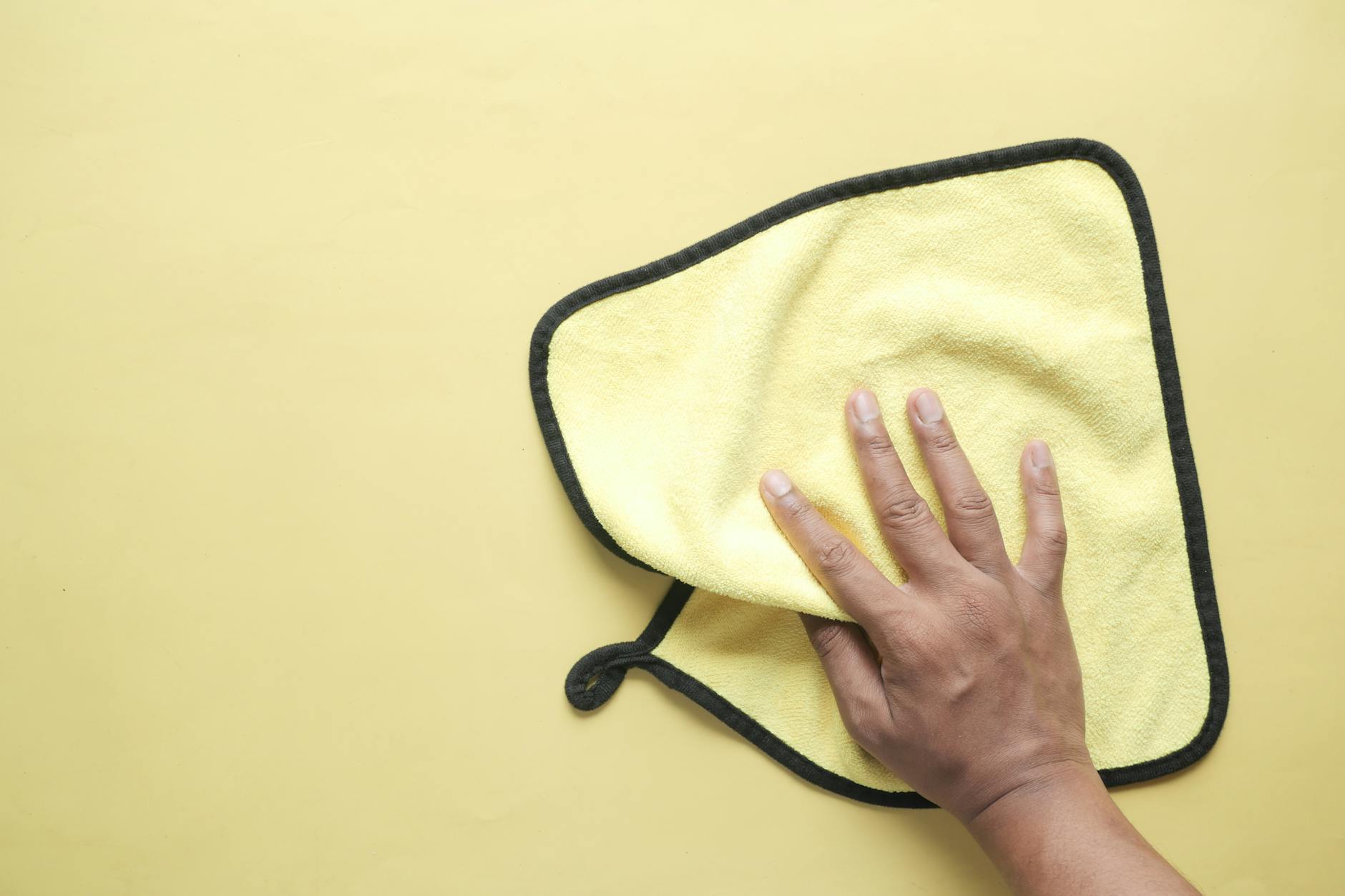
Paper towels leave behind lint and can scratch delicate surfaces over time. Professional cleaning kits rely heavily on color-coded microfiber cloths for different tasks. These fabrics trap dust and bacteria within their fibers rather than pushing them around. They are reusable and highly effective even with just water. Using specific colors for bathrooms and kitchens prevents cross-contamination between rooms.
Pumice Stones for Toilets
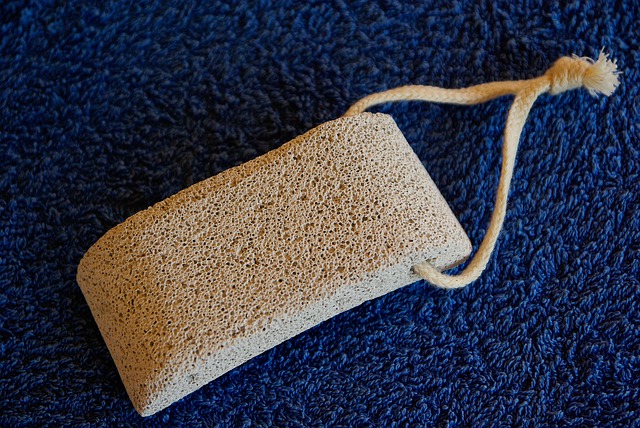
Stubborn hard water rings often resist standard toilet brushes and chemical cleaners. A wet pumice stone gently scours away mineral deposits without scratching porcelain surfaces. Professionals use this tool to restore toilets to a brand-new appearance in seconds. It is essential to keep the stone and surface wet to ensure safe abrasion. This chemical-free solution tackles the toughest bathroom stains effectively.
Vacuuming Last
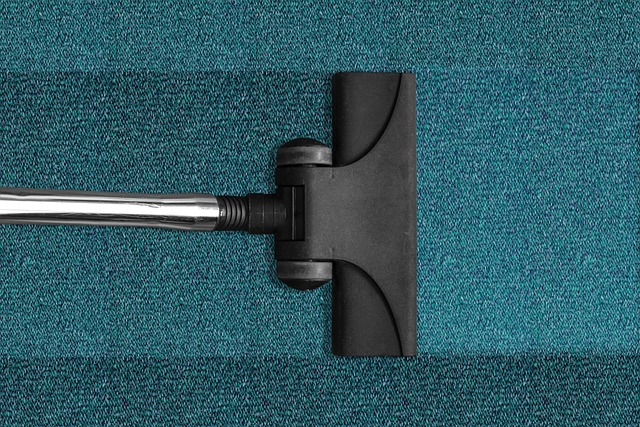
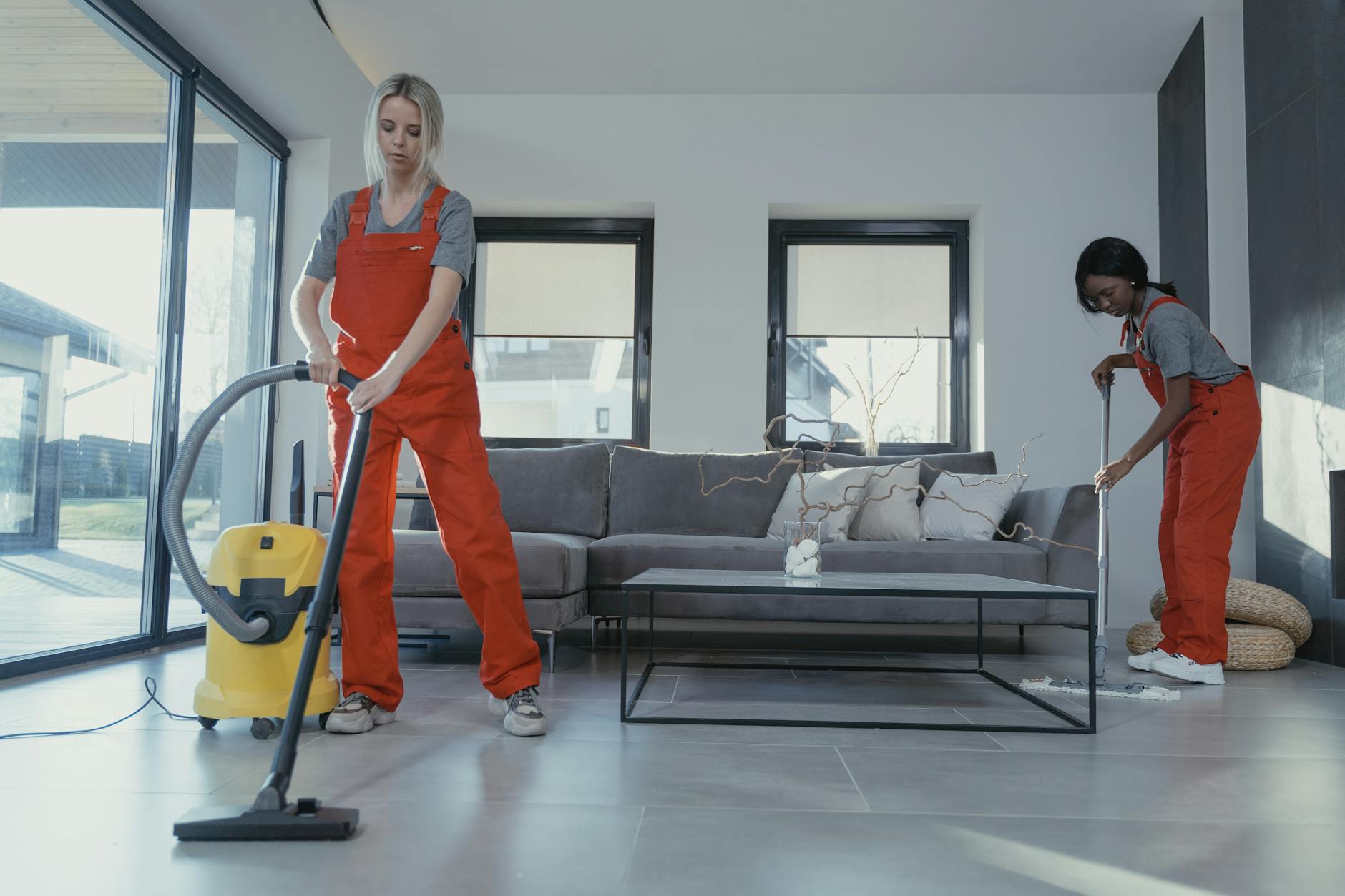
Floors collect all the dust and debris dislodged during the cleaning of higher surfaces. Running the vacuum is always the final step to leave a room completely finished. This sequence ensures that footprints and falling dust are removed as the cleaner backs out of the room. It provides a satisfying conclusion to the cleaning routine. Doing this too early renders previous efforts wasted as dust settles again.
Stainless Steel Polishing with Oil

Commercial stainless steel cleaners can be expensive and sometimes leave a waxy buildup. A small drop of baby oil or mineral oil on a clean cloth works wonders for polishing appliances. Professionals buff the surface with the grain to remove fingerprints and smudges instantly. This trick leaves a protective barrier that repels future marks for days. The result is a high-shine finish that looks professionally maintained.
Vinegar for Shower Heads
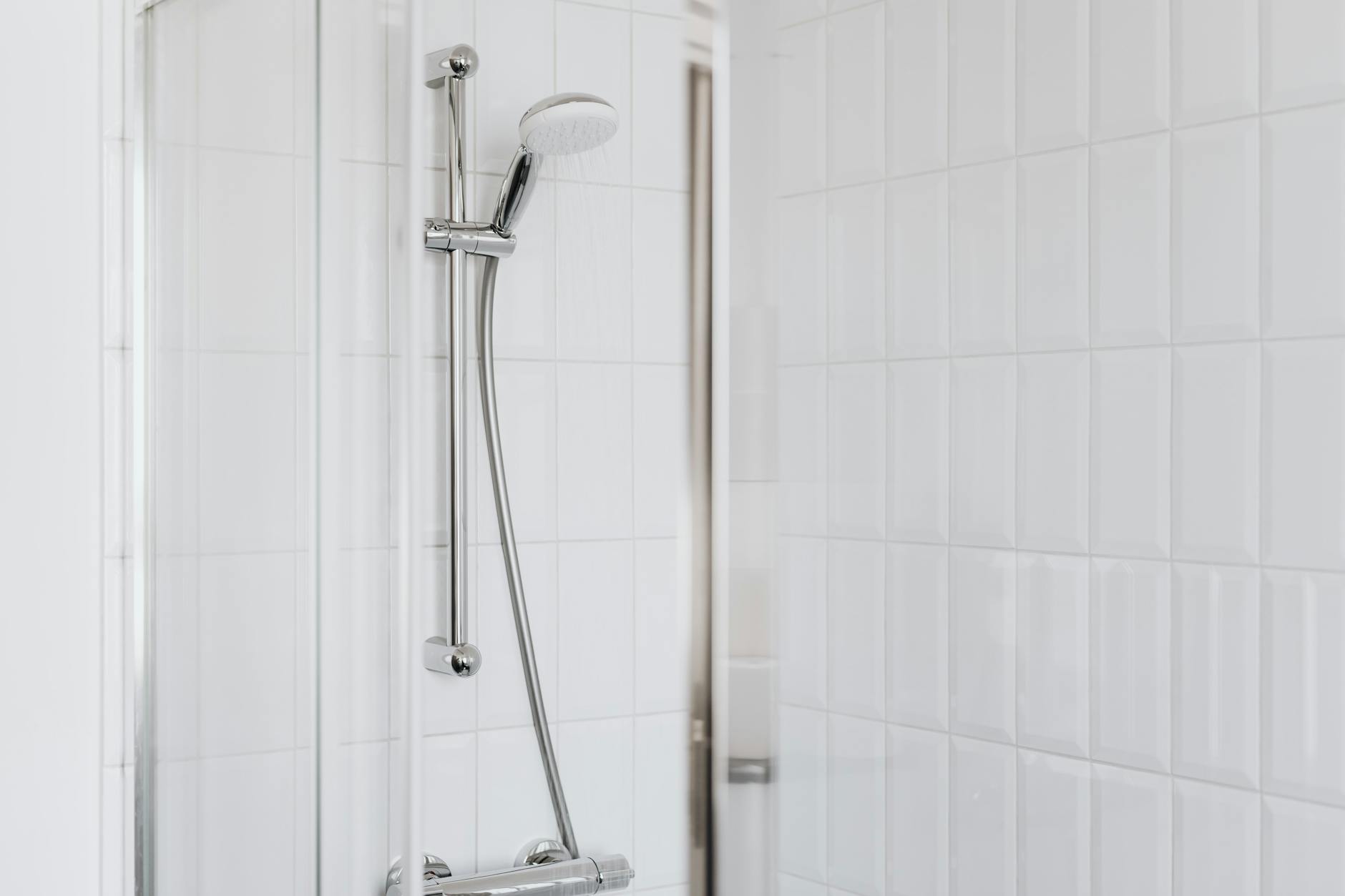
Mineral buildup clogs shower nozzles and reduces water pressure over time. Maids fill a plastic bag with white vinegar and secure it around the shower head with a rubber band. Leaving this to soak dissolves the deposits without the need for dismantling the fixture. A quick scrub with an old toothbrush afterward clears any remaining debris. This hands-off method restores full flow effortlessly.
The Pillowcase Fan Trick

Ceiling fans disperse dust throughout the room if not cleaned carefully. Slipping an old pillowcase over a fan blade allows you to pull the dust off inside the fabric. This contains the mess completely and keeps debris from falling onto beds or floors. It is a quick and sanitary way to handle a typically messy high-reach task. The pillowcase can then be shaken outside and washed.
Steam Cleaning Microwaves
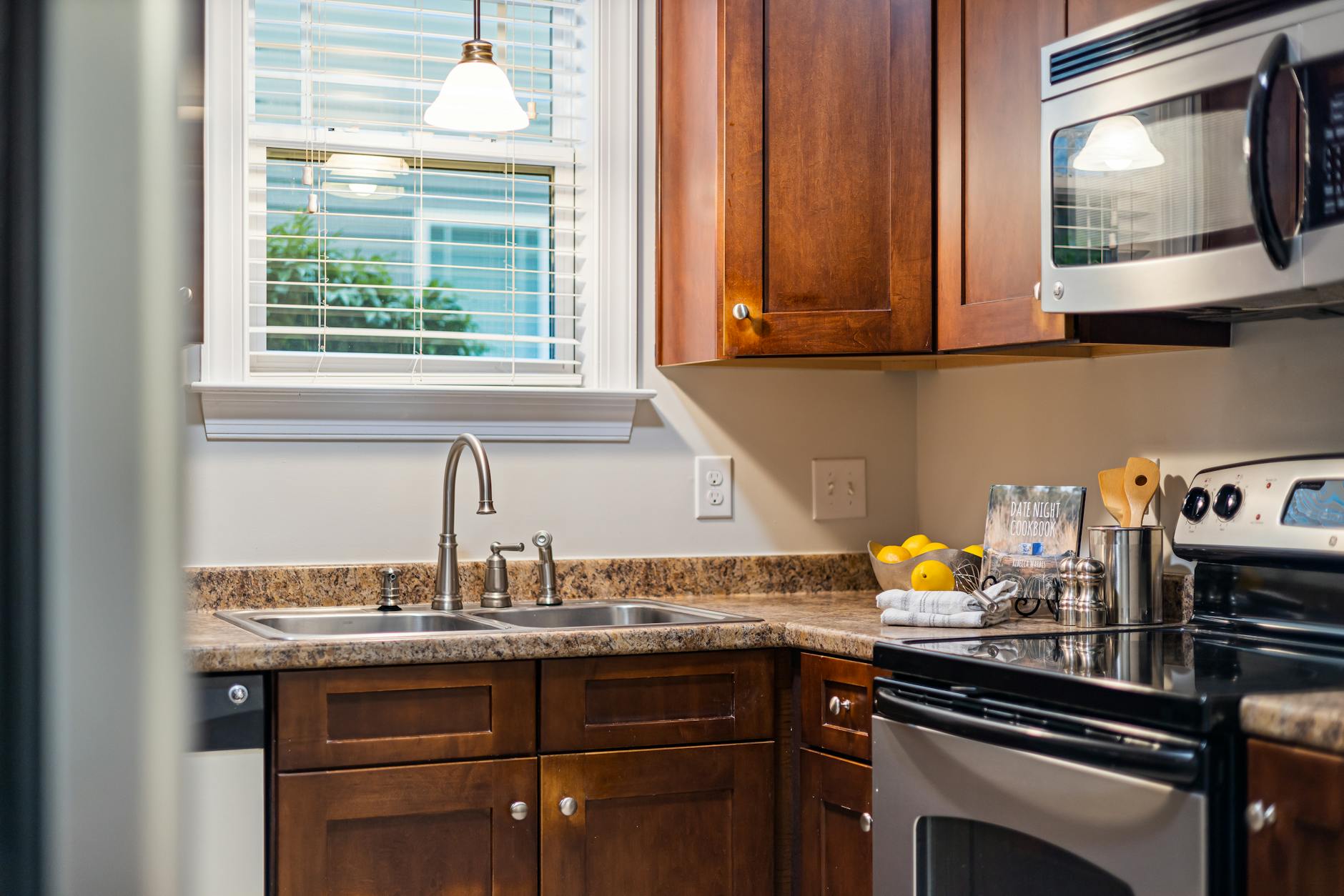
Dried food splatter inside microwaves is notoriously difficult to scrub away. Heating a bowl of water with lemon slices for several minutes creates steam that loosens the grime. Professionals let the microwave sit closed for a few minutes to allow the moisture to penetrate. The interior wipes clean easily with a damp cloth afterward. This method eliminates the need for harsh chemicals near food preparation areas.
Squeegees for Pet Hair

Vacuum cleaners often struggle to pull embedded pet hair from carpets and rugs. Dragging a rubber squeegee across the fabric pulls the fur up to the surface effectively. The friction creates a static charge that gathers the hair into manageable clumps. This technique works exceptionally well on upholstery and car interiors. It saves vacuum filters from clogging with excessive fur.
Dish Soap for Windows
Specialty window cleaners are not always necessary for sparkling glass. A simple mixture of water and a few drops of dish soap creates a powerful cleaning solution. Professionals squeegee this mixture off for a streak-free view. The soap cuts through grease and outdoor grime better than many ammonia-based sprays. Drying the edges with a lint-free cloth finishes the job perfectly.
Rubber Gloves for Upholstery
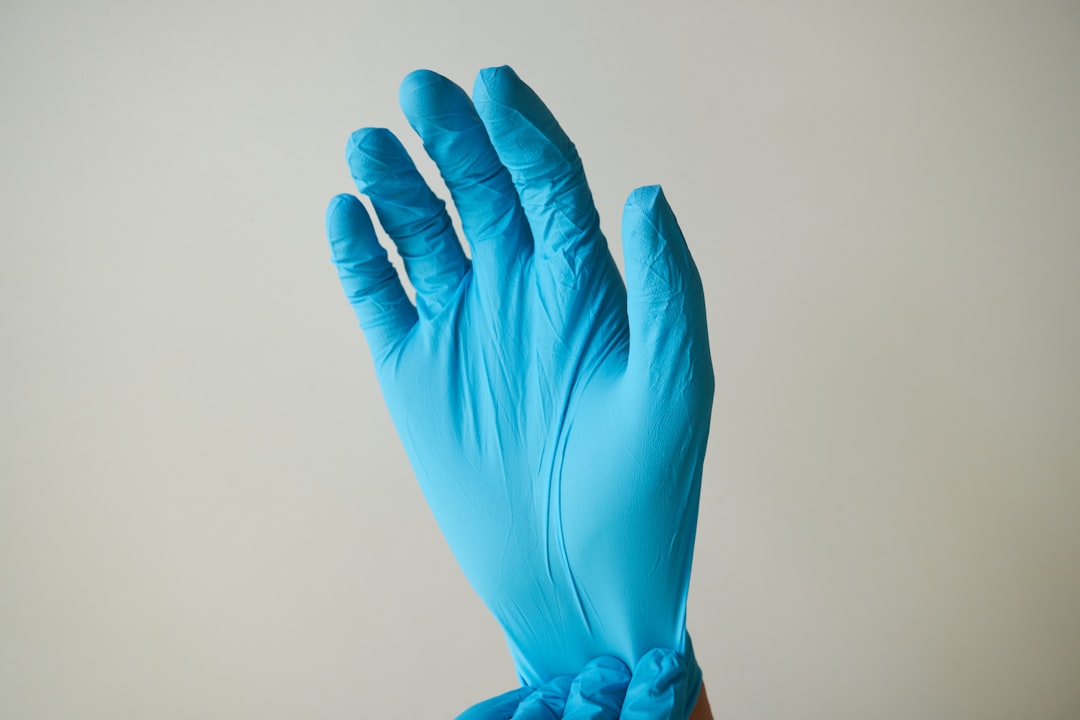
Furniture fabric holds onto dust and hair that is invisible to the naked eye. Putting on a rubber glove and running a hand over the surface attracts debris through friction. Professionals use this tactic to quickly freshen up sofas and chairs. It is faster than setting up a vacuum attachment for minor touch-ups. The glove can be easily rinsed and reused immediately.
Baking Soda Mattress Refresh
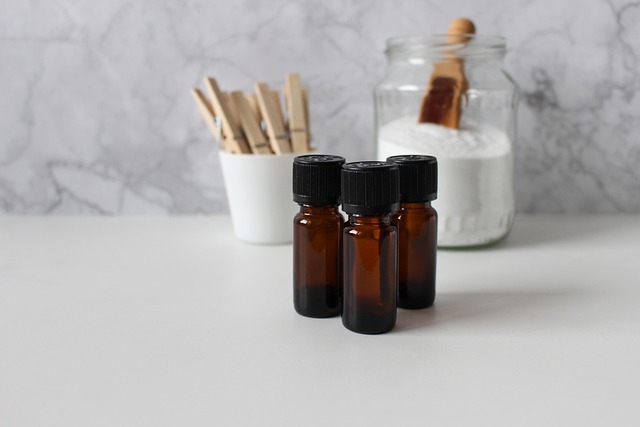
Mattresses absorb odors and moisture that standard cleaning cannot reach. Maids sprinkle baking soda over the entire surface and let it sit for an hour. The powder absorbs oils and neutralizes smells effectively. Vacuuming the powder away leaves the mattress smelling fresh and clean. This routine maintenance extends the life of the bedding.
Tennis Balls in the Dryer
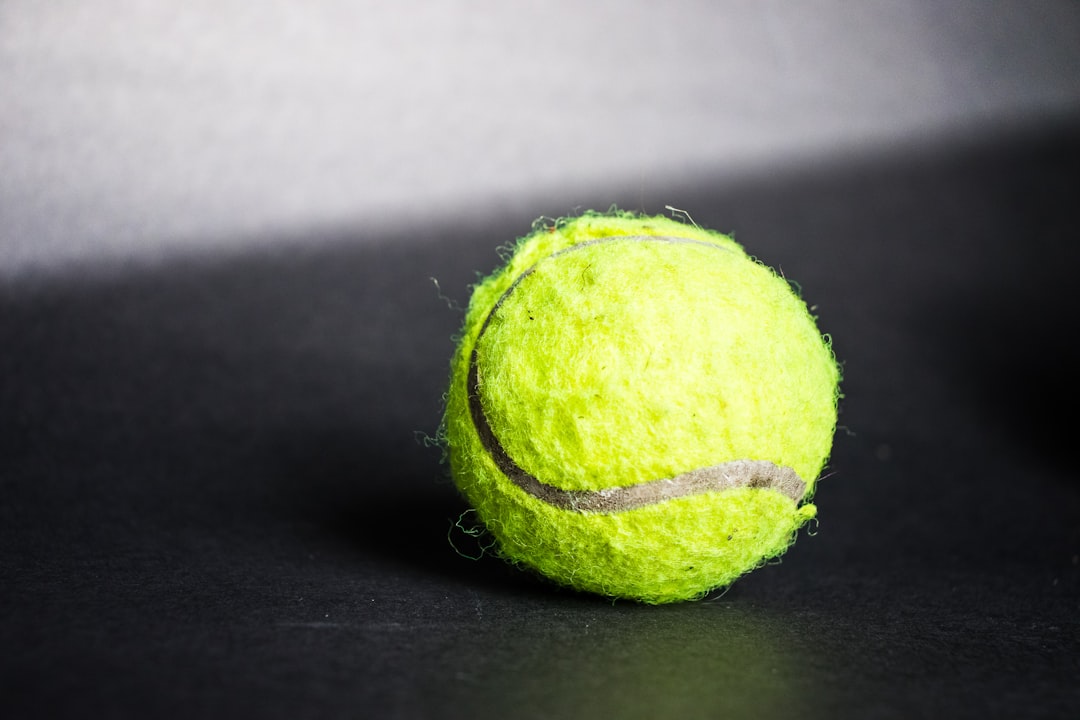
Washing pillows and comforters can cause the filling to clump and lose shape. Adding clean tennis balls to the dryer cycle helps fluff these items as they tumble. The impact of the balls prevents wet spots and ensures even drying throughout. This hack restores loft to bedding that has become flat over time. It is a simple way to maintain the comfort of down items.
Chalk for Grease Stains
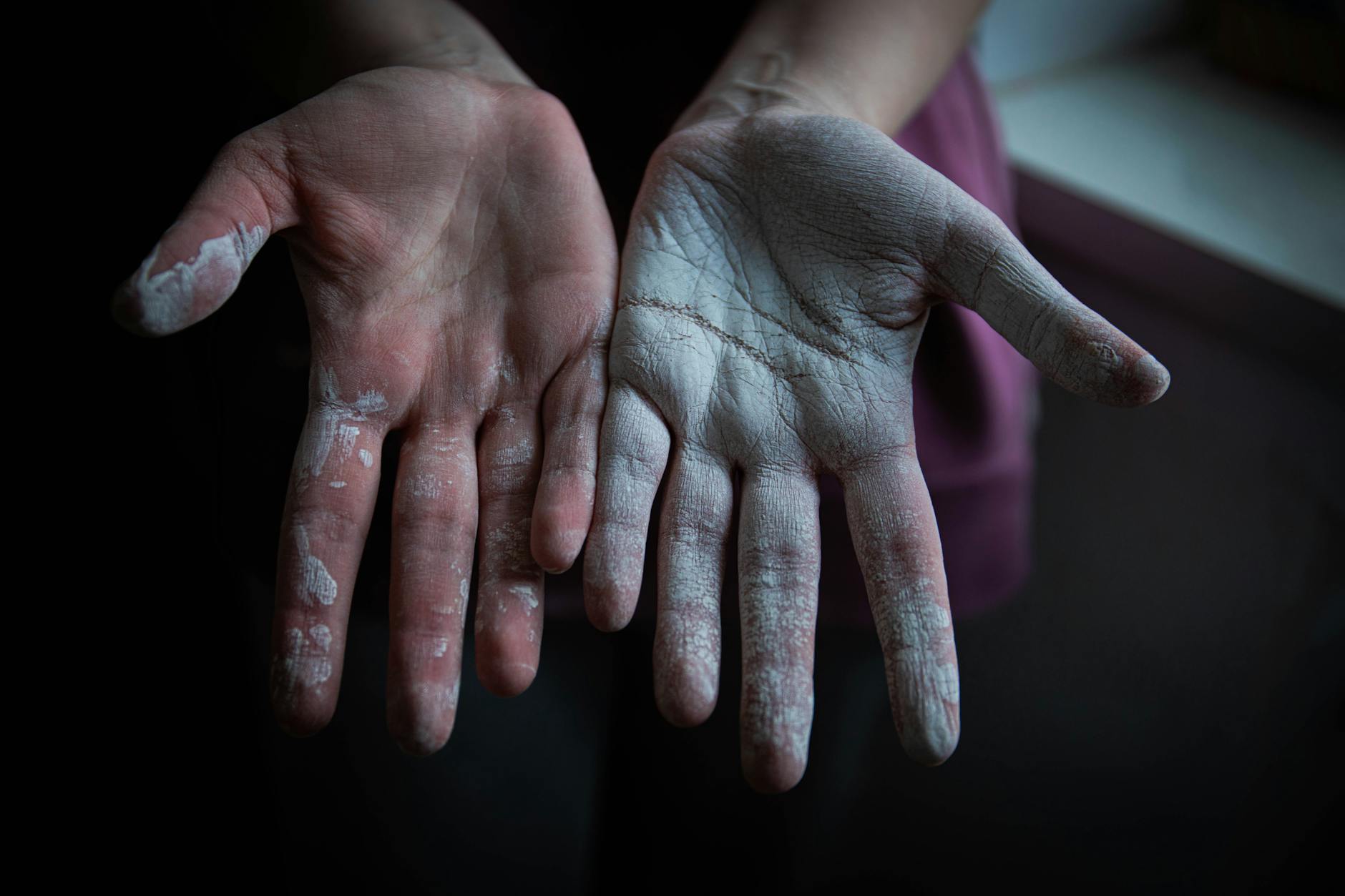
Oil splashes on clothing or linens can be permanent if not treated quickly. Rubbing white chalk on the stain absorbs the grease before washing. Professionals use this on upholstery or table linens to salvage expensive fabrics. The chalk powder lifts the oil out of the fibers so the detergent can work effectively. It is a pre-treatment that saves items from the trash.
Lemon for Garbage Disposals
Kitchen sinks often harbor bacteria that cause unpleasant smells. Grinding a few lemon rinds in the disposal releases citrus oils that sanitize the unit. The ice cubes sharpen the blades while the lemon freshens the drain. Professionals run cold water during this process to flush away the debris. It is a natural alternative to chemical drain deodorizers.
The Cleaning Caddy
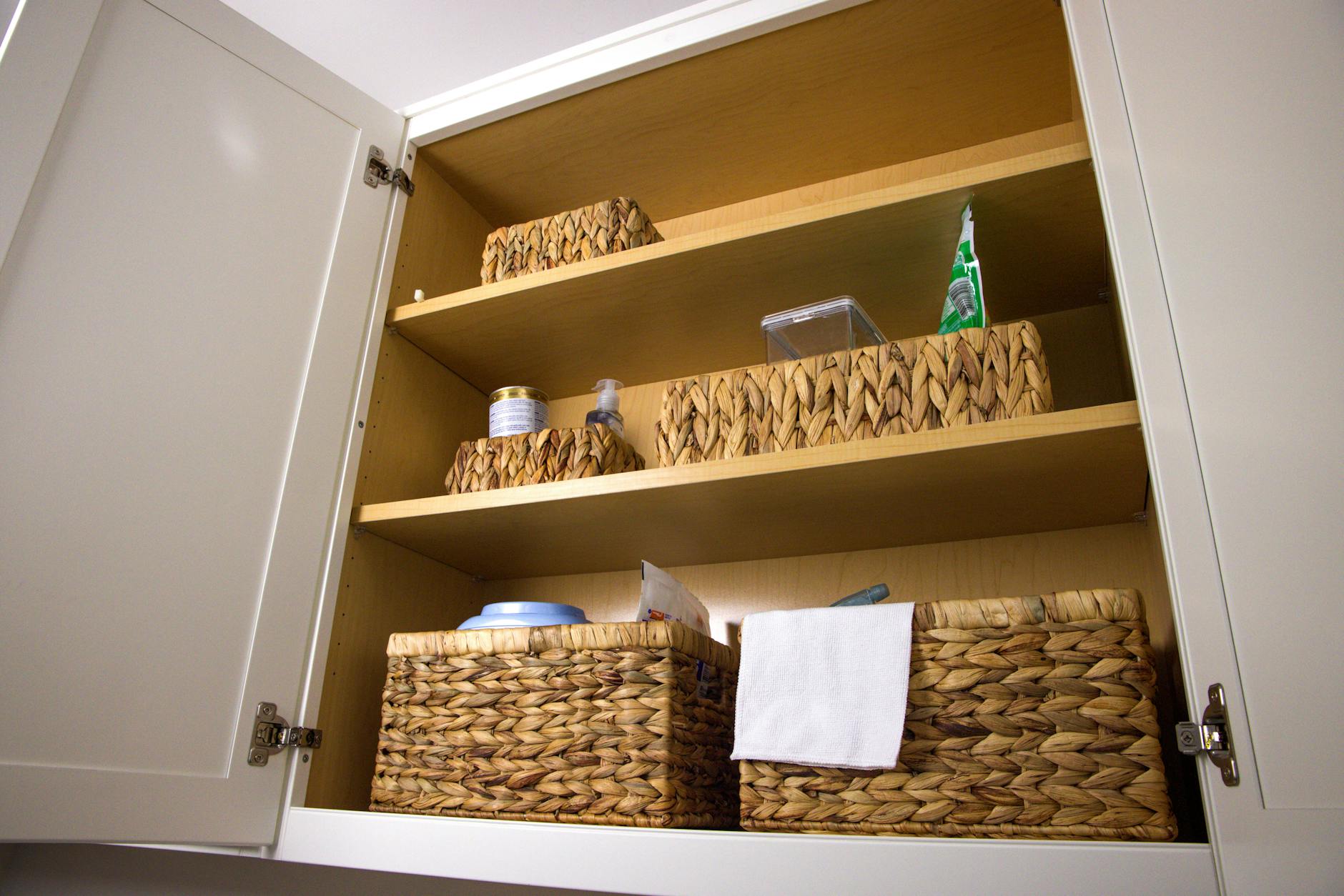
Efficiency drops significantly when cleaners have to leave a room to fetch supplies. A well-stocked caddy travels with the maid to keep every tool within arm’s reach. This organization prevents distraction and keeps the workflow continuous. It holds everything from sprays to brushes in a balanced container. Carrying a kit is the hallmark of a focused professional.
Coffee Filters for Mirrors
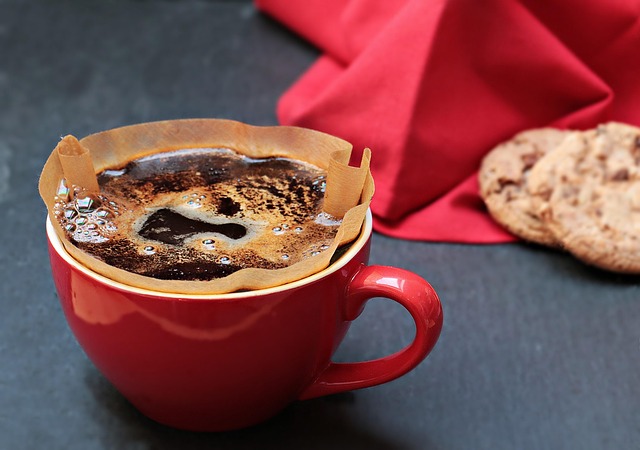
Paper towels often leave lint streaks that ruin the look of a clean mirror. Coffee filters are lint-free and durable enough to scrub away toothpaste splatters. Professionals use them with glass cleaner to achieve a crystal-clear reflection. The texture of the paper provides a gentle abrasion without scratching. They are an inexpensive and disposable alternative to specialty cloths.
Ice for Carpet Dents
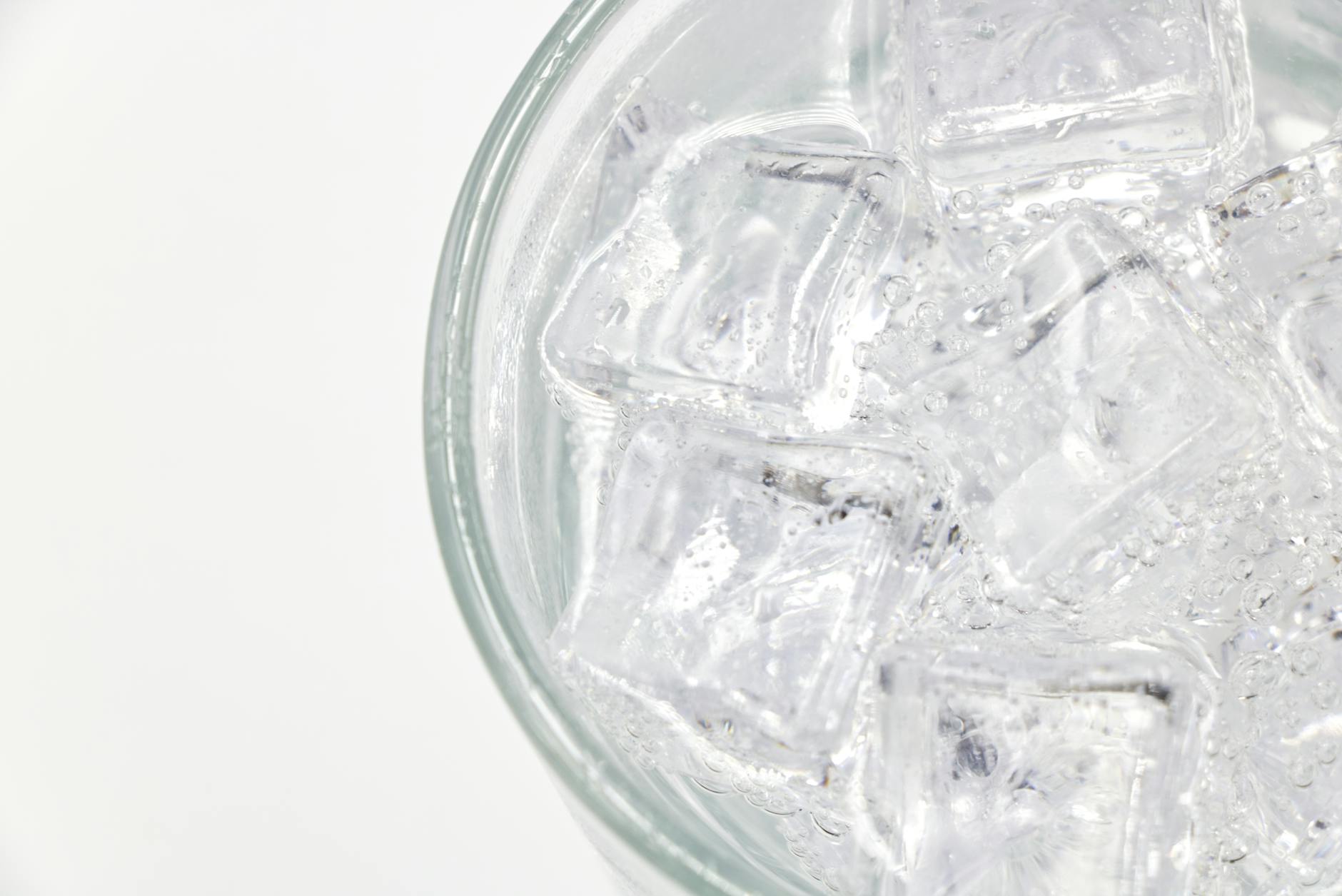
Heavy furniture leaves unsightly indentations in plush carpeting. Placing an ice cube in the dent allows the fibers to absorb moisture as it melts. Maids fluff the damp area with a spoon or coin to lift the pile back to its original height. This trick makes redecorating or moving furniture much less stressful. It revives the carpet texture instantly.
Cornstarch for Glass
Creating a homemade glass cleaner often involves rubbing alcohol and vinegar. Adding a teaspoon of cornstarch to the mix helps break down water bonds for a streak-free shine. Professionals shake the bottle well before use to distribute the powder. The fine abrasive nature polishes the glass without damaging it. This secret ingredient is the key to perfectly clear windows.
Magic Erasers for Walls

Scuffs and crayon marks on painted walls usually require repainting to hide. Melamine foam sponges lift these marks with water alone. Professionals use a gentle touch to erase the stain without stripping the paint finish. These sponges work on baseboards and door frames as well. They are essential for spot cleaning high-traffic areas.
Denture Tablets for Kettles
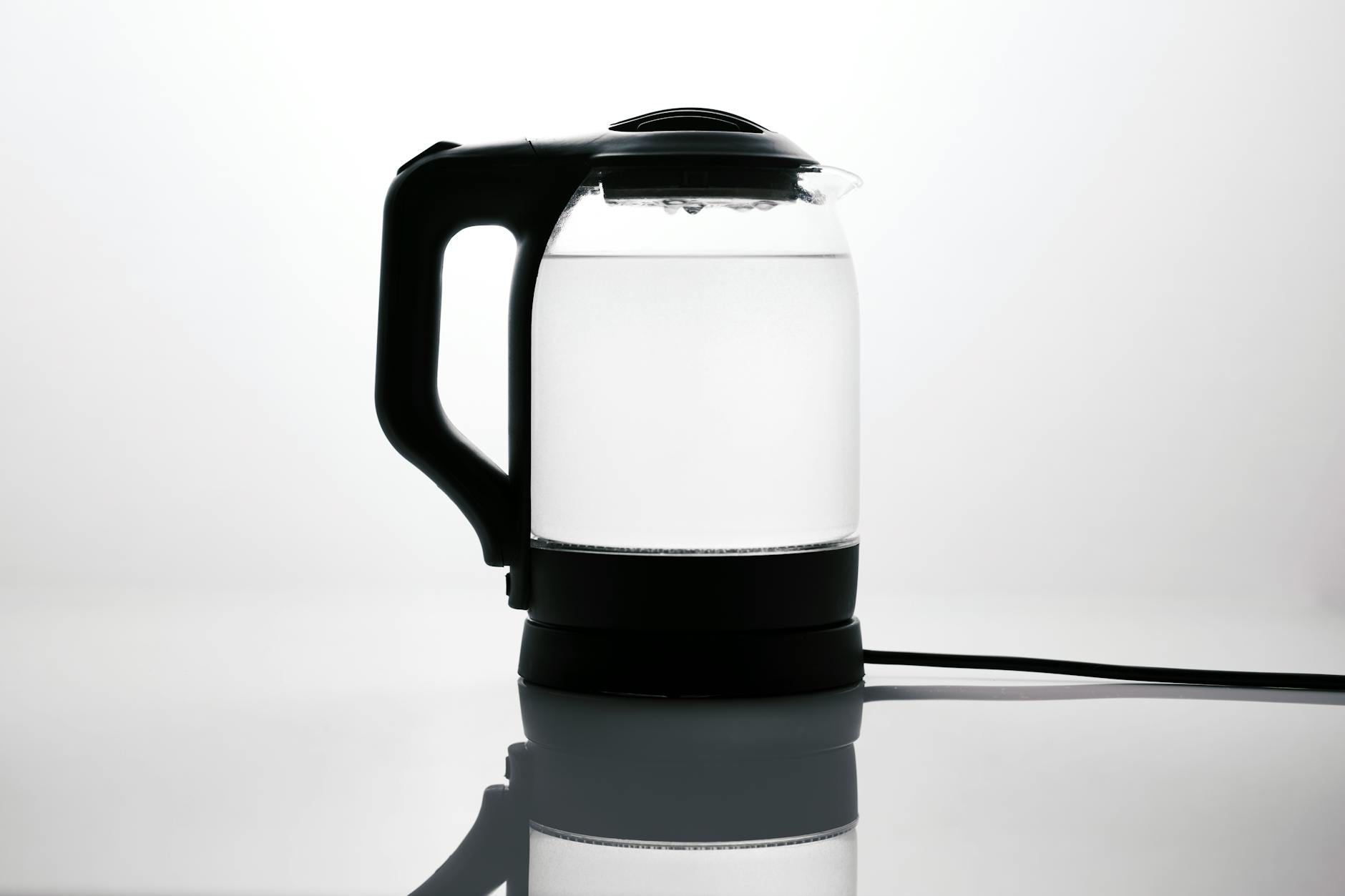
Electric kettles accumulate limescale that affects the taste of boiled water. Dropping a denture cleaning tablet into the kettle with water fizzes away the buildup. Maids let it soak overnight to ensure all mineral deposits are dissolved. A thorough rinse is all that is needed to prepare the kettle for use. This method cleans hard-to-reach internal heating elements safely.
Shower Curtain Washing

Plastic shower liners develop mold and mildew rapidly in humid bathrooms. Washing them in a machine with towels provides agitation that scrubs the plastic clean. Professionals add a cup of vinegar to the wash to kill fungus spores. Hanging the liner back up immediately allows it to drip dry without wrinkles. This extends the life of the curtain significantly.
Dusting Blinds with Tongs
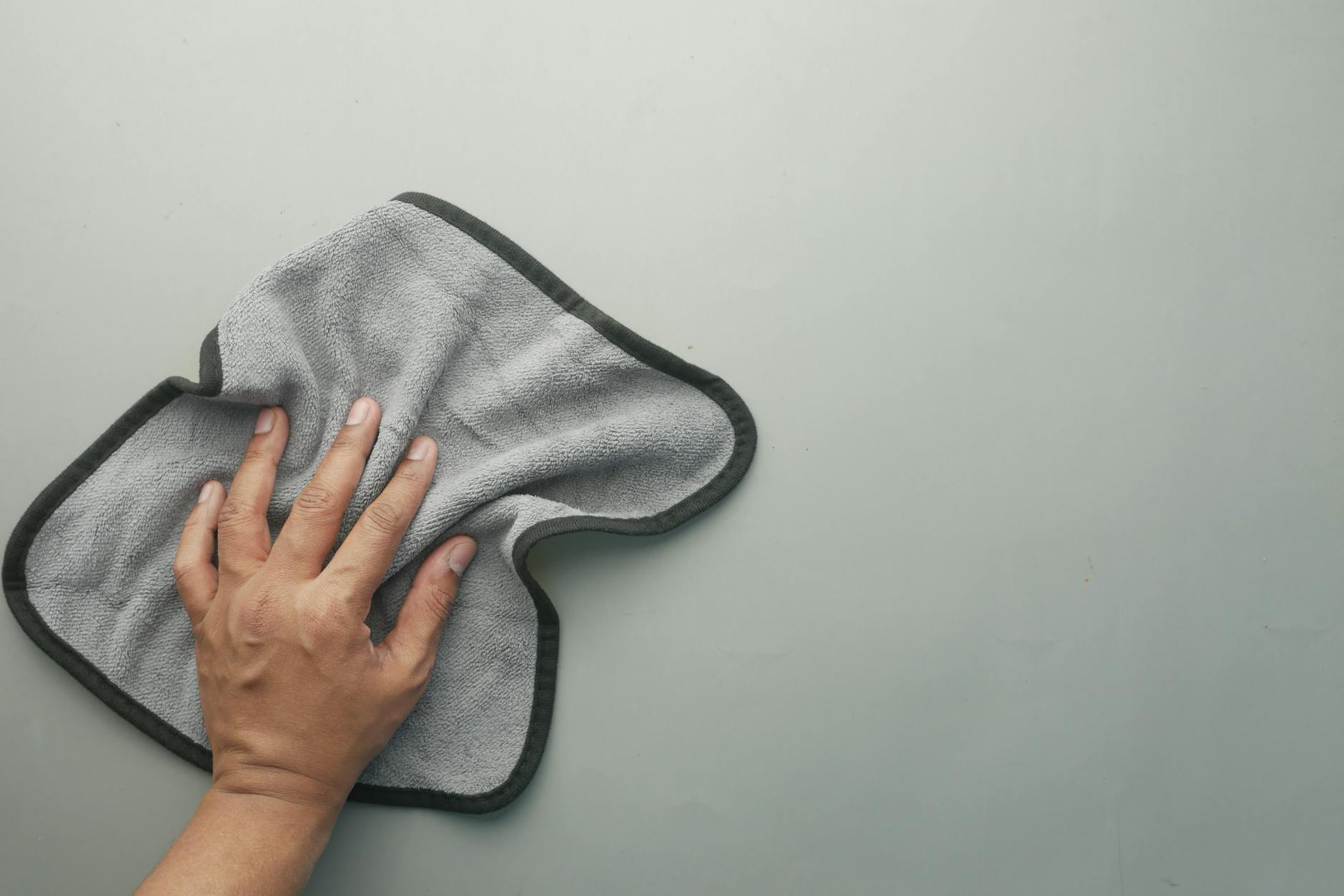
Individual blind slats are tedious and time-consuming to clean by hand. Wrapping microfiber cloths around kitchen tongs creates a tool that cleans both sides of the slat at once. Professionals clamp the tongs and slide them across for quick dust removal. This improvisation speeds up one of the most hated household chores. It works effectively on both wood and metal blinds.
Lint Rollers for Lampshades
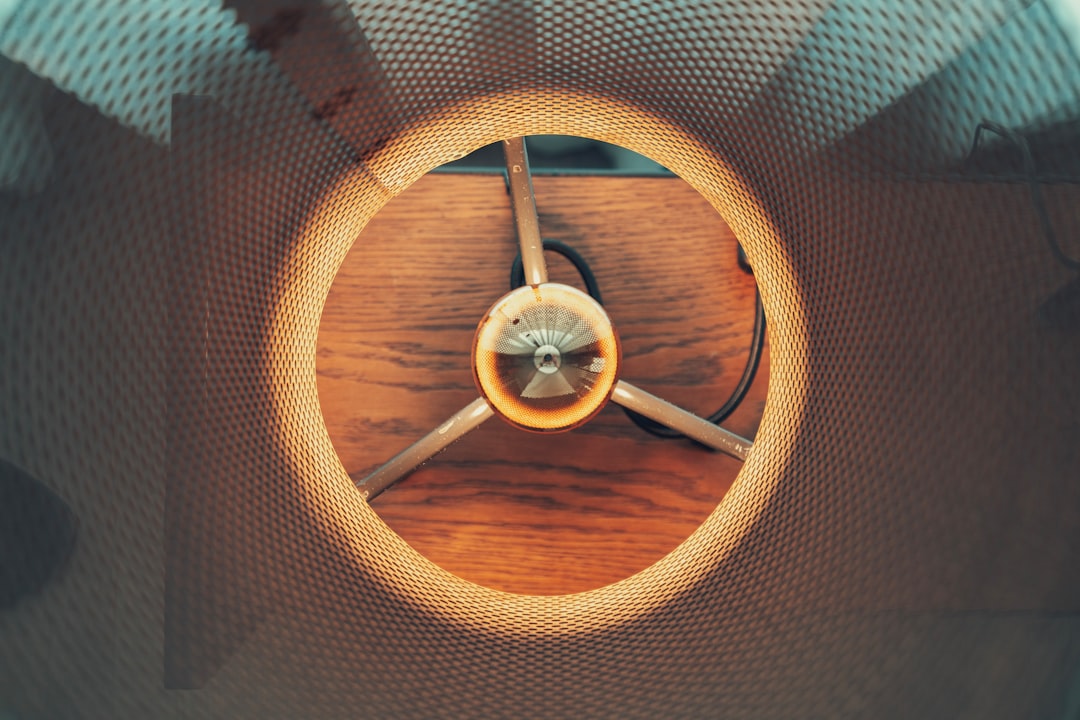
Fabric lampshades collect dust that is difficult to wipe off without smearing. A sticky lint roller lifts the dust gently without damaging the delicate material. Maids roll the surface quickly to brighten the shade and improve light quality. This technique avoids the risk of water stains from wet cleaning. It is the safest way to maintain fabric lighting fixtures.
Vodka for Upholstery
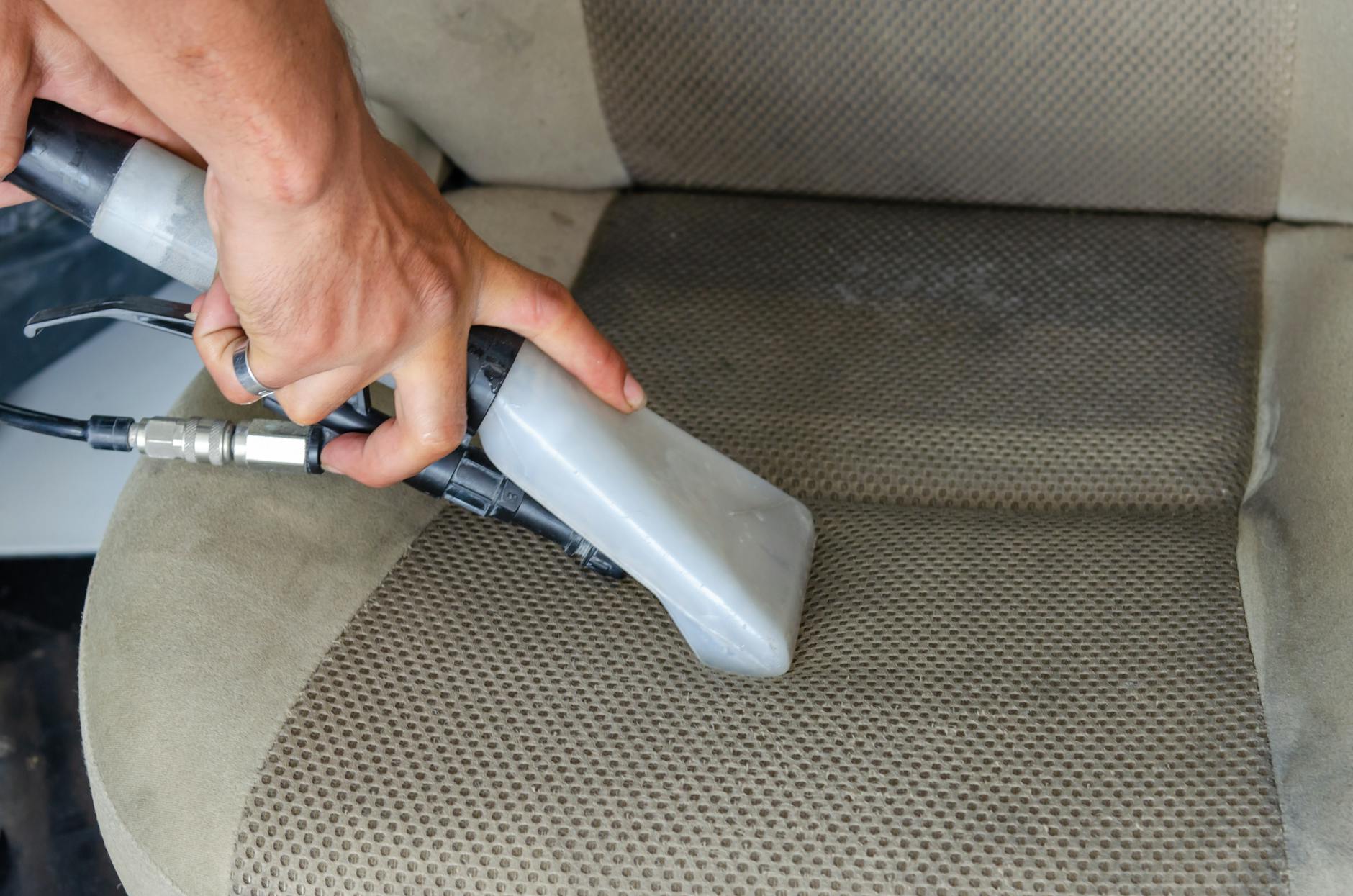
Some delicate fabrics cannot be washed with water or standard detergents. misting cheap vodka onto upholstery kills bacteria and eliminates odors as it evaporates. Professionals use this trick for vintage pieces or dry-clean-only items. The alcohol leaves no scent behind once it dries completely. It is a quick refresher for stale smelling furniture.
Shoe Covers
Tracking dirt into a home undoes cleaning progress immediately. Professionals wear disposable shoe covers to protect wet floors and carpets. This practice ensures that the exit path remains as clean as the rest of the house. It signals respect for the space and maintains hygiene standards. Keeping a box of these at the door is a simple preventive measure.
Toothbrush for Crevices
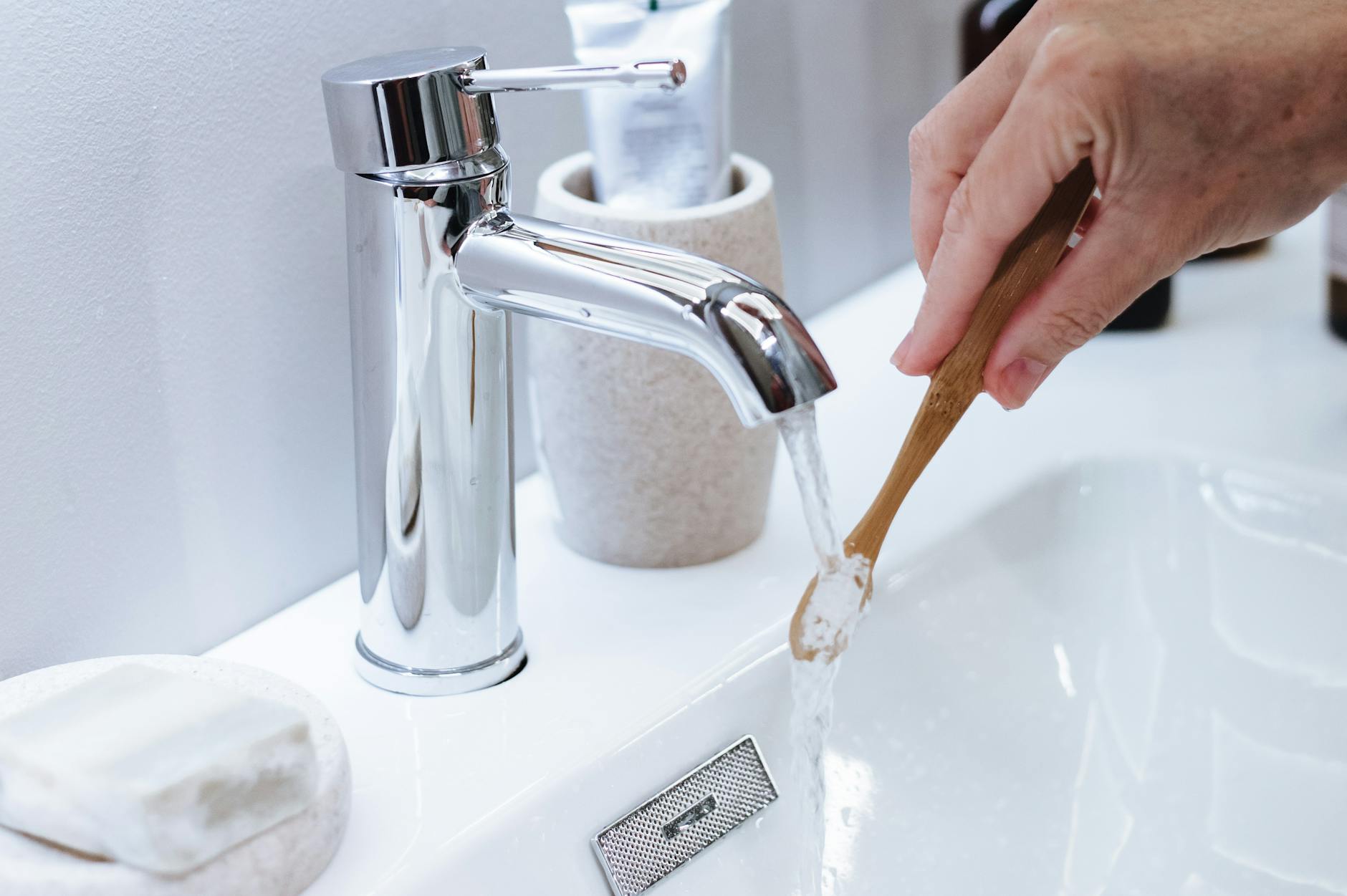
Grout lines and faucet bases accumulate grime that sponges cannot reach. An old toothbrush provides the precision scrubbing power needed for tight spaces. Professionals use this tool around drain rims and window tracks for a detailed finish. The stiff bristles dislodge trapped dirt effectively. It turns a general clean into a deep clean.
Please share your favorite cleaning tip or experience with these methods in the comments.