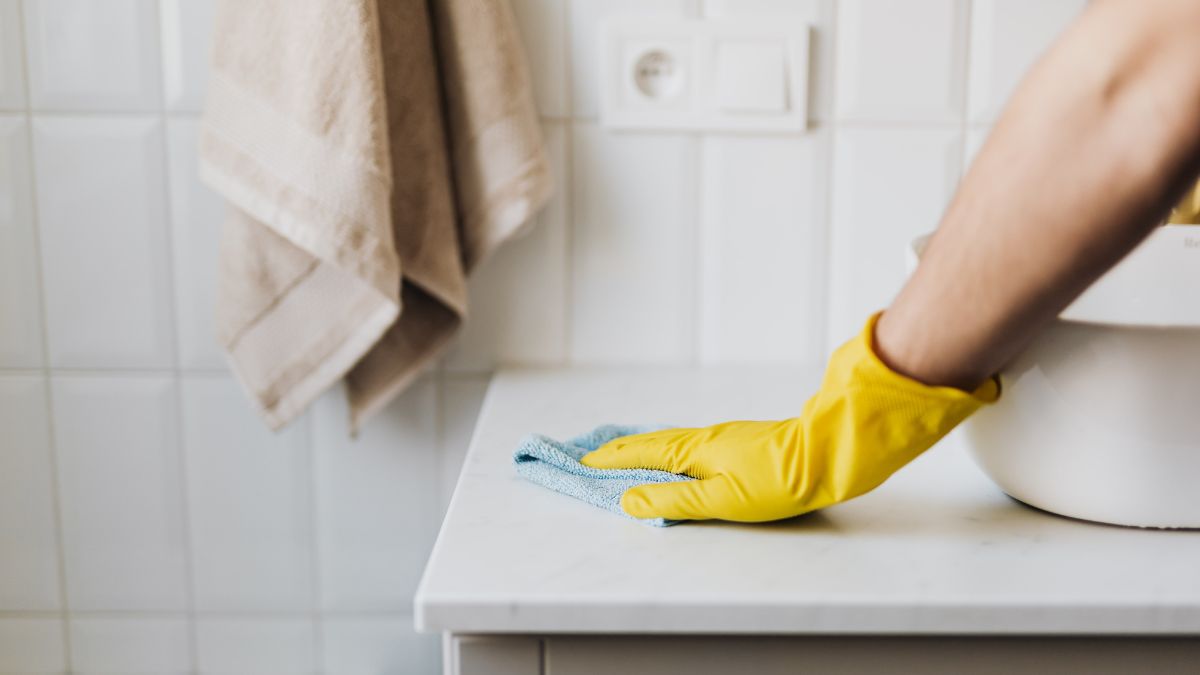
Professional cleaners have developed a toolkit of techniques over years of tackling every type of mess imaginable. These methods go far beyond basic scrubbing and spraying, relying instead on smart chemistry, proper tools, and strategic timing. Whether you are maintaining a tidy home or dealing with stubborn buildup, these insider hacks can dramatically cut your cleaning time and deliver results that look truly spotless.
Work Top to Bottom
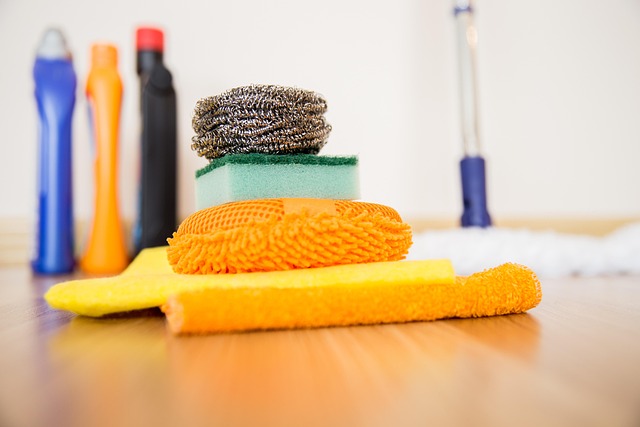
Professional cleaners always begin at the highest points in a room and work their way down to the floor. This method ensures that any dust or debris that falls during cleaning gets swept up in the final step rather than dirtying surfaces that have already been cleaned. Starting with ceiling fans, shelves, and light fixtures before moving to countertops and furniture creates a logical, efficient flow. Vacuuming or mopping is always the last task in any room for this same reason.
Use Microfiber Cloths
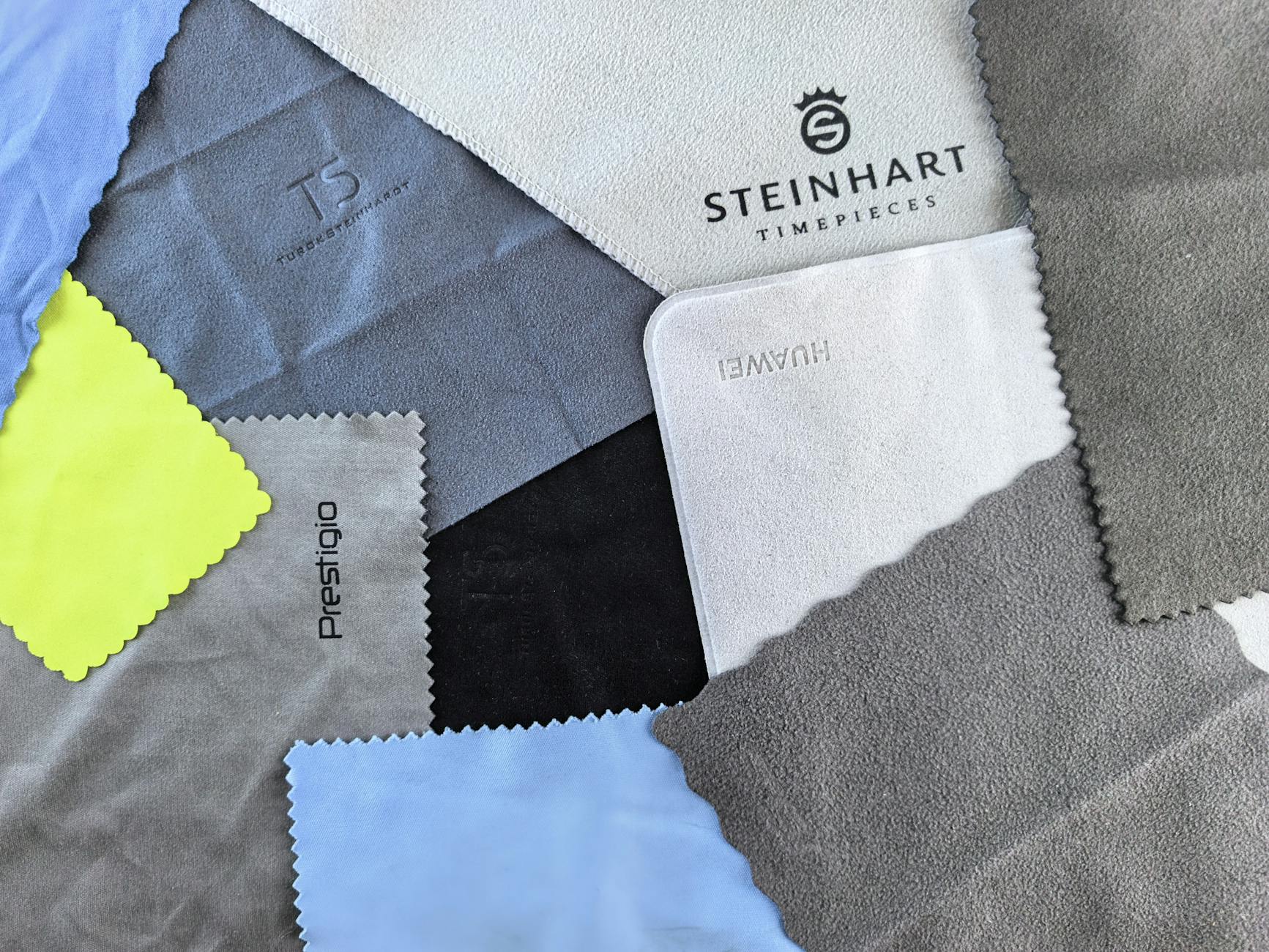
Microfiber cloths are the preferred tool of professional cleaners because their microscopic fibers trap dust, bacteria, and grease far more effectively than cotton rags. A single damp microfiber cloth can clean most surfaces without any cleaning product at all, making it both economical and environmentally friendly. These cloths are available in different grades and colors, which professionals use to color-code their cleaning tasks and avoid cross-contamination between areas like bathrooms and kitchens. Washing them regularly at high temperatures keeps them hygienic and extends their lifespan considerably.
Let Products Dwell
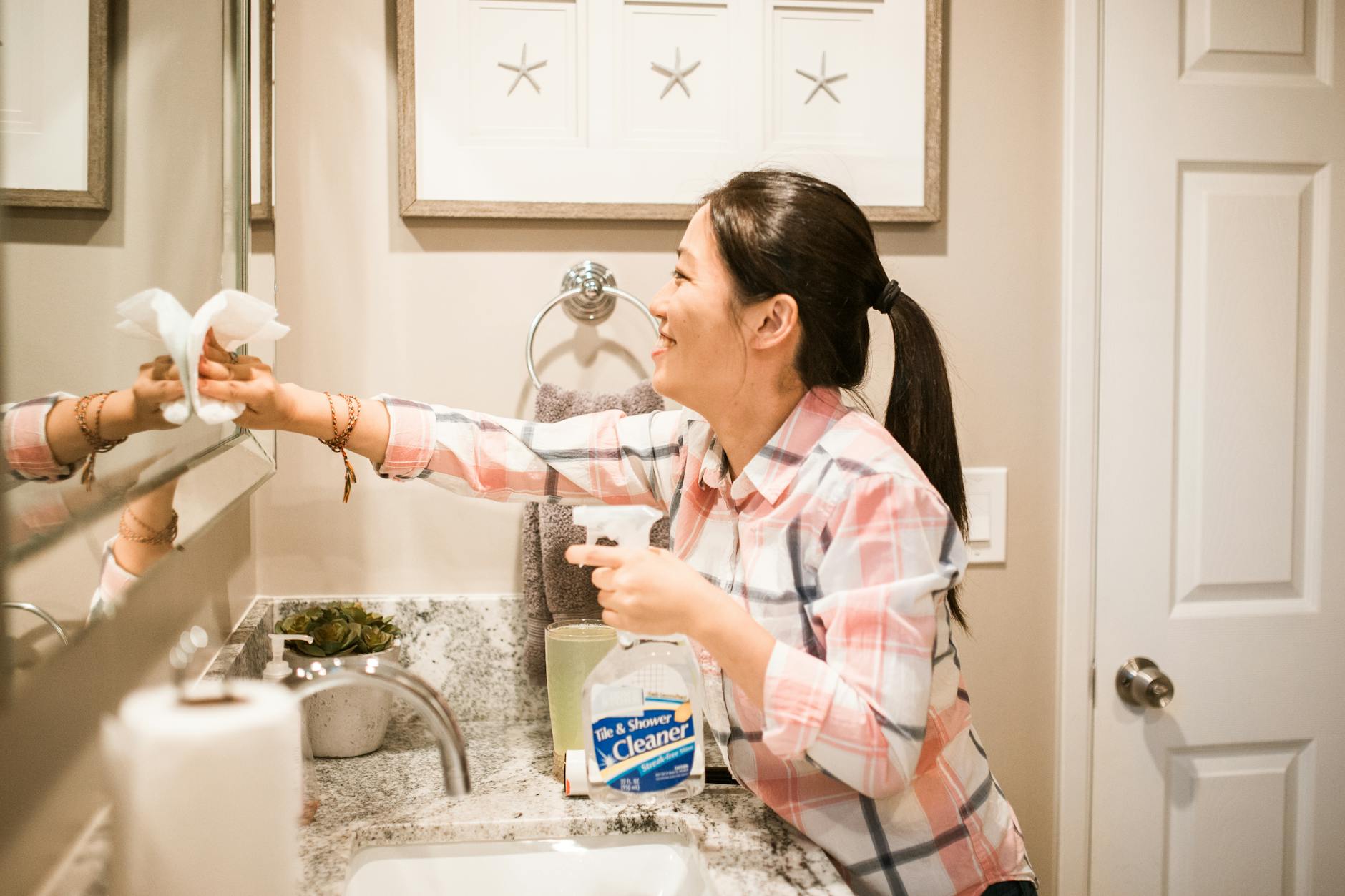
One of the most overlooked professional techniques is allowing cleaning products to sit on a surface before wiping them away. Spraying a product and immediately wiping it removes much of its effectiveness because the active ingredients have not had time to break down grease, bacteria, or soap scum. Professional cleaners typically spray a surface and move on to a different task, returning after two to five minutes for far easier removal. This dwell time approach reduces the amount of physical scrubbing required and leads to a more thorough clean overall.
Use a Squeegee on Shower Walls
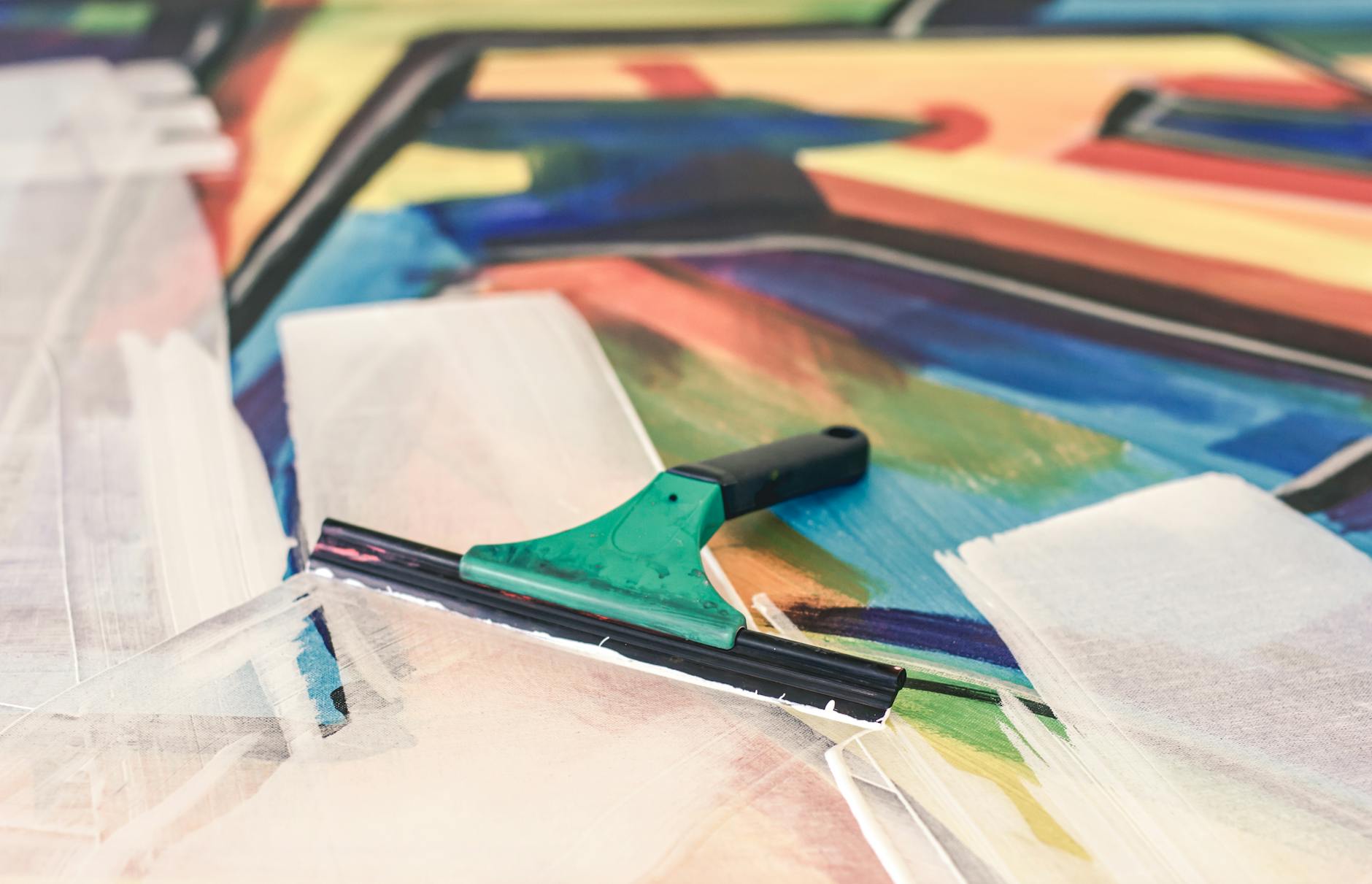
Professional cleaners recommend using a squeegee on glass shower walls and tiles after every shower to prevent soap scum and hard water deposits from building up. This thirty-second habit dramatically reduces the frequency of deep cleaning required in bathrooms. By removing standing water from surfaces, it also discourages mold and mildew growth in grout lines. A squeegee with a long handle can also be used on mirrors to remove steam and prevent mineral streaks.
Clean Grout With Baking Soda and Hydrogen Peroxide
Professionals frequently turn to a paste made from baking soda and hydrogen peroxide to lift staining from tile grout without resorting to harsh bleach products. This combination creates a mild chemical reaction that lifts discoloration from porous grout lines with minimal scrubbing. The paste is applied directly to the grout, left to dwell for ten to fifteen minutes, then scrubbed with a stiff brush and rinsed clean. This method is safe for most tile surfaces and produces visibly brighter results in a single treatment.
Vacuum Before You Mop
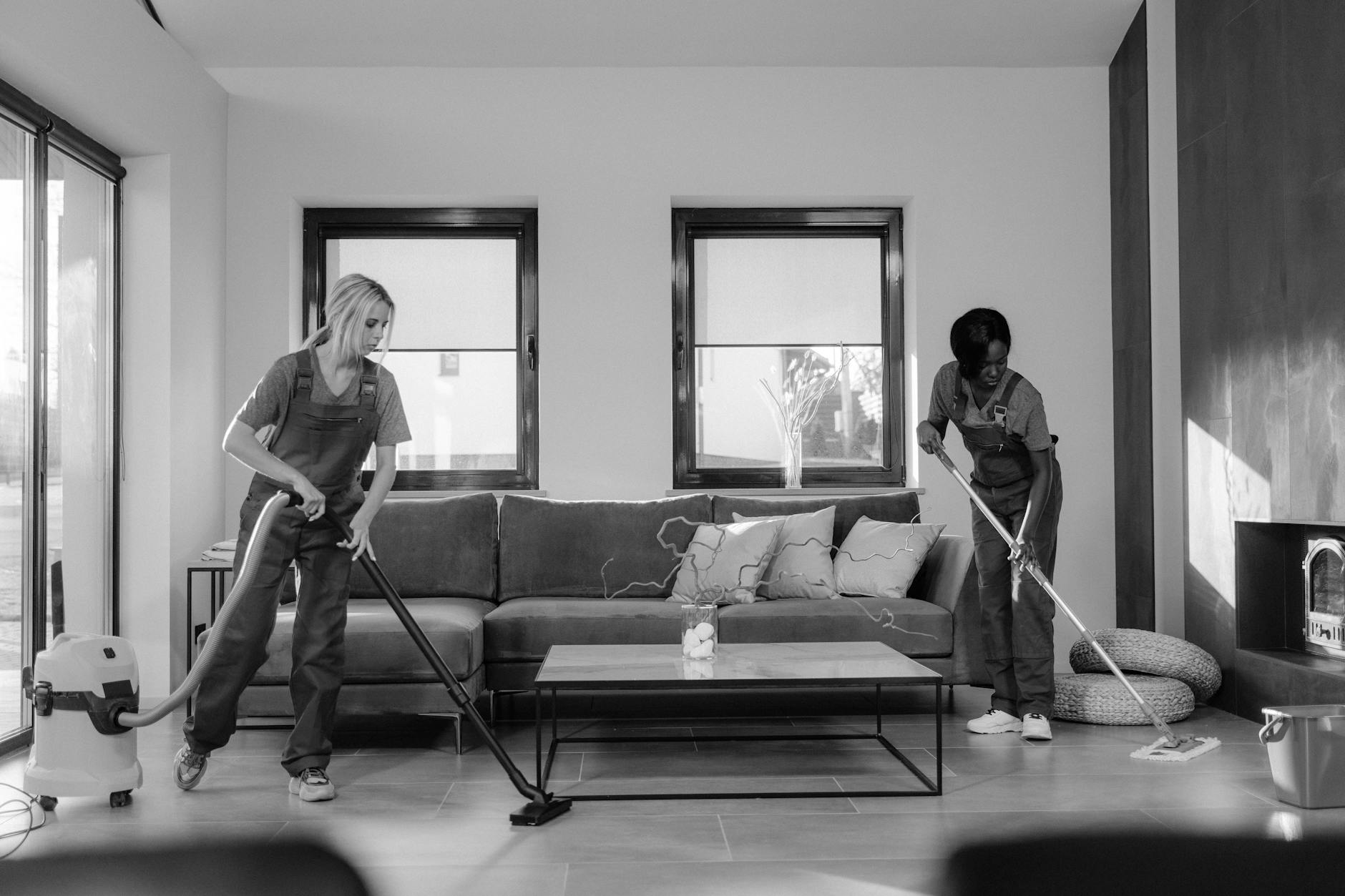
Professional cleaners never mop a floor without vacuuming or dry-sweeping it thoroughly first. Mopping over loose dirt, crumbs, or hair pushes debris around and creates muddy streaks that are harder to clean than the original mess. A thorough vacuuming lifts fine particles from the floor surface and ensures the mop is only dealing with residue and grime. This two-step approach also keeps mop water cleaner for longer, meaning fewer bucket changes and a more hygienic result.
Use a Pillowcase to Clean Ceiling Fan Blades

Slipping an old pillowcase over a ceiling fan blade and pulling it back traps all the accumulated dust inside the case rather than sending it floating down onto furniture and floors below. This technique is used by professionals because it is fast, mess-free, and requires no ladder in most cases when combined with an extendable duster. It is particularly effective for fans that have not been cleaned in several months and have a thick layer of settled dust on top of each blade. The pillowcase can be shaken out and laundered immediately after use.
Descale Taps With White Vinegar
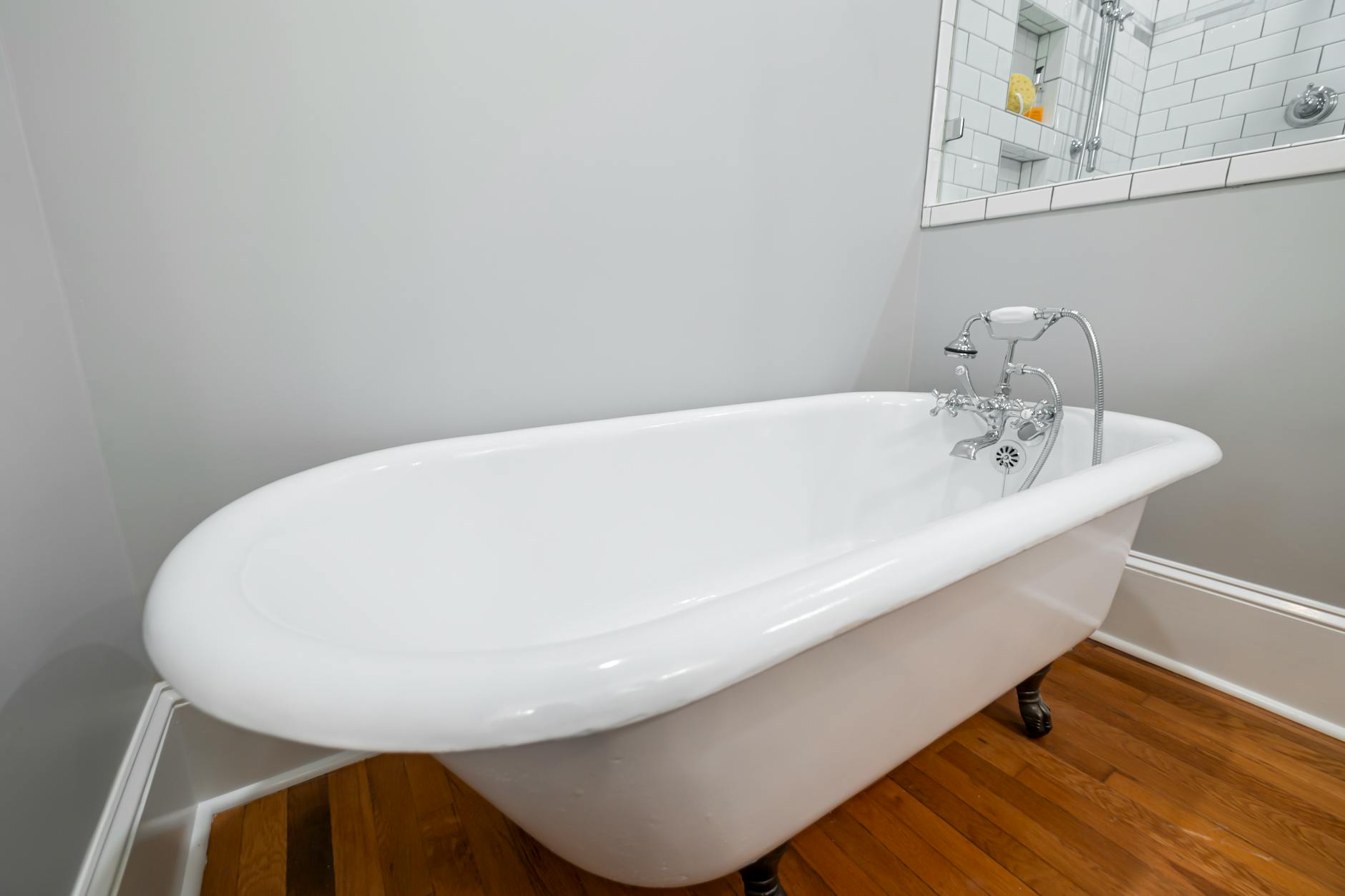
Limescale around taps and showerheads is a common issue in hard water areas and one that professional cleaners address with undiluted white vinegar. A cloth or paper towel soaked in vinegar is wrapped tightly around the affected tap and left to sit for at least an hour to allow the acetic acid to dissolve the mineral buildup. For showerheads, the vinegar can be poured into a plastic bag that is secured around the fixture with a rubber band. After the dwell time, the loosened scale wipes away with ease and a quick polish restores the metallic shine.
Use a Lint Roller on Lampshades
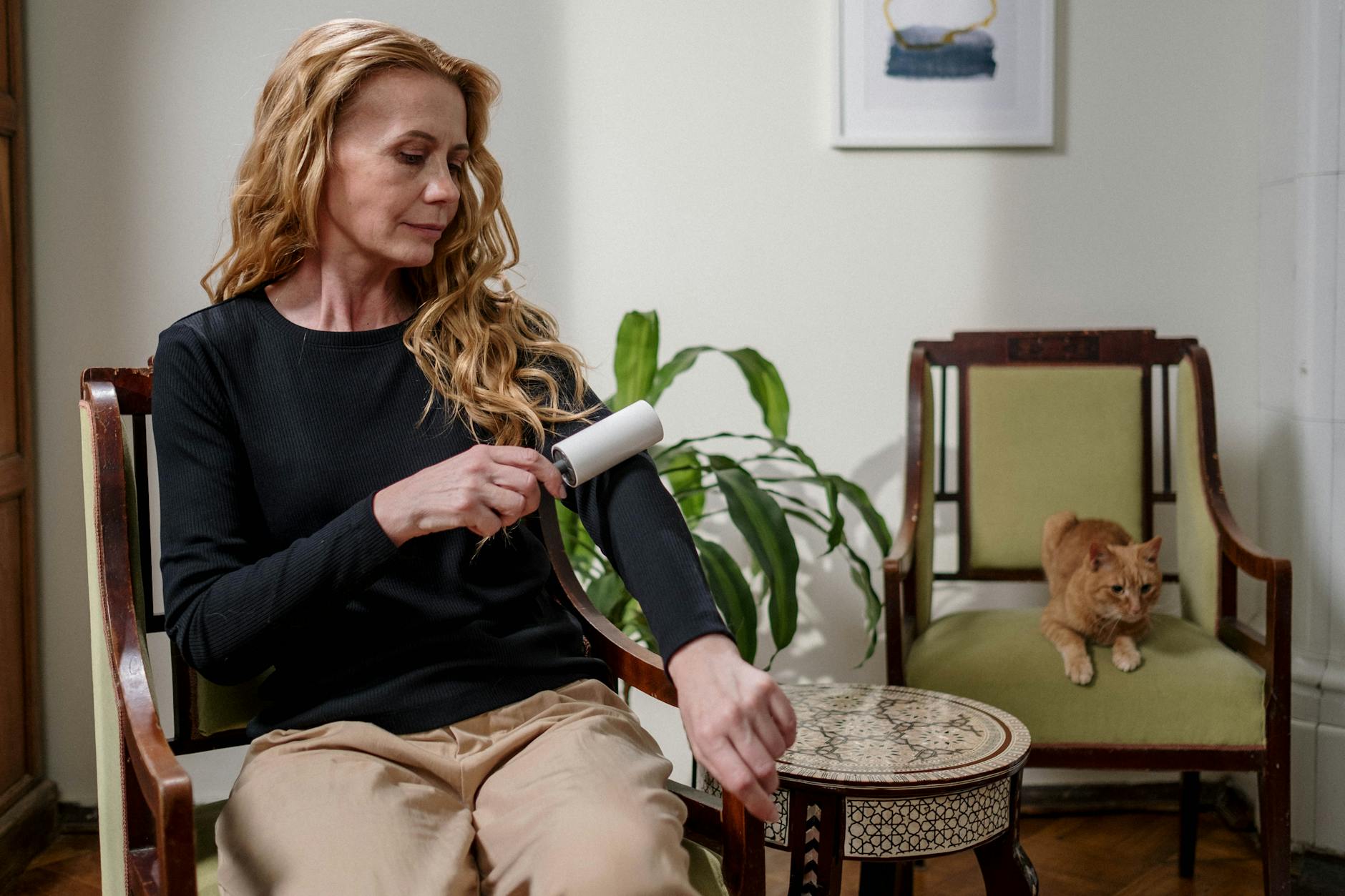
Fabric lampshades collect dust and pet hair at a surprising rate and are difficult to clean with a standard cloth without disturbing their shape. Professional cleaners use a lint roller to quickly remove surface debris from pleated and drum-style lampshades in seconds. For heavily soiled shades, a lightly dampened microfiber cloth can be used afterward to lift remaining residue. This approach also works well on fabric headboards, upholstered dining chairs, and velvet throw pillows.
Buff Stainless Steel With Baby Oil
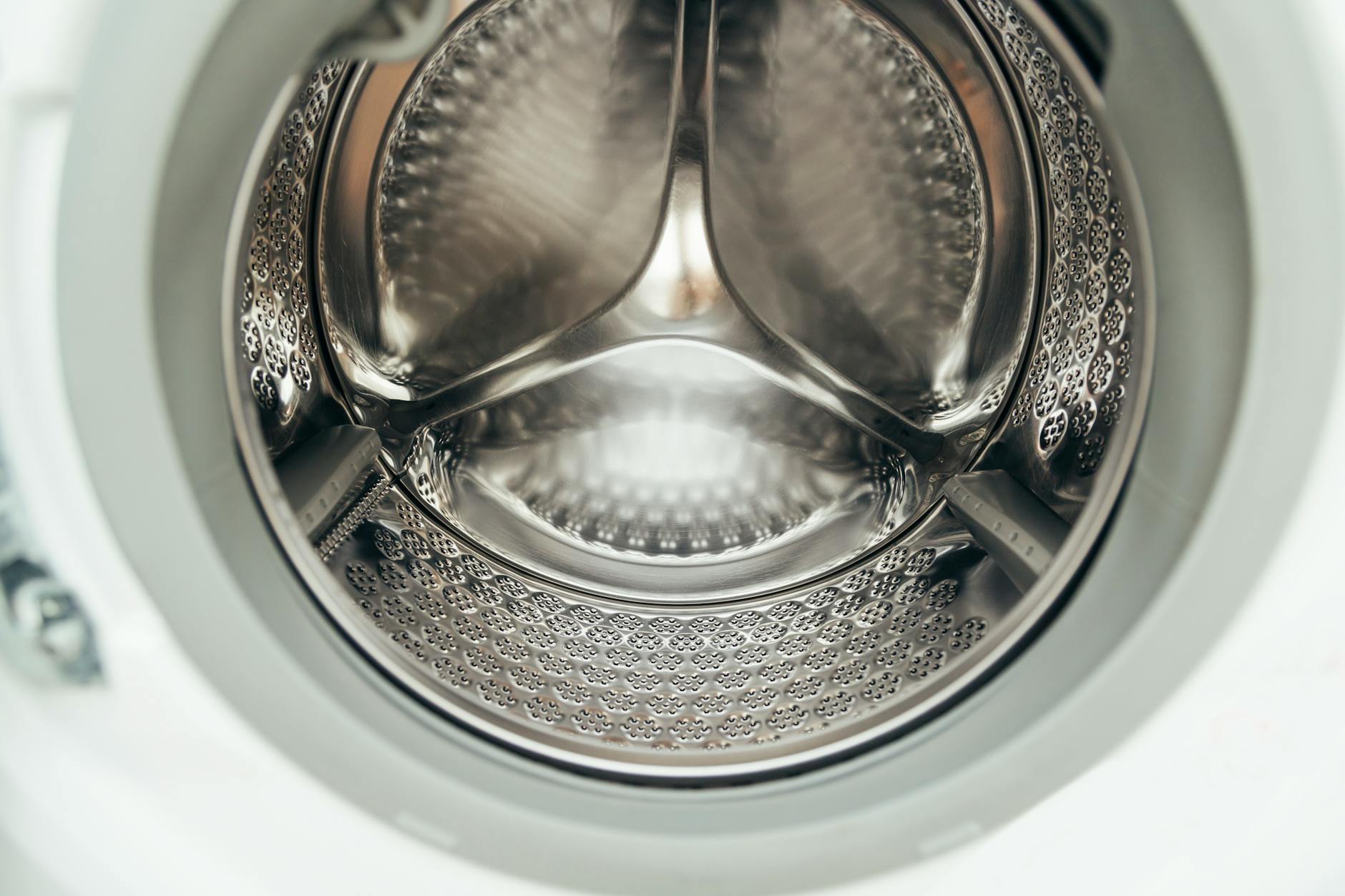
After cleaning stainless steel appliances, professional cleaners apply a small amount of baby oil to a microfiber cloth and buff it into the surface in the direction of the grain. This technique removes fingerprints and smudges while creating a thin protective barrier that repels future marks. The result is a streak-free, polished finish that lasts longer than cleaning with water or standard spray products alone. Mineral oil and coconut oil can be used as alternatives with similar results.
Use a Rubber Broom on Carpet

A rubber broom is a professional staple for lifting embedded pet hair and fine debris from carpet fibers that a standard vacuum leaves behind. The rubber bristles create static friction as they are dragged across the carpet, pulling hair and lint to the surface where it can be gathered and removed. This technique is especially effective along skirting boards and in corners where vacuum attachments struggle to reach. A rubber broom also works exceptionally well on hardwood and tile floors, collecting hair and fine dust into neat rows without scattering it.
Disinfect Sponges in the Microwave
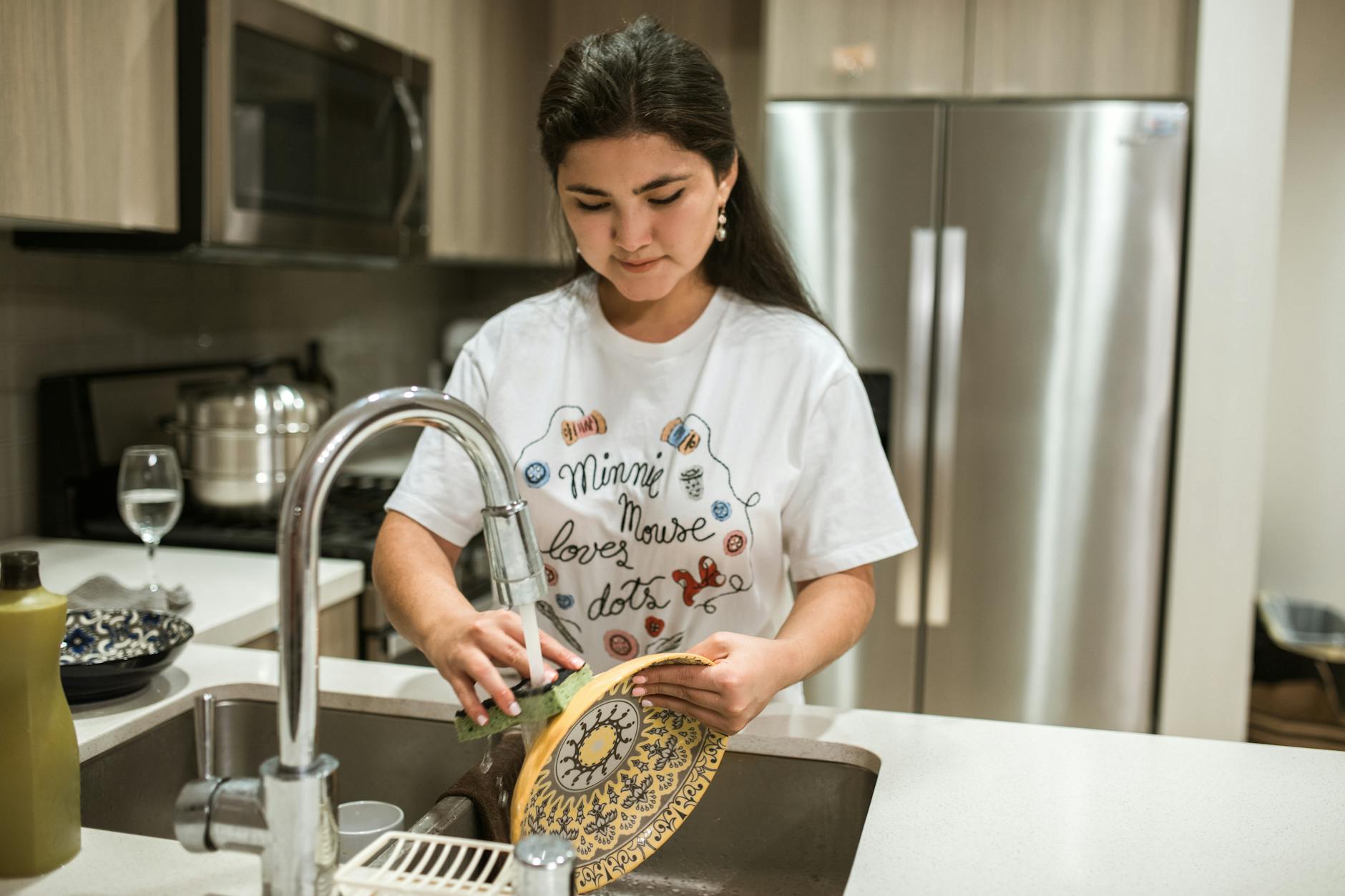
Kitchen sponges harbor millions of bacteria and should be sanitized regularly rather than waiting until they are visibly dirty or beginning to smell. Professional cleaners dampen a sponge thoroughly and microwave it on high for two minutes to kill the majority of bacteria living within the fibers. The sponge must be wet before microwaving to avoid any risk of scorching or fire. This method significantly extends the usable life of a sponge and ensures it is not spreading bacteria across surfaces during cleaning.
Clean Inside the Oven With Baking Soda Paste
A thick paste of baking soda and water applied to the interior walls of an oven overnight is one of the most effective professional methods for removing baked-on grease without chemical oven cleaners. The paste is spread across all interior surfaces except the heating element and left to work for eight to twelve hours. The next morning, a damp cloth removes the dried paste along with loosened grease and burnt residue. A spray of white vinegar over any remaining baking soda creates a fizzing reaction that lifts stubborn patches before a final wipe-down.
Use a Toothbrush for Detail Work
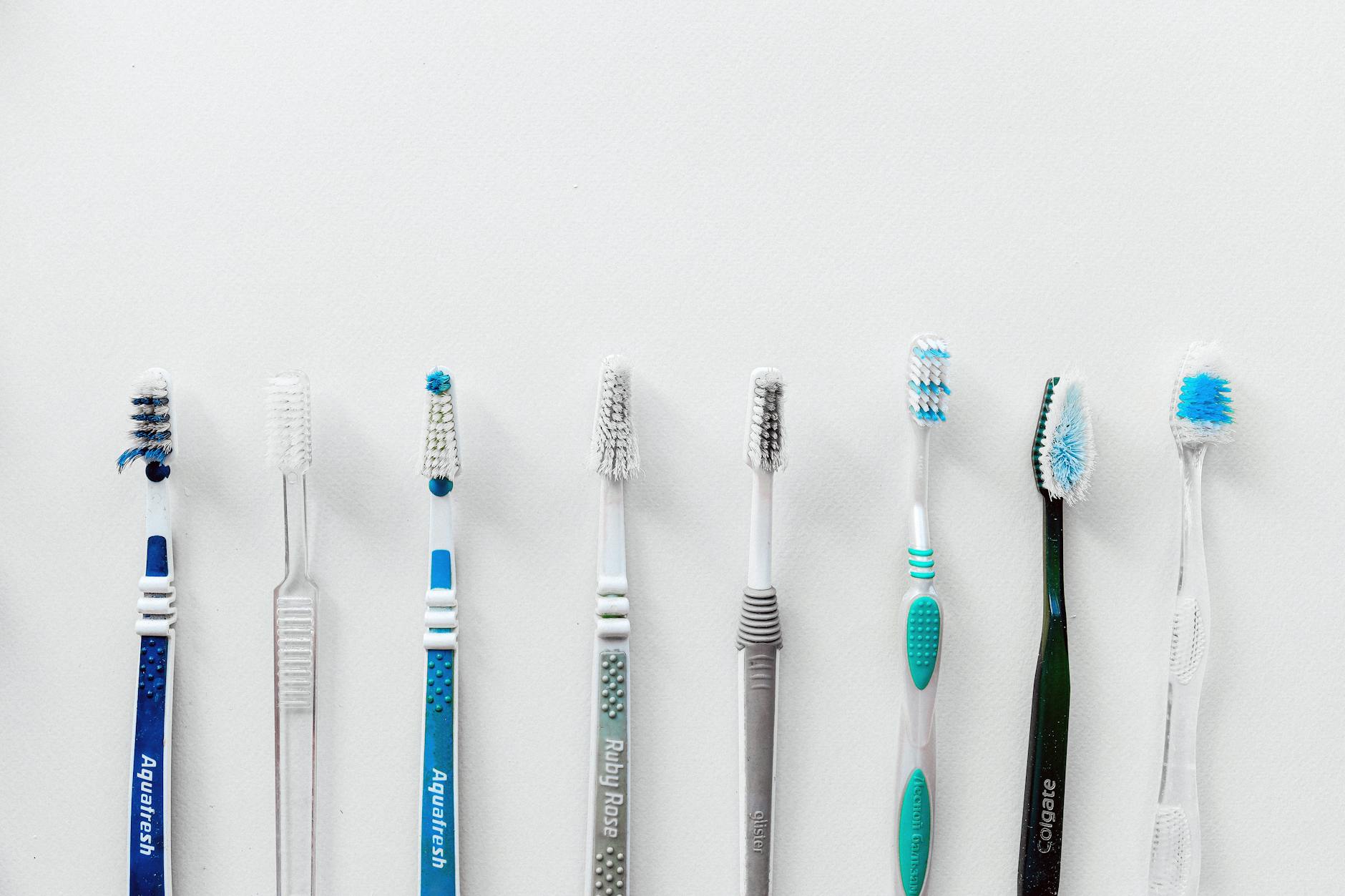
Professional cleaners keep a supply of old toothbrushes specifically for scrubbing tight spaces that larger tools cannot reach effectively. Grout lines, tap bases, drain surrounds, and the grooves of appliance seals all benefit from targeted toothbrush scrubbing. The small head provides precise control and the bristles are firm enough to dislodge buildup without scratching most surfaces. Dipping the toothbrush in a solution of dish soap and warm water is sufficient for most detail-cleaning tasks throughout the home.
Polish Chrome With Dry Flour

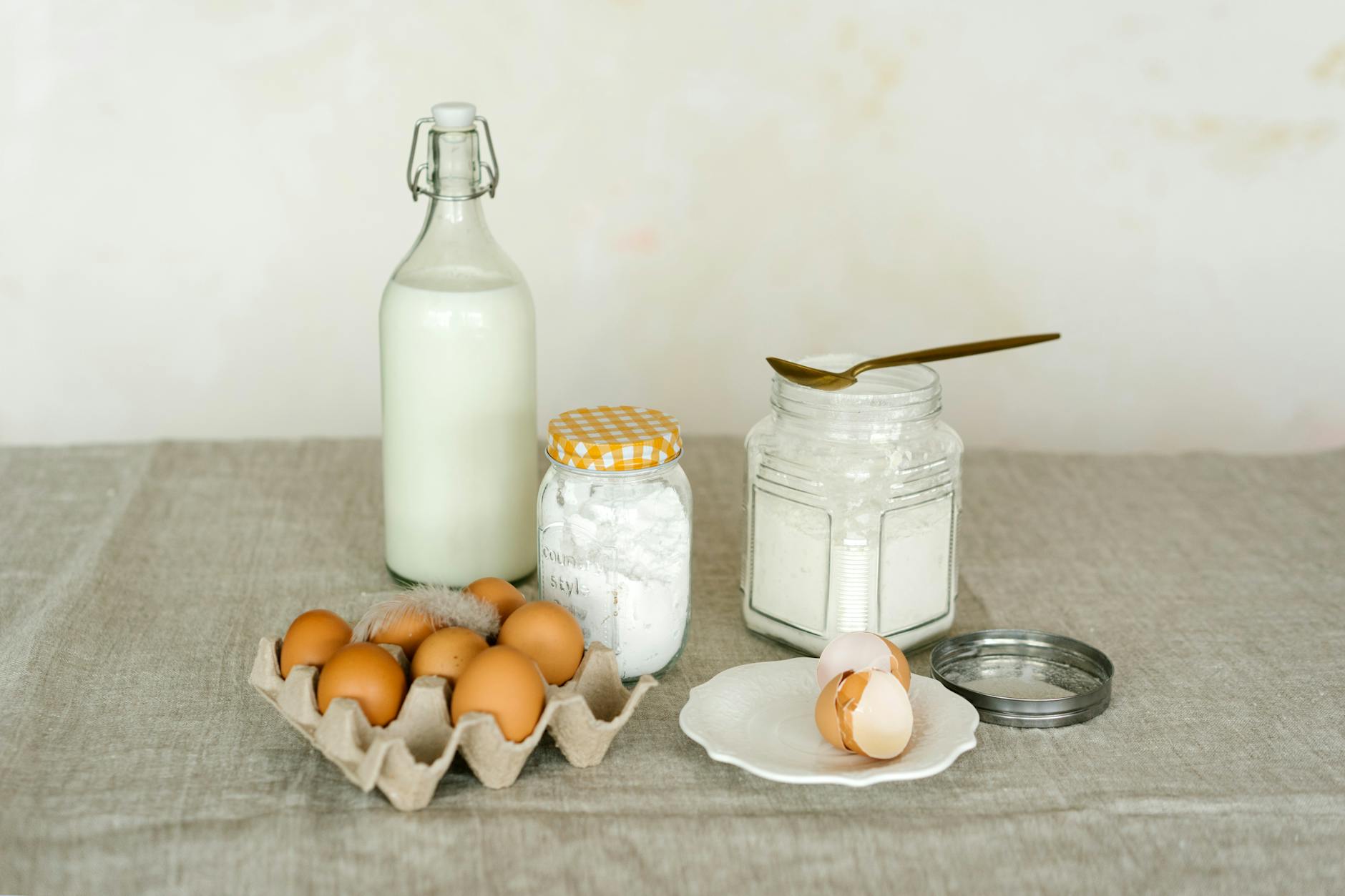
Polishing chrome taps and fixtures with a small amount of dry flour on a soft cloth is a lesser-known professional trick that delivers a brilliant, streak-free shine. The fine abrasive particles in flour buff the surface gently without causing scratching, and the result is noticeably brighter than standard chrome polish sprays. This method is particularly popular for kitchen taps and bathroom faucets where a showroom finish is desired. The flour is applied with a cloth, buffed in circular motions, and wiped away cleanly with a dry microfiber cloth.
Freshen a Mattress With Baking Soda
Professional cleaners sprinkle a generous layer of baking soda over a bare mattress and leave it for at least thirty minutes to absorb moisture, odors, and skin oils that accumulate over time. For a deeper treatment, a few drops of essential oil can be mixed into the baking soda before it is applied. After the dwell time, the baking soda is vacuumed away thoroughly using an upholstery attachment. This process should be repeated every three to six months to maintain a fresh, hygienic sleeping surface.
Remove Water Rings With a Hair Dryer

Water rings on wooden furniture are a frequent household frustration and one that professional cleaners address with a hair dryer set to medium heat. Holding the dryer a few centimeters above the ring and moving it continuously causes the trapped moisture beneath the wood’s finish to evaporate, gradually lifting the white stain. After the ring disappears, a small amount of furniture oil or polish is applied to the area to restore the wood’s appearance. This technique works best on rings that are relatively recent rather than deeply set stains.
Use Shaving Cream on Carpet Stains
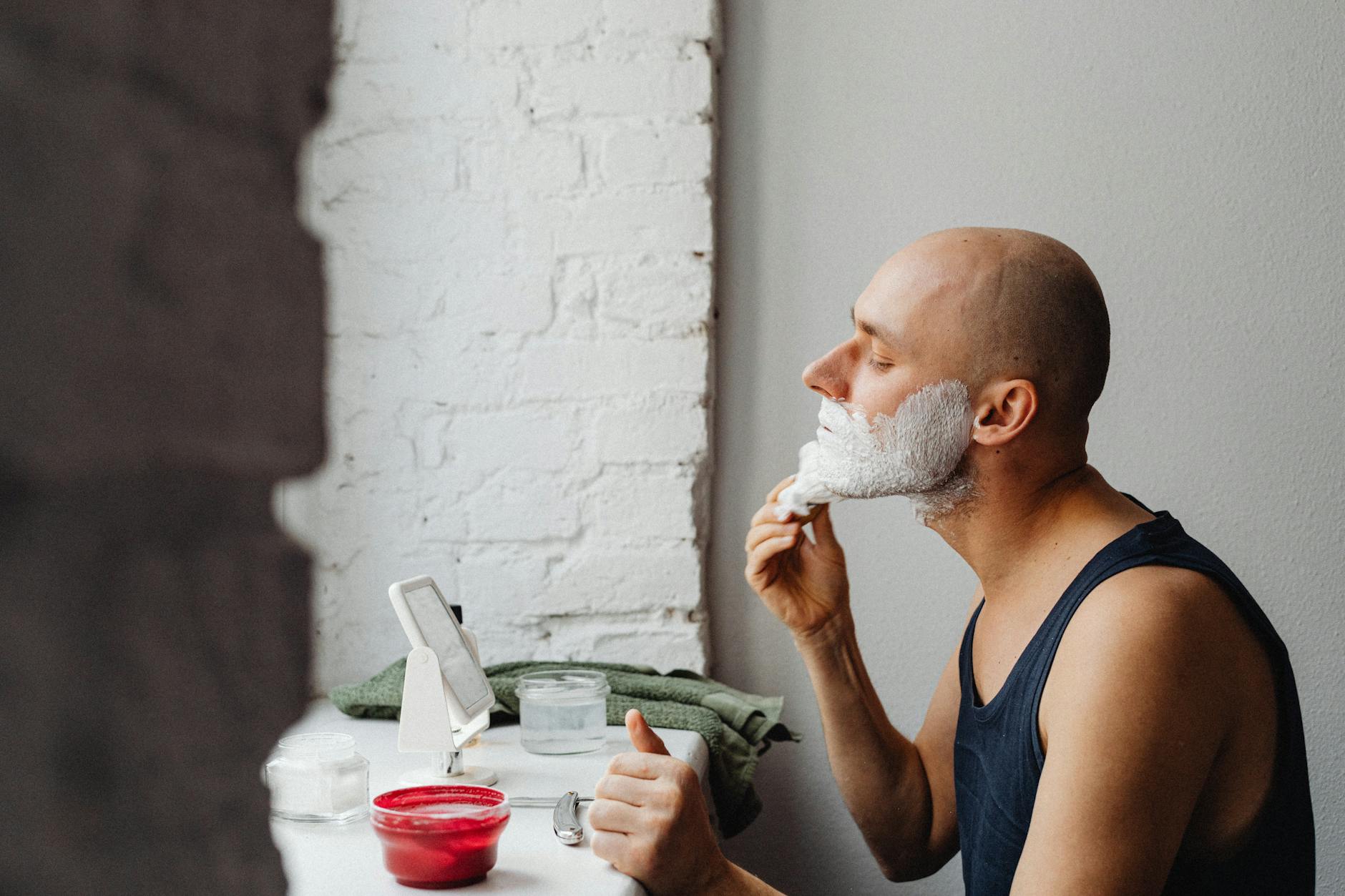
Professional cleaners have long known that plain white shaving cream is an effective first-response treatment for many types of carpet stains including food, wine, and mud. A generous amount of shaving cream is worked into the stained area with a clean cloth and allowed to sit for thirty minutes before being blotted away. The foam lifts the staining agent out of the carpet fibers without spreading the mark further as liquids often do. Following up with a light spray of cold water and a clean blot removes any residue and restores the carpet’s original texture.
Dust Blinds With Tongs and Microfiber
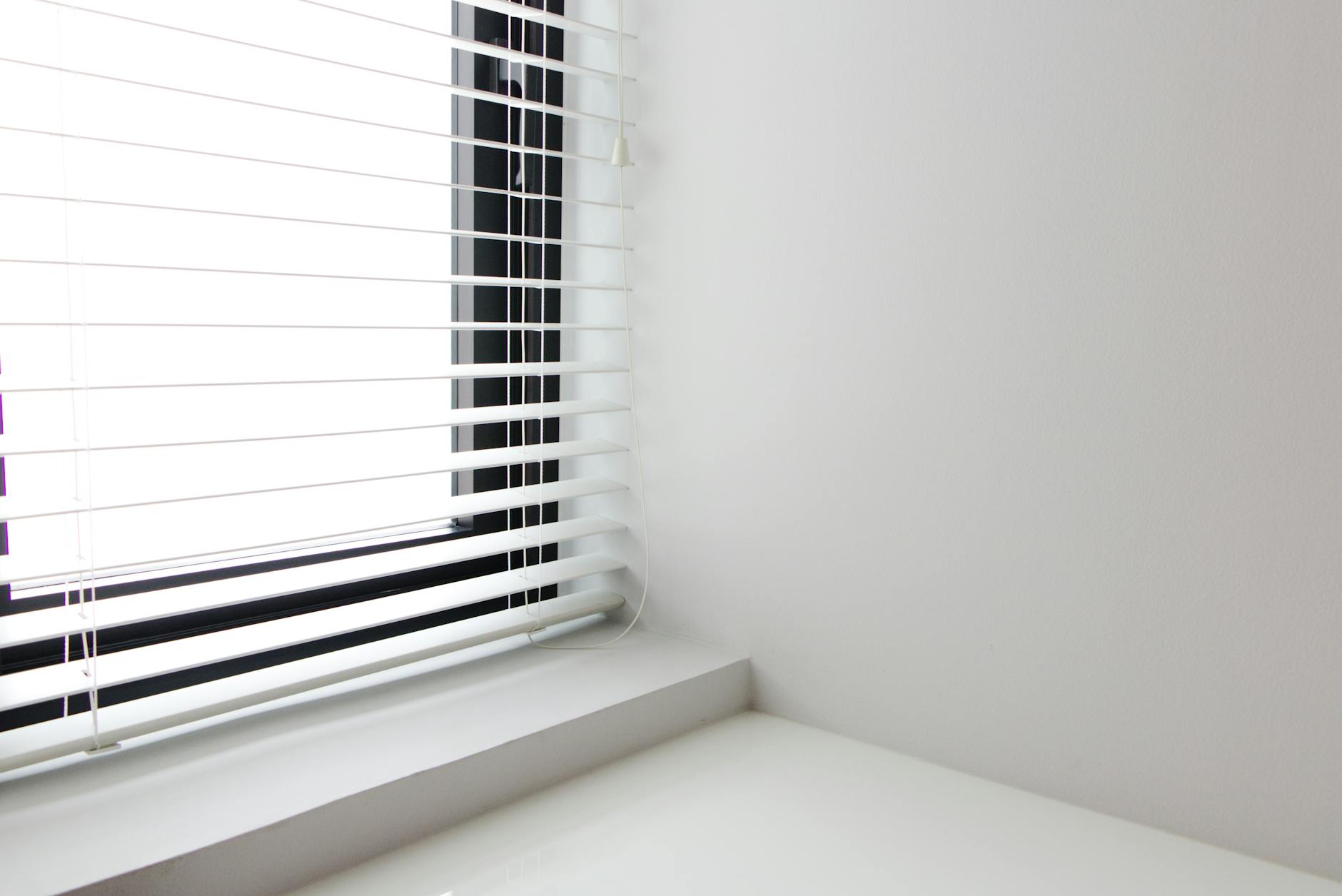
Cleaning individual blind slats is a time-consuming task that professionals speed up with a pair of kitchen tongs wrapped in two microfiber cloths secured with rubber bands. The tongs grip both sides of each slat simultaneously, cleaning the top and bottom surfaces in a single pass. This method reduces cleaning time on a full set of blinds by more than half compared to wiping each slat individually with a cloth. Both microfiber cloths can be removed and laundered when they become dirty, making the tool reusable indefinitely.
Remove Soap Scum With Dryer Sheets
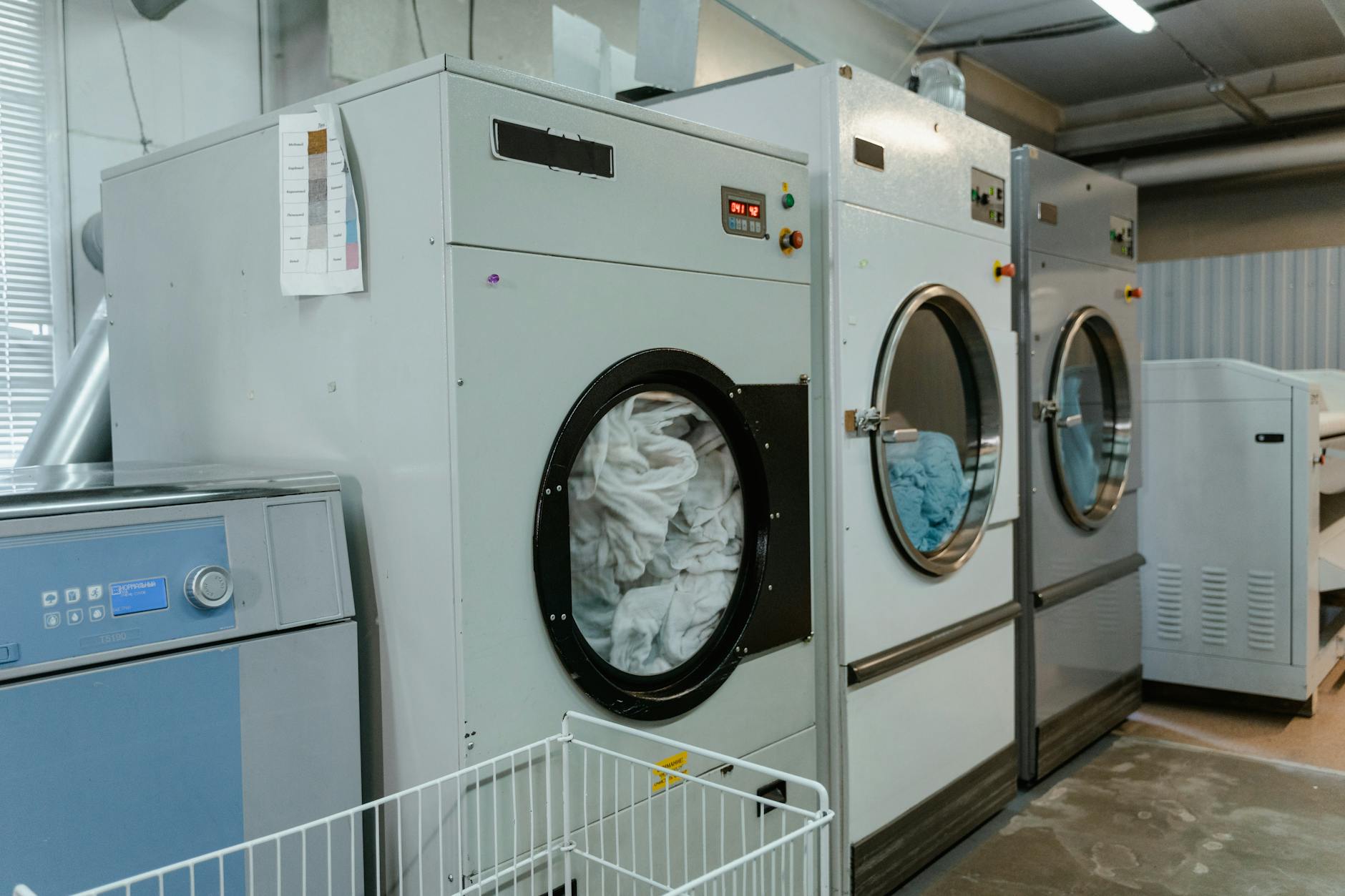
Dampened dryer sheets are surprisingly effective at removing soap scum from glass shower screens, bathtub surfaces, and tiles. The fabric softener compounds in dryer sheets help to loosen and lift the waxy residue left by soap and shampoo products without the need for harsh chemical sprays. Professionals use a circular buffing motion to work the dryer sheet across the surface before rinsing thoroughly with water. This method also leaves behind a light coating that temporarily slows the rate at which new soap scum forms.
Clean Blinds With a Sock
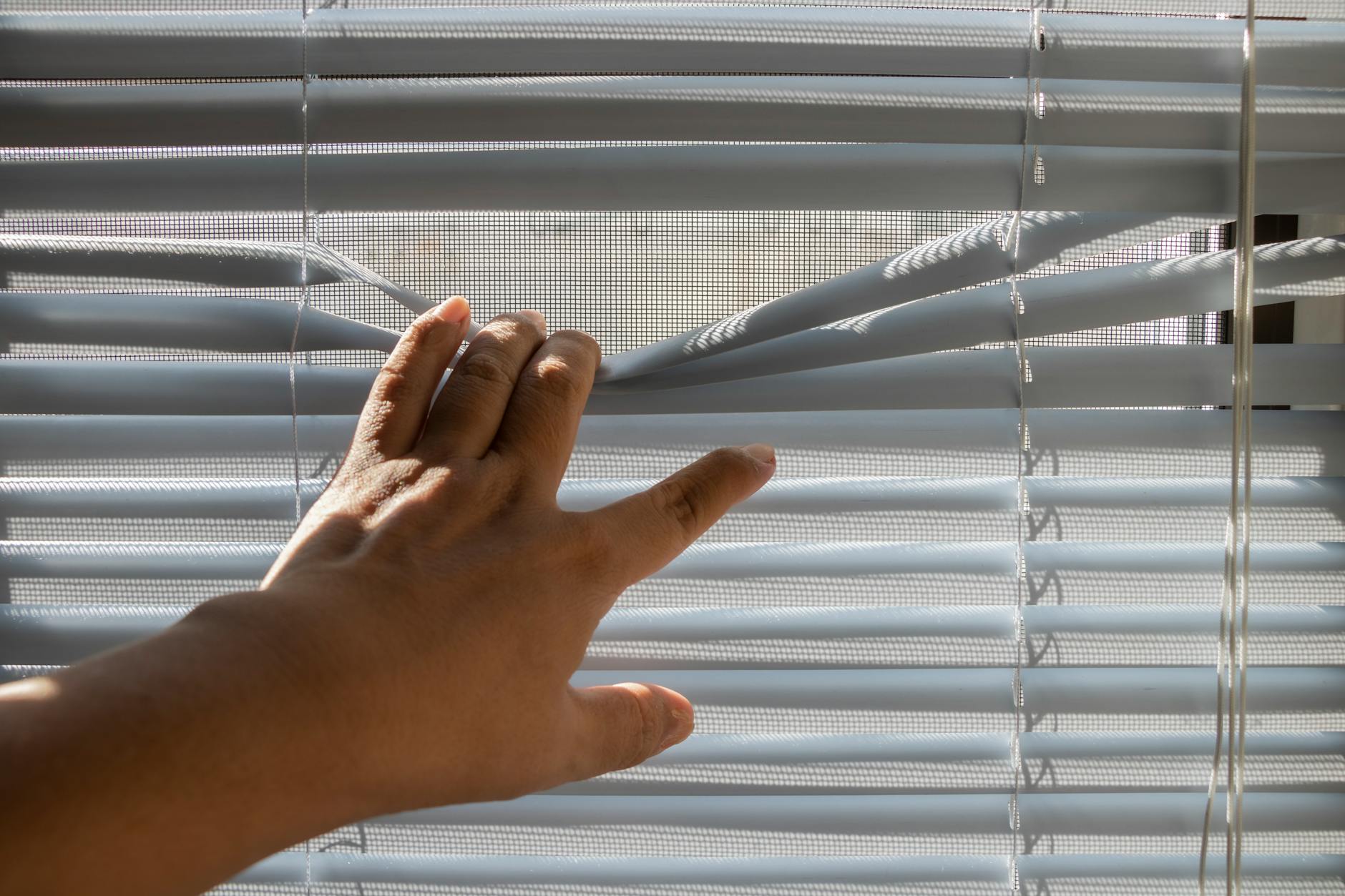
A clean cotton sock worn on the hand is one of the simplest professional tools for dusting horizontal blinds, louvered shutters, and awkward surfaces between furniture. The sock allows each slat to be gripped from both sides and wiped clean in a single motion. Dampening the sock slightly picks up more dust particles than a dry cloth alone. This method is particularly effective for venetian blinds where individual slat cleaning is unavoidable.
Deodorize a Dishwasher With Vinegar and Baking Soda
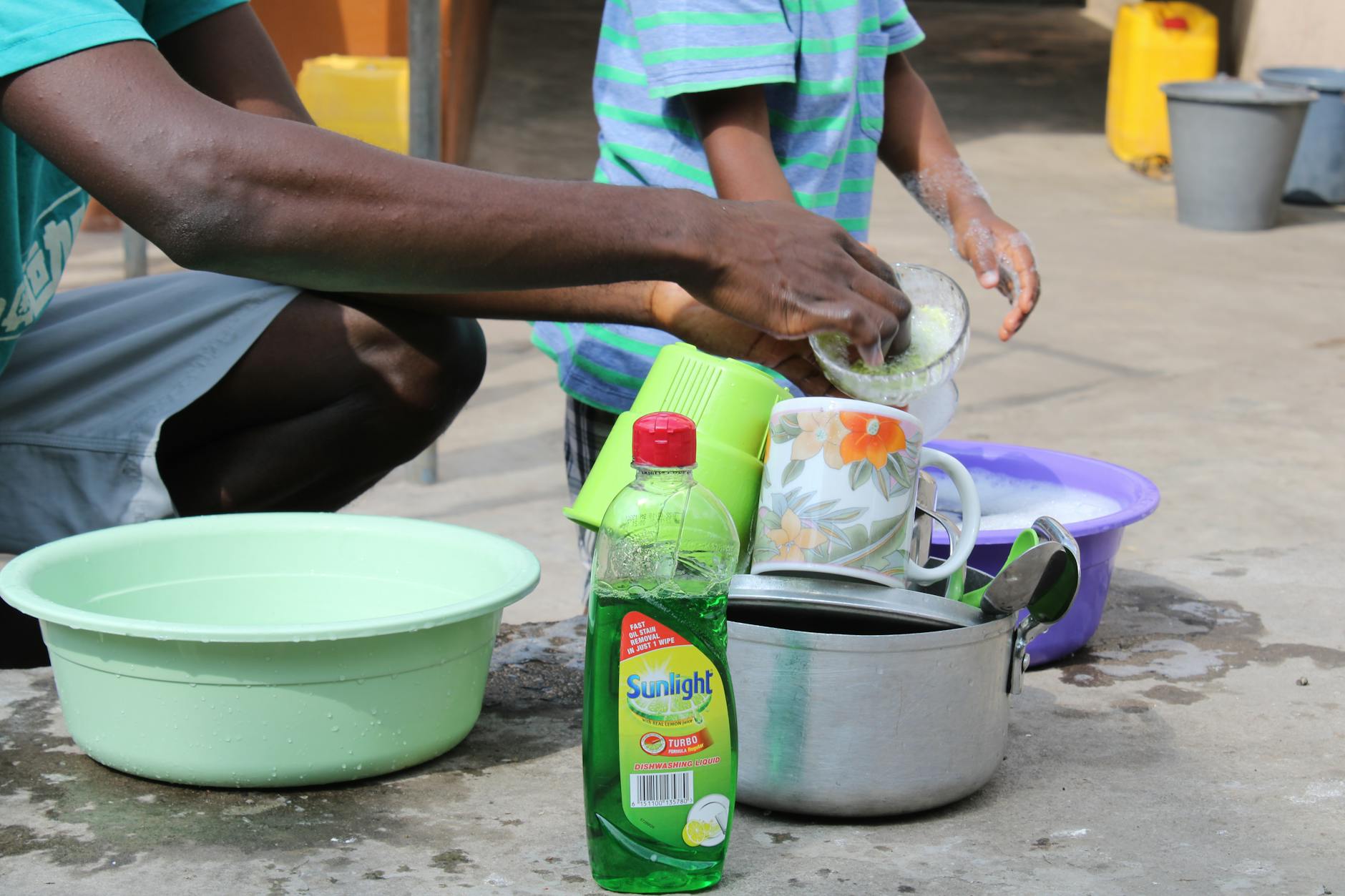
Professional cleaners maintain dishwashers by running an empty cycle with a cup of white vinegar placed on the top rack and a cup of baking soda sprinkled across the base. The vinegar cycle loosens grease, removes mineral deposits, and kills bacteria, while the baking soda cycle that follows neutralizes odors and brightens the interior surfaces. This process should be done monthly to prevent odor buildup and ensure the appliance continues to clean dishes effectively. Wiping the door seal with a damp cloth after each cycle prevents mold from forming in the rubber gasket.
Use Ice to Remove Chewing Gum
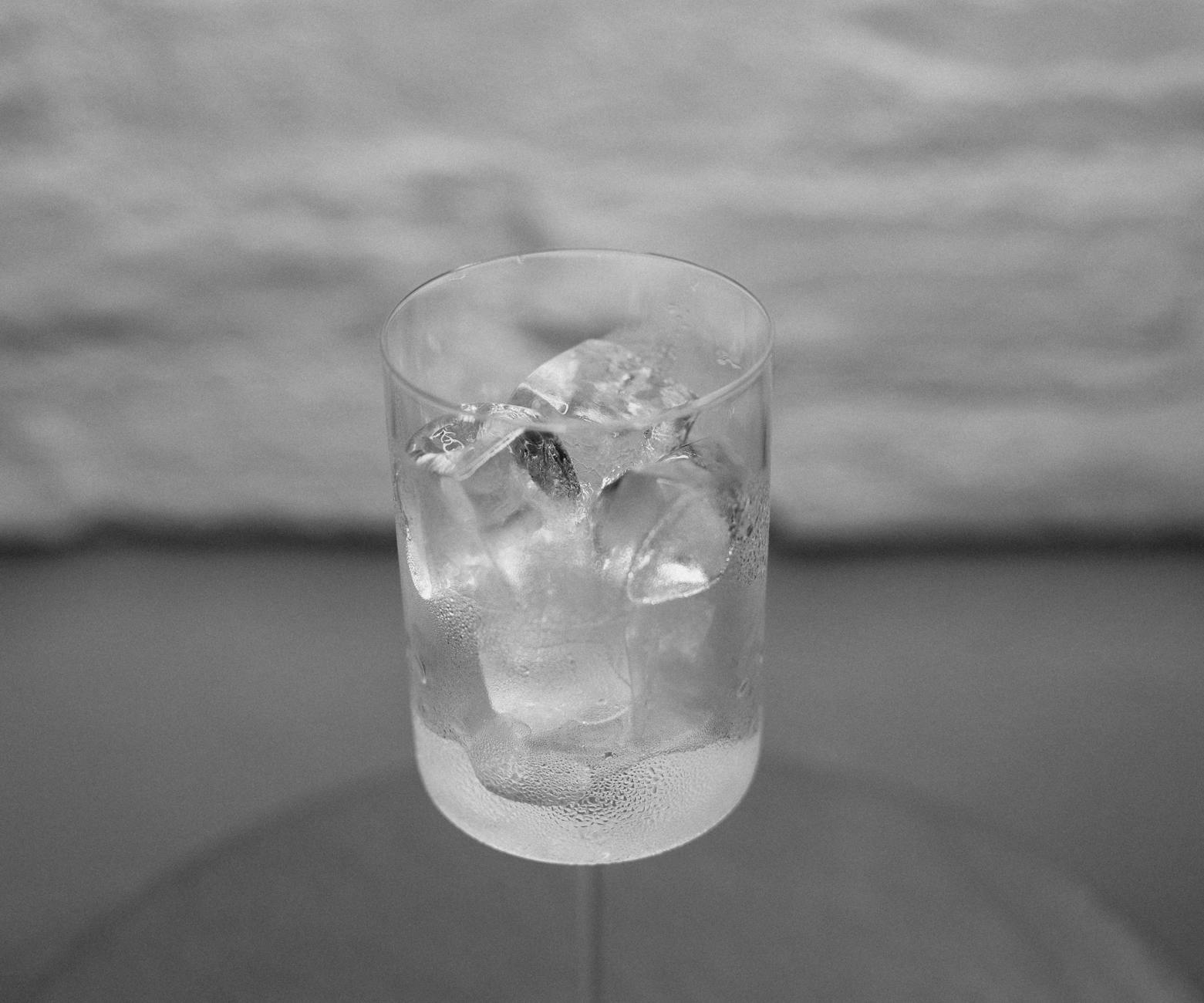
Hardening chewing gum before attempting to remove it from carpet, upholstery, or fabric is a standard professional technique that prevents the gum from smearing and embedding deeper into the surface. A few ice cubes placed in a plastic bag are pressed against the gum for several minutes until it becomes completely solid and brittle. Once hardened, the gum can be snapped off in pieces using a blunt knife or credit card edge without pulling at the surrounding fibers. Any remaining residue responds well to a small amount of eucalyptus oil applied with a cotton ball.
Restore Grout Color With a Whitening Pen
Professional cleaners use grout pens to restore the appearance of discolored grout lines in kitchens and bathrooms when deep cleaning alone is insufficient. These pens contain a water-based paint or sealant that is applied directly along the grout line to cover staining and create a bright, uniform appearance. The surface must be completely clean and dry before the pen is applied to ensure good adhesion and longevity. This method is a cost-effective alternative to re-grouting and can transform the appearance of a tiled room in a single afternoon.
Clean Windows With Newspaper

Crumpled newspaper is a professional favorite for polishing glass windows and mirrors to a streak-free finish after applying a window cleaning solution. The slightly abrasive texture of newsprint buffs the glass more effectively than paper towels, which tend to leave behind lint and streaks. The ink in newspaper printing also contributes to a polished, streak-resistant finish that professionals have relied on for decades. This method works best when the cleaning solution has been applied and partially dried before the newspaper buffing begins.
Use Dish Soap to Clean Paint Brushes and Rollers
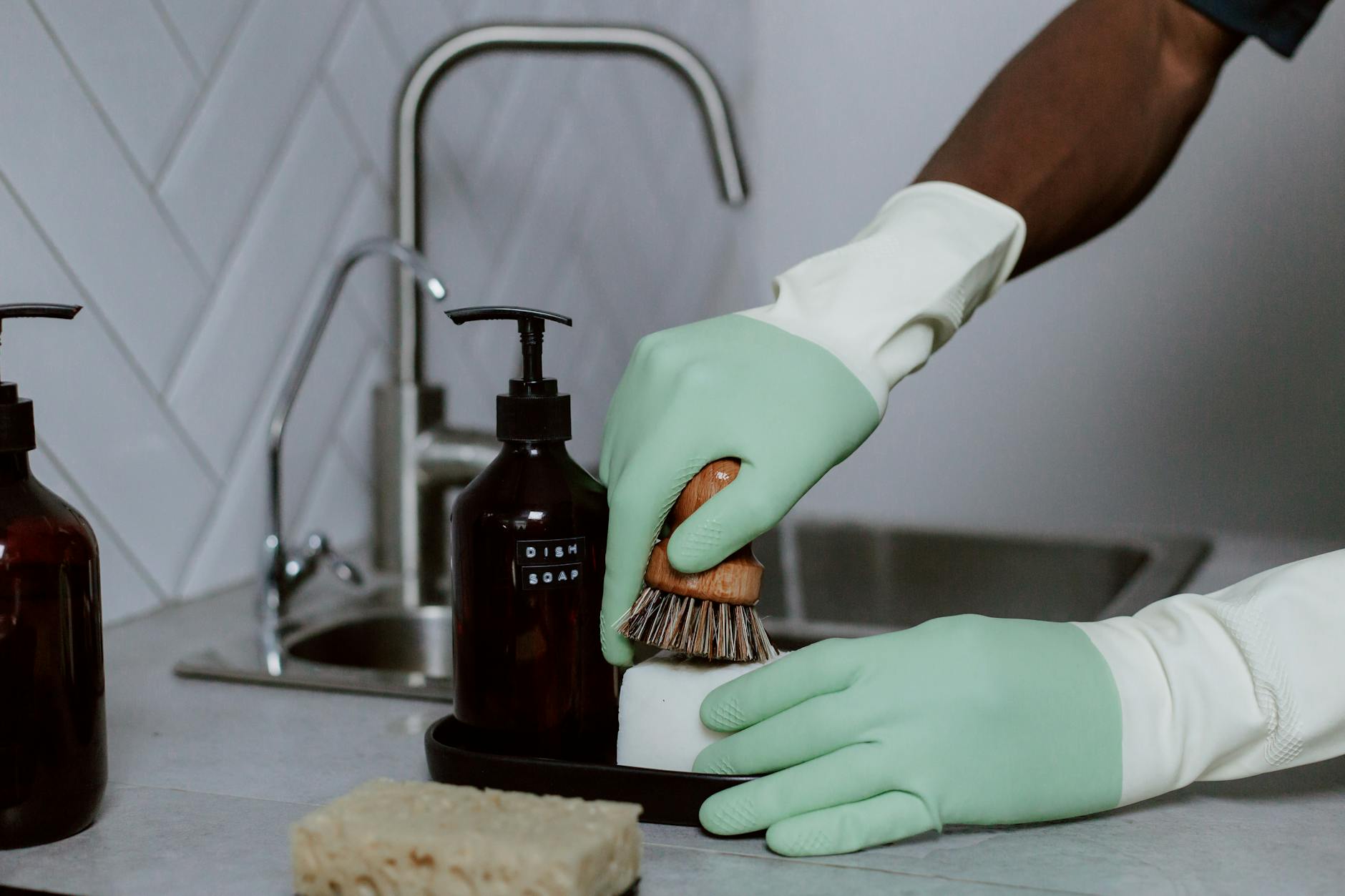
Professional cleaners who regularly handle painting preparation and touch-up work clean brushes and rollers with dish soap and warm water rather than expensive specialist solvents when working with water-based paints. Working the dish soap into the bristles under running water removes paint thoroughly and conditions the fibers to prevent stiffening. Rollers can be cleaned by squeezing dish soap into the center and rolling them across a clean surface before rinsing. Storing clean brushes with their bristles wrapped in paper towel maintains their shape between uses.
Remove Hard Water Stains From Glass With Lemon
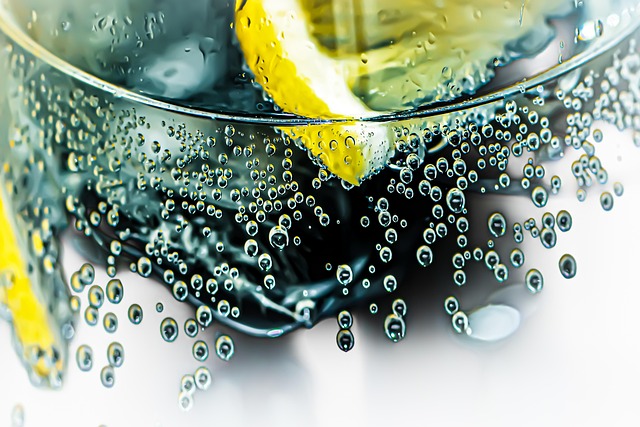
Fresh lemon juice or a halved lemon applied directly to hard water stains on glass surfaces is a professional technique for dissolving mineral deposits without synthetic chemicals. The citric acid in lemon juice breaks down calcium and magnesium deposits with a short dwell time of around five minutes. After the dwell period, the glass is scrubbed gently and rinsed with clean water to reveal a noticeably clearer surface. This method is particularly effective on bathroom glass and the glass panels of shower enclosures where mineral buildup is most severe.
Use a Squeegee to Remove Pet Hair From Carpet
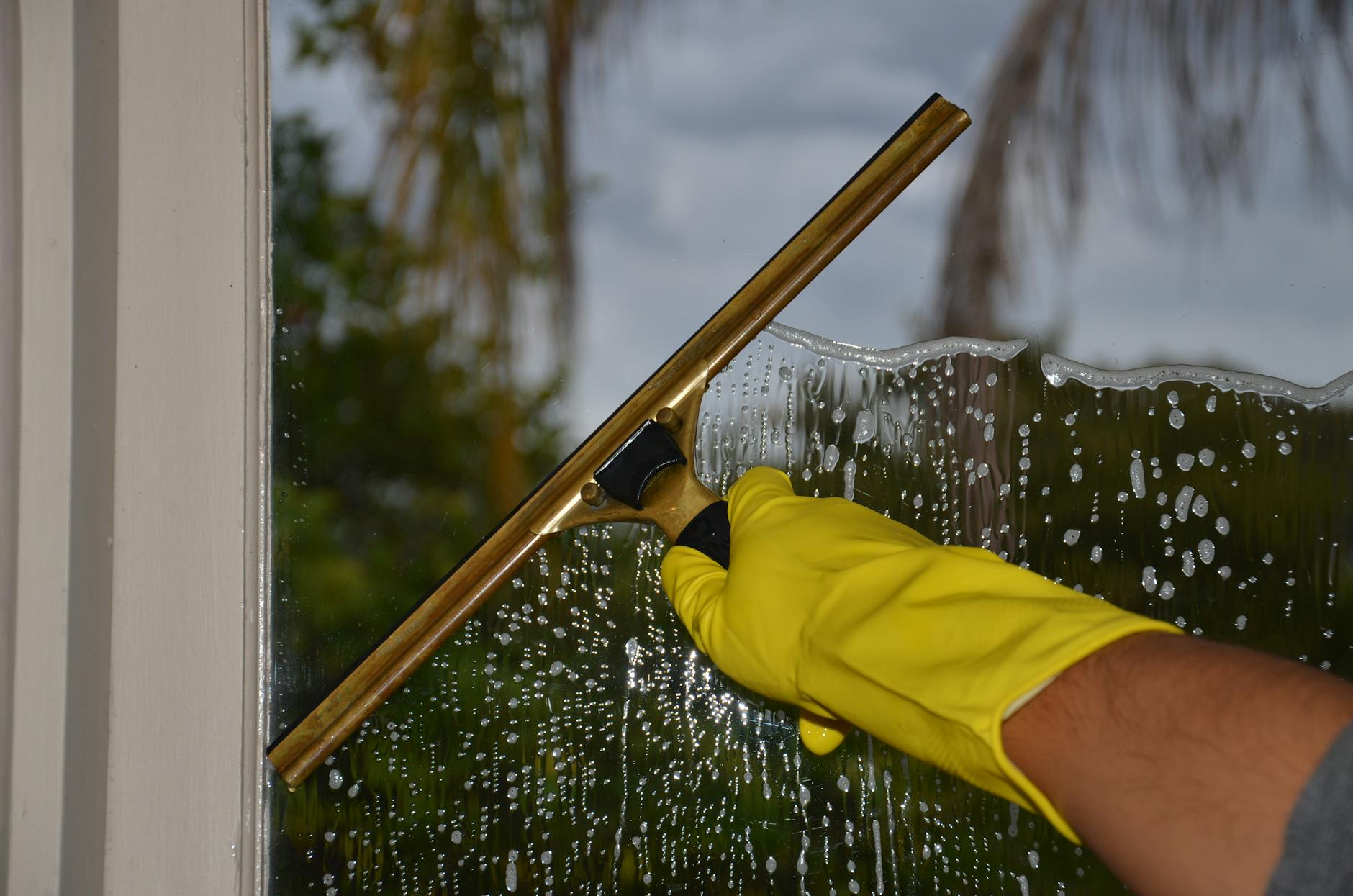
A rubber window squeegee dragged across carpet in short, firm strokes is one of the most effective professional methods for extracting pet hair that vacuums miss. The rubber edge generates static that pulls hair and fine fibers up from deep within the carpet pile, gathering them into rows that are easy to collect. This technique requires no additional products and can be done as frequently as needed in homes with heavy shedding pets. It is particularly useful along the edges of rooms where carpet meets skirting boards and vacuums cannot maneuver easily.
Clean a Toilet Thoroughly With Pumice Stone
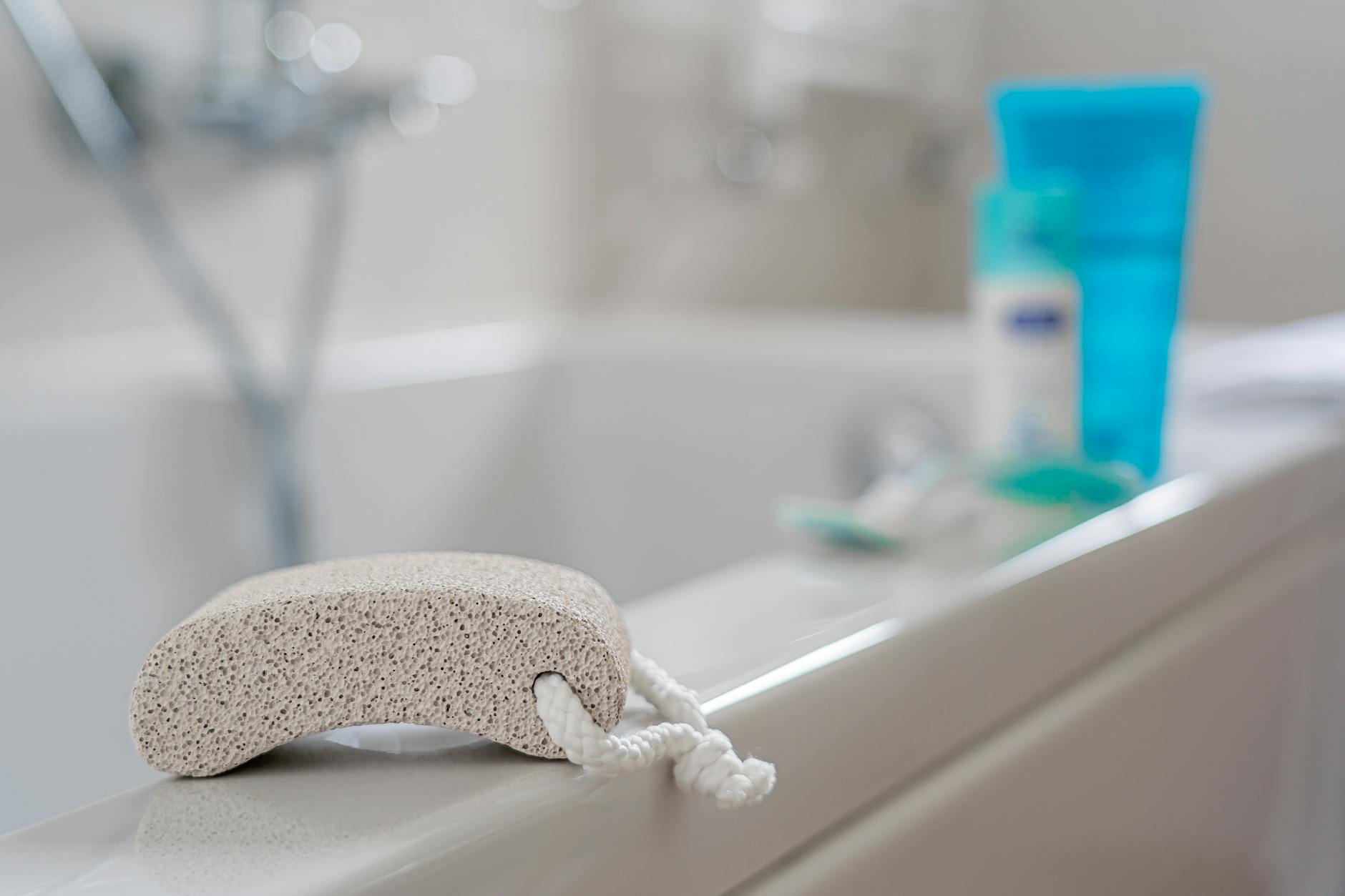
A wet pumice stone is used by professional cleaners to remove stubborn mineral rings inside toilet bowls that standard cleaning products and brushes are unable to shift. The stone is kept wet throughout the process and rubbed gently in circular motions against the ring, which gradually erodes the mineral deposit without scratching the porcelain. This method is significantly more effective than bleach tablets for established hard water rings and produces visible results in a single session. The pumice should never be used on dry porcelain or on any surface other than the interior of the bowl to avoid surface damage.
Finish Every Clean With a Fragrance Reset

Professional cleaners complete every cleaning session by addressing the smell of a room as a final step, ensuring that the space feels as fresh as it looks. Simmering a pot of water with citrus peel and cinnamon sticks is a natural method that fills a home with a clean, welcoming scent without synthetic fragrance. Placing small dishes of baking soda in corners and under furniture continuously absorbs ambient odors between cleaning sessions. Ensuring adequate ventilation by opening windows during and after cleaning removes chemical residue from cleaning products and replaces stale air with fresh circulation.
If you use any of these professional cleaning techniques at home, share the results and your favorites in the comments.