Engaging in high intensity functional movements requires a foundational understanding of proper mechanics to prevent long term physical wear. Many athletes prioritize speed and volume over structural integrity which leads to unnecessary stress on connective tissues. Identifying common errors in form and programming is essential for maintaining longevity in the sport and protecting the skeletal system. The following list highlights frequent oversights that can compromise joint health during rigorous training sessions.
Skipping the Dynamic Warmup
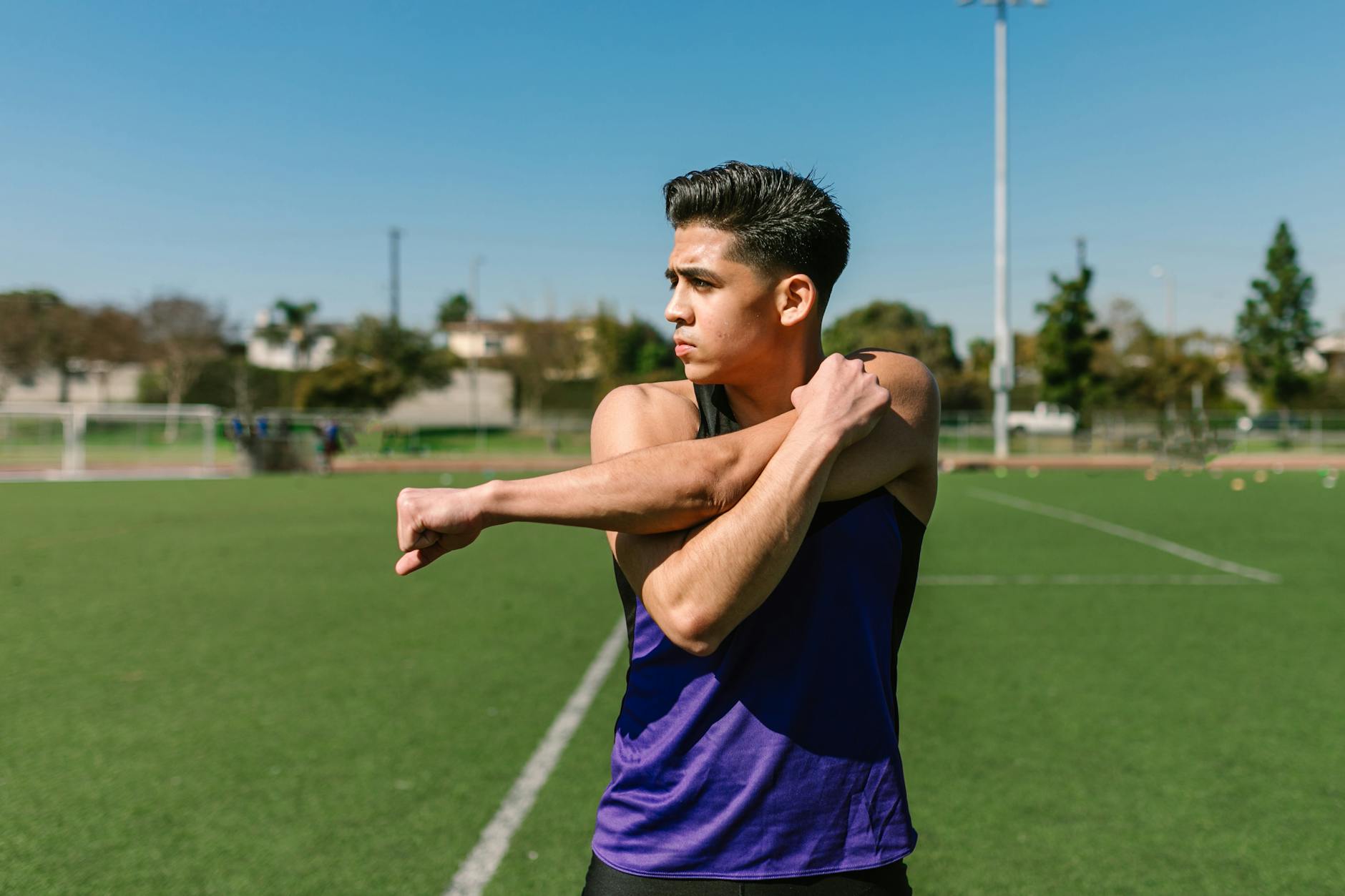
Cold muscles and stiff joints are significantly more prone to injury when subjected to explosive movements like snatches or box jumps. A proper dynamic warmup increases blood flow to the synovial fluid which acts as a lubricant for the articular surfaces. Skipping this phase leaves the ligaments brittle and unprepared for the sudden load of heavy lifting. Spending ten minutes on mobility drills ensures that the range of motion is accessible without straining the surrounding attachments.
Prioritizing Intensity Over Form
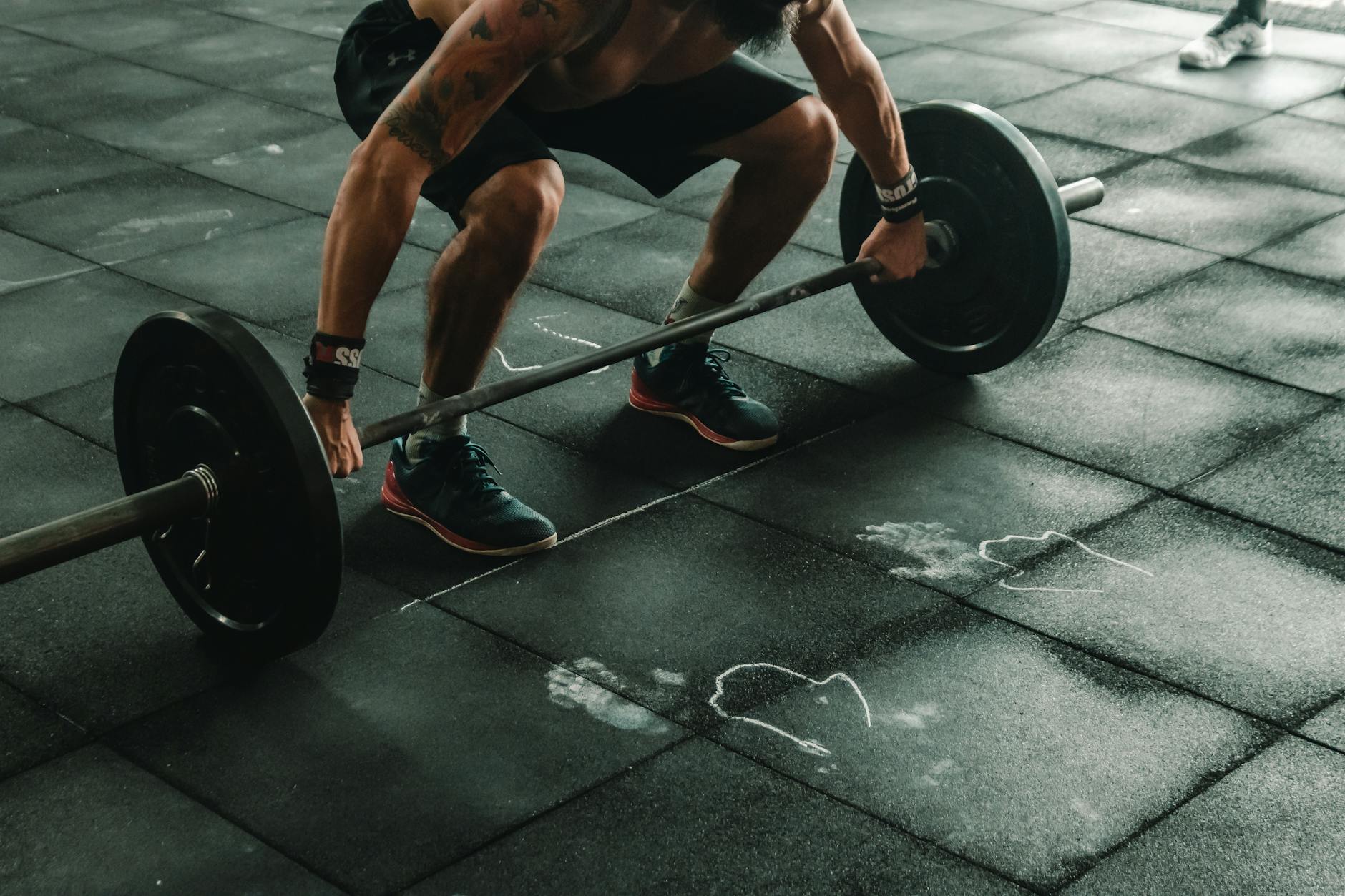
Moving too fast with poor technique places shearing forces on the spine and knees that the body is not equipped to handle. Athletes often chase a faster time on the clock while rounding their backs during high rep deadlifts or cleans. This lack of spinal neutrality transfers the weight from the large muscle groups directly onto the intervertebral discs. Consistently sacrificing mechanics for speed will inevitably lead to chronic inflammation and acute structural damage.
Improper Footwear Selection
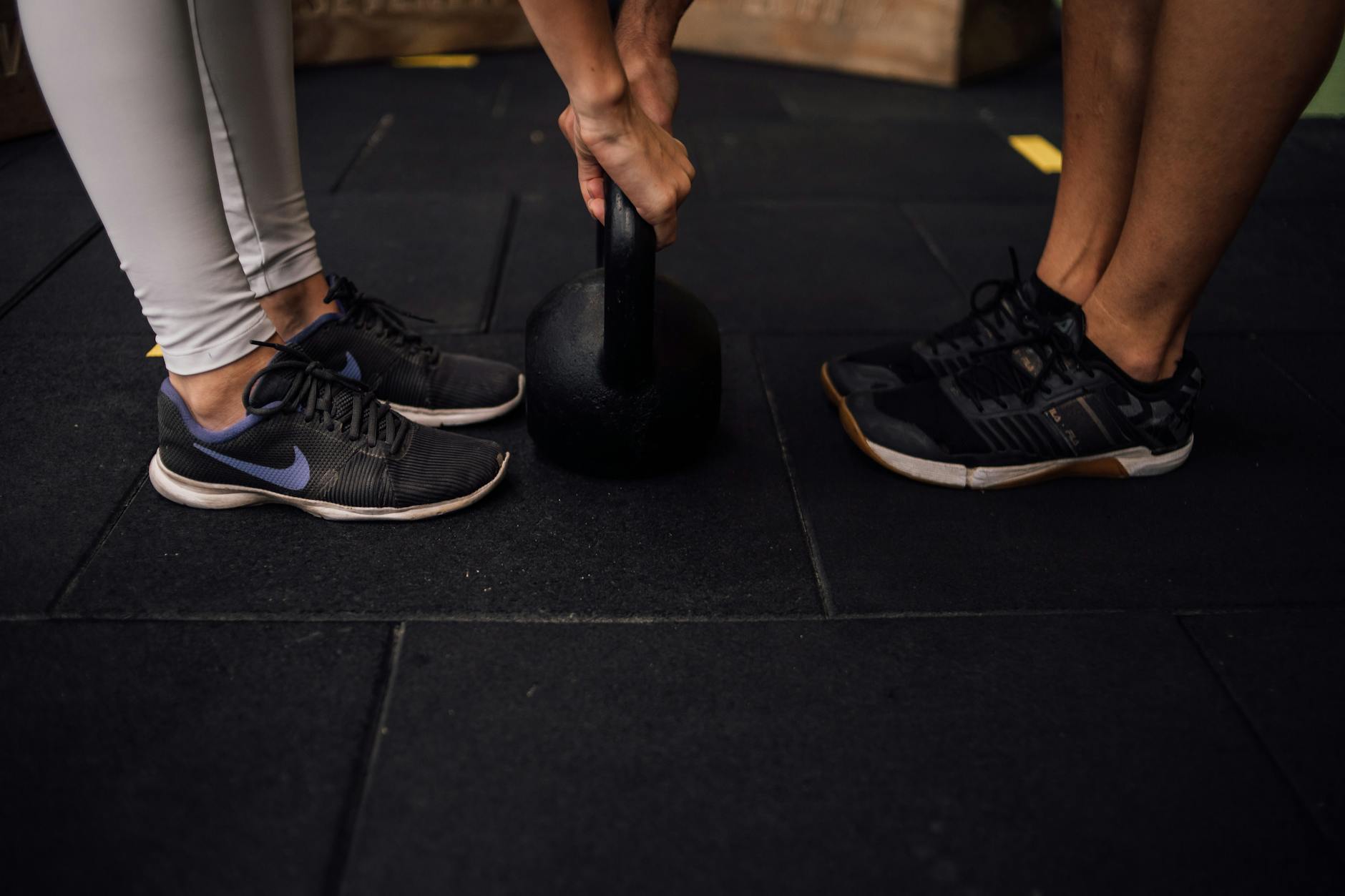
Wearing running shoes with thick cushioned heels creates an unstable base for heavy overhead presses and squats. The compression of the foam soles causes the ankles to wobble and the knees to cave inward during exertion. Professional lifting shoes or minimalist trainers provide the necessary ground feedback and lateral stability to keep the lower chain aligned. Maintaining a solid connection to the floor protects the delicate structures of the feet and ankles from rolling under pressure.
Neglecting Rotator Cuff Stability
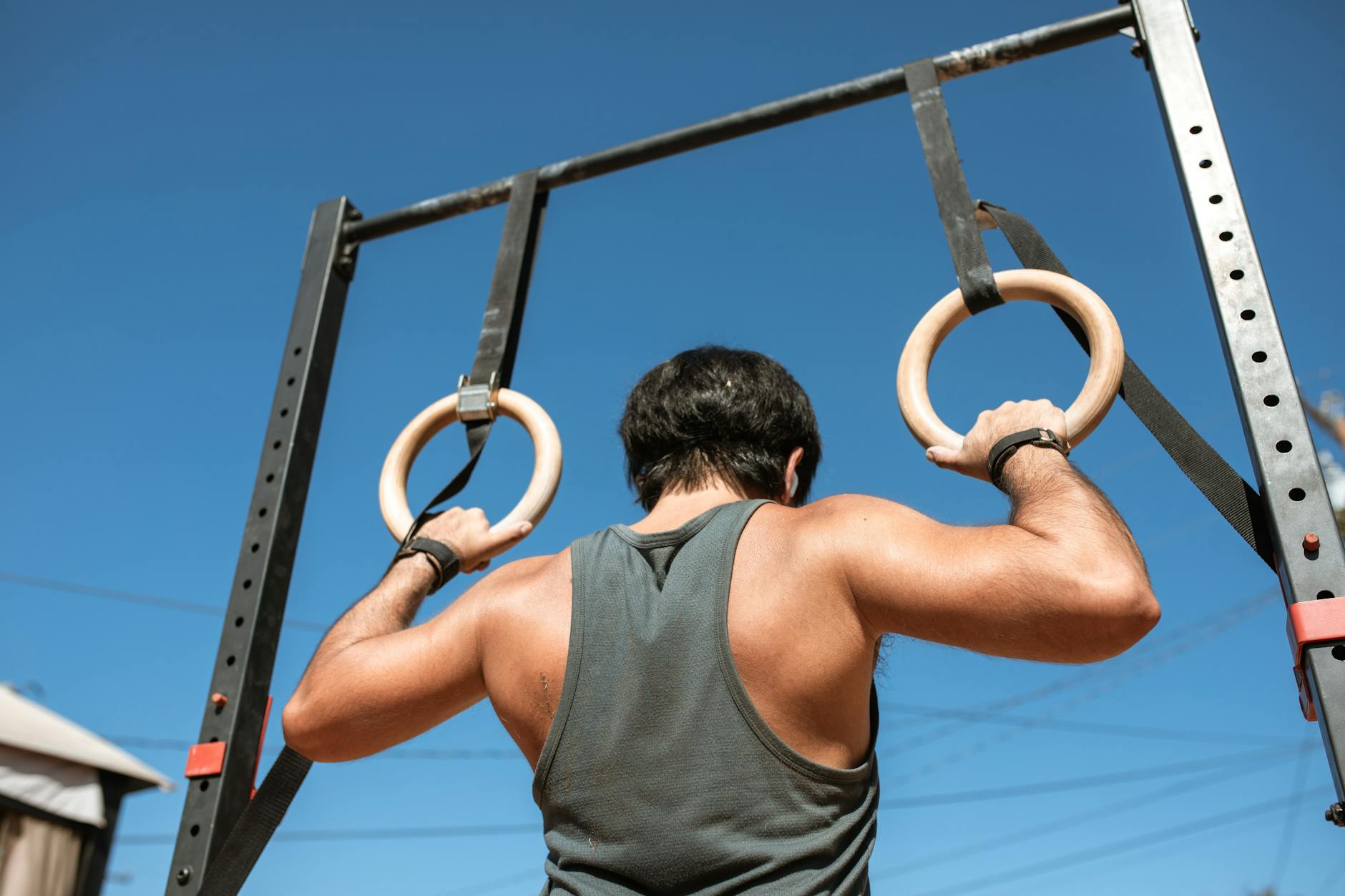
The shoulder is the most mobile and vulnerable joint in the body during common movements like pullups and snatches. Many practitioners ignore the small stabilizing muscles of the rotator cuff in favor of training the larger deltoids and pectorals. Without a strong stable base the humeral head can shift out of alignment and cause impingement or labral tears. Integrating specific external rotation exercises prevents the humerus from grinding against the acromion process during overhead work.
Excessive Training Frequency
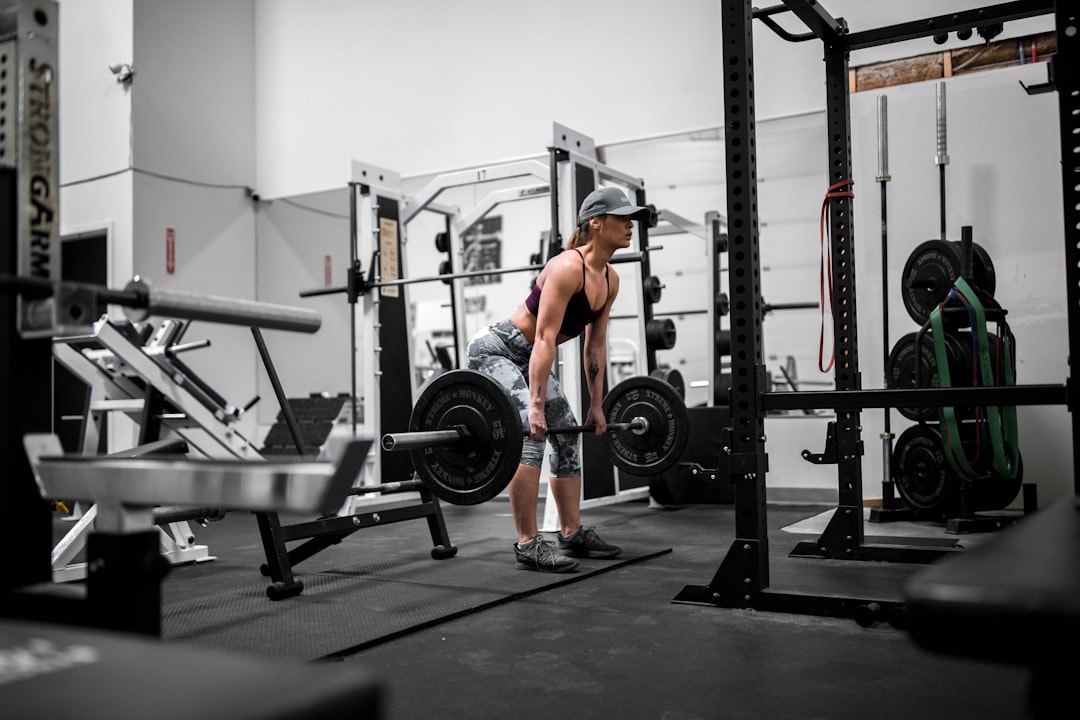
Overtraining prevents the body from repairing the microscopic damage that occurs during intense metcons and lifting sessions. Joints require more recovery time than muscle tissue because they have less direct blood flow to facilitate healing. Training six or seven days a week without scheduled deload periods leads to systemic fatigue and joint degradation. Resting allow the collagen structures in the tendons to strengthen and adapt to the increasing demands of the program.
Rounding the Lower Back
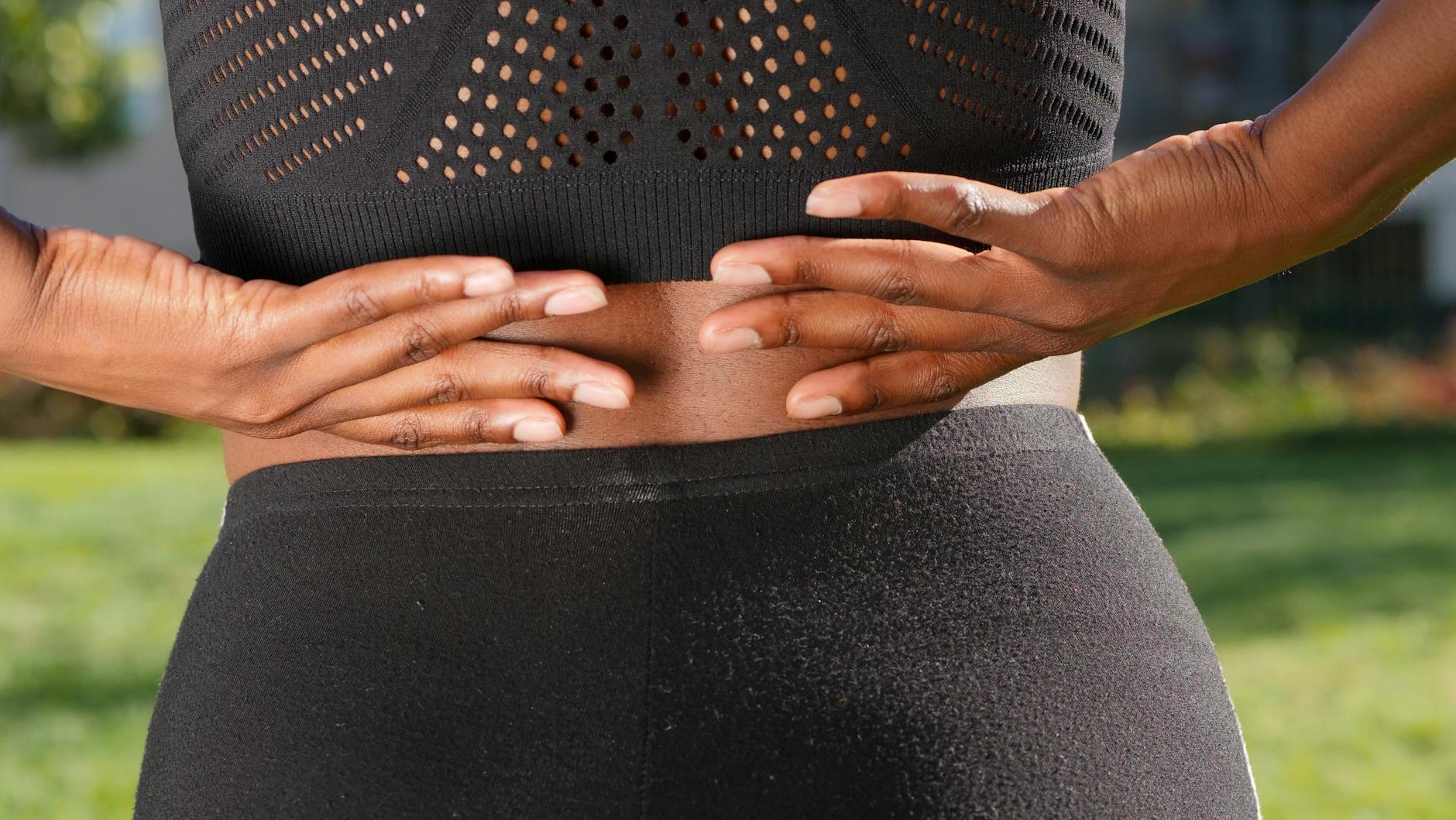
A rounded lumbar spine during any pulling movement places an enormous amount of pressure on the posterior side of the spinal discs. This position stretches the supportive ligaments to their limit and invites the risk of a herniated or bulging disc. Keeping the chest up and the core braced maintains the natural curve of the back and distributes the load safely. Professional coaching emphasizes a flat back to ensure that the hips and legs do the heavy work instead of the spine.
Letting Knees Cave Inward
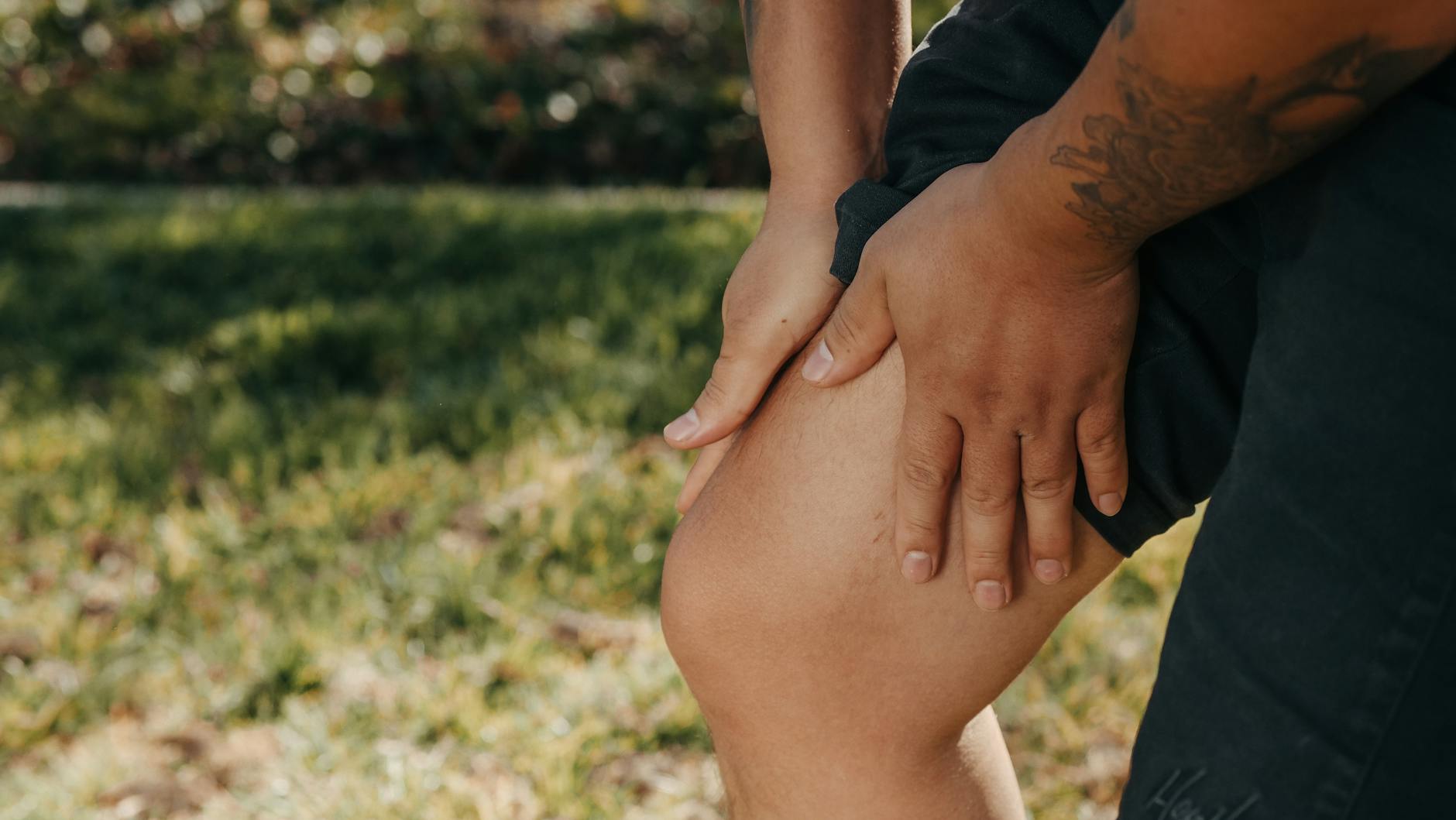
Valgus collapse occurs when the knees track inside the line of the toes during a squat or landing. This misalignment puts a massive strain on the anterior cruciate ligament and the medial meniscus over time. Driving the knees outward engages the gluteus medius and keeps the femur properly seated in the hip socket. Correcting this habit is vital for anyone looking to avoid reconstructive knee surgery or chronic patellar pain.
Grasping the Bar Too Tightly
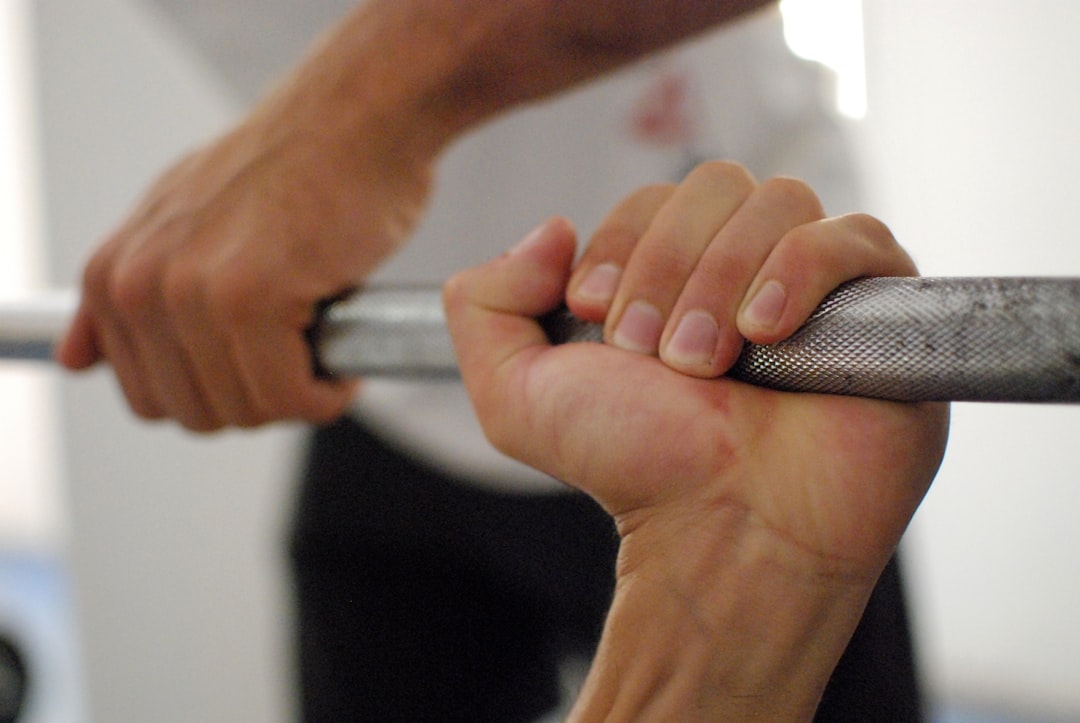
Death gripping the barbell during high rep pullups or cleans can lead to significant elbow issues like medial epicondylitis. Excessive tension in the forearms travels up the kinetic chain and inflames the tendons where they attach to the elbow joint. Using a hook grip or taking breaks to shake out the hands reduces the constant strain on the distal attachments. Relaxing the grip when possible preserves the health of the elbows and prevents the onset of tendonitis.
Ignoring Pain Signals

Sharp or stabbing pain is a clear indicator that the body is reaching a mechanical breaking point that should not be ignored. Many athletes subscribe to the philosophy of pushing through discomfort which often turns a minor strain into a major tear. Distinguishing between the dull ache of muscle fatigue and the localized sting of joint distress is a critical skill for longevity. Stopping a workout early to address an injury is always more productive than being sidelined for several months.
Lack of Ankle Mobility
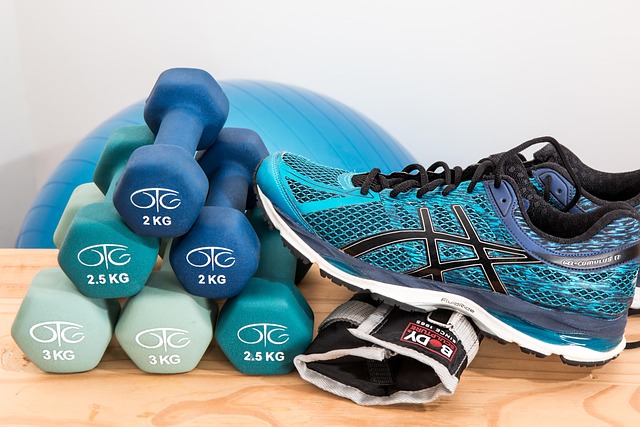
Limited dorsiflexion in the ankles forces the body to compensate by leaning too far forward or lifting the heels during squats. This compensation transfers the load away from the posterior chain and directly onto the front of the knee joints. Spending time on calf stretches and ankle mobilizations allows for a deeper and more upright squatting position. Improved ankle range of motion protects the knees and lower back from taking on the burden of a restricted lower leg.
Overextending the Lumbar Spine
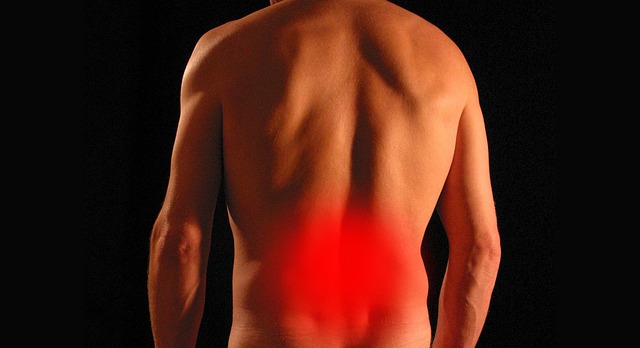
Arching the back excessively during overhead movements creates a dangerous pinching sensation in the lower spine. This often happens when an athlete lacks the shoulder mobility to get the arms directly overhead without compensation. Bracing the midline and tucking the ribs down ensures that the spine remains in a safe and neutral position. Developing better thoracic mobility is the long term solution for preventing lower back pain during heavy overhead presses.
Rapid Increase in Loading
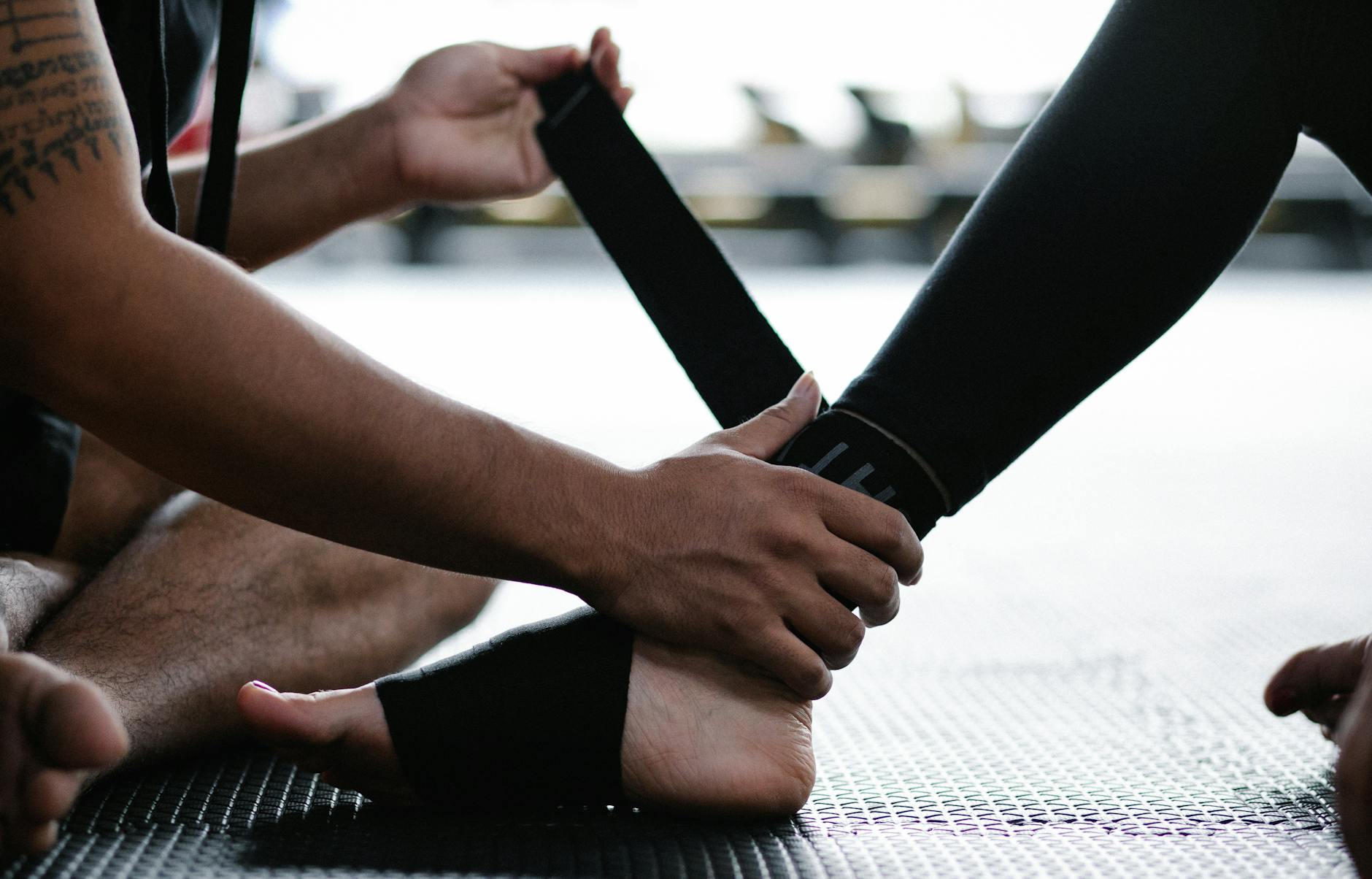
Adding weight to the bar too quickly before the tendons and ligaments have adapted leads to overuse injuries. Connective tissues strengthen at a much slower rate than muscular fibers which can create a dangerous imbalance in capabilities. Following a progressive overload chart that prioritizes small incremental gains ensures that the joints stay healthy during the journey. Patience in the pursuit of a personal record is the hallmark of a disciplined and injury free athlete.
Poor Landing Mechanics
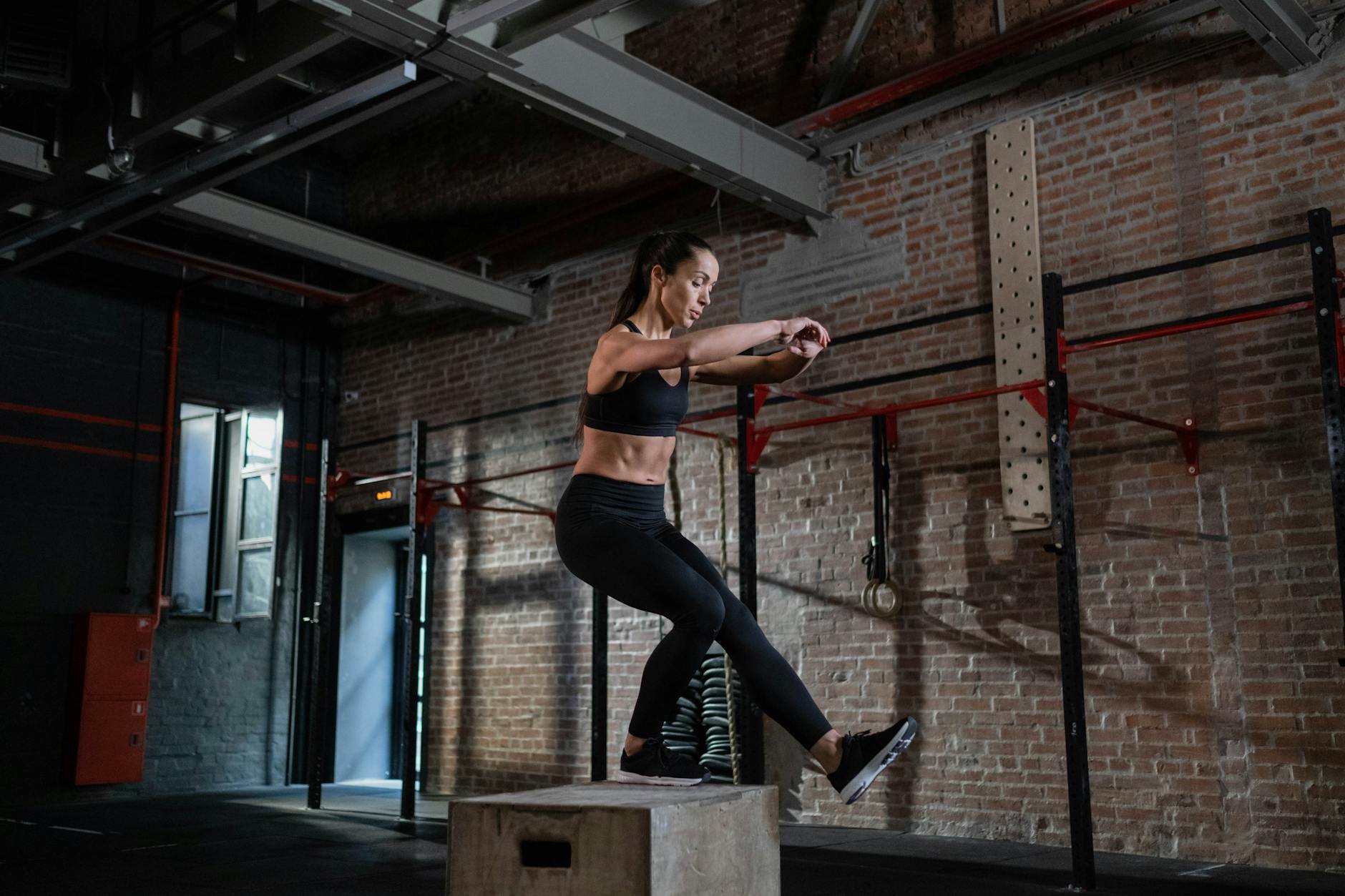
Landing with locked knees or on the heels after a box jump sends a jarring shockwave through the entire skeletal system. The impact should be absorbed by the muscles through a soft landing into a partial squat position. Repeatedly landing with stiff legs can lead to stress fractures and significant cartilage wear in the hips and knees. Focusing on a quiet and controlled descent protects the lower body from the repetitive trauma of high impact plyometrics.
Dehydration and Joint Lubrication

The cartilage in human joints is composed mostly of water and requires constant hydration to remain elastic and shock absorbent. Dehydration causes the synovial fluid to thin which increases the friction between the bones during movement. Drinking adequate water throughout the day ensures that the joints are properly cushioned for high intensity training. Maintaining electrolyte balance is also necessary for the muscles to fire correctly and support the joint structures during exercise.
Relying Solely on Lifting Belts
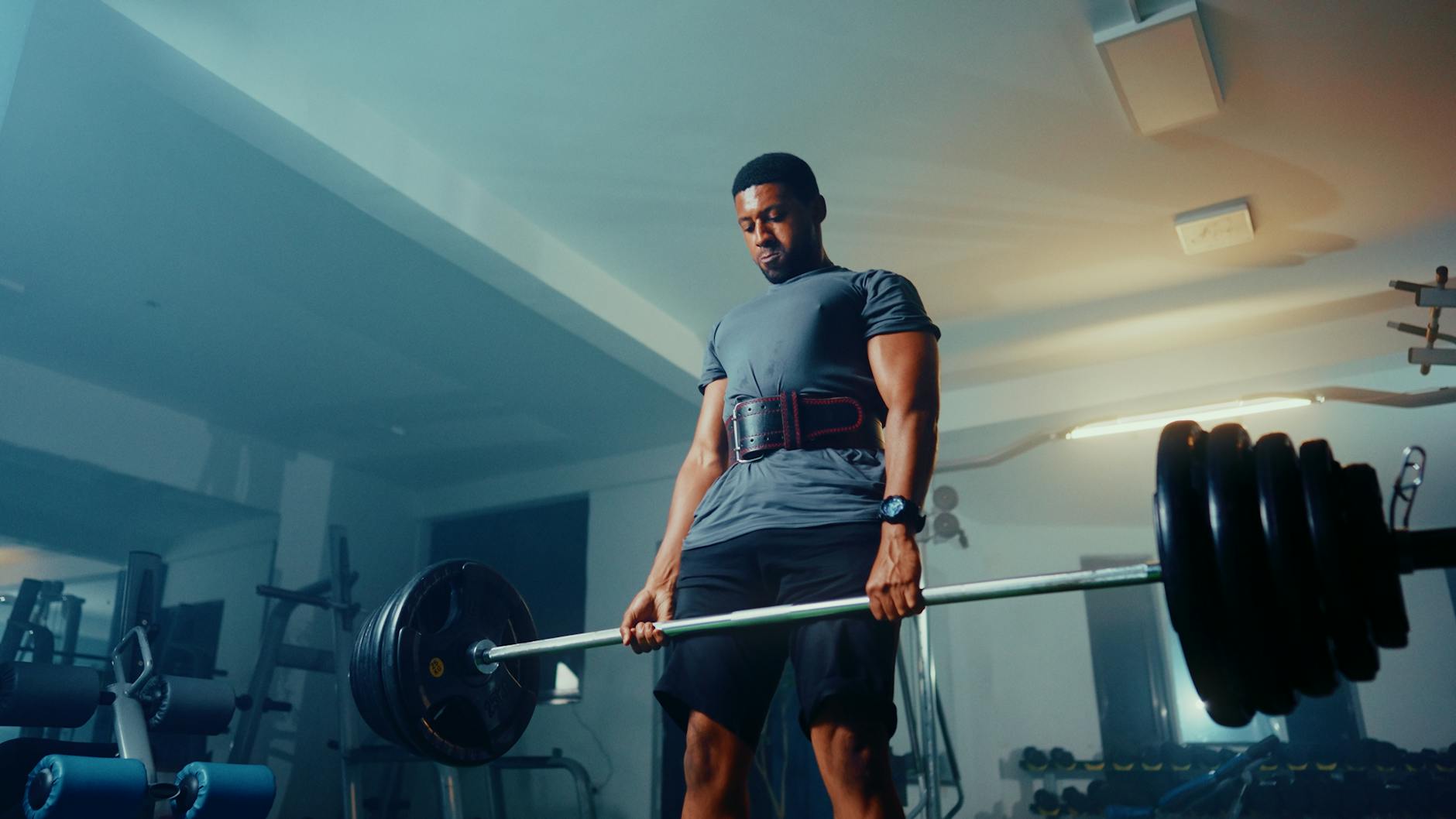
Using a weightlifting belt for every single set prevents the deep core muscles from developing the strength needed to protect the spine. A belt should be used as a tool for maximal efforts rather than a crutch for poor foundational stability. Relying on external support weakens the natural internal bracing system over time and leaves the back vulnerable. Building a strong core without a belt ensures that the spine is always protected by its own muscular corset.
Excessive Rebounding Box Jumps

Rebounding off the floor during box jumps creates a massive amount of eccentric load on the Achilles tendon. This plyometric movement is responsible for many sudden tendon ruptures among CrossFit athletes who are not conditioned for the stress. Stepping down from the box instead of jumping back down significantly reduces the risk of injury to the lower leg. Limiting the use of rebounding jumps to high level competitions protects the heels and ankles during daily training.
Inadequate Post Workout Recovery
Failing to cool down and stretch after a grueling session leaves the muscles in a shortened and tight state. Tight muscles pull on their boney attachments and can cause joints to be pulled out of their natural alignment. Implementing a consistent stretching or foam rolling routine helps to restore tissue length and improve circulation to damaged areas. Quality sleep and proper nutrition are the final pillars that allow the joints to recover and remain resilient against future loads.
Incorrect Elbow Position in Front Squats
Dropping the elbows during a front squat or a clean causes the weight to pull the upper body forward and round the spine. This shift in the center of gravity places an immense amount of pressure on the wrists and the lower back. Keeping the elbows high creates a stable shelf for the bar and maintains an upright torso position. This alignment ensures that the weight is supported by the skeletal structure rather than the small joints of the arms.
Using Improper Kettlebell Technique
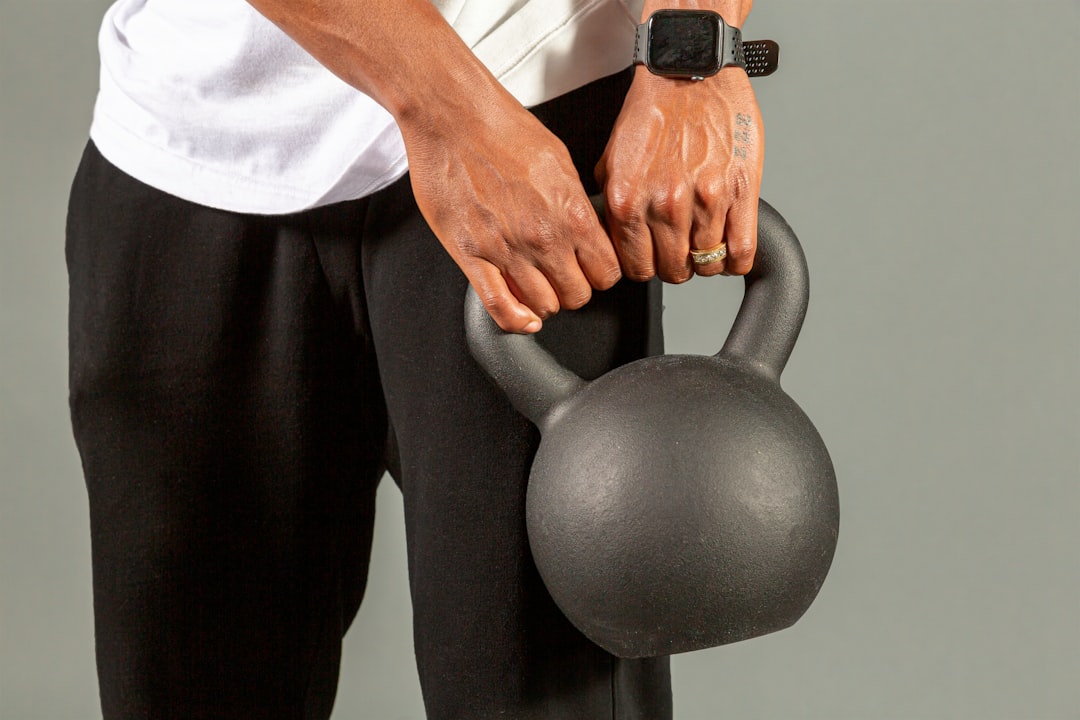
Swinging a kettlebell with the arms rather than the hips can cause significant strain on the shoulders and lower back. The power of a swing should come from a violent hinge and extension of the hips while the arms act only as tethers. When the arms take over the movement the weight of the bell can tug at the shoulder socket at the top of the arc. Mastering the hip hinge is essential for using kettlebells safely and effectively without damaging the joints.
Lockdown Bracing Failures
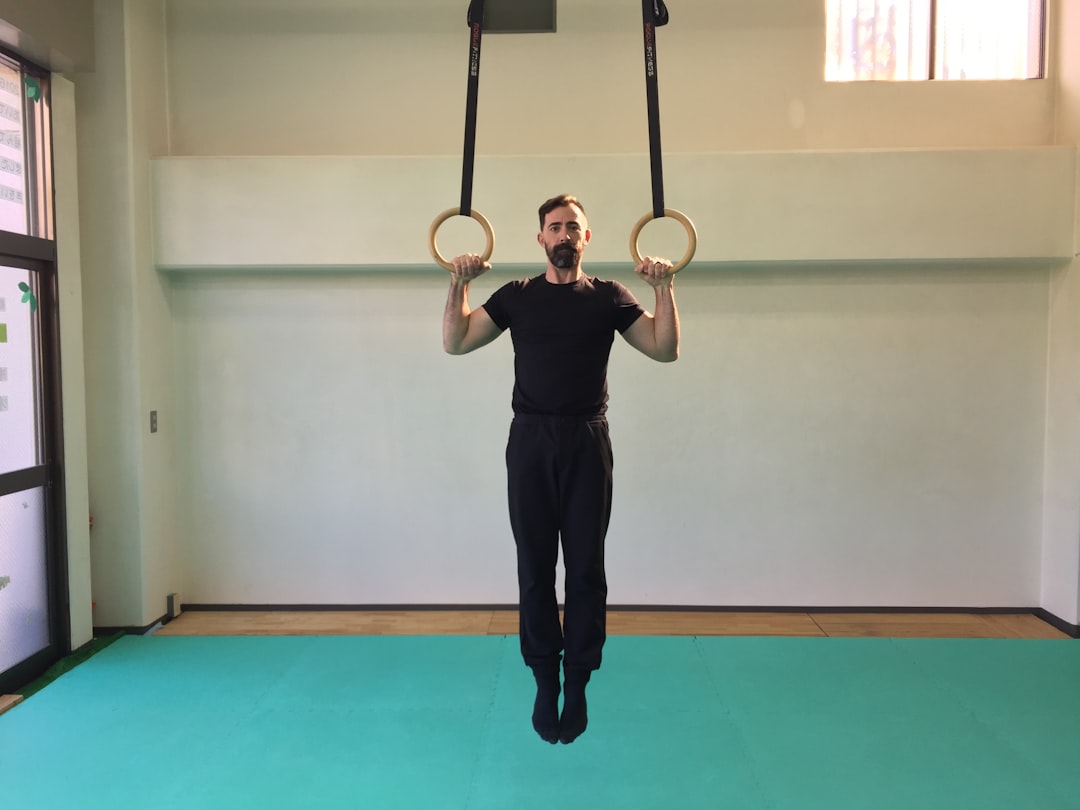
Failing to create internal pressure through a proper Valsalva maneuver leaves the spine unsupported during heavy lifts. Bracing involves taking a deep breath into the belly and tightening the abdominal wall as if preparing for an impact. This internal pressure creates a rigid cylinder that protects the vertebrae from collapsing under a heavy load. Consistent bracing technique is the most effective way to prevent debilitating back injuries during powerlifting or olympic movements.
Flaring Elbows During Pushups
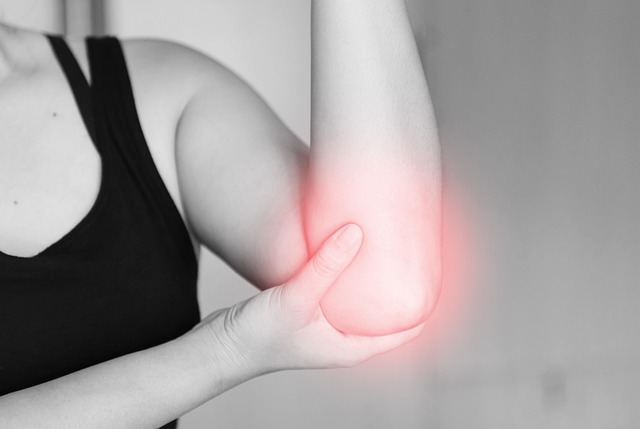
Pointing the elbows straight out to the sides during pushups or bench presses creates a stressful impingement in the shoulder joint. This position rubs the tendons of the rotator cuff against the bone and causes inflammation over time. Keeping the elbows tucked at a forty five degree angle to the body is a much safer position for the glenohumeral joint. This adjustment allows the chest and triceps to work efficiently without compromising the integrity of the shoulder.
Uncontrolled Eccentric Phases
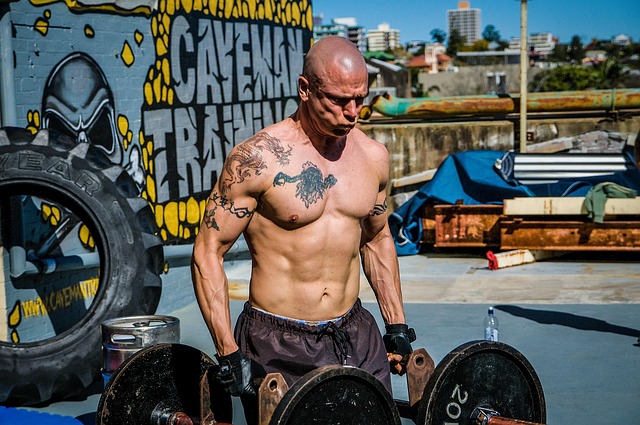
Dropping weight or lowering it too quickly without control can cause sudden jarring to the joints at the bottom of a rep. The eccentric or lowering phase of a lift is where much of the muscle building occurs but it must be handled with care. Losing tension at the bottom of a squat or a bench press puts the ligaments in a vulnerable stretched position. Maintaining muscle tension throughout the entire range of motion keeps the joints stable and secure from start to finish.
Poor Hand Placement on the Bar
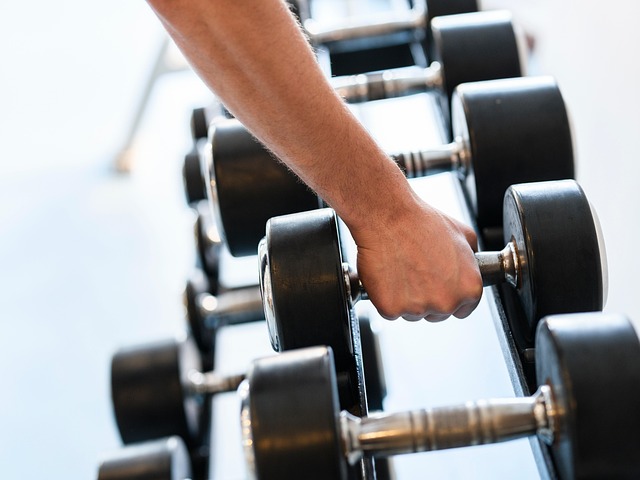
Placing the hands too wide or too narrow on the barbell can create awkward angles for the wrists and elbows. During an overhead press a grip that is too wide puts excessive lateral stress on the shoulder capsule. Finding the optimal grip width for one’s specific anatomy allows the force to travel in a straight line through the bones. Proper alignment of the joints under the load reduces the risk of developing chronic tendonitis in the upper extremities.
Excessive Kipping Without Base Strength
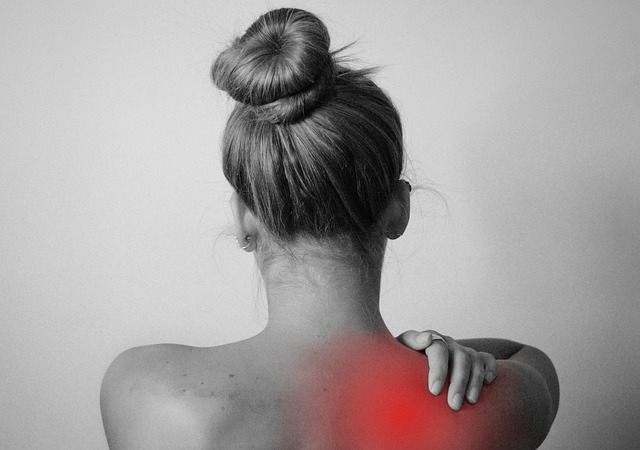
Attempting high volume kipping pullups before being able to perform several strict pullups is a recipe for shoulder disaster. Kipping generates significant momentum and force that the shoulder joint must absorb at the bottom of every rep. If the muscles are not strong enough to stabilize the joint the connective tissue takes the brunt of the impact. Building a solid foundation of strict strength ensures that the shoulders are robust enough to handle the demands of dynamic movements.
Ignoring Hip Mobility
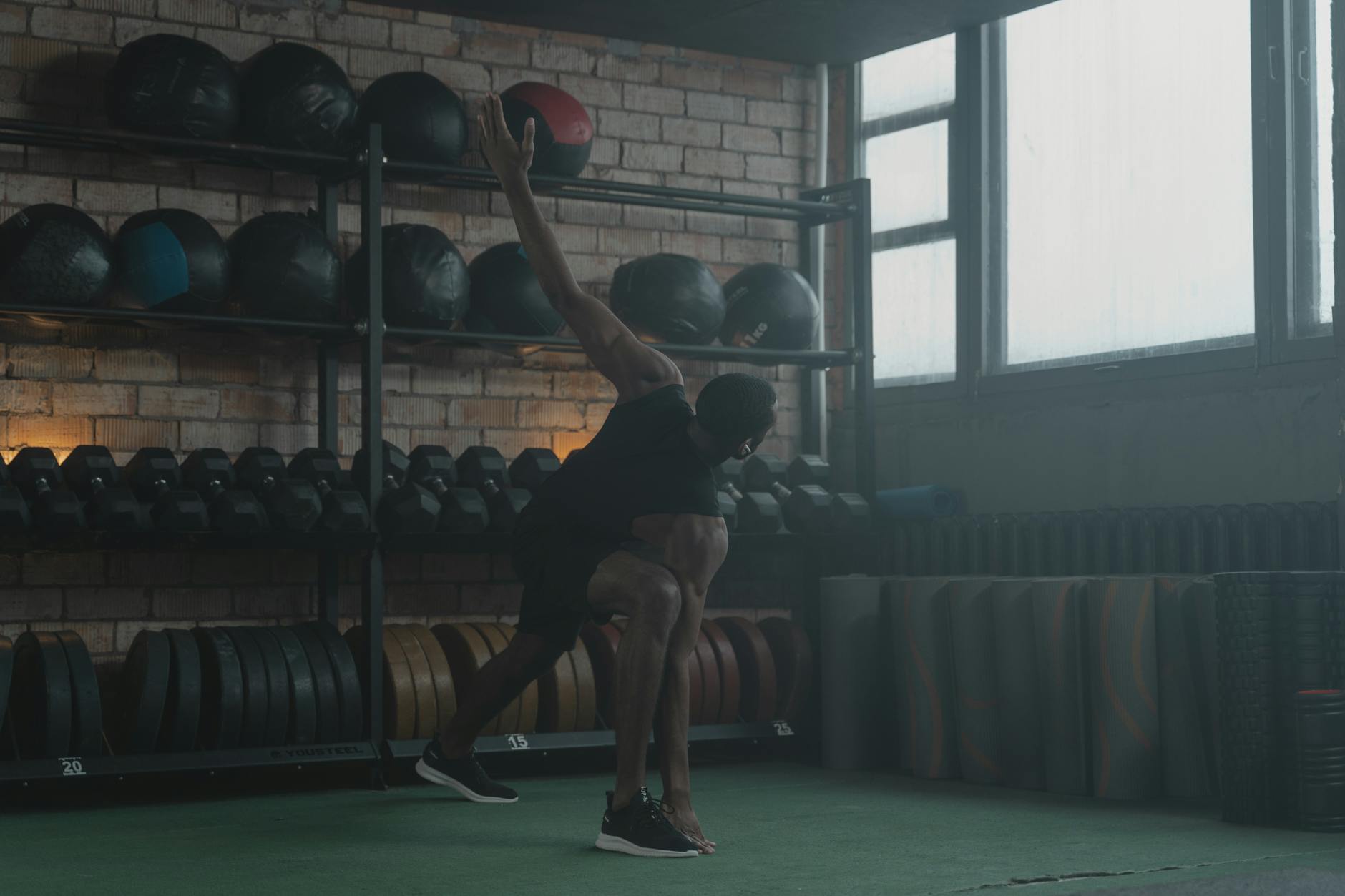
Tight hip flexors and glutes limit the range of motion and force the lower back to compensate during squats and lunges. When the hips cannot move freely the lumbar spine is often pulled into a compromised position to reach the required depth. Regular mobility work for the psoas and piriformis muscles is necessary to keep the pelvis moving correctly. Fluid hip movement is a primary requirement for protecting the spine and the knees during functional fitness tasks.
Incorrect Head Position
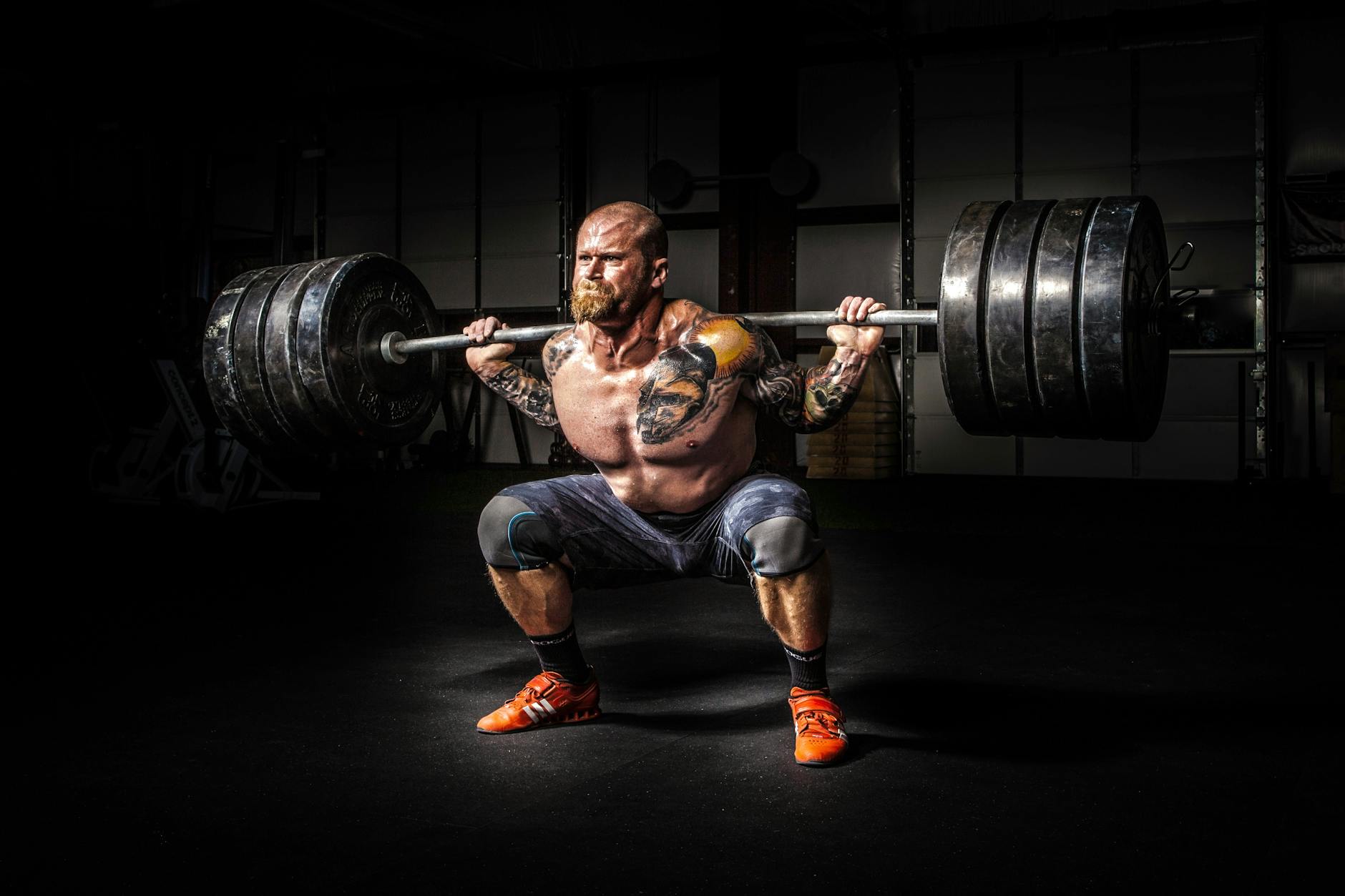
Looking too far up or down during a lift can throw the entire spine out of its natural alignment. Cranking the neck upward during a heavy deadlift places unnecessary strain on the cervical vertebrae and the surrounding muscles. Maintaining a neutral gaze at a point on the floor or wall helps to keep the spine in a straight line from top to bottom. This simple adjustment improves balance and reduces the risk of nerve impingement in the neck and shoulders.
Training with Pre Existing Injuries
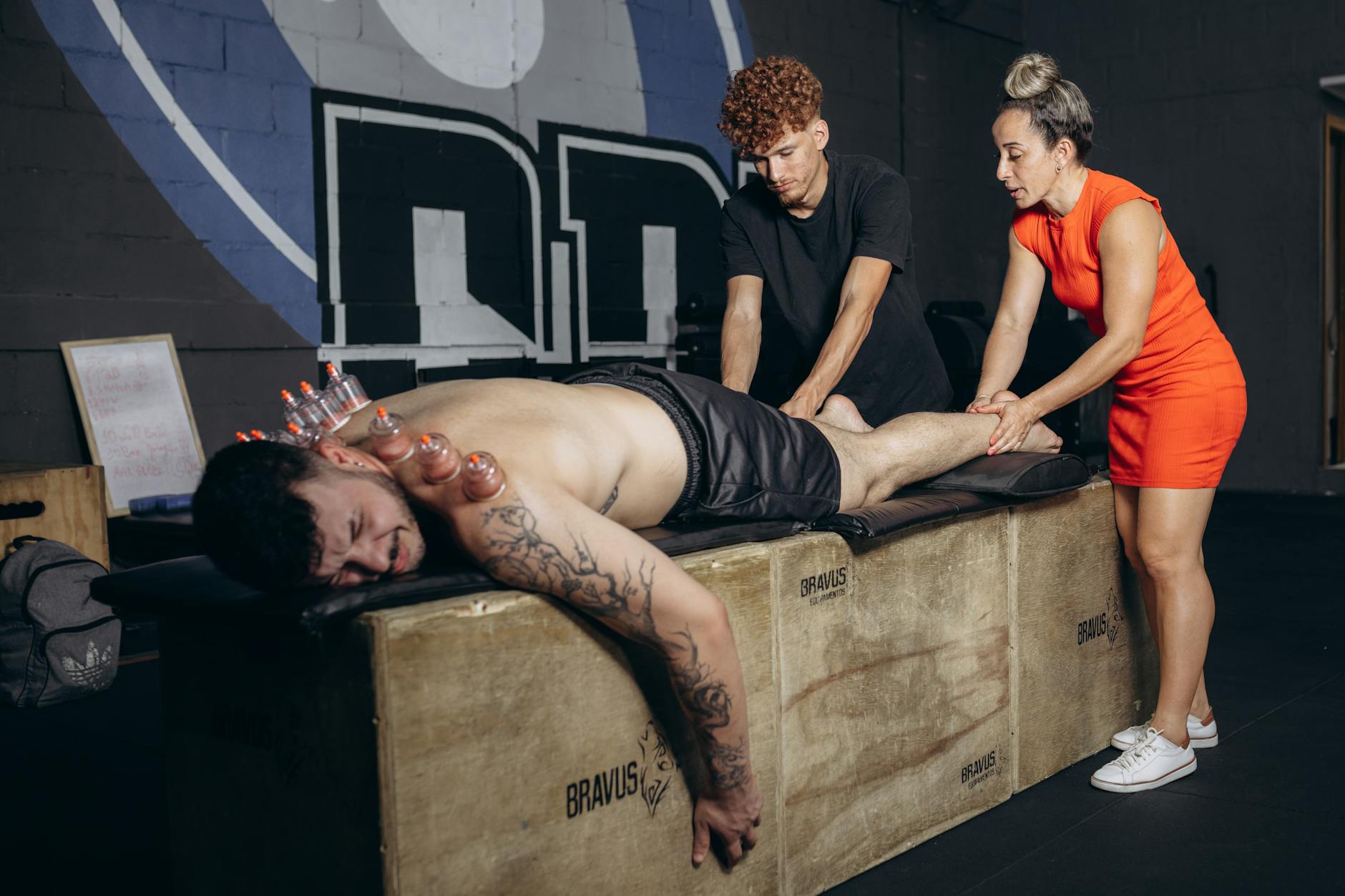
Returning to high intensity workouts before a previous injury has fully healed often leads to compensatory patterns that damage other joints. An athlete with a sore ankle may change their gait or squat mechanics which then causes a new injury in the knee or hip. It is essential to work with a physical therapist to ensure full functional recovery before resuming a full training load. Modifying movements to avoid pain is a temporary fix that can lead to long term structural imbalances.
Lack of Variation in Movement
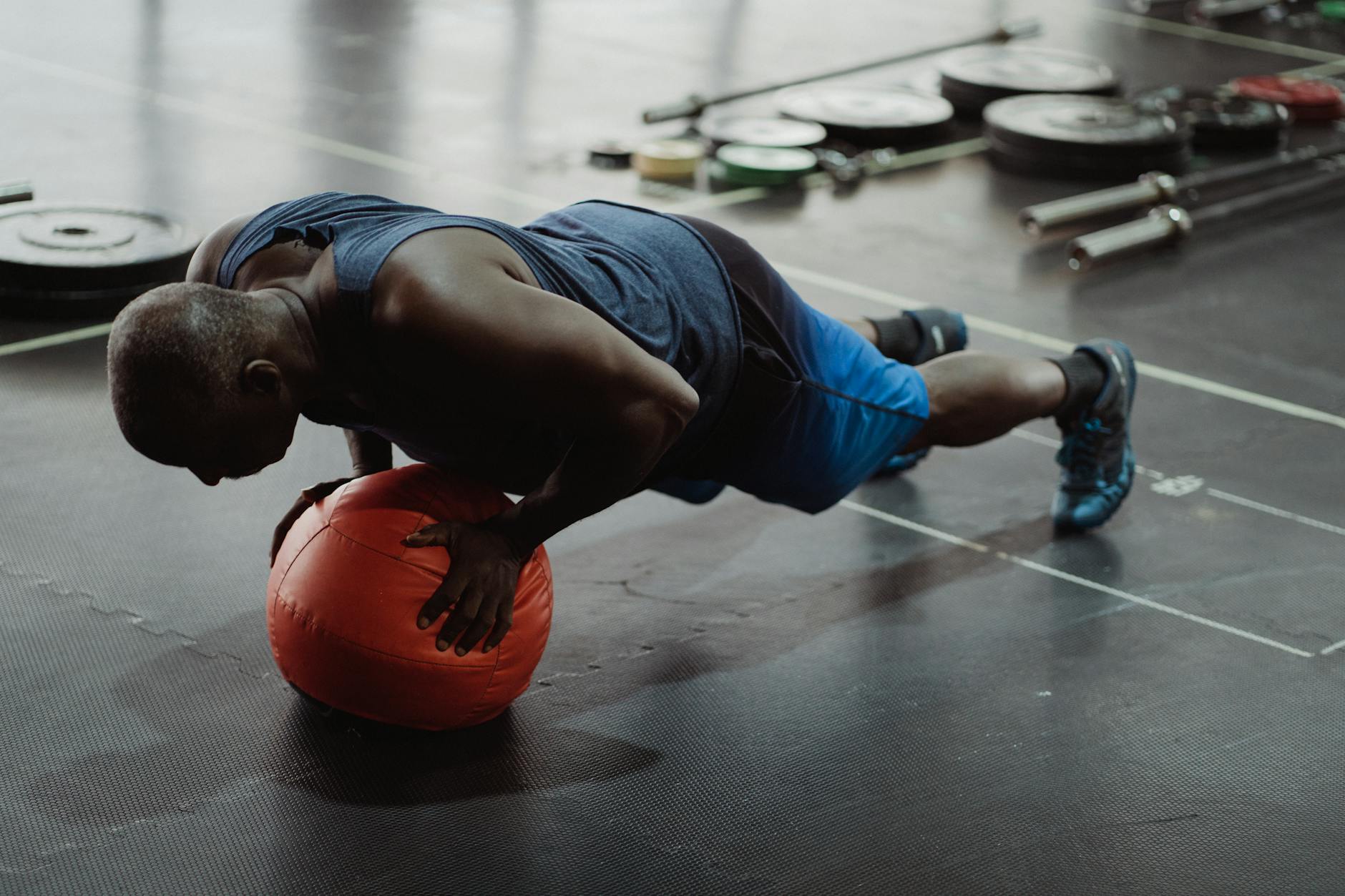
Performing the same repetitive motions every day without variation can lead to overuse syndromes in specific joints. While CrossFit is designed to be varied some athletes fixate on specific movements like double unders or burpees too frequently. Incorporating different planes of motion and varied rep schemes prevents any single joint from being overworked. A balanced program includes a wide range of movements to ensure that the body develops in a symmetrical and healthy manner.
Improper Barbell Path
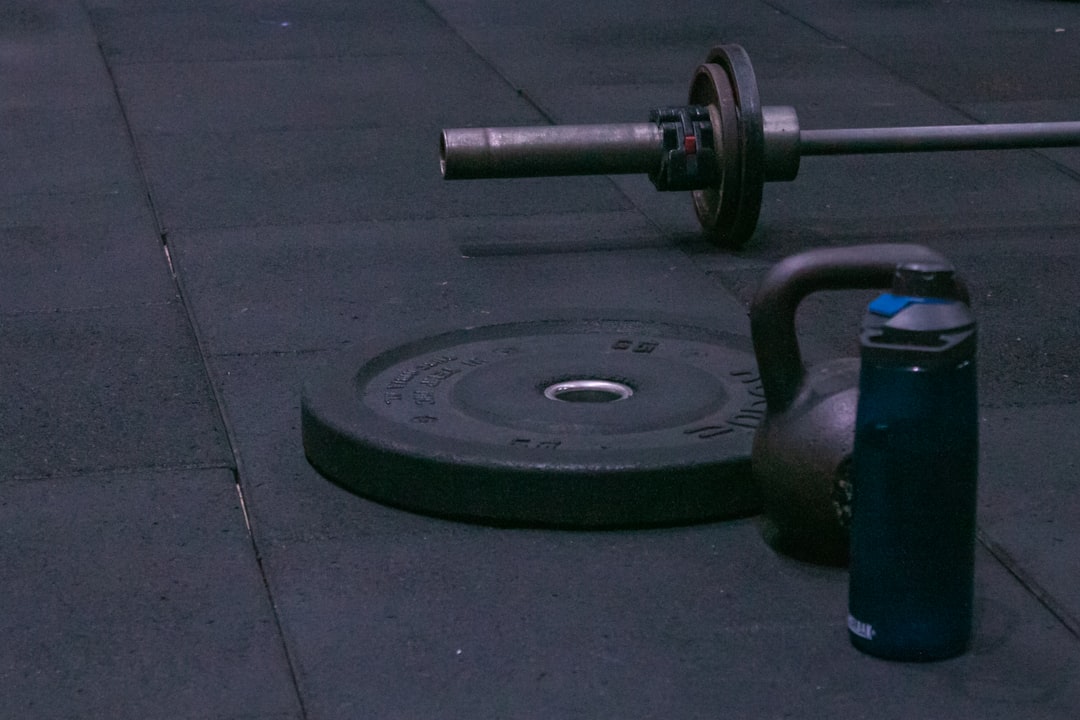
Allowing the barbell to drift away from the body during a snatch or clean creates a long lever arm that pulls on the back and shoulders. The most efficient and safest path for a barbell is a straight line as close to the body as possible. When the bar moves outward it forces the athlete to chase the weight and land in unstable positions. Mastering the bar path through technical drills is essential for lifting heavy loads without putting the joints at risk.
Neglecting the Cool Down
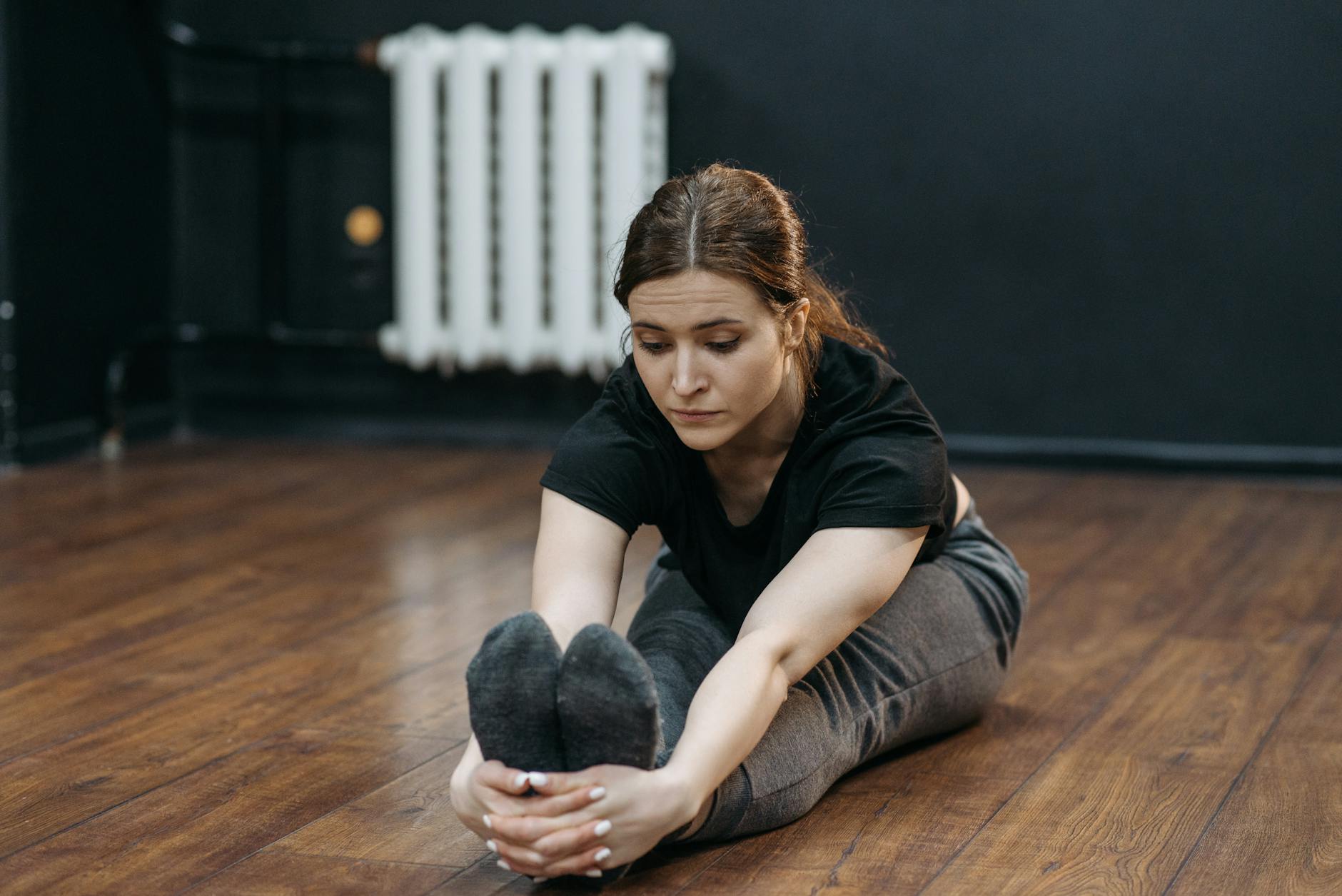
Stopping abruptly after an intense workout without a gradual heart rate reduction can lead to blood pooling and muscle stiffness. A gentle cool down period allows the body to transition back to a resting state while flushing out metabolic waste products. This time is also ideal for static stretching when the muscles are warm and most receptive to lengthening. Prioritizing the end of the session as much as the beginning contributes to overall joint longevity and better performance in the long run.
Please share your personal experiences and tips for staying injury free in the comments.