The sustainable shopping movement has given rise to an entire industry of products marketed with green credentials and environmental promises. Many of these items, however, carry hidden costs that outweigh their supposed benefits across manufacturing, transportation and disposal cycles. Greenwashing has become one of the most pervasive challenges facing environmentally conscious consumers today. Understanding the gap between marketing language and genuine environmental impact is essential for anyone trying to make responsible purchasing decisions.
Bamboo Toothbrushes

Bamboo toothbrushes are widely promoted as a plastic-free alternative to conventional oral hygiene tools. The bristles on most bamboo toothbrushes are still made from nylon, making them impossible to compost or recycle in standard facilities. The carbon footprint of shipping these products from manufacturing hubs in Asia can rival or exceed that of locally produced plastic versions. Bamboo itself requires significant processing involving chemicals to become a usable consumer product. The overall lifecycle impact of these toothbrushes is frequently worse than standard options made with recycled plastic.
Reusable Cotton Tote Bags

Cotton tote bags have become a symbol of eco-conscious shopping culture around the world. Studies from environmental agencies have found that an organic cotton tote must be used thousands of times before it offsets the environmental cost of its production. Cotton farming is among the most water-intensive agricultural practices on the planet and often relies heavily on pesticides. Most consumers accumulate far more tote bags than they regularly use, leaving the majority sitting idle in closets. The sheer volume of production driven by their popularity has made them a significant source of textile waste.
Biodegradable Plastics
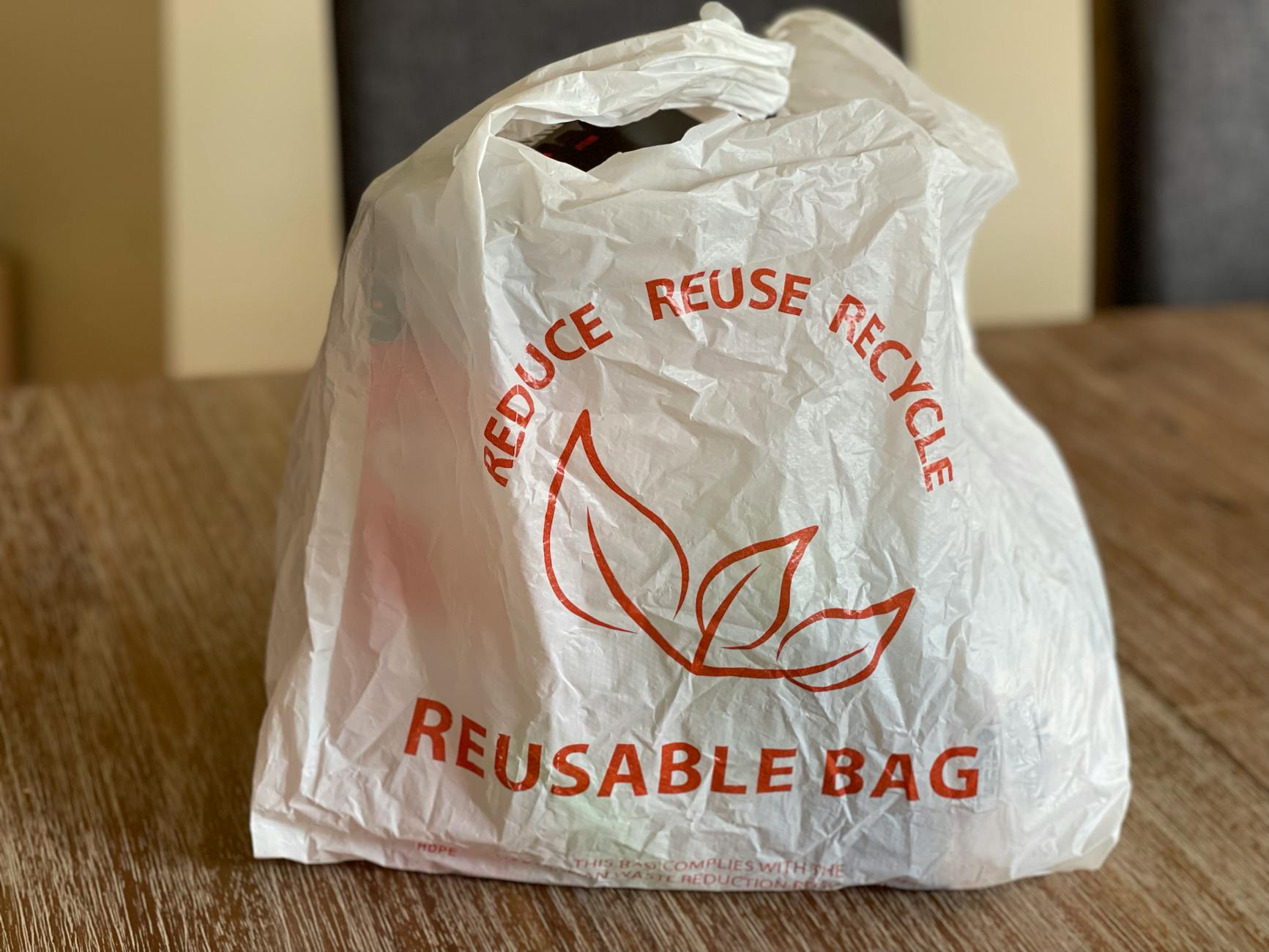
Biodegradable plastics are marketed as a responsible solution to the global single-use plastic crisis. Most biodegradable plastics require specific industrial composting conditions including precise temperatures and humidity levels to break down properly. When they end up in landfills or oceans, which happens in the vast majority of cases, they behave almost identically to conventional plastic. The production process for many biodegradable plastics is energy-intensive and relies on monoculture crops that strain agricultural land. Their existence has also been shown to increase overall plastic consumption by giving consumers a false sense of environmental permission.
“Natural” Cleaning Products

Natural cleaning products frequently carry labels emphasizing plant-based ingredients and eco-friendly formulations. Many of these products arrive in single-use plastic bottles that are just as difficult to recycle as their conventional counterparts. Some plant-derived cleaning agents require extensive land use and water consumption during cultivation and extraction. Certain natural fragrances and essential oil components used in these products are classified as environmental pollutants when they enter waterways. The lack of standardized regulation around the word natural means these claims are rarely independently verified.
Electric Cars (Entry-Level Models)

Entry-level electric vehicles are positioned as a cornerstone solution to reducing transportation emissions globally. The production of lithium-ion batteries requires mining lithium cobalt and manganese under conditions that cause significant ecological disruption. Manufacturing an electric vehicle generates substantially more carbon emissions than producing a comparable conventional car due to battery production demands. In regions where electricity grids are powered predominantly by coal or gas the emissions benefit of driving electric is dramatically reduced. Battery disposal at end of life remains an unresolved environmental challenge with no scalable recycling infrastructure in most countries.
Organic Cotton Clothing

Organic cotton clothing carries a premium price tag alongside promises of environmental and ethical responsibility. Organic cotton farming prohibits synthetic pesticides but uses significantly more land and water than conventional cotton to produce the same yield. The dyeing and finishing processes used on organic cotton garments frequently involve toxic chemicals that pollute local water supplies in manufacturing regions. Fast fashion brands have adopted organic cotton labeling on small capsule collections while maintaining high-volume production models that generate enormous textile waste. A single organic cotton t-shirt can require more than two thousand liters of water to produce from seed to finished product.
Paper Straws
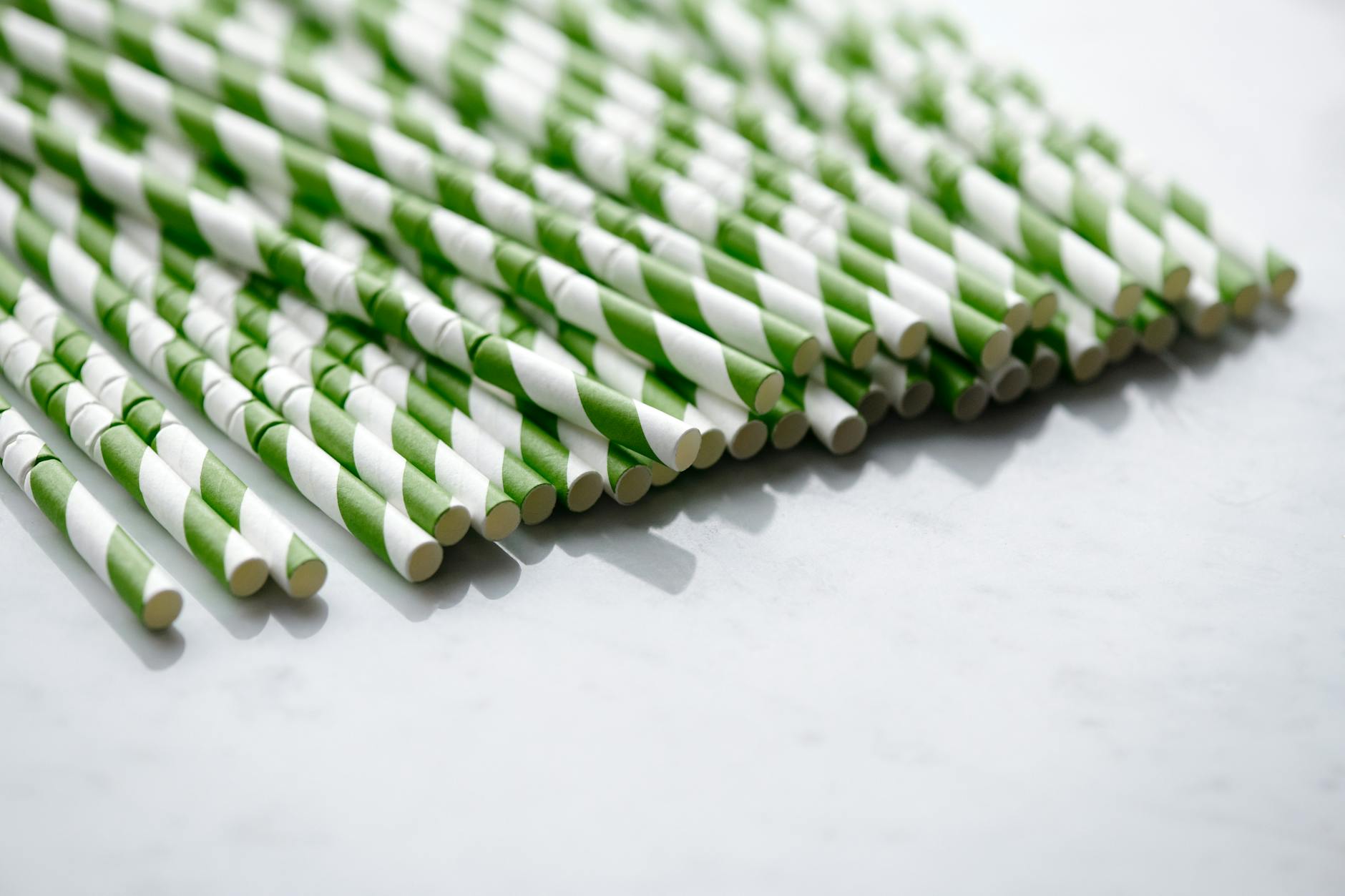
Paper straws emerged as a high-profile response to widespread concern about plastic straw pollution in marine environments. Their production requires virgin wood pulp in many cases contributing to deforestation and habitat loss in paper-producing regions. Paper straws are coated with thin plastic or wax layers to prevent rapid disintegration making them non-recyclable and non-compostable in most facilities. The energy and water required to manufacture paper straws exceeds what is needed for plastic straw production by a considerable margin. Consumers tend to use multiple paper straws per sitting due to their short functional lifespan compounding their cumulative waste impact.
Plant-Based Meat Products

Plant-based meat alternatives were developed to address the enormous environmental toll of conventional livestock farming. The ultra-processing required to transform pea protein and other ingredients into meat-like textures demands high levels of energy and water. Many of the key ingredients such as pea protein and coconut oil are sourced from regions where supply chains have been linked to land use change and monoculture expansion. The packaging used for most plant-based meat products is multi-layer plastic that is not accepted by standard recycling programs. While they do reduce some emissions compared to beef their net environmental benefit is considerably smaller than most marketing materials suggest.
Recycled Polyester Clothing

Recycled polyester is presented as a circular fashion solution that gives plastic bottles a second life as wearable fabric. Every time a garment made from recycled polyester is washed it releases hundreds of thousands of microplastic fibers directly into waterways. These microplastics are so small that water treatment facilities cannot filter them out meaning they accumulate in marine ecosystems and food chains. The energy required to process and spin plastic bottles into wearable fiber is substantial and often powered by non-renewable energy sources. The fashion industry uses recycled polyester to justify continued overproduction rather than reducing the total volume of garments manufactured.
Wooden Phone Cases

Wooden phone cases appeal to consumers looking for a natural alternative to conventional plastic or silicone accessories. The wood used in many of these cases comes from supply chains with limited transparency around sustainable forestry certification. The precision cutting and finishing processes involved in their manufacture generate significant wood waste and require energy-intensive machinery. Most wooden cases are bonded to a plastic inner shell to provide structural rigidity making them difficult to recycle or compost at end of life. Their short average lifespan of one to two years relative to the trees required to produce them raises serious questions about resource efficiency.
Beeswax Wraps

Beeswax wraps have gained popularity as a reusable alternative to plastic cling film for food storage. The beeswax used in their production is a finite resource and large-scale harvesting can disrupt the health of bee colonies that are already under significant environmental pressure. Many commercially produced beeswax wraps blend natural wax with synthetic resins and plasticizers to improve durability and flexibility. These blended materials prevent the wraps from being composted at end of life despite their natural appearance and branding. Consumers who purchase them rarely use them long enough to offset the environmental cost of their production and disposal.
Compostable Coffee Cups
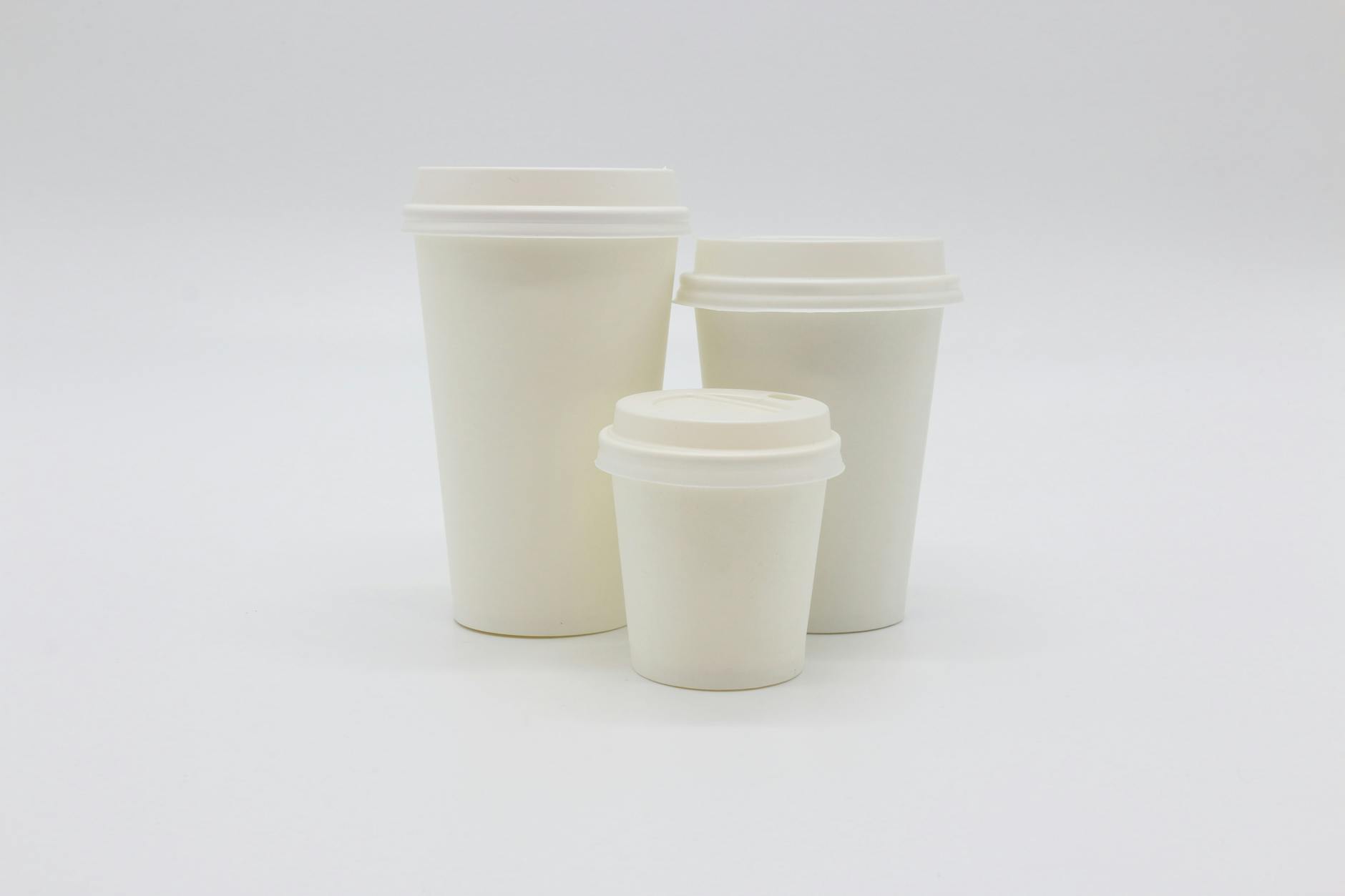
Compostable coffee cups are deployed by cafes and coffee chains as a visible signal of environmental commitment. These cups are only genuinely compostable in industrial composting facilities that operate at temperatures not replicable in home compost bins. The vast majority of compostable cups end up in general waste streams where they decompose in landfills producing methane just like conventional materials. Their production involves the same energy-intensive manufacturing processes as standard disposable cups with little measurable reduction in carbon output. The infrastructure gap between compostable labeling and actual composting access makes these cups a largely symbolic gesture.
Eco Glitter
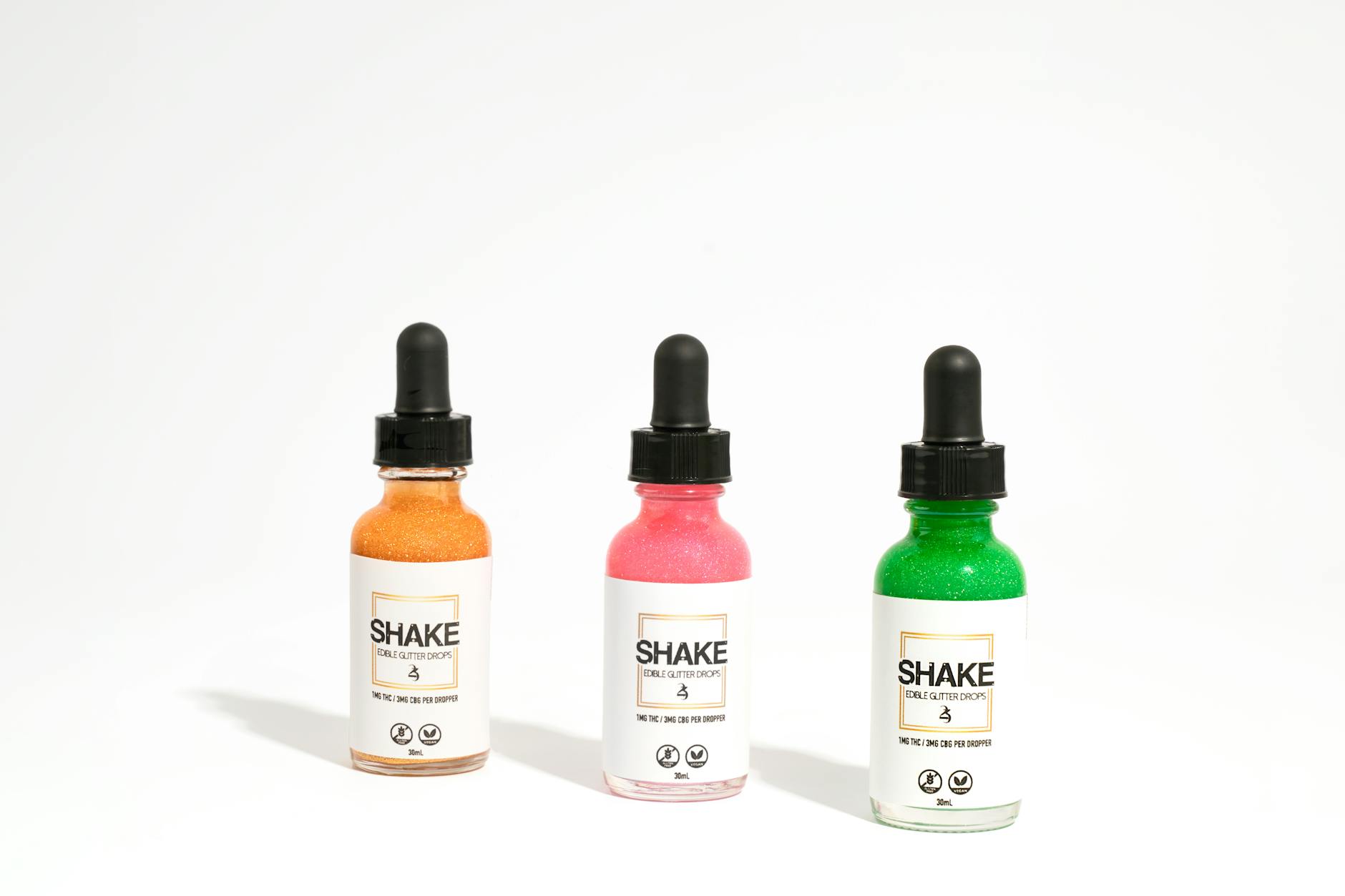
Eco or biodegradable glitter is marketed as a guilt-free alternative for festivals events and craft use. Most products sold under this label are made from plant-based cellulose film coated with thin metallic layers that do not break down uniformly in natural environments. Independent testing has found that many eco glitter products persist in soil and water for months or years depending on environmental conditions. The mica used in some formulations raises ethical concerns around mining practices in regions with limited labor and environmental oversight. The lack of regulatory standards for biodegradable claims in cosmetic glitter means consumers have no reliable way to verify product performance.
Silicone Food Storage Bags

Silicone food storage bags are promoted as a durable plastic-free kitchen solution with strong environmental credentials. Silicone is derived from silica a naturally occurring material but its transformation into consumer-grade silicone requires an energy-intensive industrial process involving fossil fuel-derived compounds. Unlike glass or metal silicone cannot be recycled through municipal programs and very few specialist recycling facilities exist for it at scale. When incinerated silicone releases silicon dioxide and other compounds that contribute to air quality concerns. Their lifespan advantage over single-use plastic is real but only materializes when consumers use them consistently for many years without loss or replacement.
Himalayan Salt Lamps

Himalayan salt lamps are frequently marketed in wellness and eco-lifestyle spaces as natural air purifiers with health and environmental benefits. The extraction of Himalayan salt involves quarrying operations in the Khewra Salt Mine in Pakistan with limited independent assessment of long-term ecological impact on the surrounding landscape. The electrical components used in these lamps are typically low-quality and non-recyclable contributing to e-waste streams when they fail. No peer-reviewed scientific evidence supports the claim that salt lamps meaningfully improve air quality or generate beneficial negative ions at measurable levels. The carbon footprint of shipping these heavy mineral products internationally is disproportionate to any environmental or wellness value they provide.
Cork Products

Cork products including flooring yoga blocks and accessories are positioned as a sustainable alternative because cork bark regenerates after harvesting. The global demand for cork products has grown faster than the natural regeneration capacity of cork oak forests in some producing regions creating supply pressure. Many cork products are bonded with synthetic adhesives or combined with foam and rubber backing materials that prevent them from being composted or recycled. Transportation of cork from Mediterranean forests to international markets adds a carbon cost that is rarely factored into sustainability assessments. The longevity of cork products varies considerably and low-quality items degrade quickly negating any lifecycle benefit over conventional alternatives.
Linen Clothing

Linen clothing is frequently cited as one of the most sustainable natural fibers due to flax’s low water and pesticide requirements. The retting process used to extract flinen fibers from flax stalks often involves water retting which can release organic compounds into local waterways if not carefully managed. Much of the world’s linen is processed and woven in facilities powered by coal-heavy energy grids particularly in Eastern Europe and parts of Asia. Linen garments are often blended with synthetic fibers to improve drape and durability which significantly reduces their biodegradability at end of life. Consumers purchasing linen through fast fashion channels are unlikely to wear items long enough to offset production costs given typical disposal timelines.
Solid Shampoo Bars

Solid shampoo bars are celebrated for eliminating plastic bottles from the bathroom and reducing packaging waste significantly. Many formulations contain palm oil derivatives sourced from supply chains linked to deforestation in Southeast Asia and South America. The concentration of surfactants in some bars requires consumers to use more product per wash than liquid alternatives to achieve comparable results. Some shampoo bar ingredients including certain natural preservatives and fragrance compounds have raised concerns around aquatic toxicity when they enter wastewater systems. Without certification from credible palm oil sustainability programs the environmental savings from plastic reduction can be offset by upstream deforestation impacts.
Activated Charcoal Products
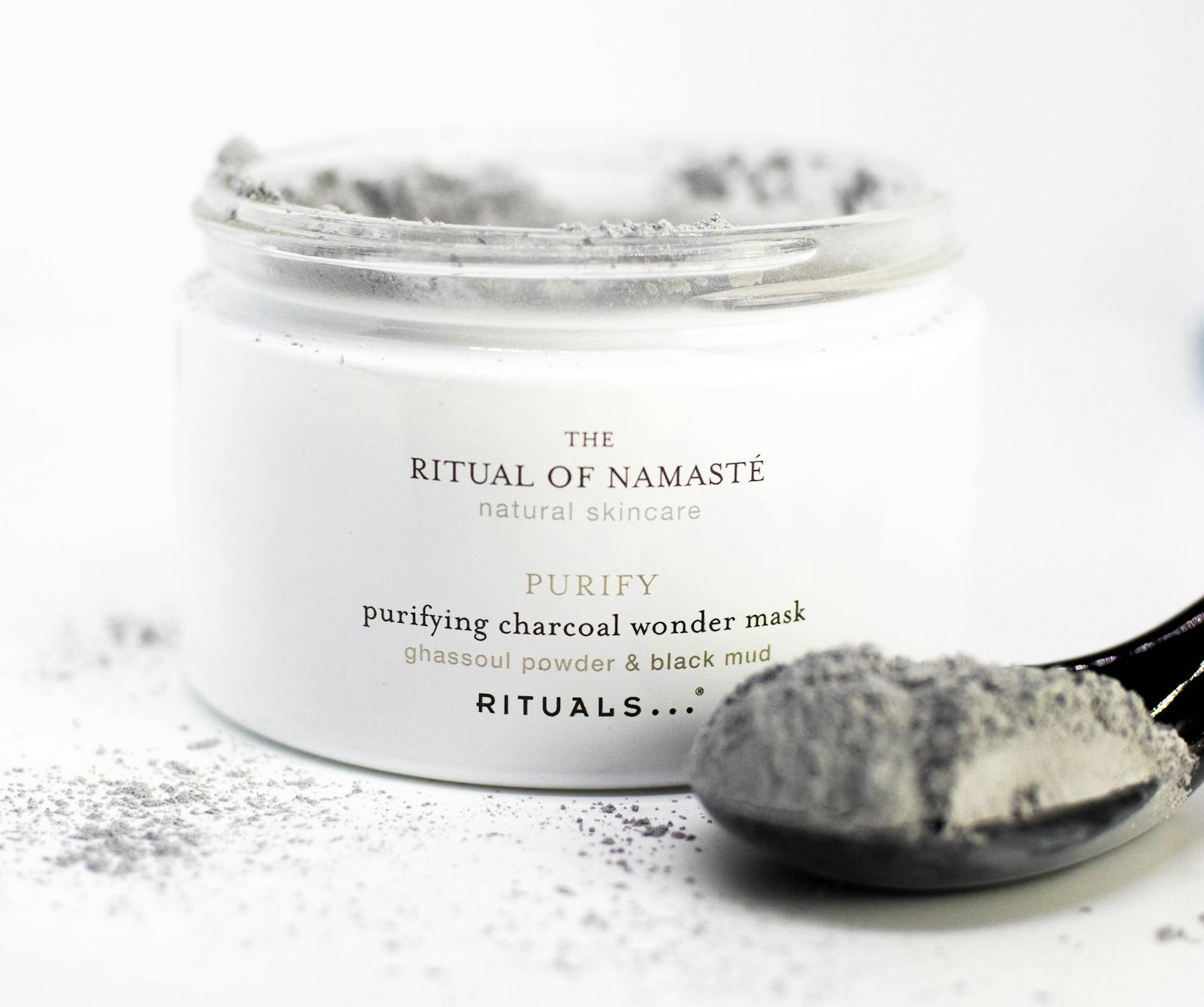
Activated charcoal has become a widespread ingredient in eco-wellness products from face masks to water filters and toothpastes. The production of activated charcoal is an energy-intensive process involving high-temperature activation of carbon-rich materials in industrial kilns. Coconut shell charcoal which is common in consumer products is sourced from regions where coconut agriculture has contributed to land use change and monoculture concerns. Charcoal-based water filters require frequent cartridge replacement generating ongoing waste that offsets initial environmental appeal. The efficacy of activated charcoal in many topical and cosmetic applications is not supported by rigorous scientific evidence making the environmental cost difficult to justify.
Glass Water Bottles
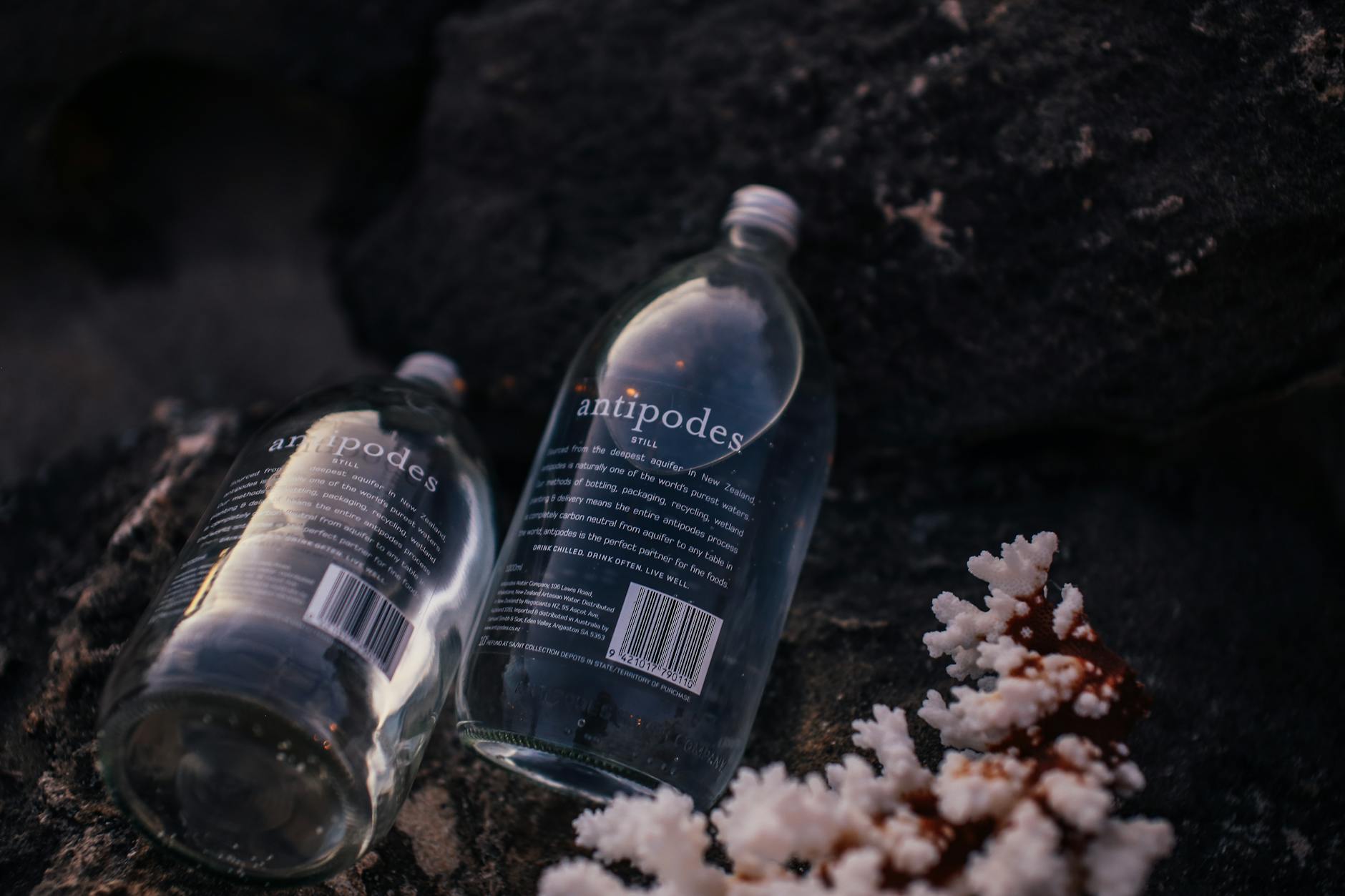
Glass water bottles are perceived as a pure and environmentally superior alternative to plastic or stainless steel hydration options. The production of glass is highly energy-intensive requiring furnace temperatures of over a thousand degrees Celsius sustained over long periods. Glass bottles are significantly heavier than alternatives which increases fuel consumption during shipping across every stage of the supply chain from manufacturer to retailer to consumer. When dropped and broken glass bottles must be replaced entirely unlike durable metal alternatives that can withstand years of daily use. Recycling rates for glass vary enormously by region and a significant proportion of glass waste still ends up in landfill in countries with underdeveloped collection infrastructure.
Natural Deodorants
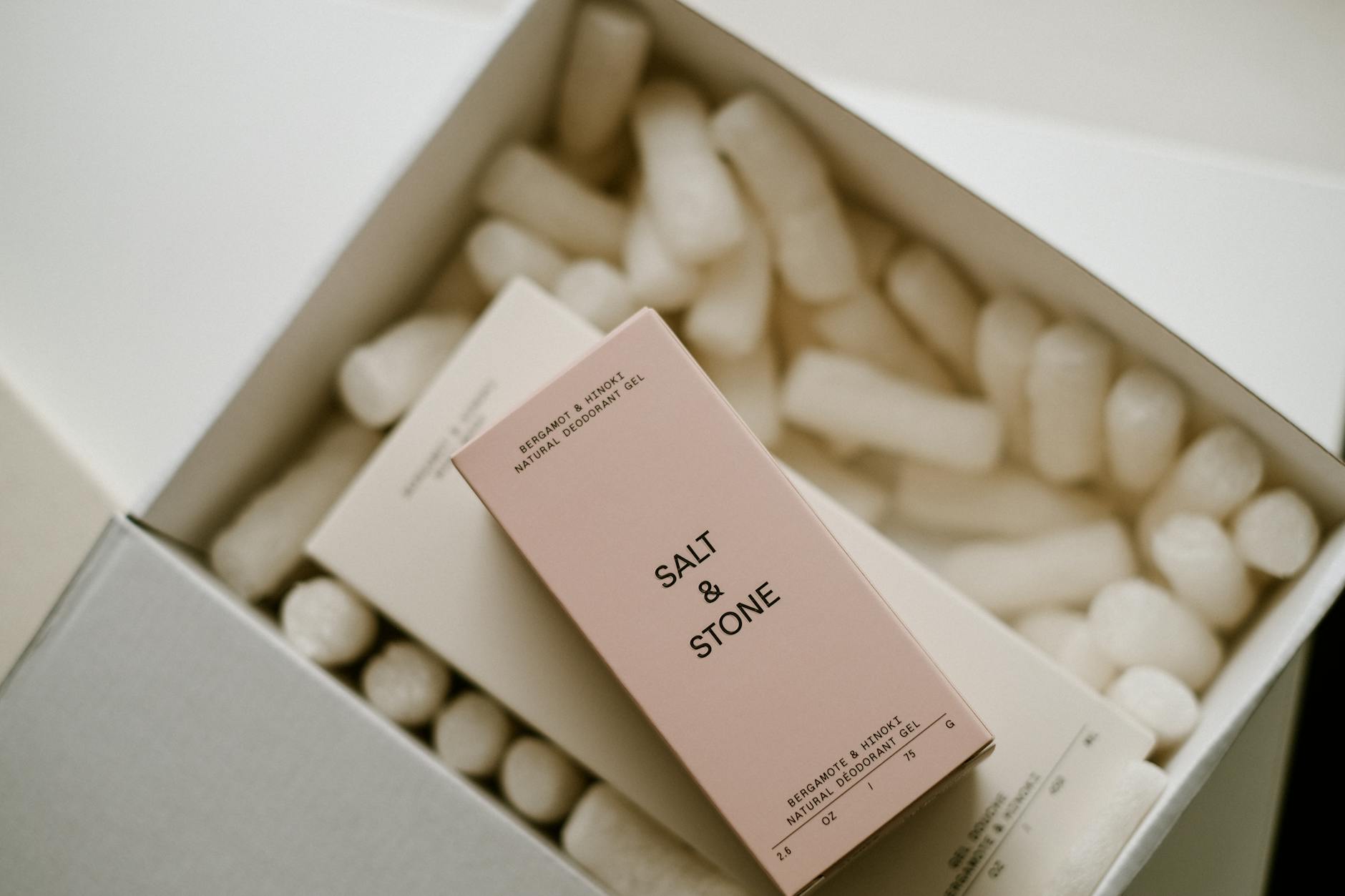
Natural deodorants have grown into a significant product category driven by concerns about synthetic chemicals in conventional personal care items. Most natural deodorants use sodium bicarbonate as a primary active ingredient which requires mining and processing with its own environmental footprint. The smaller batch sizes and premium packaging used by many natural deodorant brands often result in a higher ratio of packaging material to product by weight than conventional stick deodorants. Frequent reformulations and trial-and-error purchasing behavior among consumers new to natural deodorants generates above-average product waste. The “natural” label has no standardized legal definition in most markets allowing brands to include synthetic compounds while retaining green marketing positioning.
Bamboo Clothing
Bamboo clothing is marketed as an eco-friendly textile alternative owing to bamboo’s rapid growth rate and low agricultural input requirements. The process of converting raw bamboo into soft wearable fabric almost always involves chemical-intensive viscose or rayon processing which generates toxic byproducts. These chemical processes require significant water use and the effluent produced can be harmful to ecosystems if not treated to a high standard. The Federal Trade Commission in the United States has taken action against multiple brands for making misleading bamboo fiber claims on product labels. Bamboo fabric in its finished form retains virtually none of the environmental properties of the raw plant from which it was derived.
Wooden Cutlery and Utensils

Disposable wooden cutlery is increasingly offered as a compostable replacement for single-use plastic utensils at events and food service outlets. Many wooden cutlery products are manufactured from birch or bamboo wood sourced without credible sustainability certification creating opacity around forest management practices. The coating applied to some wooden utensils to improve water resistance contains synthetic compounds that prevent composting in both home and industrial settings. Energy consumption in the cutting milling and packaging of wooden utensils is not significantly lower than that required for plastic equivalents produced at comparable scale. Consumer composting rates for wooden utensils remain extremely low meaning the majority end up in general landfill where degradation is slow and methane-producing.
Mushroom Packaging

Mushroom or mycelium-based packaging is positioned as a breakthrough biodegradable alternative to polystyrene foam in product shipping. Growing mycelium packaging requires controlled indoor environments with specific humidity and temperature conditions maintained by energy-consuming systems. The agricultural substrate used to feed mycelium growth is typically sourced from crop residues that have competing uses in animal feed soil amendment and renewable energy production. Industrial composting rather than home composting is required to break down mycelium packaging within practical timeframes for most commercial formulations. The scale of production currently possible with mycelium technology means its overall contribution to reducing packaging waste remains limited relative to the volume of material it aims to replace.
Eco-Friendly Paints
Eco-friendly or low-VOC paints are marketed as healthier and more environmentally responsible alternatives to conventional interior and exterior coatings. The production of titanium dioxide which is a primary pigment in most white paints including eco-labeled varieties generates significant industrial waste and requires energy-intensive processing. Many brands that market paints as eco-friendly make claims based solely on reduced volatile organic compound levels during application without addressing wider manufacturing impacts. The pigments used in colored eco paints are often derived from heavy metal compounds or synthetic dyes with their own environmental concerns. Disposal of unused paint regardless of its eco credentials remains a challenge as it cannot be poured down drains or placed in standard household recycling in most jurisdictions.
Reusable Silicone Straws
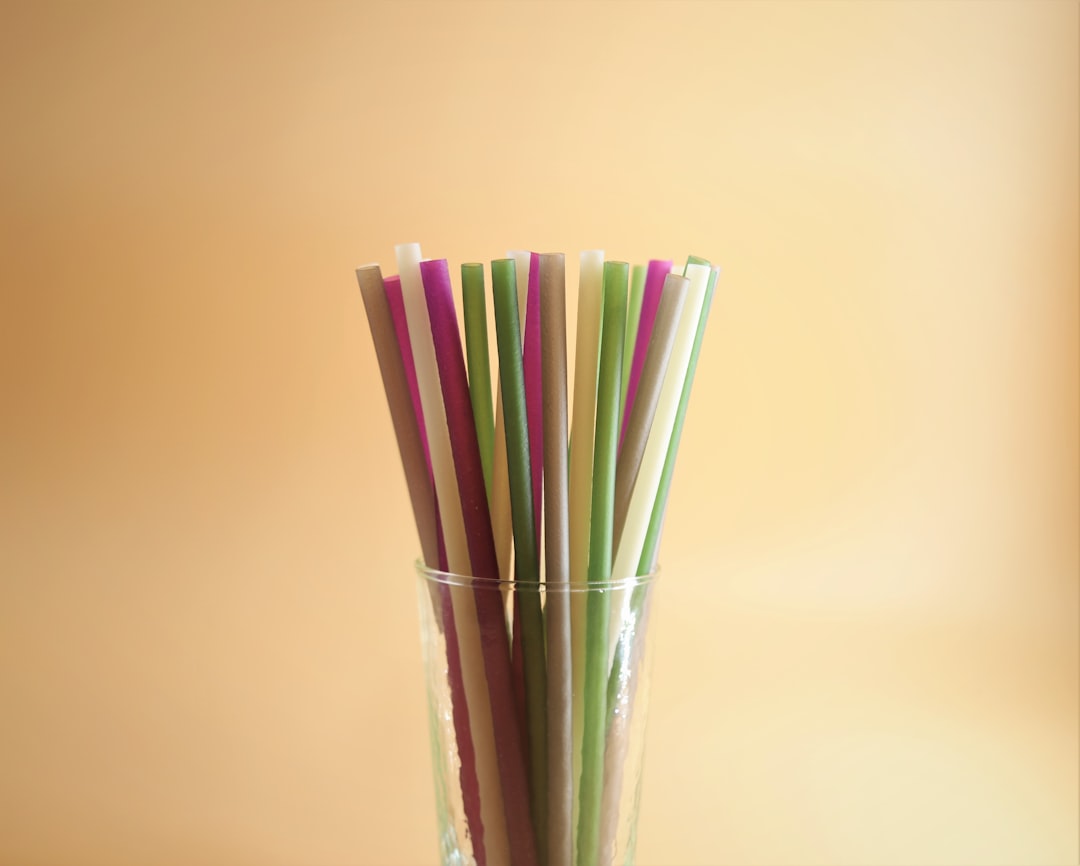
Reusable silicone straws are widely recommended as an alternative to both disposable plastic and the heavily criticized paper straw. Silicone production relies on fossil fuel-derived chlorosilanes and the manufacturing process generates hazardous chemical byproducts that require careful industrial handling. Unlike glass or stainless steel straws silicone versions cannot be recycled through municipal programs and require specialist facilities that are not widely accessible to consumers. Their flexible texture makes them difficult to clean thoroughly raising hygiene concerns that lead many users to replace them more frequently than harder alternatives. The environmental benefit of silicone straws only materializes with consistent long-term use that outlasts the typical consumer replacement cycle.
Peat-Free Compost
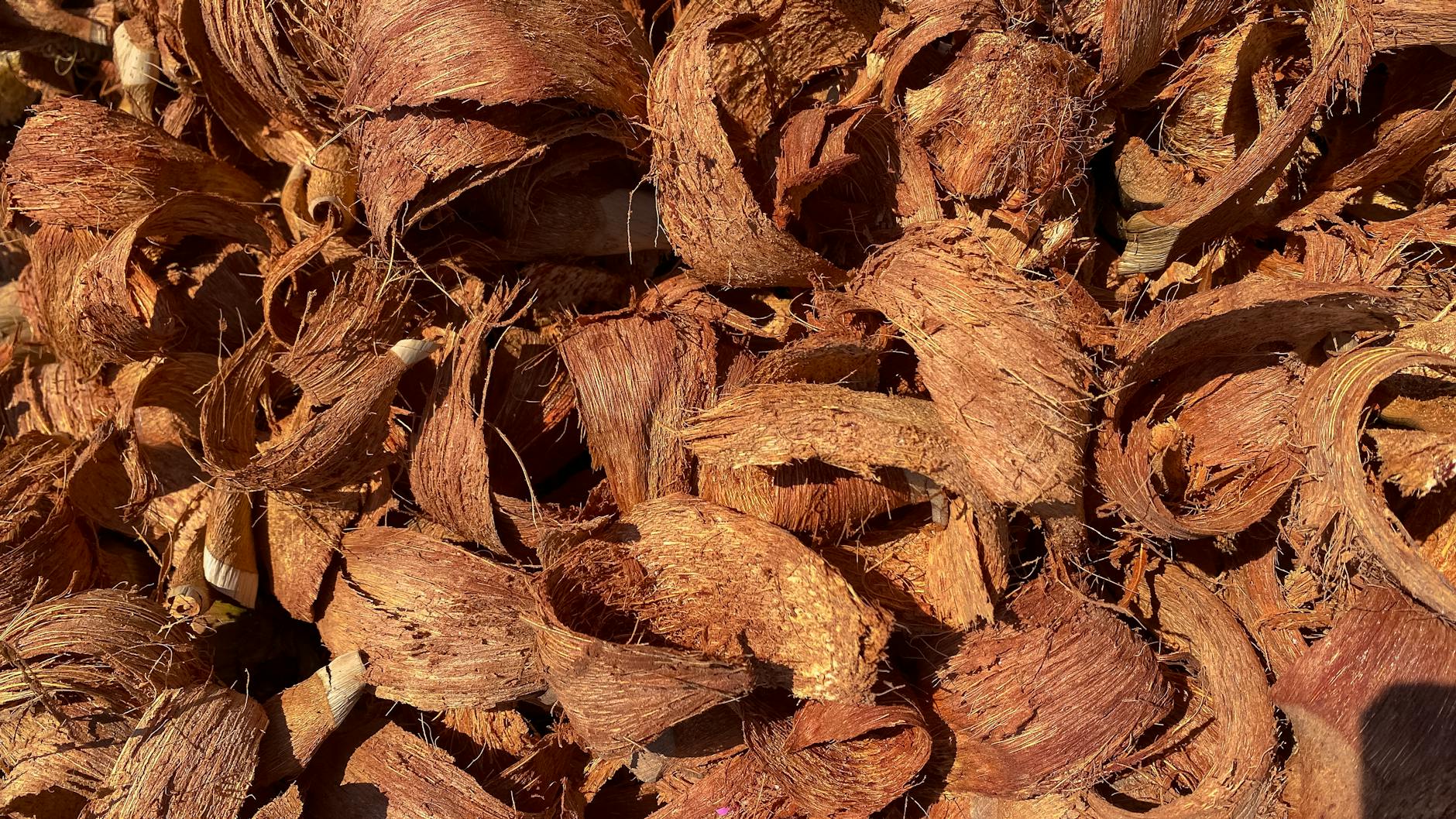
Peat-free compost products are framed as a responsible gardening choice that protects carbon-rich peat bog ecosystems from extraction. Many peat-free composts use coir as a primary ingredient which is a byproduct of coconut processing but is predominantly sourced from Sri Lanka and India requiring long-distance shipping. The breakdown of coir in garden soil is slower than peat creating performance challenges for gardeners that can lead to higher overall product consumption per growing season. Some peat-free formulations include wood fiber or green waste compost with variable and unreliable nutrient profiles compared to traditional peat-based growing media. The shift toward peat-free is broadly supported but the supply chains and ingredients used to replace peat carry environmental costs that are infrequently disclosed on product packaging.
Ethanol Fireplaces

Ethanol or bioethanol fireplaces are marketed as a clean-burning zero-emission alternative to wood-burning and gas fireplaces. The combustion of bioethanol does release carbon dioxide and water vapor and at high use levels can affect indoor air quality in poorly ventilated spaces. Most bioethanol is produced from food crops including sugarcane and corn creating competition with agricultural land needed for food production and driving up commodity prices. The production process for fuel-grade bioethanol is energy-intensive and when lifecycle emissions are fully accounted for the carbon benefit over natural gas fireplaces is modest at best. The decorative nature of most ethanol fireplace installations means they are used primarily for ambiance rather than functional heating compounding the inefficiency of their fuel consumption.
Natural Latex Products

Natural latex products including mattresses pillows and yoga mats are marketed as biodegradable and sustainably sourced alternatives to synthetic foam. Rubber tree plantations that supply natural latex have been associated with deforestation in parts of Southeast Asia where they replace more biodiverse forest ecosystems. The vulcanization process used to convert raw latex into durable consumer products introduces sulfur compounds and other chemicals that affect the biodegradability of the finished item. Many products marketed as natural latex contain blended formulations that include synthetic styrene-butadiene rubber to reduce cost lowering both quality and environmental performance. The weight and density of latex products makes their shipping footprint considerably higher than synthetic foam alternatives produced closer to consumer markets.
These products reveal just how wide the gap can be between eco-friendly branding and genuine environmental impact. What eco products have surprised you with their hidden footprint? Share your thoughts in the comments.