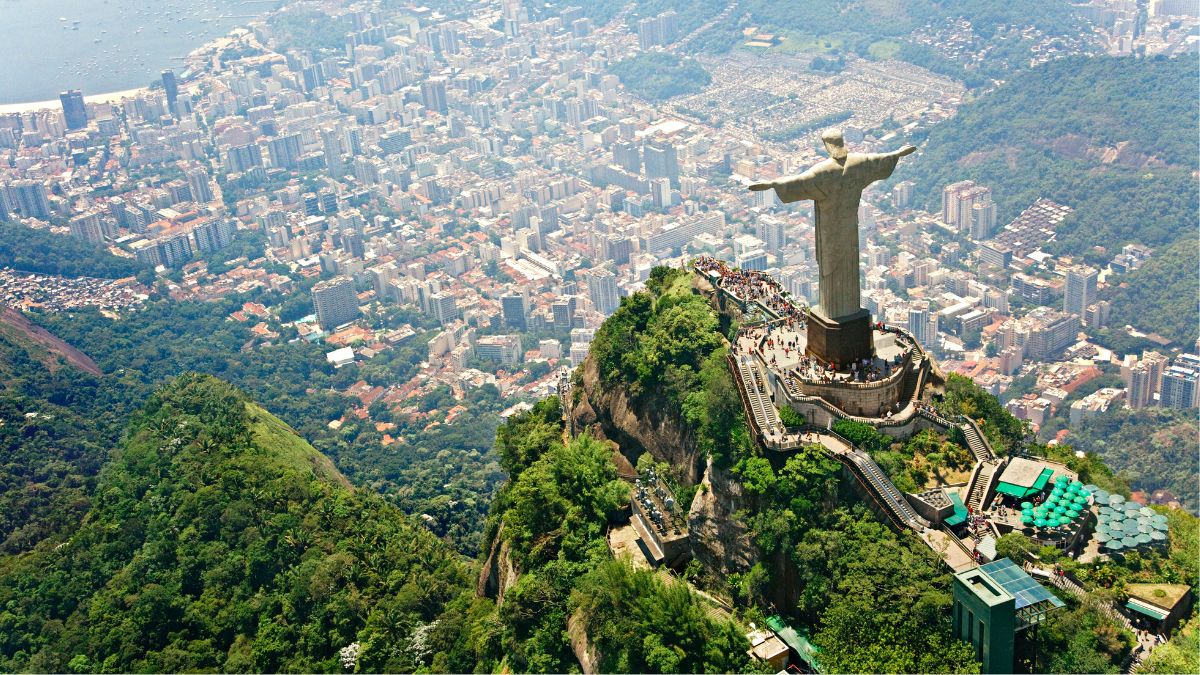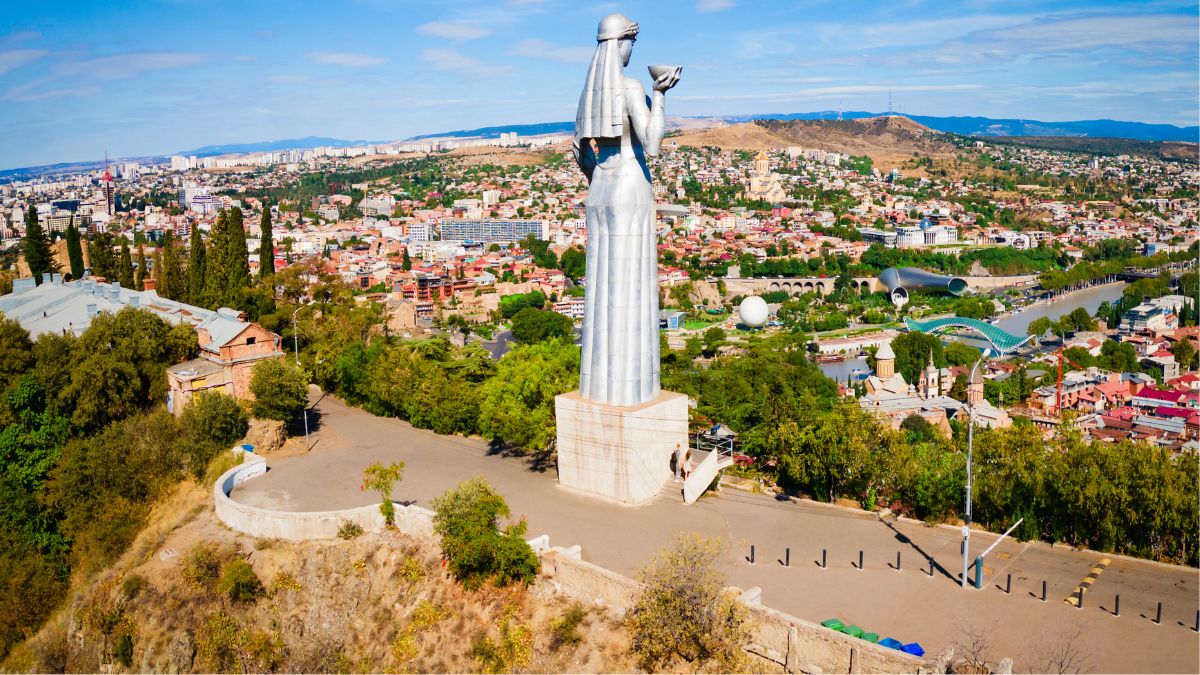
Historical monuments stand as powerful testaments to the stories, struggles, and triumphs that shaped the world we live in today. Visiting these sites is a privilege that carries with it a quiet but meaningful responsibility to honor the people and events they represent. Whether you are exploring ancient ruins, a battlefield memorial, or a centuries-old cathedral, the way you conduct yourself speaks volumes about your respect for history and culture. Understanding the unwritten code of conduct at these places ensures that every visitor, present and future, can share in their significance. These thirty etiquette rules will help you become a thoughtful and considerate visitor wherever your travels take you.
Silence Your Phone

A ringing phone at a solemn historical site is one of the most disruptive things a visitor can do. Before you even pass through the entrance, set your device to silent or vibrate mode. If you must take a call, step away from the main visiting areas to avoid disturbing others who are absorbing the atmosphere. Many monuments ask visitors to observe near-silence as a mark of respect, and honoring this request costs nothing.
Stay on the Path
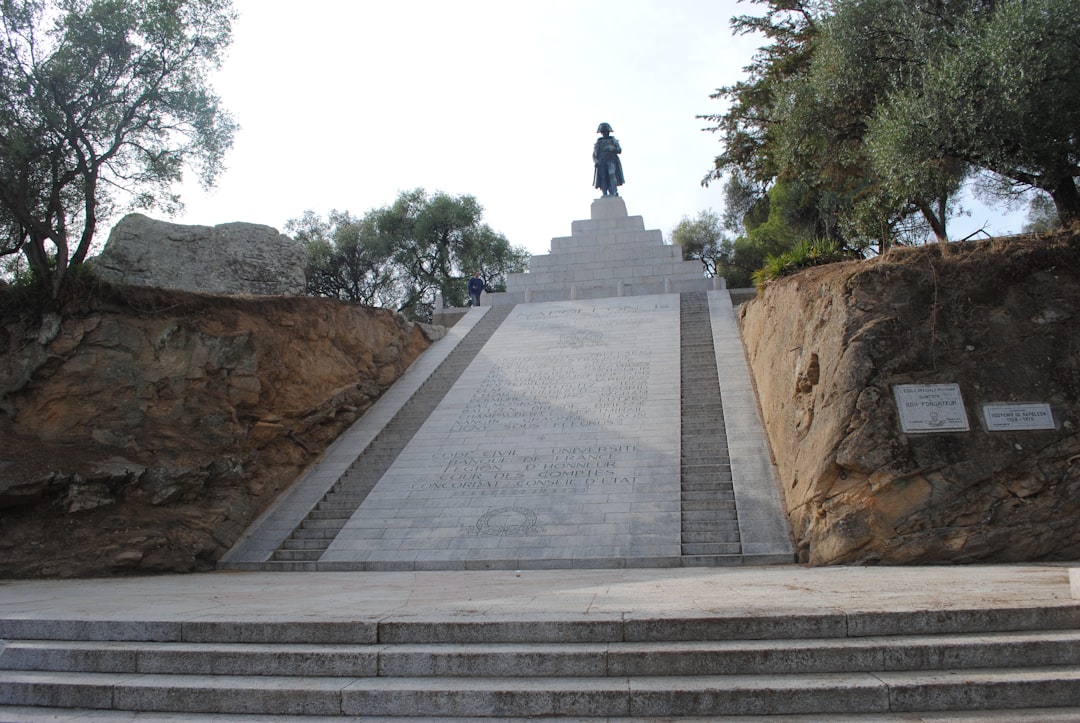
Designated pathways exist at historical monuments for both the safety of visitors and the preservation of the site itself. Wandering off marked routes can cause irreversible damage to fragile ground, buried artifacts, and surrounding ecosystems. Rope barriers, fencing, and signage are placed deliberately to protect areas that may not look obviously vulnerable. Following these boundaries ensures that the site remains intact for the generations of visitors who will come after you.
No Touching
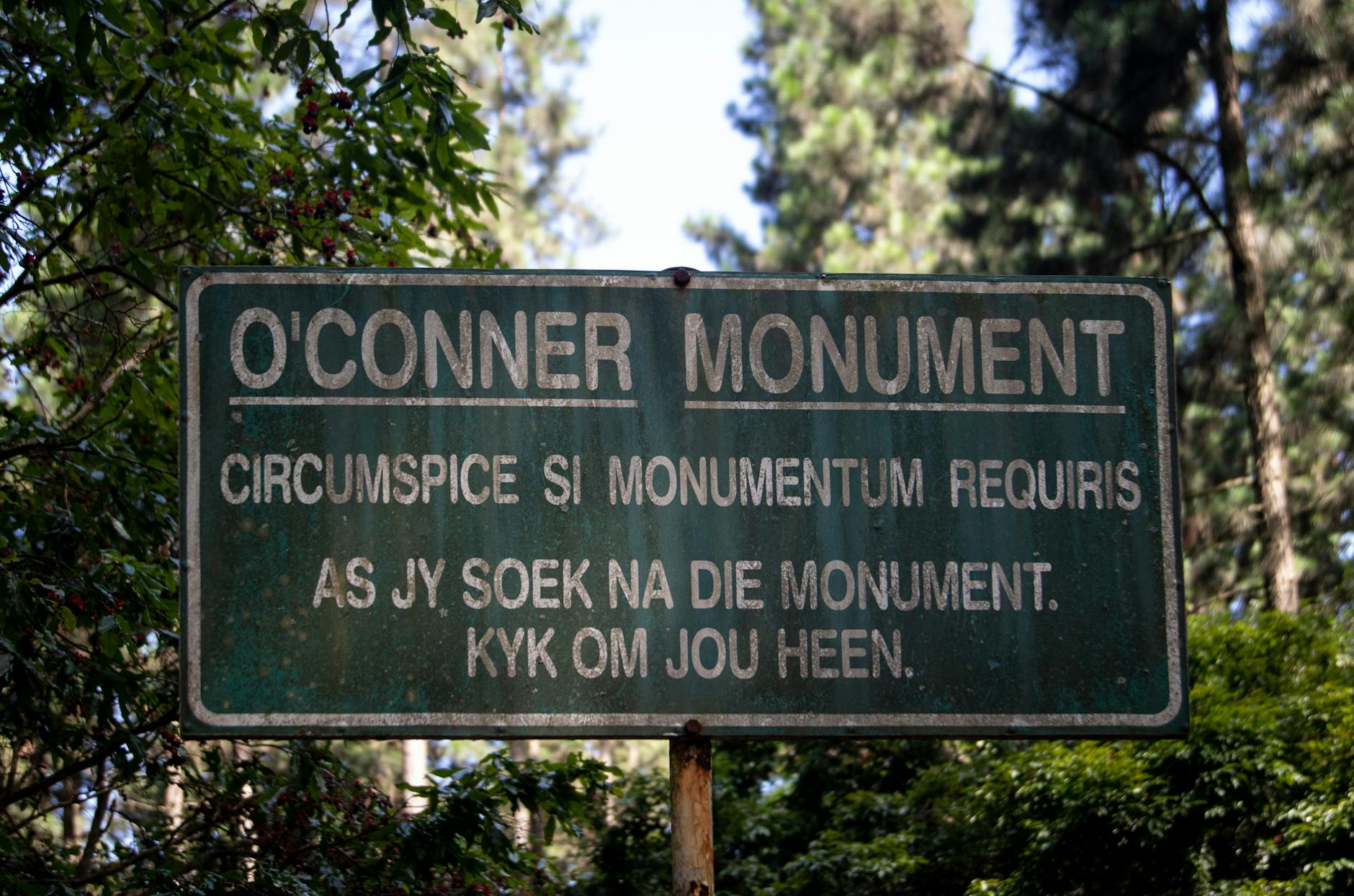
The oils and residue left by human hands cause gradual but significant deterioration to stone, metal, wood, and painted surfaces. Even a single touch can accelerate the erosion of engravings, sculptures, and architectural details that have survived for centuries. Signage at most monuments will remind visitors of this rule, but internalizing it as personal discipline is far more meaningful than waiting to be told. Observing without contact is a simple and powerful way to preserve history.
Speak Quietly

The atmosphere of a historical monument is a part of the experience, and loud conversation immediately breaks the reflective mood for everyone nearby. Using a low, measured tone of voice shows awareness of the shared space and consideration for fellow visitors who may be in quiet contemplation. Group tours should request that their guides use moderate volumes and pause in areas where others are gathered. A calm vocal presence honors both the site and the people around you.
Dress Appropriately
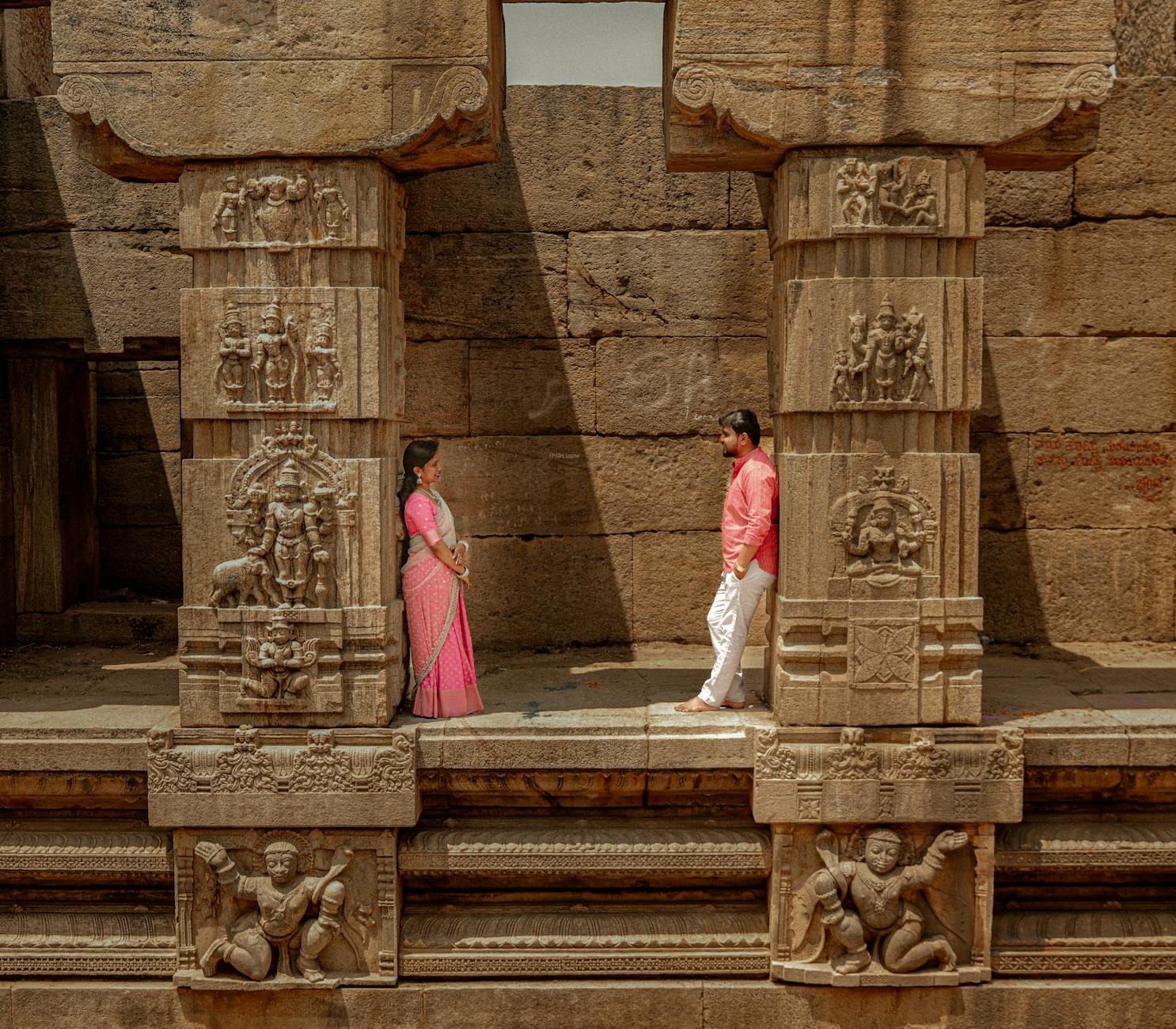
Many historical monuments, particularly those with religious or ceremonial significance, require visitors to dress modestly as a condition of entry. Covered shoulders and knees are the most commonly expected standards at sacred or governmental sites around the world. Carrying a light scarf or layer in your bag is a practical way to ensure you are always prepared to comply. Dressing with intention communicates respect before you have spoken a single word.
No Littering

Dropping litter at a historical monument is among the most visibly disrespectful things a visitor can do. Food wrappers, bottles, and other waste not only look unsightly but can attract animals that may damage the site. Always carry your waste until you locate a designated bin, and if bins are not available, take it with you when you leave. Treating these spaces with the same care you would show a museum or place of worship reflects well on you as a visitor.
Follow Photography Rules
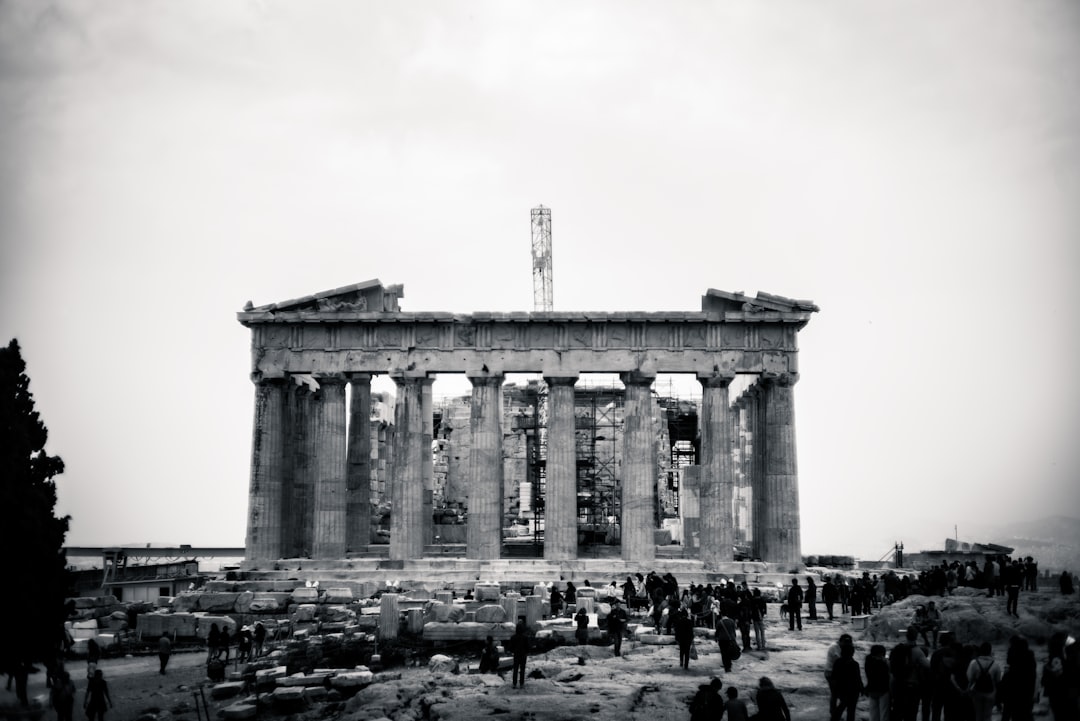
Every monument has its own photography policy, and taking the time to learn it before you arrive is a basic act of respect. Many sites prohibit flash photography entirely, as bursts of light damage pigments in paintings, textiles, and ancient surfaces. Interior spaces within chapels, tombs, and galleries often restrict photography altogether to preserve the sanctity of the environment. Always look for posted signage and defer to staff guidance before raising your camera.
No Food or Drink

Eating and drinking within the immediate grounds of a historical monument is widely prohibited and for very good reason. Crumbs, liquid spills, and food packaging attract pests that can compromise the structural and biological integrity of a site over time. Even seemingly harmless snacks can leave residues on surfaces or attract insects that nest in old stonework and timber. Reserve meals for designated picnic areas or cafes that the site has specifically sanctioned for visitor use.
Read the Information
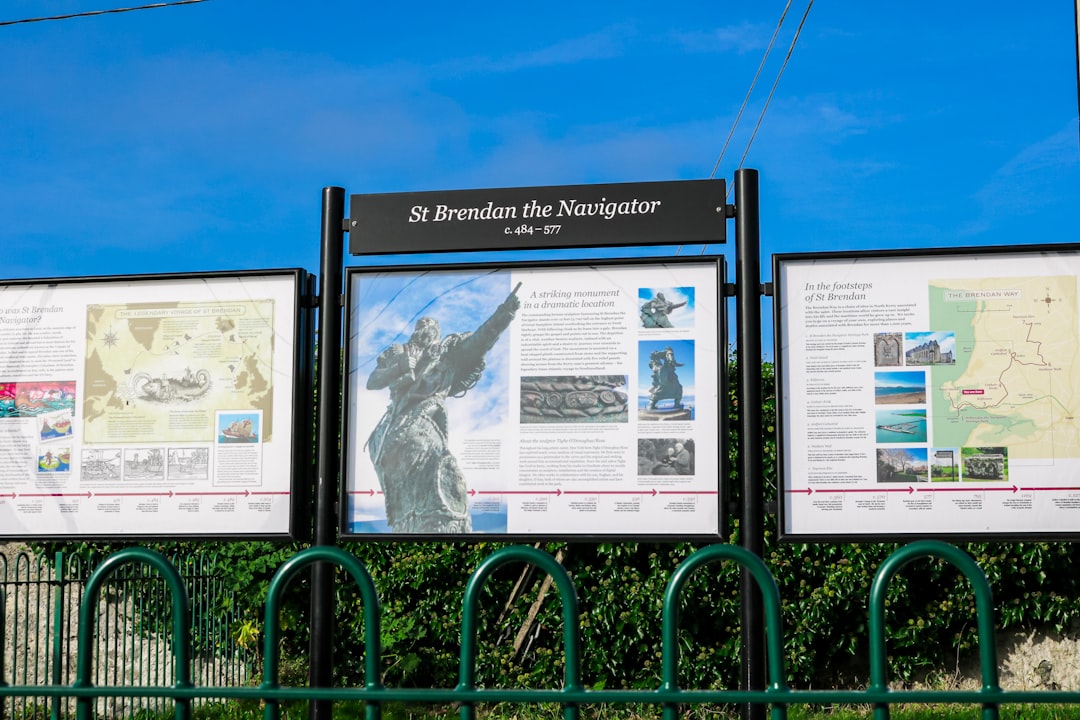
Plaques, panels, and informational boards placed throughout a monument exist to give context to what you are seeing. Taking even a few minutes to engage with this information transforms a visual visit into a genuinely educational experience. Understanding the historical background of a site deepens your emotional connection to it and helps you behave more mindfully within the space. Encouraging children and fellow travelers to do the same multiplies the impact of the visit for everyone.
Supervise Children

Children are naturally curious and enthusiastic, but a historical monument requires a level of stillness and care that must be actively managed by accompanying adults. Running, climbing on structures, and touching exhibits are behaviors that need to be addressed firmly and calmly before entering the site. Taking a few minutes before the visit to explain the significance of the location helps children understand why certain rules apply. Patient guidance from adults transforms the experience into a meaningful lesson rather than a stressful outing.
No Graffiti
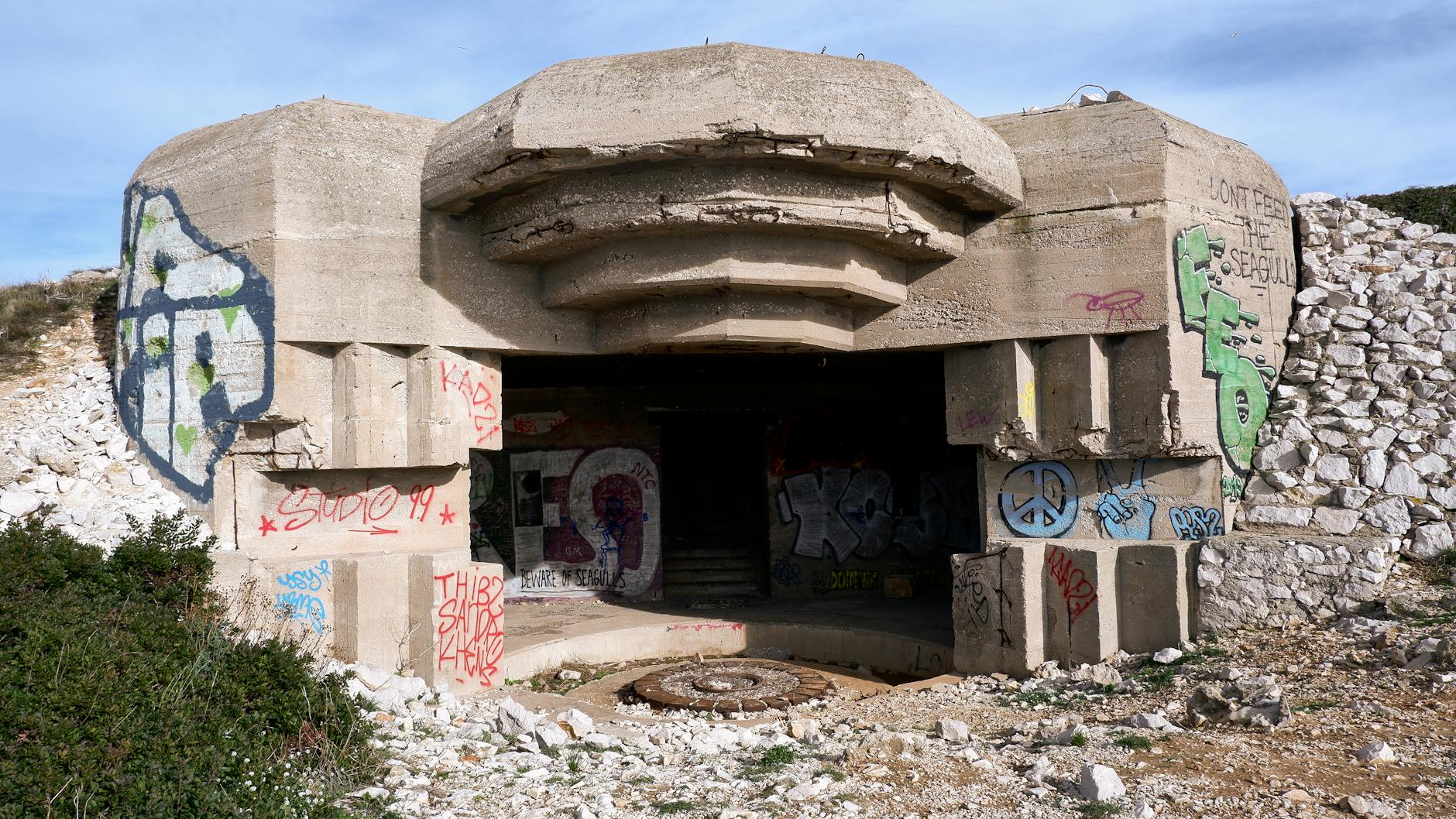
Marking any surface of a historical monument, however minor it may seem, is both illegal in most countries and a profound act of cultural vandalism. Names, dates, and symbols scratched into stone or painted onto walls cause damage that is often impossible to reverse without risking further harm to the original surface. The impulse to leave a personal mark is understandable but entirely inappropriate at a site that belongs to the collective memory of humanity. Respecting the integrity of the monument means leaving it exactly as you found it.
Queue Patiently

Popular historical monuments attract thousands of visitors daily, and the queuing systems in place exist to manage foot traffic safely and fairly. Pushing ahead, bypassing lines, or crowding entry points creates frustration and can compromise the safety of other visitors. Treating the queue as part of the experience rather than an inconvenience sets a positive tone for the entire visit. Patience at the entrance reflects the kind of mindful attitude that the site itself deserves.
Use Designated Entrances

Entering or exiting through unauthorized points disrupts site management and can damage areas that are not designed to withstand heavy foot traffic. Monuments with multiple gates and doorways have organized visitor flow systems that protect both the site and the people within it. Always follow directional signage and ask staff if you are unsure which entrance to use. Respecting these logistics is as much a part of good etiquette as any behavior inside the monument.
Respect Other Visitors
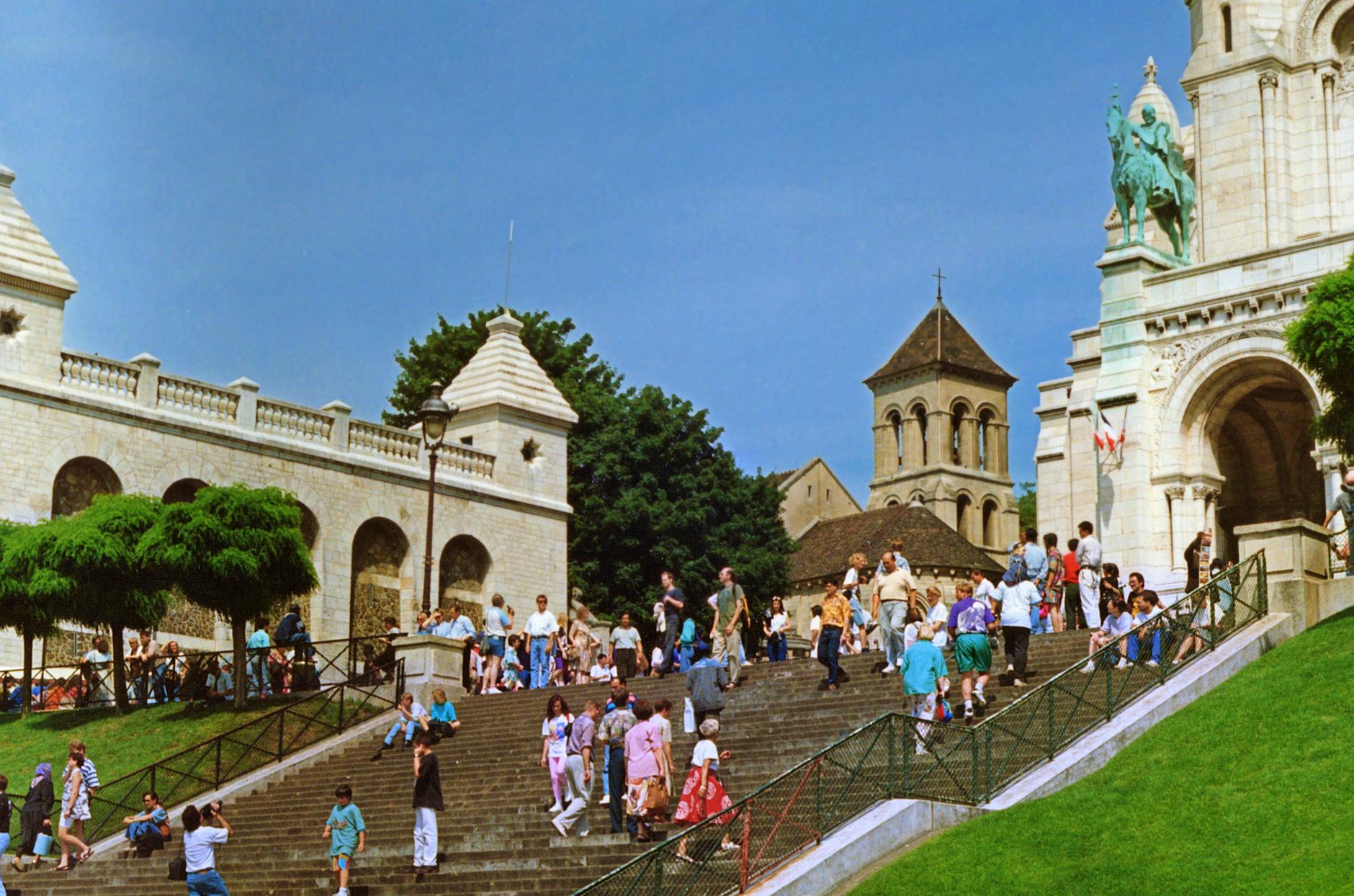
A historical monument is a shared experience, and being mindful of the people around you is a fundamental courtesy. Blocking walkways to take extended photographs, standing in groups that obstruct sightlines, or speaking across others without acknowledgment all diminish the quality of the experience for fellow visitors. A simple awareness of spatial consideration goes a long way in maintaining a harmonious environment. Every visitor has as much right to a meaningful visit as you do.
No Smoking

Smoking within or immediately adjacent to a historical monument is prohibited at virtually every significant site in the world. Beyond the obvious fire risk, smoke leaves residue on surfaces and contributes to the chemical degradation of stone, metal, and fabric. Designated smoking areas are provided at many larger sites for this reason, and using them is both courteous and compliant. Extinguishing cigarettes before entering even the outer grounds of a monument is always the considerate choice.
Respect Barriers
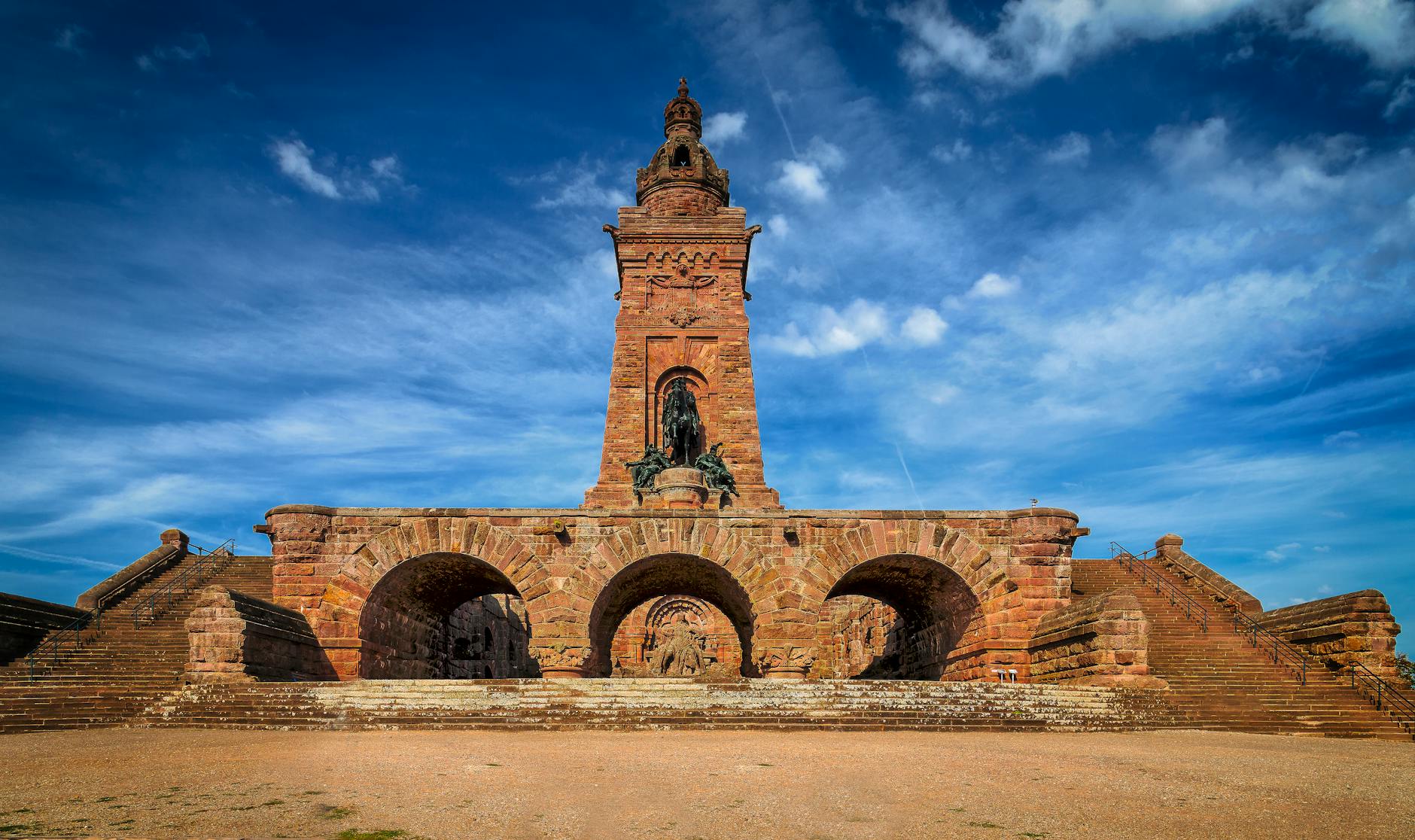
Physical barriers at historical monuments are placed to protect the most sensitive and significant areas of a site from unintended contact or damage. Leaning on, stepping over, or ducking under ropes and barriers, even momentarily, puts both you and the site at risk. Guards and staff members are present specifically to enforce these boundaries, and their instructions should be followed immediately and without argument. These measures reflect years of conservation expertise and should always be taken seriously.
No Souvenirs from the Site
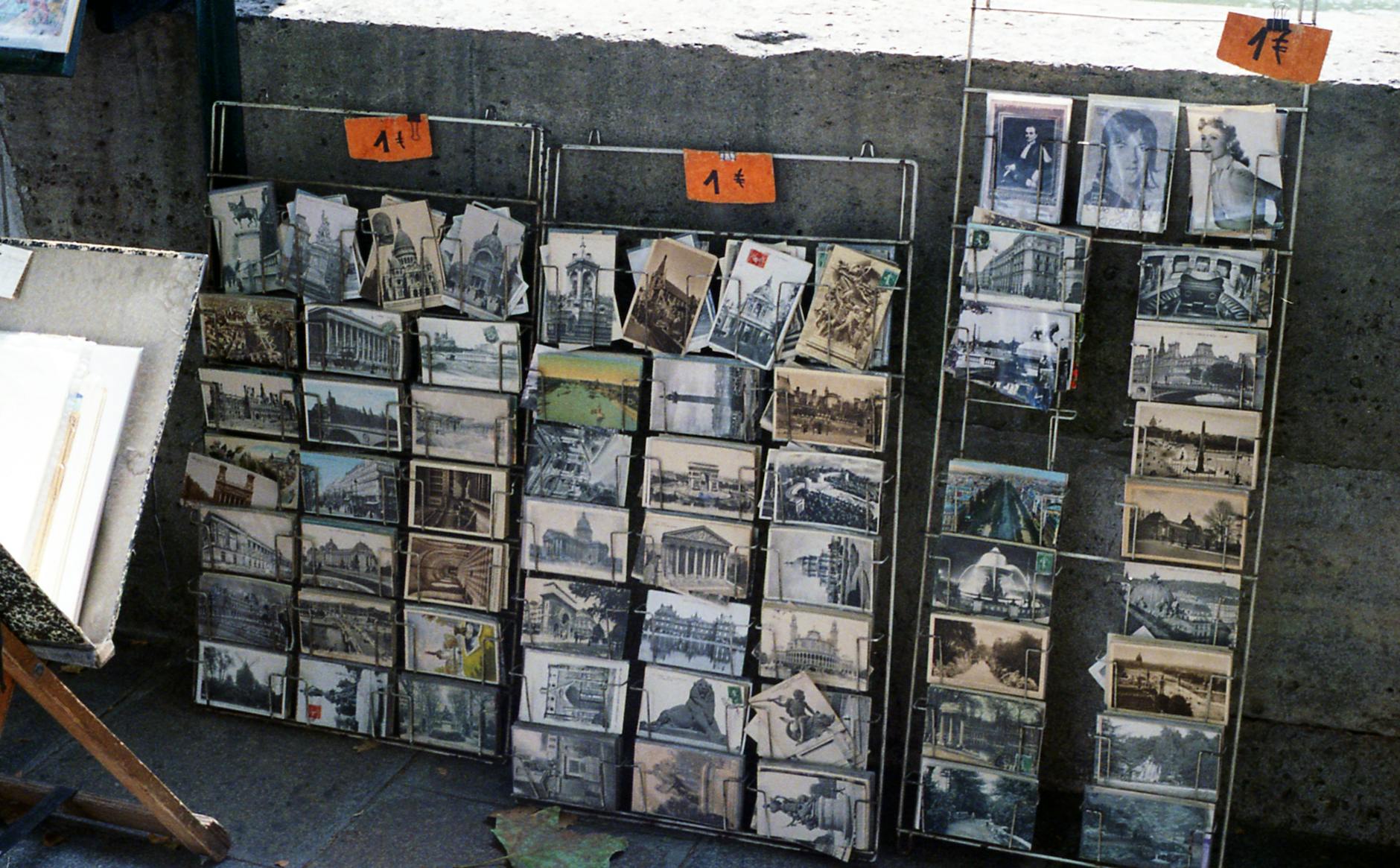
Picking up stones, fragments, sand, or any other material from within the grounds of a historical monument is illegal in most jurisdictions and constitutes theft of cultural heritage. Even taking what appears to be a loose or insignificant piece removes something that belongs to the collective history of the site and its country. Many travelers are unaware of how seriously customs officials and local authorities treat the removal of artifacts or natural materials from protected sites. Leave everything exactly where you found it, without exception.
Hire a Licensed Guide
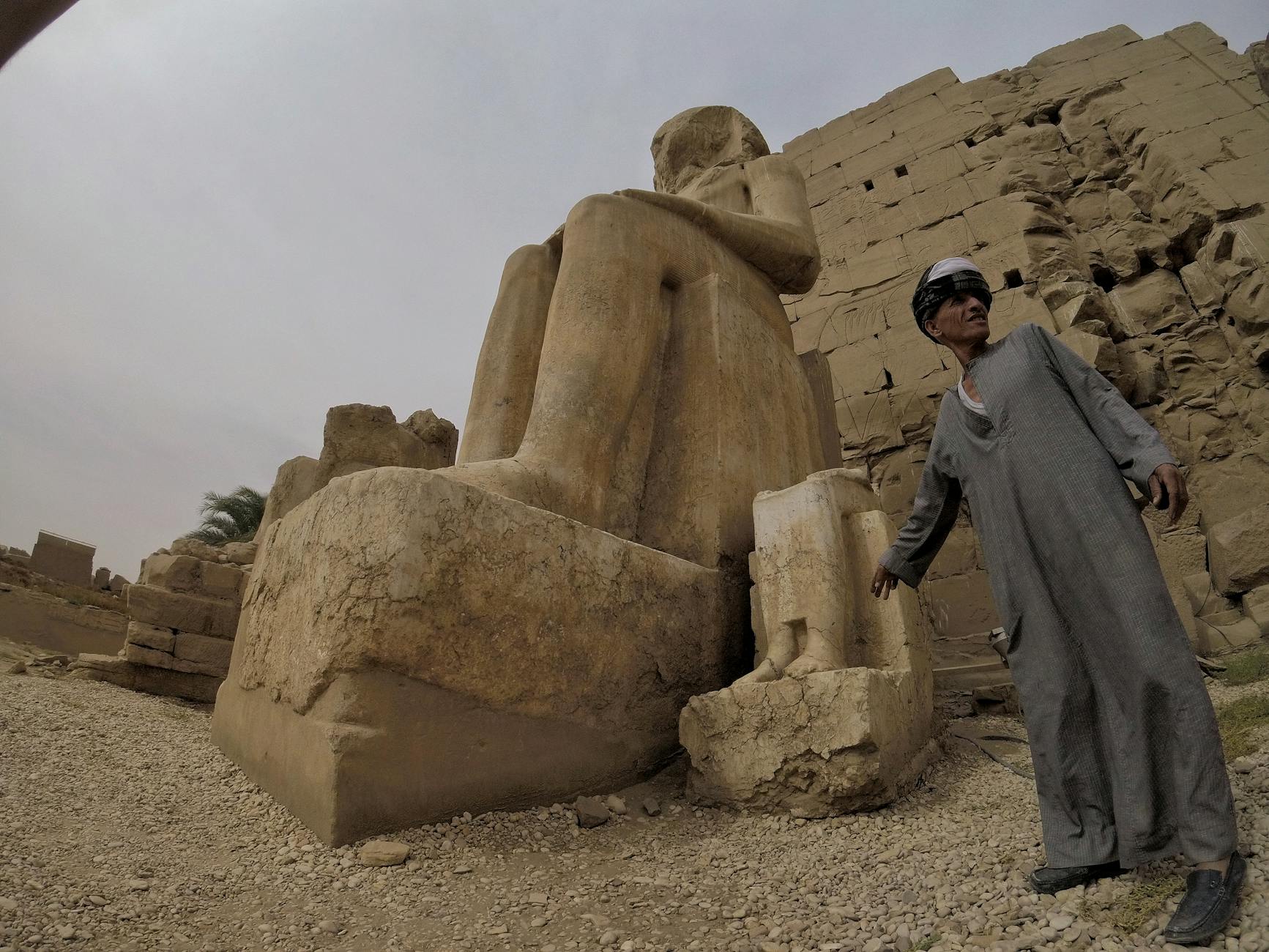
Where official guides are available, choosing to hire one supports the local economy and ensures you receive historically accurate information about the monument. Licensed guides undergo rigorous training to represent the site with precision and cultural sensitivity. Unofficial guides operating outside the site may offer lower prices but frequently provide inaccurate or embellished accounts of the history. Investing in an accredited guide enriches your understanding and contributes to the sustainable management of the monument.
Be Mindful of Sacred Spaces
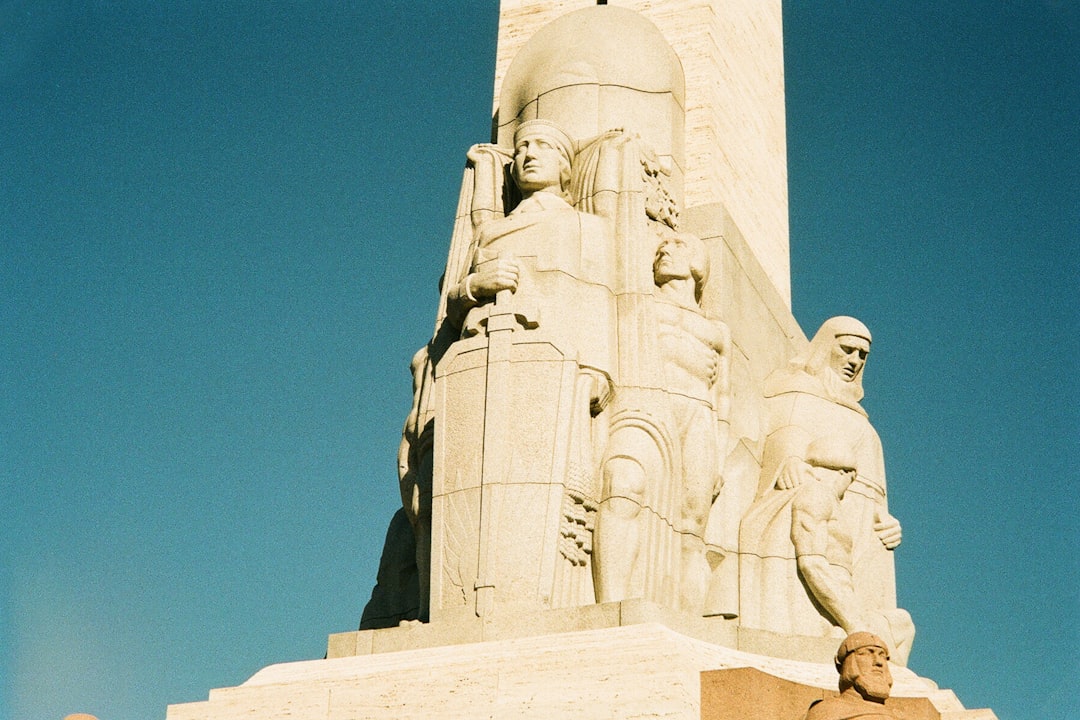
Many historical monuments contain areas of active religious or ceremonial significance, and these spaces demand a heightened level of behavioral awareness. Entering a chapel, shrine, or ceremonial room without pausing to observe what is appropriate in that specific context can cause genuine offense. Removing shoes, covering heads, or observing silence may be required and should be followed without hesitation. Approaching sacred spaces within monuments with the same reverence you would bring to an active place of worship is the universal standard.
Follow Local Customs
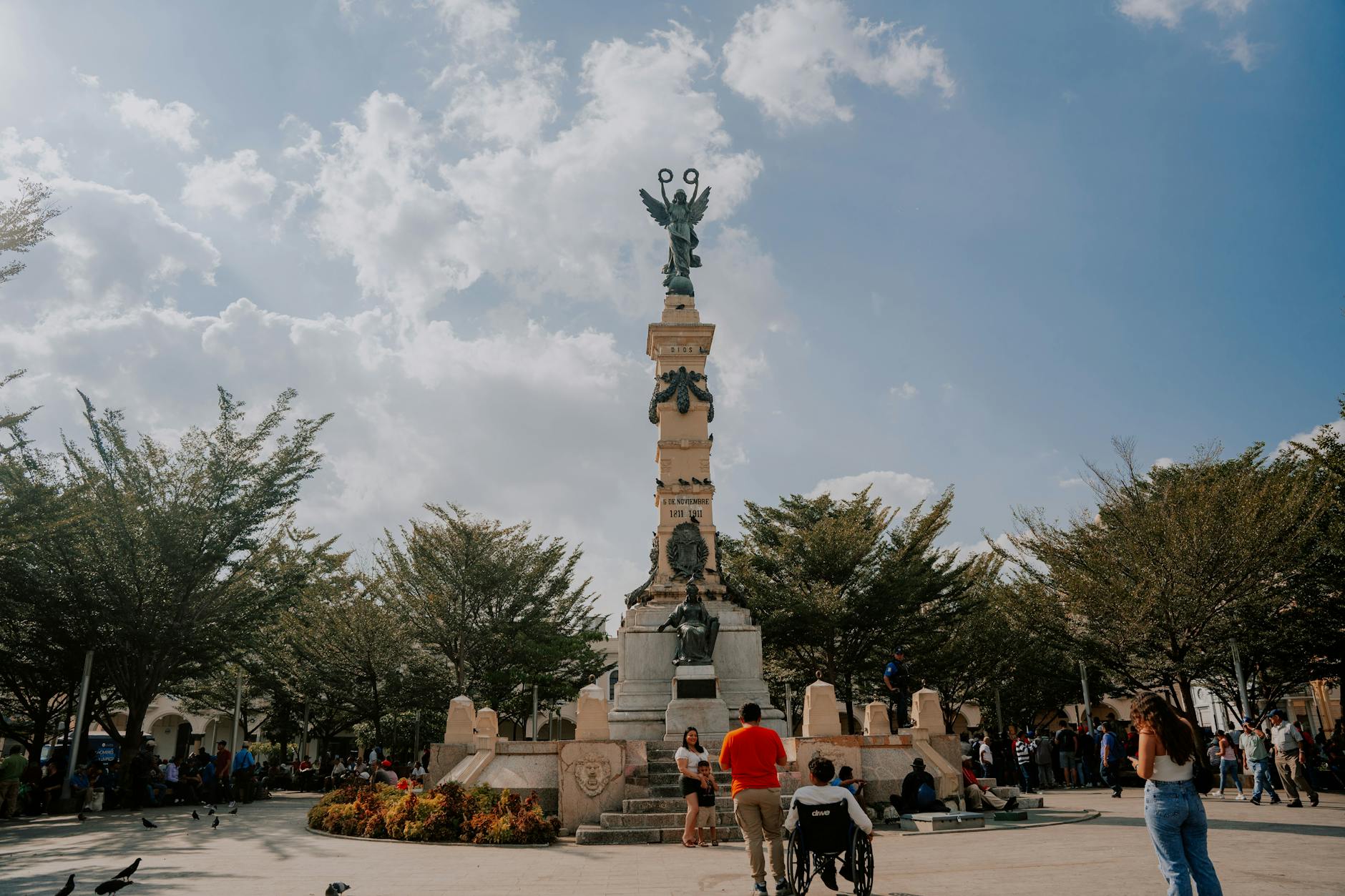
Every monument exists within a cultural context that extends beyond its physical structure, and understanding local customs enriches the visitor experience significantly. In some cultures, pointing at sacred imagery, turning your back on an altar, or raising your voice near a memorial is considered deeply disrespectful. Researching basic cultural protocols before visiting a monument in a foreign country takes minimal time and prevents unintentional offense. Cultural literacy is one of the most valuable tools a thoughtful traveler can carry.
Limit Your Time in Busy Areas
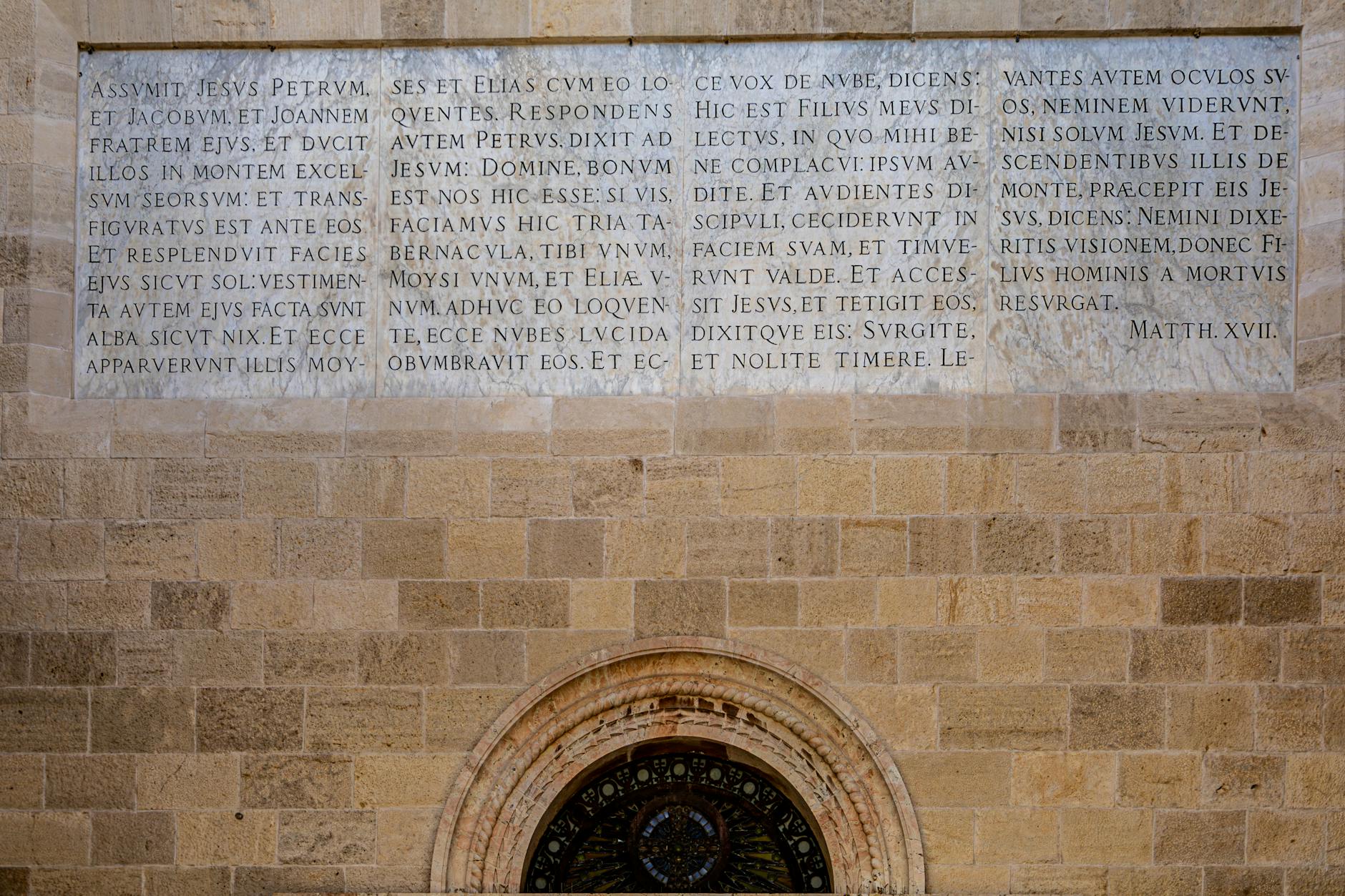
At popular monuments with limited space, lingering too long in key areas prevents other visitors from accessing the experience fairly. Once you have had adequate time to observe and photograph a significant spot, moving on with consideration for those waiting behind you is a natural act of courtesy. This is especially important in enclosed spaces such as burial chambers, viewing platforms, and interior galleries. Conscious time management at busy sites reflects awareness of the communal nature of the visit.
No Flash Photography
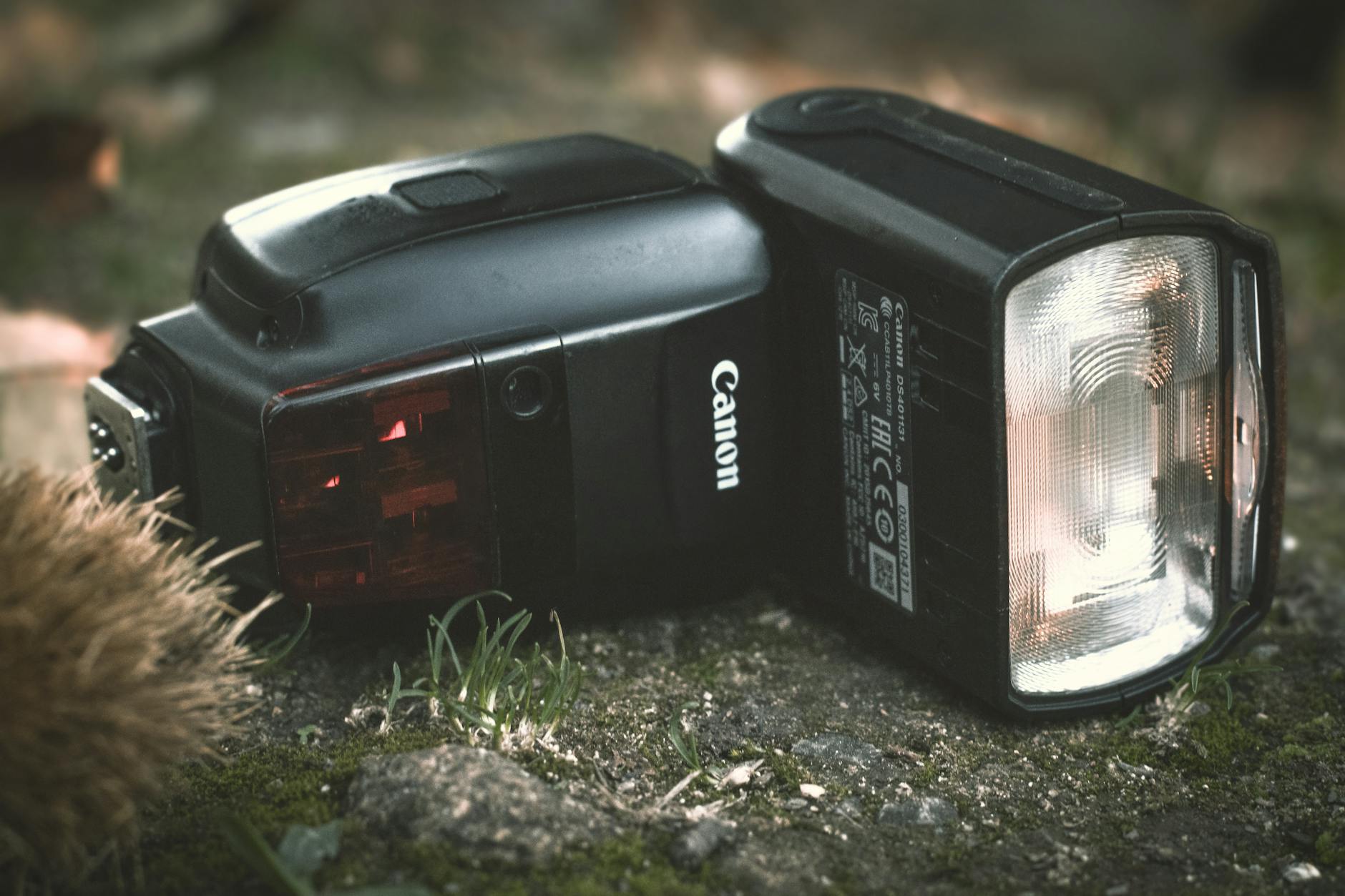
Flash photography is one of the most frequently ignored rules at historical monuments, despite being among the most damaging to light-sensitive surfaces. The cumulative effect of thousands of flashes over time visibly fades pigments in paintings, manuscripts, and decorative textiles. Most modern cameras and smartphones are fully capable of capturing high-quality images in low light without the use of flash. Adjusting your settings before entering ensures compliance without sacrificing the quality of your photographs.
Speak to Staff Respectfully

The stewards, guards, and guides who work at historical monuments are professionals dedicated to preserving and presenting the site on behalf of the public. Addressing them with courtesy, patience, and genuine attention when they offer guidance reflects both good character and good sense. If a rule is explained or a boundary is enforced, receiving that instruction graciously rather than defensively is the mark of a considerate visitor. These individuals are your most reliable resource for navigating the site correctly and safely.
Avoid Peak Hours
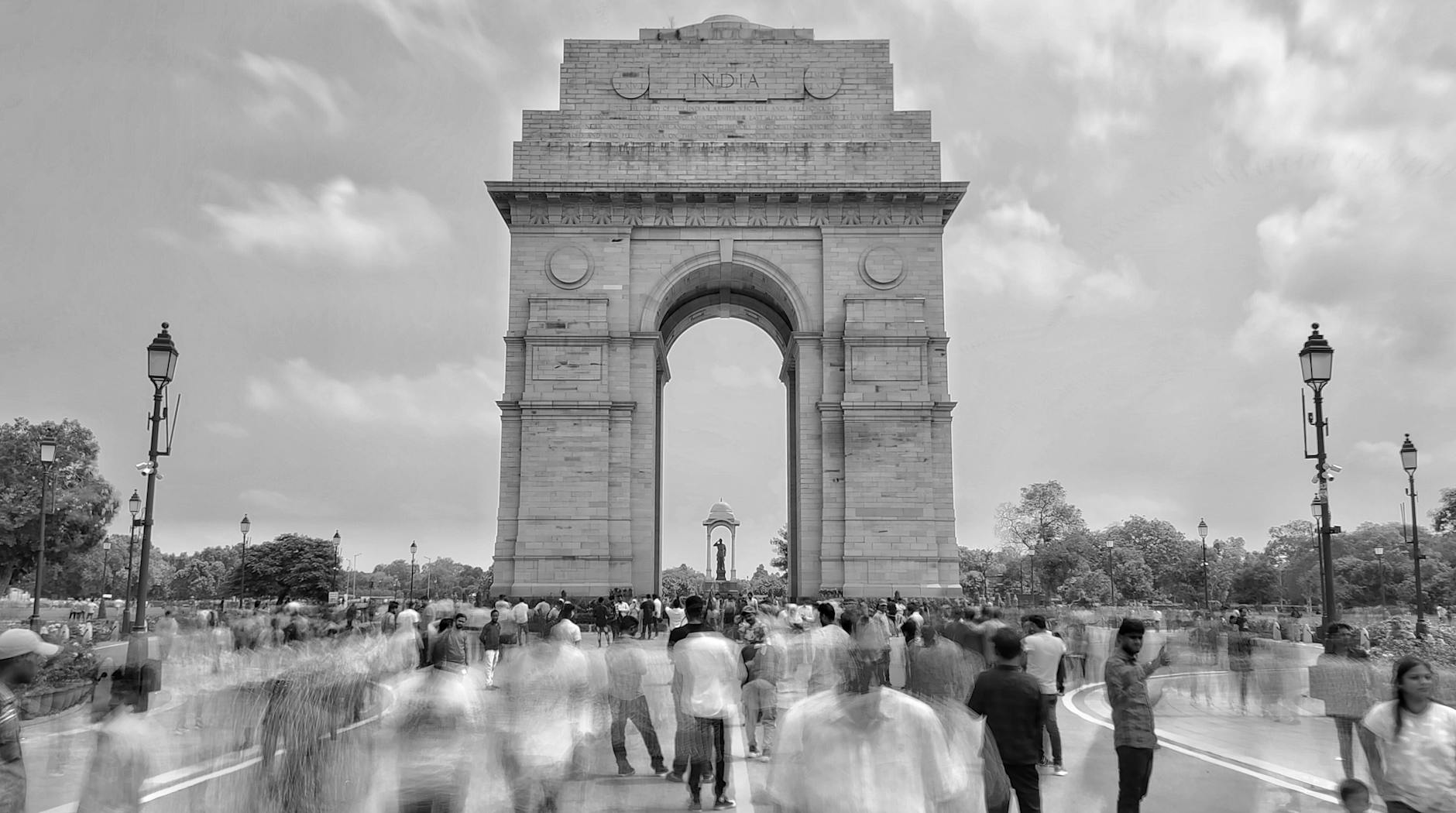
Visiting a historical monument during off-peak hours reduces the pressure on the site, the staff, and the experience itself. Crowded conditions lead to accidental contact with surfaces, noise escalation, and a diminished sense of connection to the place. Many monuments are quieter on weekday mornings or during the first and last hour of opening, offering a more reflective and personal experience. Planning your visit around these windows is a small adjustment that makes a significant difference.
No Tripods Without Permission

Tripods and extended photography equipment are restricted at many historical monuments because they obstruct pathways and create hazards for other visitors. Some sites permit tripod use in specific areas or during designated low-traffic periods with a permit obtained in advance. Assuming permission without checking is a common mistake that leads to confrontation with site staff and disruption to other visitors. Always contact the monument authority in advance if professional or extended photography is part of your plan.
Observe Posted Rules
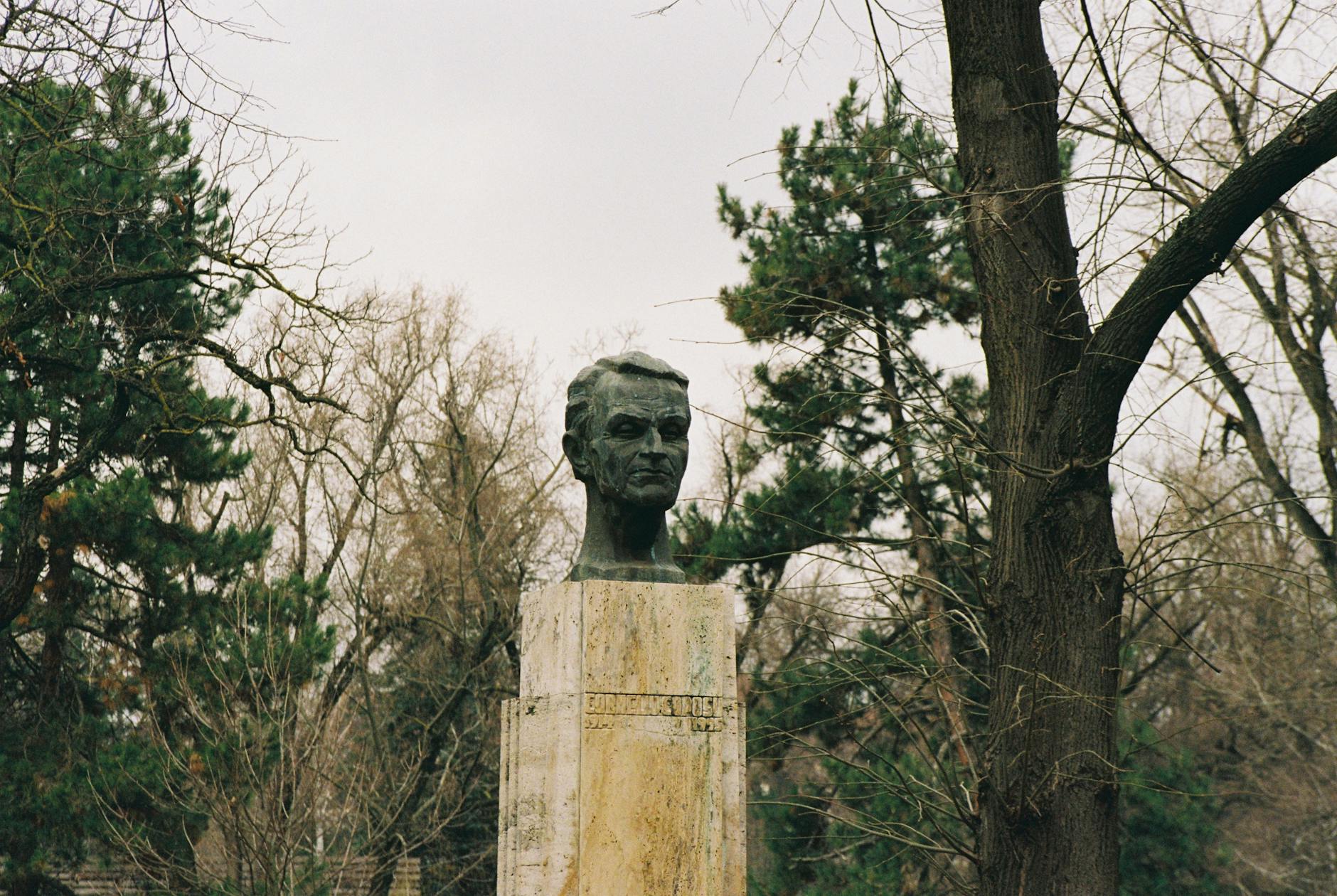
Every historical monument displays a set of site-specific rules at its entrance and often throughout the grounds, and reading them carefully is the first act of respectful visitation. These rules are crafted by conservation specialists and site managers who understand the specific vulnerabilities and sensitivities of the monument. Selective compliance, where a visitor chooses which rules to follow based on personal preference, undermines the entire framework of protection. Full adherence to posted guidelines is the baseline expectation for every visitor without exception.
Dispose of Waste Properly

Beyond simply avoiding littering, thoughtful waste disposal at a historical monument means actively seeking out the correct bin type for recycling, organic material, or general waste where systems are in place. Some highly sensitive sites prohibit the disposal of any waste within the grounds at all, requiring visitors to carry everything out with them upon departure. Carrying a small reusable bag for your own waste ensures you are always prepared to comply with these requirements. The effort required is minimal and the impact on the site is meaningful.
No Drones
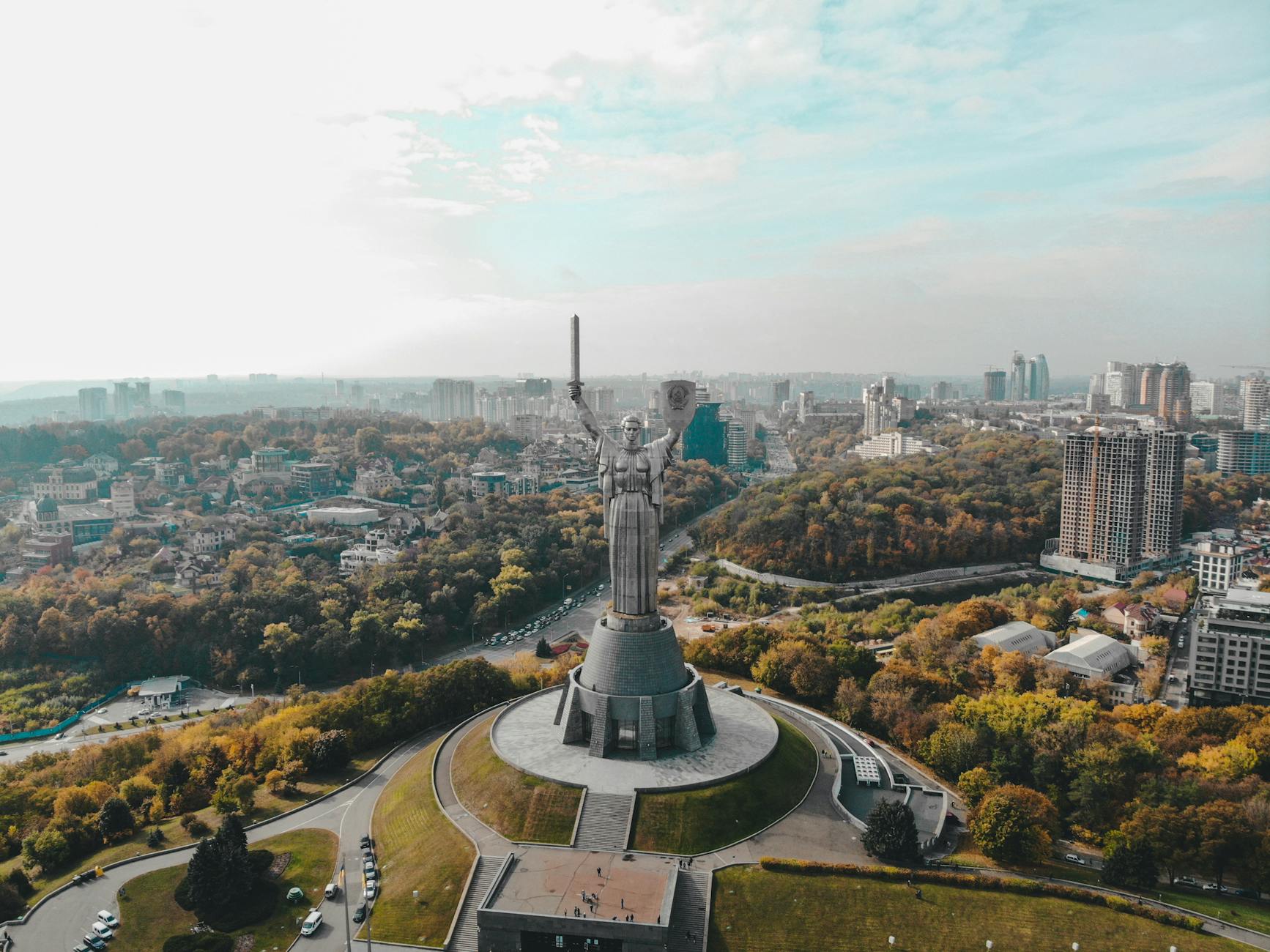
Unmanned aerial vehicles are prohibited at the overwhelming majority of historical monuments worldwide for reasons of safety, privacy, and preservation of the visitor experience. The noise, distraction, and potential for collision with ancient structures make drone use fundamentally incompatible with the protected status of these sites. Flying a drone without prior written authorization from the monument authority is illegal in most countries and carries substantial penalties. If aerial photography of the site is important to you, seek the appropriate channels and permissions well in advance of your visit.
Be Present
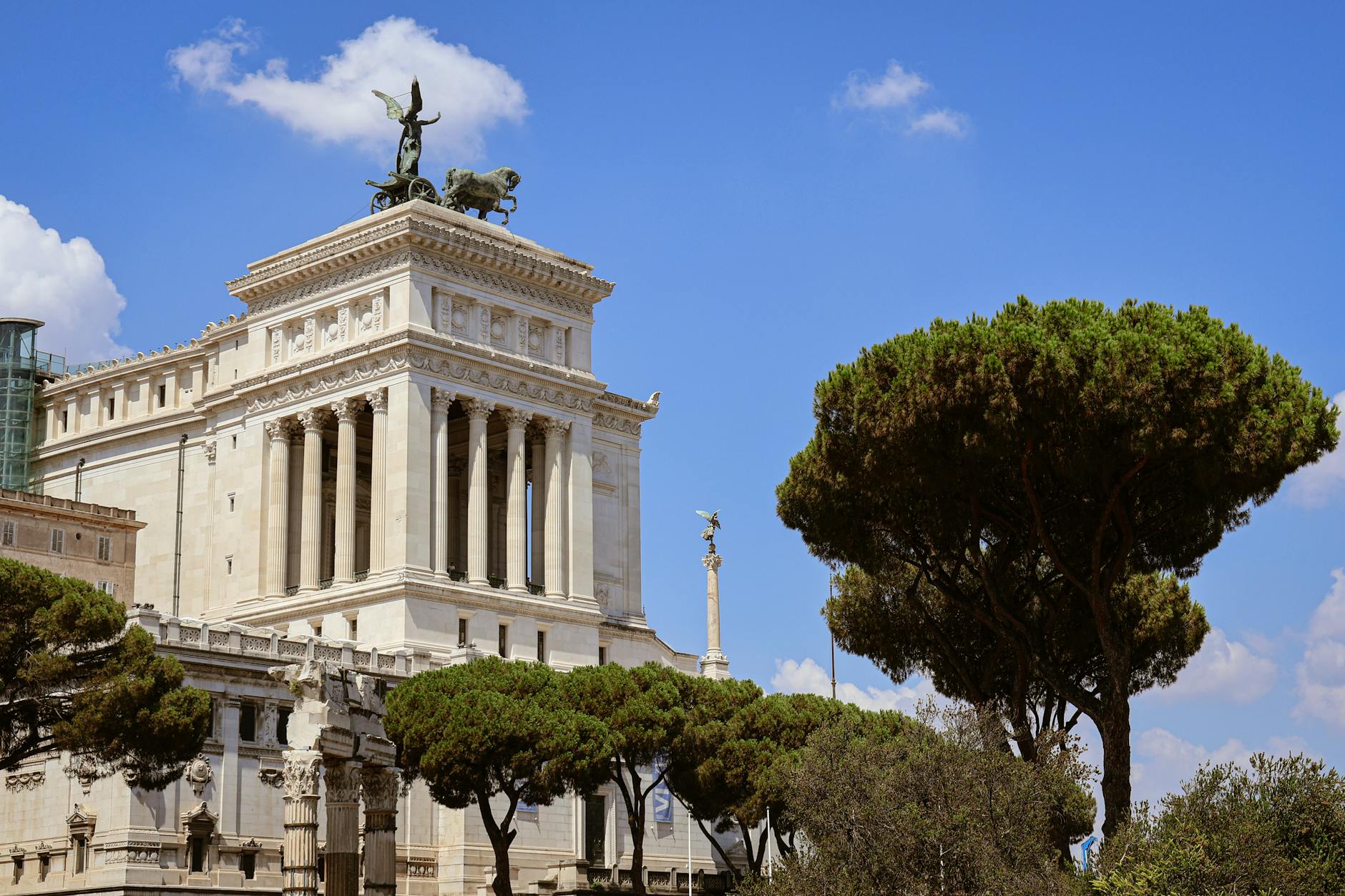
Perhaps the most overlooked element of monument etiquette is the quality of attention a visitor brings to the experience itself. Spending the majority of a visit looking at a screen, scrolling through notifications, or planning the next destination diminishes both your own experience and the atmosphere for those around you. A historical monument deserves a degree of presence and genuine engagement that honors its significance. Allowing yourself to simply look, listen, and absorb is the most meaningful tribute you can offer to any site of historical importance.
Practice Patience
From busy queues to crowded viewing areas and unexpected closures, visiting a historical monument rarely unfolds without at least some degree of inconvenience. Responding to these moments with composure and good humor makes the experience more enjoyable for yourself and for those around you. Staff and fellow visitors alike benefit from an environment where patience is modeled rather than demanded. Approaching the entire visit with a spirit of openness and adaptability is the final and perhaps most encompassing rule of monument etiquette.
Which of these etiquette rules do you find most important or most commonly overlooked? Share your thoughts in the comments.