The way a man dresses communicates his energy, awareness, and connection to the present far more than most people realize. Certain long-held habits or overlooked details can quietly add years to an appearance without ever being directly addressed. Small but meaningful shifts in fit, fabric choice, and styling can transform how polished and vital a man looks at any age. Understanding which mistakes to correct is the single most powerful step toward building a wardrobe that works in your favor.
Baggy Ill-Fitting Clothes
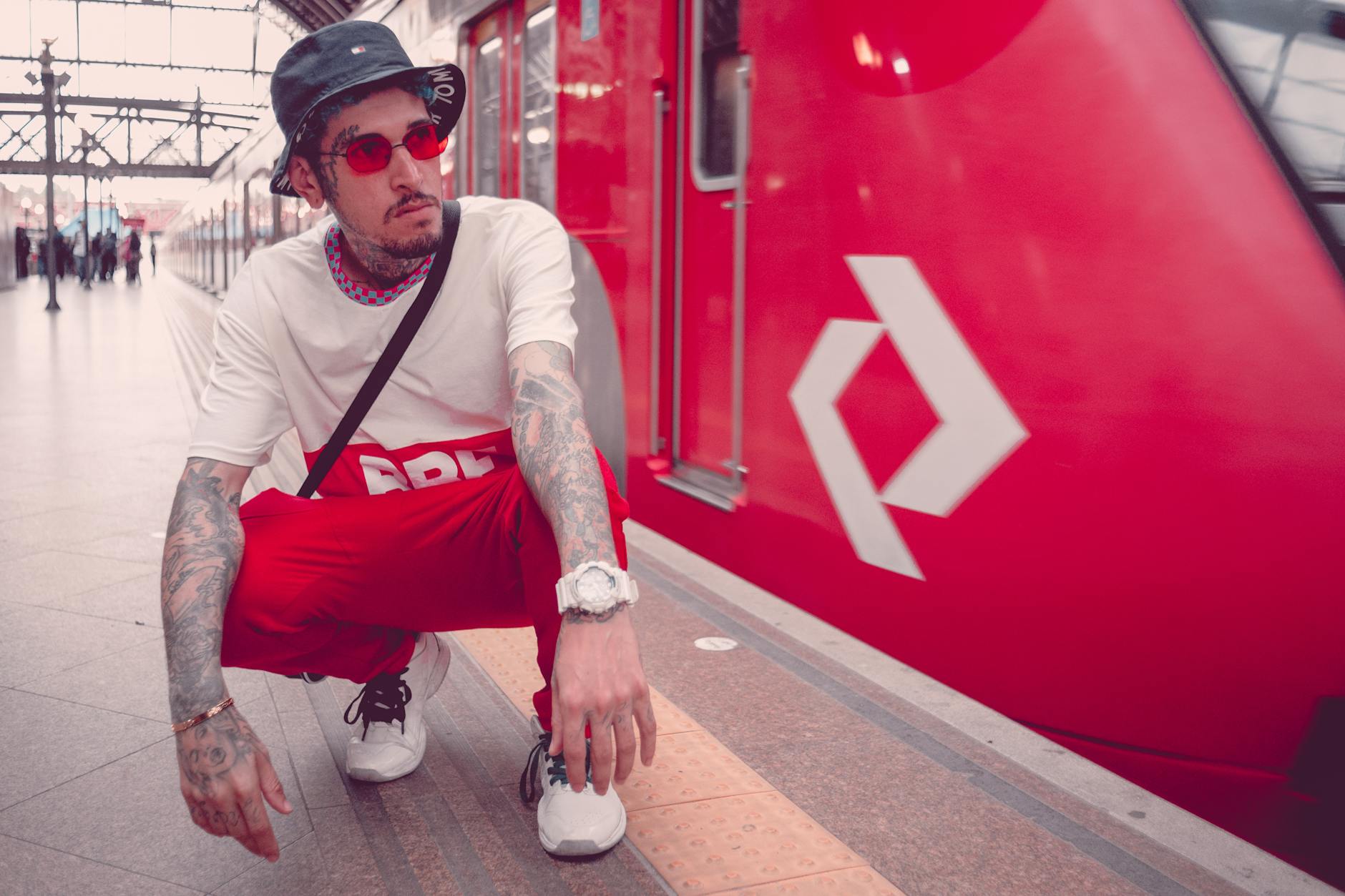
Excess fabric is one of the most common and most aging mistakes a man can make. Oversized shirts, wide-leg trousers, and boxy jackets create a shapeless silhouette that drains vitality from any outfit. Modern tailoring favors a slim to regular fit that follows the natural lines of the body without feeling restrictive. Even relaxed casual pieces like chinos and crewnecks benefit from a closer, more considered fit. Swapping one oversized staple for a better-fitting version is the easiest upgrade available to any wardrobe.
Overly Tight Fits
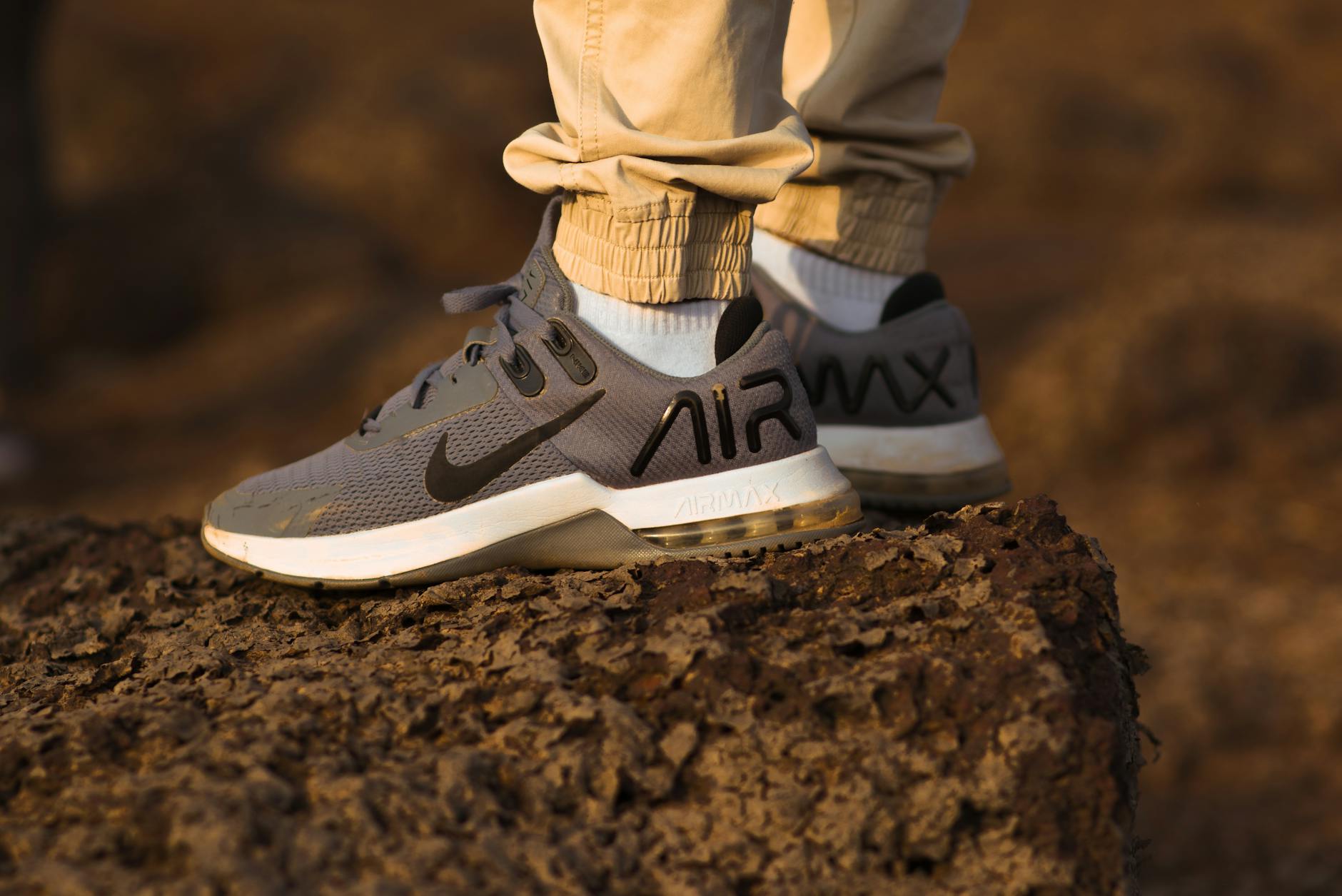
Clothes that are too tight create visible strain and discomfort that reads as unflattering on men of all ages. Pulling fabric across the chest, back, or thighs signals that the garment was chosen in the wrong size rather than for a deliberate aesthetic. A well-fitting piece should skim the body with ease and allow full freedom of movement. The goal is always a clean line rather than compression. Fit exists on a spectrum and finding the right point for each body type makes an enormous visual difference.
Outdated Suit Cuts

A suit that was fashionable in a previous decade carries the weight of that era on its shoulders quite literally. Boxy double-breasted cuts from the nineties or the ultra-padded silhouettes of the eighties project an image that is frozen in time. Contemporary suiting favors a cleaner shoulder line, a slimmer lapel, and a jacket that sits closer to the torso. Updating even one suit to a modern cut can shift an entire wardrobe’s energy. Tailoring an existing suit is often more cost-effective than replacing it entirely.
Worn-Out Footwear
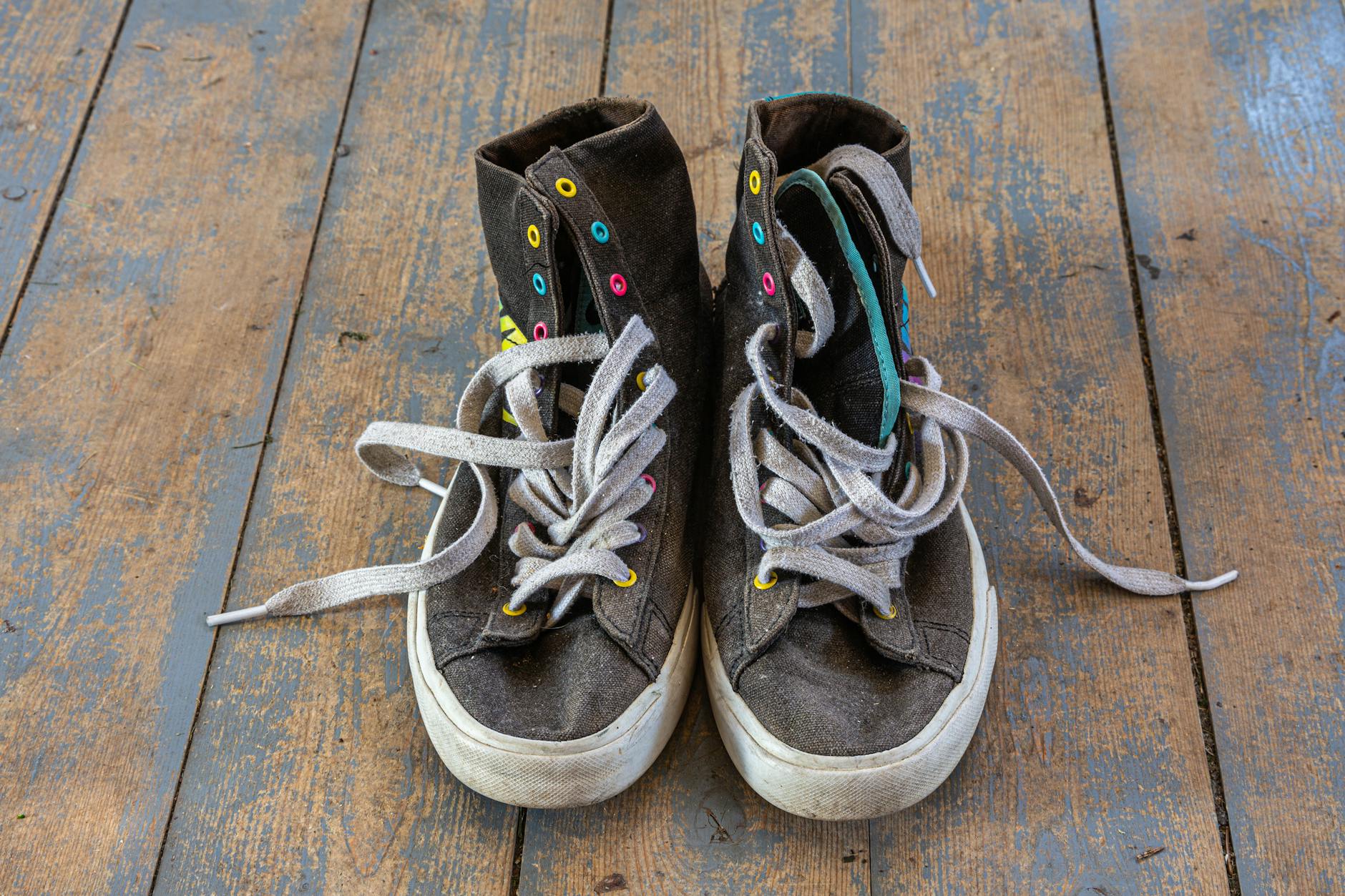
Shoes that are scuffed, cracked, or structurally compromised undermine even the sharpest outfit above the ankle. Footwear is one of the first things people notice and one of the last things men tend to replace. A worn-down heel or peeling sole communicates a lack of attention to detail that ages the overall look considerably. Quality leather shoes respond remarkably well to regular polishing and resoling which can extend their life for years. Investing in fewer pairs of better shoes and maintaining them consistently is a straightforward formula for a more elevated appearance.
Elastic-Waist Trousers
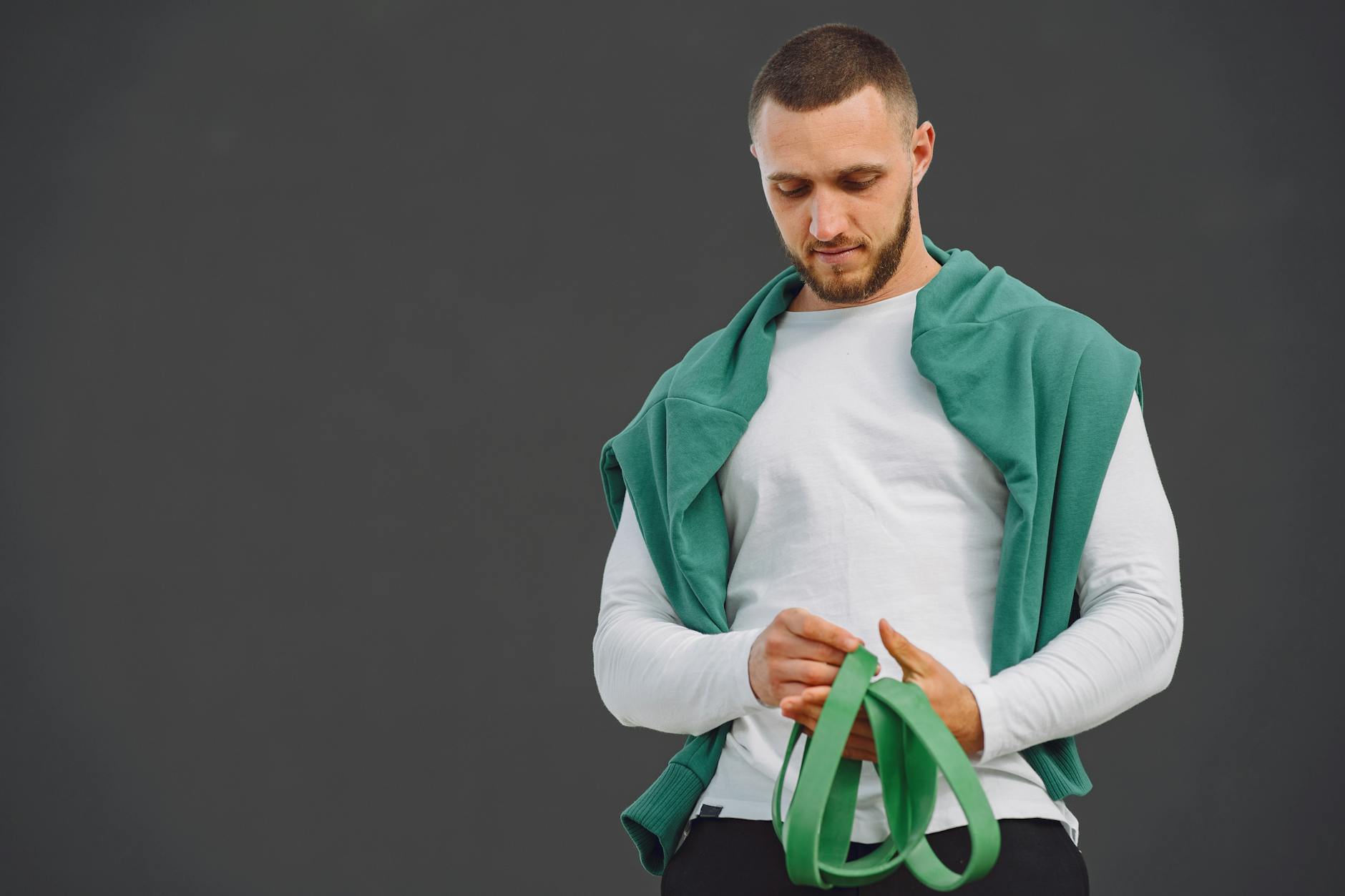
Trousers with an elastic waistband have a relaxed comfort that comes at a significant stylistic cost. The absence of structure around the waist creates a soft and unflattering silhouette that reads as purely utilitarian. Even in casual settings, a well-cut chino or pull-on trouser with a structured waistband offers both comfort and a far more refined shape. The visual difference between elastic and structured waistbands is immediately apparent when the two are placed side by side. Choosing structure over ease in this area pays dividends across the entire lower half of any outfit.
The Too-Long Tie
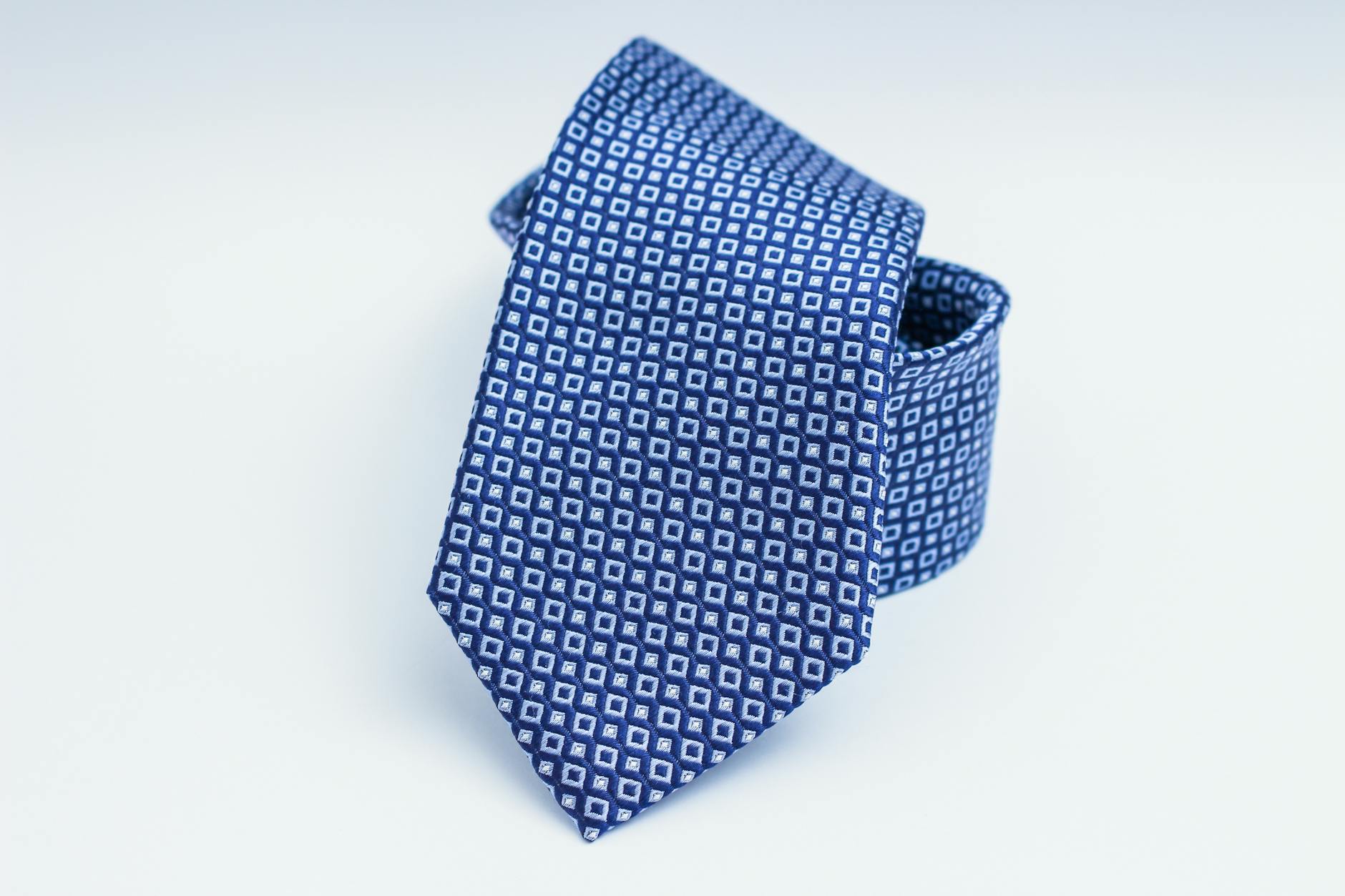
A tie that extends past the trouser waistband is one of the most persistent and aging styling errors in menswear. The standard rule places the tip of the tie at or just above the belt buckle for a reason rooted in proportion and visual balance. A tie that hangs too low elongates the torso in an unflattering way and disrupts the clean vertical line of a dress shirt. Knot choice also plays a role as a bulky or asymmetrical knot can throw off the entire neckline. Taking a moment to check the length in the mirror before leaving the house costs nothing and improves the look immediately.
Short-Sleeved Dress Shirts

Pairing a short-sleeved button-up with dress trousers or a blazer creates a visual inconsistency that sits awkwardly between formal and casual. The short sleeve interrupts the clean line that a dress shirt is supposed to extend from collar to cuff. This particular combination was common in workplace settings of earlier decades and carries a strong retro association that does not read as intentional vintage styling. A long-sleeved shirt rolled to the elbow achieves a relaxed look with considerably more sophistication. Reserving short sleeves for genuinely casual contexts keeps the overall wardrobe more coherent.
Novelty Neckwear
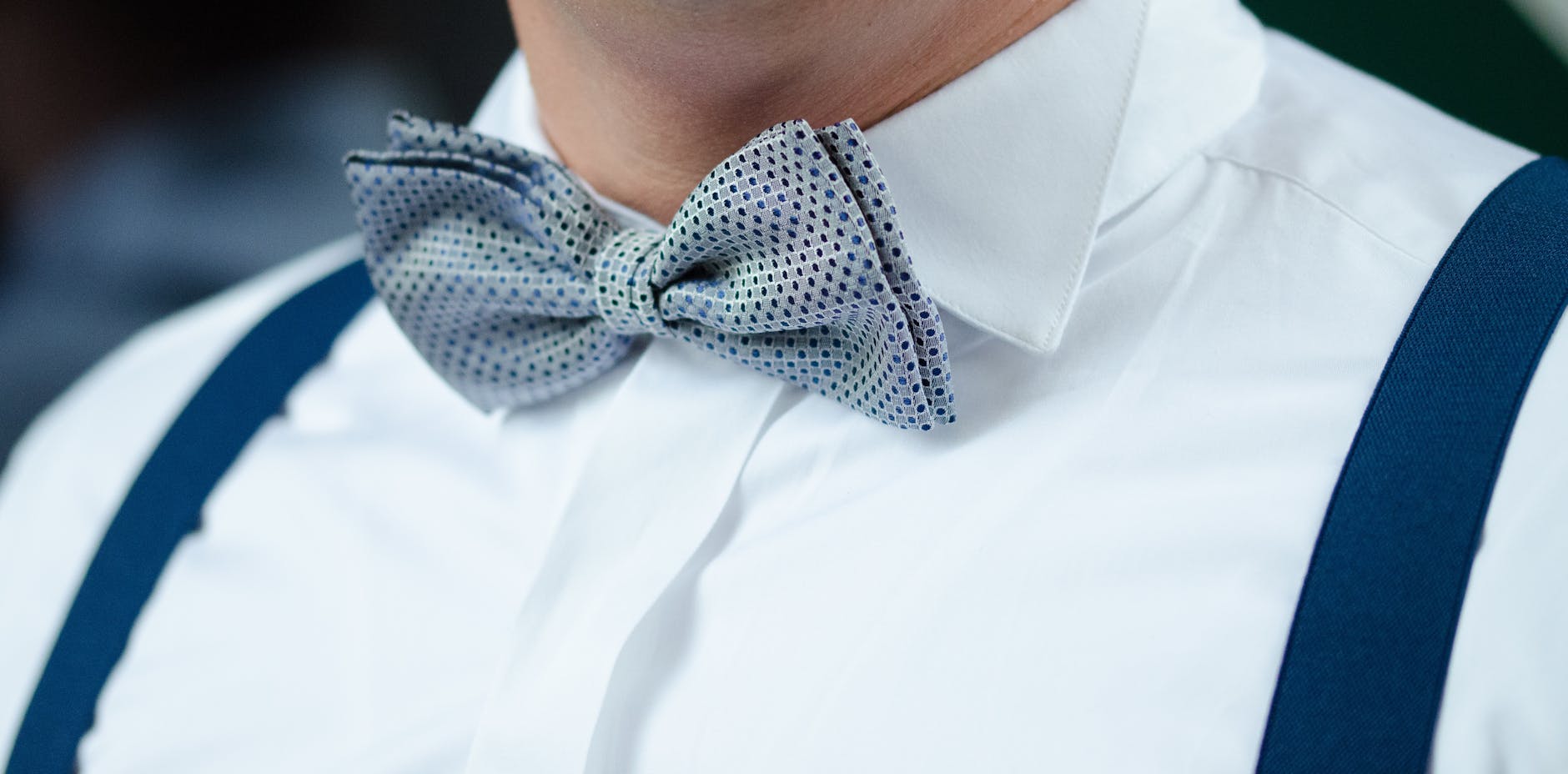
A tie featuring cartoon characters, holiday motifs, or humorous printed graphics introduces an element of irony that rarely lands as intended. Novelty neckwear tends to function as a conversation piece at the expense of overall polish. The tie is the central visual anchor of any formal or smart-casual outfit and using it to project humor undermines the entire ensemble. Pattern interest in neckwear is best achieved through classic options like stripes, small geometric prints, or woven textures. These choices add personality without sacrificing sophistication or adding unnecessary years to the wearer.
Stonewashed Denim

Heavily stonewashed or acid-washed denim carries a distinct aesthetic that belongs firmly to a specific cultural era. The bleached and faded finish that was popular in the eighties and nineties now reads as dated rather than vintage. Contemporary denim favors cleaner washes in medium indigo, deep navy, or a true raw finish depending on the desired formality. The color and treatment of denim communicates era as clearly as any other garment detail. Updating to a cleaner wash is one of the most affordable ways to modernize a wardrobe instantly.
Clashing Patterns
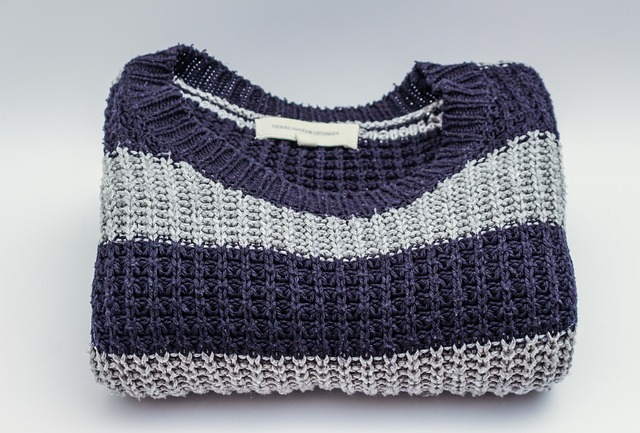
Wearing multiple competing patterns without an understanding of scale and contrast creates visual noise that is exhausting to look at. A striped shirt paired with a checked jacket and a printed tie produces a result that looks unintentional rather than expressive. The foundational rule of pattern mixing requires that one pattern should always dominate while others remain subordinate in scale and intensity. Starting with a simple combination of one pattern and one solid is a reliable strategy for most men. Restraint in pattern mixing is one of the clearest marks of stylistic maturity.
An All-Beige Palette

Dressing entirely in shades of beige, camel, and sand creates a washed-out effect that can make the complexion appear dull and undefined. While neutrals are a valuable foundation for any wardrobe they work best when anchored by at least one stronger tone. The absence of contrast between clothing and skin tone removes the visual sharpness that keeps an outfit looking intentional and current. Introducing one grounded navy, forest green, or charcoal piece into an otherwise neutral outfit restores that essential definition. Color does not need to be loud to be effective and even a single deeper tone changes everything.
Avoiding Color Entirely

A wardrobe built exclusively on black, grey, and white can project a severity that reads as austere rather than sophisticated. Men who avoid color entirely often do so out of a desire for simplicity but the result can feel visually flat and lifeless. A single well-chosen color whether it appears in a shirt, a sweater, or a pair of trousers can animate an entire outfit with very little effort. Earth tones like rust, olive, and burgundy offer color without requiring a dramatic departure from a neutral comfort zone. Introducing even one colored piece per outfit is enough to shift the energy considerably.
Athletic Socks With Dress Shoes
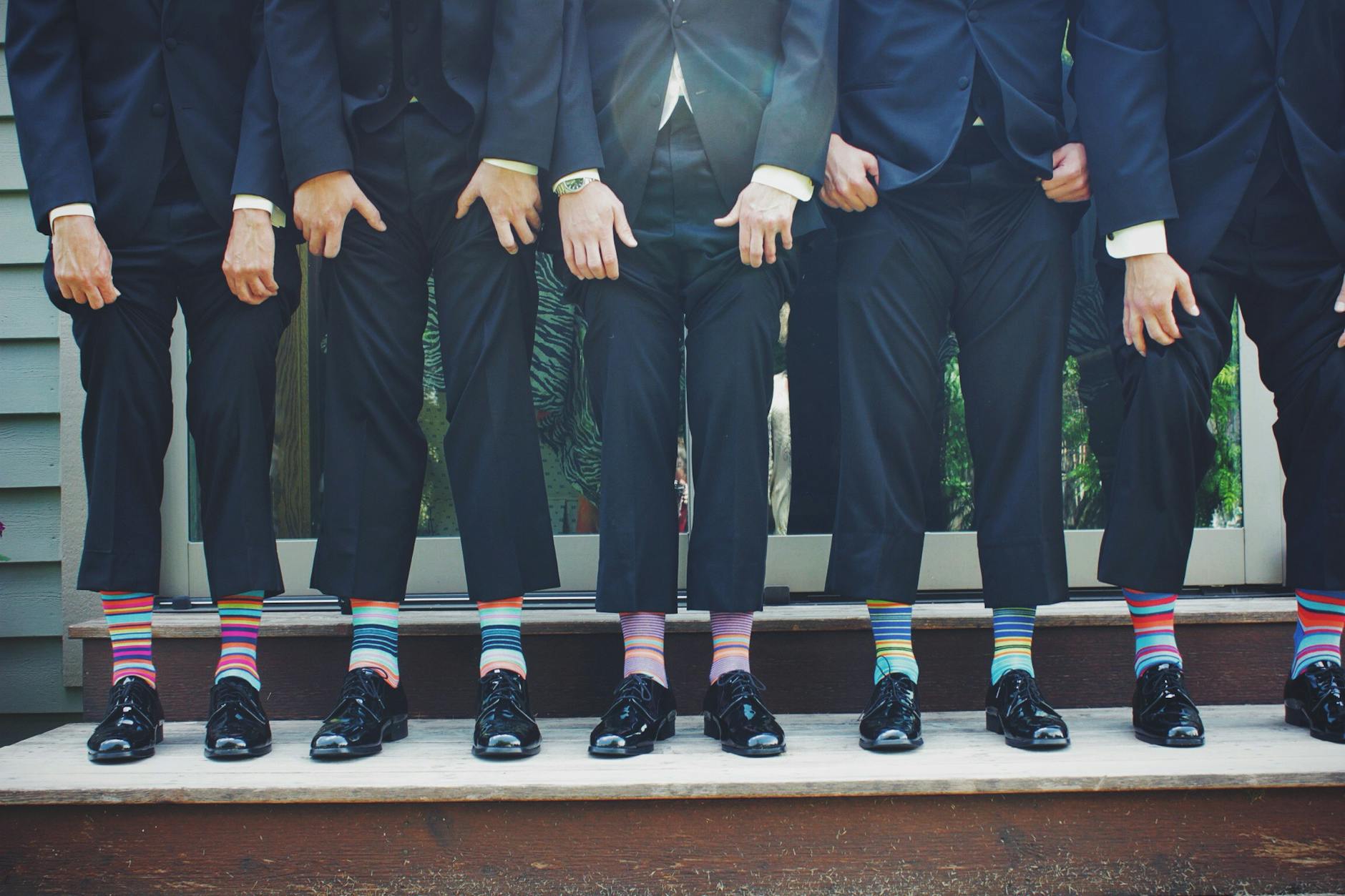
White athletic socks worn with loafers, oxfords, or leather boots create a jarring contrast that disrupts the visual continuity of an outfit from the ground up. The ankle is a transition zone that most people overlook but which has a significant impact on overall polish. Dress socks in a matching or tonal color to the trousers create a clean uninterrupted line from hem to shoe. Patterned dress socks in a complementary color offer a subtle opportunity for personality without compromising elegance. This is one of the smallest and least expensive changes with one of the most immediate visible returns.
Outdated Pleated Trousers

Pleated trousers with wide legs and a high rise were a cornerstone of nineties and early two-thousands professional dressing. That specific combination of features has a strong period association that is difficult to separate from its era. Contemporary pleated trousers do exist and can look excellent but they feature a slimmer leg, a cleaner drape, and a more modern rise. The difference between an updated pleat and a dated one is visible in proportion and cut rather than in the pleat itself. Choosing modern interpretations of classic details keeps the look grounded in the present.
Oversized Blazers
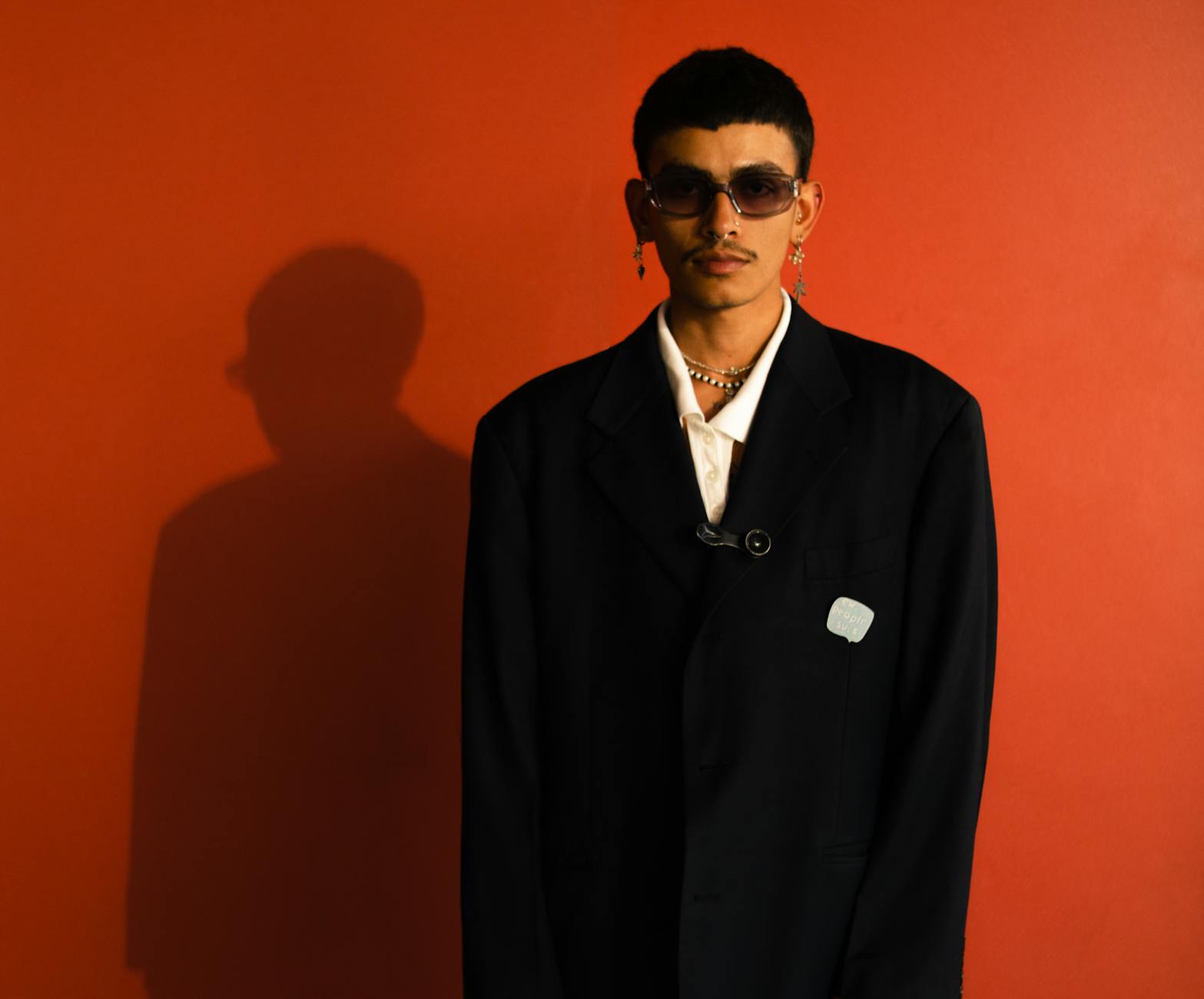
A blazer that is too large in the shoulders hangs off the frame and creates a silhouette that is shapeless from the very top of the garment downward. The shoulder seam is the single most important point of fit on any tailored piece and getting it right affects everything below it. When a jacket shoulder falls even slightly past the natural shoulder line the entire structure of the garment collapses. An oversized blazer also tends to have excess sleeve length and a torso that gaps or bunches at unflattering points. Tailoring the shoulder of an existing blazer is a more complex alteration but one that transforms the garment entirely.
Belt and Shoe Mismatches
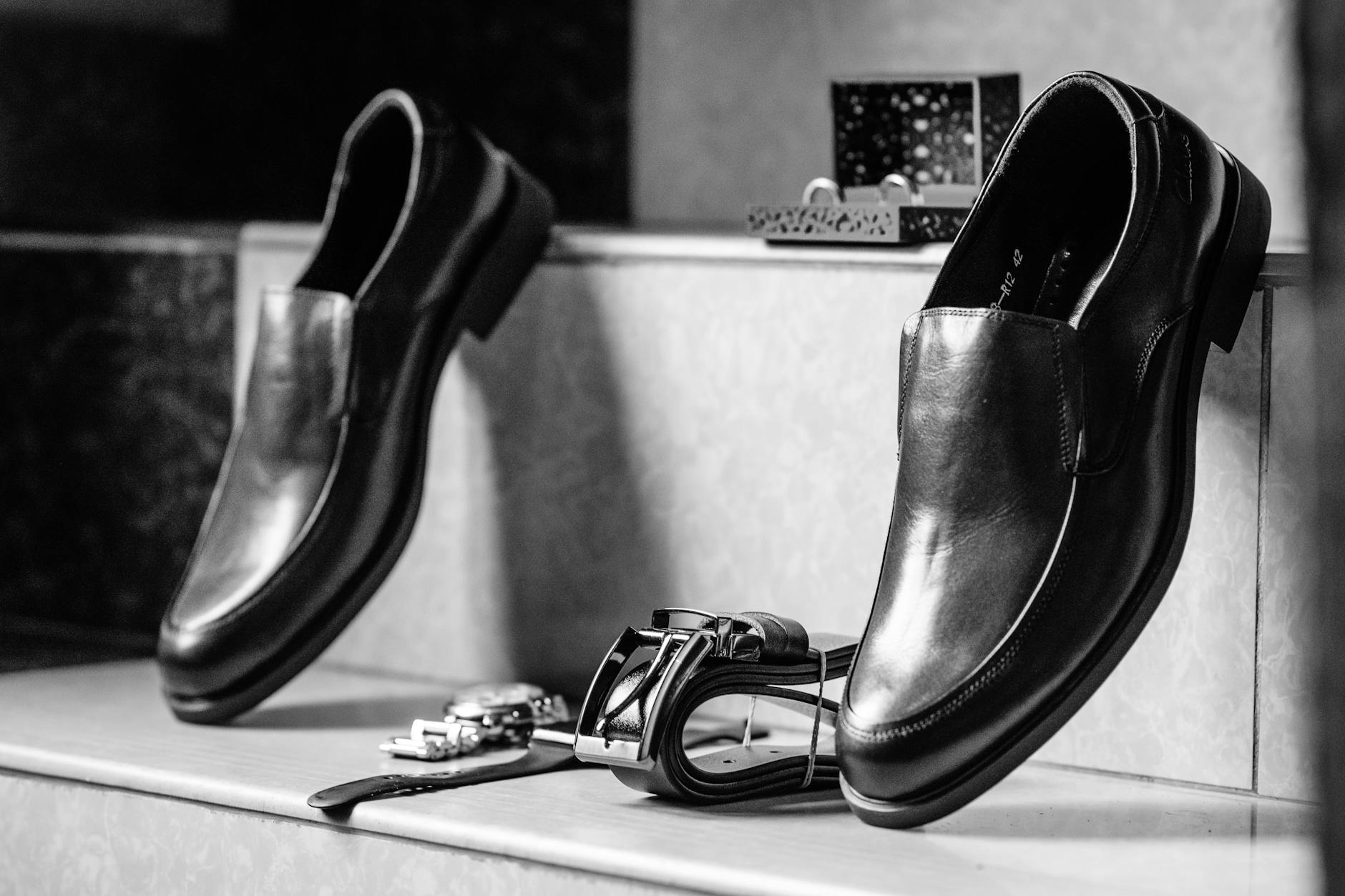
Wearing a brown belt with black shoes or a black belt with tan footwear creates a visible inconsistency that signals inattention to detail. The belt and shoe are the two most prominent leather accessories in any outfit and their relationship to each other matters enormously. Matching them in both color and finish creates a sense of coherence that elevates the whole look without requiring any additional effort. This rule applies equally in casual contexts where a canvas belt and casual sneakers should still feel intentional and coordinated. Building a simple rotation of two or three belt and shoe pairings eliminates this mistake permanently.
Outdated Eyeglass Frames
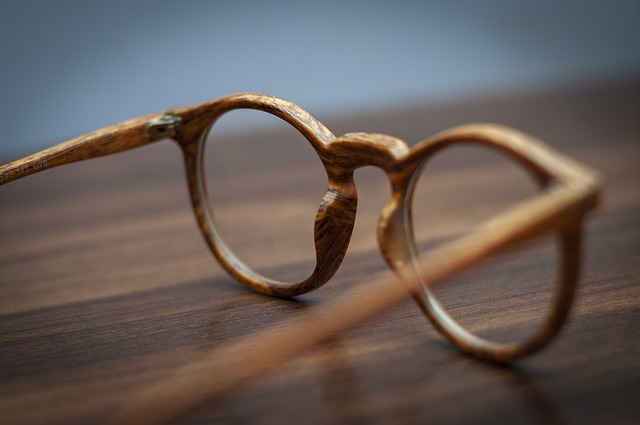
Eyeglass frames that were fashionable in a previous era anchor the wearer visually to that period in a way that is hard to override with other styling choices. Frames from the nineties and early two-thousands tend to feature overly large lenses, exaggerated shapes, or colors that are distinctly of their moment. Contemporary frame styles range from minimal metal to architectural acetate and the selection is broad enough to suit any face shape or personal aesthetic. Updating frames is an investment that touches every aspect of a man’s daily appearance. The right frame can take years off a face far more effectively than any clothing change alone.
Logo-Heavy Clothing
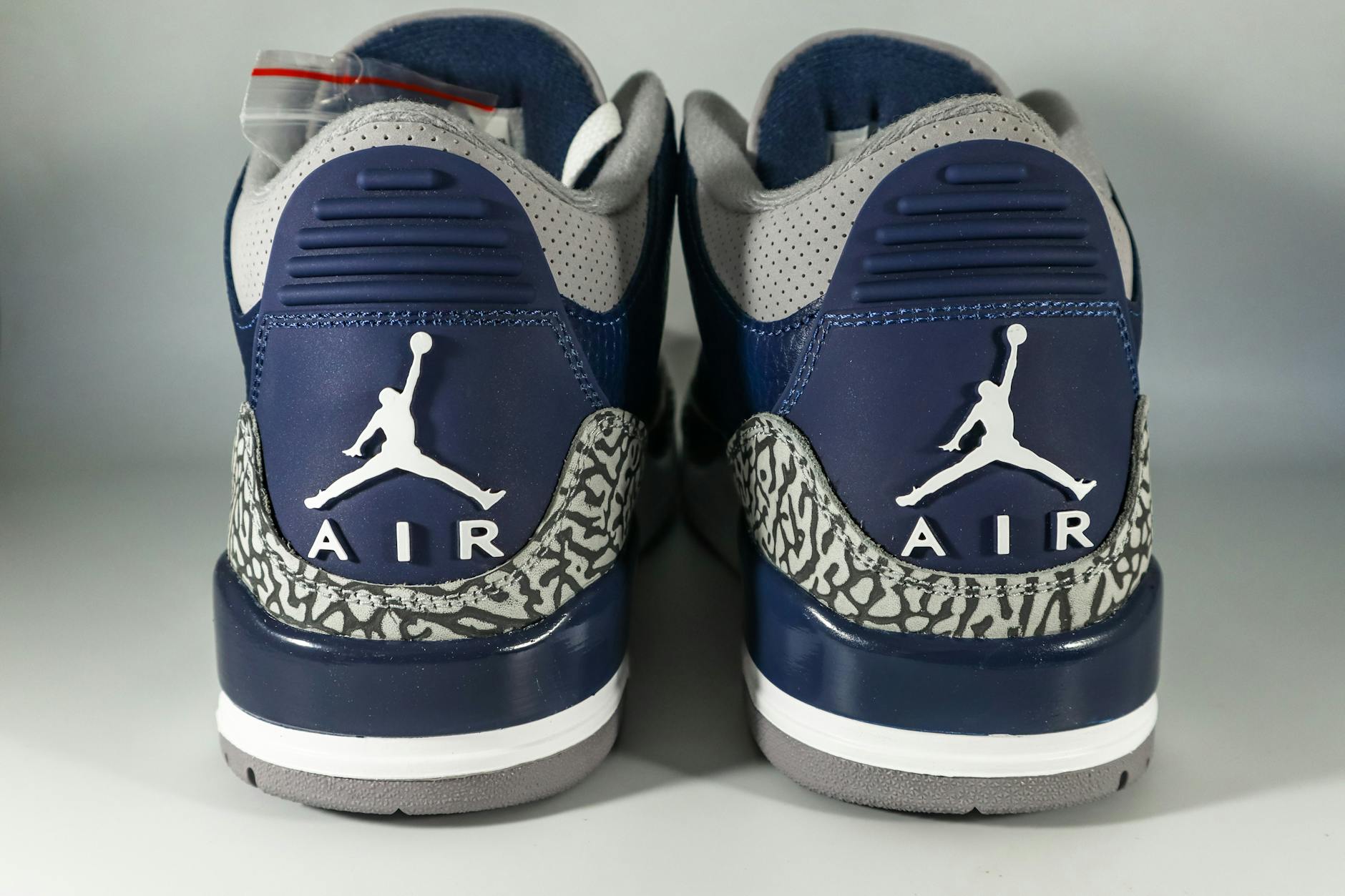
Wearing garments that feature large visible logos across the chest, back, or sleeves communicates brand allegiance in a way that can undermine personal style. Heavy logomania was central to a particular phase of streetwear and luxury fashion but as a daily default it reads as either dated or insecure. Subtle branding or no branding at all is consistently the more sophisticated choice across all price points. The quality and cut of a well-made piece speak for themselves without requiring a label to do the talking. Replacing logo-forward pieces with cleaner alternatives immediately modernizes a wardrobe’s overall register.
Worn and Pilling Fabrics
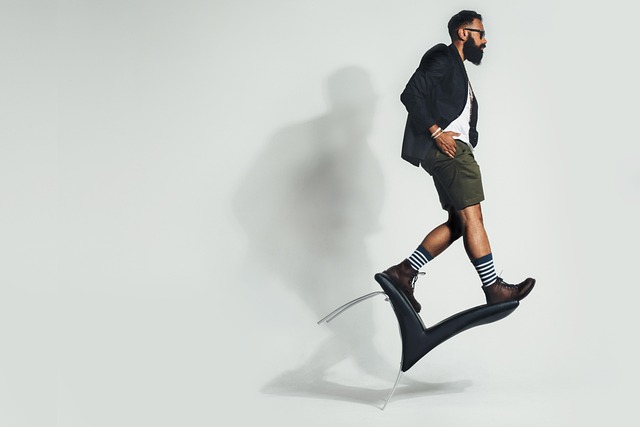
Clothing that has developed pills, thinned at the elbows, or begun to fray at the cuffs communicates wear that no amount of styling can conceal. Fabric quality degrades over time and garments that have exceeded their lifespan drag down every other piece they are worn alongside. A cashmere sweater that pills or a cotton shirt that has gone translucent with washing should be retired rather than rotated. Refreshing even a handful of key basics with newer versions instantly elevates the appearance of an entire outfit. Wardrobe maintenance is as important as wardrobe building and the two should be treated with equal seriousness.
Poor Shoulder Fit
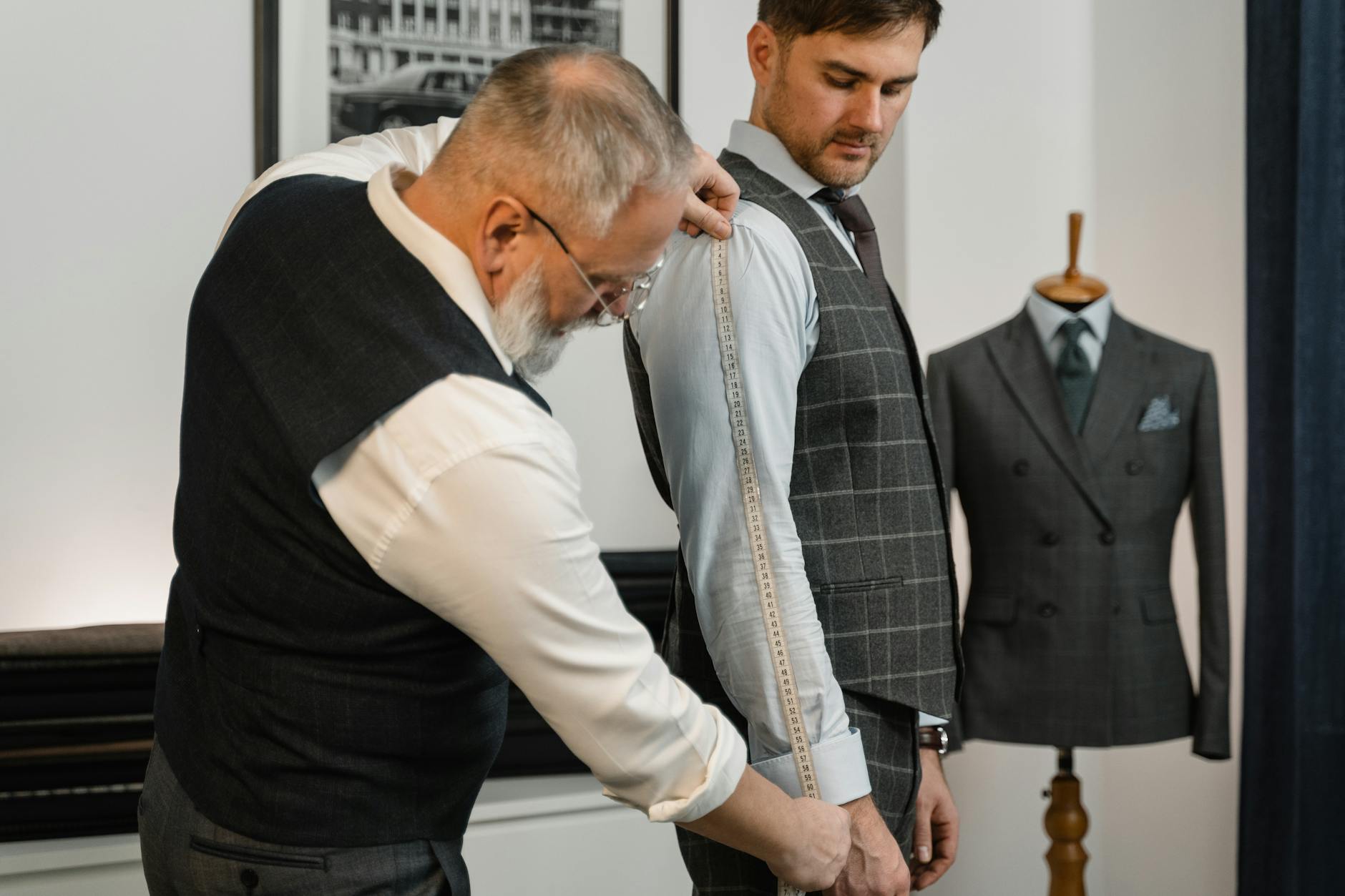
Of all the fit issues that can affect a garment the shoulder is the most structurally significant and the most difficult to correct after the fact. When the shoulder seam of a shirt or jacket falls past the natural shoulder bone the entire garment hangs incorrectly regardless of how well everything else fits. This single issue creates a stooped or diminished silhouette that no other styling choice can effectively compensate for. Trying garments on before purchasing with specific attention to the shoulder seam placement is the most efficient way to avoid this mistake. A garment that fits perfectly at the shoulder can almost always be tailored to fit everywhere else.
Too Many Accessories at Once

Stacking multiple bracelets, rings, necklaces, and a watch simultaneously creates visual clutter that reads as effortful rather than expressive. Accessories work best when they are edited down to one or two pieces that complement the outfit rather than compete for attention. A single quality watch or a clean leather bracelet makes a stronger statement than five competing pieces worn together. The principle of restraint in accessories is consistent across every style category from classic to contemporary. Choosing one focal point and building around it produces a result that is consistently more polished.
Socks With Sandals
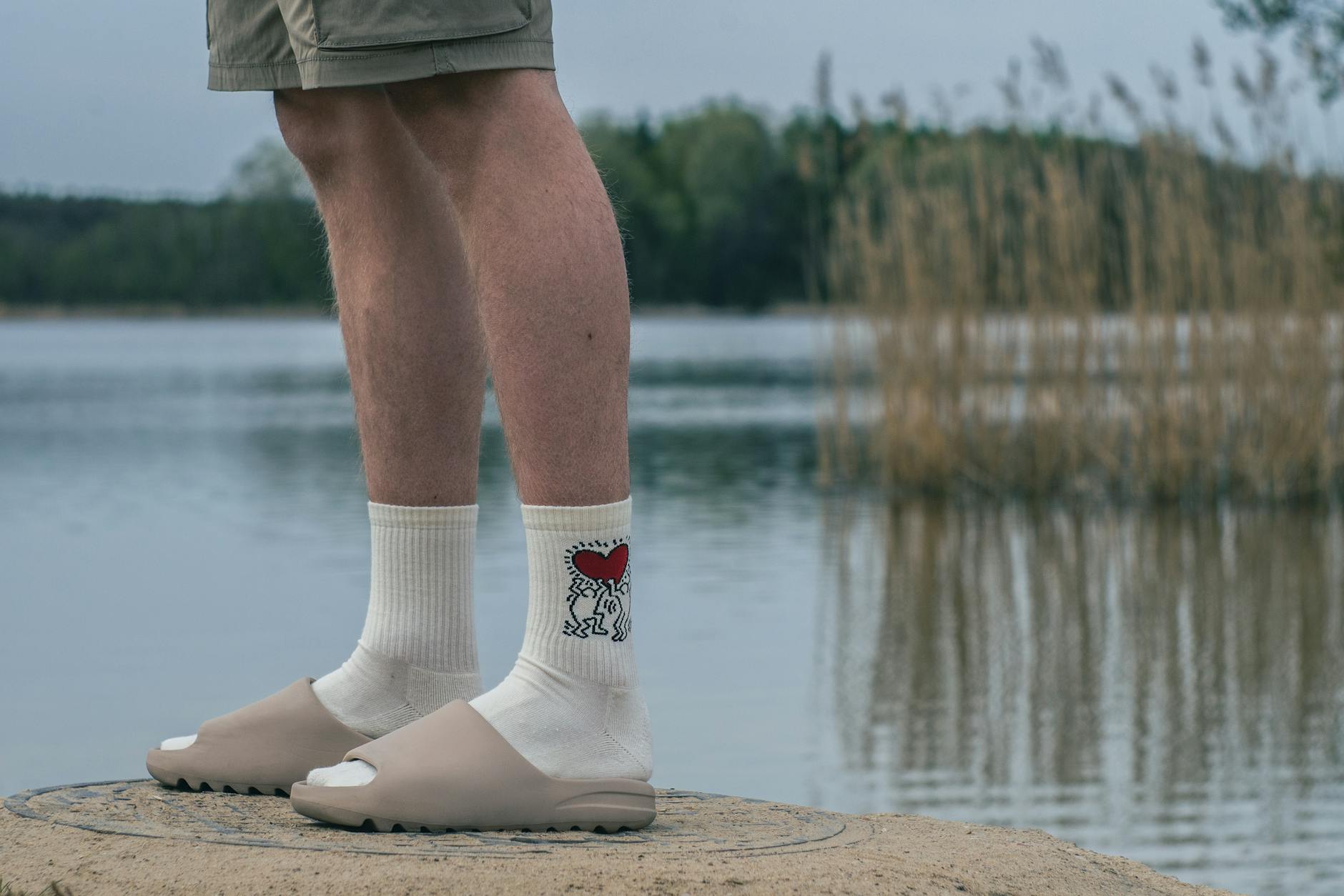
Wearing socks with open-toe sandals is one of the most frequently cited style errors in menswear and its longevity as a faux pas is well earned. The combination negates the purpose of the sandal while also creating a layered look at the foot that is visually awkward. There are deliberate fashion-forward iterations of this pairing but as a default casual choice it consistently reads as an oversight. Sandals worn barefoot or with a low-cut no-show sock in warm weather are both cleaner and more appropriate alternatives. This is one of the simplest corrections any man can make with immediate visible results.
Extremely High-Rise Pants

Trousers that sit at or above the natural waist were standard in earlier decades of menswear and carry a strong nostalgic visual association. While a mid-rise or slightly higher rise has made a genuine comeback in contemporary tailoring the extreme version compresses the torso and shortens the visual line of the leg. This effect is particularly pronounced on shorter men where the proportional disruption is more visible. A mid-rise trouser that sits comfortably at the hip to natural waist range offers the best balance of comfort and proportion for most body types. Understanding rise as a fit dimension rather than a trend detail helps in making consistently flattering choices.
All-Black Everything
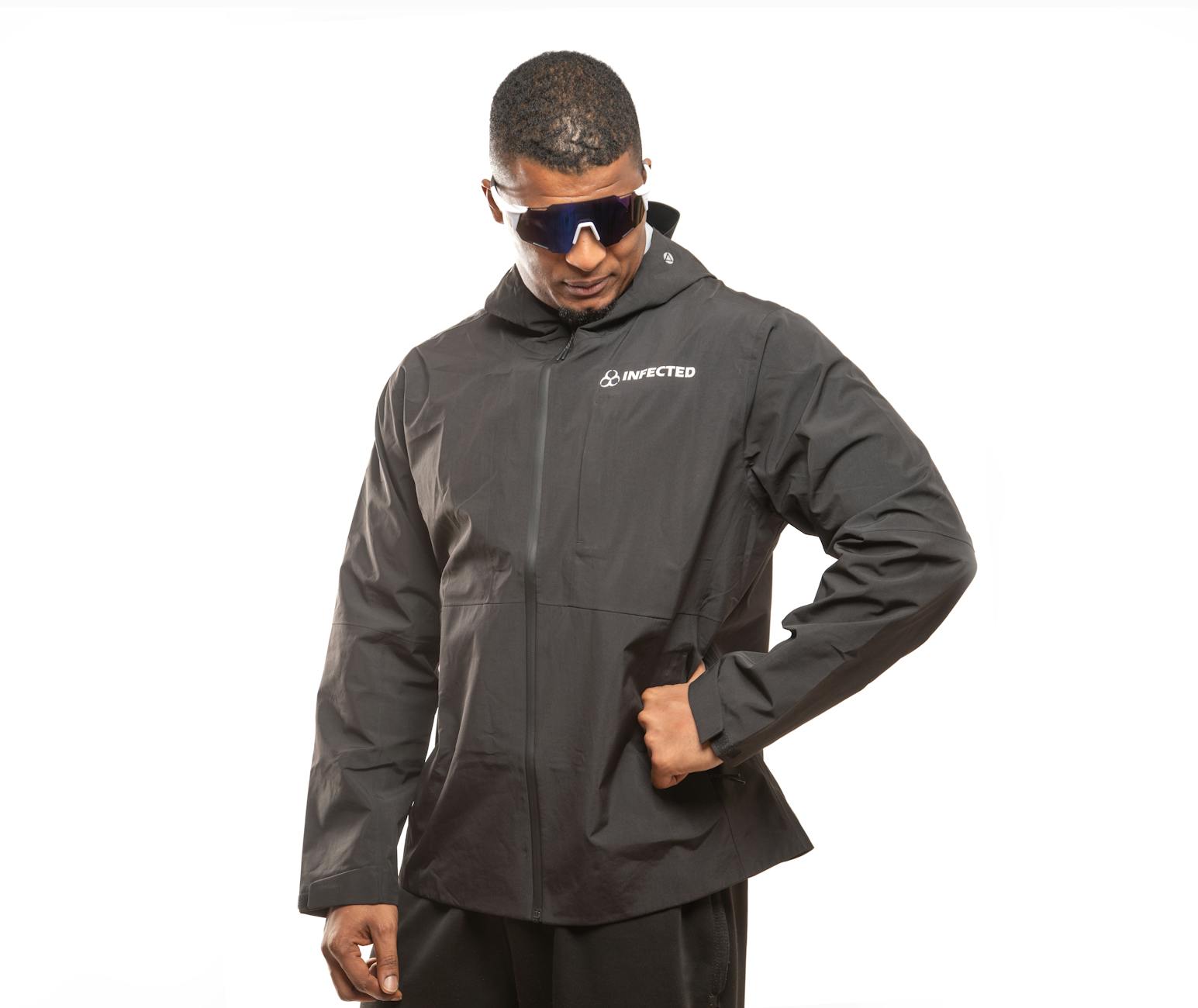
Dressing head to toe in black can feel like a safe and sophisticated default but when repeated daily it creates a monotone uniformity that reads as either heavy or uninspired. Black on black can also flatten the natural variation in skin tone making the overall appearance less vibrant. The absence of tonal contrast removes the depth that makes an outfit visually interesting from a distance. Introducing one piece in a deep navy, charcoal, or dark olive into an otherwise black outfit restores that visual dimension without requiring dramatic change. Black is an excellent anchor but it works better as a foundation than as an exclusive palette.
Neglecting Shoe Care
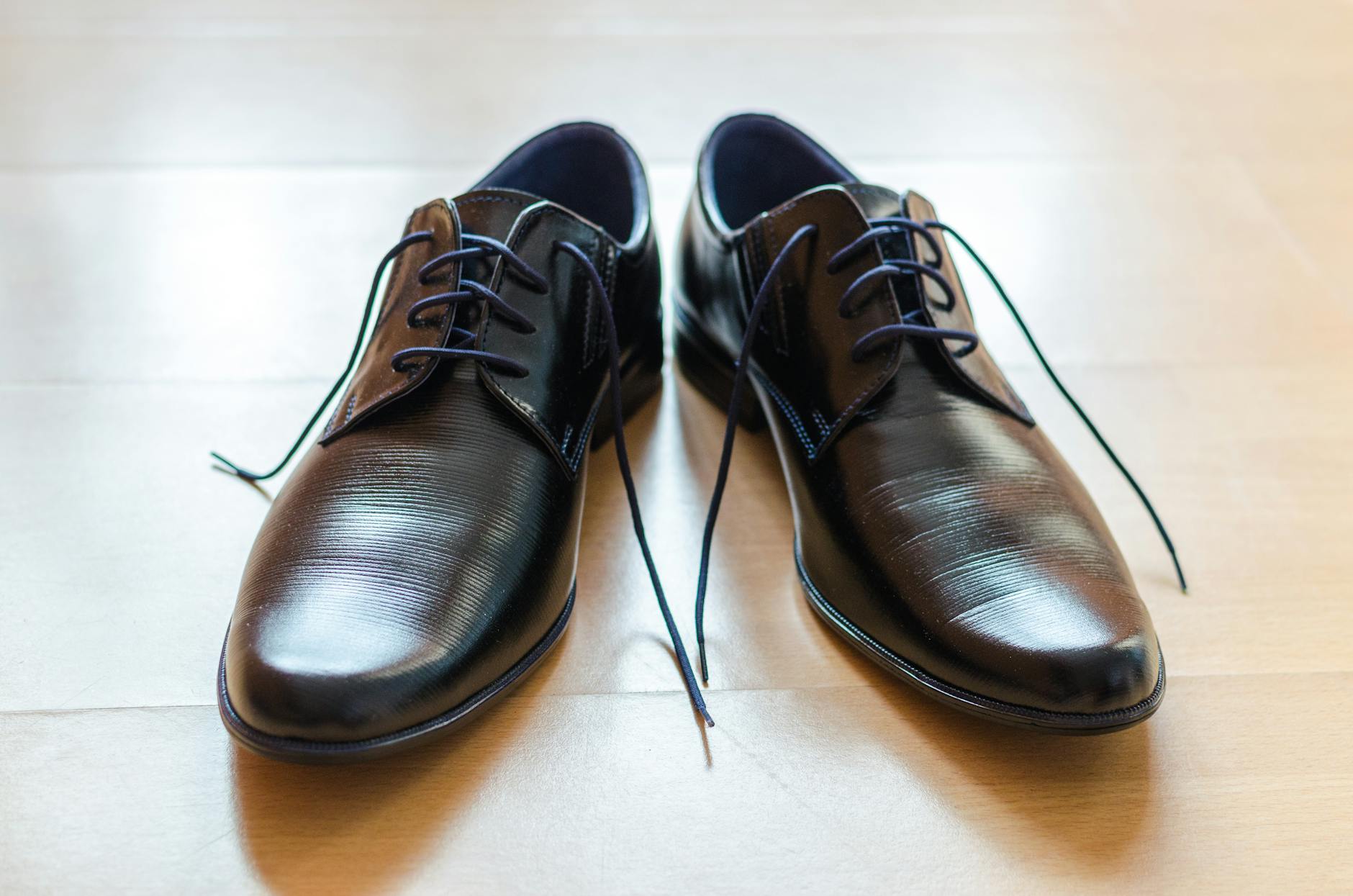
A man’s relationship with his footwear is one of the clearest indicators of his broader attention to detail and personal presentation. Shoes that are dirty, unpolished, or structurally neglected undermine even the most carefully assembled outfit above the ankle. Regular polishing, brushing, and the use of cedar shoe trees between wearings preserves both the appearance and the structure of leather footwear significantly. Resoling quality shoes before the heel wears down completely is both more economical and more sustainable than replacement. Clean well-maintained shoes communicate a level of care that elevates the entire appearance of the man wearing them.
Cheap Synthetic Fabrics
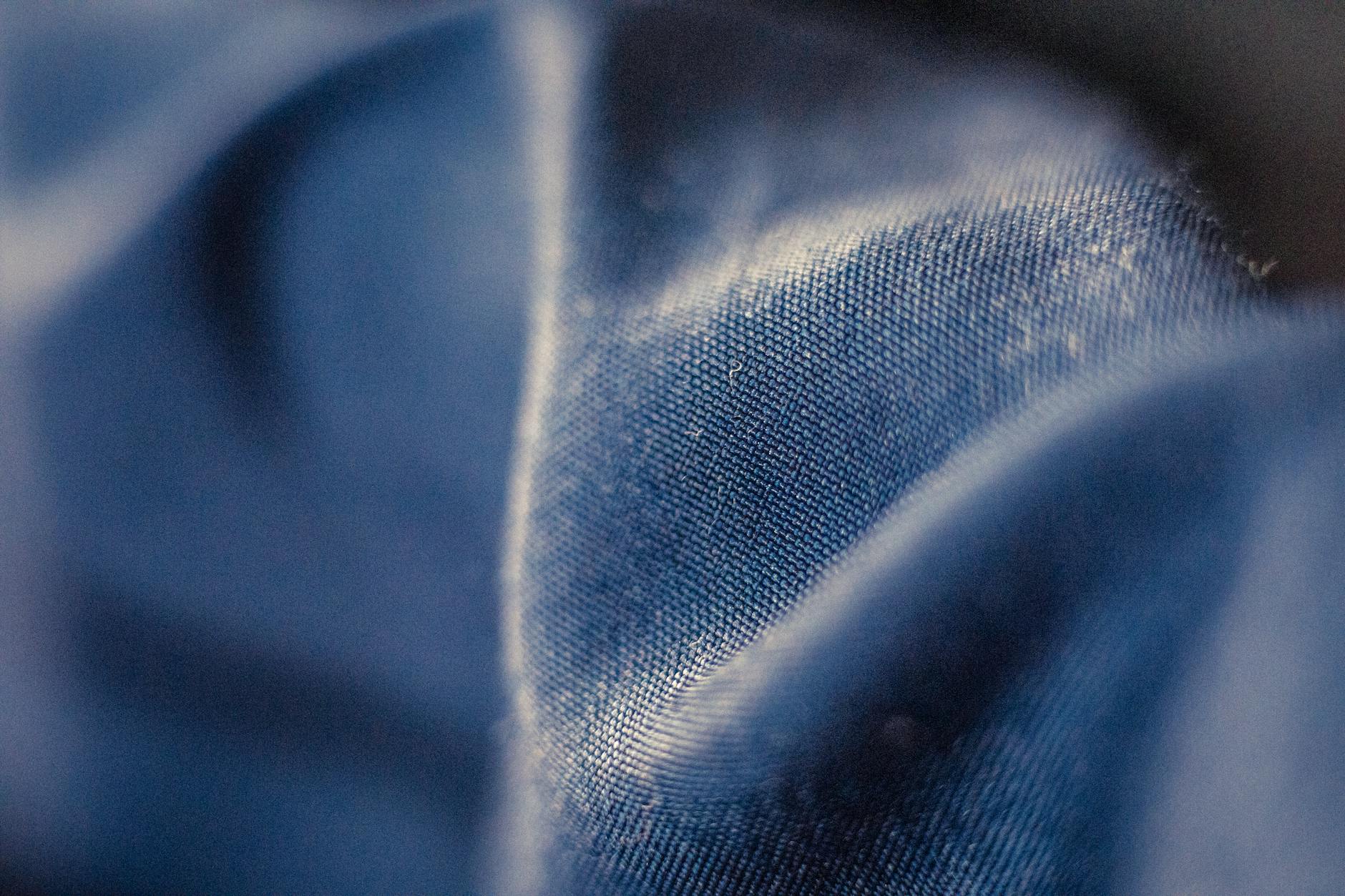
Garments made from low-quality synthetic fibers often look inexpensive immediately and worsen visibly after only a few washes. Shiny polyester suits, thin viscose shirts, and acrylic knitwear all reflect light in a way that reads as cheap regardless of the cut or color. Natural and blended fabrics like cotton, wool, linen, and silk absorb light in a way that is inherently more flattering and sophisticated. Prioritizing fabric quality over quantity when building a wardrobe produces a result that looks and wears significantly better over time. Even in budget-conscious contexts seeking out natural fiber options makes a measurable difference in how clothing ages and presents.
Outdated Graphic Tees
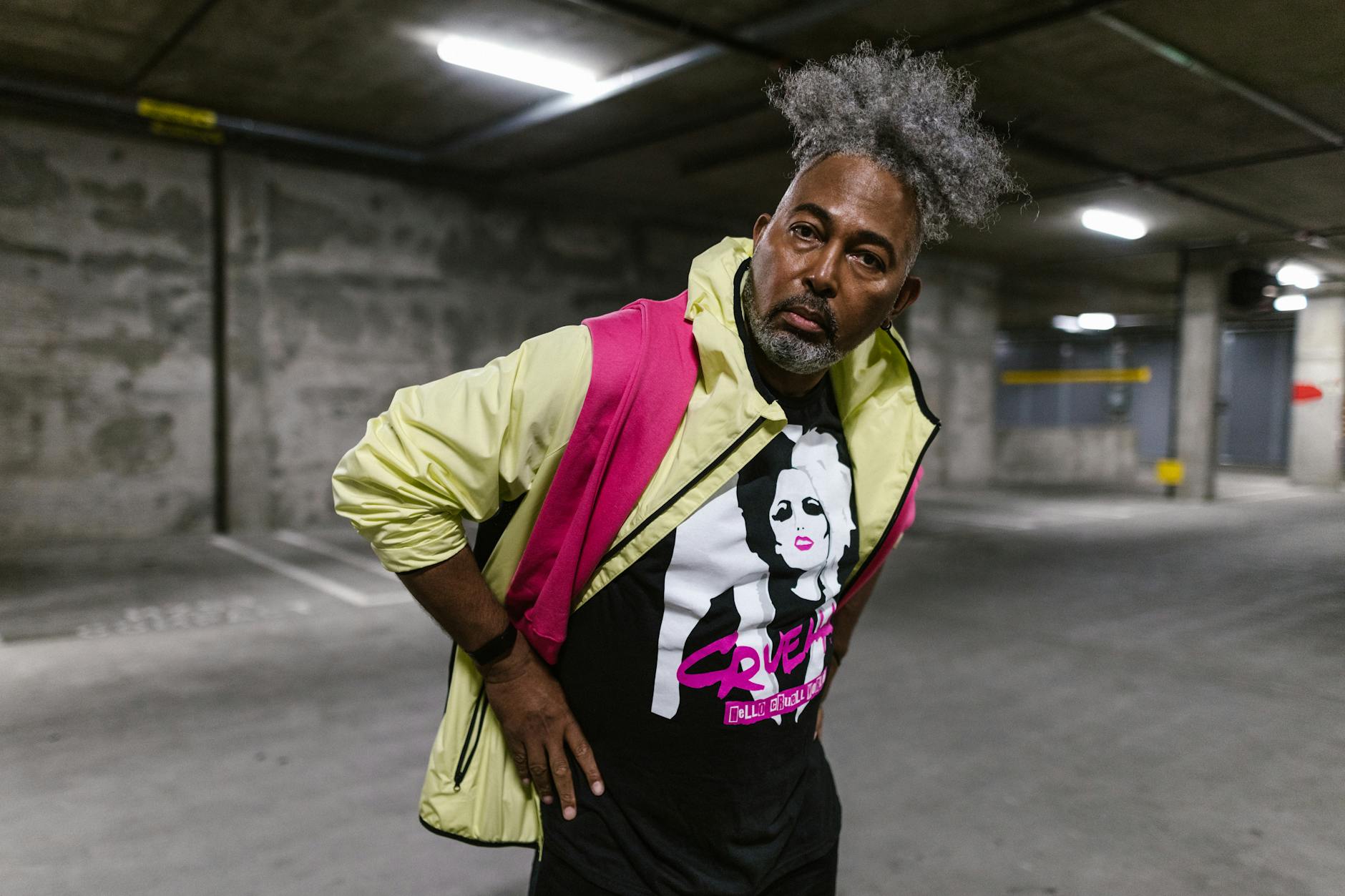
Graphic tees featuring faded logos from brands, events, or pop culture references that are decades old communicate a resistance to updating rather than a genuine sense of personal style. The washed-out print on a shirt from a concert or a promotional event fifteen years ago is not the same as a carefully chosen vintage piece. Contemporary graphic tees with cleaner artwork, tighter fits, and more considered typography read as intentional in a way that aging promotional shirts do not. Graphic tees absolutely have a place in a modern casual wardrobe but the selection and condition of those pieces matters enormously. Retiring graphics that have outlived their relevance keeps the casual portion of any wardrobe feeling current.
Overly Long Shorts
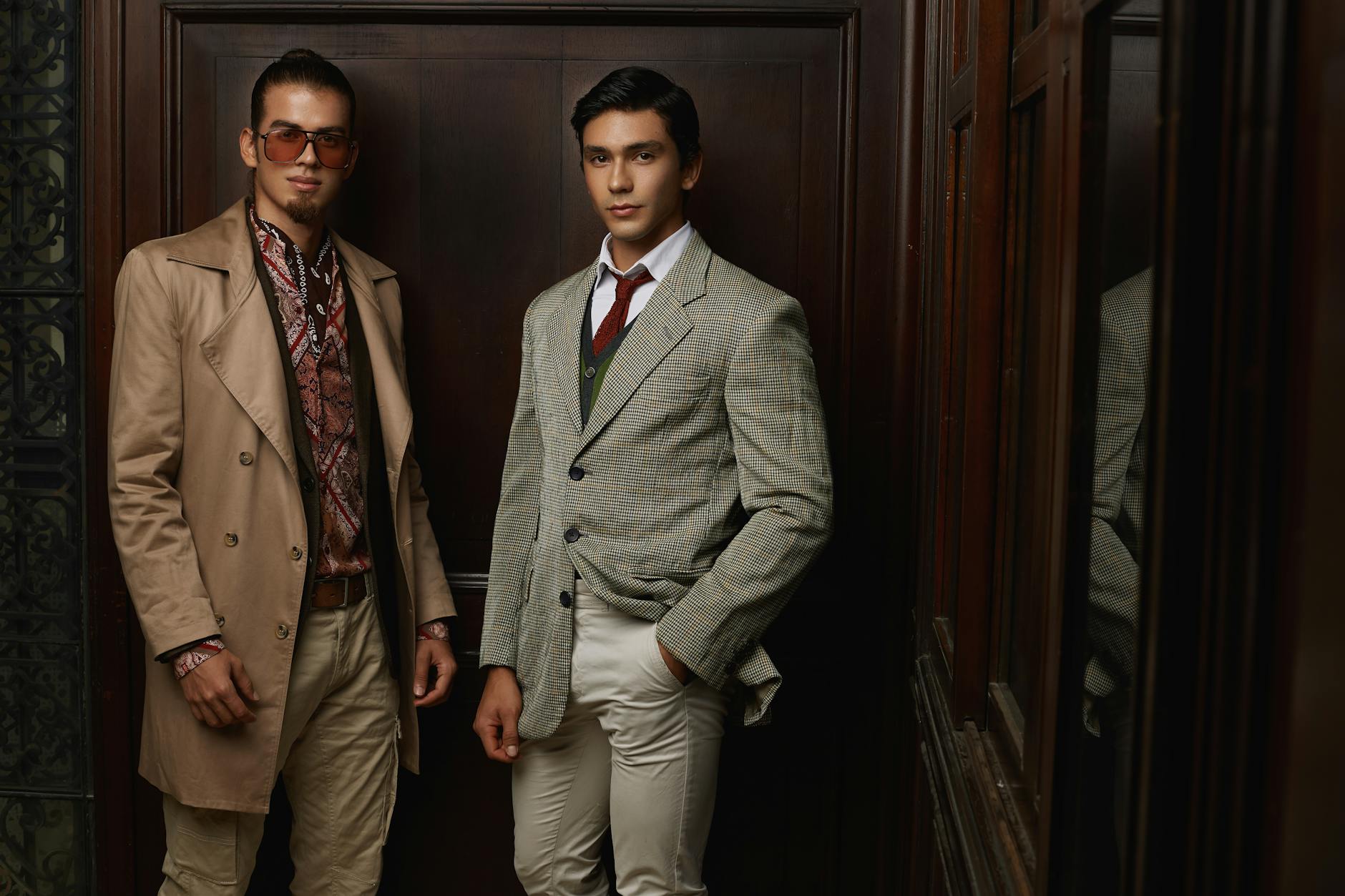
Shorts that extend to or below the knee create a proportion that shortens the leg and adds visual heaviness to the lower body. This length was fashionable in the early two-thousands but has since been replaced by a cleaner mid-thigh to just-above-knee silhouette in contemporary casualwear. The right shorts length varies slightly by height but the guiding principle is always to leave enough of the leg visible to maintain a balanced proportion. Board shorts and cargo shorts of excessive length are the most common offenders in this category. A simple hem adjustment or a replacement pair in the correct length resolves this issue entirely.
Ignoring Seasonal Dressing
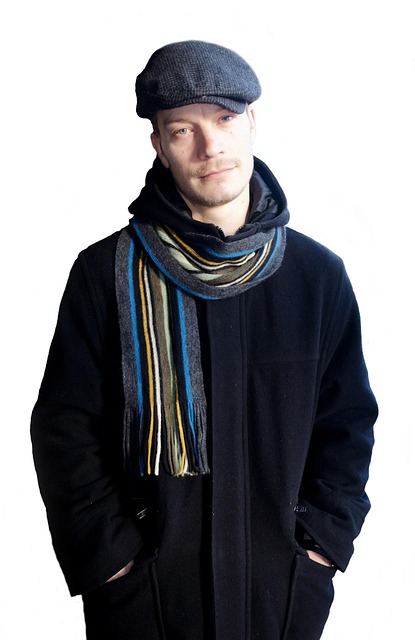
Wearing heavy fabrics in warm weather or lightweight fabrics in cold conditions communicates a disconnect from the environment that affects both comfort and visual coherence. A thick wool suit in August or a linen blazer in January creates an immediate impression of styling that has not been fully thought through. Dressing seasonally is not just a practical consideration but a style one as seasonal fabrics carry their own visual weight and texture that affects the overall look. Building a wardrobe with a genuine seasonal rotation ensures that every outfit is visually appropriate for its context. Attention to the relationship between fabric and climate is one of the quieter but more significant hallmarks of a well-dressed man.
Mismatched Formality Levels
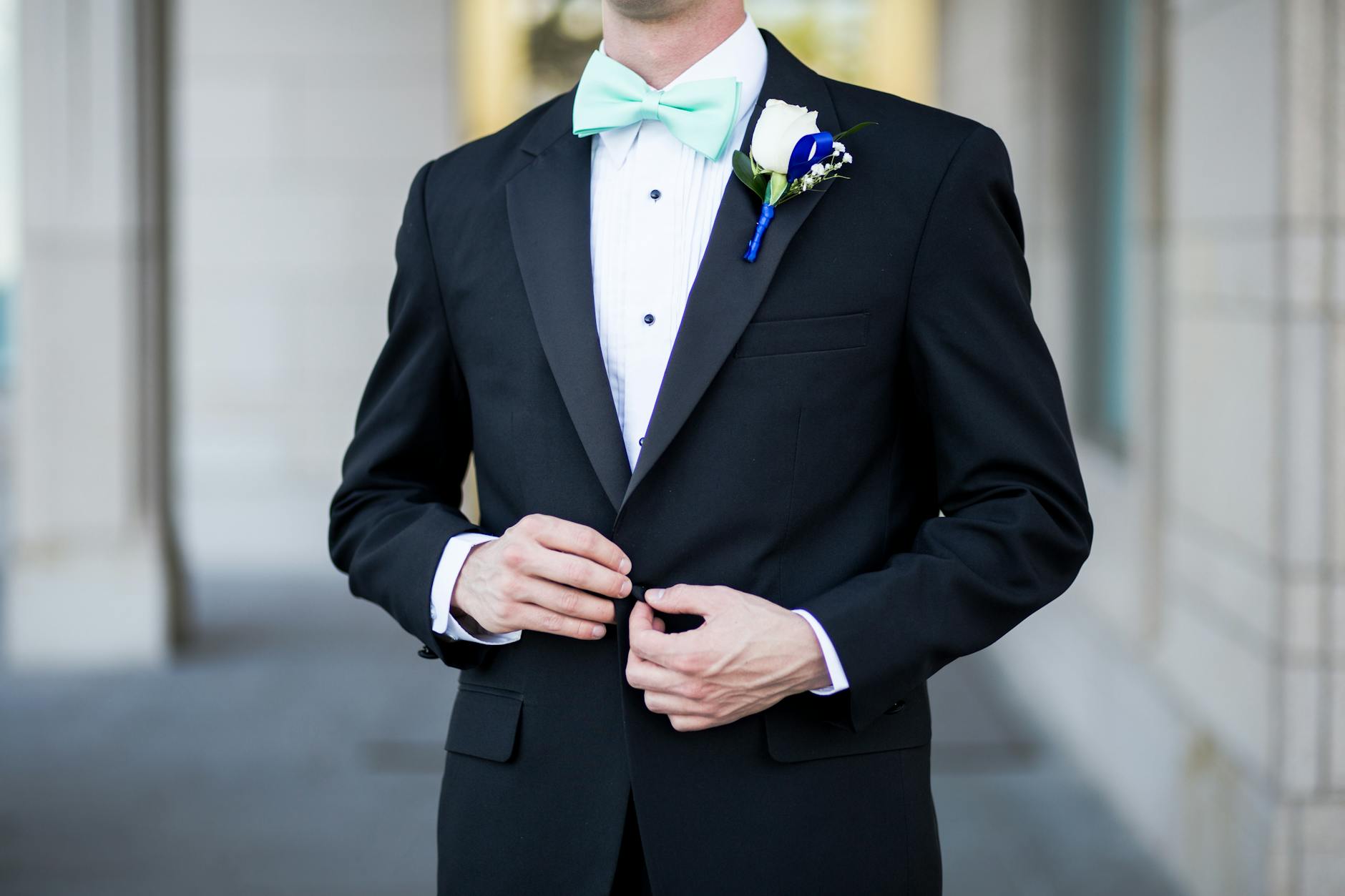
Pairing pieces from dramatically different formality registers creates a visual tension that reads as unintentional rather than fashion-forward. A formal dress shirt worn with athletic shorts or a tuxedo jacket over jeans requires a very specific level of styling knowledge to execute without looking confused. Most accidental formality mismatches occur when men combine office staples with weekend pieces without considering whether the two actually belong together. Understanding the formality spectrum of every piece in a wardrobe and how those pieces relate to one another is foundational to consistent dressing. Building outfits where every element occupies a similar register is the most reliable route to a polished and cohesive result.
If any of these mistakes have prompted a rethink of your own wardrobe choices, share your thoughts in the comments.